security

Tackling methane emissions key for climate change and energy security: IEA | Climate Crisis News

Dealing with emissions could help alleviate effects of Iran crisis on global energy supply, says report.

Tackling methane emissions in the fossil fuel sector would help efforts to hold back climate change and increase energy security, especially as the Iran crisis threatens global supplies, according to a report by the International Energy Agency (IEA).

The oil, gas and coal industries account for about 35 percent of all methane emissions from human activity, notes the IEA’s Global Methane Tracker 2026, released on Monday. However, there is little progress in reducing them, the report points out.

Recommended Stories

list of 4 itemsend of list

“There is still no sign that methane emissions from fossil fuel operations are falling, despite well-known and proven mitigation pathways,” the IEA said.

Methane, the second-biggest contributor to climate change, stays in the atmosphere for far less time than carbon dioxide, but its warming effect is roughly 80 times more potent over a 20-year period.

The IEA estimates that methane emissions from oil, gas and coal total 124 million tonnes a year. Oil is the largest source at 45 million tonnes (Mt), followed by coal at 43 Mt, and natural gas at 36 Mt.

“A further 20 Mt comes from bioenergy production and consumption, largely from the incomplete combustion of traditional biomass used for cooking and heating in developing economies,” the report added.

Oil prices have soared since the United States and Israel launched their war against Iran in late February and Tehran closed the Strait of Hormuz in response. An April ceasefire between the sides is currently holding, but global energy supplies remain limited.

The ongoing crisis is reshaping the global energy system and disrupting about 20 percent of global liquefied natural gas (LNG) trade flows.

Nearly 100 billion cubic metres of natural gas could be made available annually through a global effort to cut methane from oil and gas operations, the IEA said, estimating that nearly 15 billion cubic metres could be made available in a sufficiently short period of time to provide some relief to gas markets.

A further 100 billion cubic metres would be unlocked through the elimination of non-emergency flaring worldwide, it added.

Paris initiative

France, using its role as rotating chair of the Group of Seven (G7) bloc of industrialised powers, convened government officials, industry leaders and experts on Monday to build momentum on cutting methane emissions.

The conference aimed at reducing methane emissions ahead of the United Nations’ November COP31 summit.

“I sincerely hope that the discussions we will have today will enable us to join our forces to accelerate the implementation of effective solutions to reduce methane emissions,” French Ecological Transition Minister Monique Barbut said in a speech.

“Of course, action on methane is not a fight of any single actor and nobody can win it alone,” she added, noting that the world remains “very far” from meeting a pledge to cut methane emissions by 30 percent by 2030 compared with 2020 levels.

“Reducing methane emissions remains one of the best things we can do to slow global warming while cleaning up our air, improving public health, and increasing our energy security,” British Secretary of State for Energy Security Ed Miliband said in a video message.

Source link

Hezbollah Suffers Heavy Losses as War with Israel Deepens Political and Military Strain

The latest escalation between Hezbollah and Israel began in early March following strikes linked to a wider regional conflict involving Iran and the United States. Hezbollah entered the conflict shortly after, positioning itself as part of a broader regional confrontation.

Since then, the group has faced significant battlefield losses, territorial setbacks in southern Lebanon, and growing domestic criticism. Israeli forces have established a buffer zone inside Lebanese territory, while large numbers of civilians have been displaced, particularly from Shiite communities that form Hezbollah’s core support base.

The conflict follows an earlier war that severely weakened Hezbollah, including the killing of its long time leader Hassan Nasrallah. Despite rearming and adapting its tactics, the group now faces mounting pressure on both military and political fronts.

Hezbollah’s Strategic Gamble
Hezbollah officials suggest the decision to re enter conflict was calculated. By aligning more closely with Tehran during a wider regional war, the group aims to ensure Lebanon becomes part of any future negotiations between Iran and the United States.

The expectation is that Iranian leverage could secure a stronger and more lasting ceasefire than previous agreements. However, this strategy carries high risks, especially as Washington has indicated that any deal with Iran may not include Lebanon.

Rising Human and Material Costs
The war has inflicted heavy casualties. Lebanese authorities report thousands killed since March, though the exact number of Hezbollah fighters remains disputed. Reports from within the group suggest losses could be substantial, with some fighters’ bodies still unrecovered in frontline towns.

Entire communities in southern Lebanon have been devastated, with villages destroyed and new graves appearing rapidly after ceasefire periods. Displacement has also intensified sectarian tensions, as affected populations seek refuge in other regions where resentment toward Hezbollah is growing.

Domestic Political Fallout
Inside Lebanon, opposition to Hezbollah’s armed status has hardened. Critics argue that its actions continue to expose the country to repeated wars. In a significant shift, the Lebanese government has engaged in direct talks with Israel, a move Hezbollah strongly opposes.

The government has also taken steps to limit Hezbollah’s military role, including banning its armed activities earlier this year. However, enforcing such measures remains difficult given the group’s entrenched influence and the risk of internal conflict.

Continuing Clashes Despite Ceasefire
Although a ceasefire announced in mid April reduced large scale fighting, hostilities have not fully stopped. Both sides continue to exchange strikes in southern Lebanon, and Hezbollah has dismissed the truce as ineffective due to ongoing Israeli attacks.

Israel maintains that its operations are necessary to eliminate threats to its northern regions and has indicated that dismantling Hezbollah’s military capacity will be central to any long term agreement.

Analysis
Hezbollah’s current position reflects a complex mix of resilience and vulnerability. While it has demonstrated the ability to regroup and continue fighting, this alone does not translate into strategic success. The group is increasingly constrained by battlefield losses, internal Lebanese opposition, and uncertainty over external support.

Its reliance on Iran introduces another layer of risk. If a broader agreement between Tehran and Washington excludes Lebanon, Hezbollah may find itself bearing the costs of a war without securing meaningful political gains.

At the same time, Israel appears determined to reshape the security landscape in southern Lebanon, potentially prolonging the conflict. Without a comprehensive regional settlement, the most likely outcome is a prolonged stalemate marked by intermittent violence and continued suffering on both sides.

With information from Reuters.

Source link

China’s security model blends tech, community, and digital growth

China currently boasts one of the lowest rates of homicide, violent crime, and gun and explosive incidents globally. The Chinese-style sense of security is a comprehensive system integrating advanced technology, community engagement, and continuous improvement in living standards. This has positioned China as one of the safest countries in the world, according to the 2025 Global Security Report, with 98.2% of Chinese citizens feeling safe by 2025, further solidifying its status as a globally stable destination. The pillars of this Chinese-style sense of security are built upon advanced digital technologies, relying on smart networks and modern surveillance systems such as facial recognition and artificial intelligence to enhance the security network within China.

The phrase “Chinese-style security” refers to China’s model for achieving social stability and reducing crime rates. This model is based primarily on three pillars: proactive prevention systems, where, rather than simply addressing crime after it occurs, China focuses on prevention and control through extensive security networks and a constant police presence in key areas; the continuation of the community mobilization system (the Fengqiao model), a historical concept (currently revived) that involves citizens and local committees in resolving community disputes before they escalate into crimes or legal cases, thus promoting the idea of ​​self-regulation and public cooperation with Chinese authorities; and the use of digitalization and artificial intelligence technologies, where China has heavily invested in smart city technologies and the Skynet system. Skynet utilizes millions of cameras equipped with facial recognition and big data analytics to predict suspicious activities and track wanted individuals with high precision. This combination aims to create a secure environment that supports economic growth within China, despite the occasional international debates it sparks regarding the balance between public security and individual privacy.

Data and reports confirm exceptional social stability in China, with citizens’ sense of security exceeding 98% for six consecutive years. This security is attributed to effective governance, advanced digital technologies, and a high standard of living, making China a safe destination for investment and a source of stability. Key features of Chinese governance and the sense of security include increased levels of trust and optimism, with the Chinese people ranking among the world’s highest in trust in the government and optimism about the future, according to trust index reports. A robust safety net exists, built on Chinese-style security through crime prevention systems, community mobilization, and enhanced digitalization. These systemic features, along with numerous other advantages, reflect the stability within China and the state’s ability to fulfill its commitments and provide a safe and stable social environment, earning international praise, particularly in light of global geopolitical conflicts. With the continuation of Chinese-style modernization, ongoing modernization has contributed to raising living standards, thus strengthening the sense of security within China.

Accordingly, the Chinese government and the authorities of the ruling Communist Party of China support several pillars and points that support this approach to enhance the sense of security within the country. Based on current developments, focusing on security as the foundation for development in China, the stability of the situation in China is seen as a key element in boosting investor confidence and building a safe and stable living environment for citizens, which contributes to economic growth. With the intensification of the Chinese-style modernization model, modernization in China is not limited to economic growth but also focuses on improving the quality of life, providing employment opportunities, and upgrading social services, which significantly raises living standards. With the stable sense of security, China, through well-considered social policies, has succeeded in maintaining a high level of social security, which enhances public trust in the government and contributes to long-term stability. This has resulted in continued international praise (amidst crises). At a time when several regions around the world are experiencing geopolitical conflicts, China’s stability stands out as a model attracting the attention and scrutiny of international observers, particularly due to the Chinese state’s ability to effectively manage its internal affairs compared to many systems worldwide, including American and Western ones. This strengthens China’s capacity to lead the developing Global South and strongly promote its model of Chinese governance.

Based on the preceding understanding and analysis, we can see how the development for security strategy can form a fundamental pillar within the Chinese governance system. Improving living standards contributes to consolidating social stability and public security within China. This analysis highlights a delicate equation in the contemporary Chinese landscape, where continuous development (Chinese-style modernization) is linked to social stability, creating a secure environment in a turbulent world.

Source link

Syria Turns to Russian Oil Despite Westward Shift

Despite efforts to rebuild ties with Western nations, Syria remains heavily dependent on Russia for its oil supply. Since the fall of Bashar al Assad in late 2024, shipments from Russia have surged, making Moscow the primary supplier of crude to Syria.

This shift comes even as the new government in Damascus seeks closer alignment with Europe and the United States. The contradiction highlights the economic constraints facing a country still recovering from years of war and isolation.

Rising Dependence on Russian Oil
Russian oil exports to Syria have increased significantly, now covering a large portion of the country’s energy needs. Domestic production remains far below demand, leaving Syria reliant on imports to sustain basic economic activity.

Before 2025, Iran had been Syria’s main supplier, but that relationship ended following political changes in Damascus. Russia quickly stepped in, becoming the first to resume large scale shipments after the leadership transition.

Limited Alternatives and Structural Weakness
Syria’s options remain extremely limited. Years of conflict have weakened its economy, reduced purchasing power, and restricted access to global financial systems. Even after the easing of Western sanctions, integration into international markets remains slow and incomplete.

Efforts to secure alternative suppliers, including potential deals with regional partners such as Turkey, have so far failed. This leaves Russian supply networks as the most accessible and reliable option in the short term.

Sanctions Risk and Diplomatic Tension
Reliance on Russian oil poses significant risks for Syria’s foreign relations. Continued trade with Moscow could strain ties with Western governments and expose Syria to renewed sanctions, particularly if geopolitical tensions escalate.

The situation is further complicated by Russia’s ongoing military presence in Syria, including key naval and air bases. These assets give Moscow continued influence over the country’s strategic direction.

Opaque Supply Chains and Sanctioned Networks
Much of the oil trade is conducted through complex and opaque shipping networks. Tankers linked to sanctioned entities frequently deliver crude to Syrian ports, often using ship to ship transfers to obscure the origin of cargo.

These methods reflect both necessity and constraint. Syria’s exclusion from conventional shipping and financial systems has pushed it toward alternative networks that carry reputational and legal risks.

Supply Gap and Energy Reality
Syria’s domestic oil production remains a fraction of pre war levels, while demand continues to exceed supply. Russian shipments now fill a significant portion of this gap, alongside smaller volumes obtained through informal or regional channels.

This dependency underscores the difficulty of rebuilding an energy sector after prolonged conflict, particularly without strong international investment or infrastructure support.

Analysis
Syria’s reliance on Russian oil reveals the limits of political realignment when economic realities remain unchanged. While Damascus may seek closer ties with the West, its immediate survival depends on securing energy supplies, and Russia is currently the only actor able and willing to meet that need at scale.

For Moscow, the relationship offers continued leverage in Syria despite the fall of its former ally. Energy supply becomes a tool of influence, allowing Russia to maintain a strategic foothold even as political dynamics shift.

At the same time, the arrangement creates long term risks for Syria. Dependence on sanctioned networks could undermine efforts to rebuild credibility with international partners and attract investment. It also leaves the country vulnerable to external pressure, particularly if Western governments decide to enforce stricter controls on Russian energy flows.

Ultimately, Syria is caught between geopolitical ambition and economic necessity. Until it diversifies its energy sources and strengthens its economic foundations, its foreign policy choices will remain constrained by the basic need to keep fuel flowing.

With information from Reuters.

Source link

House approves bill to fund the Department of Homeland Security and end the record shutdown

After weeks of delay, the House voted Thursday to fund much of the Department of Homeland Security, but not its immigration enforcement operations, and send the bipartisan package to President Trump to sign, ending the longest agency shutdown in history.

The White House had warned that temporary funding Trump had tapped to pay Transportation Security Administration and other agency personnel would “soon run out,” and that sparked new threats of airport disruptions.

DHS has been without routine funds since Feb. 14, causing hardship for workers, though much of Trump’s immigration agenda that is central to the dispute is being funded separately.

“It is about damn time,” said Rep. Rosa DeLauro of Connecticut, the top Democrat on the House Appropriations Committee, who proposed the bill more than 70 days ago.

The House swiftly voted by voice, without a formal roll call, to pass the measure.

The House’s narrow Republican majority has repeatedly stalled out under House Speaker Mike Johnson, with his own party tangled in internal disputes on a range of pending issues, including the homeland security funding. While the Senate unanimously approved the bipartisan package a month ago, the bill languished in the House.

Democrats refused to fund U.S. Immigration and Customs Enforcement and the Border Patrol without changes to those operations after the fatal shootings of two U.S. citizens by federal agents during protests against an immigration crackdown in Minneapolis. Republicans would no go along with a plan pushed by Democrats to fund TSA and the other parts of DHS without the money for ICE and Border Patrol.

To break the impasse, Republicans in both the House and Senate decided to tackle the immigration enforcement funding on their own through what is called budget reconciliation, a cumbersome weekslong process ahead.

By beginning that budget process Johnson, R-La., was able to unlock a broader bipartisan bill for TSA agents and the rest of DHS. House Republicans late Wednesday adopted budget resolution on a largely party-line vote, 215-211, that is focused on eventually providing $70 billion for immigration enforcement and deportations for the remainder of Trump’s time in office and ensure Democrats can no longer block funding. Trump’s term ends in January 2029.

One key Republican, Rep. Chip Roy of Texas, said isolating the immigration-related money on a separate track is “offensive to the men and women who serve in ICE and Border Patrol, and are serving this country every single day.”

Mascaro writes for the Associated Press.

Source link

Somalia shapes its own destiny in global security forums | Opinions

In international politics, the platforms a country sits on often matter as much as what it says. For decades, Somalia was largely the subject of global security discussions, rarely a decisive participant in them. Today, that reality is changing in ways that carry symbolic weight and practical consequences.

Somalia’s recent election to the African Union Peace and Security Council (AU PSC), alongside its membership in the United Nations Security Council (UNSC), marks a turning point in its diplomatic trajectory. For quite some time, Somalia was merely being discussed in the world’s most influential security forums. It is now shaping the agenda on the table.

This shift reflects more than a procedural achievement. It signals the maturity of Somalia’s diplomatic and security institutions, and the steady rebuilding of its international credibility after decades of conflict and state fragility.

For much of the past three decades, decisions affecting Somalia’s security were often made in rooms where Somali voices were either absent or marginal. External actors debated intervention strategies, sanctions regimes, peacekeeping mandates, and humanitarian responses, while Somalia struggled with internal instability.

This membership in the UNSC and AU PSC changes that dynamic fundamentally. These bodies are not symbolic; they make binding decisions, adopt resolutions, authorise peacekeeping operations, and shape international legal frameworks. For Somalia, this may seem something simple, but its impact is profound. Somalia is now part of the process that determines policies affecting its own security and development.

That participation strengthens state-building in several ways. It reinforces institutional capacity within Somalia’s foreign policy apparatus, promotes transparency and accountability through engagement with multilateral norms, and aligns Somalia more closely with international legal and diplomatic standards.

Somalia is transitioning from being a recipient of international decisions to becoming a contributor to them. Somalia’s role on these councils also carries representational significance beyond its own borders.

As a member of the UNSC and AU PSC, Somalia now occupies a rare diplomatic position. It simultaneously represents the interests of the African continent, the Arab and Muslim world, and the least developed countries (LDCs). The concerns of these categories of states have often been overshadowed by the priorities of more powerful nations. Somalia now stands for them.

Somalia’s own first experience in rebuilding institutions after conflict, managing complex security transitions, and balancing sovereignty with international cooperation enables it to advocate not only for itself, but also for broader principles: Inclusive peace processes, sustainable development approaches to security, and equitable participation in global decision-making.

Peace in the world, peace at home

President Hassan Sheikh Mohamud’s 2022 political manifesto, “Somalia at peace with itself, and at peace with the world”, is increasingly reflected in these recent memberships. This vision is proving effective, as Somalia’s participation in global peace decision-making demonstrates a growing alignment between its external engagements and internal stabilisation efforts.

The seats at the UNSC and AU PSC will directly reinforce Somalia’s state-building process. Active involvement in shaping international peace also reflects and supports the way peace and security agendas are being handled domestically.

A defining moment in 2026

The year 2026 represents a rare convergence of opportunity. Somalia’s simultaneous presence at the AU PSC and UNSC provides a diplomatic platform unmatched in its recent history. This dual role should enable it to act as a bridge between regional and global security frameworks. It can ensure that Somalia’s security priorities are reflected in the AU decision, and forwardly, that African priorities are reflected in global resolutions. It can also translate international commitments into regional actions that qualify for alignment with local contexts.

This not only affects diplomacy and policy discussions but offers an opportunity to advocate for real change that directly affects the daily lives of Somalis. Such issues may include counterterrorism, stabilisation support, humanitarian access, development financing, climate security, and mechanisms for inclusive politics. By shaping the content and direction of relevant resolutions, Somalia can help align international commitments more closely with national priorities.

A future shaped by participation

With greater influence comes greater responsibility. Membership in these councils demands consistency and adherence to international norms. Somalia is now ready to navigate these complex diplomatic landscapes, balancing national interests with collective global security obligations. And it is now capable of maintaining credibility through constructive engagement, principled positions, and reliable partnerships.

With Somalia now seemingly committed to momentum on these fronts, its growing international stance will become self-reinforcing. Each diplomatic success will strengthen national institutions, which in turn will enhance future influence.

Somalia’s presence at the highest levels of global and regional security governance marks a significant milestone in its long journey towards recovery and stability. It reflects years of diplomatic effort, institutional rebuilding, and gradual restoration of international trust. It also signals a future in which Somalia is increasingly defined not by crisis, but by stability.

For a country that once stood on the margins of global decision-making, this transformation is both historic and hopeful. It signals a shift from isolation to engagement, from being acted upon to helping shape outcomes.

For young Somali generations who grew up hearing that Somalia could not advance, these diplomatic achievements offer a different narrative. They inspire pride, restore confidence, and help rebuild trust in the nation’s future.

That challenge lies ahead. But after a period of turmoil, Somalia is well positioned to meet it, not as a passive observer, but as an active shaper of its own destiny. This is also part of the broader Somalia policy on defence diplomacy, founded on global collaboration and mutual interdependency.

The views expressed in this article are the author’s own and do not necessarily reflect Al Jazeera’s editorial stance.

Source link

White House says funds to pay TSA and other Homeland Security workers will ‘soon run out’

The White House is warning Congress that funding to pay Department of Homeland Security personnel will “soon run out,” sparking new threats of airport disruptions and national security concerns as the House slow-walks legislation to end what has been the longest-ever lapse in agency funding.

In a memo late Tuesday to lawmakers, the Office of Management and Budget said money that President Trump tapped to pay Transportation Security Administration and other workers through executive actions will be exhausted by May. It called on the House to quickly approve the budget resolution senators approved in an all-night session last week that would pave the way for full funding for the department.

“DHS will soon run out of critical operating funds, placing essential personnel and operations at risk,” the memo said.

The pressure from the Trump administration could help House Speaker Mike Johnson, whose narrow Republican majority has been stalled out, tangled in internal party disputes on a range of pending issues, including the Homeland Security funding. They have left the chamber at a virtual standstill.

The House was expected to vote as soon as Wednesday on the Senate budget resolution that is designed to unlock a multistep process to eventually fund the department. But by midday, House action again screeched to a halt. The administration has warned GOP lawmakers off making changes that could prolong passage.

“Restoring funding for the Department of Homeland Security has never been more urgent, as demonstrated by recent events,” the memo said, a nod to the situation over the weekend when a man armed with guns and knives tried to storm the annual White House correspondents’ dinner that Trump, the vice president and top Cabinet officials were attending.

Homeland Security shutdown is longest ever

Homeland Security has been operating without regular funds for more than two months after Democrats refused to fund Immigration and Customs Enforcement and Border Patrol without changes to those operations after the deaths of Americans protesting Trump’s deportation agenda.

While immigration enforcement workers have largely been paid through the flush of new cash — some $170 billion — that Congress approved as part of Trump’s tax cuts bill last year, others, including TSA, have had to rely on Trump’s intervention through executive action to ensure their paychecks.

But with salaries topping $1.6 billion every two weeks, Homeland Security Secretary Markwayne Mullin said recently, those funds are drying up.

More than 1,000 TSA officers have quit since the shutdown began, according to Airlines for America, the U.S. airlines trade group that called Wednesday on Congress to fully fund the agency.

“The urgency to provide predictable and stable funding for TSA is growing stronger by the day,” the group said in a statement. “Time and time again, our nation’s aviation workers and customers have been the victim of Congress’ failure to do their jobs.”

Complicated budget strategy ahead

House and Senate Republicans have embarked on a go-it-alone strategy, attempting to approve funds for Immigration and Customs Enforcement and Border Patrol without Democrats. They want to provide $70 billion for those immigration operations for the remainder of Trump’s term to ensure no further interruptions.

It’s a cumbersome process, the same that was used last year to approve Trump’s tax cuts bill, that will play out over several weeks.

The Senate launched the process last week, and is now waiting on the House to act. Once that budget resolution is approved, both the House and Senate are expected to draft the actual funding bill, a process that can take weeks.

In the meantime, Johnson is next expected to quickly turn this week to legislation that would fund the other parts of Homeland Security, including TSA, the Coast Guard and other agencies.

That bipartisan bill has support from Democrats and already passed the Senate a month ago, when Republicans reluctantly agreed to carve out the immigration-related funds that Democrats had opposed. But it has been stalled out in the House, as Republicans in that chamber disagreed with the Senate’s approach.

Mascaro writes for the Associated Press. AP writer Rio Yamat in Las Vegas contributed to this report.

Source link

Why Subsea Cables in Hormuz Are at Risk in the Iran War

Iran has raised concerns about the vulnerability of submarine cables in the Strait of Hormuz, which are crucial for the region’s digital economy. This narrow waterway, known for its importance in global oil shipments, also supports several fibre-optic cables connecting countries from India and Southeast Asia to Europe via the Gulf states and Egypt.

Submarine cables are essential for transmitting data and power, carrying about 99% of the world’s internet traffic. They play a significant role in telecommunications, cloud services, and online communication. Damage to these cables can lead to internet slowdowns, outages, disrupted e-commerce, and delayed financial transactions, causing economic consequences, according to analyst Masha Kotkin.

Gulf countries, especially the UAE and Saudi Arabia, have invested billions into artificial intelligence and digital infrastructure to reduce dependence on oil, with their national AI companies relying heavily on undersea cables for data transfer. Key submarine cables in the Strait of Hormuz include the Asia-Africa-Europe 1 (AAE-1), the FALCON network, and the Gulf Bridge International Cable System, with additional infrastructures being built.

Despite the growth in submarine cable length, faults have remained stable at around 150–200 incidents yearly, largely due to human activities like fishing and anchor dragging, with state-sponsored sabotage being a potential risk. Other threats include undersea currents, earthquakes, and typhoons. To mitigate these risks, the industry has measures such as burying cables and selecting safer routes.

The ongoing Iran war has caused significant disruption to energy supply and regional infrastructure, though subsea cables have not yet suffered damage. However, military operations increase the risk of unintentional damage from ships inadvertently impacting cables. Historical incidents, like one in 2024, highlight these risks.

Repairing damaged cables in conflict areas presents challenges, including obtaining permits and addressing the dangers of remaining fighting or mines. Once conflicts end, another challenge lies in re-evaluating the sea floor to ensure the cables’ safety.

If subsea cables are damaged, there are alternatives like land-based links, but experts warn that satellite systems cannot replace them due to limited capacity and higher costs. Low-Earth-orbit networks like Starlink are not a scalable solution for millions of users at present.

with information from Reuters

Source link

What does Trump shooting at White House dinner mean for World Cup security? | World Cup 2026 News

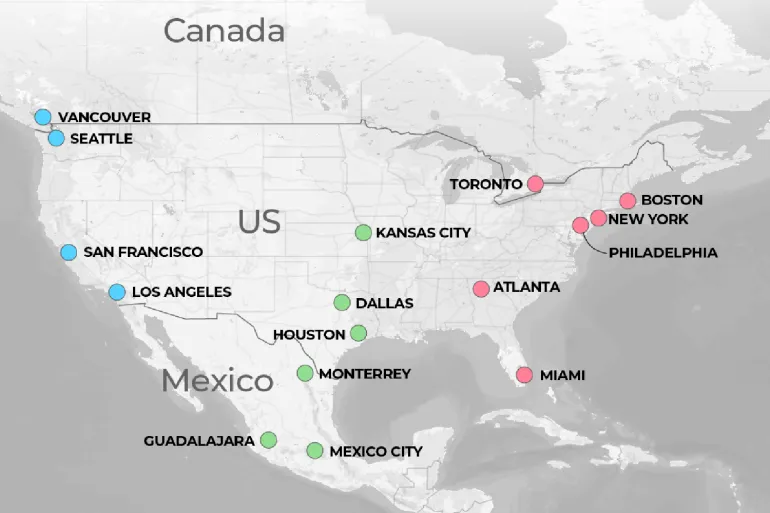
A high-profile shooting incident that targeted United States President Donald Trump at the White House Correspondents’ Association dinner has raised security concerns about the country’s role as cohost of the FIFA World Cup 2026.

US authorities said on Sunday that the gunman accused of trying to storm the dinner was targeting Trump and members of his administration.

Recommended Stories

list of 3 itemsend of list

The suspect — who was armed with a shotgun, a handgun, and multiple knives — rushed a US Secret Service checkpoint at the Washington Hilton hotel and managed to shoot a law enforcement officer, although the suspect himself was not struck by gunfire.

The incident is seen as a major breach of security by football fans around the globe, millions of whom will follow their teams at the World Cup tournament, which the US will cohost June 11-19 with Canada and Mexico.

Here’s what fans and experts are saying about the incident and how it could affect their safety at the World Cup:

Will the Trump shooting impact World Cup security?

With the US hosting the majority – 78 of 104 – fixtures, it is expected to see an influx of five to 10 million football fans from around the world, many of whom have expressed concerns for their teams’, as well as their own, safety following the targeting of Trump.

“Their [US] own security service allowed a single person with a shotgun into the most secure building in the world, and missed every shot at him. How are the players going to be safe?” a fan wrote in a social media post.

Others questioned how fans and other members of the public will be safe during the tournament if the country’s president has come under attack.

This is not the first time Trump has been involved in an attempted assassination; he was injured in a shooting at a campaign rally in Pennsylvania in July 2024, and in September 2025, a suspect was convicted of plotting to kill Trump while he was playing golf in Florida a year earlier.

However, security analyst Massimiliano Montanari believes the shooting in the US capital will have “no impact” on security preparations for the World Cup.

“It’s undeniable that this shooting creates additional concerns, but with or without this shooting, the US Secret Service is keeping the highest level of attention on the president,” Montanari told Al Jazeera.

“The world is in a moment of immense pressure; several international turmoils are happening at this time, and the shooting will not change the perception of fans coming to the US,” he added.

“The US has very strong security and counterterrorism experience; I’m sure all necessary measures are in place.”

FIFA did not respond to Al Jazeera’s request for comment on World Cup security in the aftermath of the shooting in Washington.

How will Trump’s presence affect security and fan experience at the World Cup?

Fans critical of the US and its lax gun laws, which lead to hundreds of mass shootings across the country each year, say the latest security breach highlights the country’s failure to control gun violence.

Comments on social media ranged from fans questioning the US as a host to calling for the matches in the country to be cancelled altogether due to security risks.

Mass shootings are a common occurrence in the US. In 2026, the country has seen more than 126 incidents which have resulted in more than 3,100 deaths and 5,300 injuries so far, according to Gun Violence Archive, a non-profit research group.

Some critics also wondered if Trump’s likely presence at World Cup games will endanger fans and negatively impact their experience at the tournament.

“I presume Donald Trump will attend the World Cup at some point as the President of the host nation,” Kate Wilton, a social media user, noted in a post on X. “If he’s an assassination risk, surely him attending is a security risk to all those attending?”

US President Trump shares a close relationship with FIFA President Gianni Infantino and was present at the World Cup draw on December 5, 2025.

Later that month, Trump’s attendance at the US Open men’s tennis final delayed the start of the match, as hordes of tennis fans struggled to get through security checkpoints.


INTERACTIVE AR15 rifle mass shooting ar-15-1725524403
[Al Jazeera]

What does ICE presence at World Cup mean for fans?

The White House shooting also invoked a broader conversation regarding national security in the US, which has seen immigration-related crackdowns across various states.

The Trump administration’s push for mass deportation, as well as its efforts to tighten legal immigration pathways, have spurred concerns about whether the World Cup’s international audience might be targeted by US immigration authorities.

In February, US Immigration and Customs Enforcement (ICE) acting Director Todd Lyons confirmed to a committee in the House of Representatives that his agency would be on the ground for World Cup events. When questioned about visitor concerns, he declined to commit to pausing ICE operations at the matches.

“Fans should be treated as guests and clients of the event, not as a potential threat or as criminals,” Montanari, who heads the International Centre for Sport Security (ICSS), said of the border patrol agents’ presence.

He emphasised that any security officials on the ground must be deployed as discreetly as possible.

“Major global sporting events like the World Cup must remain sporting events and not security events,” he explained, adding that the elements of safety, security and service must work cohesively.

Montanari emphasised that at the previous World Cup in Qatar, where he is currently based, fans were not discriminated against for their nationalities or backgrounds, something that upcoming iterations of the event must emulate.

“I think at any World Cup, the key success factor will be the level of international or regional cooperation; no country can deliver a safe major sporting event without that.

“Securing an event is not just about securing venues, but protecting the overall community, and this involves strong partnership with the government, the business community, and civil society — a holistic effort everyone has to put together.

Last week, the American Civil Liberties Union (ACLU) and Amnesty International, along with more than 120 civil society groups, issued a “travel advisory” for foreigners attending the 2026 FIFA World Cup in the US due to the “deteriorating human rights situation in the US and the absence of meaningful action and concrete guarantees from FIFA, host cities, or the US government”.

The US Senate has taken the first steps towards reopening the Department of Homeland Security (DHS) – which has been partially shut down since mid-February after Democrats demanded immigration-enforcement policy changes following fatal shootings of two protesters by federal agents. The Senate approved a budget framework that would fund immigration enforcement agencies, despite opposition from the Democrats.

Source link

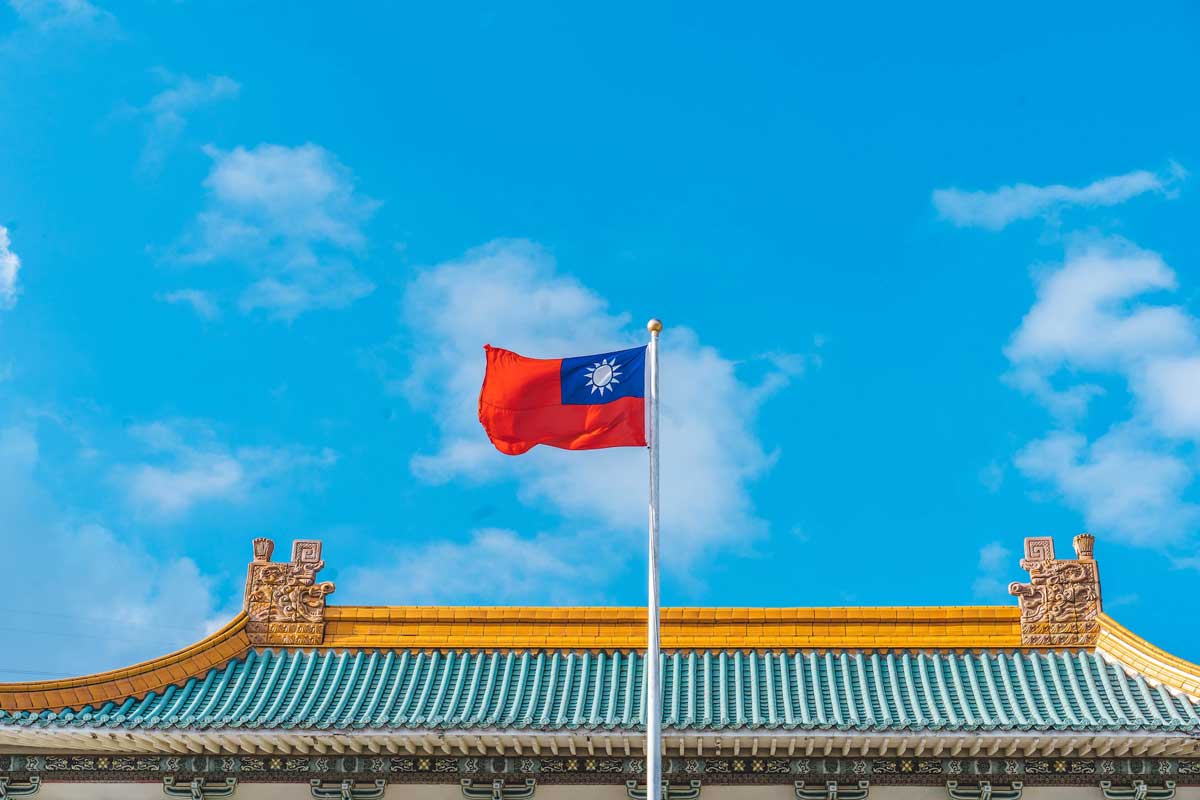
Taiwan Shrugs off China Sanctions on European Arms Firms

Taiwan has downplayed the impact of new Chinese sanctions targeting European defense companies involved in arms sales to the island. The measures, announced by China, restrict exports of dual use goods to seven firms, marking a rare move against European entities over Taiwan related issues.

Despite the escalation, Taiwan’s Defence Minister Wellington Koo said the sanctions would not disrupt the island’s ability to procure military equipment.

China’s Expanding Use of Sanctions

Beijing has increasingly used economic and trade restrictions to respond to foreign involvement in Taiwan’s defense. While similar sanctions have frequently targeted U.S. arms manufacturers, extending them to European companies signals a broader willingness to pressure multiple partners simultaneously.

The move reflects China’s ongoing effort to isolate Taiwan internationally and deter military cooperation with the island.

Limited European Military Role

Europe’s direct role in arming Taiwan has historically been limited. Major defense exports such as fighter jets have not been supplied for decades due to concerns about damaging relations with China.

However, smaller scale cooperation and component level trade have continued, making these sanctions symbolically significant even if their immediate practical impact is modest.

Diversified Supply Strategy

Taiwan relies heavily on the United States for its defense needs, but it has also worked to diversify procurement channels in recent years. According to Koo, this strategy ensures that disruptions from any single source, including sanctioned European firms, can be mitigated.

Growing support from parts of Central and Eastern Europe, particularly after Russia’s invasion of Ukraine, has also provided Taiwan with additional diplomatic and logistical avenues.

Geopolitical Context

The sanctions come amid heightened global tensions and shifting alliances. China views Taiwan as its own territory and strongly opposes any foreign military assistance to the island.

At the same time, Taiwan’s security concerns have intensified, prompting it to strengthen international partnerships and defense preparedness.

Analysis

China’s decision to target European companies represents an escalation in its economic statecraft, aiming to widen the cost of supporting Taiwan beyond the United States. While the immediate impact on Taiwan’s military capabilities appears limited, the move could have a chilling effect on future European involvement.

Taiwan’s confidence reflects its reliance on U.S. support and its broader diversification strategy. However, repeated sanctions and pressure campaigns could gradually narrow its options, especially if European firms become more risk averse.

For Europe, the sanctions pose a strategic dilemma between economic ties with China and growing political alignment with Taiwan and its partners. For China, they reinforce its stance on sovereignty while testing how far it can push back against international support for Taiwan without triggering broader backlash.

Overall, the episode underscores how economic tools are increasingly being used in geopolitical competition, even when their direct material impact remains limited.

With information from Reuters.

Source link

America Replaces OPEC as Global Oil Shock Absorber

The ongoing Iran war has reshaped global energy dynamics, shifting influence away from OPEC toward the United States. Traditionally, OPEC and key producers like Saudi Arabia acted as “swing suppliers,” adjusting output to stabilize markets.

However, disruptions caused by the closure of the Strait of Hormuz have left millions of barrels stranded, limiting OPEC’s ability to respond and opening space for the United States to take on that stabilizing role.

Collapse of OPEC’s Leverage

The near shutdown of Gulf energy routes has forced major producers to cut output significantly. Even Saudi Arabia’s alternative export routes have proven insufficient to offset the scale of disruption.

This has weakened OPEC’s traditional power, which relied heavily on spare production capacity to manage supply shocks and influence prices.

Rise of U.S. Energy Dominance

The United States has stepped in decisively, leveraging its position as the world’s largest oil producer. Since surpassing both Saudi Arabia and Russia in output in 2018, the U.S. has built unmatched capacity to influence global markets.

Exports have surged to record levels, with both crude and refined products flowing to regions hit hardest by supply shortages, particularly in Asia. This rapid response has helped cushion the global economy from a deeper energy crisis.

Strategic Tools Beyond Production

Washington’s influence extends beyond production alone. The government has released oil from its Strategic Petroleum Reserve, providing an additional buffer against supply shocks.

It has also used sanctions policy as a flexible tool, selectively easing restrictions on Russian and Iranian oil to increase global supply when needed, while tightening measures to maintain geopolitical pressure.

Economic and Political Impact

For U.S. producers, the crisis has generated substantial financial gains through higher export revenues. At the same time, Washington’s actions have helped stabilize global markets, reinforcing its role as a central player in the energy system.

However, these moves carry political risks, including potential contradictions between economic goals and foreign policy objectives.

Limits of U.S. Power

Despite its growing influence, the United States cannot fully replicate OPEC’s traditional role. Unlike centralized producers, the U.S. oil industry operates within market constraints, limiting the government’s ability to directly control output.

Policies such as export restrictions could theoretically impact global prices, but would also risk damaging domestic production systems and relations with international partners.

Analysis

The Iran war has accelerated a structural shift in global energy power. The United States has effectively become a “swing supplier,” not through coordinated production cuts like OPEC, but through a combination of market scale, strategic reserves, and policy flexibility.

This transformation highlights a new model of energy influence, where rapid responsiveness and financial depth replace centralized control. While OPEC remains relevant, its ability to dominate global supply dynamics has been significantly weakened under current conditions.

At the same time, U.S. dominance introduces new complexities. Balancing domestic political pressures, international alliances, and market stability requires careful calibration. The use of sanctions as a supply management tool also raises questions about long term consistency in foreign policy.

Ultimately, the shift signals a more fragmented and dynamic energy landscape. The United States may not control the market in the traditional sense, but its ability to shape outcomes quickly and at scale makes it the most influential actor in the current crisis.

With information from Reuters.

Source link

Xi Jinping’s Four Peace Initiatives after the Iran War

As part of promoting the Chinese Global Security Initiative (GSI) as an alternative to the Western approach, Chinese President Xi Jinping proposed a four-point initiative for peace and stability in the Middle East in mid-April 2026, following escalating tensions in the Middle East and the US-Israeli war against Iran. This initiative aims to offer Chinese wisdom for conflict resolution based on sovereignty and development, in contrast to what China considers destabilizing Western alliances. President Xi Jinping discussed and presented this initiative in mid-April 2026 during his meeting with Khalid bin Mohammed Al Nahyan, Crown Prince of Abu Dhabi, outlining a comprehensive four-point initiative aimed at preserving and promoting peace and stability in the Middle East. This Chinese initiative comes within the context of Beijing’s efforts to strengthen its role as a diplomatic mediator following the escalation of tensions in the region. Chinese President Xi Jinping’s four peace initiatives for 2026 are the commitment to the principle of peaceful coexistence, supporting Gulf and Middle Eastern countries in improving their relations, and building a comprehensive, cooperative, and sustainable security architecture in the region based on the principle that the countries of the region are neighbors and cannot be geographically relocated. (Commitment to the principle of national sovereignty), through China’s support for and respect of the sovereignty and territorial integrity of states and its rejection of interference in their internal affairs, while emphasizing the protection of the security of states, their people, infrastructure, and institutions. (China’s full commitment to the principle of the rule of international law), by adhering to the basic norms of international relations and supporting the international system centered on the United Nations, to prevent a return to the law of the jungle. (Reconciling development and security by affirming that security is a prerequisite for development and working to create a favorable environment for sustainable economic development to ensure long-term stability.)

These Chinese moves come as part of China’s efforts to present its Global Security Initiative (GSI) as an alternative to the Western approach to conflict resolution. They are considered a direct response from China to Western and American policies. These Chinese peace proposals emerged in the context of Beijing’s criticism of the American blockade on Iranian ports, which it described as dangerous and irresponsible. By presenting a Chinese security model, China seeks to position itself as a partner committed to peace and dialogue, rather than the American military alliances that Beijing considers a threat to global security. Furthermore, this initiative aims to reinforce the Beijing Declaration, as China seeks to solidify its role as a mediator (following Saudi-Iranian and Palestinian faction mediation efforts) through a formal initiative.

Thus, the Chinese initiative emerged as a direct response to the escalating tensions in the Gulf region and Iran and as a countermeasure to the American blockade. The Chinese Foreign Ministry described the American blockade of Iranian ports and the Strait of Hormuz as dangerous and irresponsible, threatening the security of navigation in the Strait of Hormuz. Especially after the failure of US negotiations with Iran and US President Donald Trump’s announcement of a naval blockade on Iranian ports on April 12, 2026, following the collapse of peace talks in Islamabad, Pakistan, China stepped in as an international mediator. Consequently, China is attempting to promote its own model by presenting itself as a peace partner focused on economic dialogue, in contrast to Western military alliances, which Beijing considers a threat to global security.

In this context, China is trying to leverage its past diplomatic successes to solidify its role in promoting the Beijing Declaration and to play a mediating role in resolving conflicts, such as the Saudi-Iranian mediation. Based on the 2023 Beijing Agreement to normalize relations, China seeks to strengthen its role in the Gulf region. Furthermore, China is working to solidify the Beijing Declaration of July 2024, which aimed to end the Palestinian division, achieve reconciliation between Palestinian factions, and form a national unity government, as a model for its mediation in resolving complex conflicts. With the strengthening of the Beijing Declaration, the new proposal aims to transform the Beijing Declaration from a factional agreement into an official, internationally supported initiative to solidify China’s role as a key mediator in Palestine as well.

These Chinese moves are part of a broader Chinese strategy to promote the Global Security Initiative (GSI) as an alternative to the Western approach, as outlined by Chinese President Xi Jinping for the period 2022-2026. China emphasizes its rejection of the Cold War mentality, criticizing Washington’s military alliances, such as the trilateral AUKUS security pact between the US, Australia, and the UK, and alliances in the Middle East. China also emphasizes the concept of indivisible security, promoting the idea that a nation’s security cannot be achieved at the expense of other nations’ security. China seeks influence through mediation, aiming to position itself as an alternative superpower capable of addressing the root causes of conflicts through development, rather than through the threat of force.

Source link

Shooter’s path to White House press gala prompts security questions

An attack on the White House correspondents’ dinner by a gunman who came within feet of the ballroom where President Trump sat raised immediate questions about the night’s security protocol — and the future of large, high-profile events in a country with easy access to firearms and increasingly high political tensions.

The man breached metal detectors in front of the Washington Hilton ballroom and sprinted dozens of feet ahead before exchanging fire with federal agents. Shots were fired in an anteroom that had not an hour before seen thousands of guests, including senior government officials, streaming through.

A manifesto allegedly written by the suspect described his targets as members of the Trump administration, ranking from the highest to the lowest — but said he was willing to “go through” any guest standing in his way in order to kill the president’s aides.

The attempted attack on a room full of dignitaries underscored domestic unrest in Trump’s second term and deepened questions about how to effectively create security in a modern era of lone actors, online radicalization and mass shootings. It was the third known time an attempted assassin has come close to Trump since his 2024 presidential campaign began.

Acting Atty. Gen. Todd Blanche on Sunday called the U.S. Secret Service response a “massive security success story.” But within hours of the incident, bipartisan leaders of the House Oversight Committee demanded a hearing on the agency’s security plans for the dinner.

In the manifesto sent to his family, the alleged gunman, Cole Tomas Allen, of Torrance, marveled at a lack of security.

“No damn security. Not in transport. Not in the hotel. Not in the event,” he wrote. “I walk in with multiple weapons and not a single person there considers the possibility that I could be a threat.”

The Hilton, in a ritzy Washington neighborhood, has long hosted the White House correspondents’ dinner. It is the same hotel where President Reagan and three others were shot in 1981.

The shooting caused terror among guests, some of whom noted they had expected more security to enter the event and Trump was whisked offstage within the first minute of shots being fired. While the event has traditionally hosted sitting presidents in the past, Trump’s decision this year to appear for the first time since taking office made the event particularly high profile.

His presence, alongside Vice President JD Vance and much of the Cabinet and line of succession, brought with it added security protocols and personnel — raising questions over whether the storied dinner and its guests of congressional members, diplomats and mid-level officials would have been even more susceptible to attack without Trump in attendance.

Trump on Sunday said it is “tough” to secure a hotel in the middle of a city with “buildings all around and hotel rooms on top,” but praised the Secret Service and law enforcement officers. One officer was shot, not fatally.

Talking to reporters after the incident Saturday night, Trump swiftly likened it to the attempt on his life by a gunman in Butler, Pa., during the 2024 presidential campaign, and suggested that it justified his controversial plans to construct a fortified ballroom on the White House grounds. He called the hotel “not a particularly secure building,” though he later said the room was “very, very secure.”

Plans to reschedule the dinner are under review. White House Correspondents’ Assn. President Wiejia Jiang of CBS News said the organization’s board would meet to assess what had happened.

Blanche said Sunday an investigation into what had happened was ongoing. He had attended a reception before the dinner on the first floor of the hotel hosted by CBS News, one of many that did not require any security check by law enforcement authorities.

“The first takeaway, or the takeaway that should be obvious, is that the system worked. And that we stopped the suspect, and we stopped him as soon as he tried to do what he was trying to do,” Blanche said on NBC’s “Meet the Press.”

But the attack raises a question about whether presidential security protocols are effective for modern tactics, or whether the country is “in a new domain” in which those procedures no longer meet the nature of the possible threats, said Neil Shortland, director of the Center for Terrorism and Security Studies at the University of Massachusetts Lowell.

Federal investigators should examine what the security policies were, what type of attacks they were designed to prevent, and whether that protocol was out of date, Shortland said.

“Did you follow the policy is a great question,” he said. “Was the policy correct in this modern day and for this modern situation is a separate question.”

The country is facing “the most complex threat environment in our nation’s history,” particularly from lone actors who are often radicalized online, Sam Vinograd, a former official at the Department of Homeland Security, said on CBS’ “Face the Nation.”

“It can be true that law enforcement and intelligence professionals prepared exhaustively for last night,” she said Sunday. “But it can also be true that in this moment, in this security environment, the paradigms of the past may not be sufficient to meet the moment.”

That raises the “need to rethink what it is going to take to actually secure these mass gatherings,” she said.

Trump appeared to voice the same idea Saturday evening, telling reporters, “Today, we need levels of security that probably nobody’s ever seen before.” He went on to say that “this is why we have to have” the East Wing ballroom, which he described as drone-proof and having bulletproof glass.

Kris Brown, president of the gun control organization Brady — which is named after Reagan’s press secretary, James Brady, who was shot in the 1981 attack — said lawmakers should instead consider passing legislation to help prevent gun violence.

“Not every public event can take place in the ballroom, in that kind of protection — nor can we afford to live in a society where our solution to gun violence is to barricade our public officials, our children, away in fortresses,” Brown said.

About 2,000 journalists, dignitaries and other guests attended the event, rushing through rain to enter using multiple hotel entrances. They were asked to show their tickets as they walked past security guards, but there was no check-in procedure or ID check. A Times reporter was waved toward the entrance without showing a ticket as she tried to get it out of her purse.

Inside, guests milled about on multiple levels where pre-dinner receptions were occurring. Hotel guests mingled with the crowd, granted full access to the hotel’s amenities, including its boutiques and restaurants.

Two protesters briefly took over a small red carpet where guests were lined up to take professional photos; Times reporters saw a third woman dressed in a formal gown and shouting protest slogans being escorted out by security guards after apparently having entered the event.

Guests were required to flash their tickets to go down an escalator to the ballroom level, then present the ticket before walking through metal detectors and having bags searched ahead of the ballroom entrance.

Allen, who had reserved a room as a hotel guest, said in his manifesto obtained by the New York Post that security was far less stringent than he had expected. Two U.S. officials told The Times that the contents of the manifesto are authentic.

“I expected security cameras at every bend, bugged hotel rooms, armed agents every 10 feet, metal detectors out the wazoo. What I got (who knows, maybe they’re pranking me!) is nothing,” he wrote.

He noted that security guards appeared to be focused on protesters and arrivals outside, writing, “apparently no one thought about what happens if someone checks in the day before.”

It is possible that steps to further restrict access to the ballroom level, keep guests away from the event location and check attendees’ identities outside could have provided additional security, said Erin Kearns, director of law enforcement partnerships at the National Counterterrorism Innovation, Technology and Education Center.

“The lesson that can be taken away is just thinking about how to harden and strengthen security at future events when you have so many high-profile people,” she said.

The hotel was a “soft target” with a makeshift perimeter, and there were “almost zero intervention points” where the shooter could have been apprehended before arriving, Shortland said. That was partly because he traveled by train, which does not have security screenings.

Authorities should also examine whether Allen was known to authorities and, if so, whether intelligence operatives could have pieced together his train travel and arrival in the president’s orbit, Shortland said.

The attempted shooting added to a growing list of instances of political violence in the United States. Last year, one Minnesota state legislator and her spouse were killed by a gunman while another lawmaker and his wife survived; the conservative activist Charlie Kirk — whose wife, Erika, was in attendance Saturday — was shot and killed at a speaking event; an arsonist attacked the residence of Pennsylvania Gov. Josh Shapiro.

Some of that violence has been directed toward Trump, something he frequently talks about. He was injured in the Butler incident, but has used his survival to argue that God saved him so he could become president. Two months later, a Secret Service agent shot at a gunman pointing a rifle on Trump’s golf course as the president golfed.

On Feb. 22, an armed man was shot and killed after entering the secure perimeter around Trump’s Mar-a-Lago home, when the president was in Washington.

“It’s always shocking when something like this happens. It’s happened to me a little bit,” Trump said Saturday.

Source link

D.C. gala gunman wrote ‘manifesto,’ traveled from California before attack, officials say

Cole Tomas Allen, the suspected gunman who rattled the nation’s top leaders by exchanging gunfire with federal authorities after racing through the secure perimeter of a press gala in Washington late Saturday, had made a long journey from Southern California and written a “manifesto” threatening Trump administration officials before the short-lived attack, officials said.

Allen, a 31-year-old Caltech graduate and high school tutor from Torrance, is believed to have taken a train first to Chicago and then on to D.C. before checking into the Washington Hilton with two guns he had previously purchased, authorities said.

The attacker managed to bypass several layers of security at the White House Correspondents’ Assn. dinner before being taken down by armed agents outside the ballroom where President Trump and an array of other top federal officials were seated.

Allen could not be reached for comment, nor could an attorney for him be identified as of Sunday.

According to Trump, Allen had also authored a “manifesto” prior to the attack, which he had shared with family and which his brother had flagged to local law enforcement in Connecticut. The New York Post reported that Allen described himself in the document as the “Friendly Federal Assassin” and revealed he intended to kill Trump administration officials.

New London (Conn.) Police Deputy Chief John Perry said that around 10:30 p.m. a man came into the lobby of the agency’s headquarters to report that he’d received a troubling email from Allen. The relative initially thought it was spam, but then saw the news of what unfolded in D.C. and felt he needed to report it.

Perry would not say what was in the email, and did not know exactly what time it was sent. But the relative said he only saw and opened it around 10 p.m. “I think he was watching what was going on and kind of put two and two together and said I need to go to my local PD,” Perry said.

Police officials provided the email to the Secret Service and FBI, he said. Trump said the document would be released, but it had not been as of Sunday. Officials said criminal charges against the suspect were pending, with an initial court appearance likely Monday.

Late Saturday, both local and federal law enforcement, including from the FBI, swarmed the Torrance neighborhood where Allen is believed to have lived in a home with his family, with Torrance police clearing the road and putting up police tape along part of the street. A man who responded to a knock on the front door said, “Not right now,” and declined to comment further.

The thwarted attack marked the latest in a string of incidents in which gunmen have gotten dangerously close to Trump, renewing questions about the safety and security of the nation’s commander in chief at a time of intense political division at home and roiling conflicts abroad.

Trump was grazed on the ear by a bullet at one of his presidential campaign events in Butler, Pa., in 2024 — the first of two attempts on his life during that campaign cycle. The other involved a gunman targeting the president as he golfed in Florida, before federal agents intervened. Earlier this year, a gunman was killed at the president’s Mar-a-Lago club, after breaching a security perimeter.

On Sunday, questions swirled as to how such a security lapse could have happened again — and whether large, high-profile events are safe for top officials in a nation where firearms are easy to obtain and ubiquitous.

Acting Atty. Gen. Todd Blanche, in an interview on “Meet the Press” Sunday morning, said federal authorities believe the suspect had set out alone “to target folks that work in the administration, likely including the president,” but that a motive was still being determined and evidence still being gathered — including from devices taken from Allen and in interviews with people who know him.

“As of now, we don’t have any connection to any particular policy directive of President Trump or Iran or anything else that we’re doing in this country, but we are looking into it,” he said.

Blanche also downplayed the threat posed to Trump, other officials in the room such as Vice President JD Vance and First Lady Melania Trump, and the hundreds of other attendees to the annual event — suggesting Allen had essentially been stopped in his tracks shortly after making his break through a checkpoint of metal detectors and federal agents, dramatic video of which Trump posted online.

“Let’s not forget that the suspect didn’t get very far. He barely broke the perimeter,” Blanche said. “And so while this was extraordinarily dangerous and put a lot of lives at risk and there’s no doubt that that’s something that we’re going to have to learn from over the next couple weeks, the system worked. We were safe, President Trump was safe. His Secret Service agents kept him safe. All of us were safe.”

Blanche’s assessment of the attacker’s breach past security — which he said was only “by a few feet” — was disputed by some.

According to other attendees, including Times journalists, event staff were checking tickets, though not very thoroughly, at multiple points prior to escalators that descended to the metal detectors where Allen allegedly dashed past armed security.

The detectors were right outside the event hall and where the bathrooms for the event were located, and the assailant was taken to the ground about 10 to 15 feet beyond them, attendees said. The shots — including two from the gunman, according to Blanche — were heard in the ballroom.

Allen, who graduated from Caltech in 2017 with a degree in mechanical engineering and is registered to vote with no party preference, made a $25 political contribution earmarked for then-Vice President Kamala Harris’ campaign challenging Trump for the presidency in 2024.

While at Caltech, he was a teaching assistant and a member of the school’s Christian fellowship and the Nerf club, according to his LinkedIn profile. He later studied computer science as a post-graduate student at CSU-Dominguez Hills.

Allen was named teacher of the month in December 2024 at C2 Education, which specializes in college test preparation, tutoring and academic advising. A representative for C2 Education was not immediately available for comment.

According to the New York Post, Allen himself had derided the event security in his writings beforehand, describing finding far less security at the hotel than he had expected when he arrived, armed, to check in.

“I expected security cameras at every bend, bugged hotel rooms, armed agents every 10 feet, metal detectors out the wazoo. What I got (who knows, maybe they’re pranking me!) is nothing. No damn security. Not in transport. Not in the hotel. Not in the event,” he wrote, according to the Post. “I walk in with multiple weapons and not a single person there considers the possibility that I could be a threat.”

Authorities did not detail Allen’s alleged travel route to D.C., other than to say it was by train. In response to questions about whether Allen had taken Amtrak to get to Washington and whether his luggage would have undergone any security screening, Amtrak said only that it is cooperating with federal authorities.

Trump also zeroed in on security at the hotel being inadequate, in addition to posting the video of the suspect rushing past security and multiple pictures of him detained on the floor of the hotel.

While praising the federal agents who took the attacker down, Trump suggested that events with top U.S. officials should be held in more secure facilities — such as the giant ballroom he is trying to build on the White House grounds after demolishing the former East Wing.

“What happened last night is exactly the reason that our great Military, Secret Service, Law Enforcement and, for different reasons, every President for the last 150 years, have been DEMANDING that a large, safe, and secure Ballroom be built ON THE GROUNDS OF THE WHITE HOUSE,” Trump wrote on social media Sunday. “This event would never have happened with the Militarily Top Secret Ballroom currently under construction at the White House. It cannot be built fast enough!”

Weijia Jiang, president of the correspondents’ association, said in a statement Sunday that the group’s board “will be meeting to assess what happened and determine how to proceed.” She also thanked the U.S. Secret Service and other law enforcement for keeping people safe, and praised journalists in the room for leaping to work to inform the public of what had occurred.

Times staff writers Richard Winton, Ben Wieder and Justine McDaniel contributed to this report.

Source link

White House Correspondents’ Dinner Shooting Puts Trump’s Security Back in the Spotlight

The shooting of a Secret Service agent at the White House Correspondents’ Association dinner on Saturday night has raised concerns about the safety of political leaders amid rising political violence. Despite hundreds of agents from various law enforcement agencies being assigned to secure the event, a suspect armed with a shotgun and other weapons was able to approach just one floor above where prominent figures, including President Donald Trump, Vice President JD Vance, and several cabinet members, were dining.

The alleged gunman, who carried a shotgun, a handgun, and knives, was reportedly staying at the Washington Hilton hotel, where the dinner took place. Trump’s remarks following the incident highlighted the dangers of his role, noting the hotel is “not particularly a secure building. ” This vulnerability is concerning given recent assassination attempts against him during the 2024 presidential campaign.

Attendees had to pass through metal detectors at the ballroom, but only needed tickets to access the hotel, which was open to other guests. Many attendees faced demonstrators protesting the Trump administration’s policies. Video footage showed the gunman rushing past a security checkpoint before shooting the agent, after which he was tackled and arrested by officials.

Inside the ballroom, guests were dining when gunshots were heard. Secret Service agents quickly acted to protect Trump and Vance, while security responses varied for other officials, with some agents forming shields and others reacting differently. The timing for evacuating protectees differed, with some leaving almost immediately and others remaining longer. Trump, who has faced close calls with violence in the past, later acknowledged that carrying on with the event was not feasible after the attack.

With information from Reuters

Source link

India Must Leverage Indian Ocean Security Mechanisms to Protect Its Strategic Interests

Authors: Rahul Mishra & Harshit Prajapati

The US-Israel conflict with Iran dragged almost every country into a phase of energy insecurity. While Iran’s neighboring countries are directly affected by the armed conflict, immediate regions too have not remained insulated from the ongoing conflict. For India, the conflict has demonstrated the implications of getting caught in the crossfire of a conflict in its vicinity. Two particular incidents—the US sinking of the Iranian warship IRIS Dena in the waters off the coast of Sri Lanka (just 40 nautical miles away) and the reported firing of two ballistic missiles towards the joint UK-US base at Diego Garcia in the Indian Ocean—serve as a grim reminder about a conflict spiraling in India’s maritime backyard in the Indian Ocean Region (IOR).

For decades, the Indian Ocean region has remained largely peaceful, away from any direct impact of a conflict in a neighboring region or any major power conflict with a regional impact. The two above-mentioned incidents highlight the need for littoral states of the IOR to have a regional security mechanism to deal with any crisis in the region in a more cohesive and coordinated fashion. Being one of the major stakeholders in the region, it is incumbent upon India to foster meaningful and substantial cooperation with IOR littoral states through regional mechanisms such as the Colombo Security Conclave (CSC) and the Indian Ocean Naval Symposium (IONS). It would be a timely exercise to strive to move beyond non-traditional security cooperation mechanisms to protect the shared maritime space, especially during such conflicts.

The sinking of IRIS Dena in the IOR when it was returning to its home after participating in the International Fleet Review and multinational exercise MILAN, hosted by India, serves as a major strategic lesson to countries of the region. Since the International Fleet Reviews are an acknowledgement by the regional and global peers of the host country’s sovereignty and maritime supremacy in its neighborhood, the sinking of an Iranian warship does not augur well for India’s claim as a net security provider or preferred security partner in the IOR.

Additionally, Iran’s launch of two ballistic missiles, which failed to strike the designated target, towards the Diego Garcia base, reflects the risk of a distant war reaching India’s maritime backyard. The 2025 decolonization agreement between the UK and Mauritius enabled the transfer of the Chagos archipelago, including Diego Garcia Island, to Mauritius; however, the UK retained access to the Diego Garcia military base for 99 years. Thus, in the event of a conflict, Diego Garcia, as the joint UK-US base, may become a target, thereby drawing the war into the Indian maritime backyard. With the escalating conflict with Iran, Hezbollah, and the Houthi rebels, the possibility of repetition of such an incident cannot be ruled out.

During the Cold War, India and the IOR countries endeavored to halt the foreign military presence in the IOR, as illustrated by the UNGA Resolution 2832 of 1971, which sought to establish the Indian Ocean Zone of Peace (IOZOP). However, the regional countries failed to implement the declaration because of resistance from the major powers. In 2016, India attempted to revive implementation of the 1971 resolution but failed to garner significant attention from the IOR countries, putting aside any major power.

Rather than seeking IOZOP through restrictions on foreign military presence, India should strengthen its naval capabilities, especially its intelligence, surveillance, and reconnaissance (ISR) platforms. Earlier, in 2018, India envisioned a 200-ship fleet by 2027; however, in 2026, the goal was revised to a 200-plus-ship fleet by 2035. Despite the induction of new platforms, this goal seems ambitious, as older platforms retire faster than new ones are inducted, especially given the constrained budget allocation to the Indian Navy.

A sizable portion of India’s submarine fleet is aging. The current force comprising Russian-origin Kilo-class submarines and German-origin Type 209 submarines has been in service for decades and is set to retire soon. Although the induction of nuclear-powered ballistic missile submarine Aridhaman in April 2026 and Arighaat in August 2024 strengthened India’s nuclear triad, the pace of induction of conventional submarines remains lagging. Project 75I, aimed at developing advanced diesel-electric submarines, was originally set in motion in 2007; however, its deal with the manufacturer—a German firm—has yet to be signed.

Earlier, it was planned that India would expand its fleet of long-range maritime reconnaissance Boeing P-8I aircraft from 12 to 28. But then the plan to expand the fleet to 28 P-8I aircraft was reduced to 20-22 due to constrained spending. Additionally, the Indian Navy only possesses 15 MQ-9B high-altitude, long-endurance (HALE) drones.

Therefore, if India needs to entrench its position as a preferred security partner in the IOR and realize its vision of Security and Growth for all in the Region (SAGAR)—upgraded to Mutual and Holistic Advancement for Security and Growth Across Regions (MAHASAGAR) in 2025—in the IOR, then it needs to support its normative framework with military capabilities.

Given India’s lack of naval capabilities—across all three mediums (air, surface, and undersea)—to conduct persistent surveillance of the enormous IOR (spanning more than 70 million square kilometers), India should collaborate with littoral countries to conduct surveillance in the IOR through regional mechanisms such as the CSC and the IONS. Presently, cooperation in these forums is largely limited to countering non-traditional security threats, such as piracy, trafficking, maritime disasters, etc. Challenges such as differing threat perceptions, disparity in naval capabilities, and a lack of regional consciousness hinder meaningful and substantial cooperation.

However, if the littoral countries of the IOR seek to avoid getting caught in the crossfire of a distant conflict, such as the present one, they need to move beyond non-traditional security cooperation to develop a common understanding of how to protect the shared maritime space in the IOR, especially during such conflicts. India, being the most militarily equipped country in the IOR, should take the lead in forging the collaborative efforts to conduct persistent surveillance in the IOR, as maritime wars do not respect geographical boundaries.

Source link

Coupang issue affects South Korea-U.S. security talks

National Security Adviser Wi Sung-lac (L) talks with Foreign Minister Cho Hyun during a Cabinet meeting, chaired by President Lee Jae Myung, at the presidential office Cheong Wa Dae in Seoul, South Korea, 06 April 2026. Photo by YONHAP / EPA

April 24 (Asia Today) — South Korea’s national security adviser Wi Sung-lac said Thursday that the Coupang regulatory dispute is affecting security consultations between South Korea and the United States, while stressing that Seoul is seeking to keep the corporate matter separate from alliance negotiations.

Wi made the remarks during a briefing at a local press center in Hanoi, where he accompanied President Lee Jae-myung on a state visit to Vietnam.

“The Coupang issue is a corporate issue,” Wi said. “But it is true that the Coupang issue is affecting security consultations between South Korea and the United States.”

His comments came after 54 Republican members of the U.S. House of Representatives sent a letter to South Korean Ambassador to the United States Kang Kyung-wha, urging Seoul to end what they called discriminatory regulatory actions against U.S. companies, including Coupang.

Wi said South Korea has been discussing the matter with Washington and has argued that linking the Coupang issue to security talks is not desirable.

“Our position is that the Coupang matter should proceed according to legal procedures, while security negotiations should move forward as security negotiations,” Wi said.

He said delays in security consultations are “also true” and added that such delays do not help the broader alliance.

“We believe they should not be delayed and should resume promptly,” Wi said.

Wi said the security negotiations have their own structure and balance, and Seoul believes they can proceed separately from the corporate dispute.

He also said Seoul has reviewed the letter from U.S. lawmakers and has contacted relevant members of Congress to explain the government’s position.

“We are making efforts to provide explanations and understanding,” Wi said. “There were letters before this as well, and we explained those matters too.”

South Korea’s foreign ministry said Thursday that investigations and measures involving Coupang are being conducted under domestic law and due process, without discrimination based on nationality.

Wi said Seoul will continue efforts to explain its position but acknowledged that U.S. lawmakers may express concerns about American companies.

“Whether that issue is connected to security consultations is another matter,” Wi said. “We are trying to respond to the two issues separately.”

— Reported by Asia Today; translated by UPI

© Asia Today. Unauthorized reproduction or redistribution prohibited.

Original Korean report: https://www.asiatoday.co.kr/kn/view.php?key=20260424010007786

Source link

Venezuela’s Rodríguez and Colombia’s Petro Hold Talks on Security, Trade, Energy

Petro was the first head of state to visit Caracas since the January 3 US attacks. (Presidential Press)

Caracas, April 24, 2026 (venezuelanalysis.com) – Venezuelan Acting President Delcy Rodríguez hosted Colombian President Gustavo Petro for bilateral talks in Caracas on Friday. 

The meeting marked the first official visit by a head of state since the kidnapping of President Nicolás Maduro during a US military operation on January 3.

Following talks at Miraflores Presidential Palace, Rodríguez said both governments committed to tackling organized crime along their shared border, one of the longest in the region at over 2,200 kilometers.

“We have undertaken a very serious and concrete approach to combating criminal groups and transnational crime,” she said, announcing the development of joint military plans and “immediate” mechanisms for intelligence sharing in a new level of security cooperation.

Petro, for his part, stated that both countries would work toward the “liberation of border communities” through coordinated military, police, and social action.

“Building a fully coordinated common effort to free border populations from mafias engaged in various illegal economies,” he said, accusing irregular groups of human trafficking, drug trafficking, and illegal gold trade activities.

The leaders also agreed on economic initiatives aimed at supporting Venezuelan and Colombian populations in border regions. Petro expressed hope that these efforts would help reintegrate the two territories and boost food security.

The joint action commitments come amid escalating violence in the Catatumbo region of Colombia’s Norte de Santander department, which borders Venezuela’s Táchira state, where clashes between armed groups have displaced thousands in recent weeks.

Armed organizations operating in the area include the National Liberation Army (ELN), the Estado Mayor Central (EMC) and the Segunda Marquetalia, both descendants of the former FARC, and the Clan del Golfo, among others.

Friday’s talks also included the neighboring nations’ trade relations. Rodríguez highlighted discussions on “import substitution” between the two countries.

“It makes no sense for Colombia or Venezuela to look to other regions or hemispheres for what we can produce within our own territories,” she said, noting that bilateral trade currently stands at approximately $1.2 billion per year.

The leaders further addressed electrical interconnection projects for western Venezuela, a region heavily affected by blackouts, as well as reopening a pipeline that would allow Venezuela to export natural gas to Colombia and beyond.

Rodríguez and Petro also discussed the revival of air connectivity to boost tourism, including the development of multi-destination travel initiatives.

Present at the private meeting were Colombia’s foreign minister Rosa Villavicencio and defense minister Pedro Sánchez, alongside Venezuela’s foreign minister Yván Gil and Interior Minister Diosdado Cabello. The presidential summit followed an earlier meeting of the two countries’ Neighborhood and Integration Commission, with bilateral working groups established for a number of areas, including trade, energy and defense. 

A prior meeting scheduled between Rodríguez and Petro on the border in early March was suspended due to security concerns.

Rodríguez hosts new US chargé d’affaires

Venezuelan Acting President Delcy Rodríguez also welcomed the Trump administration’s new chargé d’affaires to Venezuela John Barrett at the presidential palace on Friday.

Alongside Cabello and Gil, Rodríguez held a private meeting that reportedly focused on energy and a “long-term cooperation agenda.” For its part, the US embassy in Caracas stated that Barrett will continue implementing Washington’s “three-phase plan” for the Caribbean nation.

Barrett recently replaced Laura Dogu, who had been on the post since January. A career diplomat, he last served as chargé d’affaires in Guatemala, where he was accused of interference in magistrate elections in March.

Washington and Caracas fast-tracked a diplomatic rapprochement following the January 3 military strikes and kidnapping of Maduro. In March, the White House recognized Rodríguez as Venezuela’s sole leader, while the acting president recently thanked Trump and Secretary of State Marco Rubio for their “good disposition” in establishing “cooperation” between the two countries.

The diplomatic reengagement and US recognition have likewise led to a resumption of ties between Caracas and the International Monetary Fund (IMF).

Edited and with additional reporting by Ricardo Vaz in Caracas.

Source link

Locked Capitol doors and more cash for security are the new normal after Minnesota assassination

Nearly a year after the assassination of a Minnesota legislative leader, lawmakers across the U.S. have worked to fortify security in state capitols and improve safeguards when officials are in their communities.

The changes have followed a rise in political violence nationwide that included the stunning assassination last June of Rep. Melissa Hortman, the top Democratic leader in the Minnesota House, and the September killing of conservative activist Charlie Kirk, who was speaking at a college in Utah.

In Minnesota, most doors at the state Capitol are now locked, and people entering must go through weapons detectors. People entering the visitors’ galleries to watch floor debates must go through a second set of detectors.

“It’s important for us to be able to not have our government fall apart if our legislators are under threat,” said Minnesota Rep. Julie Green, a Democrat who sits directly across the aisle from Hortman’s old desk, which remains empty except for fresh roses, her portrait and a speaker’s gavel. “It’s a complicated, complex, very emotional issue, as you can imagine.”

High-profile attacks have stoked lawmakers’ fears

In addition to the killings of Hortman and Kirk, violence targeting political figures in the U.S. in the last few years has included an arson attack last year at the home of Democratic Pennsylvania Gov. Josh Shapiro; an assassination attempt on then-candidate Donald Trump at a Pennsylvania rally in 2024; and a hammer attack on the husband of Democratic then-House Speaker Nancy Pelosi at their California home in 2022.

Twenty-five states, including Minnesota, now formally allow candidates to use campaign funds for personal security. Most made the change after the killings of Kirk and Hortman. Eleven states have laws permitting it, while others have approved it through rules or other mechanisms, according to the National Conference of State Legislatures and the VoteMama Foundation.

This year alone, Alabama, Oregon, Nebraska and Utah enacted laws allowing campaign funds for security. Bills to legalize it are pending in about a dozen other states.

It’s not just happening at the state level. Security spending for congressional and presidential campaigns has jumped fivefold over the past decade. Federal political committees spent more than $40 million on expenses labeled as security during the 2023-24 campaign cycle, according to an April report from the nonpartisan Public Service Alliance.

Weapons detectors are just one response

Metal detectors — one of the most visible signs of concerns about political violence — were installed at Alaska’s Capitol last year. Democratic Rep. Sara Hannan said the change was due to “increased risk of violence in our public institutions.” Lawmakers approved them before Hortman was killed.

But some states have balked at making it harder to access the halls of power. Wisconsin Assembly Speaker Robin Vos, a Republican who knew Hortman, resisted efforts to install metal detectors in his state, saying he didn’t want to “fortify” the Capitol. Wisconsin’s is one of 11 state capitols that don’t have metal detectors, a state audit found.

Minnesota lawmakers are also considering creating a special unit within the State Patrol, which oversees Capitol security, that would provide protection for legislators, the state attorney general, secretary of state, state auditor, and Supreme Court justices.

One lead author is Democratic Sen. John Hoffman, who survived being shot nine times the night Hortman was killed. Prosecutors say the gunman, disguised as a police officer, began his rampage by shooting Hoffman and his wife, then stopped at the residences of two other lawmakers who weren’t home. He then went to Hortman’s home, where he killed the representative and her husband, and wounded their dog so severely that he had to be euthanized.

At a hearing Tuesday, Hoffman called his measure “a necessary response” that would “keep elected officials and Supreme Court justices safe and dedicate the resources necessary and hopefully stop future tragedies from happening.”

Numerous states have also taken action to protect lawmakers’ personal information. North Dakota lawmakers on Wednesday discussed a bill draft for next year that would make confidential the home addresses of candidates and public officials upon request.

The NCSL in February created a $1.5-million fund to reimburse legislatures for expenses related to lawmakers’ personal safety and security while they’re away from their statehouses. More than 30 states have applied or are preparing to, NCSL spokesperson Katie Ziegler said.

Karnowski and Bauer write for the Associated Press. Bauer reported from Madison, Wis. AP writers Becky Bohrer in Juneau, Alaska, and Jack Dura in Bismarck, N.D., contributed to this report.

Source link

Hezbollah Says Ceasefire ‘meaningless’ Amid Ongoing Israeli Attacks

A United States mediated ceasefire between Israel and Lebanon has come under strain after Hezbollah dismissed the agreement as ineffective. The truce, which took effect on April 16, was recently extended by three weeks following talks hosted by Donald Trump at the White House with Israeli and Lebanese representatives.

The ceasefire was intended to reduce hostilities that reignited on March 2, when Hezbollah launched attacks in support of Iran amid a broader regional conflict. While the agreement led to a noticeable drop in violence, clashes have not fully stopped. Israeli forces have continued operations in southern Lebanon, maintaining a self declared buffer zone, while Hezbollah has accused Israel of carrying out strikes, assassinations, and destruction of towns.

Hezbollah lawmaker Ali Fayyad stated that the continued attacks render the ceasefire meaningless and reaffirmed the group’s position that it reserves the right to respond to any Israeli action.

Why it matters
The fragile ceasefire highlights the difficulty of de escalating conflicts in the Middle East, especially when multiple fronts and actors are involved. Continued violations risk collapsing the agreement entirely, which could lead to a wider confrontation between Israel and Hezbollah.

The situation is further complicated by its connection to broader regional tensions involving Iran, making the ceasefire not just a bilateral issue but part of a larger geopolitical struggle. A breakdown could escalate into a more sustained and destructive conflict along the Lebanon Israel border.

Stakeholders
Hezbollah remains a central actor, positioning itself as a resistance force while balancing domestic and regional pressures. Israel is focused on security concerns and maintaining its buffer zone in southern Lebanon.

The United States is playing a mediating role, attempting to prevent escalation and maintain stability. Iran, as a key ally of Hezbollah, continues to influence the group’s strategic decisions and has pushed for Lebanon to be included in wider ceasefire discussions.

The Lebanese government is also a stakeholder, as continued conflict threatens its sovereignty, infrastructure, and already fragile economy.

What’s next
The extended ceasefire will be tested in the coming weeks as both sides continue limited engagements. If violations persist, the agreement could unravel, leading to intensified clashes.

Diplomatic efforts led by Washington may continue, but their success will depend on whether both Israel and Hezbollah show restraint on the ground. Without a broader regional understanding that includes Iran, the chances of a lasting ceasefire remain uncertain.

With information from Reuters.

Source link

Pennsylvania treasurer refuses to fund security upgrades at Shapiro home

Pennsylvania’s treasurer refused Thursday to approve payments for more than $1 million in security systems and other upgrades to the private home of Gov. Josh Shapiro, changes that were made after an intruder set fire to the state-owned governor’s residence last year in an attempt to kill the Democrat.

The treasurer, Republican Stacy Garrity, said there is no legal authorization to use taxpayer dollars to reimburse contractors for the security upgrades on private property, even the private home of a governor.

The Pennsylvania State Police submitted the reimbursement requests to the Treasury Department but “appear to have simply ignored the statutory limits and restrictions on spending and procurement,” Garrity said during a news conference in her offices.

The state police agency has other options to get taxpayer dollars to underwrite the work, which has already been done. The agency could ask lawmakers to explicitly authorize the payments or enter the state’s settlement process for disputes between contractors and state agencies, Garrity said.

Shapiro, who is considered a potential top-tier contender for the White House in the 2028 presidential election, is running for reelection this year for a second term as governor. After last year’s attack, he emerged as a prominent voice in condemning political violence.

Garrity is expected to be Shapiro’s main opponent in the fall election. She is both endorsed by the state GOP and uncontested for the GOP nomination in Pennsylvania’s May 19 primary election.

The treasurer said the decision wasn’t political and that “I don’t play these kind of political games.”

But Shapiro’s office blasted Garrity’s decision as a “shameful political action without legal basis” and said the state police was exploring options to ensure it protects its authority and that the contractors get paid.

“The Treasurer should put partisanship aside, follow the law, and show some humanity for a family that has experienced real trauma, the state troopers who protect them every day, and the vendors and workers who the treasurer has now refused to pay,” the governor’s office said in a written statement.

Garrity said the security and well-being of public officials and their families is of the “utmost importance” to her and that “an attack on the governor is an attack on all of us.”

Still, she said, her department does not have the legal authority to issue the payments.

The security upgrades at Shapiro’s home were something of a secret until his administration informed lawmakers about them in a letter last fall. In it, the Cabinet official in charge of state property told lawmakers that “the threat to a high-profile elected official like Governor Shapiro does not end when he leaves the Governor’s Residence.”

State officials haven’t detailed those upgrades, citing safety reasons. Shapiro, his wife and two of his four children still live in the private residence, in Abington, a Philadelphia suburb.

However, plans for a security fence there spawned dueling lawsuits between the Shapiros and a neighbor over who rightfully owns a sliver of land abutting the two properties.

So far, the Treasury Department said Thursday it has paid more than $26 million in security upgrades and remediations at the governor’s state-owned residence in Harrisburg, where the Shapiros often stay. Those renovations included an “anti-climb” iron fence that is much higher than the one scaled by the intruder, Cody Balmer.

Balmer last year pleaded guilty to the attempted murder of Shapiro. Under a plea deal, Balmer was sentenced to 25 to 50 years in prison, far less than he could have faced if the case had gone to trial.

He climbed over a 7-foot iron security fence in the middle of the night, eluded two state troopers stationed at the residence and used beer bottles filled with gasoline to set fire to the residence, just hours after Shapiro had hosted a Passover Seder to celebrate the first night of the Jewish holiday.

The fire forced Shapiro, his wife, children and members of his extended family to flee, as firefighters battled the blaze. The residence, built in the 1960s along the Susquehanna River about 2 miles north of the state Capitol, was badly damaged but has since been renovated.

Levy writes for the Associated Press.

Source link