Occasional Digest

Man hates the snivelling maggot he becomes in covering letters

THE grovelling sentences a man comes out with when writing a covering letter disgust him to his core, it has emerged.

Self-hating jobseeker Rubin, not his real name,  can barely look at himself in the mirror after typing out sentences like ‘I am a proactive self-starter with a commitment to excellence and growth’ in a professional covering letter.

He said: “I would never sincerely say something like ‘my goals are in alignment with your corporate values’. No self-respecting person would.

“But thanks to the sick capitalist society we live in and my inability to win the lottery, I’m forced to churn out ridiculous word salad that even ChatGPT would be ashamed of. I’m only applying for a minimum-wage position, for Christ’s sake.

“Each cap-in-hand, jargon-stuffed sentence is an assault on my worth as a human being. I hope to God my wife and kids never read it. They’d move out, change their names, and never contact me again. And that would be the right thing to do.

“I shouldn’t even have to write a sodding covering letter anyway, all of the relevant information is in my f**king CV. Maybe if I just write that they’ll admire my balls-to-the-wall honesty?”

Employer Martin Bishop said: “The worst part is we won’t even read it. The job ad was merely a formality and we’ve already hired internally.”

Wednesday 10 June Portugal Day in Portugal

Camões wrote Os Lusíadas (The Lusiads), Portugal’s national epic celebrating the country’s history and achievements. While it is only officially celebrated in Portugal, Portuguese descendants across the world may also celebrate the holiday.

The Lusiads focuses on the Portuguese explorations in the 16th century, which greatly expanded the influence of Portugal. The poem is considered to be the most important piece of Portuguese literature and has become a symbol for the glory of the Portuguese nation.

Camões was a colourful character. He lost one eye fighting and was shipwrecked off the coast of present-day Vietnam. According to legend, during the shipwrecking, he kept his epic poem dry by swimming with one arm and keeping the other arm above water.

In the year that Camões died, Portugal lost its independence to Spain and began a period of rule by three generations of Spanish kings. It was over 60 years before the country regained its independence.

For such national days, it is common practice to use a date of birth to mark the national day, but since Camões’ date of birth was not known, the date of his death is celebrated instead.

Portugal Day began to be celebrated in 1880, decreed by King Luís I, who announced a national festival in honour of the 300th anniversary of the death of Luís de Camões.

Tuesday 9 June La Rioja Day in La Rioja Spain

This holiday marks the anniversary of the autonomous community of La Rioja’s statute being approved on June 9th 1982.

The Spanish autonomous community of La Rioja in northeast Spain is the least populated region of Spain. Historically it formed part of different provinces in the area. It became its own province in 1833, named the Province of Logroño, after the capital town. The province was renamed as La Rioja in 1980.

The region is well known for its red wine, and the region can boast over 500 wineries.

Various events are organised to mark the Day of La Rioja. These include exhibitions of the work of local artists, concerts of modern and traditional music, tastings of traditional dishes and wines (of course), and sports events.

Many people display the flag of their autonomous community during events and on public buildings and private homes. Some people also wear clothes or paint their faces based on the flag’s colours

Monday 8 June Emancipation Day (in lieu) in Tonga

Tonga is a Polynesian kingdom located in the Pacific Ocean, 1,250 miles north of New Zealand. It is composed of over 170 South Pacific islands, of which only about 36 are inhabited.

In some countries, notably those in the Caribbean, Emancipation Day means the abolition of slavery by the European colonial powers in the early part of the 19th century. Emancipation in Tonga means the abolition of the system of serfdom which had been used by the local chiefs for centuries as a means of forced labour.

On June 4th 1862, Tonga’s first Christian king, George Tupuo I declared the abolition of serfdom in the official emancipation edict as part of his 1862 Code of Laws: 

“All chiefs and people are to all intents and purposes set at liberty from serfdom, and all vassalage, from the institution of this law; and it shall not be lawful for any chief or person, to seize, or take by force, or beg authoritatively, in Tonga fashion, anything from anyone.”

Influenced by Christian missionaries, the abolition was a key milestone in the history of Tonga as it freed commoners from the virtual ownership of chiefs.

Another important event that took place on June 4th is also celebrated on this day.

Tonga became a British protected state under a Treaty of Friendship in May 1900, to fend off European settlers and rival Tongan chiefs who had tried to overthrow the king. This Treaty of Friendship and protected state status expired on June 4th 1970 under arrangements established prior to her death by the third monarch, Queen Sālote.

Past-it old bastard referring to you both as ‘people our age’

AN old and decrepit man is under the mistaken impression that you and he are contemporaries.

While talking to friends and acquaintances at social events, Martin, not his real name, has been insisting they are old fogies well past their prime like him – something that is clearly not true.

Nathan, not his real name, said: “Martin and I were getting on fine in the pub. We agreed on a lot of things, like the state of the roads, how much we hate e-scooters and our dislike of loud teenagers on the bus.

“I’d started telling him about how I did my back in jogging – jogging, which is what young people do – and he clearly said ‘Well, that’s what happens to people our age’. Where the f**k did that come from?

“Martin’s got grey hair and wears boring M&S shirts, whereas I wear trainers and like to think I am quite fashionable in a sort of ‘ageless’ way. I mean, yes, I have a few flecks of grey but that can happen in your 30s. Although I’m not in my 30s, I’m in my 50s, obviously.

“So I’m not sure how he got this insane idea we’re in the same over-the-hill age bracket, just because he was in the year above me at school.”

Martin said: “I distinctly remember Nathan from school, so he’s not much younger than me. Also I saw how big he has the text on his phone. It’s good to know he’s socially and sexually irrelevant too.”

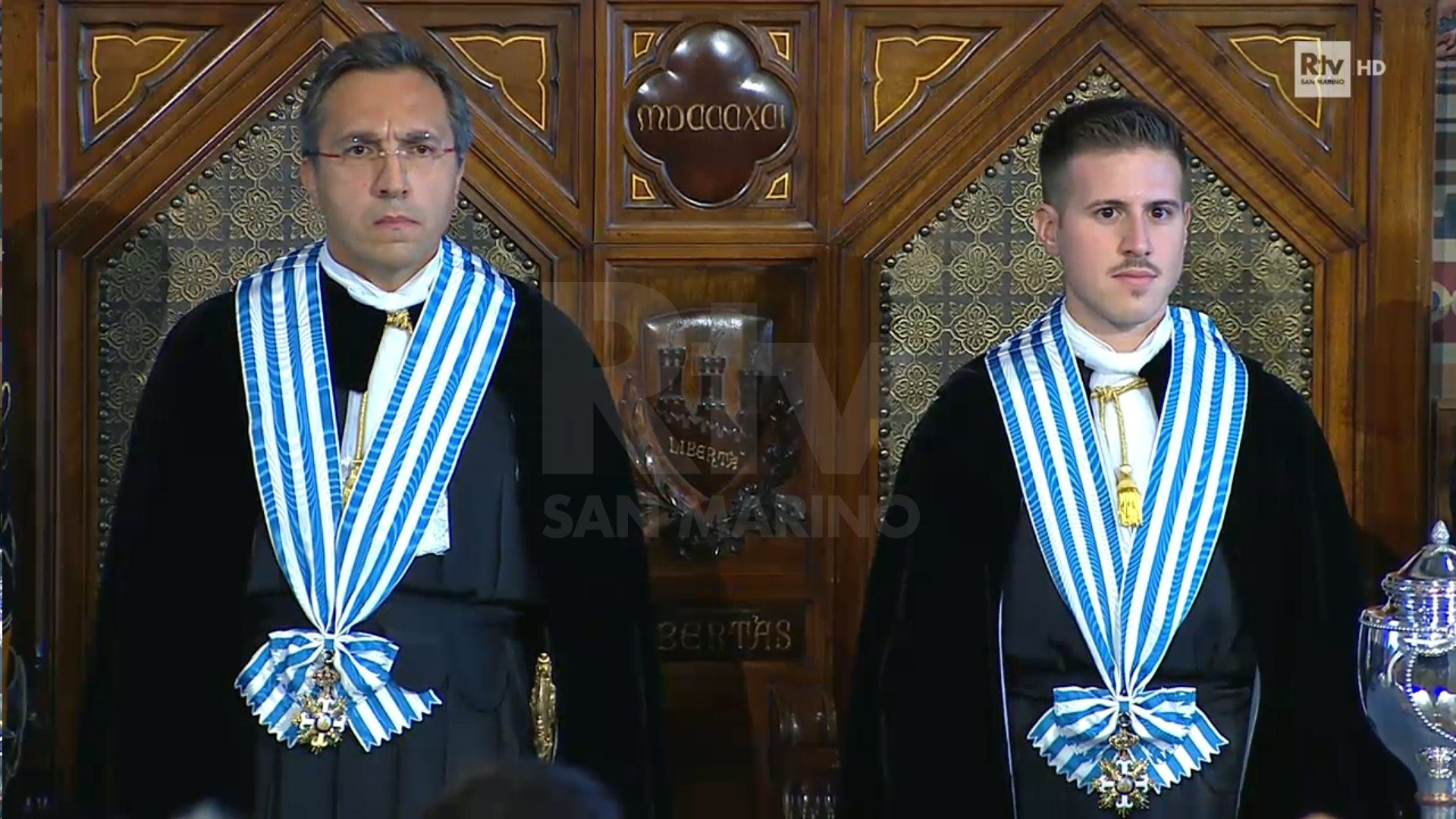
Sunday 7 June Sette Giugno in Malta

Malta’s position in the Mediterranean sea has made the islands a strategically important location since classical times, with the islands passing from one ruler to another through the ages.

In 1800, the British had assisted Malta in removing the occupying French forces and the Maltese people had asked to become a sovereign nation in the British Empire. This was ratified in the treaty of Paris in 1815.

Following the end of World War I, tensions had been rising due to the inability of the colonial government to ensure basic supplies to the island. This had led to some merchants being seen to have made a lot of money from the situation, while others fared badly.

Added to this was the feeling that political moves for greater autonomy and independence for Malta were seemingly going unheard.

In early June 1919, a change in the governor of the island was treated with scepticism by some and on June 7th, a crowd started removing British flags from buildings that had been flying at half-mast across the island due to the recent death of the President of the Court.

The mob grew in size and turned their attention to the homes of the merchants who had been doing well from the recent supply issues. It was at one of these houses that a standoff between the mob and the army ended in tragedy with the soldiers firing and killing three protestors and injuring fifty others. The uprising continued for a few days during which time, a fourth civilian died from injuries received while resisting arrest.

The uprising was short-lasting, but the bloody events of June 7th 1919 led to the National Assembly drafting the new Constitution. Two years later, Malta was given responsibility for self-government and home affairs and the first Maltese Parliament was set up.

Why I gave up being a fashion editor to become a bricklayer, and why the answer is wealth

By Hannah. Not her real name, You know, of the Berkshire Tomlinsons

I USED to be the fashion editor for British Vogue, and now I’m a bricklayer and hod-carrier. Why? You already know the answer is money, don’t you? 

Yes, I walked away from a six-figure job to do something real and earthy for reasons I’d list as spiritual fulfilment and a need to abandon artifice, but actually comes down to ‘because I could afford to’. So useful having what I refer to as a ‘small private income’. 

It’s very much the same reason I left London for Somerset, which you may remember from a previous article. I claimed it was to ‘remove myself from the aspirational rat-race of Mulberry bags and matcha martinis’ but made £2.2 million selling my flat. 

I’m back in London now, of course – the Somerset place is being rented to a crypto-billionaire, more than covering the mortgage – but I’m not returning to my old job. No, not the Vogue one, the City one? 

From my classic piece ‘I walked away from a job in the City to become a chocolatier’? That didn’t mention my £865k pay-off until after my rapturous discovery that I needed purpose in my life, and had found it in organic raw cacao? 

Yes, well it turns out selling chocolate is a lot like being a common shopgirl. So I walked away from that, keeping only my substantial shareholding, and now I’m a bricklayer! I know, aren’t I remarkable? 

Not a real bricklayer, of course. That would be absurd. No, this is the point where I reveal I’ve retrained as an architect and I’m only bricklaying for a few days and a photoshoot! My actual salary is f**king telephone numbers. 

So why don’t you take inspiration from me and give up your boring job to do something you love? Because you’re worried you won’t have the money for rent or food? How boring and small of you. No wonder poor people never succeed. 

Saturday 6 June Memorial Day in South Korea

The Korean War began on June 25th 1950, when troops from Communist-ruled North Korea invaded South Korea. 

There was a boycott of the United Nations by the Soviet Union at the time, and therefore, no veto, which allowed the UN to intervene when it became apparent that the superior North Korean forces would easily take over the entire country. 

The Soviets and the Chinese backed North Korea, with the participation of millions of Chinese troops. After large advances on both sides, the war eventually reached a stalemate. 

The 1953 armistice, never signed by South Korea, split the peninsula along the demilitarized zone near the original demarcation line. 

No peace treaty has ever been signed and technically, the two countries are still at war.

The Korean War was the first war in which a world organization, the United Nations (UN), played a military role and a major challenge for the United Nations, which had come into existence only five years earlier.

Across South Korea, officials and citizens will pray and lay flowers at the graves of the war dead. It is common practice to display the flag of South Korea on the front doors of homes to commemorate the civilians and soldiers who died in war. 

In 1956, South Korea held its first memorial ceremony for soldiers who died in the Korean War. Memorial Day was declared a public holiday on April 19th 1956, just three years after the war ended.

Am I part of the whiniest generation in history?

I WAS born in 1994, at the tail end of the shoegaze era. Am I especially unfortunate to be part of the whiniest generation in history?

I missed out on student grants. I missed out on cheap house prices. I missed out on lead poisoning from exhausts, corporal punishment in schools and mass unemployment as well, but I’m not interested in those because they didn’t happen to me.

Meanwhile my generation has suffered endless inequitable treatment. We missed Britpop, due to being children, so the first record I bought was Big Brovaz’s Nu Flow. You see how we’re cursed?

We couldn’t go to university. I mean loads of us could and did, unlike all those boomers who worked down the pit and got their pet hawks killed for daring to dream, but it wasn’t free and that’s a terrible injustice.

Our chances of buying an Instagrammable property in Notting Hill are basically zero, unlike in the 60s where you could rent a subdivided slum and get dogs set on you if you didn’t pay on time or they evicted you regardless.

And we’ve had the terrible misfortune of the internet meaning we get bullied on social media, instead of in real life, and we have non-stop 24-7 internet filth traumatising us instead of having to get what erotic charge we could from shop mannequins.

Finally, there’s pensions. Anyone older than us has an incredible pension, financed by most men dying of massive smoking-induced heart attacks aged 64 after which their wives moved in with their children to sit in the corner frowning for 20 incontinent years.

Yes, we truly are the unluckiest, and consequently the whiniest, generation in history. Though I bet another generation will come along and claim to be even whinier. It’s so unfair.

Friday 5 June Randol Fawkes Labour Day in Bahamas

Sir Randol Fawkes was a free trade unionist, civil rights activist and author who had an important impact on the modern Bahamas. Fawkes is often referred to as “the father of Labour” in the Bahamas for the work he did in establishing the trade union movement in The Bahamas.

In 1961, he successfully a bill through the House of Assembly which established Labour Day as a public holiday. Fawkes pushed for a Labour Day Holiday as he thought a day should be set aside and designated as Labour Day as “a fitting memorial to the contributions made by the working people to the progress of the Colony.”

In recognition of his outstanding contributions to the trade union movement and to the country, knighthood was conferred on Sir Randol by Her Majesty, Queen Elizabeth in 1978.

Sir Randol died in 2000 and in 2013, Senators debated and passed a bill to rename the Labour Day Holiday “The Randol Fawkes Labour Day”.

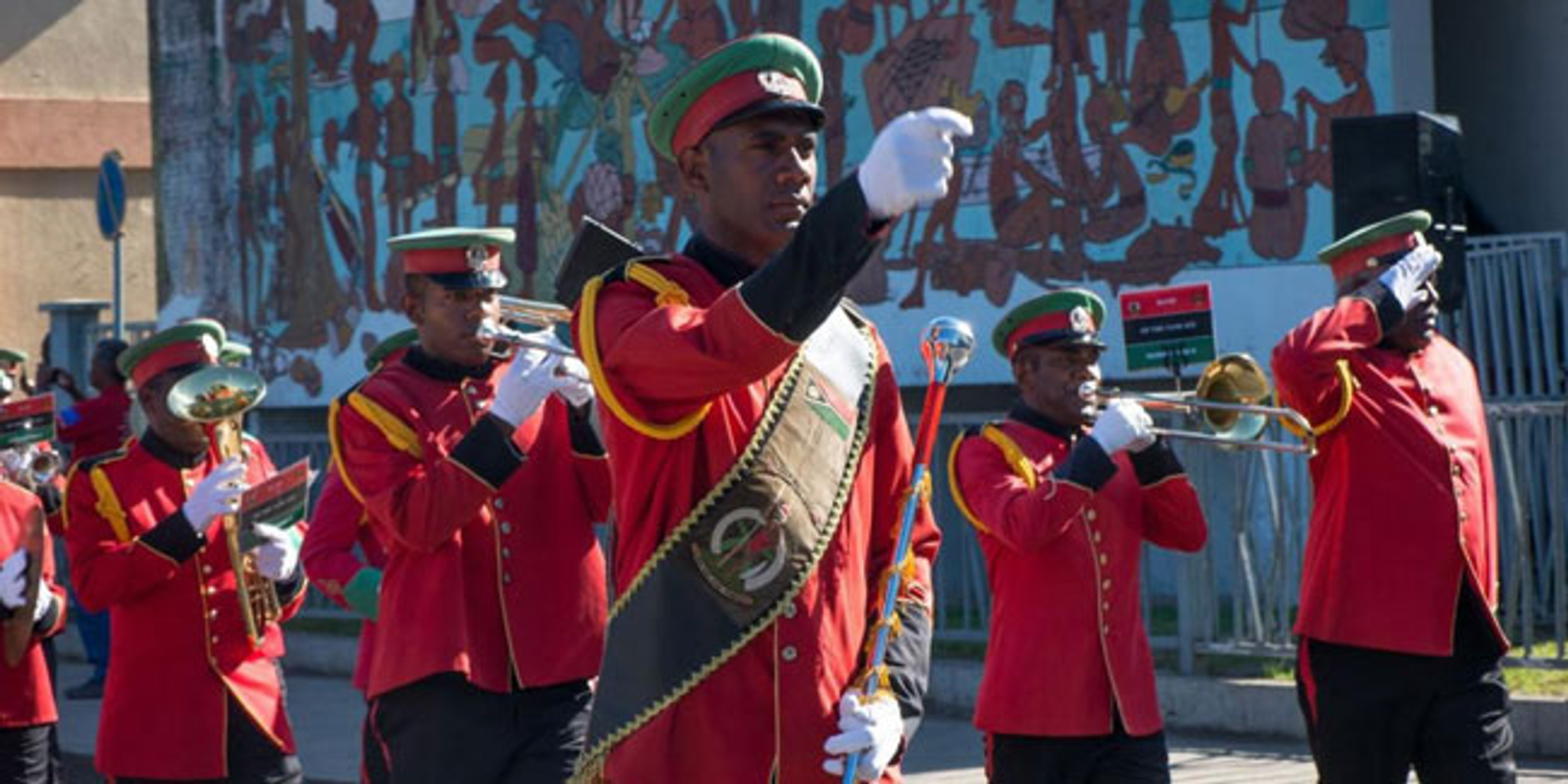
On this holiday, members of the labour unions from different organizations, as well as political parties, march in a large parade through the streets of downtown Nassau, usually in colourful uniforms. The parade ends at the Southern Recreation Grounds, where union leaders and local politicians deliver speeches.

On Independence Day 2020, Sir Randol Fawkes was awarded the nation’s top honor of the Order of National Hero in the National Honours Awards.

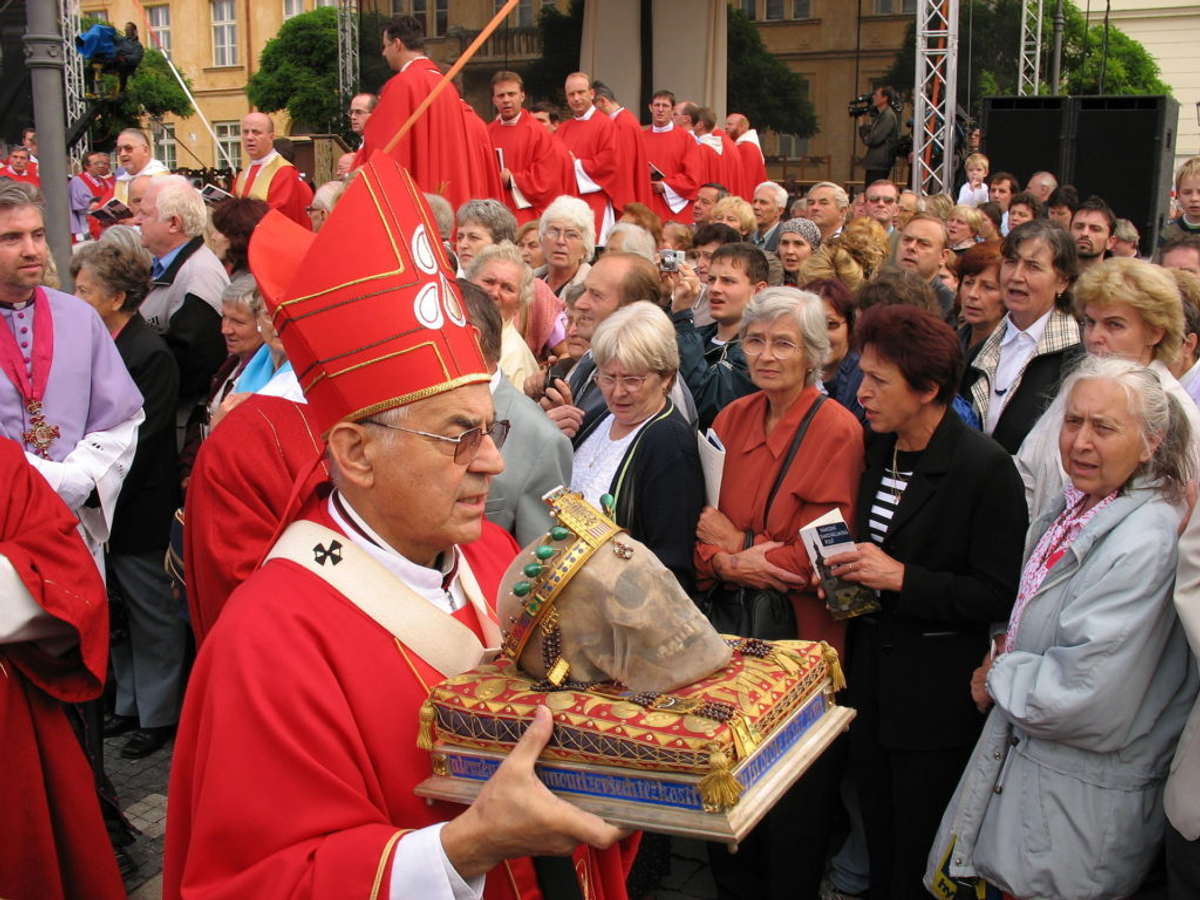
Thursday 4 June Corpus Christi around the world

The emergence of Corpus Christi as a Christian feast didn’t happen until the second half of the thirteenth century with the efforts of a nun called Juliana of Liège.

Since childhood, Juliana had been claiming that God had been telling her that there should be a feast day for the Eucharist and eventually she petitioned the Bishop of Liège. In those days bishops could order feasts in their local dioceses. The bishop agreed to the feast and convened a synod in 1246 and ordered that a celebration of Corpus Christi should be held annually.

The Corpus Christi celebration only started to become more widespread after both Juliana and the Bishop had died. In 1264 Pope Urban IV issued the papal bull Transiturus in which Corpus Christi was made a feast throughout the entire Latin Rite. He fixed it for Thursday after the “octave” of Pentecost when only designated celebrations or special feasts were blessed. This feast is celebrated on a Thursday in remembrance of the institution of the Eucharist (the last supper) which takes place on Maundy Thursday, the eve of Jesus’ death on the Cross.

Corpus Christi is primarily a Roman Catholic feast, but it is also acknowledged in the calendar of a few Anglican churches, most notably the Church of England. It is also celebrated by some Western Rite Orthodox Christians. Across many parts of medieval Europe, Corpus Christi was a popular time for the performance of mystery plays.

Along with Lent, Advent, Easter, Pentecost and Christmas, Roman Catholic Bishops have a duty to be present at their cathedrals on Corpus Christi.

Can you spot the carefully hidden reason this couple were able to go mortgage-free at 25?

Jess and Anthony, not their real names, have just bought a house outright aged 25. Can you work out the clever way they did it besides trivial money ‘hacks’?

‘Getting on the property ladder is easy if you do one thing: stop your wasteful spending. Because not eating 70p avocados is definitely how you raise the best part of 300 grand.

‘It’s all about making sacrifices, and sadly too many young people today won’t do that. Luckily my parents brought me up to be careful with money. “Cut your coat according to your cloth,” is what my frugal corporate lawyer mum and hedge fund manager dad always told me.

‘And so Josh and I devised a strict money-saving plan. Making meals at home instead of eating out. Buying items on discount and cutting out non-essentials. You’d be surprised how often you don’t need new headphones or a top, much like when I was a child and my parents said I didn’t need two ponies.

‘We stopped wasting money on £4.50 lattes and a £12.99 Netflix subscription we barely watched. We both loved foreign holidays, but we agreed we’d tighten our belts and just stay in Ant’s parents’ villa in Gran Canaria.

‘I’m a terrible clothesaholic, but you can get perfectly good outfits secondhand. “Can I have all those Jigsaw dresses you never wear, and actually those Jimmy Choos?” I asked my mum. A deal was struck, and I agreed to cook dinner that evening.

‘But I think the hack that really helped us buy a house was checking our finances daily. If there was money owed on my credit card, I’d immediately say “Daddy, can you pay my card off for me again?” That way I avoided paying interest completely.

‘And now, after taking control of our spending and some careful budgeting, we own our home, and my parents are delighted. “Pay back the £285,000 any time,” they said.’

Wednesday 3 June Martyrs’ Day in Uganda

From the start of his reign in 1884, King Mwanga had viewed foreign missionaries as the greatest threat to his kingdom and power base. He expelled missionaries and threatened converts to renounce their new faith or face execution.

In total, 23 Anglican and 22 Catholic converts to Christianity were executed between January 31st 1885 and January 27th 1887. On June 3rd 1886, 32 young men were burned to death at Namugongo for their refusal to renounce Christianity. They were a combination of Anglican and Catholic converts.

Mwanga’s actions led to a British backed revolution which overthrew the King in 1888. Mwanga negotiated with the British and in exchange for handing over some of his sovereignty to the British East Africa Company, the British helped reinstate Mwanga to the throne in 1889. After a further spate of double-crossing, he was finally deposed in 1897. While in exile he was converted to an Anglican.

There are Catholic and Anglian shrines to the Martyrs’ close to each other in Namugongo. Each year Martyrs Day attracts millions of pilgrims to the area with many coming from beyond Uganda.

The Catholic Church beatified the 22 Catholic martyrs in 1920 and canonized them as Saints of the universal Church in 1964.

In 2015, Pope Francis visited Namugongo, where he celebrated Holy Mass. Before the Mass, Pope Francis paid homage to the Anglican martyrs at the Anglican shrine.

Tuesday 2 June Republic Day in Italy

Italy became a nation on March 17th 1861, when most of the states of the region and the two Sicilies were united under King Victor Emmanuel II, hitherto king of Sardinia.

The father of Italian unification was Count Camillo Benso di Cavour, the Chief Minister of Victor Emmanuel.

Rome stayed under the rule of the Papacy for nearly 10 years and became part of the Kingdom of Italy on September 20th 1870. This is the final date of Italian unification.

On June 2nd 1946, in a referendum on the monarchy, more than 12 million Italians voted in favour of the birth of the Italian Republic while electing the assembly that would draft the new Constitution, which would come into force on January 1st 1948. It was announced on June 10th 1946 and on June 18th the Court of Cassation, after 85 years of rule, sanctioned the birth of the Italian Republic. 

Male members of the royal family were sent into exile because of their association with the fascist regime and were only allowed to return to their country in 2002. Italy’s constitution now forbids a monarchy to ever rule again.

Declared a National Holiday in 1949, the first ceremonial was held in 1948 and included the military review of the armed forces in honour of the republic by the President of the Italian Republic. The event took place in Piazza Venezia, in front of the Vittoriano.

In 1977, the national holiday was moved to the first Sunday in June, for economic reasons to avoid the holiday having a negative effect on working hours. It stayed on the Sunday until 1999, when June 2nd was made the official date.

Monday 1 June Royal Brunei Armed Forces Day (in lieu) in Brunei

Brunei had been a British protectorate since 1888, and as such, was reliant on the British armed forces for protection and defense. 

On 31 May 1961, to prepare for future independence, recruits from Brunei began military training, creating the first Brunei military force named the Brunei Malay Regiment. On 31 May 1965, the regiment was honoured with the royal title.

When Brunei gained independence from Britain on 1 January 1984, the Royal Brunei Malay Regiment was renamed as the Royal Brunei Armed Forces. 

There is no compulsory military service and only Brunei citizens with Malay ethnicity are allowed to enlist in the Royal Brunei Armed Forces. 

This is a day to recognise and pay tribute to the services of the land, air and navy forces. Around the country, the festival is celebrated with military parades, artillery shows, parachuting displays and exhibitions by various units of the armed forces.

Past-it old bastard referring to you both as ‘people our age’

AN old and decrepit man is under the mistaken impression that you and he are contemporaries.

While talking to friends and acquaintances at social events, Michael, not his real name, from Bexley has been insisting they are old fogies well past their prime like him – something that is clearly not true.

Norman, not his real name,  said: “Michael and I were getting on fine in the pub. We agreed on a lot of things, like the state of the roads, how much we hate e-scooters and our dislike of loud teenagers on the bus.

“I’d started telling him about how I did my back in jogging – jogging, which is what young people do – and he clearly said ‘Well, that’s what happens to people our age’. Where the f**k did that come from?

“Michael’s got grey hair and wears boring M&S shirts, whereas I wear trainers and like to think I am quite fashionable in a sort of ‘ageless’ way. I mean, yes, I have a few flecks of grey but that can happen in your 30s. Although I’m not in my 30s, I’m in my 50s, obviously.

“So I’m not sure how he got this insane idea we’re in the same over-the-hill age bracket, just because he was in the year above me at school.”

Michael said: “I distinctly remember Norman from school, so he’s not much younger than me. Also I saw how big he has the text on his phone. It’s good to know he’s socially and sexually irrelevant too.”

All your colleagues hate you, and other subtle signs it’s time to leave your job

WONDERING if you’re outstaying your welcome in your job? Look out for these telltale signs.

All your colleagues openly hate you

Co-workers don’t have to be your friends, but you shouldn’t have to come into the office knowing they all despise you either. It’s also not normal for your colleagues to be openly vying for your job, or for a bunch of people to barrage you with insults when you try to answer their questions each week. Maybe move into something more cushy, like coding?

The papers are begging for you to leave

It’s unusual for the British press to focus on random employees, but if they’re united in their call for you to step down then maybe you should give it some thought. Yes, it’s a little confusing because a couple of years ago some of them were backing you, but that’s just how things go. Don’t take their new scathing attacks on your character personally.

It’s totally unclear what you’re meant to be achieving

You may find most people are unsure about what you’ve actually accomplished in the last two years. Have you in your job somehow been the mastermind behind soaring petrol prices and the surging popularity of fringe parties? If so then well done, you can retire safe in the knowledge that you accomplished something, even if it’s shit.

The public is calling for you to go

The average worker generally doesn’t have to deal with every man, woman and child hoping you’ll piss off soon. A shelf stacker would pack it in out of frustration if people were lining up to tell them how crap they were and to give their job to Andy Burnham, and you shouldn’t feel any different. Don’t be upset though, just think of it as the universe’s coy way of telling you you’ve done your whole life wrong.

You’re kind of shit at it

Two years is an impressive amount of time to blag a job you’re clearly not cut out for. You can take pride in that, and even add ‘exemplary bullshitting’ to the CV you’re hopefully polishing. Sadly though, being good at a job is often a prerequisite to keeping it. Walk away from the flaming wreckage you’ve created and pray that nobody can trace it back to you.

Sunday 31 May Buddha Purnima around the world

Shakyamuni Buddha, the historical founder of Buddhism, was born in what is present-day Nepal over 3,000 years ago. There are various opinions concerning the exact dates of his birth and death, but according to Buddhist tradition, he is said to have been born April 8, 1029 BC and died on February 15, 949 BC, although other Buddhist scholars place his birth five hundred years later.

His mother, Maya, was the wife of Suddhodana, king of the Shakya clan. According to Buddhist lore, when she conceived, the queen dreamed that an auspicious white elephant entered her womb. A number of texts recount the child’s miraculous birth, detailing how the baby was received by the gods Indra and Brahma, and took seven steps soon after he was born. He is then believed to have received a cleansing bath from the gods, or dragon kings, depending on the country or culture where the legend originated.

Even though many Buddhists observe Buddha’s historical birth on 8th April, the exact date remains in question. Although modern archaeological and historical research confirms that Prince Siddartha Gotama lived around this time.

On Buddha Purnima, people dress in white clothes and give out kheer (a rice pudding) as, according to legend, a woman named Sujata once offered Gautam Buddha kheer on his birthday and it has since become a tradition.

The dharmacakra or dharma wheel is a symbol often seen during Vesak. It is a wooden wheel with eight spokes. The wheel represents Buddha’s teaching on the path to enlightenment. The eight spokes symbolize the noble eightfold path of Buddhism.

Men under increasing pressure to look vaguely presentable

IMAGES of attractive, stylish celebrities in the media are putting unreasonable pressure on men to make the effort to look half-decent.

Actors like Timothée Chalamet and Ryan Gosling who are both physically fit and well-groomed are being blamed for new patterns of dysfunctional behaviour in men, such as stopping to sniff the shirt they found on the floor before putting it on.

Style consultant Charlotte Phelps said: “In the past men have relied on wealth or the fleeting burst of confidence that accompanies binge drinking in order to snare a mate.

“But the increasing prevalence of men who look fit and clean is changing the rules and making normal males uncomfortable with their natural, healthy nose hair, shit haircuts and pallid, distended bellies. Albeit not quite uncomfortable enough to do anything about it.”

Man Ryan Whittaker said: “Yesterday I noticed that every single pair of boxer shorts I own has a faded but clearly visible skidmark and thought, ‘that’s not very appealing’. Clearly I need to see a psychiatrist urgently about this obsessive cleanliness disorder I’ve developed.

“I’ve also become obsessed with having abs like Paul Mescal. So I’ve sort of drawn some on, using a black marker pen I found down the back of the sofa while looking for crisps.

“From a distance it looks quite convincing.”

Saturday 30 May Anguilla Day in Anguilla

At only 16 miles (26km) long, Anguilla is the smallest of the five British Overseas Territories in the Caribbean. It was first colonized by English settlers from nearby St. Kitts in 1650. Despite some half-hearted attempts by the French to take control in the 17th and 18th centuries, the island was finally recognised as a colony by the British in 1825.

The 1830s saw a union of St. Kitts, Nevis and Anguilla on Britain’s recommendation, a move that was unpopular with the majority of Anguillans as it was thought that representation of the island was neglected. 

In 1958, St. Kitts, Nevis and Anguilla became part of the Federation of the West Indies. The Federation collapsed in 1962, and St. Kitts -Nevis-Anguilla was made an associated statehood.

Resentment against this political decision grew, and on May 30th 1967, the people of Anguilla marched on the Police Headquarters and evicted the Royal St. Kitts Police Force from the island.

Britain intervened and a peacekeeping committee was established, with British authority being fully restored in July 1971. Although it took until December 19th 1980 before Anguilla fully seceded from the association, the events of May 30th are celebrated today as the most important step towards Anguilla’s autonomy.

Anguilla Day is celebrated by a colourful parade and a round-the-island boat race.

Dad’s perfect spring day out is taking kids to industrial estate to buy car part

A FATHER’S ideal activity on a beautiful sunny day is taking his children to a series of industrial site and scrapyards so he can cheaply purchase a fuel pump housing.

Dad-of-two Ant senior, not his real name,  woke up, saw the sun streaming in, knew immediately what would be the best use of his and his family’s Saturday and went about making that dream a reality.

He said: “I’ve needed that housing for a month now, but the time just never felt right. But I think today’s the day.

“The kids didn’t have any specific plans – just stuff like ‘play out with my mates’ – so I piled them into the car and we drove 40 minutes to the dodgy bit of town and visited a back-alley warehouse called John’s Spares and Replacements.

“I wanted them to be safe, so I locked the car and turned off the air-con. They’ve got phones, though I found out later they hadn’t brought them. Still, it only took John 35 minutes to find he hadn’t got the one I needed.

“Then a mere two scrapyard visits where they churlishly refused to play with the snarling, chained Rottweilers, then home. At which point they ruined a lovely day by moaning to their mother.”

Son Anthiony said: “I asked if we could go to the park, and he remembered he was low on lawnmower blades, put us back into the car and went to Screwfix where he was gone for almost an hour.

“Bless him, he loves Screwfix.”

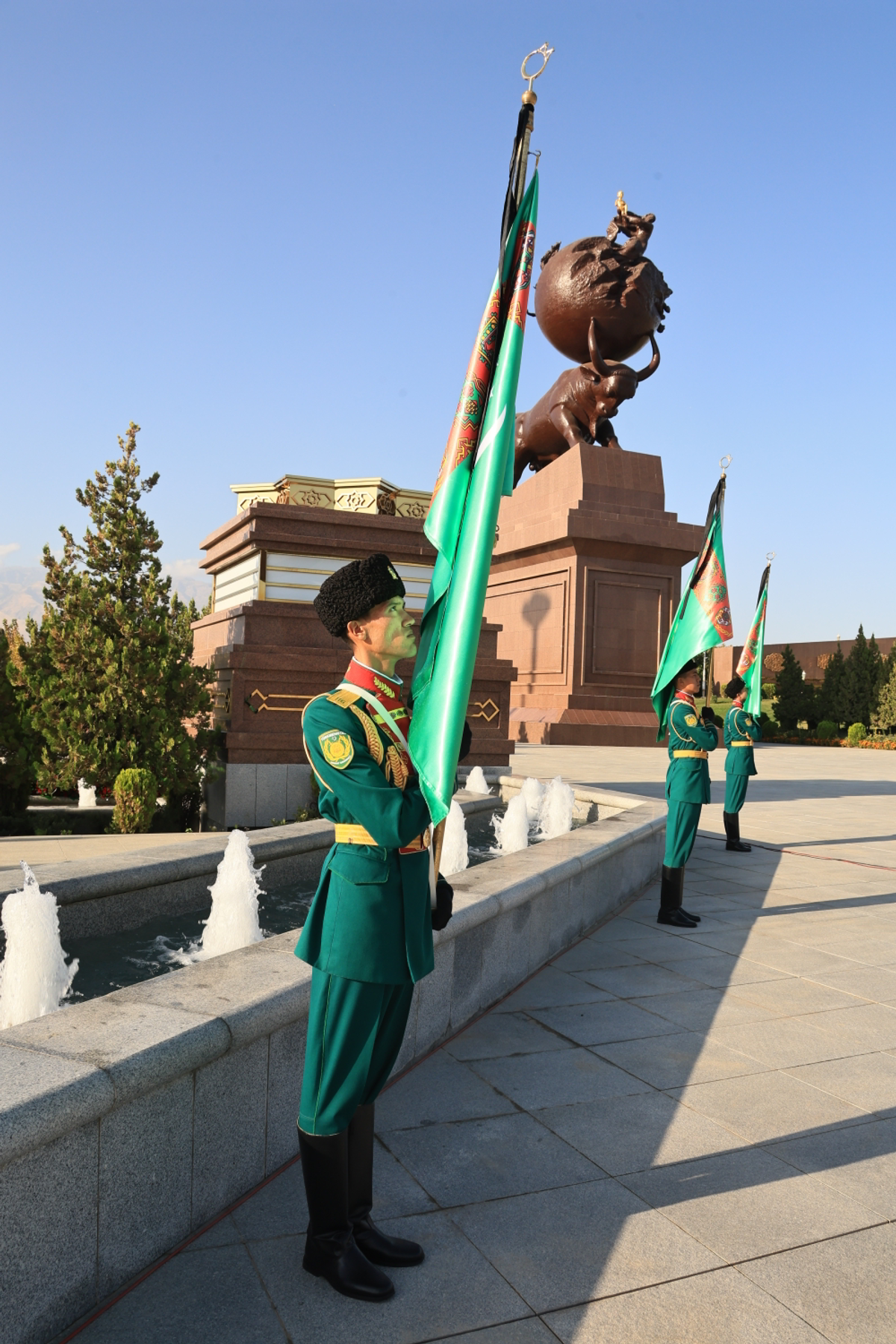
Friday 29 May Ratu Sukuna Day in Fiji

Ratu Sukuna Day is a national public holiday commemorated annually to celebrate the life and service of Lieutenant Colonel Ratu Sir Josefa Lalabalavu Vana’ali’ali Sukuna (22 April 1888 – 30 May 1958) to Fiji.

Ratu Sukuna was once considered the national father of modern Fiji and also a respected statesman and paramount chief of Lau.

Prior to 2023, it was a gazetted public holiday until 2010 when Prime Minister Voreqe Bainimarama declared both Ratu Sukuna Day and National Youth Day would no longer be considered public holidays.

In his first live public address since becoming prime minister, Sitiveni Rabuka announced that he will reinstate Ratu Sukuna Day, saying: “We will reinstate Ratu Sukuna Day. The monumental work of this illustrious traditional leader on land reform has had a continuing beneficial effect on the landowners, the economy, the sugar industry, business and investment.