Lando Norris took his first pole position of the year in Hungary but is cautious about whether he can follow it up with his first victory as world champion.
Perhaps the McLaren driver was casting his mind back to Miami in early May, when he was leading towards the end of the first stint of the race, only for his team to make a strategic mis-step and allow Mercedes driver Kimi Antonelli to sneak in for a win.
“You can’t just rely on one good qualifying, so I need a good race tomorrow,” Norris said.
“Then we obviously have a nice summer break, but after that we need to try and repeat it several more times.
“We’ve been working hard. We know we’ve been on the back foot, but we’re making progress and today certainly shows that.”
Much of the attention at the Hungarian Grand Prix has been on the massive upgrade made by Aston Martin on their recalcitrant car, which has provided the troubled team with a major step forward and allowed Fernando Alonso to escape the first qualifying session for the first time all season.
That meant McLaren’s own upgrade went under the radar somewhat, but it has been effective.
Still, team principal Andrea Stella, while expressing his satisfaction that the upgrades had enabled them to engage in a fight for pole they did not expect, said Norris’ pole was an “overachievement”.
McLaren’s own good execution of qualifying was one factor, he said, in addition to an under-performance from Ferrari, and perhaps even Antonelli and Mercedes.
Ferrari came into Hungary as most people’s favourite, including McLaren’s, on the basis that their car is the fastest in the corners, but lacks engine performance, and this is one of the least power-sensitive tracks on the calendar.
Lewis Hamilton was fastest after the first runs in the final part of qualifying but did not improve on his final lap. Shortly after completing it, he blocked Norris’ team-mate Oscar Piastri and the stewards imposed a three-place grid penalty for impeding the Australian.
Ferrari boss Frederic Vasseur said the team took responsibility for that because they did not warn Hamilton in time.
The seven-time world champion later posted on Instagram:, external “Sometimes you just can’t catch a break. Another weekend when I’ve been feeling great throughout all the sessions, but then it just falls apart.”
Referencing penalties he had been given in the previous two races in Britain and Belgium, Hamilton added: “I always do my best to keep positive – sport is always about the highs and lows, but it’s also in the margins. Every point counts and you have to seize every opportunity. After three penalties in three weekends, it’s becoming difficult to hang on to that positivity.
“Still, I won’t let the setbacks take away from the progress we’ve been making as a team. With the pace we have, I’m hopeful we can get something out of the race tomorrow.”
Media freedom organisations and opposition lawmakers have criticised sweeping media reforms pushed through by Israel’s right-wing coalition as part of a legislative blitz before the parliament’s dissolution in advance of elections later this year.
The parliament, or Knesset, last week approved the bill that could give the government a far greater say in Israel’s news and broadcast sectors. The controversial measure strips away traditional oversight safeguards, eliminates requirements for minimum journalism standards and lifts longstanding limits on cross-ownership, among others.
Recommended Stories
list of 4 itemsend of list
Following the July 17 vote, watchdog groups, including the Union of Journalists in Israel, along with opposition parties, successfully petitioned the High Court of Justice to freeze parts of the legislation. They warned that some provisions that were set to take effect immediately, including the removal of limits on ownership of multiple media outlets and the stripping away of newsroom standards, could permanently distort the media landscape before the October 27 election, potentially influencing its outcome.
The government has until Sunday to respond, after which the court will decide whether to keep the freeze, widen it, or allow the provisions to take effect. Other, less contentious and immediate sections of the law were left to stand.
Israel’s Prime Minister Benjamin Netanyahu did not vote on the measure. He is currently bound by a 2020 conflict-of-interest agreement that bars him from participating in government decisions that could affect his ongoing corruption trial, where, among other charges, he stands accused of using his position to unduly influence media coverage of his administration.
Nevertheless, Communications Minister Shlomo Karhi thanked Netanyahu directly, saying: “Mr prime minister, I want to thank you and tell you that the mission you gave me four years ago – to deliver right-wing reform of the media – was today successfully completed.”
Israeli media reported that such a directive by Netanyahu could be a violation of his agreement. Neither the Prime Minister’s Office nor the Communications Ministry responded to Al Jazeera’s queries over whether Netanyahu’s role in the legislation’s passage represented a conflict of interest. However, Karhi subsequently claimed that he had secured a legal opinion determining that the prime minister was not in breach of the conflict-of-interest agreement.
“Prime Minister Benjamin Netanyahu and Communications Minister Shlomo Karhi have proven repeatedly that they are enemies of independent journalism in Israel,” Martin Roux, of the Reporters Without Borders media monitor, told Al Jazeera.
“This means they’re attacking every Israeli citizen’s right to reliable information from diverse sources. This has been true for years, and it is becoming more obvious every day as the legislative elections, set for the end of October, approach. It’s all about controlling the narrative,” he said.
In a social media post, Karhi claimed the new legislation would bring “more right-wing coverage and less regulation”.
“After a determined struggle against every possible element from the deep state, tycoons, attorneys, officials and fearmongering networks – we managed to pass the right-wing media reform.”
‘Boosting propaganda channels’
However, for many observers, there was little new in overhauling media that had grown used to toeing the government line, with critical coverage of the multiple wars that Israel has engaged in and the international outrage that many have caused typically relegated to the sidelines of the national conversation.
“The reforms are part of Netanyahu’s ongoing media overhaul – undermining the remains of critical reporting and journalistic independence in the country, while boosting Netanyahu’s propaganda channels,” London-based Israeli academic and media analyst Ayala Panievsky told Al Jazeera.
Israel’s Channel 14 has consistently pushed the ‘big lie’, that Trump won the 2020 US elections, leading some to wonder if the channel would be prepared to do the same again in Israel later this year [Chip Somodevilla/Getty Images]
She cited the far-right Channel 14, which she said emboldened Israel’s war crimes and offered unflagging support to what she described as the most right-wing government in Israel’s history.
“In 2020, they amplified ‘the Big Lie’ in the US elections, claiming Trump won the election – they might therefore act similarly following the Israeli general elections in October, if Netanyahu’s coalition indeed loses,” said Panievsky, echoing similar concerns among academics and legal analysts sparked by accusations from lawmakers within Netanyahu’s Likud party that the acting head of the Central Elections Committee, Dean Livne, was “clearly politically biased”.
Analysts and observers from across Israel have long pointed to the strongly nationalist undertone of much of Israel’s current affairs coverage and the absence of space given to Palestinians and Palestinian suffering.
When the United Nations’ Independent International Commission of Inquiry concluded in September 2025 that Israel had committed genocide in Gaza, Israel’s Foreign Ministry dismissed the findings as “distorted and false“, a framing echoed across domestic outlets rather than scrutinised.
A subsequent Molad report found only 3 percent of Channel 12’s early war coverage referenced Gaza’s humanitarian crisis, with just two of 206 visuals showing Palestinian civilian casualties. Elsewhere, allegations of Israeli war crimes, including sexual abuse, are either omitted or given pro-government framing, observers told Al Jazeera.
Thick smoke rises following an Israeli air strike on a residential area in the Al-Jalaa neighbourhood despite the ‘ceasefire’ [Saeed MMT Jaras/Anadolu]
“The Israeli media just doesn’t feature Gaza. It’s not there,” political analyst Ori Goldberg said from outside Tel Aviv. “There’s no sense of solidarity with the journalists killed there, or those they don’t let in. They’re just not mentioned.”
Similarly, discussion panels on the various wars that the Netanyahu administration had embarked upon were typically staffed by ex-generals, who had no question with the need for war, only differences over its prosecution, said Goldberg.
However, even this relative compliance was not enough for a prime minister fighting an election that had come to rely on the appearance of forward momentum and paper enemies to sustain his political project.
“Netanyahu always needs to be seen to be pushing the envelope,” Goldberg added. “He needs a media that will give barely critical coverage of his every word, but one that he can still present as the enemy within.”
Nairobi, Kenya – The death toll from the latest Ebola outbreak in the Democratic Republic of Congo has surged above 1,309, an extraordinary rise of more than 40 percent in just five days, government figures show, as a leading public health consultant says the virus is “spreading like a wildfire”.
Updated data released by the government on Saturday showed that as of Thursday, the total number of confirmed cases, including deaths, had climbed to 2,973. This was a 27 percent rise from the figure last Saturday.
Recommended Stories
list of 3 itemsend of list
The unprecedented rate at which cases are increasing and deaths are mounting has made the DRC epidemic the fastest-spreading Ebola outbreak ever documented.
Compounding the danger, the virus spreading in the DRC is Bundibugyo, which is the rarest of the four variants of Ebola known to affect humans and currently has no approved vaccines or treatments.
Abdulsalami Nasidi, a public health consultant who helped establish the Africa Centres for Disease Control and Prevention (Africa CDC), the African Union’s public health agency, told Al Jazeera the lack of a proven vaccine meant the virus was “spreading like a wildfire.”
Nasidi said the epidemic was unfolding in an area of active hostilities, compounding the shortage of public health resources common to African governments confronting outbreaks.
Scientists are racing to find a way to slow the epidemic, and the University of Oxford’s Oxford Vaccine Group said a volunteer had received the first dose of a rapidly developed experimental vaccine on Friday.
“This is an important milestone for the trial, and marks the next phase in our multinational collaborative journey to develop a Bundibugyo ebolavirus vaccine,” said the Oxford team’s chief investigator, Katrina Pollock.
The largest and deadliest Ebola outbreak in history killed more than 11,000 people out of at least 28,000 cases between 2013 and 2016, primarily in West Africa across Guinea, Liberia and Sierra Leone.
That outbreak took about eight months to reach the first 1,000 deaths. The latest epidemic in the DRC has done so in less than 10 weeks.
“We must act now,” Africa CDC Director-General Jean Kaseya wrote in a post on X last week. “If we do not stop it today, this will become the worst outbreak the world has ever documented.”
Al Jazeera’s Alain Uaykani, reporting from the DRC city of Goma, said the government’s response had lacked coordination and urgency, leaving medical personnel overstretched and working in poor conditions.
He said the death toll among health workers continued to climb on Saturday, with a doctor and a health worker among the latest victims.
More than 100 health workers have been infected since the outbreak was declared in May, and around 35 have died, a toll compounded by shortages of protective equipment and, in some communities, hostility from residents who question whether the disease is real.
An increasing number of healthcare workers at several medical facilities in the northeastern province of Ituri, the epicentre of the outbreak, have gone on strike over unpaid wages and unsafe working conditions.
Last week, dozens of workers at Rwampara General Hospital near Bunia went on strike. The hospital operates a major Ebola treatment centre, parts of which were set ablaze in May by angry residents who also chased after health workers fleeing in trucks.
The latest strike began on Saturday at the Elikya Ebola Treatment Centre in the provincial capital of Bunia. Activities were largely paralysed as doctors, nurses and security staff stopped work.
Approximately 100 workers held a protest outside the centre, saying unpaid bonuses were undermining morale and disrupting patient care.
“We need to be paid, because in the meantime the disease is spreading at the treatment centre,” Martin Bolombi, one of the striking workers, told The Associated Press. “I’ve already had five people die who are still inside there. A solution must be found for us,”
WHO Director-General Tedros Adhanom Ghebreyesus has warned that the true number of cases could be more than double the official count, as insecurity continues to restrict access to affected communities.
Contact tracing now reaches roughly 80 percent of known contacts, he said, but response teams still cannot reach every village or deploy where they are needed most.
The United States and Canada have both restricted entry for travellers who have recently been in the DRC, measures that run counter to the WHO’s own guidance issued in May, when it declared the outbreak a global health emergency.
Tedros has called for a ceasefire in the conflict gripping eastern DRC, arguing that medical resources alone are not enough to tackle the crisis, and political action is needed to open up access for responders before the virus takes hold in provinces not yet affected.
Tehran, Iran – A public rift has emerged between Iran’s government and state television over how to portray the state of war and negotiations with the United States, as mediators try to nudge both countries towards diplomacy.
The Government Information Council on Friday accused state broadcaster IRIB of “censorship” after parts of a speech by President Masoud Pezeshkian earlier in the week were not shown to the public.
The broadcaster, whose head is appointed by the supreme leader, issued a response on Saturday rejecting the government’s “accusations and improper attributions”, and emphasised that it has a duty to prevent “an incorrect and unreal suggestion of duality in the country’s leadership pillars”.
In his speech, Pezeshkian had pointed out that after last year’s 12-day war with Israel, former Supreme Leader Ayatollah Ali Khamenei publicly said there would be no negotiations with Washington – but privately had given his approval.
“We went to the dear leader, explained the situation, and asked him what to do since he had said the ‘no war, no peace’ conditions are bad for the country,” the president said. “He ordered us to go negotiate. We started the talks based on his order.”
The government said in its statement the move to cut that section of the speech was part of a series of “unusual actions” taken by state television concerning recent comments made by the heads of the government, parliament and judiciary.
It pointed out that earlier this month, a part of the parliament speaker and chief negotiator Mohammad Bagher Ghalibaf’s interview with state television dealing with negotiations had also been cut. The government council added that a part of a speech earlier this week by judiciary head Gholam-Hossein Mohseni-Ejei was not aired either, in which he expressed backing for the president.
Foreign Minister Abbas Araghchi has also separately criticised IRIB, saying during an interview with a state-linked outlet released on Saturday that he “fought with a sword” in wartime interviews with US media such as Fox, CNN and others. The chief diplomat said he expected state television to show how Iran’s case was being strongly presented to US audiences and policymakers, but only one or two subtitles from the interviews ended up going on air.
Araghchi also rejected a notion raised by hardliners that the now-suspended memorandum of understanding signed with the US last month was “imposed” on new Supreme Leader Mojtaba Khamenei, as some hardliners have claimed. He characterised it as the best possible agreement under the circumstances.
In its own statement, the government blamed the actions on “a political faction within” state television, in an apparent reference to the Paydari Front of ultrahardliners, and said their actions could serve to undermine national security and social cohesion.
IRIB, in a statement published by its public relations department, countered that broadcasting the president’s segment would have propagated an appearance of division.
Both sides accused each other of undermining the decree issued last week by Mojtaba Khamenei to reach a “sacred unity” in face of military, economic and diplomatic pressure by the US.
Mohammad Mirzaei, a member of parliament and spokesperson of a committee tasked with exerting oversight on IRIB, said on Saturday that directors of the state broadcaster have been warned about the necessity to display different viewpoints and to act as a “sign of national unity”.
Conservative journalist Mohammad Mohajeri told local media that the broadcaster is now at its most expensive and least effective. Reformist activist Mohammad-Sadegh Javadi-Hesar described the deeper problem as “one government being installed and another government called IRIB operating against it”.
Reformist Entekhab news outlet reported, citing an unnamed source, that Pezeshkian sharply reprimanded IRIB chief Peyman Jebeli at a cabinet meeting after the row over the negotiations. Jebeli, who was appointed by Ali Khamenei in 2021, was media deputy at the Supreme National Security Council when Saeed Jalili, the only council member said to have voted against an interim deal with the US last month, was its secretary.
Hardline lawmaker Meysam Zohourian said the president has threatened to cut state television’s budget, but the administration has not confirmed this.
As the public sparring unfolded, mediators from Oman were in Tehran on Friday to discuss the management of the Strait of Hormuz, a vital waterway whose control has become a central point of contention between the US and Iran.
US President Donald Trump argued on Friday the war was going “extremely well” and that Israeli Prime Minister Benjamin Netanyahu will visit Washington in the coming days.
He said the two sides continued to talk through mediators, but that he did not expect any agreement soon.
The US president also refused to answer whether realising his threat of systematically attacking power plants and bridges in Iran in case of a war escalation would constitute war crimes.
Mohammad Bagher Zolghadr, the secretary of Iran’s Supreme National Security Council, on Saturday responded by saying missile and drone launches across the region will continue “until the full surrender of the enemy” and avenging the blood of civilians killed during the war.
Norris said: “Very happy to be back on top, especially at a track where you certainly want to be on pole.
“I had confidence the whole of today. My laps in Q3 were not the best, even the one at the end, so pleasantly surprised to be on top.”
Hamilton was a second slower on his second run than on his first, was unhappy he had been sent out for it first, and he also faces an investigation for impeding McLaren’s Oscar Piastri at Turn One after he finished his final lap.
“I had a clean out-lap, and when I started my lap, already into Turn One I had a snap and I was already 0.15secs down,” Hamilton said. “It just cascaded from there.
“So, the last lap was the worst lap of all, and all the other laps were really good. We clearly had the car to be on pole today, and I just didn’t deliver. So that’s tough to swallow.”
On the impeding scenario, Hamilton said he had not been warned of Piastri’s approach by the team: “I was told literally when he was at the apex behind me, so I had no idea he was coming. I thought everyone was on an out-lap.
“Everyone came out behind me. I was the first out, so I thought everyone had finished their lap. Charles, I think, was the car that was behind me when I left the pit lane, as far as I was aware. So, yeah, crazy, because it had been clean, and obviously it wasn’t intentional.”
Antonelli is another driver off to the stewards, in his case for an alleged yellow-flag infringement.
Verstappen, who railed about the unpredictable handling of the Red Bull over the radio after his spin, managed to take sixth, ahead of Russell and the second Red Bull of Isack Hadjar, Racing Bulls’ Arvid Lindblad and Audi’s Nico Hulkenberg.
Lee Kang-In makes the switch to Atletico after helping Paris Saint-Germain to consecutive Champions League titles.
Published On 25 Jul 202625 Jul 2026
South Korea midfielder Lee Kang-In has agreed to join Atletico Madrid from Paris Saint-Germain, the Spanish club.
Atletico said on Saturday the player would sign a contract through June 2031. The transfer fee was undisclosed, but it is reportedly between 35 and 40 million euros ($39.8m and $45.5m).
Recommended Stories
list of 4 itemsend of list
The 25-year-old Lee played all three group-stage games at the World Cup, where South Korea failed to advance after losing twice.
Born in Incheon, Lee moved to Spain when he was 10 to join Valencia’s training academy and ended up playing 62 games for the club. After a stint with Mallorca, he joined PSG in 2023, scoring 16 goals in 124 appearances.
He will now play for an Atletico side that finished La Liga in fourth place and reached the Copa del Rey final last season. Lee will help fill the creative void left by Antoine Griezmann, who has left for the MLS as Atletico’s all-time top scorer.
The world claims to regard education as a universal right. Its financial system tells a different story.
New figures released by UNESCO show that 113 countries with a total population of 6.1 billion now spend more on servicing debt than educating their people. In low-income countries, debt payments are nearly four times education expenditure. In 18 of the most heavily indebted countries, governments spend at least five times more on debt than on education.
These are not merely signs of strained public finances. They reveal a stark political hierarchy.
Creditors possess enforceable claims on government revenues. Children possess declarations, development goals and promises. When the two collide, creditors are paid first.
The consequences are visible in overcrowded classrooms, deteriorating school buildings, teacher shortages, unaffordable school fees and children leaving education prematurely. Yet these outcomes are generally described as funding gaps or failures of domestic governance, as though governments had freely decided to neglect their schools.
In reality, many governments are operating inside an international financial order that sharply restricts what they can choose.
The World Bank reports that developing countries transferred $741bn more to external creditors in principal and interest between 2022 and 2024 than they received in new financing. This was the largest net debt outflow in at least 50 years. In 2024 alone, low and middle-income countries paid a record $415bn in interest.
In other words, the financial flows are frequently moving in the opposite direction from the one suggested by the language of development assistance.
Poorer countries are commonly portrayed as beneficiaries of Western generosity. But vast amounts of public wealth are travelling from debtor countries to bondholders, commercial banks, multilateral institutions and wealthier creditor governments.
Money that could hire teachers, provide school meals or build classrooms is instead leaving the country.
This is particularly perverse because education is not simply another item of government consumption. It is an investment in a society’s future capacities. Cutting it may make debt payments easier today, but it will weaken productivity, public revenues and social resilience tomorrow.
Debt contracts are treated as binding obligations whose breach can trigger credit downgrades, capital flight, lawsuits and exclusion from financial markets. The right to education, by contrast, carries no comparable machinery of enforcement.
No ratings agency downgrades creditors when a country cannot afford enough teachers. No financial penalty is imposed on bondholders when debt service forces children out of school. Markets do not panic when classrooms collapse.
The system disciplines governments for failing creditors, not for failing children.
UNESCO has proposed expanding debt-for-education swaps. Under these arrangements, a creditor cancels or restructures part of a country’s debt in exchange for government investment in agreed educational programmes.
Such initiatives can produce tangible gains. A 2023 agreement with France helped Ivory Coast finance more than 30 schools in underserved areas. A German agreement with Egypt supported school feeding and basic services, while an earlier Spain-Peru programme funded education projects across vulnerable regions.
These programmes are worthwhile. But they are not a solution to the larger debt crisis.
Debt swaps typically cover only a small fraction of what countries owe. They are negotiated selectively, depend on creditor consent and may add new layers of external monitoring to domestic spending. Most importantly, they leave untouched the principle that creditors are entitled to repayment unless they voluntarily concede otherwise.
The question becomes how to persuade creditors to permit a little more education, rather than why the claims of creditors should take priority in the first place.
That question is especially urgent because education aid is also falling. UNESCO projects that international assistance for education could decline by as much as 30 percent between 2023 and 2027.
Debtor countries are therefore being squeezed from both sides: aid is retreating while debt payments continue.
The familiar recommendation that developing countries should mobilise more domestic resources is inadequate. Progressive taxation and reduced corruption matter. But additional revenues will not transform education systems if they are immediately diverted towards debts contracted at high interest rates, or made more expensive by currency depreciation.
Nor can the problem be solved by demanding ever more austerity. Education budgets consist largely of recurring expenditure, especially teachers’ salaries. When governments are instructed to freeze public-sector wage bills, they cannot solve teacher shortages or expand access, however often international institutions proclaim education a priority.
A more serious response would begin with large-scale debt cancellation for countries in distress, automatic suspension of payments during economic and climate emergencies, far cheaper concessional financing and a fair multilateral mechanism for restructuring sovereign debt.
At present, debt negotiations are fragmented among private creditors, bilateral lenders and international institutions. Debtor governments must bargain with powerful financial actors while trying to avoid being punished for seeking relief.
A binding United Nations framework for sovereign debt could establish shared rules, require both borrowers and lenders to act responsibly and prevent holdout creditors from obstructing restructuring. It could also make social rights central to assessments of what a country can genuinely afford to repay.
The world needs to move towards the idea that debt repayment cannot come at any human cost. A debt is not sustainable when paying it requires dismantling the institutions on which a society’s future depends.
The views expressed in this article are the author’s own and do not necessarily reflect Al Jazeera’s editorial stance.
Lando Norris speaks up ahead of Hungarian Grand Prix with drivers feeling new regulations have cramped their speed.
Published On 25 Jul 202625 Jul 2026
Formula One has been driven too much by business decisions and needs to remember it is a sport, according to McLaren’s world champion Lando Norris.
With drivers chafing at new regulations that have cramped their speed, particularly at last weekend’s Belgian Grand Prix, the Briton told reporters ahead of Sunday’s Hungarian round that Formula One could do better.
Recommended Stories
list of 4 itemsend of list
“It’s a business,” said the Briton. “Everyone wants to make money, so in order for Audi and other teams to come in we had to change these things. It’s a shame. It should never have been like that. But that’s how businesses work.”
Audi have entered the sport this season after taking over Swiss-based Sauber, with the German carmaker encouraged by new rules that have increased the electrical element of the power unit to near-parity with the internal combustion engine. The rules have been tweaked for 2027 to reduce the electrical contribution.
“Formula One will always be great,” said Norris, whose car has a Mercedes engine. “It can just be better.
“Us as drivers just know it better than everyone else. The thing that’s a shame is that Formula One is too heavily led by the fact it’s a business nowadays and not how can you make the sport the best possible. It’s ‘how can you just make the most money as a business?’
“And that’s just not what it should simply be. That’s not how a sport should be run. The fact we have hybrids, 50-50 and all that, that’s just because more teams wanted to come in it and because you make more money.”
Norris said the Liberty Media-owned sport was also divided between fans who followed Formula One before the arrival of the popular Netflix docu-series “Drive to Survive” and those who have been drawn to it since.
“I think the fans you have nowadays, because they’re a lot more personality-based … and not simply of Formula One as a whole sport, I think there’s less interest in basically how the actual race goes, and more just ‘has the driver done well or not?’” he added.
“I think that’s just how the fans have changed over time, and that’s completely fine. But the biggest voice should always be ours as drivers … We have the best idea of how racing should be, how it can be, what’s possible, what’s not.
“We would just want the best for everything, the best for the fans, the best viewing, the best racing for us, the most fun to drive. And at the minute, we don’t … we have very, very little say, and a lot more of it’s done because if you can have Audi and other teams in it, it’s a bigger win than the drivers being happy.”
A Formula One spokesman responded to Norris’s comments by saying drivers were listened to more than ever.
“The sport on track is, and always will be, the priority,” he said. “Everyone has benefitted from the commercial success of Formula One, the drivers included. Decisions are made for the best strategic outcome for everyone: the fans, teams and partners.”
Norris was fastest in final practice for the Hungarian Grand Prix on Saturday.
Last year’s race winner lapped the Hungaroring circuit with a best time of 1:17.939, 0.117 seconds quicker than Ferrari’s Lewis Hamilton.
Formula One championship leader Kimi Antonelli was third fastest, 0.129 seconds off the pace and ahead of Ferrari’s Charles Leclerc, McLaren’s Oscar Piastri and Mercedes teammate George Russell.
Red Bull’s Max Verstappen was seventh on the timesheets, with teammate Isack Hadjar eighth but 1.004 off the pace.
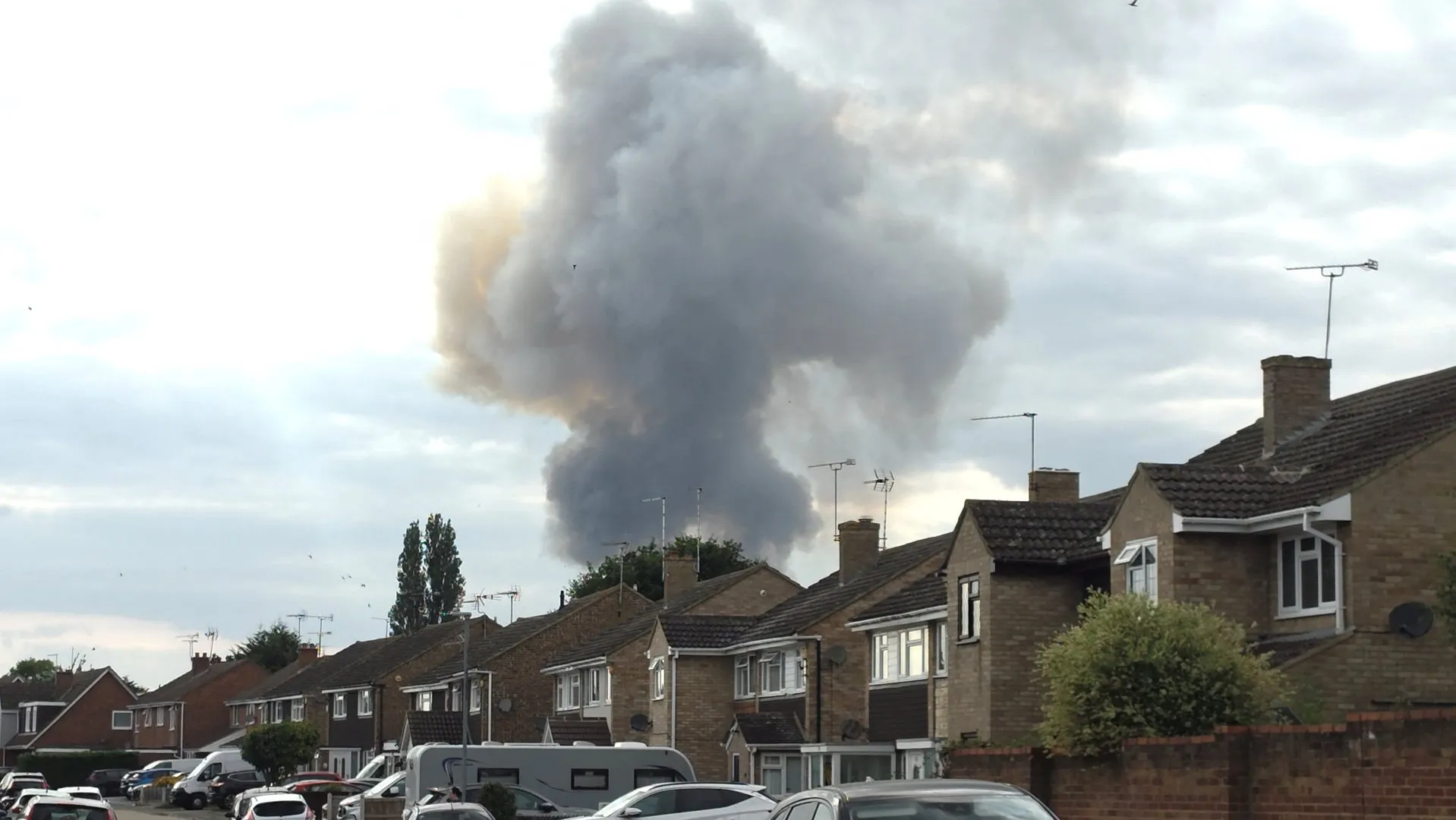
Twenty firefighters were taken to hospital after a blaze ripped through an industrial unit and spread to a fertiliser store, triggering a major explosion.
The fire service declared a major incident on Friday, as more than 100 firefighters tackled the flames at Highlands Farm, near the village of Rettendon, Essex.
Three fire engines and two fire service cars were destroyed in the blaze.
Speaking at a media conference on Saturday, Rick Hylton, Essex’s chief fire officer, praised the “remarkable professionalism, courage and commitment” of the fire crews.
The UN General Assembly voted 144-10 to grant Turk a new four-year term, despite objections from the US, Israel and Russia.
Volker Turk has been elected as United Nations human rights chief for another four-year term, despite strong objections from the United States, Russia and Israel.
Who is Turk and why has his reappointment caused controversy?
Who is Volker Turk?
Turk, an Austrian lawyer, joined the United Nations in 1999 and went on to work in the organisation’s refugee agency. This included posts in Malaysia, Kosovo, Bosnia and Herzegovina and the Democratic Republic of the Congo.
He later worked in senior roles at UN headquarters in New York, including as assistant secretary-general for strategic coordination under UN Secretary-General Antonio Guterres. The two are believed to have a close relationship.
In his role as UN rights chief, Turk has been highly critical of both Israel’s genocidal war on Gaza and Russia’s invasion of Ukraine. He has also been vocal on conflicts and rights abuses in Afghanistan, Sudan, Bangladesh, Myanmar and Nicaragua.
How was he reappointed?
The UN General Assembly overwhelmingly backed a proposal by Guterres to give Turk another four-year term with 144 votes in favour, 10 against and 13 abstentions.
Earlier, the assembly shot down a US proposal to delay the vote until the end of next week as well as a Russian bid to extend Turk’s term until the end of the year only.
How has Turk angered the US, Russia and Israel?
The role of UN human rights chief is inherently controversial because it requires public criticism of governments of UN members for alleged rights violations.
Turk’s outspoken criticism of policies in Israel, Russia and the US has put him at odds with all three countries.
Turk has repeatedly criticised Israel’s genocidal war on Gaza, its deadly assault on Lebanon, and a “shameful” lack of accountability for its rights abuses in the occupied Palestinian territory.
Turk has also described Russia’s war in Ukraine as “senseless” and a “blatant affront to the UN Charter and the whole body of international law”.
On the US, he has raised concerns about the war on Iran and the “dehumanisation” of immigrants under President Donald Trump, citing routine “abuse and denigration of migrants and refugees”.
Israel’s Ministry of Foreign Affairs criticised Turk’s record, saying that under his leadership the Office of the High Commissioner for Human Rights has “erased the atrocities of October 7, misused funds, and betrayed UN neutrality in favor of corrupt political radicalism”.
Russia’s Deputy Ambassador to the UN Dmitry Chumakov accused Turk of bias and making unfounded allegations against Russia.
What objections were raised to Turk’s reappointment?
Guterres, whose own term is due to end at the end of this year, has faced criticism for how he managed the reappointment. Critics say the vote was rushed and the selection of a rights chief should have been left to his successor.
The UN secretary-general, whose term expires in December, sent letters to regional groups at the UN earlier this month informing them of his intention to reappoint Turk, and held the vote just weeks later.
The US Department of State criticised the vote for being rushed and said it was “another example of the UN’s inherent corruption and incompetence”.
The US also accused Turk of turning “a blind eye to real atrocities and instead pursued a radical ideological agenda”. US Deputy Ambassador Jeff Bartos claimed before Friday’s vote that reappointing Turk would prove that the General Assembly “is dysfunctional”.
Israel’s Foreign Ministry called Guterres’s push for a second term for Turk a “moral failure,” saying that the choice should be left to his successor.
UN spokesperson Stephane Dujarric said Guterres had followed UN rules and engaged “in a very transparent manner” in appointing Turk, including by holding prior consultations with member states and regional groups.
What other criticism has Turk faced?
Turk’s critics say he could have done more to publicly follow up on a report issued by his predecessor, former Chilean President Michelle Bachelet, that said China’s detention of Uighurs and other mostly Muslim ethnic groups in Xinjiang may amount to crimes against humanity.
101 East meets the doctors using drones to fight tuberculosis and save lives in remote communities in the Philippines.
Tuberculosis is a leading cause of death in the Philippines, killing an estimated 98 people each day.
The infectious disease is particularly grave in remote communities, where medical services are limited and delayed diagnosis and treatment can be fatal.
But a Filipino doctor is determined to change that with modern innovations.
Dr Heidi Sampang uses drones to fly samples and speed up testing.
The technology can help save lives by expediting the delivery of essential medical supplies in a country with thousands of mountainous islands.
101 East meets the medical teams using drones to fight tuberculosis in the Philippines.
India’s young protesters are mocking their government. And the jokes are landing.
As thousands of demonstrators take to the streets in the Indian capital, they are waging a parallel campaign online, flooding social media with memes, parody videos and self-deprecating jokes.
Recommended Stories
list of 4 itemsend of list
In doing so, they are also beating Narendra Modi – the powerful but image-conscious prime minister – at his own game.
A protester holds a placard during a demonstration in New Delhi, on July 23, 2026 [Verda Sabzwari/AP]
Modi built his political brand through social media. Now protesters are using that same platform to mock his administration, ridicule pro-government television news coverage, transform confrontation with police into viral content and seize control of the online narrative.
The campaign has taken the protests demanding accountability and education reforms beyond the streets, broadening its reach and intensifying pressure on a government wary of appearing to yield to a rapidly growing youth movement.
Strava streaks and Subway Surfers
The “Cockroach” movement’s digital campaign has been largely powered by humour.
Clashes with police have become viral content. Videos showed protesters joking about keeping their Strava streaks alive — a reference to the fitness tracking app used by runners — as they ran from police baton charges.
Others edited footage of themselves dodging police barricades to mimic the popular endless runner mobile game Subway Surfers.
Some women have borrowed influencer culture, posting “get ready with me” videos before marches and “fit check” posts featuring helmets, goggles and other homemade protest gear. Other protesters have created spoof videos mocking pro-government television anchors and their dramatic style of broadcasts that have labelled the protesters “anti-national” and “foreign-funded conspirators”.
A protester holds a placard with a portrait of Modi draped in a saree, a traditional garment for women in India, during a demonstration in New Delhi, India on July 23, 2026 [Verda Sabzwari/AP]
Several protesters spoke to The Associated Press on the condition of anonymity for fear of reprisals from authorities.
One 25-year-old protester said the memes are more than comic relief; they are a way of coping. She sees them as a generational trait.
Unlike older generations, who learned to endure hardship, hers has little patience for “simply putting up with it,” she said.
“If our phone data runs out, we can’t even bear that. So we’re definitely not going to tolerate this,” she said, referring to Monday’s police crackdown on protesters in the capital.
‘We find speeches boring’
The street protests erupted a month ago, fuelled by anger over a string of exam scandals, including the illegal sharing of entrance exams for the national medical programme.
Young people say the scandals have jeopardised their futures and eroded trust in the education system. They blame Education Minister Dharmendra Pradhan, who resigned on Saturday.
But the demonstrations have expanded into wider anger over government accountability, spreading to other cities.
Much of that expansion has been driven by the Cockroach Janta Party (CJP), a satirical group that started the movement two months ago. Through memes, humour and satire, it has given younger Indians a new way to express their frustration with the government and helped turn a single-issue campaign into a broader youth movement.
A protester holds a placard with a portrait of Modi along with the text “Can’t See Your Democracy, My Lashes are Too Long” during a demonstration in New Delhi, India, on July 23, 2026 [Verda Sabzwari/AP]
At the main protest site in New Delhi, that influence was hard to miss.
Some protesters marched in Spider-Man masks and Batman costumes, carrying tongue-in-cheek placards. Other protest signs echoed the irreverent tone of social media, with memes and pop culture references woven into the demonstrations.
One poster featuring the education minister asked: “When will AI take his job?” Another captured the movement’s spirit with the slogan: “Every joke is a [tiny] revolution.”
Some slogans and posters took on an overtly profane and risque tone. A 23-year-old student said the protesters were simply speaking the language of their generation.
“We find speeches boring, we are the summary generation. We have a habit of consuming things in a short span of time, so we are using the same ways to put our message across,” she said.
Jokes now target Modi
For Modi, who is entering his 13th year in office, the protests present an unusual challenge.
His image is built on strength and decisiveness, but he risks alienating young people if he responds too forcefully. Nearly half of India’s population is under 25, making young voters one of the country’s most influential electoral groups.
A protester holds a placard with a portrait of Modi and the text loosely translates as “Open the Door Friends, I Bring Bad Times”, at a protest in Pune, India on July 24, 2026 [AP]
But the protests have broken a longstanding taboo: mocking Modi himself.
Jokes about Modi were rare during earlier protests, when his government was criticised for suppressing dissent. But now, even he has become a target of taunts.
Modi’s gestures, pauses and mannerisms have been turned into viral edits that turn his own words into political jokes.
When Modi released a late-night, selfie-style video on Thursday addressing the protesters, he promised swift legal action against those responsible for leaking academic or job exams.
But many internet users edited the clip with parody voiceovers and references to his past promises they said had gone unfulfilled.
Protesters take part in a demonstration in New Delhi, India, on July 23, 2026 [Verda Sabzwari/AP]
One video went particularly viral.
Modi’s original address began with him referring to the protesters as “friends”. A parody video kept that opening, and abruptly cut to three young girls staring into the camera and responding: “No, we are not.”
A 21-year-old student said there is no better way to challenge Modi than by using social media that helped build his political brand.
“We are just answering him in his language,” he said.
Weekly insights and analysis on the latest developments in military technology, strategy, and foreign policy.
Helicopters played a major role in this year’s Rim of the Pacific (RIMPAC) sinking exercise (SINKEX), with at least three allied rotorcraft types employing weapons against retired U.S. Navy vessels. U.S. Army AH-64 Apache attack helicopters fired Spike NLOS (Spike Non-Line of Sight) missiles at the guided missile cruiser ex-USS Mobile Bay, a Royal New Zealand Navy SH-2G(I) Seasprite struck the amphibious assault ship ex-USS Peleliu with an AGM-119 Penguin missile, a Royal Australian Navy MH-60R Seahawk launched an AGM-114N Hellfire missile against a target ship, and an Italian Navy SH-101 helicopter launched a Marte anti-ship missile.
WATCH: Ships and aircraft participating in the Exercise RIMPAC 2026 conducted a sinking exercise and sank decommissioned USS Mobile Bay (CG 53) on July 12 and decommissioned USS Peleliu (LHA 5) on July 17, more than 50 nautical miles off Kauai.https://t.co/dNmo55FsUJpic.twitter.com/C6mlma8YiJ
Collectively, the engagements underscored how helicopters are emerging as key contributors to distributed maritime strike, complementing fighters, warships, submarines, and land-based missile batteries with precision-guided anti-ship weapons.
The Apache strike, conducted July 11, saw AH-64s assigned to the 16th Combat Aviation Brigade, 7th Infantry Division, Multi-Domain Command–Pacific engage the former Ticonderoga-class cruiser ex-USS Mobile Bay during the live-fire SINKEX. The Army’s previous demonstration of an Apache destroying a much smaller boat with a Spike NLOS was something TWZ was first to report, but employing the weapon against a full-sized cruiser during the world’s premier maritime exercise marks another significant milestone in the service’s expanding maritime mission.
A major impact on the side of the ex-USS Mobile Bay during a sinking exercise (SINKEX) at RIMPAC 2026. U.S. Navy screencapThe ex-USS Mobile Bay sinks below the waves, as seen from an attack submarine’s periscope. U.S. Navy screencap
The Apache’s participation in RIMPAC reflects the Army’s steadily growing role in maritime operations across the Indo-Pacific. Long associated with close air support and anti-armor missions, the AH-64 is increasingly being tasked with engaging naval targets. This is something that has also played out in recent combat operations against Iran.
Spike NLOS has emerged as one of the key tools enabling that mission. The Israeli-developed missile provides an operator-in-the-loop datalink that allows course corrections and aimpoint refinement throughout much of the missile’s flight. That capability makes it particularly useful against moving or time-sensitive maritime targets, where target discrimination and battle damage assessment can be especially challenging.
AH-64 fires Spike NLOS during integration tests at the U.S. Army Yuma Proving Ground in 2023:
Spike missile integrated into AH-64 at Yuma Proving Ground
Compared with the AGM-114 Hellfire and AGM-179 Joint Air-to-Ground Missile (JAGM), Spike NLOS dramatically extends the Apache’s reach while retaining the flexibility to engage both land and maritime targets.
According to manufacturer Rafael, the latest version of Spike NLOS has a maximum range of roughly 20 miles, giving it a substantial stand-off advantage over the Hellfire and JAGM. The variants of those weapons currently fielded on U.S. Army Apaches have maximum ranges of less than 10 miles, though they are typically employed at considerably shorter distances in operational use. At the same time, extended-range versions of both missiles have been demonstrated, with Hellfire tested at approximately three times its standard range and JAGM at roughly double its baseline reach.
A U.S. Army graphic gives an idea of how much more reach the Spike NLOS gives Apaches compared to other weapons options, including the extended-range JAGM. U.S. Army
The Royal Australian Navy’s contribution highlighted another facet of the growing helicopter anti-ship mission. An MH-60R Seahawk embarked in the Arleigh Burke class destroyer USS Wayne E. Meyer conducted a live AGM-114N Hellfire engagement against a target ship. While Hellfire lacks the standoff reach of Spike NLOS and is primarily associated with engaging smaller surface vessels, it remains a highly capable maritime strike weapon and is a standard part of the MH-60R’s surface warfare arsenal.
Imagery released by the New Zealand Defense Force showed a Royal New Zealand Navy SH-2G(I) Seasprite embarked aboard the Anzac class frigate HMNZS Te Mana launching an AGM-119 Penguin anti-ship missile against the decommissioned amphibious assault ship ex-USS Peleliu. According to the NZDF, the missile penetrated the hull before detonating inside the vessel, inflicting significant internal damage and compromising its integrity.
Launch of an AGM-119 Penguin anti-ship missile from a Royal New Zealand Navy SH-2G(I) Seasprite helicopter. New Zealand Defense ForceNew Zealand Defense ForceThe ex-USS Peleliu after being hit by an AGM-119 Penguin anti-ship missile and other weapons. New Zealand Defense Force Sargentina, Scott
The Italian Navy also revealed that an SH-101 helicopter embarked aboard the multirole combat ship Giovanni delle Bande Nere launched a Marte anti-ship missile during RIMPAC 2026, although it did not specify which target the missile was fired against.
Together, the Apache, Seahawk, Seasprite, and SH-101 illustrated just how diverse helicopter-based maritime strike has become. Although each of the weapons described above is optimized for different targets and mission profiles, all three point toward helicopters assuming an increasingly prominent role in coalition anti-surface warfare operations.
The U.S. Army’s maritime application for Spike NLOS aligns closely with the Army’s Multi-Domain Operations concept, which increasingly envisions aviation units contributing to sea-denial missions alongside their more traditional roles. Apache crews have repeatedly demonstrated maritime strike capabilities during exercises across the Pacific, and RIMPAC provides one of the largest and most complex venues yet to refine those tactics alongside allies and partners.
A U.S. Army AH-64 helicopter assigned to 25th Combat Aviation Brigade, 25th Infantry Division, prepares to land aboard the Wasp class amphibious assault ship USS Essex as part of RIMPAC 2026 in the Pacific Ocean, July 19, 2026. U.S. Army photo by Sgt. Olivia Cowart
Beyond the Army’s work with Spike NLOS, the U.S. Marine Corps has been experimenting with arming its AH-1Z Viper attack helicopters with small cruise missiles, dramatically expanding their reach and giving them the ability to strike ships from well beyond the range of traditional helicopter-launched weapons. Above all else, it’s yet another example of the attack helicopter’s changing role in the maritime environment.
Although helicopters featured prominently, they represented just one layer of the larger SINKEX strike package.
Video released this week also showed a U.S. Navy F/A-18F Super Hornet carrying AGM-158C Long Range Anti-Ship Missiles (LRASM), along with live launches from U.S. Army M142 High Mobility Artillery Rocket System (HIMARS) and Japan Ground Self-Defense Force Type 12 coastal defense missile batteries. U.S. Navy P-8 Poseidon maritime patrol aircraft were also seen supporting the event. Based on the imagery that has been published, submarines were also involved in the SINKEX strikes. Full details of which weapons and platforms ultimately sent which retired ships to the bottom remain unclear, and TWZ has asked officials for additional information.
An AGM-158C Long Range Anti-Ship Missile (LRASM) under the wing of a U.S. Navy F/A-18F Super Hornet. U.S. Navy screencapLaunch of a rocket from a U.S. Army M142 High Mobility Artillery Rocket System (HIMARS). U.S. Navy screencap
As well as the decommissioned Ticonderoga class guided missile cruiser, the Tarawa class amphibious assault ship ex-USS Peleliu also served as a SINKEX target. As we have discussed previously, the pair represented two very different classes of major warship, providing participants with valuable opportunities to employ and evaluate a wide range of anti-ship capabilities.
An impact on the Tarawa class ex-USS Peleliu amphibious assault ship. U.S. Navy screencap
Live-fire events like RIMPAC’s SINKEX remain among the most valuable aspects of the exercise, providing opportunities that are difficult to replicate in synthetic training environments. They allow participating forces to observe weapon performance against full-sized ships, refine targeting procedures, and integrate air, sea, and land-based fires while operating within a coalition framework.
RIMPAC 2026 brings together 30 nations, more than 30 surface ships, five submarines, 15 national land forces, over 206 aircraft, and approximately 30,000 personnel operating in and around the Hawaiian Islands from June 24 through July 31. Now in its 30th iteration since beginning in 1971, RIMPAC remains the world’s largest international maritime exercise, designed to improve interoperability while strengthening the partnerships that underpin maritime security and freedom of navigation across the Indo-Pacific.
While long-range anti-ship missiles launched by fighters, warships, submarines, and coastal batteries remain central to modern naval warfare, this year’s RIMPAC SINKEX also demonstrated that helicopters are increasingly indispensable members of the maritime strike team. Whether armed with Spike NLOS, Hellfire, Penguin, or Marte missiles, allied rotorcraft showed they are increasingly expected to contribute directly to the joint force’s anti-ship kill chain. For a region where distributed operations and coalition interoperability are becoming ever more important, that evolution is likely only to accelerate.
Telegram has removed accounts linked to a Hausa-language network that openly sold child sexual abuse material across northern Nigeria, following an inquiry by HumAngle, but the platform has not explained how the network survived repeated suspensions over three months before our investigation was published.
In an email response to HumAngle, a Telegram spokesperson confirmed that moderators had “processed the content reported and removed anything they could identify as breaching our terms.” The platform also provided a formal statement defending its broader moderation record, saying it had removed more than 305,000 groups and channels related to child sexual abuse material in 2026 alone.
“The distribution of CSAM is explicitly forbidden by Telegram’s terms of service and we use industry-leading moderation techniques to remove it,” the statement read.
The response came hours after HumAngle published an investigation documenting a network of Hausa-language Telegram channels, X accounts, and TikTok profiles selling access to child sexual abuse material through paid VIP groups priced at up to ₦100,000, distributing non-consensual intimate videos of women, and advertising sexual services using photographs stolen from unsuspecting social media users. The investigation, published on July 23, traced two central operators identified through payment records as Fatima Mahmud, who used the name “Teema” or “TeemaTV,” and Khadijah Adamu, who operated under the identities “Khadeeja Deejah,” “Deejah,” “Nanadady,” and “Deharjah.”
Before publication, HumAngle sent Telegram a detailed request for comment, summarising the findings and posing specific questions about the platform’s moderation of Hausa-language content and its capacity to detect coordinated networks of replacement channels. The reply arrived hours after publication.
Alongside the statement to HumAngle, Telegram said it scans all media uploaded to its public platform against a hash database of previously removed Child Sexual Abuse Material (CSAM), supplemented with datasets from the Internet Watch Foundation and the Indian Cybercrime Coordination Centre. The platform added that it processes CSAM reports from authorities and NGOs around the world.
Those measures, if applied consistently, should in theory have flagged material within the network HumAngle documented. But the investigation found that administrators avoided posting child sexual abuse material directly on public channels, instead using screen records and screenshots of media catalogues as proof of possession before directing paying customers into private conversations. That structure, common across similar networks documented by investigations in India, Sudan, Malaysia, and Brazil, appears designed to stay one step ahead of hash-matching tools that identify known material rather than advertisements for it.
What was taken down
HumAngle’s own review found that most, although not all, of the accounts and channels documented in the original investigation had been taken down. Fatima Mahmud’s administrator account, @teematv2, was no longer active, along with several of her channels, including @teematv7 and @teematv9, and other successive replacements identified during the monitoring period.
One channel, @teematv8, remained accessible after the takedowns, however. On X, Fatima’s account also remains active.
Within the wider network, HumAngle also identified accounts tied to Khadijah Adamu, including @Deekano and @realsadiyaharka, as well as channels operating as @arewagidanharka1 and @gidanharkaxx. HumAngle shared these identifiers with Telegram directly, while noting that the ecosystem documented in the original investigation was larger than what could be fully captured during three months of monitoring, and that additional accounts likely remain. At the time of publishing this report, Khadija Adamu remains active.
What the response does not address
Telegram’s statement points to a large-scale, ongoing moderation effort. They sit, however, alongside a specific finding from the original investigation: the network, monitored for three months, rebuilt through replacement accounts faster than individual removals could disrupt it, with no public indication that Telegram’s existing systems had identified it as a coordinated network rather than a series of isolated violations.
Telegram did not address HumAngle’s questions about what proactive measures exist to detect coordinated replacement networks, the moderation capacity the platform applies to Hausa-language content specifically, whether any of the documented channels had been previously reported before HumAngle’s inquiry, or whether the platform coordinates with Nigerian authorities such as the National Agency for the Prohibition of Trafficking in Persons (NAPTIP) when CSAM-related accounts are removed.
HumAngle’s requests for comment to X and to NAPTIP remain outstanding at the time of publication.
Telegram has taken down accounts linked to a Hausa-language network engaging in the sale of child sexual abuse material in northern Nigeria after an investigation by HumAngle.
Despite removing content, the platform has not clarified how the network persisted through multiple suspensions over several months. HumAngle’s investigation identified key operators using aliases such as “TeemaTV” and “Deejah,” and found that while some accounts were removed, others remained active.
Telegram responded, highlighting its use of leading moderation techniques and a hash database to filter and remove such content. However, the investigation revealed that the network circumvented detection by redirecting users to private groups, a tactic previously seen in similar networks across various countries. Notably, Telegram did not respond to questions about proactive detection of coordinated networks or collaboration with Nigerian authorities, and related inquiries to other stakeholders remain unanswered.
Taiz, Yemen – Um Yousef knew that living on the front line in Taiz was dangerous. The area had been quieter for the past few years thanks to a general de-escalation of the war in Yemen, but it still lay between territory controlled by Yemeni government forces and Houthi rebels.
Destroyed buildings mark the city’s front line areas, evidence of the brutal fighting that has lasted for more than a decade.
Recommended Stories
list of 3 itemsend of list
But Um Yousef felt that she didn’t have a choice. A single mother of four children in her 40s, she couldn’t afford the typical market rate of about $130 for a three-bedroom house in the central Yemeni city. Her husband died years ago while working abroad, so she was the sole breadwinner for the family in a country where poverty has increased sharply since the war began more than a decade ago.
“There is a huge demand for houses, and all my efforts failed while I was living in a single room with my children,” recalled Um Yousef, who asked to use a pseudonym for security reasons. “It was very difficult to stay in that one room.”
After eight months of moving from one area to another, and even searching on the outskirts of Taiz, she ultimately decided that her only option was a home near the front line. Yes, it was dangerous, but with little money coming in, the home she found for about $13 a month couldn’t be ignored.
In January 2025, the family made the move. Two months later, her 11-year-old son came into the house from playing outside with blood pouring out of his mouth – he’d been shot.
Sniper danger
“I couldn’t understand what happened – I didn’t hear any gunfire,” Um Yousef said.
She still doesn’t know the exact cause of the shooting, but many of the casualties near Yemen’s front lines are the result of sniper fire.
Taiz is particularly dangerous in this regard. The front line going through the city is one of the few in the country in an urban area. The city’s geography, hilly and with a mountain overlooking it, offers numerous vantage points for snipers.
A United Nations monitoring project found that 66 percent of all civilian casualties from sniper shootings in Yemen last year were in Taiz. Of the 21 cases recorded, nine were children.
Thankfully, Um Yousef’s son’s injuries were not as serious as first feared. After being immediately taken to hospital, he received medical treatment and was discharged the next day.
The incident woke Um Yousef up to the reality of where she had brought her children to. But she still can’t afford to move. Instead, she has had no choice but to stay and learn ways to reduce the risk.
“Residents here take precautions I wasn’t aware of, like turning off lights at night in rooms visible from a distance, and keeping children from playing in open areas,” she explained. “They have to play behind the houses instead. I’m aware of these things now and follow them to keep my children safe.”
Even in the safe parts of Taiz, damaged homes remain, with the pace of reconstruction in the Yemeni city slow [Al Jazeera]
Damaged homes
Taiz governorate is the most populous in Yemen, with a population of almost 4.5 million and more than 400,000 internally displaced people, according to Khalid Alwan, director of the local statistics office.
“More than 10,000 houses were completely or partially damaged by the conflict in Taiz, and there are many more we couldn’t reach to count,” Alwan told Al Jazeera. “Reconstruction is expensive, and most residents cannot afford to repair their homes even if they are in safe areas. This further worsens the housing crisis in the city.”
He noted that while some humanitarian organisations have repaired partially damaged homes in safe areas, these efforts are a drop in the ocean compared with the sheer number of affected properties.
The Nahda Makers Organisation (NMO) is one such group rehabilitating homes in several Yemeni governorates. To date, NMO has repaired 2,389 houses in Taiz, Lahj, Hodeidah, Aden and Abyan governorates – the vast majority of them in Taiz.
While this initiative has helped some families return to safe areas, the overall need remains overwhelming, with an estimated 4.8 million displaced people across the country still unable to return.
One of the partially damaged houses in Taiz rehabilitated with support from UNHCR and the Nahda Makers Organisation [Courtesy: Nahda Makers Organisation]
Housesitting
Mohammed Saeed has been living in the al-Thawrah neighbourhood of Taiz near the front line since 2023. He believes the war has taken a heavy toll on society, with soaring rents being one of its worst consequences.
“I’m not happy living here as we frequently hear the sounds of gunfire at night. Even if we aren’t targeted, just hearing it is enough to terrify us,” the 53-year-old told Al Jazeera. “In the beginning, my children couldn’t sleep when they heard the shooting, but now they’ve adapted. Adapted to what? Adapted to living in a dangerous area.”
Mohammed, who is unemployed and cannot afford rent, lives in a house for free in exchange for guarding it. Because the neighbourhood is near the front lines, many residents here do not pay rent.
“Nowadays it is calm, but if there is any escalation, we will be trapped in the crossfire,” Mohammed said. “I hope I can find a job that enables me to rent a house in a safe place and leave this one.”
Khalid Abdulhadi, 46, is one of the people who could afford to leave. He was born in the al-Kamb neighbourhood of Taiz city and owns a house there. However, he fled during the heavy fighting in 2018 and has not returned, as the proximity to the front line makes it far too unsafe.
“It is not the right decision to return and live in a dangerous area,” he told Al Jazeera. “Even though I am paying rent while owning my own home, going back could cost me my life.”
Khalid, who works as an accountant for a local company, said some of his neighbours did return and one of them lost their son, shot dead by a sniper.
He has allowed a family he knows to live in his house free of charge, knowing that they are impoverished and willing to guard the property. But he has decided to stay far away.
“I would prefer to live in a safe camp for displaced families rather than a dangerous house,” he said.
“We lost everything during this war; our lives are all we have left, so we must protect them.”
A major incident has been declared by Police Scotland as emergency services continue to tackle a wildfire which has been burning in the Cairngorms National Park for 10 days.
The force said it followed “a significant change in weather conditions” which has increased the risk of fire spreading towards the village of Nethy Bridge.
All Nethy Bridge residents have been evacuated as a precaution to allow emergency services to continue their response.
But a local resident told the BBC the wildfire should have been declared a major incident sooner and the lack of communication from authorities had been “pretty poor”.
The BBC has contacted the Scottish government and Police Scotland for comment.
First Minister John Swinney, who held a meeting of the Scottish government’s resilience room early on Saturday, said additional police resources were being deployed to assist with the Nethy Bridge evacuation.
He urged people to “respect the exclusion zone that’s been put in place”, adding that the change in weather conditions illustrated “the scale and difficulty of the situation that we are managing”.
Supt Judy Hill said weather conditions “experienced within the Cairngorms over the last 24 hours have added further complexities to this situation”.
“With evidence suggesting the fire is spreading towards Nethy Bridge, the decision has been taken to declare a major incident and evacuate residents as a precaution.”
She said additional police resources were being deployed to help contact those who need to leave their properties.
Noor Salem, 30, stands beside an incubator at a neonatal intensive care unit in central Gaza, where her baby, Yazan Al-Khalidi, lies attached to tubes and monitors.
She watches his tiny body behind a sheet of quartz glass, tracking his meagre breathing and the slightest movement he makes.
Yazan was born eight months into Noor’s pregnancy, his body appearing bluish in the first moments of life.
This required immediate transfer to the neonatal intensive care unit at Al-Aqsa Martyrs Hospital in Deir el-Balah, after it became apparent that Yazan was born with breathing issues.
Instead of being able to hold her baby in the first moments after his birth, Noor is now forced to sit by the incubator and wait for Yazan’s condition to improve.
During her pregnancy with Yazan, she endured shortages of basic necessities and a constant fear of losing another child.
Yazan Al-Khalidi, born in the eighth month of pregnancy. After birth, he experienced breathing difficulties [Eman Abu Zayed/Al Jazeera]
“I was afraid throughout my pregnancy because I had already lost my baby before. I was afraid I would go through the same pain again,” she said.
“When he was born, and I saw that he was not moving or crying like other babies, I felt terrified. I did not know what would happen to him. All I wanted was for him to survive.”
Noor waits for daily updates from doctors, hoping Yazan will overcome his health difficulties and return to her arms.
Rising premature births in Gaza
There has been a sharp increase in premature births and underweight newborns, as well as stillbirths and birth defects, since the genocide in Gaza began on October 7, 2023.
UNICEF has repeatedly warned about a crisis in premature births in Gaza, with one in every five newborns requiring intensive neonatal or thermal care. Maternal malnutrition, prolonged psychological stress and declining prenatal care services have all had an impact on both mother and child.
Dr Afnan Abu Hasaballah, an obstetrician and gynecologist working with UNRWA and Al-Awda Health Hospital in Nuseirat refugee camp, has personally witnessed the impact of this on the health of pregnant women and newborns.
She says many pregnant women arrive at hospitals suffering from severe stress and exhaustion after repeated displacement, deprivation of essential goods and bombings.
“Constant fear, repeated displacement, lack of food and clean water, and limited access to prenatal care all increased the risk of premature birth,” she says.
The Israeli siege on Gaza is also leading to severe malnutrition, and one of the main issues affecting both expectant mothers and their fetuses, leading to more premature births and low birthweights for newborns and requiring intensive care.
Inadequate nutrition also increases the risk of anemia, exhaustion for expectant mothers, pregnancy complications and restricted fetal growth.
“Many pregnant women during the war were unable to access sufficient or balanced food, and this directly affected the health of mothers and newborns,” Dr Abu Hasaballah says.
Pressure on Gaza health services
Al-Aqsa Martyrs Hospital is the only hospital with a neonatal unit in the whole of central Gaza, serving thousands of expectant mothers and causing immense pressure on overstretched health workers.
“We were working under enormous pressure, with shortages of incubators, ventilators, medications and basic supplies, in addition to repeated power and fuel shortages, which posed a direct threat to babies inside the incubators,” Dr Abu Hasaballah says.
Premature babies require continuous monitoring, oxygen, respiratory support, proper nutrition and treatment, something that health workers with their limited resources and time are not always able to provide.
“When these resources become unavailable, the risk of serious complications increases, including breathing difficulties, low body temperature, infections and low blood sugar,” Dr Abu Hasaballah says.
“Unfortunately, we may lose babies who could have survived if they had received basic care.”
The separation of mothers from their babies shortly after their birth is one of the hardest experiences for mothers to endure. This abrupt separation causes immense anxiety for both mothers and babies, with the most common question doctors at neonatal units are asked is whether their children will survive. Doctors and nurses do what they can to reassure the mothers and save the children.
“Instead of holding their baby and celebrating, mothers see them transferred directly to the incubator or intensive care unit. Their fear is doubled because the war has affected everything, from medical equipment and supplies to electricity shortages and overcrowding in hospitals,” says Dr Abu Hasaballah.
“We continued working day and night without sleep, and we did everything we could to save every child, but in many cases, the babies’ needs were greater than the resources available.”
Akram Abu Jiab, head of Qutoof Al-Khair Foundation, which supports pregnant women and newborns by providing vitamins and nutritional supplements for mothers, as well as medicines and medical supplies for children [Eman Abu Zayed/Al Jazeera]
New challenges for mothers
Once the parents and babies are discharged, a new struggle for families begins amid a landscape where a mother’s health has been impacted by deprivations and stresses of the war. Essential baby care items, such as sterilisation kits and baby formula, are absent or unaffordable.
“Many families have lost everything because of displacement, leaving mothers without baby clothes, diapers, blankets, formula or clean water,” Dr Abu Hasaballah says.
In Nuseirat refugee camp, central Gaza, Qutoof Al-Khair Foundation supports pregnant women and newborns by providing vitamins, nutritional supplements, medicines and essential medical supplies.
Akram Abu Jiab, head of the foundation, says his staff is dealing with growing demand for their services among pregnant women and new mothers who are unable to access enough food and healthcare to sustain their babies’ health.
“Premature babies require special care and continuous medical follow-up even after being discharged from incubators,” he says.
“However, many families are facing significant challenges in securing the basic medical and nutritional needs of their children.”
Despite the foundation’s efforts to reach as many mothers and children as possible, their efforts can only go so far.
“The scale of needs far exceeds the available resources. The gap between needs and support continues to grow every day,” he says.
“Behind every baby born in Gaza is a mother trying to protect her child under exceptional circumstances. Supporting mothers and children at this stage is not a luxury; it is a necessity to protect the lives of the next generation.”
After beginning his professional career with Dinamo Zagreb at the age of 16, highly rated Croatian midfielder Alen Halilovic earned a permanent move to Barcelona, where he spent two years before joining Hamburg for a further two seasons.
During his time at the Nou Camp, he played primarily for Barcelona B before spending the 2015–16 season on loan at Sporting Gijon.
After joining Hamburg in 2016, he was loaned out to La Liga side Las Palmas during the 2017–18 campaign.
In 2018, shortly after his 22nd birthday, he signed for AC Milan, the sixth club of his career – while Italy became the fourth different country in which he had played.
The midfielder later had spells with Birmingham City and Reading. He now plays for Fortuna Sittard in the Netherlands.
Weekly insights and analysis on the latest developments in military technology, strategy, and foreign policy.
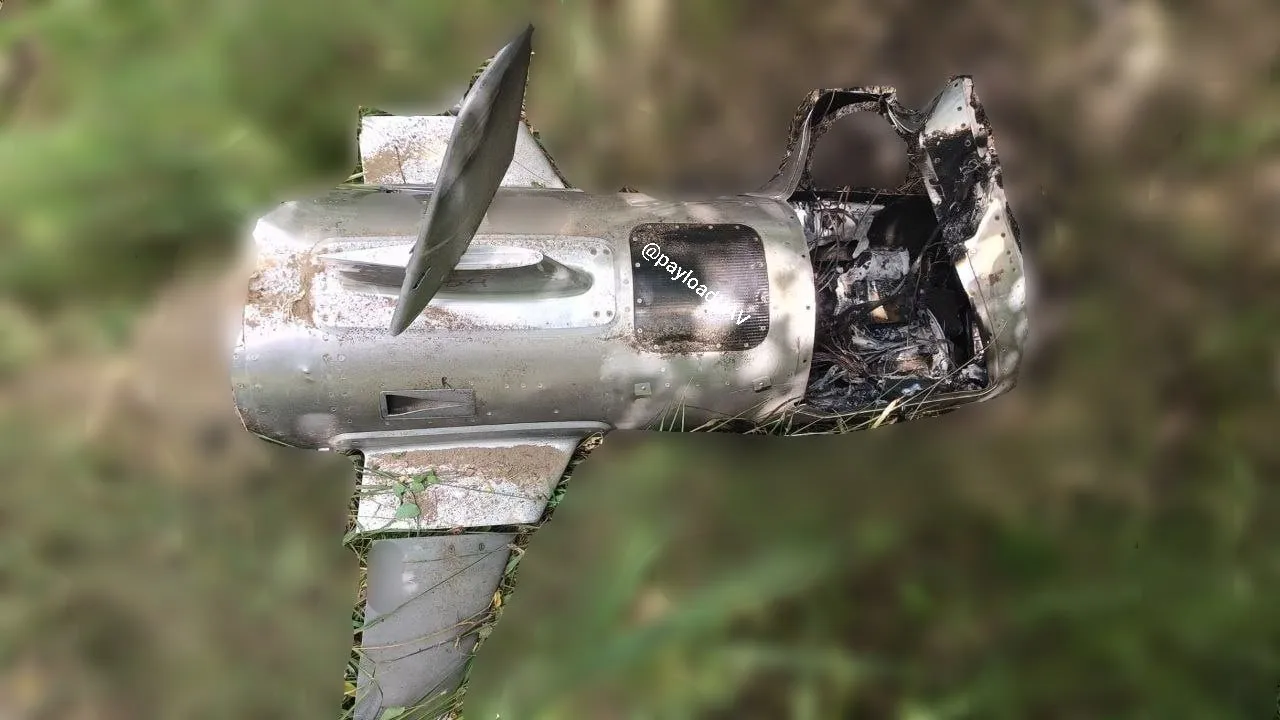
Russian military bloggers have published what appears to be the first imagery showing the remains of a Ukrainian-operated Ruta Block 1 low-cost cruise missile following an operational strike. The weapon is another addition to an increasingly diverse arsenal that can hold targets even deep inside Russia at risk.
Photos that began circulating on Russian Telegram channels show wreckage consistent with the Dutch-produced Ruta Block 1. While the exact location and target of the strike remain unclear, the images represent the first publicly available evidence that the new long-range weapon has entered combat use.
The tail section of the apparent Ruta Block 1 cruise missile wreckage. via X
The recovered debris includes fuselage sections, internal components, and part of the missile’s tailfin assembly. Although the imagery has not been independently verified, the remains appear consistent with the known design characteristics of the Ruta Block 1. The possibility cannot be ruled out entirely that the wreckage represents a previously undisclosed Ukrainian cruise missile design with broadly similar characteristics. Russian military bloggers claimed air defenses intercepted the missile, though that cannot currently be independently verified.
A view along the missile body, from front to rear. via X
Footage purportedly showing a Ruta Block 1 missile flying toward its target has also appeared.
The Ruta Block 1 is a product of the Netherlands-based Destinus company, founded by the Russian exile Mikhail Kokorich. Earlier reporting indicated that the Block 1 was already being manufactured in the Netherlands and had been delivered to Ukraine since at least 2024.
A lot of people would be very surprised to learn how many of these Ukraine has received since at least 2025.
Also, whether or not you think it was the right call, the Dutch government has been extremely effective at keeping deliveries of these missiles, and especially their… https://t.co/3PESUlzE7U
Last month, then-Ukrainian Minister of Defense Mykhailo Fedorov announced that the Netherlands was paying for approximately 700 cruise missiles for Ukraine — almost certainly referring to the Ruta Block 1 — as part of a wider package worth more than $500 million.
According to the manufacturer, the Ruta Block 1 has a range of more than 300 kilometers (186 miles) and carries a payload of 150 kilograms (330 pounds).
A mockup of the Ruta Block 1 is displayed at the Brussels European Defence Exhibition & Conference (BEDEX) on March 13, 2026, in Brussels, Belgium. The missile body here appears broader than in other images, but may be a function of perspective or a less accurate model. Photo by Omar Havana/Getty Images Omar Havana
The missile is ground-launched via a booster, then flies to its target at low altitude, using a combination of inertial, satellite, and visual navigation systems, providing resilience also in GPS-contested environments. The weapon is intended to strike high-value fixed targets and features pre-programmed terminal guidance.
Unlike larger and more expensive cruise missiles, Ruta has been presented as a mass-producible weapon optimized for deep strikes against military infrastructure. The missile is designed around affordability and production scale, enabling Ukraine to conduct sustained long-range precision attacks while reducing reliance on scarce, more exquisite Western-supplied weapons. The Block 1 also comes with the major advantage that its turbojet engine is also manufactured by Destinus, so the company doesn’t rely on the United States for this part.
Engine No. 1000: Destinus reaches industrial-scale turbojet production in Europe
Ukraine has generally remained silent regarding operational use of many of its newest indigenous strike systems until well after they have entered service. Confirmation of the introduction of other long-range weapons often came first from Russian photographs of intercepted missiles or strike aftermath before official acknowledgment from Kyiv.
For Ukraine, the Ruta Block 1 forms part of a broader effort to diversify its expanding arsenal of deep-strike capabilities, alongside long-range drones, indigenous cruise missiles, as well as missile-drone hybrids. As production ramps up, these systems are playing an increasingly important role in sustained attacks against Russian energy infrastructure, as well as command centers, logistics hubs, airbases, ammunition depots, and defense-industrial facilities far behind the front lines. Ukraine is currently ramping up its long-range strikes on all fronts and doing major damage.
Destinus is also working on additional members of the Ruta family.
Earlier this year, the company presented the Ruta Block 2, which increases the missile’s range to over 800 kilometers (around 500 miles) and boosts its payload capacity to 250 kilograms (550 pounds).
Ruta B2 Flight Test | European Canister-Compatible Cruise Missile | Destinus
Meanwhile, the Ruta Block 3 will have a range of 2,000 kilometers (around 1,200 miles) with a 550-kilogram payload. Block 3 is expected to enter flight testing in 2027 and is also suitable for air launch.
As well as bolstering the Ukrainian arsenal, the Ruta Block 3 has relevance for European nations looking to build up their long-range conventional strike capabilities.
Ruta B3 and the Future of European Deep Strike
Russia’s extensive use of ground-launched missiles in Ukraine, along with its deployment of long-range weapons in Kaliningrad, has highlighted the deficiencies in Europe’s deep-strike capabilities as NATO seeks to strengthen conventional deterrence against Moscow. The Block 3 could be part of the answer to emerging requirements, including the European Long-Range Strike Approach (ELSA), which involves France, Germany, Italy, Poland, Sweden, and the United Kingdom, and which seeks to bring new systems into service in the 2030s.
Destinus is also working to expand its production capacity, including through a joint venture with Rheinmetall that will make use of that company’s manufacturing facilities in Germany.
Overall, the Ruta series is part of a wider trend toward lower-cost, highly producible cruise missiles, something also evidenced in the United States. Examples of these include CoAspire’s Rapidly Adaptable Affordable Cruise Missile-Extended Range (RAACM-ER), which you can read more about here, and the Family of Affordable Mass Missiles-Beyond Adversary’s Reach (FAMM-BAR) effort, which is seeking lower-cost designs with maximum ranges of 1,000 nautical miles or more.
Whether this particular missile reached its intended target or was intercepted remains unknown. What is clear, however, is that we have the strongest evidence to date that the Ruta Block 1 has transitioned from an announced development program into an operational weapon being employed against Russian targets.
A fertiliser explosion at a farm in Essex triggered a major incident. Dozens of firefighters worked to contain the large industrial fire and protect nearby homes.
Weekly insights and analysis on the latest developments in military technology, strategy, and foreign policy.
When BAE Systems unveiled the first rendering of the United Kingdom’s Combat Air Flying Demonstrator last year, it finally gave us a look at the test aircraft that will spearhead development of the Global Combat Air Program (GCAP), at the center of which is the stealthy Tempest fighter. Now, new images, as well as a scale model, provide more details and a better idea of its scale.
The company has released its clearest official photograph yet of the demonstrator under construction. Seen at the top of this story, it shows the fuselage of the jet being built at the BAE Systems facility in Samlesbury. Meanwhile, the wings and fins are being built at Warton, from where the aircraft is due to fly before the end of 2027.
A company rendering of the Combat Air Flying Demonstrator. BAE Systems
In aerospace, a demonstrator (or technology demonstrator) is an aircraft built primarily to prove technologies, manufacturing methods, aerodynamic concepts, and systems integration, rather than to become an operational weapon system. As a precursor to a prototype that would more closely represent a final configuration, they are nearly always smaller, simpler designs that leverage off-the-shelf components wherever possible to get them into the air faster and to prove core concepts and/or a package of concepts. The last such known fighter demonstrator in this class built in the United Kingdom was the British Aerospace EAP that first flew in 1986 and proved the concept for the Typhoon that followed it.
The Combat Air Flying Demonstrator will inform the sixth-generation Tempest fighter, which is being developed for the air forces of the United Kingdom, Italy, and Japan, for service in the 2040s and beyond. Canada also recently joined the program as an observer, and there are reports that Germany might also be considering coming on board.
We are delighted to welcome Canada as our first #GCAP Observer!
Read the quadrilateral joint statement to find out why this is an important moment for our programme and how Canada will benefit from being a GCAP Observer:https://t.co/iLwh3YehQY
A model of the Combat Air Flying Demonstrator presented at the Farnborough International Airshow in England earlier this week:
The new scale model confirms that the twin-engine aircraft has outward-canted twin fins and no horizontal tails. Another major difference that we know about relates to the powerplant. The Combat Air Flying Demonstrator will use the same EJ200 turbofans as the Typhoon. The production Tempest will feature an all-new powerplant that is now under development. Nevertheless, officials have said that the demonstrator will have fighter-style handling, despite its size and lack of thrust compared to the Tempest.
Overall, the demonstrator aircraft has some similarities to the F-35 (except the horizontal tails), including forward-swept intakes that are a DSI design and a prominent ‘chine’ on the forward fuselage. The center fuselage section is notably long and broad, something carried over, but to a lesser degree, from Tempest renderings and models.
The very first official rendering of the Combat Air Flying Demonstrator. BAE Systems
The inboard leading edge of the wing is slightly cranked, there is some forward sweep on the trailing edge, and the wingtips are severely cropped. The result is something of a modified cropped-delta wing, very different to the lambda wing that appeared on the very first Tempest concept and closer to the large-area delta that appears on later Tempest concepts. As for the demo jet’s tailfins, these are simpler than those on the latest Tempest mockup, being trapezoidal rather than having five ‘sides’.
The canopy also appears to offer limited rearward visibility. The underside of the fuselage almost has area-ruled, hour-glass-like contours.
The factory-floor photograph includes technicians, assembly tooling, work platforms, and production fixtures that immediately provide useful reference points. Even allowing for perspective effects, the demonstrator’s center fuselage appears broad and deep.
Looking down the spine of the aircraft, the width of the centerbody is especially striking. The absence of skin panels exposes a substantial internal space, which accommodates low-observable serpentine intakes, while the distance between the outer mold line on each side further hints at the generous internal volume available inside the aircraft.
A view of the ducting inside the center fuselage section. BAE Systems
Of course, perspective can exaggerate proportions, and this remains a technology demonstrator rather than the final operational GCAP fighter, let alone a Tempest prototype. The aircraft that eventually enters service in the mid-2030s will undoubtedly differ in various respects.
An earlier view of the Combat Air Flying Demonstrator taking shape on the production line. Team Tempest
Air Commodore Martin Lowe, the Future Combat Air System (FCAS) program director at the U.K. Ministry of Defense, has stressed this exact reality. He highlights that the Combat Air Flying Demonstrator is not a Tempest prototype, particularly not “in terms of shape or size.” The final configuration of the Tempest has yet to be settled, but it will surely be bigger and more complex than the demonstrator. A new, full-size mockup of the Tempest was also presented at the Farnborough International Airshow in England this week.
The latest full-size mockup of the Tempest. GCAP
While the Combat Air Flying Demonstrator has a definite F-35 ‘look,’ the latest Tempest mockup owes more to the F-22 Raptor. In fact, in at least one recent render, seen below, it appears like a wider, squatter F-22, suggesting an even more generous internal capacity.
@shinjirokoiz/via X
As TWZpreviously reported, the future combat aircraft is being designed around “really extreme range” and a payload approximately double that of the F-35A. Just in terms of internal and external ordnance, for the F-35A, this equates to more than 18,000 pounds, according to the manufacturer. This would suggest the Tempest’s internal payload will be around 10,000 pounds compared to the F-35A’s 5,000 pounds.
A 2024 mockup of the Tempest combat jet. Leonardo
Those requirements point toward a substantially larger aircraft with dramatically greater internal volume than today’s fighters. They also reflect similar concerns that have driven the development of the U.S. Air Force’s Boeing F-47 under the Next Generation Air Dominance (NGAD) initiative.
Range is heavily dictated by fuel load, which the Tempest will carry internally to preserve its stealth qualities. At the same time, carrying significantly more — and larger — internal weapons than current fighters demands larger weapons bays. Sixth-generation aircraft are also expected to require unprecedented electrical power generation and cooling capacity to support advanced sensors, electronic warfare suites, communications systems, onboard computing, and potentially future capabilities such as directed-energy weapons.
A rendering of a pair of Tempests overflying the U.K. coastline. BAE Systems
Previous renderings gave us an idea of the shape of Britain’s future stealth fighter demonstrator. However, the new model and photos from the production line provide useful new detail of the Combat Air Flying Demonstrator, including a better appreciation of its scale. Ultimately, once the Tempest appears, it will likely be an even bigger and more impressive aircraft.




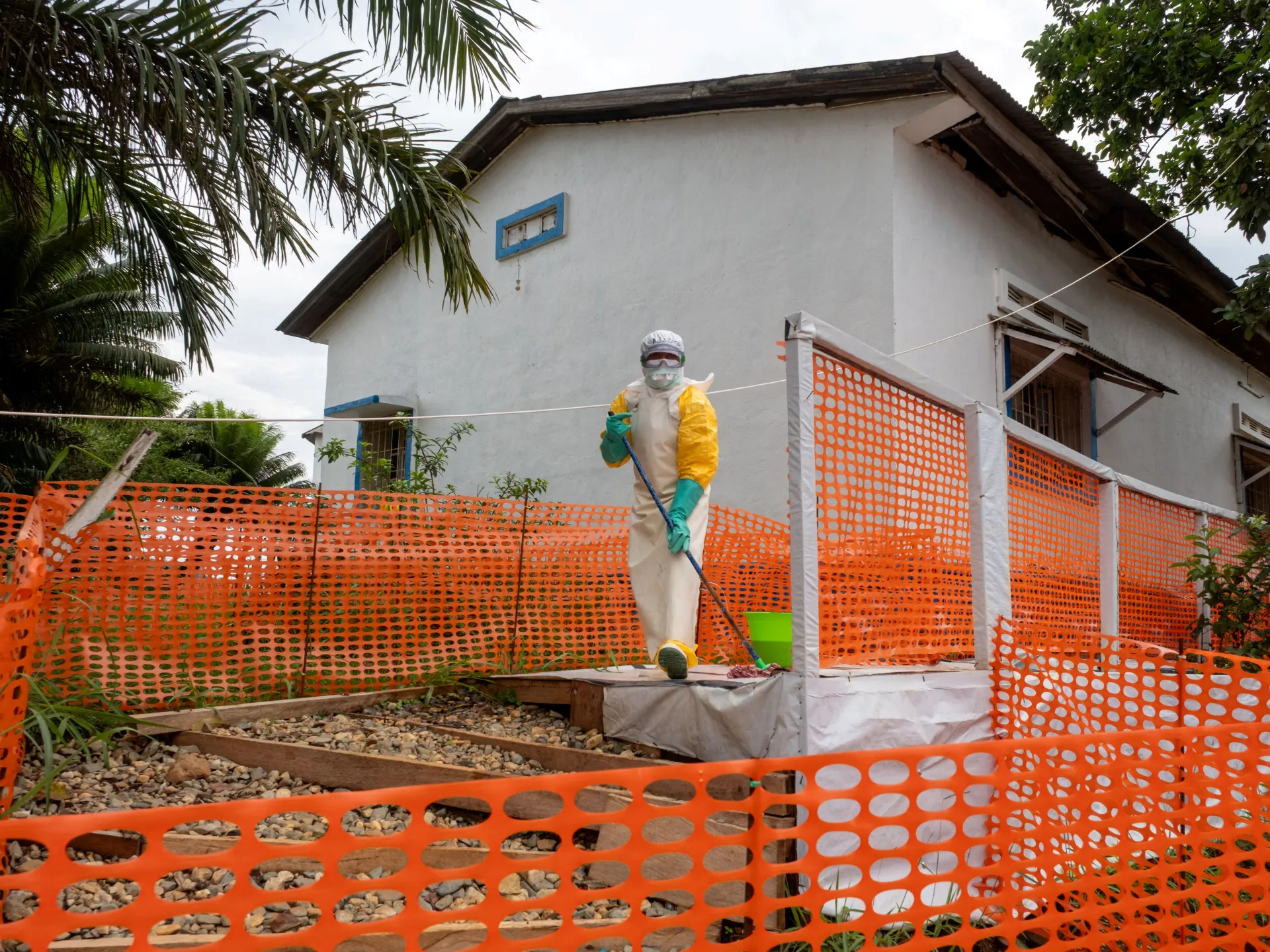
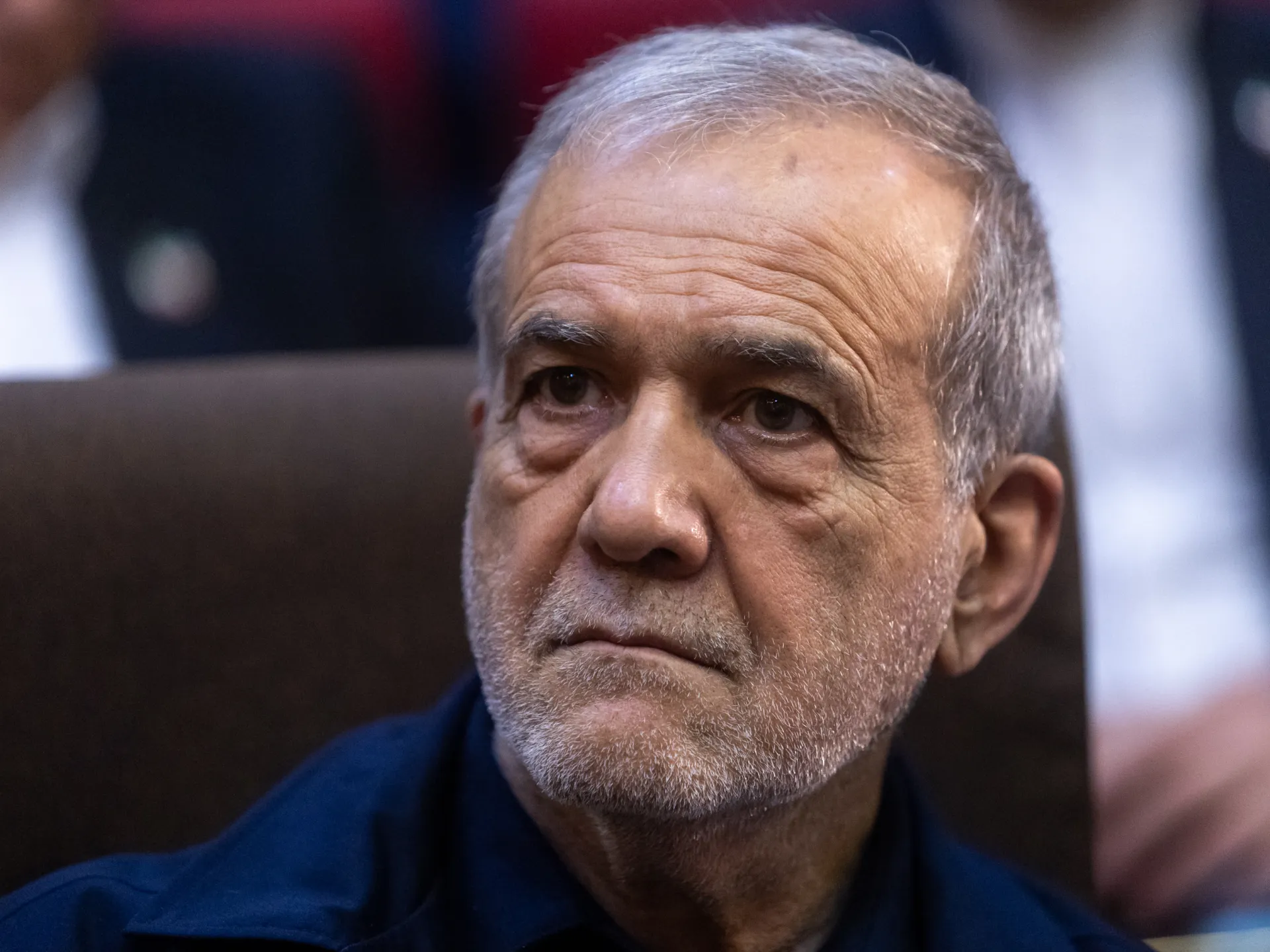



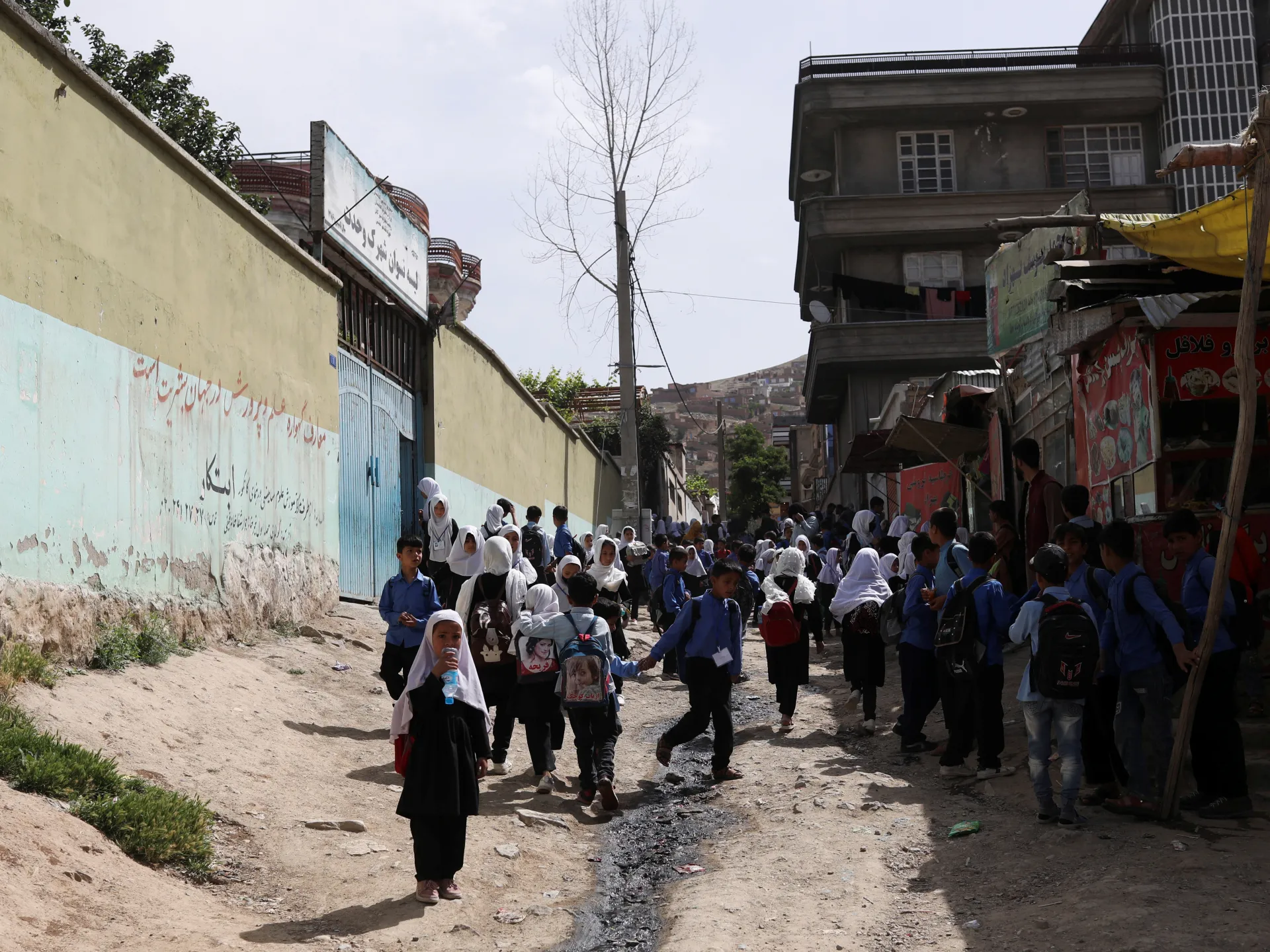

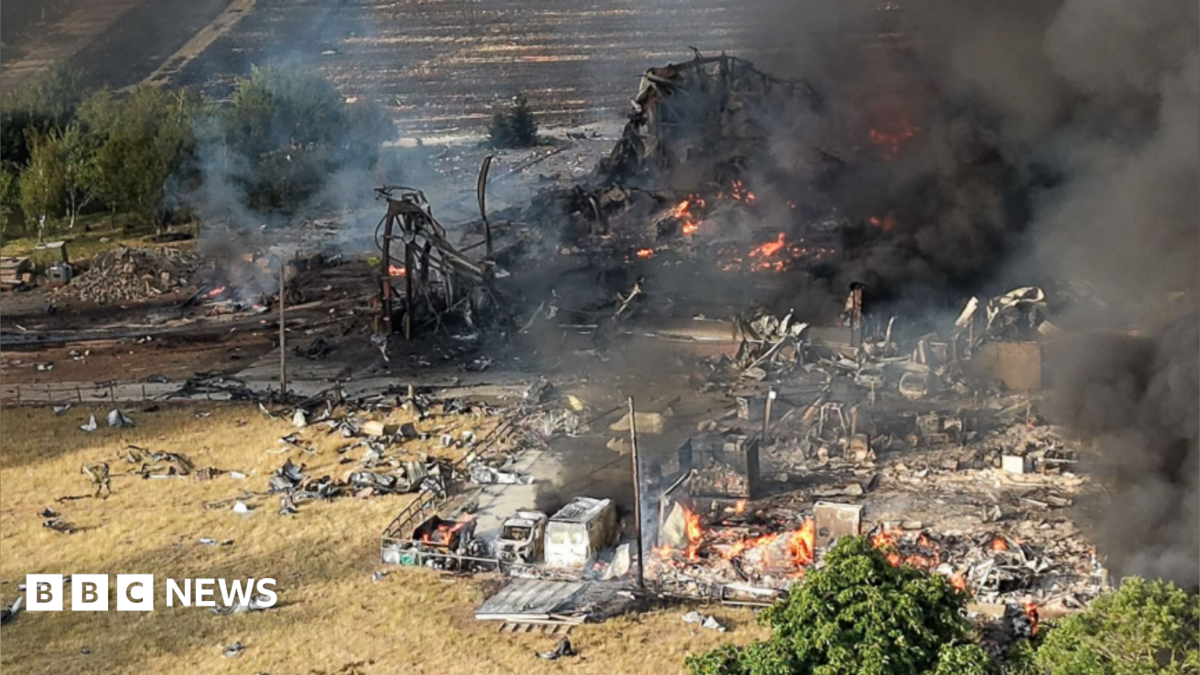


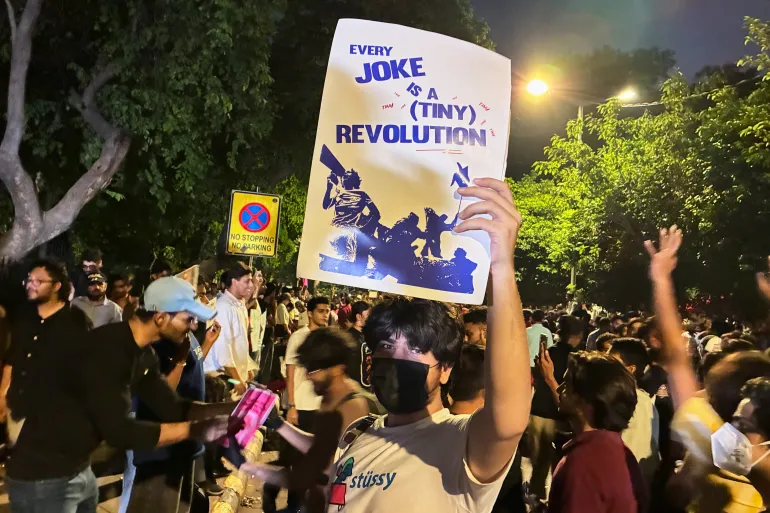


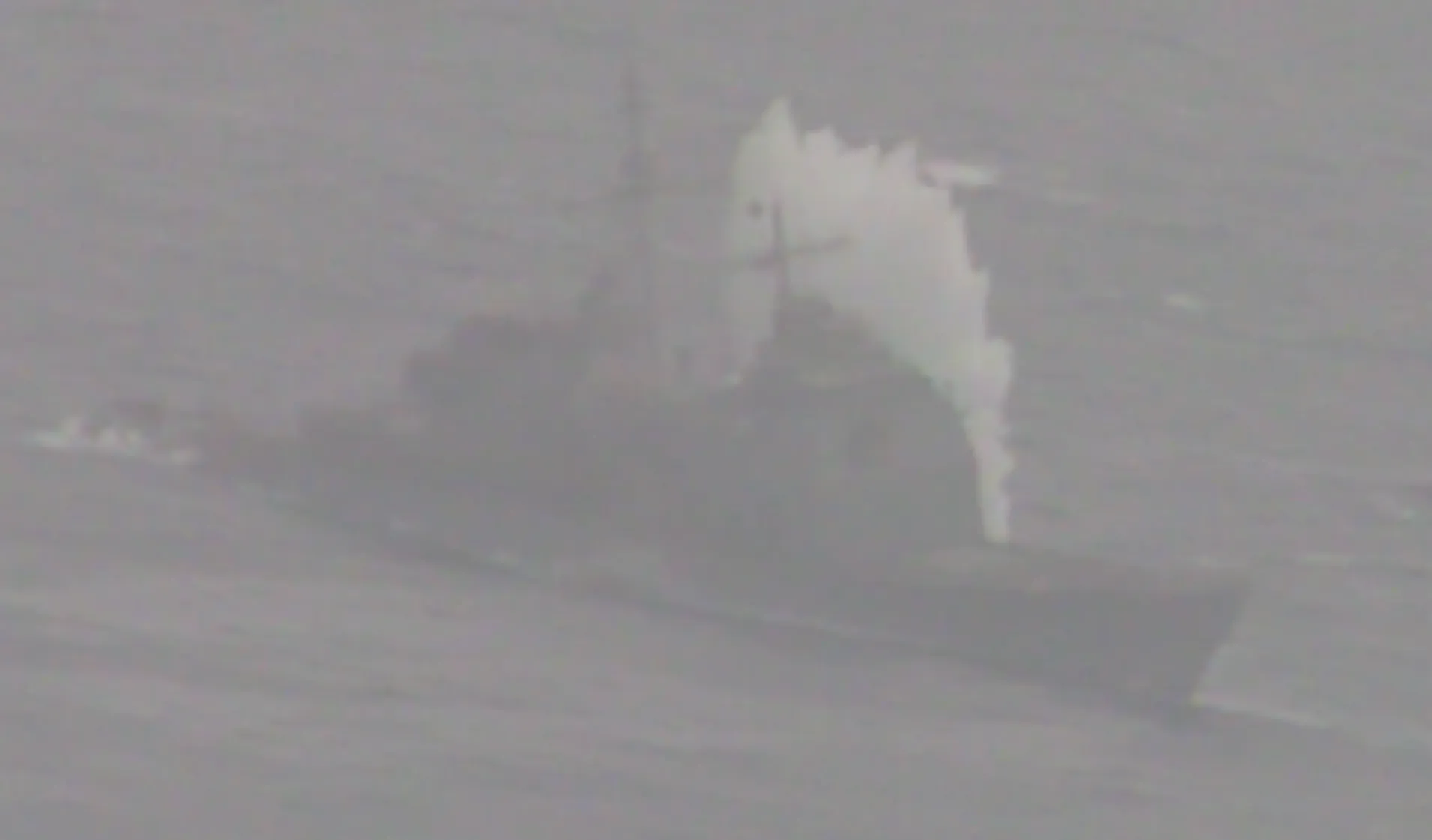




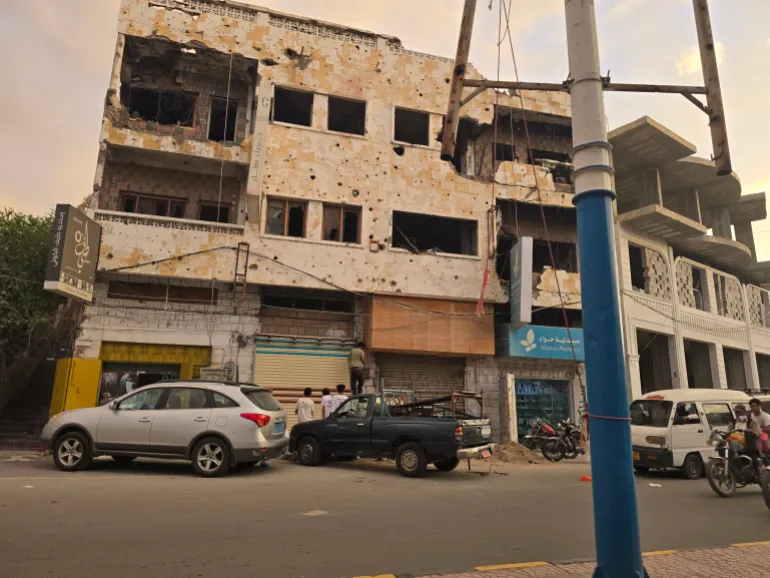
![Even in the safe parts of Taiz, damaged homes remain, with the pace of reconstruction in the Yemeni city slow [Al Jazeera]](https://i0.wp.com/occasionaldigest.com/wp-content/uploads/2026/07/4-2-1784924032.jpg?w=640&ssl=1)
![One of the partially damaged houses in Taiz rehabilitated with support from UNHCR and the Nahda Makers Organisation [Courtesy: Nahda Makers Organisation]](https://i0.wp.com/occasionaldigest.com/wp-content/uploads/2026/07/6-2-1784924089.jpg?w=640&ssl=1)
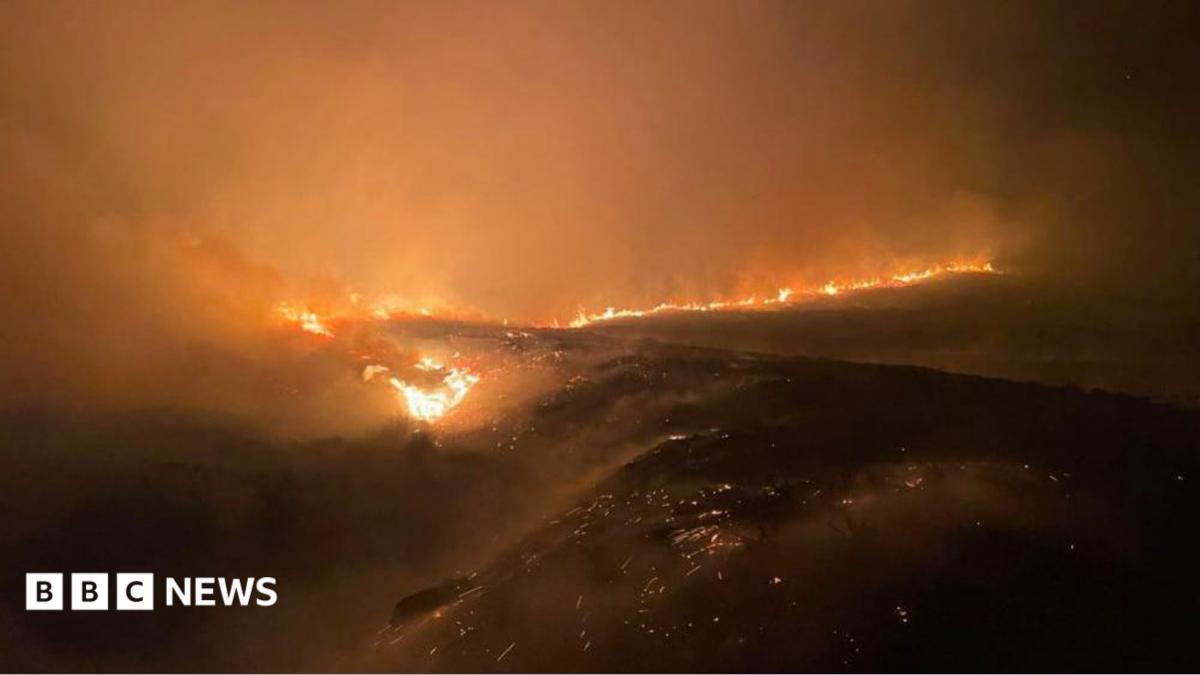
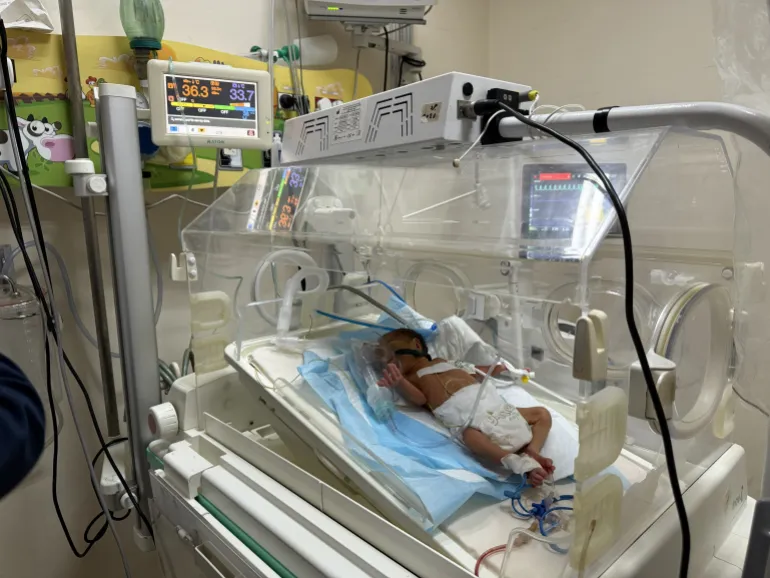
![Yazan Al-Khalidi, born in the eighth month of pregnancy. After birth, he experienced breathing difficulties. [Eman Abu Zayed/Al Jazeera]](https://i0.wp.com/occasionaldigest.com/wp-content/uploads/2026/07/IMG_6439-1784903726.jpg?w=640&ssl=1)
![Akram Abu Jiab, head of Qutoof Al-Khair Foundation, which supports pregnant women and newborns by providing vitamins and nutritional supplements for mothers, as well as medicines and medical supplies for children. [Eman Abu Zayed/ Al Jazeera]](https://i0.wp.com/occasionaldigest.com/wp-content/uploads/2026/07/IMG_7404-1784903732.jpg?w=640&ssl=1)