Lebanon

Protesters outside Israeli embassy in London condemn assault on Lebanon | US-Israel war on Iran

NewsFeed

Protesters have blocked roads outside the Israeli embassy in London, condemning Israel’s violent strikes on Lebanon which killed hundreds across the country on the day the US-Iran ceasefire was announced. Many demonstrators also expressed solidarity with Iranians and Palestinians who have all suffered under Israeli bombardment.

Source link

US VP JD Vance says Lebanon is not part of the US-Iran ceasefire | US-Israel war on Iran

NewsFeed

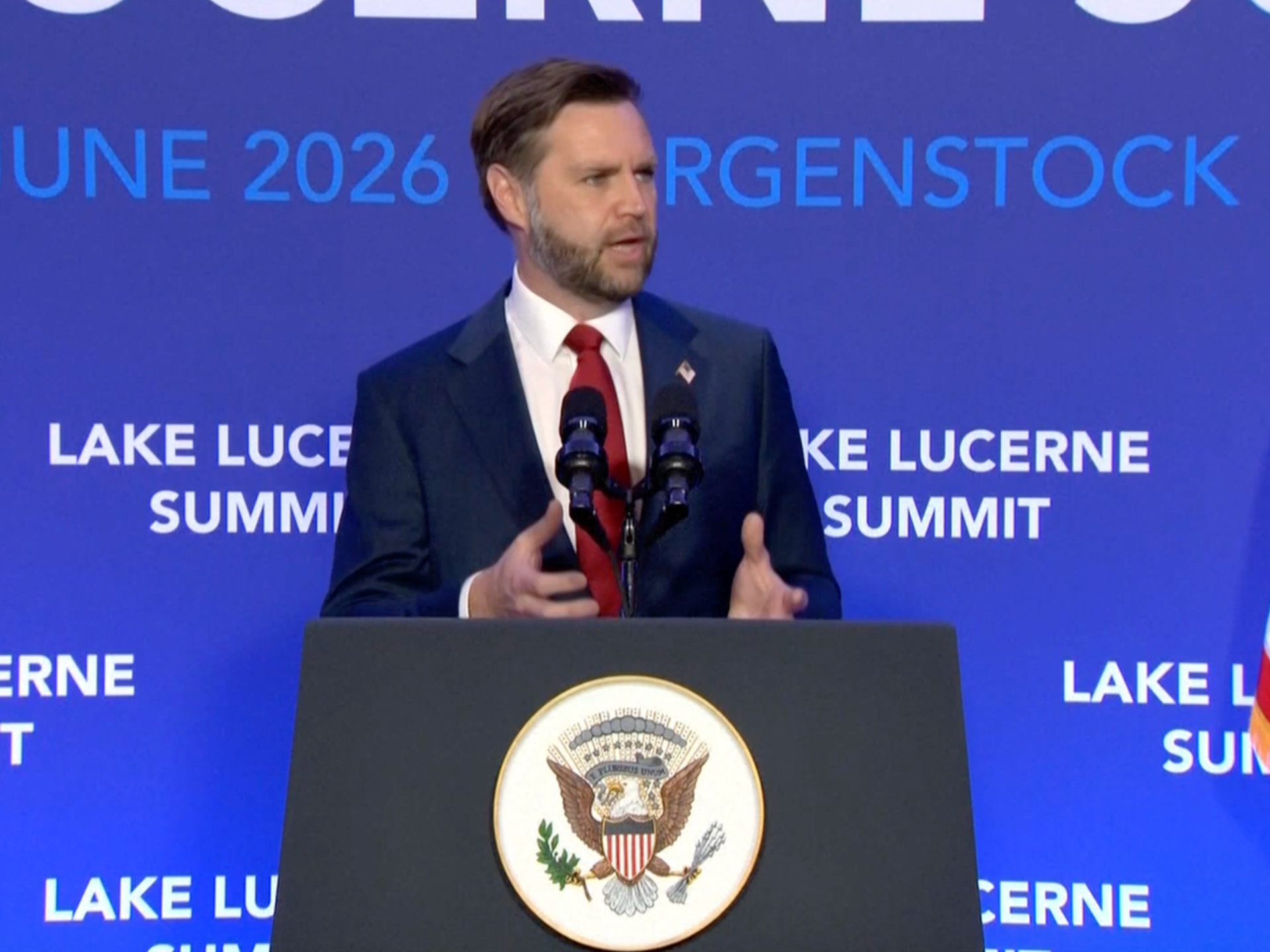
US Vice President JD Vance says Lebanon is not part of the US-Iran ceasefire, stressing that neither Washington nor Israel agreed to that. After Pakistan said Lebanon was included, Israel killed hundreds of people when it carried out around 100 strikes across Lebanon in just 10 minutes.

Source link

World reacts to ‘brutal’ Israeli attacks on Lebanon amid US-Iran ceasefire | US-Israel war on Iran News

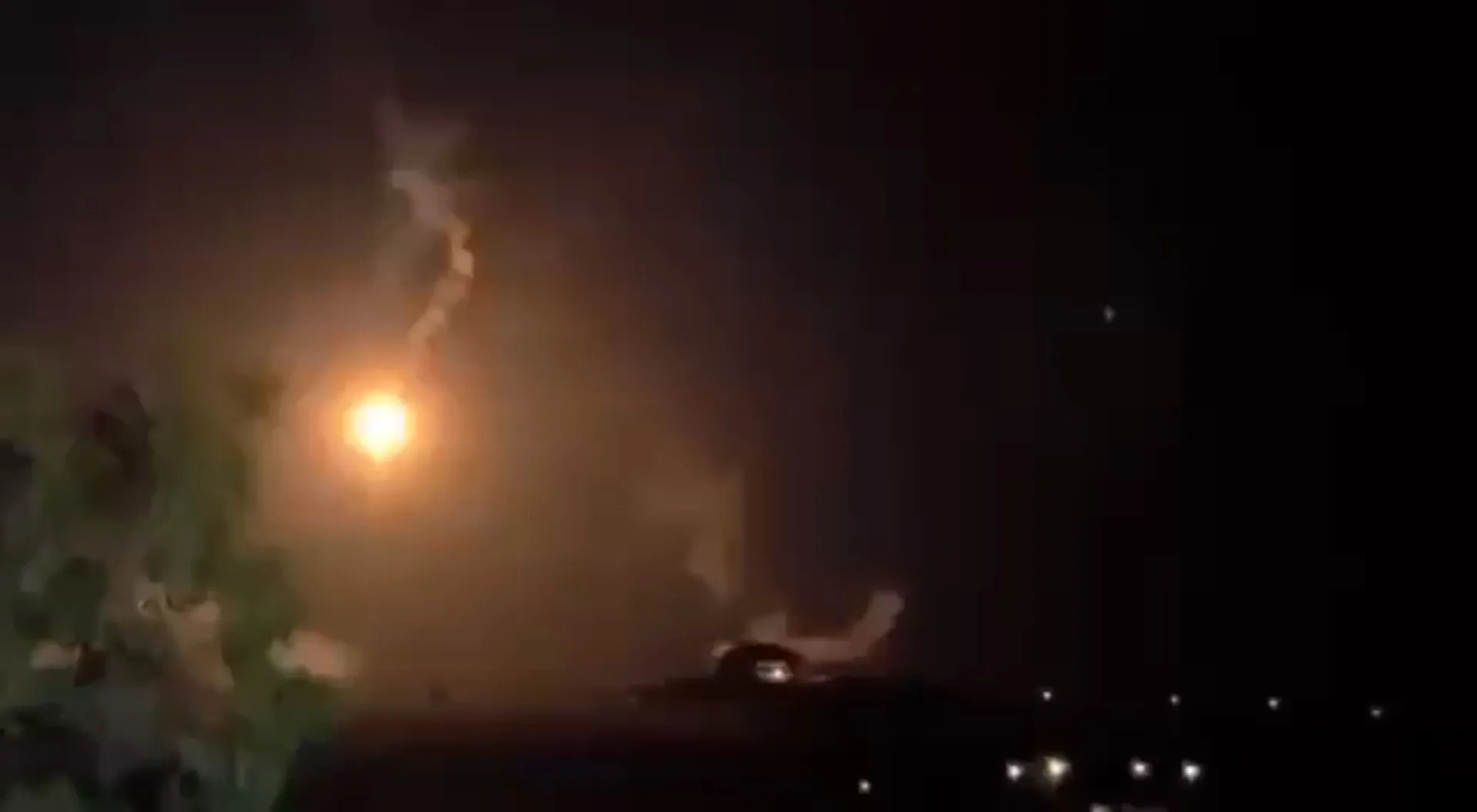
Israeli forces have launched an intense bombardment across Lebanon, killing hundreds of people, hours after a two-week ceasefire was announced in the United States-Iran war.

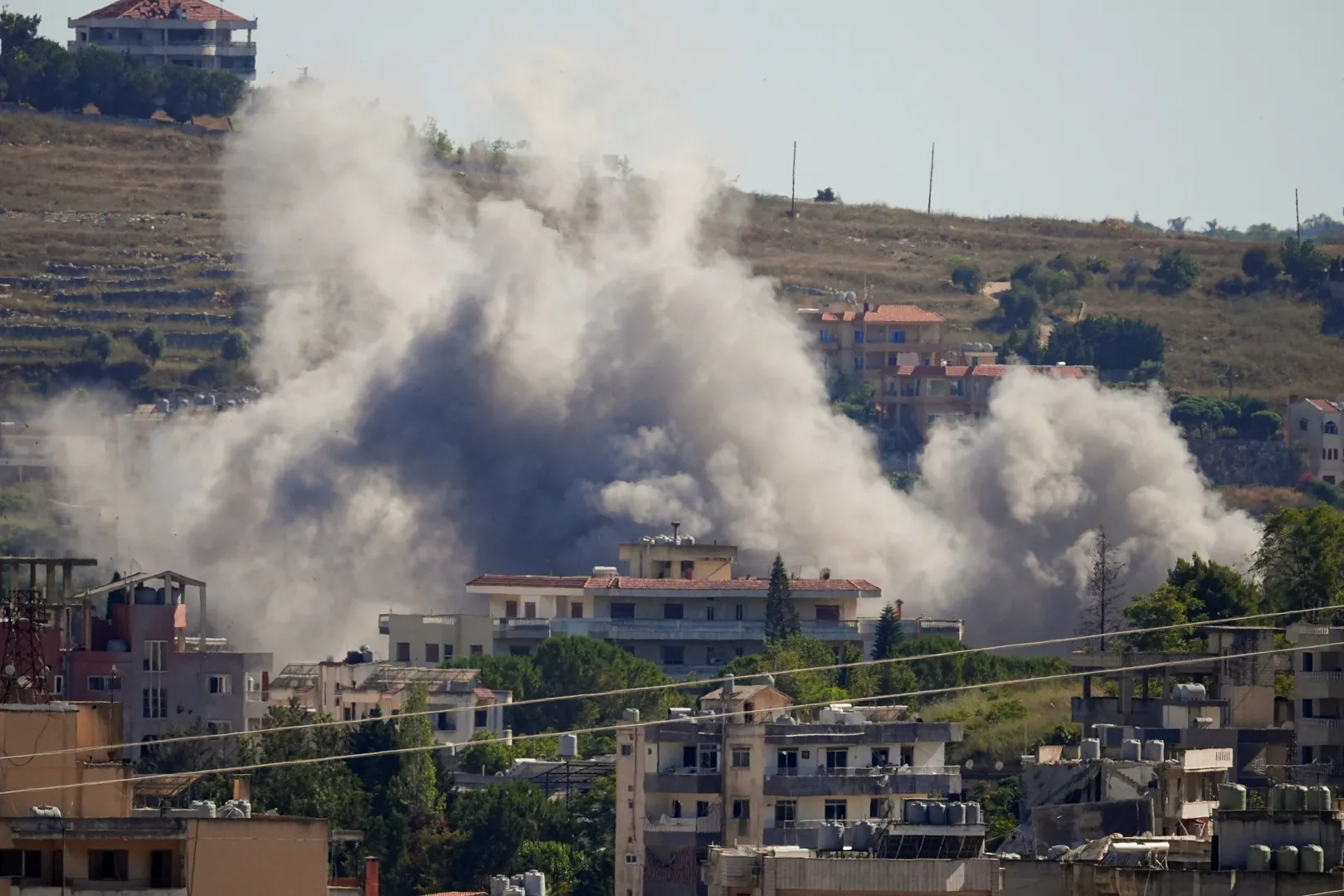
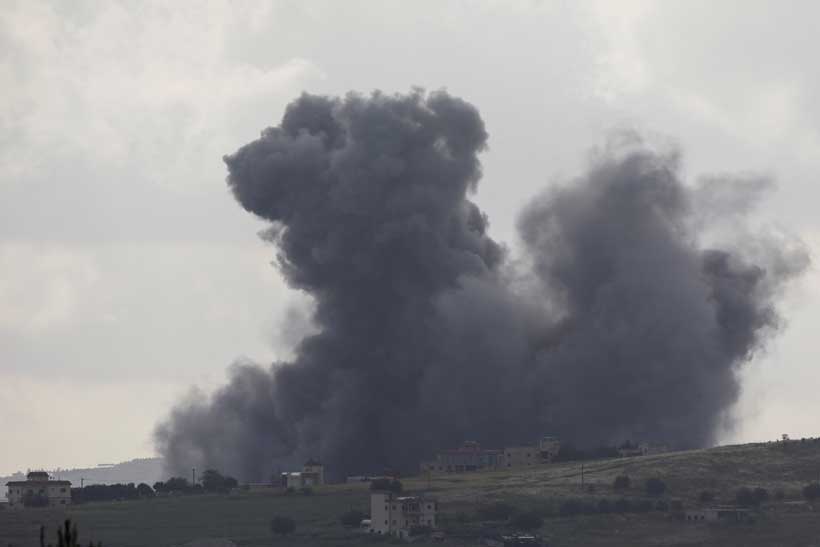
Lebanon’s Civil Defence said at least 254 people were killed and 1,165 others were wounded in air strikes that targeted areas in Beirut, the Bekaa Valley, Mount Lebanon, Sidon, and several villages in southern Lebanon.

Recommended Stories

list of 3 itemsend of list

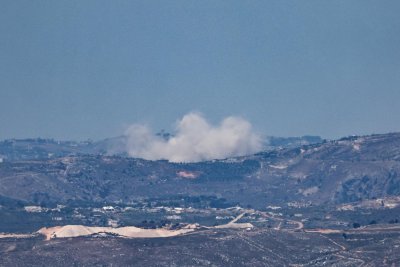
The Israeli military said that the attack was its largest coordinated assault on Lebanon since it started a new military operation in the country on March 2, “targeting more than 100 Hezbollah command centres and military sites”.

In a written statement, the head of Lebanon’s syndicate of doctors, Elias Chlela, urgently called for “all physicians from all specialities” to head to any hospital they could to offer help, with one of Beirut’s biggest hospitals saying it needed donations of all blood types.

Here’s how the world has reacted to the attacks:

Lebanon

Parliament Speaker Nabih Berri called the attacks on densely populated areas a “full-fledged war crime.”

⁠“Today’s crime, coinciding with the ceasefire agreement declared in the region — an agreement that Israel and its political and security apparatus have failed to uphold — is a serious test for the international community and a blatant challenge to all international laws, norms, and conventions, which Israel violates daily through its unprecedented campaign of human assassination in modern history,” Berri said.

“It is also a test for all Lebanese — political, religious, and civil leaders — to unite in solidarity with the martyrs. May God have mercy on the martyrs, grant a speedy recovery to the wounded, and protect Lebanon,” he added.

Hezbollah

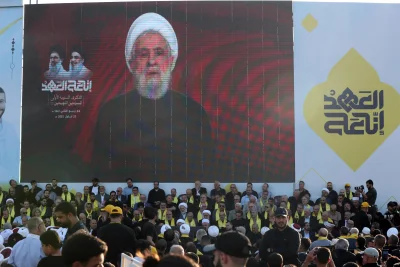
The Lebanese armed group said it had a “right” to respond to the attacks.

“We affirm that the blood of the martyrs and the wounded will not be shed in vain, and that today’s massacres, like all acts of aggression and savage crimes, confirm our natural and legal right to resist the occupation and respond to its aggression,” Hezbollah said in a statement.

Hezbollah lawmaker Hassan Fadlallah told the news agency Reuters that the Israeli strikes were “a grave violation of the ceasefire”, adding there would be “repercussions for the entire agreement” if they continued.

Israel

Defence Minister Israel Katz said Israel “insisted on separating the war with Iran with the fighting in Lebanon in order to change the reality in Lebanon”.

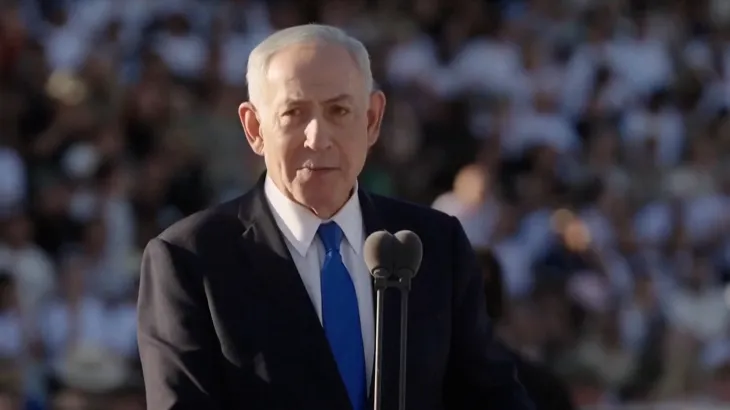
Prime Minister Benjamin Netanyahu also told a news conference that Israel would “continue to strike” Lebanon as the US-Iran ceasefire did not apply to Hezbollah.

First responders and residents gather at the site of an Israeli airstrike in Beirut's Tallet al-Khayyat neighbourhood, on April 8, 2026.
First responders and residents gather at the site of an Israeli air strike in Beirut’s Tallet al-Khayyat neighbourhood [AFP]

Iran

The Iranian Revolutionary Guard Corps (IRGC) warned that it will respond to the attacks on Lebanon if Israel does not stop the assault.

“We issue a firm warning to the United States, which violates treaties, and to its Zionist ally, its executioner: if the aggression against beloved Lebanon does not cease immediately, we will fulfil our duty and deliver a response,” the IRGC said in a statement carried on Iran’s state-owned TV channel, using a reference to Israel.

In a post on X, Foreign Minister Abbas Araghchi said the terms of the ceasefire were “clear and explicit: the US must choose — ceasefire or continued war via Israel. It cannot have both.”

“The world sees the massacres in Lebanon. The ball is in the US court, and the world is watching whether it will act on its commitments,” he added.

Qatar

The foreign ministry condemned the “brutal series” of Israeli attacks on Lebanon that had killed hundreds of people, calling the attacks a “dangerous escalation and a flagrant violation of the sovereignty of the sister Lebanese Republic, the rules of international humanitarian law, and United Nations Security Council Resolution (1701).”

“The Ministry of Foreign Affairs calls on the international community to fulfill its responsibilities by compelling the Israeli occupation authorities to halt their barbaric massacres and repeated attacks on Lebanon, and to hold them accountable for respecting international covenants and laws,” a statement posted on X read.

It added that Qatar was in “full solidarity” with Lebanon.

Egypt

The Ministry of Foreign Affiars called Israel’s attacks on Lebanon had a “premediatated intent” to undermine regional and international efforts to reduce escalation.

The ministry added that the attacks were an attempt by Israel to drag the region into “total chaos”.

Spain

In a post on X, Prime Minister Pedro Sanchez said Netanyahu’s “contempt for life and international law is intolerable” in light of the attacks.

“It’s time to speak clearly: – Lebanon must be included in the ceasefire. – The international community must condemn this new violation of international law. – The European Union must suspend its Association Agreement with Israel. – And there must be no impunity for these criminal acts,” Sanchez said.

Italy

Foreign Minister Antonio Tajani said he spoke to the Lebanese President Joseph Aoun and expressed solidarity for the “unjustified and unacceptable attacks he is suffering from Israel.”

“We want to avoid there being a second Gaza. We will reiterate this concept to the Israeli Ambassador as well, whom I have summoned to the Farnesina. We condemn the bombings on the Lebanese civilian population, including the gunfire incidents suffered by our UNIFIL [UN Interim Force in Lebanon] troops, for which we continue to demand guarantees of total safety. We must absolutely avoid any further expansion of the conflict that would jeopardise the ceasefire in Iran and the reopening of the Strait of Hormuz,” Tajani added.

United Nations

The deputy spokesperson for United Nations Secretary-General Antonio Guterres, Farhan Haq, said the UN “strongly condemns” Israel’s attacks on Lebanon.

“The United Nations strongly condemns the strikes by Israel across Lebanon that resulted in significant civilian casualties,” said Haq.

“We continue to call on all sides to avail themselves of diplomatic channels, cease hostilities”, and use the new US-Iran ceasefire as an opportunity to prevent further loss of life,” he added.

Source link

Oil prices plunge after cease-fire, Hormuz Strait reopening announced

A gas station in London, England, displays the latest price for a liter of regular unleaded on Wednesday morning hours after crude oil prices fell sharply on news disruption to the global supply of oil caused by the Iran war may be about to ease. Photo by Andy Rain/EPA

April 8 (UPI) — Global oil prices tumbled after the United States, Israel and Iran agreed to a Pakistan-brokered two-week cease-fire deal that included reopening the Strait of Hormuz to international shipping.

The Brent crude and West Texas Intermediate benchmarks saw double-digit percentage falls following U.S. President Donald Trump‘s announcement of the breakthrough Tuesday evening, and have since stabilized, changing hands at $95.51 and $96.48 a barrel in early trade on Wednesday.

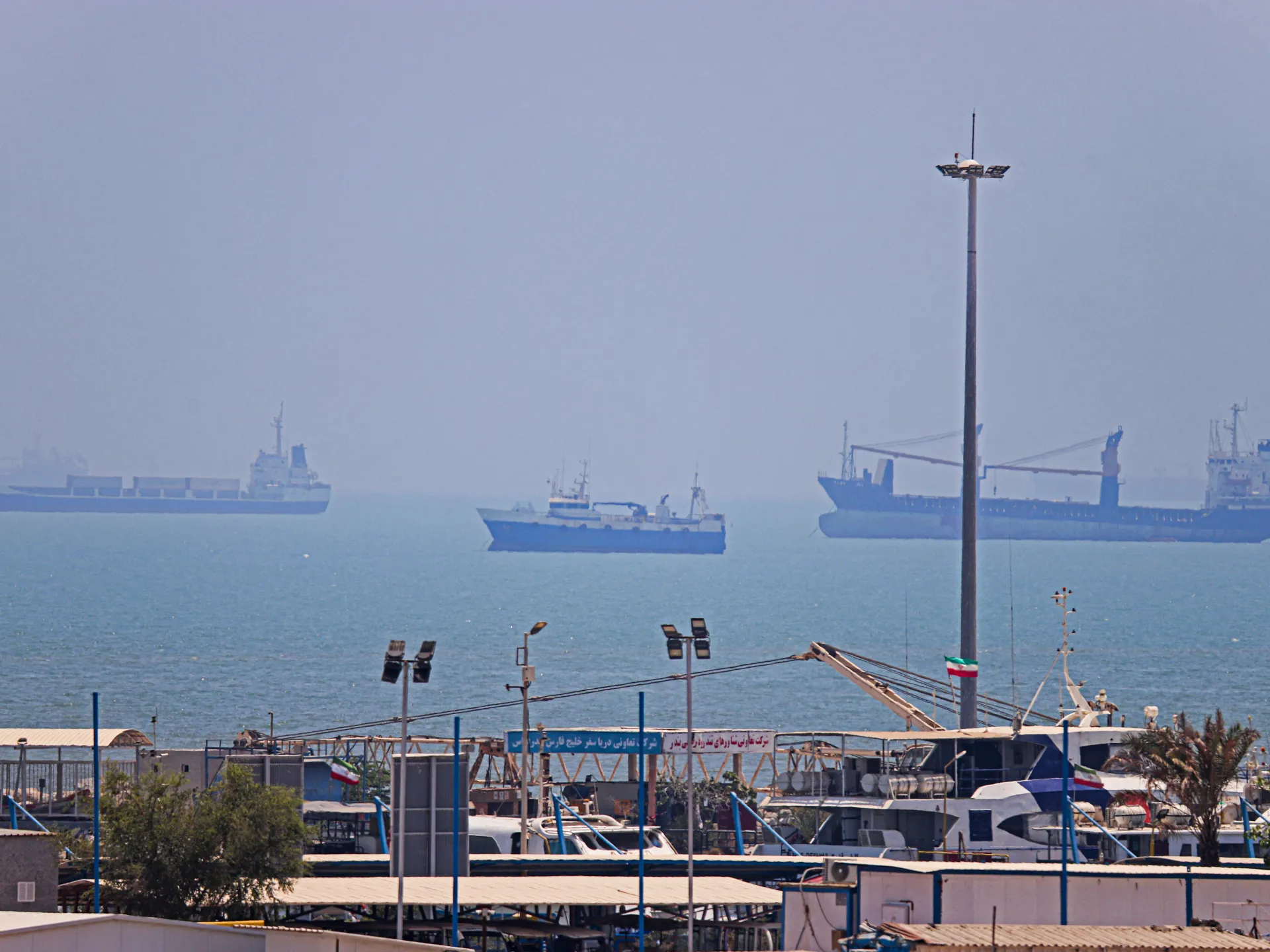
The market reacted to the prospect that oil tankers trapped in the Persian Gulf would be finally be able to transit the 21-mile-wide body of water between Iran and the UAE and Oman, easing major disruption to global supply caused by Iran’s effective blockade of the strait.

However, oil remained well above its $72 a barrel level on Feb. 27, the day before the United States and Israel unleashed their airborne offensive against Iran, amid uncertainty over the mechanism for the resumption of maritime traffic in the strait and the ongoing impact of war damage to energy infrastructure in Gulf countries.

There was also confusion over whether the cease-fire extended to Israel’s military offensive against Hezbollah in Lebanon. Pakistan said it did, but Israel said it did not and that its operations would continue.

Financial markets in Europe rallied Wednesday morning, following very significant gains in Asia, where the Nikkei 225 in Tokyo ended up 5.42%, Korea’s KOSPI surged almost 7% higher and Hong Kong’s Hang Seng Index closed up more than 3%.

Out-of-hours futures transactions in the United States suggested equities would also rally very strongly there when stock exchanges open in a few hours.

Jay Woods, chief market strategist at Freedom Capital Markets in New York, expressed skepticism.

“It wasn’t much of a surprise that there was an announced reprieve in the Iranian conflict. The concern now is if this all too familiar ‘two-week’ timeframe is going to lead to a resolution,” said Woods.

A statement from Iran’s Supreme National Security Council posted on X by the Iranian foreign minister said safe passage of ships through Hormuz Strait would be possible for the duration of the cease-fire, but that it would have to be “via coordination with Iran’s Armed Forces.”

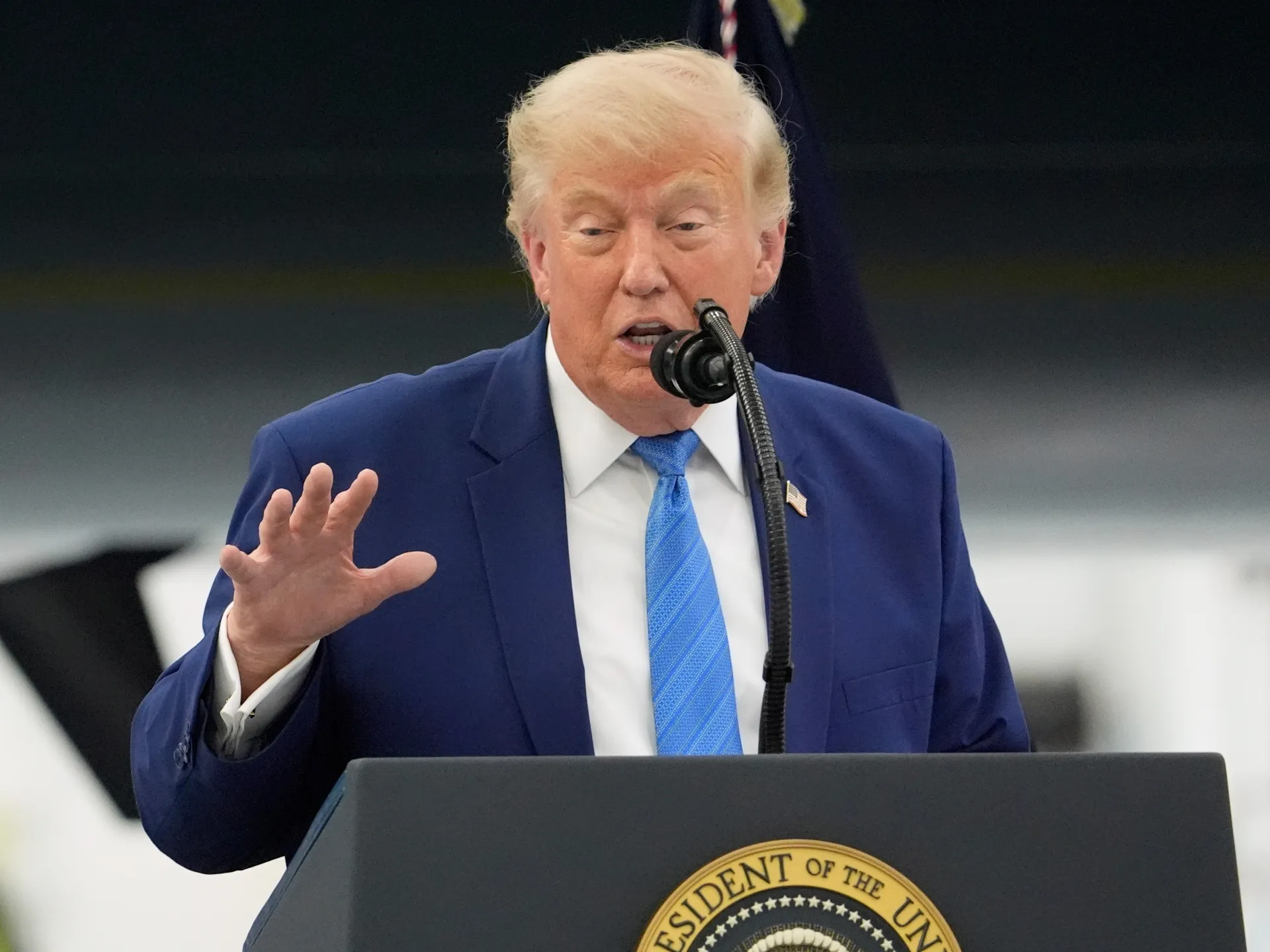
In a post on his Truth Social platform in the early hours of Wednesday hailing the cease-fire, Trump pledged U.S. assistance with the logistical problems.

“The United States will be helping with the traffic buildup in the Strait of Hormuz. There will be lots of positive action! Big money will be made. Iran can start the reconstruction process. We’ll be loading up with supplies of all kinds, and just ‘hangin around’ in order to make sure that everything goes well. I feel confident that it will. Just like we are experiencing in the U.S., this could be the Golden Age of the Middle East!!!” Trump wrote.

MST Marquee analyst Saul Kavonic told the BBC that while the number of ships getting through the Hormuz Strait would increase from a trickle, a return to normal levels of energy production in the region was unlikely without a permanent end to the conflict and warning that repairs to damaged infrastructure could take many months.

Acting Attorney General Todd Blanche speaks during a press conference on the Trump Administration’s efforts to combat fraud at the Department of Justice Headquarters on Tuesday. Last week, President Donald Trump fired Attorney General Pam Bondi over her handling of the Epstein files and the lack of investigation into individuals he felt should face criminal charges. Blanche, a former personal lawyer to Trump, will lead the Justice Department temporarily. Photo by Bonnie Cash/UPI | License Photo

Source link

Lebanon excluded from ceasefire as Israeli strikes continue | Israel attacks Lebanon News

Israel has backed a ceasefire between the US and Iran but made clear it does not extend to Lebanon. Al Jazeera’s Heidi Pett reports that as Israeli strikes continue, residents remain wary after repeated violations of past ceasefires and ongoing displacement.

Source link

Netanyahu says US-Iran ceasefire ‘does not include Lebanon’ | US-Israel war on Iran News

DEVELOPING STORY,

Israeli prime minister’s office welcomes US decision to suspend attacks on Iran, but says the two-week truce does not apply to Lebanon.

Prime Minister Benjamin Netanyahu’s office has announced that Israel backs the United States’s decision to suspend strikes against Iran for two weeks, but said the truce “does not include Lebanon”.

In a statement on X on Wednesday, Netanyahu said Israel supported US President Donald Trump’s efforts to ensure “Iran no longer poses a nuclear, missile and terror threat to America, Israel, Iran’s Arab neighbors and the world”.

He said the US has told Israel that it is committed to achieving these goals in the upcoming negotiations in Pakistan’s Islamabad on Friday.

But the two-week ceasefire “does not include Lebanon”, he added.

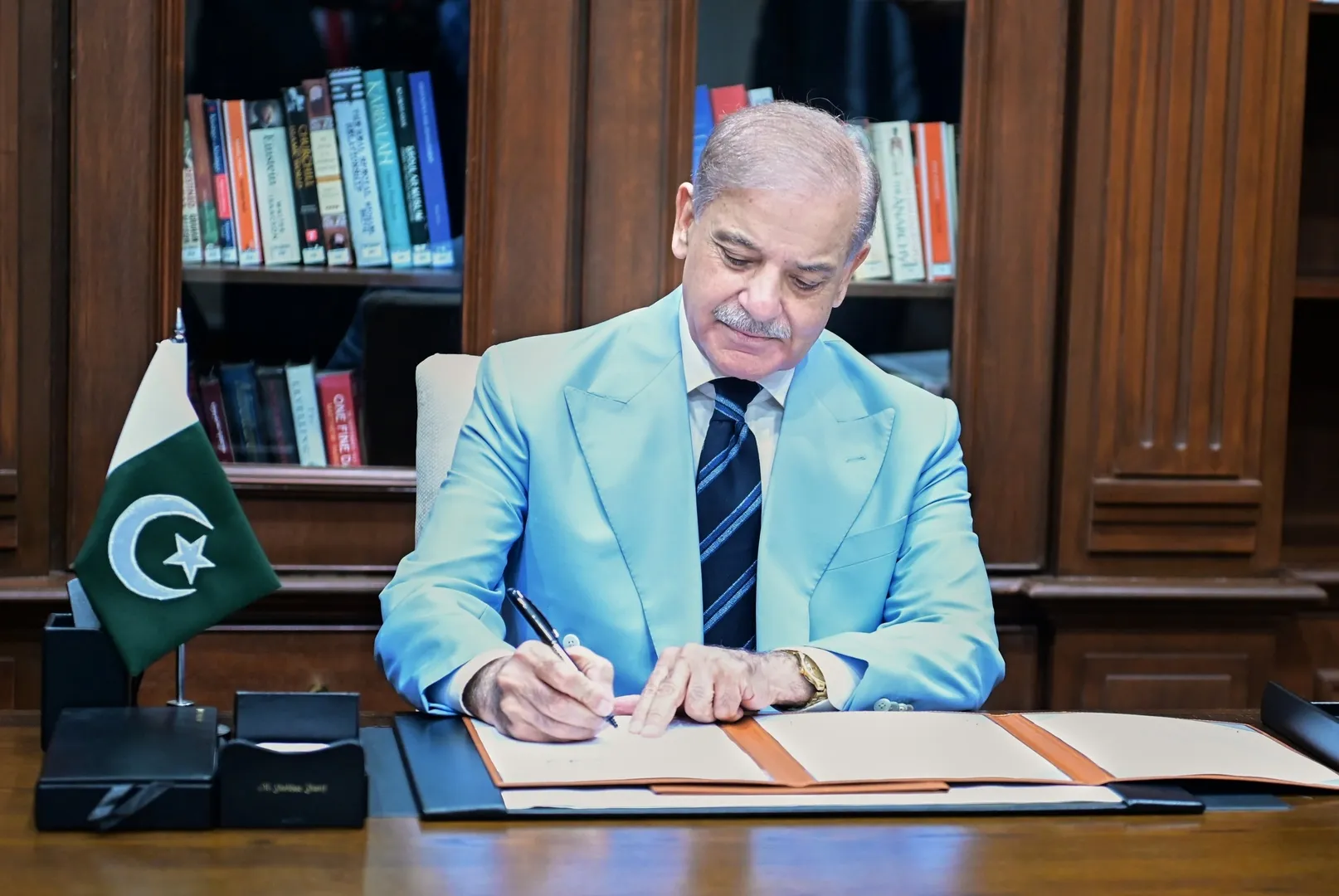
Netanyahu’s statement comes after Pakistani Prime Minister Shehbaz Sharif announced that the US, Iran and their allies “have agreed to an immediate ceasefire everywhere including Lebanon and elsewhere”.

Sharif said the move was “effective immediately”.

Lebanon was drawn into the war on March 2 after Iran-aligned Hezbollah launched attacks on Israel.

Hezbollah said the attacks were in retaliation for Israel’s killing of Iran’s Supreme Leader Ayatollah Ali Khamenei on February 28 as well as its near-daily violations of a ceasefire it agreed in Lebanon in November of 2024.

Israeli attacks on Lebanon have since killed more than 1,500 people and displaced more than 1 million people. The Israeli military has also launched an invasion of southern Lebanon and said it aims to seize more territory for what it calls a buffer zone.

There’s been no immediate comment from Hezbollah or Lebanon.


Source link

Up to 1.2 million people forced to flee as Israel pummels Lebanon | Israel attacks Lebanon News

Israeli air raids on Lebanon have killed more than 1,450 people, including 126 children, and displaced some 1.2 million residents since March 2, according to Lebanese authorities. The bombardment has wounded more than 4,400 individuals.

In southern Lebanon’s Kfar Hatta, an Israeli attack killed seven people, including a four-year-old girl and a Lebanese soldier, the Ministry of Public Health reported on Sunday. The Israeli military had ordered the forced evacuation of the town the previous evening, an area where many displaced Lebanese had sought refuge.

As invasion expands deeper into southern Lebanon, leaving devastated villages behind, Lebanese President Joseph Aoun has intensified calls for negotiation. “Why don’t we negotiate … until we can at least save the homes that have not yet been destroyed?” he pleaded in a televised address on Sunday, hoping to prevent destruction comparable to Israel’s Gaza operation.

In Toul village in the Nabatieh district, a couple were killed while their children, aged 15 and nine, were injured. Multiple bombardments have wiped out entire families in single attacks. Officials report that approximately 25 percent of all victims are women, children and medical workers.

On March 12, the Israeli military expanded its forced evacuation orders for southern Lebanon residents – from the Litani River to north of the Zahrani River, about 40km (25 miles) north of the Israeli border.

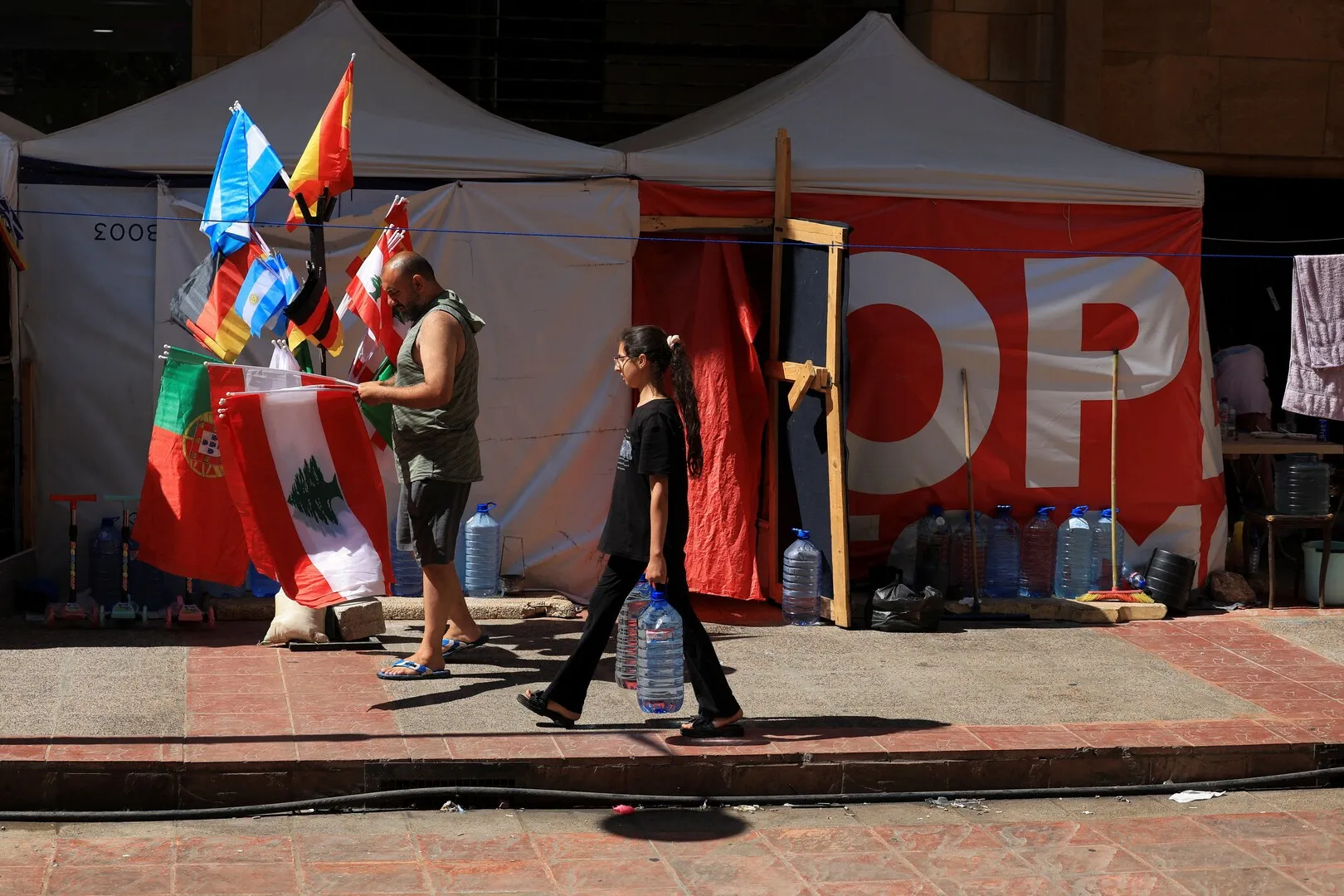
The massive displacement has overwhelmed the country’s shelter capacity. Many families are unable to find accommodation, spending nights in streets, vehicles, or public spaces as collective shelters reach maximum capacity. For many, this represents repeated trauma.

Between October 2023 and November 2024, amid cross-border fighting between Hezbollah and Israel, hundreds of thousands of residents of southern Lebanon’s border villages suffered the worst of the violence.

At its height, 899,725 people were forcibly displaced by Israeli forces back then. Most had returned by last October, only to be forced to flee again.

Israeli attacks during those 14 months inflicted extensive damage to homes and infrastructure. The World Bank estimated damage to residential buildings alone at approximately $2.8bn. About 99,000 homes were damaged or destroyed, preventing many families from returning even after the ceasefire.

Source link

Pope Leo beseeches warring nations to lay down arms in Easter address

Pope Leo XIV waves to the crowd from the popemobile after he presided over the Holy Mass on Easter Sunday at Saint Peter’s Square in Vatican City on Sunday. It is Pope Leo’s first Holy Week as pontiff. Photo by Riccardo Antimiani/EPA

April 5 (UPI) — Pope Leo XIV on Sunday beseeched world leaders to “lay down” the weapons of war and use “dialogue” rather than force as the means to bring about peace.

In the annual Urbi et Orbi address delivered by the presiding Catholic pontiff each Easter Sunday in St. Peter’s Square at the Vatican, Leo said the holy day can provide a light from Christ allowing hearts “to be transformed by his immense love for us.

“Let those who have weapons lay them down. Let those who have the power to unleash wars choose peace. Not a peace imposed by force, but through dialogue. Not with the desire to dominate others, but to encounter them,” Leo said in his first Easter address as pontiff.

An estimated 50,000 people jammed the Roman square to hear Leo’s Urbi et Orbi Easter Mass homily, or “To the City and the World,” in which he warned against allowing “indifference” to blunt the impact of war’s devastation as conflicts raged in Iran, Lebanon, Gaza, Ukraine and elsewhere in the world.

“We are growing accustomed to violence, resigning ourselves to it, and becoming indifferent,” he said. “Indifferent to the deaths of thousands of people. Indifferent to the repercussions of hatred and division that conflicts sow. Indifferent to the economic and social consequences they produce, which we all feel.”

Instead, he declared, “We cannot continue to be indifferent! And we cannot resign ourselves to evil!”

Leo, the first American pope, has been a frequent critic of U.S. President Donald Trump, but did not specifically mention him or any other leader or country during the Easter homily. Rather, he anti-war remarks were universal.

“On this day of celebration, let us abandon every desire for conflict, domination, and power, and implore the Lord to grant his peace to a world ravaged by wars and marked by a hatred and indifference that make us feel powerless in the face of evil,” Leo urged.

In his time as pope, Leo has established a track record of issuing unambiguous calls for peace.

Last month, for instance, he voiced a direct demand for an end to the U.S.-Israeli war in Iran as the conflict entered its third week.

“On behalf of the Christians of the Middle East, and of all women and men of good will, I appeal to those responsible for this conflict: Cease fire!,” the pope said during the Angelus in St. Peter’s Square on March 15.

Pope Leo XIV celebrates the Christmas vigil Mass on Christmas eve on Wednesday in St. Peter’s Basilica in Vatican City, Vatican. Photo by Stefano Spaziani/UPI | License Photo

Source link

At least 14 people killed in Israeli strikes across Lebanon | Israel attacks Lebanon News

Lebanese armed group Hezbollah fires projectiles at northern Israel while Israeli troops push deeper into southern Lebanon.

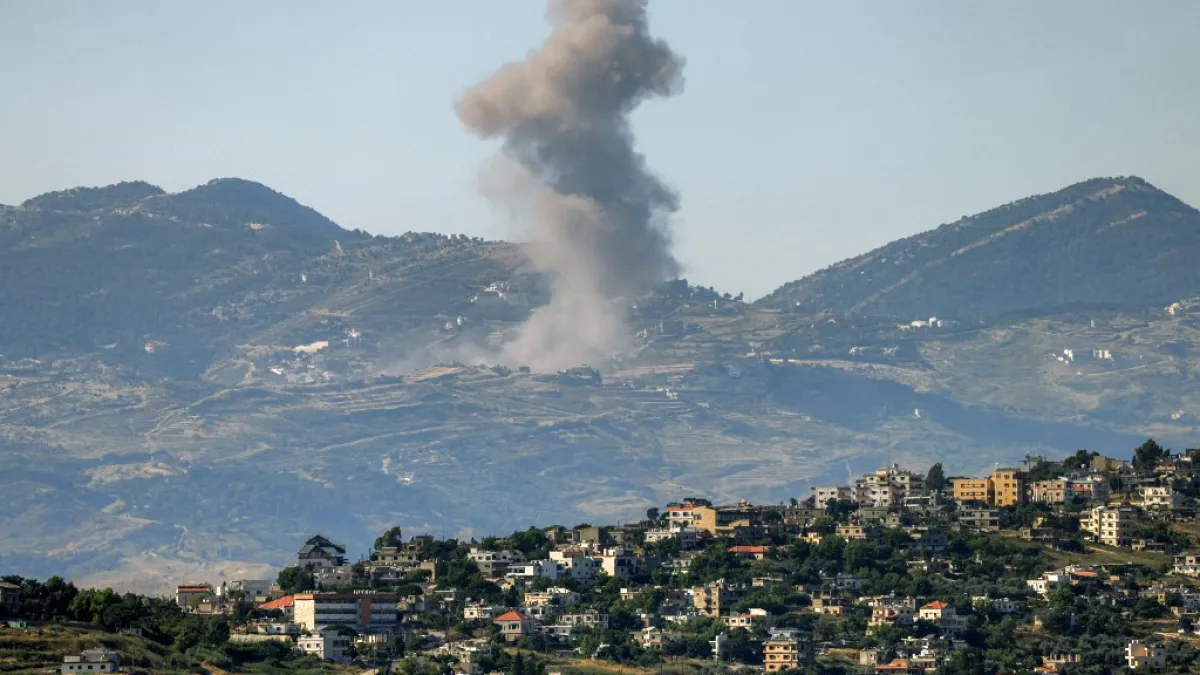
Israeli strikes across southern Lebanon and the capital, Beirut, have killed at least 14 people, a day after Israel threatened to hit Lebanon’s main border crossing with Syria, forcing its closure.

Israeli strikes on Beirut’s southern suburbs on Sunday killed at least four people while 10 people – including a family of six – were killed in Israeli attacks on southern Lebanon.

Recommended Stories

list of 3 itemsend of list

A further 39 people were wounded in an Israeli strike on Beirut’s Jnah neighbourhood, according to Lebanon’s Ministry of Public Health. The strike hit about 100 metres (330ft) from Rafik Hariri University Hospital, the country’s largest public medical facility, a medical source told the AFP news agency.

Israel has launched air strikes across Lebanon since March 2 after the Lebanese armed group Hezbollah fired rockets into Israel in response to the United States-Israeli war on Iran. Israeli forces have also launched a ground invasion of southern Lebanon.

Hezbollah on Sunday claimed to have fired a cruise missile at an Israeli warship 126km (78 miles) off the Lebanese coast. There was no immediate comment from the Israeli military. Al Jazeera was not able to verify the claim.

Although most Israeli strikes against Hezbollah have been conducted by jets and drones, some have come by sea.

In a statement, the Israeli military warned it had “begun striking Hezbollah infrastructure sites” in Beirut’s southern suburbs without providing evidence for its claims.

On Saturday, Israel said it would carry out strikes on the Masnaa border crossing between Lebanon and Syria. Masnaa serves as a vital trade route for both countries and a key gateway to the rest of the region for Lebanese people.

The border post was quickly evacuated on the Lebanese side, and the site was virtually deserted early on Sunday with only a few guards still on duty, according to AFP.

In Syria, Mazen Aloush with the General Authority for Borders and Customs insisted that the crossing, known as Jdeidet Yabous on the Syrian side, was “exclusively for civilian use and is not used for any military purposes”.

Aloush said traffic through the crossing would be temporarily suspended due to the Israeli threat.

Israeli attacks on Lebanon since March 2 have killed more than 1,400 people, including 126 children, and displaced over 1.2 million, according to Lebanese authorities.

In the southern Lebanese town of Kfar Hatta, an Israeli strike killed seven people including a four-year-old girl and a Lebanese soldier, the Health Ministry said on Sunday.

The previous evening, the Israeli army issued a forced evacuation order for the town, where many displaced people from other parts of southern Lebanon have fled.

In another air strike on southern Lebanon, at least three people were killed and others injured early on Sunday, Lebanon’s National News Agency (NNA) reported.

As Israeli troops push deeper across their border into southern Lebanon and destroy villages, Lebanese President Joseph Aoun reiterated his call for talks with Israel, saying he wanted to spare southern Lebanon from destruction on the scale seen in Israel’s genocidal war on Gaza.

“Why don’t we negotiate … until we can at least save the homes that have not yet been destroyed?” he proposed in a televised address on Sunday.

Source link

How the US and Israel are waging war on Iran’s medicines, vaccines | US-Israel war on Iran News

The United States and Israel have carried out multiple attacks on medical facilities in the course of their war on Iran.

On Thursday, Iranian President Masoud Pezeshkian appealed to international health organisations to respond to attacks on medical facilities in Iran, including the Pasteur Institute in capital Tehran, a key centre that Iranian officials said had been targeted that day.

At least 2,076 people have been killed and 26,500 have been wounded in Iran since the US and Israel first launched strikes on the country on February 28.

Here is a closer look at how the US and Israel have hit healthcare facilities in Iran.

What has the Iranian president said about attacks on healthcare?

On Thursday, Pezeshkian wrote in an X post: “What message does attacking hospitals, pharmaceutical companies and the Pasteur Institute as a medical research center in Iran convey?”

The Iranian president, 71, a heart surgeon by profession, continued: “As a specialist physician, I urge WHO [the World Health Organization], the Red Cross, Doctors Without Borders and physicians worldwide to respond to this crime against humanity.”

What is the Pasteur Institute, which has been targeted?

On Thursday, Iranian Foreign Ministry spokesman Esmaeil Baghaei wrote in an X post: “The American-Israeli aggressors have attacked the Pasteur Institute of Iran – the oldest and most prestigious research and public health centre in Iran and the entire Middle East, founded in 1920 through an agreement between the Pasteur Institute of Paris and the Iranian government.”

Baghaei deemed the attack “heartbreaking, cruel, despicable, and utterly outrageous”.

He did not specify whether there were casualties from the attack.

The institute was founded more than 100 years ago in collaboration with the Institut Pasteur in Paris, an internationally renowned centre for biomedical research, which itself was founded in 1887.

The institute in Iran conducts research on infectious diseases, produces vaccines and biological products and provides advanced diagnostics.

The centre has played a central role in fighting endemic diseases such as smallpox and cholera. It also supports Iran’s national immunisation programme by developing and producing vaccines and related biologicals – including those used against diseases such as tetanus, hepatitis B and measles.

Tedros Adhanom Ghebreyesus, the director general of the WHO, wrote in an X post on Friday that two departments of the Pasteur Institute of Iran have also been working closely with the WHO.

“The conflict in Iran, and the region, is impacting the delivery of health services and the safety of health workers, patients, and civilians present at health facilities,” Ghebreyesus wrote.

Which other healthcare facilities have been hit in Iran?

“Since 1 March, WHO has verified over 20 attacks on health care in Iran, resulting in at least nine deaths, including that of an infectious diseases health worker and a member of the Iranian Red Crescent Society,” Ghebreyesus wrote in his X post.

Some of the facilities hit include:

Red Crescent warehouse

On Friday morning, a drone strike hit a Red Crescent relief warehouse in Iran’s Bushehr province.

While no casualties were reported, the attack destroyed two relief containers, two buses and emergency vehicles, Fars news agency reported.

Tofigh Daru

On March 31, Israeli-US strikes hit one of Iran’s largest pharmaceutical companies in Tehran, the Iranian government said in a post on X.

The company was later identified as Tofigh Daru Research and Engineering Company, which is owned by the Social Security Investment Company, a state-run holding firm. On LinkedIn, Tofigh Daru states that it develops and produces active pharmaceutical ingredients “in the anticancer, narcotics, cardiovascular to immunomodulatory segments”.

No confirmed casualty numbers were reported from that strike.

Delaram Sina Psychiatric Hospital

This newly constructed hospital in Tehran was significantly damaged during an attack on the capital on March 29, according to the state-run Islamic Republic News Agency (IRNA).

About 30 patients were in the hospital at the time of the strike late on Monday, the hospital’s director told IRNA. No specific casualty figures for the hospital have been reported.

Ali Hospital

The hospital in Andimeshk in Iran’s Khuzestan province sustained damage from an explosion on March 21, according to the Mehr and Fars news agencies.

In his post on Friday, Ghebreyesus confirmed this attack and said the facility had been forced to evacuate staff and cease services.

Reports about the attack do not mention casualties at the hospital.

Gandhi Hospital

On March 2, Gandhi Hospital in Tehran was damaged during attacks on a television communications tower nearby.

No confirmed casualty figures were reported for the hospital itself.

What does international law say about attacks on healthcare?

International humanitarian law states that health establishments and units, including hospitals, should not be attacked, according to the International Committee of the Red Cross.

These protections also apply to the sick and wounded, to medical staff and to means of transport such as ambulances.

In 2016, the United Nations Security Council resolution 2286 was adopted unanimously. This condemns attacks on healthcare and calls on nations to respect international law.

However, last year record attacks on healthcare during armed conflict were recorded, according to the WHO’s Surveillance System for Attacks on Health Care (SSA).

The SSA said that in armed conflicts worldwide, 1,348 attacks on medical facilities resulted in the killing of 1,981 people. The majority of these deaths were in Sudan, where 1,620 people were killed, followed by Myanmar, where 148 people were killed.

This was a sharp uptick from 2024, when 944 patients and medical personnel were killed in armed conflict.

Where else has Israel targeted medical staff and facilities?

Lebanon

Besides Iran, Israeli attacks have also targeted healthcare facilities in Lebanon.

A month into its latest bombardment of Lebanon, Israel has killed 53 medical workers, destroyed 87 ambulances or medical centres, and forced the closure of five hospitals, according to Lebanon’s Ministry of Public Health.

“Israeli strikes and blanket evacuation orders are cutting people off from care and shrinking the space for health services to function,” Luna Hammad, the Lebanon medical coordinator for Doctors Without Borders (MSF), told Al Jazeera, adding that MSF has seen “a documented pattern of attacks affecting healthcare”.

Gaza

Throughout its genocidal war in Gaza, Israel has also attacked healthcare facilities in the Palestinian enclave.

In October 2023, hundreds of people sheltering in the car park of Gaza’s al-Ahli Hospital were killed in an Israeli attack, according to Palestinian health officials.

Israel attributed the explosion at the facility to a misfired rocket launched by the Palestinian Islamic Jihad, an allegation denied by the armed group.

In March 2024, the Israeli military said it killed 90 people in its raid on al-Shifa Hospital during a siege, as displaced Palestinians sheltering in the facility described long detentions and abuse.

In December 2024, the Israeli army arrested Dr Hussam Abu Safia, the director of Kamal Adwan Hospital, after refusing to follow orders to abandon one of the last functioning hospitals in northern Gaza. His arrest came a day after the military killed approximately 20 Palestinians and apprehended about 240 in a raid inside the hospital, which was one of the “largest operations” conducted in the territory until that time.

In March 2025, Israeli forces reportedly shot dead 15 Palestinian medics for the Palestine Red Crescent Society and inside clearly identifiable PRCS ambulances, during a rescue mission in Rafah’s Tal as-Sultan neighbourhood.

Source link

9-year-old boy recounts airstrike in Lebanon that killed whole family | Israel attacks Lebanon

NewsFeed

9-year-old Karim Al-Haj Hussein survived an Israeli strike on his home in Lebanon’s Baalbek that killed his mother, father and other family members. Karim managed to crawl from the rubble of his home, despite being injured himself.

Source link

UN experts urge investigation into Israel’s killing of Lebanese journalists | Israel attacks Lebanon News

UN experts say Israel ’emboldened by impunity’ for previous journalist killings in Lebanon, Gaza and the West Bank.

Three United Nations experts have called for an independent and thorough investigation into Israel’s recent killing of three journalists in Lebanon, denouncing the deadly incident as “another egregious attack on press freedom by Israeli forces”.

UN special rapporteurs Irene Khan, Morris Tidball-Binz and Ben Saul on Thursday noted that “journalists carrying out their professional duties in armed conflict are civilians and must not be targeted or made the object of attack”.

Recommended Stories

list of 3 itemsend of list

“The deliberate killing of journalists not directly participating in hostilities constitutes a serious violation of international human rights and humanitarian law and a war crime,” they said in a statement.

The Israeli military killed Al Mayadeen journalist Fatima Ftouni, her brother, freelance photojournalist Mohamad Ftouni, and Al-Manar’s Ali Shoaib in a targeted strike on their car in southern Lebanon on March 28.

Al Mayadeen and Al-Manar are pro-Hezbollah media outlets, and Israel accused Shoaib – without presenting any evidence – of being a fighter with the Lebanese armed group.

That claim was rejected by Shoaib’s colleagues as well as by the UN experts, who on Thursday also stressed that working for media outlets affiliated with an armed group does not mean journalists are directly participating in hostilities under international law.

“Israeli officials know this, yet they choose to ignore it – emboldened by impunity for their previous killings of journalists in Lebanon, Gaza and the West Bank,” they said.

In February, the Committee to Protect Journalists (CPJ) reported that Israel was responsible for two-thirds of all killings of journalists in 2024 and 2025.

More than 60 percent of the 86 members of the press killed by Israeli fire last year were Palestinian journalists reporting from the Gaza Strip amid Israel’s genocidal war in the coastal enclave, the advocacy group found.

After the killings in southern Lebanon last week, CPJ’s Middle East director Sara Qudah also warned that Lebanon is becoming “an increasingly deadly zone for journalists, despite their status as civilians who must not be targeted”.

“We have seen a disturbing pattern in this war and in the decades prior of Israel accusing journalists of being active combatants and terrorists without providing credible evidence,” Qudah said in a statement.

“Journalists are not legitimate targets, regardless of the outlet they work for.”

The UN experts also warned that Israel’s killing of Lebanese journalists is part of “an abominable push … to silence reporting on Israel’s current military action in Lebanon, and shut down news coverage of war crimes committed, just as it did in Gaza”.

At least 1,345 people have been killed and 4,040 wounded in intensified Israeli attacks across Lebanon since early March, according to the Lebanese Ministry of Health.

Source link

Trump signals Iran war offramp while administration reexamines NATO

President Trump signaled Wednesday that the United States is eyeing an offramp in its war with Iran, as he also raised the possibility of a major shift in U.S. alliances, including the potential withdrawal from NATO.

Trump indicated in a social media post that Iran’s president wanted a ceasefire, and that the United States would be open to doing so, if Iran agrees to reopen the Strait of Hormuz, a vital oil shipping route that has been affected during the monthlong conflict.

“Until then, we are blasting Iran into oblivion or, as they say, back to the Stone Ages!!!” Trump wrote.

The remarks appeared to outline a possible diplomatic opening with Tehran, but hours later Iranian officials said that Trump’s claims about being close to a deal were “false and baseless” and that the waterway remained “firmly and decisively under the control” of the Islamic Republic’s forces.

“The strait will not be opened to the enemies of this nation through the ridiculous spectacle by the president of the United States,” the paramilitary Islamic Revolutionary Guard Corps wrote in a statement.

Iranian President Masoud Pezeshkian on Wednesday also wrote a public letter denouncing what he described as a “flood of distortions and manufactured narratives” about the war from the U.S., arguing that Iran is not a threat and had only defended itself against American aggression.

He called on the American people to “look beyond the machinery of disinformation” to reach their own conclusions about the war and its purpose.

“Is ‘America First’ truly among the priorities of the U.S. government today?” he wrote, echoing recent complaints from Trump’s own base about the president’s commitments to his campaign promises.

The dueling messages underscored the uncertainty about how much longer the conflict in the Middle East will last and whether the United States will be able to achieve its main goal of preventing Iran from ever producing a nuclear weapon.

Trump, who on Tuesday said he expects the U.S. will leave Iran within three weeks, was poised to address the nation Wednesday night about the war. The White House said the president’s address would formally outline the objectives of Operation Epic Fury, whose mission has at times been convoluted even as Trump administration officials maintain their explanations for waging the war have been “clear and unchanging.”

White House Press Secretary Karoline Leavitt announced Trump’s speech late Tuesday, after Trump downplayed remarks made by Defense Secretary Pete Hegseth about Iran’s lingering military capabilities.

In the lead-up to those remarks, Trump told Reuters that he was looking to pull American forces from the region “quickly” with the possibility of returning to Iran periodically for “spot hits” when necessary.

The president, who said he believed the U.S. military is close to ensuring Iran loses its ability to possess a nuclear weapon in the future, did not seem too worried about Iran having highly enriched uranium in its stockpiles.

“That’s so far underground, I don’t care about that,” he told Reuters, adding that the U.S. military will be “watching it by satellite.”

Trump, however, remained focused on having Iran reopen the Strait of Hormuz, an oil route through which a fifth of the world’s oil flows.

He said this week that he may pull American forces from the region and leave other countries to deal with the hurdles of reopening the waterway. But on Wednesday, he seemed to walk back that stance, and said a key part of the ongoing negotiations hinged on Iran ending the de facto blockade on the strait.

It remains unclear whether Israel, which began bombing Iran alongside the U.S. on Feb. 28, would agree to the same terms as Trump and stop hostilities against Iran.

Talks about the potential end of the conflict led stocks to rise Tuesday, but it remains unclear whether higher food prices could persist for months or longer. It is also uncertain when U.S. gas prices — which jumped past an average of $4 a gallon this week for the time since 2022 — would go lower.

NATO becomes a factor in the war

As Trump considers pulling out of Iran, he is also weighing a withdrawal from NATO, telling Reuters that fellow member states’ lack of support during the war has him “absolutely” considering withdrawing from the security alliance, which was ratified by the Senate in 1949.

In an interview with Fox News on Tuesday night, Secretary of State Marco Rubio said the U.S. is planning to “reexamine” its relationship with the North Atlantic Treaty Organization and whether it makes sense to be part of a “one-way-street” alliance.

“Why are we in NATO?” Rubio said. “Why do we send trillions of dollars and have all of these Americans stationed in the region, if in our time of need, we are not going to be allowed to use those bases?”

Rubio’s comment marks a notable evolution from his position in Congress. As senator in 2023, Rubio helped spearhead legislation that said the president “shall not suspend, terminate, denounce, or withdraw the United States” from NATO unless the Senate agrees by a two-thirds vote to do so.

On Wednesday, Rubio told CBS that he maintains Congress should play a role on whether the U.S. should withdraw from NATO. He added that he does not believe Trump “will remove us from NATO,” but he does believe the president will demand that NATO allies “do more.”

In a joint statement Wednesday, Sens. Mitch McConnell (R-Ky.) and Chris Coons (D-Del.) said that the United States will remain in the treaty and that the Senate “will continue to support the alliance for the peace and protection it provides America, Europe and the World.”

Although Trump has previously threatened to end U.S. membership in NATO, his most recent remarks have put added pressure on European allies to revisit the terms of their relationship.

In a post on X, Finnish President Alexander Stubb said he had a “constructive discussion” with Trump on Wednesday about NATO.

“Problems are there to be resolved, pragmatically,” Stubb wrote.

Their conversation came after Trump and Hegseth complained that European countries have been hesitant to help the U.S. in its war against Iran. Just this week, Italy and Spain refused to allow U.S. warplanes from landing at their military bases before flying to the Middle East.

Britain’s prime minister, Keir Starmer, defended NATO on Wednesday, saying it was the “single most effective military alliance the world has ever seen” and, more broadly, said he would not cave to pressure to join the Iran war.

“Whatever the pressure on me and others, whatever the noise, I’m going to act in the British national interest in all the decisions that I make,” Starmer told reporters. “That’s why I’ve been absolutely clear that this is not our war, and we’re not going to get dragged into it.”

As diplomatic efforts continue, the Trump administration has increased its military presence in the Middle East, with thousands of U.S. troops arriving in the region as ground operations in the war remain an option.

The U.S. military buildup in the Mideast came as fighting continued to escalate in the Persian Gulf region on Wednesday.

Iran hit an oil tanker off Qatar’s coast, prompting the evacuation of 21 crew members. In Bahrain, there were alerts for incoming missiles, while Kuwait’s state-run news agency KUNA reported that a drone hit a fuel tank at Kuwait International Airport. Meanwhile, Jordan’s military intercepted a ballistic missile and two drones fired by Iran, and an airstrike in Tehran appeared to have hit the former U.S. Embassy compound.

Additionally, Israeli strikes killed at least five people on a Beirut neighborhood. Israel invaded southern Lebanon in March after the Iran-linked militant group Hezbollah began launching missiles into northern Israel.

This article includes reporting from the Associated Press.


Source link

Israel says four soldiers killed as army pushes deeper into south Lebanon | Israel attacks Lebanon News

Hezbollah attempts to make Lebanon ground invasion ‘costly’ for Israeli army as it continues its advance.

The Israeli military has said four soldiers were killed in combat in southern Lebanon, where its forces are clashing with Hezbollah fighters after launching a ground invasion of the country.

An army statement on Tuesday named three soldiers from the same battalion who “fell during combat”. In a separate statement, it said another soldier had been killed in the same incident and two others wounded, without naming them.

Recommended Stories

list of 3 itemsend of list

Ten Israeli soldiers have been reported killed since fighting between Israel and Hezbollah flared up on March 2, following a United States-Israeli joint attack on Iran. More than 1,200 people have been killed in Israeli attacks on Lebanon, according to the Lebanese Ministry of Public Health, and more than a million displaced.

This comes a day after the United Nations Interim Force in Lebanon (UNIFIL) said two peacekeepers were killed “when an explosion of unknown origin destroyed their vehicle” near the southern Lebanese village of Bani Haiyyan. Another peacekeeper was killed by a projectile on Sunday near the southern Lebanese village of Aadchit el-Qsair.

Israeli Prime Minister Benjamin Netanyahu on Monday ordered the military to expand its invasion in southern Lebanon, pushing deeper to extend what he calls a “buffer zone” reaching the Litani River.

Israel’s far-right ministers have urged Netanyahu to annex southern Lebanon, as the military destroys bridges and homes to cut the area off from the rest of the country.

Al Jazeera’s Lebanon correspondent Zeina Khodr said Monday night marked a new escalation as Israel opened a new front in Lebanon’s Bekaa Valley, targeting roads that link towns known to be Hezbollah strongholds and strategic supply lines for the group.

“In the past weeks, [the Israeli army] hit bridges over the Litani, now they are trying to isolate the west Bekaa from southern Lebanon,” Khodr said, reporting from Beirut.

“Hezbollah Secretary-General Naim Qassem made it very clear they know the imbalance of power. They are not going to be able to stop this invasion, and the Israeli army will most likely reach until the Litani River, but they will not make it easy for them to consolidate control,” she continued.

“What Hezbollah is trying to do is make this a costly war for Israel.”

The escalation in Lebanon comes amid the ongoing US-Israel war on Iran, which has killed more than 1,340 people since February 28.

The Israel Hayom newspaper on Monday reported that Netanyahu told senior US officials that any future agreement between the US and Tehran would not stop Israel’s war in Lebanon.

Israel’s far-right Minister of Finance Bezalel Smotrich last week said in an Israeli radio interview that the war in Lebanon “needs to end with a different reality entirely”, which includes a “change of Israel’s borders”.

Source link

Beirut apartment damaged in Israeli strike | Israel attacks Lebanon

NewsFeed

An Israeli air strike has heavily damaged a residential building in Beirut’s southern suburbs, scattering rubble and crushing cars. Israel says its relentless attacks target Hezbollah, as more than a million people were forced to flee their homes since the war on Lebanon began on March 2.

Source link

UN peacekeeper killed in southern Lebanon as Israeli invasion intensifies | Israel attacks Lebanon News

UNIFIL says it doesn’t know the origin of the projectile that killed the Indonesian peacekeeper amid ongoing fighting between Israel and Hezbollah.

The United Nations Interim Force in Lebanon (UNIFIL) has confirmed one of its peacekeepers was killed in the country’s south as fighting between Israeli troops and the Hezbollah group intensifies amid Israel’s invasion.

“A peacekeeper was tragically killed last night when a projectile exploded in a UNIFIL position near Adchit al Qusayr,” a UNIFIL statement said on Monday. “Another was critically injured.”

Recommended Stories

list of 3 itemsend of list

Indonesia confirmed that one of its peacekeepers was killed and three others were wounded due to “indirect artillery fire”.

The UNIFIL statement said they did not know the origin of the projectile but had launched an investigation. “No one should ever lose their life serving the cause of peace,” it added.

UN Secretary-General Antonio Guterres called “on all to uphold their obligations under international law and to ensure the safety and security of UN personnel and property at all times”.

UNIFIL has reported that its positions have been hit more than once since the start of the latest fighting on March 2.

On March 7, three Ghanaian soldiers were wounded by gunfire in a border town in southern Lebanon.

‘Control is going to be key’

The US-Israel war on Iran spread to Lebanon after Iran-aligned Hezbollah fired rockets at Israel, following the assassination of Iran’s Supreme Leader Ayatollah Ali Khamenei on the first day of the war on February 28.

Before that, Hezbollah had not attacked Israel since a ceasefire came into effect in November 2024, despite near-daily Israeli breaches of the deal.

On Monday, the Israeli military said six soldiers were injured in three separate incidents, and three of them were seriously wounded.

Israeli officials say their invasion of southern Lebanon intends to set up a security zone extending 30km (18.6 miles) from the Israeli border.

Reporting from the Lebanese capital, Beirut, Al Jazeera’s Zeina Khodr said the Israeli military has shifted from “limited incursions” to a broad ground offensive in southern Lebanon, aiming to seize territory up to the Litani River.

“Since last week, Israeli troops have advanced into several areas,” she said, noting the movement along the western coastal highway and about 8km [4.97 miles] south of Tyre, one of the main cities in southern Lebanon.

“It’s still too early to say who will have the upper hand … but the word control is going to be key,” she said. “What Hezbollah will try to do is prevent the Israeli army from consolidating control, and that will be Hezbollah’s test.”

Other attacks

Meanwhile, a strike hit Beirut’s southern suburbs on Monday, the first Israeli attack since Friday. Live footage showed plumes of smoke rising from the area.

The attack comes after the Israeli military warned of attacks on seven southern suburbs of the city, including Haret Hreik, Ghobeiry, Laylaki, Haddath and Burj al-Barajneh, claiming it was targeting Hezbollah military sites in the areas without providing any evidence.

The Israeli military has carried out aerial and ground attacks across Lebanon while issuing mass forced displacement orders for residents in the south, including several Beirut suburbs.

Smoke rises from Beirut's southern suburbs following an Israeli strike, amid escalating hostilities between Israel and Hezbollah, as the U.S.-Israel conflict with Iran continues, Lebanon, March 30, 2026. REUTERS/Adnan Abidi TPX IMAGES OF THE DAY
Smoke rises from Beirut’s southern suburbs following an Israeli attack [File: Adnan Abidi/Reuters]

“Many will say there are no military targets left in this area,” Al Jazeera’s Khodr reported. “This is just about collective punishment and putting pressure on Hezbollah.”

More than 1.2 million people have been forced out of their homes since the beginning of March, according to the UN, prompting concerns about a mounting humanitarian crisis.

Source link

Smoke rise from Beirut suburbs following Israeli attack | Israel attacks Lebanon

NewsFeed

Smoke billows above buildings in Beirut’s southern suburbs after a strike that followed Israeli warnings targeting the area. The neighbourhood has been largely emptied after residents were forcibly displaced by repeated Israeli attacks since the war with Hezbollah began on March 2.

Source link