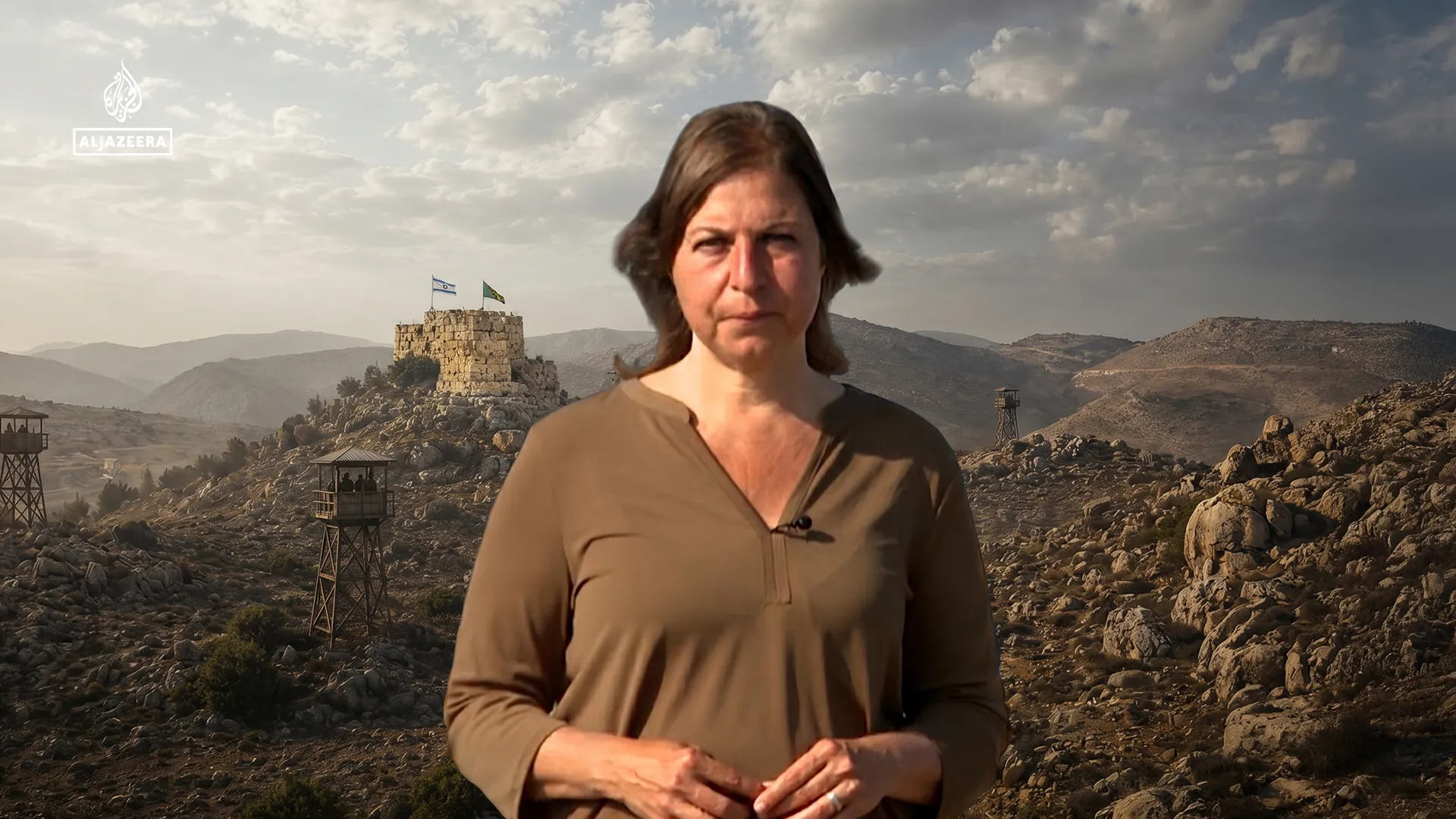
Lebanon latest: Israel captures more land in the south
Al Jazeera’s Zeina Khodr brings you the latest from Lebanon as Israel expands its occupation there.
Source link
Al Jazeera’s Zeina Khodr brings you the latest from Lebanon as Israel expands its occupation there.
Source link
EXPLAINER
While a peace deal between the US and Iran remains elusive, Israel has deepened its offensive into southern Lebanon.

Published On 1 Jun 20261 Jun 2026
The United States military says it has struck Iranian military sites, and Iran’s Islamic Revolutionary Guard Corps (IRGC) says it has targeted a US base in response, the latest in a series of exchanges as negotiations to end the three-month US-Israel war on Iran are conducted.
US President Donald Trump also on Monday described Iran as eager to reach an agreement.
“Iran really wants to make a deal, and it will be a good one for the USA and those that are with us,” he posted on his Truth Social platform.
Here is the latest on the US-Iran negotiations as both sides announced on day 94 of the war on Iran that they traded attacks:

Published on •Updated
Crude prices climbed in early Asian trading on Monday after Israeli troops pushed further into Lebanon over the weekend, fuelling investor fears that the broader Middle East conflict could escalate rather than move towards a peace deal.

At the time of writing, West Texas Intermediate (WTI) crude was up 2.88% at $89.88 per barrel, while Brent crude rose 2.43% to $93.33 per barrel.
The Israeli advance has taken place despite a nominal ceasefire in place since 17 April and just days before the next round of direct talks between Lebanon and Israel, scheduled at the State Department on 2 and 3 June.
In other early trade dealings on Monday morning, Asia-Pacific markets were mixed with South Korea’s Kospi climbing 1.31%, while Japan’s Nikkei 225 edged up 0.17%. The broader Topix index, however, slipped 0.3%.
Australia’s S&P/ASX 200 fell 0.21%, while Hong Kong’s Hang Seng Index gained 0.73%. Mainland China’s CSI 300 dipped 0.32%.
Tokyo-listed shares in SoftBank Group, meanwhile, surged 5% after the Japanese conglomerate unveiled plans to invest €45 billion over the next five years to develop artificial intelligence infrastructure in France.
In the US, stock futures were flat after Wall Street pushed further into the record books on Friday. The major indexes extended the market’s recent winning streak and closed out a solid month of gains.
The S&P 500 rose 0.2%, notching its seventh consecutive gain and ninth straight winning week — the longest such streak since 2023. The benchmark index set an all-time high for the fourth day in a row.
The Dow Jones Industrial Average gained 0.7% and the Nasdaq composite added 0.2%. The Dow and Nasdaq also reached new heights after posting record highs earlier last week.
Big technology stocks have been behind much of the market’s record-breaking streak. Their pricey stock values give them more influence in directing the market higher or lower. In May alone, technology stocks within the S&P 500 rose more than 15%, while most of the sectors in the benchmark index actually lost ground.
“The rally has been largely tech-led and supported by resilient earnings, but the key question is whether it can be sustained,” wrote Angelo Kourkafas, senior global strategist at Edward Jones, in a research note.
Tech stocks also powered the market higher Friday. Microsoft rose 5.4% and Broadcom gained 4.7%.
Additional sources • AP
France requests UN Security Council meeting over Israel’s invasion of Lebanon, as Iran says talks with US continue.


Published On 1 Jun 20261 Jun 2026
Share
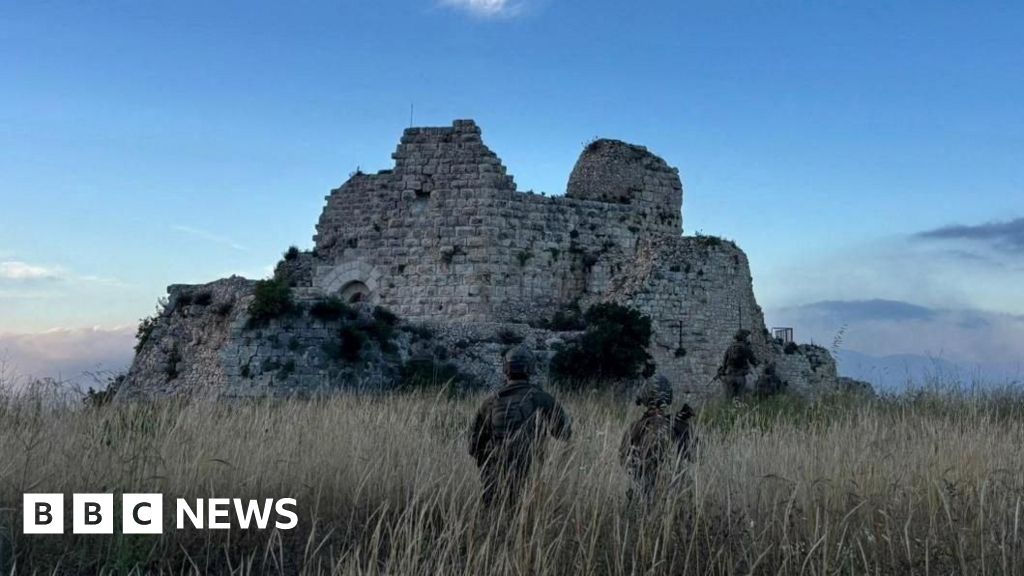
Just over the Litani river line, the IDF has confirmed it has captured one of the key strategic prizes in the area – Beaufort Castle. It was built as a fortress commanding views from high on the cliffs above the Litani river by the Crusaders some 900 years ago, and has been fought over many times since.

Videos on social media show people on a beach in northern Israel running for shelter as Hezbollah rockets are launched towards the region, according to Israeli media. It was the first barrage fired from Lebanon towards Nahariya in three weeks.
Published On 31 May 202631 May 2026
Share
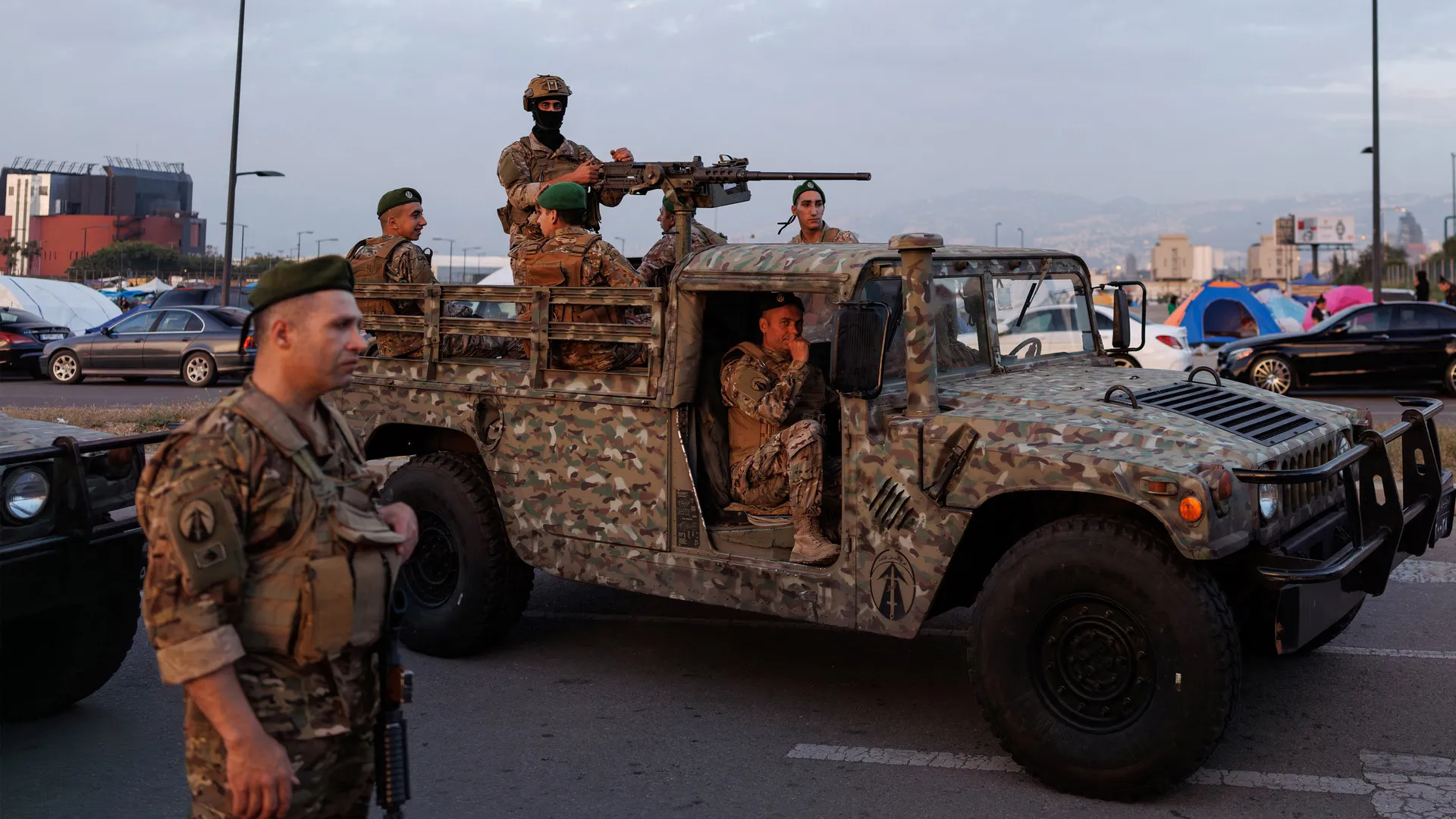
Geopolitical analyst Joe Macaron says the Lebanese army is ‘overly stretched’ as Israeli troops expand their occupation of Lebanese territory. The Israeli army has pushed north of Lebanon’s Litani River and appears poised to encircle the major city of Nabatieh.
Published On 30 May 202630 May 2026
Share
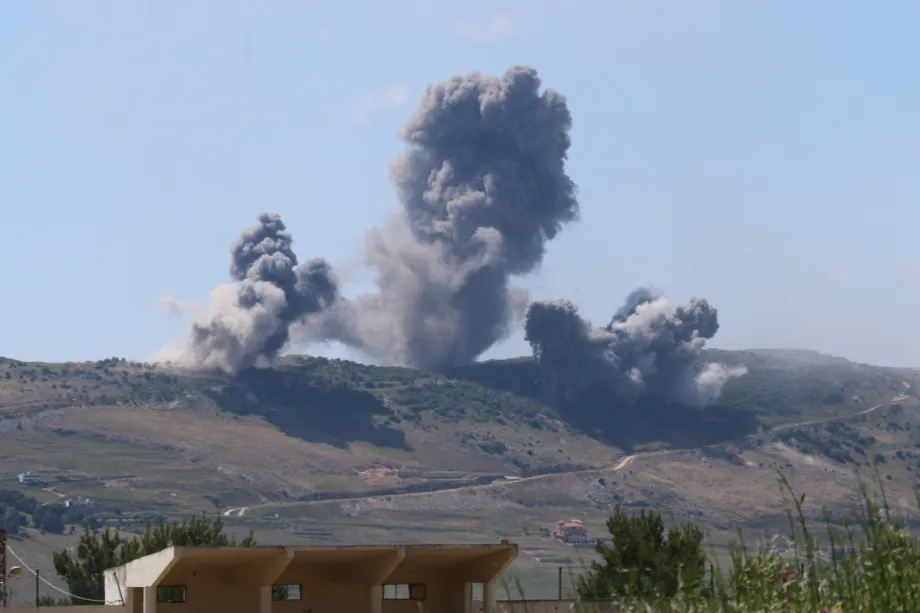
At least 14 people were killed and several others wounded in Israeli airstrikes in southern Lebanon on Sunday amid continued violations of an ongoing ceasefire, Anadolu reports.
The Lebanese Health Ministry said 11 people were killed and nine others injured in an Israeli strike on the town of Seir al-Gharbiyeh in Nabatieh province in southern Lebanon.
A fighter jet struck the town of Bazouriyeh in the Tyre district, killing one person and injuring two others, the state news agency NNA reported.
An Israeli drone strike also killed a young man in the town of Arabsalim in Nabatieh district, the outlet said.
A house was also hit in an Israeli strike in the town of Toura in Tyre, killing a woman and injuring two people.
The Israeli attacks came despite a US-mediated ceasefire that is supposed to remain in effect until early July.
More than 3,100 people have been killed, over 9,500 injured, and 1.6 million displaced by Israeli bombardment in Lebanon since March 2 amid cross-border attacks with Hezbollah, according to Lebanese officials.
READ: Israel pounds Gaza, Lebanon in daily breaches of ceasefires
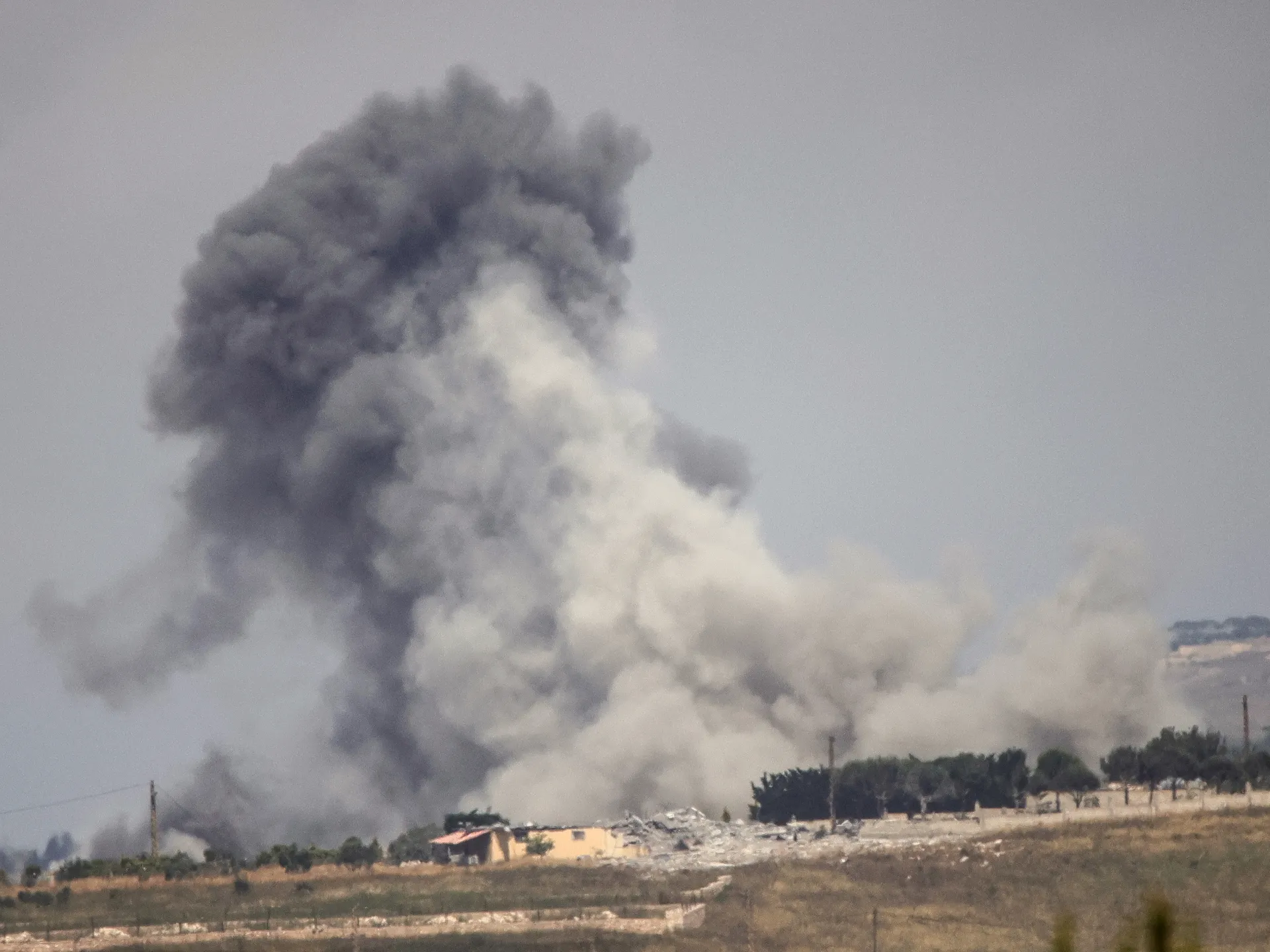
Israel’s military has advanced beyond Lebanon’s Litani River for the first time since 2006.
Israel’s military has advanced beyond the Litani River in southern Lebanon for the first time since 2006 and appear poised to encircle the major city of Nabatieh.
Senior Lebanese military sources on Saturday told the Turkish state news agency Anadolu that Israeli forces had crossed the Litani River, which Israel has declared the perimeter of its unofficial buffer zone.
list of 3 itemsend of list
Israeli forces are now on the outskirts of Nabatieh, a city that is key to southern Lebanon’s economy and a cultural hub for the region. If the Shia-majority city were to fall, it would mark a significant development in the war on Lebanon, which began in October 2023 and subsequent official ceasefire.
Nabatieh is viewed by many Lebanese as a symbol of resistance due to its historic role on the frontline of Israeli assaults.
Reporting from the southern city of Tyre, Al Jazeera’s Obaida Hitto said Israel was expanding its air campaign in southern Lebanon and encircling Nabatieh in preparation for a potential assault on the city.
“It looks like Israel is trying to make this final push to encircle Nabatieh, breaking through the second and third lines of defence of Hezbollah and isolating the western Bekaa Valley from the south of the country,” Hitto said.
Israel has issued evacuation orders for at least 10 villages in southern Lebanon, as it expands its invasion, despite being engaged in ongoing peace talks with Lebanese officials.
The Israeli army’s Arabic spokesperson, Avichay Adraee, instructed residents in several Lebanese villages to evacuate immediately, warning they could be killed if they remained.
The order came the day after officials from both countries met in Washington to discuss a permanent end to the war. It began in early March when Iran-backed Hezbollah began attacking Israel following the assassination of Iran’s Supreme Leader, Ali Khamenei.
Hitto said people fleeing their homes have few options, with more than 20 percent of the population — around 1.2 million people — displaced by fighting.
“Those options are turning into basically people living with relatives if they have that option, or people living in makeshift camps in public parks and public spaces. I’ve seen many families living in their vehicles for long periods of time,” Hitto said.
“Some of these families have been continuously displaced since 2023,” Hitto added.
The latest forced displacement orders are a further test to the nominal “ceasefire” in place since mid-April and repeatedly violated by Israel. It justifies its actions by saying it is targeting Hezbollah as part of efforts to disarm the group.
On Friday, at least 14 people were killed in Israeli air raids in southern Lebanon.
Lebanese officials are working to disarm Hezbollah, but the task has proved extremely difficult.
Lebanese and Israeli officials are currently engaged in negotiations to end the war, marking the first time the two sides have spoken directly in decades.
The talks are being facilitated by the United States, and a new round is expected in Washington next week.
Lebanon’s President, Joseph Aoun, held talks with Prime Minister Nawaf Salam on Saturday to discuss the security situation and ongoing negotiations with Israel. According to the state-run National News Agency, they agreed to intensify efforts to end the war, which has triggered a humanitarian crisis.
Aoun also spoke by phone with US Secretary of State Marco Rubio and stressed the importance of Israel respecting the current ceasefire.
Trump weighs next steps on Iran deal as Tehran insists negotiations are continuing and no final agreement exists.

Published On 30 May 202630 May 2026
Prospects for a US-Iran agreement to end the conflict remained uncertain on Friday, with President Donald Trump saying he would make a “final determination” on a deal, while Iranian officials stressed that no understanding had yet been reached.
Iran’s chief negotiator, Mohammad Bagher Ghalibaf, said Tehran would judge any agreement by actions rather than words, adding that no steps would be taken unless Washington acted first.
Meanwhile, fighting continued elsewhere in the region. Israeli Prime Minister Benjamin Netanyahu said Israeli forces had advanced beyond Lebanon’s Litani River, as Israeli attacks across Lebanon on Friday left dozens more civilians reportedly killed or wounded.
Here is what we know:
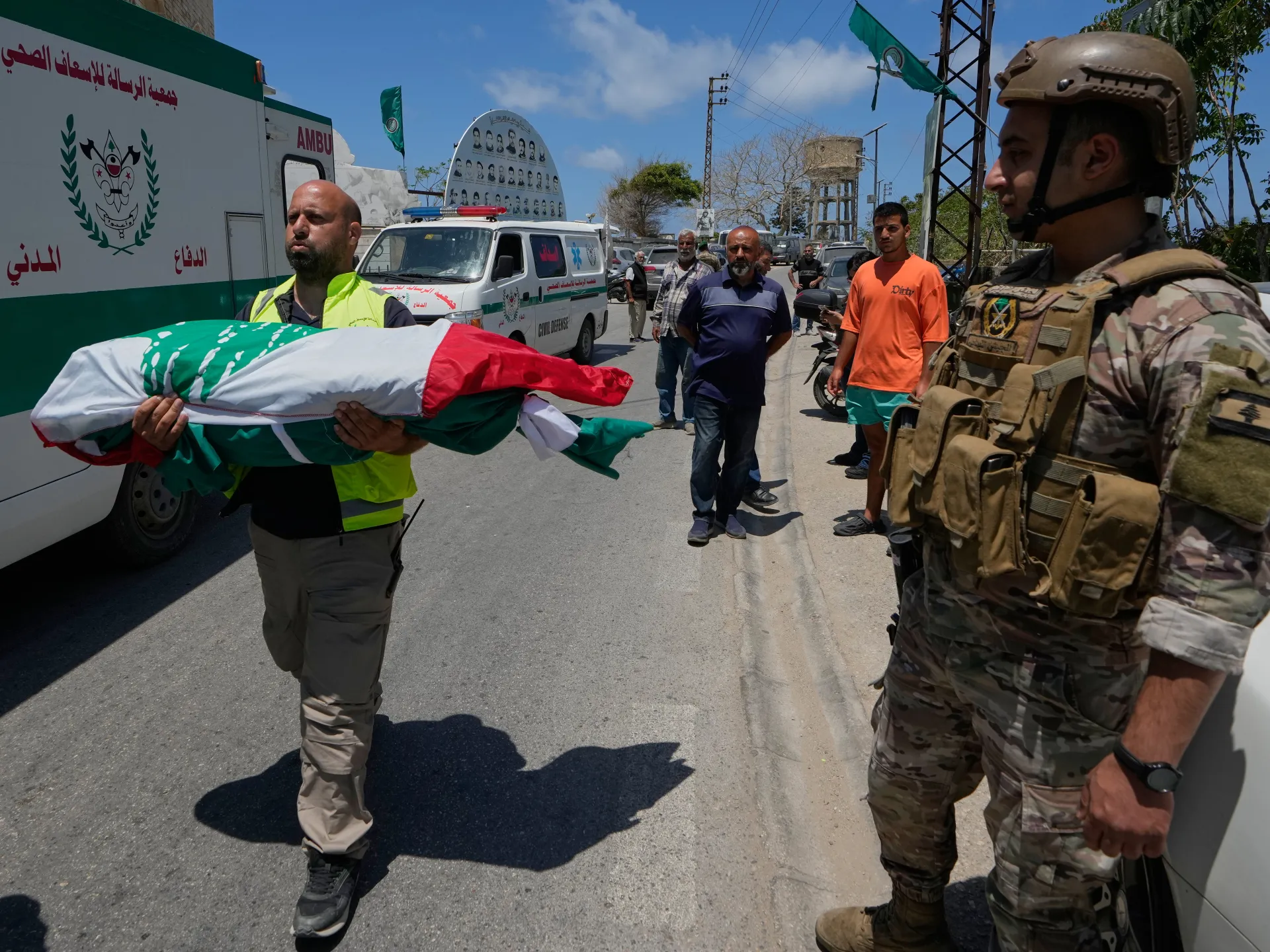
Israel pushes deeper into Lebanon just days after Israel's prime minister ordered 70 percent of Gaza to be occupied.
Source link
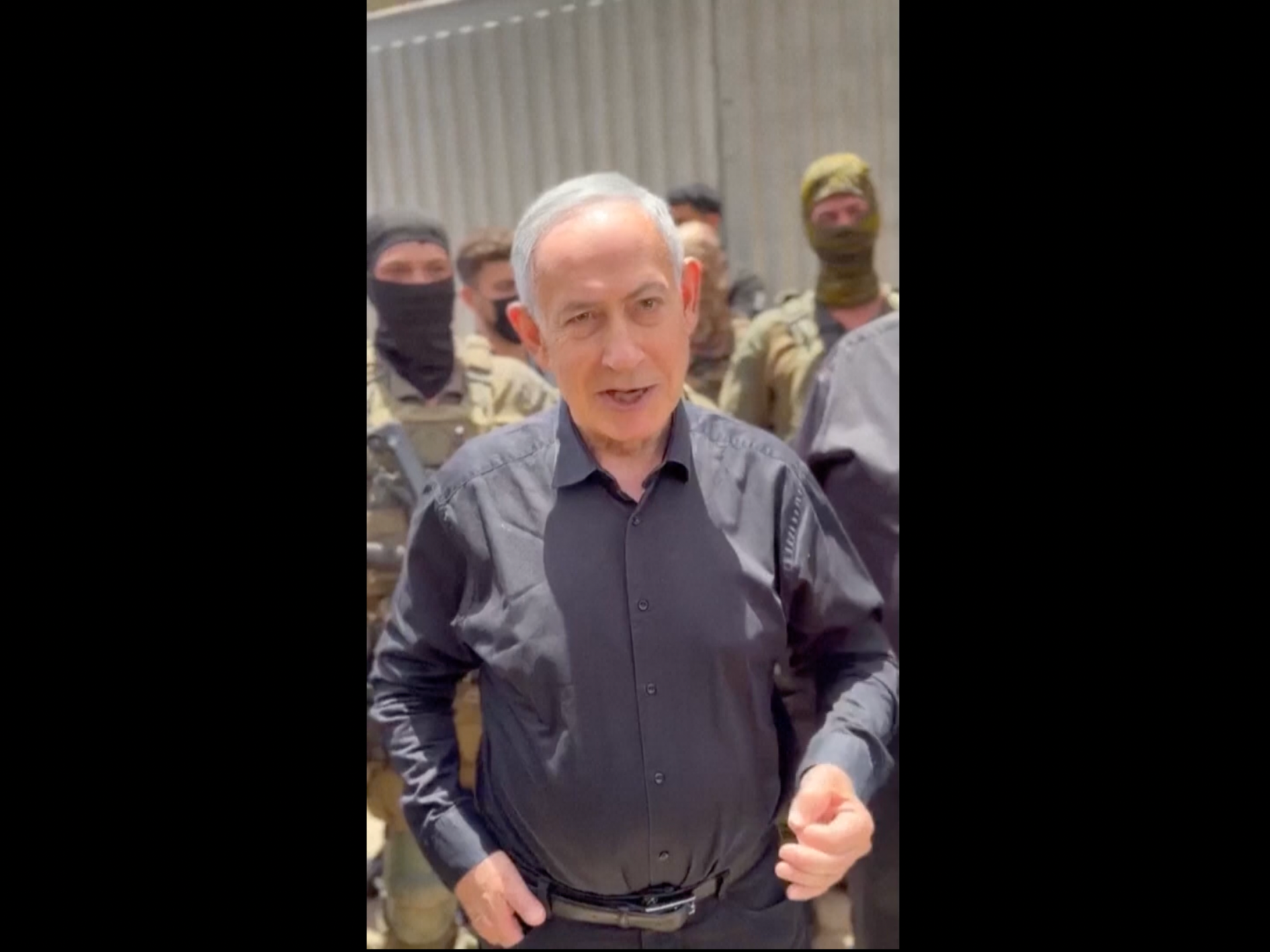
Israeli Prime Minister Benjamin Netanyahu said Israeli forces had crossed the Litani River in southern Lebanon and were operating in Beirut and the Bekaa Valley, in what he described as a “tactical victory”. This comes after Netanyahu said he ordered the Israeli military to take control of 70% of the Gaza Strip.
Published On 29 May 202629 May 2026
Share
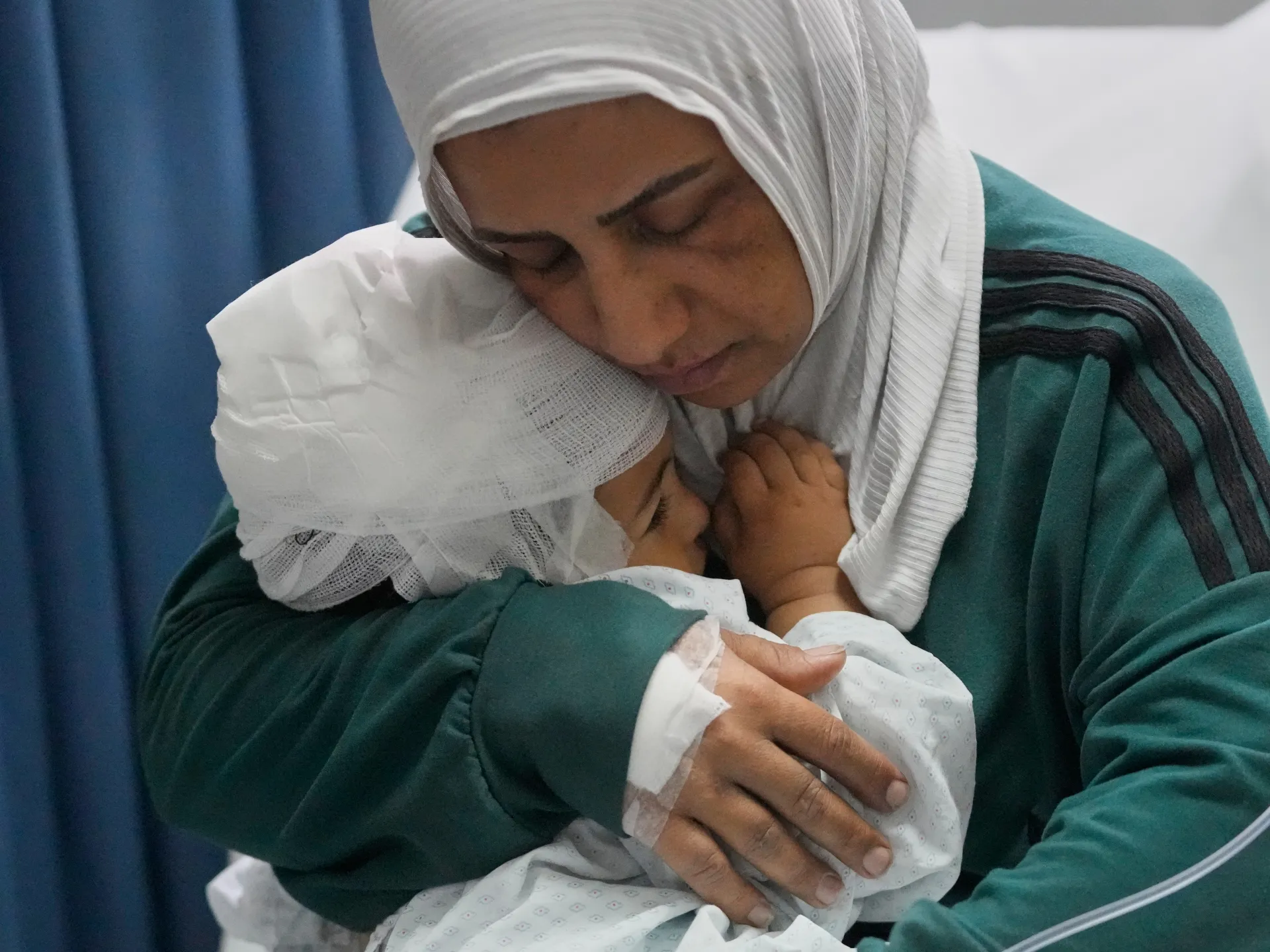
The Lebanese Health Ministry reports that Israeli attacks have killed 3,269 people since March 2.
Source link
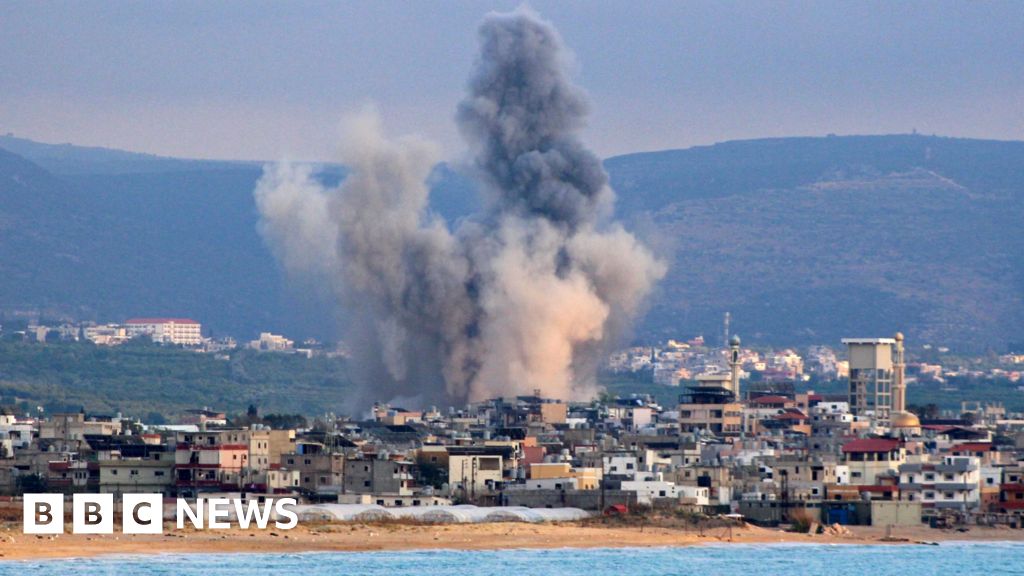
The military says areas south of the Zahrani River are now “combat zones” as it threatens Hezbollah with fresh strikes.
Source link
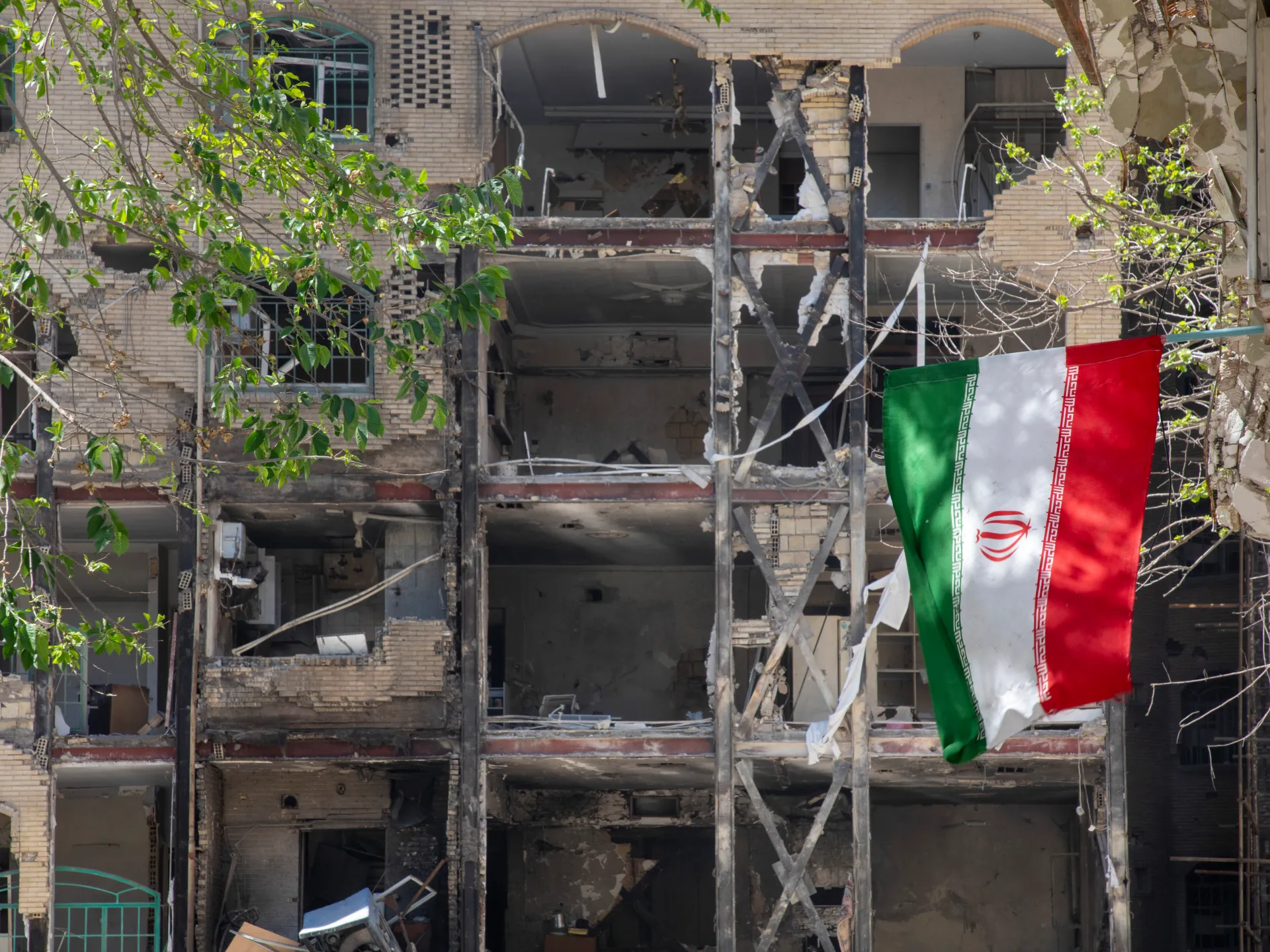
Iranian and US forces have continued to exchange strikes despite an April ceasefire, fuelling tensions across the Gulf and the Strait of Hormuz, while raising fears the fragile truce could unravel as mediation efforts continue in Doha.
On Monday, the United States Central Command (CENTCOM) said it carried out new strikes on southern Iran, targeting missile sites and boats allegedly attempting to place naval mines. It said the attacks had been carried out in “self-defence” to protect US troops from threats posed by Iranian forces.
list of 4 itemsend of list
On Tuesday, the Islamic Revolutionary Guard Corps (IRGC) said it had downed a US drone and fired at a jet and another drone that entered Iranian airspace, according to state media. Iran also said it retained the “legitimate and definite” right to respond to any violations of the ceasefire.
Since a temporary ceasefire was announced on April 8, Iran has continued to control shipping through the Strait of Hormuz, through which one-fifth of the world’s oil and natural gas supplies are shipped in peacetime, while US forces have enforced a corresponding blockade on Iranian ports. Negotiations for a long-term ceasefire are ongoing, but repeated military flare-ups in the meantime underscore the deep mistrust between the two sides, experts say, as Iran and the US jostle for leverage amid a back-and-forth of peace proposals from both sides.
Here is what has happened since the ceasefire:
The US and Israel launched strikes on Iran on February 28, as negotiations between Washington and Tehran progressed via mediators, amid claims that Iran was developing nuclear weapons. While the US and Israel provided no evidence to support their allegation, Iran continued to deny. It responded with missiles and drones targeting Israel and US military and infrastructure assets in the Gulf region and the wider Middle East.
On April 8, following mediation by Pakistan, the two sides agreed to a two-week pause in fighting to allow for further negotiations. Delegations from both countries met in Islamabad on April 11 and 12, but failed to reach a broader agreement, with draft proposals exchanged through Pakistani mediators in an attempt to end the conflict. The ceasefire was extended to allow for more proposals to be exchanged.
At least 3,468 people – aged between eight months and 88 years – have been killed in US-Israeli attacks on Iran since February 28, according to its Ministry of Health. They included seven infants, 376 children and 496 women.
At least 26 Israelis have been killed and 7,791 wounded in Iranian attacks, while the US military has confirmed 13 combat-related deaths across the region. Dozens of people were also killed in the Gulf countries. Lebanon remains the worst hit in the region, where, despite a ceasefire, Israel continues to carry out attacks amid its ground invasion. More than 3,200 people have been killed, according to the Lebanese Ministry of Public Health.
The ceasefire faced near-immediate strain when Kuwait said seven drones entered its airspace on April 10. It accused Iran and allied armed groups of the attacks.
Kuwait’s Ministry of Foreign Affairs condemned what it described as violations of its sovereignty and airspace. Separately, the US Department of State accused Iran-linked armed groups in Iraq of launching attacks from Iraqi territory. However, Iran denied any role in the attacks, saying it had not targeted any Gulf country since the ceasefire began.
Four days into the ceasefire – and following the collapse of direct talks in Islamabad – the US announced a naval blockade targeting maritime traffic entering and leaving Iranian ports, after talks mediated by Pakistan collapsed. The US argued that Iran had benefitted from continuing to export oil, while the Strait of Hormuz was closed to nearly all other shipping.
The blockade formally came into effect the following day, although Washington said vessels travelling to non-Iranian ports would be allowed past.
Iran condemned the move as “illegal”, warning that ports in the Gulf region would not be safe if Iranian ports were threatened.
The blockade came after Iran tightened its control over shipping in the Strait of Hormuz, restricting some foreign ships while allowing passage to countries it viewed as friendly.
The International Maritime Organization has said no country has the right to block shipping in international transit straits.
On April 18, Iranian forces fired on two Indian ships in the Strait of Hormuz, which it said did not have permission to pass.
Maritime tensions escalated further on April 20, when US forces seized an Iranian container ship near the Gulf in a move Iran described as an “act of piracy“. CENTCOM and US President Donald Trump said the vessel, the Iran-flagged Touska, had ignored orders to withdraw from its route through the Strait of Hormuz.
Days later, on April 22, the IRGC fired on three ships in the strait and seized two foreign container vessels, the Panama-flagged MSC Francesca and the Liberian-flagged Epaminondas, saying they lacked authorisation to transit the waterway.
The incident came the day after Trump extended the ceasefire while maintaining the US naval blockade on Iranian ports.
On May 4, the United Arab Emirates accused Iran of launching missiles and drones at the country, triggering a fire at an oil refinery in Fujairah and wounding three Indian nationals.
The UAE said its air defences had intercepted 12 ballistic missiles, three cruise missiles and four drones launched from Iran. Abu Dhabi condemned what it described as “unprovoked Iranian attacks” on civilian infrastructure.
The UAE said the attacks were the first on its territory since the ceasefire had commenced on April 8. The strikes came as Trump launched a new effort to escort stranded oil tankers through the Strait of Hormuz, much of which had remained closed since the war began.
Iran’s military warned commercial vessels against accepting US escorts and threatened to attack if they entered the strait. Trump abandoned the effort after one day.
On May 14, an Indian cargo ship transporting livestock from Africa to the UAE sank off the coast of Oman, while the United Kingdom Maritime Trade Operations reported that “unauthorised personnel” boarded another vessel near Fujairah and redirected it towards Iran.
India condemned the attack, saying commercial shipping and civilian sailors continued to be targeted despite the ceasefire.
A drone strike has sparked a fire on the perimeter of the Barakah Nuclear Energy Plant in the United Arab Emirates (UAE), raising new concerns over a potential new regional escalation amid a fragile ceasefire between Iran and the United States.
Authorities in Abu Dhabi said the blaze broke out at an electrical generator outside the plant’s inner perimeter in the Al Dhafra region on Sunday. No injuries were reported, and officials said radiation levels remained normal. The UAE did not specifically blame Iran, but said the drones had been launched from the “western border”.
Saudi Arabia also said it intercepted three drones fired from Iraqi airspace. The Saudi defence ministry said it would take “necessary operational measures” in the event of any attempt to violate its sovereignty and security.
Diplomatic efforts to secure a broader peace agreement are continuing. Senior officials from Iran travelled to Qatar this week for negotiations aimed at ending the US-Israel war on Iran, with discussions reportedly focused on the release of frozen Iranian assets.
Iran is also seeking sanctions relief for its oil and petrochemical exports during a proposed 60-day period to hold talks about its nuclear programme. A further proposed 30-day timeframe would see the US lift its blockade of Iranian oil ports while Tehran restores commercial shipping through the Strait of Hormuz.
Tehran is also seeking guarantees related to a ceasefire in Lebanon, where Israel continues to strike and occupy towns and villages in the south of the country. Meanwhile, Trump is reportedly attempting to link the negotiations to efforts for Saudi Arabia, Qatar and Pakistan to normalise ties with Israel under the Abraham Accords.
Analysts say any agreement remains politically sensitive, with deep distrust persisting as all sides seek leverage to secure a deal they can present domestically as a victory.
EXPLAINER
Israeli strikes kill 31 in Lebanon as attacks intensify and displacement orders spread.
Published On 27 May 202627 May 2026
Israeli attacks across southern Lebanon killed at least 31 people and wounded 40 others on Tuesday, as Israeli forces intensified strikes and issued dozens of displacement orders for towns and villages in the country’s south and east.
Panic spread across southern Lebanon as residents fled the escalating assault, with Israeli ground forces reportedly pushing deeper into Lebanese territory amid fears of a wider offensive.
Meanwhile, Iranian officials condemned what they called “blatant violations” of the ceasefire by the United States after attacks on southern Iran on Monday, saying the strikes had further damaged already fragile diplomatic efforts.
Here is what we know:
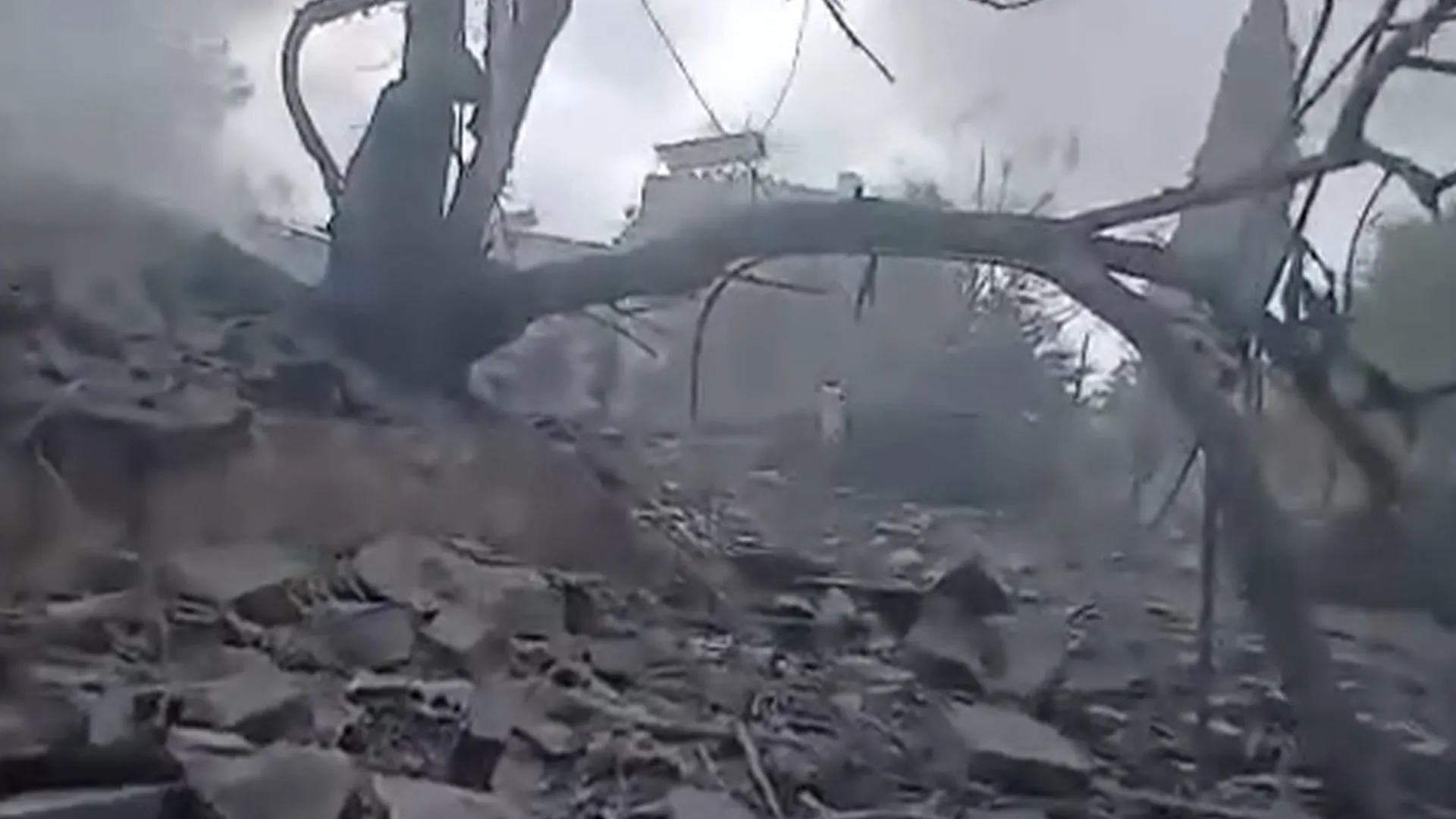
New videos show widespread destruction in Maarakeh following deadly Israeli strikes across southern Lebanon. On Tuesday, the Israeli military issued forced displacement orders for more than a dozen towns and villages, expanding its ground operation beyond its new, so-called ‘yellow line’.
Published On 26 May 202626 May 2026
Share
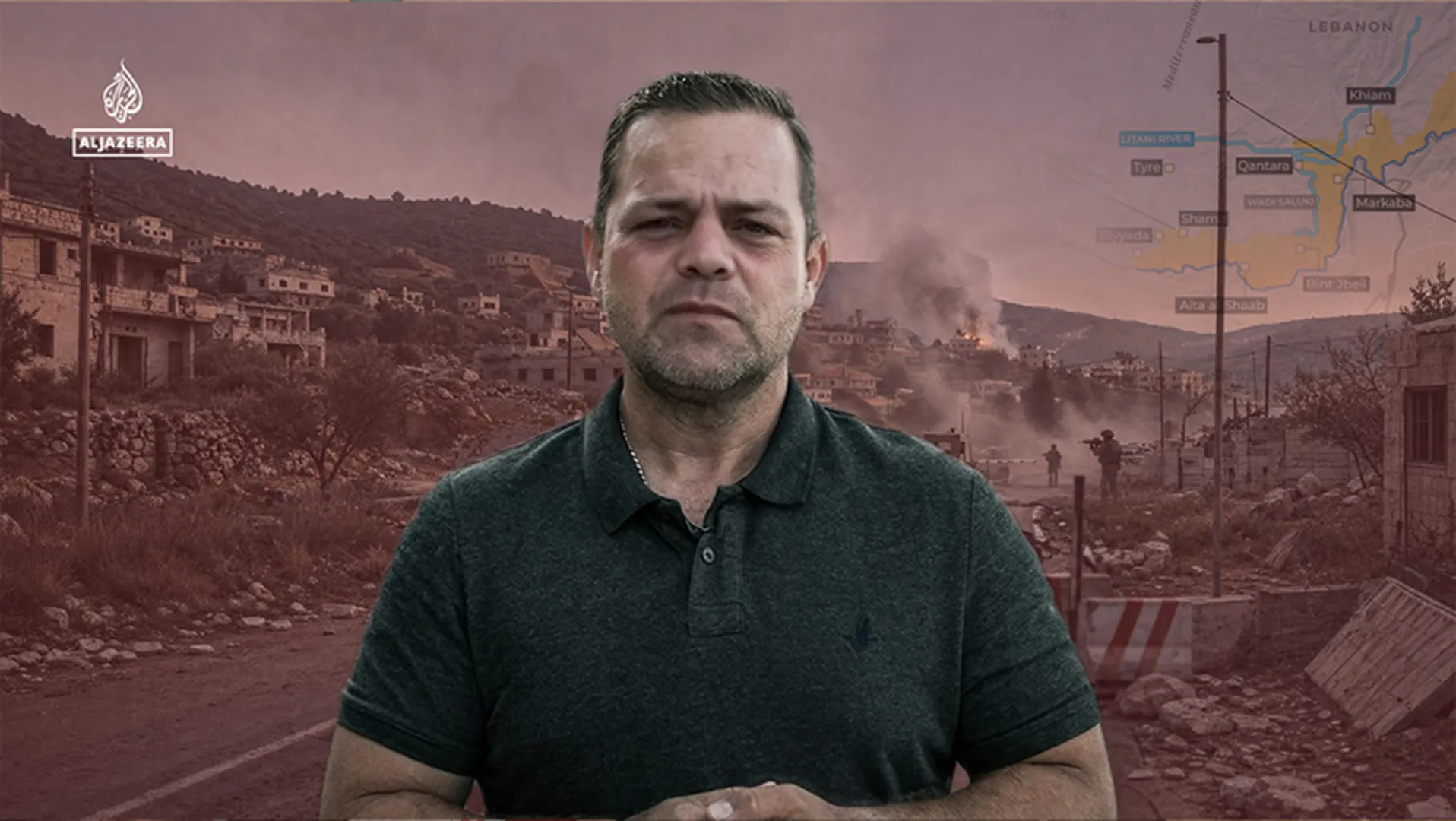
Al Jazeera’s Obaida Hitto brings you the latest from southern Lebanon amidst increasing Israeli attacks.
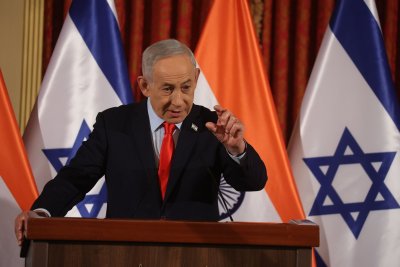

May 25 (UPI) — Israeli forces launched a renewed wave of strikes targeting Hezbollah on Monday as Prime Minister Benjamin Netanyahu vowed to intensify attacks against the Iran-backed militia.
The strikes came as Israel and Lebanon have been engaged in U.S.-mediated talks, the first in decades between the two nations, aimed at ending hostilities between Israel and Hezbollah. The attacks were expected to further strain the already frayed negotiations.
Israeli warplanes launched more than 85 munitions, striking more than 70 sites across Lebanon, including about 10 Hezbollah headquarters and weapons storage facilities in Tyre, located in southwestern Lebanon on the Mediterranean.
Infrastructure used by Hezbollah to attack Israel was among the targets struck, the IAF said in a statement, adding the Israeli military “eliminated” alleged motorcycle-riding Hezbollah operatives in southern Lebanon where IDF forces were operating.
The IDF said earlier that it had hit sites in the northeastern Beqaa Valley and several other areas in Lebanon, though it was not clear if that was part of a separate operation.
Netanyahu vowed in a video statement on Instagram to intensify strikes targeting the Iran-backed militia, stating that they were in response to Hezbollah firing fiber-optic drones over the last few weeks at northern Israel.
“We are at war. We are not taking our foot off the gas — on the contrary. I said to press the gas in Lebanon. We will strike them,” he said.
In a sign of concern over potential Hezbollah retaliatory strikes, the IDF issued new, tightened restrictions for northern Israel residents on Tuesday, capping outdoor gathering limits from 200 to 50 people and indoors from 600 to 200.
Hezbollah initially attacked Israel a day after the Israel-Hamas war began on Oct. 7, 2023. The conflict halted 13 months later with a fragile cease-fire that was never fully observed.
In early March, Israel launched renewed attacks on Lebanon, involving ground troops. In April, a cease-fire was announced in the larger Iran war, with Israel claiming it did not apply to Lebanon, while Lebanon and Iran said it did.
In mid-April, amid the confusion, Israel and Lebanon held their first diplomatic talks since 1993.
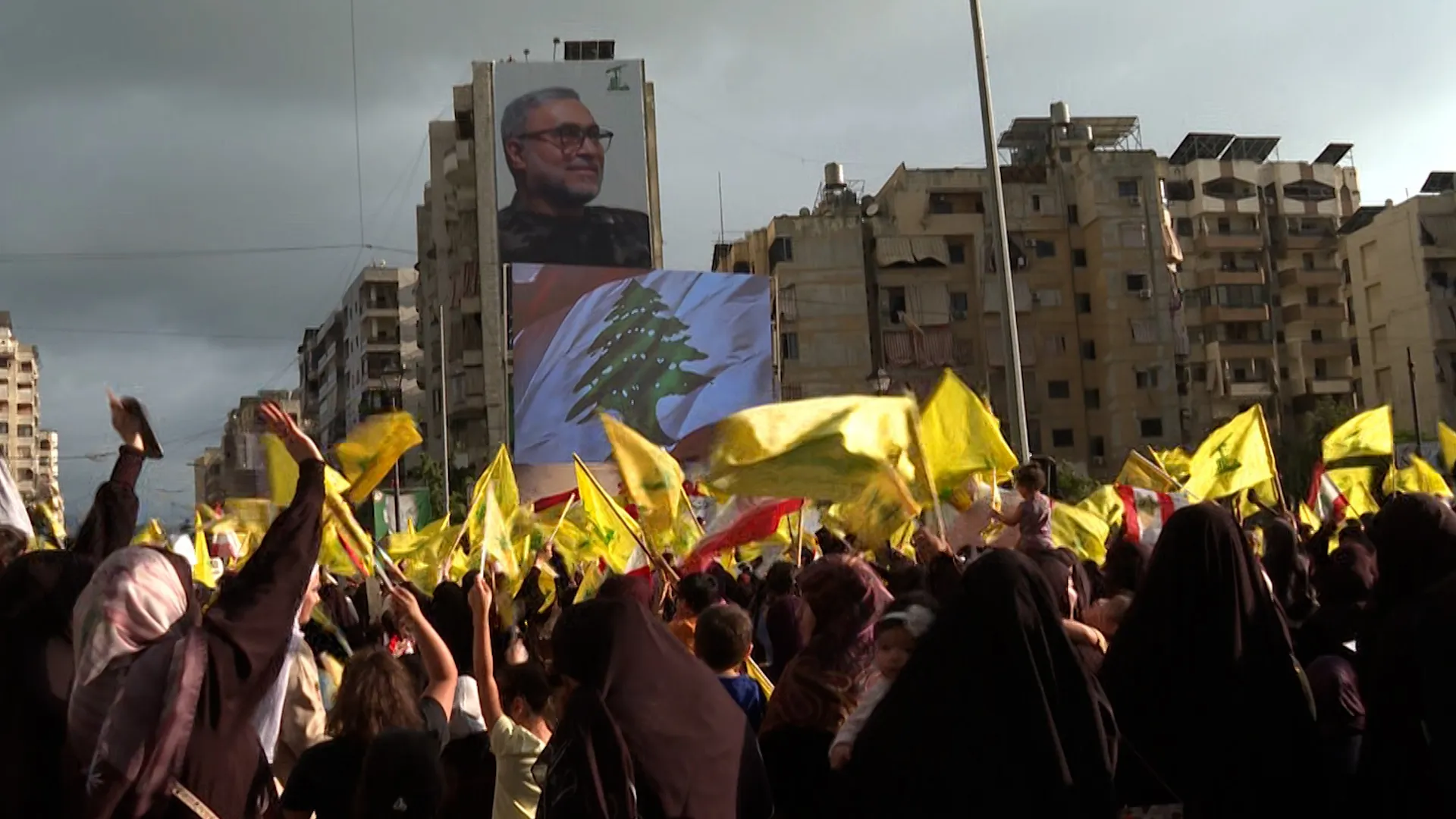
People in Lebanon have gathered to observe Liberation Day, which marks the date in 2000 when Israel ended its 22-year occupation of southern Lebanon. Al Jazeera’s Zeina Khodr explains how this year’s celebrations come as occupation returns to the country’s south.
Published On 25 May 202625 May 2026
Share
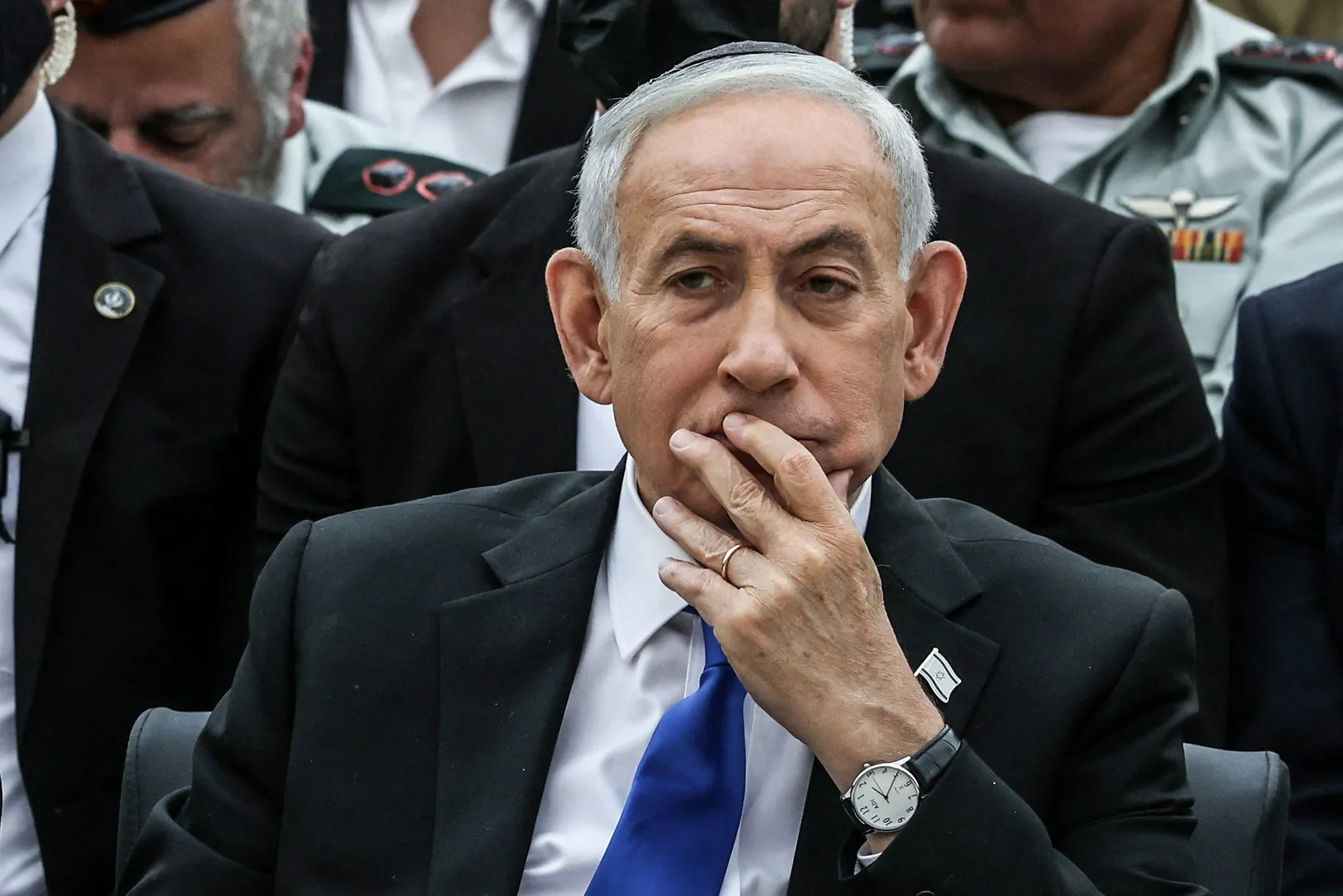
As the US and Iran move closer to a peace deal, Israel says it reserves the right to keep attacking regional ‘threats’, including in Lebanon, despite any US‑brokered ceasefire. Meanwhile, criticism within Israel is growing over Netanyahu’s handling of the war.
Published On 25 May 202625 May 2026
Share
US president says any potential agreement with Tehran will be ‘good and proper’ as mediation efforts continue.

Published On 24 May 202624 May 2026
Share