Lebanon

Israel kills 12 medics in attack in southern Lebanon as war ravages nation | US-Israel war on Iran News

Israel’s attack, echoing similar carnage it wrought in Gaza, kills doctors, paramedics and nurses who were on duty.

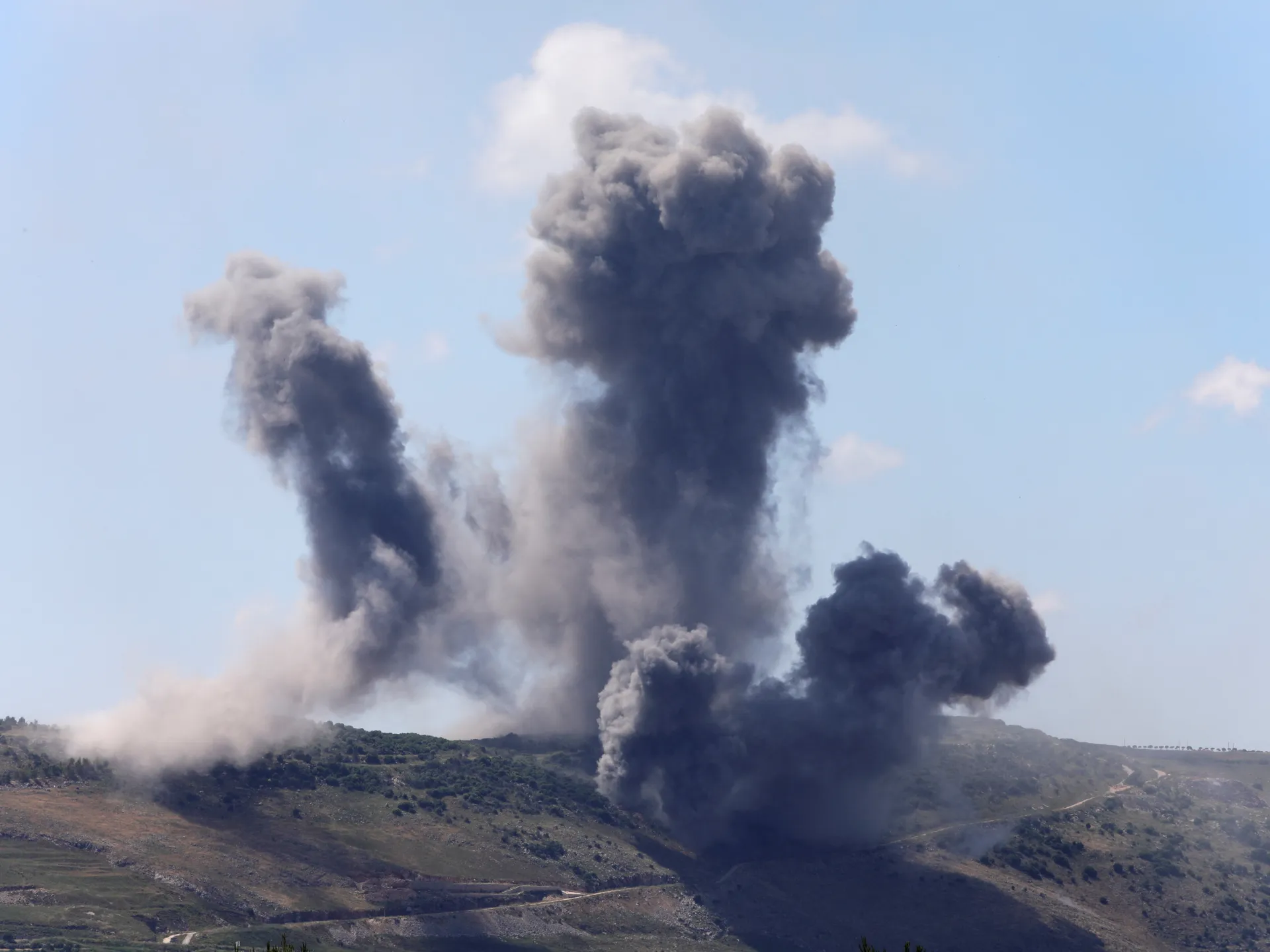
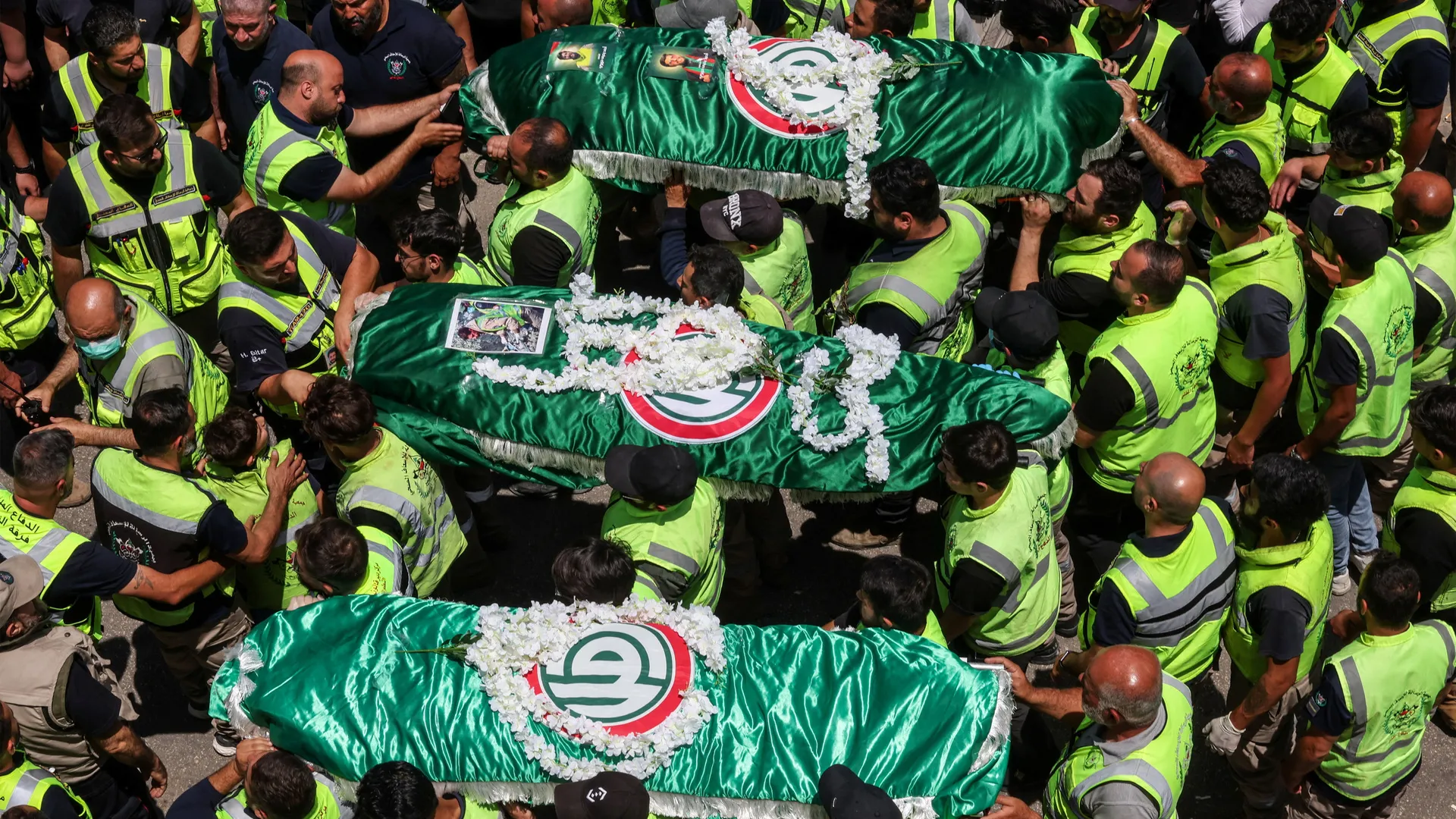
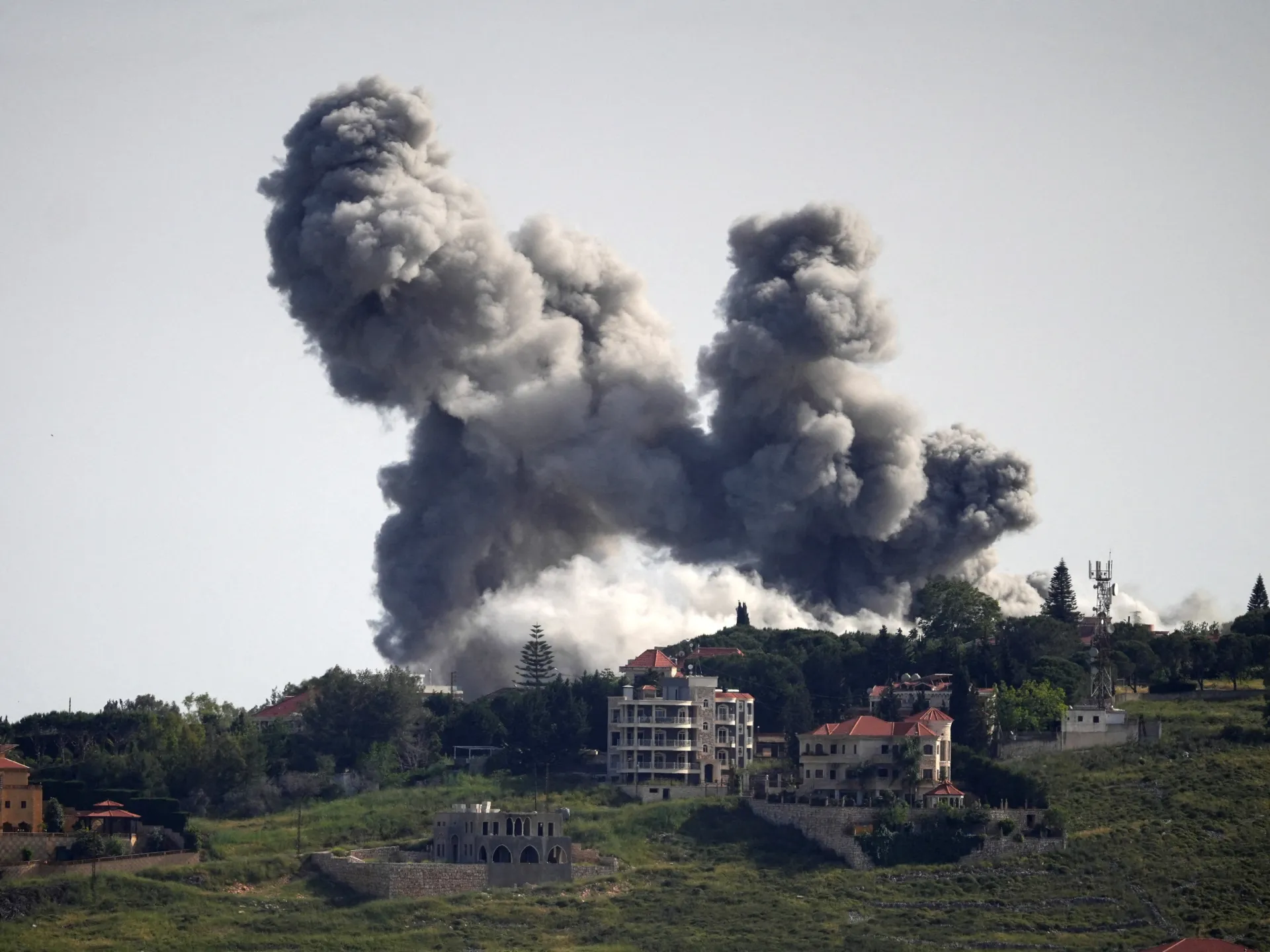
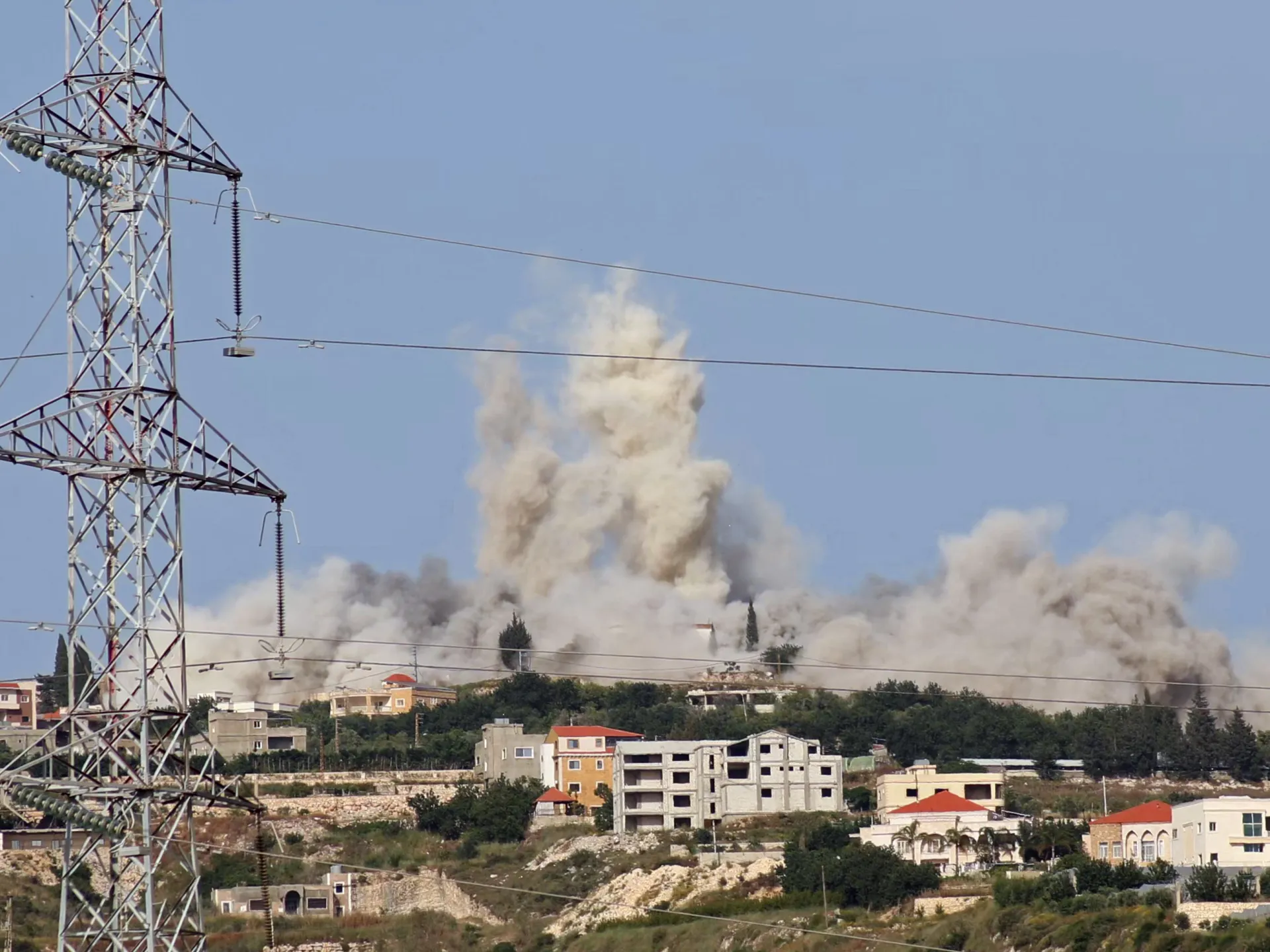
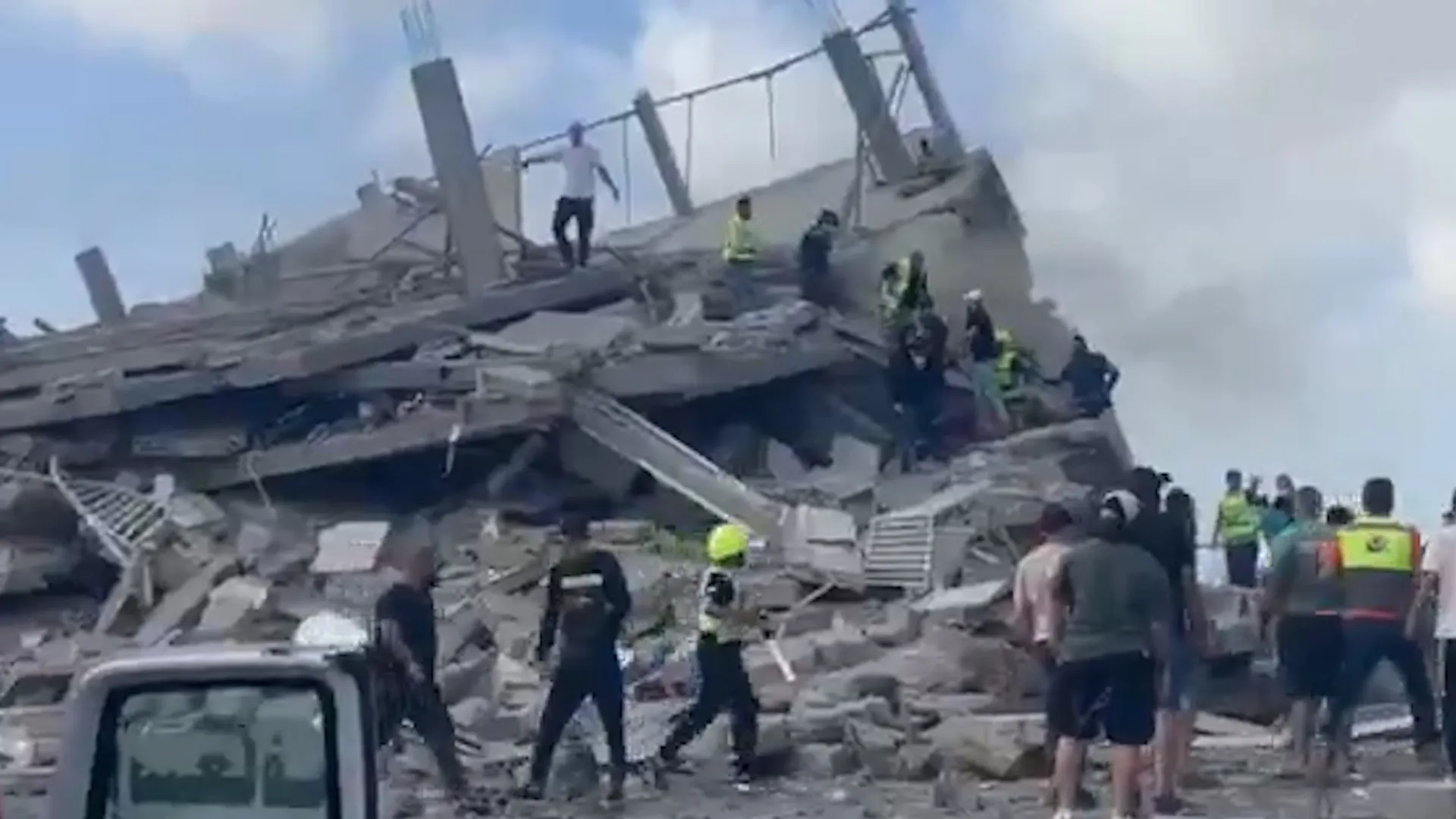
An Israeli strike on a health centre in southern Lebanon has killed 12 medical workers, the Lebanese Ministry of Public Health said, as its devastating assault continued amid a wider regional war launched by the United States and Israel on Iran 15 days ago.

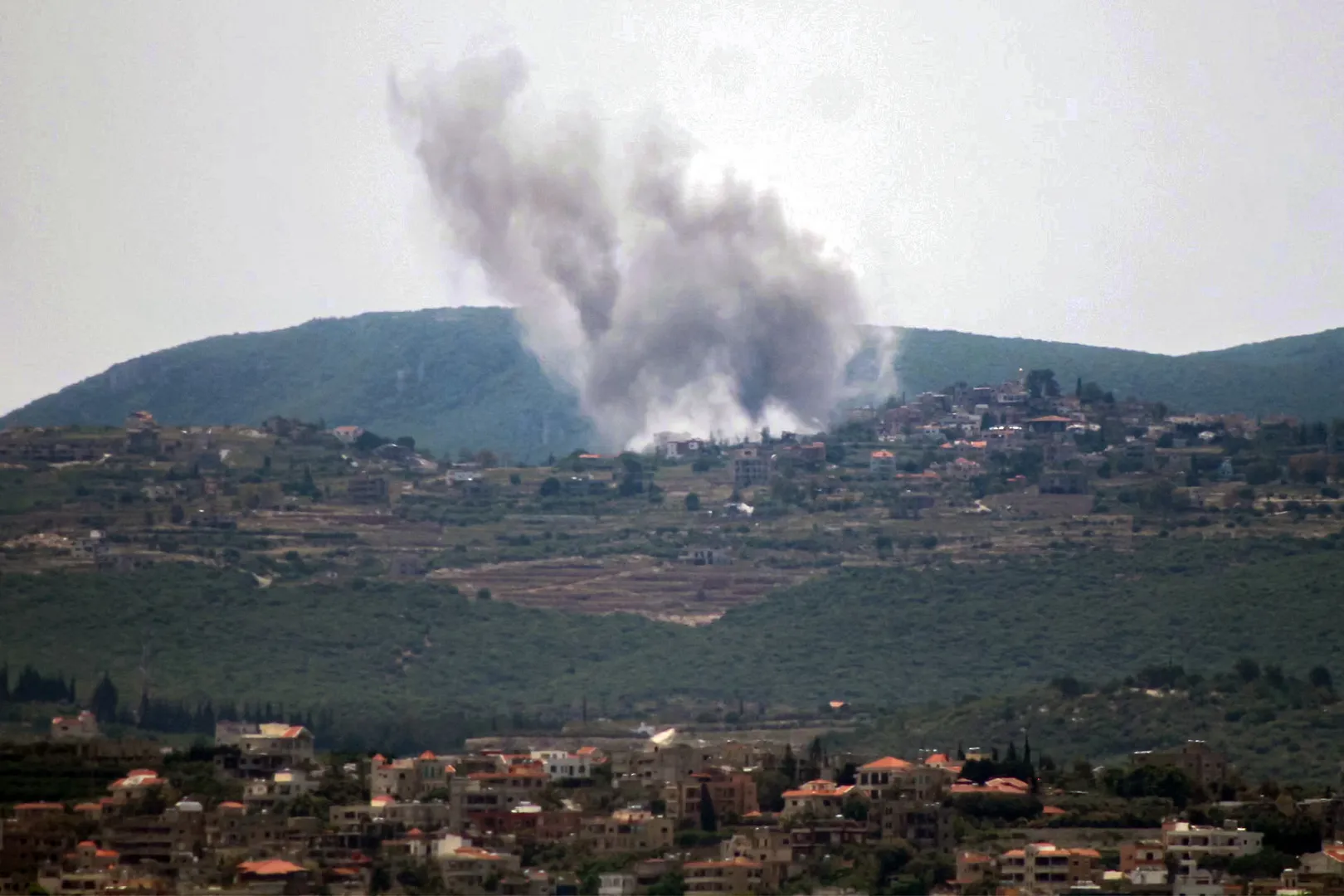
The attack late on Friday occurred in the village of Burj Qalaouiyah in the Bint Jbeil District, and killed doctors, paramedics and nurses who were on duty, Lebanon’s health ministry said.

Recommended Stories

list of 4 itemsend of list

The carnage echoed Israel’s constant targeting of medics and hospitals that decimated Gaza’s healthcare system during its genocidal war on the Palestinian enclave and which contravenes international humanitarian law.

Israeli strikes have so far killed 18 paramedics among 773 people reported killed in Lebanon since fighting between Hezbollah and Israel reignited March 2, after a US-Israeli assault on Iran began on February 28, with the conflict now embroiling much of the region.

According to Al Jazeera’s Heidi Pett, reporting from Beirut, the toll of medics was preliminary as rescue teams continued searching for missing people.

“You can see how deadly some of these individual air strikes have been, not just across the south, but of course, we are seeing air strikes hitting across the capital, Beirut,” said Pett.

Lebanon’s Ministry of Health said it was the second attack on the health sector within hours, after another Israeli strike on the southern village of Souaneh killed two paramedics and wounded five others when it hit a paramedic centre.

The ministry condemned the attack and denounced what it called as continued violence against health workers.

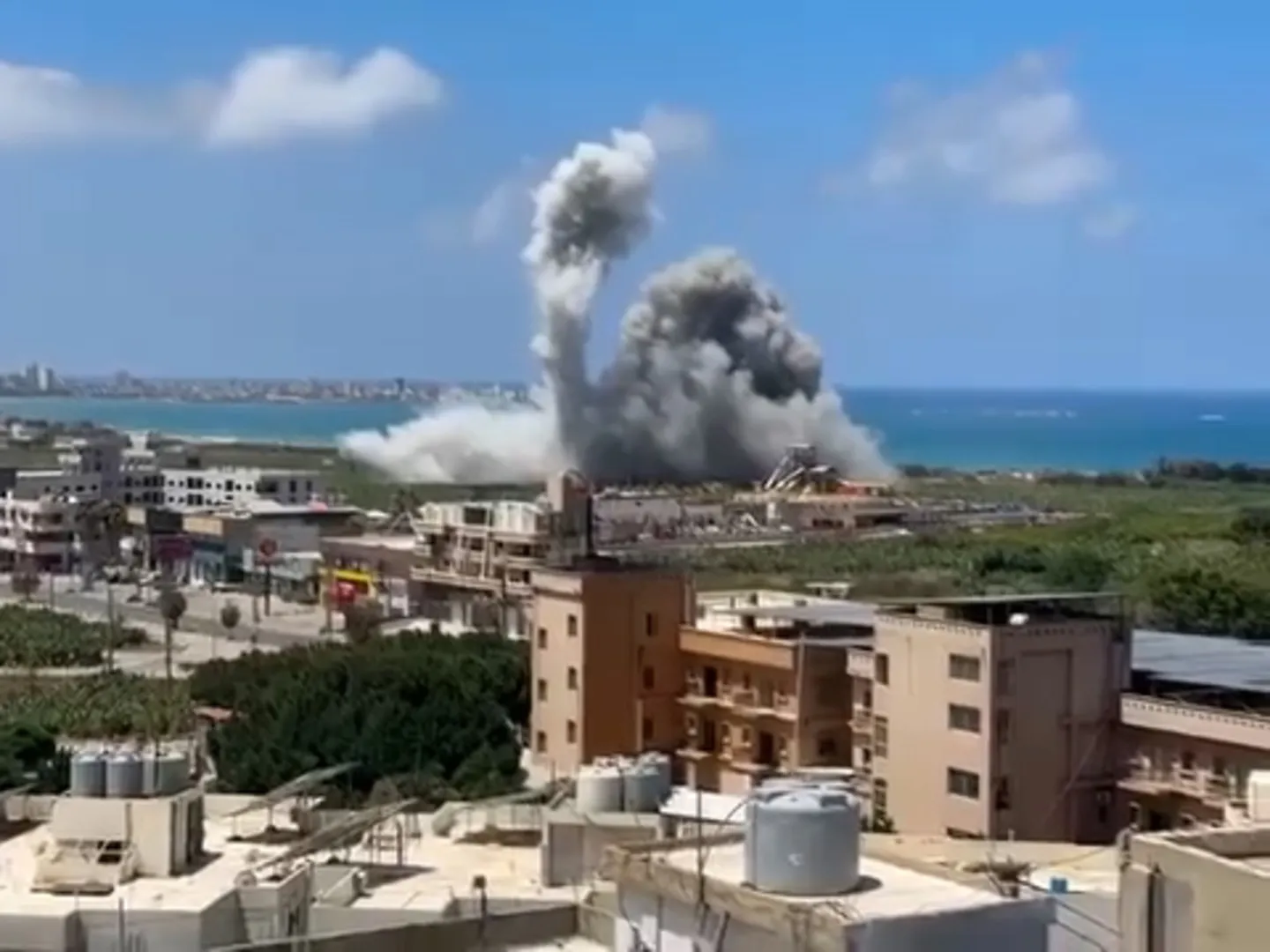
At least four people were also killed in an Israeli air raid on Taamir Haret Saida in the country’s south, the Lebanese News Agency (NNA) said.

Meanwhile, Hezbollah overnight claimed it fired suicide drones against Israeli troops in the northern town of Ya’ara inside Israel.

It was the 24th military operation announced by the group on Friday.

The Lebanese armed group also said it launched rocket attacks targeting Israeli soldiers in southern Lebanon, one in the town of Kfar Kila, and the other in the city of Khiam.

Late on Friday, Hezbollah leader Naim Qassem said his group is ready for a “long confrontation” with Israel as the war continues.

“This is an existential battle, not a limited or simple battle,” he said.

Damage in Israel from Iranian ‘cluster missiles’

Meanwhile, Iran’s retaliatory attacks against Israel continued.

Rocket and missile strikes early on Saturday targeted the Upper Galilee region of northern Israel, Channel 12 reported.

The news outlet said that a “limited number of launches” were either “intercepted” or exploded in open areas.

A post on X from Israel’s public broadcaster KAN featured several vehicles damaged in the strikes.

Alarms were raised for suspected rocket and missile fire in Manara, Margaliot, Kfar Giladi, Misgav Am, Tel Hai, Metula, Kfar Giladi and Kfar Yuval throughout the early morning on Saturday.

“A lot of the damage that we are being told about at the moment seems to be coming from these cluster missiles that Iran has been launching pretty much consistently for the last week at least and they scatter over a large area,” said Al Jazeera’s Rory Challands, reporting from Amman, Jordan.

“They disperse these submunitions bomblets. Each of those has about 2.5 kilogrammes (5.5 pounds) of explosives in them. You can see why that does quite some damage when it scatters and hasn’t been intercepted by the Israeli air defence.”

Source link

6 U.S. airmen die in crash; Hegseth says Iran’s leader is ‘likely disfigured’

Six American airmen deployed to operations against Iran were killed after their refueling aircraft crashed in western Iraq, U.S. Central Command said Friday, bringing the U.S. death toll in the war to 13, as Defense Secretary Pete Hegseth announced the heaviest day of strikes yet.

The crash involved two aircraft in “friendly airspace,” the Pentagon said, adding that the other plane landed safely. The downed KC-135 refueling tanker is the fourth U.S. aircraft to crash during the war against Iran.

“American heroes, all of them,” Hegseth said at the Pentagon on Friday. “We will greet those heroes at Dover and their sacrifice will only recommit us to the resolve of this mission.”

Central Command said the incident is under investigation but was “not due to hostile or friendly fire.”

During the briefing, Hegseth described the Iranian leaders as “desperate” and “cowering” underground like rats. He said Iran’s Supreme Leader Ayatollah Mojtaba Khamenei “is wounded and likely disfigured,” but gave no intelligence to support the claim.

Khamenei has not been seen in public since he rose to leadership, but issued his first public statement Thursday vowing retaliation against U.S. and Israeli attacks, promising that Tehran will continue to choke off the world’s most crucial oil route — the Strait of Hormuz.

“Our revenge will be never ending, not only for the late supreme leader, but also for the blood of all of our martyrs,” he said.

The defense secretary said Friday would see Iran hammered with the heaviest round of air strikes yet seen in the two-week U.S.-Israeli operation that has razed buildings, complexes and factory lines all across Iran, killing at least 1,348 civilians, according to Iranian officials.

“No quarter, no mercy for our enemies,” Hegseth said.

And while Hegseth insisted that fighting will cease when the U.S. defeats Iran’s naval, missile, and nuclear weapons capabilities, President Trump’s public statements continue to sow doubt that the White House and Pentagon are aligned on the objectives of the mission.

Asked Friday by Fox News when the war might end, Trump said, “When I feel it — feel it in my bones.”

Iran’s blockade of the strait remains Tehran’s foremost leverage against its Western adversaries, and a serious political bane for Trump. The International Energy Agency warned Thursday that conflict has created “the largest supply disruption in the history of the global oil market,” which has sent oil prices surging 40% to $95 a barrel since Feb. 28.

Some 1,000 ships remain stranded in the Persian Gulf, many of them energy tankers that have been unable to carry oil and gas shipments from the Middle East to importers across the globe. Vessels that have attempted to traverse the embattled channel have been destroyed in Iranian attacks. Hegseth described Tehran’s strategy as “an act of desperation.”

The United Kingdom Maritime Trade Operations on Friday reported 20 incidents affecting vessels operating in and around the Arabian Gulf, Strait of Hormuz and Gulf of Oman in March.

Drone and missile attacks continue to assail gulf states, threatening to draw more players into the conflict. Thick black smoke was seen rising over Dubai’s skyline Friday after debris from an intercepted Iranian drone strike caused a fire and minor damage to a building within the Dubai International Financial Centre, according to the Dubai Media Office.

Europe has become increasingly involved, too. U.S. long-range bombers have begun flying offensive missions from British airbases, even as U.K. Prime Minister Keir Starmer explicitly permitted U.S. forces to use the bases “for defensive purposes only.” Starmer initially refused to cooperate in American hostilities in any capacity, but changed his approach after he drew criticism from Trump, who said, “He’s no Winston Churchill.”

The U.K., France, and Italy each deployed naval assets to the Eastern Mediterranean island of Cyprus, situated just 125 miles from Lebanon, after Iranian drone strikes hit U.K. bases. The island has emerged as a strategic — and exposed — nerve center in the U.S. offensive against Iran.

Meanwhile, Israel said Friday its strikes are “continuing and intensifying” in Lebanon and Iran. The Israel Defense Forces issued new evacuation orders in southern Lebanon on Thursday after overnight airstrikes in Beirut triggered retaliatory missile and drone attacks by the Iran-backed militant group Hezbollah.

Eight civilians were killed and nine others were wounded in attacks on the Lebanese city of Sidon on Friday, according to Lebanon’s Health Ministry. More than 100 children have been killed in the Israeli assault, the ministry said.

Source link

What is Israel’s endgame in Lebanon? | Israel attacks Lebanon

Israel seizes more territory in southern Lebanon and threatens to keep holding it.

It took just two days for Lebanon to be dragged into the US-Israeli war against Iran.

After a ceasefire between Israel and Hezbollah came into effect in Lebanon in November 2024, cross-border violence did not really end.

Now, nearly one million people have been forced from their homes.

The UN chief said Lebanon is part of a war it did not choose, but Israel is ramping up its offensive.

The Israeli defence minister says that if the Lebanese government will not rein in Hezbollah, Israel will.

So, what happens if it does? And what does that mean for civilians?

Presenter: James Bays

Guests:

Nadim Houry – Executive director of the Arab Reform Initiative

Maureen Philippon – Norwegian Refugee Council’s country director for Lebanon

Nicholas Noe – Editor-in-chief of the Beirut-based news service, Mideastwire.com

Source link

Destroy, displace, dismantle: Israel’s Gaza doctrine comes to Lebanon | Israel attacks Lebanon

Israel has killed almost 600 people in Lebanon and displaced more than 750,000 in less than two weeks. This is the opening act of Israel’s Gaza doctrine applied to a new front. The formula is consistent: Displace – either by ordering people to leave or by destroying their means of survival. Demolish civilian infrastructure to prevent return and expand territory through so-called “buffer zones”. Fragment any coherent governance by carving territory into disconnected enclaves where military action continues at a lower intensity.

I spent three years working in Palestine before being expelled by Israeli authorities. I watched this doctrine develop in real time. Now, from Beirut, I am witnessing its replication.

In the West Bank, Israel has spent decades fragmenting territory and denying Palestinians any contiguous geography. Water wells sealed with cement, homes demolished over impossible-to-obtain permits, herders pushed from their land by illegal settlement outposts. In Gaza, the same logic was applied with far greater speed and fury.

In October 2023, Israel announced that every Palestinian north of Wadi Gaza had to leave immediately. Days earlier, Israel’s defence minister had declared a complete siege: No electricity, no food, no water. By labelling an entire population as the enemy, Israel created a class of expendable people. The military released maps with Gaza divided into numbered blocks. When your number was called, you were forced to leave. Evacuation orders became the alibi for the crimes that followed. People were ordered into al-Mawasi, a stretch of coastline Israel designated a “safe zone”, a concentration area for hundreds of thousands living in tents, where air attacks continued. So-called evacuation zones were depopulated and destroyed.

Classic counterinsurgency logic would have entailed “clear, hold, and rebuild”. Israel’s approach was radically different: Destroy, displace, dismantle. The goal was not to pacify territory but to empty it. In both Gaza and southern Lebanon, Israel has treated civilian populations as indistinguishable from the resistance they support. Their displacement is the objective. The collapse of their political representation is a condition Israel seeks to make permanent. This is settler-colonial logic in contemporary military form.

The same playbook has now arrived in Lebanon, but with a revealing difference from previous Israeli operations here. In the first Lebanon war in the 1980s, Israel sought to install a sympathetic government. Gaza has shown that Israel has abandoned that aspiration. The goal is no longer to determine who governs a territory but to ensure that no coherent governance exists at all. Nor is Israel alone in this; the UAE’s approach in Yemen and the Horn of Africa – and its support to Israel in Gaza – reflects the same preference for isolated enclaves. What has emerged is a regional doctrine of fragmentation shared between aligned powers.

Israel has issued evacuation orders for the entirety of southern Lebanon and southern Beirut. The familiar map that appeared on my screen in Beirut last week had the same design and the same deadly ambiguity as the ones we dealt with in Gaza; announced evacuation zones failed to match those shown on the map. In Gaza, those who crossed the invisible lines were killed.

Hundreds of thousands of people are now on the move. Schools have become shelters, health workers have been killed, and people are sleeping on the seafront where just two nights ago a tent was bombed. Israel has threatened to attack Lebanese state infrastructure if the government fails to act against Hezbollah – extending its aims from displacement and infrastructure destruction towards the forced destabilisation of the state itself. The Lebanese government has responded by forbidding Hezbollah from firing. This is precisely the internal fracturing that Israel’s strategy appears designed to provoke.

But Lebanon is not Gaza. Hamas was fighting with an improvised arsenal inside a besieged strip of land, and this already proved challenging for Israeli forces. Hezbollah commands more sophisticated weaponry, hardened infrastructure, and decades of preparation for this kind of war. It has shown it can absorb heavy blows and strike back, surprising both Israel and outside observers with the depth of its capabilities. Israeli ground operations in southern Lebanon and the Bekaa have already met significant resistance. It is here that the doctrine may encounter its limits – not through diplomatic pressure, which has failed to materialise, but through asymmetric military reality. Iran has made Lebanon’s fate explicitly part of any ceasefire calculus, signalling a unification of fronts that Israel had thought were weakened.

A doctrine built on the assumption of impunity has encountered little resistance in the conference halls of a so-called rules-based order. The Gaza doctrine is the expanded version of what Israel previously called the “Dahiyeh doctrine” – the use of overwhelming force against civilian infrastructure – now weaponised towards a larger end: The permanent redrawing of the region’s geography, demography, and political order.

This doctrine has developed in a vacuum of accountability. The International Court of Justice has been ignored. The Security Council has been paralysed. Governments have continued trading with Israel as it steadily normalised the unacceptable. Daniel Reisner, who headed the international legal division of Israel’s military advocate general’s office, was candid in saying that “If you do something for long enough, the world will accept it […] International law progresses through violations.”

The United States is not a bystander to this failure; it is an active participant in deepening it. At the Munich Security Conference earlier this year, Secretary of State Marco Rubio framed the transatlantic alliance in ethnonationalist terms and cast colonialism as a Western achievement. At an event in Tel Aviv, US Ambassador Mike Huckabee expressed confidence that Washington would “neuter” both the ICC and the ICJ – the very institutions through which accountability might otherwise be pursued.

What is unfolding in Lebanon is the political continuation of an ongoing settler-colonial project. The evacuation orders are precursors to mass destruction, designed to prevent return and permanently alter the landscape. Stability in the Middle East demands more than ceasefire agreements that manage fragmented populations while permitting lower-grade warfare to continue. It requires unconditional enforcement of international law, full accountability for those prosecuting this doctrine, and the right of return and reconstruction – from Beit Hanoon to Beirut.

The views expressed in this article are the author’s own and do not necessarily reflect Al Jazeera’s editorial stance.

Source link

Iran war: What is happening on day 14 of US-Israel attacks? | US-Israel war on Iran News

Heavy Israeli strikes have hit Tehran, Iran, as its allies launch attacks across Gulf states, and shipping through the Strait of Hormuz has been severely disrupted, sending global oil prices soaring.

Meanwhile, political pressure is mounting in Washington as the conflict spreads across the region.

Recommended Stories

list of 1 itemend of list

Here is what we know about what has been happening in the past 24 hours:

In Iran

Supreme leader speaks: Appointed last week following the assassination of his father, Iran’s new Supreme Leader Mojtaba Khamenei has issued his first statement, warning that attacks on Israel and US military assets and infrastructure in the Middle East will continue unless bases hosting US forces in the region are closed.

Heavy strikes on Tehran: The Israeli military has launched a new “extensive wave” of air attacks on Iran’s capital, Tehran, leaving the city covered in thick smoke on Friday morning.

Strait of Hormuz closure and surging oil prices: The Strait of Hormuz, which connects the Gulf to the Gulf of Oman, is closed, causing Brent crude oil prices to surge past $100 per barrel. The strait, which falls into the territorial waters of Iran and Oman, is the only waterway to the open sea available to oil and gas producers in the Gulf. Iran has stated that the strait is under Iranian control and US-and Israel-linked ships are banned. Other vessels must receive Iranian permission to pass.

Civilian casualties: Iran’s ambassador to the United Nations, Amir Saeid Iravani, said at least 1,348 civilians have been killed, with victims ranging in age from eight months to 88 years old.

A navy vessel is seen sailing in the Strait of Hormuz
A navy vessel is seen sailing in the Strait of Hormuz [Sahar Al Attar/AFP]

In Gulf countries

Regional retaliation and attacks: Iran has launched waves of drones and missiles towards Gulf countries that host US military assets and troops, and has targeted oil tankers and facilities.

Bahrain: The nation has reported intercepting 114 missiles and 190 drones since the war began on February 28.

Saudi Arabia: The country intercepted 10 drones over its eastern region and later destroyed an additional 28 drones that breached its airspace.

Attacks on the UAE: The country has strongly condemned Iranian strikes on the region, and said they have hit Dubai International Airport and some hotels.

Evacuations: Australia has ordered all “non-essential” officials to leave the United Arab Emirates and Israel, and urged its citizens to evacuate the Middle East while it is still safe to do so

Qatar’s response: Qatar’s airspace is officially closed, but Qatar Airways has scheduled more than 140 special flights to help repatriate stranded residents and citizens.

Qatar has strongly rejected Israeli media claims that it intentionally paused liquefied natural gas (LNG) production to manipulate US energy prices; officials clarified that the suspension was actually forced by an Iranian drone attack.

A view of the damaged part of the Dubai Creek Harbour Tower after it was hit by an Iranian drone attack in Dubai,
A view of the damaged part of the Dubai Creek Harbour tower after it was hit by an Iranian drone attack in Dubai, United Arab Emirates [EPA]

In the US

Trump claims war moving ‘rapidly’: US President Donald Trump told reporters the war against Iran was moving “very rapidly”.

“It’s doing very well, our military is unsurpassed,” he said at the White House, not directly responding to the latest comments from Iran’s new supreme leader.

Domestic opposition: More than 250 US organisations have signed a letter calling on Congress to halt funding for the war. They argue the $11.3bn spent in the first six days of the conflict is diverting crucial funds from urgent domestic needs, such as food benefits.

No ‘need’ for ground troops in Iran: US Senator Lindsey Graham has played down the possibility of US troops being deployed to Iran, but suggested the war could continue for some time. “I don’t see this conflict ending today,” the Republican senator told reporters in Washington, DC.

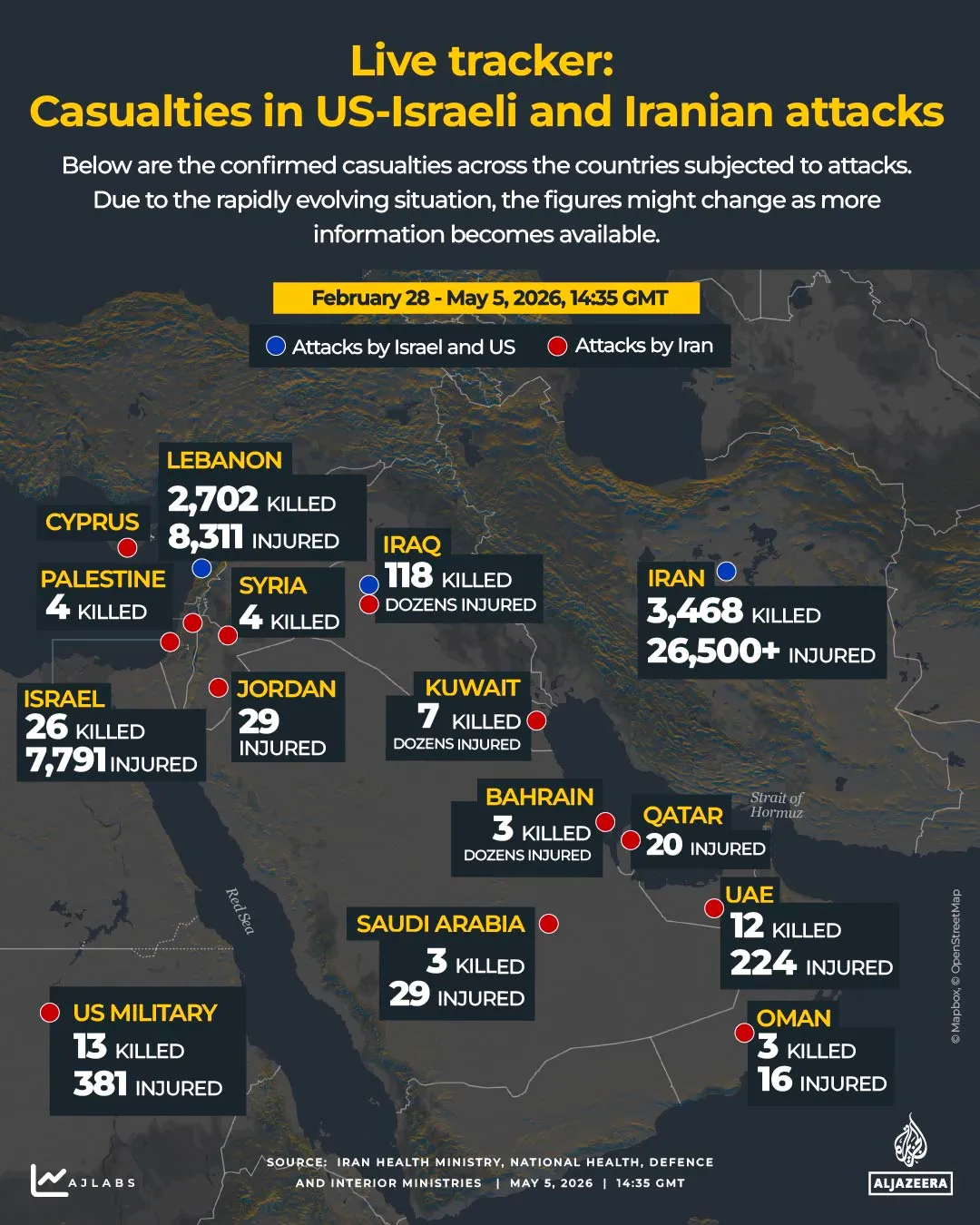
INTERACTIVE - DEATH TOLL - tracker - war - US Israel and Iran attacks - March 12, 2026-1773319244

In Israel

New missile wave launched at Israel: The Israeli military said early on Friday that Iran had fired a new barrage of missiles towards Israel, and instructed people in affected areas to head to shelters.

Israel strikes Basij force: Israel’s military said it had struck checkpoints set up in Tehran by the Basij force of Iran’s Revolutionary Guards as part of efforts to undermine control by the authorities.

Regime change: Israeli Prime Minister Benjamin Netanyahu said Israel can create conditions for regime change, but it is up to Iran’s people to take to the streets. He also said Israel is aiming to stop Iran from moving nuclear and ballistic projects underground.

In Lebanon, Iraq

Downed US aircraft: A US KC-135 refuelling aircraft crashed in western Iraq. While the Islamic Resistance in Iraq claimed it shot the aircraft down using air defence systems, US Central Command (CENTCOM) stated the aircraft went down in “friendly airspace” and was not the result of hostile fire.

Iraqi port closures: Iraq has shut its port operations after an Indian crew member was killed during an attack on a US-owned oil tanker in Iraqi waters.

Six French soldiers hurt: A drone attack wounded six French soldiers in Erbil, in Iraq’s autonomous Kurdish region, President Emmanuel Macron said on Thursday.

Deadly attacks in southern Lebanon: Israeli bombardments continue on southern towns and villages. A strike on the village of Arki, near Sidon, killed nine people, including five children.

Mounting death toll and mass displacement: Lebanese officials have reported that at least 687 people have been killed in Israeli attacks on Lebanon since last Monday, including 98 children. The intense bombardments have displaced an estimated 700,000 to 750,000 people from their homes.

Source link