Lebanon

Netanyahu orders deeper Israeli invasion into Lebanon | US-Israel war on Iran

NewsFeed

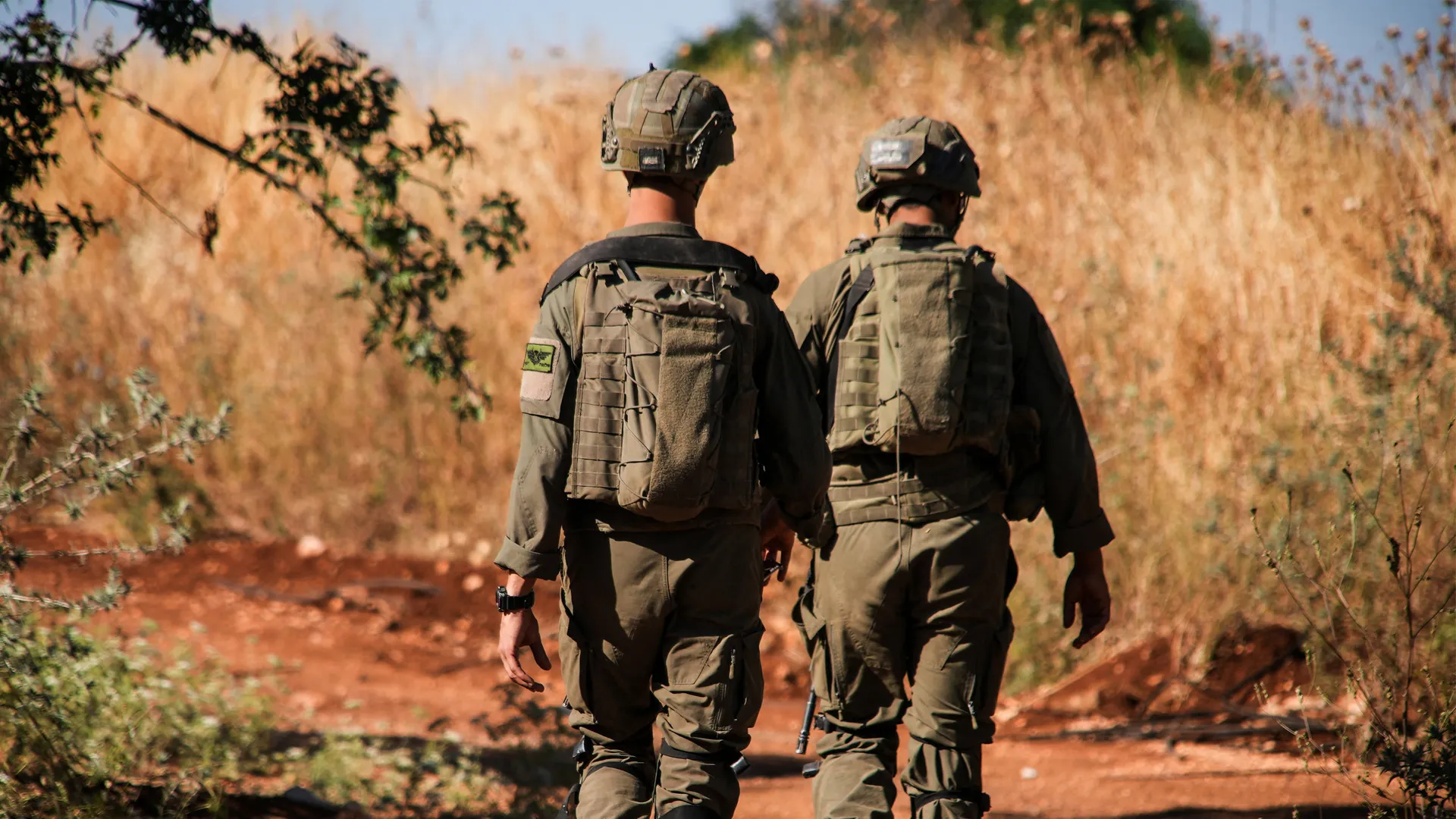
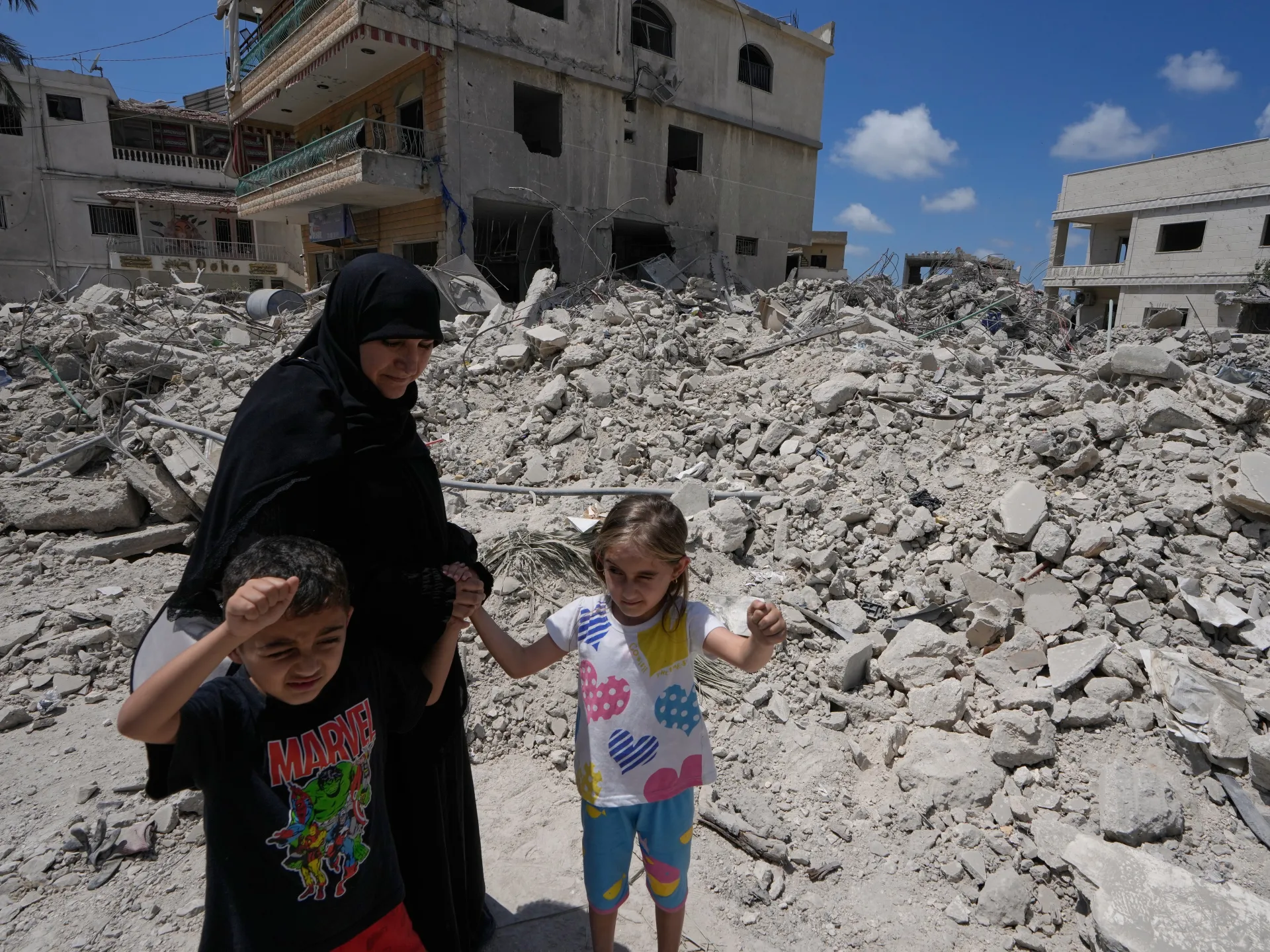
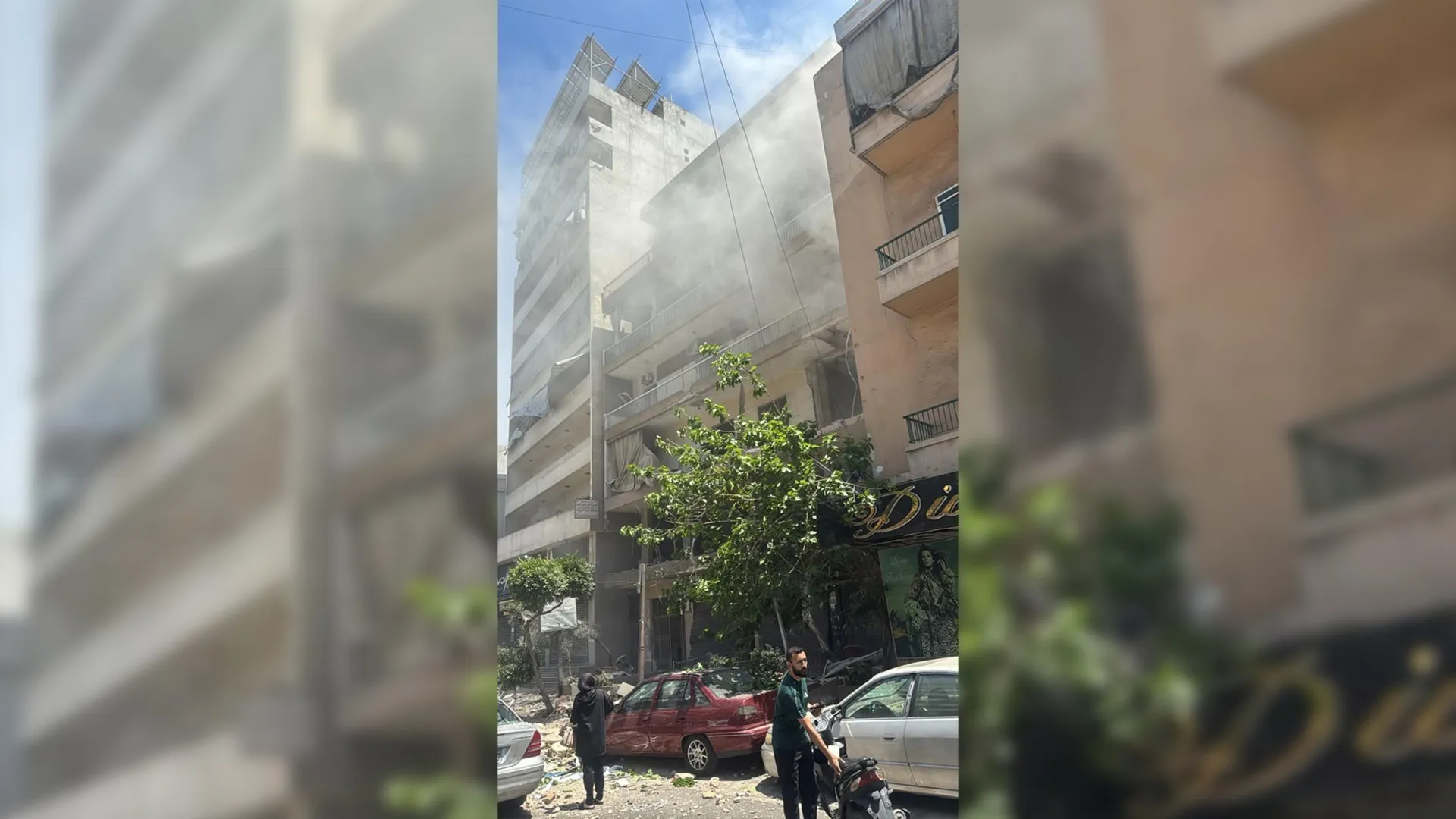
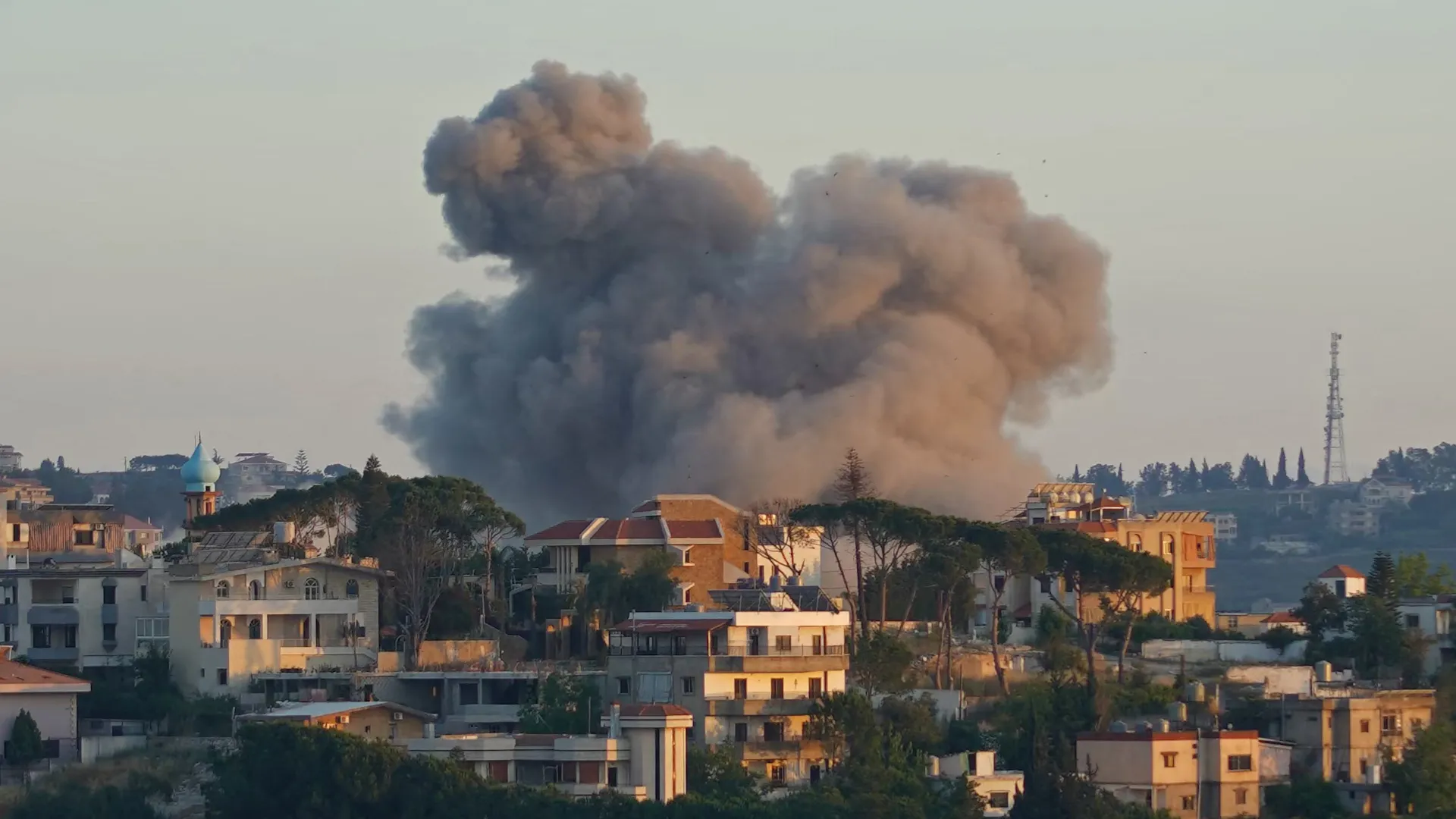
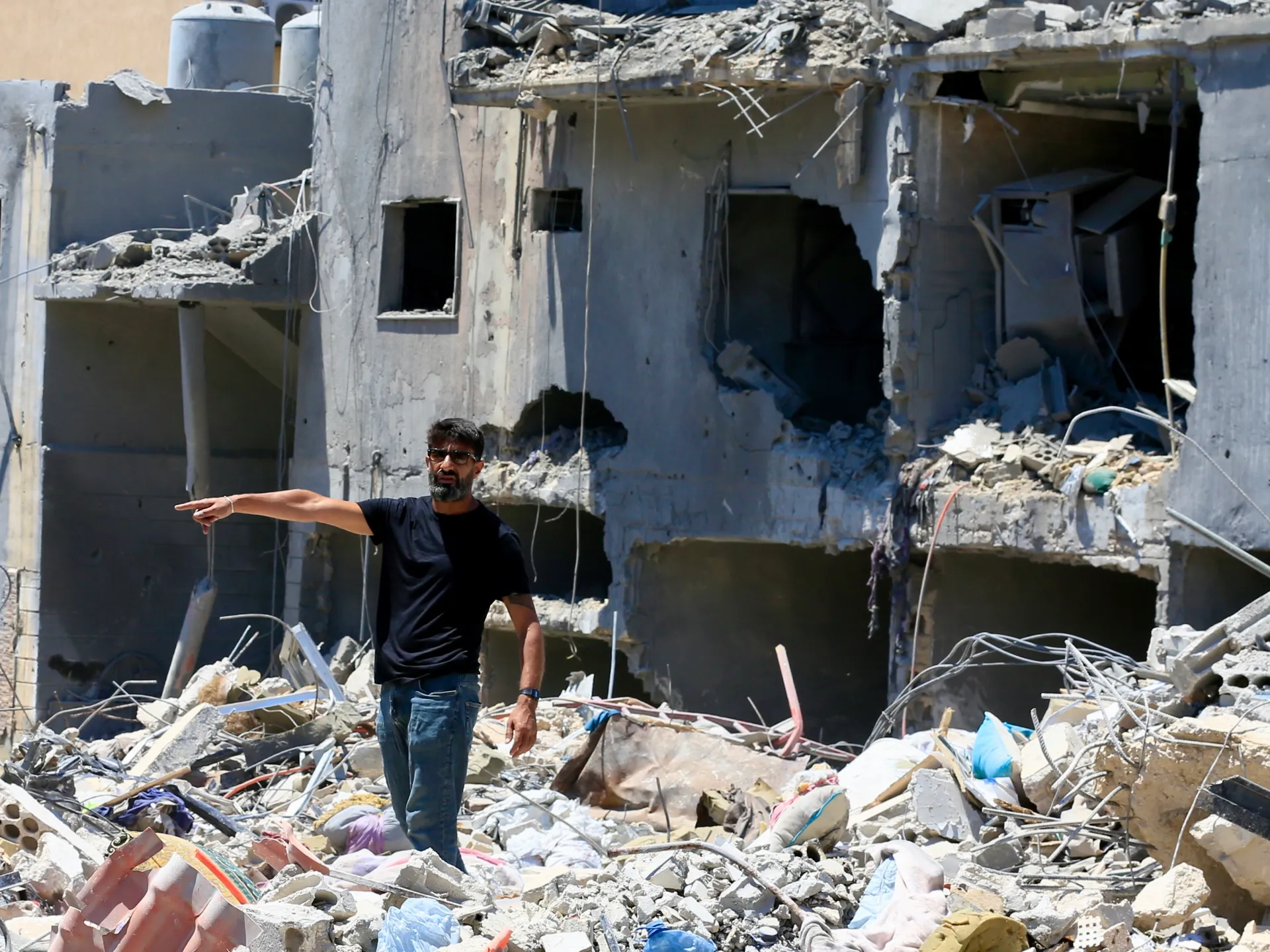
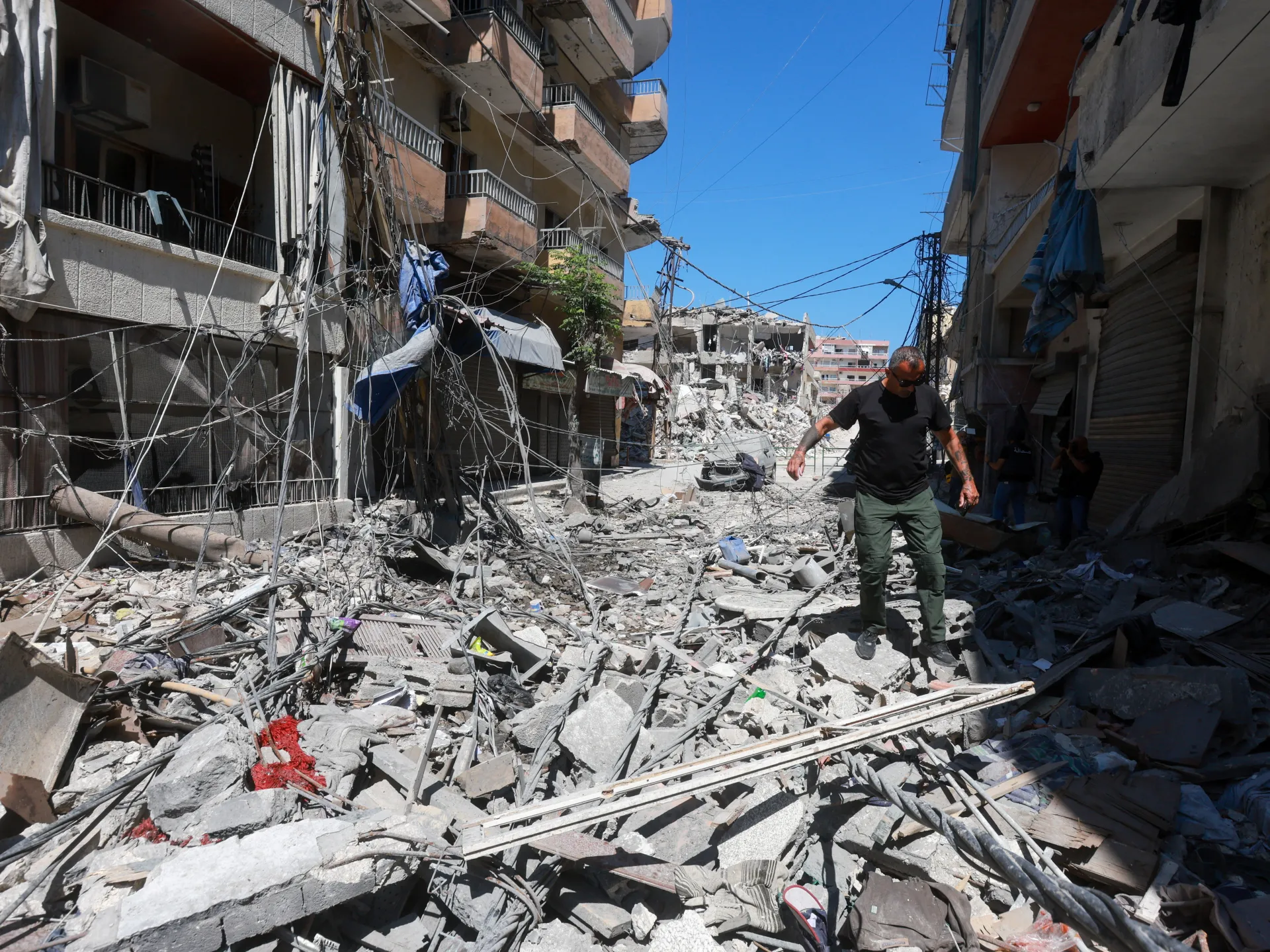
Israeli Prime Minister Benjamin Netanyahu has ordered the military to expand its invasion in southern Lebanon, pushing deeper to extend what he calls a ‘buffer zone’. As Israeli forces advance towards the Litani River, an explosion at a UN position in southern Lebanon killed a peacekeeper.

Source link

Lebanon’s Catholics observe Palm Sunday under looming threat of war | Israel attacks Lebanon News

As Christians gathered in churches across Lebanon on Palm Sunday to commemorate Jesus’s triumphal entry into Jerusalem, the escalating conflict between Israel and Hezbollah cast a sombre shadow over the celebrations.

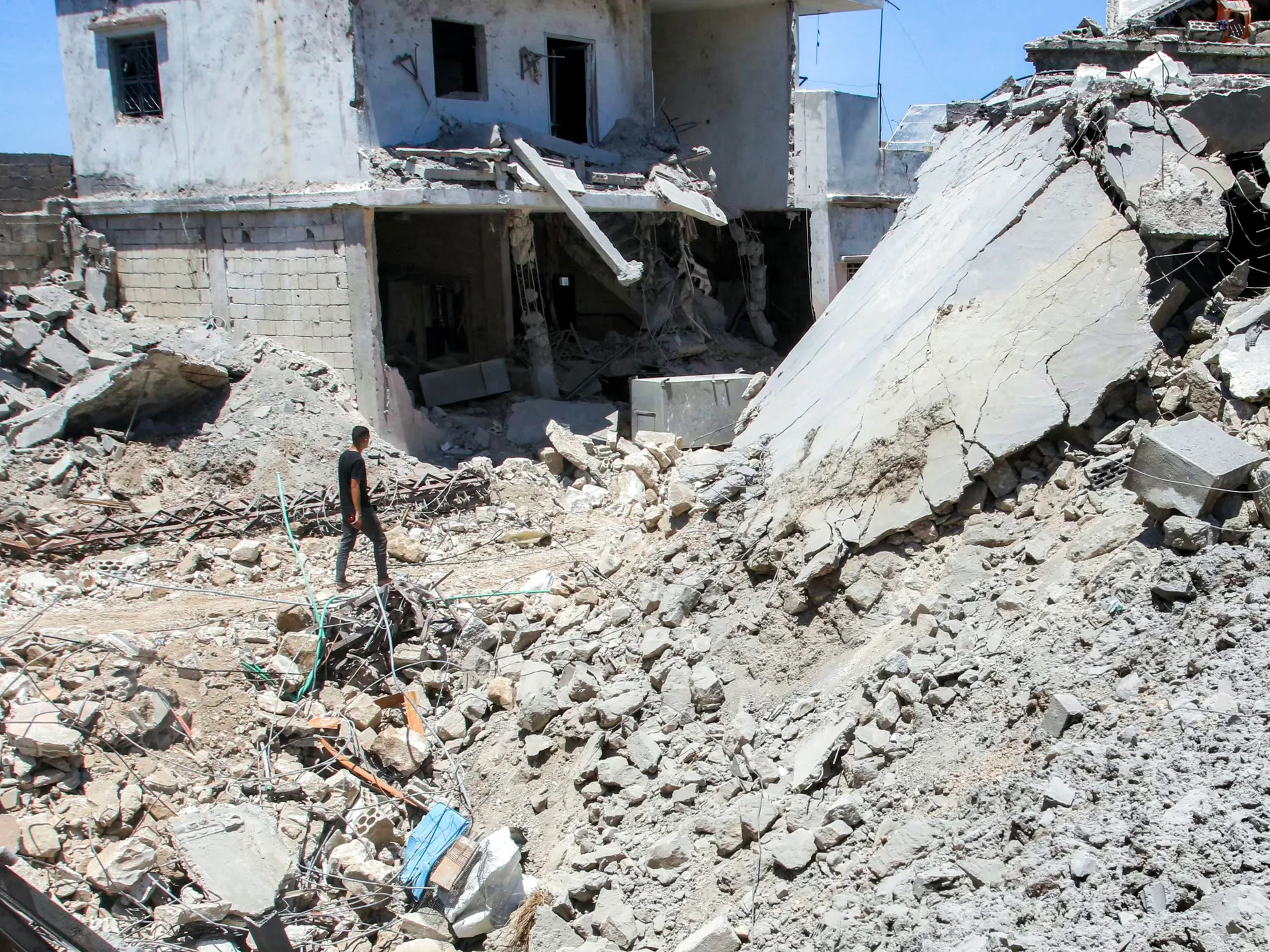
A Maronite Catholic church near Dahiyeh in Beirut’s southern suburbs was filled to capacity, despite its proximity to the once-bustling district – now largely deserted following Israeli evacuation orders and ongoing air strikes. In the coastal city of Tyre in southern Lebanon, nearly cut off from the rest of the country by Israeli bombings that destroyed nearby bridges, church bells tolled, and choral music filled the air.

Worshippers prayed earnestly for peace, even as Lebanon’s history of sectarian tensions, rooted in the 1975–1990 civil war between Christians and Muslims, remained a poignant backdrop. Today, congregants underscore that all Lebanese people are enduring the consequences of the intensifying Israel-Hezbollah conflict.

“There’s no bombing here right now, but no one is safe from this—not the Christians, not anyone,” said Mahia Jamus, a 20-year-old university student in Beirut. “No one is spared from its effects.”

In Tyre, where many residents have stayed despite Israeli evacuation orders, Christians sought solace in preserving their sacred traditions amid the devastation surrounding them.

“Amid the wars, the tragedies, and the destruction happening around us, we remain on our land,” said Roseth Katra, 41, speaking from the centuries-old stone church in Tyre. “Today is Palm Sunday, and we are celebrating.”

According to Lebanon’s Ministry of Health, at least 1,238 people have been killed and more than 3,500 wounded in Israeli attacks since March 2 amid the rapidly widening regional conflict now entering a second month.

Israeli troops have launched a ground invasion, advancing towards the Litani River. Hezbollah has claimed dozens of operations against Israeli forces in the past 24 hours.

Source link

Iran warns against U.S. ground troops; targets Israeli industrial site

Speaker of the Parliament of Iran Mohammad Bagher Ghalibaf speaks during a news conference in Beirut, Lebanon, on October 12, 2024. File Photo by Wael Hamzeh/EPA

March 29 (UPI) — Iran’s parliament speaker, Mohammad Bagher Ghalibaf, issued a warning Saturday against a possible ground troop invasion as the U.S. military sends more troops to the region.

Ghalibaf made the comments in a message marking 30 days since the start of the war. The United States and Israel began strikes on Iran on Feb. 28 in their efforts to diminish the country’s nuclear weapons program.

Ghalibaf accused the United States of secretly planning a ground invasion of Iran. On Saturday, two U.S. ships arrived in the region carrying 3,500 U.S. service members as well as fighter jets, transport aircraft, amphibious assault vessels and other tactical assets. More troops were expected, U.S. Central Command said.

“The enemy publicly sends messages of negotiation while secretly planning a ground invasion — unaware that our men are waiting for American troops to enter on the ground, ready to unleash devastation upon them and punish their regional allies,” Ghalibaf said, as reported by CNN.

Last week, the Trump administration proposed a 15-point peace plan with Iran. President Donald Trump also ordered a 10-day halt on strikes against Iranian energy sites, though Israel carried out its own attacks on energy sites Friday.

Secretary of State Marco Rubio said Friday that Iran had not responded to the peace proposal.

“The United States speaks of its aspirations, presenting what it failed to achieve in war as a 15-point list to pursue through diplomacy,” Ghalibaf said.

“As long as the Americans seek Iran’s surrender, the answer of your sons remains clear: ‘Far be it from us to accept humiliation.'”

Ghalibaf’s message came in the wake of a Saturday report by The Washington Post that the Defense Department has drawn up plans for a weeks-long ground operation in Iran. Officials told The Post the plan isn’t considered a full-scale ground invasion, but would involve Special Operations forces and infantry troops.

White House press secretary Karoline Leavitt issued a statement in response to the possibility of ground troops in Iran.

“It’s the job of the Pentagon to make preparations in order to give the commander in chief maximum optionality,” she said. “It does not mean the president has made a decision.”

Iran has launched attacks on Israeli and other U.S. allies in the Persian Gulf region, including one Sunday on a military camp in Kuwait, which killed 10 Kuwaiti service members. The army said it detected 14 ballistic missiles and 12 hostile drones in Kuwaiti airspace over the previous 24 hours. Since the start of the war, it has monitored more than 300 ballistic missiles, 2 cruise missiles and more than 600 hostile drones.

Meanwhile, Israeli officials said emergency officials were working on a large fire that broke out at a hazardous materials factory at the Neot Hovav industrial complex, The Guardian reported. The Israeli military blamed “a weapon fragment or interceptor fragment” for the damage and fire.

Source link

As war on Iran enters second month, Yemen’s Houthis open new front | US-Israel war on Iran News

Yemen’s Houthis have attacked Israel for the first time, a month after US and Israeli forces began striking Iran, opening up a new front in a rapidly escalating conflict that has killed thousands of people, displaced millions and rattled the global economy.

The Houthis, who control much of northern Yemen, entered the fray on Saturday with two missile and drone attacks on Israel in the space of fewer than 24 hours. The Israeli army said the attacks were intercepted, but the Iran-aligned group pledged to continue fighting in support of “resistance fronts in Palestine, Lebanon, Iraq, and Iran”.

Recommended Stories

list of 3 itemsend of list

The Houthis had sat out of the hostilities until now, in contrast with their stance during Israel’s genocidal war on Gaza, when their attacks on shipping vessels in the Red Sea upended commercial traffic worth about $1 trillion a year.

Their widely anticipated involvement in the latest conflict comes just as Iran has throttled traffic through the Strait of Hormuz, a vital chokepoint for about a fifth of the world’s oil, raising fears that the Yemeni group will again disrupt Red Sea traffic by blocking the Bab al-Mandeb Strait.

Reporting from Yemen’s capital, Sanaa, Al Jazeera’s Yousef Mawry described Bab al-Mandeb as the group’s “ace”.

“They want to make Israel pay economically. They want to disrupt their trade routes. They want to disrupt the imports and exports in and out of Israel,” he said.

‘Civilians bearing brunt of war’

The Houthi attacks came after US Secretary of State Marco Rubio said that Washington expected to conclude its military operations against Iran within weeks, even as a new deployment of US Marines has begun to arrive in the region, so US President Donald Trump would have “maximum” flexibility to adjust the strategy as needed.

With no immediate diplomatic breakthrough in sight as both the US and Iran harden their positions, many fear that the US-Israel war on Iran, which started on February 28 and has since engulfed the region, will spiral out of control.

The US and Israel continued their bombardment over the past 24 hours, with the Israeli military claiming it had struck an Iranian research facility for naval weapons, while a series of loud explosions rattled Tehran as night fell on Saturday.

Iranian media said at least five people were killed in a US-Israeli attack on a residential unit in the northwestern city of Zanjan. In Tehran, authorities said the University of Science and Technology was the latest educational facility to be struck, prompting Iran’s Revolutionary Guard Corps (IRGC) to issue a threat against Israeli and US universities in the region.

Separately, Iran’s Fars news agency said a water reservoir in the city of Haftgel, located in western Khuzestan province, had also been attacked.

The Iranian Ministry of Health announced that 1,937 people have been killed since the start of the conflict, including 230 children. Iran’s Red Crescent Society said US-Israeli strikes had damaged more than 93,000 civilian properties.

“Civilians are bearing the brunt of this war,” Al Jazeera’s Mohamed Vall, reporting from Tehran, said.

Devastation in Lebanon

Meanwhile, Israel’s devastation of Lebanon continued apace, as the Lebanese Ministry of Health reported that 1,189 people had been killed in Israeli attacks since March 2.

The death toll has been mounting as Israeli troops have pushed further into the south, advancing towards the Litani River in their stated bid to wipe out Hezbollah and carve out a buffer zone along the lines of the “Gaza model”.

Among Saturday’s killings, an Israeli strike killed three journalists in southern Lebanon. In parallel, the Health Ministry announced that Israel had also killed nine paramedics, bringing the death toll among healthcare workers in the latest war to 51.

Lebanon’s Public Health Emergency Operations Centre said an Israeli attack on the town of al-Haniyah, in the Tyre district of southern Lebanon, killed at least seven people, including one child.

An Israeli air raid on the southern Lebanese town of Deir al-Zahrani killed a Lebanese soldier, Lebanon’s National News Agency reported.

Hezbollah, which attacked Israel amid a ceasefire that Israel kept violating in retaliation for the assassination of Iranian Supreme Leader Ali Khamenei, claimed dozens of operations against Israeli forces in the past 24 hours.

Mixed messages

Trump has threatened to hit Iranian power stations and other energy infrastructure if Tehran does not fully open the Strait of Hormuz. But he has extended the deadline he had imposed for this week, giving Iran another 10 days to respond.

With the US midterm elections coming up in November, the increasingly unpopular war is weighing heavily on the president’s Republican Party.

Trump’s envoy, Steve Witkoff, said on Friday that he believed Tehran would hold talks with Washington in the coming days. “We have a 15-point plan on the table. We expect the Iranians to respond. It could solve it all,” Witkoff said.

Pakistan, which has been a go-between between US and Iranian officials, will host foreign ministers from regional powers Saudi Arabia, Turkiye and Egypt in Islamabad for talks on the crisis.

Pakistan’s Minister of Foreign Affairs Ishaq Dar spoke with his Iranian counterpart, Abbas Araghchi, late on Saturday, urging “an end to all attacks and hostilities” in the region.

In a statement, the Ministry of Foreign Affairs said Dar had told Araghchi that Pakistan remains committed to supporting efforts aimed at restoring regional peace and stability.

Dar also announced that Iran had agreed to allow 20 Pakistani-flagged vessels to transit the Strait of Hormuz, calling it a meaningful step towards easing one of the worst energy crises in modern history.

Source link

Israel’s unending attacks in Lebanon push country’s population to the brink | Israel attacks Lebanon News

Beirut, Lebanon – It is four weeks into the United States-Israeli war on Iran, and millions of civilians are suffering in Lebanon, now facing a second large-scale Israeli attack on their country in less than two years.

About a quarter of Lebanon’s population has been displaced after Israel’s mass forced evacuation orders from the country’s south and Beirut’s southern suburbs, known as Dahiyeh.

Recommended Stories

list of 3 itemsend of list

Many of the displaced are extremely frustrated and fatigued. And even those who are not displaced are feeling the pressure, with deadly Israeli attacks continuing, petrol prices increasing, business in general slowing down, and little sign that the conflict will end any time soon.

Samiha, a Palestinian teacher who had been living near Tyre, in southern Lebanon, but recently relocated to Beirut, said the experience was “not good at all”. However, with the previous Israeli campaign in Lebanon not long ago, her family came into this round more prepared.

“It’s not the first time for us. Now we know more about where to go.” Still, she maintained, “we don’t know how long this will last and if there is a solution”.

Foreigners most vulnerable

Israel intensified its war on Lebanon again on March 2, after Hezbollah responded to Israeli attacks for the first time in more than a year.

Hezbollah – a close ally of Iran – claimed the attack was retaliation for Iranian Supreme Leader Ayatollah Ali Khamenei’s assassination two days earlier. A ceasefire between Israel and Hezbollah had ostensibly been in effect since November 27, 2024, despite the United Nations counting more than 10,000 Israeli ceasefire violations in that period, and hundreds of Lebanese deaths.

After Hezbollah’s reply, Israel intensified its attacks on the south and declared its intention to occupy southern Lebanon. Israel also issued forced evacuation orders for areas of southern Lebanon, Beirut’s southern suburbs, and a few villages in the eastern Bekaa Valley, leading to a massive displacement crisis of at least 1.2 million people, according to the Lebanese government. Now, Israel has also stated its intent to occupy southern Lebanon and set up a so-called security zone, while destroying more villages along the southern border.

The crisis has hit people who live in Lebanon severely, particularly the country’s most vulnerable people.

“The most vulnerable cases that we’re coming upon are happening, either migrant workers, either Syrians, foreign bodies, basically,” Rena Ayoubi, a volunteer who has organised aid near Beirut’s waterfront, Biel, told Al Jazeera.

She said other people who have suffered deeply in this period include: people with chronic diseases, cancer patients on dialysis, people who cannot access insulin, and displaced people who don’t have access to a fridge to store their medicine.

‘Different in scale and speed’

A series of catastrophes is unfolding, with women, children and those suffering with psychological issues suffering the most, according to a variety of sources, including aid workers, volunteers and UN workers. The humanitarian crisis in 2024 was severe, they said, but 2026 is on a whole different level.

“Now is significantly different in the scale and speed and number of people impacted,” Anandita Philipose, the UN sexual and reproductive health agency (UNFPA)’s representative in Lebanon, told Al Jazeera. “The mass evacuation orders are new. The scale of displacement is new. The fact that civilian infrastructure was targeted is new.”

Many women, in particular, have been displaced not only from their homes but from their healthcare networks, including offices or support systems that will help them through pregnancies.

“Pregnant women do not stop giving birth in the middle of conflict, and women don’t stop having periods in the middle of conflicts,” Philipose said.

Israel’s latest war on Lebanon has so far killed 1,094 people and wounded another 3,119 in Lebanon, according to the country’s Ministry of Public Health. Among the dead are 81 women and 121 children, in just over three weeks.

“Children have yet again been caught up in this escalation, Heidi Diedrich, national director of World Vision in Lebanon, told Al Jazeera. “Children are deeply affected by the violence regardless of their protected status as civilians under international humanitarian law, and regardless of their rights as children. We are deeply concerned that this escalation will continue to impact children in Lebanon for weeks or even months to come.”

Never-ending trauma

At an office building in Beirut, two volunteers sit behind desks waiting for phones to ring. The volunteers are closely monitored by clinical psychologists. On the other end are people calling in for help, many in some of their darkest moments.

This is the office for the National Lifeline in Lebanon (1564) for Emotional Support and Suicide Prevention Hotline, a collaboration between the National Mental Health Programme and Embrace, a nonprofit focused on mental health. 1564 is the phone number that people who require psychological support can dial.

“We’ve been in the worst situation for the past two years,” Jad Chamoun, operations manager at the National Lifeline 1564, told Al Jazeera from the Lifeline centre in Beirut.

“Even when there was a ceasefire, people were still living under the conditions, they were still displaced.”

Even before March 2, about 64,000 people in Lebanon were displaced, according to the International Organization for Migration. According to a March 2025 report from Lebanon’s National Mental Health Programme, three in five people in the country “currently screen positive for depression, anxiety, or PTSD”. And that was before the current intensification.

“The living conditions we’re in is a continuous trauma, because it’s never ending,” Chamoun said. Lebanon went through one of the world’s worst economic crises in 2019, which continues today. In the following years, people in Lebanon experienced the COVID-19 pandemic, the Beirut explosion, mass emigration, and now two Israeli large-scale military campaigns in short succession.

Amid the current violence, the number of calls has increased substantially, Chamoun said, from about 30 a day during 2024’s Israeli attacks to almost 50 a day now. But, he added, that the peak for calls tends to be a few months after the end of a conflict or crisis. Currently, people are in survival mode.

The cascading series of disasters and brutal Israeli aggression has left many in Lebanon near, or well past, their breaking points. Many are falling through the cracks. Volunteers and professionals at efforts like this one are doing what they can to catch as many people as they can.

“We try to sit with them in the darkness, which is what’s heavy around us. We try to share with them this pain,” Chamoun said. “And this is what’s been the heaviest nowadays.”

Source link

Lebanon faces ‘humanitarian catastrophe’ under Israeli assault: UN | Israel attacks Lebanon News

Displaced Lebanese families ‘living in constant fear’ under Israeli bombardment, warns UN Refugee Agency official.

Lebanon faces the threat of a “humanitarian catastrophe”, the United Nations Refugee Agency (UNHCR) has warned, as Israel expands its weeks-long bombardment and ground invasion of the country.

UNHCR’s Lebanon representative Karolina Lindholm Billing said on Friday that Israeli strikes and forced displacement orders have affected people living across the country – from southern Lebanon to the Bekaa Valley, the capital Beirut, and further north.

Recommended Stories

list of 3 itemsend of list

More than 1.2 million people have been forced from their homes since Israel’s intensified attacks against its northern neighbour began in early March, according to UN figures.

“The situation remains extremely worrying and the risk of a humanitarian catastrophe … is real,” Lindholm Billing told reporters during a briefing in Geneva.

She noted that, as displacement numbers continue to rise, Lebanon’s already overstretched shelter system is struggling to meet families’ needs.

“Just last week, there were strikes that hit central Beirut, including in densely populated neighbourhoods … where many people had tried to find safety in collective shelters,” Lindholm Billing said.

“The families are … living in constant fear, and the psychological toll, particularly on children, will last far beyond this current escalation.”

Israel launched intensified attacks across Lebanon after Hezbollah fired rockets towards Israeli territory following the February 28 assassination of Iranian Supreme Leader Ayatollah Ali Khamenei in the US-Israel war on Iran.

The Israeli military has carried out aerial and ground attacks across the country while issuing mass forced displacement orders for residents of the country’s south, as well as several suburbs of Beirut.

On Friday afternoon, the Israeli military said it had begun a wave of air strikes on Beirut. It also issued more forced displacement orders for several areas in the city’s southern suburbs, including the neighbourhoods of Haret Hreik and Burj al-Barajneh.

Hezbollah has continued to fire rockets into northern Israel and confront Israeli troops in southern Lebanon, with leader Naim Qassem stressing this week that the group had no plans to stop fighting “an enemy that occupies land and continues daily aggression”.

Israeli Prime Minister Benjamin Netanyahu also announced plans to expand the country’s ground invasion in southern Lebanon, saying the military would create “a larger buffer zone” in Lebanese territory.

Rights groups have condemned the expanded operation and warned that preventing Lebanese civilians from returning to their homes in the south may amount to the war crime of forced displacement.

“Israel’s tactics of mass expulsion in Lebanon raise serious risks of forced displacement,” Human Rights Watch said on Thursday. “Forced displacement and collective punishment are war crimes.”

epa12853726 Displaced residents sit outside a tent in a local school after fleeing their homes in southern Lebanon following Israeli airstrikes, in Beirut, Lebanon, 27 March 2026. According to the Disaster Management Unit of the Lebanese government, as of 27 March 2026, more than 1,785,000 people have been internally displaced in collective shelters in Lebanon since the escalation began on 02 March. EPA/WAEL HAMZEH
Displaced residents sit outside a tent in a local school in Beirut after fleeing their homes in southern Lebanon, on March 27, 2026 [Wael Hamzeh/EPA]

The Israeli military’s destruction of civilian homes and several bridges linking southern Lebanon to the rest of the country has also fuelled concerns that Israel is trying to isolate the area.

During Friday’s news briefing, UNHCR’s Lindholm Billing noted that the destruction of the bridges has made accessing southern Lebanon “increasingly difficult”.

“The destruction of key bridges in the south has cut off entire districts … isolating over 150,000 people and severely limiting humanitarian access with essential items to reach them,” she said.

Reporting from Tyre in southern Lebanon on Friday afternoon, Al Jazeera’s Obaida Hitto also stressed that Israel’s forced evacuation orders are “causing a lot of panic” among residents.

“Evacuation orders are happening in areas that were previously thought to be safe,” he said, adding that the destruction and damage to bridges over the Litani River in the south has made the prospect of finding safety more difficult.

“This is putting the government in Beirut in a very difficult situation to try and respond to the humanitarian crisis quickly growing in the south of the country,” Hitto said.

Source link

‘Raising 10 red flags’: Is Israel’s army exhausted? | US-Israel war on Iran News

Israel’s Chief of Staff Lieutenant General Eyal Zamir issued a stark warning to the country’s cabinet this week: unless urgent measures are taken, the Israeli army is on the brink of collapse.

According to a report by Israel’s Channel 13 on Thursday, Zamir told ministers that he was “raising 10 red flags”, urging the government to move quickly on long-delayed legislation to alleviate the strain on its “exhausted” military.

The army has been overseeing what rights groups and the United Nations have determined is a genocide in Gaza, the de facto annexation of the occupied West Bank and numerous incursions into Lebanon and Syria.

Addressing ministers, Zamir stressed the need for a “conscription law, a reserve duty law, and a law to extend mandatory service”, adding that without these measures, “before long, the [Israeli military] will not be ready for its routine missions and the reserve system will not last”.

Israeli Prime Minister Benjamin Netanyahu has since said that plans will be made to extend mandatory military service. However, this is not the first time the alarm has been raised that the military is straining under the pressure of repeated operations, which have seen it involved in the killings of tens of thousands of civilians across the Middle East.

The first came as early as June 2024, just eight months into the genocidal war on Gaza, when France24 reported on shortfalls in troop numbers, exhaustion and a lack of supplies.

That situation has only worsened since.

So, how large was the army before October 2023, how active has it been and how has the current era of unprecedented regional aggression sapped the military’s reserves? Here is what we know.

Israeli soldiers
Israeli Prime Minister Benjamin Netanyahu visits Israeli soldiers in Rafah, in the southern Gaza Strip, in this handout picture from July 18, 2024 [File: Avi Ohayon/GPO/Handout via Reuters]

How suited is the Israeli army to its country’s forever wars?

Not very.

Launched in 1948, the idea of an Israeli military made up of a relatively small standing army backed by a large reserve corps of mobilised citizenry was the plan from the outset in order to instil a narrative of social cohesion, national identity and shared responsibility within the new country’s populace. Reservists would move between civilian life and military service to achieve this.

Before the war on Gaza began on October 7, 2023, Israel’s standing army numbered just 100,000. This was immediately bolstered by calling up 300,000 reservists, pulling Israel’s “citizen soldiers” from their jobs and families to take part in the bombardment and ground invasion of Gaza in response to the Hamas-led assault on southern Israel.

Ultimately, this means that the majority of troops serving are reservists rather than career soldiers.

Where are Israeli troops now?

On March 1, the day after US-Israeli strikes on Iran began, Israel announced the mobilisation of another 100,000 reserve soldiers.

That was in addition to 50,000 reservists currently on duty as a result of the Gaza war.

At the time, military sources said the additional troops would bolster existing positions along the border with Lebanon, its frontier and occupied positions within Syria, as well as in the Gaza Strip and the occupied West Bank.

Additionally, Israel’s Home Front Command called up 20,000 reservists, primarily for search and rescue operations, with reinforcements also deployed to the Israeli Air Force, Navy and Intelligence Directorate.

Israel has since deployed “thousands” of those troops to take part in its invasion of southern Lebanon, which it resumed in response to rocket fire from Iranian ally Hezbollah on March 3.

Addressing the same security cabinet meeting as Zamir, Central Command chief Major General Avi Bluth told ministers that government policies in the occupied West Bank were also placing increasing pressure on the military’s already stretched manpower.

According to the report, Bluth told ministers that over the past year, the government has approved the construction of multiple illegal settlements in the Jordan Valley and elsewhere in the West Bank as part of a wider operation characterised by rights groups and more than 20 countries as Israel’s “effective annexation” of the occupied Palestinian territory.

Bluth added: “This is your policy, but it requires security and a full protection package, because the reality on the ground has completely changed – and that requires manpower.”

Are Israeli troops exhausted?

According to many of the army’s own members, particularly reservists, they are.

Speaking to the Ynet News outlet, which is typically supportive of Netanyahu and his ruling Likud party, one reservist told the newspaper in December of his decision not to report for duty.

“We have battles to fight at home,” he said, explaining his decision. “There are guys on the team who were fired from their jobs, others whose families are barely staying afloat, or who have been dragging out their studies for a very long time. This is a problem, a complexity that is hard to describe.”

Resentment of the apparent exemption offered to members of Israel’s ultra-religious Haredim community, whose refusal to enlist for service is often overlooked by politicians, is also growing, Israeli media reports.

Responding to Zamir’s comments to the security cabinet, Israel’s opposition leader, Yair Lapid, took to Twitter to address the government directly.

“The government must stop the cowardice, immediately halt all budgets to the Haredi draft dodgers,” he said of the extensive social benefits many in Israel’s ultra religious community rely upon. “Send the military police after the deserters, draft the Haredim without hesitation,” he said.

“The warning has been given. It’s on your heads. It’s in your hands. You cannot continue to abandon Israel’s security, in wartime, for petty politics.”

Source link

Iran to Lebanon: Four million people displaced by US-Israeli war | US-Israel war on Iran News

The war launched by the United States and Israel has killed more than 1,500 people in Iran.

This number is considered conservative, as actual calculations are yet to be released by the authorities.

Recommended Stories

list of 4 itemsend of list

But the devastation from the war has also triggered mass displacement in the country: the United Nations refugee agency, UNHCR, estimates that 3.2 million people – more than 3 percent of the population – have already been displaced within Iran since US-Israeli strikes began on February 28.

Twenty-seven days into the conflict, aid agencies and countries bordering Iran are bracing themselves for a potential refugee crisis as civilians begin to flee the violence.

Cross-border flows have been limited and largely economic or short-term. In Afghanistan, most arrivals are Afghan returnees from Iran, citing insecurity or forced returns. Pakistan reports only authorised entries by citizens or traders, with no refugee inflows.

Turkiye, Turkmenistan and Azerbaijan report stable borders, limited authorised crossings, and occasional evacuations of third-country nationals.

Iraq has seen small-scale returns and 325 Iranian nationals crossing the border, citing the crisis. Within Iran, people have been forced from the ruins of their homes, and several hospitals, nuclear facilities, refineries and desalination plants have been hit.

However, pressure on the ground in Iran is mounting as more than 85,176 civilian sites have been damaged since the war began, including 282 healthcare facilities, 600 schools and 64,583 homes. In Tehran alone, the city administration said to local media that nearly 14,000 residential units in the capital have been damaged and at least 6,000 people have been accommodated in municipal hotels.

The growing risks of disruption to essential services are driving complex mobility patterns.

INTERACTIVE - Displaced in Iran - March 26_2026

More than one million displaced in Lebanon

But Iran is not the only country where the rapidly expanding war has led to a displacement crisis.

The Israeli army has expanded its forced displacement orders for residents of southern Lebanon – from the Litani River to north of the Zahrani River, about 40km (25 miles) north of the Israeli border.

According to the Norwegian Refugee Council, Israel’s sweeping evacuation orders now cover more than 1,470sq km (568sq miles), or about 14 percent of the country’s territory.

The map below shows more than 100 towns and villages across the country that are under forced evacuation orders from the Israeli military.

INTERACTIVE - Displaced in Lebanon_March 26_2026

Israel’s ground troops are also now increasingly expanding their de facto occupation of parts of southern Lebanon, with Israeli authorities claiming that they want to create what they describe as a “buffer zone”.

Nearly one in five people in Lebanon – or 18 percent of the population – have been displaced over the past two weeks.

According to the International Organization for Migration, the total number of registered displaced people has reached 1,049,328, and the number of displaced people residing in collective shelters is 132,742.

The pace of displacement has outstripped the country’s shelter capacity. Many families have been unable to secure accommodation and are spending nights in streets, vehicles or public spaces as collective shelters fill up. For many of them, this is not the first time.

More than 250,000 people have left Lebanon over the past two weeks, a 40 percent increase compared with the last two weeks of February.

INTERACTIVE - Displaced in Lebanon_March 26_2026

Much of the outward movement has been towards neighbouring Syria. As of March 17, more than 125,000 people had crossed the border. Nearly half are children. Most are Syrian nationals, with about 7,000 Lebanese among those crossing.

Southern Lebanon’s bridges attacked

Israel has struck several bridges in southern Lebanon, connecting the country through the Litani River.

Israeli forces have attacked:

  • Qasmiyeh Bridge.
  • Coastal Highway Bridge.
  • al-Qantara Bridge.
  • Khardali Bridge.
  • al-Dalafa Bridge.
  • Zaraiya-Tirseflay Bridge.

Footage and photos of the locations, verified by Al Jazeera, show each bridge specifically bombed, making them impossible to use. These were key crossings linking Lebanon’s south.

Israeli Defence Minister Israel Katz had last week ordered the military to destroy all crossings over the Litani River and homes close to the border between the two countries.

The areas in Lebanon near the Israeli border to the Litani River are the same locations where at least a million people have been pushed out.

Lebanese President Joseph Aoun has said the attacks on the bridges are “an attempt to sever the geographical connection between the southern Litani region and the rest of Lebanese territory”.

He said they fell “within suspicious schemes to establish a buffer zone along the Israeli border, solidify the reality of the occupation and seek Israeli expansion within Lebanese territory”.

INTERACTIVE - Lebanon south bridge attacked March 26, 2026

Source link

US-Israel war on Iran: What’s happening on day 27 of attacks? | US-Israel war on Iran News

The US and Israel’s war on Iran is intensifying, as Trump again claims Iranian leaders want to ‘make a deal’.

The United States and Israel’s war on Iran continues, with an Al Jazeera correspondent in Tehran reporting strikes are “increasing in number and in intensity” amid conflicting claims about whether negotiations are taking place.

US President Donald Trump says talks are happening, but Iran rejects the talks, saying it will continue to “resist” US aggression.

On Thursday, Iran carried out retaliatory strikes against Israel and several Gulf countries, as the Middle East conflict sees no signs of ending, and global energy and food prices continue to rise.

In Iran

  • Intensifying attacks: US-Israeli attacks on Iran are “increasing in number and in intensity”, according to Al Jazeera correspondent, with Israel announcing extensive strikes on central Isfahan. Alongside US forces, Israel has launched a “wave of extensive strikes” across Iran.
  • Civilian casualties reported: Iranian media reported that two teenage boys were killed in a recent US-Israeli strike on a residential area in a village in the county of Shiraz.
  • Iran talks: US President Donald Trump insisted that Iran was taking part in peace talks.
  • Iran chooses ‘resistance’: Foreign Minister Abbas Araghchi said Tehran will continue its “resistance” and does not intend to negotiate.
  • US targets missile capacities: The US has hit two-thirds of Iran’s production facilities for missiles and drones, a top officer said.
  • Threat to Iranian island: Tehran warned enemies may try to occupy one of its islands with support from an unnamed regional country.
  • Iran’s leverage: Jane Foley, an analyst from Rabobank, noted that Tehran’s position on negotiations leaves the ball firmly in their court. Because the critical Strait of Hormuz remains effectively closed, she suggests Iran could have the power to dictate the terms of any resolution.
  • New toll legislation: The Iranian parliament is preparing a draft law that would mandate the collection of tolls and duties from ships and tankers transiting the Strait of Hormuz, treating the waterway like a standard transit corridor.

In the Gulf

  • Hezbollah plot uncovered in Kuwait: Authorities arrested six people allegedly linked to Hezbollah, accused of planning assassinations in the Gulf state, the Interior Ministry said.
  • Saudi Arabia: Saudi Arabia’s Defence Ministry on Thursday morning announced the interception and destruction of a drone in the Eastern Province. Its air defence systems intercepted and destroyed at least two dozen drones targeting the Eastern Province, home to the majority of the kingdom’s oil facilities, on Wednesday.
  • Bahrain: A fire broke out at a facility in the Muharraq Governorate due to what the Interior Ministry described as “Iranian aggression”.
  • United Arab Emirates: The UAE’s Defence Ministry said on Thursday that its air defence systems have been actively responding to and intercepting incoming missiles and drones from Iran.

In the US

  • Trump says Iran wants a deal: Trump again claims Iranian leaders want to “make a deal so badly” but are afraid to say so “because they figure they’ll be killed by their own people”.
  • Trump threatens ‘hell’ if no deal: Trump is ready to “unleash hell” on Iran if Tehran does not accept a deal to end the war, the White House warned on Wednesday.
  • Strategic posturing: Jason Campbell, a former Pentagon official, said US threats to “hit Iran harder” are more about signalling than intensifying attacks.
  • Intentional vagueness: Campbell told Al Jazeera that Trump is deliberately omitting specific details because he wants the Iranian regime to believe the US is fully capable and willing to execute these harsher attacks.

In Israel

  • Missile salvoes: Israel’s army on Thursday morning said it had detected a wave of missiles from Iran heading towards the country, the second salvo in less than 30 minutes.
  • Rockets and missiles targeting Israel: Iranian missiles continue to target central and northern Israel. Additionally, Hezbollah has fired volleys of rockets into the Western Galilee region.

In Iraq, Lebanon

  • Gulf issues Iraq demand: Gulf states and Jordan have urged Iraq to stop attacks by pro-Iran armed groups from its territory.
  • Ground clashes with Hezbollah: Israeli troops have crossed the border into Lebanese territory and are actively engaging in ground combat. Hezbollah says its fighters are continuing to clash with invading Israeli troops in south Lebanon.
  • Defending Lebanese soil: Hezbollah’s Secretary-General Naim Qassem stated that the group is now in a war against both the US and Israel and will do everything it can to defend Lebanese territory.

Oil markets and food

  • Oil prices climb: Oil prices have climbed higher amid fading hopes of de-escalation in the Iran war following Tehran’s rejection that talks with the US are under way.
  • Food supply shocks: Antony Currie, a columnist for Breakingviews, warned that the Iran war will likely have a more severe impact on global food security than Russia’s 2022 invasion of Ukraine.

Source link

Trump says Iran wants to ‘make a deal’ as it continues to strike Israel and gulf nations

President Trump said Tuesday that Iran wants to “make a deal” with the United States to end the war in the Middle East, saying that negotiations are ongoing with the conflict in its fourth week.

Iran has publicly denied that talks are happening. But Trump told reporters during an Oval Office event that negotiations are underway and being led by Vice President JD Vance and Secretary of State Marco Rubio.

“I’d like to think we are in a good bargaining position,” Trump said.

Trump said he remains skeptical of Tehran’s intentions, saying he doesn’t necessarily “trust them,” but indicated that he is encouraged to continue talks after receiving what he described as a “very big present worth a tremendous amount of money” from Iran.

“I am not going to tell you what the present is,” Trump told reporters. But he said it was a “significant prize” related to “oil and gas” that signaled to him that he was “dealing with the right people.”

Conflicting messages over the diplomatic efforts between Washington and Tehran come as Pakistan has offered to host peace talks in Islamabad aimed at ending the hostilities, which have killed more than 2,400 people, further destabilized the Middle East and disrupted global oil markets.

“Pakistan welcomes and fully supports ongoing efforts to pursue dialogue to end the WAR in Middle East, in the interest of peace and stability in region and beyond,” Prime Minister Shehbaz Sharif wrote on X.

Any potential talks between the United States and Iran would face significant challenges. Key U.S. demands — particularly related to Iran’s ballistic missile and nuclear programs — remain difficult to resolve, even though Trump claims Iran has already agreed to concessions related to its ability to have nuclear weapons.

It is also unclear who within Iran’s leadership would be willing to negotiate, especially as Israel has vowed to keep targeting Iranian leaders after killing several already.

Trump has not publicly responded to Pakistan’s offer to act as an in-between for the United States and Iran. He also sidestepped a question about a New York Times report that said the Saudi crown prince, Mohammed bin Salman, has been pushing him to continue the war against Iran.

The president instead expressed confidence in his senior advisors handling the negotiations with Iran. He did not specify who U.S. officials are engaging with, but insisted they are “talking to the right people.”

When asked by a reporter why he had agreed to a cease-fire with the Iranians, Trump said: “They are talking to us, and they’re making sense.”

As the talks continue, Trump said that the United States is “way ahead of schedule” in its war with Iran, a nation that he said was so battered that it had no choice but to come to the negotiating table. Iran, however, showed on Tuesday that it still has firepower as it fired a new wave of missiles at Israel, Iraq and other gulf nations.

Iran fired at least 10 waves of missiles at Israel. In Tel Aviv, a missile with a 220-pound warhead slammed into a street in the city center, blowing out windows of an apartment building and sending smoke billowing. Four people suffered minor wounds, rescue worker Yoel Moshe said.

In Kuwait, power lines were hit by air defense shrapnel, causing partial electricity outages for several hours. Bahrain said it was attacked with missiles and drones, and that an Emirati soldier serving with its forces had been killed. The United Arab Emirates said air defense systems responded to similar attacks, and Saudi Arabia said it destroyed Iranian drones targeting its oil-rich Eastern Province.

Israel pounded Beirut’s southern suburbs, saying that it was targeting infrastructure used by the Iran-linked Hezbollah militant group, and carried out an extensive series of strikes on Iranian “production sites,” without providing more information.

On Tuesday, Defense Minister Israel Katz said Israel intended to seize Lebanon’s south Lebanon to a create a “security zone.”

Speaking at an assessment meeting with the Israeli military’s chief of staff, Katz said the military would control up to the Litani River, a waterway that runs through south Lebanon, meeting the Mediterranean some 20 miles north of the border with Israel.

“Hundreds of thousands of residents of southern Lebanon who evacuated northward will not return south of the Litani River until security for the residents of the north [of Israel] is ensured,” he said.

His words were the clearest articulation yet of Israel’s plans in Lebanon, going far beyond the “limited and targeted ground operations” announced by the Israeli military earlier this month.

Lebanon, meanwhile, took steps to undercut Tehran’s influence in the country and its support for Hezbollah. In a statement released on X on Tuesday, Lebanese Foreign Minister Youssef Raggi said the government was expelling Iranian Ambassador Mohammad Reza Shibani and declared him persona non grata. He gave Shibani until Sunday to leave the country.

Hezbollah condemned the move and called it a “grave national and strategic mistake.” Political figures aligned with the group also issued public statements urging the Iranian ambassador to ignore the decision.

In Washington, Trump said he would like to find a resolution that would avoid further casualties and damage to critical infrastructure in the region.

“If we can end this without more lives being down, without knocking out $10-billion electric plants that are brand new and the apple of their eye, I’d like to be able to do that,” he said. “But they can’t have certain things.”

Defense Secretary Pete Hegseth, meanwhile, told reporters that he would rather “negotiate with bombs.”

“The president has made it clear that you will not have a nuclear weapon. The War Department agrees,” Hegseth said. “Our job is to ensure that, and so we’re keeping our hand on that throttle, as long and as hard as is necessary to ensure the interests of the United States of America are achieved on that battlefield.”

His comments came as thousands of U.S. Marines were on their way to the region, raising speculation that the U.S. may try to seize Kharg Island, which is vital to Iran’s oil network. The U.S. bombed the Persian Gulf island more than a week ago, hitting its defenses but saying it had left oil infrastructure intact.

The Pentagon declined to comment on the deployment.

Ceballos and Quinton reported from Washington. Times staff writer Nabih Bulos in Beirut contributed to this report.

Source link

Palestinian refugees in Lebanon face another forced displacement | Israel attacks Lebanon

NewsFeed

After Israel’s bombing of Beirut’s southern suburb of Dahiyeh, Palestinian refugee Dalal Dawali once again finds herself forcibly displaced. She and her children joined hundreds of families fleeing to Beddawi camp in north Lebanon. Al Jazeera’s Justin Salhani tells her story.

Source link

Iranian IRGC’s ties to Hezbollah deepen tensions in Lebanese politics | Israel attacks Lebanon News

Beirut, Lebanon – The accusation from Lebanon’s prime minister that Iran’s Islamic Revolutionary Guard Corps (IRGC) is in charge of Hezbollah’s operations against Israel comes as relations between the Shia group and the Lebanese government are at their lowest in years.

But, according to analysts, that animosity does not mean that Prime Minister Nawaf Salam was incorrect in his analysis of the situation.

Recommended Stories

list of 3 itemsend of list

In comments made on Sunday to the Saudi Arabian television station al-Hadath, Salam said that the IRGC – a branch of Iran’s military that answers directly to that country’s supreme leader – was directing Hezbollah in its fight against Israel, and in launching drones at Cyprus from Lebanon.

Israel’s latest attacks on Lebanon have, since they started in early March, killed more than 1,000 people and displaced at least 1.2 million, more than 20 percent of the country’s population. Human Rights Watch researchers say the mass displacement alone could amount to a war crime.

While Salam’s claims might be hard to definitively prove, analysis from experts and reporting suggest that the IRGC has played a crucial role in Hezbollah’s preparations for reentering the war waged against Lebanon since 2023.

IRGC calling the shots

In his interview with al-Hadath, Salam accused the IRGC of “managing the military operation in Lebanon” and of firing a drone at a British Air Force base in Cyprus, earlier this month. He accused IRGC officials of entering Lebanon with false passports.

On March 2, Hezbollah fired six rockets across the border. The group said that it was in response to the assassination of Iran’s Supreme Leader Ali Khamenei on February 28, and a response to more than a year of unanswered Israeli aggression on Lebanon, which had killed hundreds.

The move shocked much of Lebanon’s population and political establishment, after Hezbollah had reportedly given assurances to its allies in government, including Parliament Speaker Nabih Berri, that it would not enter the war in support of Iran, its close ideological ally.

The Lebanese government – which had already been moving to disarm Hezbollah – responded by banning the powerful group’s military activities and asking some Iranians believed to have links to the IRGC to leave. But the action has had little impact on the ground, where Hezbollah continues its war efforts against Israel, including battling the Israeli military on the ground in southern Lebanon – the fight that Salam believes is managed by the IRGC.

Ties between the IRGC and Hezbollah are longstanding.

Hezbollah was founded in 1982, three years after the Islamic revolution in Iran. The group was created in coordination with the IRGC and has since counted Iran as its benefactor and spiritual guide.

Immediately after a November 2024 ceasefire between Hezbollah and Israel, Iran sent IRGC officers to Lebanon to conduct a post-war audit and restructure, according to reporting by the Reuters news agency.

Hezbollah’s chain of command was reportedly restructured from a hierarchical one to smaller cells with greater decisional autonomy, something also practised by the IRGC and known as the “mosaic” defence.

Nicholas Blanford, a nonresident senior fellow with the Atlantic Council, said that sources in Hezbollah and the Lebanese government had told him that the original Hezbollah rocket attack on March 2 was conducted by the Islamic Resistance, Hezbollah’s military wing, possibly in direct coordination with the Quds Force, the IRGC’s foreign unit. Hezbollah’s senior leadership may not have been aware of the plans for the attack.

“I think the IRGC is calling the shots,” Blanford told Al Jazeera. “They are working together.”

Lebanese government out of options

On Tuesday, Lebanon’s Foreign Minister Youssef Rajji declared the Iranian ambassador to Lebanon a persona non grata and gave him until Sunday to leave the country.

The move indicates that Lebanon is trying to counter Iranian influence in Lebanon and came just hours after Israel’s Defence Minister, Israel Katz, announced that his country’s military would create a “security zone” in southern Lebanon stretching to the Litani River, roughly 30km (20 miles) north of the Israeli border – essentially an illegal occupation of the area.

But analysts and experts said there is little Lebanon can do before the war with Israel ends.

The Lebanese government had worked under heavy international pressure to disarm Hezbollah during the ceasefire period from November 2024 until earlier this month. But Israel violated the ceasefire more than 10,000 times, according to UN peacekeepers in Lebanon. For any progress to be made on disarmament, analysts said, Israel cannot continue attacking Lebanon.

“What the Lebanese government was supposed to do was a gradual disarmament of the party, which is also something that many Lebanese would like to happen,” Ziad Majed, a Lebanese political scientist, told Al Jazeera. “However, it cannot happen while Israel is bombing.”

However, the attacks don’t seem likely to cease in the short term. US President Donald Trump said that his envoys, Steve Witkoff and Jared Kushner, had engaged in talks with Iran on Monday over a possible end to the war. Iran subsequently denied that talks took place.

Many in Lebanon believe that Israel’s campaign in Lebanon won’t be included in any potential agreement between Iran, the US, and Israel to end the war. Katz’s statement on Tuesday seems to suggest Israel plans to carry on its invasion of southern Lebanon until its forces reach the Litani River.

Hezbollah’s threats

The government’s efforts to retake control of southern Lebanon may be even more difficult now that it is dealing with a reemboldened Hezbollah.

Mahmoud Qamati, deputy head of Hezbollah’s political council, compared the Lebanese government to France’s World War II Vichy government, which collaborated with the Nazis. Qamati was criticised for his comments, but later said they were misinterpreted.

More ominous comments came from Wafiq Safa, who was until recently the head of Hezbollah’s Liaison and Coordination Unit. He sent a message to the Lebanese government during a recent press interview.

“We will force the government to backtrack on the decision to ban the party’s military activities after the war, regardless of the method,” he said.

Source link

Israeli forces blow up mosque minaret in southern Lebanon | Israel attacks Lebanon

NewsFeed

Video shows Israeli forces blowing up a mosque’s minaret in Khiam in southern Lebanon. Israel says it is fighting Hezbollah but has forcibly displaced more than a million people and stands accused of trying to depopulate the entire south of the country.

Source link

Macron says Lebanon’s fight is ‘just’ amid escalating attacks by Israel | Israel attacks Lebanon

NewsFeed

France’s president Emmanuel Macron said Lebanon’s fight against threats to its security is ‘just’, while stressing that no violation of sovereignty can be justified. His comments come as fighting escalates between Israel and Hezbollah, with more than 1,000 people killed and 1.1 million displaced in Lebanon.

Source link

Moment missile strikes shortly after Israeli president’s visit | Hezbollah

NewsFeed

Israeli President Isaac Herzog was forced to take cover as a missile struck nearby shortly after he gave a press conference in the northern Israeli town of Kiryat Shmona. During the speech, Herzog aid Israel cannot return to last year’s ceasefire and must secure “strategic depth inside Lebanon.”

Source link

Israeli strike on Lebanon bridge raises fears of ground invasion | Israel attacks Lebanon News

Lebanon fears that Israel’s attack on Qasmiyeh Bridge, a key crossing linking the south to the rest of the country, could be a “prelude to a ground invasion”. The damage caused in the attack could cut off access for civilians, aid and supplies.

Source link