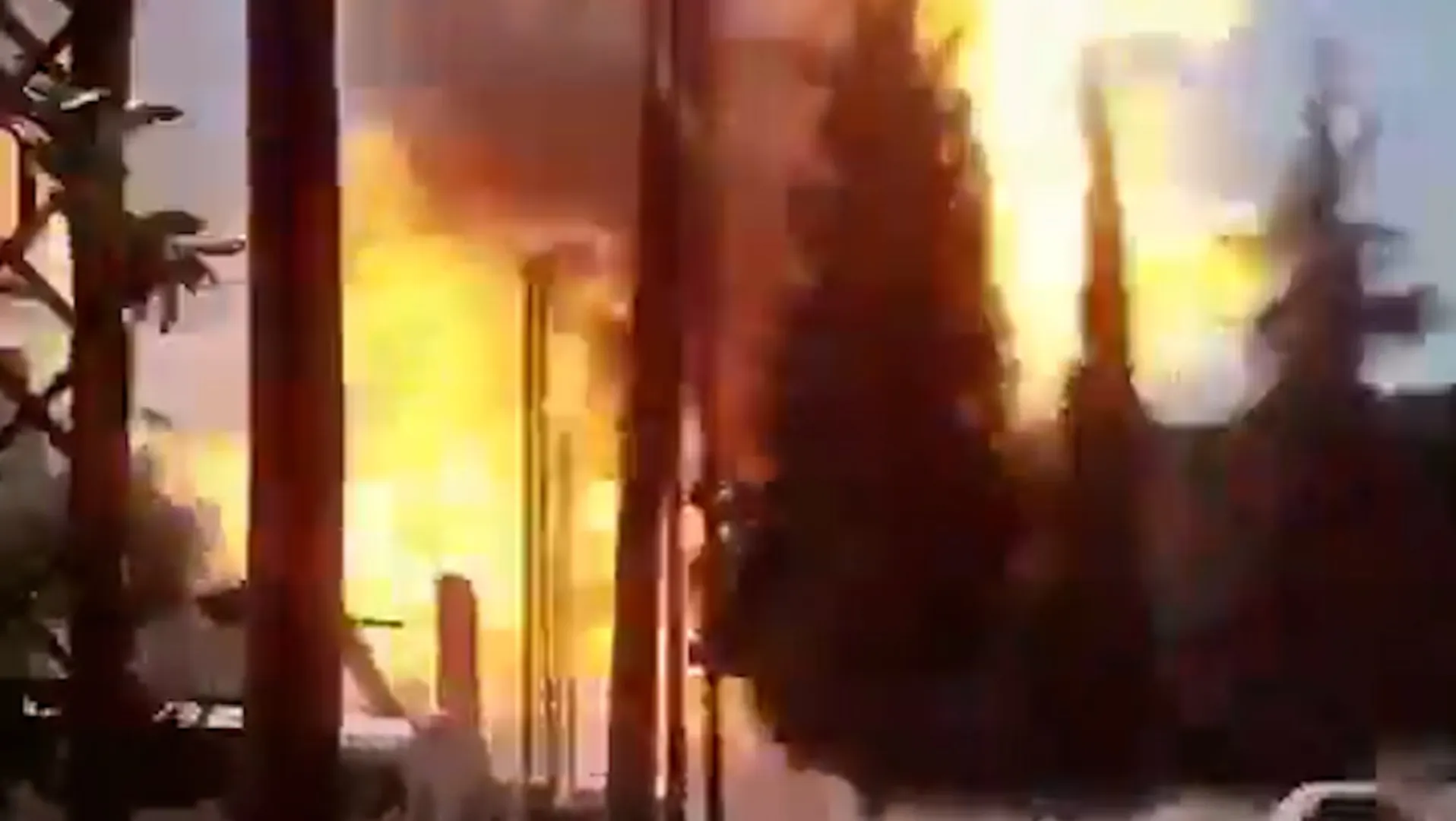
A gas tanker exploded after soaring temperatures sparked a fire near the Lebanese Army barracks in Hermel. The powerful blast damaged nearby homes and vehicles as Civil Defense crews worked to extinguish the flames.
The Israeli Army has released footage of what it says are hidden tunnels under Lebanon’s historic Beaufort Castle, where it says Hezbollah’s command centres were housed. Israeli soldiers recaptured the 900-year-old fortress in June.
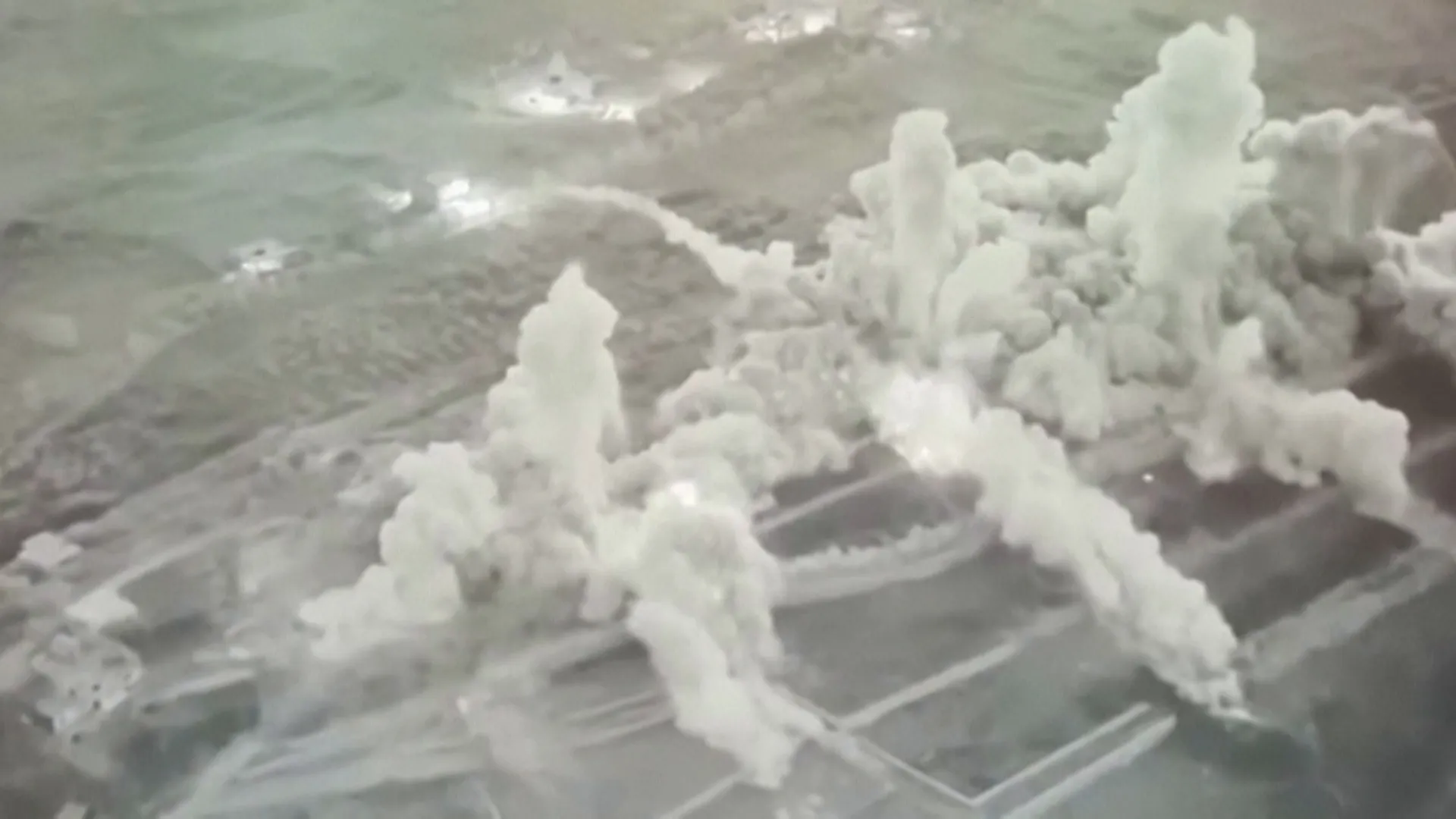
The Israeli military has released video showing huge explosions and detonations in villages in southern Lebanon. Israel says they were targeting Hezbollah infrastructure and tunnels. Meanwhile a US military delegation has met with Lebanon’s army in Beirut to discuss Israel’s planned withdrawal from a ‘pilot zone’ in occupied territory.
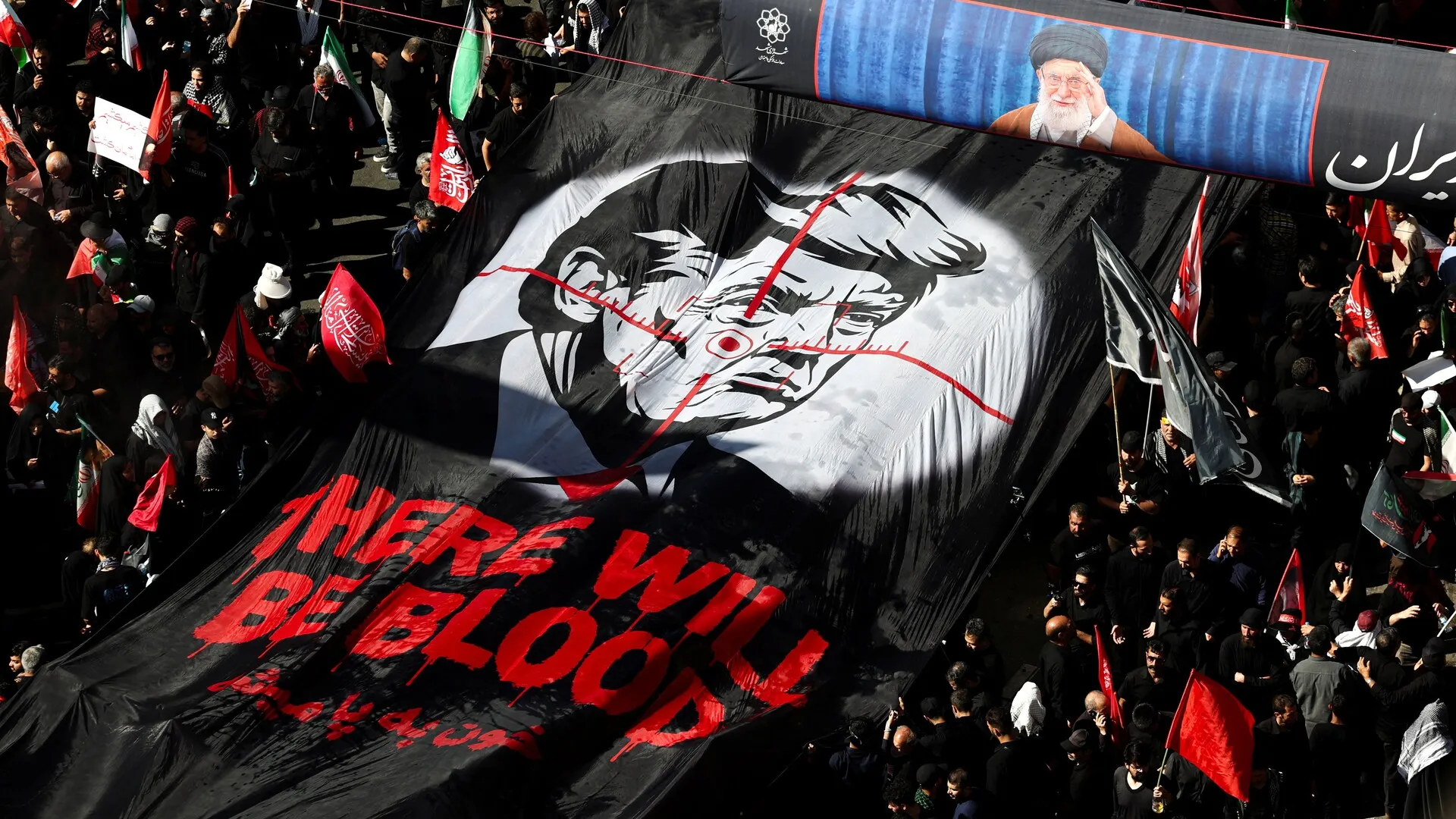
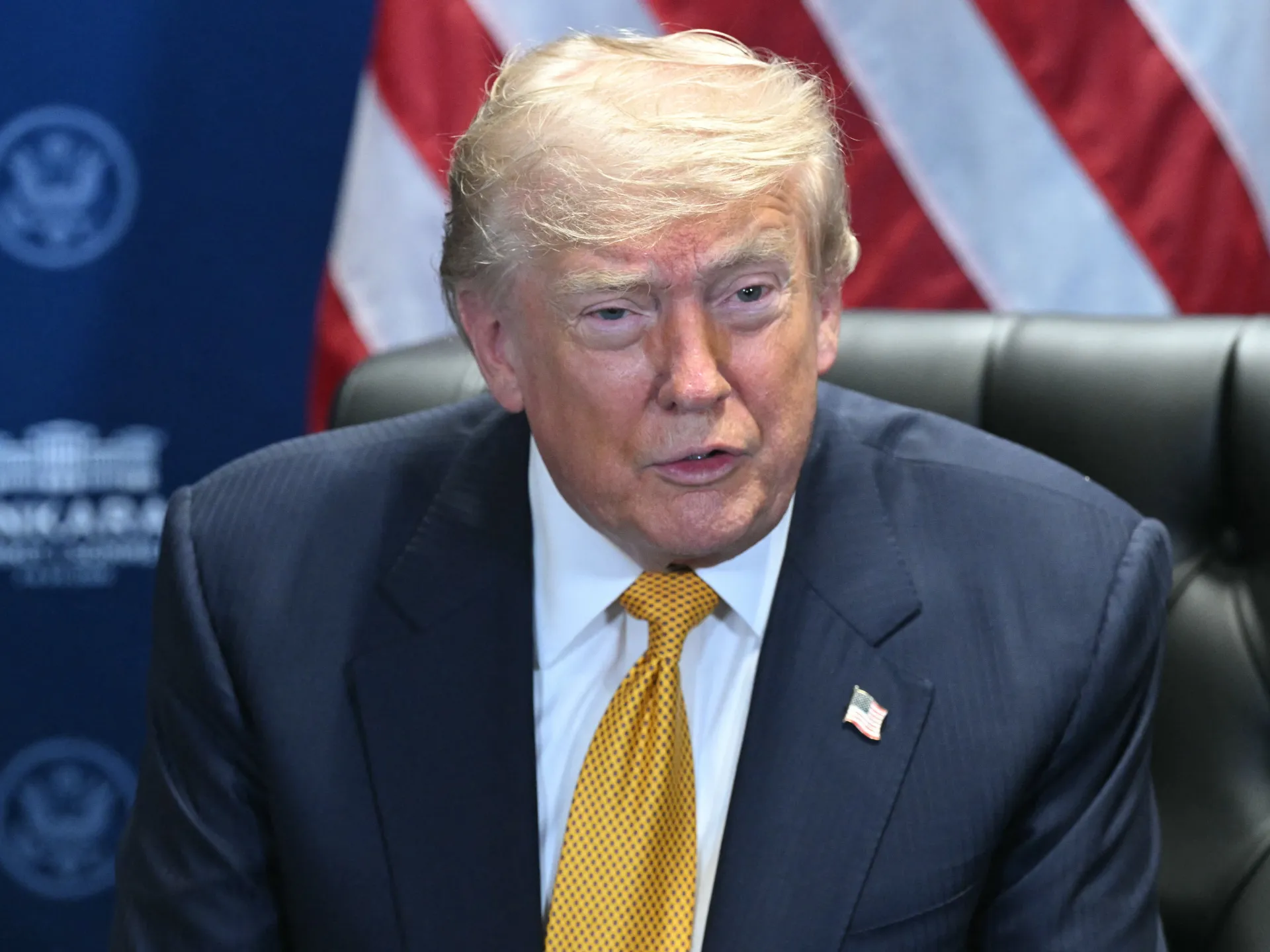
Iranian leaders say they’ll never surrender and US President Donald Trump says the ceasefire between the two sides is ‘over’. Iran and the US are locked in the most serious escalation in almost a month. So is the war back on? Soraya Lennie breaks it down.
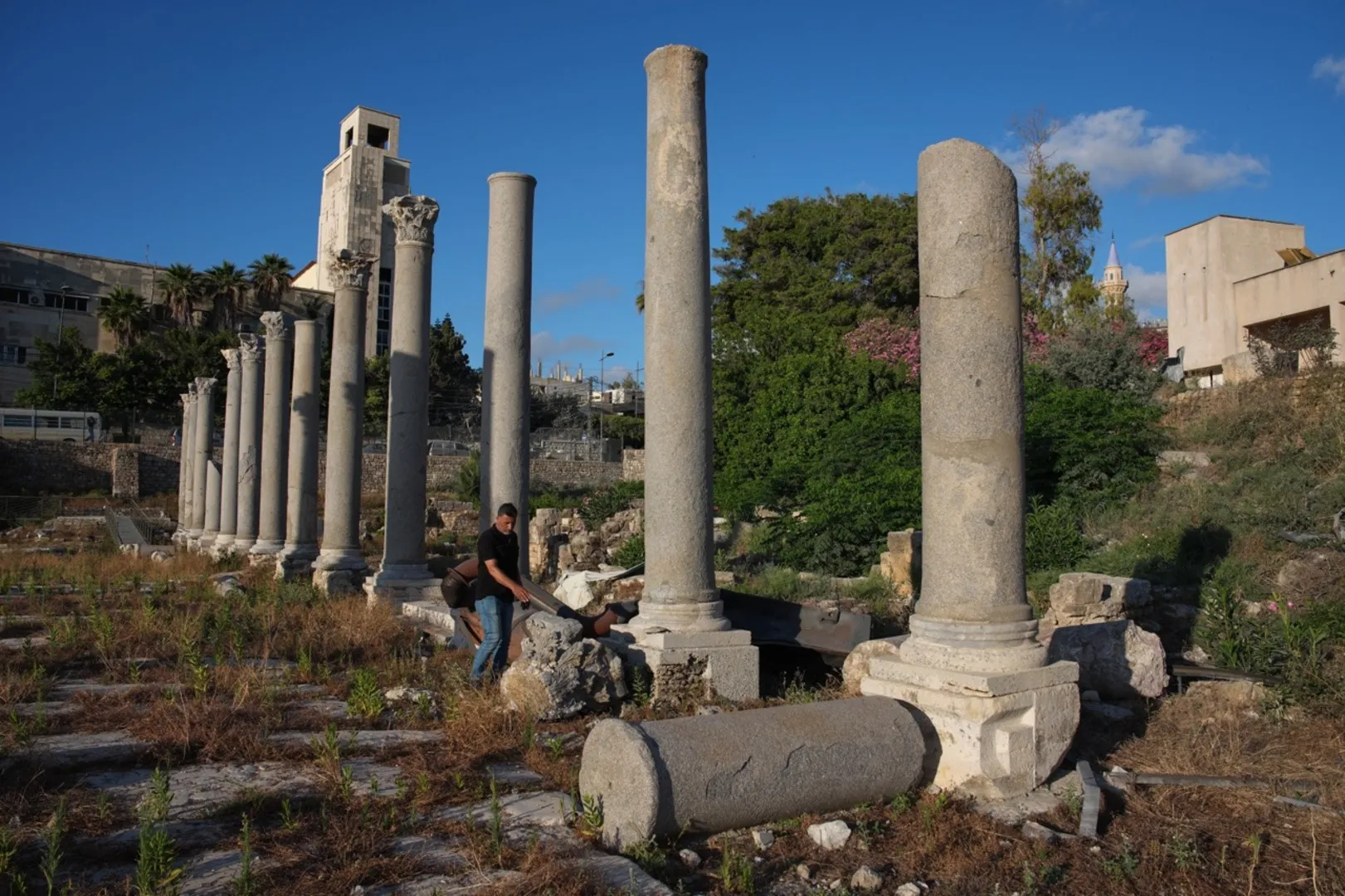
Israeli air strikes on southern Lebanon have caused catastrophic destruction and damaged historic landmarks, including the ancient city of Tyre, one of the world’s oldest continuously inhabited settlements. Rob McBride visited the UNESCO World Heritage site to see the impact first hand.
In the city of Nabatieh, ambulance teams, civil defense units, scouts, municipal workers, and residents joined forces in a large cleanup campaign to remove rubble and reopen streets following extensive destruction caused by the Israeli war on Lebanon.
The Israel-Lebanon framework agreement “threatens to betray the victims of war crimes” in Lebanon, according to six prominent human rights and media freedom organisations.
In a joint statement released on Friday by Amnesty International, Human Rights Watch, the Lebanese Center for Human Rights (CLDH), Legal Agenda, Reporters Without Borders (RSF) and the Union of Journalists in Lebanon, they warned that parts of the agreement “appear to be aimed at preventing victims of serious international crimes from seeking justice before international forums”.
Recommended Stories
list of 4 itemsend of list
The organisations pointed out that clauses 3 and 13 of the agreement, brokered by and signed in the United States on June 26, were particularly concerning as they would “prevent Lebanon and Israel from having recourse to international courts, including the International Criminal Court and the International Court of Justice”.
The six organisations warned that “Clause 3 further violates international law and the prohibition of forced displacement, conditioning the return of residents to specified zones along the border, currently occupied by Israel, to the ‘successful disarmament of non-state armed groups and dismantlement of their infrastructure”.
“Under international humanitarian law, people must be allowed to return once hostilities have ended or the reasons for their displacement cease to exist,” their joint statement said.
The organisations said that Clause 13 was particularly concerning as it prevents civilians from “actions in international political or legal fora [forums]”. This comes after “months of hostilities resulting in immense civilian harm, including as a result of war crimes, violations of international humanitarian law, and gross human rights abuses”.
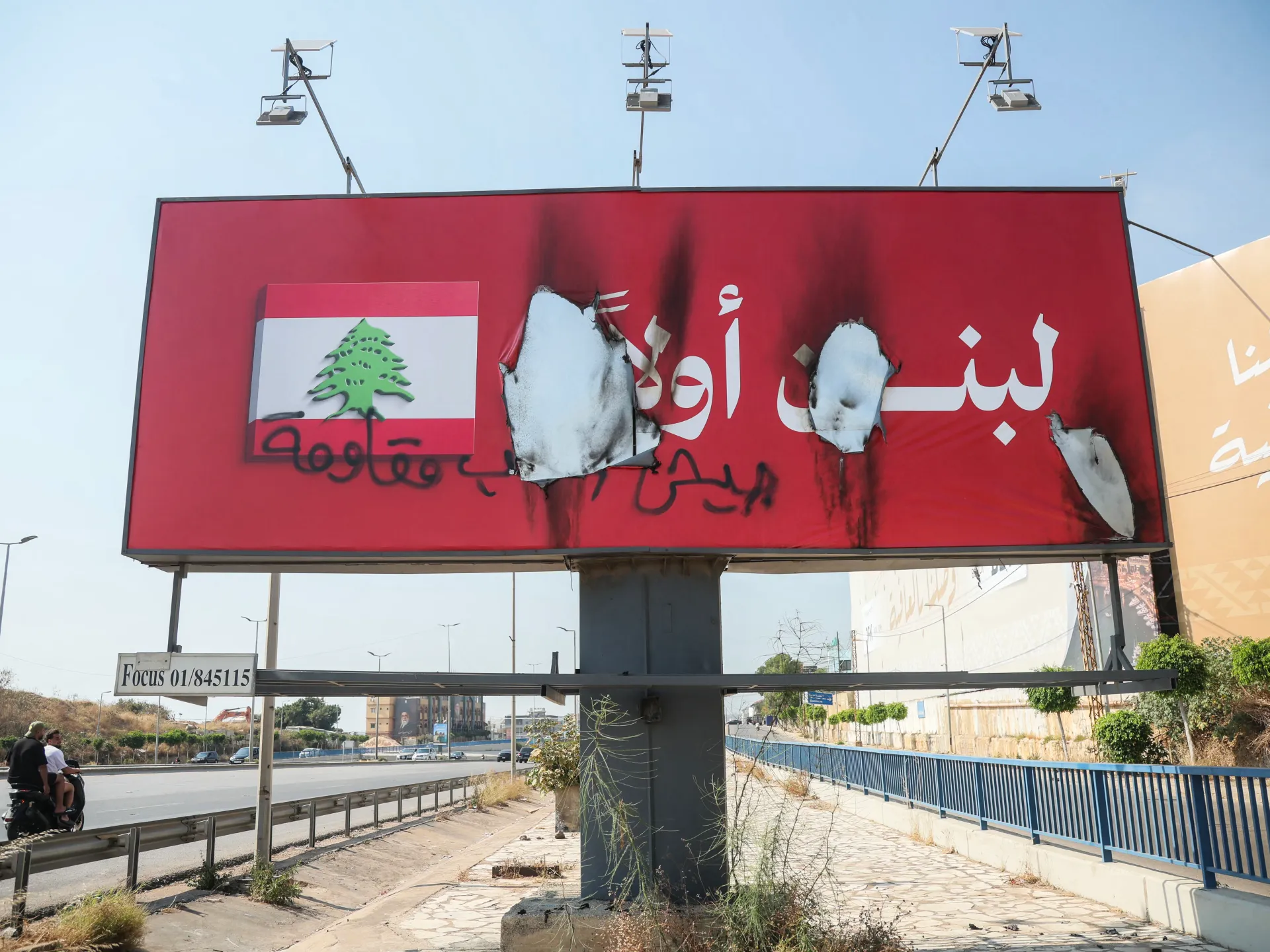
Many in Lebanon have protested and criticised the government for signing the agreement with Israel.
Many critics of the framework deal, which does not force the Israeli army to withdraw from the areas it occupies, are people most impacted by the war, which has killed at least 4,300 people, injured over 12,000 and forced hundreds of thousands from their homes since early March.
The six organisations said the US-brokered agreement appears to “contradict the countries’ international legal obligations to pursue accountability for serious international crimes committed on their territories,” although it “does not appear to commit Israel to halt any initiatives in international forums against Hezbollah”.
“Victims of war crimes and other violations deserve justice,” said Agnes Callamard, Secretary General of Amnesty International. “Any agreement that fails to center their rights to justice, accountability and reparations will falter underneath the very impunity it builds.”
Ghida Frangieh, head of litigation at Legal Agenda, added: “Accountability and respect for international law are not bargaining chips. They are legal obligations. International law is clear: States cannot waive or negotiate away their obligation to investigate and prosecute the most serious crimes of concern to the international community as a whole. Nor can states extinguish individual rights to truth, justice and reparation”.
But Lebanon’s President said on Friday that the framework deal with Israel “does not legitimise the continued Israeli occupation of Lebanon”, but instead empowers the Lebanese army to extend its authority across the country’s territory.
Joseph Aoun made the remarks during a meeting with a delegation from the Association of Lebanese Universities, the Lebanese Order of Physicians and the Lebanese Maronite Order, according to a statement from the presidency.
“Our sovereign decision to separate our track from the Iranian-US track is a problem for some who have become accustomed to being under guardianship that controls us, decides for us and negotiates on our behalf,” Aoun said, adding that the Lebanese army will “fully assume its responsibilities in achieving security and stability in the south after the withdrawal of Israeli forces”.
Meanwhile, with a “ceasefire” in Lebanon agreed on June 21 as part of a deal between Iran and the US, and the Israel-Lebanon framework agreement signed five days later, many displaced Lebanese have been returning to their homes in southern Lebanon.
In a report on Thursday, the International Organisation for Migration (IOM) said 646,107 IDPs (internally displaced persons) have begun returning to their communities, while about 500,000 others remain displaced, based on data collected with local authorities since June 22.
Lebanese authorities said they were working to remove informal encampments in and around capital Beirut and to reduce the number of official shelters.
However, many people in southern Lebanon said they have nowhere to return to, as dozens of towns and villages near the border have been destroyed by Israeli forces.
Israeli Prime Minister Benjamin Netanyahu has said the military “will not leave” southern Lebanon as long as Hezbollah remains a “threat”. Hezbollah has rejected the deal with Israel as “null and void”, saying any attempt to link an Israeli withdrawal to its disarmament crossed “all red lines”.
Iran and U.S. negotiators will meet with intermediaries Wednesday to discuss the cease-fire agreement. Photo by Abedin Taherkenareh/EPA
July 1 (UPI) — Envoys Steve Witkoff and Jared Kushner and their Iranian counterparts are planning to meet with Qatari negotiators Wednesday for ongoing peace talks.
Iran and Qatar have said that there will be no direct, high-level meetings between United States and Iranian officials and that all discussions will be through Qatari intermediaries, The New York Times reported. Today’s negotiations will be about the cease-fire agreement and getting it implemented, a spokesperson told The Times.
Iran’s negotiator Mohammad Bagher Ghalibaf, in an interview with Iran’s state media Tuesday, laid out the most important provisions of the memorandum of understanding signed on June 17.
Ghalibaf said the most important prerequisite provisions to Iranian negotiators were Articles 1, 4, 5, 10 and 11, CNN reported.
Article 1 demands an end to all fighting, including in Lebanon. Israel and Lebanon signed a cease-fire agreement on Saturday, but Hezbollah hasn’t agreed to it.
Article 4 says that the United States must lift its naval blockade and Iran must allow shipping traffic through the Strait of Hormuz. The U.S. Navy is no longer blocking the strait but it still has a presence there. Article 5 says that Iran will allow passage through the strait with no tolls for 60 days.
The next two articles are about Iranian money and oil sales. Article 10 says the U.S. will allow waivers for Iran to sell its oil, which has happened – at least for 60 days. And Article 11 says that the United States will make frozen Iranian assets available, which is unclear. The United States has said that Iran must fulfill its commitments first.
Traffic through the strait is picking up, with 34 ships passing through on Tuesday, CNN said, though that’s far from pre-war levels, which saw about 100 per day.
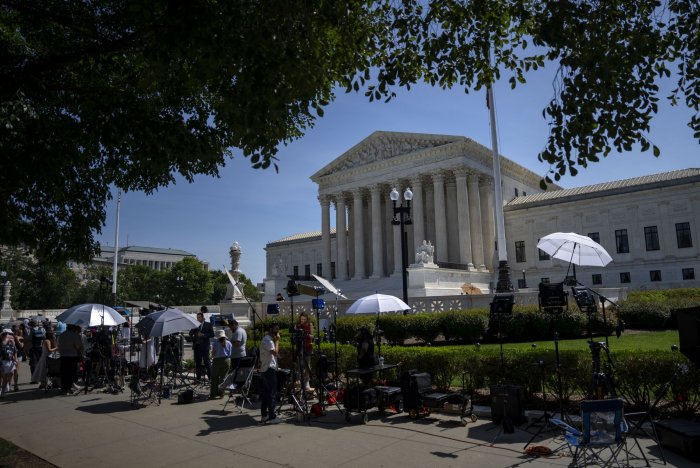
News anchors are seen outside the Supreme Court of the United States as the court releases their final opinions before summer recess on Tuesday. The court upheld birthright citizenship and also state laws banning transgender women and girls from playing on school athletic teams. Photo by Bonnie Cash/UPI | License Photo
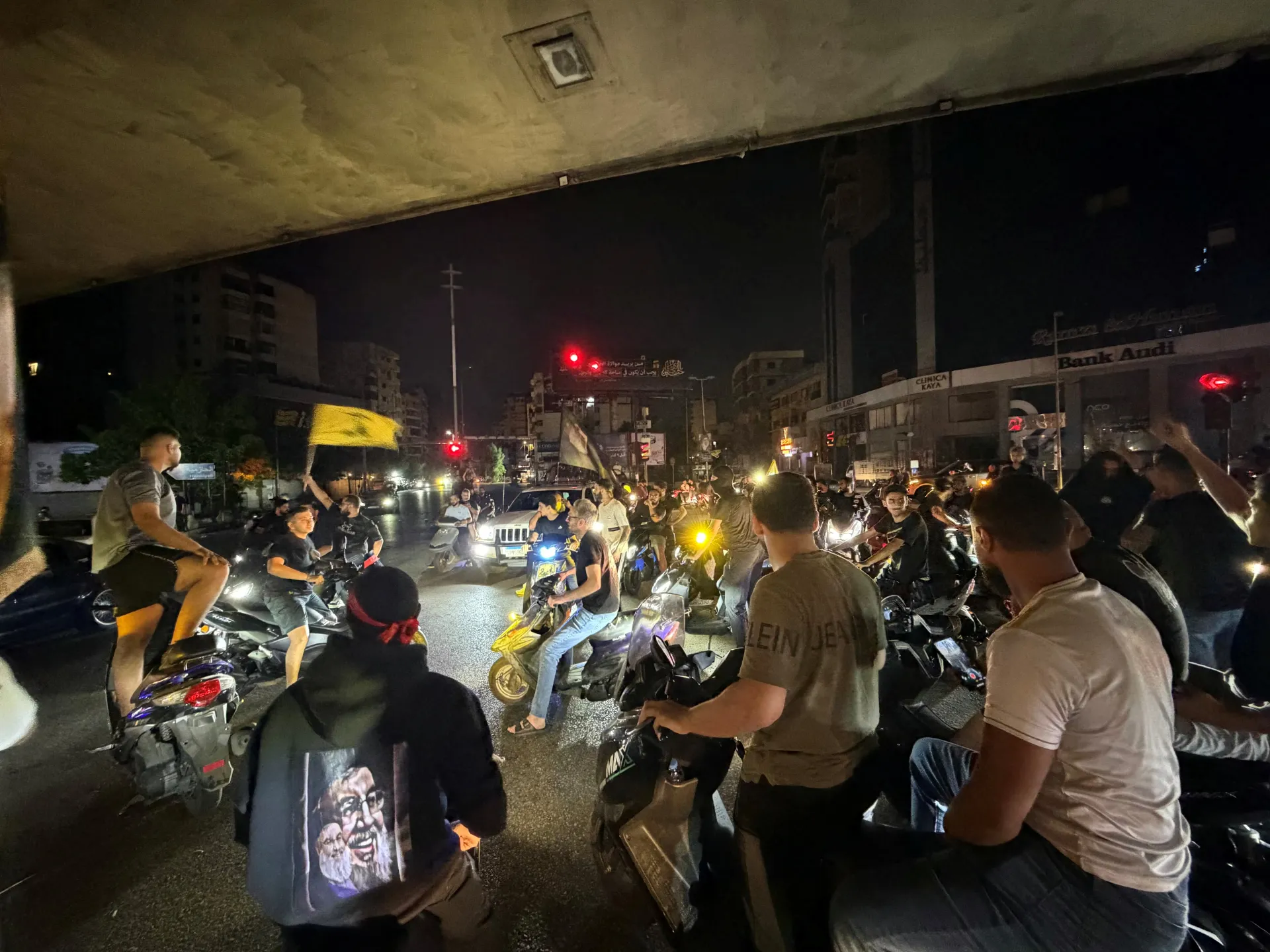
Beirut, Lebanon – After the governments of Lebanon and Israel on Friday signed a United States-brokered framework agreement following months of direct negotiations, protesters took to the streets of the Lebanese capital to express their anger at the deal.
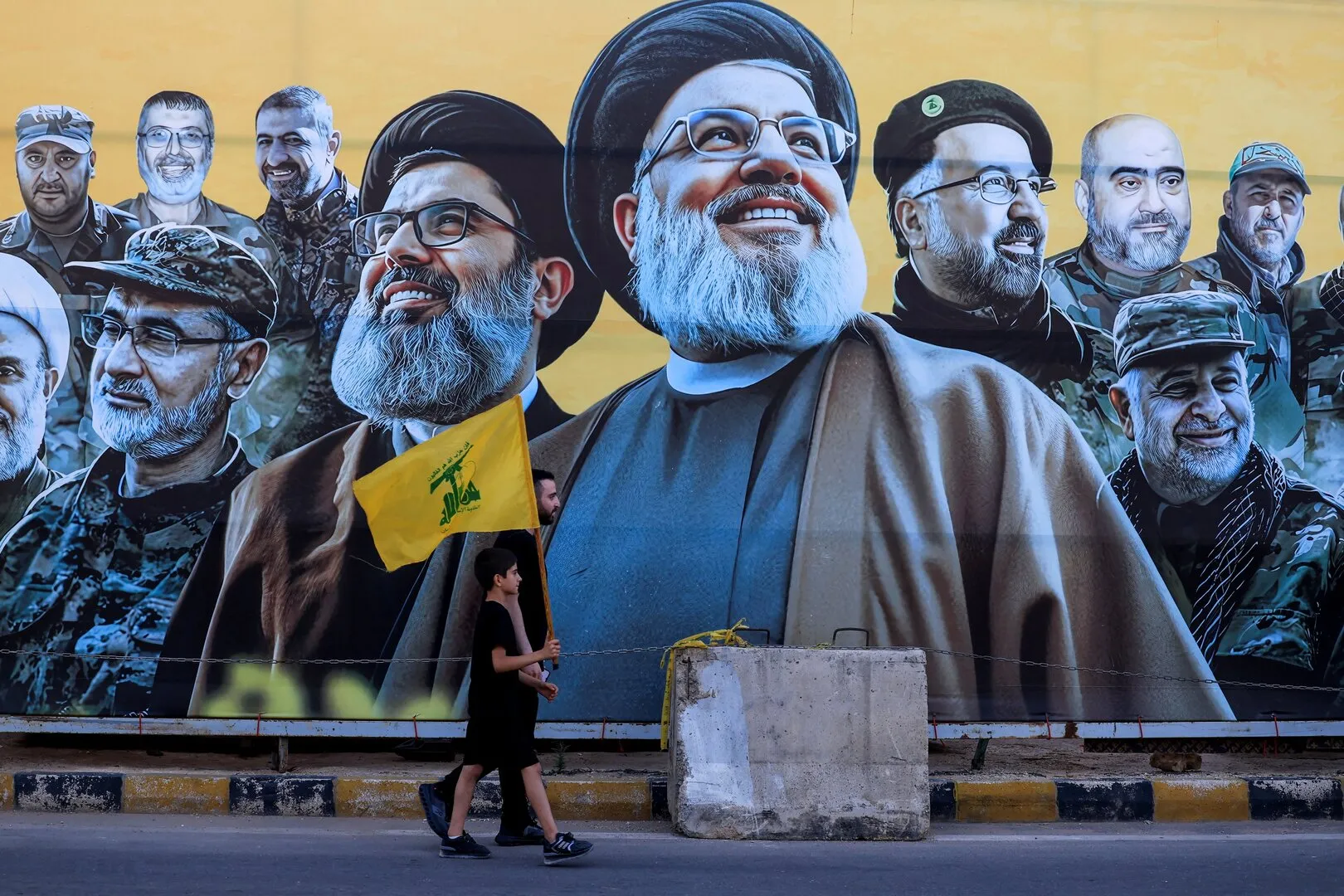
Many of the demonstrators waved flags of the Iran-backed group Hezbollah, which has been militarily confronting Israel’s ongoing invasion and occupation of large swaths of southern Lebanon.
Israel and Hezbollah have been fighting since October 2023, with varying levels of intensity, but the former has twice escalated the conflict – first in September 2024 and then nearly four months ago.
Some of the harshest critics of the framework, which does not force the Israeli army to withdraw from the areas it occupies, have been those most deeply impacted by Israel’s war, which has killed more than 4,200 people and forced hundreds of thousands from their homes since early March.
“After everything my family, my village, the south, and Dahiyeh have endured – the destruction, the displacement, the grief and the loss – it is incredibly difficult for me to accept an agreement with the same state that carried out the military actions that devastated our communities,” said Ali Zaytoun, a resident of Beirut’s southern suburbs, known as Dahiyeh.
Zaytoun, who runs a popular Instagram account called History of Dahieh, said he had been displaced multiple times due to Israeli attacks.
“Imagine someone destroys your home and your life, and then you’re expected to simply move on as if nothing happened,” said Zaytoun. “My protest is about remembering those who suffered, standing up for my community, and expressing that this agreement does not reflect the justice or respect that people who lived through this war deserve.”
A new Oslo?
The Israeli intensification on March 2 came after Hezbollah fired on Israel for the first time in more than a year following the killing of Iranian Supreme Leader Ali Khamenei in a joint US-Israeli air attack on Tehran two days earlier, and as a response to more than 10,000 Israeli violations of a ceasefire reached in November 2024.
On the same day, the Lebanese government declared Hezbollah’s military activities illegal and later tried – unsuccessfully – to expel the Iranian ambassador.
Its position was that Hezbollah’s actions invited Israel’s wrath in a war fought on behalf of Iran and not the people of Lebanon.
Hezbollah, however, continued fighting Israel in southern Lebanon, where the Israeli army has established what it calls a “security zone” that goes as deep as 10km (6.2 miles) into the country.
As attacks continued, Lebanon’s government entered the United States-brokered negotiations with Israel, despite Hezbollah’s objections.
The final text of the 14-point Washington agreement states Israel has no claim to Lebanese territory and that the Lebanese Armed Forces (LAF) will eventually be the authority in southern Lebanon, “pending the verified disarmament of” non-state armed groups such as Hezbollah.
Proponents point to Israel recognising Lebanon’s authority over its own territory, though critics say the framework relies too heavily on the US – Israel’s main military and diplomatic backer and a signatory to the deal – to enforce it.
“The United States is unlikely to act as a neutral mediator and will almost certainly align with Israeli positions whenever disputes arise over the interpretation or implementation of the agreement,” said Karim Emile Bitar, a professor of international relations at the Saint Joseph University of Beirut.
“This creates a fundamentally asymmetric negotiating environment in which Lebanon has little leverage and few effective guarantees.”
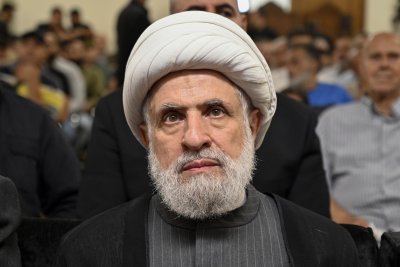
Hezbollah chief Naim Qassem declared the agreement “null and void”, calling it “humiliating, shameful, and a surrender of sovereignty”, while Hassan Fadlallah, a Hezbollah lawmaker, warned of “internal conflict” in Lebanon.
Parliament Speaker Nabih Berri called for calm but also declared that the deal was an attempt to incite strife.
Those who backed the government said it had originally little choice but to enter direct negotiations, given its limited leverage in a war where Israel has technological superiority and unwavering US support.
Lebanese Prime Minister Nawaf Salam wrote on social media after the agreement’s signing that it “aims to achieve Israel’s withdrawal from all Lebanese territories”, while President Joseph Aoun called it “a first step” towards restoring Lebanon’s sovereignty.
Still, the final terms of the deal were criticised by many analysts.
“This framework agreement essentially mirrors the reality of the military and political balance on the ground, which is decisively tilted in Israel’s favour,” said Bitar.
Bitar said the agreement was reminiscent of the Oslo Accords, a series of US-brokered agreements signed by the Palestine Liberation Organization (PLO) and Israel in the 1990s.
“We see a similar pattern here: Israeli negotiators seek recognition and get the other side to relinquish leverage while offering no binding timetable or reciprocal obligations,” he added.
On Saturday, Israeli Defence Minister Israel Katz insisted soldiers will remain in Lebanon until Hezbollah is disarmed.
US reliance
Days before the signing of the Washington framework, Iran and the US agreed on a memorandum of understanding (MoU) that aims to end the war launched by the US and Israel against Iran in late February.
The MoU declared, among other things, “the immediate and permanent termination of military operations on all fronts, including Lebanon”, between the two countries and their allies.
Lebanon’s inclusion in the MoU was reportedly an Iranian priority, while a “deconfliction cell” was formed to bolster the supposed ceasefire in the country.
Throughout the war and the period of negotiations, Lebanon’s government has tried to separate itself from Iran – but some said it may have gone too far in the other direction.
“We are seeing the confirmation of what Hezbollah has been warning all along. Not because Hezbollah got it right, but because the Lebanese state got it so wrong,” said Lebanese writer Elia Ayoub.
“I understand the need to not depend on Iran, but what we’ve instead done is become even more dependent on the US than we’ve previously been,” added Ayoub, the founder of the podcast The Fire These Times.
“And it’s the US that has been bankrolling Israel’s genocide in Palestine and war crimes in Lebanon,” Ayoub added.
Analysts also questioned whether the government would be able to implement the deal.
“It appears that the Lebanese side has come under significant US pressure to sign an agreement that is very likely to remain little more than ink on paper, and very unlikely to be implemented in any meaningful way,” said Bitar.
Karim Safieddine, a nonresident fellow with the Tahrir Institute for Middle East Policy, said the framework left the Lebanese government with “very little agency”.
“It’s Israel imposing a deal,” he added. “It’s very clear what this deal is. It’s just a surrender agreement.”
At the same time, some pointed to similarities to the 2024 ceasefire agreement, expressing doubt whether Israel will be incentivised to respect the framework.
“It’s one thing to sign a declaration of intent; it’s another thing to have it implemented, and I can see all kinds of problems emerging from this,” said Nicholas Blanford, a nonresident fellow at the Atlantic Council and author of a book on Hezbollah.
Last year, Israel repeatedly complained that LAF’s efforts to disarm Hezbollah were either too slow or ineffective. The US often sided with Israel despite diplomatic attempts from European and other officials encouraging it to support LAF.
In a call with his US counterpart, President Donald Trump, on Saturday, Aoun said Lebanon “would assume its responsibilities” in implementing the framework and expressed hope Washington would help ensure that commitments are fulfilled, particularly by pressing Israel to pull out from the areas it occupies.
Point 9 of the agreement states Lebanon’s government commits to a “rigorous, performance-based program to enable the capacity of the LAF to assert full military and security control within Lebanon … to implement the disarmament of all non-state armed groups”.
This provision has some in Lebanon worried about potential confrontations between LAF and Hezbollah, but Blanford said the possibility of a large escalation is currently not likely.
“The Lebanese army and the government are unwilling to use force against Hezbollah,” he said. “Forcibly trying to disarm a group that is refusing to disarm is an act of war. And I think the Lebanese army and the Lebanese government would be extremely wary of that.”
Hezbollah calls the deal a surrender as Israeli forces stay put and continue striking the south.
Israel has resumed air strikes on southern Lebanon, only days after signing a US-brokered agreement meant to end its war with the country.
The strikes came on Sunday, two days after the framework was signed in Washington following five rounds of talks.
Recommended Stories
list of 3 itemsend of list
Each side is presenting the same document as a victory on its own terms, and the deal has been rejected by Hezbollah and by far-right Israelis, raising immediate doubts over whether it can hold.
Lebanon’s state-run National News Agency (NNA) reported a series of attacks in the south on Sunday, a day after the Lebanese Ministry of Health said one person was killed in an Israeli attack there, the first death since the deal was signed.
Israeli aircraft were also active, with NNA reporting drones flying over the northeastern city of Baalbek and warplanes staging what residents described as a mock raid over nearby highlands.
Israel said its forces were targeting members of Hezbollah, the Lebanese armed group, near the buffer zone its troops occupy inside the country.
The Israeli military also announced that one of its soldiers had been killed in combat in the south. It named him as Captain David Hazutt, 21, a platoon commander in the Golani Brigade, an elite infantry unit, and said a second soldier was lightly wounded.
Israel’s military chief approved continued operations in the zone, saying they were in line with the ceasefire.
Israeli Prime Minister Benjamin Netanyahu on Sunday called the agreement “historic” and “a massive blow to Iran and Hezbollah”.
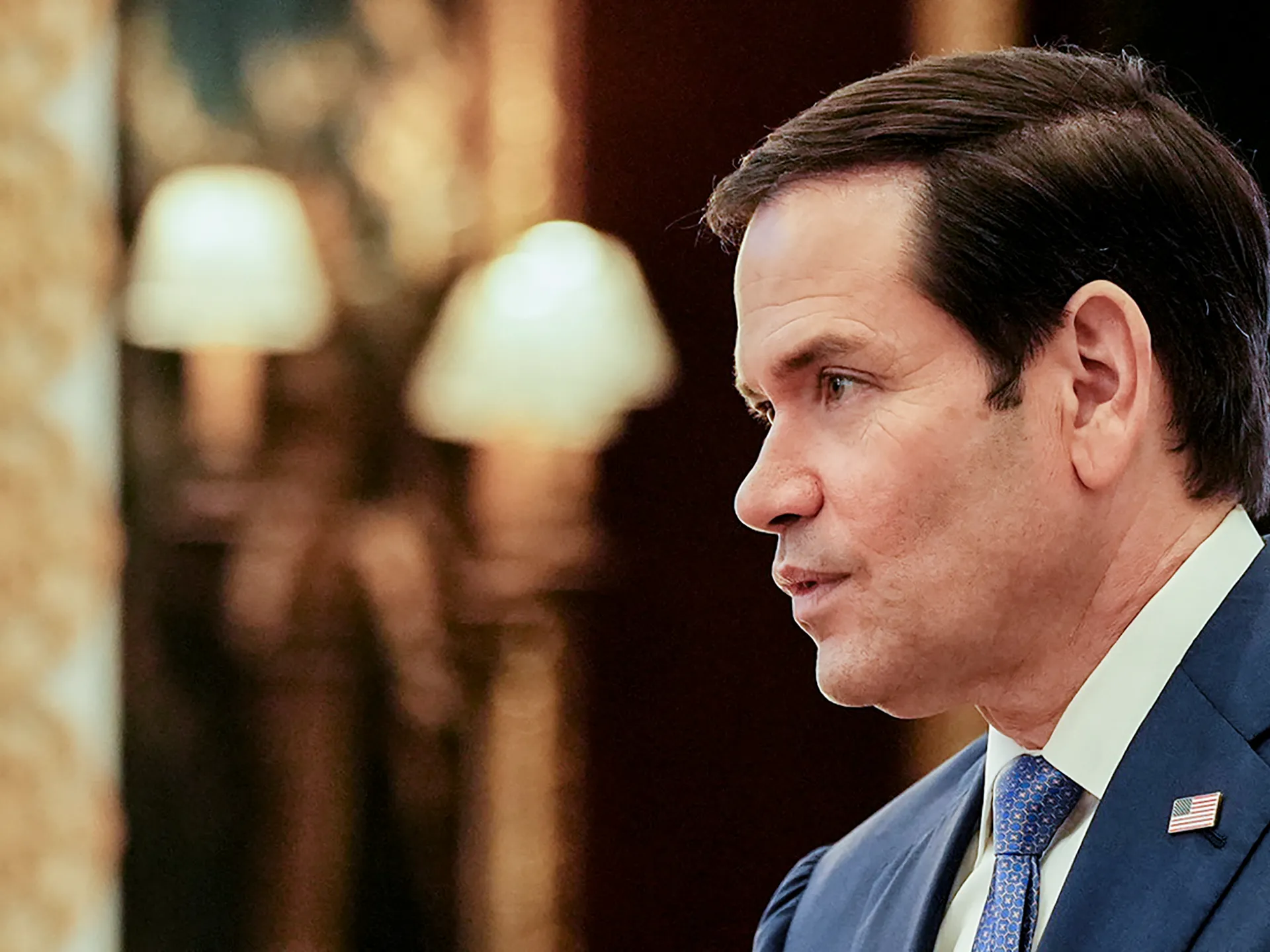
An agreement was struck between Lebanon and Israel on Friday in Washington, which was described cautiously by United States Secretary of State Marco Rubio as “the beginning of the beginning”.
At the time, Lebanese Prime Minister Nawaf Salam said that the agreement “aims to achieve Israel’s withdrawal from all Lebanese territories”.
Defence Minister Israel Katz said on Saturday that Israeli forces were preparing for an extended stay in the buffer zone, and would remain as long as the group held on to its weapons.
Hezbollah leader Naim Qassem rejected the deal in a statement on Saturday, calling it “humiliating” and “a surrender of sovereignty” and saying his fighters would not leave the battlefield.
Hassan Fadlallah, a Hezbollah member of parliament, said on Sunday that any move by the Lebanese army to enforce the agreement would push the country towards internal conflict, as supporters of the group protested across the capital against the deal.
Itamar Ben-Gvir, Israel’s far-right national security minister, said the deal handed Hezbollah a “lifeline” and dismissed the idea that Lebanon’s army could disarm the group. He said he had opposed the agreement in cabinet for weeks and would continue to do so.
The war began on March 2, when Hezbollah fired rockets at Israel in response to the killing of Iran’s supreme leader in US-Israeli strikes.
Israel answered with heavy air raids and a ground invasion. More than 4,200 people have been killed in Lebanon since then, according to the country’s Health Ministry.
Iranian Foreign Minister Abbas Araghchi said on Sunday that Washington should force Israel to stop its strikes and pull out of the areas it occupies in Lebanon, citing a separate understanding he said was binding on both Israel and the United States.
Tehran, Iran– The memorandum of understanding (MoU) signed last week between Iran and the United States appears to be in jeopardy after a second day of military strikes, as well as the a framework agreement that entrenches Israeli forces on Lebanese soil.
The Islamic Revolutionary Guard Corps (IRGC) on Sunday released video showing the launch of ballistic missiles overnight, with a message written on them in English and Persian saying US President Donald Trump was insisting on a “defeated war”.
Recommended Stories
list of 3 itemsend of list
The IRGC said it had fired missiles and drones towards the US Ali Al Salem airbase in Kuwait and the US Fifth Naval Fleet in Bahrain in retaliation for a second day of US strikes. It threatened more attacks if the deal is violated again by the “deceitful” US, which, along with Israel launched air attacks across Iran on February 28.
The exchanges of fire come after the US coordinated the transit of vessels out of the Strait of Hormuz in cooperation with Oman and the International Maritime Organization.
Many ships were being directed through Oman’s waters, which prompted the IRGC to hit a container ship and a tanker with explosive-laden drones in an attempt to force traffic to pass through Iranian waters instead.
Speaking to reporters in neighbouring Iraq on Sunday, Foreign Minister Abbas Araghchi said Iran will exercise sole management and oversight of the critical waterway for the next 30 days before allowing full traffic to resume.
He also emphasised the first clause of the June 17 MoU, which says military operations must immediately and permanently end on all fronts, including Lebanon, and urged Washington to exert pressure on Israel to stop attacking southern Lebanon.
The governments of Israel and Lebanon reached a US-brokered framework deal on Friday that allows Israeli forces to remain in southern Lebanon, until Tehran-backed Hezbollah is fully disarmed. That appears to contradict the MoU signed with Iran.
Hezbollah swiftly rejected the agreement, calling it “humiliating, shameful and a surrender” of Lebanon’s sovereignty.
Negar Mortazavi, a senior fellow at the Center for International Policy, said she expected the Lebanon issue to negatively impact the MoU because Hezbollah was not on board and the Lebanese government’s previous ceasefire deals with Israel have been repeatedly violated.
She also told Al Jazeera that Iran has found tremendous leverage with the Strait of Hormuz, treating it as a “golden card”, as the disruption to oil exports has heavily impacted markets and made the war unpopular among many, including in the US.
“They are using that leverage to the max and not going back to the status before the war, pretending like no war happened,” she said, adding that Iranian authorities and the IRGC have sought to centre themselves in the process of coordinating transit through the strait.
“They’re saying they want traffic to go through in coordination with them, and I think they will be able to exert that kind of power,” she said.
On Saturday, Iran’s President Masoud Pezeshkian, Speaker and chief negotiator Mohammad Bagher Ghalibaf and judiciary chief Gholam-Hossein Mohseni-Ejei released an image of their first publicised trilateral meeting since the start of the war more than four months ago.
Supreme Leader Mojtaba Khamenei has not been seen or heard from since succeeding his father, Ayatollah Ali Khamenei, who was killed in a US-Israeli attack on the first day of the war. But a new written text message attributed to him on Sunday said: “What is certain is that the criminals must be seized by the collar and made to face the punishment for their criminal acts”.
Supporters of the Islamic Republic cheered on the latest IRGC attacks against US interests as they continued demonstrating on the streets overnight into Sunday as hardline politicians and analysts called for further attacks until Iran gets better concessions.
On the state-linked talk show, Tamam Rokh, political analysts said Tehran should significantly strengthen its ties with Moscow and Beijing.
“We could do many things with help from Russia and China to damage US strategic equipment in the region like vessels, refuelling aircraft and electronic warfare,” pro-state analyst Ali Samadzadeh said on the programme on Saturday.
“There was no movement in Tehran to tie Beijing and Moscow to the war, and this major flaw exists in the form of the negotiations and the text of the MoU as well,” he said.
More than 60 hardline legislators on Sunday postponed plans to protest against the closure of parliament since the start of the war after its presiding board said it would meet to reconvene the assembly, following Ali Khamenei’s burial next month.
Many others say demands for extracting major concessions from the US and Israel do not correspond with the reality of the situation after months of war.
“In terms of military power, we couldn’t do anything about the US blockade and we didn’t think the crisis would get so serious,” pro-state commentator Vahid Ashtari told crowds at a street event in Tehran.
“I think a type of blind idealism has emerged that believes we are on top and at the peak, so we shouldn’t make a deal. But there are facts on the ground. We have some missiles and drones to carry out an asymmetric defence, but we have no fighter jets to fly to the US and hit Trump. Not only could we not avenge [Khamenei], we could not avenge Haj Qassem either,” he added, in reference to General Qassem Soleimani, who was assassinated by the US in 2020.
After two nights of attacks, Iran’s financial markets also reacted poorly, with the national currency losing gains since the signing of the MoU to trade at about 1.7 million rials against the dollar in Tehran’s open market on Sunday.
The main index of the Tehran Stock Exchange also lost more than 100,000 points to stand at just over five million points at the end of trading on Sunday, the second day of the working week in Iran.
Vahid, a 37-year-old mechanic who also deals in car parts in Tehran’s Grand Bazaar, told Al Jazeera that while the market has marginally improved since the signing of the deal with the US, it is still treading on thin ice.
He said parts for foreign cars are becoming harder to find, while prices have been rising rapidly for both domestic and foreign vehicle parts.
“I think the war will start again over the coming months and some in the bazaar think the same,” he said.
Hezbollah deputy leader Naim Qassem has rejected a new cease-fire between Lebanon and Israel. File Photo by Wael Hamzeh/EPA
June 27 (UPI) — Israel and Lebanon have created a framework for a cease-fire, though Hezbollah is already rejecting it because it calls for disarming the organization.
The neighboring countries signed a cease-fire deal in Washington, D.C., Friday without Hezbollah’s input. The deal says that Israel will withdraw from Lebanon if Hezbollah is disarmed. But Hezbollah leader Naim Kassem said the group will keep fighting until Israel is forced to leave Lebanon.
It’s unclear how Lebanon plans to force Hezbollah to disarm.
“The important principle established in the agreement is that there will be no redeployment by Israel in southern Lebanon, no withdrawal, as long as the terrorist organization Hezbollah is not disarmed throughout Lebanon, and the safety of the residents of the north is guaranteed,” Israeli Defense Minister Israel Katz said in a video statement Saturday evening.
“This is the basic condition to which Prime Minister Benjamin Netanyahu and I have pledged and which we are being implemented,” he said.
Israel said it warned its military to plan for an extended stay.
“The test will be in implementing the agreement, and many more challenges are expected,” Katz said. “The Prime Minister and I have instructed the IDF to prepare for an extended stay in the security zone, and to deploy accordingly to protect IDF soldiers and remove threats from northern communities.”
Hezbollah supporters protested in Beirut after the agreement was announced.
A former U.S. diplomat told Al Jazeera that the cease-fire deal benefits Israel more and could be dangerous for Lebanon.
“In the end, I don’t think it will achieve peace. It’s a formula for an open-ended struggle. In the long run, it’s not even really good for Israel, although right now they feel like they have the upper hand,” Middle-East expert Nabeel Khoury said.
But the agreement will allow Israeli troops to return home.
“Essentially, these demands that the Lebanese armed forces do the work that the Israelis couldn’t do, or it proved too costly for the Israelis to do. They want the Lebanese army to do their bidding,” Khoury said.
“If the Lebanese army can go after Hezbollah, all over Lebanon, is what is being demanded of them, and the Israelis simply lend air support, then this is advantageous for Israel,” he added.
The cease-fire framework calls for Israel to initially withdraw from two small areas called pilot zones. But it didn’t say where those areas are. Then, the Lebanese army will gradually take over security for the areas.
Israel and Lebanon have agreed on a new framework agreement after four days of marathon talks in Washington, DC, brokered by the United States, trying to end the months-long conflict.
Israel has been occupying almost 20 percent of Lebanese territory in the south and has killed more than 4,000 people since fighting erupted on March 2. A previous bout of fighting ended in a ceasefire in November 2024, but Israel carried out almost daily attacks and refused to end its occupation in breach of the deal.
The new deal, however, does not specifically call for the withdrawal of the Israeli forces and instead ties it to the disarmament of Hezbollah – a condition repeatedly rejected by the Iran-backed armed group.
Hezbollah chief Naim Qassem on Saturday rejected the framework agreement, calling it “null and void”. Hezbollah has demanded that Israel first end its occupation.
Hezbollah supporters flooded the streets of the capital, Beirut, on Friday evening to oppose the deal.
So, what is the new agreement, which does not include Hezbollah, and can it lead to peace in Lebanon?
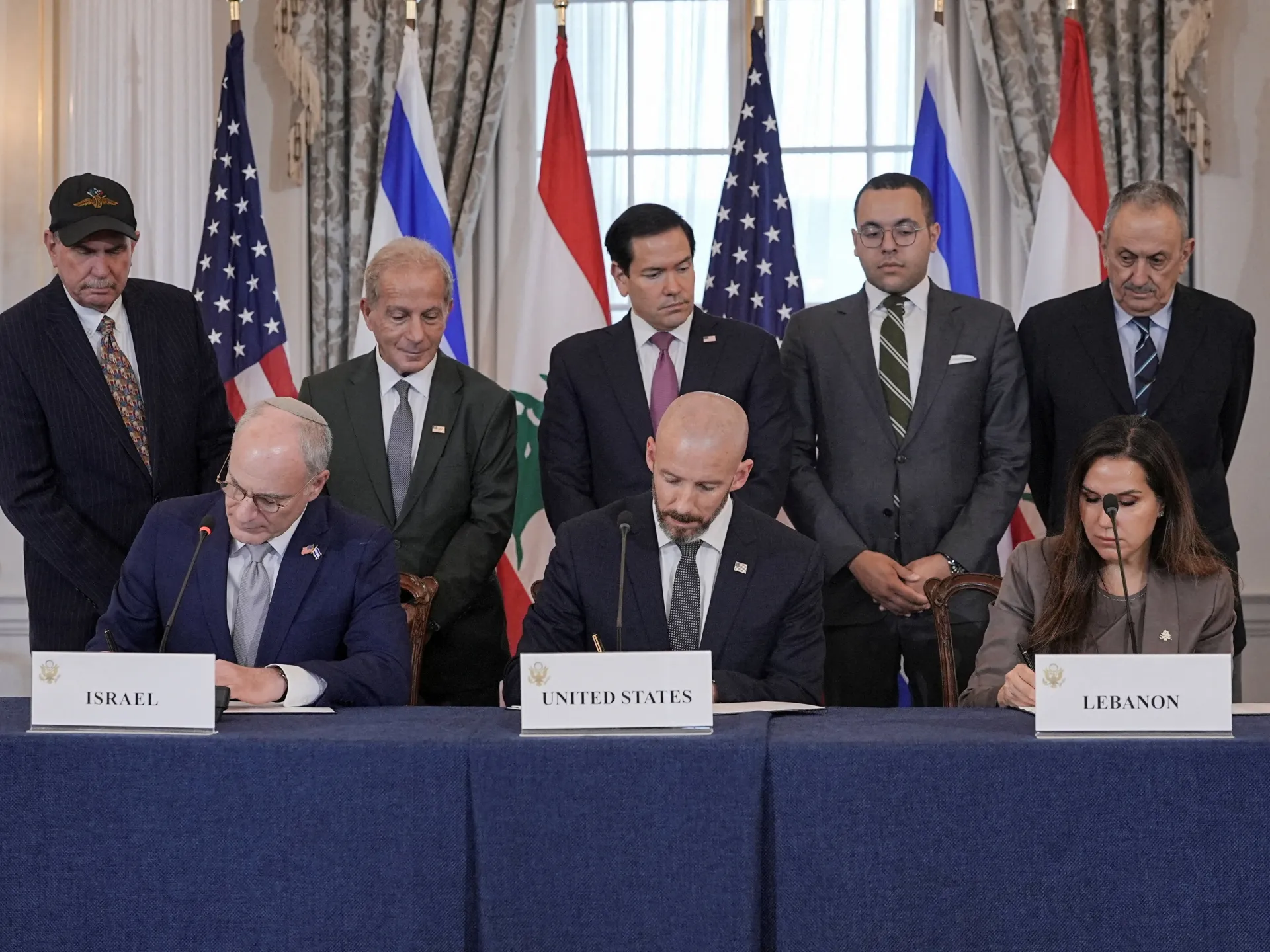
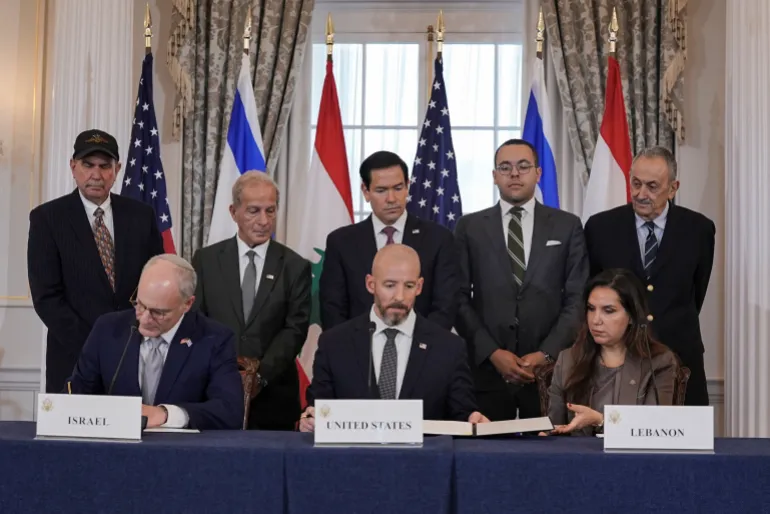
US Secretary of State Marco Rubio looks on as State Department Counsellor Daniel Holler, Israel’s ambassador to the US, Yechiel Leiter, and Lebanon’s ambassador to the US, Nada Hamadeh, sign a framework agreement between Israel and Lebanon, at the State Department in Washington, DC, June 26, 2026 [Ken Cedeno/Reuters]
What’s in the Israel-Lebanon agreement?
After the trilateral signing in Washington, the US Department of State released the text of the agreement, which talks of a “sequenced process” that will see the Lebanese army restore “effective sovereign authority over all Lebanese territory, pending the verified disarmament of non-state armed groups” – a clear reference to Hezbollah.
The deal does not mandate Israeli withdrawal from the fifth of Lebanese land it occupies. Instead, the framework notes that Israel shall “progressively redeploy” out of Lebanon, offering two “pilot zones” where the Lebanese military “will gradually assume full and effective security responsibility”.
“One [pilot zone] is south of the Litani River and outside the security zone altogether, and the other is north of the Litani – a small area in the expanded security zone that we conquered in the last two weeks, and which the [Israeli military] says it does not need,” Israeli Prime Minister Benjamin Netanyahu later said in a statement.
Once these conditions are met, “Lebanese civilians will be able to safely return to these areas under the exclusive control of Lebanese state authorities,” the framework says. More than 1.2 million people have been forcefully displaced.
Israel says that successfully returning southern Lebanon to Lebanese government control would “eliminate any future need for [Israeli military] action or presence in Lebanon” and “[declared] that it has not territorial ambitions in Lebanon”.
The Lebanese government has signed that it rejects “the claims of any state or non-state actor to use force on its behalf without its explicit authorization,” deeming such attacks “illegal” and “contrary to Lebanese national interests”.
Hezbollah supporters block the old airport road in the southern suburbs of Beirut, with burning tyres to protest against the trilateral agreement that was signed between the US, Israel and Lebanon on June 27, 2026 [Ibrahim Amro/AFP]
How have parties to the conflict reacted to the agreement?
Israel
Netanyahu issued a video statement shortly after the agreement was announced, stressing that the framework would allow the Israeli military to remain in the occupied Lebanese land.
“We will maintain [the buffer zone] until Hezbollah disarms and as long as there is a threat to the State of Israel,” Netanyahu said.
It is also a partial, momentary win for Netanyahu, who faced intense domestic criticism after the US and Iran sidelined Israel to sign the Islamabad Memorandum of Understanding, which mandates an end to hostilities in Lebanon as well.
Lebanon
President Joseph Aoun expressed gratitude to Trump and other regional mediators after the signing of the trilateral agreement, which he hailed as “the first step on the path to restoring Lebanon’s sovereignty”.
In a statement from the Lebanese presidency, Aoun noted that the framework also “marks the beginning of the road to fructify [Lebanese citizens’] sacrifices, so that they may return to their fully liberated land”.
His statement has done little to tamp down the tensions in the capital, where supporters of Hezbollah took to the streets, burning tyres and blocking a road leading to the airport.
People react, as they watch Hezbollah chief Naim Qassem deliver a televised speech on a giant screen at the burial site of former Hezbollah leader Hassan Nasrallah, on the outskirts of Beirut, Lebanon, June 17, 2026 [Mohamed Azakir/Reuters]
Hezbollah
Though the armed group is not a party to the agreement, and was not present at the negotiating table, its posture and actions will dictate where the conflict heads in the future.
The Hezbollah leader on Saturday condemned proposals to tie the Israeli withdrawal to the group’s disarmament. “Linking the Israeli withdrawal to the disarmament of the resistance throughout Lebanon is a very dangerous proposition that crosses all red lines,” he said.
“The framework agreement in Washington is humiliating, shameful, and a surrender of sovereignty,” he said.
He added that the framework agreement should be replaced by the Iran-US Memorandum of Understanding (MoU) signed on June 15.
Earlier, Hassan Fadlallah, a Hezbollah representative in the parliament, said Lebanese authorities would not be able to enforce the framework agreement unless, with US support, “they go to civil war”.
In a televised speech before the agreement was signed, Qassem said that Hezbollah would hold its weapons closer, ready to fight Israel for Lebanon, if the Lebanese state fails to do so.
The Iran-US MOU called for the “territorial integrity and sovereignty of Lebanon” – a similar wording has been used in the framework agreement.
United States
US Secretary of State Marco Rubio, Washington’s point person in Israel and Lebanon talks, announced an “immediate” $100m donation by the US towards humanitarian assistance in coordination with the UN.
At the signing ceremony at the State Department in Washington, Rubio appeared to acknowledge the limited scope of the agreement, calling it “the beginning of the beginning.”
“There’s a lot of work ahead. We don’t in any way underestimate the difficulty of the task ahead, but we understand the importance of it, how vital it is, and we are honored to have played a part in bringing this together,” he said.
Two previous ceasefire agreements brokered by Washington failed to stop the fighting in Lebanon, as well as the Islamabad MOU, signed by President Trump and his Iranian counterpart Masoud Pezeshkian, earlier this month.
Iran
Though Tehran is yet to officially react to the agreement, its state media has been pressing against the deal.
Fars news agency noted that the agreement is essentially the US permitting Israel to violate the first clause of the Islamabad MOU, which mandated the cessation of hostilities on all fronts, including Lebanon.
Does the Israel-Lebanon agreement contradict the Islamabad MOU?
Analysts point towards two direct contradictions between the preliminary deal signed by the US and Iran, and the latest agreement between Israel and Lebanon.
In short, the Islamabad MOU mandates the end of hostilities on all fronts, including Lebanon, with no conditions – while the Israel-Lebanon agreement ties it to Hezbollah’s disarmament.
Israel has not adhered to any of the ceasefire agreements, including earlier ones, and continued with its assault on Lebanese territories. On Saturday, Lebanese state news agency NNA reported that the Farah amusement park intersection in Nabatieh al-Fawqa was targeted by an Israeli drone strike.
Israel has killed at least 4,192 people in Lebanon since the start of the war on Iran four months ago.
Secondly, the Islamabad MOU does not refer to or mention any of the Iran-backed proxy armed groups among its listed clauses to take forward the negotiations to end the war.
Tahani Mustafa, a visiting fellow on the Middle East and North Africa programme at the European Council on Foreign Relations, told Al Jazeera that Israel and Washington would “definitely use the fact that Hezbollah refuses to disarm and capitulate to blame Hezbollah for derailing the entire process”.
Mustafa further added that Israel “has also proven that it is acting in bad faith, which really gives no confidence to Hezbollah to disarm or capitulate in the way that is being demanded.”
Washington is not blame-free either, she noted, arguing that “the American negotiators actively work behind the scenes to try and decouple Lebanon and Iran.”
“This has really just been something that both the Israelis and the Americans have attempted to cook up behind the scenes and once again obfuscating the blame for its failure,” she told Al Jazeera.
Mourners put wreaths on the grave during the funeral of Israeli soldier Alexander Filin, who, according to the Israeli army, was wounded and later died in an explosive attack by Hezbollah in southern Lebanon, in Haifa, Israel, June 21, 2026 [Shir Torem/Reuters]
Can a deal work if Hezbollah rejects?
This is not the first time that Hezbollah’s disarmament is on the table – and the existing challenges remain. The 2024 deal also called for Hezbollah’s disarmament, but it could not be achieved as Israel continued to attack Lebanon and refused to withdraw its troops in breach of the deal.
Alon Pinkas, an Israeli former ambassador and consul general in New York, says he is “very doubtful and sceptical” that this will work out because the deal is between Israel and Lebanon with the US; the issue here is Hezbollah.”
Iran’s linking of the Lebanon conflict to the maturation of an agreement with the US, Pinkas says, “complicates things [because] Netanyahu said that [Israel] would not yield to any linkage to Iran and that Israel would defend itself in Lebanon”.
Al Jazeera’s Ali Hashem said that the agreement is an “existential threat” to Hezbollah’s presence.
“Without Hezbollah’s consent, this is not going to happen,” Hashem said. “This is going to be a recipe for another confrontation. The Lebanese government isn’t capable of imposing this deal. It’s not the de facto force on the ground.”
US Secretary of State Marco Rubio has announced the deal after talks unfolded in Washington, DC.
Published On 26 Jun 202626 Jun 2026
United States Secretary of State Marco Rubio has announced a deal framework between Lebanon and Israel after negotiations in Washington, DC.
Details about the agreement remain scarce. But in his remarks on Friday, Rubio made clear that the deal was only the “first step” in further negotiations.
“It’s the beginning of the beginning,” Rubio said, surrounded by representatives from both Lebanon and Israel.
“There’s a lot of work ahead. We don’t in any way underestimate the difficulty of the task ahead, but we understand the importance of it, how vital it is.”
The two sides had gathered in Washington, DC, for three days of US-mediated talks this week, starting on Tuesday.
Hezbollah leader Naim Qassem says Israel has “no option” but to “unconditionally” withdraw from southern Lebanon and other areas under its occupation. His statement came after Israeli Defence Minister Israel Katz reiterated there are no plans to leave, even if the US were to demand a withdrawal.
Israeli and Lebanese delegations will continue their talks on Friday.
Published On 26 Jun 202626 Jun 2026
Israel continues to attack southern Lebanon on Friday as Israeli Prime Minister Benjamin Netanyahu pledges that the Israeli military is “not going to withdraw” from occupied areas.
Israel currently occupies about one-fifth of Lebanon.
This comes amid progress on the interim peace accord between the United States and Iran aimed at ending the US-Israel war on Iran, which began on February 28.
Here is what is happening:
In Iran
IAEA chief says inspectors to return to Iran: The interim US-Iran peace accord – also being referred to as the Memorandum of Understanding (MoU) – gives inspectors from the International Atomic Energy Agency (IAEA) access to Iran, the agency’s chief Rafael Grossi said, after Tehran indicated that key sites would remain off-limits until a final deal with Washington is reached and sanctions are lifted.
“There is an agreement and to comply with that agreement, the IAEA will have to have access and inspect,” the UN nuclear watchdog chief Grossi said at a news conference in Japan. “We hope to be there soon.”
UN halts escort of ships through Hormuz: The UN International Maritime Organization (IMO) paused its operation to escort ships through the Strait of Hormuz on Thursday after a vessel reported an attack, reigniting concerns about whether a preliminary deal to end the Iran war will hold. The cargo ship said it was hit close to Oman by a projectile, the British Navy agency UKMTO said.
On Thursday, Iran’s Islamic Revolutionary Guard Corps (IRGC) warned vessels not to attempt to pass the strait without its express permission, despite Oman and the IMO releasing details of a new safe route. In April, the IRGC released its own safe-transit route for approved ships, showing shipping lanes much closer to its own coast.
(Al Jazeera)
In the US
Trump says unfrozen Iranian assets will be used to buy US agricultural products: US President Donald Trump reiterated during an event for US farmers that unfrozen Iranian assets will be spent on buying wheat, soya beans and corn from the US. Iran has not confirmed this.
In Lebanon
Two killed in Israeli raid: Two people were killed and another person was wounded in an Israeli raid on the town of Mayfadoun, in southern Lebanon’s Nabatieh district, the National News Agency reported, citing the country’s Ministry of Public Health.
An Israeli air raid also hit the town of Nabatieh al-Fawqa, according to Al Jazeera Arabic.
Talks to continue: A US State Department official has told Al Jazeera Arabic that Israeli and Lebanese delegations will resume their meetings on Friday.
(Al Jazeera)
Global economy
India ends commercial gas restrictions: India has lifted restrictions on supplies of commercial liquefied petroleum gas (LPG) imposed during the war, when energy supplies were hit by the closure of the Strait of Hormuz, the global energy chokepoint.
Aramco resumes oil loading: Saudi Aramco, the world’s largest oil company, has resumed oil loading at its Ras Tanura terminal in the Gulf after a nearly four-month halt, shipping data showed.







![US Secretary of State Marco Rubio looks on as State Department Counselor Daniel Holler, Israel's Ambassador to the US Yechiel Leiter and Lebanon's Ambassador to the US Nada Hamadeh sign a framework agreement between Israel and Lebanon, at the State Department in Washington, DC, June 26, 2026. [Ken Cedeno/Reuters]](https://i0.wp.com/occasionaldigest.com/wp-content/uploads/2026/06/2026-06-26T175227Z_1896892704_RC2T1MA2VJJ9_RTRMADP_3_IRAN-CRISIS-LEBANON-ISRAEL-1782496481.jpg?w=640&ssl=1)