The Foreign Office has issued fresh travel advice for 14 countries following the announcement of a ‘memorandum of understanding’ between the US and Iran amid Middle East tensions
15:28, 18 Jun 2026Updated 15:33, 18 Jun 2026
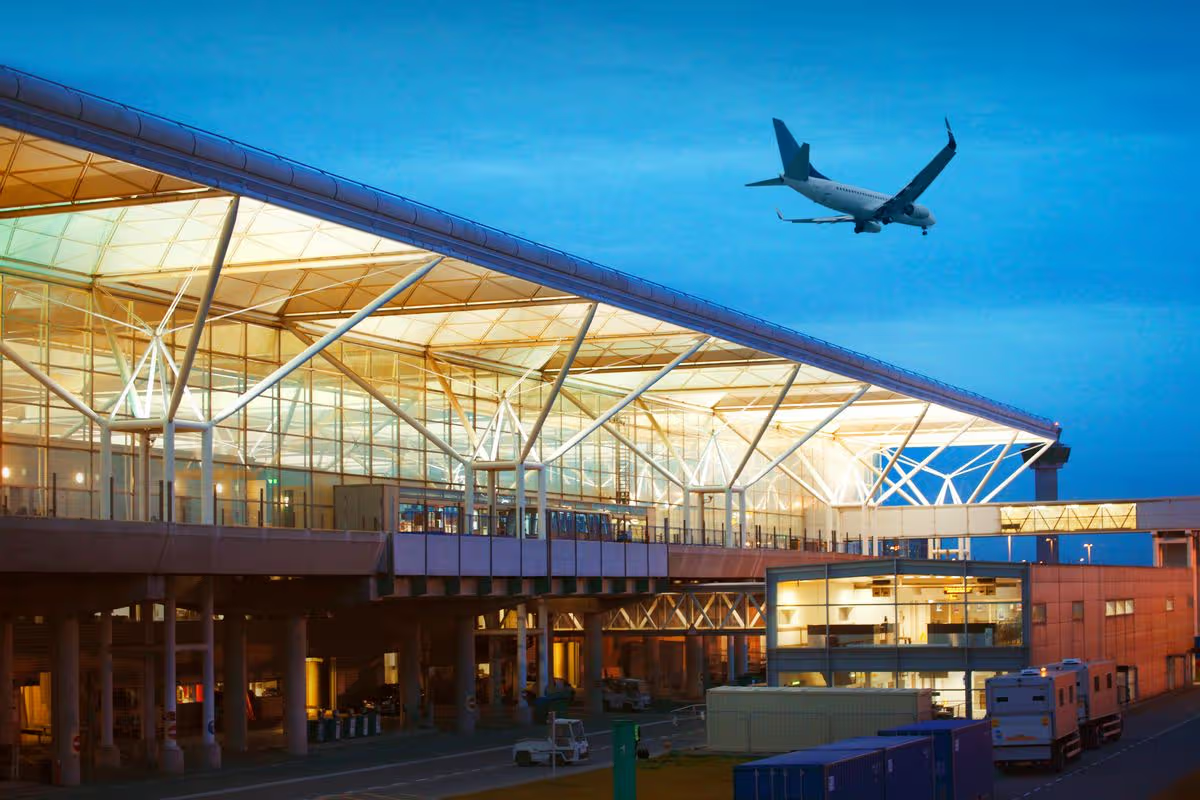
The Foreign Office has issued travel advice for 14 countries(Image: Getty Images/Stock Photo)
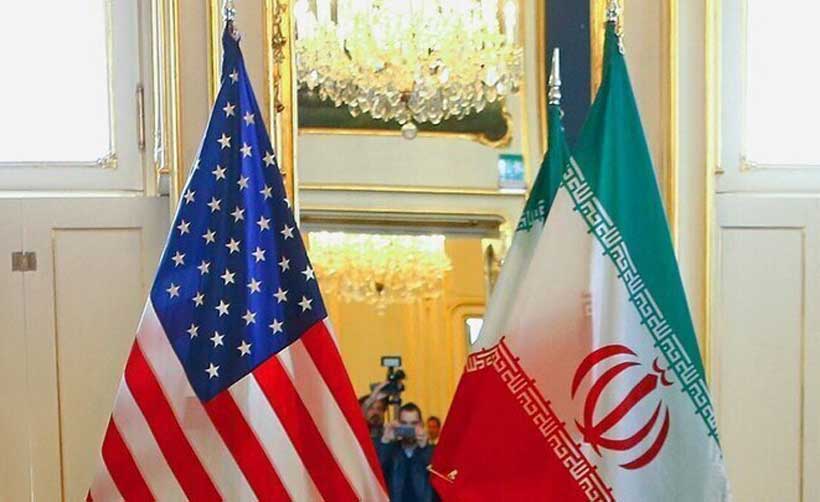
Significant travel updates have been released by the Foreign Office for 14 countries after the US and Iran revealed a ‘memorandum of understanding’, in the wake of the Middle East conflict.
The Foreign Office has now removed its travel ban to destinations including the United Arab Emirates and Qatar, while also providing additional updates for 12 other nations. The Foreign, Commonwealth & Development Office (FCDO) published new guidance on Thursday, 18 June, for the 14 countries amid “regional tensions”.
On the Foreign Office’s ‘warnings and insurance’ section for each nation, they confirmed: “The US and Iran have announced a memorandum of understanding in relation to the conflict in the Middle East.”
The complete list of nations receiving the updated guidance includes: Cyprus, Turkey, Oman, Saudi Arabia, Qatar, United Arab Emirates, Bahrain, Jordan, Yemen, Syria, Palestine, Israel, Iran and Kuwait, reports the Express.
While the FCDO has warned of regional tensions, it “no longer advises against all but essential travel to the UAE”. Since March, there had been a warning in place against all but essential travel to the UAE, but with the update today (June 18), it’s the first time it’s been waived.
In additional guidance, the FCDO outlined that should “hostilities resume”, Brits should take the following steps:
Read if you’re affected by a crisis abroad – GOV.UK. This includes guidance on “how to prepare for a crisis” with suggestions on what you might include in your emergency supplies and “what to do in a crisis”
The value of Iran’s currency has risen by more than 15 percent against the US dollar, and its stock market has shattered records in the wake of the memorandum of understanding agreed between the United States and Iran on Sunday.
However, Iranians suffering for years from extremely high inflation and a plunging rial have found little economic relief as the prices of basic goods, such as food, remain high despite the diplomatic breakthrough.
Recommended Stories
list of 4 itemsend of list
The Iranian economy has suffered due to decades of US sanctions. The economic crisis was exacerbated after the US and Israel launched a war against Iran on February 28. As subsequent US naval blockade on Iranian ports further added to the misery of Iranians.
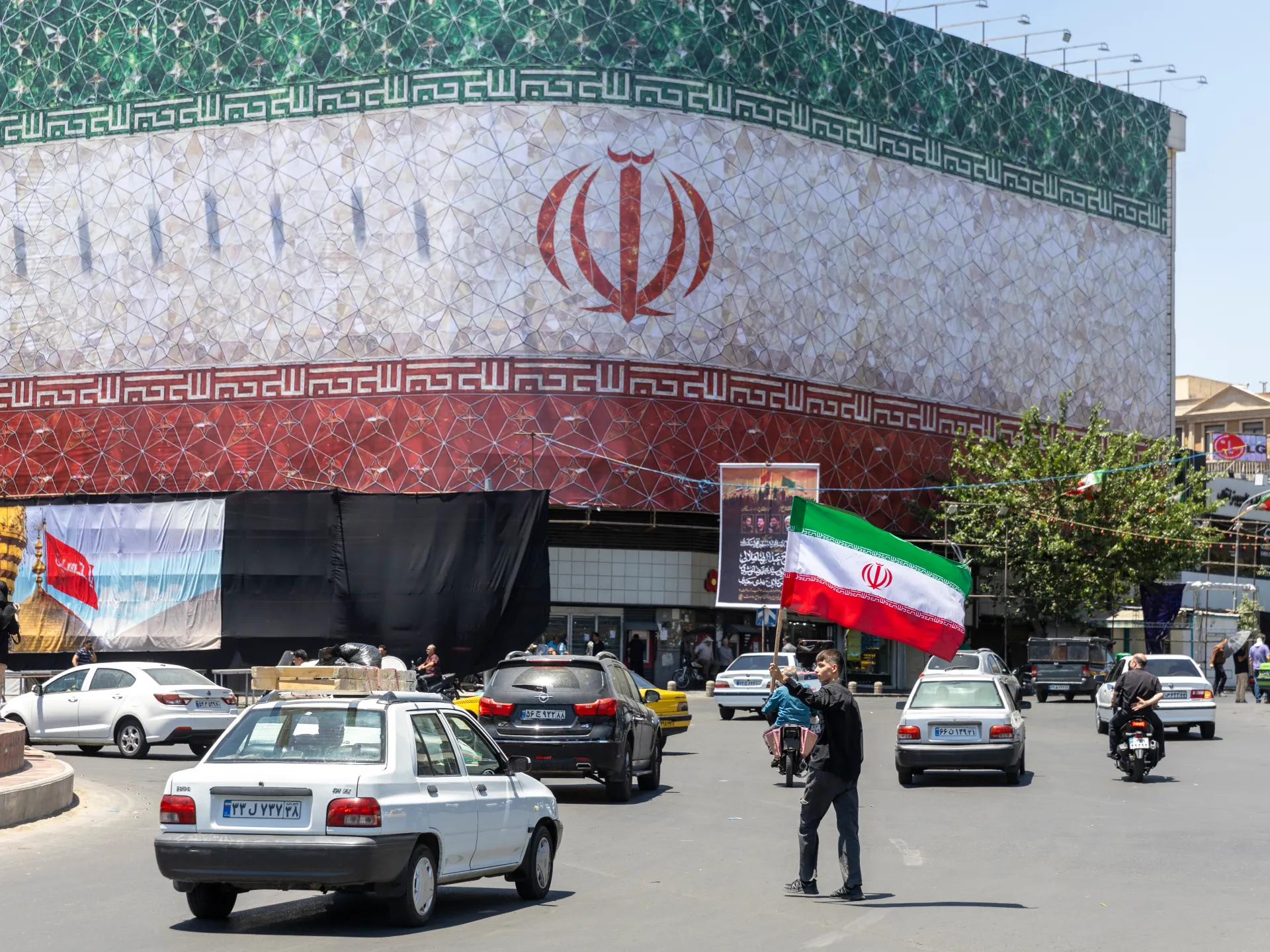
In Ferdowsi Street, the beating heart of Tehran’s foreign exchange market, the scene on Thursday was a stark departure from the panic of recent months. Exchange office boards flashed rapidly changing numbers as foreign currencies, led by the dollar, took a sharp dive.
“We closed our doors just hours before the official announcement of the US-Iran understanding at a rate of 1.8 million rials to the dollar,” Amir, a 35-year-old exchange office worker who asked to remain anonymous, told Al Jazeera. “Now it has fallen to 1.54 million rials, and we expect further declines.”
Amir noted a significant increase in sales volumes although buyers remained scarce as many anticipated the rial would strengthen further, potentially dropping to 1.4 million to the dollar or lower.
The recent gains mark a sharp turnaround. After the outbreak of the war, the exchange rate jumped to a historic peak of 1.9 million rials (190,000 tomans) to the dollar in March before settling at about 1.685 million just before recent attacks carried out despite a ceasefire.
A disconnect in the grocery aisles
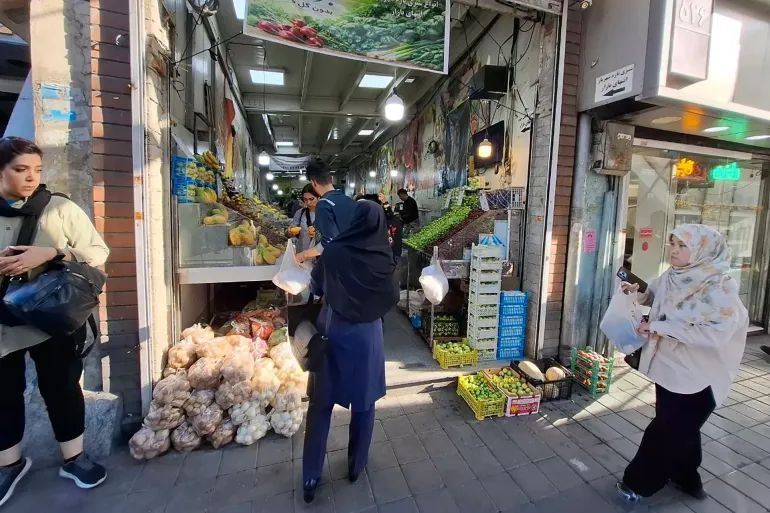
Despite the rial’s recovery, a walk through Tehran’s grocery stores reveals a starkly different reality. For Iranians grappling with the economic fallout of crippling sanctions and the US naval blockade, the diplomatic thaw has yet to lower the cost of living.
Shoppers browse for fresh produce at a market in Tehran. Consumers report that despite the rial’s recovery, prices for basic food items and other necessities remain stubbornly high [Rasol Alhaei/Al Jazeera]
Reza, a 42-year-old Tehran resident, told Al Jazeera that prices for daily staples like milk, cheese, cooking oil and flour remain unchanged. “They say the dollar dropped, but my shopping basket costs the same as last week,” he said. “This means the agreement hasn’t reached our pockets yet.”
From behind the cash register, 55-year-old shop owner Ramin echoed his customer’s frustration. He explained that while the government continues to distribute subsidised goods like bread, the fluctuations of the free-market dollar do not immediately impact basic food prices.
The value of the dollar on the free market varies from the official exchange rate.
Pointing to a shelf of imported goods, another shopkeeper named Karim noted that items like shampoo, toothpaste and laundry detergent are still locked at inflated prices.
“Distributors say they bought these goods two months ago at the old dollar rates,” Karim explained. “Prices will remain high until the old stock runs out and new goods enter at the lower exchange rates.” He estimated it would take at least two weeks for the market to adjust, meaning Iranians will continue to face compounding inflation in the interim.
Euphoria on the trading floor
While Main Street struggles, Tehran’s stock market is experiencing an unprecedented boom amid expectations of improved economic conditions. The trading floor has been awash in green since the initial leaks of the Washington-Tehran agreement emerged.
On Monday, the main index jumped by a record-breaking 161,000 points in a single session, marking the highest-ever influx of cash from individual investors.
By Tuesday, the market continued its staggering ascent, climbing another 112,000 points to cross the psychological barrier of 5 million, ultimately settling at a historic high of 5.1 million.
A screen displays a sea of green on the Tehran Stock Exchange. The market shattered records, crossing the 5 million mark after the announcement of the US-Iran deal [Rasol Alhaei/Al Jazeera]
Saeed, a 40-year-old investor, called it a “historic day”. He noted that investors are rushing to buy shares in the energy and petrochemical sectors, betting heavily on the resumption of exports and the reopening of global markets.
However, Saeed remained cautiously optimistic. “The stock market is often driven by rumours,” he warned. “I don’t want to repeat the experience of the 2015 nuclear deal when the market soared and then collapsed after the US withdrawal.”
He was referring to US President Donald Trump’s 2018 withdrawal from the agreement, under which Iran agreed to restrictions on its nuclear programme in exchange for sanctions relief.
Stagnation in real estate and electronics
The wait-and-see approach in effect has paralysed other sectors of the economy. In central Tehran’s electronics hubs, 38-year-old shop owner Reza reported that while the prices of imported appliances have dropped in tandem with the dollar, sales have stalled because customers are holding out for steeper discounts.
A similar freeze has gripped the housing market. Nasrin, a 36-year-old real estate agent in northern Tehran, observed that a recent price surge that accompanied the initial truce has now given way to stagnation. Many property owners are clinging to inflated prices, seemingly unaware that the market dynamics have shifted, bringing property transactions to a virtual standstill.
‘Not a magic wand’
For macroeconomic experts, the mixed market signals are entirely expected. Hossein Selahvarzi, the former head of the Iran Chamber of Commerce, Industries, Mines and Agriculture, cautioned that the new agreement is “not a magic wand” capable of instantly fixing years of structural issues in the economy.
While the war severely damaged Iran’s infrastructure, Selahvarzi emphasised that the roots of the country’s economic malaise were firmly planted well before the bombing began.
“War is the enemy of investment, production, trade and public welfare,” Selahvarzi told Al Jazeera. He warned against the analytical mistake of believing that a peace memorandum alone would revive the economy.
“Ending the military confrontation does not necessarily mean the beginning of economic prosperity,” he said, stressing that restoring stability to the business environment remains the country’s most urgent priority.
“What we have before us is a limited and fragile opportunity to correct course and rebuild the economy, and this opportunity could be lost quickly if not managed correctly.”
The Foreign Office has updated its travel advice for 14 countries including Cyprus and Turkey
14:27, 18 Jun 2026Updated 15:32, 18 Jun 2026
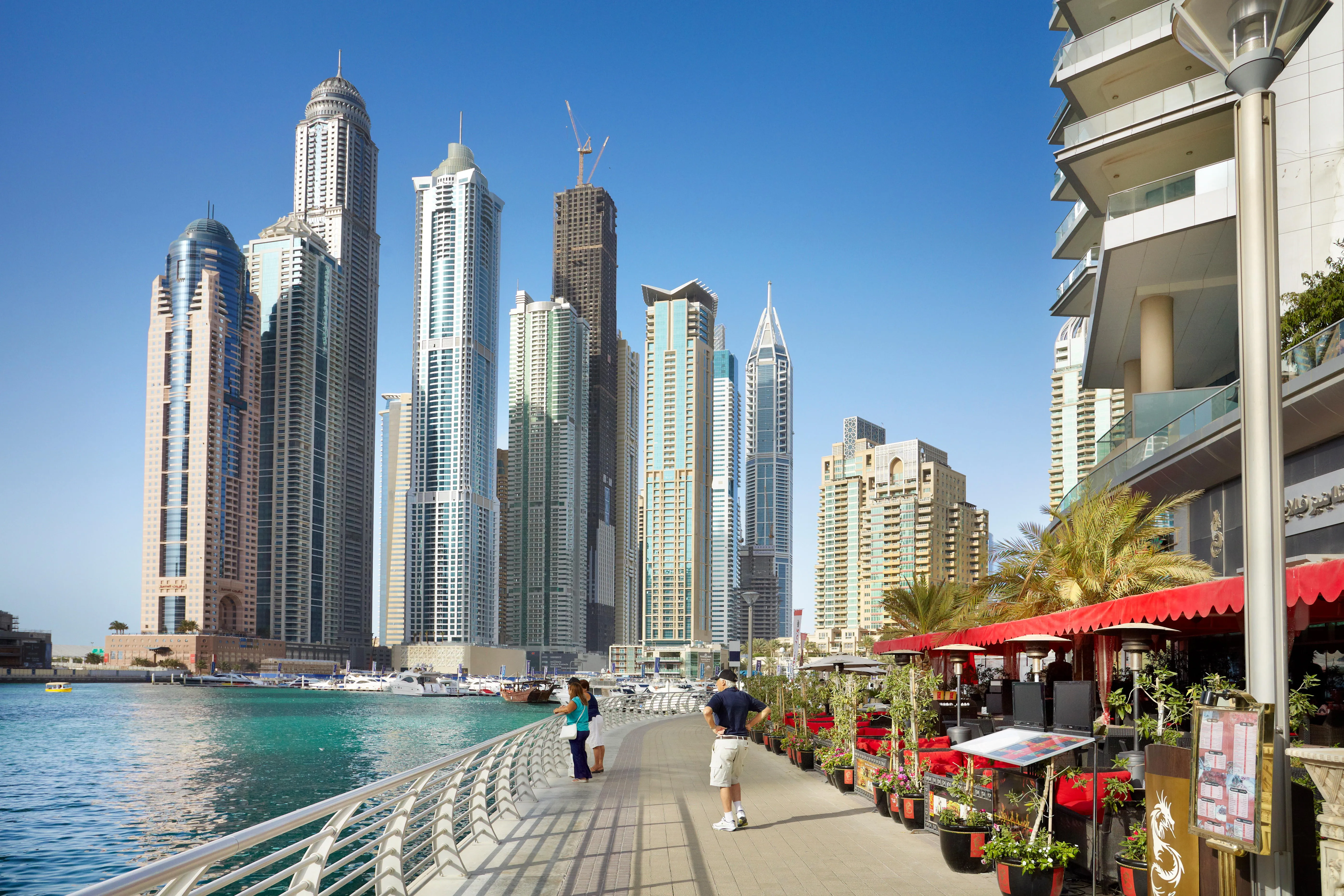
The Foreign Office has updated its advice for Cyprus and Turkey(Image: Getty Images/iStockphoto)
The Foreign Office has updated its travel advice for a number of countries including Cyprus and Turkey, in relation to the Middle East War.
The UK government has issued an update around ‘regional tensions’ in the two holiday hotspots, after the US and Iran announced a ‘memorandum of understanding’ this week. It also comes as a warning against travel to the UAE has been lifted, including the likes of Dubai and Abu Dhabi.
The Foreign Office hasn’t advised against travel to either Cyprus or Turkey throughout the conflict, which started earlier this year. At the time of writing, it only has one warning in place for a region in Turkey, which was unrelated to the conflict, warning against “all travel to within 10km of the border with Syria due to fighting and a heightened risk of terrorism”.
Now, the government body has issued an update for Brits planning to head to Cyprus and Turkey for holidays in time for the peak holiday season.
The updated advice explains: “The US and Iran have announced a memorandum of understanding in relation to the conflict in the Middle East. The situation remains unpredictable and attacks could resume at short notice.
“Should hostilities resume, British nationals should:
read If you’re affected by a crisis abroad – GOV.UK. This includes guidance on “how to prepare for a crisis” with suggestions on what you might include in your emergency supplies and “what to do in a crisis”
monitor local and international media for the latest information
stay away from areas around security or military facilities
keep your departure plans under review, and ensure your travel documents are up to date
if you are advised to take shelter, stay indoors or find the nearest safe building or designated shelter. An interior stairwell or a room with as few external walls or windows as possible may provide additional protection. The greatest risk is from falling debris caused by intercepts. You are safest inside a secure structure
“Before the 8 April ceasefire, the Iranian regime had stated its intention to target locations associated with the United States and Israel. This included US or Israeli-linked organisations, businesses, facilities and institutions. Iran has previously targeted civilian infrastructure across the region such as ports, hotels, roads, bridges, energy facilities, oil production sites, water systems, and airports.”
The Foreign Office has lifted its warning against travelling to the United Arab Emirates including Dubai and Abu Dhabi
14:16, 18 Jun 2026Updated 14:55, 18 Jun 2026
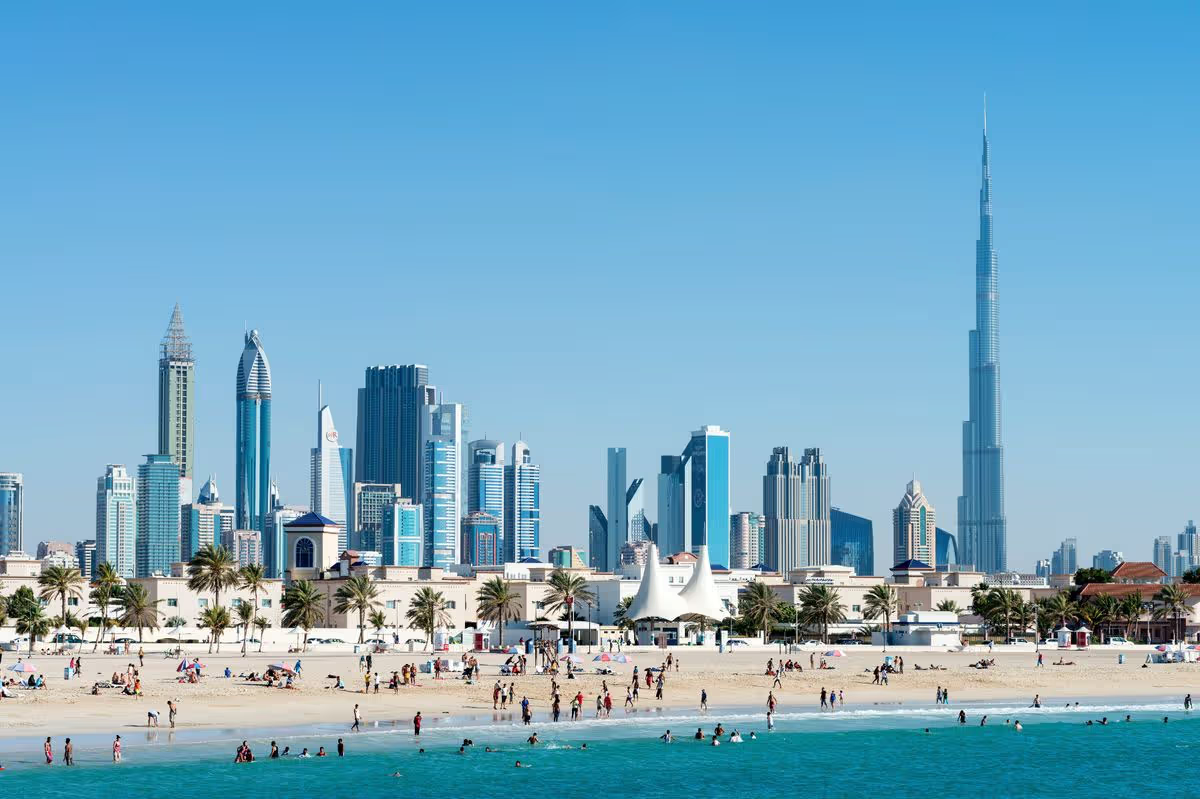
(Image: Getty Images/arabianEye)
The Foreign Office has lifted its travel ban to the United Arab Emirates.
The FCDO has had a warning against all but essential travel to the UAE in place since March, due to the Middle East war, but today (Thursday 18th June), it updated its advice and no longer warns against travel to the region. It has also issued updates for 14 countries including Cyprus and Turkey.
However, the government body still has a stark warning in place for Brits. As part of an update on ‘regional tensions’ it warns:
“The US and Iran have announced a memorandum of understanding in relation to the conflict in the Middle East. The situation remains unpredictable and attacks could resume at short notice.
“Should hostilities resume, British nationals should:
read If you’re affected by a crisis abroad – GOV.UK. This includes guidance on “how to prepare for a crisis” with suggestions on what you might include in your emergency supplies and “what to do in a crisis”
monitor local and international media for the latest information
stay away from areas around security or military facilities
keep your departure plans under review, and ensure your travel documents are up to date
if you are advised to take shelter, stay indoors or find the nearest safe building or designated shelter. An interior stairwell or a room with as few external walls or windows as possible may provide additional protection. The greatest risk is from falling debris caused by intercepts, and you are safest inside a secure structure
“Before the 8 April ceasefire, the Iranian regime had stated its intention to target locations in the Gulf associated with the US and Israel. This included US or Israeli-linked organisations, businesses, facilities and institutions. Iran has previously targeted civilian infrastructure across the region such as ports, hotels, roads, bridges, energy facilities, oil production sites, water systems, and airports.”
It still warns that the situation is “unpredictable and attacks could resume at short notice”.
However, the lifting of the ban means holidays can resume to the region.
A drone attack hit Dubai’s main airport back in MarchCredit: AFP
Last year, 1.4million Brits visited Dubai alone, which have since massively dropped due to the travel ban.
British Airways and Virgin Atlantic have already suspended flights to Dubai until October 2026 and winter 2027, respectively.
However, Emirates continues to operate flights between the UK and the UAE.
The travel ban being lifted also affects Abu Dhabi, where holidays can also resume.
The UK Foreign Office has lifted the travel ban for Qatar as well, which includes flights going through Doha.
In response, Qatar Airways has increased the number of flights operating between the UK and Doha, including 49 flights a week from London Heathrow and 14 a week from Edinburgh.
What does this now mean for your holiday?
The Sun’s Head of Travel Lisa Minot explains more:
It’s back!
Travel to the Middle East plummeted in the wake of the Iran war and our Foreign Office advising against all but essential travel to the UAE, Qatar, Bahrain and Kuwait.
For decades, British sun-seekers have been used to flying via the Middle Eastern hubs. Airlines like Emirates, Etihad and Qatar aggressively took on the legacy carriers like British Airways and Singapore Airlines with value flights and unbeatable service.
All that came shuddering to a halt when the war in Iran saw missiles fired at the glitzy skyscrapers of Dubai and drones were shot down over Qatar’s major hub airport in Doha.
Overnight, hotels emptied and travellers scrabbled for direct flights to destinations in the Far East and Australia, or switched to the traditional hub airports in Singapore and Hong Kong.
With the peace plan now agreed, there is light at the end of the tunnel.
It is fantastic news that the Foreign Office has moved swiftly to lift the blanket ban that threw the holiday plans of millions into chaos.
Demand to Dubai and its neighbouring emirates including Abu Dhabi will no doubt bounce back quickly.
Those tourism-dependent countries are desperate to tempt us back. Expect a wave of great holiday deals and rock bottom fares in the coming weeks to encourage us to pack our bags.
But there is still a sting in the tail – the shocking rise in oil prices due to the closure of the Hormuz Straits hit the industry hard. Airfares will have to rise as airlines attempt to balance their books after such a sustained period of unrest.
But for now, for those who loved the Dubai beach clubs or appreciated the chance to travel seamlessly across the globe via the Middle East, there’s cause for celebration.
The gateway to these sun-drenched spots is open once more.
This affects long-haul holidays to places like Sri Lanka, the Maldives and Australia, who often use these Middle East hubs as stopover destinations.
Many destinations have seen a drop in tourism because of the war – Thailand predicted as many as 11million long-haul arrivals this year, but has since dropped this to 10million.
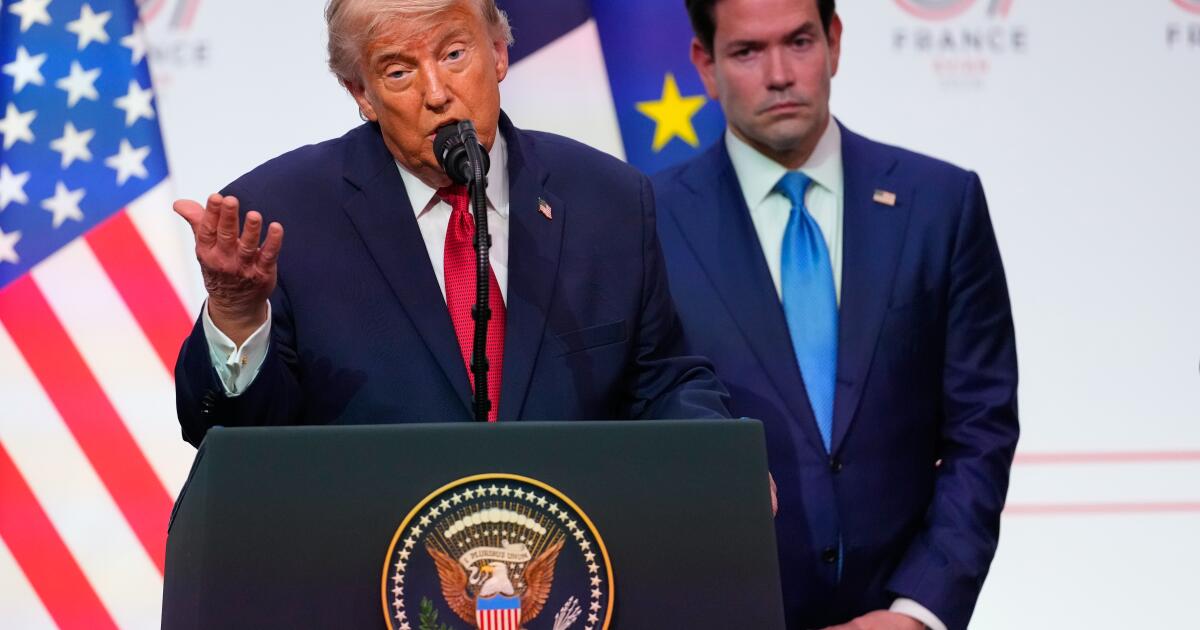
WASHINGTON — Secretary of State Marco Rubio stood silent and stone-faced behind Donald Trump on Wednesday as the president joked of passing the buck if his deal with Iran, under increasingly withering criticism and scrutiny, ultimately falls apart.
The blame, Trump said, would likely fall on his vice president, JD Vance, who led the negotiations toward a memorandum of understanding with Iran and will sign the agreement this week in Switzerland — a ceremony that will generate indelible images for a politician openly considering a run for the White House.
The controversial diplomatic breakthrough poses a quandary for Vance, whose aides see Rubio as his most viable challenger for the Republican presidential nomination should the secretary choose to run.
“If it works out, I’m going to take the credit,” Trump said of the Iran deal, with Rubio by his side.
“If it doesn’t work out, I’m blaming JD,” he joked. “You better be careful, JD!”
Silent secretary
Rubio, who also serves as the president’s national security advisor, has remained effectively mum since news of a preliminary peace deal was announced by the administration on Sunday.
His absence has drawn notice across foreign policy circles — not only because Rubio has served as chief architect of the administration’s global strategy thus far, but also because he has become one of the president’s most effective communicators, both at home and abroad.
By contrast, Vance, on a scheduled press tour promoting his new book, has emerged as the face of an agreement that appears to be fracturing a Republican Party already divided over America’s role in the world.
The administration’s internal divide over Iran extends beyond the war to broader U.S. support for its historic allies, including Israel in the Middle East, Canada and Mexico in this hemisphere, and Ukraine and Europe against a revanchist Russia.
“Rubio has always been a hawk on Iran, and Vance has always been an appeaser,” said Danielle Pletka, a senior fellow at the American Enterprise Institute, describing the vice president as positioning himself “as Trump without the flaws.”
“Rubio has a harder job because he’s more of a traditional Republican,” she said, adding that a competitive presidential run by the secretary might require him to pitch “a return to normalcy.”
No guarantee of success
Behind closed doors, Rubio advocated against the deal in its current form, citing intelligence reports that found it highly unlikely Tehran would give up its nuclear ambitions, according to two sources familiar with the matter. Rubio’s internal skepticism was first reported by Axios.
The deal kicks down the road highly technical discussions over the mechanics of unwinding Iran’s nuclear program — with no guarantee of success — while granting Tehran immediate relief, lifting a U.S. naval blockade of Iranian ports that will allow Iranian imports and exports to resume.
In exchange, Iran has only agreed in principle not to pursue nuclear weapons — a vow it has made multiple times before — and to do its “best” to return commercial shipping traffic through the Strait of Hormuz back to prewar levels. It commits in the deal to refrain from implementing a toll system in the strait, according to U.S. officials, for a mere 60-day period.
“This agreement is a road map for Iran to become a rising, stronger power in the [Persian] Gulf — stronger than it is even today,” said Robert Pape, a political science professor at the University of Chicago.
“That is going to be an issue for the balance of power with Israel, which before the Iran war was the rising power. Now it’s lost that paradigm,” Pape said. “And this is going to be an issue with the future disposition of American forces in the region, because the [memorandum of understanding] states quite clearly that Iran is expecting those forces to withdraw.”
Positioning by the vice president
Despite mounting skepticism, Vance has embraced his role in ending a war that a powerful faction of Trump’s base aggressively opposed from the start.
“I think there are some people who just want the bombing to continue, regardless of whether it accomplishes anything for Americans,” Vance told CBS News on Wednesday.
“I do think there are people,” he added, “who sometimes confuse the ends with the means.”
Because the preliminary Iran deal leaves key details unresolved, further negotiations virtually ensure the agreement remains in flux through the election season — potentially thrusting the talks into the center of the presidential primary campaign.
“Given the distance between the parties on the core nuclear issues, as well as the Trump administration’s poor track record with coercive diplomacy, I fully expect the 60-day window for talks to be extended, as the [memorandum of understanding] text permits, taking this issue to the heart of the midterms and beyond,” said Reid Pauly, a professor of nuclear security and policy at Brown University.
“There will be a lot of incentive in the administration,” Pauly added, “to distance oneself from this fiasco.”
As a guest on Megyn Kelly’s podcast this week, Vance acknowledged the political realities of Trump’s base splintering over the Iran war, noting that a coalition of isolationists — as well as those advocating what he called a more “aggressive” foreign policy — had together swept Trump back into office.
The war may be breaking that coalition apart, he said.
“We have a constituency right now that is saying, we’re going to send boots on the ground — they want Donald Trump to send hundreds of thousands of ground troops into Iran,” Vance told the former Fox News host.
“Those are Republicans,” Kelly said.
“We need people to be pushing back from inside the tent,” Vance replied.
The money-saving expert said earlier in the week that he expected energy prices to drop soon in some rare ‘good news’ for hard-pressed Brits
US and Iran sign initial deal promising to end war in 60 days
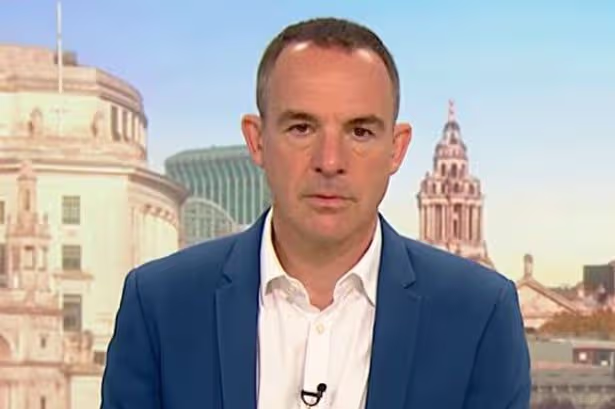
Martin Lewis says that energy deals are already becoming more affordable following an agreement between the US and Iran. The money-saving expert stated earlier this week that he anticipated prices would fall soon in some rare ‘good news’ for financially stretched British households concerning energy costs.
This followed an announcement of an accord between the US and Iran to cease hostilities and reopen the crucial Strait of Hormuz. The memorandum of understanding, which is now active, was signed on Wednesday by Donald Trump and Iranian president Masoud Pezeshkian.
This has seen the cost of oil and natural gas decline, resulting in a reduction in energy prices. At the time of writing, Brent crude has fallen by approximately $7 a barrel and UK natural gas by roughly 14 per cent.
Mr Lewis confirmed that fixed energy deals were already being made available that were around 5 per cent more affordable. He stated: “Energy fixes have started to get cheaper, now 5% below April price cap.”
Content cannot be displayed without consent
However, Mr Lewis cautioned earlier this week that people shouldn’t anticipate a substantial reduction in the next price cap, which runs from October to December.
The next price cap is expected to be announced on August 26 by energy regulator Ofgem. Approximately 60 per cent of households in England, Scotland, and Wales remain on a standard variable tariff, meaning their costs are governed by the price cap.
The current energy price cap is due to increase on July 1 by 13 per cent. This means that a home with typical energy consumption paying by direct debit will face charges of £1,862 annually.
That marks a rise of £221 compared to the previous price cap – and Mr Lewis cautioned it could climb even higher, despite the cessation of hostilities.
He stated: “The US and Iran signing a framework deal has pushed natural gas prices down. These wholesale prices are a key driver of UK gas and electricity bills. As the six-month graph shows, though, prices still have a long way to fall before returning to pre-conflict levels.
“The good news is that this could lead to slightly cheaper fixed tariffs being launched in the coming days. However, without substantial further drops the October price cap still looks likely to be significantly higher than it is today.”
He was subsequently questioned about why he believed the price cap would increase from October. He responded: “It’s the same reason the energy Price Cap HASN’T yet risen due to the Middle East crisis. It is time-lagged. So slow to rise, slow to fall.”
Oil fell sharply in early trading after US President Donald Trump and his Iranian counterpart, Masoud Pezeshkian, put their names to an initial accord to halt hostilities, a move expected to restore the flow of crude through the Strait of Hormuz, one of the world’s most important shipping arteries.
ADVERTISEMENT
ADVERTISEMENT
At the time of writing on Thursday morning, the front-month contract on WTI, the US benchmark, was down by 2.3% to $75 a barrel, while Brent crude, the international gauge, traded 2% lower at around $78 a barrel.
Both remain above the roughly $70 level seen before the conflict, but they have fallen well below the peaks of more than $100 reached only weeks ago.
The deal sets a 60-day window for the two sides to negotiate a final settlement on Iran’s nuclear programme, with Tehran agreeing in the interim to dilute its stockpile of highly enriched uranium.
Crucially for energy markets, it lifts US-backed sanctions, allowing Iran to resume selling its oil freely, and clears the way for tankers to move crude out of the Persian Gulf once more.
US President Donald Trump has said the strait will be fully open by Friday and operate without transit charges, a pledge that has encouraged traders to bet on easing supply pressures.
After signing the memorandum of understanding, Trump stated, “oil down, stocks up”, with hand motions.
An oil market still running on depleted reserves
The optimism arrives against a strained backdrop.
In its June Oil Market Report, the International Energy Agency said strategic oil reserves across advanced economies had slipped to their lowest level since 1990, with government stockpiles in OECD countries down by 163 million barrels since the conflict began as emergency releases accelerated.
The agency also trimmed its outlook for global demand, which it now expects to contract through 2026 as elevated fuel prices and supply disruptions bite, before recovering next year.
It cautioned that any rebound in supply may be gradual, citing the slow clearance of mines and continued disruption to shipping routes even with the interim deal in place.
Flows through the Strait of Hormuz had already begun to recover, rising from a May low to around 12 million barrels a day in early June.
Stocks mixed after the Fed signals possible hikes
Equities offered a patchier picture following Wednesday’s losses on Wall Street, where the S&P 500 fell 1.2% after fresh Fed projections showed nearly half of policymakers expect at least one interest rate hike this year.
The Dow Jones Industrial Average shed 1%, and the Nasdaq Composite slid 1.3%.
In his first press conference as Fed chair, Kevin Warsh declined to forecast where rates would end the year and signalled a rethink of how the central bank communicates, dropping the customary hints about future policy direction from its statement.
US President Donald Trump, who had long pressed Warsh’s predecessor to cut rates, was unusually relaxed about the outcome.
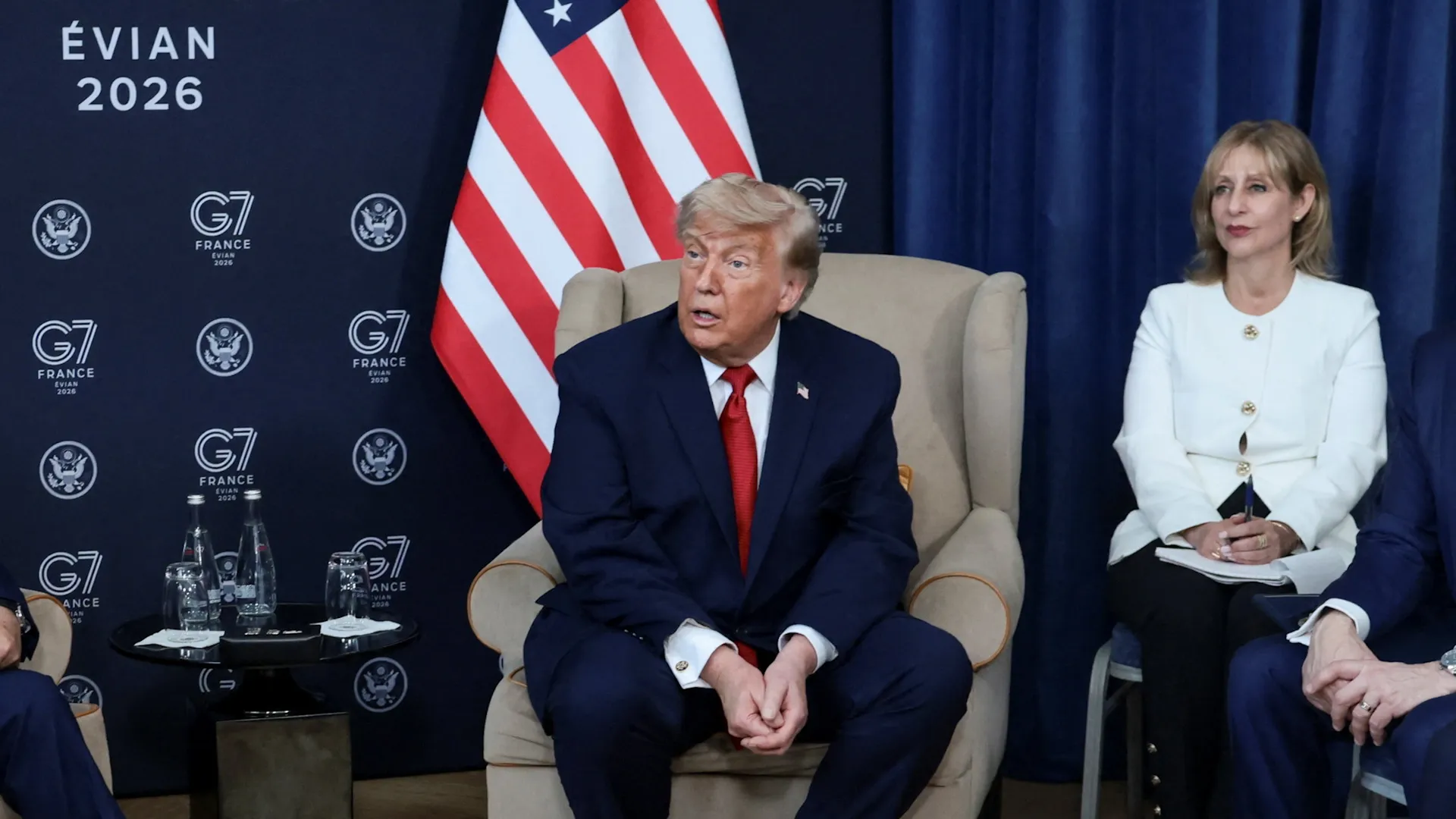
“It’s all right. Whatever,” Trump told reporters in France as he attended the G7 meeting.
Asked about the prospect of a hike, he said it was “hard to believe” but that, with Warsh now in place, he was “guided by what he wants.”
US stock futures pointed higher early on Thursday, with contracts on the S&P 500 up 0.9% and on the Nasdaq Composite around 1.4% higher.
In Asia, Tokyo’s Nikkei 225 and South Korea’s Kospi both jumped 2.3%, helped by hopes for an end to the Iran war and strong demand for technology shares.
European trading was more subdued, with the Euro Stoxx 50 rising 1% but the broader pan-European Stoxx 600 trading flat.
The UK’s FTSE 100, Germany’s DAX 30, Italy’s FTSE MIB, Spain’s IBEX 35, the Netherlands’ AEX, and Switzerland’s CH20 all traded between 0.4% and 0.8% higher than their Wednesday close.
France’s CAC 40 led the pack and jumped roughly 1.3%.
Brent crude drops as much as 1.6 percent, while key stock indices in Japan, South Korea and Taiwan climb.
Published On 18 Jun 202618 Jun 2026
Oil prices have dropped following the United States and Iran’s signing of an interim peace agreement, resuming a slide interrupted by US President Donald Trump’s warning that he could restart his military campaign.
Brent crude fell as much as 1.6 percent on Thursday morning in Asia, returning the international benchmark to almost exactly where it was 24 hours previously.
Recommended Stories
list of 4 itemsend of list
Brent futures for delivery in August stood at $78.23 as of 04:00 GMT, only about 7 percent higher than before the US and Israel launched their war on Iran on February 28.
After several days of declines, Brent briefly spiked above $81 a barrel on Wednesday after Trump warned that the US could “go right back to dropping bombs” on Iran if it doesn’t “behave”.
Asian stock markets rallied on Thursday on renewed optimism for an end to nearly four months of disruption to global energy supply chains.
Japan’s benchmark Nikkei 225 and South Korea’s Kospi both hit all-time highs, gaining 1.8 percent and 1.4 percent, respectively.
Taiwan’s Taiex rose as much as 1.3 percent.
Hong Kong’s Hang Seng Index bucked the trend, dropping 1.7 percent.
US stock futures, which are traded outside of regular market hours and often foreshadow the next day’s performance, climbed, with those tied to the benchmark S&P 500 and the tech-heavy Nasdaq Composite climbing about 0.8 percent and 1.3 percent, respectively.
A man walks next to an electronic quotation board displaying the Nikkei 225 stock prices on the Tokyo Stock Exchange in Tokyo, Japan, on June 18, 2026 [Kazuhiro Nogi/AFP]
Pakistani Prime Minister Shehbaz Sharif, who mediated the negotiations between Washington and Tehran, said on Wednesday that the US-Iran memorandum of understanding (MoU) had entered into force with “immediate effect”.
Sharif said Iran would “instantly reopen” the Strait of Hormuz and the US would “immediately” lift its naval blockade of Iranian ports, though it was not immediately clear if the announcement had any effect on boosting maritime traffic in the critical waterway.
Shipping in the strait has been reduced to a fraction of peacetime levels due to the threat of Iranian missiles, drones and mines, as well as the US blockade.
While more than 500 vessels are estimated to be waiting to exit the Gulf through the strait, shipping companies have expressed concern about the lack of clarity on how to ensure the safety of their vessels and crews in the channel.
In a statement earlier this week, the Baltic and International Maritime Council (BIMCO), one of the world’s largest associations for shipowners, said the US and Iran had yet to provide information about “key aspects such as timings and safe routes”.
“Due to lack of details and a history of overly optimistic reassurances, we believe the security situation for the shipping industry remains volatile, and we still consider it very risky for ships to commence transits at this point,” Jakob Larsen, chief safety and security officer at BIMCO, said in a statement on Monday, responding to the initial announcement of the MoU.
“We advise shipowners to continue doing thorough risk assessments and appeal to all parties to put the safety of seafarers first.”
1 of 2 | President Donald Trump attends a press conference at the Hotel Royal during the G7 summit in Evian-les-Bains, France, on Wednesday. Photo by Yoan Valat/EPA
June 17 (UPI) — U.S President Donald Trump signed an agreement with Iran at the Palace of Versailles on Wednesday night while in France for the G7 Summit,
The United States sent an image of the signed agreement to the Iranians, officials said. Dan Scavino, White House deputy chief of staff, later posted a video of the signing on social media.
Earlier, the United States government released the text of the agreement, several days after the agreement was reached. The agreement was expected to be signed Friday in Switzerland.
It includes 14 points, including “the immediate and permanent termination of military operation on all fronts” — including Lebanon, where Israel continued to carry out strikes as of earlier Wednesday — provisions for reopening the Strait of Hormuz and measures for easing financial restrictions on Iran. It also offers expectations for addressing Iran’s nuclear program in future talks. CNN reported the text of the agreement, which was read out loud by an official.
Earlier Wednesday at a press conference in France, Trump had said that if Iran doesn’t abide by the memorandum of understanding, the United States may bomb the country.
The press conference lasted more than an hour, with Secretary of State Marco Rubio and Commerce Secretary Howard Lutnick standing behind him.
“If they don’t honor that, we’ll probably go back to bombing them until they honor it, you know?” he said. “It’s amazing what bombs can do.”
The president called the MOU the “Trump deal,” and said that the deal says Iran will never have a nuclear weapon, and the Strait of Hormuz will reopen.
He also said that if an agreement hadn’t been reached with Iran, the United States could have continued the war.
“If we didn’t do this deal, we could have dropped more bombs for another three weeks, two weeks, four weeks, two years,” Trump said.
The president also defended releasing Iranian frozen assets.
“We have taken a lot of their money,” Trump said. “We have taken their money; it’s not our money, it’s their money, and we froze it at a certain point in time. I guess we’re going to have to give it back.
“As far as sanctions are concerned, at some point, you know, we have sanctions, which will never let them rebuild. They would have no money. They would be in poverty.”
Trump has said the United States won’t give any money to Iran, but he defended allowing Iran access to its own frozen funds.
“We’re not doing anything; we’re not putting up money, only if they’re doing things right. If they’re doing things right, if people want to invest, they can invest, but they had this $300 million fund. It’s only $300 million fund; it’s only if they’re doing things right,” CNN reported Trump said.
A reporter asked if the president would hold anyone in the administration responsible for the bombing of an elementary school for girls in Iran in late February, and he replied that it was under investigation. The strike killed more than 170 people, mostly children.
Trump responded that it was a “strange question” and said, “You’re talking about a long time ago.”
“But nobody did that on purpose,” Trump said. “I guess you’d have to say about them, what about the thousands of soldiers that they blew up when they opened their car door? What about the thousands of people that were killed by Iran? No, mistakes are made, war is nasty, but I know it’s under investigation.”
Trump also offered a rare criticism of Israel, saying it could do better in its conflict with Lebanon.
“I think they could do better with respect to Hezbollah. I am not saying they should not protect themselves. I am saying when two drones are shot into the desert and dropped harmlessly, you do not have to knock down buildings in Beirut,” Trump said.
“They could behave better and, frankly, they could do a better job.”
“On that, I don’t think they’re doing well, and I feel very bad for Lebanon,” he said. “Lebanon’s been, you know, it was a great culture. It was a great, they had the professors, the doctors, the lawyers, it was an incredible culture, maybe the highest in the Middle East for years and years, centuries. And for the last 50 [to] 60 years, they have been just trashed. They have been, they have been living in hell.”
President Donald Trump says it’s ‘unfair’ for Iran to lack ballistic missiles if other regional countries have them. Trump is at the G7 in France where the US-Iran deal has taken centre stage.
Iran’s Ministry of Foreign Affairs spokesperson, Esmaeil Baghaei, has announced that a memorandum of understanding with the United States has been finalised and signed electronically by both sides.
He added that the agreement has already gone into effect.
Recommended Stories
list of 3 itemsend of list
“The text of the Islamabad Memorandum of Understanding was finalised with the signatures of the presidents,” Baghaei told the news agency IRNA. “Now it is time to test the implementation of the agreement.”
Wednesday’s statement appears to confirm that the US and Iran have agreed to suspend military operations, paving the way for further negotiations.
Given that both sides signed the agreement electronically, Baghaei noted that there would be no signing ceremony on Friday in Geneva, Switzerland, as had previously been expected.
Negotiating teams, however, still plan to be in the Swiss city. A decision on a possible in-person meeting between them is expected in the coming hours, though for now such plans are paused, according to Baghaei.
While the office of US President Donald Trump has yet to issue a formal statement on the signing, Al Jazeera correspondent Mike Hanna explained that a White House spokesperson confirmed earlier in the day that it happened.
But Hanna warned that the memorandum is likely to face domestic backlash in the US, where Trump had been under right-wing pressure to take a hard line against Iran.
“There’s a great deal of dissatisfaction with the memorandum of understanding, as it has been outlined to the public at this particular point, even among some Republicans who have expressed the concern that Iran is being treated leniently,” Hanna said.
He also emphasised the administration’s position that the memorandum is not a full-fledged deal but rather a prelude to more negotiations.
“The administration is fighting hard to persuade the American public and American politicians that this is not a defeat for the United States,” Hanna said.
Since February 28, the US and Israel have been jointly engaged in a war against Iran, though a temporary ceasefire suspended much of the most intense fighting on April 8.
Trump has repeatedly said his goal in launching the war was to prevent Iran from acquiring a nuclear weapon.
Since the memorandum was revealed, he has highlighted the document’s assurances that Iran will not seek a nuclear weapon, though Tehran has long denied any intention of doing so.
But according to a US account, the memo goes beyond the question of nuclear weapons. It sets up a 60-day timeline for a final deal to be struck, and it indicates that the US will rally “regional partners” to create a $300bn for Iran’s reconstruction.
US sanctions would also work towards lifting its sanctions against Iran, and the country would issue waivers for the export of Iranian fuel.
Iran has touted those terms as a victory. On Wednesday, chief negotiator Mohammad Bagher Ghalibaf told Fars, an Iranian state news agency, that the US had failed to achieve its goals with Iran and pointed to the memo as proof.
“The agreement is a record of US failure,” Ghalibaf said. “People will see it and judge.”
He also explained that the Strait of Hormuz would not return to “pre-war conditions” after the 60-day period for negotiations stipulated in the agreement. He suggested that Iran will expect payments for use of the waterway.
“I emphasise again that the Strait of Hormuz will never return to the previous conditions,” Ghalibaf said.
“Iran has the right to sovereignty over the Strait of Hormuz, and of course, we will receive a fee for services.”
That position is likely to put pressure on the Trump administration, which had pledged that the strait, a key waterway for trade, would be “permanently toll-free”.
Since the start of the war, Iran has blocked the waterway, sending global prices for fuel, fertiliser and other goods soaring.
The US had responded with its own blockade of Iranian ports, though that effort is slated to end under the memorandum.
Both sides, however, have emphasised that the memorandum of understanding is not a final agreement on all issues of dispute. More negotiations are expected to resolve lasting impasses.
“It will only become a deal, as such, at the end of the 60-day negotiation period. At least, that’s the intention,” Hanna reported.
Iran’s government has portrayed the interim agreement with the United States as a victory that ended months of conflict and prevented further escalation. The deal halted a war that saw U.S. and Israeli airstrikes, disruptions to trade, and severe economic damage across Iran.
However, interviews with ordinary Iranians reveal a starkly different picture. Many citizens say years of sanctions, combined with the recent conflict, have left them struggling with rising prices, declining living standards, and deep uncertainty about the future. While the fighting may have stopped for now, many remain unconvinced that the agreement will bring meaningful economic relief or lasting stability.
Economic Hardship Continues to Dominate Daily Life
For many Iranians, the ceasefire has not changed the reality of daily economic struggles.
Business owners, students, and workers interviewed across the country described a population focused on survival rather than recovery. Many reported cutting household spending, reducing social activities, and adjusting to higher living costs. Small businesses continue to face weak consumer demand, while young people increasingly worry about their economic prospects.
The war added another layer of pressure to an economy already weakened by years of international sanctions, inflation, and limited foreign investment. As a result, many citizens see little immediate prospect of improvement even if the ceasefire holds.
Divided Views on the Outcome of the Conflict
The agreement has exposed a clear divide between the government’s narrative and public sentiment.
Supporters of the Islamic Republic view the deal as proof that Iran resisted external pressure and preserved its political system. Some hardliners argue that the country emerged stronger and demonstrated resilience despite military and economic pressure.
Many ordinary citizens, however, are less focused on geopolitical outcomes and more concerned about living standards. For them, the key measure of success is whether the agreement leads to lower prices, economic opportunities, and greater stability. So far, few appear convinced that such changes are imminent.
Concerns Grow Over Political Freedoms
Beyond economic concerns, many Iranians fear that the post war environment could lead to tighter political controls.
Some citizens believe the government may use the conflict and national security concerns to justify stronger oversight and restrictions. These fears are particularly pronounced in regions populated by ethnic minorities, where previous protests have often been met with heavy security responses.
There is also uncertainty about whether public frustration over economic conditions could trigger future demonstrations. While many people remain cautious after previous crackdowns, underlying grievances over jobs, inflation, and political freedoms remain unresolved.
The ceasefire may have reduced the immediate threat of war, but it has done little to address the deeper challenges facing Iran. Public opinion appears increasingly shaped by economic realities rather than political declarations of victory.
The government may benefit in the short term from ending the conflict and avoiding further military escalation. However, lasting stability will depend on whether authorities can deliver tangible economic improvements and restore public confidence.
The biggest challenge for Tehran is that expectations remain extremely low. Many Iranians do not see the ceasefire as a turning point but rather as a temporary pause in a broader cycle of economic hardship and political uncertainty. If future negotiations fail to produce sanctions relief, investment, and economic recovery, public frustration could continue to grow despite the end of active conflict.
Stakeholders
Iranian government and political leadership
Iranian citizens and businesses
United States
Israel
Ethnic minority communities in Iran
International investors and energy markets
Regional governments monitoring stability in the Middle East
What’s Next
Attention will now shift to negotiations aimed at turning the interim agreement into a permanent settlement. Iranian leaders will seek economic benefits and sanctions relief, while Washington is expected to push for further commitments on security and nuclear issues.
Domestically, the government faces the challenge of managing economic expectations and maintaining stability. Whether the ceasefire translates into meaningful improvements for ordinary Iranians may ultimately determine how the agreement is judged inside the country.
Under the MOU, an initial 60-day negotiation period, which can be extended, will begin once the preliminary agreement is signed.
Published On 17 Jun 202617 Jun 2026
Iran’s Foreign Ministry has said that the signing of a memorandum of understanding in Switzerland, expected to take place on Friday, could take place in the presence of President Masoud Pezeshkian and Donald Trump.
Previously, Iran had said that Washington and Tehran would be represented by Vice President JD Vance and Parliament Speaker and top negotiator Mohammad Bagher Ghalibaf, respectively.
Recommended Stories
list of 3 itemsend of list
On Wednesday, ministry spokesperson Esmaeil Baghaei told reporters that Iran’s plans “for the Swiss summit have not changed”.
“Regarding the manner of signing the memorandum of understanding, one of the ideas is for it to be done by the presidents of the two countries, which is currently being considered,” he added.
Speaking at the G7 summit in France earlier, Trump said he expected the agreement with Iran to be signed “shortly” without specifying the exact date.
“The deal we reached with Iran on Sunday will be signed shortly, tomorrow [Thursday], maybe the next day [Friday],” Trump told a news conference after previous announcements that it would be signed on Friday in Switzerland.
Hormuz to be ‘restored to normal’
In a statement, Baghaei added that maritime traffic in the Strait of Hormuz will be restored to normal within a defined timeframe, while insisting that outside powers will have no role in the process and that managing that process would be handled by Iran alone.
“This is our own task, and we alone will do it, and there will be no need for participation or intervention from other parties,” he stated.
“Iran and Oman will cooperate to develop a mechanism for managing the Strait of Hormuz, and we will exchange views with other countries in the region wherever necessary.
He said that Iran and the US agreed to “negotiate a final agreement within 60 days”, adding that the naval blockade “must end within 30 days.
A senior US official, briefing reporters on Wednesday, said the MOU establishes a new “minimum” threshold for downblending Iran’s stock of highly enriched uranium and contains measures aimed at safeguarding Lebanon’s “territorial integrity” following Israel’s latest strikes on Hezbollah inside the country.
In exchange, Washington would move to waive, though not fully lift, some of its broad sanctions on Iran once the agreement is signed.
The US-drafted text also guarantees toll-free transit through the Strait of Hormuz for a period of just 60 days, and leaves open the possibility that transit fees could be imposed later, the official added on condition of anonymity.
Unprecedented sports feats and historical firsts are usually joyous affairs. Something to celebrate, fun trivia to tuck away for later.
On Monday in Inglewood, the history was much more fraught, and not at all trivial.
Iran’s national soccer team played on American soil — this time on SoFi Stadium’s natural turf — for the first time in 26 years. And for the first time, a country hosted a World Cup participant with which it is mired in an on-again, off-again war.
There was, in the days and hours leading up to the match, protest and pushback from portions of the large, local Iranian diaspora who didn’t think it was possible to support the country’s football team without supporting the oppressive regime.
But inside SoFi Stadium, thousands of L.A.’s Iranian supporters gave the team its full-throated support. So did many new Mexican fans who’ve adopted Team Melli, which has been staying and training in Tijuana between matches as it was barred from the United States except for game days.
Most of the near-sellout crowd of 70,108 were there cheering Iran, helping propel this team under so much pressure to an entertaining 2-2 tie with New Zealand.
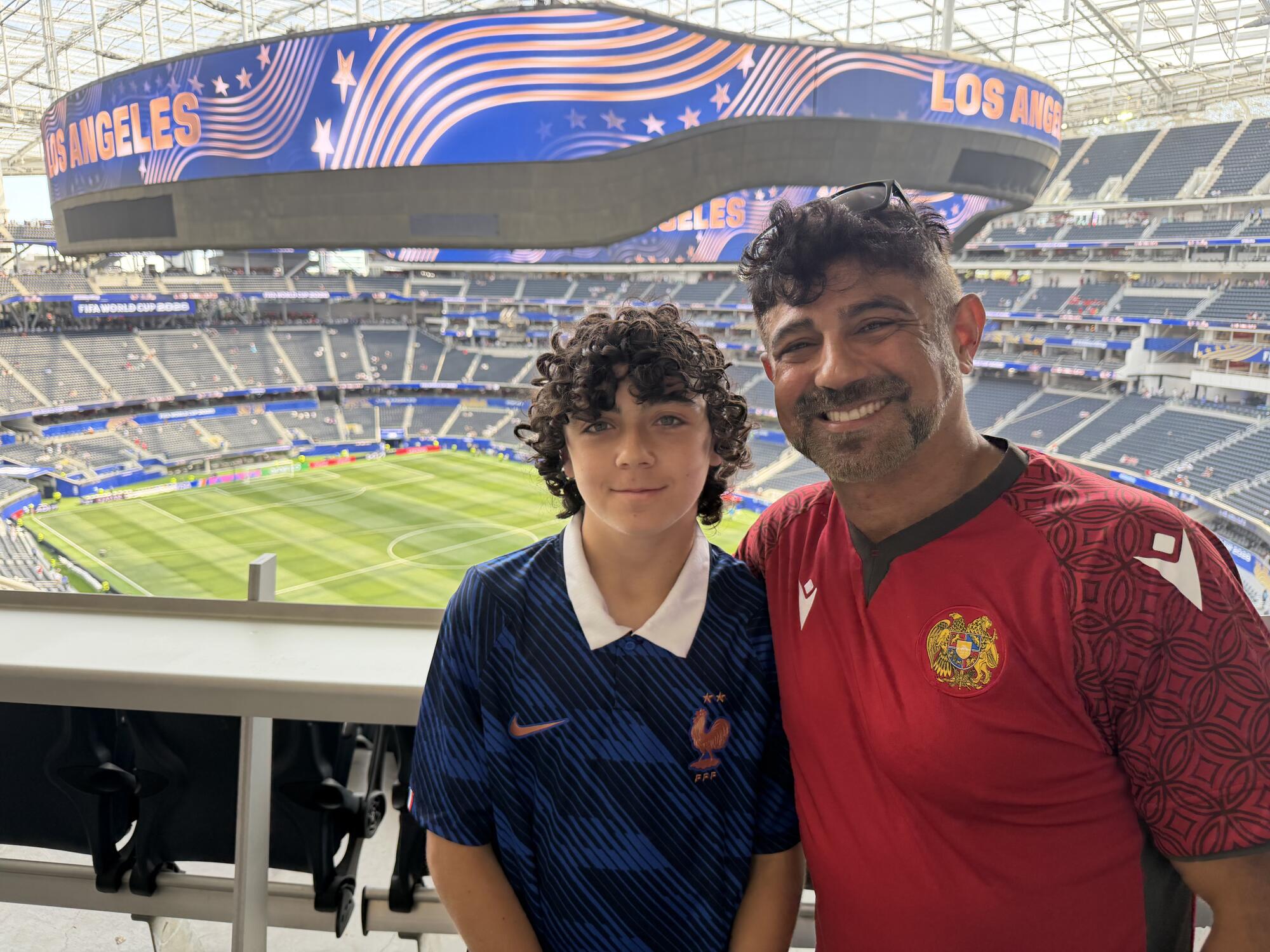
And there, among the thousands of enthusiastic Iran supporters swept up in the match, was my son’s favorite soccer coach, Narbé Mansourian, with his son, 13-year-old Daniel.
Narbé’s brother got his hands on a pair of nosebleed tickets and immediately handed them over to his soccer-loving relatives.
And Narbé — a fifth- and sixth-grade social studies teacher in Hollywood — had no qualms about backing these Iranian men. There were no second thoughts about separating the players from the politics in the country with the complicated geopolitical — and personal — history.
Now, know this: Mansourian is no fan of Iran’s Islamic regime. He was 7 in 1983 when his father, a political dissident, was executed in Evin Prison, nine months after he’d been apprehended.
Narbé remembers visiting his dad, Vazgen, at the notorious prison. He remembers the long drive to get there, the long wait to see him and the game he and his mom used to play: “Today you are 4 years old.”
Narbé Mansourian, right, and his son Daniel before Monday’s World Cup match between Iran and New Zealand at SoFi Stadium.
(Mirjam Swanson / Los Angeles Times)
What started as a way to avoid paying bus fares for 6-year-old Narbé became the way to fool guards at prison, where only the small children were allowed to physically touch their imprisoned loved ones.
He remembers being allowed behind the glass, where he’d wait for his dad to emerge, blind-folded.
When his dad was killed at 37, Narbé said his mother didn’t immediately find out. And when she did, she initially told Narbé that he’d been sick. There was no funeral and when they went to visit his father’s grave, they found a dirt field. There were no markers, Narbé recalls.
He has kept Vazgen’s Coke-bottle glasses, his watch and the still-intact little LEGO house they built together before his dad was taken to prison.
Narbé has held onto so many difficult memories, including the nighttime terrors associated with bombings during the Iran-Iraq war. But there are also happier recollections. Like the stories he would make up about good guys going against the greedy. And, yes, memories of going to soccer games with his dad.
So, “absolutely, I’m going to root for the Iranian national team,” Narbé said before Monday’s match, saying that, to him, equating the Iranian national team with the country’s regime is like rooting against the Knicks because you don’t like President Donald Trump, a native New Yorker.
“It’s not like a cartoon good guy, bad guy,” Narbé said. “There’s so much gray. Because they live there. My heart goes out to them. It can’t be easy, to kind of teeter-totter like that.”
A pre-revolutionary Iranian flag is displayed before the World Cup group stage match between Iran and New Zealand at SoFi Stadium.
(Allen J. Schaben / Los Angeles Times)
I should’ve expected this outstanding youth soccer coach would be most concerned with the players on the pitch.
Some fans got into SoFi on Monday with the Iranian Lion and Sun flag, a historic Iranian national and opposition flag that was banned from the stadium because FIFA desires to steer free of politics (unless it’s steering straight into them). It was a strange sight in Los Angeles, seeing stadium workers asking attendees to discard flags in an effort to censor the expression of people here.
Some of those fans turned their backs during the national anthem, which many in the stands jeered at its start. But then, once the game took hold, so did the support.
“There were many Iranians here,” Iran coach Amir Ghalenoei said through an interpreter. “They believe in different political affiliations, different beliefs, but they all wholeheartedly encouraged us, and I think that’s a victory for all of us.”
US President Donald Trump has accused his predecessor Barack Obama of ‘bribing’ Iran to agree to the 2015 nuclear agreement, by referring to a $1.7B settlement of a decades-old lawsuit. He used profanity in his brief comments to the media alongside Egyptian President Abdel Fattah el-Sisi.
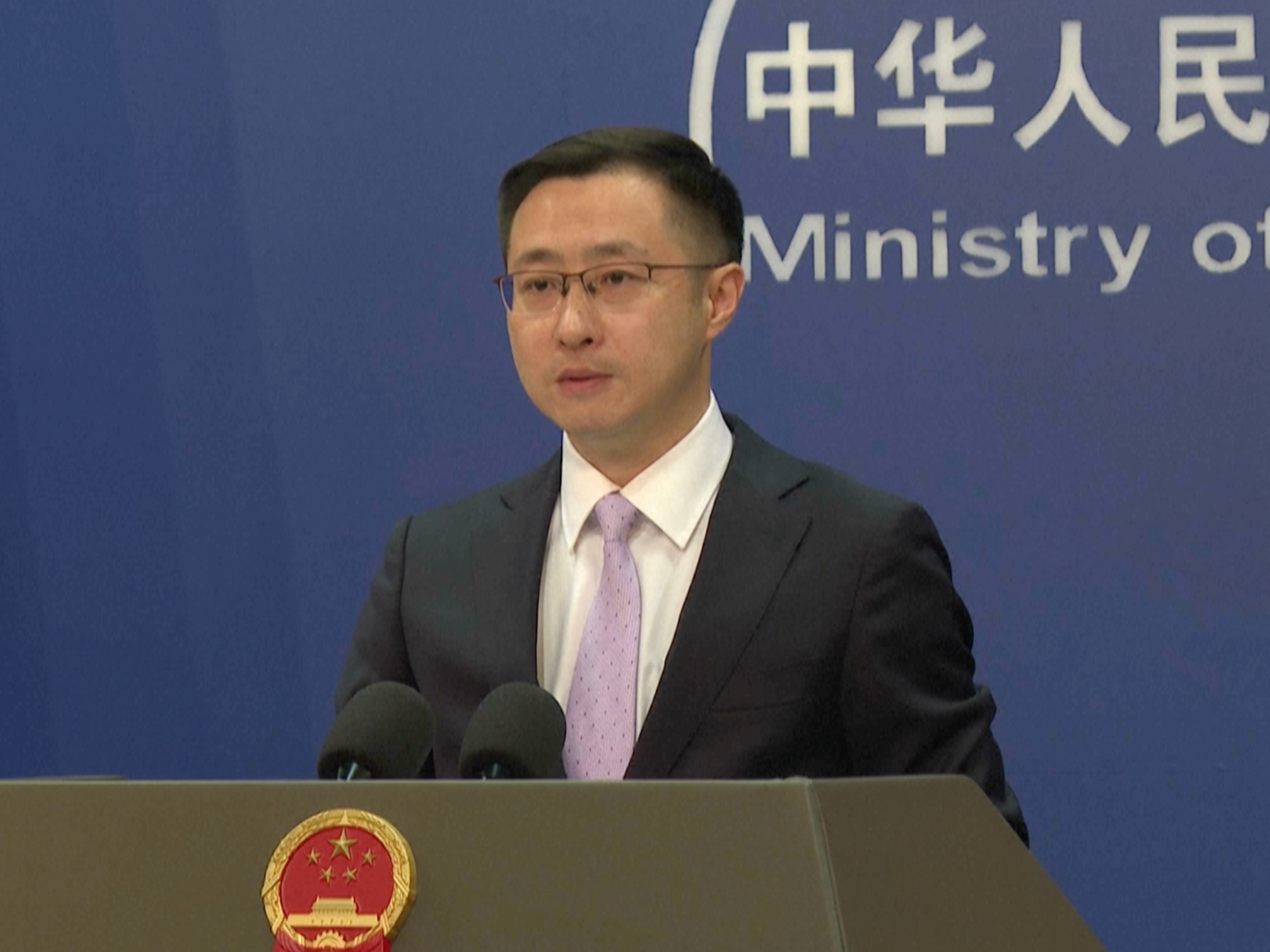
China has announced it will send a round of humanitarian aid to Lebanon and Iran and play an active role in fostering regional peace. The foreign ministry spokesman described Beijing as ‘deeply saddened’ by the humanitarian disaster.
But on the streets of L.A. over the last week, something very different has happened.
Fans from a kaleidoscope of cultural backgrounds have come together to act out the kind of world — and city — they want to live in.
On the shuttle bus from downtown to Inglewood on Monday, there were scores of people with Farsi-emblazoned shirts and crowds of grinning Kiwis as one would expect for the Iran-versus-New Zealand showdown that evening. However, there were also clusters of striped blue Argentina T-shirts, plenty of Team USA jerseys, and a loud group of fans chanting “Viva Mexico” from the back of the bus.
The mood was joyful before Monday’s match among fans of Iran’s national team. The players, because of restrictions by the Trump administration, have had to commute to the games from Tijuana.
(Allen J. Schaben / Los Angeles Times)
Similar scenes played out on the Metro K Line as World Cup-goers from all over traded stories of how they scored tickets, tips for navigating L.A.’s transit system, and wistful memories of tournaments past.
“This festival is about unity and bringing the whole world together; there are 48 nations and everybody is having a good time,” said Ardy Salem, an Iranian American dentist who traveled from the Bay Area to attend the game, as he surveyed the crowd outside SoFi Stadium on Monday with unabashed glee.
“Just for a moment,” he said, “we get to leave all the politics behind.”
David Leon, 32, of Watts was grinning from ear to ear as he stood outside the stadium entrance in his forest-green Mexico jersey, despite the fact that he initially didn’t support having the World Cup in Los Angeles.
“I thought it was going to be a big issue for a bunch of different people to come here,” Leon said.
Fans of New Zealand show their support as they perform the haka, a traditional Maori dance and chant, at Monday’s match.
(Allen J. Schaben / Los Angeles Times)
Leon worried that people from other countries would be turned off by American politics and fearful about traveling to the U.S.
“It really does bring people together from all these different ethnicities,” Leon said, looking at the lines of people waiting to get into the stadium. “I’ve seen Colombians, I’ve seen Mexicans, people from New Zealand, people from Iran, Germans, Spaniards.”
And for his own community of Mexican Americans, he said the matches had brought a much-needed infusion of joy. This time last year, Immigration and Customs Enforcement raids were roiling Los Angeles, instilling fear throughout immigrant households.
Fans of Mexico are on hand at Monday’s match at SoFi Stadium. Before the World Cup, there were widespread fears of ICE presence at the games.
(Kelvin Kuo/Los Angeles Times)
Just last month, about 2,000 SoFi Stadium workers threatened to strike if they didn’t receive assurance that immigration agents would be kept out of the venue during the World Cup.
Leon said he was definitely worried that ICE would take advantage of crowds gathering for the matches to perform further immigration enforcement.
But, so far, that has not been the case. Instead, many people in his hometown of Watts have been consumed with “World Cup fever,” calling out of work to attend watch parties at local bars and walking down the streets with eyes glued to a livestream of a game on a phone, he said.
While joy was the overriding mood among soccer fans gathered in Inglewood on Monday, the day was not entirely free of tension or pangs of grief for the people who were missing out on the fun.
James Carling, 63, of Ventura said it pains him to know that many fans from countries such as Iran, Haiti and Senegal are unable to attend the matches because of the Trump administration’s travel restrictions.
“Let’s face it, our government hasn’t made it easy for people to visit us, which is a shame,” he said outside the stadium. “There were people from countries whose teams made it [to the World Cup] who were not allowed to come and, sorry, that’s wrong.”
The shadow of the U.S. war with Iran and the anger many Iranian Americans feel over Iran’s current government were also present in Inglewood on Monday. Outside the stadium, some Iranian soccer fans had heated encounters with protesters who felt that supporting the Iranian national team was synonymous with supporting an oppressive regime.
Yet the atmosphere among the Iranians attending Monday night’s game was one of cathartic celebration, where for a few hours they could set aside geopolitical tensions and unite over the simple love of soccer.
In the stadium parking lot, David Arias, a Mexican American resident of Inglewood, gave a fist bump to Kam Pirouz, an Iranian fan who had traveled from Washington, D.C., to see the game.
Mexico and Iran are “homies right now,” Arias said, referencing the fact that the Iranian players are commuting to the Los Angeles games from Tijuana because of restrictions placed on them by the Trump administration.
Fans watch the World Cup group stage match between Iran and New Zealand at SoFi Stadium on Monday.
(Ronaldo Bolanos/Los Angeles Times)
Although Arias did not have tickets to the match, he said he could not resist the chance to meet people from all over the world. So he decided to take his local barbershop to the parking lot outside the stadium and offer free haircuts to fans.
With an hour to go before Monday night’s game, all three seats at his pop-up shop were occupied; Pirouz, the Iranian fan, was getting a fresh fade while seated next to a Mormon missionary from Utah and an Egyptian fan.
“It’s the World Cup, man, the entire world comes together, and it’s beautiful,” Pirouz said mid-haircut. “Best sport in the world.”
Times staff writer Seamus Bozeman contributed to this report.
Emanuel M Schwermer/DigitalVision via Getty Images
German luxury carmaker BMW (BMWKY) stock fell about 8% on the DAX Index (DAX:IND) on Wednesday as the automaker issued an unexpected profit warning, citing a deepening downturn in China and the economic fallout from the Iran war.
Mehdi Torabi issued a new visa after previous one expired when team returned to Mexico following the New Zealand game.
Published On 16 Jun 202616 Jun 2026
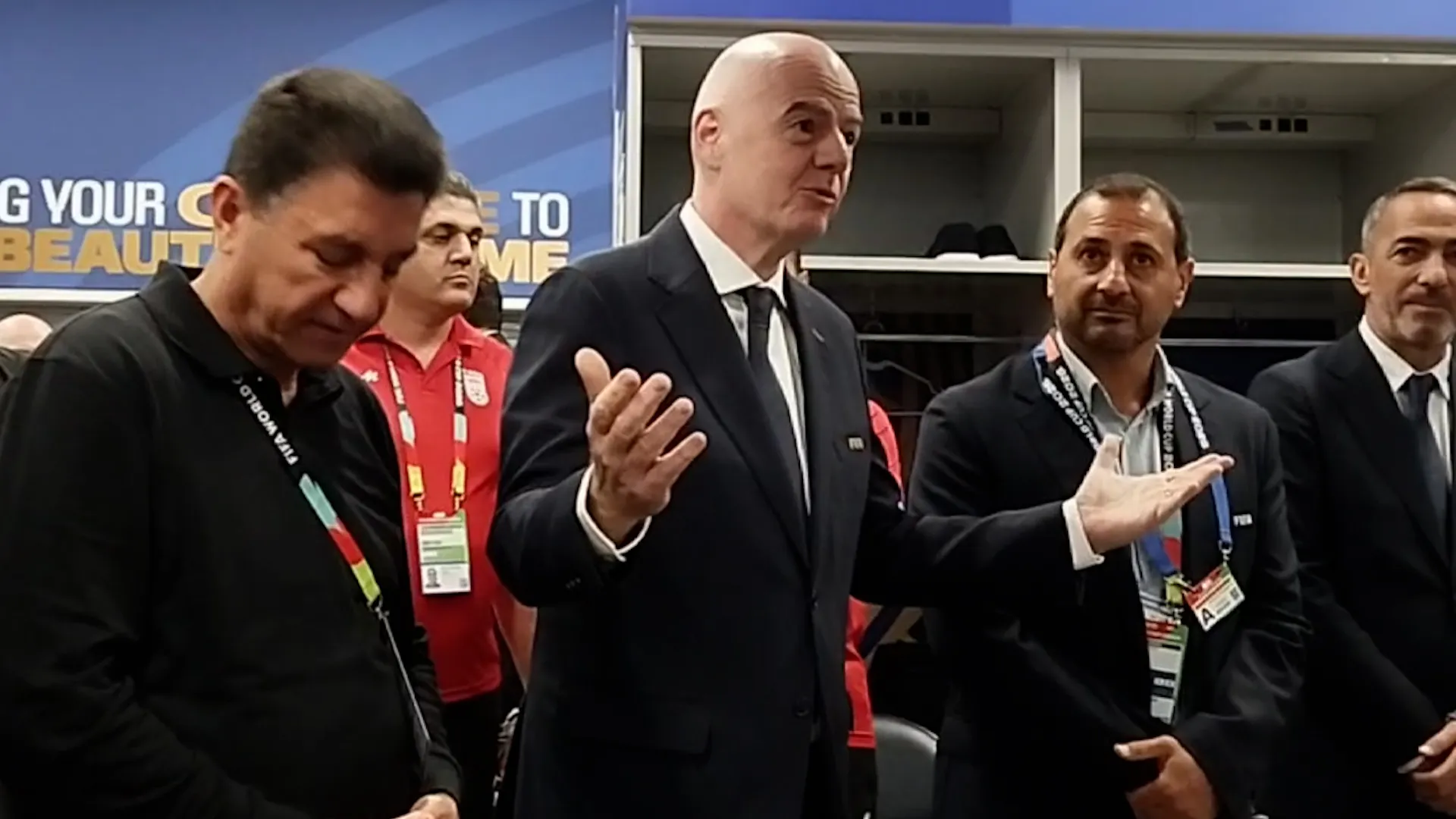
United States officials have confirmed that Iran’s team will have to leave the country within hours of the full-time whistle at their World Cup group games in Los Angeles and Seattle.
“We were clear this was the process,” Andrew Giuliani, the executive director of the White House FIFA Task Force, told The Associated Press news agency.
Team Melli drew with New Zealand in a politically charged Group G game in Los Angeles on Monday following months of uncertainty over the team’s participation in the World Cup amid the US-Israel war on Iran.
The Iranian delegation left the US hours after the match ended at about 8pm local time (03:00 GMT) and returned to their base camp in Mexico, prompting criticism of the US handling of their visas as the team did not get a day to recover at their hotel.
Iran coach Amir Ghalenoei said after the match that his team had been ordered to leave the US and return to Mexico only a few hours later. Ghalenoei said the team had expected to spend the night in California to maximise the normal recovery process after their opening game.
The US faced further pushback as Iran winger Mehdi Torabi’s entry visa expired after the first game. Team officials confirmed Tuesday afternoon that they had secured him a new, multiple-entry visa allowing him to travel into the US for future matches.
“This issue has been resolved,” the US Department of State said.
“As soon as we became aware of the issue, we worked to ensure that the player can participate in every game.”
Mehdi Torabi, number 16, was issued a new visa after his previous one expired following the first game [Gary Vasquez/Reuters]
Giuliani said during an interview broadcast Monday night on CBS News that some of the Iranian team’s support staff and team officials were denied entry into the US, but all the players and coaches had received visas.
He also outlined the conditions by which the Iranian team would be able to come into the US for their games.
“The team will be allowed to come in, match day minus one, so the day before the match. They’ll be asked to leave the day that the match wraps up, so the evening of the match. And they’ll be able to do that again in Los Angeles. They’ll be able to do it again in Seattle,” Giuliani said.
When asked about why some support staff and team officials had been denied entry, Giuliani wouldn’t go into details but referred to previous comments made by Secretary of State Marco Rubio about denying entry to people with direct ties to Iran’s Islamic Revolutionary Guard Corps (IRGC).
“Secretary Rubio said very clearly: Anybody with direct ties to the IRGC is not coming into the United States of America, and they’re not going to let the World Cup be the reason why they can come in,” Giuliani said. “So I think it’s very clear why.”
Iran captain Mehdi Taremi said the team endured five hours of travel and security checks during what’s normally a very short trip from Tijuana to the Los Angeles area on Sunday.
“I think FIFA have to help us more than this,” Taremi said.
Beijing warmly welcomes the peace agreement and memorandum of understanding between the United States and Iran, considering it an important step toward de-escalating regional tensions. China supports the diplomatic path to resolving the crisis, based on a clear strategy aimed at protecting its economic and strategic interests. Beijing emphasizes that a permanent ceasefire, the protection of national sovereignty, the reopening of the Strait of Hormuz, and ensuring the safety of international navigation are top priorities. China contributed behind the scenes to shaping the negotiating framework and influencing Tehran to accept the agreement with the United States in order to safeguard its vital interests in the continued flow of Iranian oil. Accordingly, China officially welcomed the memorandum of understanding between the United States and Iran, affirming that the agreement represents a crucial step toward de-escalating regional tensions. The Chinese diplomatic welcome focused on the key provisions of the agreement, as stated by the spokesperson for the Chinese Foreign Ministry. These provisions guarantee a comprehensive ceasefire, freedom of navigation, energy security, an end to the naval blockade, and the reopening of the Strait of Hormuz to global trade and energy supplies. China considers this essential for its energy and economic security. This agreement, along with the nuclear framework and negotiations, marks the conclusion of the first phase, followed by a 30-60 day negotiation period to discuss the Iranian nuclear program (uranium enrichment and the lifting of sanctions). This Chinese announcement came in support of international mediation efforts ahead of the official signing ceremony in Geneva.
The most prominent points welcomed by China in the US-Iranian agreement, according to announcements and follow-up by Chinese diplomatic channels and as included in the key provisions of the memorandum of understanding, were a cessation of military operations; an immediate and permanent ceasefire on all fronts, including the Lebanese front; freedom of navigation through a commitment to end the naval blockade and open the Strait of Hormuz to global trade and energy supplies; and the nuclear framework, with the conclusion of a phase one agreement stipulating that negotiations on the Iranian nuclear program (uranium enrichment and sanctions relief) would take place within a specified timeframe of 30 to 60 days following the signing.
China has played a pivotal, often unacknowledged, role as a diplomatic bridge between Tehran and Washington to protect its strategic and economic interests in the Middle East. The dimensions of China’s behind-the-scenes role include ensuring the flow of energy. Beijing seeks to maintain stability in the Gulf region to guarantee the uninterrupted supply of Iranian oil and to protect its interests and investments in the Belt and Road Initiative. Iran represents a crucial geographical and strategic hub in China’s ambitious Belt and Road Initiative. To this end, Beijing has sought to leverage its strong economic ties and strategic partnership with Tehran to persuade it to make flexible concessions during critical times, while offering support to avoid military escalation. Beijing fears that the collapse of diplomatic channels could lead to a regional war that would jeopardize its extensive investments in the region.
On the other hand, Beijing seeks to counterbalance American influence. China prefers a negotiated framework between Tehran and Washington that limits American unilateral hegemony and positions itself as a responsible international player capable of peacemaking. China’s vision for diplomatic balancing between Washington and Tehran is shaped by several key strategic axes, most importantly (establishing the principle of a political settlement). Here, Beijing consistently emphasizes that dialogue is the only solution to the Iranian crisis, rejecting military escalation that harms the security of navigation and global trade. This is coupled with regional and international networking, where China supports parallel diplomatic efforts, such as Pakistani mediation. Beijing maintains continuous communication with the parties to the crisis to ensure the opening of indirect negotiation channels that prevent a full-scale confrontation and safeguard vital interests. China has maintained the flow of Iranian oil while simultaneously strengthening its extensive economic partnerships with the Gulf states, granting it unique diplomatic weight and influence that Western powers lack. Despite this notable progress, Beijing faces ongoing challenges due to US containment policies. China rejects Washington’s classification of its major technology companies as military entities and threatens retaliatory measures, making Beijing’s attempts to create a strategic balance with the United States an extremely delicate and sensitive process.
Based on the preceding understanding and analysis, we can see how successful Beijing has been in transforming escalating tensions in the Middle East into strategic gains. China has played an active mediating role by supporting diplomatic talks and the memorandum of understanding for peace between Washington and Tehran, thus positioning itself as a responsible international power seeking to establish stability and move away from unilateral hegemony.