increase

Newsom offers early peek at rosy budget projections

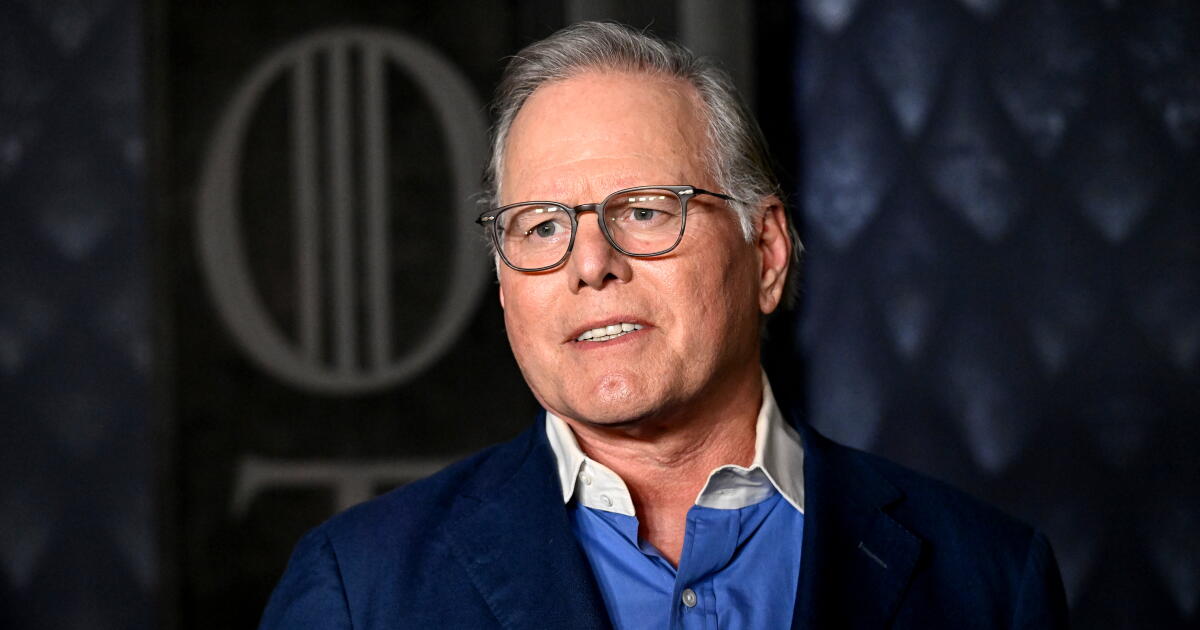
Hours before Gov. Gavin Newsom is expected to present his budget plan on Thursday, his office released new projections of a $16.5-billion state revenue windfall over three years and offered a rosy outlook on California’s fiscal position during his final year in office and the year after.

Newsom’s office provided few details about his plan to reduce spending or other adjustments that he would need to propose in combination with the increase in revenue to eliminate projected deficits from 2026-27 through 2027-28.

The unusual early look at his budget proposal comes as Newsom begins to wind down his time at the state Capitol and considers a run for president in 2028.

Two weeks ago, the Legislative Analyst’s Office issued an analysis of state spending that said California could not, in the long term, afford to pay for existing services and the new programs that Newsom and Democratic lawmakers have enacted since he took office in 2019. State spending has outpaced California’s strong revenue growth by about 10%, creating a perennial budget shortfall, defined as a structural deficit.

California’s spending problem threatens to define Newsom’s fiscal legacy and could provide ripe fodder for his critics. If projections of the unexpected tax windfall, which analysts attribute to stock market interest in artificial intelligence companies, bear out, the upswing could mark a lucky break for Newsom.

The governor has largely resisted adopting new across-the-board tax increases or sharply curtailing his expensive policy proposals in order to align state spending with revenue.

His budget proposal includes a call to increase taxes on corporations by limiting state tax credits to no more than $5 million, or 50% of a company’s tax liability, beginning in the tax year 2027. No estimates were offered to explain how much revenue the new cap would bring in to support the state budget.

The preview of his budget has several new spending proposals, including providing $300 million to help low-income Californians keep $0 monthly premiums on healthcare coverage through the Affordable Care Act in response to cuts by the federal government, as well as $100 million to help wildfire victims afford construction loans to rebuild their homes. Two days before Mother’s Day, Newsom also introduced a plan to provide 400 free diapers for every California newborn at select hospitals beginning this summer.

Newsom is expected to present his budget in more detail late Thursday morning in Sacramento.

Source link

Ryanair to increase staff bonus for applying £65 baggage fine on passengers

The budget airline is set to increase the staff bonuses for catching those out who travel with oversized baggage as travellers will be issued a £65 fine for the large luggage

Ryanair is planning to increase staff bonuses for hitting passengers with oversized baggage fines.

Michael O’Leary is set to increase the bonuses given to staff members who dish out additional charges to those with oversized luggage.

The chief executive said that after it emerged that his staff were incentivised to catch passengers out the number of travellers stopped with oversized baggage had dropped.

The budget airline staff are currently paid €2.50, roughly £2.17, for every oversized bag they identify.

Passengers are made to pay an additional €75 (£65).

The change could see workers receive a €3.50 bonus for everyone they catch out, according to The Times. This bonus for Ryanair workers was already increased in November 2025 from €1.50.

“The number of outsized bags is falling from, I don’t know, 0.0001 [per cent] to 0.00001,” O’Leary said.

“As the numbers fall, I think we will up the rate of commission, from €2.50 to €3.50 or so.

“Everybody must know, do not show up with a bag that doesn’t fit in the sizer because you will be charged.”

All fares include one small personal bag (40 x 30 x 20 cm) that must fit under the seat.

Cabin bags can be purchased and weigh up to 10kg, the (55x40x20cm) item must fit in the overhead locker.

At the time of the incentive increase last year, O’Leary said about 200,000 passengers per year have to pay extra to put carry-on luggage in the hold, and he has no sympathy for “chancers” trying to bring “rucksacks” aboard.

The CEO added: “We’re the airline with the lowest air fares in Europe,”

“Those are our rules. Please comply with the rules, as 99.9% of our 200 million passengers do, and you won’t have any problem.”

He claimed if people “comply with the bag rules then everyone will board faster” and there will be “fewer flight delays”.

The announcement comes after the Ryanair boss said that airport bars should stop serving alcohol early in the morning.

The CEO claimed his airline is being forced to divert flights almost daily because of drunken, aggressive passengers.

Pubs in airports do not follow the same licensing rules as bars outside these environments do.

Mr O’Leary said that changing this will support his airline and others because it would help cut out aggressive behaviour in the skies.

Source link

Disney’s theme parks revenue holds steady, despite national economic concerns

Walt Disney Co.’s theme parks and cruise line business is holding steady despite national concerns about discretionary consumer spending and higher gas prices.

The Burbank media and entertainment giant’s experiences division reported $9.5 billion in revenue in its fiscal second quarter, up 7% compared with the same period a year ago.

The increase was due to higher guest spending at Disney’s domestic parks and experiences, which reported a 6% bump in revenue to $6.9 billion, and more capacity on the company’s cruise line with the introduction of two new ships. The segment saw a 5% increase in operating income to $2.6 billion for the three-month period that ended March 28.

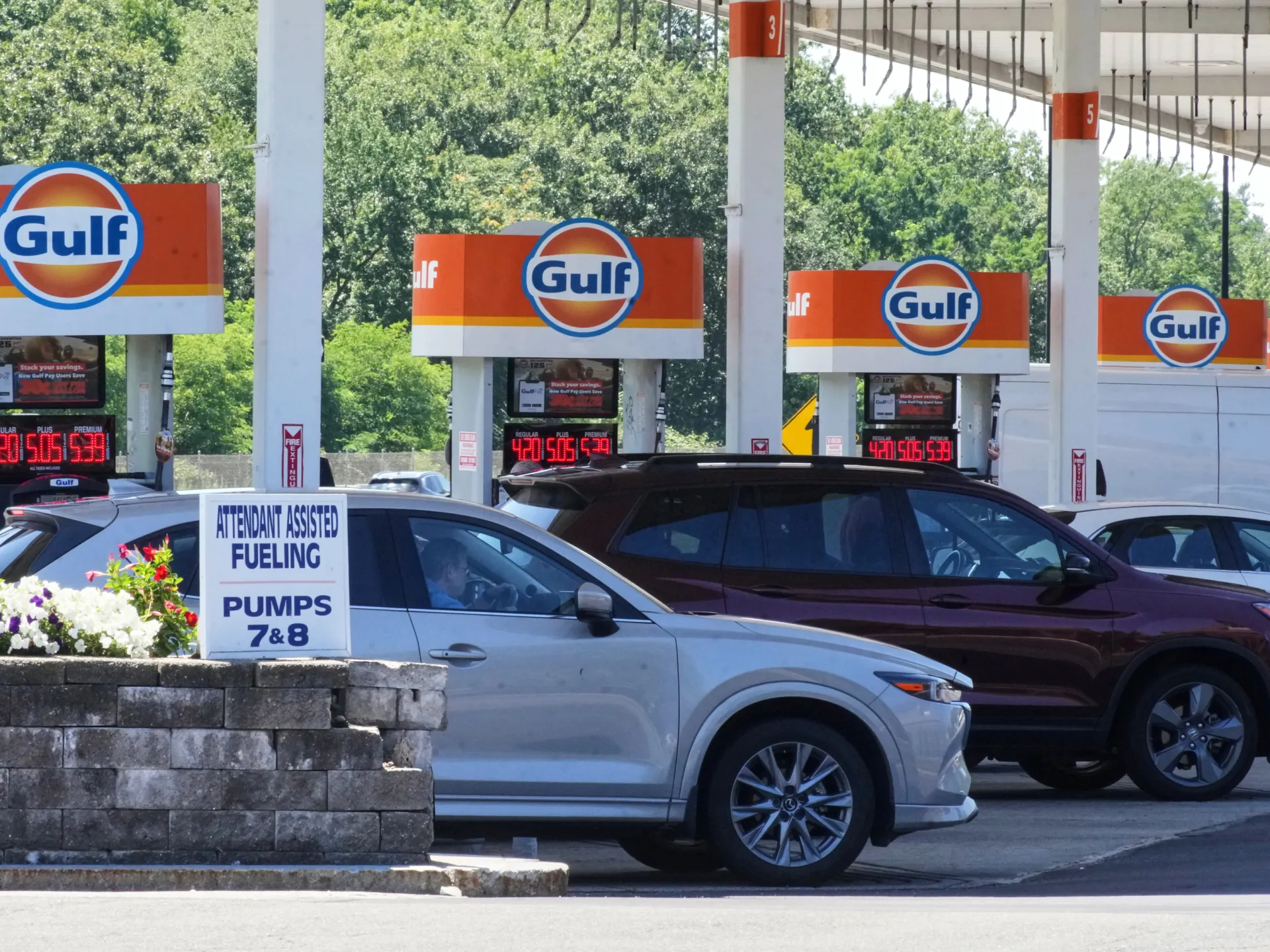
Disney’s theme parks segment was under close scrutiny given the national conversation about rising consumer costs and gas prices due to the U.S.-Iran war. Analysts had wondered whether consumers would tighten their belts and forgo vacations given the higher travel costs.

Disney did see a 1% decline in attendance at its U.S.-based parks compared with the prior year, which the company attributed to “continued softness” in international visitors, but said it was starting to move past those issues. Company executives have previously said Disney pivoted marketing and promotional efforts to attract local visitors.

Last quarter, executives indicated that results in the company’s second fiscal quarter could be affected, in part, by “international visitation headwinds,” a nod to the lower number of foreign visitors now traveling to the U.S.

Though the heightened economic uncertainty around the world could have a “potential impact” on the business, Disney Chief Executive Josh D’Amaro and Chief Financial Officer Hugh Johnston said in a shareholder letter Wednesday that the company was “encouraged by current demand.” The company expected that fiscal third-quarter domestic attendance numbers would improve, they wrote.

The company’s overall earnings were powered by its entertainment business, which posted revenue of $11.7 billion, up 10% compared with the prior year’s quarter.

That growth was driven by big gains for Disney’s streaming services — Disney+ and Hulu — which raked in nearly $5.5 billion in revenue, an increase of 13% compared with 2025, thanks to higher subscription fees from user growth and more advertising revenue. Operating income for the streaming business jumped 88% to $582 million.

Disney’s entertainment segment also had a stronger quarter at the theatrical box office, with standout performances from 20th Century Studios’ “Avatar: Fire and Ash,” the animated sequel “Zootopia 2” and Pixar’s “Hoppers.”

Overall, the company reported $25.2 billion in revenue, a 7% bump from the prior year. Income before income taxes totaled $3.4 billion, an increase of 9% compared with the same period in 2025, while operating income rose 4% to $4.6 billion. Earnings per share, excluding certain items, was $1.57, compared with $1.45 a year earlier.

Disney’s sports segment, which includes ESPN, reported revenue of $4.6 billion, a 2% increase from the same period in 2025. It brought in operating income of $652 million, a 5% slide that the company attributed to higher sports rights costs and the absence of UFC pay-per-view revenue compared with last year.

Disney also alluded to the company’s view of artificial intelligence as a “meaningful long-term opportunity,” saying it could play a role in content creation and production, monetization, workforce productivity, consumer and guest experiences and enterprise operations.

“At the same time, we are committed to implementing AI in a way that keeps human creativity at the center of everything we do and respects creators and the value of our intellectual property,” D’Amaro and Johnston said in the shareholder letter.

After noting OpenAI’s closure of the text-to-video AI tool Sora, which Disney had planned to invest in, D’Amaro and Johnston said the company will “continue to explore” commercial opportunities with OpenAI and other companies.

Source link

Travel companies could increase price of your holiday even after you book

Just because you have booked your break, doesn’t mean that is the price you will pay

Travel industry chiefs have warned that holiday prices could go up – even for people who have already booked. There are fears of cancellations, delays and disruptions this summer as oil supplies are restricted by the war in Iran.

And there are concerns that prices of travel will go up to cover the rising cost of fuel. But industry experts have also raised the spectre of the price of existing holiday bookings going up.

That means people who have already booked and paid for their holidays being asked to pay more if they still want to travel. Emma Brennan from travel agent and tour operator trade association ABTA said the legislation allows companies to ask for more money.

Speaking to BBC Money Box Live, she said: “There is something in the package travel regulations which just applies to package holidays, that travel companies could increase the cost of package holidays by what they call a fare charge. However, it very rarely happens, and there have been so many situations of disruption and uncertainty in recent years, and we haven’t seen this happening.

“And even if the travel company did choose to do it, there are quite strict rules around it. So, for example, it would have to have been in their terms and conditions, they can only do it up to the cost of eight per cent after that, and that’s a cost of eight per cent of the whole holiday – after that you would be offered a refund and it can only apply to various cost increases they are facing.”

According to Which? A 14-night package holiday can cost between £1,500 and £2,000 per person – meaning you could be asked to pay an extra £160 – or £640 for a family of four.

Airports Council International, which represents more than 600 airports, wrote recently to European commissioners for energy and transport and tourism, claiming that if the crucial Strait of Hormuz in Iran does not reopen in a “significant and stable way within the next three weeks” then “systemic jet fuel shortage is set to become a reality for the EU”.

Some airlines such as Virgin Atlantic have imposed fuel surcharges on passengers in response to higher oil prices, and others such as KLM have cancelled flights amid concerns about a shortage of fuel.

Susannah Streeter, chief investment strategist at Wealth Club, said: “Consumers are bracing for an energy crunch, and there are fears that just like the credit crunch of 2007-2008, there could be a long tail of repercussions. In the immediate term, there’s the prospect of holiday plans being ruined by a jet fuel crisis which could see thousands of flights cancelled.

“Lufthansa has already scrapped a big chunk of routes, and there are worries tourist destinations could be hit.”

Source link

Two more major airlines forced to increase flight prices by £86 due to fuel crisis

As airlines grapple with the soaring jet fuel prices and global shortage due to the closure of the Strait of Hormuz, two more have been forced to increase their prices for passengers

Due to the escalating fuel crisis sparked by the Middle East conflict, two more airlines have been forced to raise their prices.

Air travel has been severely disrupted with cancelled routes and a sharp rise in jet fuel prices since US-Israeli strikes erupted on February 28, 2026. The situation was further heightened by Iran’s blockade of the Strait of Hormuz, through which approximately 20 per cent of the world’s oil and gas passes, triggering a global shortage.

As a result, airlines have been grappling with rising jet fuel costs and have been forced to raise prices. Air France and KLM are the latest airlines to confirm they’ve had to increase ticket prices as a result.

READ MORE: Major European airport issues ‘arrive early’ alert for all passengers amid delaysREAD MORE: EasyJet boss warns of summer price hike after £25million hit from jet fuel costs

The airlines, which are part of the same company Air France–KLM, had previously added a surcharge last month to offset soaring jet fuel prices. At the time, economy fares were bumped up by an extra €50 (£43.47) for a round trip, reported The Sun.

Now, with another increase announced, a long-haul round trip with Air France or KLM could cost an additional €50, bringing the fuel surcharge to €100 (£86.98) on top of the standard fare. Meanwhile, flights to the United States, Canada and Mexico could increase by €70 (£60.89), and an economy round-trip could cost an extra €10 (£8.70).

The Mirror has contacted Air France and KLM for comment.

Air France and KLM aren’t the only airlines to raise prices amid the ongoing fuel crisis. Just this week, it emerged that Virgin Atlantic had increased some flight costs with an extra £50 fuel surcharge on economy-class tickets, while premium economy fares are climbing by £180 and business class by £360.

Virgin Atlantic Chief Executive, Corneel Koster, warned travellers that flight prices could climb in the coming months and potentially throughout the remainder of the year. He said: “We have never seen jet fuel at this level and airlines cannot sustain those sorts of high costs.”

“If the fuel price goes much higher, I think the surcharges may go higher. If they go up in a week and you book in two weeks’ time, you’ll be paying higher.”

While there are no fuel shortages at present, Koster acknowledged it was impossible to guarantee supplies in the months ahead. “We have contracts with multiple suppliers who have a wide range of diversity of where the jet fuel comes from,” he explained.

“We have good visibility and no concern for the coming one to two months – certainly for the remainder of April and May. Beyond that I have less visibility, but that is quite normal.”

Meanwhile, it’s also been reported that airlines, such as JetBlue, have increased luggage fees in a bid to offset the soaring fuel costs. For off-peak economy fares, bags are expected to cost $4 more (£2.95), jumping to $39 (£28.79), while peak economy fares are set to be $49 (£36.17).

Do you have a travel story to share? Email webtravel@reachplc.com

Source link