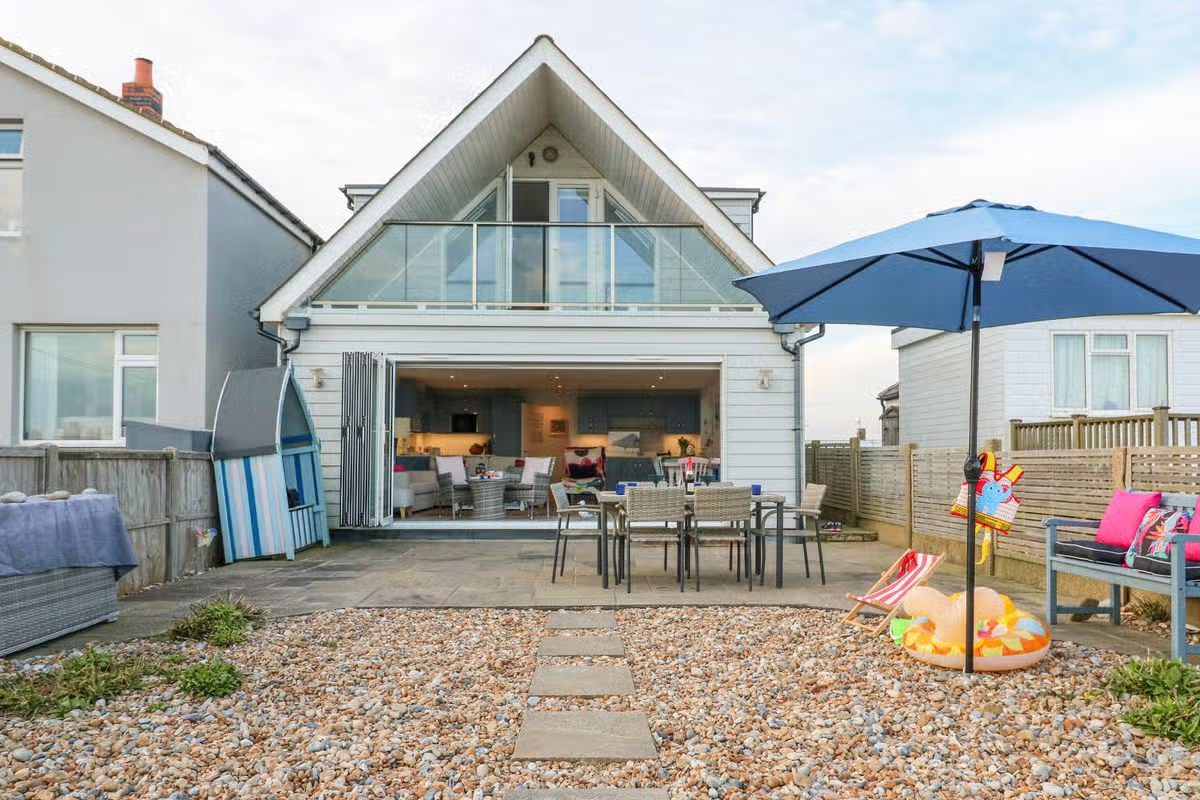
Sykes Holiday Cottages has crowned some of the UK’s best holiday cottages in its latest awards including best for young families, with the best views and pet-friendly properties
This article contains affiliate links, we will receive a commission on any sales we generate from it. Learn more
The UK is filled with beautiful holiday homes whether you’re after a cosy cottage for a romantic break, or a castle-turned-holiday-rental for a weekend away with a huge group of friends and family. The sheer amount of offer can sometimes make it a little trickier to unearth the hidden gems.
Luckily, Sykes Holiday Cottages have helped to narrow it down as they have unveiled the winners of their 2026 Sykes Gem Awards. I was a judge as part of a wider panel, with scores based on a number of factors including guest reviews, the quality of a property, amenities on offer, and even overall popularity.
This year’s winners have included a Grade II-listed lighthouse, a stay in the grounds of the historic Culzean Castle, a cosy glamping hut in the heart of Herefordshire, and a romantic bolthole on the Isle of Lewis.
You can check out the full list of winners here, but below are 12 properties which won gold that we think you’ll definitely want on your radar for your next UK holiday…
It’s not just Sykes Holiday Cottages that’s been serving up a dose of staycation inspiration. Earlier this year, HolidayCottages gave us plenty of UK holiday ideas when it unveiled its 2026 Showcase Awards with categories including winners for Most Iconic Design, Extraordinary Stays and the best in UK and Ireland.
Have you got a holiday story to share? Email us at webtravel@reachplc.com
A BELOVED UK hotel chain has closed two of its sites ahead of a Premier Inn takeover.
One of the hotels has been in operation since 2009 and was highly praised by guests for its great service, low prices and comfy beds.
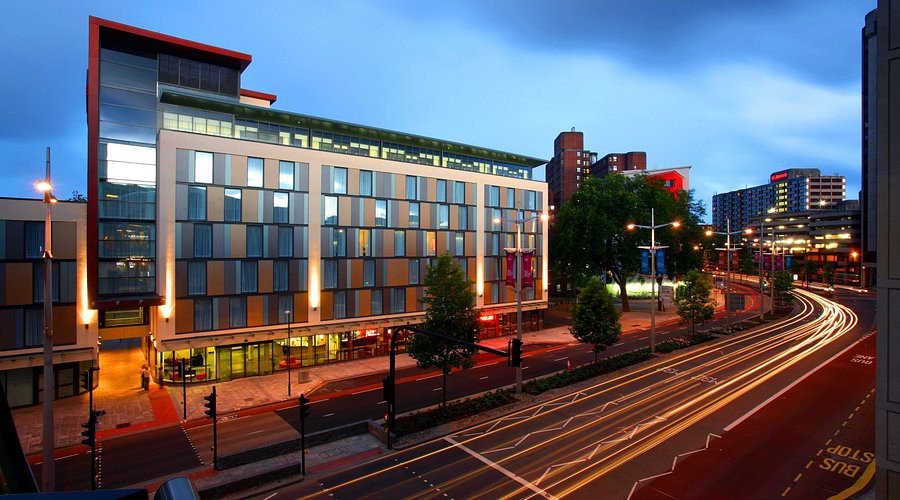
A popular hotel chain has closed two of its sites ahead of a major takeoverCredit: Future InnThe two sites will be turned into Premier Inn hotelsCredit: AFP via Getty Images
Now, Future Inn in Bristol‘s iconic Cabot Circus has shut down for good, having been bought by hotel giant, Premier Inn.
Future Inn’s Plymouth branch has also closed its doors, after operating for 20 years.
Sign up for the Travel newsletter
Thank you!
The four-star sites were acquired by hospitality operators, Whitbread, and will re-open under the Premier Inn name.
While it’s unknown when the transformations will be completed, the purchases come after Whitbread announced a new business strategy to invest in the Premier Inn brand.
The company has shut down hundreds of Brewers Fayre, Beefeater, Table Table and Bar + Block locations in recent months in order to invest in Premier Inn hotels.
The closure of Bristol’s Future Inn was confirmed after guests who had reservations for after September 28 had their bookings cancelled.
Sharing a statement after the official closure, a Future Inn spokesperson said: “After 17 wonderful years, we’re saying goodbye to Future Inn Bristol.
“To every guest who stayed with us, celebrated with us, shared special moments with us and made memories here – thank you.
“And to the incredible team members, past and present, who brought the hotel to life every day – thank you for your hard work, loyalty and dedication.”
The statement also confirmed the fate of the Plymouth branch, while it said that the Cardiff site will remain open.
The Bristol Future Inn hotel boasted 149 bedrooms as well as its Chophouse restaurant and bar.
The branch also had multiple conference and event spaces plus a jazz music venue.
Having hosted guests for almost two decades, Future Inn became a popular tourist go-to with countless positive reviews.
Reviewing the hotel earlier this year, one guest said: “Excellent stay from start to finish.
“The hotel is modern, clean and very comfortable, with spacious rooms that had everything needed for a relaxing family stay.
“Beds were comfortable, the room was well maintained, and it felt fresh and welcoming throughout,” the customer added.
Another described their stay as a “lovely experience”, while one more wrote: “I had a wonderful stay at this hotel. The room was very spacious, and the bed was large and extremely comfortable.”
British holidaymakers heading to one of Europe’s most popular destinations have been issued a warning
It concerns a volcanic eruption(Image: Getty Images)
Anyone travelling to Italy or the Vatican City this week have been told to check the latest official advice, after an update highlighted a developing issue that could affect some journeys. The Foreign, Commonwealth and Development Office (FCDO) updated its Italy travel advice on Monday, September 28.
The update relates to Mount Etna, the active volcano on Sicily’s eastern coast which is one of the world’s most active volcanoes. According to UNESCO, Etna’s eruptive history stretches back around 500,000 years, with at least 2,700 years of its activity documented by humans.
It is also one of Sicily’s best-known natural landmarks and was added to the UNESCO World Heritage List in 2013 because of its geological importance. UNESCO describes Etna as the highest mountain on a Mediterranean island and says its continuing activity has made it an important site for scientific research.
The latest FCDO advice says Italian authorities have increased the alert level because of volcanic activity at Mount Etna. Travellers are advised to follow instructions from local authorities if an eruption occurs.
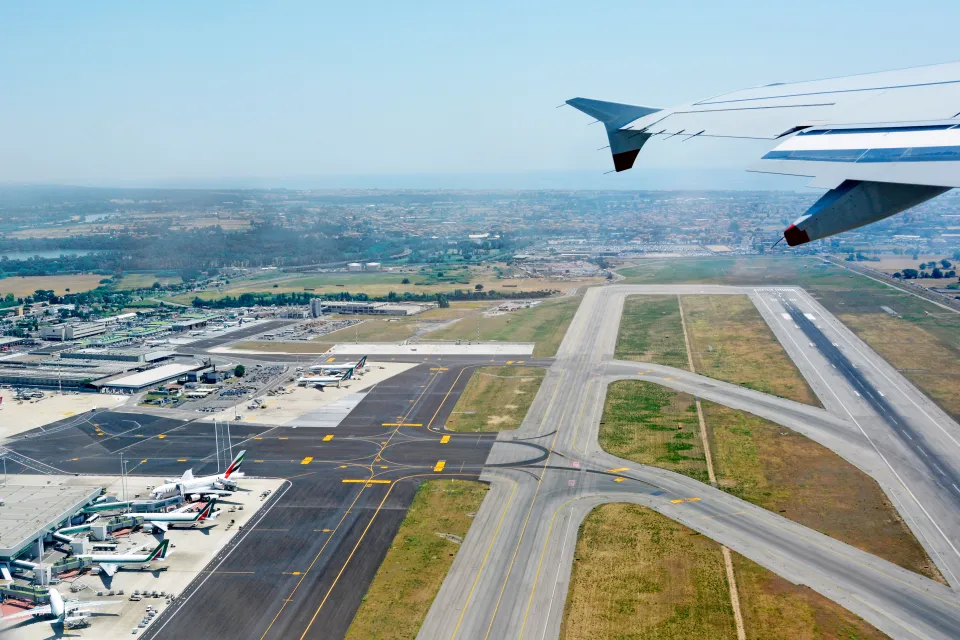
It could have consequences for people travelling by air, with the FCDO stating that arrivals and departures at Catania Airport may be cancelled, delayed or rerouted to Palermo or Comiso if volcanic activity affects the airport. Holidaymakers heading to or from Catania have been advised to check with their airline or travel provider and the airport itself.
The FCDO does not advise against travel to Italy as a whole, but its general guidance states that “no travel can be guaranteed safe” and tells travellers to read the full advice before travelling. It also recommends appropriate travel insurance covering an itinerary, planned activities and emergency expenses.
There are also wider safety points for visitors to Italy, with the FCDO warning that demonstrations can occur with little or no warning in cities and advising people to avoid protests, political gatherings and marches. The government also says petty crime, including bag-snatching and pickpocketing, is more common in city centres and at major tourist attractions.
Wildfires remain another risk during Italy’s extended summer months, with the FCDO describing them as dangerous and unpredictable and advising visitors to check local alerts and weather forecasts. The same guidance says people should follow local authorities’ instructions and take care when travelling through woodland areas.
Anyone travelling should therefore check the FCDO advice shortly before departure because circumstances can change. The government’s travel guidance also recommends having appropriate insurance and following instructions from local authorities while abroad.
TRAIN stations are no longer just a place to get from A to B, but are now attractions in their own right.
And a new awards has named some of the most beautiful ones in the world.
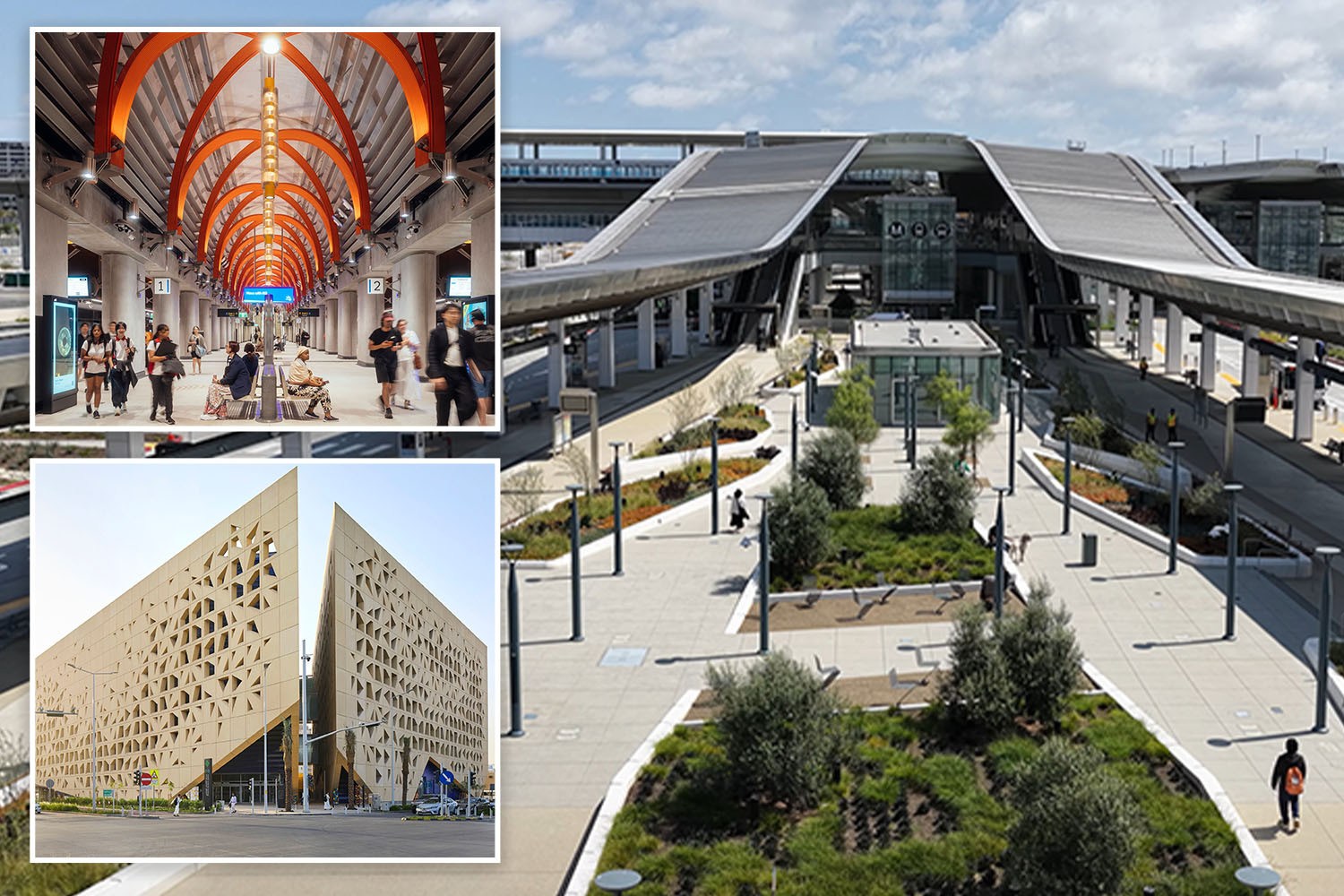
The world’s most beautiful stations have been namedCredit: Hufton+CrowA European winner was Lyon Part-Dieu StationCredit: Romuald NICOLAS
The World’s Most Beautiful Stations were revealed by Prix Versailles, a prestigious architecture and design award,
Prix Versailles Secretary General Jérôme Gouadain said they “give us proof that 21st-century passenger stations can be the bridges to a more desirable future”.
Sign up for the Travel newsletter
Thank you!
While none in the UK made the list, there were three in Europe.
One was Colosseo – Fori Imperiali Station in Rome which only opened last year on the city’s metro line.
It was praised for turning “travel into an archaeological adventure” as well as its “unexpected view of the Colosseum“.
Another Italian train station on the list was Monte Sant’Angelo Station in Naples.
Said to be inspired by city’s Mount Vesuvius, Dante’s Inferno and volcanic terrain, the dark orange doughnut-like structure above ground was called a “sculpture that the public can enter”.
The final European entry was Lyon Part-Dieu Station in France.
Despite having opened in 1983, it recently underwent a huge update last year.
According to Prix Versailles: “This regional, national and international train station, one of Europe’s top stations in terms of the number of connecting passengers transiting through it, has doubled in size thanks to the architectural teams at AREP and L’AUC, with additional access points and pass-throughs to boot.”
The Colosseo – Fori Imperiali Station is right by the famous ColosseumCredit: Casalgrande PadanaMelbourne’s Town Hall Station was compared to a cathedralCredit: Prix Versailles./Jim StepehensonWestern Station in Riyadh was one of two to win in Saudi ArabiaCredit: Omrania
Outside of Europe, Melbourne‘s Town Hall Station also made the top seven list.
Also a new railway station having opened last year, it was praised for both its “eight imposing columns like trees whose branches hold up the canopy above” as well as its “cathedral-like feel”.
Over in the US, LAX/Metro Transit Center was the only American station to be named one of the world’ most beautiful and one of the most futuristic designs on the list,
Saudi Arabia had two stations in Riyadh to have made the list.
IF you want to be ahead of the curve, there’s a country three hours from the UK with beautiful coastal resorts, high summer temperatures and cheap beer.
Not only that, but there are more flights from the UK and with new hotels opening – so it’s set to be the must-visit destination of summer 2027.
Bulgaria is known for having beautiful and cheap coastal resortsCredit: AlamyJet2 will be adding even more flights next year for the Eurovision Song ContestCredit: Alamy
Bulgaria has it all from vibrant cities like Sofia to coastal resorts like Sunny Beach, Golden Sands and Albena.
In the summer, Bulgaria has highs of 30C – and in June, return flights to Sofia as little as £62.
Sign up for the Travel newsletter
Thank you!
It’s affordable too, according to Wise, as beer in Bulgaria can be as little as 90p with an inexpensive meal at a restaurant costing around £6.
TUI has a number of hotels in Bulgaria already, but is expanding in time for next summer.
One of those is the TUI BLUE Arabella in Golden Sands near Varna, which is currently undergoing renovation and is set to reopen in summer 2027.
When open, guests will be able to paddle in its four swimming pools, one main pool, a children’s pool, one for relaxation and the indoor one too.
There will be on-site restaurants and bars, wellness area with a sauna, gym and tennis court.
On-site are 290 rooms which will range from suites to double and family rooms with sea views and balconies.
Guests will also have access to the waterpark at nearby GRIFID Bolero hotel.
Another is in the SUNEO collection which is budget-friendly stays with 3- and 4-star beach getaways.
Bulgaria is getting new TUI hotels for summer 2027Credit: Alamy
Called the TUI SUNEO Compass 4*, the pretty hotel is set within peaceful gardens and is also set to open next summer.
Already existing hotels include the TUI SUNEO Serenity Bay in Tsarevo and TUI SUNEO Perla in Sunny Beach.
An all-inclusive stay at TUI SUNEO Perla in May starts from £591.33pp – or £84.47pppn.
This includes a stay for seven-nights in a Deluxe Double Room with a balcony or terrace and return flights – it also has an outdoor swimming pool and restaurant.
Another of the existing TUI hotels includes the TUI BLUE Nevis in Sunny Beach which offers all-inclusive family holidays.
It has a huge swimming complex with swimming pools, splash zone and waterslides as well as kids’ clubs and a buffet restaurant.
TUI BLUE Arabella will reopen for booking next yearCredit: TUIIt’s right on the edge of Golden Sands and has an outdoor swimming poolCredit: TUI
There are plenty of flights from the UK too – TUI has flights to two destinations in Bulgaria, Sofia and Bourgas from 21 UK and Ireland airports.
TUI Group CEO Sebastian Ebel said: “Bulgaria has enormous potential as a tourism destination. The country combines attractive beach holidays on the Black Sea with culture, nature, hospitality and very good value for money.”
Jet2 also flies regularly to Bulgaria with flights from 11 UK airports to Bourgas.
These include London Stansted, Edinburgh, Liverpool, Leeds Bradford, Bristol, Newcastle, London Gatwick, Birmingham, East Midlands, Glasgow, and Manchester.
From Bourgas, it’s easy to get to Sunny Beach, Nessebar, and St Vlas.
Adding to its popularity for next year, Bulgaria will be the host country for the Eurovision Song Contest after winning this year.
It will take place on May 11, 13, and 15 at theArena Burgas– and in time for the event, Jet2 will add new flights from the UK to Bourgas.
Otherwise want a mega cheap holiday? Loveholidays has four-night all-inclusives from £219pp.
The TikToker posted a side by side comparison of prices at a Greek airport, and many holidaymakers, despite visiting the country several times, didn’t know there was a ‘secret menu’ available
Food and drink can be expensive at the airport(Image: Rasid Necati Aslim/Anadolu via Getty Images)
Holidays are an expensive business, especially if you plan to grab a coffee and a toastie at the airport. Even a bottle of water can set you back £2-3, which is a kick in the teeth when you’re delayed and stuck in a hot terminal.
So, when one TikToker posted the prices at a busy Greek airport, it inspired a flood of comments, but not for the reason you might think. The Greek holiday fan, who posts under the username @zantegeezer with videos about the party island, went to an outlet at the airport that sold the usual pre-departure fare, and one thing surprised his followers.
He started his video saying: “I always post this every time I come to the airport. There is a regulated menu. Basically it means Greek government enforce these very good value for money options.”
Do you have a travel story to share? Email webtravel@reachplc.com
He goes on to show the regulated menu, which includes inexpensive prices for coffee, tea, toasties, and water, all the basic airport staples. He then holds up the café menu, saying:
“That’s a normal menu. You see the price difference there? I mean, look at the proper espresso you get off the regular menu”. The cafés usual menu shows a single espresso costs €4.80, just over £4, but travellers who order it via the regulated menu can get it for €1.80, a more reasonable cost of around £1.53.
A filter coffee is listed as €4.70 on the normal menu, yet if customers were to order off the regulated menu they’d spend just €1.60, around £1.36. And the bargains don’t stop there. Bottled water, in 0.5 or 0.75 litre bottles can be bought for €0.60 or €0.90, around £0.51 and £0.77 respectively.
Content cannot be displayed without consent
Hungry travellers can enjoy a toast with ham and cheese for €1.80, and if you’re dying for a cuppa before you get on the plane, a hot tea costs €1.60 on the regulated menu, or €4.00, about £3.43, if you order from the normal menu.
The TikToker finished by saying: “Just so you know, any airport in Greece you can get cheap stuff by law. Sort it out.” Regulated menus are also available in other locations across Greece in spots such as ports and ferries and places with a captive audience such as certain tourist sites.
However, there is a slight catch. The regulated prices only apply to basics such as water, coffee, and simple snacks like toasties, and only have to be offered on a takeaway basis, so the establishment isn’t under any obligation to let you use its tables. You’ll also generally be offered Greek brands, so don’t expect Volvic or San Pellegrino for the low price.
The video received many positive comments from people sick of rip-off airport prices. Over the summer, a number of airport prices came under scrutiny by fed-up travellers, from food costs to the hike in airport drop-off fees across major hubs.
Many shared their experiences with finding these cheaper deals. One said: “Santorini Airport only had €6.50 Evian water on display but they had the cheap Greek stuff when I asked.”, while another was unaware of these ‘secret menus’: “I didn’t know! Paid €4 for a bottle of water and € 7.90 for a sandwich at Zante airport!”
And there were plenty of calls for other countries to follow suit. “I need to call my representatives for the local and European Parliament. this has to be a European wide directive.”, said one. While another poster commented, “This is one of the best things about Greek airports. needs to be made Europe-wide”
Have a story you want to share? Email us at webtravel@reachplc.com
Read on below for the latest rules on travel regulations when it comes to using ferry crossings.
Sign up for the Travel newsletter
Thank you!
Do I need a passport to travel to Ireland via ferry from the UK?
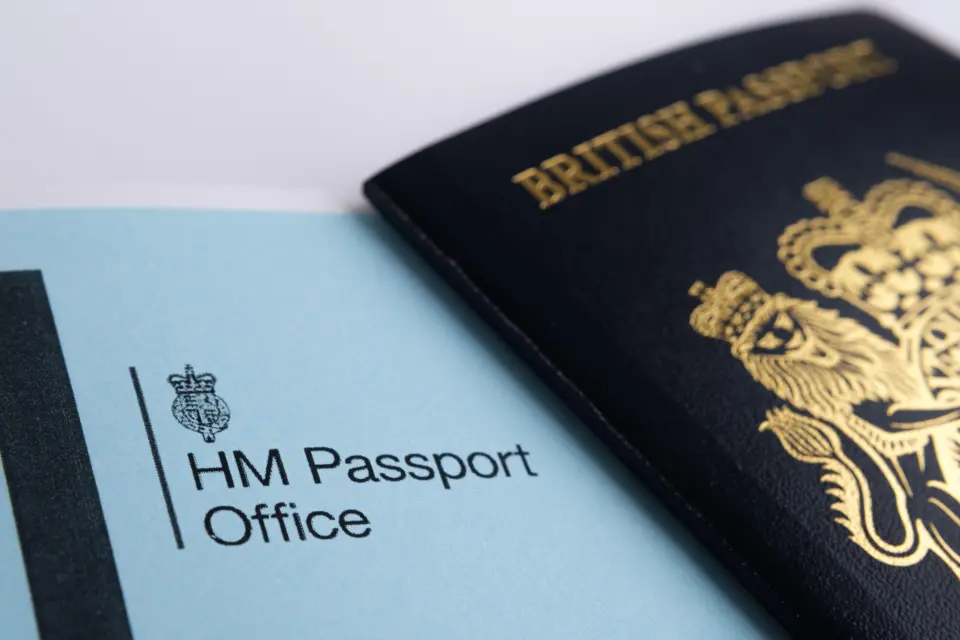
Prior to Monday, 28 September, passengers were able to use routes including Dublin to Holyhead and Rosslare to Pembroke without needing to bring their passport.
However, that has now changed, and you must bring your passport, after identification rules were altered by ferry operators.
Stena Line has stated that all passengers travelling on routes from Dublin, Holyhead, Fishguard or Rosslare would be required to present a valid passport when checking inCredit: John Longley
Previously, anyone travelling on the above routes could use alternative forms of identification, such as driving licences and national identity cards.
Popular operators Irish Ferries and Stena Line have notified customers of the changes following their introduction.
For Irish Ferries routes, the necessity of travelling with a passport applies to its Dublin to Holyhead and Rosslare to Pembroke routes, in both directions.
Meanwhile, Stena Line has stated that all passengers travelling on routes from Dublin, Holyhead, Fishguard or Rosslare would be required to present a valid passport when checking in.
Almost 1.5 million people use the Holyhead to Dublin route each year, meaning it sees around 210,000 lorries and 383,000 cars pass through its port annually.
With more than 210,000 lorries and around 383,000 cars using it every year, Holyhead is the second busiest passenger ferry port to Dover.
Both operators will also accept passport cards, while Irish Ferries has added that anyone travelling who is not a British or Irish citizen and is visiting the UK for up to six months may require an Electronic Travel Authorisation (ETA).
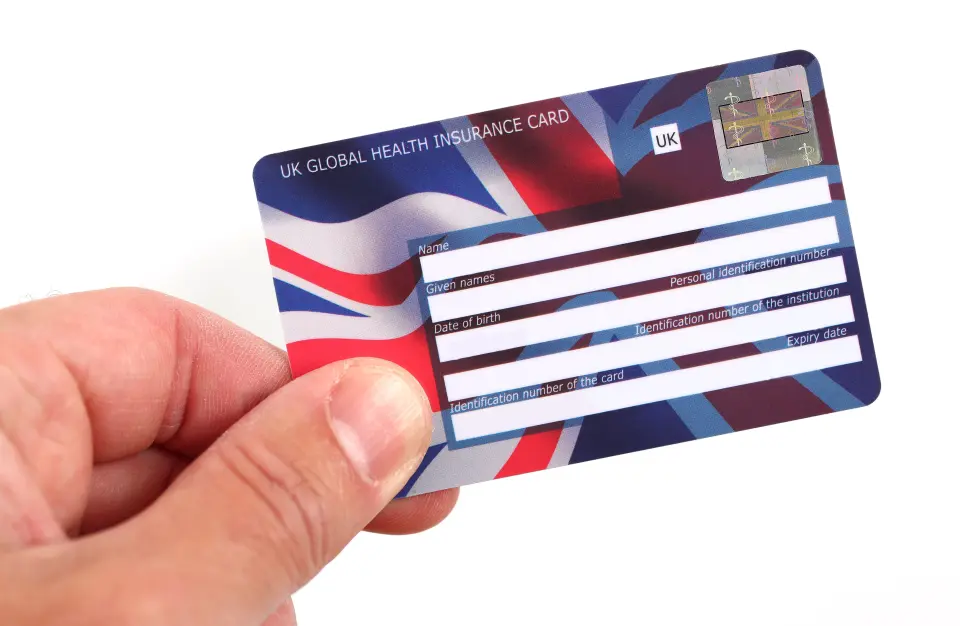
If your GHIC is due to expire soon and you are also due to travel soon, then apply for a new card for free via official NHS BSA Healthcare Cover Application, as soon as possible.
It usually takes around 15 working days for the card to arrive once your application is approved.
If you travel before your card arrives, then don’t worry – if you need medical treatment when abroad, then you or someone on your behalf can request a Provisional Replacement Certificate (PRC) online or by phone.
All you need to provide is your name, address, date of birth and your National Insurance Number.
The card is free to apply for and takes about 15 days to arriveCredit: Alamy
The certificate can then be emailed directly to the hospital or medical centre you are seeking treatment at and gives you the exact same healthcare cover as a physical card.
It is worth remembering though that GHIC cards are not a substitute for travel insurance.
GHICs do not cover private medical care, mountain rescue, flight cancellations or being flown back to the UK – all things that you will need travel insurance for.
Tim Knighton, travel insurance expert at Compare the Market, said: “With nearly 1.3 million GHICs due to expire this year, anyone travelling to Europe should check their card well before they set off.
“It’s an easy thing to overlook, particularly if you haven’t needed to use your GHIC on previous trips.
“The rise in applications for PRCs also highlights that people could find themselves needing access to healthcare unexpectedly while abroad, so checking you have a valid GHIC before travelling is an important part of preparing for your trip.
“A GHIC can be very useful if you need medically necessary state healthcare while abroad, but it’s important to remember that it isn’t a substitute for travel insurance.
“There are costs and circumstances that a GHIC may not cover, so having appropriate travel insurance can provide additional protection if something goes wrong.
“Before travelling, check the expiry date on your GHIC and make sure you understand what healthcare you can access at your destination.
“It’s also worth arranging travel insurance as soon as you book your trip and comparing policies carefully to make sure the level of medical and other cover suits your needs.”
It’s relatively easy to find USC and UCLA fans in Southern California, but where can proud Georgia, Michigan, Florida or Alabama fans go to watch games in the Los Angeles area with like-minded sports expats?
Look no further than the Los Angeles Times’ ultimate SoCal college football sports bar guide.
If you’re an alum or fan of teams from the Power Four conferences — the ACC and ally Notre Dame, Big Ten, Big 12 and SEC — this guide will lead you to your tribe. No longer will you be the only person cheering and clapping at the bar when Oklahoma scores a touchdown or walk into a bar wearing Michigan blue and only seeing others decked out in Ohio State gear.
Find your home away from home on game day.
Scroll down or filter through location to find where fan bases for most Power 4 schools hang out during the game.
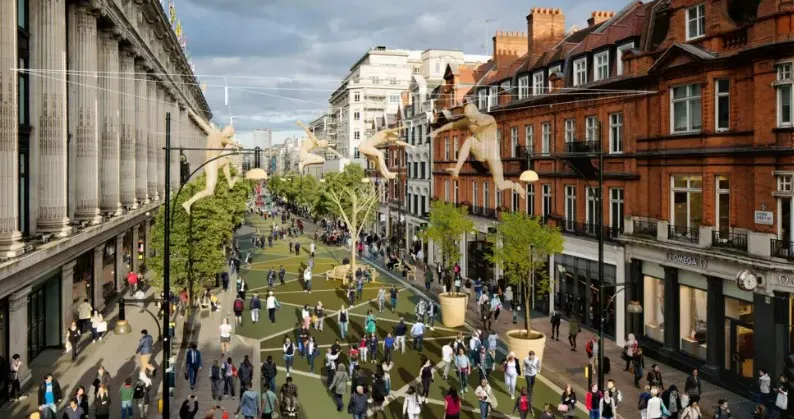
OXFORD Street is set to be pedestrianised in the run-up to the Christmas period – and it’s sooner than expected.
Once pedestrianisation is complete, all vehicles and bikes will be blocked from accessing the world-famous street.
The street’s closure comes following years of consultations with members of the publicCredit: Mayor of LondonThe pedestrianisation of London’s Oxford Street is set to go ahead following official final approval by Sadiq KhanCredit: Mayor of London
The London Mayor has revealed the date which all cars, buses and taxis are set to disappear from one of the capital’s most recognisable streets.
On October 26, a one-kilometre stretch of the road will become vehicle-free as a “transition-phase” prior to being fully pedestrianised.
Sign up for the Travel newsletter
Thank you!
The entire section between Selfridges near the Marble Arch end and Great Portland Street (including Oxford Circus) will be the first to be impacted – with buses rerouted and cars set to be banned.
Transport for London (TFL) has also confirmed that e-bikes, pedal bikes, and e-scooters will no longer be allowed to go through the area.
Sadiq Khan announced: “Following strong support from Londoners and businesses, I’m excited to see my bold vision for Oxford Street really coming to life next month as we start going traffic-free, just in time for the busy Christmas shopping period.”
The transition phase comes as works still need to be carried out to sort out any potential problems, including relocating bus stops and changing the direction of travel in some areas.
Sections of Oxford Street will also be transformed with new planters and seating areas to replace traffic lanes.
However, Westminster Council said there was still a “long list of unanswered questions about how it will work” and questioned whether traffic would be pushed to small streets nearby as a result.
Councillor Tim Barnes, deputy leader of Westminster City Council and cabinet member for growth and planning, added: “If this is going to be the ‘greener, better and more prosperous’ success that the Mayor has promised, then issues around access, air pollution, street cleaning and public safety, need answers urgently.”
The project to make part of Oxford Street traffic- free follows two public consultations in 2025 and 2026.
Following support, TFL has been working alongside the Oxford Street Development Corporation (OSDC) to regenerate London’s most famous street.
EASYJET flights are set to be disrupted across Portugal for five days due to strikes – and it starts this weekend.
Staff are staging walkouts which will see flights cancelled at airports in cities like Lisbon, Porto and Faro.
EasyJet staff in Portugal are staging walkouts which start this weekendCredit: Alamy Stock PhotoFlights to Lisbon are expected to be disruptedCredit: Getty
Members of the SNPVAC union, which the airline’s cabin crew in Portugal belongs to, has announced walkouts from October 2–6.
The union has estimated that the strike in October could ground around 500 scheduled flights overall.
Sign up for the Travel newsletter
Thank you!
Some UK flights have already been cancelled ahead of the strike action.
Two return flights and one outbound flight from Southend Airport have been cancelled.
No flights from London Stansted Airport have been affected so far, according to reports.
From the UK, easyJet operates flights to Portugal from the likes of Birmingham, Bristol, Edinburgh, Glasgow, Liverpool, Gatwick, Luton, Southend, Manchester and Newcastle.
Passengers due to travel to or from Portugal during the strike dates are being advised to monitor communications from easyJet.
The Portuguese government has ensured that there will be a minimum of one Lisbon-London-Lisbon rotation per day during the strike.
No UK service from Faro or Porto appears on the protected list, and the order does not identify specifics when it comes to flights.
Anton Radchenko, aviation expert and CEO of AirAdvisor advised that “passengers should wait for a flight-specific decision and preserve the exact time of any cancellation notice.”
As many as 500 flights could be affected by the industrial actionCredit: Markus Mainka
He added: “If easyJet cancels and they still need to travel, they should request rerouting at the earliest opportunity, including on another airline where that would reach the destination materially sooner, rather than automatically accepting a refund.”
Last month, easyJet pilots, again in France, staged a walkout across two days in September.
Members of the SNPL pilots’ union staged the strike over a pay dispute between September 13-14.
The SNPVAC union has announced further walkouts later on in the year in December between 19–23.
A spokesperson from the airline said: “We are extremely disappointed that SNPVAC is planning strike actions despite our willingness to continue a constructive dialogue.
“We had just started a conciliation process through the mediation of DGERT with the aim to reach an agreement to meet our employees’ requests and protect the sustainability of easyJet business in Portugal.
“The current union demands are unworkable especially given that our crew are already paid significantly above the Portuguese national average
“We are doing everything we can to minimize the impact of the strike on our customers including actioning some cancellations in advance to allow our customers to rearrange their travel plans.”
Flight compensation rules
A look at your rights if a flight is delayed or cancelled, when your entitled to compensation and if your travel insurance can cover the costs.
What are my rights if my flight is cancelled or delayed?
Under UK law, airlines have to provide compensation if your flight arrives at its destination more than three hours late.
If you’re flying to or from the UK, your airline must let you choose a refund or an alternative flight.
You will be able to get your money back for the part of your ticket that you haven’t used yet.
So if you booked a return flight and the outbound leg is cancelled, you can get the full cost of the return ticket refunded.
But if travelling is essential, then your airline has to find you an alternative flight. This could even be with another airline.
When am I not entitled to compensation?
The airline doesn’t have to give you a refund if the flight was cancelled due to reasons beyond their control, such as extreme weather.
Disruptions caused by things like extreme weather, airport or air traffic control employee strikes or other ‘extraordinary circumstances’ are not eligible for compensation.
Some airlines may stretch the definition of “extraordinary circumstances” but you can challenge them through the aviation regulator the Civil Aviation Authority (CAA).
Will my insurance cover me if my flight is cancelled?
If you can’t claim compensation directly through the airline, your travel insurance may refund you.
Policies vary so you should check the small print, but a delay of eight to 12 hours will normally mean you qualify for some money from your insurer.
Remember to get written confirmation of your delay from the airport as your insurer will need proof.
If your flight is cancelled entirely, you’re unlikely to be covered by your insurance.
I SPEND most of my days scouring the web to track down the cheapest possible holiday deals – to share them all with Sun Club members.
Spending so much time filtering and flicking through holiday websites means I’ve gotten pretty good at seeking out a bargain.
Travel writer Jenna Stevens spends most of her days hunting down cheap holidays – here’s exactly how she finds the best dealsCredit: Jenna StevensWith my website trick I found a I found a week-long holiday to a four-star resort in Magaluf for £119ppCredit: Alamy
In fact, I’m often finding UK breaks for under £5pp, city breaks for £99 and under, and even family holidays abroad for £150pp or less.
So I’ve decided to reveal exactly how I find these cheap holidays: the very best websites to use, and how to use them to bag the best deals.
Holidays abroad
Loveholidays and On the Beach are two incredible companies when it comes to bagging the cheapest deals.
Both offer package holidays which bundle in your return flights, accommodation and board of your choice – so there’s no need to worry about having to book it all separately.
Loveholidays
With Loveholidays, it’s really easy to filter breaks by all inclusive, family friendly, short haul, long haul and more.
Their cheap holidays page lets you pick between cheap all-inclusives, beach holidays, city breaks and even family holidays with free child stays.
You can also filter by breaks under £500pp or even under £300pp. Drag the slider bar all the way down to the bottom, and you may even find hols for £120pp or under.
For example, under the ‘Cheap Beach Holidays’ tab, I found a week-long holiday to a four-star resort in Magaluf in October for £119pp.
On The Beach
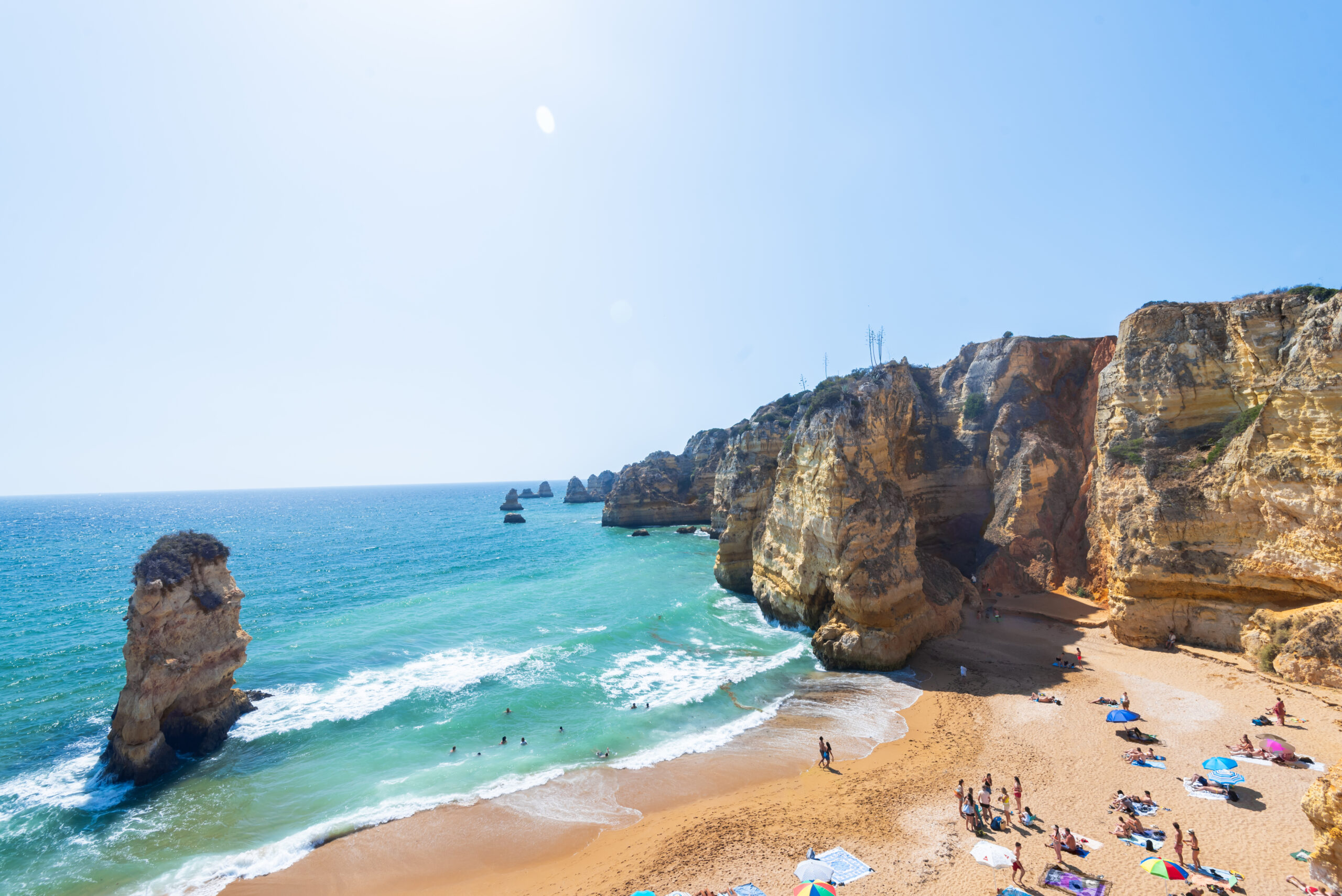
You can book a four night break in The Algarve with On the Beach for £95ppCredit: Getty
On The Beach works in a similar fashion, and their cheap holidays page is regularly updated with ‘our cheapest deals of the week’, which often start from a super low £100pp to destinations like Portugal and Malta.
This page also currently has a ‘cheap holidays for autumn under £500′ section.
Some of the cheapest holidays they’re offering this autumn are week-long breaks to Turkey (from £135pp) and the Canary Islands (from £180pp).
One of the best deals I found for autumn using the cheap holidays page to navigate the offers is for a four night break in The Algarve for £95pp.
Wowcher
As well as UK breaks, Wowcher is also great for booking holidays abroad.
Yes they have the classic £99 mystery holiday, but they also offer beach holidays, European city breaks, cruises and even long haul escapes.
These include a glamorous Lake Como getaway from £79pp, an all-inclusive Egypt holiday from £299, and even an incredible Las Vegas holiday with flights for £399.
Lastminute.com choose a deal of the week, with one recent bargain being a Tenerife hol for £484ppCredit: Alamy
Lastminute.com is another great site that does what it says on the tin – and more.
While the homepage often showcases some of the site’s best value deals, they also have specific pages rounding up cheap family holiday destinations as well as cheap adults-only resorts.
Plus the site is still king when it comes to bagging a last-minute break. This webpage rounds up the week’s best exclusive deal, plus an offer of the week and last chance bargains.
Offers of the week are certainly one to keep an eye open for – their most recent was for a trip to a 5* resort in Tenerife for four nights with flights for £484pp.
The site also has a loyalty programme which is completely free to join, and can bag you up to an extra 15 per cent off holidays and experiences.
The offers get better the more holidays you take, and as you climb the ranks you can unlock more and more perks.
These include free travel audioguides, 10 per cent off car hire and free lounge access if your flight is delayed.
Sundeals
Sundeals is the new kid on the block when it comes to cheap holiday deals, and is a new branch of familiar favourite holiday company TUI.
Here you can explore deals by budget (under £350, under £500, under £1,000) or by destination and more.
On their cheap holidays page, I’ve found all inclusive holidays from £234pp, beach holidays from £115pp and city breaks from £147pp.
Plus, the holiday company offers holidays with super low deposits from £30pp, so you can get your next break locked in for cheap.
Travelzoo
I found a Travelzoo deal for 11 nights in Egypt combining a Nile cruise and 5* hotel for only £549pp with flightsCredit: Alamy
This is the only site you’ll have to pay for on this list, but my goodness is your membership worth it.
A Travelzoo membership costs £30 a year, but you can also try out 30 days of membership for £1.
Signing up means you’ll get Travelzoo’s ‘Top 20 deals’ dropped into your inbox each week, so you can easily have a quick browse to see if anything takes your fancy.
Or you can head to the site to browse cheap holiday deals broken down into loads of specific categories, from Asia Pacific holiday deals to island holidays and safari deals.
The best value to be found for foreign holidays here is for long haul breaks. The first time I came across their long haul holiday deals, I couldn’t quite believe my eyes.
You can visit gorgeous hotels in New York for £653pp, the Dominican Republic for £690pp and Mexico for £860pp – all for a week-long break including flights.
I even found an 11-night Egypt holiday which packs in your flights, four nights at a 5* all inclusive resort – followed by a Nile cruise which stops at major historical sights – for an unbelievable £549pp.
To be able to view and book these deals, you have to be signed up as a member.
Where to look
Albania has been called ‘The Maldives of Europe’ due to the colour of its water and sandsCredit: Alamy
Where you’re looking for your holidays is equally as important as how you’re looking.
You might be tempted to hop online and look for the same familiar favourites you’ve been to before, such as cheap Spain or Greece holidays.
But if you’re open to trying somewhere new, I’d recommend not ticking the ‘destination’ box. Instead, go for ‘beach holidays’ and see what pops up.
That way, you’re opening up hundreds or even thousands of new holiday options – which massively increases your chances of finding something cheaper.
And if you know there’s somewhere you really don’t want to go to, you can just untick it from the left-hand column of the page. Easy peasy.
I’d recommend keeping an eye out for Bulgaria, Albania and Montenegro holidays specifically.
These three destinations are absolute powerhouses when it comes to an affordable beach holiday.
Bulgaria has all-inclusive getaways from £279 and flights from the UK under £15. Plus once you’re there, you can grab a meal out for under £9 and a cappuccino for just 88p.
Albania has been named the ‘Maldives of Europe‘ thanks to its beaches with bright white sand and electric blue seas, with holidays from £165pp.
Montenegro offers £255 holidays and even has been referred to as ‘St Tropez with Benidorm prices’ by one travel expert.
UK Holidays
Best Western GEM stays
Best Western package hotel stays with activities, like with their soft play family breakCredit: Best Western
Forget paying for just a bed for the night. Best Western’s GEM stays are hotel break packages with your room, food, and extra perks completely sorted for you.
The GEM packages stand for ‘Great Escapes, Memorable Stays’ and are centred around a huge variety of fun experiences.
The Somerset Family Escape package (from £123.38 per night) bundles in a family stay for two adults and one child with breakfast plus soft play access for the kids while parents can unwind in the spa.
Whereas the Ultimate Girls Night In package at Brackenborough Lakes & Resort reserves a hot tub lodge for two nights, breakfast each morning, three bottles of Prosecco and £15 takeaway credit per person from £44.50pp per night.
Wowcher
Head to Manchester for a swanky city break for £105 with Wowcher (41% off)Credit: Getty
The UK holidays section of Wowcher is hiding some serious bargains, from spa weekends, to city hotel stays, to rural retreats.
Look for any offers with the pink ‘Price Drop’ label to find the cheapest deals.
Some of the top offers for UK breaks on Wowcher right now include a 4* break in Manchester for two with breakfast for £105, shaving 41 per cent off full-price.
Another fantastic offer is for a wellness retreat to Woodford Bridge Country Club, where four people can escape for four nights from £79 (£4.94pp per night).
Travelzoo
Stay in Northumberland’s National Park for £59 with this Travelzoo bargainCredit: Getty
Travelzoo’s UK holiday deals are just as impressive as their deals for holidays abroad.
You can stay at one of the world’s oldest inns, The Olde Bell in Hurley, from £75 a night with breakfast. This saves you 48 per cent when compared to booking direct.
Another great deal is this two night break in Northumberland for £89pp, which puts you up in the Riverdale Hall Hotel which overlooks the Northumberland National Park.
And that super cheap £59 deal? It’s for a seafront stay in Eastbourne, with an overnight break for two at the The Lansdowne hotel, working out to only £29.50pp.
Remember, however, that you have to be a Travelzoo member to unlock these deals (£30 per year).
Holiday parks
If you opt for a cosy glamping pod instead of a caravan when booking you can save extraCredit: parkdeanresorts.co.uk
Whether you enjoy pitching up a tent, cosying up in a caravan or even splashing out on a hot tub lodge, holiday parks have stays to suit all budgets.
Choosing to stay in a holiday park can be a fantastic way to tick off a new UK destination without having to fork out on an expensive hotel.
You can often bag a three or four night family break at a holiday park for £90-£100 if you know where to look, which would typically only get you one night in a hotel!
£9.50 Holidays
If you’re looking for a super cheap getaway, The Sun’s £9.50 holidays offer some of the best rates out there, which are often significantly cheaper than booking with the same park direct.
The bargain holidays are released in stages throughout the year, with the biggest Hols from £9.50 drop taking place in January,
As a Sun Club member you can bag your break earlier than anyone else – so make use of this perk!
Make sure to check the Sun Club Offers Hub and club950.co.uk to keep updated with Hols from £9.50 releases.
Parkdean Resorts & Park Holidays
If the £9.50 holiday booking window is closed, Parkdean Resorts and Park Holidays offer some of the best rates among UK holiday parks.
Look out for Parkdean’s last minute breaks page where you can bag a three night stay in Norfolk from £99 or Cornwall from £109.
Park Holidays have 50+ award-winning parks across the UK – their short breaks page offers stays from £129.
Want to save even more? Go for a cosy wooden glamping pod instead of a caravan with Park Holidays, and you can stay from £50 for a two night break. These pods sleep four, so that’s only £6.25pp per night.
So if you are able to move your flight, especially to the morning, then you’d be protected from a cancellation.
As a strike is outside of an airline’s control, you sadly won’t get any compensation.
But the airline does have a duty of care, which means they must provide you with food and water as well as book you into a hotel if you are stuck overnight.
Four major airports are expected to be hit, as well as other airports across the countryCredit: Alamy
Flights expected to be impacted tomorrow include a 12:30pm Wizz Air service from Milan to London Luton, a 2pm easyJet flight from Milan to London Gatwick and a 1:20pm easyJet flight from Rome to London Gatwick.
Passengers are being advised to check their flight status with their airline and airport before travelling.
There will be another strike on October 16, lasting 24 hours – but this time it will be easyJet flight crew walking out.
ANOTHER UK airport is hiking its drop-off fees while making time limits shorter in a double blow for travellers.
The transport hub has confirmed that the cost of dropping passengers off at the departures terminal will go up by £3.
Another UK airport has increased its terminal drop-off feeCredit: GettyEast Midlands Airport says the hike has come as a result of “inflationary pressures”Credit: Alamy
East Midlands Airport has introduced the higher fee after Gatwick, Heathrow, Edinburgh, Birmingham, Bristol, Stansted, Leeds Bradford and more did the same earlier this year.
The Derby-based airport will charge £8 for a 10-minute stay at its rapid drop-off zone as of September 29 at 3pm.
Sign up for the Travel newsletter
Thank you!
The price is up by £3 for less time allowed, with drivers previously being charged £5 for a 15-minute stay.
Airport bosses confirmed that the hike was brought in as a result of “significant inflationary pressures”.
The extra money is also set to go towards paying for an ongoing £120million investment to improve the airport.
Prior to the recent increase, the fee remained unchanged for five years.
Last year, the airport swapped its barrier system and introduced automatic number plate recognition cameras to improve the flow of the drop-off system.
Along with the ANPR tracking, new drop-off fee and shorter drop-off window, customers have until midnight the day after their airport visit to pay the charge.
The fee can be paid online or via phone – and those who do not pay in time are slapped with a £100 fine.
While the fine is dropped to £60 if paid within 14 days, North West Leicestershire MP Amanda Hack has hit back at the scheme.
Arguing that the new drop-off rules is “setting people up to fail”, she said: “The announcement by East Midlands Airport of changes to its rapid drop-off pricing and a reduction in the permitted waiting time is frustrating.
“While I welcome the investment the airport has made over the last couple of years, the way the rapid drop-off is currently set up feels stacked against consumers.”
The MP added hat having less time to complete drop-offs and the responsibility to remember to pay will no doubt mean more users face hefty fines.
“I already deal with numerous complaints from constituents and people across the UK who have received a £100 parking penalty notice because they simply forgot to pay,” she told the BBC.
“Increasing the price while simultaneously reducing the time allowed is only likely to make this situation worse.”
Hack says that she has asked the airport to install machines that allow them to pay the drop-off fee there and then.
“My concern has always been that the current arrangement at East Midlands Airport appears to set people up to fail,” she added.
Responding to the criticism over the new fee, East Mindlands Airport said in a statement: “Airport drop-off areas help to manage on-site congestion, with charges managing what is the most polluting form of transport to the airport.
“The new fees are proportionate in the context of inflationary increases and brings East Midlands Airport in line with other UK airports.
“The airport is well served by frequent 24/7 bus services from Nottingham, Derby and Leicester and surrounding communities, with stops close to the terminal.”
CATANIA Airport has been forced to cancel more flights until later today after a volcanic eruption on Mount Etna.
Volcanic ash drifting in the airspace means that flights have been suspended for safety.
Volcanic ash from Mount Etna continues to disrupt flightsCredit: SplashPassengers are waiting for flight updates after Catania Airport’s closure until 3PMCredit: EPA
The airport briefly opening this morning, but has since suspended “all flight operations have been suspended until 3pm today, Tuesday, 29 September.
“Passengers are kindly requested to check the status of their flight with their airline before travelling to the airport.”
Sign up for the Travel newsletter
Thank you!
Catania Airport did reopen temporarily this morning and flights resumed, but since the closure these have started being diverted or cancelled.
One easyJet flight heading into Catania from London Gatwick at 10am has been delayed.
A bloke moaned that his full English breakfast at a cafe in Benidorm, which was under five pounds, was too expensive, and it led to a brutal response from the owner
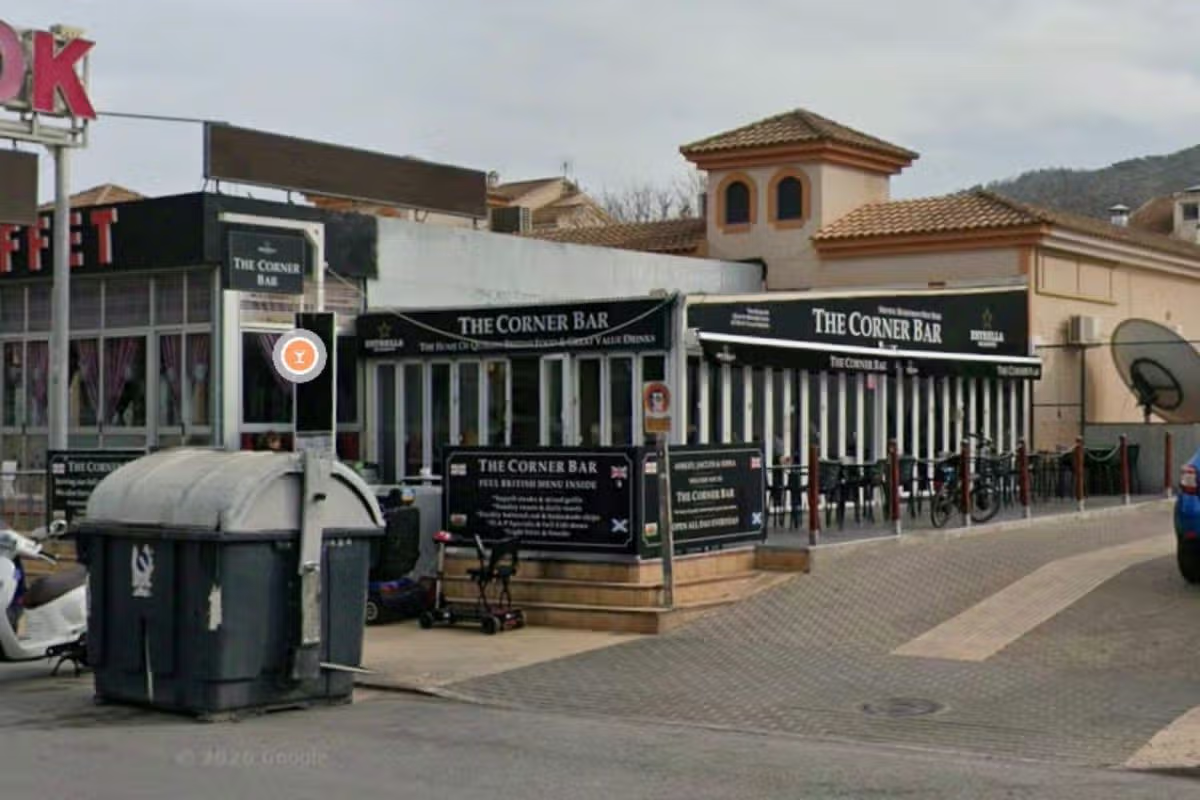
The Corner Bar Benidorm (Image: GoogleMaps)
The family behind a British-owned restaurant in Benidorm have hit back at a customer’s damning one-star review — after being floored by the price of his full English breakfast.
The Corner Bar is a favourite for both expats and holidaymakers looking for a taste of home but one customer, Peter Jones, recently shared his disapproval. He wrote: “Careful of the OAP discounts, especially at breakfast (€5.50). You can get a full English breakfast elsewhere for €4.50 (£3.86) or less.”
However, Ashley, who runs the cafe, shared the review online, before telling Peter to “have a day off” because she was “not having that” about the cost.
Defending her business in a Facebook post, she wrote: “I’m sure Peter is “fishing” here…surely he’s got to be…and I’m gonna be honest…he’s caught me. I mean. You can maybe not like our food. Not like our service. Not like us… maybe all 3, and honestly, I don’t mind, we try our best, every day, and that’s all you can do…
“But to give us a 1 Star Review on our prices…to suggest to the public you need to be careful of our prices. Nah, not having that. The breakfast in question…a No4 (pictured below).
“That’s 1 English Bacon, 1 Irish Sausage, 1 Black Pudding, 1 Fried Egg, 1 Roberts Bread Toast, Heinz Beans, Fresh Mushrooms & Tinned Tomatoes…and it’s €5.50.
“Cooked Fresh to Order by the Owner or the same 2 British Cooks who have been on The Corner for years…And apparently you need to be careful of our prices! Have a day off, Peter!”
The post soon took off and led to hundreds of comments from loyal customers who also defended the prices. One man, who has had the €5.50 (approx £4.70) full English before, wrote: “You cannot beat a No 4 at the Corner for value.”
Another person added: “Peter needs to give his head a shake! He wants €4.50 then bye bye mate! It will certainly not be as good.”
One person sarcastically said “wow a whole €1 less” before Ashley wrote another post in the comments thanking everyone for the support.
She said: “Cheers Everyone. Some lovely comments. We know we’re well supported and it’s massively appreciated. Just sometimes them review sites after a hard days work can be hard to read. We’re a small family business, currently have 5 WORKING members of staff plus us. We do our best. Thankfully, clearly the majority appreciate what we do.”
The Corner Bar has received 585 reviews on TripAdvisor with an average score of 4.2 out of five. They’ve also had 1,170 reviews on Google with an average score of 4.5 out of five.
And after the viral post, Michelle Baker, who has lived in Benidorm for more than 40 years, also shared it to her Benidormforever Facebook page. She said: “LOVE that Ashley from The Corner Bar Benidorm called this chap out… there’s just no pleasing some people!”
Ever watched a TV show like Amazon Prime’s Lego Masters and wished you were the one under the studio lights, racing against a ticking clock? That is the exact magic Lego House is trying to capture with its recently opened Lego Masters Academy in Billund, Denmark – the ultimate pilgrimage site for brick fans.
I took my seven-year-old resident Lego expert to test out the 75-minute Level 2: Build Me Up session, and it delivered from start to finish. Enthusiastic Play Agents, as they call themselves, started the experience by getting the crowd excited outside the studio with an interactive live countdown. Once the doors rolled open, we all entered a vibrant space designed to mirror the TV set, complete with a central podium, upbeat music, and studio lighting.
Do you have a travel story to share? Email webtravel@reachplc.com
The session started with an accessible warm-up follow along building session where we were shown professional building techniques. Small challenges were then added, before we were ready for the main event – building a completely original custom build, in our case our own self portrait Lego figure.
Timers flashed up on massive overhead screens as we were told to help ourselves to colour-coded, shape-sorted brick pits to grab materials for our custom builds. Here it really felt like the TV show, with everyone reaching out to grab handfuls of bricks, aware that the 15-minute timer was now ticking. After brick selecting ended, we all raced back to our building stations to get started on our builds.
A little overwhelemed by the noise, my seven year old opted out of this custom build, and instead preferred to help me finish mine and watch others at work. This wasn’t an issue at all – with the Play Agents keeping him included, making him smile by asking about his favourite LegoLand rides, and making sure he was still having fun. My mistake was not showing him any episodes of the TV show before we visited – I’d really recommend parents of younger children prep them this way.
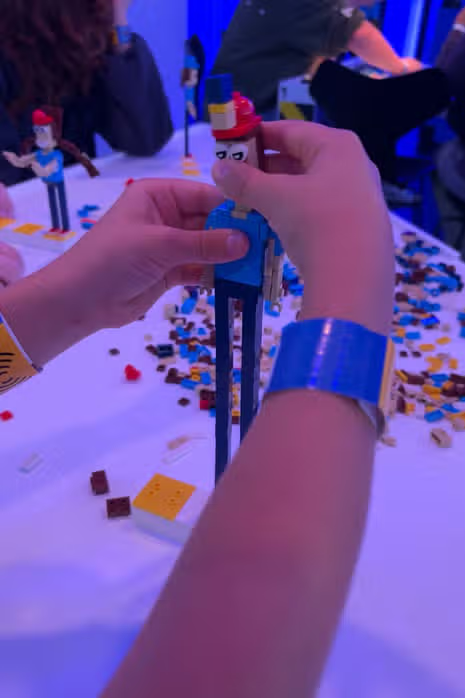
By the time the timer went off, we had just about finished our slightly wonky multicoloured person. Unlike the competitive TV show, at the end all creations are showcased in a shared gallery, so we went up and put our creation on the podium, ready for all to admire, before coming together with new friends for a joint picture.
While the Masters Academy costs extra, on top of a Lego House ticket, the value for money is outstanding. Every participant keeps their custom build as a souvenir, and you are encouraged to jam-pack an official takeaway box with loose bricks at your station. Organisers promise the contents are worth far more than the ticket price – and the only rule is the lid has to be able to shut.
Overall we really enjoyed our session. My son threw himself into marking every countdown, glowed with pride over our creation and was delighted by his heavy tressure-like takeaway box – which came in very handy that night keeping him occupied at dinner. Whether you are a die-hard Lego fanatic or traveling as a family, it is a unique experience.
Top Tips for anyone visiting the Lego House Billund Lego Masters Experience
Pricing for the Lego Masters Experience is split by age and experience level. The Level 2 session which we did costs £15 per guest for 75 minutes. Older builders aged ten and above can opt for Level 3: aROUND the Bricks We Go, which runs for 90 minutes at £17 with a focus on advanced techniques. The 60 minute level one session is £14 and marketed at beginner builders.
Keep in mind that these require a separate add-on ticket on top of standard LEGO House general admission, which costs £29 per person, with discounts for booking online. Children under thirteen must be accompanied by a paying adult for the Lego Masters Experience.
If you are planning to go, binge watch a couple of episodes of Lego Masters show beforehand so younger kids can anticipate the studio set and timer format.
Book well in advance – ideally before picking your trip dates – as sessions are limited and often full. Make sure to select an English-language session if applicable.
Make sure to pick up your wristbands at least 15 minutes early, as studio doors lock strictly on time. Keep your wristband – this also gives you access to photos of the session.
Book the holiday
Norwegian Air offers direct flights from London Gatwick to Billund with return fares from £120 on norwegian.com.
LEGO House tickets start from £29 when booked in advance on legohouse.com.
Lizzie and family enjoyed a two-day Legoland pass, starting from £57 for a 2-day pass when booked online, or £40 for a 1-day pass. You can find out more at legoland.dk/en.
Most UK holidaymakers still consult and trust their family and friends’ recommendations over AI for travel advice
08:00, 29 Sep 2026Updated 13:37, 29 Sep 2026
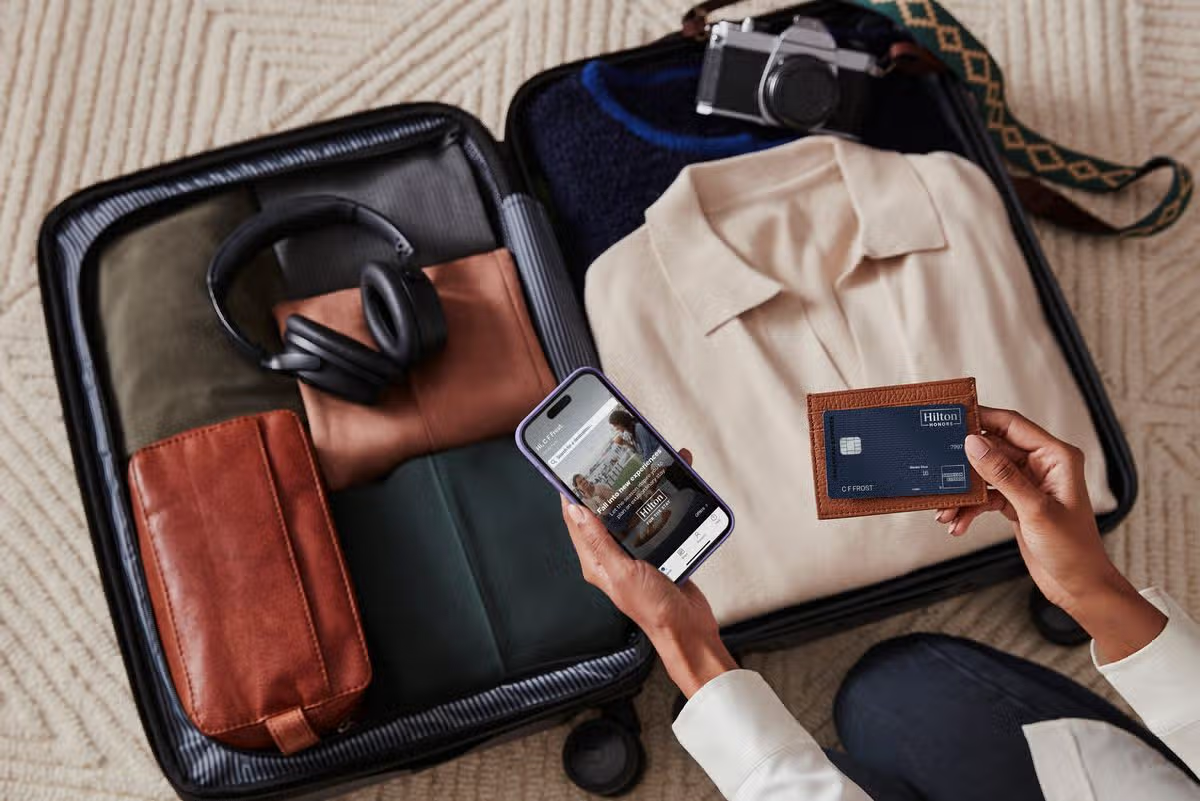
Three-quarters of Brits said having a holiday booked gives them a ‘sense of purpose’(Image: Hilton)
A landmark study of 14,000 travellers from countries including the UK and Australia found that in the UK, family (84%) and friends (81%) trumped AI (45%) for travel tips and holiday hotspots.
Just one in 10 rely on influencers for travel advice – highlighting ‘The Travel Trust Equation’ will be a strong theme emerging for 2027. Artificial intelligence is seen to be transforming the way we travel, but it hasn’t quite replaced the human touch. It also revealed they are set to prioritise things like balance, flexibility and trips that leave a lasting impact.
Of the 1,000 Brits surveyed as part of the Hilton 2027 Trends Report, The Great Rebalance, three-quarters said having a holiday booked gives them a ‘sense of purpose’.
This reflects ‘The Beforeglow’, with booking a trip giving people a much-needed psychological boost and offering them a sense of excitement, motivation and escape weeks, or even months, ahead of departure. More than a quarter (27%) also seek a new perspective through travel, which changes how they view everyday life when they get back home.
Simon Vincent CBE, executive vice president and president, EMEA, Hilton, said: “Travellers are increasingly focused on making their time away count. Rather than chasing a one-size-fits-all idea of the perfect trip, they’re looking for experiences that reflect their own interests and priorities.
“Our job is to help guests make the most of every trip; whether they’re exploring a new destination, reconnecting with loved ones, taking time to switch off – or even a little bit of everything.”
The study also found 60% of all Brits claimed having a holiday booked helps them stick to personal goals, while 53% use them to mark important life moments, meaning travellers are well into their ‘Optimisation Era’.
But 28% of Gen Z travellers see holidays as a chance to kick-start a healthier lifestyle, whereas 63% are more likely to make a significant life change after returning home from their travels.
Nearly three quarters of this generation (74%) also feel motivated to stick to personal goals knowing a holiday is on the cards, and 32% regarded maintaining their fitness routine while away as ‘non-negotiable’.
But the Morning Consult research found 29% of younger travellers feel pressure to plan the ‘right’ kind of trip – compared with just 6% of 62-80-year-olds, showing a rise in ‘Boomer Goals’.
Only 18% of this older generation stick to a strict itinerary, compared with 41% of Gen Z, with 53% of Boomers favoured a spontaneous approach instead. And 72% never feel pressure when making travel decisions, compared with only 27% of Gen Z.
Travel loyalty is emerging as another status symbol among younger holidaymakers, with 27% of Gen Z belonging to a points or miles programme.
The rise of ‘Status Seekers’ suggests travel loyalty programmes have entered a new era, where status matters as much as savings.
With 37% even admitting to feeling jealous of friends with a higher travel status, as 41% see that status as a sign of personal success.
A further 58% of 18-to-29-year-olds believed people with elite travel status have greater influence over group travel decisions.
Where travellers stay is changing too, as gardens were named as an accommodation ‘must-have’ by 40% of Brits, placing them ahead of hotel pools at 33%.
Fresh air and time outdoors were key to holiday relaxation (76%), while 47% will use travel to spend more time immersed in settings such as forests, mountains and coastlines.
UK adults are also reconsidering the traditional big annual getaway in favour of shorter, more flexible breaks, with 65% planning to take more short trips over the next year.
Among these “micro-travellers”, 35% want to tick more destinations off their travel lists, and 26% value the spontaneity offered by shorter breaks.
A further 56% will plan a micro-trip around one standout experience, rising to 74% of Gen Z travellers.
Simon Vincent added: “With a portfolio spanning everything from luxury retreats and city-centre collection hotels to family-friendly resorts and extended-stay brands, we offer travellers the choice and flexibility to find the experiences that are right for them.”
Seven travel trends for 2027
The Travel Trust Equation – AI may be transforming travel, but it hasn’t replaced the human touch.
Status Seekers – Travel loyalty programmes have entered a new era: where status matters as much as savings.
Boomer goals – In contrast to the younger generation’s optimisation obsession, Boomers are making a compelling case for doing less.
The Beforeglow – Booking a trip is giving people a much-needed psychological lift, offering a sense of excitement, motivation and escape weeks, or even months, ahead of departure.
Optimisation Era – Self-optimisation culture continues as travellers will see time away as an opportunity to return home levelled-up.
Wellness Rewired – Nature is the new must-have, with outdoor spaces now valued more than hotel pools.
The Micro-Travel Mindset – More Brits are swapping one big annual holiday for a series of shorter, experience-led escapes throughout the year
‘This carriage is due for modernisation. Don’t miss the opportunity to experience 90s Germany style,”reads the sign on the door to the dining carriage. The couple inside aren’t missing theirs: they’re taking endless selfies in the clinical pink-and-turquoise carriage that looks like a hospital canteen and smells like cinnamon buns and strong filter coffee.
I’m on Snälltåget’s iconic red-shelled train, on the Swedish rail company’s new route from Malmö to Oslo – a 6.5-hour journey along Sweden’s picturesque western corridor. Until now, the journey between the two cities involved long bus rides and fragmented train transfers. This direct line is easier and cheaper, with tickets starting at £11 each way. It’s already a hit, shuttling more than 25,000 passengers since launching this summer.
I was first seduced by Scandi rail travel a decade ago on a journey from Stockholm to Gothenburg, when I was berthed in a cosy dark-wood cabin and listened to a pianist play in a dining car. This time, starting in Malmö, I will take advantage of the new route to make a series of stops along the country’s western shore.
In my view Malmö, across the Øresund Bridge from Copenhagen, is too often overlooked in favour of Stockholm. The southern port city is less polished than the capital and grittier, but its residents seem more outgoing and curious. Within an hour of arriving, I’m invited to drinks by a group of local people – a level of openness I never experienced living in Stockholm. Almost half of the population is under 35, and 187 nationalities are represented, making it a hotbed of creativity. In the centre of town, the Form/Design Center occupies a former 16th-century grain store, now a meeting point and exhibition space for design, crafts and architecture enthusiasts. Then, there are Moderna Museet and Malmö Konsthall modern art galleries.
Points of View by Tony Cragg, a public artwork in Malmö. Photograph: Danita Delimont/Alamy
At Möllevången, or Möllan, a trendy neighbourhood popular with creatives, everybody looks as if they’re at art college, or have just returned from a weekend in Berlin. My friend Rob, who has lived in Malmö for nearly a decade, guides me through Folkets Park, the “people’s park”, pointing out his favourite pizza spot, Far i Hatten, which occupies cute wooden huts. We find a table at Ava nearby for a beer on a leafy square dotted with hip restaurants and organic wine bars – it feels like Malmö’s equivalent to London Fields in Hackney. Resisting the urge to continue our purposefully staid bar crawl, we down a nightcap at Bar Bobo and call it a night.
Snälltåget operates just one direct Oslo-bound train a day, at 6.38am from Malmö Central (plans are in the works to increase this next year), so it’s an early start at a station teeming with families and backpackers with rucksacks the size of fridge-freezers. We soon pass the romanesque towers of Lund Cathedral before chugging through pancake-flat yellowing agricultural fields, then skirt Apelviken bay – Varberg’s long, sandy horseshoe beach popular for kitesurfing and surfing.
Varberg is Sweden’s equivalent of a coastal British market town. It’s got bunting, cobbled streets, intimate cafes and a weekend market with vendors peddling fresh vegetables, fruit, marmalade, leather belts and socks. It’s also a spa town, which inspired my visit. I was intrigued by its pretty, Moorish-inspired Kallbadhuset (cold bath house), set on wooden piles above the Kattegat sea, where for about £8 visitors gain access to segregated men’s and women’s saunas, both with spellbinding sea views. A plunge in the brisk water after the sauna proves the perfect antidote to a 6am start after a bottle of red wine the night before. Floating on my back, I look up to see a group of Swedish veterans sitting on a wooden bench, baring all (it’s a nude bathhouse), the building’s mustard shades completing an almost Hockney-esque scene.
The Snälltåget. Photograph: Trygve Finkelsen/Alamy
According to a sign outside Skarpe Nord – a community-run women’s bathing spot nearby – people have been nude-bathing in Varberg for more than 100 years. Walking along the promenade by a cavernous passage of blasted rocks that resembles a secret pathway from Lord of the Rings, I pass a collection of other designated naked bathing spots. But with the grey weather showing no sign of clearing, my hotel’s spa proves more inviting.
In the bowels of Hotell Gästis hides a replica of Vladimir Lenin’s favourite bathhouse. The hotel’s owner, Lasse Diding, built the spa as a homage to his idol, inspired by a visit to the original bathhouse in St Petersburg in the 1980s. This slightly eerie space is clad in more than 75,000 cobalt tiles and decorated with candlelit busts of communist leaders.
Diding’s interest in the communist movement began during the Vietnam war and never left him. The eccentric entrepreneur is responsible for Varberg’s many visible politically left-leaning monuments – a giant Palestine flag, Hotell Havanna (an ode to revolutionary Cuba) and a statue of Danuta Danielsson, who became a symbol of solidarity after hitting a marching neo-Nazi with her handbag in Växjö in 1985.
The following morning, I hopon the fast train to Gothenburg, a 39-minute ride away. After checking in at the sophisticated, French boudoir-style Hotel Pigalle, just five minutes’ walk from Central station, I wander along Kungsgatan, the city’s modern shopping artery, towards Magasingatan. The area is packed with vintage shops (Ragtime, Pop and Humana) and craft stores such as Customwood, which makes bespoke wooden furniture to order.
I grab a fika(the Swedish tradition of taking a break to drink coffee and indulge in a sweet treat)at Da Matteo, a barn turned cafe spread across three floors. The Scandi-industrial interiors are straight out of a design magazine, as bespectacled folk work away on their laptops. Scents of bread and coffee drift from the in-house bakery and coffee roastery; my bullar (a classic cardamom bun) and a latte cost just under a tenner.
Wandering around Slottsskogen park later, I remember why I wanted to move to Gothenburg after a fleeting first visit all those years ago. Sweden’s second-largest city is compact and easy-going. It has a rough-around-the-edges feel like Malmö in places, with the liveability, nature and culture of Stockholm. At its heart is the pretty old town of Haga, which has narrow cobbled streets, inviting wafts of baked goods and the sound of creaky, wooden trams chugging by. And Slottsskogen is my favourite park in Europe. Roughly the size of Hyde Park, it’s home to deer, penguins and Gotland ponies, and exactly the kind of place you can spend long hours strolling without purpose.
The Gothenburg to Oslo leg of the journey is the cinematic climax. It starts with rolling green pastures, cows grazing on a riverbank and forests thick with towering conifers beneath a blue summer sky. Then nature really starts showing off: lakes widen, trees grow greener and granite canyons appear grander with every kilometre, drawing excited kids to press their noses against the windows.
Oslo from Vettakollen viewpoint. Photograph: Sean Harrison/Alamy
Keen to see it up close, after pulling into Oslo I dump my bags at Citybox, a minimalist hotel a few minutes’ walk from the station, and head north to Sognsvann. This lake and recreational area on the outskirts of the city is the starting point for a circular walk up to Vettakollen, a popular viewpoint. After an easy, 30-minute uphill hike, I reach a rocky mound skirted by pine trees, where families are picnicking. Oslo unfurls in the distance, the urban sprawl of metal and glass stretching to the fjord. For me, this is what makes Scandinavia special: the urban and the natural worlds seamlessly colliding.
A dad has vanished in France after losing contact with his family back home in the UK. Andrew Shirlaw, known by his family as Andy, has disappeared whilst travelling through France.
The 65-year-old’s family have been left worried after he failed to contact them for days. His disappearance has been described ‘completely out of character’ by his daughter Gabriella.
Andrew went missing on September 22. Hi s last known location was Paris, France. It is believed that he had planned to travel down to the south before eventually finishing his trip in Toulouse.
Friends of the family who last saw him in Paris are extremely worried about his disappearance. Andrew’s family have described him as around 6ft tall with a slim build.
He often wears glasses and a hearing aid whilst sticking to a style of patterned shirts, shorts and sandals. |He is fluent in French and is known to be very talkative and open to interacting with strangers.
Andrew’s daughter has released a statement after reporting him missing. Gabriella Payne said: “Our dad, Andrew Shirlaw, Andy, aged 65, has been missing since Tuesday, September 22.
“His last known location was Paris, and we believe he was planning to travel south, eventually ending in Toulouse. We are extremely concerned because it is completely out of character for Andy not to maintain contact with us.
‘’Friends who saw him in Paris were also concerned about him before we lost contact. Andy is British but speaks fluent French with an English accent.
“He is very slim, around 6ft tall, often wears clear glasses and sometimes a hearing aid. He is very talkative, eccentric and will often strike up conversations with strangers.
“If you have seen Andy, spoken to him, travelled with him, or have any information at all about where he may be, please DM me or contact the local police. Even if you’re not in France, please share this post — particularly with anyone you know in Paris, Bordeaux, La Rochelle, Toulouse or elsewhere in France.
DRAMATIC Alaskan landscapes, a medieval city on Spain’s north coast and surf beaches in Morocco are among THE places to visit in 2027, according to Lonely Planet.
The experts’ latest book – Best In Travel 2027 – recommends exploring a treasure trove of places off the beaten track.
Sibenik’s vibrant Old Town and harbourCredit: ShutterstockExplore the height of history at Leon CathedralCredit: Shutterstock
Lisa Minot picks her favourite destinations and experiences from the list.
Sign up for the Travel newsletter
Thank you!
BEST EXPERIENCES
Explore marine treasures on a deep dive in Greece
GO FLIGHTSEEING ALASKA: With just 20 per cent of Alaska accessible by road, taking to the skies in a small plane is one of the best ways to experience its vast wilderness.
DIVE THE AEGEAN: Once heavily restricted to protect underwater antiquities from pillaging, you can now discover Poseidon’s underwater world as new legislation and the opening of underwater archaeological sites allows you to explore marine treasures.
It sank in the 5th century, carrying more than 4,000 wine amphorae (clay jars).
Or visit the Fourni Archipelago, known as the ancient shipwreck capital of the world.
SAIL THE AEOLIAN ISLANDS, ITALY: Island hopping isn’t the reserve of the Greeks.
Sail between these lesser-known islands to discover rugged coastlines, clear waters and Italian traditions.
Set sail from Sicily on the fast ferries that visit all seven islands, but book ahead in summer.
Or join a skippered sailing holiday through UK operators such as Sunsail or Dream Yacht Charter.
EXPLORE KILLARY FJORD, IRELAND: Tucked along Ireland’s Wild Atlantic Way, the Killary Fjord in Co Galway cuts its way ten miles inland towards the village of Leenaun, past steep peaks that change dramatically with the seasons. It’s some of the most dramatic scenery in the country.
BEST PLACES
Take a plane over Alaskan glaciers
SWEDISH RIVIERA: After this year’s heatwaves, travellers may be looking for cooler destinations.
The twin towns of Skanor and Falsterbo are connected by a bridge and home to colourful cottages, gardens and an endless coastline.
SIBENIK, CROATIA: This small but lively Adriatic city has colourful festivals and gastronomic delights from fresh Adriatic seafood to truffle pastas.
Explore a labyrinth of steep stone alleyways, hidden plazas and Venetian-era architecture.
The city sits between the coastal towns of Split and Zadar and there are plenty of low-cost flights into both from the UK.
LEON, SPAIN: Northern Spain is having its moment in 2027.
Known for its many bars offering free tapas, Leon combines centuries of history with a lively contemporary spirit.
When you order a wine, cider or beer, expect a substantial plate of local cured beef, cheese and spicy blood sausage.
RABAT, MOROCCO: Think all the exotic excitement of Marrakech but without the crowds.
Rabat on Morocco’s coast boasts royal palaces, coastal breezes and clean, palm-lined avenues.
The country’s imperial city still has a great Medina — for haggling over leather goods, spices and rugs — as well as miles of wide, sandy beaches.
There are direct flights from Gatwick and Stansted.
PRINCE EDWARD ISLAND, CANADA: Known as Canada’s food island, the country’s smallest province is known for mussels, oysters and roadside lobster rolls served straight off the fishing boats.
Expect lush hills, white sand beaches and red sandstone cliffs dotted with lighthouses.
Author LM Montgomery set her novel Anne Of Green Gables here, and Netflix’s adaptation, Anne With An E, filmed in the province.
WITH ancient ruins like the Acropolis and the Temple of Zeus, Athens has long been considered one of the oldest cities in the world – but it’s about to get much more modern.
A new billion-pound seafront regeneration project with a towering skyscraper and luxury shopping has resulted in the city being dubbed the ‘new Dubai‘.
The Ellinikon project which includes the building of a 650 foot tower is underwayCredit: theellinikon.comThe regeneration is taking place on the Athens RivieraCredit: theellinikon.com
A regeneration project called The Ellinikon an estimated €8billion (£6billion) is set to completely transform the area to become its first ‘smart city’.
Sign up for the Travel newsletter
Thank you!
At its core is an enormous skyscraper called Riviera Tower – once transformed it will be the tallest building in Greece at over 650 feet high.
Inside will be around 170 luxury apartments including penthouses and each one will have panoramic views over the coastline.
The Ellinikon will also have new additions including ‘Little Athens’, a new neighbourhood right next to the beach with apartments as well as small shops and cafés.
The Riviera Galleria will be a new complex for luxury shopping with 80 new shops covering 10,000 square metres.
At the galleria will also be upscale restaurants, artisan ice-cream parlours, beauty salons and organic markets.
The upscale and luxury aspect mirrors what visitors expect when heading to the seafront neighbourhoods of Dubai.
The ancient city of Athens is considered one of the oldest in the worldCredit: Alamy
In order to entice expats into Greece, the country is also offering tax breaks – much like Dubai which is a playground for the wealthy.
Since its debt crisis in around 2009, Greece has made a ‘remarkable economic recovery’, according to the IMF.
Part of this is thanks to tax breaks aimed at families, young workers and expats.
Under new rules this year, investment professionals who relocate to Greece can pay five per cent on “carried interest” – this is a fraction of the rate in the UK.
The project is being built on the site of the former Ellinikon International AirportCredit: Not known, clear with picture deskThere will be new luxury apartments, shopping gallerias and spasCredit: theellinikon.com
Talking to The Times, Henley & Partners, which organises residence and citizenship planning for the rich says interest in moving to Greece has surged.
It’s now the second-most popular destination after St Kitts & Nevis for relocation.
Mario Rafael, a managing director at the firm. said: “Greece is increasingly competing for the attention of the same internationally mobile families considering places such as Milan and Dubai.”
If it does turn into a Dubai-alternative, for Brits it’ll be much easier to get to as the flight is around four hours less.
While it might not be the winter hotspot like the city in the UAE, Athens still has scorching summers too.