IT’S no secret that Brits are obsessed with McDonald’s with over 3.8 million customers visiting every single day.
So when I heard the largest one in the world was opening just outside the UK, I had to see it for myself.
Sign up for the Travel newsletter
Thank you!
Travel Reporter Alice Penwill visited the world’s biggest McDonald’sCredit: Alice PenwillThe restaurant is in Disneyland Paris and has its own McCafé counterCredit: Alice Penwill
The biggest McDonald’s in the world was in Orlando – until the one at Disney Village in Paris opened just last month.
On the outskirts of the theme park, the new McDonald’s is 2,000sqm and set across three floors.
This makes it the biggest in the world overtaking the Orlando, Florida restaurant which measures 1,800sqm.
The new McDonald’s in France can seat up to 600 customers and has two outdoor terraces, each of which has space for 250 guests.
This is where you get the best views, including of Lake Disney and the PanoraMagique hot air balloon.
Inside is a wall mural of Disneyland Paris and even an indoor soft play area for kids.
During my visit to preview the World of Frozen, which officially opened on March 29, I decided to pop in and see it for myself.
Like other new McDonald’s, this one has opted for a sleek look with dark wooden panelling, glass balconies and neutral tones.
But for those who remember the original next door, I reckon the exterior is a bit of a let-down.
The old restaurant which closed last year after 25 years, was very 90s with the classic golden arches outside, lots of red and white stripes and a real retro feel.
What’s quite sad is that you can still see the remains of it – including the golden arches which now lay on the ground – outside from the pretty sun terraces.
Pushing aside my views on the exterior, I carried on and entered the restaurant where I was greeted by a member of staff who gave me a table number and directed me to one of the twenty-three self-service machines.
The one we went to wasn’t actually working, like quite a few of the touchscreen stations, which was surprising, seeing as the restaurant had been open for less than a month.
Other than that, the downstairs was clean, with a few tables (as most of the seating is on the upper floors) and the entrance to the soft play.
There was also a separate McCafé counter where you could get a coffee as well as a doughnut, McPop or macaron.
The outside of the new McDonald’s is much darker and neutral than the lastCredit: Alice PenwillThe old restaurant next door had a retro feel with huge holden archesCredit: Alamy
There are lots of unique McDonald’s treats that vary depending on which country you’re in, so I had to go for some French-only goodies.
First up, the Croque McDo, which is essentially a cheese and ham toasted sandwich – which set me back €3.70 (£3.21).
For anyone who enjoys a croque monsieur, I’d definitely recommend a Croque McDo, it was a tasty ham and cheese sandwich with crunchy toasted white bread.
I then opted for the Fries Cheddar Fondu-Bacon, which are the classic French fries with melted cheese and bacon bits.
I can’t say the same for the chips, when they finally got to us, they weren’t overly warm and I wasn’t a fan of the cheese topping or bacon bits.
And as a Brit, I’m a sucker for a dry chip dipped in some ketchup.
A medium portion set me back €5.30 (£4.60).
And for dessert, a small pistachio sundae for €2.80 (£2.43) – my favourite of the three.
The soft-serve ice cream came in a little reusable pot and was drizzled in sweet and nutty pistachio sauce – it was delicious, and probably would be even tastier on a hot summer’s day rather than a chilly March morning.
One surprising drink that you can get here – and at McDonald’s restaurants across France – is beer, which is usually a Kronenbourg 1664.
Scrolling through the menu, I sadly didn’t spot any beer – but that was most likely because it was 11am in the morning.
Wanting to enjoy the view of Lake Disney, I headed onto the first-floor sun terrace which I had to say had beautiful views.
The Croque McDo is a toasted sandwich you can only get in French MCDonald’sCredit: Alice PenwillI wasn’t too keen on the ‘Fries Cheddar Fondu-Bacon’Credit: Alice PenwillThe pistachio sundae was a tasty delightCredit: Alice Penwill
Other aspects of the McDonald’s that has people talking is its soft play.
I briefly had a look, and it is spread across all three floors with a huge winding slide going from top to bottom.
While I didn’t step inside, the excited wails of children implied that they were having a fun time.
However, not all experiences at the new McDonald’s have been positive, with some on my social media saying their food was cold, and service was slow.
After exploring Disneyland Paris for myself, I’d say McDonald’s is a quick and easy solution when hunger strikes.
But with so many other restaurants and snack stalls to explore within the theme park, I’d probably take a chance on them before returning to the fast-food chain.
The city has seen a huge influx of new restaurants open in the first few months of 2026. From street food to Michelin-starred dining, there’s something for every foodie
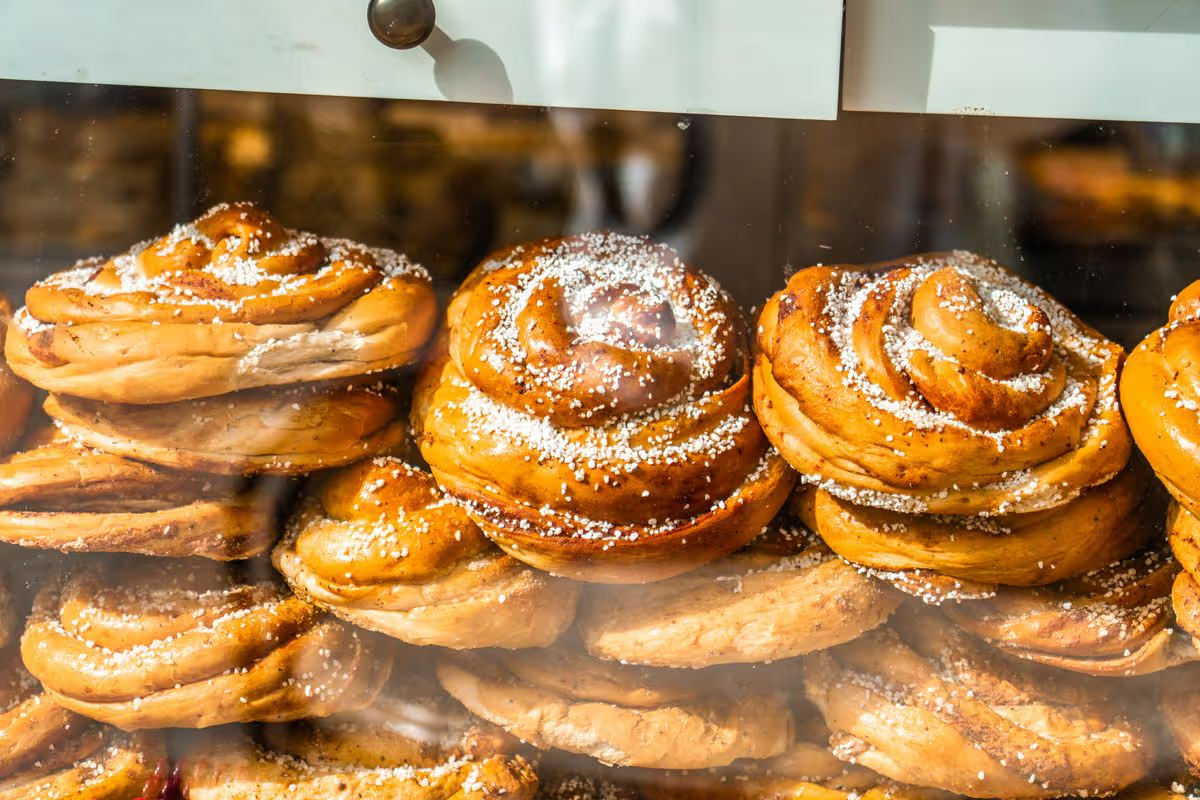
Freshly baked kanelbullar (traditional Swedish cinnamon buns) in a Gothenburg bakery window(Image: Getty)
Some people travel for culture, some for sandy beaches and sunshine, and others for culinary experiences. If you’re passionate about discovering exceptional dining spots, there’s one overlooked destination that deserves a place on your bucket list.
In the first months of the year, this Swedish destination has welcomed 20 new eateries to complement its already celebrated Michelin-starred establishments. Beyond its thriving food scene, this city also boasts a theme park, a warm café culture and genuinely beautiful streets perfect for exploring.
This remarkable city is Gothenburg, Sweden’s second-largest urban centre. Frequently overshadowed by its better-known counterparts Stockholm or Malmö, it absolutely shouldn’t be.
The city boasts five restaurants with a single Michelin star and one holding two stars. These establishments serve everything from Japanese cuisine to spectacular seafood dishes.
If you’re prepared to splash out on a truly memorable dining experience, the two-starred establishment Signum must feature on your itinerary.
The menu concentrates on seafood and fish complemented with produce grown in the on-site gardens.
All the ingredients are from Scandinavia, and a meal here will comprise 18 exquisitely crafted courses, all featuring seasonal produce.
If you’re the type who prefers to meander through the city, sampling local delicacies along the way, then you should schedule your visit for May.
Gothenburg is set to transform its iconic 19th-century fish market into a brand new seafood festival. The entire building, including its floating outdoor terrace, will be converted into a seafood extravaganza, with top-notch vendors showcasing their offerings, reports the Express.
Also launching in May is Vassen Market, a sprawling 6,500 square metre waterfront haven featuring street food, cocktails, live music, art pop-ups and even skateboarding.
Constructed entirely from recycled containers and encircled by verdant pocket parks, it’s the ultimate spot for a leisurely weekend stroll.
Later in the year, the Slakthuset district will play host to a three-day neighbourhood festival brimming with music, food and local beverages. Scheduled for July, this event perfectly encapsulates the relaxed community spirit of the city.
For those who prefer thrill rides over wine tasting, Gothenburg’s Liseberg is a must-visit. Opened in 1923, this theme park is the largest in Scandinavia and draws visitors from far and wide.
Boasting 42 attractions, there’s something to suit everyone’s tastes, promising an exhilarating day out. Just remember to don your most comfortable walking shoes, as the park spans a whopping 42 acres.
A NEW £550,000 splash play area is coming to the UK and it opens in just a few days.
The new water play area called Saltwich Splash, in Droitwich, will open this week.
Sign up for the Travel newsletter
Thank you!
Saltwich Splash will open on April 3 and is free to visitCredit: Worcester RocksThe splash park features tipping buckets and water archesCredit: Wychavon District Council
The free-to-visit splash play area will feature boards with butterflies and flowers spraying water, water arches, a tipper bucket, scenic boulders and a water run with different levels.
For onlooking parents there will be plenty of outdoor seating too.
The new splash park will officially open on April 3 and be open each day between 10am and 6pm from now until September.
The £550,000 project included moving the existing play area at the lido to space next to tenniscourts.
Many locals have taken to social media to share their excitement for the new attraction.
One person said: “It looks amazing!! What a fabulous addition to a great park.”
Another added: “This looks like a good summer meet up spot!”
A spokesperson for Wychavon District Council said in a Facebook post: “Water play season is nearly here — and the kids are ready, even if the water is… let’s call it ‘refreshing’.”
They added that they are also listening to feedback from the community and will hold a public consultation in the summer regarding fencing being installed around the new splash area, as well as two other water play sites in the area.
In a Facebook post last year, Councillor Richard Morris revealed that the splash park was due to open in August 2025 but was pushed back.
The new Saltwich Splash is the third water play area to be upgraded in the area, with new water play spots open in Pershore last year and Evesham in 2023.
The water play area in Evesham features hydro blast jets, a water spider, a spray cannon, an archway with jets and a water curtain.
Then the water play in Pershore is themed around the history of the famous local horse racing derby, Land O’Plums Steeplechase.
Visitors can head to the splash play area in Droitwich for free, but if they wish to use the lido it will cost them £7.20 per person.
It is the third splash park in the area to be upgradedCredit: Worcester RocksNearby, you can visit Droitwich Spa Lido which costs £7.20 per personCredit: Wychavon District Council
Droitwich Spa Lido is one of the UK’s last remaining inland, open-air, saltwater swimming pools, according to its website.
The pool is 40 metres long and also features a sun terrace and small cafe.
Droitwich Spa is sat on large salt beds and has been for centuries.
In fact, the town’s natural brine is 10 times stronger than sea water and is only rivalled by the Dead Sea.
When the lido originally opened in 1935, diluted brine was pumped into the pool from local streams and it was heated to the temperature of the Mediterranean Sea.
Today, the water is still heated to 23C and the original art deco building remains.
In other water attraction news, the UK’s biggest indoor waterpark with 18 slides and huge wave pool is getting a £500,000 makeover.
Plus, a new £450million water attraction in the UK is finally starting to be built – here’s when it will open.
The new splash park will be open from 10am to 6pm each day until SeptemberCredit: Worcester Rocks
Brits have shared the top 30 things they love most about staycations as more and more choose to stay at home instead of going abroad
Families are choosing to stay in the UK and embrace holidays only a short drive away(Image: Matt Howell)
Brits’ favourite things about a staycation include shorter travel times, avoiding the airport – and proper pub lunches. A poll of 2,000 adults revealed over a third of Brits would prefer to holiday on home turf than go abroad. In addition, rising travel costs have made 50% of Brits more likely to holiday at home.
Nevertheless, many enjoy the opportunity to visit the countryside and take in scenic drives. For 28%, the stunning coastlines are the best thing about staying in the UK, with 62% saying the best type of staycation is a ’coastal getaway’. This was followed by 50% who love a city break and 28% who enjoy camping or glamping.
Eurig Druce, managing director of Vauxhall, which commissioned the research, said: “The UK is such a wonderful place to holiday, and it’s been great finding out why people love it so much.
“Everyone has memories of holidaying in the UK from their childhood, and more than ever, Brits are choosing ‘staycations’ over going abroad, whether that be because of the beautiful scenery on our doorstep or the comfort of travelling in your own car.”
The south west of England was considered the best place to get away for 21%, followed by Scotland (15%) and Wales (11%).
It emerged those polled, via OnePoll.com, are willing to spend an average of £391.11 per trip. And the only potential downside was that 78% felt the weather could make or break a holiday in the UK.
The car is the most common mode of transport (80%) with the average person travelling just under 206 miles. Of the electric vehicle drivers polled, 77% said having charging points at their accommodation is important.
The research found 15% have been asked by their children to be more environmentally friendly when planning their trips, and one in 10 said sustainability is a priority for them when booking.
Eurig Druce from Vauxhall added: “The Grandland Electric has been designed with families in mind, with a spacious interior, large boot and an electric range of over 300 miles, making it the ideal vehicle for a ‘staycation.’
“Whether it is stunning coastlines, rural escapes or bustling city centres, the home nations have some fantastic places on offer for people to enjoy.”
Southwest Airlines has come under fire for its controversial policy change which can require plus-size passengers to purchase an extra seat at the airline’s “sole discretion”, with furious travellers branding it “discrimination”
Jess Flaherty Senior News Reporter
14:05, 30 Mar 2026
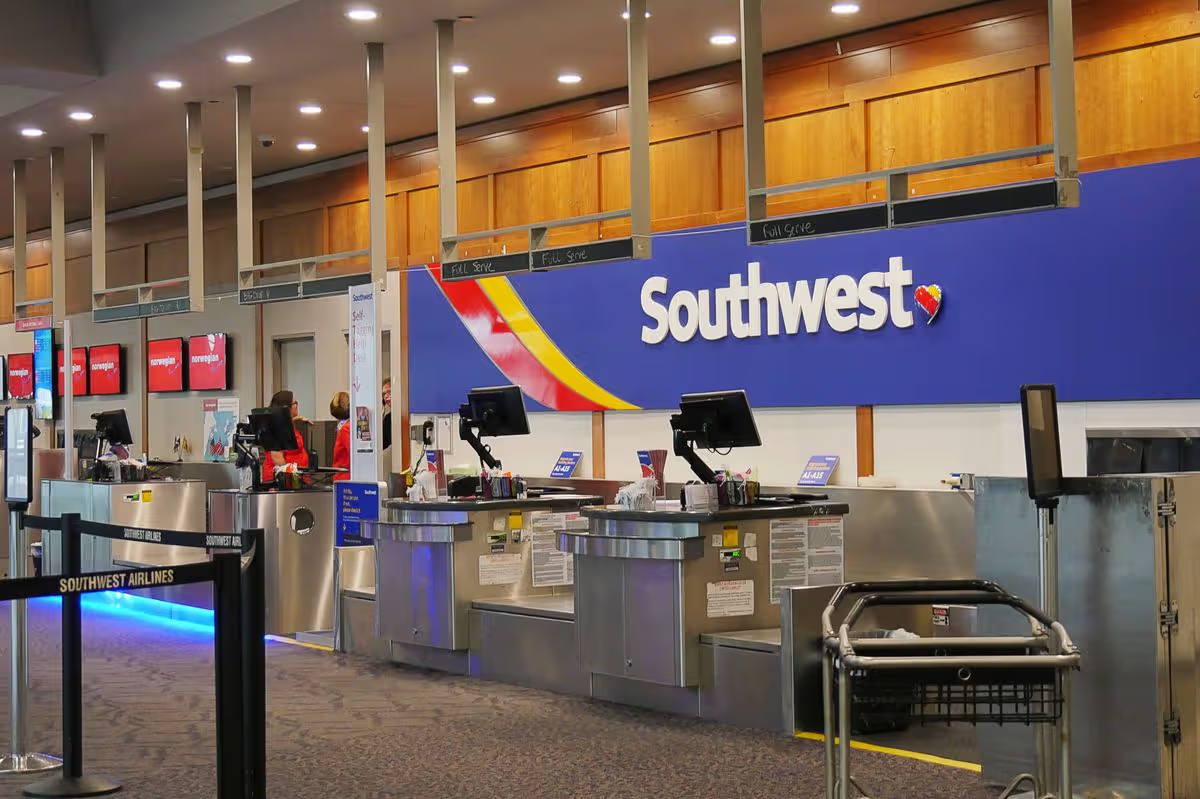
The airline’s new ‘customer of size’ policy has upset and “stressed” out passengers (stock image)(Image: GemStocks via Getty Images)
A so-called “fat tax” aimed at plus-size airline passengers has left travellers furious and feeling “stressed”. Major carrier Southwest Airlines has found itself at the centre of controversy over its contentious new policy, which can compel passengers to shell out for an additional seat at its “sole discretion”.
The policy change comes after 30 years of letting plus-sized passengers request a complimentary extra seat at the gate, and reimbursing those who purchased one in advance – a practice that has now been scrapped.
Under the new rules, customers will only receive a refund for a second seat if their flight departs with at least one empty seat, while those who failed to book ahead can be forced to purchase another ticket on the spot.
In a statement addressing the policy change, a Southwest spokesperson said: “To ensure space, we are communicating to customers who have previously used the extra seat policy that they should purchase it at booking.”
On the airline’s website, the updated “customer of size” policy reads: “Customers who encroach upon the neighboring seat(s) must purchase the number of seats needed. Customers should purchase the seats prior to travel to ensure adjacent seats are available.
“The armrest is considered to be the definitive boundary between seats; you may review information about the width of Passenger seats. In addition, Southwest may determine, in its sole discretion, that an additional seat is necessary for safety purposes.”
But passengers are far from happy. Influencer Samyra Miller turned to TikTok to criticise the policy, branding it a “fat tax”.
She said: “They’ve been doing this way before their little new policy was even supposed to go into effect because, remember, they kicked me off my flight in December.”
She revealed a Southwest representative privately messaged her after she shared her negative experience online and continued: “My primary concern with that whole back and forth with Southwest was for how they were about to treat their plus size customers in changing their customer of size policy.”
Content cannot be displayed without consent
Samyra referred to the wording of the policy on the Southwest website but claimed, at the airport, “they’re just eyeing people”. The content creator went on: “There is no criteria that they are using to determine who has to pay for an extra seat.”
Describing it as “discrimination”, Samyra continued: “It is literally just at the discretion of and fatphobia of whoever is working that day.”
In the comments section, people were eager to share their opinions. One TikTok user said: “This is absolutely horrible!”
Another said: “We have a company trip in May and I told my boss to use any other airline BUT Southwest.”
A third posted: “I have a flight in 5 days I AM STRESSED I DON’T have more money to buy an extra seat”.
While another added: “This isn’t fair at all”.
Fellow TikTok user Sassa Ésmith uploaded a video prior to a Southwest flight and added text overlay which read: “Shoutout to Southwest for contributing to my traveling anxiety with your superfluous ‘customer of size policy'”.
In the caption, she said: “Spent my entire lobby time mentally preparing for a random gate agent to tell me I gotta buy an additional seat for a 40 minute flight”.
Whether it’s hiking in Glencoe, kayaking across a beautiful sea loch, wild camping on a mountainside, enjoying the freshest seafood in a waterside inn, a road trip on the North Coast 500, or a visit to the V&A in Dundee, we’d love to hear about your Scottish adventures.
The best tip of the week, chosen by Tom Hall of Lonely Planet, wins a £200 voucher to stay at a Coolstays property – the company has more than 3,000 worldwide. The best tips will appear in the Guardian Travel section and website.
Keep your tip to about 100 words
If you have a relevant photo, do send it in – but it’s your words we will be judgingfor the competition.
We’re sorry, but for legal reasons, you must be a UK resident to enter this competition.
The competition closes on Monday 6 April at 10am BST
AN AIRLINE has returned to a major UK airport for the first time in two years.
ITA Airways has returned to London Heathrow Airport after two years and has launched a route to Italy.
Sign up for the Travel newsletter
Thank you!
ITA Airways is launching two daily flights from London Heathrow to Rome, ItalyCredit: Alamy
The Italian airline is operating two flights a day between the UK and Rome, Italy after securing slots from Lufthansa.
The flights from London Heathrow will depart each day at 10:30am, landing at 2:10pm and the second flight will take off at 4:30pm and arrive at 8:10pm.
Flights from Rome to Heathrow will leave at 7:50am and arrive in London at 9:40am and then at 1:50pm, arriving at 3:40pm each day.
A one-way flight in April costs as little as £57.45 with the airline.
The awards recognise destinations with a high volume of “above-and-beyond reviews and opinions from the Tripadvisor community over a 12-month period”.
TripAdvisor stated: “In Rome, you can drink from a street fountain fed by an ancient aqueduct.
“Or see the same profile on a statue in the Capitoline Museum and the guy making your cappuccino.”
Italy might be well-known for being the home of pizza and pasta, but more specifically a number of great dishes originated from Rome.
For example, Cacio e Pepe, spaghetti carbonara and tray-baked pizza were all created in the city.
Earlier this year, Rome was also named the best city for ‘noctourism’ by Radical Storage.
The luggage storage platform assessed over 50 destinations across four categories including experiences (such as the number of night tours) and natural factors (light pollution levels).
Rome came out on top scoring 6.07 overall out of 10.
The Italian capital scored particularly well in the experience category (9.2 out of 10), offering an impressive 305 night tours.
ITA Airways used to operate flights from London Heathrow but suspended operations due to high costs.
The airline also did not own its Heathrow slots, instead it was leasing them from Etihad Airways for around £3.3million per year.
The airline hasn’t flown from Heathrow in two yearsCredit: AlamyRome was named the best city in the world for food last yearCredit: Alamy
The airline’s return to Heathrow Terminal 2 has been made possible through its partnership with the Lufthansa Group, which means the airline has been given slots at the airport by Lufthansa.
According to Travel Weekly, the airline said in a statement: “The resumption of flights from Europe’s busiest airport – the most connected airport in the world – was made possible thanks to the co-operation with Lufthansa, which made the necessary airport slots available to ITA Airways.
“Connections between the British capital and Milan Linate will continue to operate via London City Airport.”
ITA Airways chief executive Joerg Eberhart added: “Today we celebrate a major milestone: our company is back at Heathrow, the UK’s only hub airport and the most connected airport in the world.
“Returning to Heathrow will bring many advantages.
“Thanks to the characteristics of the airport, we will be able to operate flights with larger aircraft and greater capacity, increasing both passengers and revenues.”
AS Brits frantically try and choose their summer holiday destination this year amid the Middle East crisis, let me sell you a slightly different place to go.
Lima, the capital of Peru, almost feels European, and has much cheaper food, hotels… and booze.
Sign up for the Travel newsletter
Thank you!
The city of Lima feels European but barely any Brits goCredit: GettyI visited last year and it became my new favourite destinationParque del Amor (Love Park) was inspired by BarcelonaCredit: Getty
The seaside city is the second largest desert city in the world (after Cairo) meaning barely any rain, and highs of 27C.
It is often overlooked as a travel destination, especially those heading straight over to Machu Picchu instead.
But despite just spending a few days in Lima myself, it became one of my favourite cities.
First up, safety – most of Peru is still safe to travel to, which includes Lima.
And as a young woman, I never felt unsafe while walking around early for a coffee or late at night for a drink.
Our guide told us this huge change in recent years – when it wasn’t so safe – is due to the number of community officers around, who are on hand to help tourists who visit.
When it comes to exploring the city, I was transported to the surf towns of Portugal by the huge surfing community in Lima.
It has some of the best waves in the world, and the sheer number of cyclists with boards on their bike and surf shacks offering lessons was huge.
Then there is the colourful Barranco neighbourhood, named one of the best in the world and known for its colourful street art that is everchanging.
Here is where you’ll feel its Latin American routes, with live music on the streets and bars selling the famous Pisco Sour cocktails.
Time Out said: “It’s long had a bohemian vibe, famously fantastical murals, world-class art galleries, boutique hotels and hopping bars.
“And while it’s lost none of its wild roots, the area is now incubating some of the best restaurants in the world”.
Maido was named the no.1 restaurant in the world last year, while I headed to Mayta which often makes the top 40.
I opted out of the tasting menu, but still managed to enjoy a delicious deconstrusted paella, a side and a glass of wine for under £50.
The ‘godfather of modern Peruvian cuisine’ Gastón Acurio told local media: “Lima is a gastronomic destination coveted by kitchen lovers.
“Not only because of its restaurants, which compete equally with Europe, but because behind this recognition there is something deeper — a city that has made its cuisine parallel to everyday life.
“From award-winning restaurants to carts, from ceviche shops to chifas, eating in Lima is one way to travel the entire country in a single day.”
Want to eat on a budget? You can easily get snacks and drinks for under £5 from food stalls.
I managed to find an Emoliente (a sugary hangover drink) as well as a famous pork sandwich and sweet doughnuts called ‘Picarones’ for under a fiver altogether.
Or some restaurants offer the “menú del día” or menu of thte day for not much either.
Usually including a drink, soup and main dish, this can be found for under £4.
Beers can also be found for around £1.50 in local bars as well.
Picarones, a typical Peruvian dessert cost a few poundsCredit: GettyBarranco was even named one of the world’s coolest neighbourhoodsCredit: Getty
Our favourite loveholidays deals
*If you click on a link in this box, we will earn affiliate revenue.
Belpoint Beach Hotel, Antalya, Turkey
This hotel is surrounded by the forests of the Toros Mountains, giving your outdoor swim a pretty impressive backdrop. With a pool decorated with colourful parasols and a waterslide, this pretty resort also has plenty to do indoors, including a sauna and a Turkish bath to unwind in.
The huge resort has 363 rooms, each with a balcony or terrace overlooking the sea or gardens. All-inclusive food includes three daily meals in the main buffet restaurant, as well as drinks and snacks such as pizza, hot dogs and burgers at the pizzeria snack bar. If you fancy getting out and exploring, the town centre is a 10 minute drive away.
Terramar Calella puts you right in the thick of the action, with the sea on one side and the buzzing promenade on the other. Here, days start with sea swims and end with sunset drinks. Platja Gran Calella is the area’s largest beach, and here it’s right on your doorstep.
This Corfu resort was built for families, buzzing with entertainment and activities. With four adult pools, three kids pools, a mini waterpark and a beach on your doorstep, there’s plenty of spots for you to stretch out on a sun lounger and for the kids to splash around. And as the day winds down to a close, the party starts with mini discos, Greek dancing, lively quiz nights and karaoke.
Otherwise make sure to try fantastic chocolate and coffee shops, with Lima being one of the top exporters to the rest of the world for both.
Free activities include the Spanish-style Love Park, inspired by Park Güell in Barcelona or the Museum of Art (MALI) on Tuesdays.
And the Historic Centre of Lima has elements of European architecture too, dating between the 16th and 19th centuries.
If you don’t mind sharing a room, you can find hostel beds for as little a £13 a night.
But if not, even hotels can be found for around £33 a night, such as Ibis – so £16.50 each a night when sharing.
The only thing getting in the way of Lima becoming a popular destination with Brits is the getting there.
LATAM previously had direct flights from London Heathrow to Lima but these were suspended back in 2023, with no current plans on when they will return.
Instead, Brits have to fly via Europe so with changes in Madrid, Amsterdam or Paris.
This takes the trip from around 12 hours to 16 hours, and costing around £500 return.
But there is some good news – the new Jorge Chávez International Airport in Lima opened last summer, which is likely to encourage airlines to launch flights.
And airline LEVEL is launching direct flights from Barcelona to Lima from June.
So if you want to visit a unique city with surfing vibes, colourful neighbourhoods and insanely cheap food and drink? Add Lima to your 2026 list.
Being a seaside city, expect lots of surfers tooCredit: Imágenes del PerúThe best way to get to the city is via Madrid, Paris or AmsterdamCredit: Getty
THE conflict in the Middle East has resulted in thousands of cancelled holidays and it’s set to continue.
loveholidays has now announced it won’t be selling any of its package holidays to the likes of Qatar and Dubai until June 2026.
Sign up for the Travel newsletter
Thank you!
Dubai is a popular holiday spot for Brits – but holidays remain cancelled due to the Iran crisisCredit: Alamyloveholidays said flights with KLM between May 11-17 have been cancelledCredit: Alamy
loveholidays, which offers affordable breaks all over the globe, is not selling package holidays to the UAE, Kuwait, Bahrain, Qatar or Jordan that leave in March, April or May 2026.
It has also cancelled a number of holidays set to depart in May.
On its website, loveholidays said: “We’ve made the decision to cancel all holidays departing up to and including 10 May 2026 to countries currently on the FCDO ‘all but essential travel’ list (UAE, Kuwait, Bahrain, Qatar, Jordan and Riyadh).
“This includes holidays with a connecting flight via one of these countries.”
It continued: “If you are due to travel or transit through these destinations after May 10, please rest assured that we will contact you directly if there is any impact to your holiday.”
In more detail, loveholidays said that flights operating with airline KLM to these destinations between May 11-17 have been cancelled, with refunds being processed.
It added that those flying with Qatar Airways between May 11 and June 15 have the option of cancelling their flights for a full refund.
Customers flying to or via Dubai, Doha, Amman or Bahrain on a British Airways flight between May 11-31 also have the option to cancel for a full refund.
A loveholidays spokesperson told Sun Travel: “We want to give customers with holidays to or transiting through the Middle East in the coming weeks as much certainty as possible and the flexibility to make alternative travel plans.
“Due to ongoing disruption affecting travel to the region, we have now cancelled and refunded all holidays to and transiting through the UAE, Qatar, Kuwait, Jordan, Bahrain and Riyadh up to and including 10 May.
“We are continuing to monitor the situation closely with the FCDO and our airline partners, who are finalising their operational plans for the coming months.”
Spring holidays to and through the UAE with loveholidays have been cancelledCredit: Alamy
Meanwhile, On the Beach has cancelled holidays to the UAE that depart up to April 15 with breaks afterwards being monitored.
With up to 5,000 flights a month – working out to around 4,000 domestic and 800 international routes – this means it affects around 250 flights a month.
It’s set to last until the end of summer, meaning thousands of passengers will be affected.
With the summer holidays on the horizon, travel lovers are preparing for their getaways
The insurer shared advice for people planning holidays (stock photo)(Image: Getty)
An insurance provider has shared a checklist for drivers planning a European getaway. Ahead of summer, many families and adventurers are preparing for road trips or holidays abroad. For anyone planning to drive their car in Europe, Green Flag recommends checking five things before setting off.
Sharing advice for motorists online, Green Flag said: “It’s worth taking a few minutes to make sure everything is properly arranged before you head off on your European travels. A quick check, a few weeks before you go, means you’ll have time to address anything that’s not already in place. Take a few minutes and check:
Whether any existing breakdown cover includes European travel
Which countries are covered under the policy
You have your vehicle insurance documents
Your driving licence and passport are valid
Any local driving requirements, such as safety equipment rules and items you’re expected to have in your car.”
The motoring experts explained that drivers should know their breakdown cover options, which could help them decide whether to take out European breakdown cover for the trip. Green Flag said the insurance helps drivers if their car develops a fault or breaks down during a trip outside of the UK but within Europe.
If drivers don’t take out insurance and then experience difficulties, it could prove costly. Green Flag said: “If you don’t have European breakdown cover and your car develops an issue while travelling abroad, you’d need to call up a breakdown and rescue service that operates in the country you’re in.
“This usually means contacting a local recovery operator and paying for roadside help and towing directly. Costs vary depending on the country, time of day and distance involved.
“In many cases, payment is required upfront, and getting English-speaking help may be difficult depending on where you are.” Green Flag added that you might also need to arrange accommodation and pay the costs to return your car to the UK if it can’t be repaired locally.
Despite this, some drivers might decide to go ahead without additional breakdown cover. The blog advised: “Whether it’s worth getting breakdown cover for your trip to Europe depends on how much of a risk you consider breaking down abroad to be.
“If you’re happy to figure things out should they happen, then maybe European breakdown cover isn’t for you. But if you’d rather set off knowing you’re covered should your car break down, then you’ll probably want to consider getting European breakdown cover.”
Nonetheless, knowing your options ahead of travel means you’re prepared in case of an emergency. For drivers considering European cover, insurers often offer single-trip or multi-trip cover.
One beach has been named third best in the world with its stunning backdrop, and it’s not in Cornwall, Devon or Yorkshire
Mia O’Hare Senior Spare Time Reporter and Grace Piercy
09:19, 30 Mar 2026
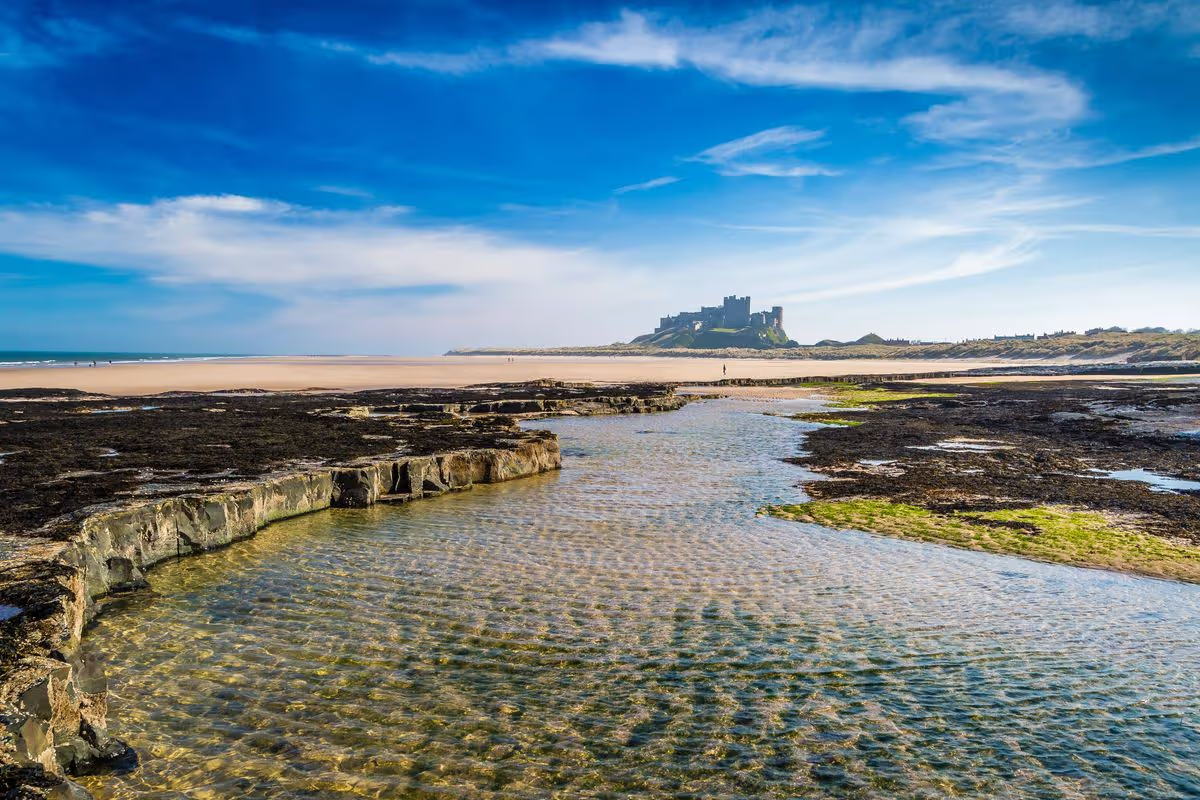
The stunning UK beach has been named among the best in the world(Image: Michael_Conrad via Getty Images)
Residents in a picturesque seaside town may need to prepare for an influx of tourists this year, after their stunning beach secured a spot on TripAdvisor’s ‘best of the best’ global list for 2026. It nearly claimed the top position, landing in an extremely impressive third place, thanks largely to its absolutely breathtaking backdrop.
When discussing beaches in the UK, Roker and Seaburn beaches have drawn comparisons to LA and Tynemouth has been likened to Australia’s Bondi Beach. Yet, for countless people – both residents and tourists alike – there’s one that will forever reign supreme in the North East, and that’s Bamburgh.
It boasts spectacular scenery, a brilliant day out, fresh sea air, and a chance to clear your head, regardless of the conditions.
Even during the recent bitter cold snap, visitors have continued strolling along its renowned sands and admiring the ‘unparalleled’ and utterly magnificent views of Bamburgh Castle in the distance.
It is the very location where Hollywood star Harrison shot an Indiana Jones film in 2021.
Interestingly, in last year’s rankings, Bamburgh actually trailed behind Roker and Seaburn amongst the UK’s finest beaches.
The beach is now proudly representing the UK as the sole entry from British shores on TripAdvisor’s Travellers’ Choice Awards best-of-the-best list for one-of-a-kind beaches.
Bamburgh comes in third place, behind only Boulders Beach in South Africa and Isola Bella in Sicily – a prestigious list that celebrates beaches boasting the most extraordinary settings.
Bamburgh has been rightly recognised for its breathtaking Medieval backdrop, which sets it apart from the crowd.
Highlighting its position on the One of a Kind list, TripAdvisor writes: “Framed by the iconic silhouette of Bamburgh Castle, this beach boasts miles of soft white sand, and a dramatic coastal backdrop.
“The dog-friendly stretch is close to the charming Bamburgh village, making it a standout choice for unforgettable family escapes and romantic coastal breaks.”
The Brusseleir dialect that’s still spoken in much of the Marolles dates back to the middle ages, a symbol of the independence of this proudly working-class neighbourhood in central Brussels. Located between the Palace of Justice and Halle Gate, it’s always been an inclusive refuge for immigrants from Europe and north Africa. The must-see Brussels tourist attractions of the Grand-Place central square and Mannekin-Pis statue are within walking distance, but the Marolles offers a very different experience: fashion, antiques and bric-a-brac shopping; alternative creative centres and provocative graffiti; characteristic estaminets (hybrid pub, cafe, bistros) specialising in hearty local dishes; and artisan breweries.
Where to eat
Les Brigittines, a Belgian culinary institution. Photograph: John Brunton
The splendid art nouveau Les Brigittines is a Belgian culinary institution, where chef Dirk Myny has overseen the kitchen for 35 years. He daringly reinterprets classic Flemish recipes with dishes such as smoked eel mousse and succulent pork belly with a tart cherry ale vinaigrette, or pig’s trotter, coddled egg, capers and gherkins. The three-course €38 lunch menu is a steal.
Don’t miss the experience of a traditional estaminet, either for breakfast coffee with a speculoos (spiced biscuit), or lunchtime pistolet (crusty rolls) with cheese, a hearty plate of stoemp (vegetable mash) and meatloaf, or chicons (endives) braised with ham. Estaminets such as Volle Brol and Au Mouton Bleu are fun spit-and-sawdust locales, but nothing beats the historic La Clef d’Or, which looks out over the daily flea market on Place du Jeu de Balle. Its owner, Eddy Aslan, sums up the Marolles as “a friendly cosmopolitan village where everyone is made welcome, and unique in that it is outside Belgian politics, neither Flemish nor Walloon but genuinely Bruxellois”.
A more modern estaminet is Mazette!, a cooperative microbrewery of 900 members who make more than 20 beers, mill an organic flour and bake their own bread, pizza and focaccia. Cantillon, on nearby Rue Gheude, is the last Brussels lambic (traditional wild-yeast fermented) brewery and worth a visit for its gueuze beer.
Mazette, a cooperative microbrewery of 900 members, who make more than 20 beers
The Marolles is proudly multi-ethnic. Try My Day, opened by Iraqi refugee Yousif Alsaleh, which serves home-cooked dishes such as maqluba, a pilaf-style spicy rice dish with chicken, lamb or roasted vegetables. Alternatively, there’s Flower Food for a Moroccan beldi breakfast of semolina crepes and flatbreads with eggs, smoked beef, honey and dates. For vegetarian menus, the plant-based diner Lucifer Lives serves tasty soups such as broccoli and garlic, while the community cooperative L’Eau Chaude offers simple organic dishes such as coconut curry for €9.50.
At night, the Marolles can be a wild place to party. Start off playing pinball and table football at the brilliant bar Le Petit Lion and you could still be there at 2am, dancing with a packed crowd to local DJs. Just up the road is Fuse, a legendary techno dance club since 1994, where weekend gigs carry on till sunrise, when the Jeu de Balle bars are just opening up.
What to see and do
Comic strip mural. Photograph: Hemis/Alamy
While the headline Magritte and Fine Arts museums are in the centre of Brussels, the Marolles offers a vibrant and challenging counter-culture scene. Dotted around the backstreets, street art enthusiasts can track down 16 of the city’s iconic comic strip murals; sadly, no Tintin, but rather local heroes such as Spirou, Blake & Mortimer, and Le Chat, a beloved cat cartoon. Wander through the streets and tunnels around the old Chapelle train station and Ursulines skate park and you enter an unofficial graffiti gallery, constantly being repaired and updated.
More formal cultural centres are the Octopus Heart art centre, which exhibits and offers residencies to local artists, and the Centre d’Art Mont-de-Piété, a 17th-century charitable organisation whose gallery hosts everything from photography and textiles to fashion shows. Be sure to go right to the end of Rue Haute, to discover the remarkable Art et Marges museum, which for 40 years has been a cutting-edge centre presenting art brut, outsider art produced by self-taught artists outside the contemporary circuit.
Where to shop
Antiques on the Rue Haute. Photograph: John Brunton
The Marolles is vintage shopping heaven, attracting fashionistas hunting down rare outfits, interior design fans looking for art deco lamps and Murano mirrors, and bargain hunters searching for collectibles in the sprawling Jeu de Balle flea market. Bernard Gavilan is the neighbourhood’s undisputed fashion guru; he opened his first boutique here in 2011, an Aladdin’s cave of vintage clothes and accessories. “Retro fashion has become much more important in the Marolles over the years,” he says, “but there’s a difference between the by-the-kilo stores popping up everywhere, which sell basic, recent secondhand clothes, and shops like mine, whose quality items can go back to 1900.”
The two key streets to explore are the parallel Rue Blaes and Rue Haute. Don’t miss Passage 125, an ancient textile warehouse that has been transformed into a labyrinthine antiques emporium selling everything from jewellery and stained glass to crystal chandeliers and rare arms. Meanwhile, Haute Antiques is housed in the old art nouveau Rialto cinema, where 25 collectors tempt shoppers with high-quality pieces, from furniture to lighting.
Don’t miss
Jeu de Balle flea market. Photograph: Monica Wells/Alamy
The vibrant heart of the neighbourhood is the Marolle’s monster Jeu de Balle flea market, open 365 days of the year but with the best bargains on Sundays. At midday, head to Centro Cabraliego, a social club for generations of immigrants from Spain’s Asturias, where local people cook up a copious lunch of chorizo, ribs and calamari with wine or cider for under €20. Walk over to the Place Brueghel, on Rue de l’Epée, where a free glass lift whisks you up to the entrance of the landmark Palace of Justice, with panoramic views over Brussels. Finish off with a walk down Rue des Tanneurs, past the Palais du Vin, now an organic food market, till you arrive at the stately romanesque Notre-Dame de la Chapelle church, where the 16th-century painter Pieter Bruegel the Elder is buried.
Where to stay
On bustling Rue Haute, La Maison Haute is a chic boutique place with room-only doubles from €120. A budget alternative at the edge of the Marolles is Ibis Brussels, with spacious doubles from around€90, right opposite the Eurostar station.
The meal at Les Brigittines was provided by Visit Brussels
TRYING to find an affordable, but clean and safe hotel can be tricky when exploring London.
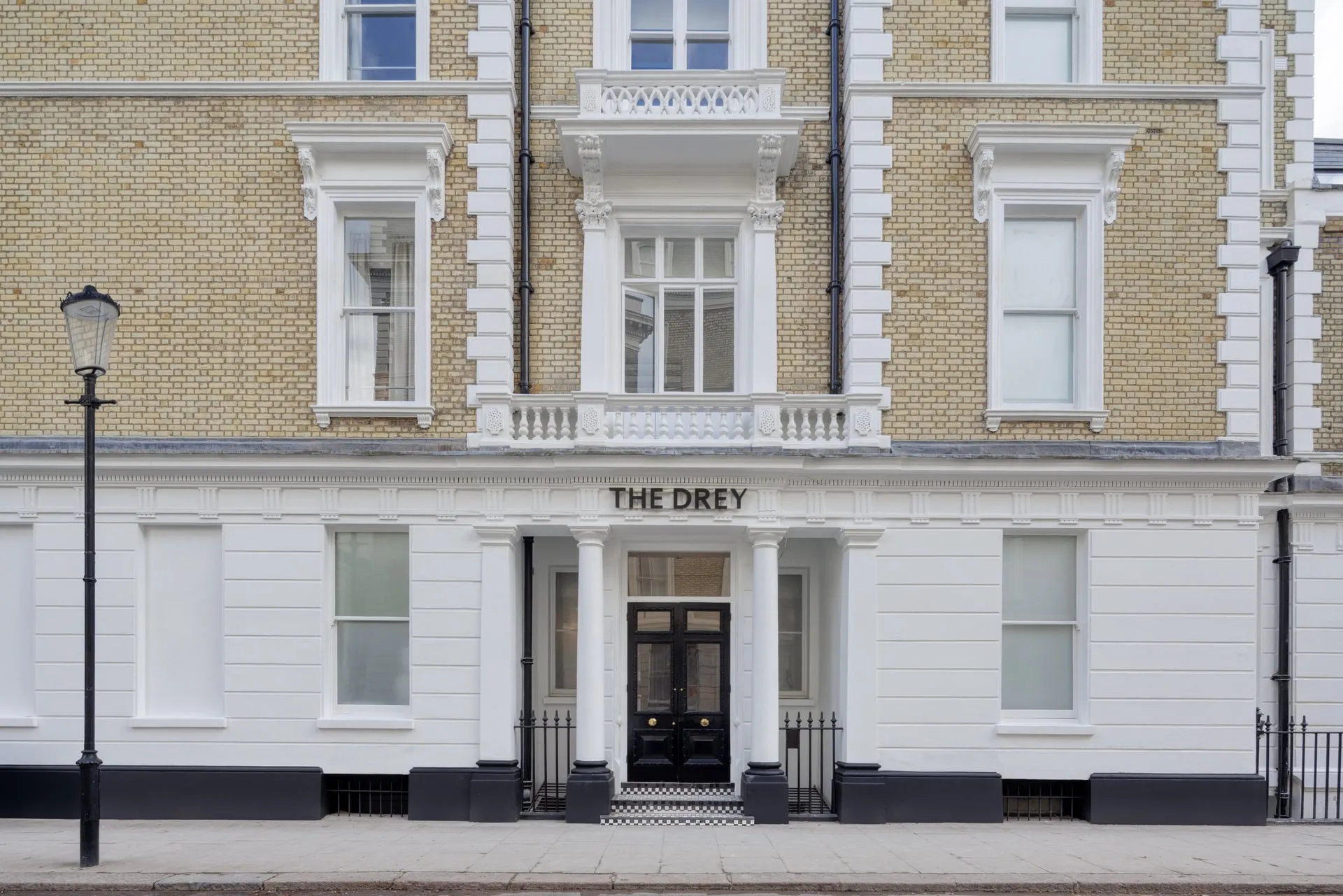
So here’s everything you need to know about The Drey, one of the newest on the block.
Sign up for the Travel newsletter
Thank you!
A new hotel has opened in London and I was one of the first to visitCredit: Paul RogersTowels, toiletries and a coffee machine are all includedCredit: Paul Rogers
Where is The Drey Hotel?
Tucked down a quiet side road of London, The Drey Hotel is a short walk from Earls Court.
What is the hotel like?
The recently opened The Drey takes over one of the beautiful South Kensington townhouses, with 125 rooms throughout the townhouse.
It’s no frills but classy – think tablet check ins and complimentary umbrellas.
There are no key cards either, with buttons via your phone to unlock the main entrance and your room.
My room – The Roost – overlooked the garden square with huge floor to ceiling windows making it a beautiful wake up from my super king bed.
The rooms have all the essentials, that I mean a coffee machine and water bottles, as well as towels and Gabar toiletries.
The dressing gowns and irons have been missed out, but you can pay £20 for a workout ‘bundle’ which has yoga mats, skipping ropes and weights inside.
But the fun part is owning the door, bizarrely. It’s keyless, so you check in and then click a button on your phone to open the room when you’re near, without having to scan anything. Very techy.
(You can request physical keys from reception if you prefer).
There are loads of other rooms to choose from, including a number of windowless rooms for “people who take sleep seriously” or rooms sleeping up to six people.
Rooms start from £100, but there is an extra 35 per cent off until the end of March.
What is there to eat and drink there?
There is a Starbucks coffee machine and healthy snack vending machine in the lobby but for dinner you have options.
But there’s no restaurant here so you’ll have to go out.
The hotel has teamed up with a number of food and drink spots to offer discounts.
Get 20 per cent off breakfast or brunch at The King’s Head, Earls Court, as well as discounts at places such as cafe Elixis and restaurant Afandena.
What else?
The pared back hotel has little else going on inside but you can pay extra for some of the nearby amenities.
This includes 20 per cent off wellness studio Common Bond and The Gym Way Kensington.
Other local partners include florist Petal Vibes (15 per cent off) and winery London Cru (£8 off tickets).
Otherwise it is two stops on the underground to the ‘museum hub’ South Kensington which is nicknamed the museum hub with the V&A, Science Museum and Natural History Museum all nearby and free to visit.
Luggage storage costs £10.
Is it family friendly?
Yes, there are Family Rooms that sleep up to six people thanks to some strategically placed bunk beds.
Is it accessible?
Yes, there are accessible rooms with step-free layouts and wider doorways, as well as lift access.
Opt for the cosy King room if you aren’t planning on spending much time thereCredit: Paul RogersRooms start from £100 a nightCredit: Paul Rogers
IF you’re wondering where the next big holiday trend is coming from, I can save you some time.
It’s not a brand new destination, and it’s not somewhere “undiscovered”.
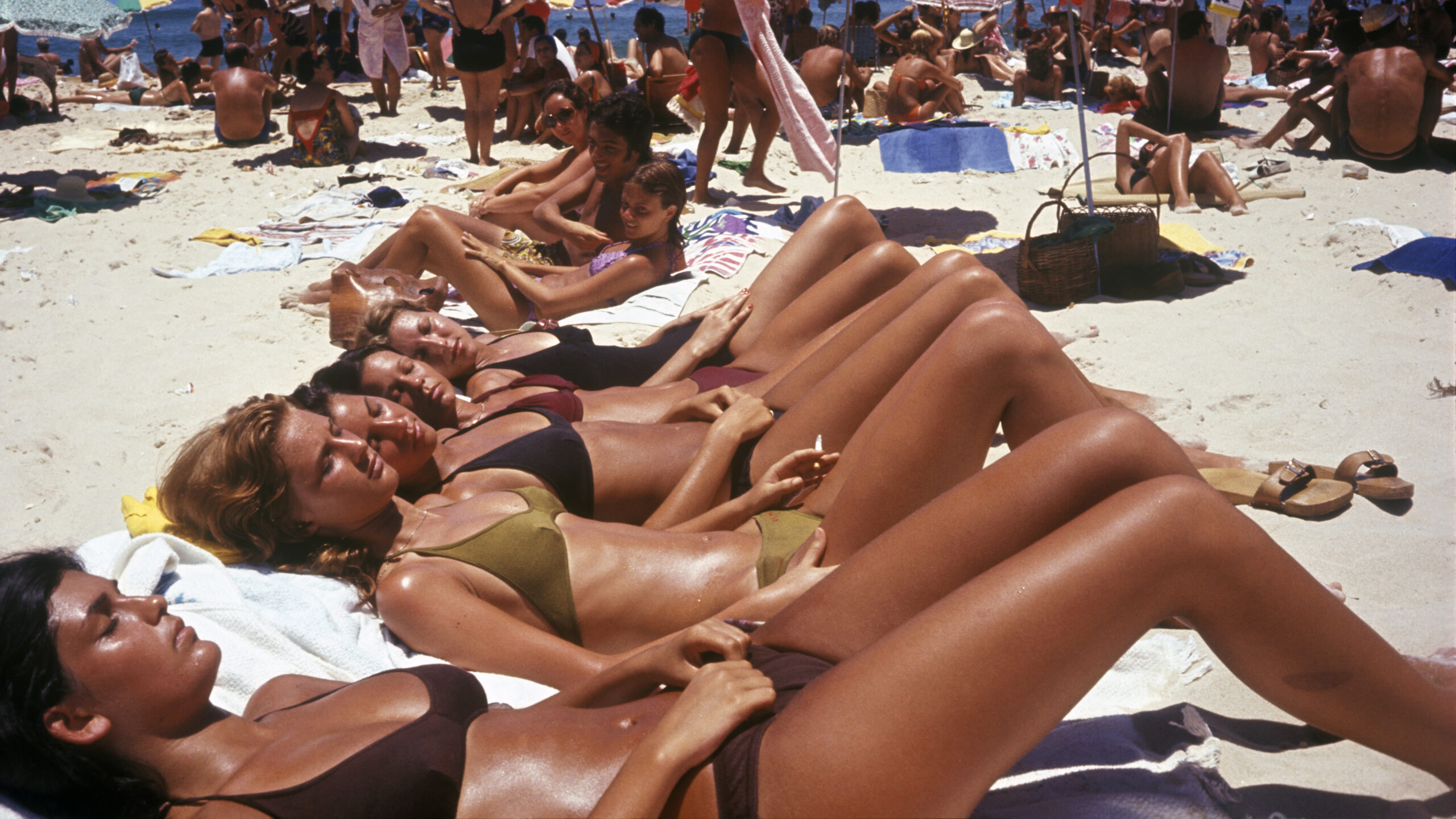
The 1990s were a peak for all-over tans at any costCredit: Getty ImagesBut the same resorts are now great for family breaks with school summer holidays dates from £58pp a nightCredit: Getty
It’s the places your parents went in the 90s.
I spend most of my time looking at holiday booking data, and this one trend keeps jumping out.
A whole wave of classic British package holiday resorts are making a serious comeback in 2026.
And the reason is simple: they’re still ridiculously good value.
From Europe to Africa, here are my top 10 cheap holiday spots that are booming again… and the deals you can get right now.
10. Skanes, Tunisia
Skanes is a proper throwback to 90s package holidays – big beachfront hotels, short transfers, and everything centred around the resort.
And now, it’s having one of the biggest comebacks I’ve seen in the data, with bookings to Tunisia up massively again heading into 2026.
I found a really strong all-inclusive deal here – 7 nights at the 4* Hotel Liberty Resort, flying from London Southend (16–23 Aug 2026), from £535pp for a family of four. That’s roughly £76pp per night, and crucially, it’s all-inclusive.
What makes this one work is how family-friendly it is – big pool areas, loads going on for kids, and everything included, so you’re not constantly spending.
And the reason it’s this cheap is simple. Tunisia is still rebuilding demand, so hotels are pricing low to win Brits back. Which means right now, you’re getting proper beachfront value for a fraction of what you’d pay elsewhere.
Our holiday expert found an all-inclusive deal in Skanes, Tunisia from just £76pp per nightCredit: Getty
9. Calpe, Costa Blanca, Spain
Calpe was huge with British tourists in the 80s and early 90s – classic Spanish seaside, big beaches and that iconic rock backdrop.
Now it’s trending again in 2026, as people look for more relaxed, less chaotic alternatives to bigger resorts.
I found a great-value summer deal – 7 nights at the 4* AR Diamante Beach, flying from Bournemouth (3–10 Aug 2026), from £588pp for a family of four. That’s about £84pp per night, on a bed & breakfast basis.
This hotel stands out because it feels a bit more premium than your typical Costa Blanca stay – big modern rooms, great pool area, and close to the beach without being chaotic.
It’s cheaper because it’s not trying to be flashy or all-inclusive heavy. And for families, that works – because you can eat out cheaply and control your spending instead.
The coastal town of Calpe is situated in Costa Blanca, and is famous for the Peñón de Ifach rockCredit: Getty
8. Hurghada, Egypt
Hurghada was unbelievably popular in the 2000s all-inclusive boom, thanks to massive resorts, guaranteed heat and loads included in the price.
And now it’s properly back again, with bookings climbing fast into 2026.
This one’s properly eye-opening – 7 nights at the 4* Royal Lagoons Aqua Park Resort & Spa, flying from Belfast (22–29 Aug 2026), from £668pp for a family of four. That’s around £95pp per night, and it’s all-inclusive.
What makes it great for families is the waterpark setup with slides, multiple pools and enough going on to keep kids busy all week without leaving the hotel.
This is why Egypt is flying with Brits right now, despite its proximity to the Iran conflict. Because once you arrive, everything’s covered.
Flights are longer, which keeps demand slightly lower, but for families, that means ridiculous value for what you get.
You can stay a week at the 4* Royal Lagoons Aqua Park Resort & Spa from £95pp per nightCredit: Alamy
7. Hammamet, Tunisia
Hammamet was one of the classic British beach holidays of the 90s – long sandy beaches, big hotels and loads of all-inclusive resorts.
Just like Skanes, it’s seeing a massive resurgence heading into 2026.
I spotted this while digging through peak summer prices – 7 nights at the 4* Houda Yasmine Hammamet, flying from London Southend (23–30 Aug 2026), from £553pp for a family of four. That’s about £79pp per night, and it’s all-inclusive.
It’s a proper classic family hotel with a massive pool, entertainment, and everything geared around easy, no-stress holidays.
Again, the price comes down to perception catching up with reality.
The hotels are good, the weather’s great – but demand hasn’t fully returned yet. So you’re benefiting from that gap.
Hammamet in Tunisia offers some of the most affordable 4 and 5* stays on the marketCredit: Getty
6. Salou, Costa Dorada, Spain
Salou was massive with British families in the 90s and early 2000s with beaches, family hotels and PortAventura right next door.
And now it’s flying back again in 2026 as families rediscover how easy it is.
I couldn’t ignore this deal – 7 nights at the 4* 4R Playa Park, flying from Birmingham (21–28 Aug 2026), from £408pp for a family of four. That’s just £58pp per night, on a bed & breakfast basis.
This is exactly what Salou does well: simple, well-located hotels with good pools and easy access to everything – and at a really great price too.
And it’s such great value because you’re not paying for extras upfront.
But in Salou, that’s ideal – everything locally is affordable, so you can build your own budget holiday.
Salou in Spain is a great-value resort with lively nightlife and the PortAventura theme parkCredit: Getty
5. Torremolinos, Costa del Sol, Spain
Torremolinos is where the British package holiday basically started back in the 60s and 70s.
And in 2026, it’s trending hard again thanks to how easy and reliable it is.
I found a really solid summer option here – 7 nights at the 4* Hotel Apartamentos Bajondillo, flying from Bournemouth (22–29 Aug 2026), from £518pp for a family of four. That’s about £74pp per night, on a self-catering basis.
What makes this one great is the location, as it sits right on the beachfront, with loads nearby, and perfect if you want flexibility with food and spending.
It’s not the cheapest on the list, but you’re paying for convenience – short transfer, loads to do, and no surprises.
Torremolinos in Malaga is a reliable holiday resort with package holidays from £74pp per nightCredit: Getty
4. Benidorm, Costa Blanca, Spain
Benidorm was the capital of British holidays in the 80s and 90s, and now a whole new generation is discovering it.
Bookings are up again in 2026, especially with younger families and couples.
I found this cracking value deal – 7 nights at the 3* Terralta Apartments, flying from Dublin (23–30 Aug 2026), from £403pp for a family of four. That’s roughly £58pp per night, on a self-catering basis.
It’s ideal for families too, as it’s home to spacious apartments, a big pool, and a quieter location just outside the main strip.
And this one’s cheap simply because Benidorm is built for volume: loads of apartments, loads of competition – which keeps prices low.
Best part is, once you’re there, everything else is cheap too.
Benidorm remains an affordable holiday destination for Brits, with deals from £58pp per nightCredit: Getty
3. Sousse, Tunisia
Sousse has always been one of Tunisia’s most popular beach resorts – big hotels, great beaches and loads of all-inclusive options.
And just like the rest of Tunisia, it’s seeing a huge comeback into 2026.
One of the best-value all-inclusive deals I found – 7 nights at the 4* El Ksar Resort & Thalasso, flying from London Southend (16–23 Aug 2026), from £583pp for a family of four. That’s about £83pp per night, and it’s all-inclusive.
This is exactly what families want – beachfront setting, slides, big pool areas and everything included from day one.
This is where the value really shows.
Because when everything’s included, you’re not constantly spending – which makes it one of the easiest holidays to budget for.
Tunisia’s Sousse is home to a UNESCO World Heritage medina and your pick of beachesCredit: GettySome of the most popular beaches in Sousse, Tunisia are Bou Jaafar and Samara BeachCredit: Alamy
2. El Arenal, Majorca, Spain
El Arenal was massive in the charter flight era – big beach, loads of hotels and right next to Palma.
And now Majorca, and El Arenal in particular, is firmly back on the rise again in 2026.
I found a peak summer Majorca deal that really stood out – 7 nights at the 3* BLUESEA Costa Verde, flying from Bournemouth (19–26 Aug 2026), from £580pp for a family of four. That’s about £83pp per night, and it’s all-inclusive.
What makes this one work is simplicity – good pool, food included, and a no-frills base in a super easy destination.
It’s slightly pricier because Majorca never really goes out of demand.
But you’re paying for ease – short flight, reliable weather and a destination that just works.
1. Sharm El Sheikh, Egypt
Sharm El Sheikh was one of the BIGGEST British holiday hotspots of the 2000s.
And now it’s making the biggest comeback of all destinations worldwide heading into 2026.
And this is where the value really hits home – 7 nights at the 4* Xperience Saint George Homestay, flying from London Luton (5–12 Aug 2026), from £650pp for a family of four. That’s around £93pp per night, and it’s all-inclusive, in great hotel, with guaranteed heat.
This hotel is built for proper relaxation with multiple pools, loads of food options and everything set up so you barely need to leave. Just turn up, pay for nothing, and leave rested, relaxed and tanned.
And the reason it’s such good value, even in the summer holidays, is simple.
Flights have only relatively recently come back at scale, so demand is still catching up. But the hotels are still world-class.
Which means right now, you’re getting proper 4* all-inclusive… for less than most self-catering holidays in Europe.
Al Sahaba Mosque is a spectacular landmark to visit in Sharm El SheikhCredit: GettyYou can stay in Sharm’s Xperience St.George Homestay from just £93pp per nightCredit: EasyJet
IT’S difficult to improve on looking out over the stunning Yorkshire Dales.
Unless, of course, you’re sitting in an outdoor hot tub, drink in hand, looking out at over 1,000 acres of pure idyllic scenery.
Sign up for the Travel newsletter
Thank you!
The Sun’s Richard Moriarty and his boys with the Land RoverCredit: SuppliedSkipton waterside is so prettyCredit: Alamy
Half-term breaks can be difficult. Like most, we want sun but can’t necessarily afford it. So we loaded up the car with walking boots, big coats and footballs.
We left Manchester and, to the delight of our boys, who hate long journeys, travelled exactly one hour and ten minutes to Skipton.
The town’s castle is a must-see, so we headed there and wandered around the 900-year-old medieval building, threatening to lock the kids in the dungeon.
Given its location on the high street, we easily found a cafe, had some lunch and fuelled up on sweets at a pick-and-mix shop.
Lemon sherbets tucked in our pockets, we wandered up a path to Skipton Woods, a lovely 45-minute stroll along the River Aire.
A historical building, sweets and a family walk completed, we jumped back into the car and 15 minutes later checked into the Coniston Hotel & Spa.
Our family suite was spacious and well-equipped, with two Z-beds for the boys in a connecting room.
But the jewel in the crown was the balcony and its view over the hotel’s 1,000 acres.
After logging onto the wifi, we left the kids in the room and walked to the adults-only Nadarra Spa, spending a couple of hours swimming, sweating and swigging as sheep trotted around a neighbouring field.
The spa is well-equipped with a 15-metre pool, three saunas, a bubble pool and two piping hot infinity pools. When we visited it was 4C outside, so once you’re in the outdoor pools, you’re unlikely to get back out, especially if the staff keep topping up your glass.
But with dinner booked, we dragged ourselves back to the room to get ready before going for a drink in Macleod’s Bar.
We then went to The View restaurant, where we demolished steak supplied by a local butcher.
The next day, we took advantage of the family swim (9am-10am), then had a leisurely walk around the hotel estate, taking in the lake and the endless fields before navigating a field full of bemused sheep.
After lunch, while my wife enjoyed a Sothys Organics Face And Body Ritual, the boys and I took part in a Land Rover Young Off-Roader Experience.
The next hour was great fun as both kids drove a Land Rover Discovery up and down some very big hills and into almost a metre of water, under the watchful eye of a calm instructor.
For the last night, we enjoyed lovely crab and chicken dishes washed down with Yorkshire tea.
So we didn’t get the sun, and we might still have sheep droppings on our boots, but we did have a lovely couple of days in Yorkshire.
GO: NORTH YORKSHIRE
STAYING THERE: A Deluxe Family Suite at the Coniston Hotel & Spa, Coniston Cold, Skipton, is from £325 per night, B&B, based on two adults and two children.
A woman was left laughing at herself after visiting a Spanish castle for just €3 (£2.61) – only to discover the surprising reason behind the tourist attraction’s low entrance fee
Content creator Alisatata, known as @iam_alisatata on social media, revealed how she paid just €3 (approximately £2.69) to visit Castillo de Colomares following her move to Spain. She was instantly struck by the elaborate design of the structure, located in the coastal town of Benalmádena – but her wonder soon turned to astonishment when she uncovered the reality behind it.
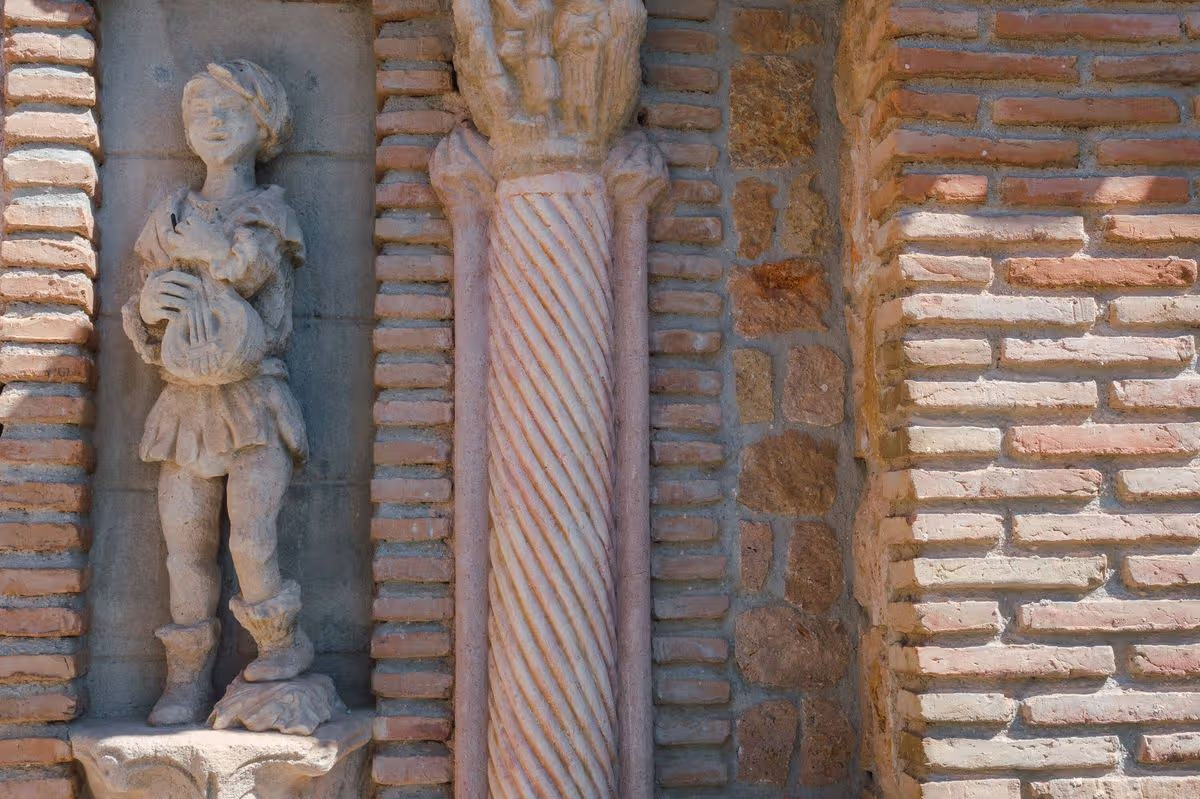
Despite its impressive, historic look, the building was in fact constructed between 1987 and 1994, meaning it’s nowhere near as ancient as she’d believed.
Posting the moment on TikTok, she said: “Admiring this ancient castle and wondering how the ticket was so cheap… then realising it was actually built in 1994.”
The striking structure isn’t a castle in the conventional sense, but rather a monument dedicated to Christopher Columbus and his expeditions.
Covering roughly 1,500 square metres, it’s thought to be the world’s largest monument honouring the explorer – and it even houses what is claimed to be the smallest church on Earth.
Content cannot be displayed without consent
Her video rapidly grabbed viewers’ attention, with many highlighting the mix-up.
One person said: “Most ancient castles have no decorations or details; they were built for defence in times of war, not to be beautiful.”
Another added: “That’s still pretty cool,” while a third wrote: “It’s not actually a medieval castle – it’s a monument dedicated to Christopher Columbus.”
Despite the confusion, visitors reckon the attraction is still well worth checking out.
Reviewing Castillo de Colomares online, one person described it as an “absolutely beautiful monument” with “amazing carving work,” adding the views alone justify the modest entrance fee.
Another visitor said it provided a “lovely break from the beach,” noting that while the site is fairly compact, there’s loads to absorb as you wander around.
A third reviewer called it an “architectural curiosity” overlooking the Costa del Sol, praising its blend of styles – from Gothic to Mudejar – and its scenic location.
While it might not be the ancient fortress she originally envisaged, it appears the distinctive landmark still made a memorable impact.
ON hearing that I was going to Malta, my grandfather insisted I check out a street in Valletta affectionately known as “The Gut”.
A quick Google search revealed that this “historically notorious” alleyway used to be the city’s premier red-light and entertainment district for British and American servicemen.
Sign up for the Travel newsletter
Thank you!
The cobbled streets in the capital city, VallettaCredit: GettyThe island is part of the Maltese archipelagoCredit: Getty
Given that Grandad was in Malta during his Navy days in the 1950s, I dread to imagine what he had in mind when suggesting I go there above anywhere else in the country.
Nevertheless, I’m glad I followed his advice because, in the 70-odd years since, it has cleaned up its act.
Located at the opening of The Gut at the time of my visit, (but now in St George’s Square) was Fifty Nine Republic, a restaurant that has featured in the Michelin Guide five years in a row.
Its head chef, Maria Sammut, is one of Malta’s greatest culinary assets — named “Best Maltese Chef” in recent years — and serves some of the finest fare in Valletta.
Her prawn tacos perfectly showcase the best of Maltese seafood — giant, juicy prawns fried in a satisfyingly crispy batter, with bright and delicate pickles elevating each mouthful — which you can enjoy in the sun of St George’s Square, opposite the opulence of the Grandmaster’s Palace.
Something I doubt my grandad did too often on his nights in the city.
It was a well-earned meal, too, after a morning spent getting to know Malta’s more adventurous side.
While the stereotypical image of a tourist in Malta may be that of an older person seeking some relaxing winter sun, there is plenty in the way of activities for holidaymakers with a penchant for getting the adrenaline pumping.
I am typically not that type of person, which I realised as I found myself dangling from a cliff face with little more than a bungee cord and a metal hook for safety, doing something called via ferrata.
It involves scrambling along precarious ledges, using fixed steel cables to ensure anyone who falls is just about kept alive.
The quaint Mgarr HarbourCredit: Getty
So, instead of doing the crossword with a cuppa — my normal morning routine — I had to rely on my minimal upper body strength and uncharacteristically delicate footwork to take me from the bottom of a sheer cliff face right to the top.
As a man who struggles with vertigo, this didn’t come easily, but the impressive landscapes — rugged cliff tops and lush greenery stretching out until they met the shimmering blue sea on the horizon — made it more than worthwhile.
What’s more, I was surprised at how quickly I started to enjoy myself.
The combination of warm weather, pushing 20C in February, spectacular scenery and trying something exciting put a spring in my step — ironically, the last thing I needed as I clambered up to the summit.
Delighted to have survived, I tested my resilience further — horse riding through the countryside of Bidnija village.
Yet this turned out to be an altogether more peaceful affair, as my steed — the majestic Romeo — begrudgingly bore me on his back and clip-clopped through some tranquil and verdant scenes.
Ryan Gray abseils down a cliffCredit: Supplied
Aloe plants rose out of the ground, looking like large desert cacti, making me feel like I was in my own John Wayne movie.
I even tipped the brim of my hat to passers-by as I rode towards the sunset, thoroughly enjoying an activity I would never before have thought to try.
The same thing happened on repeat throughout my visit.
Whether it was e-bike riding along the Dingli Cliffs — the highest point on the island, with vistas stretching for miles over sapphire seas — or abseiling on Gozo, the second-largest island in the Maltese archipelago, my perceptions about what I enjoy doing were constantly being challenged.
That’s not to say I didn’t make the most of a chance to relax in the warmth, while thick grey clouds at home were refusing to let any sunlight through.
Staying at the Marriott Resort & Spa meant I could unwind after my exertions and, come early evening, I could be found on a sunbed by the outdoor pool on the 13th floor, overlooking St Julian’s Bay.
Visit the medieval town of Mdina which featured in Game Of ThronesCredit: GettyRyan explores the streets of MaltaCredit: Supplied
The hotel also has an indoor pool, a gym better equipped than most actual gyms, and a spa offering a range of treatments and massages, including couples’ options.
After a wind-down by the pool, evenings were spent exploring the extensive selection of bars and restaurants.
Although I couldn’t try all the highly recommended eateries, I was particularly impressed by Trattoria AD 1530.
This charming Michelin Guide restaurant is located in the fortified medieval town of Mdina, which Game Of Thrones fans will recognise as King’s Landing from series one.
It perfectly showcases the Italian influence on Maltese cuisine, with its seafood pastas particularly worth a taste.
Then there was Sole by Tarragon, which offers beautiful harbour views, locally-caught seafood and Mediterranean classics.
My advice — order the sea bass, one of their nautical-themed cocktails and the caramel and banana dessert.
I’ll just have to go back and try all the ones I missed another time. I’ll see if my grandad has any more hot tips.
GO: MALTA
GETTING THERE: Direct flights from London Heathrow and Gatwick with KM Malta Airlines are from £84.
Many of Spain’s major airports are set to be hit by strike action this week.
Steffan Rhys Deputy Content Hub Director
13:52, 29 Mar 2026Updated 14:06, 29 Mar 2026
Travellers heading to Spain could be hit by strike action
UK tourists hoping to travel to Spain for Easter sunshine should be aware that workers are set to strike at several of the country’s biggest airports.
The strikes affect ground-handling services at the airports of Barcelona, Madrid, Alicante, Palma, Ibiza, Málaga, the Canaries and more and the first of the action is set to start on Monday. The strikes are by Groundforce and Menzies workers and are a result of salary disagreements.
The Groundforce strikes had been due to start on Friday but they were delayed. However, it is believed they will now start on Monday, take place at set times of day in the mornings, afternoons and nights and continue indefinitely. Majorca Daily Bulletin reports that “there is as yet no indication as to whether there will be further suspensions of strike action”.
Menzies workers were due to have gone on strike this Saturday and Sunday. That was also suspended but 24-hour strikes from April 2 to 6 have not been called off.
Groundforce operates at Madrid-Barajas, Barcelona-El Prat, Palma de Mallorca, Alicante, Málaga, Gran Canaria, Valencia, Ibiza, Bilbao, Lanzarote and Fuerteventura. Menzies operates at Barcelona, Palma de Mallorca, Málaga, Alicante, Gran Canaria, Tenerife South and Tenerife North.
The Traveler website reports that “travellers heading to Spain over Easter face a challenging season, as walkouts by airport ground staff threaten queues, baggage delays and potential timetable disruption at some of the country’s busiest hubs”. It added that “reports indicate that the stoppages are partial rather than full shutdowns, typically concentrated in several time bands during mornings, midday and late evenings. This pattern mirrors earlier labour disputes at Madrid, where limited ground handling strikes created bottlenecks at baggage reclaim and during boarding, while flights continued to operate under minimum service rules.”
It added: “For most holidaymakers, the most visible impact of the strikes is likely to be queues and slower processing rather than mass cancellations.”
Travel and Tour World, a B2B travel publisher, says travellers “are being urged to check their flight status regularly and stay updated on the latest developments”.
Strikes not the only problem
The strike action coincides with the ongoing rollout of the EU’s new Entry/Exit System (EES) which could cause further delays. Under this system, which has been rolling out since October and is expected to be fully operational by April 10, all travellers from the UK and other non-EU countries have to be photographed and fingerprinted at EU airports and border points.
The Telegraph reports that the Home Office and travel organisations “are advising holidaymakers to allow extra time to arrive at their destinations on both entry and exit because of predicted queues of two to four hours at busier airports”. It adds: “Delays at airports on return journeys have already led to some holidaymakers missing their planes home, even though they arrived within the required two-hour limit.”
It reported how Tenerife airport has already seen “acute delays” with one recent traveller saying on Facebook that she had spent three hours queuing in passport control, writing: “Our flight left with 15 passengers on and ditched the rest of us here in Tenerife to fend for ourselves.”
Another traveller said she had been astonished to arrive at her airport departure gate in Paris recently to find a long queue. She said: “I had entirely forgotten about the additional security checks. Only one kiosk was open, with a queue of at least 30 people, and the clock was ticking down to our flight’s departure. As we stood there, another 40 individuals joined the queue behind us, yet still, only one kiosk was operational.
“The process was painfully slow. The queue barely seemed to budge, and more people continued to join behind us. From the snippets of conversations I caught, everyone appeared as taken aback – and stressed – as I was.
“Fortunately, my partner and I had started relatively close to the front, so we managed to reach the gate just in time. As for the people behind us, I have no clue.”
easyJet said it is an ‘extraordinary circumstance’
13:06, 29 Mar 2026Updated 16:11, 29 Mar 2026
easyJet has apologised to passengers(Image: f9photos via Getty Images)
An easyJet flight was forced to turn back and land shortly after departure today (Sunday, March 29) due to an “extraordinary circumstance”.
easyJet flight EZY439 was scheduled to depart from Glasgow at 11.50am and arrive in Jersey at 1.25pm. However, tracking data on Flightradar appears to show the aircraft turning back almost immediately following take-off. easyJet has confirmed the flight returned to the gate due to an “extraordinary circumstance”. Outlining the diversion on its website, the airline said it is “due to a crew welfare issue”.
easyJet added: “The disruption to your flight is outside of our control and is considered to be an extraordinary circumstance. We plan to refuel and continue your flight as soon as possible. Your crew will keep you up to date.”
easyJet encourages passengers to visit its website for entitlements, refund and compensation rights, and additional information. It added: “Once again we’re very sorry for the delay to your flight.”
An easyJet spokesperson said later on Sunday: “Flight EZY439 from Glasgow to Jersey on 29 March returned to Glasgow due to a cabin crew member requiring medical assistance.
“The flight landed normally in Glasgow and was met by medical services on the ground. We plan for passengers to continue their journey to Jersey later today and apologise for any inconvenience.
“The safety and wellbeing of passengers and crew is always easyJet’s highest priority.”
Brits could be paid up to £13,000 (€15,000) to relocate to an Italian village and enjoy a peaceful life living next to ‘one of the best beaches on the planet’ – with many calling it a no-brainer