Health

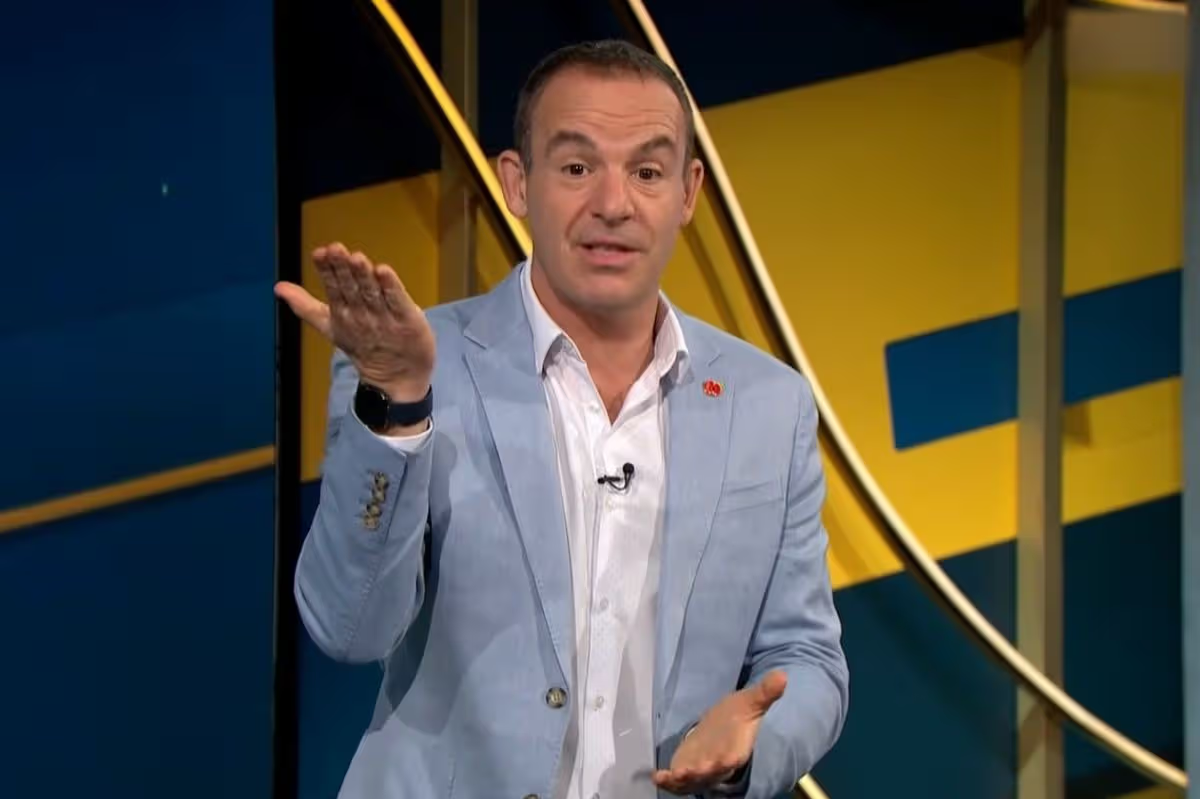
Martin Lewis’ MSE issues Europe travel warning to ‘over two million’ people

MoneySavingExpert has shared important safety advice for holidaymakers

MoneySavingExpert (MSE) has issued a travel warning to millions of people. Founded by journalist and broadcaster Martin Lewis, MSE regularly posts consumer advice for Brits. In the latest Money Tips Email, the experts offered advice for anyone booking holidays.

In the email, the team told readers: “Summer is coming, and if you’re booked to go away and haven’t got your insurance yet, you need to do it NOW, today, straight away!” As the experts pointed out, booking travel insurance as soon as you book your holiday offers the maximum protection, including cover if something happens that prevents you from travelling.

Before setting off, it’s also advised to get a Global Health Insurance Card if you’re travelling to Europe. In the alert, MSE revealed that over two million cards are expected to expire this year. As a result, millions could miss out on the benefits if they don’t renew ahead of upcoming holidays.

The UK Global Health Insurance Card enables holidaymakers to access healthcare without paying more than a local resident would while travelling in the European Economic Area.

The NHS explains: “The UK Global Health Insurance Card (GHIC) lets you get necessary state healthcare in the European Economic Area (EEA), and some other countries, on the same basis as a resident of that country. This may be free or it may require a payment equivalent to that which a local resident would pay.

“The UK GHIC has replaced the existing European Health Insurance Card (EHIC). If you have an existing EHIC you can continue to use it until the expiry date on the card. Once it expires, you’ll need to apply for a UK GHIC to replace it.”

While people are advised they should also take out travel insurance, it could help you avoid paying the excess if you need medical treatment during your trip. MSE said: “Going to the EU? Ensure you’ve a valid (free) GHIC/EHIC – over 2m expire this year.

“The ‘Global Health Insurance Card’ (GHIC) and its predecessor, the EHIC, give access to state-run hospitals or GPs, mainly in European countries, for the same price as a local. So if they don’t pay, you don’t either. Over two million expire this year, check yours.”

A UK GHIC is free, and you can apply through the NHS website. The NHS advises avoiding unofficial websites, which may charge an application fee. People can apply for a new card up to nine months before their current card expires.

The NHS says: “You can apply for a UK GHIC if you’re a resident in the UK. You can also add your family members to your application when you apply.”

Source link

Kenya’s police crack down on protest against US Ebola centre in Nanyuki | Ebola News

Gunshots, water cannon and tear gas have been used by Kenya’s police in the central town of Nanyuki, where hundreds of protesters lit fires and hurled stones at law enforcement officers as they demonstrated against a quarantine centre for US citizens exposed to Ebola.

Tuesday’s violence came as the proposed quarantine centre at the town’s Laikipia Air Base has caused anger among Kenyans who accuse the United States of shifting the risks of caring for people exposed to the Ebola outbreak in eastern Democratic Republic of the Congo and Uganda onto Kenya.

Kenya has never recorded a case of Ebola, and many residents oppose bringing potential carriers of the virus into the country.

The centre is designed to have 50 isolation beds, run by US staff, and was nearing completion late last week.

Construction has continued despite a temporary halt order from Kenya’s High Court and vocal opposition from local politicians.

President William Ruto’s government has pledged to press ahead with the project, arguing that Kenya owes Washington for years of financial and technical support.

The US has committed $13.5m to support Kenya’s Ebola preparedness efforts.

Source link

UN human rights leader calls for Cuba sanctions to be ‘lifted immediately’ | United Nations News

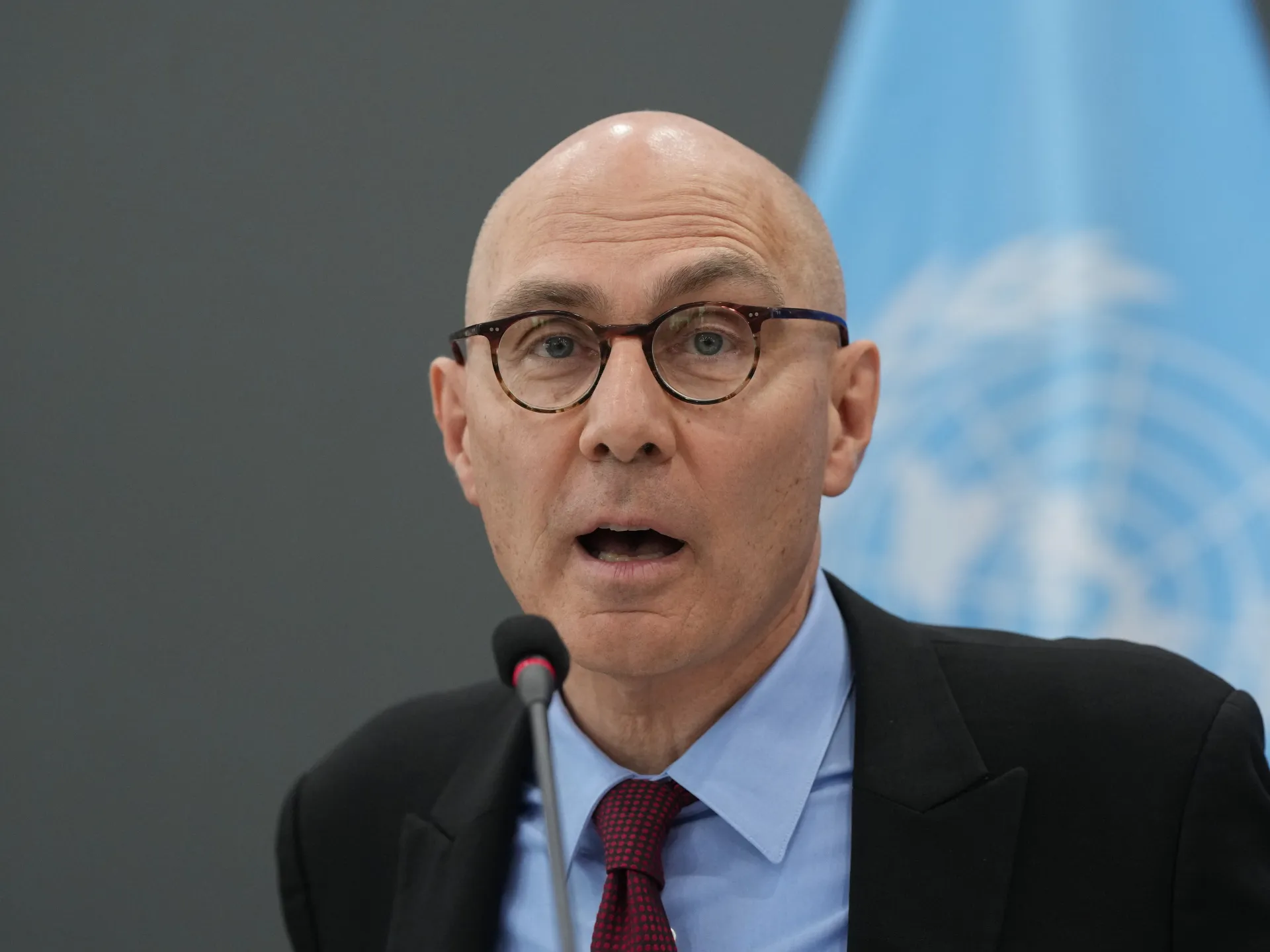
Volker Turk, the high commissioner for human rights at the United Nations, has issued some of his harshest criticism yet of the recent sanctions the United States has imposed on Cuba.

On Monday, Turk drew a line between the increasing restrictions on the Cuban economy and reports of heightened death rates, particularly among children.

Recommended Stories

list of 3 itemsend of list

“The fuel restrictions imposed since early 2026 and recent tightening of extraterritorial sanctions, taken together, are directly harming Cubans, especially the most vulnerable,” Turk said in a statement.

“Children are dying because doctors lack access to essential medical supplies and medicines. This is unacceptable.”

Such “severe sanctions”, he added, run contrary to the “basic principles of international human rights law”. He called for them to be “lifted immediately”.

Turk’s comments are a direct response to the suite of actions taken under US President Donald Trump to tighten pressure on Cuba, a Caribbean island that has already weathered a decades-long US trade embargo.

Starting in January, the Trump administration moved to cut off Cuba’s foreign oil supply, a linchpin for its ageing energy grid.

First, it severed supplies of oil and funds from Venezuela. Then, on January 29, Trump issued an executive order declaring Cuba to be an “unusual and extraordinary threat” to US national security. As such, he said, any country that supplied it with oil would be subject to steep tariffs.

In the months since, the Trump administration has continued to layer sanctions on Cuba. In May, for instance, penalties were announced against Cuba’s Interior Ministry, its National Police and its Directorate of Intelligence.

Those were followed this month by sanctions targeting Cuba’s president, Miguel Diaz-Canel, as well as members of his family.

The sanctions are designed to penalise those “responsible for repression” in Cuba, an island whose communist government has been accused of stifling dissent, as well as imprisoning and torturing activists.

Turk on Monday acknowledged Cuba’s human rights record and called on the country to “release all those arbitrarily detained”.

But he also pointed to the mounting death toll associated with the US sanctions, which have isolated the island country from much of the world.

The sanctions freeze any US-based assets the target may have, but they also prohibit entities from conducting business with the sanctioned parties. That can result in difficulties accessing global financial systems and other international platforms.

The de facto oil blockade has also resulted in the increasing frequency of power outages, and essential services like public transportation and medical care have faced reductions. Turk pointed to those downstream effects in his remarks.

“Cuba faces increasing isolation,” he said. “Companies are leaving. Fewer airlines fly to the country. It is almost disconnected from international payment systems.”

Turk’s office has also highlighted the human costs of the sanctions. According to the statistics it cited, infant death rates have doubled, reaching 9.9 for every 1,000 births. The survival rate for childhood cancer, meanwhile, has declined from 85 to 65 percent.

In March, the Cuban government also warned of medical needs going unanswered as a result of the energy shortage. It estimated that there was a backlog of 96,387 people awaiting surgery, 11,193 of whom were minors.

It also underscored that 16,000 patients needed radiotherapy, and another 2,888 required dialysis, two treatments that depend on steady electrical supplies.

Turk’s remarks also pointed to the risks posed by the Atlantic hurricane season and other natural disasters. Within hours of his remarks, western Cuba was rattled by a powerful 6.1-magnitude earthquake. Summer heat alone could cost lives, he explained.

“Rising summer temperatures risk increasing the spread of vector borne and waterborne diseases,” Turk said.

“The hurricane season further increases exposure. This creates a perfect storm for social and economic deterioration and suffering for the Cuban people.”

Trump has repeatedly suggested that he is considering military action in Cuba to remove its leadership after the US-Israel war on Iran reaches an end.

Since January, only one Russian oil tanker has been allowed to reach the island, leaving its foreign fuel supplies largely depleted.

Source link

How extreme weather and heat could affect players at World Cup 2026 | World Cup 2026

Sweaty, shirtless football players lying on the pitch have seldom raised eyebrows as they did last week when photographs of European players struggling to train in the heat sparked concerns over sweltering US summer temperatures at the World Cup.

Scientists have long cautioned that extreme heat could disrupt sporting events. Last month, climate experts warned that one in four World Cup games could be played in very hot conditions, affecting fans and players alike.

Recommended Stories

list of 4 itemsend of list

Those warnings materialised last week; social media was abuzz with sunburnt players — mostly from European teams used to cooler climates — dousing themselves with water to cool off. Norway’s team even opted to wear ice collars around their necks during the friendly against Morocco.

But England captain Harry Kane quickly dismissed speculation over how much the heat would affect players, saying it “won’t be a factor”, thanks to his team’s World Cup training regimen.

So, how much will higher temperatures actually affect players at the World Cup? Al Jazeera takes a look.

What have experts said about heat during World Cup matches?

Th 2026 World Cup could be the hottest on record since the tournament began in 1930 due to a sharp rise in global temperatures, explained Al Jazeera weather presenter Everton Fox.

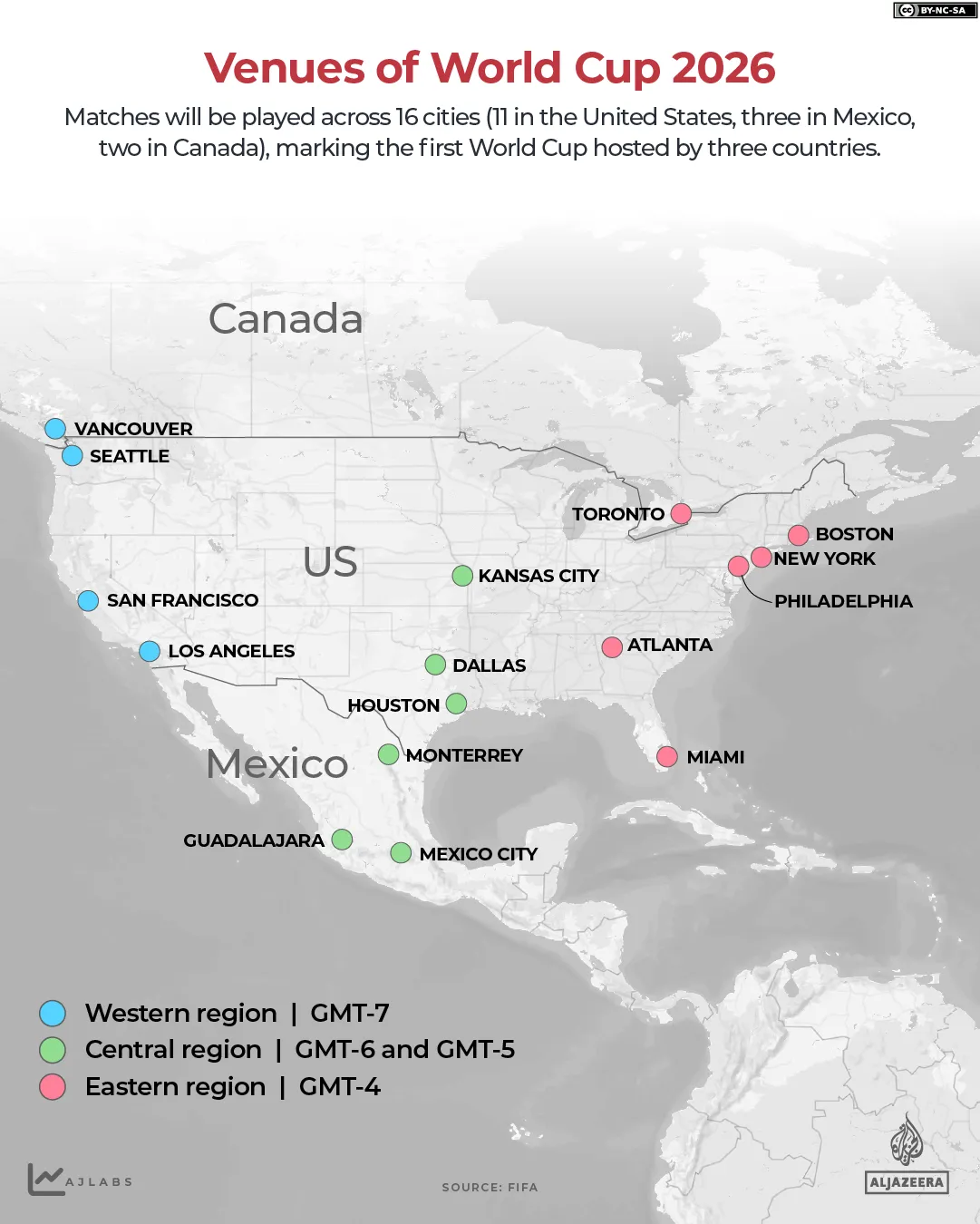
“Around half a dozen of the venues are prone to extreme heat; places like Dallas, Houston, Miami and the Mexican venues are all likely to swelter,” Fox said.

Daytime temperatures there are expected to average 28C, though the stadiums in Dallas, Houston and Atlanta have air conditioning.

Approximately 26 of the 104 matches could reach at least 26C in the Wet Bulb Globe Temperature (WBGT) index — which measures how effectively the body can cool itself — while five games are expected to be played in conditions of 28C WB or higher, according to World Weather Attribution (WWA), a network of climate scientists.

Of those 26 matches, 17 will be played in stadiums with cooling systems, reducing risks for players and fans.

But more than a third of the games with a one in 10 chance of exceeding 26C will be in venues without air conditioning.

How do hotter temperatures impact athletes’ performance?

Heat stress due to increased humidity, exposure to solar radiation and the effects of wind speed will impact players running around in direct sunlight, Fox said.

“All this makes it harder for the body to cool down as it becomes harder for sweat to evaporate as quickly,” said Fox, a senior meteorologist with more than 30 years of experience.

Physical performance coach Raiyan Abbasi explained that, although the body sweats to achieve thermoregulation – a process that allows the body to maintain its core internal temperature – excessive sweating due to heat could lead to dehydration, cramps and increased fatigue.

Are athletes used to such high temperatures?

“Yes, the majority of athletes will know how to deal with this kind of heat since they’re elite players training and competing in various conditions,” said Abbasi, who has worked as a physical performance coach for British clubs Swansea and West Ham, as well as the Pakistan national side.

Teams will have a performance coach and medical staff to make sure players are ready for the tournament, including through acclimatisation, Abbasi explained – echoing what Kane said over the weekend after his side beat New Zealand 1-0 in Tampa, Florida, where temperatures soared beyond 30C.

INTERACTIVE-Football FIFA Venues of World Cup 2026-1776670771

Do athletes from hotter nations have an advantage?

World Cup nations whose players train in hotter climates may have a slight advantage when it comes to adjusting to high temperatures in the US.

“But essentially, countries that prepare and perform well can minimise that difference,” Abbasi said, adding that heat can be used positively too.

“Heat is a significant factor in creating good athletes; one way to improve athletic capabilities is to train in the heat.

“It can make big adaptations in your body to improve body temperature.”

Could the World Cup have been held before or after summer in the US?

Fox noted that international tournaments are traditionally in the European domestic off season, which is when the 2026 World Cup is being held.

“Ideally, US weather is most conducive in the spring and autumn, but you’d then be looking at the tornado season in spring and hurricane late summer through autumn before you even begin to think about their domestic sports which locals have more interest in,” Fox said.

What measures has FIFA taken for players and fans?

FIFA said it has carried out heat-risk planning, with measures including three-minute hydration breaks in each half of games, cooling infrastructure for fans and players, adapted work-rest cycles, and enhanced medical readiness that scale according to real-time conditions.

“The hydration breaks probably need to be longer to gain full benefit, but then you risk turning it into a game of four quarters,” Fox said jokingly, although he argued that FIFA could have confined games to northern parts of the US and Canada.

FIFA has also delayed kickoff times for some matches to start outside the hottest afternoon hours.

Source link

Dr Amir Khan says this is why women have belly fat – and it’s ‘normal’

This is a “natural” part of being a woman, he said

A doctor has revealed why women start to put on belly fat as they age, stating it’s a “normal” part of life. According to the expert, women can expect to see their weight fluctuate when they get older.

In a clip from his podcast No Appointment Necessary, shared to his Instagram page, Dr Amir Khan issued some reassurance about weight before and after the menopause. He explained how fat is distributed on the body differently as a result of this hormonal change.

Menopause is a natural life stage that typically affects women between the ages of 45 and 55. It happens when hormone levels in the body drop to a point where periods cease completely.

Forgotten immune organ can predict how long you’ll live, landmark trial crushes ‘undruggable’ cancers, and blood test can spot signals of Alzheimer’s early – all this and more in our latest science newsletter

As a consequence of these hormonal shifts, the body can experience a broad range of symptoms that can impact both physical and mental health. These include hot flushes, mood swings, and brain fog.

Content cannot be displayed without consent

However, it can also affect how your body stores fat. On the podcast, his co-host Cheery Healey said: “Lots of women find that when they go through perimenopause and menopause, they gain weight.”

Dr Amir responded: “So, before the menopause, fat distribution in women is usually around the hips, thighs, and buttock area. And that fat distribution is completely normal and healthy and women should have fat there, you don’t want to lose it.”

He explained why. “It’s really good for your fertility,” he said.

“It’s really good for your overall health. It is expected and needed.”

But after menopause, you might notice that you are more prone to weight gain around the tummy. Dr Amir continued: “After the menopause, as the hormones shift, things change.

“And that fat usually deposits around the tummy area and the hips as well and so people can refer to it as a ‘meno belly’. It’s not really a great term but it is just the shift of weight, really.”

He added: “Normal, natural, not the end of the world, part of being a woman, an adult woman.” His advice is supported by the NHS website, which says: “Weight gain during perimenopause and menopause is common.

“It often happens around the stomach and upper body.”

Other symptoms of menopause

The other symptoms of menopause, as listed by the NHS, include:

  • Changes to your periods
  • Hot flushes and night sweats
  • Sleep problems
  • Mood changes, poor memory and brain fog
  • Vaginal problems such as dryness, a burning feeling, irritation or itching in and around the vagina
  • UTIs (urinary tract infections)
  • A faster, slower or more noticeable heartbeat (palpitations)
  • Weakening bones (loss of bone density), which can lead to osteoporosis
  • Feeling the need to pee more or not being able to control when you pee (urinary incontinence)
  • Headaches and migraines that are worse than usual
  • Muscle aches and joint pains
  • Hair thinning or hair loss
  • Skin changes, including dry and itchy skin
  • Reduced sex drive (loss of libido)
  • Sensitive teeth, painful gums or other mouth problems

The health body says you should contact your GP if:

  • You think you have symptoms of menopause or perimenopause and want to know what your options are
  • You have symptoms like a fast heartbeat (palpitations)
  • You still have periods but your bleeding pattern has changed and you’re bleeding more, not less, than before
  • You have not had a period for 12 months or more, and you have any vaginal bleeding

The most commonly prescribed treatment for menopause symptoms is hormone replacement therapy (HRT).

Source link

Kenyan president defends US Ebola facility amid deadly protests | Ebola News

NewsFeed

Kenyan President William Ruto said allowing the US to build an Ebola quarantine facility in Kenya was the “right thing”. At least two people were killed this week in protests against the facility, which is being built on a US air force base for Americans exposed to the virus.

Source link

Melinda French Gates donates $215M, funding $600M for women’s health

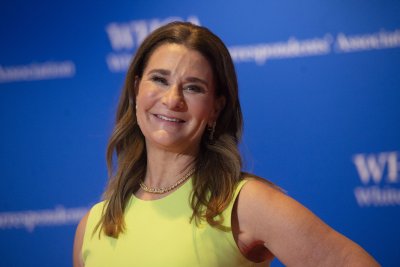
June 4 (UPI) — Melinda French Gates has added another $215 million to her organization Pivotal, which funds social initiatives for women and families around the world.

The latest boost in funding is specifically to address problems with women’s reproductive and menopause health, she said. French Gates has contributed $600 million to women’s health over the past two years.

As part of this round, she is donating $10 million to The Menopause Society for the education of healthcare professionals and to expand outreach in areas where access to menopause care is limited.

“For too long, perimenopause and menopause have been treated as invisible — something women are expected to manage quietly, without clear answers or support. That must change. By getting healthcare practitioners better training and investing in research, we can help ensure women have the care they need to live full and healthy lives,” French Gates said in a statement.

While midlife issues have seen more attention, thanks to social media, that attention doesn’t always translate to correct information from practitioners.

“The piece that I’m focused on with Pivotal is: How do we make sure that women get accurate information about what we do know about this phase of life? And how do we make sure that all providers are trained?” she told Time in an interview.

“In midlife, I would say we both don’t have enough knowledge or tools,” she said. “The research should have been started more than 50 years ago. We should have had many, many, many studies about this period of life, so that we have different tools, not just hormone replacement therapy. Then, we have a lack of provider training, which is the piece I’m going to work on with this particular amount of funding.”

The Menopause Society said the funding will help reach women who need the care.

“Menopause is a universal life stage, but quality care is not universally available,” said Dr. Stephanie Faubion, medical director of The Menopause Society, in a statement. “With this funding, we can scale evidence-based training for front line clinicians and extend our reach to areas where menopause care has long been overlooked. This is a meaningful step toward ensuring that women receive the informed, compassionate care they need and deserve so they can make smarter healthcare decisions. It also allows for exploration and a better understanding of the need for system changes.”

While the donation is critical, Faubion said the attention generated by French Gates is even more important.

“It shows that somebody like Melinda Gates and Pivotal feel that this is an important issue,” Faubion told the Independent. “It will illuminate the gaps that are still there … and it makes people not only aware, but maybe motivated to take some action.”

Though women make up half the population, health issues that affect them get only 2% of private healthcare funding, according to the World Economic Forum.

“The role of philanthropy, in my opinion, is to look at some of these societal problems that have been left behind, and shine light on them, show ways of making progress so you can then crowd in other donors and ultimately crowd in government funding,” French Gates told The Independent. “Part of what I’m doing here, I hope, is sending a signal to say, ‘This is really important. Let’s do something about it.’ And my hope is that I’ll be able to get others who will join me.”

Source link

The One Show presenter shares health update as she returns after illness

The One Show has welcomed back one of its hosts after she was absent due to illness

One of the presenters on The One Show has returned to the sofa after taking time off ill.

Alex Jones is usually a staple on the BBC programme but was absent on Monday and Tuesday this week, with JB Gill stepping in and hosting alongside her regular co-presenter, Roman Kemp.

However, the TV star was back on Wednesday (June 3), fronting the show alongside Angellica Bell.

Alex’s return was confirmed on Instagram ahead of the show, with Angellica exclaiming: “Good news, everyone. Alex is back!”

“Are you feeling better?” she asked the presenter.

“I am,” replied Alex. “I am slightly croaky, but we’ll get through it,” she added.

As the show started, she told Angellica that she had “nearly recovered” after being unwell, adding: “Glad to be here.”

The pair then turned to announcing the guests who would be on the show – Dara Ó Briain and Shania Twain.

Alex has been hosting the BBC programme for several years, and is one of the show’s best known presenters. The star, who has three children with her husband Charlie, has been a presenter on the programme since 2010, hosting with stars such as Matt Baker, Ronan Keating and Roman.

Speaking last year, she told the BBC: “I feel incredibly proud to have been on the iconic sofa for all these years. It certainly doesn’t feel like 15 years, and it still feels fresh, as the show keeps evolving. I feel like we keep coming back better and better.

“I started as a young girl and I feel like I’ve grown up with our viewers. They have seen me through all my big life moments like getting engaged and married, to having children. Our viewers are like extended family by now!”

She went on: “I think the reason is it really strikes a chord with people because we sit right at the heart of the nation. Our job, essentially, is to reflect what’s going on. All the small daily bits and pieces, but also the big events that affect the country.”

The One Show airs at 7pm on BBC One on weekdays.

Source link

‘Spoiled insulin’: Sudan war disrupts drug supplies, fuelling smuggling | Conflict News

On a modest bed inside his war-battered home in the Khartoum North neighbourhood of the Sudanese capital, Khartoum, Murtada Mohieddin, a diabetic patient in his early 50s, carefully counts his remaining doses of insulin. His search for medicine has transformed into a harrowing battle – not just to find the treatment he needs to survive his diabetes, but to ensure the medicine is not expired or ruined.

“Sometimes the insulin is spoiled,” Mohieddin tells Al Jazeera, inspecting his limited supply. “You wouldn’t know if it is ruined or expired. You can check the expiration date, but it could still be damaged from poor storage.”

More than three years of civil war have crippled Sudan’s healthcare infrastructure: hospitals, health centres and pharmaceutical factories have been shut and vital medical supply chains and storage across the country have been disrupted.

The war, which erupted as a power struggle between Sudanese Armed Forces (SAF) and the paramilitary Rapid Support Forces (RSF), has killed more than 50,000 people and displaced 14 million – nearly a quarter of the country’s population.

The devastating conflict has paralysed domestic pharmaceutical production and collapsed vital supply chains across the country.

According to a World Health Organization (WHO) news release dated April 14, 2026, Sudan represents the world’s largest humanitarian crisis, with 21 million people lacking basic healthcare services out of 34 million needing aid.

In the void left by the closure of pharmaceutical companies, smuggling networks have flourished, flooding the market with unregulated drugs locally known as “Boko” medicines.

These include critical intravenous malaria medications smuggled across borders. Because they completely bypass strict temperature controls and quality checks during transit, these drugs are frequently spoiled, rendering them either totally ineffective or lethally toxic to patients.

A double threat

Inside local pharmacies in Omdurman, located on the outskirts of Khartoum, the crisis is not just limited to scarcity. Patients now face the double threat of exorbitant costs and life-threatening quality issues, as these illicit medicines are often severely spoiled due to a lack of proper storage and refrigeration.

Mutawakil Hamza, a pharmacist based in Omdurman, said the reliance on unregulated channels is putting lives at immediate risk.

“Most malaria medicines are now brought in through smuggling,” Hamza said. “These are ultimately injections for intravenous use, and this is highly dangerous to a patient’s health.”

Because intravenous treatments bypass the body’s natural defences and require absolute sterility, administering improperly stored or degraded smuggled injections can rapidly cause severe bloodstream infections, systemic shock, or death.

The war has effectively dismantled local manufacturing, reversing years of medical self-reliance. Yasser Ahmed Youssef, a pharmaceutical industry expert whose factory is located in Khartoum, noted the stark contrast to the pre-war era, when local factories managed to produce “very large quantities of life-saving medicines, including drugs for blood pressure, diabetes, colds, and paediatric care”.

Now, the majority of those production lines are silent, leaving the population dependent on a shattered healthcare system. According to the October 2025 Health Resources and Services Availability Monitoring System (HeRAMS) report cited in a WHO Public Health Situation Analysis from January 6, 2026, 40 percent of health facilities nationwide are entirely nonoperational.

The situation is even more drastic regionally, with 87 percent of facilities shut down in Khartoum and 85 percent closed in North Kordofan, whose control is contested between the rival sides.

In active conflict zones such as Gezira, Khartoum, Darfur and the Kordofan regions, the shortages are particularly dire.

A United Nations Population Fund (UNFPA) emergency report from August 2025 highlighted that the only functioning maternity hospital in the besieged city of el-Fasher faces critical medicine shortages and risks imminent closure.

El-Fasher, the last SAF stronghold in the western region of Darfur, was taken over by the RSF in late October 2025, trapping approximately 700,000 civilians – mostly women and children. People have been cut off entirely from food and medicine and subjected to attacks.

Collapsed warehouses and supply lines

In the government-funded public sector, the National Medical Supplies Fund maintains that it is working to secure essential medicines despite the fighting, claiming to have achieved 75 percent availability for cancer medications and fully secured supplies for kidney patients.

However, officials admit the overarching infrastructure is in ruins, with the local health ecosystem almost destroyed.

“We have been massively affected by the ongoing war inside Sudan,” said Abubakar Salouha, a department director at the fund. “The medical supplies have been severely impacted; there has been a collapse at the level of the main warehouses at the headquarters.”

International aid deliveries from neighbouring countries also face enormous logistical hurdles.

The WHO’s January 6 situation analysis detailed that cross-border transit times for medical commodities can take up to 90 days to reach remote regions like Darfur from the Cameroonian city of Douala via Chad. Compounding these suffocating delays, armed groups have repeatedly targeted medical infrastructure, looting pharmacies and stripping remaining hospitals of their vital medical supplies.

Recent attacks highlight this systematic destruction by rival sides. On March 20, 2026, a drone attack on Al-Daein Teaching Hospital in East Darfur state killed at least 64 people, including medical personnel, and injured 89 others. Sudanese rights group the Emergency Lawyers reported that the army was behind the attack.

On April 2, another drone attack struck Al-Jabalain Hospital in White Nile state, killing 10 staff members, including the hospital’s director while he was performing surgery. That same day, the Family Hospital in el-Daein was looted, and patients and health workers were assaulted and expelled. Similarly, a hospital in Kurmuk, Blue Nile state, was looted on March 25, its equipment destroyed, and patients forced out. The RSF was blamed for these attacks.

“Sudan is confronting one of the gravest humanitarian and public health emergencies in the world today. The ongoing conflict has pushed the health system to the edge of complete collapse,” warned WHO Director-General Tedros Adhanom Ghebreyesus on April 4.

“These incidents are stark reminders of the urgent need for renewed international solidarity and decisive political and humanitarian action. Sudan cannot endure this crisis alone.”
Source link

Music legend Frankie Valli, 92, cancels ALL tour dates for 2026 amid health issues

MUSIC star Frankie Valli has sadly cancelled his upcoming 2026 tour dates amid ongoing health issues. 

The Four Seasons frontman, 92, made the decision to end his highly anticipated farewell tour early, leaving fans devastated. 

Frankie Valli has sadly cancelled his upcoming 2026 tour dates amid ongoing health issues Credit: Getty
Valli is known as one of the founding members within the 60’s group The Four Seasons Credit: Alamy

The singer, who had been embarking on his tour The Last Encores, took to his Instagram to reveal that he would now be ‘focusing on health’ before performing again.

In a touching statement alongside a photo of him onstage, he penned: “I’m so sorry to disappoint the folks who have purchased tickets to my shows.

“But I have decided to take the rest of the year off from touring to focus on my health.”

He went on to reveal that he would hopefully will be back once his health returns. 

SWIFT IN AND OUT

How Taylor Swift secretly jetted 3,500 miles to film new video in Croydon


NED-FLIX

Netflix lands mega deal as Ed Sheeran and Madonna lined-up for huge documentaries

“I’m looking forward to getting healthy and seeing you all again soon. Thank you for all your good wishes,” he added.

The music legend was met with floods of comments from fans sending him well wishes. 

One user said: “Stay healthy! We will work around whatever schedule keeps you going! You are a treasure.”

Another added: “Thank you for all these years of fabulous music. It’s been wonderful. Sending prayers that we will once again see you in concert next year!”

“No need to apologize. You’ve given us some of the greatest songs ever written. Take care of yourself,” wrote a third.

With a fourth commenting: “We love you, Frankie! (heart emoji)”

Frankie Valli is hoping to return to touring in 2027 once his health recovers Credit: Alamy

Valli is known as one of the founding members of the 60’s group The Four Seasons. 

The group dominated the music industry and delivered classics such as Can’t Take My Eyes Off You, December, 1963 (Oh, What a Night) and Sherry.

Valli’s rep Victoria Varela in a statement to Variety revealed the decision was made to keep fans out of ‘limbo’, as the star continues to regain his health.

She said: “Promoters want to prolong things and not give people their money back, but he needs to not keep rescheduling these shows. 

“He realized he needed to take a break and get his health in order, and that is the true issue – he wants to get better without prolonging, through the rescheduling process, the pain of people who’ve bought these tickets.” 

She also confirmed that throughout the next six months Valli will be spending time getting well and may well consider touring again in 2027.

Source link

Women bear the brunt of DRC’s Ebola outbreak | Ebola News

NewsFeed

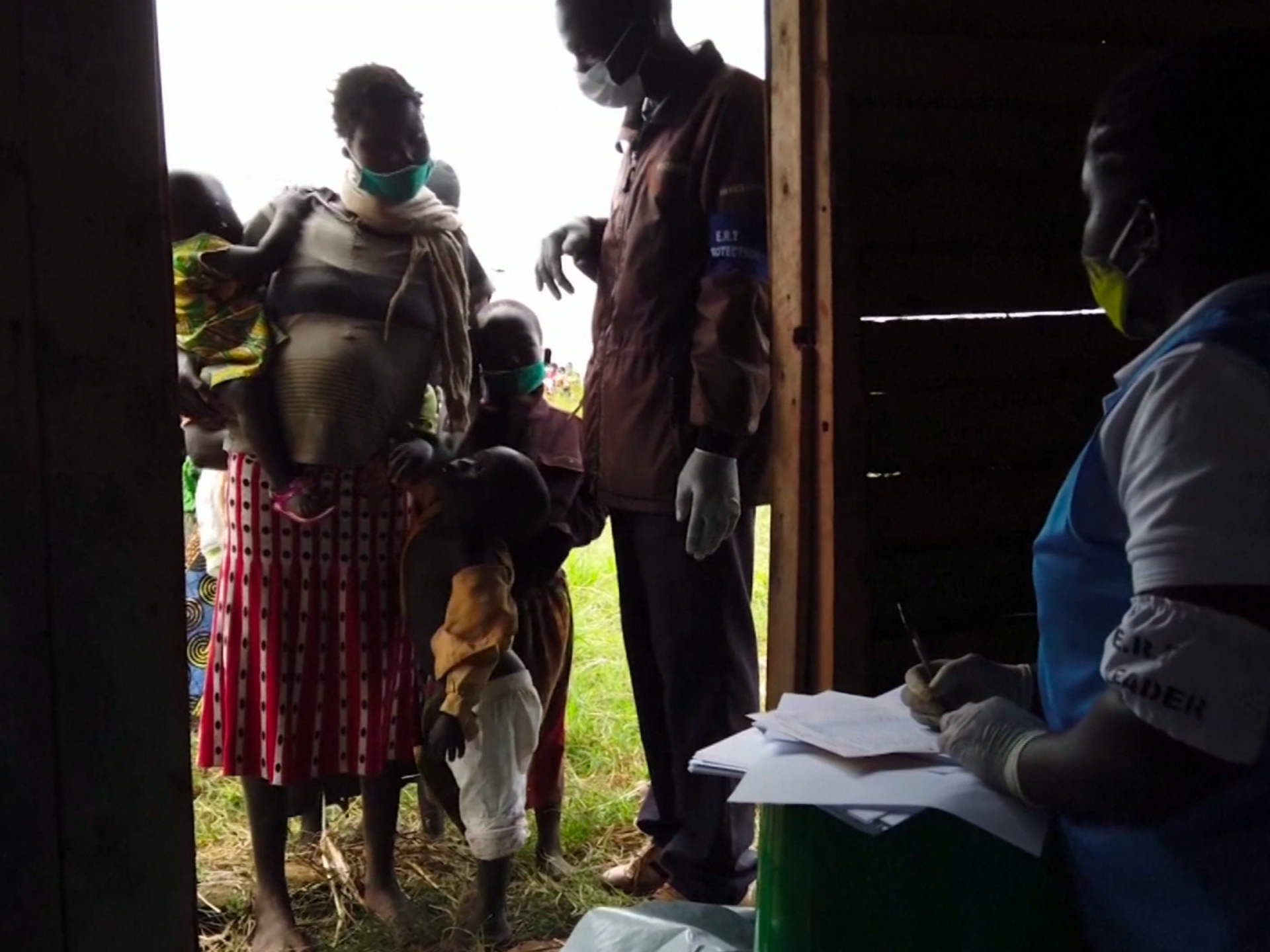
Women in eastern Democratic Republic of the Congo are disproportionately impacted by Ebola as shortages of protective gear amid funding cuts accelerate the spread of disease. Al Jazeera’s Imogen Kimber reports how these caregivers to the living and the dead are most at risk.

Source link

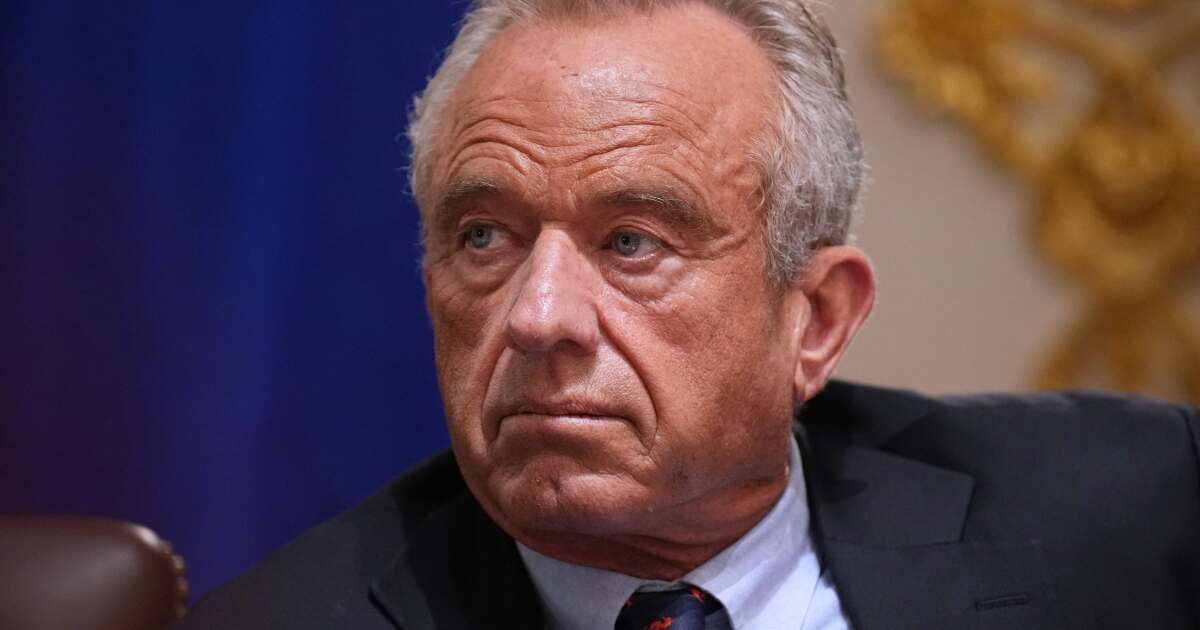
Trump tells agencies to align with study calling for narrower childhood vaccine recommendations

President Trump on Friday gave his endorsement to a January study by the Department of Health and Human Services that calls for cutting the number of vaccines recommended for every American child.

An executive order from Trump directs federal agencies to align their policies behind the study, which recommended an overhaul long called for by Health Secretary Robert F. Kennedy Jr. The study found that the United States recommends more childhood vaccines than many peer nations.

The Trump administration previously moved to narrow the number of recommended childhood vaccines in response to the report, but the move was blocked by a federal judge in Massachusetts. The administration is appealing the decision.

The study recommends vaccinating all children against 11 diseases. Several others would be recommended only for high-risk groups or when doctors recommend them in what’s called “shared decision-making.” That includes vaccines for flu, rotavirus, hepatitis A, hepatitis B, some forms of meningitis and RSV.

Trump’s order adds weight behind the study at a time when the administration had appeared to be trying to shift focus away from Kennedy’s more contentious vaccine policies and toward topics with more widespread support among medical professionals, such as healthful eating.

The order directs the Centers for Disease Control and Prevention to review the study and “take any appropriate steps” to update its vaccine recommendations. It says the CDC should “provide maximum flexibility to parents and doctors” and directs agencies to make sure all actions, regulations and funding are aligned with the study.

The order adds that any changes should ensure that Americans retain their current access to vaccines.

States, not the federal government, have the authority to require vaccinations for schoolchildren. While CDC requirements often influence those state regulations, some states have begun creating their own alliances to counter the Trump administration’s guidance on vaccines.

Trump directed the Department of Health and Human Services to carry out the study in December.

Kennedy is a longtime activist against vaccines and has sought ways to inject his skepticism about the shots into national guidance, running counter to the overwhelming consensus of medical experts. Last year, he announced the CDC would no longer recommend COVID-19 vaccines for healthy children and pregnant women, though public health experts said they saw no new data to justify the change.

Last June, he fired a 17-member CDC vaccine advisory committee and later installed several of his own replacements, including vaccine skeptics.

The January report found that vaccine recommendations for American children had increased in recent decades. It also highlighted countries where no vaccines are required to attend school.

Binkley writes for the Associated Press.

Source link

California governor election guide: Immigration, homelessness, affordability

Democratic and Republican candidates vying to replace Democratic Gov. Gavin Newsom have been sparring on televised debates and exchanging campaign attacks since April to garner the attention of voters statewide.

The candidates include a Riverside County sheriff, a former senior advisor to British Prime Minister David Cameron, a former Los Angeles mayor, a billionaire hedge fund founder and two former members of the U.S. House of Representatives.

Recent polls showed that the leading Democratic candidate is Xavier Becerra, a former U.S. Secretary of Health and Human Services whose campaign is focusing on affordability and housing for what he calls “working Californians.” Vying for one of the top two spots in the June 2 primary are Republican contender Steve Hilton, a former Fox News commentator who was endorsed by President Trump, and Democratic billionaire Tom Steyer, a hedge fund founder turned environmental warrior.

Here is what the top candidates have said on important topics such as immigration, housing and homelessness, affordability and the entertainment industry.

Immigration and ICE

The U.S. Immigration and Customs Enforcement raids that began in California last summer have been hotly debated by Democratic and Republican candidates.

Here is what the candidates said during a debate in May or stated on their websites, as well as some criticism they have faced during the campaign.

  • Xavier Becerra vowed to protect and lead the state against the Trump administration’s attacks on immigrants and marginalized communities. Becerra’s rivals have accused him of failing to protect migrant children when he served as Health and Human Services secretary under the Biden administration.
  • Riverside County Sheriff Chad Bianco opposes “sanctuary city” laws that block local law enforcement from assisting federal immigration agents, calls for the deportation of criminal illegal immigrants and says the border must be secured. But he has also faced criticism from fellow Republicans for supporting a pathway to citizenship for lawful, working undocumented people and telling his constituents that his deputies were not taking part in Immigration and Customs Enforcement raids.
  • Former Fox News host Steve Hilton, who legally immigrated to the United States from the United Kingdom, opposes California’s state and local sanctuary policies, and said the state must cooperate with the federal government because the governor’s job is to enforce laws, whether the governor agrees with immigration enforcement activity or not.
  • San José Mayor Matt Mahan plans to demand ICE officers be unmasked, vows to go after agents and immigration agency leadership when they violate the constitution and shield communities from unwarranted harassment.
  • Former Congresswoman Katie Porter said California should enforce its sanctuary laws statewide, “so we don’t have crazy cowboys taking the law into their own hands.”
  • Billionaire hedge fund founder Tom Steyer wants to strengthen California’s laws to ensure law enforcement agents can’t profile Californians based on their race, ethnicity, language, occupation or location. He also wants legislation that will grant the state attorney general the authority to hold ICE agents accountable for violent and illegal acts on the job. He supports abolishing ICE. But he has faced heat on the campaign trail for his former hedge fund’s investment in the Corrections Corp. of America, now known as CoreCivic, which operates private prisons around the nation that are housing people picked up by federal immigration agents. Steyer has repeatedly expressed remorse about his former firm’s ties with the company and said he personally ordered the divestment from private prisons before he sold his stake in the hedge fund.
  • State Supt. of Public Instruction Tony Thurmond says he plans to levy a new tax on companies that operate ICE detention centers, fight to abolish ICE, protect California’s sanctuary laws and work with Congress to establish a pathway to citizenship.
  • Former L.A. Mayor Antonio Villaraigosa supports helping law-abiding immigrants and said violent criminals have been deported under the state’s sanctuary laws, despite claims to the contrary by Republican candidates.

Housing and homelessness

Here’s what each candidate said about the need to address the state’s housing shortage and its stubborn homeless problem:

  • Becerra said he plans to cut “unnecessary red tape” and speed up “approvals for projects that meet affordability and environmental standards.” On homelessness, Becerra said he wants to establish a $150-million annual homelessness prevention fund to pay rents and fight eviction or foreclosure.
  • Bianco said he wants to end “overregulation of our building industry” and eliminate the California Environmental Quality Act, the California Coastal Commission and the California Air Resources Board. On homelessness, he wants cities to clear encampments and prioritize mental health and substance abuse treatment. He wants to force people to accept drug treatment “when necessary.”
  • Hilton proposes to reform the California Environmental Quality Act so that only government prosecutors can sue, preventing private individuals and organizations from stopping or delaying new housing projects. He also said he believes rent control measures reduce the incentive to build housing and wants to restructure or eliminate them. On homelessness, Hilton wants to build more low-cost group shelters instead of permanent housing.
  • Mahan said he wants to lower developer fees and taxes for infill housing. Mahan also said more homes should be built off-site in California-based factories, making them cheaper than building them on site. On homelessness, Mahan wants to make the state’s Homeless Housing, Assistance and Prevention grant permanent and fund it at $1 billion a year.
  • Porter said she would “greenlight innovative building strategies, shred unnecessary red tape and create incentives” to build needed housing. On homelessness, Porter wants more interim housing, emergency rental assistance and rapid rehousing programs.
  • Steyer is pledging to make it harder for large corporations to buy up the state’s housing stock and wants to encourage cheaper methods of home construction. On homelessness, Steyer wants to expand interim housing options and homeless services.
  • Thurmond said he wants to build 2 million new homes for “working Californians,” on 75,000 acres of surplus land that local school districts own. On homelessness, Thurmond wants to increase the number of housing units that include mental health and substance abuse services.
  • Villaraigosa said he wants to cut development fees and reform CEQA to speed housing development, particularly for infill housing. On homelessness, Villaraigosa wants to double the state’s investment in Newsom’s Homekey program to build an additional 10,000 units of permanent supportive housing over five years.

A comprehensive guide on the candidate’s full views on housing and homelessness is here.

What the candidates have said about affordability

The candidates offered their ideas for making California more affordable during debates in April and May as well as on their websites.

  • Becerra said he will stand up to price gouging and unjustified rate hikes and use the power of the state to lower prices “where the market has failed.”
  • Bianco says he wants to cut taxes for working families and businesses, stop the “over-regulation on California’s economy,” support job growth and unleash the state’s energy resources to lower the price of gas and utilities.
  • Hilton said he wants to eliminate income taxes on people who earn less than $100,000 and on the first $100,000 for Californians who earn more than that. He also wants to end California’s current tax on tips to ensure tipped workers keep more of their earnings.
  • Mahan said he wants to enact a “Gas Tax Holiday” that ends or reduces the tax on gas. He also wants to remove barriers to building affordable housing by putting a cap on fees charged for new housing construction.
  • Porter supports single-payer healthcare, providing free child care and college tuition and making wealthy corporations pay their “fair share” in taxes. To pay for it, Porter would impose a progressive corporate tax, meaning more profitable businesses and corporations would pay a higher rate. She also supports ending income taxes for those who earn less than $100,000.
  • Steyer called himself the only candidate who is “willing to take on the corporate special interests” that drive up the cost of living in the state. He said he would like to lower gas prices as well as streamline permitting, reform zoning and enforce laws to build affordable homes faster. He also supports single-payer healthcare.
  • Thurmond wants to provide a tax credit to make it easier for Californians to pay for the rising cost of gas, groceries and housing. He plans to establish a universal childcare program and provide low-cost loans to help small businesses make improvements at their firms.
  • Villaraigosa plans to support a California Fuel Affordability Guarantee to cap gas prices for working families.

The entertainment industry

Here’s what some candidates have listed on their campaign websites about their ideas to support California’s entertainment industry.

  • Becerra supports state requirements that mandate productions disclose how AI is being used, cutting the “bureaucratic friction” of getting a filming location permit and vows to uphold the state requirement that ensures digital platforms share meaningful performance data with the cast, writers and directors.
  • Hilton wants to restore California’s competitive edge as a place for productions by creating financial incentives for film productions, cover the initial and technical costs associated with the development of a film or television project and reserve funding for independent and mid-budget projects.
  • Mahan said he plans to expand and modernize production incentives, make them more competitive and ensure the protections are for everyone who works on a film or television project from the technical crew to writers, directors and actors.
  • Steyer said he would like to block corporate mergers in entertainment, defend and expand film tax credits and eliminate the regulations and hurdles for permitting and logistics that “slow down productions.”

Times staff writers Seema Mehta, Nicole Nixon and Andrew Khouri contributed to this report.

Source link

About 8% of the country lacked health insurance in 2025, new data shows. That could rise next year

The proportion of Americans without health insurance held steady at around 8% of the population in 2025, according to new findings from the U.S. Centers for Disease Control and Prevention.

The national survey results, released Thursday, show the all-ages uninsured rate has stayed significantly down from where it was several years ago, but the ranks of the uninsured could soon expand as the Trump administration’s sweeping changes to the health landscape begin to take hold.

Massive changes to Medicaid, the government’s safety-net health program for low-income Americans, passed into law last year could result in 10 million more uninsured individuals over a decade, according to Congressional Budget Office estimates.

And the expiration this year of certain Affordable Care Act subsidies — which had offset premium costs — is also contributing to reduced participation in marketplace health programs. Around 5 million fewer people are expected to enroll in those plans in 2026 compared with 2025, according to the healthcare research nonprofit KFF.

The government has multiple programs for tracking Americans’ insurance status, which can give different numbers depending on factors like timing and question wording. Many researchers consider the U.S. Census Bureau to be “the official scorekeeper,” said David Howard, an Emory University health policy and management professor.

But the CDC survey results tracks closely with that, and they offer the first complete data for all of 2025 — the first year of President Trump’s second term in office.

The Trump administration has sought to expand access to low-premium catastrophic health insurance plans and lower drug prices for Americans who don’t have health insurance. It has also suggested that projected insurance enrollment declines indicate a drop-off of fraudulent and ineligible enrollees, rather than eligible Americans.

Although the share of insured and uninsured stayed roughly the same in 2025 as the year before, the number of uninsured grew by about 800,000 — 300,000 of them children. The growth of the overall U.S. population helps explain that.

The survey results also suggest a possible increased insured rate among Hispanic Americans. But that may in part reflect the effects of the Trump administration’s immigration crackdown, if uninsured members of that group left the country, Howard said.

Most Americans 65 and older have health insurance through the federal Medicare program. It’s different for younger Americans, many of whom are covered through a patchwork of public and private insurance programs.

The percentage of Americans under 65 who were uninsured rose in the 1980s, 1990s and early 2000s — from 12% in 1980 to more than 18% in 2010. It fell following passage of the Affordable Care Act in 2010, which expanded Medicaid programs and enacted measures to make affordable health insurance available to more people.

By 2016 it dropped nearly to 10%, before rising to 11 to 12% during Trump’s first administration, according to historical survey data from the CDC’s National Center for Health Statistics.

The COVID-19 pandemic saw the rate of uninsured fall again, as a result of government policies put in place to preserve coverage as people faced disruptions related to the pandemic. The rate hit an all-time low in 2023, falling below 9%.

It’s not clear yet how big the increase in uninsured Americans will be this year, but experts agree it will likely rise in the coming years as a result of changes to the Affordable Care Act and Medicaid.

“The decisions being made now — in Congress, state legislatures and state Medicaid agencies — will determine what happens next,” Nancy Brown, chief executive officer of the American Heart Association, said in a statement Thursday.

“Policymakers should act immediately to protect and expand access to affordable coverage, strengthen Medicaid and maintain pathways that make coverage and care accessible,” she said. “Without deliberate action, including reversing dramatic cuts to coverage, uninsured rates will continue to rise, putting quality health care further out of reach.”

Stobbe and Swenson write for the Associated Press.

Source link

Coronation Street star Tracy Shaw shares health update after first chemotherapy session

Coronation Street actress Tracy Shaw, who played Maxine Peacock in the ITV soap, has been battling breast cancer and has now shared an update after completing her first day of chemotherapy

Coronation Street star Tracy Shaw, who portrayed Maxine Peacock in the ITV soap opera, has shared a health update after she revealed she has been fighting breast cancer.

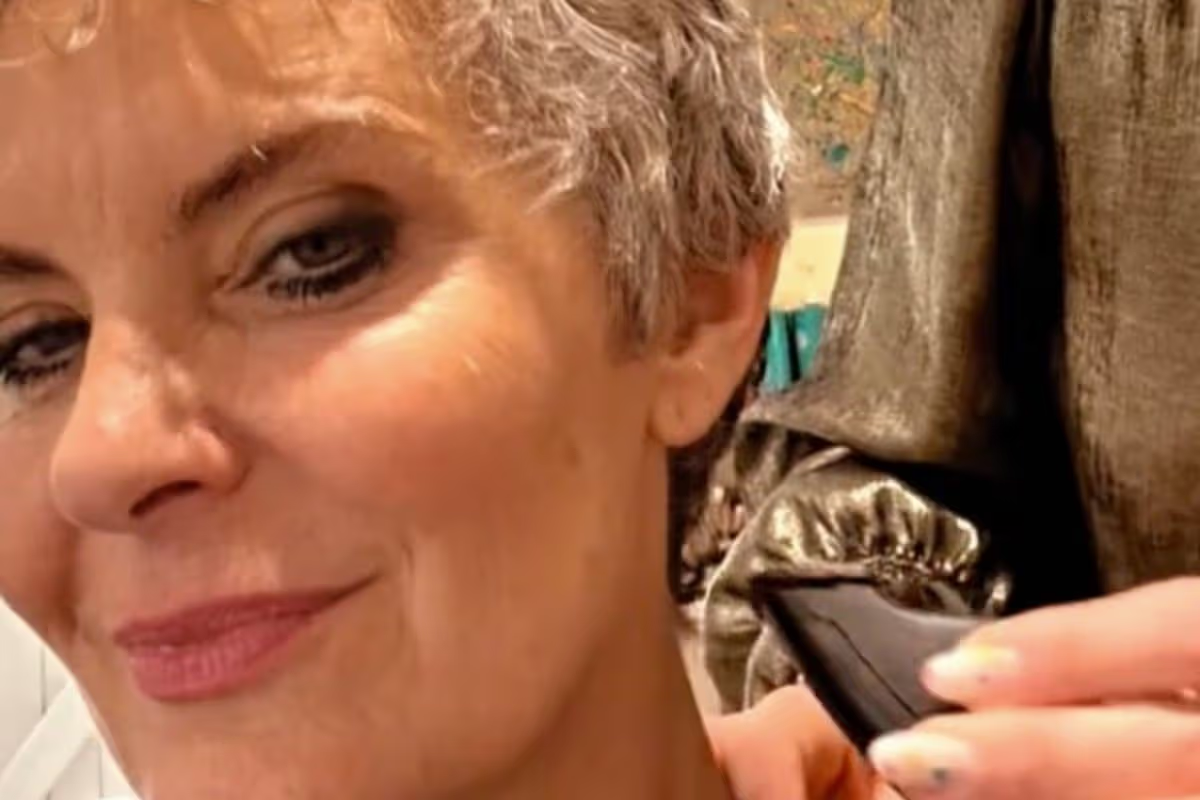
Following the completion of her first chemotherapy session she explained to fans that she would be shaving her head and donating her hair to charity. Posting a video on Instagram, she disclosed to her followers that she had spent more than eight hours at her initial appointment.

The actress said: “First day of chemo done. I’m feeling alright but that has a great amount to do with the steroids which are helping my body fight the chemo that has gone in. So I went in today to start at 9am and I left at 5:30pm, very hot day and there was a bit of delay.”

She continued: “Basically with my chemo injection, one of which hadn’t arrived, it’s got nothing to do with robots or anything to do with the hospital team, it was the medics delivery, so yeah that was the delay. But I’m feeling really positive but everything I keep eating tastes horrible.

“Everything tastes of metal, just like you told me, and every now and again I feel like the Incredible Hulk, I want to start moving furniture around, the dogs keeping away from me because they sense that.”

This follows her recent decision to cut her hair to donate to The Little Princess Trust, and she has since ventured out to shop for a replacement wig. She posted footage online of herself modelling the various wigs and displaying them while being assisted by a Macmillan nurse who also offered guidance to individuals experiencing a similar situation, reports the Express.

Earlier this month Tracy revealed the emotional difficulties she’s been encountering, informing her followers: “Each morning I wake up and know that I have to go into hospital and receive more news, which has been going on for a long time, that unknown… I just think, ‘I can’t go through with this anymore,’ but I’ve not even started my journey.”

She’s received an outpouring of support online from her followers as she’s posted updates on every stage of her journey, with many of Tracy’s recent posts emphasising how waking up is a “gift” each day.

Source link