Health

The world cannot afford to fail women, children and adolescents | Health

In too many parts of the world, giving birth still comes with more fear than hope: a clinic without electricity, a nurse without supplies, a mother who knows that giving life may cost her own. These fears are not merely emotional, they are borne out by the facts. Every two minutes worldwide, a woman dies while giving life. Every year, nearly five million children do not live to see their fifth birthday. A toll that will rise if aid cuts continue. The Lancet medical journal estimates that by 2030, more than 14 million additional people could die, including 4.5 million children under five – the equivalent of erasing a city the size of Abuja, Brasilia or Rome.

The true measure of global progress is not found in financial markets or summit declarations. It is found in whether a woman survives pregnancy and childbirth, whether a child is vaccinated and nourished, and whether an adolescent can grow up healthy, safe and hopeful. When women, children and adolescents thrive, societies are stronger, economies are more resilient, and nations are better prepared for the future. When they are failed, the costs are measured not only in preventable deaths and suffering, but in lost human potential on a massive scale.

This is why investing in women’s, children’s and adolescents’ health is one of the most important investments any government can make. The evidence is overwhelming. Closing the gap in women’s health alone could add at least $1 trillion to the global economy every year by 2040. Every dollar invested in childhood vaccination or adolescent mental health returns about $20 over a lifetime – in healthcare savings, in productivity, in lives that go on to build something. Healthy women anchor families and economies. Healthy children grow into workers and citizens. Healthy children and adolescents are better equipped to participate in society, build livelihoods and shape more stable, prosperous futures.

Yet health systems around the world are being pushed to breaking point by aid cuts, debt, conflict and shrinking fiscal space. In 2025, official development assistance fell by 23 percent – the largest annual drop in history. In more than 50 countries, health workers are losing their jobs and training pipelines are breaking down. In some places, maternal care, vaccination and emergency response have been cut by 70 percent. At the same time, sexual and reproductive health rights are under intensifying political attack, putting hard-won progress at risk.

Women and girls bear the heaviest burden. In 2023, six in 10 maternal deaths worldwide were in countries in conflict or fragility. In fact, a woman living in a conflict-affected country is five times more likely to die from pregnancy-related causes than her counterpart in a stable country. Too many women still lack access to quality maternal healthcare, contraception and essential reproductive services. Too many girls face violence, discrimination and barriers to healthcare that limit not only their well-being, but their freedom and future. When budgets tighten, women and children are too often the first to feel the cuts and the last to be protected.

This is not inevitable. It is a matter of political choice.

In South Africa, we are working to strengthen primary healthcare, expanding equitable access to quality services, investing in the health workforce and building a more inclusive health system that reaches those most in need. We understand that progress in health is inseparable from progress in equality and development. A society cannot prosper if women are denied care, if children are left unprotected, or if adolescents are excluded from the services and opportunities they need to thrive.

In Spain, a public national health service has delivered universal coverage and one of the world’s lowest maternal and infant mortality rates. We believe – with vision, determination and solidarity – that what we have achieved at home can be achieved globally. This is why Spain’s Global Health Strategy 2025–2030 places equity, resilient health systems and sexual and reproductive health rights at the centre of our international action, and why we are working to raise the global ambition on sustainable development financing and to defend gender equality as a democratic and development imperative.

At the Fourth International Conference on Financing for Development in Sevilla last year, through the Sevilla Commitment and the Sevilla Platform for Action, we helped focus international attention on debt distress, sustainable investment and reform of the global financing architecture.

These issues may appear technical, but their consequences are deeply human. They determine whether health systems can recruit and retain workers, whether medicines reach clinics, whether women can access care safely, and whether children and adolescents are given a fair chance at life.

We must also be unequivocal in defending sexual and reproductive health and rights. These rights are not secondary, and they are not negotiable. They are central to dignity, equality and public health. No woman or girl should be denied access to life-saving care because of politics, poverty or discrimination. No society can claim to value justice while tolerating persistent gender-based violence or the systematic erosion of women’s autonomy and rights.

The question before the international community is therefore not whether we can afford to invest in women, children and adolescents. It is whether we can afford not to. The answer is clear. The long-term costs of inaction – greater instability, deeper inequality, weaker economies and millions of preventable deaths – are far higher than the cost of acting now. Higher than the cost of keeping the lights on in that clinic.

This is the spirit in which Spain is joining the Global Leaders Network, which brings together 12 heads of state and government committed to advancing the health and rights of women, children and adolescents. But this effort must not stop with us. The challenges are too large, and the stakes are too high, for leadership to remain limited to a few countries.

We need more governments to step forward, to protect essential health services, invest in frontline health workers, defend sexual and reproductive health and rights, and ensure that financing reforms deliver for the people who need them most. We need more leaders to recognise that women, children and adolescents are not a peripheral concern of global policy. They are its clearest test.

This is a moment for political courage. A moment to choose investment over retreat, solidarity over indifference, and action over complacency. Above all, it is a moment to recognise a simple truth: if women, children and adolescents are not at the centre of our decisions, then the future will not be fair, stable or sustainable. But if they are, then a better future remains within reach.

The views expressed in this article are the author’s own and do not necessarily reflect Al Jazeera’s editorial stance.

Source link

Ebola, hantavirus: Is the world prepared for the next pandemic? | Health News

The World Health Organization (WHO) has declared that an Ebola outbreak in Uganda and the Democratic Republic of the Congo (DRC) is a “public health emergency of international concern”, setting off alarm bells around the world.

The WHO’s announcement on Sunday came as several countries are battling to contain a hantavirus outbreak linked to a cruise ship trip to South America.

Recommended Stories

list of 3 itemsend of list

While the cause and treatment for the two viruses differ, news of their outbreaks has caused world leaders and health agencies to question what this means for international travel and cross-border coordination in containing them. These questions are particularly pertinent following the COVID-19 pandemic, which resulted in global lockdowns due to the lack of preparedness for the spread of the coronavirus.

But as the WHO faces a funding crisis, is the world better prepared now if another pandemic occurs – or could it be even less so?

Here’s what we know:

Why is the WHO facing a funding crisis?

Every time a health emergency occurs anywhere in the world, the first response of the WHO is to determine the danger the disease poses and then implement a plan to respond to it.

But since 2025, the United Nations health agency has been struggling financially due to a lack of funding from donors.

WHO Director-General Tedros Adhanom Ghebreyesus warned in May 2025 that global health would be at serious risk without enough donor support and that the agency was facing “the greatest disruption to global health financing in memory”.

The crisis deepened after the United States, which had previously covered nearly one-fifth of the WHO’s budget, officially withdrew from the organisation in January this year. US President Donald Trump announced the decision in January 2025, alleging the WHO had mishandled the COVID-19 pandemic and other international health crises.

As a result, the programme budget for the agency’s 2026-27 projects has been set at more than $6.2bn, a 9 percent decrease from the previous year.

In response, the WHO revised its financial plans and scaled back spending by cutting back some of its critical programmes, which has significantly curtailed pandemic preparedness, health experts told Al Jazeera.

“Funding cuts to the WHO have directly weakened disease surveillance efforts, which in turn affect the readiness and preparedness to deliver an effective response to epidemics and pandemics,” Kaja Abbas, associate professor of infectious disease epidemiology and dynamics at the London School of Hygiene & Tropical Medicine and Nagasaki University, said.

Following the recent hantavirus outbreak, passengers and crew members from more than 20 countries on the affected cruise ship, MV Hondius, required coordinated monitoring, contact tracing, medical evacuation, and public health guidance across borders.

Under the International Health Regulations (IHR), the WHO helps to facilitate communication and response efforts among countries, deploys experts, supports laboratory testing and organises emergency responses in case of an outbreak.

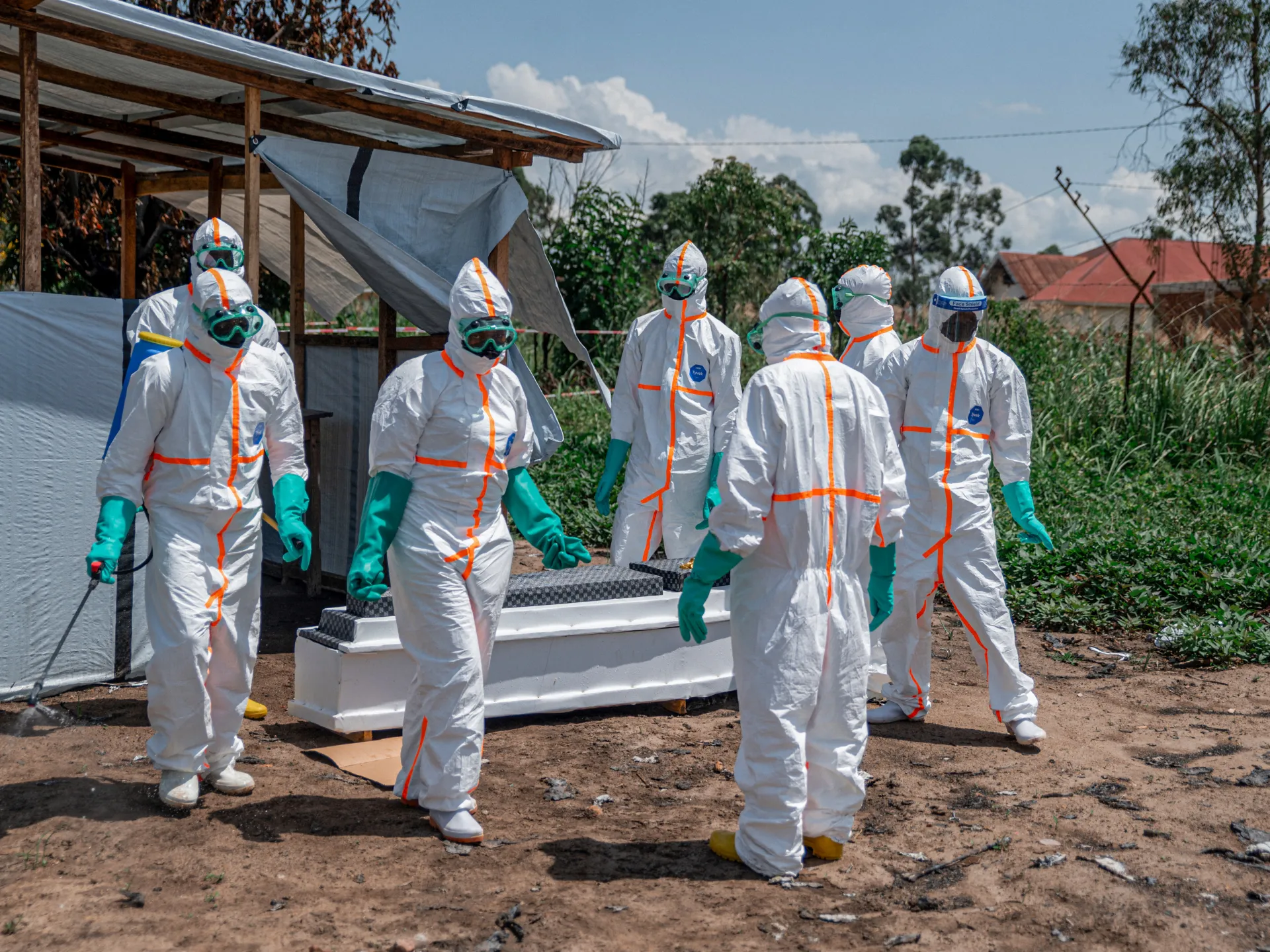
Following the Ebola outbreak in the DRC and Uganda, the WHO has deployed experts, personal protective equipment (PPE), laboratory support and emergency funding while coordinating regional preparedness efforts.

But these sorts of efforts are at risk with the current funding crisis, Krutika Kuppalli, an infectious diseases physician in Dallas, in the US state of Texas, with expertise in emerging pathogens, global health and outbreak response, told Al Jazeera.

As infectious diseases do not respect borders, rapid international coordination is essential, she added.

“Weakening WHO through funding cuts risks delaying outbreak detection, slowing response times, and reducing the world’s ability to contain emerging threats before they spread globally.”

In a statement to Al Jazeera, the International Pandemic Preparedness Secretariat (IPPS), an independent entity which helps world leaders prepare and respond to pandemics, highlighted that preparedness relies on consistent funding.

“Sustained investment and strong multilateral coordination are essential to maintain the systems, partnerships, and scientific capabilities needed before the next pandemic threat emerges,” IPPS said.

What else is hampering a global response to another pandemic?

Besides funding issues, the WHO has been struggling to get world leaders to agree on a pandemic treaty for 2026 amid a pathogen-sharing dispute.

In May 2025, it adopted a Pandemic Agreement, which sets out what it describes as a “comprehensive approach to pandemic prevention, preparedness and response that improves both global health security and global health equity”.

But UN member nations have not been able to reach a consensus on the Pathogen Access and ⁠Benefit-Sharing (PABS) aspect of the agreement – or “annex” – due to differences over ensuring every country receives equitable access to vaccines and treatment after data on disease samples have been shared.

Talks on PABS mainly focus on setting up a system to ensure countries can quickly share pathogens that could cause pandemics while receiving fair access to vaccines, tests and treatments that result from their use.

Following talks on PABS in May this year, the WHO chief urged countries to keep working with urgency and said the next pandemic was “a matter ⁠of when, not if”.

“The PABS annex is the last piece of the puzzle not only for the Pandemic Agreement,” he added.

Kuppalli told Al Jazeera that getting agreement on this is crucial, as international cooperation is essential during emerging outbreaks.

“Countries must rapidly share pathogen samples, genomic sequencing data, and epidemiologic information so diagnostics, vaccines, and therapeutics can be developed quickly,” she said.

“Delays or political disputes over information sharing can cost valuable time in the early stages of an outbreak, when containment is most possible,” she warned.

Why is antivaccine sentiment growing?

During the COVID-19 pandemic, when the US and a handful of other countries began rolling out coronavirus vaccines, many people resisted the vaccines, fearing adverse reactions as social media was flooded with misinformation about their safety and purpose.

According to a July 2025 report in The BMJ (formerly the British Medical Journal), antivaccine sentiment among the leadership of US health agencies has also been on the rise. Robert F Kennedy Jr, US health secretary, is among those leaders who often promotes unverified claims about the dangers of vaccines and also opposed the COVID vaccine.

In the report for the BMJ, authors Anna Kirkland and Scott Greer argued that if health agencies are led by such people, it will “likely mean that vaccination information campaigns are reduced, vaccine hesitancy increases, insurance coverage for vaccinations is limited, and public sector capacity to vaccinate is reduced”.

“Research money will be wasted on investigating already debunked links between autism and vaccination, while vaccination infrastructure, such as vaccination programmes run by local governments, will be eroded,” they added.

This is a major issue because public trust is critical during outbreaks, Kuppalli said.

“If large portions of the population reject vaccines or public health guidance, it becomes much harder to control transmission, protect healthcare systems, and reduce deaths,” she said.

“Equally concerning are funding cuts to vaccine research and development. Pandemic preparedness depends on investing in vaccines before a crisis occurs, not after,” she added.

Last August, the US Department of Health and Human Services (HHS) cancelled about $500 million in contracts and grants dedicated to mRNA vaccine development. These cuts affected 22 research initiatives and clinical trials focused on emerging pathogens, pandemic flu, respiratory syncytial virus (RSV), and COVID-19 boosters, according to Harvard University’s TH Chan School of Public Health.

Kuppalli said the development of mRNA vaccines targeting H5N1 avian influenza is an important effort in preparing for the possibility of a pandemic.

“Reductions in funding for these types of programmes risk slowing scientific progress, limiting manufacturing readiness, and leaving the world less prepared when the next outbreak emerges,” she said.

Is the world economically prepared for a pandemic?

Amid antivaccine movements and funding cuts, the current state of the world economy is also making it challenging for world leaders to prepare a pandemic response.

The US-Israel war on Iran has resulted in a sharp rise in oil and gas prices, which has in turn upended the world economy. High fuel costs have disrupted supply chains and international travel, resulting in a spike in the cost of medicines. In the United Kingdom, for example, pharmacies are charging 20 to 30 percent more for over-the-counter medicines. In India, chemists are reporting price rises of common painkillers of as much as 96 percent.

“Wars and economic pressures also strain supply chains, divert government resources, displace populations and weaken already fragile health systems. These all increase the risk of outbreaks spreading unchecked,” Kuppalli warned.

“Emerging infectious diseases are becoming more frequent and more complex, yet many countries are reducing investments in preparedness rather than strengthening them. The result is a growing mismatch between the scale of the threat and the resources available to respond,” she said.

IPPS told Al Jazeera that pandemics and disease outbreaks have devastating economic consequences. “In 2020 alone, the global economy contracted by around 3 percent of GDP, representing trillions of dollars in lost output, alongside widespread job losses and trade disruption.”

“Sustained investment in pandemic preparedness and response (PPR) can help prevent such losses by ensuring that vaccines, therapeutics, and diagnostics are ready to deploy rapidly when new threats emerge,” IPPS said.

Investing in research and development during peacetime ensures that when the next pandemic threat arises, the world has products and systems in place to respond quickly, protect lives, and avoid the economic losses experienced during COVID-19, it added.

“Sustained and diversified funding for pandemic preparedness is not just a health priority; it is also an economic safeguard.”

Has there been any progress at all since COVID-19?

“The pandemic taught all of us many lessons, especially that global threats demand a global response,” Ghebreyesus said in February, six years after the COVID-19 pandemic hit. “Solidarity is the best immunity,” he added.

Besides adopting a Pandemic Agreement last May, in 2022, the WHO launched a fund in collaboration with the World Bank. As of February this year, the fund has “provided grant funding” totalling more than $1.2bn, the WHO says. It has “helped catalyse an additional $11bn that has so far supported 67 projects in 98 countries across six regions, to expand surveillance, lab networks, workforce training and multi sectoral coordination”, it adds.

In 2023, the WHO also set up the Global Health Emergency Corps “in response to the gaps and challenges identified during the COVID-19 response”. The Corps mainly supports countries experiencing public health emergencies “by assessing emergency workforce capacities, rapidly deploying surge support, and creating a network of emergency leaders from multiple countries to share best practices and coordinate responses”.

As a result of all this, Kuppalli said, there are reasons to be hopeful.

“One of the clearest lessons from recent outbreaks is that the global scientific and public health community can collaborate remarkably quickly when faced with an urgent threat,” she said.

She noted how during COVID-19, scientists around the world rapidly shared genomic sequences, clinical data and research findings in real time.

“The development of highly effective COVID-19 vaccines in less than a year was a historic scientific achievement and demonstrated what is possible when there is political will, funding, international cooperation, and regulatory flexibility,” she said.

“In addition, advances in vaccine platforms, particularly mRNA technology, mean we now have the capability to design and begin producing candidate vaccines much faster than in the past,” she explained.

“While many challenges remain, including funding, misinformation, and geopolitical tensions, the scientific progress made over the last several years has unquestionably improved our ability to detect emerging threats and develop medical countermeasures more rapidly than ever before,” she added.

Source link

Brits abroad issued health warning as illness surges across Europe and beyond

Health experts are urging Brits to ensure they are “up-to-date” with their vaccines

Brits planning a summer getaway have been urged to ensure they are “up-to-date” with their vaccinations. The warning follows an “increase” in measles cases globally, including across parts of Europe and Asia.

Measles is a highly infectious viral infection that triggers cold-like symptoms, red eyes, and a characteristic blotchy rash. In severe instances, it can result in serious complications such as meningitis and seizures, and can be fatal.

In guidance published on the Travel Health Pro website, experts highlighted that the disease has risen in numerous countries. They said: “The summer holidays provide opportunity to explore different countries, head off for a city break, have a beach holiday or take the children to visit friends and family overseas.

“Good preparation and planning ahead helps ensure a safe and enjoyable trip. Travellers should be up to date with routine vaccination courses and boosters as recommended in the UK.

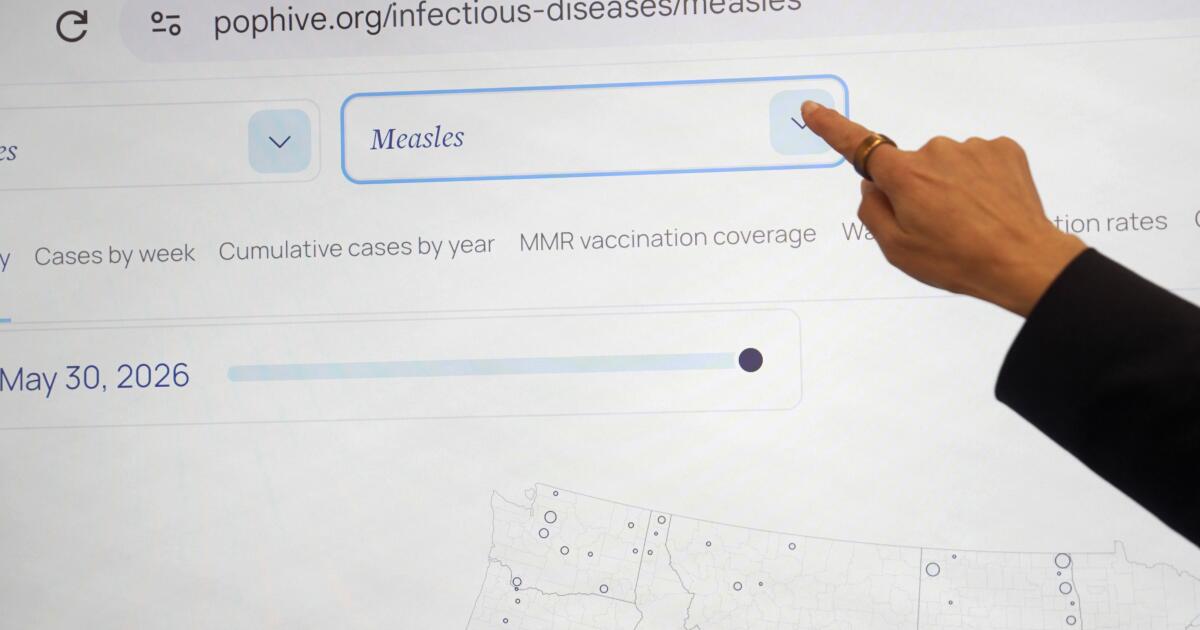
“These vaccinations include, for example measles-mumps-rubella (MMR). Measles is a risk in many countries, and there has been an increase in measles cases and outbreaks reported worldwide, including in parts of Africa, Asia, Europe, and the Americas, including Canada and the United States.” Data from the European Centre for Disease Prevention and Control revealed that a total of 3,607 measles cases were reported by 30 EU/EEA member states in the year following 1 April 2025.

Breaking down the figures further, it stated: “Of 3,029 individuals (84.0 per cent of all cases) with a known age and vaccination status, 2 369 (78.2 per cent) were unvaccinated, 320 (10.6 per cent) were vaccinated with one dose of a measles-containing vaccine, 301 (9.9 per cent) were vaccinated with two or more doses, and 32 (1.1 per cent) were vaccinated with an unknown number of doses.

“During the 12-month period, five deaths (case fatality rate (CFR): 0.139 per cent) attributable to measles were reported to ECDC by France (three), Netherlands (one) and Romania (one).”

Meanwhile, a report by the World Health Organisation (WHO) and United Nations Children’s Fund (UNICEF) discovered that measles cases in Europe reached their highest level in 2024 since 1997. A total of 127,350 measles cases were recorded in the European Region in 2024, double the figure reported for 2023 and the highest number since 1997.

Children under five made up more than 40 per cent of reported cases in the Region – covering 53 countries across Europe and Central Asia. Over half of the reported cases necessitated hospitalisation. A total of 38 deaths have been documented, according to preliminary data received as of 6 March 2025. The resurgence has been linked to falling vaccination rates. Dr Hans P Kluge, WHO regional director for Europe, warned: “Measles is back, and it’s a wake-up call. Without high vaccination rates, there is no health security. As we shape our new regional health strategy for Europe and Central Asia, we cannot afford to lose ground.

“Every country must step up efforts to reach under-vaccinated communities. The measles virus never rests-and neither can we.”

Measles cases are also on the rise across the UK. Figures from the UK Health Security Agency (UKHSA) revealed that in 2024, there were 2,911 laboratory-confirmed measles cases in England – the highest annual total recorded since 2012. In 2025, there were a total of 959 laboratory-confirmed measles cases. Data for 2023 to 2025 and historical data are available.

Between 1 January 2026 and 11 May 2026, there have been 542 laboratory-confirmed measles cases reported in England, an increase of 65 cases since the last report on 27 April 2026.

Symptoms

The virus transmits very quickly. Initial symptoms typically resemble those of a common cold, with a distinctive rash emerging several days afterwards.

The first symptoms of measles can include:

  • A high temperature
  • A runny or blocked nose
  • Sneezing
  • A cough
  • Red, sore, watery eyes

The rash initially appears on the face and behind the ears, subsequently spreading across the entire body. Occasionally, the spots associated with the measles rash become raised and merge, creating blotchy patches. These are typically not itchy.

The NHS cautions that measles can trigger severe complications should it migrate to other bodily areas, particularly the lungs or brain. Potential consequences include pneumonia, meningitis, loss of vision, and convulsions. In the most serious instances, the disease can be life-threatening.

How to prevent the spread

Measles is spread when an infected person breathes, coughs or sneezes. You’re infectious from when you first have symptoms (around four days before the rash appears) until four days after you get the rash.

The NHS advises that to curb the transmission of the infection, individuals must remain absent from educational institutions or workplaces for a minimum of four days following the emergence of the rash. According to its website, the guidance states: “Stay off nursery, school or work for at least four days from when the rash first appears. Also try to avoid close contact with babies and anyone who is pregnant or has a weakened immune system.”

However, the initial step if you or your child develops measles is to arrange an urgent consultation with your GP. The NHS advises: “Measles can spread to others easily. Call your GP surgery before you go in.

“They may suggest talking over the phone or arrange for you to come to a part of the surgery where you’re separated from others. You can also call 111 or get help from 111 online.”

After seeing a GP, there are things you can do to help ease the symptoms and reduce the risk of spreading the infection. It can help to:

  • Rest and drink plenty of fluids, such as water, to avoid dehydration
  • Give your child paracetamol for children or ibuprofen for children if they’re distressed or uncomfortable – check the packaging or leaflet to make sure the medicine is suitable for your child, or speak to a pharmacist or GP if you’re not sure
  • Adults can take paracetamol or ibuprofen for a high temperature
  • Use cotton wool soaked in water that has been boiled and allowed to cool to gently remove any crusts from your or your child’s eyes
  • The NHS also recommends you:
  • Open windows and doors to help reduce the risk of measles spreading – only open the top window or use safety catches if you have young children
  • Wash your hands often with soap and warm water
  • Use tissues when you cough or sneeze and throw them in the bin immediately after using them
  • Do not share cutlery, cups, towels, clothes, or bedding

Vaccination

Having the MMRV or MMR vaccine is the “best way” to prevent measles. The NHS says: “Both vaccines also protect you from mumps and rubella, and the MMRV vaccine also protects you from chickenpox.

“The MMRV vaccine is offered to all young children in the UK. The MMR vaccine is recommended for adults and older children if they were not vaccinated when they were younger.”

Ask at your GP surgery if you’re not sure you or your child has had either of these vaccines. Your GP can vaccinate you for free on the NHS.

Source link

Hantavirus-hit cruise ship docks in the Netherlands | Health News

MV Hondius was carrying 25 crew members and two medical personnel as it reached the Dutch port of Rotterdam.

A cruise ship hit by a deadly hantavirus outbreak has docked in the Netherlands for disinfection.

The MV Hondius was carrying 25 crew members and two medical personnel as it reached the Dutch port of Rotterdam on Monday, after all the passengers disembarked at other locations. According to the ship operator Oceanwide Expeditions, no one on board is experiencing any symptoms.

Recommended Stories

list of 3 itemsend of list

A short distance from where the ship docked, authorities had set up white containers along the water. The crew will enter immediate quarantine, with those who cannot be immediately repatriated spending their time in quarantine in these containers.

Three passengers of the ship died, including a Dutch couple who health officials believe were the first exposed to the virus while visiting South America.

The MV Hondius has spent the past six days sailing from the Canary Islands, where the remaining passengers were evacuated and boarded flights to more than 20 countries to enter quarantine.

There were at least 11 cases of infection on the ship, nine of which have been confirmed.

The Public Health Agency of Canada said one of the four Canadians in isolation after leaving the ship had tested positive on Sunday. It said it would share information on the case with the World Health Organization (WHO).

Late Sunday, the WHO said it was maintaining its assessment of the hantavirus outbreak as “low risk”.

“While additional cases may still occur among passengers and crew members exposed before containment measures were implemented, the risk of onward transmission is expected to be reduced following disembarkation and the implementation of control measures,” it said.

Crew members who are unable to return home will be quarantined in the Netherlands, the Dutch Ministry of Health, Welfare and Sport said last week. Some two dozen passengers and crew members have already been in quarantine in the Netherlands after arriving in the country on different flights in the last two weeks.

After everyone on board has disembarked, the ship will be decontaminated based on Dutch public health guidelines.

“Personal protective measures are being taken to ensure that the cleaners do not need to quarantine after the cleaning,” the Health Ministry said in a letter to the Dutch parliament last week.

Public health officials will inspect the ship before it is allowed to sail again. The hantavirus outbreak on Hondius is the first known case on a cruise ship.

France’s Pasteur Institute said on Saturday it has fully sequenced the Andes virus detected in a French passenger from the Hondius and found that it matched viruses already known in South America, with no evidence so far of new characteristics that would make it more transmissible or more dangerous.

Source link

Former UK Health Secretary Wes Streeting announces bid to replace Starmer | Politics News

NewsFeed

Former UK Health Secretary Wes Streeting has announced he will run against Prime Minister Keir Starmer as Labour leader if an election is to take place. Streeting voiced strong support for rebuilding ties with Europe, saying the UK should pursue “a new special relationship” with the EU and potentially rejoin the bloc in the future.

Source link

Will the latest Ebola outbreak in DR Congo and Uganda spread further? | Health News

The World Health Organization declares the epidemic a global health emergency.

It’s a global health crisis – not a pandemic.

But the World Health Organization is warning that the Ebola outbreak in the Democratic Republic of the Congo and neighbouring Uganda could be much larger than what has been detected so far.

The global health body is advising countries to activate national disaster mechanisms and introduce cross-border and internal screening.

Presenter: James Bays

Guests:

Ariel Kestens – Head of the Kinshasa delegation, International Federation of Red Cross and Red Crescent Societies

Dr Margaret Harris – Lecturer at the United Nations Institute for Training and Research

Dr Ahmed Ogwell Ouma – Former deputy director-general of the Africa Centres for Disease Control and Prevention

Source link

WHO declares Ebola health emergency in the DRC, Uganda

Medical workers check temperatures at the Mpondwe border point with DR Congo, near Bwera, Uganda, on May 9, 2019. File Photo courtesy the WHO

May 17 (UPI) — The World Health Organization has declared a public health emergency of international concern in reaction to an Ebola outbreak in Uganda and the Democratic Republican of the Congo.

Health officials believe the disease, also known Ebola hemorrahagic fever, has killed dozens of people in the two countries in recent days. In the DRC’s Ituri province, there have been 336 cases and 88 deaths possibly linked to the disease. Eight cases have been confirmed.

Cases have also been suspected in Kampala, Uganda.

The WHO declared the public health emergency Saturday, one day after confirming the existence of an outbreak. The international health organization, which is an arm of the United Nations, said the outbreak doesn’t meet the criteria of a pandemic, but the spread of the virus could be bigger than currently known.

“There are significant uncertainties to the true number of infected persons and geographic spread associated with this event at the present time,” the WHO said.

This Ebola outbreak has been linked to the Bundibugyo virus, making it particularly challenging to treat. Unlike the Ebola-zaire strains of the virus, there are no approved approved therapeutics or vaccines for the Bundibugyo strain, the WHO said.

Source link

WHO declares Ebola outbreak in DRC a global health emergency | World Health Organization News

An Ebola outbreak caused by the rare Bundibugyo strain has killed dozens in Democratic Republic of the Congo and is spreading into Uganda, raising fears of regional transmission. Health officials say instability and shared borders are complicating containment efforts as the World Health Organization declares a global health emergency.

Source link

White House freezes new Medicare enrollments for hospice, home health

The Trump administration on Wednesday pursued new efforts in a sweeping initiative to root out fraud in federal health programs, including announcing a nationwide six-month freeze on some new Medicare enrollments and warning states to actively investigate Medicaid fraud or risk losing funding.

The moves are related to Vice President JD Vance’s anti-fraud task force, which has been accelerating its messaging before the November elections. The panel set up by Republican President Trump seeks to crack down on potential misuse of public money.

The most significant step Wednesday came from the Centers for Medicare and Medicaid Services with a nationwide six-month moratorium on all new Medicare enrollments by providers of hospice and home care.

“We’ve seen systemic and deeply troubling fraud in the hospice and home health space, with bad actors exploiting some of our most vulnerable Medicare patients and stealing money from the American taxpayer,” the agency’s administrator, Dr. Mehmet Oz, said in a statement. “Today we’re shutting the door on fraud — preventing new bad actors from entering Medicare while we aggressively identify, investigate, and remove those already exploiting them.”

The Department of Health and Human Services’ internal watchdog has sent letters to state attorneys general warning them to vigorously investigate possible fraud or risk losing federal money.

People across the United States have raised concerns about rising healthcare costs and barriers to access, sometimes from the federal government’s actions. New work requirements in Medicaid, for example, are expected to strain hospitals around the country and result in millions of enrollees losing their health coverage.

Several alleged fraud schemes have been prosecuted in the hospice and home health care categories, and states have acknowledged that it is a legitimate concern. But some have pushed back on the administration’s aggressive tactics and raised concerns that the catchall efforts could needlessly punish law-abiding providers that are trying to serve patients.

What the freeze does

The administration contends the enrollment freeze and other actions it is taking will help prevent potential fraud in Medicaid and Medicare and preserve funding and resources for people most in need. Under the six-month pause, existing hospice and home health care providers will continue to operate as usual. But the Medicare and Medicaid agency said it will “intensify targeted investigations, deploy advanced data analytics, and accelerate the removal” of providers in the category that are suspected of fraudulent activity.

Such a freeze is not unprecedented, said Tricia Neumann, a senior vice president and executive director for the program on Medicare policy at the healthcare research nonprofit KFF. She said President Clinton’s Democratic administration also imposed a temporary moratorium on home health agencies.

“A brief moratorium gives the administration time to crack down on true fraud and prevent new fraudulent entities from popping up,” she said.

Maine becomes a focus

Vance, a potential 2028 White House hopeful, has used the high-profile assignment from Trump to remind Americans struggling with high costs that he is trying to claw back taxpayer dollars. Vance has promoted the task force’s work during campaign stops for Republican candidates and is expected to focus on the effort Thursday in Maine, where there are closely watched primary races on June 9.

Oz said earlier in the year that he was calling for corrective action on alleged fraud in government health programs in Maine, a request characterized by the state’s Democratic governor, Janet Mills, as a “political attack.”

Federal investigations and oversight

In recent months, the Medicare and Medicaid agency has suspended payments to hundreds of hospice and home care agencies in Los Angeles over alleged fraud and issued another six-month moratorium on suppliers of durable medical equipment, prosthetics, orthotics and certain other supplies in Medicare.

The administration also has approached at least five states with investigations into potential healthcare fraud and halted about $243 million in Medicaid payments to one of them, Minnesota, over fraud concerns. Last month, Oz announced his agency would add to that oversight by requiring all 50 states to share how they planned to revalidate some of their Medicaid providers.

In at least one case, the administration has erred in its accusations against states. In April, the Medicare and Medicaid agency acknowledged to the Associated Press that it made a significant error in figures it used to help justify a fraud inquiry in New York. The acknowledgment deepened doubts about the administration’s methods and raised a common criticism about the second Trump administration — that it tends to attack first and confirm the facts later.

Swenson and Price write for the Associated Press. Swenson reported from New York. AP writer Geoff Mulvihill in Haddonfield, N.J., contributed to this report.

Source link

Passengers ‘entitled to this’ if flights are cancelled over ‘global health emergency’

Travellers have been told ‘not to panic’ if they have flights planned for the summer

Flight rule change to stop last minute cancellations

Many travellers are worried that their summer flights may be at risk as the jet fuel supply disruptions have left some airlines cancelling and rescheduling flights. Now, hantavirus has also trigger some anxiety as passengers fear they may be facing the same disruptions they experienced during the Covid pandemic.

While health experts have been assured the public that hantavirus is “not like Covid”, according to BBC’s Dr Xand, a travel expert explained exactly what rights you have if your flight is cancelled for these reasons.

Hannah Mayfield explained: “If your flight is cancelled because of a global health emergency or another major disruption outside the airline’s control, passengers are still entitled under UK261 to either a full refund or alternative flight.

“That obligation remains firmly with the airline, even in extraordinary circumstances. What may not apply, however, is additional compensation.

“We saw significant confusion around this during the coronavirus pandemic.”

The travel money expert with specialist travel insurance comparison website PayingTooMuch, urged people to learn the “crucial” distinction between these two as some travellers mistakenly believe that if they aren’t entitled to compensation then they aren’t entitled to anything.

READ MORE: Travel expert issues EES update for Greece, Portugal, and GermanyREAD MORE: Ryanair plane diversion leads to ‘no fly’ warning

Ultimately, the expert assured everyone with upcoming flights: “The key message for travellers this summer is not to panic, but to understand where responsibility sits before problems arise. Knowing your rights in advance makes it much easier to act quickly and avoid unnecessary stress or expense if your faced with disruptions.”

She continued: “Airlines are responsible for passenger rights linked to the flight itself, including refunds, rebooking, and assistance during disruption.

“Travel insurance, by contrast, is there to protect against wider personal financial risks such as cancellation due to illness, emergency medical treatment abroad and repatriation as well as things like baggage lost items and in some cases irrecoverable costs that cannot be recovered from airlines or travel providers depending on the cover.”

Checking your travel insurance and how you paid for the flight before you leave can also add some extra protection. The expert urged: “It’s equally important to read the travel insurance policy carefully before travelling.

“Many people only discover exclusions relating to pandemics, wider disruption, or government travel advisories when they come to make a claim.”

Hannah explained that if you used a credit card to pay for your flight, Section 75 of the Consumer Credit Act can “provide valuable additional protection in some instances”. While those who paid with debit cards may have “less robust” protections.

Source link

John Lennon’s son Julian, 63, reveals devastating health diagnosis as he sends warning to fans

JOHN Lennon’s son Julian has revealed his devastating health diagnosis while sending a warning to his fans.

The son of the iconic singer from The Beatles has opened up about being diagnosed with coronary heart disease and pre-diabetes.

MusiCares Person of the Year Tribute to Joni Mitchell - Red Carpet
Julian Lennon is the son of John Lennon and his first wife Cynthia Credit: Getty
John Lennon and his son Julian Lennon
He followed in his famous dad’s footsteps and became a musician Credit: Getty

The 63-year-old musician, who followed in his father’s footsteps and had the hit Too Late For Goodbyes, opened up in a recent social media post.

Taking to social media, Julian said in a post: “After being diagnosed with Coronary Heart Disease & a Pre-Diabetic, I urge you all to get checked out sooner rather than later.

“You never know what hidden health issues you may have, even after exercising and eating as much ‘good/healthy’ food as possible.

“Nip it in the bud! As they say…

Read More about The Beatles

BEATLES GET APPLE BACK

Beatles’ plans to turn iconic London building into fan experience


LOATHE ME DO

Guitarist who played with John Lennon slams ‘horrible’ Beatles biopics

“Even with these ailments, I’ve managed to catch them early enough, to be able to reverse some of the damage and will hopefully be able to live a healthy long life!

“Please get checked out, before you’re checked out…

“And last but not least, thanks to all the Doctors who have helped and guided me on this new journey so far… Truly.”

Fans rushed to support Julian amid his health woes.

“Be well Julian! I’m on the same journey,” said one fan.

“Dear Julian, You are very thoughtful to share this, especially for our benefit. Good luck with your new healthier journey. Please keep us updated,” added a second.

“Good advice. Trying to be better at it now. Take good care,” penned a third.

This isn’t Julian’s first health concern.

In 2020, the musician revealed he had to undergo an emergency operation to remove a cancerous growth from his head.

The singer had visited his dermatologist, who noticed a lump on his head which he had had all his life “looked and felt a little different”.

After having a biopsy, the results showed that the mole was cancerous and Julian got it removed immediately. 

Writing on social media at the time, he said: “She urged me to have a Biopsy 2 days ago, which I obliged…

“Only to learn, 24 hrs later, that it was malignant/cancerous, and that her recommendation was to get it removed immediately, which is what happened today…

“Hopefully we managed to remove all that was cancerous, but the mole is being sent off again, for a further/deeper analysis, and I’ll have those results next week.”

Julian is the son of John Lennon and his first wife Cynthia, who sadly died in April 2015.

Source link

Matt Beard: Family calls for mandatory manager mental health checks after death

Matt’s family say he often struggled to emotionally switch off from football, and that negative comments on social media had begun to have an impact on his mental health.

He found breaking bad news to players about their place in the squad or future plans particularly difficult emotionally, according to Debbie.

“Matt always felt so bad having to let someone down,” she explains. “There would be tears, they might have shouted at him, and the player’s family and the fans could sometimes be negative towards him too.

“He and other staff members would make the decisions but, because he had to deliver the news, the emotional burden all came down on to him.

“Matt was there for everybody and he hated letting people down. He looked out for everyone else, but sadly not himself.”

In the summer leading up to his death, Matt had been appointed manager of Burnley in the third tier.

But Matt’s family say he wasn’t happy with the way the club was being run. WSL side Leicester City made it known they were interested in hiring Matt.

BBC Sport understands Burnley turned down an offer from Leicester to buy out the rest of Matt’s contract. Matt then resigned, but the move to Leicester never came to pass.

Burnley placed Matt on gardening leave, meaning he was unable to work or talk to other clubs for a period of three months.

Burnley declined a request to comment from BBC Sport on the nature of Matt’s departure from the club.

In a pre-inquest review hearing last week, Debbie alleged that Burnley “bullied” Matt. The inquest was adjourned indefinitely.

Burnley said they were “aware of an ongoing legal process and will not be making any comment at this time”.

Debbie believes the time Matt was unable to work contributed to a deterioration in his mental state.

“He wasn’t allowed to say goodbye to his players or tell them why he left,” Debbie says. “That had a huge impact on him.

“He was finding it hard, [worrying about] how he would provide for the family. I was working three jobs just to get us through.

“I think he felt like a bit of a failure.”

Source link

Two more cruise ship passengers test positive for hantavirus | Health News

One French passenger and one from the US test positive after being evacuated from the vessel in the Canary Islands.

A French woman and an American man have tested positive for hantavirus infections as countries around the world repatriate passengers from a cruise ship hit by a deadly outbreak.

French Health Minister Stephanie Rist said on Monday that a French passenger who was on the MV Hondius cruise ship tested positive for the virus and her condition was deteriorating, the Reuters news agency reported.

Recommended Stories

list of 3 itemsend of list

“What is key is to act at ⁠the start and break ⁠the virus transmission chains,” Rist told France Inter radio, pointing to the “decree ⁠that came out today that will allow us to ⁠strengthen isolation measures for ⁠contact cases and to protect the population”.

Another four French passengers have so far tested negative, and authorities have identified 22 contact cases.

The US Department of Health and Human Services said on Sunday that an American on a repatriation flight had tested “mildly positive” for the virus and another had mild symptoms. Both were travelling “in the plane’s biocontainment units out of an abundance of caution” and all 17 MV Hondius passengers on board would undergo clinical assessment upon arrival in the US.

The Dutch flagged hantavirus-stricken cruise ship MV Hondius arrives to the industrial port of Granadilla de Abona on the island of Tenerife in Spain's Canary Islands
The Dutch-flagged, hantavirus-stricken cruise ship MV Hondius arrives at the port of Granadilla de Abona on the island of Tenerife in Spain’s Canary Islands [File: Jorge Guerrero/AFP]

The two new cases bring the total number of confirmed cases to 10. The World Health Organization (WHO) has so far confirmed two deaths and one probable death, and as of Friday, four people were hospitalised with one in intensive care in South Africa.

The MV Hondius was anchored near the Canary Island of Tenerife after being stranded for weeks following an outbreak of the hantavirus on the luxury cruise ship. Health authorities have been locating and monitoring passengers who disembarked from the ship before the outbreak was identified.

Investigations into the source of the outbreak are ongoing.

The evacuation ⁠of passengers from the cruise ship will be completed on Monday with flights to Australia and the Netherlands, Spain’s health minister said.

One flight to Australia will evacuate six passengers ⁠from Tenerife and another to the Netherlands will take 18 passengers. Both flights are to also carry passengers from other countries that did not send their own repatriation flights, officials said.

Hantaviruses can cause severe respiratory illness and are usually spread by rodents but can also, in more rare cases, be transmitted between people. Symptoms can begin between one and eight weeks after exposure and include headaches, fever, chills, gastrointestinal issues and respiratory distress.

The fatality rate of the Andes strain of the hantavirus, identified in the ship’s outbreak, can reach 40 to 50 percent, particularly among elderly people.

The WHO has recommended a quarantine of 42 days for the cruise passengers. Experts are stressing the need for calm, noting that the virus is far less contagious than COVID-19.

Robin May, chief scientific officer at the United Kingdom Health Security Agency, said the risk to the public was “extremely low”, the Press Association news agency reported.

Source link

Martin Short reveals daughter Katherine’s death has been a ‘nightmare for the family’ & opens up about her mental health

MARTIN Short has revealed daughter Katherine’s death has been a ‘nightmare for the family’ & opens up about her mental health.

The Only Murders in the Building star was left heartbroken in February when his eldest daughter was found dead.

Martin Short has opened up about the death of his daughter Katherine Credit: Youtube/@CBSSundayMorning
Martin’s eldest daughter took her own life in February aged 42 Credit: Getty

The 42-year-old was found dead inside her Hollywood Hills home after a call was made to police about a potential suicide.

Now on CBS News Sunday Morning, Martin, 76, gave an emotional interview about her passing, and the years she spent battling with her mental health.

He said: “You know, it’s been a nightmare for the family, but the understanding that mental health – and cancer, my wife had – are both diseases.

“And sometimes with diseases, they are terminal and my daughter fought for a long time with extreme mental health, borderline personality disorder and other things as well.

Read More on Martin Short

tough times

Devastated Martin Short steps out for first time since daughter’s tragic death


TRAGIC LOSS

Martin Short’s daughter Katherine was found dead after shooting herself aged 42

Martin spoke to CBS News Sunday Morning about his daughter’s mental health battle during her life Credit: Youtube/@CBSSundayMorning
The actor said her death had been a ‘nightmare for the family’ Credit: Getty

“And did the best she could, until she couldn’t.”

He then referred to his late wife Nancy, who passed away in 2010 after battling ovarian cancer, saying: “So Nan’s last words to me were ‘Mart let me go’ and she was just saying ‘dad, let me go’.”

Katherine’s official death certificate from the Los Angeles County Department of Public Health confirmed she died from a self-inflicted gunshot wound to the head.

The document also confirmed she had been cremated.

Authorities discovered Katherine behind a locked door inside the property.

A note was recovered at the scene, though its contents have not been made public.

Source link

Professor Green issues health update and shares shock picture of his bowel ‘poking out’ as hernia returns

PROFESSOR Green has revealed his bowel hernia has returned after nine years with a painful-looking picture.

In snaps shared to Instagram, the rapper’s bowel can be seen “poking out” of his skin underneath a previous surgical scar.

Professor Green has revealed his hernia has returned after nine years Credit: Instagram
The health issue comes after a number of benign tumours were found in Green’s body Credit: Instagram

Celebs Go Dating star Green — real name Stephen Manderson — nicknamed the hernia Henry and documented the latest in a long line of health issues, ending with a resigned: “Here we go again.”

The 42-year-old wrote: “Life’s been a lot lately… I’ve learned I’m not totally free from historic patterns, and in almost the same breath learned I catch things well before I ever did previously, and am (on good days) able to observe my thoughts spiralling without spiralling with them.

“This hernia recurrence happened yesterday and I’d be lying if I said it wasn’t a weight I could do without given everything else health wise that’s going on… out of my control though.”

Green went on to say that it’s up to him to take responsibility of the situation and embrace the latest setback.

READ MORE ON PROFESSOR GREEN

HEALTH WOES

Professor Green reveals he has a tumour behind his eye and three on his spine


EX FILES

Pro Green reveals the truth behind split from ex fiance & bond with ex Millie

Green is touring with pal Example Credit: Alamy
He’s pushed through his issues with a smile despite the physical impacts Credit: Splash

Turning to his music, and his supporting slot on pal Example’s UK tour, as an outlet for frustration, he said: “I’m playing the next single tonight, tomorrow, all through the Example tour and at every show till it drops.”

Following his first hernia removal in 2017, Green had a very rare allergic reaction — only the second person in the world at the time — to the mesh used to fix the issue.

It led to series issues including a a partially collapsed lung, distension and pneumonia.

Just last week Green revealed benign tumours had been found behind his eye and on his spine as part of a condition called schwannomatosis — a rare disorder in which tumours form on nerves around the body.

It followed surgery to remove four more tumours from his head and neck that had been causing him pain.

Among his four new growths is one the size of lemon around his S2 nerve, which is responsible for muscle movement in the lower body.

However, it wasn’t the physical symptoms he found to be the worst thing, rather than the mental torture of not knowing whether or not they were malignant, revealing he suffered trauma fretting over the ‘worst case scenario’.

The star was diagnosed with ADHD and autism when he was 40 and is also a mental health advocate.

Among his other health issues are lifelong struggles with his gut, which required a pyloromyotomy — the cutting away of pyloric muscle to aid the passing of food through the body — at six years old and he later went on to suffer from severe irritable bowel syndrome.

He also has the genetic clotting disorder haemophila B.

Source link

Cruise ship hit by hantavirus outbreak arrives in Tenerife | Health News

The cruise ship hit by a deadly hantavirus outbreak has arrived near the Port of Granadilla in Tenerife in the Canary Islands.

The Dutch-flagged MV Hondius arrived at the Spanish port early on Sunday, escorted by a Civil Guard vessel, according to data from the maritime tracking service VesselFinder.

Recommended Stories

list of 3 itemsend of list

The ship had left for Tenerife on Wednesday from the coast of Cape Verde after the World Health Organization (WHO) and European Union asked Spain to manage the evacuation of its passengers after the hantavirus outbreak was detected.

The WHO said on Friday that at least eight people on the ship had fallen ill, including three who died – a Dutch couple and a German national. Six of these people are confirmed to have contracted the virus with another two suspected cases, the WHO said.

All passengers on the luxury cruise ship are being considered high-risk contacts as a precautionary measure, Europe’s public health agency said late on Saturday as part of its rapid scientific advice.

In Tenerife, the passengers will be tested by Spanish health authorities to ensure they remain asymptomatic and will then be transported to land in small boats, according to Spanish officials.

Sealed-off buses will take the passengers to the Spanish island’s main airport about 10 minutes away, where they will board planes heading to their respective countries.

The evacuation is expected to begin between 7:30am and 8:30am (06:30 and 07:00 GMT), according to Spanish authorities.

Spanish nationals are set to disembark first with other nationalities to follow in groups, government officials said. Thirty crew members will remain on board and will sail to the Netherlands, where the ship will be disinfected.

‘This is not another Covid’

Hantavirus is usually spread by rodents but can in rare cases be transmitted person to person.

WHO Director General Tedros Adhanom Ghebreyesus arrived on Saturday evening in Tenerife with Spain’s interior and health ministers and its minister for territorial policy to coordinate the arrival of the ship.

He gave people in Tenerife assurances and thanked them for their solidarity.

“I need you to hear me clearly,” Tedros wrote in an open letter to the people of Tenerife on Saturday: “This is not another Covid.”

WHO’s epidemic and pandemic preparedness and prevention director, Maria Van Kerkhove, said that while everybody on board will be classified as “a high-risk contact”, the risk to the general public and the people of the Canaries remained low.

In the city of Granadilla de Abona early on Sunday, life appeared largely normal. Some people were swimming, others shopping at the market or sitting at cafe terraces.

“There are worries there could be a danger, but honestly, I don’t see people being very concerned,” David Parada, a lottery vendor, told the AFP news agency.

Tracking and tracing around the world

The MV Hondius left Ushuaia, Argentina, on April 1 for a cruise across the Atlantic Ocean to Cape Verde.

Argentinian provincial health official Juan Petrina said there was an “almost zero chance” the Dutch man linked to the outbreak contracted the disease in Ushuaia based on the virus’s incubation period, among other factors.

Health authorities in several countries have been tracking passengers who had already disembarked and anyone who may have come into contact with them.

A flight attendant on the Dutch airline KLM, who came into contact with an infected passenger from the cruise ship and later showed mild symptoms, tested negative for the hantavirus, the WHO said on Friday.

The passenger, the wife of the first person to die in the outbreak, had briefly been on a plane bound from Johannesburg to the Netherlands on April 25 but was removed before takeoff. She died the following day in a Johannesburg hospital.

Spanish authorities said a woman on that flight was also being tested for the hantavirus after having developed symptoms at home in eastern Spain. She is in isolation in hospital, Secretary of State for Health Javier Padilla said.

Two Singapore residents who had been on the ship tested negative for the disease but will remain in quarantine, the city-state’s authorities said on Friday.

British health authorities also said on Friday that there was a suspected case on Tristan da Cunha in the South Atlantic, one of the world’s most isolated settlements with about 220 residents. The MV Hondius had stopped there on April15.

Source link

Should we be worried about the hantavirus outbreak? | Health News

The incident has drawn comparisons to the COVID-19 pandemic.

The World Health Organization says the hantavirus poses a low risk to public health.

Arrangements are underway to repatriate passengers from a cruise ship after three people on board died.

So, how are officials applying the lessons learned during the COVID-19 pandemic to respond to the hantavirus?

Presenter: James Bays

Guests:

Dr Mukesh Kapila – Professor Emeritus of Global Health and Humanitarian Affairs at the University of Manchester

Dr Margaret Harris – Lecturer at the United Nations Institute for Training and Research, former W.H.O. spokeswoman

Nicholas Locker – Professor of Virology at the Pirbright Institute, near Guildford, UK

Source link

Hantavirus Tenerife travel update issued by World Health Organisation after cruise ship outbreak

The island is a popular holiday destination for Brits

The World Health Organisation (WHO) has moved to reassure concerned residents in Tenerife that they will not come into contact with passengers from a hantavirus-affected cruise ship due to arrive on the island. Nearly 1million people call the island home, which also serves as a major holiday destination for British tourists and visitors from across Europe.

The UN health body confirmed there had been six cases of hantavirus linked to the MV Hondius vessel, with four patients currently receiving hospital treatment. It revealed that a total of eight cases, including three fatalities, had been recorded — though one suspected case has since been ruled out after returning a negative hantavirus test.

Around 22 British passengers and crew members aboard the ship are due to arrive in Tenerife on Sunday, with plans to fly them back to the UK on the same day. Representatives from the UK Health Security Agency (UKHSA) and the Foreign Office will meet the MV Hondius when it arrives in Spain’s Canary Islands, with British nationals on board undergoing hantavirus testing before disembarking.

Those who test negative and show no symptoms will be transported directly to a specially arranged repatriation flight with medical staff on board. British citizens returning home will be required to self-isolate for 45 days and will be prohibited from using public transport to reach their residences. The WHO confirmed on Saturday that no symptomatic passengers were currently aboard the vessel. In a letter to the residents of Tenerife, WHO director-general Dr Tedros Adhanom Ghebreyesus acknowledged locals were “worried”.

READ MORE: Parents using baby product told to ‘stop immediately’ after urgent recallREAD MORE: Ryanair passengers with flights booked to Portugal issued EES update

The Ethiopian public health official described the virus as “serious” but stressed the outbreak was “not another Covid” and the “current public health risk from hantavirus remains low”.

He explained: “Spain’s authorities have prepared a careful, step-by-step plan: passengers will be ferried ashore at the industrial port of Granadilla, far from residential areas, in sealed, guarded vehicles, through a completely cordoned-off corridor, and repatriated directly to their home countries.

“You will not encounter them. Your families will not encounter them. Nearly 150 people from 23 countries have been at sea for weeks, some of them grieving, all of them frightened, all of them longing for home. Tenerife has been chosen because it has the medical capacity, the infrastructure, and the humanity to help them reach safety.”

Two British men are currently being treated for hantavirus in the Netherlands and Johannesburg, South Africa, while a third British man with symptoms is being cared for on the isolated South Atlantic island of Tristan da Cunha. The Foreign Office confirmed that a total of 30 passengers and crew aboard the MV Hondius are British nationals, with 22 still remaining on the vessel. The outbreak has been linked to a birdwatching trip in Argentina, which two of the passengers attended prior to embarking on the ship.

Source link

Hantavirus on Cruise Ship: How Spain Plans to Evacuate Passengers Safely

Spain will receive the luxury cruise ship MV Hondius, which has 149 people aboard from 23 countries and suffered a hantavirus outbreak that killed three people. Four others are confirmed infected, and three more are suspected cases. The ship is expected to arrive in Tenerife, part of the Canary Islands, on Sunday around noon but will not dock. Instead, it will anchor nearby, and those onboard will be taken to land using smaller boats. Spanish authorities stated that this measure was requested by local officials and there is no public health risk from docking.

The MV Hondius began its journey on April 1 from Argentina and carries 88 passengers and 61 crew members, including one deceased German guest. Oceanwide Expeditions confirmed no remaining passengers show symptoms of infection. After arriving, evacuees will be taken to the main airport in Granadilla, ten minutes away, using sealed buses with drivers in protective gear. These buses will go directly to the airport runway for boarding onto evacuation flights. It is not clear if all crew members will leave the ship.

The Spanish government is coordinating these evacuations, with the U. S. and Britain already sending charter planes. Countries with the highest numbers aboard include the Philippines (38), Britain (23), the U. S. (17), Spain (14), and the Netherlands (13). Although authorities aim to evacuate everyone quickly, a special isolated unit at a local hospital is prepared as a backup.

One of the deceased passengers remains on board while the Netherlands will handle their evacuation. The MV Hondius must continue to the Netherlands after its obligations, although it is currently undetermined when that will happen. Spanish officials stress that the ship will not linger in the area longer than necessary, and disinfection will be carried out with care for health safety.

With information from Reuters

Source link

Protests in the Canary Islands as virus-stricken ship heads for port | Health

NewsFeed

Protesters in Tenerife are voicing opposition to the imminent arrival of a cruise ship hit by a deadly hantavirus outbreak. Authorities say the ship will anchor inside Granadilla port. Passengers will be screened before disembarking and being taken directly to evacuation aircraft.

Source link

Republican Sen. Susan Collins discloses her longtime tremor after scrutiny in Maine’s Senate race

Republican U.S. Sen. Susan Collins says she has a benign essential tremor, disclosing the longtime health condition for the first time in her decades-long political career as she seeks reelection in one of this year’s toughest Senate races.

Collins first confirmed the tremor to WCSH-TV in Maine on Wednesday after facing questions about her health from appearances in recent videos, including her campaign announcement video.

The condition causes trembling in Collins’ hands, head and voice, and she said she has had it for the entirety of her nearly three-decade Senate career. It affects millions of Americans over the age of 40 and “does not interfere” with work, Collins said in a Thursday statement to the Associated Press. She said it is not a neurodegenerative condition.

“The tremor is occasionally inconvenient, and sometimes the subject of cruel comments online, but it does not hinder my ability to work and, as I said, is something that I have lived with for decades,” the statement said.

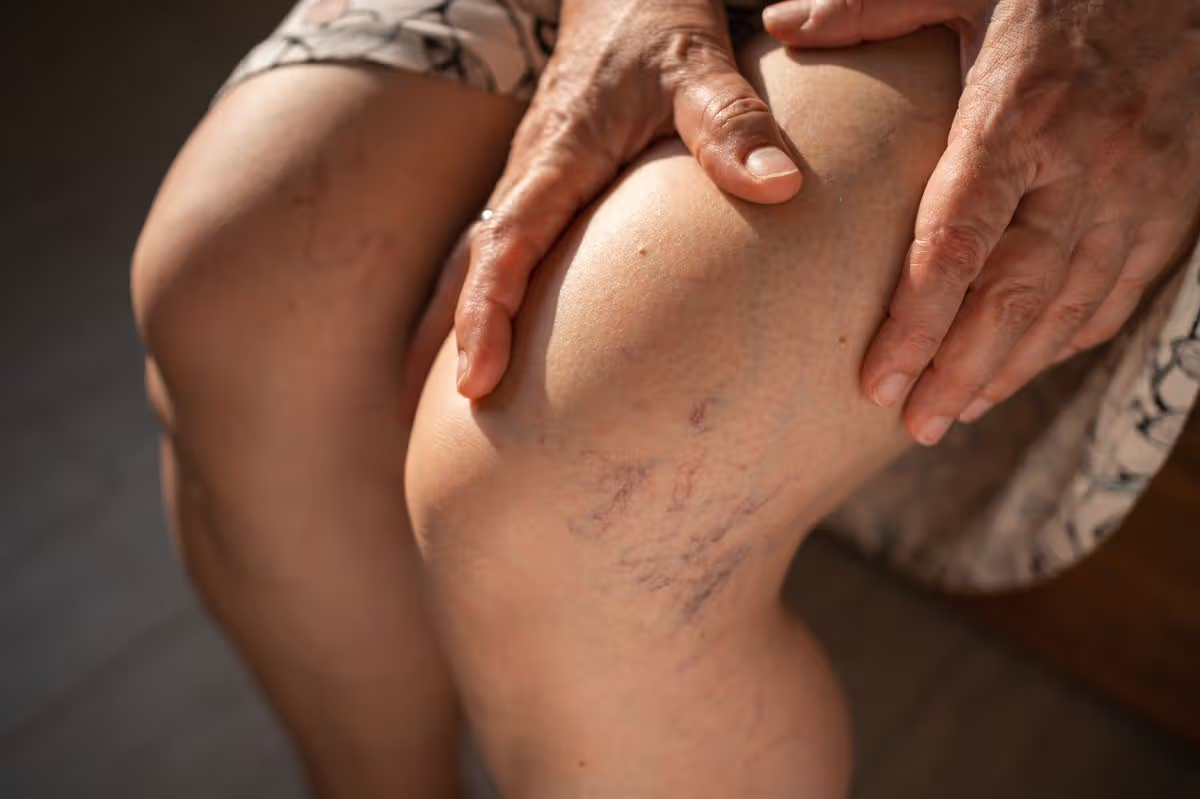
Health issues and candidates’ ages have drawn increased scrutiny in high-profile elections following Democratic President Joe Biden’s decision not to seek reelection in 2024 at age 81. Those questions have only lingered with Republican President Trump, who’s 79 and in recent months has been seen with bruising on the back of his hand, sometimes concealed with makeup. The White House acknowledged last year that Trump was diagnosed with chronic venous insufficiency.

Collins is up for reelection in a seat Democrats need to flip to have a chance to take back the Senate. Her likely opponent is Democrat Graham Platner, an oyster farmer and combat veteran, after Democratic Gov. Janet Mills suspended her campaign last week. Age has been an issue in the contest, with Collins, 73, and Mills, 78, more than three decades older than Platner, 41.

Platner acknowledged early in his campaign his own health problems. He has spoken openly about chronic pain in his shoulder and knees stemming from combat service, and he has said he was diagnosed with post-traumatic stress disorder after serving at war. Platner has said he has a 100% disability rating from the U.S. Department of Veterans Affairs but continues to work as an oyster farmer.

“There are a lot of disabled combat veterans, or just disabled vets, at 100%, who still work,” Platner told WCSH last year. “It’s a very normal thing.”

Collins was first elected to the Senate in 1996 and said in her statement that she has had the condition for all of that time. Over the years, the condition has been noticeable in Collins’ debates and frequent public appearances.

As chair of the Senate Appropriations Committee, Collins has been at the forefront of the chamber’s many spending disputes this Congress, often leading the floor debate and providing the GOP’s closing arguments. She frequently engages with reporters in the hallways. Her streak of never missing a Senate vote is up to 9,966 and stands as the second-longest consecutive voting streak in the chamber’s history.

Tremors happen when nerves aren’t properly communicating with certain muscles. Essential tremor, sometimes called benign essential tremor, is one of the most common movement disorders, according to the National Institutes of Health.

The risk of developing it increases as people get older, but at least half of cases are inherited, meaning the tremor runs in the family, and those tend to begin at younger ages. It almost always involves shaky or trembling hands but also can affect the head, voice or lower limbs.

Whittle and Kruesi write for the Associated Press. Kruesi reported from Providence, R.I. AP writers Kevin Freking and Lauran Neergaard in Washington contributed to this report.

Source link