On television, ads for UCLA Health show up behind the Dodgers’ home plate and in the background when Justin Herbert, the Chargers’ quarterback, speaks after a game.
At the Lakers’ training facility, the health system’s logo appears on the court and throughout the building, under a marketing partnership that cost the university tens of millions of dollars.
The ads are part of the public university health system’s strategy to increase the number of Southern Californians using its providers at its fast-growing number of clinics and hospitals.
University officials say its expansion to five hospitals and 300 clinics — up from 150 locations a decade ago — has given more Southern Californians access to its academic medicine.
Lakers championship banners hang from the rafters and trophies are on display in an office overlooking the news conference as Lakers general manager Rob Pelinka, left, speaks while Lakers coach JJ Redick listens at the UCLA Health Training Center in El Segundo.
(Allen J. Schaben/Los Angeles Times)
Last year, the system’s clinics and hospitals recorded 4.2 million outpatient visits — more than five times the number in 2015.
“As a public institution, we’re trying to make sure that patients within our community have access to care,” said Dr. Robert Cherry, UCLA Health’s chief medical and quality officer. “That’s the primary and overriding concern, because there’s an acute demand for our services.”
Yet healthcare economists point to repeated studies showing that hospital consolidation — where health systems expand, take over competitors and hire more of a region’s physicians — has become a leading driver of escalating health costs and insurance premiums, while doing little to raise the quality of care.
Glenn Melnick, a USC professor of healthcare finance, has documented how hospital consolidation in Northern California caused health costs to escalate. He said the mergers and acquisitions have continued, including with UCLA Health and other hospital systems in Southern California. UCI Health acquired four community hospitals in 2024.
One consequence, Melnick said, is surging insurance premiums for employers, which leave companies with little money for wage increases, while employees end up paying more for their health insurance and out-of-pocket medical costs.
“We’re now, I think, at a breaking point,” he said.
UCLA executives said the aim of the expansion was not to increase revenues the health system receives from commercial insurers. And they say they don’t believe UCLA Health is large enough to influence health costs.
“We actually represent only a small fraction of the inpatient capacity, physicians, clinics and resources available across the large and complex healthcare market in L.A.,” said Johnese Spisso, UCLA Health’s president, in an interview.
Nonetheless, the system’s expansion and its other recent financial decisions have led to protests by some of the university’s own staff and faculty, who point out the new clinics have been added mostly in wealthier neighborhoods, including Malibu and Montecito, where the majority of families have commercial insurance.
None of its clinics are in South or East Los Angeles, where more residents are covered by Medi-Cal, the state program for low-income people.
Cameron Carr during a news conference at the UCLA Health Training Center in El Segundo.
(Arwen Clemans/Los Angeles Times)
University of California system officials say Medi-Cal’s reimbursements are so low that they don’t cover the cost of care at the state’s five UC medical centers. Those losses, they say, must be covered by charges to those with commercial insurance.
Last month, dozens of medical residents and interns protested outside a UC Regents board meeting after UCLA Health failed to renew a Medi-Cal contract that had covered thousands of low-income patients. The doctors waved signs with slogans “Corporate Greed” and “Keep UCLA Health public.”
Dr. David Schriger, UCLA professor emeritus of emergency medicine, said that given the mission of the state’s public university, he questioned why the expansion had not included neighborhoods such as South Central L.A.
“The public should be making these decisions,” Schriger said. “It should not be at the whim of some executives.”
Santiago Munoz, UCLA Health’s chief strategy officer, said officials don’t consider neighborhood income levels when deciding where to open clinics. Instead, he said, the system has been adding clinics along freeways running north and south.
“We’re staying close to the 405 and the 101 because driving to locations in Los Angeles is inevitable, and it’s very difficult to get to Westwood,” he said.
Munoz noted that UCLA had recently leased a 20,000-square-foot space for a clinic in Inglewood, has locations in downtown Los Angeles, and provides physician services at two of L.A. County’s public hospitals.
“We are trying to go to where patients are,” Munoz said.
Worries about crowding
Nurses at the university’s flagship hospital Ronald Reagan UCLA Medical Center in Westwood say the expansion has created crowding that has caused what they describe as an ongoing, daily crisis in the emergency room.
Patients coming from the 300 clinics for hip replacements, heart surgeries and other procedures at Ronald Reagan often wait one or two days in the emergency department until beds become available upstairs in the hospital, according to UCLA officials.
To accommodate those patients who’ve been admitted but don’t have a room, the hospital has installed dozens of beds in what was once the emergency department’s waiting room and in adjacent spaces. That has forced people waiting for emergency care into a large white tent outside, which was put up during the COVID-19 pandemic.
“How do you do a good exam in a tent? It just doesn’t work,” said Dianne Sposito, a nurse who works in the emergency department. “I feel patients are in grave danger right now. Accidents are bound to happen.”
LeBron James has fun with his daughter, Zhuri, as son, Bronny, looks on during a G League game at UCLA Health Training Center in El Segundo.
(Wally Skalij/Los Angeles Times)
A university spokesperson said the system has “extensive strategies to keep patients safe and decompress our emergency departments.”
At the September Regents committee meeting, Spisso, UCLA Health’s president, told board members that the system needs to add as many as another 400 hospital beds so that newly-admitted patients no longer have to wait.
For months, rumors have circulated that UCLA will soon buy Providence St. John’s Health Center in Santa Monica, which would make the university the only hospital operator in that city. UCLA bought the city’s other hospital in 1995.
UCLA officials declined to say whether they were talking about acquiring the hospital. “We’ve found it’s best not to talk about discussions we may or may not be having unless or until we have something to announce,” Phil Hampton, a university spokesperson, said in a statement.
Consolidation hikes costs
The California Health Care Foundation found in a 2021 study that hospital markets were reaching “monopoly levels” in many of the state’s counties. The consolidation was increasing prices with “little to no improvement in quality” of care, the report said.
The study also detailed how physicians often change their referral and prescribing patterns after their practices are acquired by hospitals, sometimes requesting imaging or other procedures that are not needed.
Melnick, the USC professor, noted that when UCLA acquires physician practices and “re-designates them as hospital-outpatient departments,” the clinics can begin billing insurers for an additional “hospital facility fee” for routine office visits, imaging and minor procedures.
He added that insurers often consider UCLA as a “must-have” network, allowing it to negotiate higher reimbursement rates. When the insurer folds UCLA’s new hospitals and clinics into their plan, he said, it often agrees to raise rates at the newly-acquired providers to match what UCLA is receiving as an academic system. Patients get the same care, he said, “but there is a new name on the door.”
Munoz said that UCLA Health was adding facility fees to some bills, including for imaging, but not for physician care. “We’re running a fairly lean operation in the community when it comes to physician services and not collecting the facility fees that others are,” he said.
More income from patient charges
UCLA is not the only hospital system expanding in the L.A. region. For example, Cedars Sinai has also been adding clinics and buying hospitals.
Price data shows that insurers and patients often pay more for care at UCLA Health and Cedars.
Anthem, Southern California’s largest commercial insurer, this year is paying $20,265 to UCLA for a total knee replacement at Ronald Reagan, according to data gathered by Serif Health, a San Francisco firm that collects data from hospitals and insurers. That price is 9% higher than last year and doesn’t include physician fees, the implanted device or anesthesia.
Anthem pays Cedars more than twice as much for a knee replacement, according to Serif’s data, while it pays Providence St. John’s 22% less. Cedars’ current negotiated reimbursement is $42,559 — an increase of almost 17% over last year.
University executives said that because UCLA Health is an academic health system it provides a high volume of complex care that is more costly than care at non-academic hospitals.
UCLA’s expansion strategy has been financially successful, according to the health system’s annual report.
Last year, UCLA Health operating revenues grew by nearly 20% to more than $5 billion. After paying for expenses, its operating income was $793 million, a margin of almost 16%. That compares to the median operating margin of 1.5% for 45 academic medical centers across the country, according to a 2024 study by McKinsey & Company.
UCLA officials said the operating margin was not a good comparative measure because it doesn’t include a $496-million transfer to the university’s medical school to cover other operations including the training of physicians.
“Education, research, and clinical care are all part of our mission and our responsibilities to really train that next generation of healthcare professionals,” Spisso said.
Expansion continues
The university is now spending nearly $300 million to renovate a 170,000-square-foot building that sits on nine acres near Los Angeles International Airport. Purchased in 2024, the campus’ many offerings will include a sports medicine institute with physical therapy and advanced imaging, as well as an ambulatory surgery center with 10 operating rooms.
The university also plans to soon open a new 119-bed psychiatric hospital in L.A.’s Mid-Wilshire neighborhood. The facility was once the 204-bed Olympia Medical Center, where most patients were Black, Latino and underinsured. Olympia shut down after the university purchased it in December 2020.
The renovated hospital allows UCLA to relocate and expand the 74-bed Resnick Neuropsychiatric Hospital, which is currently on the fourth floor of Ronald Reagan Medical Center.
“We have patients waiting for mental healthcare so we made a $650-million investment in this new facility,” Spisso said. “We will probably lose around $50 million a year just operating it, but we saw it as one of the most underserved areas.”
UCLA then plans to add 103 beds to Ronald Reagan by renovating its fourth floor, increasing the medical center’s capacity by 23% to ease the overcrowding.
In 2024, the university bought the 260-bed West Hills Hospital and Medical Center in the San Fernando Valley from HCA Healthcare.
Last month, Spisso told the Regents committee that the hospital, now known as UCLA West Valley Medical Center, and its surrounding clinics, were making more money than officials had expected.
Two years after United States voters delivered a stunning rebuke of the country’s Democratic Party by electing Republican President Donald Trump to a second nonconsecutive term, some of the party’s midterm candidates are reassessing stances on a host of hot-button issues.
Whether they have dialled it back on issues like transgender rights or ramped up efforts to oppose Israel’s genocidal war on Gaza, Democrats in some of the toughest midterm battleground races are responding to voter concerns – or even breaking outright with party leadership.
Those shifts have resonated with some voters, while others have been alienated as the party tries to find its footing in Trump’s second term and wrestle away control of both houses of Congress from Republicans.
But in the time since Trump defeated former Vice President Kamala Harris in 2024, Democratic divisions have only grown deeper. Establishment and self-described moderates within the party have struggled to hold back a rising tide of progressive populism as voters increasingly demand stronger, bolder policies.
That movement, powered by groups like the Democratic Socialists of America, has forced a reckoning over what it means to be a Democrat in Trump’s second term, leading to significant differences among candidates on policies that often depend on where they are running.
Here’s how – and why – the party has shifted:
Democrats’ shifting views on Israel
The most notable shift among Democrats has, arguably, been on Israel.
Three years after Israel launched its genocidal war in Gaza and killed more than 74,000 Palestinians following Hamas’s October 7, 2023, attacks, polls have suggested that Americans hold increasingly negative views on Israeli military actions.
A Pew Research Center survey conducted earlier this year suggested that 60 percent of US adults had an unfavourable opinion of Israel. That number is significantly higher – 80 percent – among US Democrats.
In response, some longtime Democratic supporters of Israel – including Senator Chris Coons, who is likely to chair the Senate Foreign Relations Committee if Democrats retake control of the Senate next month – have shifted, as voters, especially younger ones, demand greater accountability from the US ally.
US Democratic Senator Chris Coons of Delaware speaks at the COP26 UN Climate Summit in Glasgow, Scotland [Alastair Grant/AP Photo]
The moderate Delaware Democrat told Politico in an interview this month that he wants a “thorough reexamination” of the US-Israeli relationship and is even willing to impose sanctions on Israel’s prime minister, Benjamin Netanyahu.
It is a marked change in tone after Harris rejected calls to feature a Palestinian American speaker at the 2024 Democratic National Convention in Chicago.
Earlier this year, 40 Democratic senators voted in support of a motion that disapproved proposed military sales to Israel. Only seven Democratic senators voted with Republicans to block it.
But as a new Congress may include even more progressive voices demanding the US rethink its relationship with Israel, those calls would likely be met with stiff resistance from some in the Democratic leadership, including Senate Minority Leader Chuck Schumer.
The New York Democrat, who would likely become majority leader if Democrats retake the Senate, has said that the US “commitment to Israel’s security and defense must be ironclad”.
Have Democrats changed their positions on transgender rights?
Following years of attacks from Republicans, Democrats in tightly contested US House or Senate races have downplayed – or outright dismissed – support for the transgender community, mostly when it comes to the participation of transgender students in school sports.
In Ohio, Democratic Representative Marcy Kaptur ran an advertisement featuring her saying, “Boys should not play in girls’ sports”. And in North Carolina, Representative Don Davis released a television commercial in which the Democrat says there “should always be a safe and fair space for women and girls in sports”.
Next door in South Carolina, Democratic Senate candidate Annie Andrews, a doctor, said in a newly released advertisement that she opposes “biological men playing in women’s sports”.
Trump’s return to the White House was fuelled, in part, by a now-famous advertisement in the 2024 campaign that highlighted Harris’s support for transgender Americans.
“Kamala is for they/them,” a narrator said in the advertisement, referring to gender neutral pronouns used by some in the transgender and nonbinary community. “President Trump is for you.”
But the reassessment of transgender rights after the commercial’s airing is not taking place in every part of the party.
On Thursday at a “Students vs Billionaires” town hall in Portland, Maine, Representative Alexandria Ocasio-Cortez addressed concerns from a transgender college student who told the New York progressive that they felt “abandoned” by Democrats.
“They’re wrong”, Ocasio-Cortez said about some members of her party. “First and foremost, I want to just let you know how shameful and sorry I am that there are people out there that scare so easily after an election”.
The congresswoman added, “The moment you compromise the rights of a trans person in America, you compromise the rights of every citizen.”
What has changed on immigration and border security?
During former US President Joe Biden’s term, Democrats encountered near-daily attacks from Republicans on the country’s immigration system.
US Customs and Border Protection (CBP) recorded more than 8 million encounters at the US-Mexico border between 2021 and 2025, fuelling concerns among some voters that the Biden administration had ignored the issue.
In Texas’s closely watched Senate race, candidate James Talarico has positioned himself as a “border security Democrat”, advocating for stronger border enforcement and comprehensive immigration reform.
Third Way, a US-based organisation that pushes for moderate policies, said stances like Talarico’s resonate better with voters because they have taken a proactive, rather than a reactionary approach.
Democratic US Senate candidate James Talarico speaks at a campaign rally in Galveston, Texas, on Thursday [Mark Felix/AFP]
“I remember very clearly when Harris came out and spoke at the DNC in 2024; she… said we need order at the border and to have a strong immigration system”, Third Way’s senior political adviser, Lucas Holtz, told Al Jazeera.
“The problem is, after that, the Harris campaign really did not stick with that line in the sand… They stopped taking a stand on these issues, and more voters thought that she was too far to the left.”
“[Talarico] is making the case in a lot of his ads that the Biden administration failed on securing the border… It’s putting Republicans on their back foot in some of these races.”
But among progressives, Trump’s response to the nation’s immigration issue has also prompted a strong swing to the left.
After several high-profile incidents earlier this year – including federal immigration agents in Minneapolis, Minnesota, shooting dead US citizens Renee Good and Alex Pretti – calls to abolish, or drastically overhaul, US Immigration and Customs Enforcement (ICE) have gained momentum.
Left-leaning political groups and politicians have united behind a message of “abolish ICE”, which would dismantle the federal agency and end its enforcement authority.
Do Democrats support Medicare for All?
As cost-of-living issues remain paramount for voters, Democrats of all stripes have coalesced behind the need for more government intervention in the country’s healthcare system.
But how exactly the party addresses rising medical costs remains up for debate.
Some progressives, including Michigan Democratic Senate candidate Abdul El-Sayed, have championed policies like Medicare for All, which would expand the nation’s federal health insurance programme for seniors so all US citizens would be guaranteed healthcare.
US Senate Democratic candidate Abdul El-Sayed gestures to supporters during a campaign rally in Dearborn, Michigan [Rebecca Cook/Reuters]
Others running in more conservative states, like Andrews, have called for the return of Affordable Care Act subsidies that lapsed during Trump’s second term, as well as limits on health insurance companies’ profits.
Polling released by the independent health organisation KFF suggested that 66 percent of US adults now support Medicare for All, a 13-point increase from October 2020.
“Everybody’s going to have their own approach to this, but by and large, all Democrats want to move to a universal healthcare system in the best way possible”, Holtz said.
“We’re in agreement that we need to do better than what the Trump administration has done.”
Bayern Munich coach Vincent Kompany collapsed during training on Friday but is said to be ‘stable’ in hospital.
Published On 24 Oct 202624 Oct 2026
Bayern Munich expect coach Vincent Kompany to miss an extended period as he continues his hospital treatment for a virus after collapsing on the training pitch.
Speaking at a news conference on Saturday, a day after the collapse, Bayern Director of Sport Max Eberl confirmed Kompany was still hospitalised in a “stable” condition.
Recommended Stories
list of 4 itemsend of list
Kompany’s English assistant coach Aaron Danks will replace the 40-year-old for Sunday’s Bundesliga match at Freiburg.
Eberl told reporters “examinations were continuing” to determine the nature of the former Manchester City and Belgium captain’s condition with a recovery timeframe yet to be determined.
“Vinnie will be given all the time he needs. We’re not starting to put together any timeframes.
“We need to firstly figure out what it is, and then we’ll discuss calmly what the recovery time is to be. We won’t be talking about days but weeks. We need to all be clear on that.”
Taking Saturday’s news conference in Kompany’s absence, Danks said he had spoken with the former centre back briefly on Friday but only to wish him well.
“I explained to him that we wouldn’t be having no football conversations. It was just checking in on his health and making sure he’s OK.
“All the football operations are in our hands, and we’ll work together as a team to keep the club moving forward.”
Bayern’s second team’s game was postponed on Friday after Kompany’s collapse, but Eberl said the club did not consider trying to postpone Sunday’s Bundesliga game.
“I think the greatest joy for Vinnie would be for us to play well tomorrow and, ideally, get a positive result,” Eberl said.
“That would probably be one of the best things we could do to help him recover.”
Danks confirmed Germany captain Joshua Kimmich, who has been on bereavement leave since Tuesday, would also miss Sunday’s game.
Kompany returned to the dugout for Wednesday’s home clash against Arsenal despite missing the pre-match news conference due to the virus.
Speaking after the Arsenal game, Kompany said his body reacted after he tried to push through the illness.
“I caught a pretty nasty virus last week, and of course, I didn’t listen to my body, and then at some point, my body just said, ‘Enough is enough!’”
The defending champions sit on top of the Bundesliga table before Sunday’s game, one point above Freiburg.
Their next Champions League match is on November 3 in Madrid against Atletico.
Taiz, Yemen – It was approaching 10:30am in the dialysis centre of the Republican Hospital in Taiz when a machine began filtering excess fluids, toxins and salts from the blood of Omar Mukhtar Hammoud.
The 16-year-old suffers from kidney failure and is one of 270 patients who regularly receive dialysis at the centre in the government-held city in southwest Yemen. But with essential medical supplies and fuel running critically low under the renewed Houthi siege, doctors fear they may soon be unable to provide the treatment that keeps their patients alive.
Recommended Stories
list of 3 itemsend of list
Dr Essam Mahyoub Dahan, the centre’s director, warned that a complete shutdown could happen within days.
“Because of the siege and the shortage of diesel and medical solutions, we have recently been forced to reduce dialysis sessions from four hours to just two and a half,” Dahan told Al Jazeera. “We know this is not adequate, but we have no choice if we are to keep the centre operating for as long as possible before it shuts down completely.”
Dahan said the centre’s remaining stocks of specialised dialysis solutions were also close to running out.
The supplies, which are expensive, are normally provided by the Yemeni Ministry of Health every three months. But the latest delivery which was due earlier this month failed to arrive because of the Houthi siege on Taiz city. It began in the first week of October after Houthi advances in the Taiz countryside.
The city was previously under complete Houthi siege between 2015 and 2016, in the early years of Yemen’s ongoing war.
Across Taiz governorate, where battles are raging between the Saudi-backed Yemeni government forces and Iranian-allied Houthi fighters, the number of patients at risk is far greater.
In an October 12 statement, the governorate’s health office warned that the continued siege and obstruction of essential supplies could endanger the lives of 1,110 patients with kidney failure. They depend on dialysis services in the governorate’s hospitals, which collectively provide about 210 dialysis sessions a day.
International humanitarian and health organisations have issued similar warnings about the impact of the siege on the already fragile healthcare system in Taiz.
On Thursday, Amnesty International called on the Houthis to immediately reopen vital roads into and around the city, warning that the closure of the main road between Taiz and the southern port city of Aden threatened hundreds of thousands of civilians with losing access to food, water and healthcare.
Fuel: A lifeline for hospitals
Taiz’s hospitals depend heavily on diesel-powered generators because much of the city’s electricity infrastructure was destroyed during the war that began 11 years ago and has not been restored.
The renewed Houthi siege has severely disrupted the entry of fuel, including the diesel needed to run hospital generators and lifesaving medical equipment.
Dr Shaheed al-Ameri, deputy director-general for technical affairs at the Republican Hospital, said the shortages have had a devastating impact on medical services.
“A very large part of this suffering is because of the shortage of diesel,” he told Al Jazeera. “We have no reserve diesel supplies. Our stocks ran out early in the siege and we are now buying it on the black market almost every day, at prices that have reached five times what they were before the siege.”
Al-Ameri warned that the longer the siege continues, the more prices will rise and the further medical services will deteriorate.
The hospital has already suspended operations in some departments, including essential units, he said.
“If this situation continues much longer, we fear we will reach a complete and comprehensive collapse of healthcare services,” he said.
The shortages are not confined to the Republican Hospital. On October 22, the World Health Organization (WHO) warned that critical shortages of fuel, oxygen, medicines and medical supplies were threatening lifesaving healthcare throughout Taiz governorate, with some hospital services already disrupted.
According to the WHO, 42 health facilities in Taiz city had reported severe shortages of essential supplies. Hospitals and ambulances require at least 156,000 litres of fuel a month to continue functioning.
The organisation also warned that diesel shortages threaten to disrupt oxygen production, water pumping, vaccine refrigeration and sanitation services, increasing the risks of disease outbreaks, particularly among displaced families and other vulnerable groups.
The United Nations has separately warned that the restrictions on supplies are bringing Taiz’s health system close to collapse and urged the Houthis to allow humanitarian assistance and essential goods to enter without obstruction.
Oxygen shortages deepen crisis
In its October 12 statement, Taiz’s health office warned that continued restrictions on fuel deliveries could lead to the shutdown of medical oxygen production plants, further endangering patients.
Taysir al-Samei, the health office’s media officer, said that would dramatically worsen the crisis.
“Many medical departments depend on oxygen, particularly operating theatres, inpatient wards, intensive care units and incubators for premature babies,” al-Samei said.
“Most hospitals have already suspended services in some units because of the shortage of diesel and the lack of necessary medical solutions, as well as shortages of medical staff who are struggling to get to work because of the lack of transport,” he added.
He warned that if conditions continued to deteriorate at the same pace, some hospitals could stop providing services in the coming days.
At the Republican Hospital, al-Ameri said that shortages were also affecting diagnostics and treatment. The availability of laboratory reagents had fallen to just 10 to 15 percent of previous levels, he said, while approximately half of the medicines normally available were now out of stock.
Prices for the remaining medicines had doubled, he said, placing them further out of reach for patients already struggling with Yemen’s worsening economic crisis.
The continued fighting and shelling around Taiz have increased the number of wounded people requiring emergency care – placing additional pressure on facilities already struggling with shortages of surgical supplies, anaesthetics and intravenous fluids.
Abdul Badi Abdulwuhab, 53, is another dialysis patient in the Republican Hospital, struggling to cope with the shorter dialysis sessions.
His voice was filled with desperation.
“Because of these measures, I suffer from weakness and I cannot bear the pain,” Abdul Badi told Al Jazeera. “Two and a half hours is not enough to remove all the fluids and toxins from my body.”
Dr Dahan said that the patient’s condition had deteriorated since his sessions were shortened.
“These measures are not effective for many patients,” Dahan said. “The only solution is to end the siege and return things to the way they were.”
The World Health Organization (WHO) has announced the beginning of the first clinical trial of an Ebola vaccine in the outbreak that started in the Democratic Republic of Congo (DRC).
WHO’s director-general, Tedros Adhanom Ghebreyesus, said in a social media post on Friday that participants in the trial were vaccinated with the Ervebo vaccine in Bunia, the capital of the DRC’s northeastern Ituri province, which is the epicentre of the Ebola outbreak.
Recommended Stories
list of 3 itemsend of list
Ervebo, a vaccine approved for use against the more common Zaire strain of Ebola, will be put through a full-scale human trial to see if it offers any cross-protection against the Bundibugyo species of Ebola that is behind the epidemic.
“This trial will help us understand whether any of the vaccine candidates designed for Bundibugyo virus work,” the WHO chief said on X.
“WHO is supporting this DRC-led effort to find answers and save lives,” he added.
The DRC declared its 17th and worst-ever Ebola outbreak in May and has since reported more than 9,700 cases, with the number of deaths exceeding 4,600.
The WHO, in response, triggered a public health emergency of international concern, its second-highest alert level.
The current outbreak has now been reported in four countries across eastern, central and western Africa, giving it the widest geographic spread of any Ebola outbreak on the continent to date.
Vaccines in the pipeline
The so-called Tumaini trial is a single trial framework that can test the safety, efficacy and immunogenicity of multiple vaccines.
The trial will use a ring vaccination approach: immunising contacts deemed to be at high risk of infection.
The trial is set to incorporate two Bundibugyo-specific candidate vaccines, which are currently advancing through earlier-stage, smaller-scale clinical trials.
One is a ChAdOx1 adenoviral vector jab being developed by the University of Oxford; the other, by the US-based Moderna group, uses mRNA technology.
Both have received funding from the Coalition for Epidemic Preparedness Innovations and are expected to enter the trial “shortly”, CEPI said in a statement.
The trial will include pregnant women and children aged 12 years and older, generating evidence for populations that are often excluded from clinical trials.
WHO emergencies director Chikwe Ihekweazu said the trial was set up to generate the rigorous evidence needed to determine whether the participating vaccines could protect people at risk.
Until now, the virus was considered non-transferable to humans, making the patient the first documented human case.
Published On 22 Oct 202622 Oct 2026
French authorities have confirmed that a patient who died at a Lyon hospital earlier in October was infected with the Shamonda virus, the first such report of the virus in a human.
In a statement on Thursday, the French Ministry of Agriculture stressed that there were no identifiable health risks to the general population at this time.
Recommended Stories
list of 4 itemsend of list
Shamonda is an orthobunyavirus – a group of viruses primarily carried and spread by insects – transmitted to animals, mainly cattle, by biting midges of the genus Culicoides.
It was first detected in Nigeria in the 1960s, but has since been reported sporadically in East and Southern Africa, as well as Japan.
Until now, the virus was considered non-transmissible to humans, making the patient in France the first documented human case.
The French announcement said the leading hypothesis was that the patient was infected in eastern France, where the virus had circulated among animals this spring and summer.
“Clinical, biological and epidemiological investigations are continuing in conjunction with expertise in human, animal and environmental health,” the statement added.
Shamonda was first confirmed in Europe in late July after genomic tests on sick cattle in southern Germany, Switzerland and eastern France.
A report from France’s weekly animal health surveillance bulletin said the virus had also been detected in Austria, Belgium, Ireland, Italy, Liechtenstein, Luxembourg, the Netherlands, Portugal, Slovenia, Spain, and the United Kingdom’s Jersey.
An ‘overpowering sewage smell’ was reported on board, along with flies seen around uncovered food. Passengers have been complaining about various stomach issues
08:33, 21 Oct 2026Updated 08:34, 21 Oct 2026
Passengers on the P&O Azura fell ill(Image: SWNS)
A group of 12 passengers who fell seriously ill onboard a P&O ship are taking legal action after their dream Mediterranean cruise turned into a “nightmare” holiday from hell. The British passengers were struck down with gastric illness and flu-like symptoms while travelling around the Greek islands on the P&O Azura.
The holidaymakers, who paid up to £3,000 each, claim they encountered an “overpowering sewage smell” on board and raised concerns about hygiene in buffet restaurants where flies could reportedly be seen around uncovered food. Many were confined to their cabins during the eight-night voyage between May 28 and June 4 this year, while others were left hospitalised upon returning to the UK and some say they are still feeling the effects now.
The group, who had been celebrating a 60th birthday, have now instructed international injury lawyers to investigate their illnesses. Julie Stones, 53, from Bolton, was among those who says the cruise left her battling a catalogue of health problems.
She first became ill on June 2 with a sore throat and diarrhoea before her condition spiralled. She suffered vomiting, severe stomach pain, fever, headaches, dizziness, exhaustion, a persistent cough, and pain in her back and legs.
After returning home, she attended A&E, was diagnosed with a chest infection and later required further GP and hospital treatment. Julie, who has several underlying health conditions and uses a powered wheelchair, said she spent weeks largely confined to bed and relied on help from her husband and daughter.
Julie said: “This holiday was supposed to be a special celebration with friends and something I’d been looking forward to for months. Instead, it turned into a complete nightmare. It felt as though one thing after another kept going wrong and, as the holiday went on, I just got worse and worse.
“One thing that really stood out was the overpowering sewage smell near the Manhattan Bar. It was so noticeable that other passengers were commenting on it. I also had concerns about hygiene in the buffet areas. I remember seeing food left uncovered with flies around it and people entering the restaurant without sanitising their hands.
“Even after returning home, the symptoms didn’t go away. I’ve needed hospital treatment, GP appointments, and medication, but I’m still not back to normal. More than two months later, I’m still dealing with fatigue and headaches. I just want to understand what happened.”
Linda Chapman, from Bury, who was celebrating her 60th, also became seriously ill after developing symptoms on the final evening of the cruise. The mum and grandmother suffered chills, vomiting, breathlessness, wheezing, a sore throat, and a persistent cough.
Her condition worsened so badly after landing back in Manchester that she contacted NHS 111 and was taken to A&E, where she was prescribed antibiotics. Linda, who works as a housekeeper on an NHS stroke ward, was forced to take two weeks off work.
Linda said: “I remember being on the plane. The flight was only a few hours, but it felt like forever. People kept asking if I was okay and I must have looked as awful as I felt. I just kept telling myself that I’d be home soon and could finally go to bed.
“What I didn’t realise was that I’d end up spending weeks like that. In my view, hygiene onboard wasn’t up to scratch and the food often didn’t seem fresh at all, despite the cruise being very expensive. What did surprise me was just how ill I became. I was struggling to breathe and, combined with the stomach problems, I just couldn’t work out what was wrong with me. It was a very frightening and disorientating experience.”
Sharon Robinson, 51, from Wigan, was the first member of the group to fall ill. She initially believed she had a chest infection but later suffered stomach pain, nausea, diarrhoea, headaches, fever-like symptoms, and extreme fatigue.
Despite feeling unwell, Sharon tried to continue with the group’s planned celebrations but says she spent the rest of the cruise exhausted. Sharon said: “I’m unbelievably disappointed.
“Even though I felt awful, I kept trying to take part in as much as I could because I’d been looking forward to this cruise for a year. I was the first in our group to become ill, but after the first few days it felt as though everyone was dropping like flies.
“One thing that’s burned into my memory is the strong sewage smell onboard. It still makes me feel sick when I think about it. So many people in our group became unwell that it’s difficult not to have concerns about what caused it. I still feel very sad about the whole experience and I’m still suffering because of it.”
Jatinder Paul, the lawyer at Irwin Mitchell representing the passengers, said: “Cruise holidays should provide passengers with an opportunity to relax and enjoy their time away. However, they also involve large numbers of passengers sharing restaurants, bars and other facilities in confined space so robust hygiene measures are vital in helping to prevent illnesses from spreading.
“What’s particularly concerning for our clients is that so many from the same party became unwell, with several still having their lives affected by symptoms. Our clients understandably have questions about their illnesses and whether more should have been done to protect them.
“Nothing will make up for what they’ve been through, but we’re determined to provide them with the answers they deserve.”
A 43-year-old man accused of deliberately hitting Helen Haines outside her office remains in police custody.
Published On 20 Oct 202620 Oct 2026
The Australian Federal Police (AFP) have said the alleged targeting of independent lawmaker Helen Haines appeared to be an “isolated incident” and there were no known further threats associated with the attack.
Haines was struck by a Toyota Land Cruiser SUV outside her office in Wangaratta, about 200km (124 miles) northwest of the state of Victoria’s capital, Melbourne, on Monday, in what Prime Minister Anthony Albanese called a “deliberate” act.
Recommended Stories
list of 3 itemsend of list
The 65-year-old underwent surgery overnight, with Australian media outlets reporting on Tuesday that she has lost a leg and remains in critical condition in a Melbourne hospital.
The suspect is in police custody, an AFP statement released on Tuesday said. Local media identified the driver as a 43-year-old man from Tarrawingee, Victoria.
Federal and state police were working “to identify potential charges”, including “the offence of causing harm to a Commonwealth public official which carries a maximum penalty of 10 years’ imprisonment”, the statement said.
The prime minister said on Tuesday that the vehicle had performed a U-turn before hitting the MP.
“It’s clear that there was a deliberate act here. This wasn’t an accident, someone just skidding off the road,” Albanese told the ABC national broadcaster.
The prime minister said the alleged attacker’s motive remained unknown.
Police arrive at Alfred Hospital, where Australian politician Helen Haines is being treated, in Melbourne on October 20, 2026 [Martin Keep/AFP]
Bystander intervened
A former nurse, Haines is an independent federal MP for the Victorian seat of Indi and is known for her socially conscious policy positions on the environment and transparency.
Home Affairs Minister Tony Burke told ABC Radio that witnesses said Haines was struck twice by the vehicle before a bystander intervened.
Ricky Jefferies ran from his barber shop, restrained the attacker and removed a knife from him after initially believing the incident was a car accident, Australian media reported.
“I heard a loud bang with no brakes. It was crazy; I just ran out to the front to see what’s happening,” Jefferies told reporters outside his shop.
“I didn’t realise the seriousness of the situation initially, and once it became relevant, I just did what I could and what others were already trying to do.”
Threats and abuse
Foreign Minister Penny Wong said she was shocked by the “deeply disturbing attack” and wished Haines a full recovery in a post on X.
The attack comes after the federal police documented a steady rise in threats and abuse directed towards the nation’s politicians in recent years. Politicians have historically been highly accessible to the public and usually go about their business without security.
Albanese said on Monday that “the temperature has increased in recent times”.
Haines entered parliament in 2019 after working as a nurse and midwife, becoming known for stances such as supporting stronger climate action.
She has been praised for her efforts to increase transparency in politics and crack down on corruption.
First Lady Melania Trump has championed the executive action as a ‘transformative moment’ for US women’s health.
Published On 19 Oct 202619 Oct 2026
United States President Donald Trump has signed an executive order that will establish a dedicated women’s health division within the National Institutes of Health (NIH), as well as a White House task force focused on the subject.
During a signing ceremony in Washington on Monday, First Lady Melania Trump praised the initiative as setting “a new standard for women’s health in America”.
Recommended Stories
list of 3 itemsend of list
“This is a transformative moment for women in America. Beginning today, we will change the reality of women’s health,” she said.
“Previous generations fought for women’s rights. Our generation will fight to discover the cures that will ensure a woman can live her life in health and to the fullest.”
The newly minted project, spearheaded by the first lady, requires the new health division to be established within 90 days.
It aims to accelerate scientific discoveries, expand clinical access for women’s health and modernise care throughout every stage of a woman’s life.
The new division at the NIH will not replace the agency’s Office of Research on Women’s Health but will have a broader mandate beyond research, according to the White House.
Melania Trump gestured to “super intelligence, advanced biotechnology and groundbreaking therapies” as tools that offer a “unique chance to reinvent women’s healthcare”.
The first lady’s office has identified “five pillars” for innovation in the field. One involves funding targeted research to develop cures for diseases that affect women, such as endometriosis.
Another calls for a quicker timeline for “promising therapeutics” to reach female patients.
“In 2026, medical advances can do more than just prolong life,” said Melania Trump. “It should give women the freedom to live life to its fullest, to pursue our dreams, experience love, discover, create, travel and lead.”
The White House task force will be co-chaired by the newly cancer-free White House Chief of Staff Susie Wiles, as well as Health and Human Services (HHS) Secretary Robert F Kennedy Jr.
While Monday’s executive order mandates that the HHS must fund the administrative costs of the task force, the order itself does not include any specific funding targets or dollar amounts.
Experts have noted that Melania Trump has kept a relatively low profile during Trump’s second term.
Her public appearances have been fewer than during Trump’s first term, though she has stepped into the public spotlight to promote improvements to foster care and the role of technology, such as artificial intelligence in education.
During Trump’s first term, the first lady launched the “Be Best” campaign focused on child well-being, safe social media and countering opioid abuse.
But critics have questioned how effective Monday’s executive order might be, given the cuts Trump has made to the federal workforce since his second inauguration.
Thousands of employees have been laid off at the NIH alone, with Kaiser Health News reporting that its workforce is at its lowest level in decades.
The NIH was also given a deadline to slash spending by 35 percent across all of its divisions, amounting to a massive $2.6bn budget reduction.
In April 2025, the HHS drew widespread condemnation and a multi-state lawsuit after abruptly moving to terminate regional contracts for the Women’s Health Initiative, the nation’s largest longitudinal study on older women’s health at the time.
Critics warned that the move would jeopardise life-saving research on cardiovascular disease, cancer and osteoporotic fractures for senior women.
WASHINGTON — President Trump on Monday directed the federal government to bolster federal research into women’s health, a move pushed by his wife, first lady Melania Trump.
The Republican president signed an executive order that creates a new women’s health division at the National Institutes of Health and a White House task force to focus on the issue. That panel was set to hold its first meeting Monday after the Trumps held a Rose Garden signing ceremony.
“Beginning today we will change the reality of women’s health,” Melania Trump said. “Previous generations fought for women’s rights. Our generation will fight to discover the cures that will ensure a woman can live her life in health and to the fullest.”
The president, who spoke after his wife, said the order will “promote new research and really go after the understudied diseases affecting women.” The order is also intended to promote diagnostic technology and improve treatment.
White House chief of staff Susie Wiles, who recently completed treatment for breast cancer, and Health and Human Services Secretary Robert F. Kennedy Jr. will lead the White House task force. Donald Trump said the task force will coordinate with various federal agencies and programs. The order does not include specific funding goals.
The initiative comes after a series of meetings the first lady had with federal health officials.
The president called it a “historic action” and praised the first lady’s work.
“She’s accomplished so much,” he said before pivoting into unscripted commentary on White House renovations, including the patio stone that now covers what was once the Rose Garden lawn.
Shifting back to women’s health, the president expressed surprise that some of the order’s requirements had not already been imposed.
“Who the hell wouldn’t have a women’s health division?” he said, after recalling that he’d asked Melania Trump, “Are you sure they don’t have that?”
The executive order calls for targeting maternal health, mental health and endometriosis. It also mentions other health concerns and diseases, including Alzheimer’s, osteoporosis, heart disease and stroke.
Melania Trump helped shape the order and the task force in consultation with physicians, White House officials, Kennedy and the Republican president. The initiative adds a new dimension to her policy portfolio as first lady.
In Donald Trump’s second term, the first lady has focused on improving foster care systems and expanding technology and artificial-intelligence access in education. In Trump’s first presidency, the first lady’s signature initiative, Be Best, focused on child well-being, safe social media use and reducing drug abuse.
The White House ceremony comes weeks before Nov. 3 elections and as Donald Trump’s job approval ratings have declined, including among women.
About 4 in 10 independent women supported Trump during the 2024 election against Democrat Kamala Harris and in the pre-presidency period, according to AP-NORC polls. That dropped to around a quarter in the opening months of this midterm election year, the period marked by Trump’s hard-line immigration crackdown in U.S. cities and the opening weeks of the Iran war.
What we don’t know: What the future holds, in what could be a turbulent winter for the Dodgers and for all of Major League Baseball.
Here are four things we don’t know about the Dodgers, but well worth keeping an eye on:
Shohei Ohtani
Just three short months ago, we wondered whether Ohtani would win his fifth most valuable player award and his first Cy Young Award. Has the time come for the Dodgers to consider curtailing his pitching?
As the Dodgers trudged through the playoffs, we endured daily drama over where in the lineup Ohtani would bat (first, second, fourth, fifth or sixth) and what he could produce despite playing through multiple injuries.
We’ll soon get a better understanding of those injuries, and whether rest, rehabilitation and/or surgery might be recommended for each one. We’ll also get a better sense of what the future might hold for Ohtani as a two-way player, and for his potential to perform at an elite level on both sides of the ball.
Ohtani said he plans to resume pitching next year. He is 32. He just completed his 14th professional season.
Ohtani has pitched more than 132 innings once since 2016, when he was 22 and playing for the Nippon Ham Fighters.
In his three seasons with the Dodgers, this was the first that did not involve rehabilitation from elbow surgery. He started 14 games before a knee injury prevented him from pitching any more this season.
Payroll
Dodgers pitcher Tarik Skubal walks off the field during Game 1 of the NLDS.
(Eric Thayer / Los Angeles Times)
Major league owners are poised to shut down the sport this winter, in pursuit of a salary cap designed to restrain the Dodgers, since they won’t restrain themselves.
The owners’ initial proposal set a salary cap of $245 million next year. The Dodgers already have $347 million committed to 14 players next year, according to Cot’s Baseball Contracts.
Under a cap, the owners have promised a transition period to account for existing commitments, and an actual negotiated cap could be higher.
Even if the players do not agree to a cap — and they insist they won’t — whatever economic system that would emerge from collective bargaining would be almost certain to make it painful for the Dodgers to spend so freely.
Whatever the case, the Dodgers could face the kind of difficult roster choices they often have papered over with money this decade. Two closers for $141 million? Good luck with that.
And would they be able to fit soon-to-be free agent Tarik Skubal into their payroll? Skubal might well sign before the lockout is expected to start in December, but there is nothing agent Scott Boras loves more than pitching a marquee free agent to a new owner. The two other Southern California teams — the Angels and San Diego Padres — both have one.
Age
Dodgers president of baseball operations Andrew Friedman, left, and general manager Brandon Gomes have decisions to make about their aging roster.
(Luke Hales / Getty Images)
When Andrew Friedman made his name as the general manager of the Tampa Bay Rays, he did it in large part by taking advantage of one market inefficiency within the American League East: He beat up on the Boston Red Sox and New York Yankees because they were stuck with rosters crowded with aging stars on big contracts. The Rays couldn’t have done that even if Friedman had wanted to.
He didn’t want to do it too much in Los Angeles, because it compromises roster flexibility. But, after seven National League West titles and no World Series championships, ownership went all in: Mookie Betts (12 years, $365 million), Freddie Freeman (six years, $162 million), Ohtani (10 years, $700 million), Yoshinobu Yamamoto (12 years, $325 million), Tyler Glasnow (five years, $137 million), Blake Snell (five years, $182 million), Will Smith (10 years, $140 million) and Kyle Tucker (four years, $240 million).
It worked: three rings in six years. Now the bill comes due.
The Dodgers fielded the oldest group of position players in the major leagues this season. Ohtani and Betts are under contract through their age-39 seasons; Smith will be 38 when his deal’s up, Yamamoto and Max Muncy 37, Snell 36, Glasnow 35.
Something to watch this winter: Freeman is 37, signed through next year. He would like to play until 40 and finish his career here. That would take a two-year extension. Would the Dodgers say no?
Ownership
Mark Walter’s insurance empire is under investigation by federal authorities — and the subject of discussions with state regulators — over allegations the businesses he controls failed to properly follow laws designed to protect investors.
Walter’s company has denied wrongdoing, and neither Walter nor his businesses have been charged with a crime. He is, however, a defendant in multiple civil lawsuits in which insurance policyholders claim he and several of his companies committed fraud and breach of contract.
Walter may need more than $20 billion to satisfy regulators by recapitalizing insurance companies. He abruptly sold the Lakers in August, in a deal that valued the team — not just Walter’s controlling interest — at $12.5 billion. He and fellow Dodgers co-owner Todd Boehly also sold a small stake in English soccer club Chelsea FC last month for about $1.27 billion, the Financial Times reported. It is uncertain how Walter would provide the rest of the money for recapitalization.
“Regarding the Los Angeles Dodgers, to be clear, the team is not being sold,” Walter’s holdings company said in a statement last month.
It is uncertain whether a resolution with insurance regulators would satisfy the Department of Justice, which reports to President Trump. In July, when the Dodgers visited the White House, Walter presented Trump with an official World Series championship ring with his name engraved on it. He also sold the Lakers to former Disney chief Bob Iger and venture capitalist Joshua Kushner, the brother of Trump’s son-in-law.
Major League Baseball is monitoring the situation and could conduct its own review after the state and federal matters are concluded.
Kenyan health authorities say latest patient was likely exposed to the country’s first Ebola case.
Published On 19 Oct 202619 Oct 2026
Kenyan health authorities say an eighth Ebola case has been detected, bringing the total number of known infections in the East African nation to eight.
Director-General for Health Patrick Amoth told Kenya’s Citizen TV that of the 38 people tested on Sunday, one had returned a positive result.
Recommended Stories
list of 3 itemsend of list
“He is a 49-year-old man who is not a healthcare worker. He developed fever, headache and muscle pain,” he said.
Amoth said the man, who worked as a patient attendant cleaning utensils and linens, was likely exposed to Kenya’s first Ebola case, discovered earlier this month.
He developed symptoms on Saturday, was quarantined and tested for the virus, a Ministry of Health source said.
The ministry reported four new cases on Saturday, three of whom were health workers who treated the country’s first Ebola patient, a man who travelled from the Democratic Republic of the Congo (DRC) to Nairobi and died at a Nairobi hospital on October 5.
In a post on X, the ministry said the fourth person was related to the deceased patient.
Travellers enter Kenya’s immigration services to access port health services at the Busia One Stop Border Post, a crossing point between Kenya and Uganda, in Busia, Kenya, on October 8, 2026 [James Keyi/Reuters]
Kenya has been on heightened alert, as the Ebola outbreak has spilled across the border from the DRC. The current outbreak is of the Bundibugyo strain of the virus, for which there is no vaccine or specific treatment.
The DRC has recorded at least 9,400 cases, including more than 4,500 deaths, in the deadliest outbreak in the country’s history, which started in May.
Ituri province in eastern DRC remains the disease’s epicentre, accounting for almost three quarters of confirmed cases, according to the government’s most recent data. It announced on Sunday that the virus has reached an eighth province, North Ubangi.
State-run news agency ACP reported on Sunday that authorities in North Kivu province, where the World Health Organization said substantial transmission continues, are introducing a one-week ban from Monday on people entering the province from Ituri in an effort to slow the spread.
Other measures set to be introduced include restrictions on passenger numbers in cars and on motorbikes and suspension of large public gatherings.
Neighbouring Uganda recorded 20 confirmed cases, including 15 imported from the DRC, and two deaths, before it was declared Ebola-free in August.
Hasanat al-Rashid, 48, has lived with diabetes for 15 years, and the three-and-a-half-year civil war between Sudan’s military and the Rapid Support Forces paramilitary group has worsened her situation. Finding the treatment she needs has become a daily struggle.
When the war broke out in April 2023, she was forced to flee south from her home in Haj Yousif in Khartoum North to Umm Daw Ban in Khartoum State.
Recommended Stories
list of 3 itemsend of list
During her displacement, she went for days without medication and was forced to eat foods unsuitable for her condition, such as asida, a traditional Sudanese porridge.
She underwent operations on her foot twice when she developed complications of diabetes, including a severe infection.
She moved between hospitals in Gezira State south of Khartoum, seeking treatment in Rufaa, Wad Madani and Al-Hasahisa. When fighting spread to these areas in December 2023, she fled again, arriving in Port Sudan, a city on the Red Sea that was less affected by the war.
Her condition has worsened to the point that she now has to use insulin every day and with this comes added costs, something that forces diabetes sufferers in Sudan to choose between medicine and other essentials, such as food.
“The doses vary depending on whether my blood sugar is high or low,” she told Al Jazeera.
The war has pushed income levels in Sudan back to those last seen in the 1990s, according to the United Nations Development Programme. This means Hasanat and other diabetes sufferers are struggling to afford the medicine they need to treat the condition.
Hasanat’s doctor recommended she use an insulin pen, a device used to inject insulin under the skin. She would need one or two of the devices a month, but the cost at 70,000 Sudanese pounds ($8) is more than she can afford up front, so she opts for a vial of insulin.
This is cheaper at 17,000 Sudanese pounds ($1.80), but there is the additional cost of buying ice every day to keep the insulin cool. She spends 180,000 pounds ($20) a month on ice to preserve the medicine. But she is able to spread these costs out through the month, making the vials her only viable option even if the overall costs are higher than an insulin pen.
“It may last a month or less, but the challenge is that I don’t have a refrigerator, so I struggle to store the insulin properly,” she said.
She also needs painkillers and vitamins on a regular basis to manage complications caused by the diabetes.
Hasanat al-Rashid has struggled to find the medicine to treat her diabetes during Sudan’s civil war [Fatima Edam/Al Jazeera]
The rising cost of treatment
Fatima Adam, 75, is among the patients at Port Sudan Hospital struggling to afford the medicines she needs to manage her hypertension and a thyroid condition.
She was admitted to the hospital with complications caused by high blood pressure, which has started to impact her heart. Too unwell to speak to Al Jazeera herself, her daughter, Aisha, described how the rising cost of treatment has affected her whole family.
Before the war, Fatima received medicine through the National Health Insurance Fund. She paid a quarter of the cost while the fund covered the rest. But when the war started and the economy collapsed, the medicines she needed were no longer covered by the scheme.
“My mother takes six different medicines because hypertension has affected her heart in addition to her thyroid medication. The war has made things harder because the prices of these medicines have gone up,” Aisha told Al Jazeera.
The responsibility for paying for Fatima’s treatment and supporting her and her daughter falls on her son, who works as a casual worker. With no fixed income, he goes to the market every day in search of work but sometimes returns home empty without any luck.
“Sometimes, when my brother finds work, we buy enough medicine to last a month. Other times, we have to buy smaller quantities and take the medicines intermittently,” Aisha said.
She bought a month’s supply of her mother’s medication a few days ago for 160,000 Sudanese pounds ($17.80), a substantial expense for a family whose income depends on day labour but essential to treating Fatima’s condition.
War damage
The war has caused an estimated $500m in losses to medicine stocks, infrastructure and transport fleets, dealing a major blow to Sudan’s pharmaceutical supply system, the National Medical Supplies Fund told Al Jazeera.
The National Medicines and Poisons Board estimated that only eight of the 30 pharmaceutical factories in Khartoum that shut down during the conflict have resumed operations despite the security situation in the capital recently improving.
This has increased Sudan’s reliance on imported medicines, but the subsequent depreciation of the Sudanese pound has driven up the costs of pharmaceutical procurement and production.
Hossam al-Naeem struggles to stock some medicines in his pharmacy due to the collapse of the Sudanese pound [Fatima Edam/Al Jazeera]
Hossam al-Naeem, who works as a pharmacist in Port Sudan, said customers with diabetes and hypertension require regular painkillers and vitamins to help their overall condition.
“I feel deeply saddened when I see the expressions on some patients’ faces as they ask about the prices of medicines and discover how much they have increased because of the depreciation of the Sudanese pound,” Hossam told Al Jazeera.
The currency’s collapse has created added challenges for pharmacists. Before the war, a dollar traded for roughly 600 Sudanese pounds. Now black-market currency traders are quoting rates of 9,300 pounds to the dollar, meaning higher costs for most goods in Sudan.
Sometimes Hossam incurs losses himself when he finds that the prices of drugs have risen sharply, and keeping essential medicines stocked is becoming difficult.
“I used to sell a strip of cold and flu tablets for 6,000 Sudanese pounds [70 cents]. But when I went to buy new stock, I found that the supplier’s price was also 6,000 pounds per strip. That means I made no profit, not even enough to cover the pharmacy’s operating costs,” he said.
The struggle to afford heart medication
Huda Mahmoud, 58, lives in el-Obeid, the capital of North Kordofan state in south-central Sudan, where drone attacks and other violence remain a problem while the military is making advances towards the city.
Huda has lived with heart problems for more than 12 years and described the impacts of the war as being physical, financial and emotional.
“I take five different medicines. There was a time when they weren’t available, and I suffered a lot. Sometimes, I had to ask people in Wad Madani, Sennar or Port Sudan to send them to me,” she told Al Jazeera. “The medicines were extremely expensive, costing me 300,000 Sudanese pounds [$33.30] a month.”
Taking medication has become a carefully managed routine with each pill tied to a specific time of day.
“I’ve become tied to my pills: this one before eating, that one afterwards. If I forget one, my heart starts beating very fast,” she added.
In March, Huda was forced to travel from el-Obeid to Omdurman. Following her strict treatment regimen has become increasingly difficult during repeated periods of upheaval.
She has now returned home to el-Obeid, where her regular medicine is priced at 151,000 Sudanese pounds ($16.80) a month, something she can barely afford.
Her greatest fear is running out of medicine or being unable to afford her next supply, which would put her at risk of a blood clot.
“I’m afraid of becoming incapacitated. I used to be responsible for the whole household, but now I need help. I feel like I’ve become a burden on my family,” she said.
Doctors say they are seeing ‘continued improvement’ after the US-born pope had a lump removed from his lung on Tuesday.
Published On 17 Oct 202617 Oct 2026
Pope Leo has returned to the Vatican, four days after receiving surgery for lung cancer in Rome.
The pope said he was feeling “much better” when asked about his health as he was driven away from the Gemelli University Hospital against cries of “holiness” from onlookers on Saturday.
Recommended Stories
list of 3 itemsend of list
Leo had the lower lobe of his right lung removed on Tuesday. The surgery confirmed he had adenocarcinoma, which is the most common type of lung cancer.
He is set to resume some duties on Sunday, when he greets the faithful with the Catholic Church’s traditional Angelus blessing.
Doctors have said tests confirmed his “continued improvement”.
Since having surgery, the pope has had a phone call with Russian President Vladimir Putin, held meetings with senior aides and celebrated mass in a makeshift hospital chapel.
Leo thanked staff in the Rome hospital for the work they do every day “taking care of the sick in their fragility”, as well as for “what they had done for him”, a Vatican spokesperson said.
Pope Leo’s next major engagement is a trip to Latin America in mid-November, giving him about three weeks to recover for an ambitious journey that includes a dozen flights and two helicopter trips.
Leo is the first pope from the United States, hailing from Chicago. However, he has spent decades living and working across South America and is a naturalised Peruvian citizen.
Fighting between Yemen’s Houthis and the internationally recognised government is deepening the humanitarian crisis in Taiz. The city has become a new frontline in the war which has cut off vital supplies, including food, fuel and medicine.
When Irene Breen got a notification in January 2025 that Instagram was removing adverts for her company’s pregnancy pillows, she was confused. What was so offensive about a pillow?
She was later told on a call with Meta that the problem was the word “pregnancy”.
“We had to scrub the word from our entire website… from the product name,” Breen said. “We had to remove all our URLs which had pregnancy in them and rename them all.”
The restrictions were eventually lifted but, she said, it took 10 months of conversations with Instagram’s parent company Meta – by which time her business had suffered a significant financial hit.
Meta, which also owns Facebook, declined to comment on specific cases, but told the BBC that whilebusinesses can run adverts that promote wellness, sexual health and reproductive products and services, there are restrictions to avoid users across countries and cultures having a negative experience.
It’s not just businesses taking out paid adverts who claim their content has been unfairly restricted.
Women’s health creators and charities have told us their content has been removed, had sensitivity filters added, or had its reach suppressed – a practice known as “shadowbanning”.
The campaign group CensHERship monitors claims that women’s health content is being suppressed.
In a report last month, it surveyed nearly 200 creators, clinical providers, health brands, charities, and educators – 96% of whom said they had experienced restrictions in some form.
A round-faced man with dark-rimmed glasses, a moustache and short-trimmed hair, Ismael came to the US when he was only five years old.
Southern California became his home, and as an adult, he qualified for the Deferred Action for Childhood Arrivals (DACA) programme, which offered temporary protection against deportation.
He lost his DACA status, however, in 2015 after a conviction for driving under the influence.
His family remembers him as a caring son and uncle, always willing to buy his niece and nephew new clothes or school supplies.
“Ismael was always looking after his siblings. He just had a big heart,” said his brother, Jose Miguel Ayala. “He was very protective of not just us, but my mum and dad too.”
He was 39 years old when he was brought to the Adelanto ICE Processing Center.
Two weeks after his arrival, Ismael told his family that he developed a high fever and a painful sore on his backside.
On September 18, 2025, workers at Adelanto initiated a Code Blue alert for Ismael, signalling a life-threatening medical emergency. Medical staff rushed him from his dorm to the infirmary in a wheelchair.
ICE documents show that Ismael was given pain medication, an ointment and a fibre supplement.
But according to Physicians for Human Rights’ Cuneo, who reviewed the case, Ismael should have received a physical examination and antibiotics.
“That is a major failure,” Cuneo said.
Demonstrators leave white flowers outside the Adelanto ICE Processing Center on September 29 in solidarity with those detained inside [Jill Connelly/AP Photo]
That weekend, hours after Lucia’s visit, Ismael’s condition worsened. Just after midnight on Sunday, ICE records say he was vomiting, shaking and sweating.
According to ICE documents, he was later sent to an intensive care unit, where he went into cardiac arrest within minutes of his arrival and subsequently died.
“I believe Ismael’s death could have fully been prevented by timely care,” Cuneo said. “It was a simple abscess that was not treated in a timely manner.”
Fault Lines obtained a coroner’s investigation that reveals Ismael was critically ill when he first arrived at the hospital, a fact that was left out of ICE’s public report on his death.
The coroner’s report also contradicts ICE’s timeline for Ismael’s death. It indicates Ismael went into cardiac arrest early on September 21, nearly a full day before he passed away. Medical staff, however, managed to restore his heartbeat after intubating him.
That conflicts with ICE’s report, which only notes his pulse stopping once: shortly before his death was announced on the morning of September 22. ICE described his condition on September 21 as “calm and cooperative”, but it signalled no heart problems.
“If they had given him the medical care and what he needed, maybe he would be here with us,” Lucia said.
In a statement about Ismael’s death, ICE said detainees receive “comprehensive medical care” throughout their time in custody.
But California’s Attorney General Rob Bonta told Fault Lines that his office found “the exact opposite” during its inspections of the state’s detention centres.
“We’ve gone to these facilities. We’ve gone into Adelanto. We have done our own physical inspections,” Bonta explained.
“If what the ICE spokesperson said was true, Mr Ayala-Uribe would be with us today.”
An internal mortality review committee also found that the care provided to Ismael at Adelanto “deviated beyond safe limits of practice”, according to a document obtained by US media earlier this year.
It also suggests that medical staff delayed responding to calls about Ismael’s declining health in the days leading up to his death.
Khan Younis, Gaza Strip – For 11 days after giving birth last month, Rania Fadel could not hold her newborn son.
The 24-year-old gave birth to twin boys, Ilyas and Yahya, on September 25.
Recommended Stories
list of 3 itemsend of list
While Yahya was born healthy, Ilyas was admitted to the neonatal intensive care unit at Nasser Medical Complex in Khan Younis, in southern Gaza, where he remained for nearly two weeks.
Born prematurely, Ilyas weighed just 1.4 kilogrammes (3 pounds) at birth, according to his mother. He had medical issues affecting his blood and lungs, she said, and needed specialised care in an incubator.
Rania herself was recovering from a Caesarean section when her son was taken into intensive care. For days, she could not hold him.
“When they called me to hold him, I rushed over,” she recalled. “I was in a hurry to get to him. It was such a feeling.”
As Ilyas’s condition improved and he moved from intensive care to the hospital’s neonatal care unit, Rania was able to hold him against her bare chest, introducing her to a form of care for low-birthweight newborns known as kangaroo mother care, part of a newly-launched programme at the hospital.
It involves prolonged skin-to-skin contact between a caregiver – ideally the mother – and baby, with exclusive breast milk feeding, and has been shown to have important health benefits for premature and low-birthweight babies.
“I was so happy. It was such a beautiful feeling,” Rania said.
During the session, a nurse helped Rania position Ilyas against her chest, with his skin touching hers. Rania said he remained there for about 90 minutes.
“He started breastfeeding from me, and he stayed a little longer,” she said. “I felt he was improving.”
For Rania, the contact also brought a sense of closeness after days of separation.
“The baby feels that his mother is there,” she said. “He feels safe. Honestly, it makes me very happy.”
Rania Fadel stays with her premature son, Ilyas, in the neonatal unit at Nasser Medical Complex in Khan Younis [Abdelhakim Abu Riash/Al Jazeera]
Skin-to-skin
Kangaroo mother care involves placing a baby against a parent’s bare chest for skin-to-skin contact, alongside breastfeeding and appropriate medical care.
For premature and low-birthweight babies, it can help regulate body temperature, support breastfeeding and improve health outcomes.
World Health Organization (WHO) guidance says that kangaroo mother care has been shown to reduce neonatal mortality by 32 percent, and mortality by six months of age by 25 percent, compared with conventional care.
At Nasser Medical Complex, Khawla al-Madhoun, director of nursing at the hospital’s maternity and neonatal departments, described it as an integrated approach to newborn care that supports growth and strengthens the bond between mother and baby.
“When we place a baby on the mother’s chest, it helps the baby grow,” she said.
“We have seen babies who were unwell or underweight begin to grow faster with kangaroo care. This can help them leave the hospital sooner.”
The hospital has begun introducing kangaroo care through a pilot programme supported by WHO, the United Nations Children’s Fund (UNICEF), and the UN Population Fund (UNFPA). The agencies announced the initiative at Nasser Hospital in September, but the practice is being introduced gradually in its external neonatal care unit, where babies stay with their mothers, and in maternity wards after delivery.
Al-Madhoun said the team was also preparing a dedicated room and seeking equipment to make the sessions more comfortable.
The team aims for longer periods of skin-to-skin contact – WHO recommends at least eight hours per day – although its immediate target is at least two hours, depending on each family’s circumstances.
At Nasser, the team is currently prioritising babies who are medically stable and do not require oxygen support. Nurses monitor their vital signs and assess them throughout the process.
Al-Madhoun stressed that the technique cannot replace an incubator or other treatment when a baby needs intensive care.
“It can help babies grow, gain weight and leave the hospital earlier, but some babies need other interventions, such as respiratory support,” she said. “Those babies still need the incubator and the care it provides.”
A shortage of incubators at Nasser Medical Complex in Khan Younis in Gaza has forced medical staff to place two babies in one incubator amid overcrowding [Abdelhakim Abu Riash/Al Jazeera]
Before Israel’s genocidal war on Gaza began in October 2023, Gaza had eight neonatal intensive care units with a total of 178 incubators, according to UNICEF.
By November 2024, three of those units had been destroyed by Israel, and the number of available incubators had fallen to about 54, a reduction of 70 percent. The shortage of equipment, compounded by limited supplies of fuel and electricity as a result of Israeli restrictions, put premature newborns at serious risk.
Israeli strikes have continued since an October 2025 “ceasefire”. Despite this supposed truce, and despite the delivery of some new equipment, the shortage of incubators and other equipment has persisted.
In May, UNICEF said it and its partners had supplied incubators and ventilators to hospitals in Gaza, while warning that neonatal units were still managing large numbers of fragile infants with limited equipment, space and power.
The war in Gaza has worsened living conditions for pregnant women with economic hardship, food shortages, poor nutrition and the harsh realities of displacement, including cooking over open fires and carrying water.
“These conditions have contributed to the rise in premature births and babies born with low birth weight who need specialised neonatal care,” al-Madhoun said.
Meanwhile, repeated displacement and overcrowding have placed further pressure on hospitals, including Nasser Medical Complex, which is already struggling with limited space and shortages of incubators and other essential neonatal equipment.
Linda Abu Nasira holds her newborn daughter during a kangaroo care session [Abdelhakim Abu Riash/Al Jazeera]
Newborn in a tent
Linda Abu Nasira’s baby girl is only three days old.
The infant initially developed a fever, which has since subsided, according to 23-year-old Linda.
As her daughter was being treated and breastfed, Linda was learning how to hold her against her chest under the guidance of the medical team.
The sessions were brief. Linda said she held her daughter against her chest for about 30 minutes at a time, repeating the process roughly every two hours, according to the instructions she had received.
“She is a little better than yesterday,” Linda said. “Little by little.”
Away from the hospital, Linda lives in a tent in al-Mawasi, in Khan Younis, where she is raising her two older children – aged three and two – while caring for her newborn.
She described the conditions as difficult, particularly when it comes to securing food and drinking water.
“We try to manage,” she said. “But it is not like before, or like the conditions you would expect when giving birth.”
She does not know how long the baby will need to remain under observation in the hospital’s external neonatal care unit.
“As a mother, it means a lot to me to feel that I am helping my daughter recover,” Linda said. “I hope she will recover and be discharged as soon as possible.”
A nurse explains to Linda Abu Nasira how to practise kangaroo mother care and how it works during a session [Abdelhakim Abu Riash/Al Jazeera]
AARON Paul has shared a gut-wrenching video of his Breaking Bad co-star, RJ Mitte, following his tragic death by suicide.
The actor best known for starring as Walter White Jr in the Emmy Award-winning show, died on Mondayin Brownsville, Texas, aged just 34.
Aaron Paul shared shared a video of Mitte talking about the importance of mental healthCredit: Instagram/@aaronpaulThe actor died in Texas aged 34, from suicideCredit: Getty
In an emotional tribute to his friend, Aaron said RJ’s strength and kindness was “blinding”.
Aaron shared a video of Mitte talking about the importance of taking care of one’s mental health.
Sign up for the Showbiz newsletter
Thank you!
The late actor lived with cerebral palsy and used his platform to raise awareness and champion people with disabilities.
RJ said in the video shared by Paul: “I hope y’all are doing well today in this time of uncertainty but I would like to talk to you a little about mental health.
Aaron Paul and RJ Mitte at the premiere of the third season of Breaking BadCredit: GettyRJ Mitte shot to fame in Breaking Bad but struggled to land roles after the iconic show finishedCredit: Getty
“Its very important to take care of ones physical health but its equally as important to take care of one’s mental health.”
RJ said that “more often than not” people hide how they truly feel by saying “I’m fine” and “I’m good.”
He continued: “But its ok to not always be good.
“But its not ok to harbour that feeling, harbour those emotions.
Most read in Entertainment
The actor made his final appearance at the screening of ‘Talking To Strangers’ on September 30Credit: GettyBryan Cranston, Anna Gunn and Betsy Brandt, writer-producer Vince Gilligan, R.J. Mitte and Aaron Paul, after winning Best Series at the Golden GlobesCredit: Getty
“So I am hoping to inspire each and everyone that sees this video today.”
Aaron apologized for not realizing the pain his friend was experiencing.
He wrote: “I am so sorry you were hurting my friend. I wish we knew.”
“You constantly had a smile on your face and you took every single challenge that was given to you with such confidence and grace.
“I met you when you were a little boy and watched you grow into a beautiful young man.”
“What an absolute tragic loss.”
Aaron finished his post by encouraging anyone who is feeling lost, sad or uncertain about the future, to reach out for help.
He said: “We must suffocate the noise and focus on each other.”
The tribute from the star, best known for portraying Jesse Pinkman, followed the heartbreaking news that RJ was found dead by suicide at his home on Monday, as confirmed by his publicist.
RJ said in his final interview that he wanted to “keep living the dream” but added that “every dream could be a nightmare … just keep living it, just keep pushing forward”.
Bryan said: “I met him when he was only 14 years old when he was cast as Walter White Jr., a part he played with such joy and enthusiasm.
“Born with Cerebral Palsy, he never – ever – allowed that challenge to be an excuse for anything. He met the demanding shooting schedule head on with great determination.”
The actor, like his character Walter Jr, had cerebral palsy and said his greatest achievement in life had been “giving back”.
He said: “That’s really the greatest thing that ‘Breaking Bad’ has given me, is to be able to lend my voice to causes that make a meaningful impact that changes people’s lives.
“I think that’s one of the greatest things that I have and it’s not the awards.
“It’s not all of these things people assume come with this. It’s literally being able to impact someone’s life in a meaningful way that without that, wouldn’t have it.”
If you or someone you know is affected by any of the issues raised in this story, call or text the 988 Suicide & Crisis Lifeline at 988, chat on 988lifeline.org, or text Crisis Text Line at 741741.
How to get help
EVERY 90 minutes in the UK a life is lost to suicide It doesn’t discriminate, touching the lives of people in every corner of society – from the homeless and unemployed to builders and doctors, reality stars and footballers. It’s the biggest killer of people under the age of 35, more deadly than cancer and car crashes. And men are three times more likely to take their own life than women. Yet it’s rarely spoken of, a taboo that threatens to continue its deadly rampage unless we all stop and take notice, now. If you, or anyone you know, needs help dealing with mental health problems, the following organisations provide support: CALM, www.thecalmzone.net, 0800 585 858 Heads Together,www.headstogether.org.uk HUMEN www.wearehumen.org Mind, www.mind.org.uk, 0300 123 3393 Papyrus,www.papyrus-uk.org, 0800 068 41 41
The 71-year-old is recovering in Rome’s Gemelli hospital after surgery to remove a cancerous growth on his lung.
Published On 13 Oct 202613 Oct 2026
Pope Leo XIV has been diagnosed with cancer after an operation to remove the lower lobe of his right lung, according to a medical bulletin published by the Vatican.
Tests confirmed a diagnosis of lung adenocarcinoma, the Vatican added, noting the diagnosis had been suspected by preoperative tests. It did not provide details on the recovery outlook or course of treatment.
Recommended Stories
list of 3 itemsend of list
In a statement released Tuesday, the Vatican said the procedure lasted 90 minutes and that the surgery “was successful, and there were no complications”.
The 71-year-old has returned to his room at Rome’s Gemelli hospital, where he is expected to recover for a week, with all his audiences through October 20 cancelled.
The Vatican said doctors are not currently discussing chemotherapy or other therapies pending the results of other tests.
The Holy See’s press office noted the medical statement spoke of the “radical” removal of the lobe as an indication that doctors removed all suspect tissue in the hope of eliminating any lingering traces of the cancer.
Before the procedure, Leo waved to dozens of well-wishers gathered at the hospital’s main entrance.
In an unusually transparent update on papal health, Leo first revealed that doctors found a small nodule during his Sunday noon prayer in St Peter’s Square.
“The doctors believe it’s best to take action, so, following their advice, I’ve decided to have surgery to remove it,” he said during remarks delivered in Italian.
Latin American tour
The pope has no reported history of serious illness and is considered physically active, routinely swimming and playing tennis.
The surgery comes ahead of an official Latin America tour scheduled for November 6-17, with stops planned across Uruguay, Argentina and Peru.
It is unclear whether his recovery will affect the ambitious itinerary, which includes a dozen flights, two helicopter rides and significant altitude changes in Peru.
The pope told reporters on Sunday that he intends to make the journey.
Yemen has reported 8,034 suspected cases and 27 deaths this year, with a quarter of cases from the last four weeks.
Published On 13 Oct 202613 Oct 2026
Suspected cholera cases in Yemen have tripled in the past three weeks, the World Health Organization (WHO) has warned, as civilians have fled renewed fighting and sought safety in unsanitary camps.
Ramped up combat, which has pushed more than 200,000 people to flee their homes, the WHO added in a report on Tuesday, driving suspected cases from 217 in the week of September 6-12 to 647 in the week of September 27 to October 3.
Recommended Stories
list of 3 itemsend of list
“Families fleeing conflict are now facing another threat from diseases that can be prevented and treated,” said Annette Heinzelmann, the UN agency’s emergency director for the region.
“Without urgent funding and unimpeded access to safe water, vaccination and essential health services, outbreaks could spread rapidly among already vulnerable communities.”
This year, the global health watchdog said, Yemen had reported 8,034 suspected cases and 27 deaths, with a quarter of the suspected cases occurring in the last four weeks.
Five governorates hosting large numbers of displaced people in the southwest – Abyan, Lahij, al-Dhalea, Taiz and Aden – account for 92 percent of reported cases, they reported. The disease has also reached remote displacement camps in Hadramout in the country’s east that are particularly difficult for medical teams to access.
Displaced Yemenis wait to receive medical treatment provided by Doctors Without Borders (MSF) at the al-Kod al-Othmani displacement camp in Aden, Yemen, Thursday, October 8, 2026 [Abdulnasser Alseddik/AP]
Emergency response underfunded
Cholera has ebbed and flowed for years as the conflict in Yemen has continued. In 2024, the WHO warned that the country was facing the “highest burden” of a global cholera outbreak. In 2017, a wave of the disease infected hundreds of thousands and killed at least 2,000.
Yemen was already suffering one of the “world’s worst humanitarian crisis” and has seen an escalation of circumstances since fighting reignited between the Houthis – an armed group known as Ansar Allah (Arabic for Supporters of God), and the internationally recognised Yemeni government.
Cholera is an acute intestinal infection that spreads through food and water contaminated with the bacterium Vibrio cholerae, often from faeces. It causes severe diarrhoea, vomiting and muscle cramps.
Contracting the illness can be deadly when not treated with oral rehydration or antibiotics for more severe cases.
The Geneva-based WHO said it had only secured $3.78m of the $31m needed for its 90-day emergency response in Yemen.
The funding is intended to help expand disease surveillance in displacement sites, deploy rapid response teams, strengthen cholera treatment and improve infection prevention in health facilities and cholera treatment sites.
The amount of time children in England spend on screens at school could be harming their “physical and developmental health”, a group of more than 150 clinicians has warned.
GPs, paediatricians and other specialists said in an open letter to Education Secretary Lucy Powell and Health Secretary Yvette Cooper that tablets and laptops are being used without a full understanding of their long-term health impacts, including on eye health.
The clinicians said they are prescribing glasses, hearing aids and speech therapy to children “for a problem that is unintentionally being made worse in our schools”.
The government said it was consulting on screen time guidance for children aged five to 18 but that technology could be a powerful learning tool if used properly.
The group of clinicians said nearly one million children are using screens in most lessons, despite studies suggesting a rise in short-sightedness.
They pointed to an analysis of 276 studies covering 5.4 million participants around the world.
That analysis, they claimed, found a rise in short-sightedness among children and adolescents from around 24% in 1990 to almost 36% by 2023, warning the condition is associated with an increased risk of a range of eye health problems.
Many children now spend longer on screens in the classroom than is recommended in a 24-hour period, the letter said, adding: “As a country, we need to wake up to this now, and start rolling back screen use in schools before the damage compounds further.”
One of its signatories was, Dr Becky Foljambe NHS GP and founder of Health Professionals for Safer Screens. She told BBC Radio 4’s Today programme parents had not been given the chance to “opt out” of the “excessive” use of screens in schools, which risks children “just not thriving” in education.
She said an “explosion” in short-sightedness “cannot be put down to genetics alone”.
Foljambe said it was a “lazy argument” to advocate for screen use to prepare children for a digital work, adding: “They also need their sleep, their eyesight, they need rest, they need ability to critically think and appraise.”
“We are conscious that some of this evidence is still surfacing but the direction of travel is consistent across multiple, independent, and in some cases very large, bodies of research,” the letter continued.
It also warned that children with special educational needs are “disproportionately” directed to screen-based learning.
A Department for Education spokesperson said the government was developing new screen-time guidance for children aged five to 18, and will consult on the safety of artificial intelligence and educational technology in schools.
They said: “Used well, technology can be a powerful tool to support learners who need it and free up teachers to deliver the excellent education every child deserves.”
It comes after a ban on smartphones in schools in England came into force in June, making individual schools and trusts legally responsible for being phone-free throughout the day.







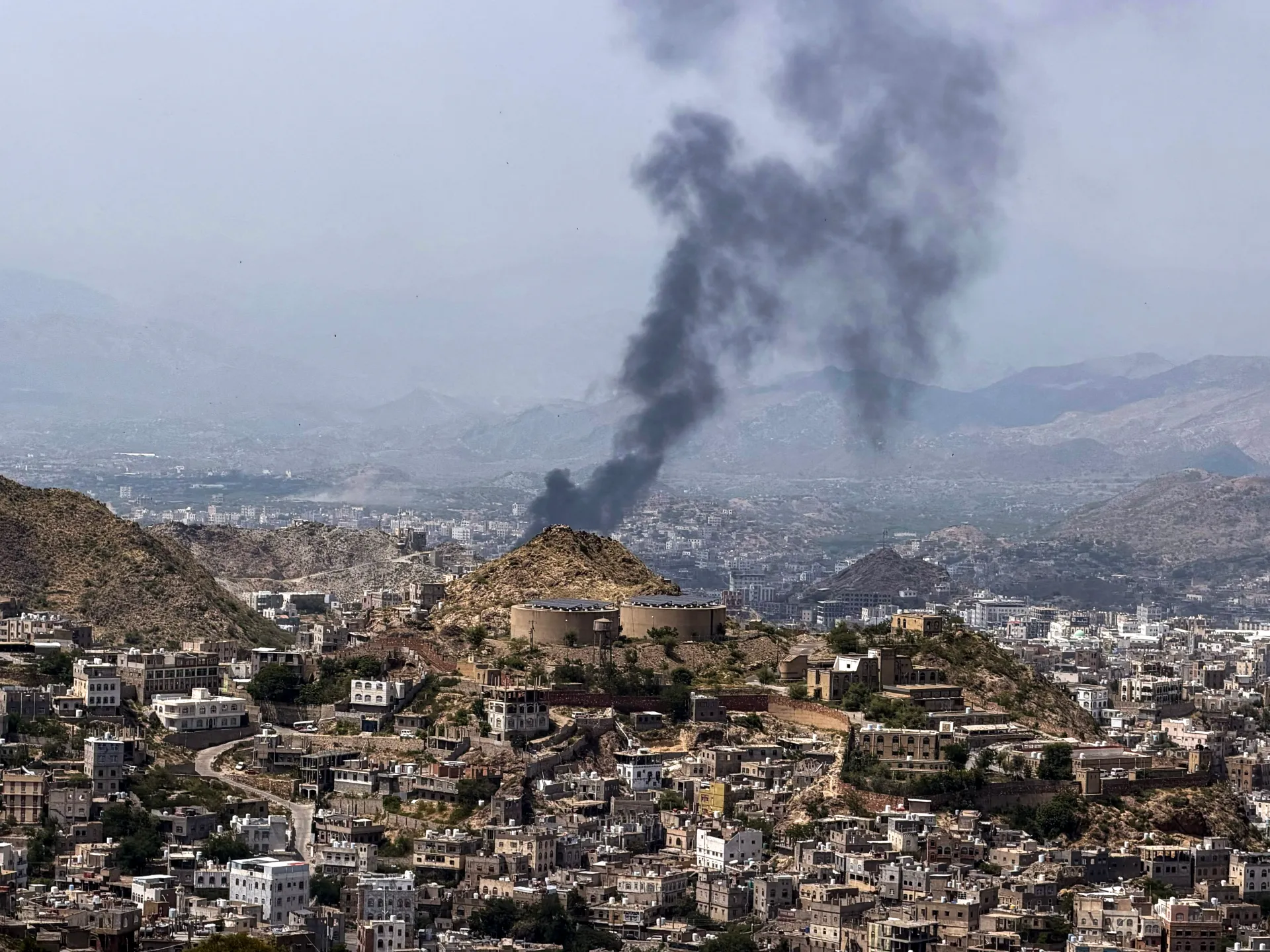
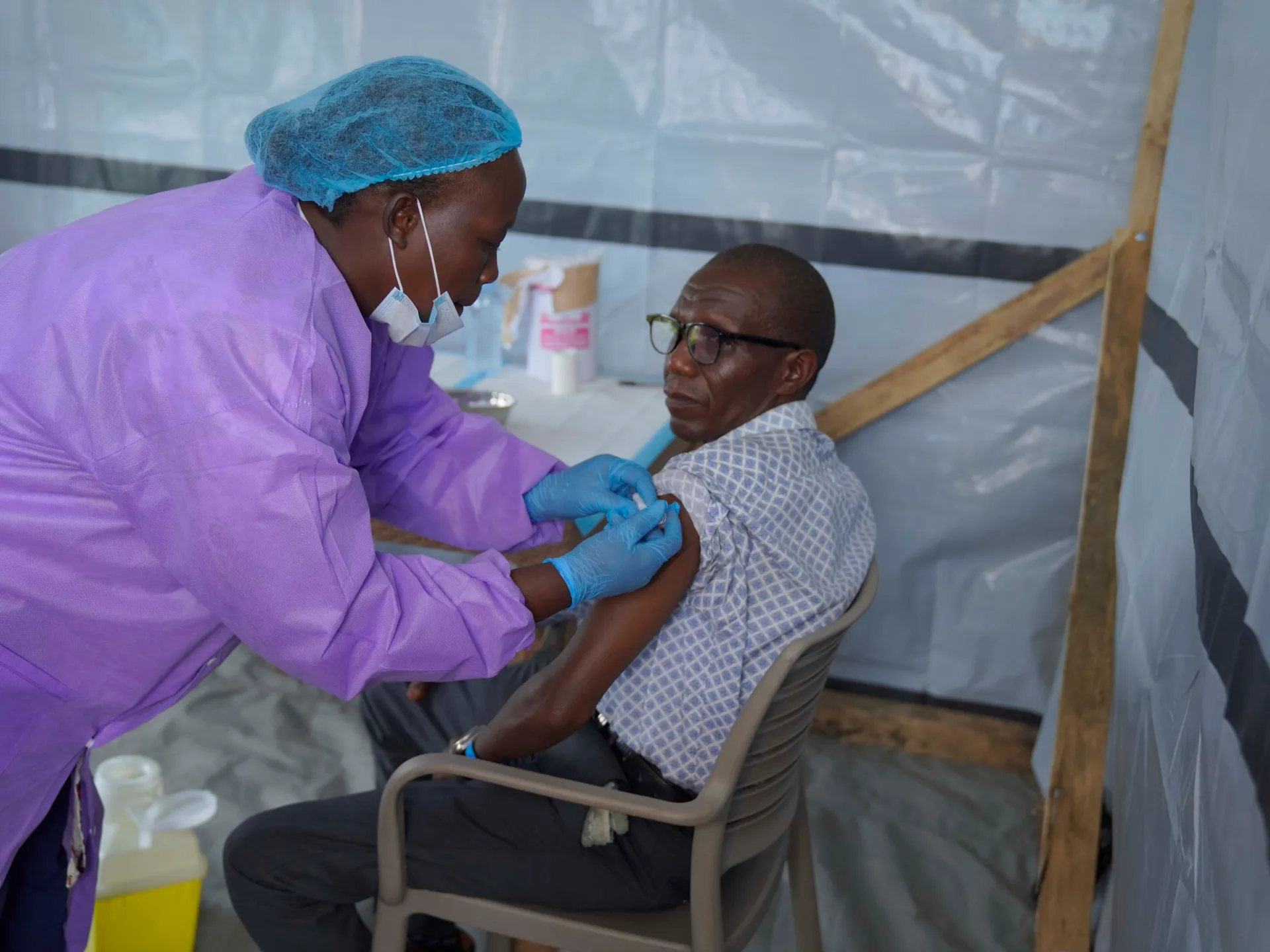




![Police arrive at Alfred Hospital where Australian politician Helen Haines is being treated in Melbourne on October 20, 2026 [Martin Keep/AFP]](https://i0.wp.com/occasionaldigest.com/wp-content/uploads/2026/10/AFP__20261020__D3T463E__v1__HighRes__AustraliaPoliticsAttack-1792461122.jpg?w=640&ssl=1)




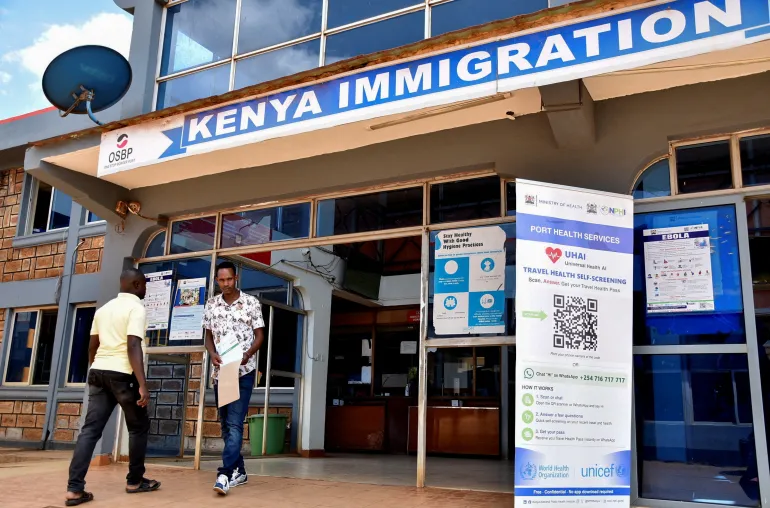
![Travellers walk at the Kenya immigration services to access port health services at the Busia One Stop Border Post, crossing-point between Kenya and Uganda, after a man who had been living in the Democratic Republic of Congo travelled and died of a new Ebola outbreak involving the Bundibugyo species at the Nairobi Hospital, in Busia, Kenya October 8, 2026 [James Keyi/Reuters]](https://i0.wp.com/occasionaldigest.com/wp-content/uploads/2026/10/2026-10-14T155735Z_34711835_RC22ZNATTZD9_RTRMADP_3_HEALTH-EBOLA-KENYA-1792367033.jpg?w=640&ssl=1)
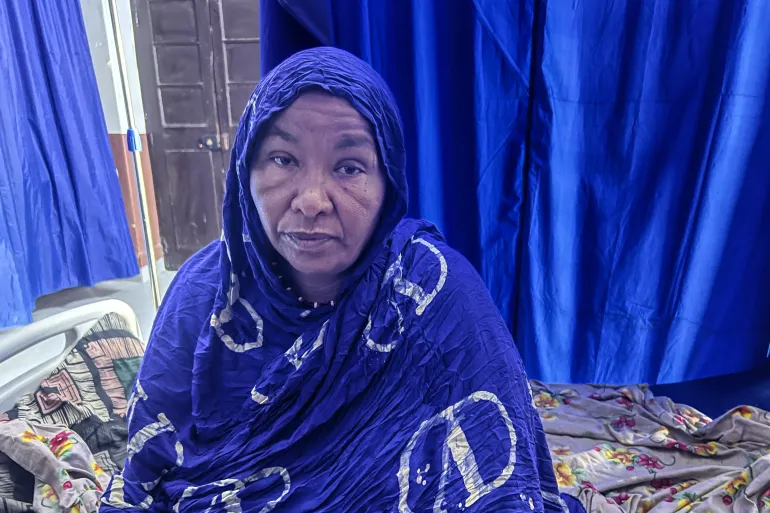


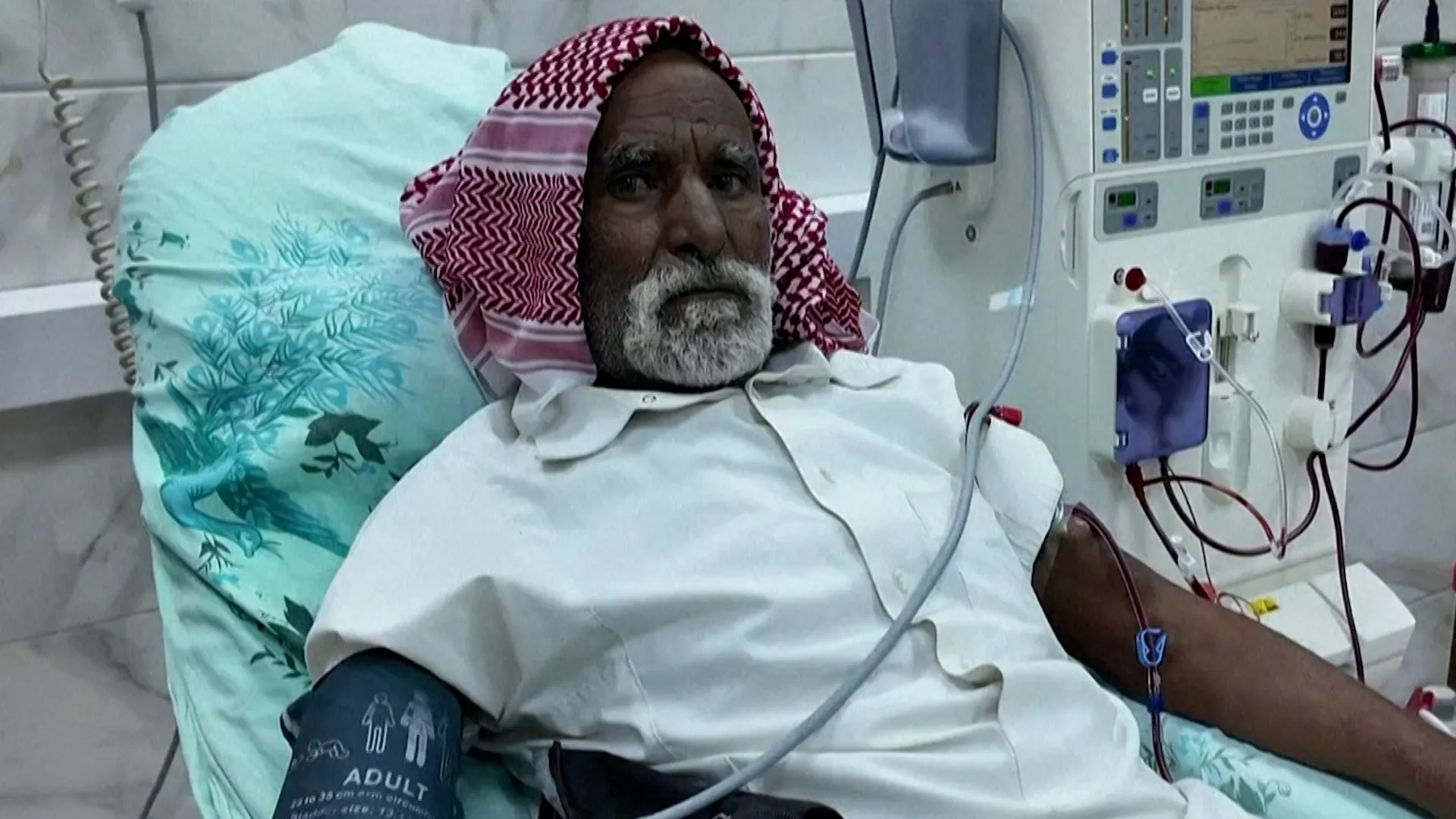
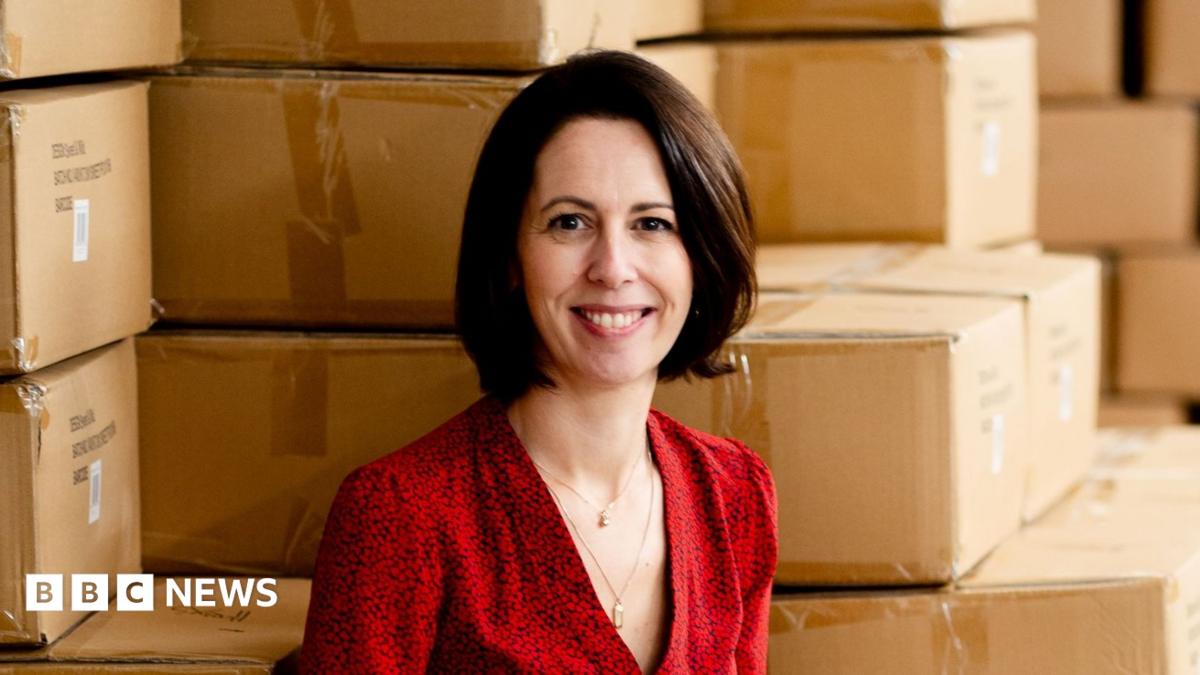


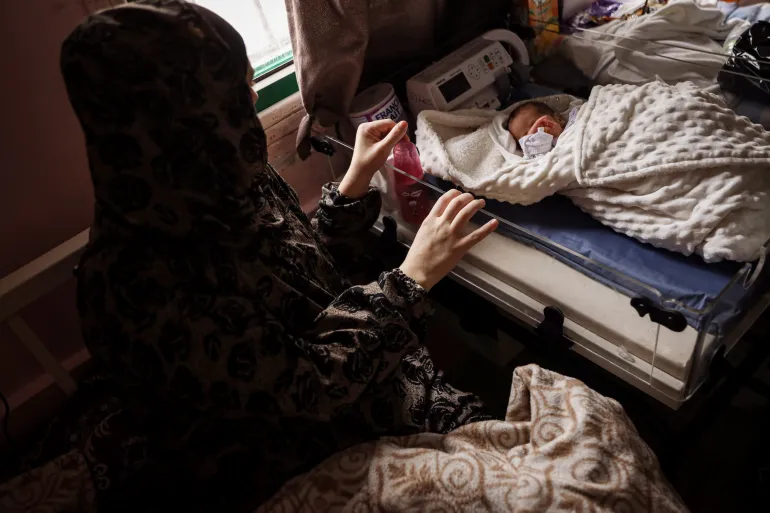
![Rania Fadel stays with her premature son, Ilyas, in the external neonatal unit at Nasser Medical Complex in Khan Younis, practising kangaroo care to support his recovery. [Abdelhakim Abu Riash/ Al Jazeera]](https://i0.wp.com/www.aljazeera.com/wp-content/uploads/2026/10/873A1075-copy-1792081986.jpg?w=640&ssl=1)
![A shortage of incubators at Nasser Medical Complex in Khan Younis, southern Gaza, has forced medical staff to place two babies in one incubator amid overcrowding. [Abdelhakim Abu Riash/ Al Jazeera]](https://i0.wp.com/www.aljazeera.com/wp-content/uploads/2026/10/873A1154-copy-1792082062.jpg?w=640&ssl=1)
![Linda Abu Nasira holds her newborn daughter during a kangaroo care session. [Abdelhakim Abu Riash/ Al Jazeera]](https://i0.wp.com/www.aljazeera.com/wp-content/uploads/2026/10/873A1380-copy-1792082204.jpg?w=640&ssl=1)
![A nurse explains to Linda Abu Nasira how to practise kangaroo mother care and how it works during a session. [Abdelhakim Abu Riash/ Al Jazeera]](https://i0.wp.com/www.aljazeera.com/wp-content/uploads/2026/10/873A1313-copy-1792082250.jpg?w=640&ssl=1)