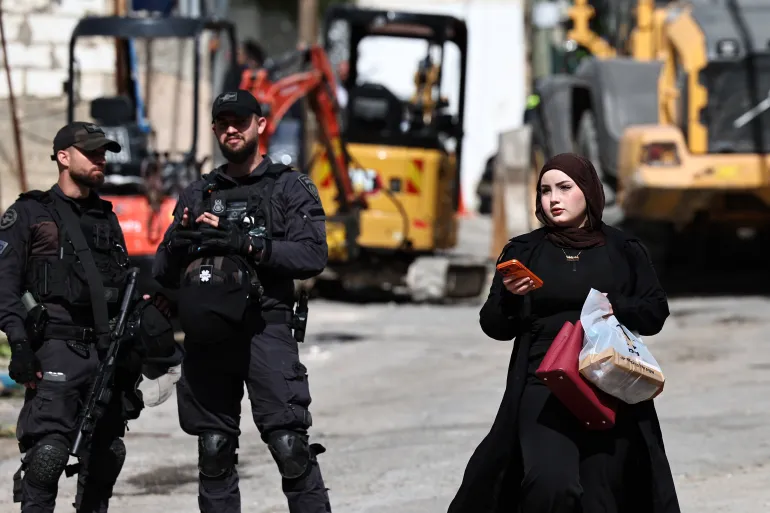
As conflict in the Middle East enters its fifth day on Wednesday, American and Israeli officials are pushing rhetoric suggesting that the campaign against Iran is a religious war.
On Tuesday, Muslim civil rights organisation, the Council on American-Islamic Relations (CAIR), condemned the Pentagon’s use of this rhetoric, deeming it “dangerous” and “anti-Muslim”.
The United States and Israel began their attack on Iran on Saturday and have continued to carry out strikes on Iran since then. In retaliation, Iran has hit back at targets in Israel, and US military assets in Bahrain, Saudi Arabia, Qatar, the United Arab Emirates, Iraq and Cyprus.
A US watchdog has reported that US troops have been told the war is intended to “induce the biblical end of times”. US Secretary of State Marco Rubio also recently stated that Iran is run by “religious fanatic lunatics”.
What are American and Israeli leaders saying?
US watchdog Military Religious Freedom Foundation (MRFF) said it has received emailed complaints that US service members were told the war with Iran is meant to “cause Armageddon”, or the biblical “end times”.
An unnamed noncommissioned officer wrote in an email to MRFF that a commander had urged officers “to tell our troops that this was ‘all part of God’s divine plan’ and he specifically referenced numerous citations out of the Book of Revelation referring to Armageddon and the imminent return of Jesus Christ”.
The MRFF is a nonprofit organisation dedicated to upholding religious freedom for US service members.
The officer claimed the commander had told the unit that Trump “has been anointed by Jesus to light the signal fire in Iran to cause Armageddon and mark his return to Earth”.
Israeli and US leaders have also resorted to religious rhetoric in public.
Last month, Mike Huckabee, the US ambassador to Israel, told conservative US commentator Tucker Carlson during an interview that it would be “fine” if Israel took “essentially the entire Middle East” because it was promised the land in the Bible. However, Huckabee added that Israel was not seeking to do so.
Speaking to the media on Tuesday this week, Rubio said: “Iran is run by lunatics – religious fanatic lunatics. They have an ambition to have nuclear weapons.”
And, the previous day in a Pentagon news briefing, US Secretary of Defense Pete Hegseth said: “Crazy regimes like Iran, hell-bent on prophetic Islamic delusions, cannot have nuclear weapons.”
In its statement, CAIR claimed that Hegseth’s words are “an apparent reference to Shia beliefs about religious figures arising near the end times”.
On Sunday, Israeli Prime Minister Benjamin Netanyahu referenced the Torah, comparing Iran with an ancient biblical enemy, the Amalekites. The “Amalek” are known in Jewish tradition as representing “pure evil”.
“We read in this week’s Torah portion, ‘Remember what Amalek did to you.’ We remember – and we act.”
CAIR said: “We are not surprised to see Benjamin Netanyahu once again using the biblical story of Amalek – which claims that God commanded the Israelites to murder every man, woman, child and animal in a pagan nation that attacked them – to justify Israel’s mass murder of civilians in Iran, just as it did in Gaza.”
The statement added that every American should be “deeply disturbed by the ‘holy war’ rhetoric” being spread by the US military, Hegseth and Netanyahu to justify the war on Iran.
“Mr Hegseth’s derisive comment about ‘Islamist prophetic delusions’, an apparent reference to Shia beliefs about religious figures arising near the end times, was unacceptable. So is US military commanders telling troops that war with Iran is a biblical step towards Armageddon.”
Why are US and Israeli leaders framing the conflict with Iran as a religious war?
By attempting to frame the conflict as a holy war, leaders are using theological beliefs to “justify action, mobilise political opinion, and leverage support”, Jolyon Mitchell, a professor at Durham University in the UK, told Al Jazeera.
“Many on both sides of this conflict believe that they have God on their side. God is enlisted in this conflict, as with many others, to support acts of violence. The demonisation and dehumanisation of the enemy, the ‘other’, will inevitably make building peace after the conflict even harder,” Mitchell said.
“There are several overlapping reasons, and they operate at different levels: domestic mobilisation, civilisational framing, and strategic narrative construction,” Ibrahim Abusharif, an associate professor at Northwestern University in Qatar, told Al Jazeera.
Domestic mobilisation refers to rallying a country’s own people. Leaders can frame conflict as religious and hence morally clear and urgent, rallying public support, he said.
In a video circulating on social media this week, Christian Zionist pastor and televangelist John Hagee is seen delivering a sermon promoting the US assault on Iran. Hagee said that Russia, Turkiye, “what’s left of Iran” and “groups of Islamics” will march into Israel. He said that God will “crush” the “adversaries of Israel”.
“Religious language mobilises domestic constituencies,” Abusharif said, explaining that in the US, this connects deeply with many evangelicals and Christian Zionists, because they already see Middle East wars as part of a religious “end times” story.
“References to the ‘end times’, the Book of Revelation, or biblical enemies are not incidental; they activate a cultural script already present in American political theology.”
Civilisational framing refers to the creation of an “us vs them” dichotomy, casting the conflict as a clash between whole ways of life or faiths, not just a dispute over borders or policy, he added. Hence, statements such as Hegseth’s reference to “prophetic Islamic delusions” simplify the terms of the war in the minds of ordinary people.
“Wars are difficult to justify in technical strategic language,” Abusharif said.
“Casting the conflict as a struggle between ‘civilisation and fanaticism’, or between biblical ‘good and evil’, transforms a complicated regional confrontation into a moral drama that ordinary audiences can easily grasp.”
“Israeli leadership has long used biblical referents as political language. We all are familiar with it. The narratives have become globalised. In Israeli political discourse, this language situates contemporary conflict within a long historical narrative of Jewish survival, and it signals existential stakes,” Abusharif said.
Have US or Israeli leaders made religious references before?
Netanyahu and other Israeli officials have used the term “Amalek” before in reference to Palestinians in Gaza during Israel’s genocidal war in Gaza.
Historically, during wars or military confrontations, US presidents and senior officials have also invoked the Bible or used Christian language.
President George W Bush invoked similar language after the September 11, 2001 attacks.
On September 16, 2001, Bush said: “This crusade, this war on terrorism, is going to take a while.” The Crusades were a series of religiously framed wars, mainly between the 11th and 13th centuries, in which the papacy fought against Muslim rulers for territory.
The White House later tried to distance Bush from the word “crusade” to clarify that Bush was not waging a war against Muslims.
Abusharif said that the war on Iran is about power and politics, but using religious rhetoric energises supporters and “moralises” the conflict.
“The war itself is not theological. It is geopolitical. But the language surrounding it increasingly draws on sacred imagery and civilisational narratives. That rhetoric can mobilise supporters and frame the conflict in morally absolute terms,” Abusharif said.
“Yet it also carries risks: once a war is cast in sacred language, political compromise becomes harder, expectations become higher, and the global perception of the conflict can shift in ways that complicate diplomacy.”
Donald’s reappointment always felt like a no-brainer – certainly from the perspective of the European Ryder Cup committee trying mastermind another home victory, the players who adore and admire the Englishman, and the thousands of European fans who jubilantly chanted “two more years” as they partied at Bethpage.
The only one who seemed to need convincing was Donald himself.
Donald has thrown everything into the role – arguably more than any other captain in the 99-year history of the iconic event. So it is no surprise he wanted to take his time over the decision whether to continue or not.
On the morning after Europe clung on to victory, Donald looked exhausted when he sat down for a BBC Sport interview.
It was not a hangover from the celebrations. It was a hangover from the mental and physical exertions spent over the whole Bethpage cycle.
What Donald had to weigh up was whether he had enough energy to go through another 18 months of meticulous research, preparation and implementation.
His leadership has been characterised by warm man-management and attention to detail.
How many captains regularly message a wide pool of playing candidates in an attempt to make each one of them feel integral to the team?
How many captains have asked for cracks in hotel doors to be covered because they let too much light into the rooms and could disrupt sleep?
Minor moves in a macro machine. That is what Donald has built his Ryder Cup dynasty on.
In the midst of the beer-swilling the Bethpage shindig, Shane Lowry remarked that whoever follows Donald – whenever that might be – will have to fill a void as big as the one left by Sir Alex Ferguson at Manchester United.
If Donald manages to complete a rare Treble, like Fergie did in 1999, his place in the pantheons of British sporting leaders will also be secured.
Madrid, Spain – Spain has pledged to keep opposing the war waged by the United States and Israel on Iran after President Donald Trump said Washington would cut off all commercial links with Madrid.
Trump’s rebuke on Tuesday came after Washington’s European ally refused to let the US military use its bases for missions linked to strikes on Iran.
Recommended Stories
list of 4 itemsend of list
“Spain has been terrible,” the president told reporters on Tuesday during a meeting with German Chancellor Friedrich Merz, adding, “We’re going to cut off all trade with Spain. We don’t want anything to do with Spain.”
Spanish Prime Minister Pedro Sanchez, one of the few left-wing leaders in Europe to condemn the US-Israel attack on Iran as “unjustifiable” and “dangerous”, said in a televised nationwide address on Wednesday that Spain’s position was “no to the war”.
“This is how humanity’s great disasters start … The world cannot solve its problems with conflicts and bombs.”
His position cements Spain’s status as an outlier in Europe; Madrid has been one of the few European nations to consistently condemn Israel’s genocidal war on Gaza.
At the Patron Bar in Malasana, Madrid, Gema Tamarit watched Sanchez’s address on the television in the restaurant, which turned up the volume.
“That Trump is mad. We are not afraid of him. Good for Sanchez for sticking up to him. Some more leaders in Europe should do the same,” said Tamarit, 53, a software engineer. “Of course, Iran is an awful regime, but is this the way to change things, by going to war like this?”
A series of opinion polls suggests that more than half of Spaniards oppose Trump’s foreign policy.
According to a poll published by Eurobazuka in February, 53 percent said they opposed the US president’s policies, the third highest group by nationality after the French and Belgians, with 57 percent and 62 percent, respectively.
In another poll published in January, nearly 60 percent of Spaniards said they disagreed with the US president’s operation to arrest the former Venezuelan President Nicolas Maduro, according to a survey published by GESOP for Prensa Iberica media group.
The Eurobazuka poll said 48 percent of Europeans considered Trump to be “an enemy of Europe”, compared with 10 percent who believed he was an ally.
Trump’s trade threat
Analysts said the US may not be able to inflict much commercial damage on Spain, as it is part of the European Union.
Last month, the US Supreme Court declared Trump’s threat to impose a range of tariffs worldwide as illegal.
Victor Burguete, an expert in trade and economics at the Barcelona Centre for International Affairs think tank, said the only way Trump could act against Spain would be to prove the US faced a situation of national emergency.
“It is not likely that he can prove acting against Spain is a national emergency,” he told Al Jazeera. “I think this is more a threat than a real possibility of ending trade with Spain.
The dispute erupted when the US relocated 15 aircraft, including refuelling tankers, from the Rota and Moron military bases in southern Spain on Monday after the country’s socialist government said it would not allow them to be used to attack Iran.
Trump has also referred to Spain’s refusal to raise spending on NATO from 2 to 5 percent of gross domestic product, saying “Spain has absolutely nothing that we need.”
Sanchez has provoked Trump’s anger with policies including refusing to let vessels transporting weapons to Israel dock in Spain and condemning Israel’s genocide in Gaza. Spain was among the first European nations to recognise a State of Palestine in 2024, along with Ireland, Slovenia and Norway.
“Trump is just angry because Spain has refused to raise NATO spending and condemned the technology companies connected with social media. And done this publicly,” said Burguete.
Spain last month announced it was considering banning children under 16 from accessing social media, and was studying legal action against Grok, Instagram and TikTok.
Bruguete said he believed Sanchez took this stance against the war because he opposed the “strongman politics” of Trump, but also because it played well domestically before the general elections next year.
“There is no doubt that the foreign policy of Trump is not popular in Spain,” he added.
Spain is the world’s top exporter of olive oil and sells auto parts, steel and chemicals to the US, but is less vulnerable to Trump’s threats of economic punishment than other European nations.
The US had a trade surplus with Spain for the fourth year in a row in 2025, at $4.8bn, according to US Census Bureau Data, with US exports of $26.1bn and imports of $21.3bn.
The EU said on Wednesday it expected the US to abide by a trade deal with the EU, was “ready to act” to safeguard its interests, and stood in “full solidarity” with member states, but did not name Spain.
China’s foreign minister tells Israel to end attacks; Russian FM Lavrov says no sign Tehran seeking nuclear bomb.
Russia and China have criticised the US and Israeli attacks on Iran, with Moscow saying it had seen no evidence that Tehran was developing nuclear weapons, and Beijing demanding an immediate halt to the joint attacks.
Chinese Minister of Foreign Affairs Wang Yi told his Israeli counterpart, Gideon Saar, on Tuesday that the attack on Iran came as negotiations between Washington and Tehran had “made significant progress, including addressing Israel’s security concerns”, China’s Foreign Ministry said in a statement.
Recommended Stories
list of 4 itemsend of list
“Regrettably, this process has been interrupted by military action. China opposes any military strikes launched by Israel and the US against Iran,” Wang told the Israeli foreign minister during a phone call, according to the ministry.
“China calls for an immediate cessation of military operations to prevent the further escalation and loss of control of the conflict,” Wang said.
“Force cannot truly solve problems; instead, it will bring new problems and serious long-term consequences,” he added.
According to the Chinese Foreign Ministry, Saar agreed to a request from Wang to take “concrete measures to ensure the safety of Chinese personnel and institutions” in Iran.
The call on Tuesday with Israel and Beijing’s apparent efforts to stabilise the spiralling regional situation followed calls Wang made on Monday to discuss the conflict with the foreign ministers of Iran, Oman and France.
‘US doesn’t attack those who have nuclear bombs’
Russian Foreign Minister Sergey Lavrov also criticised the US and Israel on Tuesday, saying their war on Iran could lead to the very outcome they claimed they wanted to prevent: nuclear proliferation.
Lavrov told a news conference that the logical consequence of the US and Israel’s actions could be that “forces will emerge in Iran… in favour of doing exactly what the Americans want to avoid – acquiring a nuclear bomb”.
“Because the US doesn’t attack those who have nuclear bombs,” Lavrov said.
Lavrov also said that Arab countries could now join the race to acquire nuclear weapons, given the experience of recent days and “the nuclear proliferation problem will begin to spiral out of control”.
Israel is widely seen as the Middle East region’s only nuclear-armed state, which it neither confirms nor denies.
“The seemingly paradoxical declared noble goal of starting a war to prevent the proliferation of nuclear weapons could stimulate completely opposite trends,” he said.
Lavrov, who said that Moscow had still seen no evidence that Iran was developing nuclear weapons, spoke with his Iranian counterpart, Abbas Araghchi, on Tuesday, and said that Russia stood ready to help find a diplomatic solution to the conflict, while rejecting the US and Israel’s use of “unprovoked military aggression” in the region.
As the US and Israel launched their first strikes on Iran on Saturday, Russia’s Foreign Ministry accused the close allies of carrying out a “premeditated and unprovoked act of armed aggression against a sovereign and independent UN member state”.
The two countries had hidden their true intention of regime change in Tehran “under the cover” of negotiations to normalise relations with Iran, the ministry said.
The US and Israel were “swiftly pushing the region toward a humanitarian, economic, and potentially even radiological disaster”, the ministry warned.
“Responsibility for the negative consequences of this manmade crisis, including an unpredictable chain reaction and spiralling violence, lies entirely with them,” the statement added.
Russia has faced its own accusations of aggression against a sovereign state after it launched a full-scale invasion of Ukraine, a war now in its fifth year.
French President Emmanuel Macron has warned Israel against invading Lebanon, after the Israeli military said its troops had begun operating in the south of the country following Hezbollah attacks.
Diego Simeone’s side reach Copa del Rey final for the first time since 2013 with 4-3 aggregate semifinal victory.
Published On 3 Mar 20263 Mar 2026
Share
Atletico Madrid struggled through a 3-0 Copa del Rey semifinal second leg defeat at Barcelona, but scraped into the final 4-3 on aggregate.
The Spanish champions almost produced a comeback for the ages on Tuesday after their 4-0 first-leg defeat in early February, but fell just short at Camp Nou.
Recommended Stories
list of 4 itemsend of list
Eighteen-year-old Marc Bernal netted twice for the record 32-time winners, and Raphinha scored a penalty, as Barcelona tried in vain to claw back the lead for Diego Simeone’s side.
Atletico, who clung on desperately in the final stages, returned to the final for the first time since 2013.
They will face Real Sociedad or Athletic Bilbao, who meet on Wednesday in the second semifinal leg.
Barcelona came out flying, and Fermin Lopez’s long-range effort just over the bar set the tone, as Hansi Flick’s side threw everything they had at a potential comeback.
They were dealt an early setback when Jules Kounde went off injured in the opening stages. Antoine Griezmann came close against his former side, as Atletico threatened on the counterattack.
Ferran Torres fired wide and had a shot saved low at the near post by Atletico goalkeeper Juan Musso before Barcelona took the lead.
Teenage player Lamine Yamal drilled across the face of the goal for Bernal to finish from close range, with one 18-year-old setting up another.
Ademola Lookman headed narrowly off-target for Atletico and came to rue the miss as Barca doubled their advantage before the interval.
Spain midfielder Pedri was tripped in the box by Marc Pubill, and Raphinha sent Musso the wrong way from the spot.
Joao Cancelo almost grabbed the third, but his shot was beaten away by Musso at full stretch, with Diego Simeone’s team on the ropes.
Bernal set up a frantic finale when he volleyed home Cancelo’s swirling cross to take Barca within one goal of the crumbling Rojiblancos.
Flick put centre-back Ronald Araujo up front for the final stages, in search of a fourth goal to “make the impossible possible”, as he called on his team to do before the game.
Gerard Martin hammered narrowly over the bar as Barca turned the screw, with fans roaring the team on through six minutes of stoppage time.
The Rojiblancos fended off Barca and booked their place in the Seville final on April 18.
Musso said getting through to the final was the most important thing.
“Barcelona are one of the best teams in the world, but we got through,” he said after the game.
“We are going to the final; we will give our everything, and get the Copa del Rey.”
Meanwhile, Raphinha said he was proud of his teammates, even if they just fell short.
“The fans could see we gave everything we had. You have to understand, we were up against a side who were defending [well] and doing what they needed to do… We did everything possible, but lacked a little bit,” he said.
“What happened today is in the past. We wanted to get in the final, but it happens … For now, we will go for the La Liga and Champions League [titles].”
UK Prime Minister Keir Starmer has allowed the US to use British bases for so-called “defensive strikes” targeting Iran, after Tehran started hitting civilian targets. Still, Al Jazeera’s Milena Veselinovic explains why US President Trump says the US-UK relationship isn’t what it used to be.
“We’re going to cut off all trade with Spain.” Donald Trump targeted Spain in an Oval Office tirade, complaining about Madrid’s refusal to let its bases be used for attacks on Iran. He also joined the German chancellor in saying Spain doesn’t spend enough on its military.
South Africa captain Aiden Markram says his team’s win over New Zealand in the group phase will count for nothing in the T20 World Cup semifinal, which will be a “completely fresh start”.
The two teams clash at Kolkata’s Eden Gardens in the first semifinal on Wednesday, with both having never lifted a cricket World Cup in either the 20-over or 50-over formats.
Recommended Stories
list of 4 itemsend of list
South Africa are the only unbeaten side in the last four, and are trying to rid themselves of a reputation for choking in the final stages at World Cups.
They have been the team to beat in this edition and got the better of New Zealand by seven wickets in a group game in Ahmedabad on February 15.
“We had a good run against them in the group stages, but both teams have played a lot of cricket since then,” Markram told reporters on Tuesday.
“It’s a completely fresh start [on Wednesday] and it being a semifinal, which is exciting as well.
“I don’t think it’s as straightforward as just being able to repeat that. We’ll try to bring our best game to the front again.”
South Africa suffered a heartbreaking defeat in the 2024 T20 World Cup final against India in Barbados, when they needed 30 off 30 balls with six wickets and lost by seven runs after a clatter of wickets.
The Proteas beat India and the West Indies in the Super Eight to have many marking them down as the favourites to lift the trophy.
“With regards to being favourites or not, that’s all different people’s opinions,” said Markram.
“Us as a team really just try to focus on putting good games of cricket together and playing that exciting brand that we’ve been trying to play for the last 18 months or so.”
Markram has led South Africa from the front with 268 runs, including three half-centuries and a top score of 86 not out in seven matches.
He holds an impressive captaincy record of 15 wins in 16 T20 World Cup matches, with the only defeat in the 2024 final.
“The senior guys in the team, we lean on them a lot. They help guide you and lead you when you have a few doubts,” said Markram.
“I think because of that and a really strong group of players over the years, we’ve developed that. Fortunately, it reflects well, but it’s definitely a reflection on the group as a whole.”
New Zealand ‘back themselves’ as outsiders for T20 World Cup
Underdogs New Zealand, meanwhile, back themselves against anyone in “one-off games”, according to captain Mitchell Santner.
Santner admitted that Markram’s unbeaten South Africa were “very good”.
New Zealand have lost twice at this edition, also falling to England in the Super Eight, and squeaked into the semifinals on net run-rate ahead of Pakistan.
“Whether you want to call us the underdogs or not, I think for us it is everyone’s goal throughout the tournament to get to this stage,” Santner told reporters at Eden Gardens.
“We are here now, and we back ourselves on one-off games against most teams, being able to adapt as quick as we can to what’s in front of us.
“South Africa look like a very good outfit as they have shown.
“I guess they are in the same boat as us now, it is one game, and you are into the final,” said the left-arm spinner.
New Zealand will be playing their fourth semi-final in the last five T20 World Cups. They reached the final in 2021 but lost to Australia.
“It is probably two teams that have been in and around it for a long time. We know the heartbreak of South Africa two years ago,” Santner added.
“It is whoever turns up on the day, whoever sees the conditions the best.”
New Zealand are the only semifinalist to lose more than once in the tournament and defeated only two Test-playing nations on the way to the last four – Afghanistan and cohosts Sri Lanka.
“We haven’t played the perfect game throughout this tournament,” said Santner.
“That’s a good thing for us. If we can put it all together, it can put us in a pretty good position.
“There is no real hiding or secrets about what South Africa are going to bring.
“We know they are probably going to roll out the same team and a very good team.”
New Zealand fast bowler Matt Henry returned home for the birth of his second child after the defeat to England in Colombo on Friday.
Santner said the bowler would arrive back later Tuesday night.
“He’ll obviously have a little run around in the morning to see if he’s ready to go.”
Spanish Prime Minister Pedro Sanchez has condemned US and Israeli strikes on Iran.
Published On 2 Mar 20262 Mar 2026
Share
Spain says the United States is not using – and will not be using – joint military bases on its territory for operations against Iran, a mission condemned by Madrid.
“Based on all the information I have, the bases are not being used for this military operation,” Foreign Minister Jose Manuel Albares told Spanish public television on Monday.
Recommended Stories
list of 4 itemsend of list
Prime Minister Pedro Sanchez has condemned US and Israeli strikes on Iran that began on Saturday as an “unjustified” and “dangerous military intervention” outside the realm of international law, in another break from US policy.
“The Spanish government will not authorise the use of the bases for anything beyond the agreement or inconsistent with the United Nations,” Albares said, referring to the Rota naval base and the Moron airbase.
The US operates at the bases under a joint-use arrangement, but they remain under Spanish sovereignty.
Defence Minister Margarita Robles said the bases “will not provide support, except if, in a given case, it were necessary from a humanitarian perspective”.
Spain also condemned the retaliatory attacks by Iran on Gulf countries.
According to maps by flight-tracking website FlightRadar24 on Monday, 15 US aircraft have left bases in southern Spain since the US and Israel launched attacks on Iran. At least seven of the aircraft were shown on FlightRadar24 as having landed at Ramstein airbase in Germany.
The Spanish position is an outlier among the major European countries.
Britain had also initially refused to allow the use of its bases for an attack on Iran, but on Sunday, Prime Minister Keir Starmer authorised their use for “collective self-defence”, amid Iranian counterattacks targeting US assets across the Middle East and energy infrastructure in the Gulf region.
France and Germany, meanwhile, are prepared to do the same.
The three countries’ leaders were “appalled by the indiscriminate and disproportionate missile attacks launched by Iran against countries in the region, including those who were not involved in initial US and Israeli military operations”, read a joint statement on Sunday.
“We have agreed to work together with the US and allies in the region on this matter,” they stated.
QatarEnergy has suspended liquefied natural gas (LNG) production following a drone attack, straining the global LNG market.
On Monday, Iranian drones struck two sites, according to Qatar’s Ministry of Defence: a water tank at a power plant in Mesaieed Industrial City and an energy facility in Ras Laffan belonging to QatarEnergy, the world’s largest LNG producer.
Recommended Stories
list of 4 itemsend of list
While no casualties were reported, QatarEnergy suspended the production of LNG and other products at the impacted sites for security reasons.
Why did QatarEnergy suspend operations?
The drone attacks hit the Ras Laffan complex, which is home to processing units for liquefied natural gas set to be exported.
The state-owned energy company was forced to declare what is known as force majeure, when a company is freed from contractual obligations in the event of extraordinary circumstances, such as a drone attack, according to Reuters and Bloomberg News, citing people familiar with the matter.
This comes at a time when intensifying sea battles between Iran and the United States, coupled with missiles flying over the region, have effectively choked the Strait of Hormuz, a strategic trade route. At least 150 vessels have dropped anchor, including those carrying LNG, in the strait and surrounding areas, according to Reuters.
Traffic in the strait for both LNG and oil has declined by 86 percent, with roughly 700 ships sitting idle on either side of the passage, according to the Anadolu news agency.
How will this impact the broader global LNG market?
Qatar’s LNG exports represent 20 percent of the global market. With fewer products reaching the market, LNG supply is down, causing prices to surge.
“Definitely an escalation overnight with pressure on energy infra in the Gulf,” said Rachel Ziemba, a senior fellow at the Center for a New American Security, a think tank.
The countries hit the most directly are Asian markets, particularly Bangladesh, India, and Pakistan.
China is the world’s largest importer of natural gas, but it gets the majority of its imports from Australia, accounting for 34 percent of its imports, according to the US Energy Information Administration.
Maksim Sonin, an energy expert at Stanford University’s Center for Fuels of the Future, however, said that while QatarEnergy’s decision would bring “volatility” to energy markets, he wouldn’t describe the situation as a “crisis” just yet.
“We will see near-term volatility in the LNG market, especially if infrastructure in Qatar and other hubs is damaged,” Sonin told Al Jazeera. However, he added, “I do not expect the 2022 gas crisis to repeat in Europe,” referring to the period following Russia’s full-fledged invasion of Ukraine, when many European nations tried to dramatically scale back their dependence on Russian oil and gas.
Which are the world’s largest LNG exporters?
Until 2022, Russia was the world’s biggest exporter of LNG, but its sales have plummeted since its war on Ukraine began.
Now, the US is the world’s largest exporter of LNG, followed by Qatar and Australia.
Will this add pressure on Europe?
While 82 percent of QatarEnergy’s sales are to Asian countries, the halt puts increased pressure on other markets across the globe, too, particularly in Europe.
In effect, a smaller supply of gas will need to meet the same global demand. As a result, gas prices have already started soaring: Benchmark Dutch and British wholesale gas prices soared by almost 50 percent, while benchmark Asian LNG prices jumped almost 39 percent, on Monday after the QatarEnergy announcement.
“Not good if Qatar stays offline for long, of course,” said Ziemba. The only silver lining for Europe: “At least the worst of the winter in Europe may be behind,” Ziemba pointed out.
The European Union’s gas coordination group will meet on Wednesday to assess the impact of the widening conflict in the Middle East, a European Commission spokesperson told Reuters on Monday. The group includes representatives from member state governments. It monitors gas storage and security of supply in the EU, and coordinates response measures during crises.
Early on Monday, a suspected Iranian drone crashed into the runway at the United Kingdom’s RAF Akrotiri base in southern Cyprus. British and Cypriot officials said the damage was limited. There were no casualties.
Hours later, two drones headed for the base were “dealt with in a timely manner”, according to the Cypriot government.
Recommended Stories
list of 4 itemsend of list
The incidents came as Prime Minister Keir Starmer signalled on Sunday that the UK was prepared to support the United States in its confrontation with Iran – raising the prospect that it could be drawn deeper into a war it did not choose by its closest ally.
In a joint statement with the leaders of France and Germany, Starmer said the European group was ready to take “proportionate defensive action” to destroy threats “at their source”.
Later, in a televised address, he confirmed that Westminster approved a US request to use British bases for the “defensive purpose” of destroying Iranian missiles “at source in their storage depots, or the launches which are used to fire the missiles”.
But his agreement did little to placate US President Donald Trump, who said the decision came too late.
UK-based military analyst Sean Bell cautioned against reading too much into the Akrotiri incident.
“I understand the projectile that hit Cyprus was not armed, it hit a hangar [with] no casualties, and appears to have been fired from Lebanon,” he said, citing sources.
Al Jazeera was not able to independently verify the claim.
The broader context, he argued, is more consequential.
The US has taken the action “and everybody else is having to deal with the fallout”, he said.
Iran’s military strength lies in its extensive ballistic missile programme, he said, adding that while some have the range to threaten the UK, they do not extend far enough to strike the US.
“I don’t think [US] President Trump has yet made the legal case for attacking Iran, and … international law makes no discrimination between a nation carrying out the act of war and a nation supporting that act of war, so you’re both equally complicit,” he said.
Bell said that Washington likely reframed the issue, communicating to London that, whatever triggered the escalation, US forces were now effectively defending British personnel in the region.
That shift, he suggested, provided a legal basis to “not to attack Iran, but to protect our people”, allowing the UK to approve US operations from its bases under a “very, very clear set of instructions” tied strictly to national interest and defence.
UK officials ‘tying themselves in knots’
However, concerns of complicity had reportedly shaped earlier decisions, according to Tim Ripley, editor of the Defence Eye news service, who said the British government initially concluded that US and Israeli strikes on Iran did not meet the legal definition of self-defence under the United Nations Charter.
When Washington requested the use of bases such as RAF Fairford in Gloucestershire, UK, and Diego Garcia in the Indian Ocean, Starmer is understood to have consulted government lawyers, who advised against participation.
Up until Starmer’s televised address, in which he approved the US request, the UK had not considered the campaign a war of self-defence, said Ripley. While Washington’s legal reasoning has not changed, the war’s trajectory has.
Iranian retaliatory strikes – which have seen drones and missiles targeting Gulf states – have placed British expatriates and treaty partners under direct threat.
“The basis of our decision is the collective self-defence of longstanding friends and allies, and protecting British lives. This is in line with international law,” Starmer said.
According to Ripley, several Gulf governments, which maintain defence relationships with the UK, sought protection, allowing London to focus on protecting British personnel and partners rather than endorsing a broader campaign. However, with memories of the Iraq War hanging over Westminster, British ministers have stopped short of explicitly backing the US bombing campaign.
British officials are “tying themselves in knots” trying to describe a position that is neither fully participatory nor detached, he said.
US-UK: A strained relationship
Starmer on Monday told Parliament that the UK does not believe in “regime change from the skies” but supports the idea of defensive action.
But Ripley warned that any arrangement allowing US warplanes to operate from British air bases carries significant risks.
Iran’s missile systems are mobile and launchers mounted on trucks, he said. From RAF Fairford or Diego Garcia, US aircraft face flight times of seven to nine hours to reach Iranian airspace, necessitating patrol-based missions.
Once airborne, pilots may have only minutes to act. The idea that a US crew would pause mid-mission to seek fresh British legal approval is unrealistic, he said.
London must rely on Washington’s assurance that only agreed categories of “defensive” targets will be struck. If an opportunity arose to eliminate a senior Iranian commander in the same operational zone, the temptation could be strong. Yet such a strike might fall outside Britain’s stated defensive mandate. The aircraft would have departed from British soil, and any escalation could implicate the UK, Ripley said.
Bell highlighted another weakness: Britain has no domestic ballistic missile defence system.
If a ballistic missile were fired at London, he said, “We would not be able to shoot it down.”
Intercepting such weapons after launch is notoriously difficult, reinforcing the argument that the only reliable defence is to strike before launch.
The UK, therefore, occupies a grey zone: legally cautious, operationally exposed and strategically dependent on US decisions, it does not fully control.
Beyond the legal and military dilemmas, Starmer must also contend with a sceptical public.
A YouGov poll conducted on February 20 found that 58 percent of Britons oppose allowing the US to launch air strikes on Iran from UK bases, including 38 percent who strongly oppose.
Just 21 percent support such a move, underscoring limited domestic backing for deeper involvement.
Arsenal won their set-piece battle with 10-man Chelsea as Jurrien Timber sealed the Premier League leaders’ crucial 2-1 victory over their London rivals.
Mikel Arteta’s side struck twice from corners and also conceded from the same route in a match on Sunday that underlined the increasing importance of set-pieces in the Premier League.
Recommended Stories
list of 4 itemsend of list
William Saliba’s first goal since December 2024 put Arsenal ahead in the first half at the Emirates Stadium.
Piero Hincapie’s own goal drew Chelsea level from one of Reece James’ deadly corners just before the break.
But Timber won a priceless three points for Arsenal with his second-half header before Chelsea winger Pedro Neto was sent off for a second booking.
The Gunners’ second successive league win reestablished their five-point lead over second-placed Manchester City, who have a game in hand and had closed the gap with a 1-0 victory at Leeds on Saturday.
After enduring scathing criticism of their mentality during a recent wobble that breathed new life into the title race, Arsenal have got back on track just in time as they followed last weekend’s 4-1 rout of Tottenham with a far more tense triumph.
Arsenal travel to Brighton on Wednesday with nine games left in their bid to win a first English title since 2004.
The Gunners, through to the League Cup final, the Champions League last 16 and the FA Cup fifth round, have just one top-flight match left against sides currently in the top six – a potentially decisive trip to Manchester City on April 18.
Chelsea’s third consecutive game without a win was a blow to their bid to qualify for next season’s Champions League.
They dropped to sixth place after losing to Arsenal for the third time in Liam Rosenior’s brief reign.
Robert Sanchez nearly gifted Arsenal an early goal when the Chelsea goalkeeper stumbled under pressure from Viktor Gyokeres, but he managed a last-ditch clearance to avert the danger.
When Sanchez gave the ball away with another nervous clearance, Rosenior held his head in frustration.
Arteta preyed on Chelsea’s weakness at the back to take the lead with one of set-piece coach Nicolas Jover’s trademark routines in the 21st minute.
Gabriel Magalhaes towered above Reece James and Joao Pedro to nod Bukayo Saka’s corner into the six-yard box, where Saliba’s goal-bound header deflected in off Chelsea’s Mamadou Sarr.
Chelsea have conceded eight goals from set-pieces in Rosenior’s first 13 matches and four of those have been against Arsenal.
But the Blues got their revenge on the stroke of half-time.
Arsenal were given a warning when James’ corner hit Declan Rice’s shoulder, forcing David Raya to make a superb save.
But they did not learn the lesson and from the resulting corner, James’ in-swinger was headed into his own net by Hincapie.
Arsenal remained vulnerable from James’ corners and Joao Pedro should have done better than head straight at Raya before nodding wide from another of the Chelsea captain’s teasing set-pieces.
Those misses proved costly for Chelsea as Arsenal once again showed their own set-piece prowess in the 66th minute.
Timber made a perfectly timed run to head home from Rice’s corner, with Chelsea’s furious appeals for a foul on Sanchez failing to get the goal overturned.
It was the 16th league goal scored from a corner by the Gunners this season and their jubilant fans celebrated by chanting “set-piece again, ole, ole”.
Neto, booked for protesting in the aftermath of Timber’s goal, rashly took out his frustration on Gabriel Martinelli, chopping down the Arsenal winger to earn his marching orders in the 70th minute.
Arsenal still needed a brilliant stoppage-time save from Raya to deny Alejandro Garnacho before they could celebrate.
Timber said it Arsenal should “enjoy” the thrilling title race.
“We have to enjoy it. It is a privilege to be standing here with my teammates fighting for this title. It is a beautiful place,” he said.
“There are nine games to go, but we have to go game by game. Hopefully, there will be something beautiful at the end of it.”
James, meanwhile, admitted that Chelsea are receiving too many red cards due to ill discipline.
“We have spoken. It has come up a number of times. Every time, it is someone different. We need to review it internally,” the Chelsea captain said.
“Of course, it is a problem. We are playing in the toughest league in the world. 11 vs 11 [players] is tough. 10 vs 11 is even harder, no matter who you’re playing.”
Earlier on Sunday, Manchester United climbed up to third place in the Premier League with a 2-1 win against Crystal Palace.
Benjamin Sesko’s seventh goal in eight games sealed the win at Old Trafford that moved United above Aston Villa on goal difference.
“It feels like a big result,” said United captain Bruno Fernandes, who scored from the penalty spot.
At the other end of the table, Tottenham’s winless run extended to 10 games after a 2-1 loss at Fulham – leaving them mired in a fight to avoid relegation.
Nottingham Forest also failed to pull further away from the drop zone after a 2-1 loss at Brighton.
These are the key developments from day 1,465 of Russia’s war on Ukraine.
Published On 28 Feb 202628 Feb 2026
Share
Here is where things stand on Saturday, February 28:
Fighting
Russia struck port infrastructure overnight in Ukraine’s southern Odesa region, igniting fires and damaging equipment, warehouses and food containers, Deputy Prime Minister Oleksii Kuleba said.
A localised truce has been established near the Russian-controlled Zaporizhzhia nuclear power plant to allow repairs to power lines, Russian news agencies report, citing the head of Russia’s state nuclear corporation.
Ukraine shot down a drone near the border with Romania during a Russian attack on port infrastructure on the Danube River, Romania’s Ministry of National Defence said.
Romania said it scrambled fighter jets and that the drone was brought down 100 metres (110 yards) from the Romanian village of Chilia Veche, on the opposite side of the Danube River to Ukraine.
Russian forces have taken control of the village of Biliakivka in the Dnipropetrovsk region of eastern Ukraine, the Russian RIA Novosti state news agency reported, citing the Ministry of Defence.
Ukraine’s military said it struck an oil depot in the Russian-occupied Luhansk region overnight, causing a large fire at the facility.
Firefighters were trying to bring a fire at an oil refinery in Russia’s southern Krasnodar region under control, local officials said early Saturday.
Ukraine is considering forming partnerships with allies to build air defences capable of intercepting ballistic missiles and to address a critical shortage of munitions for United States-made Patriot systems, the country’s defence minister said.
Ghana’s Foreign Minister Samuel Okudzeto Ablakwa said 55 Ghanaians had been killed fighting in Ukraine, and that some 272 citizens of the African country are believed to have been lured to fight for Russia in Ukraine since 2022.
A multistorey residential building was destroyed in the town of Severodonetsk in the Russian-controlled Luhansk region, Ukraine [File: Alexander Ermochenko/Reuters]
Regional security
The Swedish military intercepted a suspected Russian drone off the country’s south coast while a French aircraft carrier was docked in Malmo, officials said.
Kremlin spokesman Dmitry Peskov said it was “absurd” to suggest the drone that was electronically disabled near a French aircraft carrier in Sweden earlier this week was Russian.
The European Commission said Croatia is assessing whether it can legally import seaborne Russian crude to supply Hungary and Slovakia through its Adria pipeline.
The move by Croatia follows after oil supplies via the Ukrainian section of the Druzhba pipeline to Hungary and Slovakia – the only European Union countries still importing Russian oil – were halted last month due to damage Ukraine blamed on a Russian drone strike.
In a video posted on Facebook, Hungarian Prime Minister Viktor Orban urged Ukraine’s President Volodymyr Zelenskyy to grant Hungarian and Slovak inspectors access to repair and restart the Druzhba pipeline.
The receiver station of the Druzhba pipeline of petroleum between Hungary and Russia, with a memorial plate of its construction at the Danube Refinery of the Hungarian MOL gas company [File: Attila Kisbenedek/AFP]
President Zelenskyy said he had not been offered nuclear weapons by the United Kingdom or France, but added he would accept such an offer “with pleasure”, after Russia’s Foreign Intelligence Service accused both countries of working to provide Kyiv with a nuclear bomb.
Poland’s parliament approved a law to implement the EU’s Security Action for Europe (SAFE) defence procurement programme aimed at boosting member states’ military readiness.
Economy
The International Monetary Fund said its executive board had approved an $8.1bn, four-year loan for Ukraine, anchoring a broader $136.5bn international support package. The World Bank estimates Ukraine will need $588bn for post-war reconstruction.
Economists say Russia is grappling with heavy state defence spending alongside deepening structural challenges, including labour shortages and high inflation.
Ukraine’s major steelmaker ArcelorMittal Kryvyi Rih said it is closing another division due to a worsening energy crisis caused by continued Russian attacks on Ukraine’s power system.
Peace talks
Bilateral talks between US and Ukrainian officials in Geneva concluded on Thursday, with Kyiv saying preparations are under way for the next round of negotiations aimed at ending the war.
Ukraine’s chief negotiator, Rustem Umerov, said on X that discussions were held in two formats: separate meetings with the United States and a trilateral session involving the US and Switzerland.
Umerov said participants spoke with President Zelenskyy and were working to ensure the next three-sided meeting with Russia on a settlement is “as substantive as possible”.
Politics and diplomacy
Former British Prime Minister Rishi Sunak has begun advising the Ukrainian government on economic renewal as Kyiv works to rebuild its energy sector before next winter.
Finland, Ukraine and the Czech Republic will skip the opening ceremony of the Milano Cortina Paralympics in protest against the inclusion of Russian athletes competing under their own flag while the war in Ukraine is ongoing.
German Chancellor Friedrich Merz said “diplomacy cannot succeed at the moment” with Russia, and that greater emphasis should be placed on defending Ukraine from Moscow’s aggression.
Kyiv, Ukraine – Posters advertising “The Azov school of landscape design” can be seen inside subway cars and on billboards in Kyiv.
But instead of a smiling gardener surrounded by blossoming trees and flowers, the poster depicts a bearded, smiling soldier with the Azov Corps walking away from a howitzer that spews out a shell to “design” the landscape on the Russian side.
Recommended Stories
list of 4 itemsend of list
As Ukrainian soldiers keep getting killed and wounded along the crescent-shaped, 1,250-kilometre (777-mile) long front line, Kyiv faces a dire shortage of servicemen.
Individual military units compete for potential recruits and lure them with catchy slogans, witty campaigns, text messages and social media posts that promise thorough training that reduces the risk of getting killed or jobs behind the front line.
Many Ukrainian men of fighting age – 25 to 60 – who cannot refuse the draft choose to join them. Otherwise, they could be rounded up by “conscription patrols” and undergo perfunctory training to end up as storm-troopers – a role which comes with a high risk of death.
“There’s zero training. They don’t care that I won’t survive the very first attack,” Tymofey, a 36-year-old office worker who was forcibly conscripted last year but broke out of two training centres, told Al Jazeera.
Hundreds of thousands of men dodge the draft, pay bribes to flee abroad or illegally cross into European nations amid corruption and coercion on the part of conscription officers, as documented by government officials, media and rights groups.
In the first year after Russia’s 2022 full-scale invasion, men of all ages volunteered in droves, standing for hours outside conscription offices and even travelling to other parts of Ukraine to find a less crowded conscription office that would enlist them.
“The first wave very massive, they were motivated,” a senior serviceman told Al Jazeera on condition of anonymity.
But volunteers are rare these days. The average age of conscripts has risen to above 40, and their fitness levels have dropped.
“We get what is left of what is left,” he said of the new recruits in his military unit – adding that infantrymen are “hardest to recruit”.
“They can and will be trained, but there’s a matter of condition. A man in his 50s with a white-collar job and several chronic diseases is not exactly fit,” he said.
Azov’s hiring spree
While recruitment campaigns are very visible, the hiring process is largely non-transparent.
Most of the applications should be filled online, and only prospective candidates are invited to recruitment offices whose locations are not disclosed because Russia targets them with drones, missiles or attacks by people recruited via messaging apps or the dark web.
And when it comes to picking the cream of the crop, Azov, now known as the First National Guard Corps, and its offshoot, The Third Storm Brigade, reign supreme.
Apart from the “school of landscape design,” Azov has billboards and online advertisements offering sarcastically named “courses” in “content making,” “event management” and “cross-fit”.
A billboard with the slogan ‘Forged In Combat’ advertises the 225 Special Brigade in central Kyiv [Mansur Mirovalev/Al Jazeera]
Azov has, for years, been one of Ukraine’s most outspoken military units, and its servicemen were dubbed “300 Spartans” for their months-long defence of the southern Ukrainian city of Mariupol in early 2022 that ended only when top brass ordered them to surrender.
Some 700 of Azov fighters are still behind bars in Russia, facing torture and starvation, according to swapped servicemen and Ukrainian officials.
They have become the bogeymen of the Kremlin propaganda machine that calls them “neo-Nazis” and claims they “terrorise” civilians and stage their killings to blame Russian “liberators”.
Azov had far-right origins, but the current leadership claims to have cleaned up the brigade, denying any links with “extremist” groups. Al Jazeera is unable to independently verify these claims.
The publicity and halo of martyrdom have raised Azov’s domestic profile.
And what its recruiters offer is a “soldier-centred” approach that takes into account each potential serviceman’s background, shape, medical history and military experience – or lack thereof.
“We are building a system centred around a soldier, because a soldier is not a resource, it’s the basis of the whole system,” a senior Azov recruiter who identified himself by his call sign, Tara, told Al Jazeera in one of Azov’s open spaces in central Kyiv.
The open space is a far cry from average Ukrainian conscription centres usually located in gloom, claustrophobic Soviet-era buildings with drafty corridors and creaky floors.
It has a cafeteria with a menu most hipsters would find palatable, and a shop with trendy T-shirts, hoodies and souvenirs.
“A nation that doesn’t stand up for its heroes kneels before the enemy,” a handwritten sign on a wall reads.
Tara said that aspiring Azov servicemen undergo tests and interviews – and choose a job “with the highest efficiency
“We, for our part, guarantee that [the recruits] will serve in the exact position for which they have been approved.”
All of Azov’s recruiters are battle-tested servicemen, said Tara, who volunteered to join nascent Azov in 2014.
With a tidy moustache and at the towering height of six feet, five inches (1.95 metres) tall, he took part in Azov’s transformation from ragtag volunteer crews of football fans and nationalists who were instrumental in repelling the onslaught of Russia-backed separatists in southeastern Ukraine, into a primary military unit.
Meanwhile, smaller, less outspoken units can barely find enough recruits to replenish their losses.
“We ask around, we tell friends, we say that we can make sure they get trained properly, but it’s never enough,” Oleh, a senior officer with a military unit stationed in eastern Ukraine, told Al Jazeera.
And some are adamant that Ukraine should introduce a system of compulsory and universal military service.
“All privileges must be cancelled, all men of fighting age should undergo training and be ready for service. Otherwise, we’ll keep on losing ground,” retired Lieutenant-General Ihor Romanenko, former deputy head of Ukraine’s general staff of armed forces, told Al Jazeera.
The digital euro is facing fresh delays in the European Parliament after the file’s lead rapporteur, Spanish lawmaker Fernando Navarrete Rojas of the European People’s Party (EPP), formed a minority bloc with far-right groups — leaving shadow rapporteurs unable to secure a workable majority around the draft.
ADVERTISEMENT
ADVERTISEMENT
The latest compromise text seen by Euronews would also narrow the project’s scope in a way that goes to the heart of the Commission’s plan.
Brussels proposed a digital form of cash that could be used both online and offline. Navarrete, by contrast, is pushing for an offline-only model.
As rapporteur, Navarrete is responsible for steering the legislative text and building agreement across political groups through negotiations with shadow rapporteurs — a process designed to produce a majority-backed position in Parliament.
The Parliament has already signalled broad support for a digital euro.
On 10 February, lawmakers adopted the European Central Bank’s annual report and backed two pro–digital euro amendments, with opposition mainly coming from some centrist and far-right MEPs.
The EPP itself is split on the file. The German delegation is strongly in favour, amid pressure from Berlin. In mid-February, Vice-Chancellor Lars Klingbeil told journalists that those opposing the digital euro were harming Europe.
Two sources familiar with the talks told Euronews that amendments tabled by Navarrete in the latest compromise text are a non-starter for groups backing the Commission’s plan, pushing the file into a legislative deadlock.
Euronews contacted lead rapporteur Navarrete for comment but had not received a response at the time of publication.
The impasse surfaced again at a meeting on Thursday, when lawmakers attempted to bridge differences after a heated discussion, claiming “the text is going nowhere”.
Another meeting is scheduled for 10 March, but sources expect a vote currently pencilled in for May to slip.
EU countries have already agreed their position in the Council. Without a Parliament mandate, the legislation cannot move to the next stage.
What is digital euro?
The digital euro has taken on new political weight as economic tensions between the EU and the US sharpen the debate over Europe’s reliance on American payment giants.
Visa and Mastercard, both US-based, underpin much of day-to-day card spending in Europe. ECB data for 2025 shows the two networks account for 61% of card payments in the EU and nearly all cross-border card payments.
The project would create an electronic form of cash issued by the European Central Bank, designed to sit alongside banknotes and the payments services offered by commercial banks.
Supporters argue it would give citizens direct access to digital “public” money — something that, for now, largely exists only in the form of cash.
Under the Commission’s proposal, users would have a digital wallet for both online and offline payments, with transactions designed so they are not trackable.
Critics say the latest compromise text in Parliament risks stripping out key parts of that vision.
“This first taste of a compromise from Mr. Navarrete sadly shines little light on any actual shift in his direction for the digital euro,” Laura Casonato, head of policy at Positive Money Europe, told Euronews.
Casonato said the draft does contain some welcome elements, including language recognising that the digital euro “should be a sovereign and secure digital means of payment that safeguard public access to central bank money” alongside clearer provisions on privacy and data security.
Elsewhere, Barcelona will face Newcastle, Tottenham will play Atletico Madrid, and Arsenal will take on Bayer Leverkusen.
Published On 27 Feb 202627 Feb 2026
Share
Real Madrid will play Manchester City while defending champions Paris Saint-Germain will face Chelsea in the pick of the 2025/26 Champions League last 16 games after the draw was made by UEFA in Nyon, Switzerland.
The draw for European football’s biggest club competition on Friday determined that City will face Madrid for the fourth consecutive season in a knockout Champions League clash.
Recommended Stories
list of 4 itemsend of list
Meanwhile, PSG and Chelsea will repeat their FIFA 2025 Club World Cup final, which the Premier League side won 3-0.
Elsewhere, Barcelona will face Newcastle United, Tottenham Hotspur will play Atletico Madrid, and Arsenal will take on Bayer Leverkusen.
Liverpool will renew hostilities with Galatasaray in a rematch of their league phase game, which the Turkish giants won 1-0 in Istanbul.
Norwegian minnows will face Portugal’s Sporting Lisbon, while the only Italian side left in the competition face a daunting encounter with German champions Bayern Munich.
The first legs will be played on March 10-11 and the second legs will be played on March 17-18.
The eight seeded teams – who finished in the top eight spots in the league phase – will be at home for the second legs against the eight teams who qualified through the playoff round.
The last 16 draw in full:
Paris Saint-Germain vs Chelsea
Galatasaray vs Liverpool
Real Madrid vs Manchester City
Atalanta vs Bayern Munich
Newcastle vs Barcelona
Atletico Madrid vs Tottenham Hotspur
Bodo/Glimt vs Sporting
Bayer Leverkusen vs Arsenal
Familiar foes
Real Madrid knocked City out in the last 16 last season, as they did in the 2024 quarterfinals and 2022 semifinals.
City beat Madrid in the 2023 semifinal en route to lifting the Champions League trophy for the first time.
The two clubs have played each other on 15 occasions, with each team winning five games and the rest ending as draws.
City and Madrid have already faced each other in the league stage this season, with City coming from behind to win 2-1 in December.
PSG will be eager to take revenge on Chelsea after the Blues stunned the French champions to win the inaugural the Club World Cup title in a bad-tempered game last year.
The clubs have previously faced each other in the Champions League, with Chelsea triumphing in a 2014 quarterfinal and PSG eliminating the Blues in the last 16 in 2015 and 2016.
Chelsea’s Cole Palmer celebrates scoring against PSG in the Club World Cup final with Joao Pedro [Hannah Mckay/Reuters]
The draw on Friday also mapped out the potential route to the final, to be held in Budapest on May 30, as every team now knows their possible quarterfinal and semifinal opponents.
In the quarterfinals, City or Madrid will face the winner of Bayern Munich vs Atalanta, while PSG or Chelsea will take on either Liverpool or Galatasaray.
Quarterfinal draw
Paris Saint-Germain or Chelsea vs Liverpool or Galatasaray
Real Madrid or Manchester City vs Bayern Munich of Atalanta
Newcastle or Barcelona vs Tottenham or Atletico Madrid
Sporting Lisbon or Bodo/Glimt vs Arsenal or Bayer Leverkusen
Semifinal draw
Paris Saint-Germain, Chelsea, Liverpool or Galatasaray vs Real Madrid, Manchester City, Bayern Munich of Atalanta
Newcastle,Barcelona, Tottenham or Atletico Madrid vs Sporting Lisbon, Bodo/Glimt, Arsenal or Bayer Leverkusen
Britain once ruled over the largest empire in history. For many Britons, it remains a source of pride. Others argue its power was built on a legacy of brutality, colonial conquest and the enslavement of millions.
Can Britain reckon with that past and make amends? Some say it shouldn’t have to.
Mehdi Hasan goes head-to-head with author and Oxford professor emeritus Nigel Biggar on Britain’s colonial history, its slavery and the question of reparations.
Joining the discussion: Kojo Koram – Professor of law and history at Loughborough University Lawrence Goldman – Fellow and tutor in modern history, St Peter’s College, Oxford Gurminder Bhambra – Professor of historical sociology at the Department of International Relations, University of Sussex
A rare weather phenomenon known as calima is set to sweep across parts of Europe, hitting major holiday hotspots with ‘blood rain’ possible, leaving dramatic orange-coated scenes
12:16, 27 Feb 2026Updated 12:17, 27 Feb 2026
Dust from the Sahara could cause ‘blood rain’ at popular Spanish hotspots(Image: Getty Images)
Brits could be battered by ‘blood rain’ during a rare weather phenomenon set to engulf parts of Europe.
A Saharan dust cloud is set to sweep across parts of Spain and the Balearic Islands, hitting major holiday hotspots such as Tenerife, Lanzarote, Gran Canaria, Majorca, Menorca and Ibiza. The phenomenon, known as Calima, is being driven by a high-altitude, isolated depression (DANA) that is transporting large amounts of sand from Morocco and Mauritania into southern Europe.
Instead of basking in the Spanish heat, tourists face the prospect of orange-tinted dust, hazy skies and reduced visibility. The Spanish weather agency, AEMET, also warned that calima “worsens air quality due to microscopic particles, which can reach the respiratory tract”.
Holidaymakers and locals should also brace themselves for “blood rain,” which occurs when the orange dust is mixed with rain. Heavy rain has been predicted for parts of Spain, which could result in thick layers of dust engulfing the Spanish hotspots, dramatically changing the scene, leaving cars scattered with dust and murky swimming pools.
The weather is forecast to be worse in the southeast parts of Spain, along the Mediterranean coast and the Balearic Islands. The AEMET issued a weather warning on X, formerly Twitter, and said: “Very adverse weather in the Canary Islands: showers that could be very heavy, today accompanied by storms in the eastern islands; very strong wind gusts; rough seas.”
The agency noted on Sunday that the “weather is expected to improve.” The phenomenon has also brought an unusually warm air mass, with soaring temperatures up to 25C in southeastern regions and the Canary Islands, and Bilbao hitting a blistering 27C in February.
This isn’t the first time the Canary Islands have experienced a calima, including Lanzarote, which typically occurs during the winter months. The calima is a hot, oppressive wind that arises when high pressure builds over the Sahara, subsequently driving winds that carry Saharan temperatures and sand.
Explaining further, Lanzarote Information said: “During a calima, the air turns a white or even a yellow colour and you can literally smell the sand in the air from the Desert.
“Visibility is reduced, and there’s a kind of otherworldly quality to the light. Often strange insects accompany the winds – in recent years we have had locusts, ladybirds and dragonflies that arrive on the island.
“They rarely last for very long here, as there is so little for them to eat due to the desert nature of Lanzarote. Sometimes unusual birds are blown over on the wind as well, so look out for them.”
Ensure our latest lifestyle and travel stories always appear at the top of your Google Search by making us a Preferred Source. Click here to activate or add us as your Preferred Source in your Google search settings.
Do you have a travel story to share? Email webtravel@reachplc.com
The latest tranche of documents released by the United States Department of Justice on the convicted sex offender and financier Jeffrey Epstein has caused an uproar and a slew of resignations by senior officials and businesspeople across the US and Europe.
In Africa, the more than three million emails, photos, and videos released on January 23 are also causing some aftershocks as they reveal the extent of Epstein’s connections with prominent African figures, though appearing in the Epstein files does not automatically indicate a crime or wrongdoing.
Recommended Stories
list of 3 itemsend of list
According to the documents, Epstein had ties with former South African President Jacob Zuma; Karim Wade, a politician and son of Senegal’s ex-president Abdoulaye Wade; and deceased Zimbabwean President Robert Mugabe.
The new files also shed more light on Epstein’s connections to a relative of Ivory Coast President Alassane Ouattara, who appeared to connect the two men. This connection reportedly opened the door for a friend of Epstein’s, Israeli Prime Minister Ehud Barak, to propose a mass surveillance system to Ouattara that would work in the West African country. It is unclear if such a system is in place now.
Epstein’s possible fixing role culminated in a formal 2014 security deal between the two countries, although the details of it are scant.
The revelations, in general, underscore the range of Epstein’s influence on powerful figures across continents.
Epstein, who was first convicted in 2008 on charges of sex trafficking, was found dead by suicide in his prison cell in 2019 while awaiting a trial on sex trafficking charges. His ex-girlfriend and co-conspirator, Ghislaine Maxwell, was convicted and sentenced in 2021.
Here’s what we know about the Ivory Coast deal and his ties to Africa’s political elite:
A balloon bearing the image of President Alassane Ouattara floats above supporters during a campaign rally in Koumassi, Abidjan, Ivory Coast, before the 2025 election [File: Misper Apawu/AP]
Israel and Ivory Coast: The context
Discussions between Ouattara and Barak appeared to start in mid-2012, after the Ivorian president travelled to Jerusalem for talks with Israeli leaders, presumably in hopes of striking a security agreement. Ouattara met Barak, who was then the Israeli defence minister, and Prime Minister Benjamin Netanyahu.
Five days before the trip, on June 12, 2012, exiled military officials linked to the Ivory Coast’s former president had attempted to overthrow Ouattara’s government.
Ouattara’s predecessor, Laurent Gbagbo, had refused to hand over power to Ouattara, and a civil war that killed at least 3,000 people ensued. The fighting had only ended about a year before when UN and French forces intervened and arrested Gbagbo.
Ouattara’s son, Dramane, and niece, Nina Keita, also met Epstein in New York on the same day, according to the Epstein files. It’s unclear what the parties discussed.
Keita, a former model, was friends with Epstein and travelled regularly on his private jet, according to the documents. She appeared to have connected Epstein with her uncle, as well as other highly placed Ivorian politicians, according to the documents.
The files showed that on September 12, three months after Epstein met Ouattara’s son, he again met Keita in New York.
He met Barak immediately after in a private meeting at the Regency Hotel in New York, according to a schedule published in the files. It’s not known what was discussed.
In November, Drop Site News reported that Epstein referred to a trip to the Ivory Coast, Angola and Senegal in a note to his assistant, but that there are no flight records to confirm the travels.
What did Israel propose to Ouattara?
A month after Ouattara’s travel to Jerusalem, an Israeli delegation visited Abidjan.
At the meetings, Ouattara reportedly asked about Israeli defence systems to overhaul security in his country, according to reporting by Calcalist, an Israeli publication that covered the exchanges at the time.
In late 2012, Ivorian Interior Minister Hamed Bakayoko travelled to Tel Aviv for a meeting with Barak, where they discussed a cybersecurity deal, Drop Site News found.
Then, in spring 2013, Barak, who had now left office as defence minister, travelled to Abidjan himself to converse with Ouattara in what would be their second meeting.
Barak presented an expensive security defence plan to the president, Calcalist reported. The $150m proposal encompassed border security, army training, and strategic military consulting, the publication said.
Drop Site News, in an investigation in November, added that the proposal included a mobile and internet surveillance centre, as well as a video monitoring centre.
The publication cited two sets of documents: an archive of leaked emails released by the Handala hacking group and hosted by nonprofit whistleblower site, Distributed Denial of Secrets, as well as earlier Epstein-linked documents released by the US House Oversight Committee in October 2025.
Barak’s surveillance centre was to be developed by the French-Israeli private security company, MF-Group, which specialises in surveillance systems, and was to be located in Abidjan, Drop Site News reported.
Email logs showed Epstein introduced Barak to Ouattara’s chief of staff later in September 2013, and planned a meeting in New York where the two men met.
Although Ouattara was pleased with the plan, he ultimately did not sign the deal because of the price tag, Calcalist reported.
Barak, in a response to Calcalist at the time, denied that he offered to build the Ivory Coast an intelligence apparatus. “The claims about establishing an intelligence apparatus and price offers are incorrect. These are private conversations, and the public has no interest in them,” he was quoted as saying.
Ivory Coast’s President Ouattara being sworn in for another term at the Presidential Palace in Abidjan on December 8, 2025 [File: Sia Kambou/ Reuters]
What was the final agreement?
Although the plan appeared to be rejected, both countries continued to forge friendly ties.
In June 2014, then-Israeli Foreign Minister Avigdor Liberman was welcomed in Abidjan on a state visit.
Liberman had travelled to the country along with 50 Israeli businesspeople who were interested in investing in the Ivory Coast.
In a news release at the time, the Ivorian government said two agreements were signed: “One concerning regular consultations between the two countries and the other on defence and internal security.”
No details were provided. It is not known if Abidjan is using Israeli surveillance security systems.
Nevertheless, the Israeli-Ivorian security relationship has continued, with the latter buying military vessels, aircraft, and armoured tanks from Israeli weapons companies.
In 2016, a United Nations report found that Israeli firm Troya Tech Defence had sold weapons and night vision goggles to Ivory Coast in 2015, violating a UN arms embargo that was in place at the time.
In 2018, an investigation into Israeli spyware Pegasus, developed by the NSO Group, revealed that the malware had targeted journalists’ phones in the Ivory Coast. Pegasus, believed to be used by governments, was found to be operating in 45 countries.
In March 2023, privately owned Israel Shipyards, which builds naval vessels, delivered two offshore patrol vessels (OPVs) to Abidjan.
Critics of President Ouattara say the Ivory Coast has slid further from democracy under his rule and point to incidents like the Pegasus scandal, among other issues.
Former Israeli Prime Minister Ehud Barak in 2019 [Corinna Kern/Reuters]
Did Epstein and Barak strategise about other African countries?
Barak also tried to leverage the Boko Haram crisis in Nigeria for a security deal, according to Drop Site News, citing the new documents.
Epstein was aware of Barak’s business deals and advised him on doing business in Nigeria between 2013 and 2020, according to email exchanges.
Both saw the escalating violence in the West African nation not as a humanitarian crisis, but as a business opportunity, the publication found.
In June 2013, Barak attended a cybersecurity conference in Abuja, which organisers said privately was a pretext to meet Nigeria’s then-President Goodluck Jonathan.
It came after Nigeria awarded Israeli firm, Elbit Systems, a controversial contract to surveil digital communications in the country. Public outrage caused Jonathan to consider cancelling the project, but the government never announced that it was withdrawn.
Barak continued leveraging his access in Nigeria to promote Israeli products and services. In 2015, he facilitated the sale of Israeli biometric surveillance equipment to a private Christian university in Nigeria, Drop Site News found. The university, in a statement, denied the sale.
In 2020, the World Bank selected Barak’s intelligence firm, Toka, and the Israeli National Cyber Directorate to advise Nigeria on designing its national cyber-infrastructure.
Epstein, meanwhile, also facilitated high-level access for Sultan Ahmed bin Sulayem, ex-chairman of the Emirati firm DP World. In 2018, Epstein connected bin Sulayem with Jide Zeitlin, then-chair of Nigeria’s sovereign investment fund, for discussions on securing port ownerships in Lagos and Badagry.
Bin Sulayem, last March, visited Nigeria and proposed that DP World establish industrial parks at Nigerian ports. The proposal has not been approved.
Former South African President Jacob Zuma in 2025 [File: Rogan Ward/Reuters]
Which other African leaders had links to Epstein?
Jacob Zuma
The new files revealed that Epstein had some relations with former South African President Jacob Zuma, who led the country from 2009 until 2018.
Epstein appeared to arrange a “small dinner” on behalf of Zuma in March 2010 at the Ritz Hotel in London.
It’s unclear what the purpose of the dinner was, but emails released as part of the Epstein files seemed to show that a Russian model was invited. The model was told her presence would “add some real glamour to the occasion”, according to emails sent by Epstein’s planner, whose name was redacted in the files.
In a different email, Epstein appeared to share that information with British politician Peter Mandelson, who is now under investigation for his links to Epstein. A host, whose name was redacted “is having dinner for zuma tomorrow night at the ritz„ i have invited a beautiful russina named (redacted) to attend,” he wrote.
It’s unclear if Mandelson responded.
After the dinner appeared to have taken place, one email sender whose name was redacted wrote to Epstein: “(Redacted name) was a delight last night and enchanted all those she met…By the way, Jacob Zuma was much more impressive and engaging than I thought he would be!”
Karim Wade
Politician and son of Senegal’s ex-President Abdoulaye Wade, Karim Wade’s name appeared 504 times in the released files.
Wade, under his father, was a minister with an open-ended portfolio, and was so powerful that he was nicknamed “minister of heaven and earth”.
His relationship with Epstein began in 2010, according to an investigation by the Organised Crime and Corruption Reporting Project (OCCRP), which cited the newly released files.
In an email to an unnamed contact in November of that year, Epstein wrote: “the President of Senegal is sending his son to see me in paris,” the publication noted. Over the years, they planned trips in Africa along with Emirati businessman, bin Sulayem. They also discussed business ideas, the files showed.
In 2015, after Wade was convicted on corruption charges by a new administration, records show Epstein approaching Norwegian leader of the Council of Europe, Thorborn Jagland, to ask about possibly filing an appeal at the European Court of Human Rights. Wade’s lawyers regularly updated Epstein on efforts to free him, according to OCCRP.
Senegal pardoned Wade in 2016, after which he went into exile in Qatar. Keita, niece to Ivory Coast’s President Ouattara, who appeared to play some role in the efforts to free Wade, texted Epstein: “Thank you for everything you have done for him!!!!”
Robert Mugabe
The Epstein documents revealed that the sex trafficker planned to meet then-President Mugabe to propose a new currency for Zimbabwe amid that country’s hyperinflation crisis.
In email exchanges back in 2015, Japanese financier Joi Ito recommended to Epstein that they both approach Mugabe to discuss the currency after the Zimbabwean dollar lost its value. It’s unclear if the meeting ever took place.
Released along with the emails were FBI documents from 2017, which appeared to show unverified testimony from a “confidential source” who said Epstein was a wealth manager for Russian President Vladimir Putin, as well as Mugabe.
The United Kingdom’s government is investing in spyware developed and tested on Palestinians in Gaza and the occupied West Bank despite its public criticism of Israeli action there.
In addition to the Corsight facial recognition technology used to track, trace and detain thousands of Palestinian civilians passing through checkpoints in Gaza and the West Bank, the UK government has disregarded its own public concerns over Israel’s war on Gaza and de facto annexation of the West Bank and has purchased spyware from at least two other Israeli-linked manufacturers: Cellebrite and BriefCam.
Recommended Stories
list of 4 itemsend of list
Cellebrite
Cellebrite is an Israeli company closely linked to that country’s military. It has developed software that can bypass passwords and security protocols on smartphones and computers and access data from them.
That software has been used extensively by the Israeli military on Palestinians across Gaza and the West Bank, including to harvest data from the phones of thousands of detained Palestinians, many of whom have been subjected to systematic torture, a report by the American Friends Service Committee said.
Cellebrite is also reported to have received support from the United States Department of Defense to work on technology designed to map underground tunnels in the Gaza Strip.
Despite its stated public concerns over Israeli action in Gaza and the West Bank, records show the UK has entered into several agreements to take advantage of the technology used by Israel in Palestinian territory.
According to public records, a number of UK police forces have purchased access to Cellebrite software, including the City of London Police, which renewed its one-year contract with the Israeli company for more than 95,000 pounds ($128,600) in June. Leicestershire Police also renewed its contract with the Israeli spyware company in March for 328,688 pounds ($445,300). The British Transport Police, the UK’s Serious Fraud Office, Kent and Essex police, and Northumbria Police have also entered into contracts with Cellebrite.
Inquiries from Al Jazeera to the UK Home Office, Home Secretary Shabana Mahmood and the UK Police’s commercial agent, Blue Light Services, have all gone unanswered.
However, while declining to comment on “specific customer relationships or contracts”, Victor Cooper, Cellebrite’s senior director of corporate communication, rejected the characterisation of the company’s activities as “hacking”, instead saying, “Cellebrite’s solutions are forensic tools used in legally sanctioned investigations and require physical possession of the device. They do not enable remote access.”
Rights groups have raised concerns over Cellebrite exporting its technology to hardline states worldwide, including Myanmar, Serbia and Belarus, where it has been used to extract information from the phones of opposition figures, journalists and activists.
BriefCam
The Israeli-founded company BriefCam, which was acquired by Canon in 2018 and then by the Danish company Milestone Systems last year, has been providing the UK’s Cumbria Police with surveillance software since at least 2022.
A further disclosure by Police Scotland in June confirms that Scotland’s police service is also considering using the service.
BriefCam was founded in 2007 by Shmuel Peleg, Gideon Ben-Zvi and Yaron Caspi based on technology developed at Israel’s Hebrew University.
The company provides video synopsis programmes to law enforcement agencies, governments and companies. Police forces and private firms can use BriefCam’s Protect & Insights platform to sift through and condense hours of CCTV and home-surveillance footage, making it easily searchable.
The system includes facial-recognition and licence-plate search tools and allows police to build “watch lists” of specific faces or vehicle plates.
The technology has been used in East Jerusalem, Palestinian territory illegally occupied by Israel.
According to undated files accessed by the research centre Who Profits, a tender document published by the Israeli Ministry of Housing and Construction inviting companies to bid for maintenance contracts for 98 security systems within East Jerusalem specified that the successful bidder must be able to maintain BriefCam’s software. Israeli public records also show that in 2021, Israeli police committed to a contract valued at $1m for BriefCam’s video analysis systems.
A May 2023 report by the rights group Amnesty International documented how surveillance technology, such as that provided by BriefCam, was instrumental in maintaining Israel’s subjugation of Palestinians.
According to the report, the use of surveillance software is critical in maintaining the “continued domination and oppression of Palestinians … [w]ith a record of discriminatory and inhuman acts that maintain a system of apartheid”.
While not mentioning BriefCam by name, the report continued: “The Israeli authorities are able to use facial recognition software – in particular at checkpoints – to consolidate existing practices of discriminatory policing, segregation, and curbing freedom of movement, violating Palestinians’ basic rights.”
According to the company, the software can also filter footage by a wide range of characteristics, including gender, age group, clothing, movement patterns and time spent in a given location.
And that, despite the technology’s links to the oppression of Palestinians, is what makes it attractive to UK police forces.
Cumbria Police has said it does not currently use the facial recognition capabilities of BriefCam’s technology.
A spokesperson for Cumbria Police also clarified that the force has been using BriefCam for “several years” and, before introducing the technology, it had “consulted Cumbria’s independent Ethics and Integrity Panel and Strategic Independent Advisory Group”.
A request for a copy of those findings went unanswered.
Police officers are deployed in occupied East Jerusalem, where, records show, technology supplied to the UK has been used extensively [File: Atef Safadi/EPA]
Corsight
As previously reported by Al Jazeera, the Israeli company Corsight, through a subcontract with UK company Digital Barriers, has also been selected by the UK Home Office to play a key role in its expansion of facial recognition vans.
In March 2024, long before the UK government chose to include Corsight within its rollout of facial recognition technology, The New York Times revealed that misgivings over Corsight’s facial-recognition technology in Gaza had led to various members of the Israeli military voicing objections to its use by Unit 8200, Israel’s cyberintelligence branch.
The expansion of systems such as those marketed by Corsight, Cellebrite and BriefCam is part of a global trade in Israeli spyware, developed and refined through prolonged surveillance of Palestinians, that is now being exported worldwide.
Rights groups warned that techniques pioneered in Israel are being used by governments to target activists, journalists and political opponents as concerns deepen over the spread of unregulated cyberwarfare tools.
“The government and police should not be awarding contracts to Israeli spyware firms under any circumstances,” Palestine Solidarity Campaign Deputy Director Ryvka Barnard told Al Jazeera. “These companies develop and test their products through Israel’s regime of military occupation and apartheid against Palestinians. It is unacceptable for public money to be given to these companies, allowing them to profit from and develop new products used to surveil and harm Palestinians.”
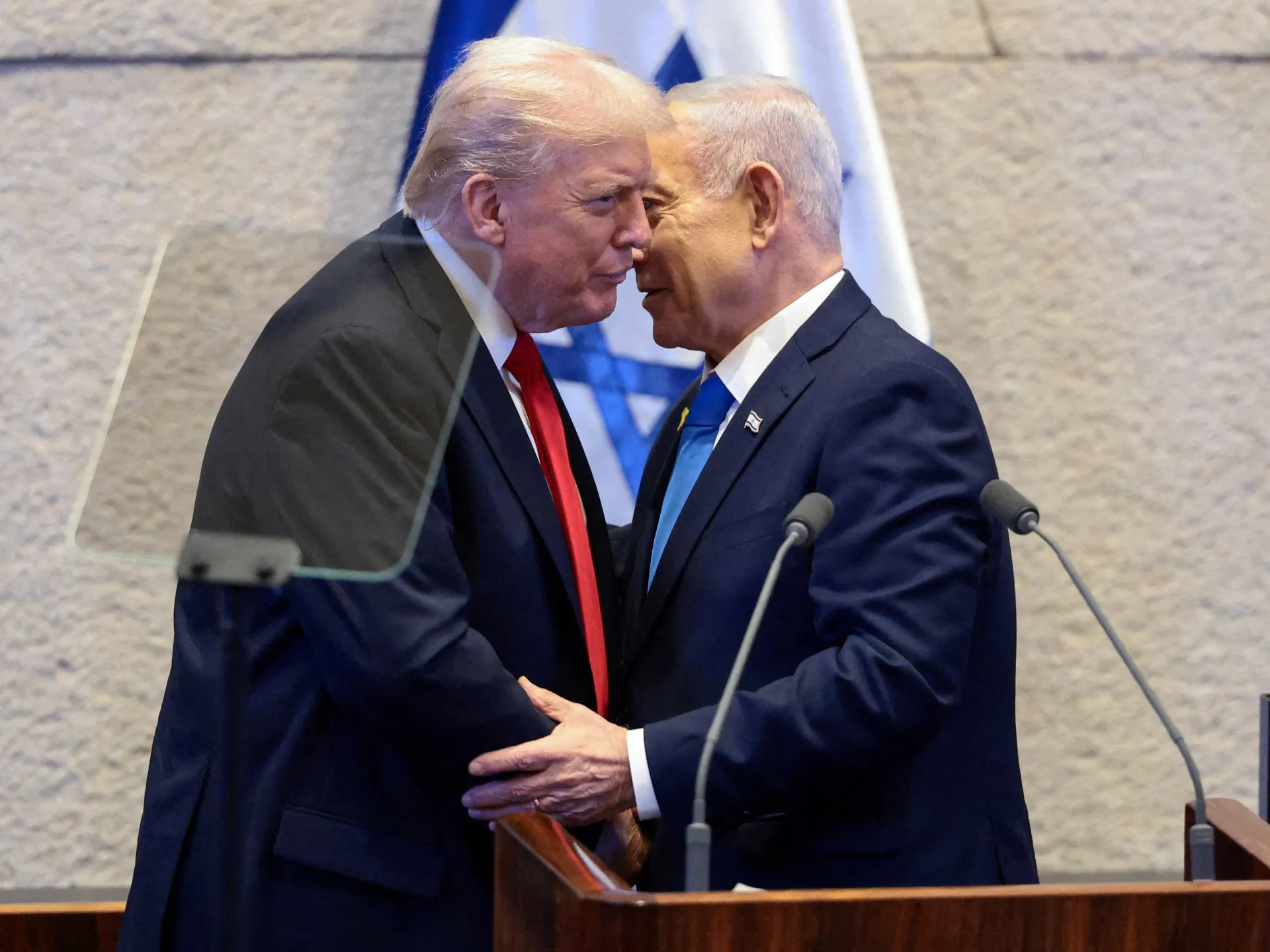
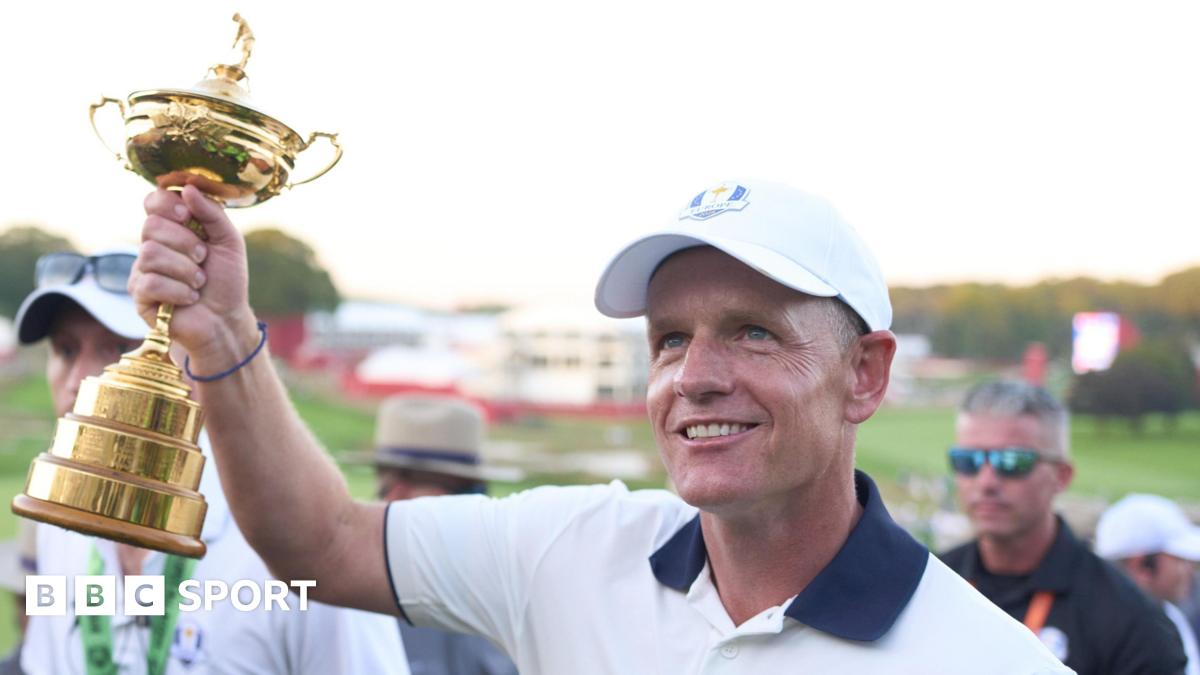
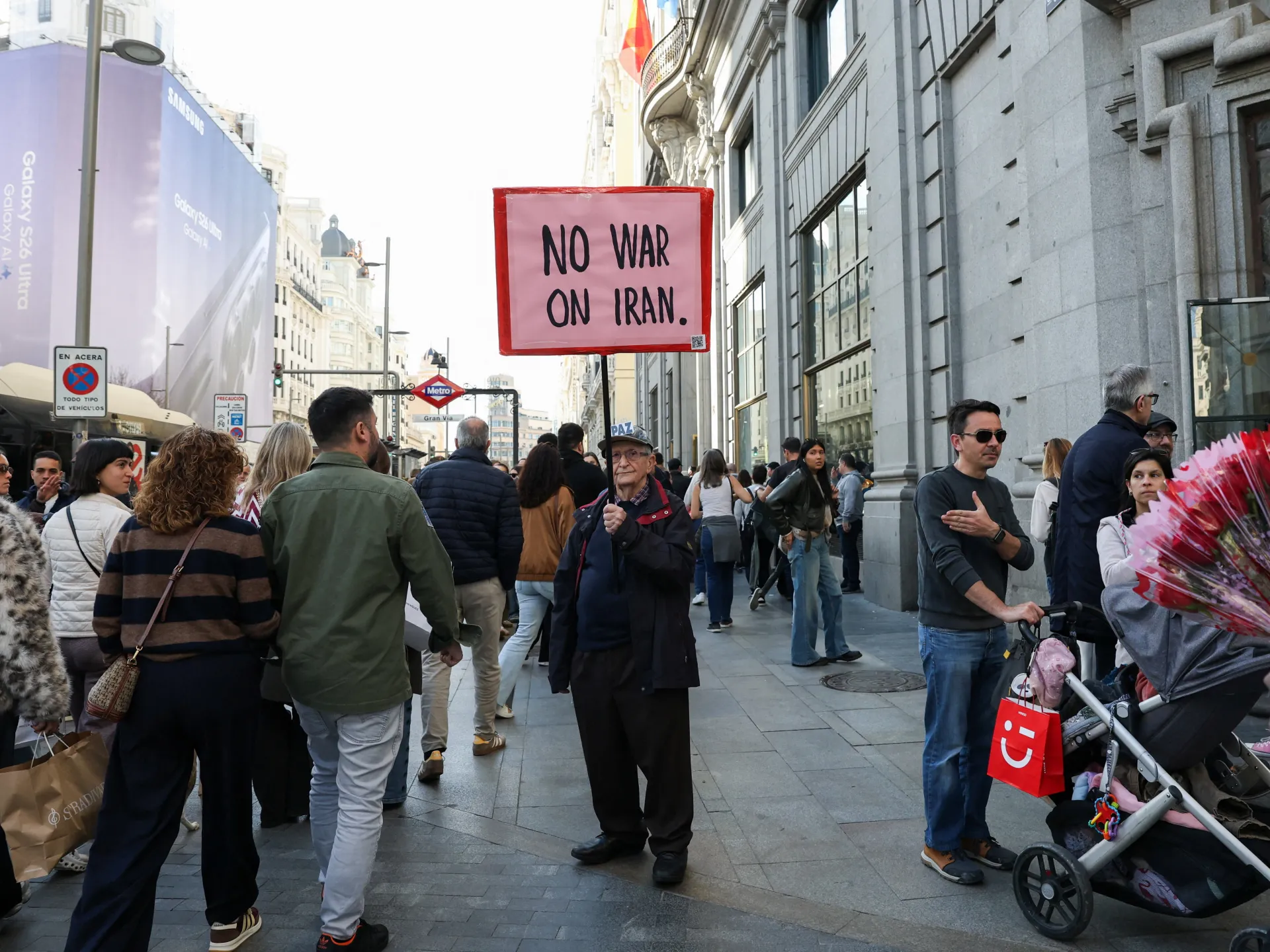
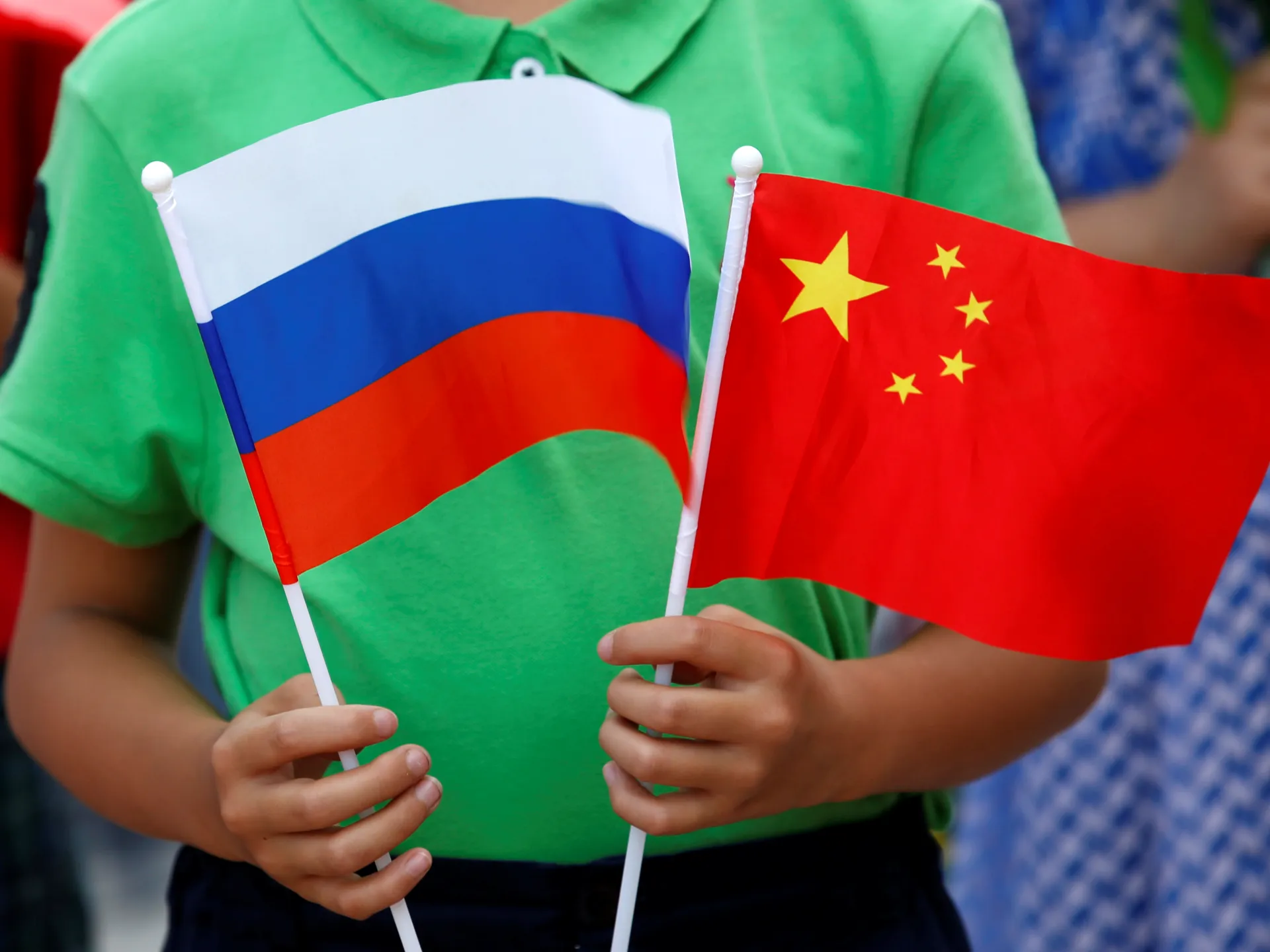
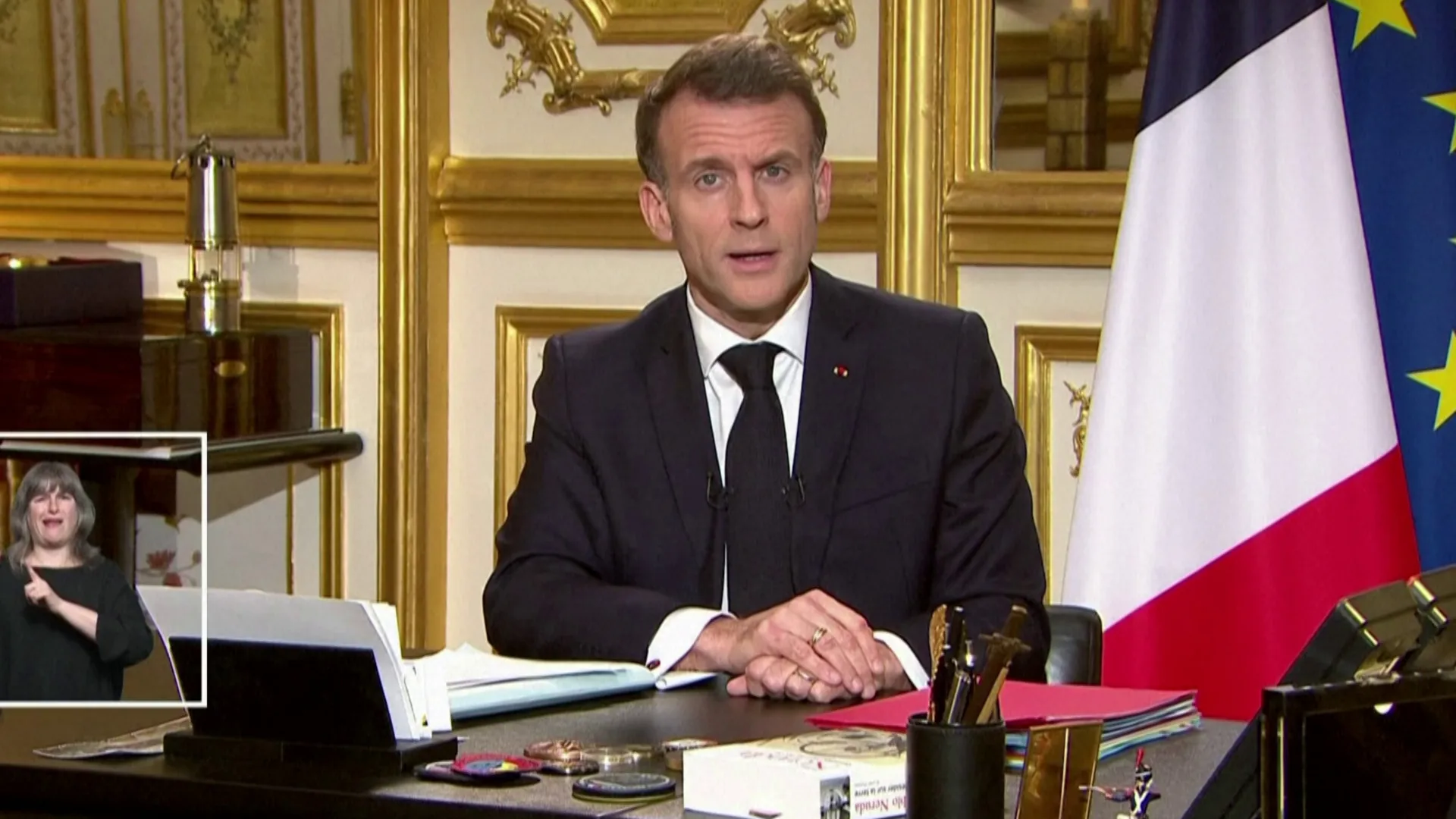

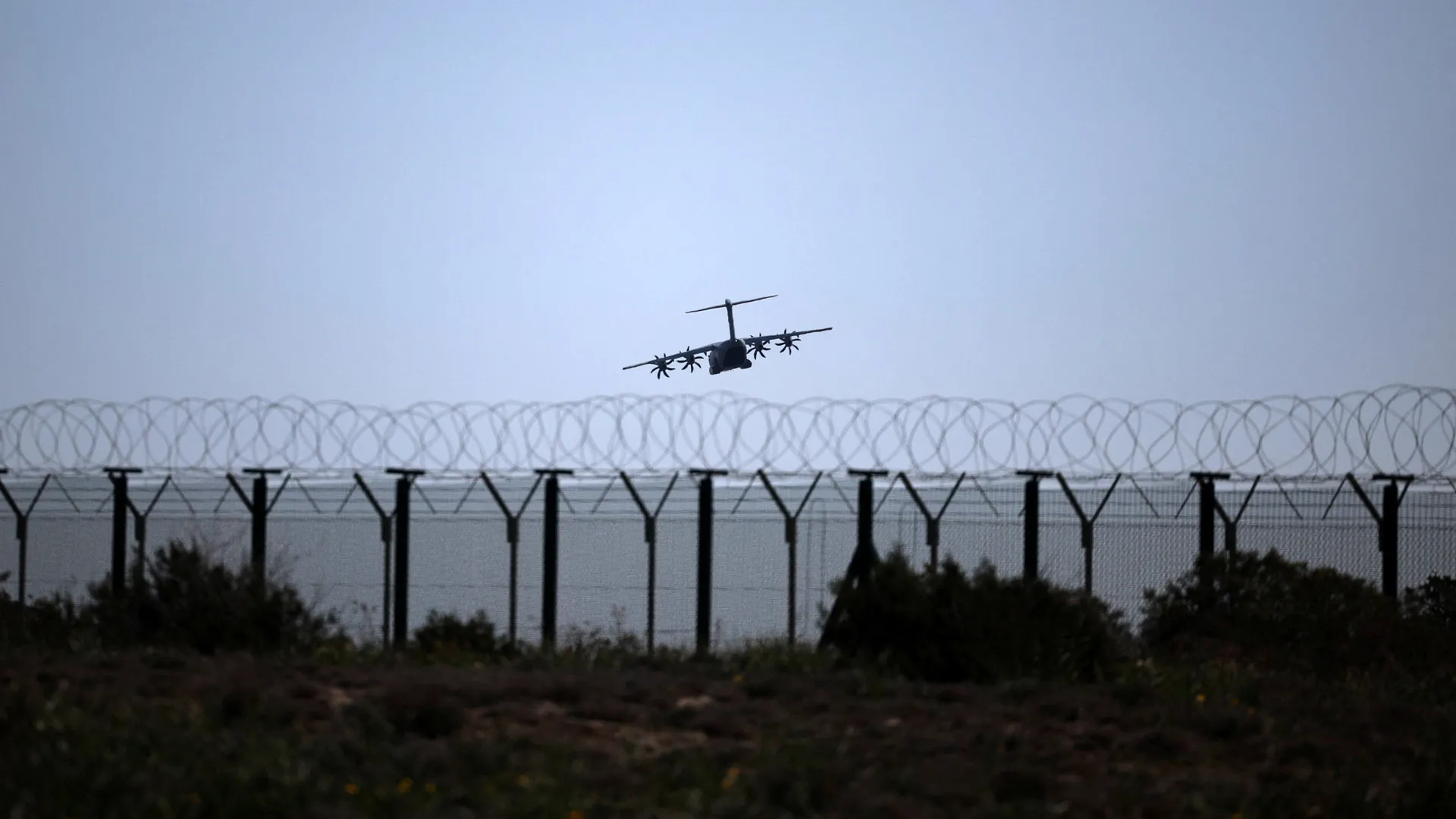
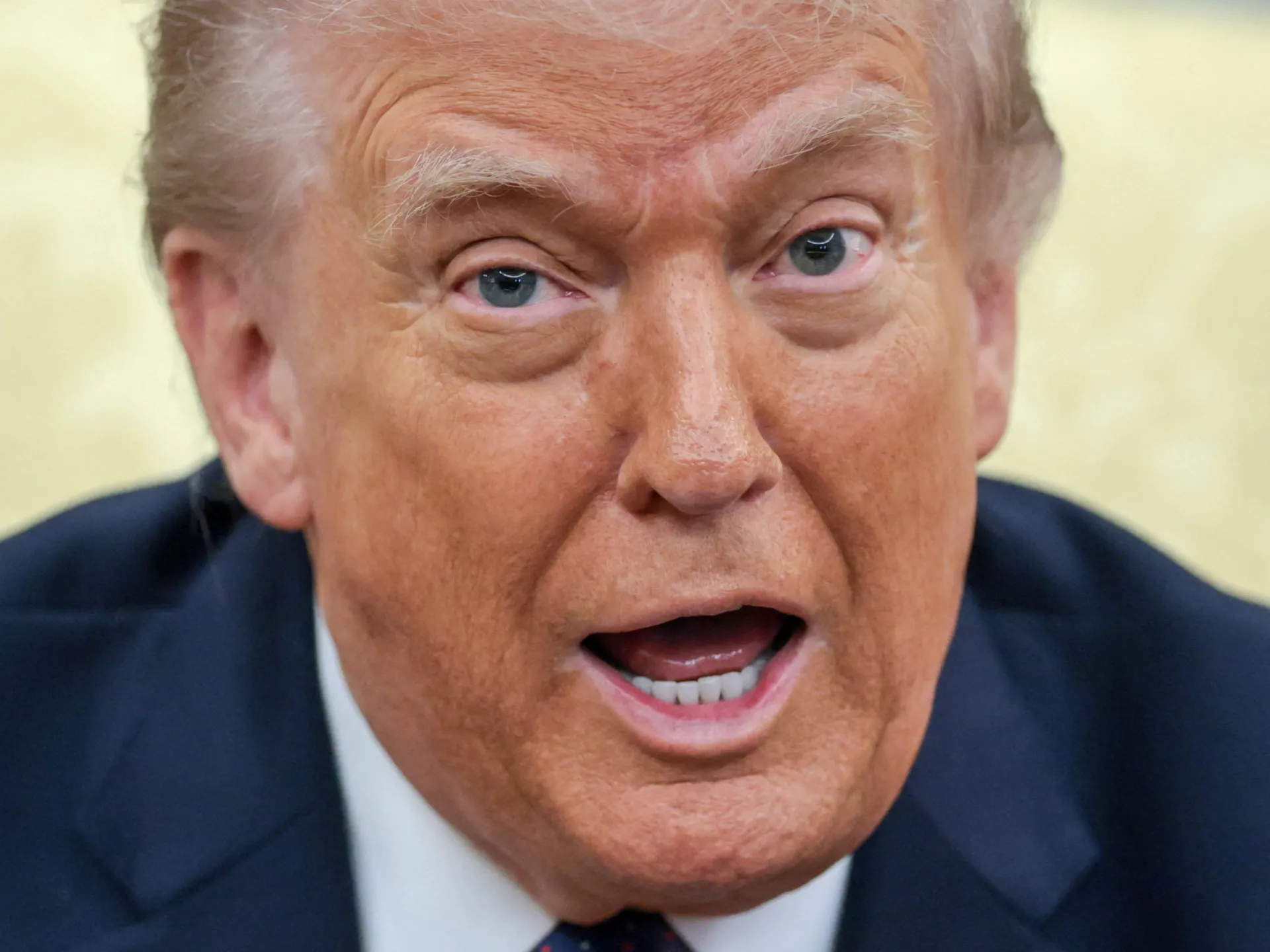
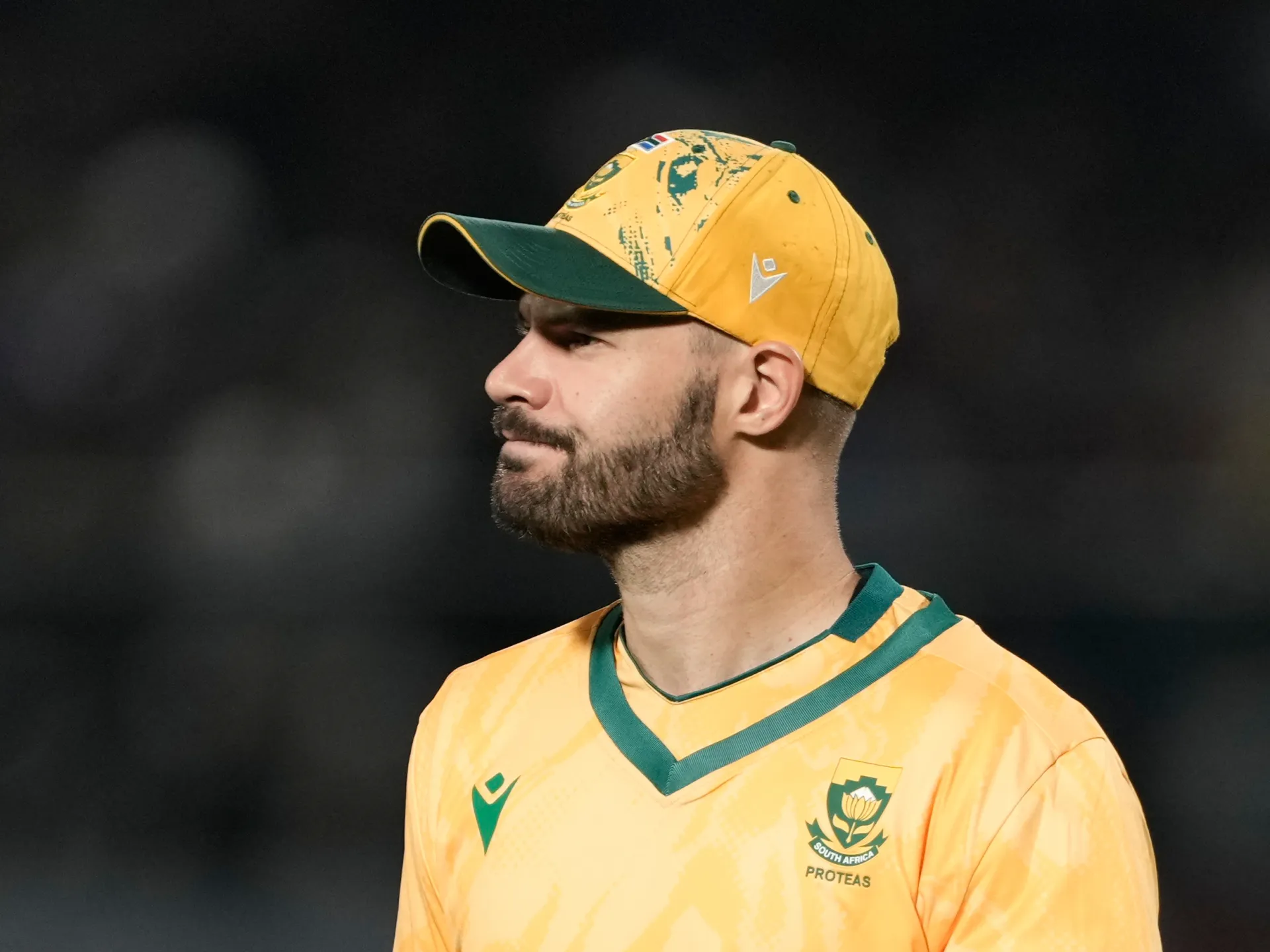
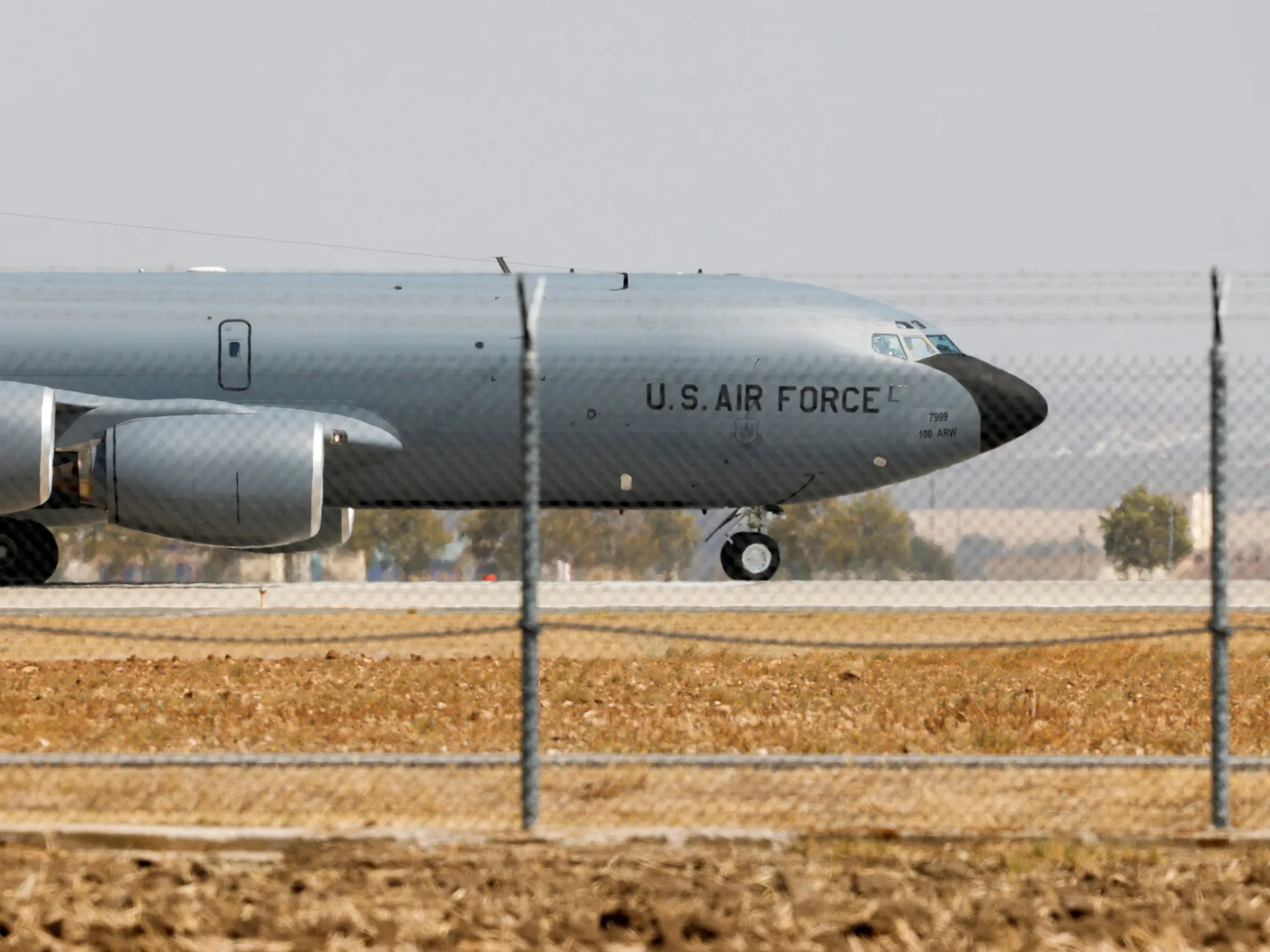
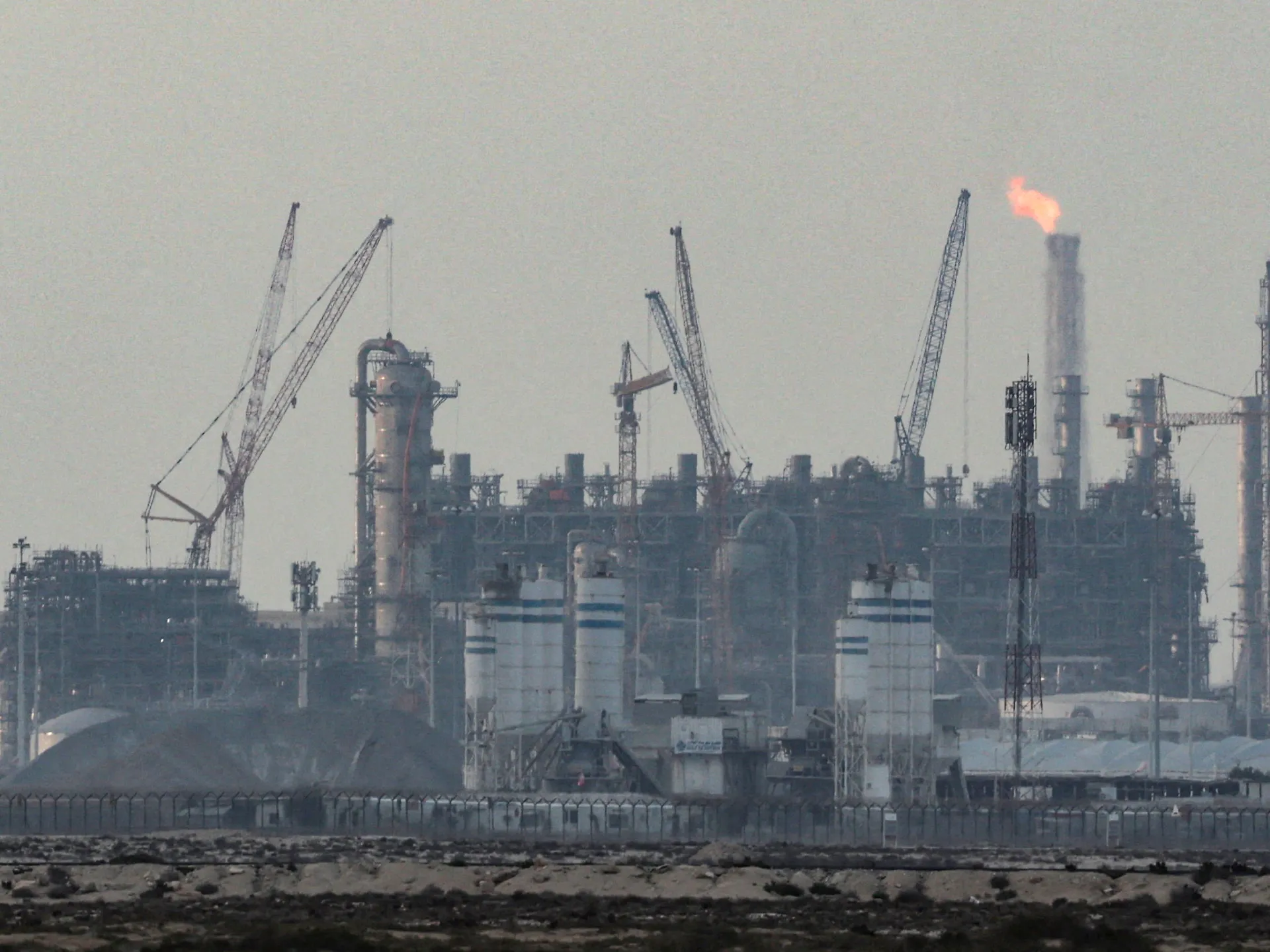
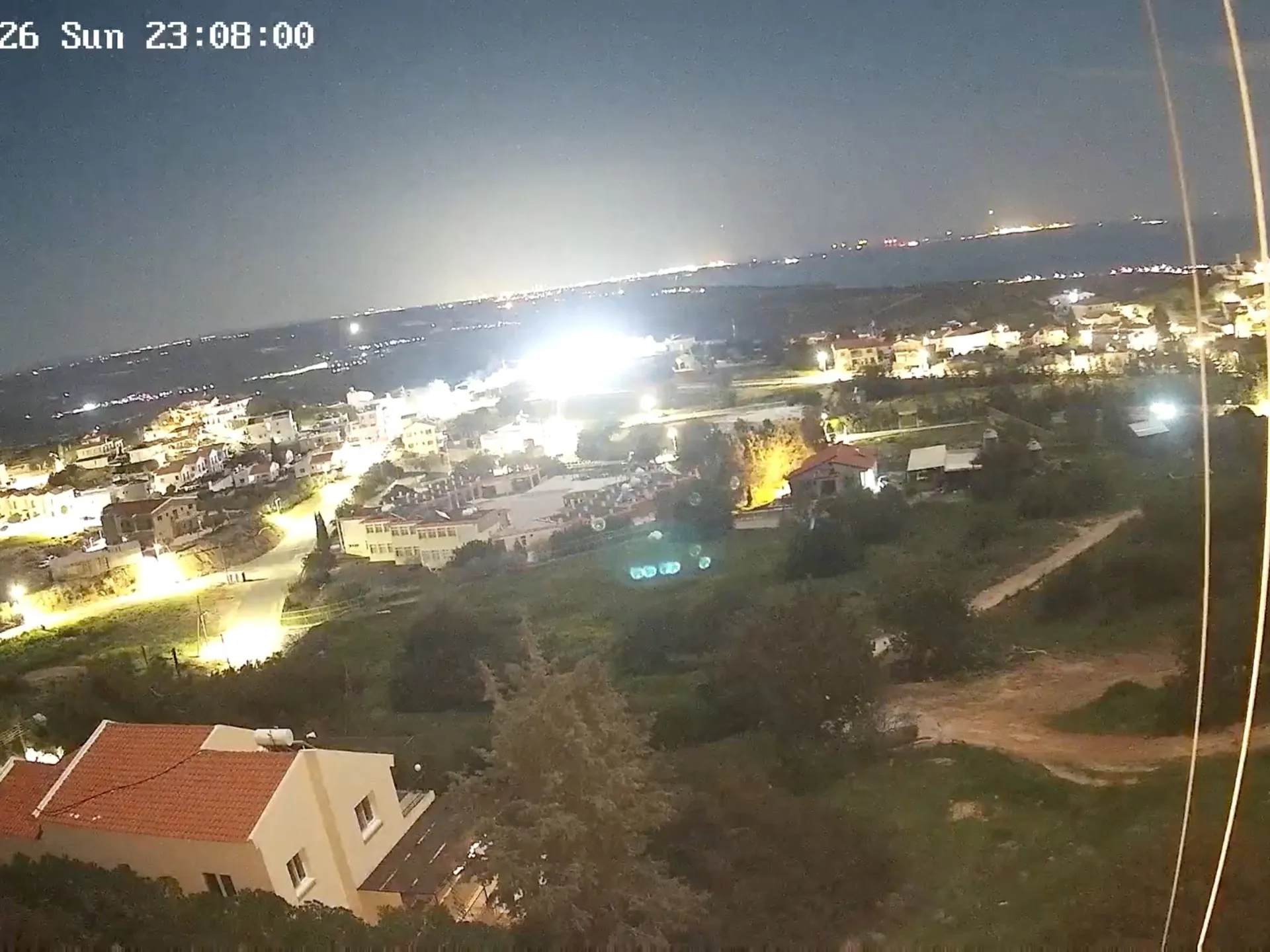
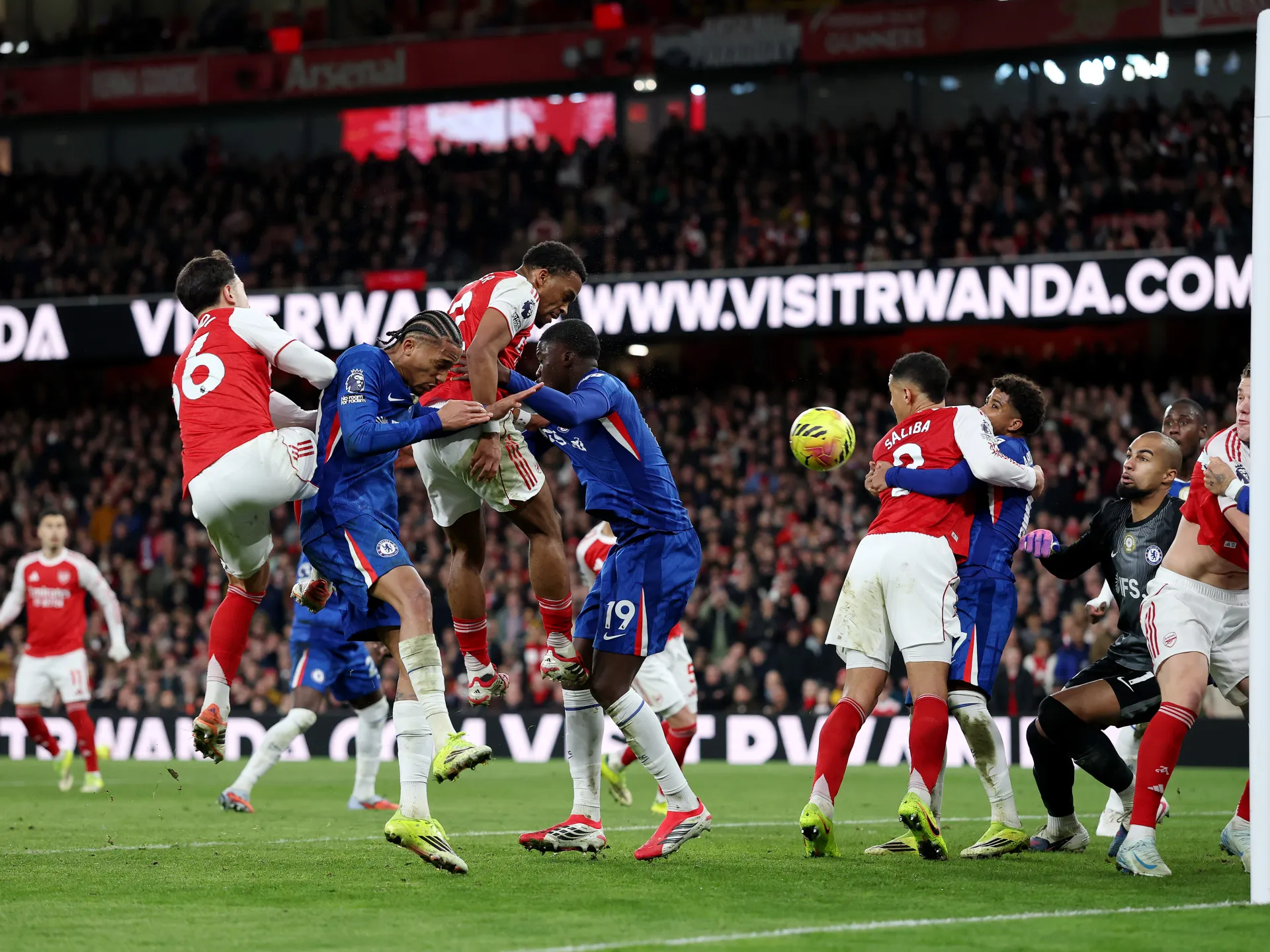


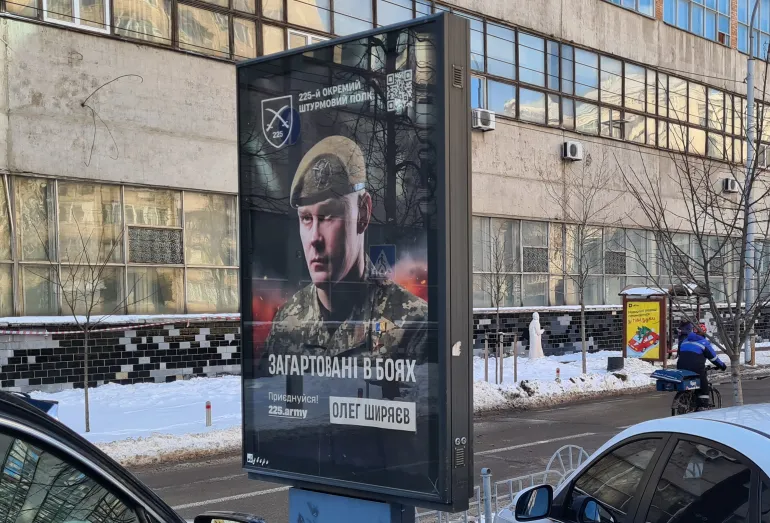


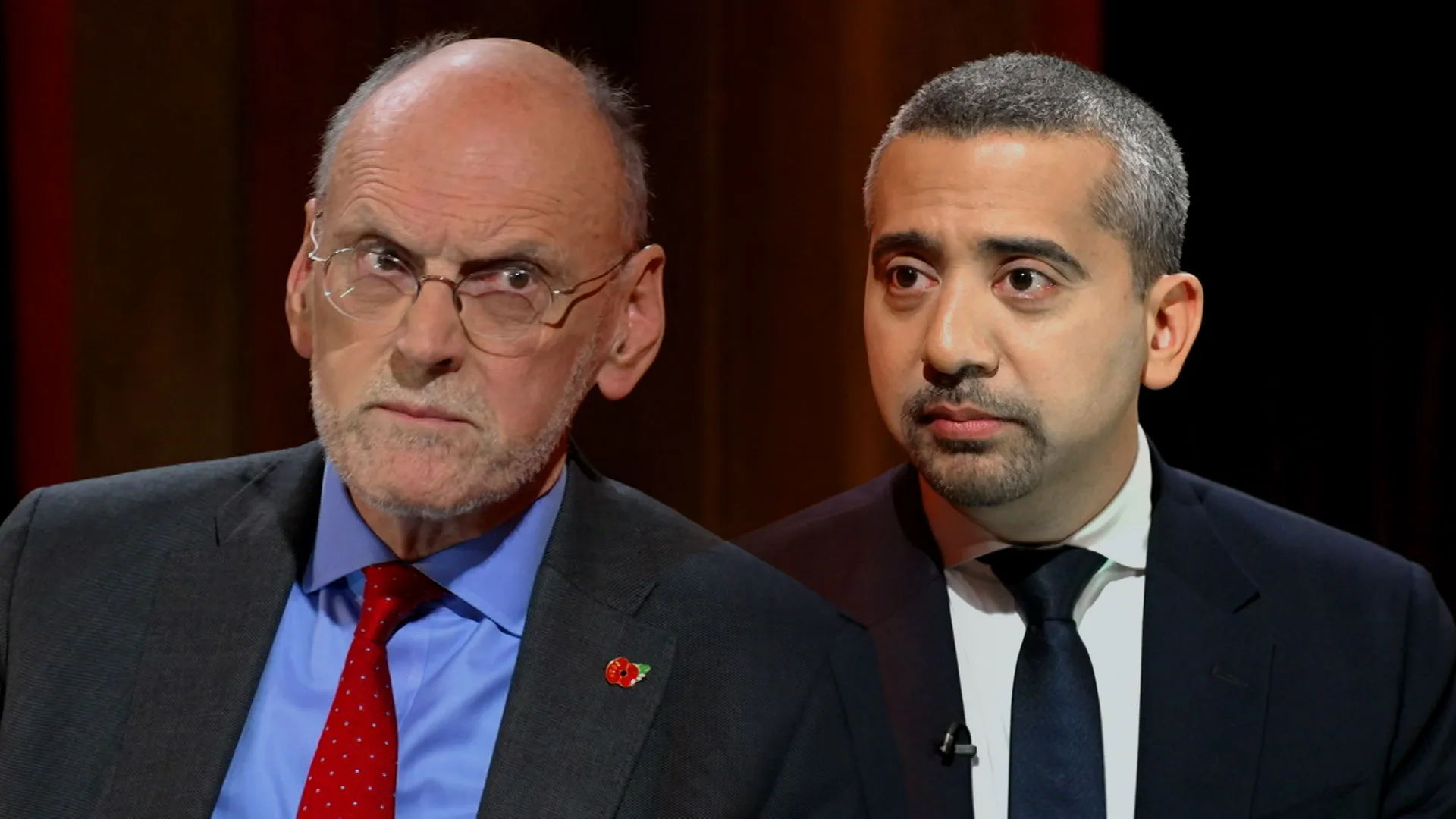


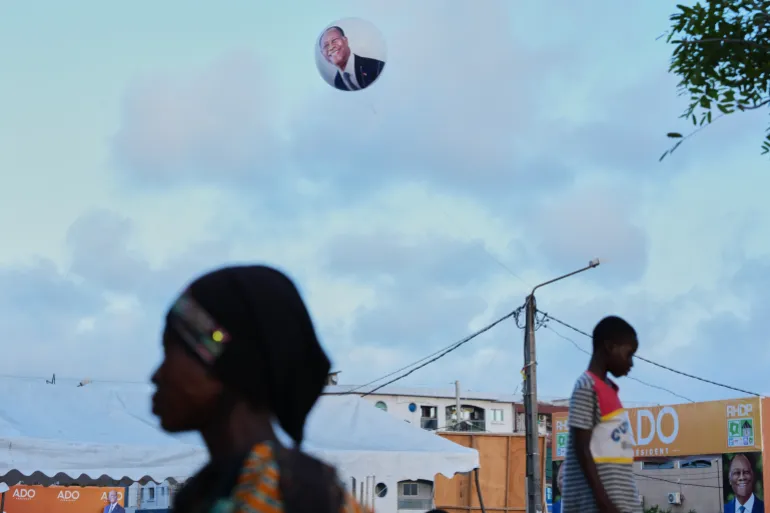


![Former Israeli Prime Minister Ehud Barak gestures after delivering a statement in Tel Aviv, Israel June 26, 2019. [Corinna Kern/Reuters]](https://i0.wp.com/www.aljazeera.com/wp-content/uploads/2026/02/2019-06-26T153913Z_1424687355_RC17C8B80DA0_RTRMADP_3_ISRAEL-POLITICS-BARAK_cropped-1770216915.jpg?w=640&ssl=1)