Lamine Yamal has carried on his superb goal-scoring form, helping Spain secure a 3-1 win over Czechia in the UEFA Nations League and consolidating his bid to win the prestigious Ballon d’Or award later this month.
The world champions moved three points clear of England at the top of Group A3 after Thomas Tuchel’s side demolished Croatia 7-0 earlier in Rijeka on Saturday.
Spain cruised into a two-goal lead with Yamal and captain Rodri Hernandez on target, but Jiri Slama gave the Czechs a chance by pulling one back with 20 minutes to go.
However, Mikel Merino wrapped up Spain’s win late on after Ladislav Krejci was sent off for the Czechs, as Spain racked up a 41st consecutive unbeaten game, including the World Cup final win over Argentina in July.
Yamal, who scored in the second minute of Spain’s first two games against England and Croatia, waited as long as the sixth minute before breaking the deadlock. He is the first player to score a goal within the first 10 minutes of three consecutive men’s international matches.
“They are well-drilled; I thought it would be one of the hardest games, and that’s how it was,” Rodri told a Spanish broadcaster after Spain claimed a third win from three group games.
“It was tricky but we got some chances. There are some matches in which you can’t generate that much, but the team was able to manage the match.”
The former Manchester City midfielder scored for the first time for Spain in more than two years.
“It’s always special to score for the national team. I’d not been scoring many goals; let’s see if I’ve found that dynamic – it’s important, we all have to chip in with the goals,” he added.
Spain coach Luis de la Fuente made several changes in Oviedo from Tuesday’s win over Croatia, including handing debuts to full-back Ivan Fresneda and striker Roberto Fernandez.
It was one of Spain’s star names, though, who lit up the game early on, something he is beginning to make a habit of.
Yamal brings the ball down from a pass before going on to score a stunning goal [Miguel Riopa/AFP]
The 19-year-old winger, a leading candidate for the Ballon d’Or, produced an exquisite finish from the right of the box, curling into the top corner after taking a touch to earn himself room to shoot.
“We’re doing well; I’m very happy. I was eager to return to the national team after the World Cup, and there’s no better way than this,” said Yamal.
Spain coach De la Fuente put his hands to his head in apparent shock at the quality of Yamal’s superb strike, his 12th in his last nine games for club and country.
“I think he never stops surprising us – I think all of us. He has so much talent, so much quality, that we still haven’t seen the best version of Lamine by a long shot,” said De la Fuente.
“He has a lot more to offer because he’s so classy, so talented, with so much potential.”
The winger’s Barcelona teammate, Rodri, doubled Spain’s lead after 35 minutes, arriving in the box to drill into the top corner after the ball fell nicely for him.
De la Fuente took off Yamal at half-time to give the young Barcelona star a break before Tuesday’s visit to face Croatia, and the pace of the game slowed.
The Czechs pulled one back through Slama, who produced an excellent low finish across David Raya after Adam Hlozek played him in.
Arsenal stopper Raya was fortunate a few minutes later when he conceded possession with a misplaced pass while out of his goal, but the visitors could not capitalise.
Raya also spilled the ball badly and Ryan Naderi turned home, but the goal was disallowed for a foul on Robin Le Normand.
Czechia’s determined efforts to battle back were derailed by Krejci’s red card, with the defender shown a second yellow for pulling back Fernandez, before Merino rounded off Spain’s win.
Bosnians are heading to the polls to choose the next government at all three of the state, entity and canton levels. It may seem complicated, but for a country divided into two entities – the Federation of Bosnia and Herzegovina and Republika Srpska, along with Brcko District – this is nothing new.
When do Bosnia’s elections take place?
The general elections are scheduled for Sunday, October 4. More than 3.4 million people are eligible to vote.
[Al Jazeera]
What’s different about this election?
This year, new election technology will be used. Voters will be identified using biometric devices, while ballot papers will be scanned rather than simply placed in ballot boxes.
The use of scanners, however, does not mean voting will be fully electronic. Votes will still be cast and recorded on paper, but verification and counting should be faster and more transparent, while voter identification should be more accurate.
Who is running for the Presidency?
Candidates for the Bosniak representative include current Presidency member Denis Becirovic of the Social Democratic Party (SDP), Bakir Izetbegovic of the Party of Democratic Action (SDA), Semir Efendic of the Party for Bosnia and Herzegovina (Stranka za BiH), and Fahrudin Radoncic of the Union for a Better Future of BiH (SBB).
Izetbegovic, the president of the centre-right SDA, the biggest Bosniak party in the country, is running for his third term after being defeated by Becirovic in 2022.
Three candidates will run for the Croat seat in the Presidency: Darijana Filipovic of the Croatian Democratic Union of Bosnia and Herzegovina (HDZ BiH), Slaven Kovacevic of the Democratic Front (DF), and Zdenko Lucic, a candidate supported by a coalition of five Croat parties.
The current Serb member of the Presidency, Zeljka Cvijanovic from the right-wing Alliance of Independent Social Democrats (SNSD), is running for a second term. During her term on the country’s top state body, which began in November 2022, just a few months after Russia’s war in Ukraine started, she maintained close and continuous cooperation with Russia and its president, Vladimir Putin.
SNSD is led by Milorad Dodik, the former president of Republika Srpska, best known for his separatist moves and for challenging the Constitution of Bosnia and Herzegovina and the decisions of former High Representative Christian Schmidt.
Cvijanovic will face Marinko Bozovic of the Serb Democratic Party (SDS) and Nebojsa Vukanovic of the List for Justice and Order.
[Al Jazeera]
Who else is on the ballot?
Voters will be choosing representatives for 14 governments, as well as members of the country’s three-member Presidency.
Each entity has its own president, assembly, prime minister and ministers. The Federation of Bosnia and Herzegovina is further divided into 10 cantons, each with its own government.
For all this to happen, the Central Election Commission (CIK), the main body responsible for overseeing the voting process, earlier said that 75 political parties and four independent candidates were registered and eligible to participate.
How are Presidency members chosen?
When registered voters go to the polls, they do not elect one president, but choose one of three members of the country’s collective head of state. They are the representatives of the three constituent peoples – Bosniaks, Croats and Serbs.
The Bosniak and Croat members are elected from the Federation of Bosnia and Herzegovina, while the Serb member is elected from Republika Srpska.
This is because the majority of Bosniaks and Croats live in the Federation, while most Serbs live in Republika Srpska.
The election of the Croat member has weighed on Bosniak-Croat relations for years and has often been used as a reason for political blockades.
Parties gathered around the centre-right Croatian Democratic Union of Bosnia and Herzegovina (HDZ BiH) are demanding changes to the Election Law, saying they want to prevent Bosniak voters from influencing the election of the Croat member of the Presidency.
But that would also require changes to the Constitution, which allows all citizens in the Federation to choose whether they want to vote for the Bosniak or the Croat member.
[Al Jazeera]
What about citizens who live outside their constituent group’s voting area?
A Serb living in the Federation, or a Bosniak or Croat living in Republika Srpska, who wants to run would not be able to do so, nor can they vote for those they consider to be their own representatives.
That is one of the many paradoxes of Bosnia and Herzegovina’s electoral system.
How is the state-level government chosen?
Citizens elect representatives to the Parliamentary Assembly, which consists of two houses.
Forty-two representatives will be elected to the House of Representatives.
Two-thirds are directly elected from the Federation of Bosnia and Herzegovina, and one-third from Republika Srpska.
A quorum consists of a majority of all members elected to the House of Representatives.
The second chamber – the House of Peoples – has 15 delegates and is elected indirectly through the institutions. It consists of Bosniaks, Croats and Serbs – five from each group.
What happens with the entities?
The election of entity-level authorities works somewhat differently.
In Republika Srpska, citizens directly elect the National Assembly, as well as the entity president and vice presidents.
They do not directly elect the government – it is confirmed by the National Assembly.
In the Federation of Bosnia and Herzegovina, citizens directly elect the House of Representatives of the Federation Parliament and the cantonal assemblies.
Those cantonal assemblies then elect delegates to the Federation’s House of Peoples.
The president of the Federation, the entity government and the cantonal governments are formed after the elections, through parliamentary majorities and political agreements.
Why is it a challenge to form the government?
It is difficult not only because the electoral system is complex, but also because of the lack of agreement among representatives of the three different ethnic communities.
Frequent blockades and obstruction make decision-making difficult at all levels, even though many politicians invoke the politics of compromise.
Elections in Bosnia and Herzegovina, therefore, are not only about who wins, but about whether a system designed to represent everyone can serve its citizens.
Why are the elections important?
New election technologies might reduce potential fraud, but much more will be needed for the country’s path towards the European Union.
The outcome of the election could unblock, or further slow down, the adoption of key laws needed for the country’s progress towards EU membership.
The EU granted Bosnia and Herzegovina candidate status in December 2022 and opened accession negotiations in 2024.
However, the country’s progress has since been assessed as very limited and slowed by political blockades.
These elections will also be a test for the ruling coalition, which promised to focus on social and economic issues amid the rising cost of living.
When are the results?
The first preliminary results are traditionally published by CIK late on election night, on October 4, and are updated every few hours.
In the days after the elections, CIK gradually enters votes from the remaining polling stations, mobile voting teams, as well as ballots received by mail and from diplomatic and consular missions.
The official results will be known no later than November 20.
Bruno Fernandes says he has spoken to Cristiano Ronaldo and denies a rift within Portugal’s squad after the 41-year-old abruptly left the team’s training camp in Copenhagen. Ronaldo departed after tensions with coach Jorge Jesus became public, saying he would explain his reasons “in due course”.
The emperor is a symbol of Bulgarian national identity whose repatriation stoked tensions with Greece.
Published On 3 Oct 20263 Oct 2026
More than 1,000 years after his death, the remains of medieval ruler Czar Samuel have arrived in Bulgaria.
A symbol of Bulgarian national identity, Samuel was a warrior emperor who battled the Byzantine Empire to expand his kingdom before suffering defeat and dying soon after in 1014. His supposed remains were discovered in a Greek border area in the 1960s.
Recommended Stories
list of 4 itemsend of list
The coffin and remains were flown on Saturday to the Bulgarian capital, Sofia, on board a military aircraft that was surrounded by air force fighter jets.
Thousands of people poured into a public square to honour the czar’s arrival, which capped years of fraught negotiations between Bulgaria and Greece until an accord was reached this week.
Bulgarian politicians across the spectrum paid tribute to the medieval ruler, listening to the national anthem and a 21-gun salute.
“Today, we Europeans are learning to read history with a desire to belong not only to our homeland, but also to the culture that unites us across the entire European continent,” Bulgarian Prime Minister Rumen Radev said.
“That is why Europe must not reopen old wounds but must work for peace as the supreme good,” Radev continued, referring to the centuries-old rivalry between neighbouring Greece and Bulgaria.
Crowds cheered as fighter jets performed a flypast.
Martin Nestorov, a 42-year-old software engineer, told the AFP news agency he attended the ceremony “to welcome Czar Samuel back to Bulgaria, where he belongs”.
“I am here because I am Bulgarian, and a Bulgarian is returning to his homeland,” added Tsanka Zlatkova, 65, a retired art historian.
A procession brought the remains to be laid in the Church of Saint Sofia, a sixth-century basilica that is the capital’s namesake and where church officials say Samuel was baptised.
The remains of medieval ruler Czar Samuel inside a coffin Saturday, October 3, 2026 [Giannis Papanikos/AP]
Competing claims
The handover of Samuel’s remains is part of a broader accord between the Greek and Bulgarian culture ministers.
In exchange, Greece is slated to receive 48 objects that Bulgarian troops pillaged from churches and monasteries in Greece during World War I.
Speaking before the handover, Greek Prime Minister Kyriakos Mitsotakis said he hoped the ceremony would boost Greece’s campaign to repatriate the Parthenon Marbles, a collection of 2,500-year-old marble sculptures taken from the Acropolis in Athens and later displayed in the British Museum.
“The global community is essentially re-evaluating its longstanding stance on protecting cultural heritage,” Mitsotakis said, adding that historical heirlooms “cannot be treated as the spoils of war”.
Bulgaria is not the only country to have claims on Samuel. A huge statue of the czar stands in the North Macedonian capital of Skopje, with Macedonians claiming him as “their” ruler.
In 2022, a bilateral commission recommended presenting Samuel as the head of a state that “most contemporary historiographers consider to be the Bulgarian Empire”, based in what is currently North Macedonia.
Cristiano Ronaldo withdrew from the Portugal squad, but Bruno Fernandes says forward remains team’s ‘greatest symbol’.
Published On 3 Oct 20263 Oct 2026
Portugal playmaker Bruno Fernandes said Cristiano Ronaldo remains the country’s greatest footballing icon despite walking out on the squad this week after finding out he would not start a match.
The 41-year-old superstar said on Wednesday that he had left the team after coach Jorge Jesus said he would not start against Denmark in the Nations League, a match Portugal won 4-2 without him.
Recommended Stories
list of 4 itemsend of list
The former Real Madrid and Manchester United attacker’s future with the national team, for whom he is the leading goalscorer and most capped player, is in doubt after his walkout.
“Regarding Cristiano, I had a conversation with him, and what I told him, and what I repeat here, is this – the most important thing is that, regardless of what happens, Cristiano Ronaldo will never cease to be the greatest symbol of our national team, of our football, and of the country, for what he has done not only in Portugal but throughout the world,” Fernandes told reporters on Saturday.
Manchester United midfielder Fernandes called for unity after a tumultuous few days in which Portugal fans’ opinions have been split over Ronaldo’s decision.
“He has a reserved place not only among the best of all time, but also in the hearts of all Portuguese people and the most important thing is that we stop dividing things,” said Fernandes.
“There are no divisions in the national team, it is one and will remain so, despite any noise that may come from outside…
“We are outside of this controversy, but what I ask is that the country does not divide itself, does not make choices, that it respects all sides, but, at the same time, Cris is and will be the biggest icon of our national team, he deserves everyone’s respect, regardless of who likes him more or (who likes him) less.”
Portugal beat Norway and Denmark away from home without Ronaldo starting and face Norway again on Sunday.
Coach Jesus said Ronaldo was a “symbol of Portugal” and said there would be time to speak about him after Sunday’s game in Porto.
“I’m going to focus on the team, on the opponent which is Norway, one of the five best teams in Europe. That’s the problem right now,” said the 72-year-old coach.
Who: Portugal vs Norway What: UEFA Nations League 2026-27, Group A4 match Where: Estadio do Dragao, Porto, Portugal When: Sunday, October 4, at 8:45pm local time (18:45 GMT) How to follow: Al Jazeera Sport will bring you all the build-up and live updates from 15:45 GMT.
For the second time in a week, Portugal and Norway clash in the UEFA Nations League. But this time, things are not quite the same in the Selecao camp.
Recommended Stories
list of 4 itemsend of list
Sunday’s fixture in Porto will see the Nations League title holders play without their talisman, Cristiano Ronaldo, after the 41-year-old abruptly left their camp, raising questions about his international future.
Ronaldo’s dramatic exit and apparent rift with new coach Jorge Jesus have dominated headlines worldwide. Portuguese players have largely blocked the outside noise, however, maintaining a perfect record at the tournament where they are chasing a record-extending third crown.
However, their striker Erling Haaland – one of Europe’s most lethal players – poses enough danger to put Portugal under pressure ahead of this weekend’s thrilling encounter.
What is the UEFA Nations League?
The UEFA Nations League was founded in 2018 to reduce the number of meaningless friendlies and give nations competitive matches against top-ranked teams.
In this competition, countries from across Europe participate in a league structure which features promotion and relegation.
What is the latest news on Cristiano Ronaldo?
Ronaldo left the squad late on Wednesday, shortly after a news conference in which coach Jesus confirmed the five-time Ballon d’Or winner would be left out of his starting line-up for a second consecutive Nations League game.
The 41-year-old’s decision to walk out came as a shock as he had been due to train with his teammates at the Parken Stadium in Copenhagen.
Portugal’s leading scorer with 146 goals had already spent the entirety of last weekend’s 2-1 Nations League win in Norway on the bench, having captained the side in the 1-0 home victory over Wales last Thursday.
He appeared to indicate that the reasons behind Jesus’s decision ran deeper and hinted at a departure from the national team he has graced for more than two decades.
“In due course, I will tell the truth to all the Portuguese people about my reasons for leaving the national team, to which I have always been dedicated,” Ronaldo said in a cryptic Instagram post, announcing his sudden exit from the camp.
Spanish sports daily Marca said that Jesus and Portuguese federation president Pedro Proenca followed Ronaldo to Copenhagen airport in an attempt to persuade him to stay with the squad, before the player boarded his private jet.
Jesus insisted earlier on Wednesday that there was no rift between them, although the 72-year-old, who was appointed in July, acknowledged that his captain was disappointed to remain on the bench against Norway.
How have Portugal and Norway played in the Nations League?
Portugal are on top of Group A4 on nine points, with three wins out of three. They started their campaign with a 1-0 home win over Wales, before adding a 2-1 victory over Norway in Oslo. In the last match, they thrashed Denmark 4-2 in Copenhagen.
Norway are second-bottom in the group, with only three points. They started their campaign with a 3-2 home win over fellow Scandinavians Denmark but suffered identical 2-1 defeats at home to Portugal and to Wales in Cardiff.
Joao Felix and Goncalo Ramos scored for Portugal, while Haaland struck the consolation goal for Norway.
Portugal vs Norway: Head-to-head
Matches: 12
Portugal wins: 9
Norway wins: 1
Draws: 2
Portugal vs Norway: Form guide
(Last five games, latest results first)
Portugal: W-W-W-L-W
Norway: L-L-W-L-W
Who are the top players to watch?
Joao Felix and Goncalo Ramos (Portugal): Al Nassr forward Felix has emerged as the reliable scorer in the Portugal setup, finding the net in each of the three games this term. Meanwhile, Ramos, playing in place of Ronaldo, has made up for CR7’s absence with goals in the last two matches.
João Felix of Portugal has scored in every Nations League game this season [File: Diogo Faria Reis/MB Media/Getty Images]
Erling Haaland and Oscar Bobb (Norway): All of Norway’s goals in the ongoing competition have come through Haaland (three) and Bobb (two). While their partnership proved successful in the opening match, their goals were not enough in the following matches, as the Norwegians suffered back-to-back defeats. Norwegians will demand better from Haaland, especially after the Manchester City talisman’s incredible start to the club season that features seven goals in as many games.
Team news and predicted lineups
Portugal
Winger Francisco Conceicao is doubtful for the game due to a thigh injury.
Probable Portugal XI: Diogo Costa; Joao Cancelo, Ruben Dias, Renato Veiga, Nuno Mendes; Ruben Neves, Vitinha; Pedro Neto, Bruno Fernandes, Rafael Leao; Goncalo Ramos
Norway
Wing-back Julian Ryerson is doubtful with a muscle injury, while centre-back Torbjorn Heggem is suspended.
Probable Norway XI: Orjan Nyland; Julian Ryerson, Kristoffer Ajer, Torbjorn Heggem, David Moller Wolfe; Martin Odegaard, Sander Berge, Patrick Berg; Oscar Bobb, Erling Haaland, Antonio Nusa
Norwegians need Erling Haaland to be on the scoresheet if they are to beat Portugal [File: Marius Nordnes / Nordnes Foto/Getty Images]
Portugal vs Norway: TV channel, livestreaming
Portugal
Norway
United Kingdom: ITV1
United States: FOX Sports, FuboTV, ViX
India: Sony Sports Network
Middle East and North Africa: beIN SPORTS
South Africa: DStv Stream
You can find your regional broadcaster on UEFA’s official broadcaster listing.
Israeli journalists asked coach Hallgrimsson about the Flydubai attack and alleged racist abuse by Ireland’s players.
Published On 3 Oct 20263 Oct 2026
Members of an Israeli media contingent heckled Republic of Ireland head coach Heimir Hallgrimsson’s news conference prior to the UEFA Nations League football match, causing it to end abruptly amid growing political tensions and protests against the fixture.
During the media event on Saturday, an Israeli journalist asked Hallgrimsson about his views on an incident onboard a Flydubai flight to Israel earlier this week.
Recommended Stories
list of 4 itemsend of list
According to the prosecutor general of the United Arab Emirates, the Flydubai co-pilot “attempted to carry out a terrorist act”, using an axe against the pilot to take over the aircraft’s controls.
The plane carrying 174 passengers was on its way from the Dubai in the UAE to Tel Aviv in Israel on Wednesday when the copilot wounded Indian pilot Smit Machchhar, who opened the cockpit door to seek help.
The aircraft briefly plunged about 17,000 feet (5,180 metres) before it was brought back under control.
The attacker was not officially identified, but media reports quoting unnamed sources said he was an Omani national, Hamam al-Hammami.
“What do you say about the people that you support? Their ideology is based on murder,” the journalist asked, purportedly hinting at Ireland’s stance on Palestine and attempting to link it to the aviation incident.
Before the Irish team’s coach could answer, the Football Association of Ireland’s communications manager Kieran Crowley stepped in and asked the journalist to refrain from asking questions not linked to the match.
The journalist persisted, carrying on with her question before Crowley stopped her again.
“We respected your questions at the last press conference, but we are doing football questions today,” he said, referring to Israeli journalists’ pointed questions about the calls to boycott the first leg of the European match.
Icelandic coach Hallgrimsson later termed the incident a “verbal attack”.
Following the match, Israeli supporters were accused of directing racist chants towards Ireland player Adam Idah and were filmed raising military slogans, but evaded disciplinary action from the competition’s organisers.
However, another Israeli journalist turned the incident on its head during Saturday’s news conference and accused the Irish team of calling Israel’s players “monkeys” during the match.
FAI’s Crowley was quick to shut out the accusation and ended the media event.
“That’s a lie. You’ve just broadcast a lie,” Crowley said before getting up to walk away.
According to Irish media reports, the FAI is continuing to investigate allegations that Irish players Adam Idah and James Abankwah were racially abused by Israeli fans.
An Israeli supporter also led chants about his country’s military from the stands as he attempted to brush aside the team’s drubbing on the football pitch.
The day before the first leg, goalkeeper Gavin Bazunu publicly withdrew, saying he felt “it would be wrong to participate in the upcoming fixtures against Israel”.
The second leg will be played at the TSC Arena in Backa Topola in Serbia on Sunday.
Ireland’s Hallgrimsson termed it “a game with a lot of emotions attached to it”.
He said the team was focused on winning the second leg as well.
“There’s been a lot of emotions from the people in Ireland about this and obviously that affects the players as well. We want to do good, but it’s always going to be a challenge when the environment is as noisy as it is.”
Memusi Lochede sits on a bed as her 24-year-old daughter Chaula lies motionless on the floor of their home in Archer’s Post, in the shadow of the training grounds. A donated wheelchair sits in the corner. Her daughter’s right leg is gone; metal rods brace a body so badly injured that she struggles to hold up her head.
“I have so much pain in my heart seeing my daughter in this condition,” 46-year-old Lochede tells Al Jazeera, wiping the drool from her daughter’s chin. “I feel ashamed that she needs so much help, and I don’t know how to help her.”
In 2019, Chaula, then a teenager, says she was hit by a speeding BATUK vehicle while crossing the road. Her leg was amputated and, her mother says, she was left paralysed and spent nearly three years in hospital.
A BATUK representative later came to see Lochede, she says.
“He apologised for what happened and said they don’t want a court case and would take care of my daughter — anything she needs,” she recounts.
The MOD said it “has not located a record of an approach having been made by a BATUK representative to the family.”
When her daughter was discharged, BATUK paid the hospital bills — without receipts or disclosing the amount — and disappeared, Lochede says. For years, Lochede called its community liaison officer, the Kenyan official tasked with receiving complaints like hers, who never answered. Eventually she gave up.
The MOD told Al Jazeera in August that BATUK is aware of the claim that one of its drivers “hit and injured a minor” in 2019, “resulting in permanent injuries”.
It said legal representatives have been in contact with the Kenya National Commission on Human Rights about the case and that a compensation offer has been made but the commission has not responded.
In late September, Al Jazeera asked the MOD what had been offered, when, and through whom. It did not provide those details, saying instead that BATUK “remains willing to engage with the child’s family, through an appropriate representative and on a without-prejudice basis,” but that “to date, we have been unable to establish contact with the family or an authorised representative”. Any resolution would have to rest on “verified medical and factual information” and, because the claim concerns a minor, be approved by a Kenyan court.
Ruth Getobai Nchagwa, a deputy director at the commission, says it has “never engaged with BATUK directly as our letters to them went unanswered”.
Chaula’s case “has not been addressed to date,” she notes, and the commission is not aware of any discussions about compensation. Lochede similarly says no one has ever approached her about compensation.
Before the accident, Lochede supported her five children by making beaded necklaces and selling them in Nairobi. Now she cannot leave her daughter’s side, and Chaula’s care costs about 30,000 Kenyan shillings ($230) a month — more than Lochede usually earns.
“It’s a shameful feeling to pick up the phone and call so many numbers for help, and no one picks up your call,” she explains, her lips quivering as she fights tears. “In those moments where I can’t provide for my daughter, I just lock myself inside the room and lie in my bed and cry.”
Her daughter, once healthy and active, now barely speaks.
“There are some days she wakes up and says just one word, like ‘food’ or ‘bathroom,’” Lochede says. “Those are the good days. Other days, she refuses to eat. I can see that she’s depressed and lonely. Inside, her soul is shattered.”
“These soldiers do these things because they know they can get away with it,” she adds sharply. “They know we don’t have money. We don’t have power. It’s extremely difficult for us to fight them.”
Cases like Chaula’s are far from isolated. Last year, a landmark two-year inquiry by Kenya’s parliamentary defence committee put decades of alleged BATUK abuses on the official record.
The 94-page report gathered testimony from hearings across Laikipia and Samburu, including a herder allegedly shot by a British sergeant; the alleged gang rape of 30 women at knifepoint in 1997; a boy who lost both arms and an eye to unexploded ordnance; and women with children their British fathers had never acknowledged.
BATUK declined to appear, citing its status and immunities under the defence arrangements. The committee condemned the refusal as contemptuous, calling it “emblematic of institutional contempt for the authority of Parliament and, by extension, the sovereignty of the people of Kenya”.
It concluded that BATUK “is increasingly seen as an occupying presence rather than a development partner”, with affected residents drawing parallels to colonial injustices. Witnesses told the committee that “suspected BATUK abuses are not only unpunished but actively covered up” — that whenever a BATUK member is implicated, police files often “go missing” and complainants are “intimidated into silence.”
An MOD spokesperson told Al Jazeera the UK “deeply” values its relationship with Kenya, “which has long been the UK’s defence partner of choice in East Africa”.
The MOD is “addressing concerns raised by Kenyan authorities and communities, focusing on legal accountability, ethical standards, environmental stewardship, economic benefit and social responsibility,” the spokesperson said.
Regarding road traffic incidents, the spokesperson said BATUK “cooperates fully with the local authorities and Kenyan Police”, that all such incidents are “investigated thoroughly” and that “where claims are made, BATUK submits to the jurisdiction of the Kenyan courts”.
When asked what progress the MOD had made on the concerns raised by the committee, and whether it was investigating any of the specific cases, it referred Al Jazeera to the written statement it submitted to the inquiry, which said it was “not aware of any evidence to support any allegation of collusion with security forces to suppress or dismiss complaints, or intimidate, bribe or coerce victims into silence”, and that any such evidence “would be taken extremely seriously and investigated accordingly”.
For Awino Okech, professor of feminist and security studies at SOAS University of London, the parliamentary report points beyond individual abuses. “This is no longer a case of a few bad apples but reckoning with what many will interpret as accepted militarised institutional culture,” she tells Al Jazeera.
“The fundamental question the British government is being asked to reflect on is their responsibility when there is a documented pattern of malbehaviour by their employees in a foreign country.”
Okech says the pattern cannot be separated from race. “We cannot ignore the racialised element. In this case, it is visible when crimes committed in Kenya are taken less seriously.”
Real Madrid accuse Barcelona of paying former refereeing official Jose Maria Enriquez Negreira between 2001 and 2018.
Real Madrid have urged UEFA to conclude its ongoing investigation into the Negreira case with “utmost urgency” after European football’s governing body confirmed receiving a dossier from them on Thursday.
The case pertains to Barcelona football club allegedly paying millions of dollars to the company of Jose Maria Enriquez Negreira, the former vice president of Spanish football’s refereeing committee, between 2001 and 2018, to try to influence referee decisions.
Recommended Stories
list of 4 itemsend of list
Barcelona have denied any wrongdoing or conflict of interest and said they paid him for reports and advice related to refereeing.
Thursday’s statement by UEFA was the latest update in its investigation into the payments opened in 2023, while there is an ongoing Spanish criminal case as well.
Here’s everything you need to know about the case:
What is the Real Madrid vs Barcelona Negreira case?
Barcelona allegedly paid more than 7.3 million euros ($7.95m) between 2001 and 2018 to firms owned by Negreira, who was vice president of the refereeing committee of the Spanish football association from 1993-2018.
In March 2023, Spanish prosecutors formally charged Barcelona as well as two of the club’s former presidents, Josep Maria Bartomeu and Sandro Rosell, and Negreira and his son, Javier Enriquez Negreira, with corruption over the affair.
Barcelona was accused of corruption in sports, fraudulent management and the falsification of mercantile documentation; it denies any wrongdoing and says the payments were made for technical refereeing reports.
In June 2023, UEFA’s investigators decided that Barcelona would not face any punishment, and the club has continued to play in European competition since then.
Former FC Barcelona presidents Rosell and Bartomeu leave the court after being heard in the Negreira case on September 18, 2025 [Bruna Casas/Reuters]
What are Real Madrid’s accusations against Barcelona?
Real Madrid have primarily accused Barcelona of sports corruption and influencing refereeing decisions through payments to Negreira.
The club joined the complaint filed by Spanish prosecutors against Barcelona and expressed their “deep concern about the seriousness of the facts”.
According to reports in Spanish media, Real Madrid have requested that Barcelona be stripped of the nine titles they won between 2001 and 2018, the years in which the Catalan club paid Negreira.
What have UEFA, Real Madrid, and Barcelona said?
All three entities issued separate statements on Thursday night.
UEFA: The governing body confirmed receiving a “substantial amount of documents” — reportedly worth 50,000 pages — from Real Madrid pertaining to the investigation. “The UEFA Ethics and Disciplinary Inspectors have also received these latest documents which they will assess as part of their ongoing review,” it said in a statement.
Real Madrid: The club issued its statement following UEFA’s announcement and confirmed that it had provided “extensive documentation and evidence regarding events of extraordinary seriousness, which directly affect the integrity of the competition and confidence in the refereeing system.” It urged that UEFA’s investigation proceed with “utmost urgency until its full conclusion” now that the dossier has been handed over.
Barcelona: Accused party Barcelona issued a statement clarifying that the latest development pertains to the same ongoing investigation, and that “proceedings have not been reopened because they have never been closed.” “As of today, they have not made any new requests to FC Barcelona nor have they forwarded Real Madrid’s complaint to the Club. Should they do so, the Club will respond accordingly, as it has done up to now.”
What else is going on between Real Madrid and Barcelona?
Some reports in Spain claim that Real Madrid president Florentino Perez and FC Barcelona have been summoned to appear before a Madrid court on November 25 for a conciliation hearing ahead of possible criminal proceedings for defamation against Perez.
The hearing follows legal action launched by Barcelona on June 12 over comments made by Perez in May in the Negreira case.
Barcelona said the action was intended to force Perez to retract statements it described as knowingly false, defamatory and damaging to the club’s image and reputation.
The club warned that if the conciliation process failed, it would file a criminal complaint.
The dispute centres on comments Perez made at a May 12 news conference concerning the so-called Negreira case.
Perez described the affair as “the most serious case of corruption in football”, adding: “We could never have imagined Barcelona giving money to the head of the referees.”
He also claimed Real Madrid had been denied league titles, saying: “I’ve won seven leagues. I could have won twice as many. The others were stolen from me.”
Neither entity has issued any statement since UEFA acknowledged receiving Real Madrid’s dossier on Thursday.
Will the case have an impact on El Clasico?
The Spanish football giants will meet in the first leg of El Clasico on October 25 in La Liga. The case will have no bearing on the scheduling of the match but could provide an added touch of drama to what is known as one of the most bitter football rivalries in club football.
The Group of Seven countries has agreed to release 100 billion barrels of crude oil and diesel from emergency reserves over several months in an effort to reduce soaring energy prices after pressure from US President Donald Trump.
The US and Israel’s war on Iran, as well as Russia’s war on Ukraine, have triggered a spike in global oil and diesel prices.
Recommended Stories
list of 3 itemsend of list
Oil prices jumped on Thursday and settled up more than $4 a barrel. Global diesel prices also hit a record high last Friday with the average price for a gallon (3.79 litres) of diesel at $6.50, up from $5.61 a month earlier, according to the American Automobile Association (AAA).
In a statement on Thursday, G7, which includes the US, UK, Canada, Japan, Germany, Italy and France, with the EU also represented, said there will also be a “substantial diesel release within the first 20 days” and discussions over “additional diesel releases as necessary” will be held in the coming days.
Will the G7’s energy release stabilise the global energy market?
Here’s what we know:
What has the G7 announced?
After a video conference of G7 leaders chaired by French President Emmanuel Macron on Friday, the group said in a joint statement: “Taking into account commitments that have already been fulfilled, we will implement our commitments with a coordinated release through the IEA of 100 million barrels.”
Earlier this week, the International Energy Agency’s (IEA) Executive Director Fatih Birol said that members had released about two-thirds of the 400-million-barrel agreement.
The G7 energy release will begin immediately and last for four months and will include a substantial diesel release for 20 days. It is not clear how many oil and diesel stocks each member of the group will release.
“We will convene in the context of the IEA in the coming days to discuss the possibility of additional diesel releases as necessary,” the statement said.
“We will coordinate maintenance schedules across G7 refineries to prevent simultaneous capacity shutdowns and temporarily increase utilization rates where feasible,” it added.
The G7 also urged member countries to refrain from imposing export restrictions on energy products among themselves.
Earlier this week, the Trump administration had threatened to impose a ban on US diesel exports and also pressured Europe to release its emergency diesel stocks to help ease soaring diesel prices.
Why are oil and diesel prices so high?
Global energy prices have been soaring due to the US and Israel’s war on Iran, which has disrupted energy exports from the Gulf. Meanwhile, the Ukraine attacks on Russian energy installations have also disrupted global energy supplies.
Former head of the International Energy Agency’s Oil Industry and Markets Division Neil Atkinson told Al Jazeera that there are three key factors contributing to the decline in global diesel supply.
First, “there isn’t diesel coming out of the Middle East to Europe, and Europe took quite a lot of diesel from Saudi Arabia and from Kuwait.”
Second, “Russia has now ceased to export diesel at all” due to “the attacks by Ukraine on Russian refineries”.
“And China is no longer exporting diesel,” he added.
“We’re in a situation where demand remains relatively high and is likely to stay high because of the agricultural harvesting season.”
According to data from the Joint Organizations Data Initiative (JODI) and the Organization of Petroleum Exporting Countries (OPEC), the United States is the world’s largest producer and exporter of diesel. It produces around 240.5 million tons and exports around 1.26 million barrels of diesel per day.
Russia is the world’s second-largest exporter of diesel, supplying 783.4 thousand barrels per day to the global market. Saudi Arabia is the world’s second-largest producer of diesel at 58.4 million tons, but it consumes large portion of its diesel domestically.
Will the G7 energy release bring prices down?
After the G7 announcement, French President Macron, who had co-chaired the meeting, said the group’s move to release the oil will “bring down the prices of petroleum products, particularly diesel.”
The price of Brent crude oil, the international benchmark, briefly dropped below $100 a barrel after the G7 announcement, but rose to around $102 in the evening.
Naeem Aslam, Chief investment Officer at Zaye Capital Markets, told Al Jazeera that the G7 energy release was “very much needed”, but the group’s announcement was just to ease off the pressure on the energy market.
“The actual structure changes about who is going to release [the energy stocks] and what and where the bans will be lifted, remains an important component in terms of the market,” he said.
Aslam added that by Sunday night especially before the markets open, the added pressure on energy prices will come off. “But going into Monday morning…we could potentially see the reversal in the market,” he added.
Atkinson, the energy expert, said the G7’s fuel release is welcome but “doesn’t deal with the fundamental problem that the global supply remains lower than normal”.
Atkinson told Al Jazeera that “seven months after this war started in the Middle East, we are still in a situation where the global supply of crude oil or products remains significantly below pre-war levels.”
“We are now in a situation where the focus is on end use of products, mainly diesel, which is what we’re talking about here,” he added.
What has Trump said?
Soaring diesel prices have been a source of tension for the Trump administration and Republicans who fear this will cost them votes in the upcoming November midterm elections.
Last week, Trump pressured Ukraine to stop attacking Russian diesel facilities amid the war.
Then, on Thursday this week, the US president told reporters that his administration “may” ask European countries to release diesel stocks, shortly after Treasury Secretary Scott Bessent urged Europe to “immediately” tap its reserves.
Trump also threatened to impose a ban on US diesel exports if Europe did not release emergency diesel stocks.
But on Friday, Trump told reporters at the White House that Washington would not impose a diesel export ban. He said the plan was never really on the table.
“Europe has a lot of diesel, and they’re going to be making a major world contribution, and so are we. And we’re not going to be doing the export ban. We’re going to be doing what we’re supposed to do,” Trump said.
“Trump is scared by diesel prices above $6, which is a price jump of 70 percent compared to before he started the war. This is likely to get worse with US diesel inventories at their lowest seasonal level since records began in 1982. So if there is not enough diesel being produced because of the US-Israeli war on Iran, and diesel reserves have been used up, the only way to bring more diesel to the US market is by exporting less,” Frederic Schneider, a nonresident senior fellow at the Middle East Council on Global Affairs, told Al Jazeera on Friday.
After the G7 announcement, Trump wrote on his Truth Social platform: “Europe has just agreed to release a massive amount of their heavily stocked Diesel Oil. The process will begin immediately.”
The White House is also reportedly preparing an executive order to tackle record-high US diesel prices that could be unveiled as early as next week, two people familiar with the process told the Reuters news agency.
Schneider noted that countries are also concerned about high energy prices since diesel and gasoline are important for economies and fulfil different roles.
“While gasoline fuels cars, diesel fuels anything from trucks, freight trains, ships, tractors, harvesters, construction machinery, mining equipment and backup generators. This means gasoline is used more by consumers while diesel is mostly used by producers, meaning a diesel price shock spreads into the price of almost everything else, most prominently food, building materials and anything delivered by truck,” he added.
Farmers are hit twice because diesel prices are rising at the same time as fertiliser prices, both of which have been pushed up by the closure of the Strait of Hormuz.
“A higher diesel price therefore acts like a tax on production and logistics, while higher gasoline prices act like a tax on consumers directly. Like higher gasoline prices, higher diesel prices risk stagflation by pushing up inflation while simultaneously squeezing margins in transport and agriculture, meaning central banks find [themselves] in a dilemma between cutting rates [helping producers] and raising rates [cutting inflation],” he said.
Latvia is not expected to shift its pro-Europe and pro-Ukraine trajectory, but coalition negotiations could be complex.
Published On 3 Oct 20263 Oct 2026
Polls have opened in Latvia for an election taking place against the backdrop of perceived security threats from Russia and a nationwide cost-of-living squeeze.
Saturday’s vote is the first electoral test for Prime Minister Andris Kulbergs after coming to power in May this year when his predecessor resigned due to a backlash from stray drone incursions from Ukraine.
Recommended Stories
list of 3 itemsend of list
Kulbergs, whose right-wing United List party is currently polling at about 20 percent, is expected to hold onto his position, but the decline of two allies in his current coalition means he is set for a complicated negotiation over the makeup of any future government.
Polls opened at 05:00 GMT and will close at 17:00 GMT. The results are not expected to change Latvia’s pro-European and pro-Ukrainian course.
A woman holds an election campaign leaflet of the Latvia First party with a picture of the party’s leader, Ainars Slesers, before the general election [File: Ints Kalnins/Reuters]
About 1.5 million people are eligible to vote in the country’s 11th parliamentary election since independence from the Soviet Union in 1991.
Latvian politics are highly fragmented, with parties rarely seeing above 20 percent vote share and coalitions being the norm.
This year, 14 electoral lists are contesting the election, but polls indicate only seven are likely to enter parliament, with the rest expected to fail to meet the minimum 5 percent vote threshold.
Rising living costs, low wages, strains on the healthcare system and long-term population decline have all featured prominently in campaign debates.
Fragmented political parties
Most parties in Latvia are pro-Ukraine; however, the populist Sovereign Power party – which says it wants Ukraine to win but argues money spent supporting Kyiv would be better spent at home – looks likely to become the country’s second-biggest party, with more than 9 percent of the vote. Most other parties have ruled out forming a coalition with Sovereign Power.
Latvia First, a pro-Ukraine and populist nationalist party currently polling at about 9 percent, could be a potential coalition partner for PM Kulbergs.
The Progressives, a pro-European social democratic party, are polling at 6 percent.
Ethnic Russians make up roughly one in four Latvian citizens, but their vote, which has traditionally been cast along identity-based lines, looks set to be made according to economic and social issues.
Latvia is the poorest of the Baltic states, and it has sharply increased its defence spending since Russia invaded Ukraine, now allocating nearly 5 percent of its gross domestic product (GDP) to defence.
Portadown, Northern Ireland – When the summer holidays arrived, Chris Nelson worried about his mother.
At night, he lay awake waiting for her to return. During the day, he rang family members to ask if she was safe. There were threats and letters through the door.
Recommended Stories
list of 4 itemsend of list
“I was afraid to leave the house,” he told Al Jazeera.
His mother, Rosemary Nelson, was a lawyer representing the Catholic residents opposing the Protestant Orange Order parade along Portadown’s Garvaghy Road in Northern Ireland in the late 1990s.
Every July, as marching season approached, there was a standoff.
Orangemen sought to return from Drumcree church along what they regarded as their traditional route. Residents opposed the passage of the anti-Catholic organisation through a majority Catholic street. In some years, police forced the parade through. In later years, it was blocked.
Rosemary would spend summer evenings alongside the residents on Garvaghy Road. Before leaving home each evening, she told her son that she was going to look after families and make sure their children were okay. She compared them to his friends at primary school.
“She was a big believer in helping the underdog,” said Chris, now 39. “She did a lot of work for free.”
His mother helped people from both sides of the community. When work allowed, the family went to Bundoran, across the border, and for a day the fear would pass.
But one night, during a standoff in 1997 when the state police force, the Royal Ulster Constabulary (RUC), used batons to clear Catholic locals from the road, “she was beaten by the police”, said Chris. “She was spat on”, bruised and bloodied.
“That was very traumatic. I was always thinking something was going to happen to my mum.”
On a Monday in March 1999, nearly a year after the Good Friday Agreement brought an end to the conflict, Rosemary drove away from her home in Lurgan.
As she braked at a nearby junction, a bomb beneath her car exploded. Her eight-year-old daughter, Sarah, was at primary school nearby and heard the blast. The family had spent the previous weekend in Bundoran together.
Chris, 11 at the time, and his older brother were away on a school ski trip when they received a phone call with the news of her death.
“That was hard”, he said, his voice tailing off.
A legacy of loss
Nearly three decades later, another standoff has recast these childhood memories into fears for the next generation, with a renewed attempt by the Protestant Orange Order to march through the Catholic neighbourhood, threatening to unravel a fragile peace.
The Troubles began in the late 1960s as protests by Catholics against discrimination were met by repression and violence. Republican paramilitaries fought for a united Ireland as loyalists and the army battled to preserve British rule, in a conflict that killed more than 3,500 people.
The 1998 Good Friday Agreement established a framework for peace and power-sharing.
Under the agreement, the people of Portadown have lived in relative peace for the past 28 years.
But this was suddenly unsettled by a last-minute decision by the High Court to allow the march. In response, Catholic residents blocked the road. Many camped out as Orange men gathered at the top of the road, awaiting police permission to pass – an image of division that never truly left.
Portadown Orangemen march from Drumcree Church to start their march towards Garvaghy Road, which was stopped a short distance later by police, in Portadown, Northern Ireland on September 27, 2026 [AFP]
Many of the Garvaghy Road residents are now parents, and fear what their children might inherit from a dispute they hoped had been left behind.
Paul O’Connor, of the Pat Finucane Centre human rights group in Northern Ireland, said Rosemary Nelson is among 21 people whose deaths were linked to the Drumcree dispute.
Many are still being investigated, with families continuing to seek justice and pressing for public inquiries amid concerns about collusion between the British state and loyalist paramilitaries, many of which were members of the Orange Order.
“These murders encompass LVF (Loyal Volunteer Force) killings at that time, and are all linked to the Drumcree disputes. They were responsible for many of the killings around the Mid Ulster area at that time. They were trying to destabilise the peace process, with many riots spreading around, including into Derry,” O’Connor told Al Jazeera.
He worked with Rosemary Nelson and is now seeking a public inquiry into the murder of Sean Brown, another Drumcree-linked case, he believes. The 61-year-old father of six from Bellaghy, County Derry, was abducted and murdered in May 1997.
The following year, the three Quinn brothers – Richard, 10, Mark, nine, and Jason, eight – died after loyalists petrol-bombed their home in Ballymoney, County Antrim, as they slept. Their deaths, during the unrest surrounding Drumcree, brought widespread calls for the Orange Order to end its standoff.
Protesters block the Garvaghy Road in Portadown, Northern Ireland on September 27, 2026, preventing a parade of marchers from the Orange Order using the route through the mainly nationalist area of the town [AFP]
Fear and loathing in Mid Ulster
In Portadown town centre, a Union flag flies among plinths dedicated to the Ulster Defence Regiment, a locally recruited unit of the British army and the Ulster Covenant – a document signed when nearly 500,000 people opposed a form of self-government for Ireland in 1912.
Around the corner, in the Edgarstown housing estate, Ulster Volunteer Force (UVF) flags hang from lampposts, and the kerbs are painted red, white and blue, alongside a mural of a Rangers FC badge.
The area is one of the heartlands of unionism. The Orange Order was founded in 1795 in the village of Loughgall, a few miles from Drumcree.
The Orangemen say they have marched the route through Garvaghy Road since 1807. The parade has been blocked from Garvaghy Road since 1998, but the Orangemen have continued submitting requests to march.
The latest Parades Commission decision permitted 35 men to walk without music. Since then, Orangemen have repeatedly approached the police line before returning to the church.
UVF flags fly alongside UK flags in the Edgarstown estate, Portadown, Northern Ireland, on October 1, 2026 [Caolán Magee]
Irish nationalists have criticised the police assessment underpinning the decision to allow the march, while unionists have denounced police for failing to forcibly remove protesters blocking the route.
Al Jazeera contacted the three main unionist parties – the Democratic Unionist Party (DUP), the Traditional Unionist Voice (TUV) and the Ulster Unionist Party (UUP) – for comment but received no response.
Addressing around 200 supporters in Portadown, loyalist activist Jamie Bryson described protesters as “an unlawful snarling mob”.
He has called for the First Minister, Sinn Fein’s Michelle O’Neill, and police Chief Constable Jon Boutcher to resign, and demands that the Orange men must be allowed to walk the Garvaghy Road.
O’Neill has faced criticism for standing beside the protesters.
At Drumcree Church, the Orangemen were not marching, but sitting down drinking tea and eating crisps. Around six men, one wearing his sash, huddled under a gazebo in the cold.
“We are waiting patiently for the chief constable to apply the law of the land,” Nigel Dawson, the Portadown Orange Order district master, told Al Jazeera.
“Portadown District has never in its history stopped a parade down the road to have a confrontation with its neighbours, ever. So I don’t know where the fear and trepidation comes from.”
Another Orangeman, who requested anonymity, added: “We are determined to get home after Sunday service … We just want to go home.”
Orange Order members sit outside Drumcree church as they await passage along Garvaghy Road in Portadown, Northern Ireland, on October 1, 2026 [Caolán Magee]
Around a mile further down the Garvaghy Road, Irish folk band the Mary Wallopers performed to hundreds of residents and supporters.
Children danced and slid down the embankment, as parents watched from above. Palestine and Ireland flags flew in the wind.
Linda O’Neill, 51, a Garvaghy Road resident, told Al Jazeera the scene would have been unimaginable 30 years ago.
“It was horrendous growing up as a teenager. We stayed in our own community. We didn’t access the town centre … This community was a ghetto. And that was deliberate.”
Another resident, Ciaran O Ferghail, remembered summers spent surrounded by British forces.
“This community was turned into a war zone. There were tanks and British Army everywhere, thousands of RUC. This community was completely under siege every summer, by the Orange Order, the British military, the RUC and loyalist paramilitaries. We were surrounded on every road and in every direction.”
O’Neill said the confrontation changed as residents began asserting their rights.
In 1995, hundreds sat down on Garvaghy Road to block the parade. The ensuing violent standoff between security forces and Orangemen and their loyalist supporters ended in a compromise allowing the march through. Residents say they understood it would be the last.
But the following summer, the parade returned. Police initially blocked it, then reversed course after five days of widespread loyalist attacks. Officers forced residents off the road and beat them, sparking riots in Catholic communities.
In 1997, security forces sealed off the Catholic neighbourhood before dawn and allowed the parade through at midday amid loyalist threats to kill Catholics if it was stopped. Nationalist protests and violence followed. From 1998, the march was banned from Garvaghy Road. But for residents, summers remained marked by the army’s steel barricades until 2000.
Children play on the embankment as music rings out along Garvaghy Road in Portadown, Northern Ireland, on October 1, 2026 [Caolán Magee]
Lessons from the past
Chris Nelson, almost 40, is around the same age his mother was when she was killed.
The Garvaghy Road protests mark the first time he has chosen to speak publicly about his mother.
He went on to study law at university, but says his life would have followed a different trajectory if she were still here.
The public inquiry into his mother’s death found no evidence that state security agencies had “directly facilitated” her murder, but it “could not exclude the possibility” that individual members of those agencies had helped the perpetrators.
The inquiry brought the past back repeatedly as he tried to get on with his life. But seeing photographs of families linking arms on Garvaghy Road brought back unavoidable memories of his mother.
“If she were here, that’s where she would be,” he said, “standing with the people of the Garvaghy Road”.
While there has been no violence in Portadown, in Derry’s Waterside, two recent nights of disorder saw petrol bombs and masonry thrown at police. Officers described the crowd on the second night as mostly young people.
The renewed attempt to bring the Orange Order parade through Garvaghy Road risks leaving its mark on children on both sides. With some schools closed, Chris Nelson worries about parents having to explain to their kids what is happening.
“Children don’t forget things“, he said. “They absorb everything.”
He remembers how it felt waiting for his mother each night, and how that worry followed him through the summer holidays. He wants something different for the children growing up now.
“Children shouldn’t grow up knowing the difference between Catholic and Protestant.
“It isn’t something that should be brought into the mind of a child.”
A ‘Garvaghy Road says no’ sign with an Irish tricolour in the background in Portadown, Northern Ireland, on October 1, 2026 [Caolán Magee]
In-depth study also says the royal house made huge profits from the Dutch colonial policies in past centuries.
Published On 2 Oct 20262 Oct 2026
A historical study has found that the Dutch royal house benefited from the country’s colonial policies in past centuries and helped the slave trade to survive.
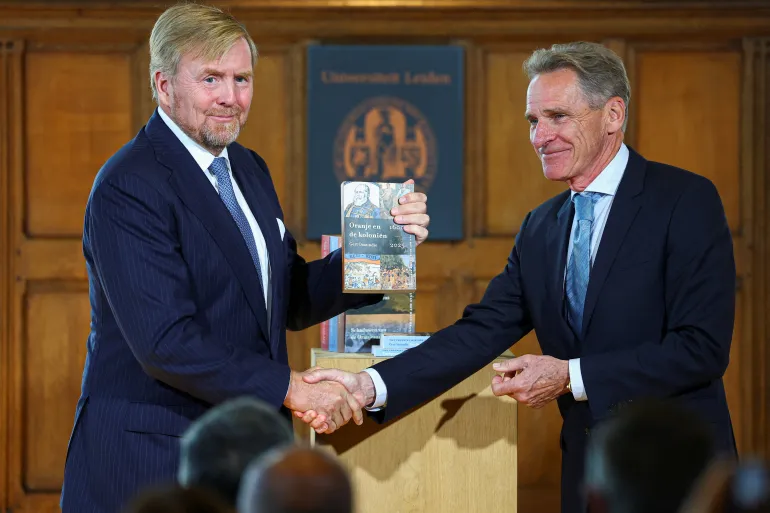
The in-depth study, commissioned by King Willem-Alexander and conducted by Leiden University, showed the House of Orange-Nassau “actively supported Dutch colonialism for centuries, but only rarely determined colonial policy”, according to the university’s statement, published on Friday.
Recommended Stories
list of 3 itemsend of list
“The involvement of the House of Orange-Nassau was wholehearted and without any real reservations,” Dutch historians and human rights experts concluded after a three-year study looking at the period from 1600 to the present.
“The research leaves us in no doubt that the House of Orange shares responsibility for the survival over the centuries of the Dutch slave trade and slavery,” the study said, noting that most of the rulers showed no objections to slavery.
King Willem-Alexander said on Friday he was personally affected by the “explicit” conclusions of the study.
“It is a painful and confronting conclusion. A conclusion that affects me, even though I am three generations removed,” Willem-Alexander said in a speech at the presentation of the research.
“We know the effects of colonialism and slavery are still being felt today. Discrimination and economic exploitation unfortunately happen every day,” he added.
The study also showed that the royal family at times profited substantially from the colonial system, mostly from trade in the Dutch East Indies, modern-day Indonesia.
In the 19th century, for instance, profits accumulated to about $650m in modern terms, the researchers said.
On the other hand, the royal family earned “almost nothing” from the slave trade, the research showed.
Apologies without reparations
The Dutch monarch, who in 2023 apologised for his ancestors’ lack of action against slavery, highlighted their lack of “counter-current leadership” in the face of colonialism.
Dutch historian Gert Oostindie, right, presents a volume of an independent study into the role of the House of Orange-Nassau in Dutch colonial history to King Willem-Alexander in Leiden, the Netherlands, on October 2, 2026 [Piroschka van de Wouw/Reuters]
The House of Orange has ruled the Netherlands since the late 16th century, first as “stadtholders” who presided over the republic, and later as the royal house when the Netherlands became a monarchy.
For most of this time, the Dutch ruled over vast colonies in Southeast Asia and the Caribbean, including what is now Indonesia and Suriname.
The findings could stir up the debate around reparations in the Netherlands. The Dutch government apologised in 2022 after acknowledging the Dutch state bore responsibility for transatlantic slavery. King Willem-Alexander apologised the following year.
The government at the time ruled out reparations, instead creating a 200 million euro ($238m) fund for social initiatives, which anti-racism campaigners have dismissed as insufficient.
The National Institute for the Dutch Slavery Past and Heritage (NiNsee) lauded the king for commissioning the study but said it should lead to a next phase.
“Research impacts society when the new insights into the past contribute to awareness, dialogue, corrections and additions to our national history in the school curriculum and the conversation about responsibility and reparatory justice,” NiNsee director Bianca Groen Gallant said.
The Dutch played a major role in the global slave trade from the 17th century until the Netherlands abolished slavery in the second half of the 19th century.
Security threats prompt US and Australia to suspend diplomatic operations in Brazil before pivotal election day.
Published On 3 Oct 20263 Oct 2026
The United States has suspended consular services in Brazil, prompting Australia to close its embassy in the Brazilian capital, two days before Brazil’s presidential election on Sunday.
In a statement released on Thursday, the US embassy said it would suspend consular services starting on Friday and advised American citizens seeking assistance not to visit its embassy, consulates or other diplomatic facilities.
Recommended Stories
list of 3 itemsend of list
The statement cited security concerns but gave no further detail on the nature of the threat or any link to the election.
The US State Department said it was working closely with Brazilian counterparts to address the security concerns, adding that embassies and consulates routinely issue alerts about local threats and developments.
Australia’s ambassador to Brazil, Sophie Davies, said on social media that the Australian embassy would also close on Friday, citing the US alert, and advised Australians to avoid US diplomatic facilities.
Brazil’s federal police said they carried out preventive search and seizure warrants in Sao Paulo and the Federal District, the administrative region surrounding the capital, Brasilia, as part of an investigation into suspected plans that could threaten US diplomatic facilities.
Police said the operation followed cooperation with foreign intelligence agencies, but that investigators had found no evidence corroborating the initially reported threat, nor identified any suspects linked to criminal organisations.
An investigation was continuing after the seizure of communications equipment, according to the police.
The closures came two days before the Brazilian presidential election, which pits incumbent Luiz Inacio Lula da Silva, who is seeking re-election, against Senator Flavio Bolsonaro, son of former President Jair Bolsonaro. Jair Bolsonaro is serving a 27-year sentence for attempting a coup.
If neither candidate wins more than 50 percent of the vote on Sunday, a runoff will be held on October 25.
Edinho Silva, president of Lula’s Workers’ Party, called the closures “unprecedented”, saying: “It makes no sense at all. It’s one of Trump’s ways of trying to influence Brazilian public opinion.”
Lula’s allies have pointed to US tariffs and an effort by Washington to send officials to Brazil to “discuss electoral integrity” as evidence of foreign interference.
Brazilian intelligence officials briefed French and German delegations in Brasilia this month on what they described as US and Russian interference in the race.
US President Donald Trump has publicly praised Flavio Bolsonaro, a close ally, without formally endorsing him, saying he is “watching that election very closely”.
Heavyweights England play away to Croatia, with captain Harry Kane going up against veteran Luka Modric.
Who: Croatia vs England What: UEFA Nations League 2026-27, Group A3 match Where: Rujevica Stadium, Rijeka, Croatia When: Saturday, October 3, at 6pm local time (16:00 GMT) Howto follow: Al Jazeera Sport will bring you all the build-up and live updates from 13:00 GMT
Action in the Nations League continues this weekend with a matchday three tie between Croatia and England.
Recommended Stories
list of 4 itemsend of list
With a win and a defeat each, Croatia and England have both made a mixed start to this year’s competition.
Drawn in a group alongside the reigning world champions Spain and minnows Czechia, Croatia and England find themselves in an interesting yet challenging pool.
Captain Harry Kane has led from the front for the Three Lions, excelling in front of goal alongside winger Anthony Gordon, while Luka Modric continues to defy age, still playing a vital role in Croatia’s midfield even at 41.
Al Jazeera breaks down everything ahead of Croatia vs England:
What is the UEFA Nations League?
The UEFA Nations League was founded in 2018 to reduce the number of meaningless friendlies and give nations competitive matches against top-ranked teams.
In this competition, countries from across Europe participate in a league structure which features promotion and relegation.
How have Croatia and England played in the Nations League?
Both Croatia and England have won once and lost once.
Croatia started their Nations League campaign with a 2-1 win over Czechia in Prague before losing 4-1 to world champions Spain in Seville.
England, on the other hand, fell 3-2 to Spain in their campaign opener in London before beating a 10-man Czechia side 2-0 in Prague.
When did Croatia and England last meet?
They last met at the 2026 FIFA World Cup.
England beat Croatia 4-2 in a World Cup group game on June 17 in Arlington, Texas. Captain Harry Kane scored a brace, while Marcus Rashford and Jude Bellingham scored a goal apiece.
Croatia vs England: Head-to-head
Matches: 12
Croatia wins: 3
England wins: 7
Draws: 2
Croatia vs England: Form guide
(Last five games, latest results first)
Croatia: L-W-L-W-W
England: W-L-W-L-W
Who are the top players to watch?
Luka Modric and Ivan Perisic (Croatia): The evergreen Modric, very much the heartbeat of the Croatian midfield even at 41 years old, scored the opening goal in their away win in Czechia. Time and again, the captain has pulled the strings in the middle of the park, proving age is just a number. His fellow experienced teammate, Perisic, is also chipping in style, bagging back-to-back assists.
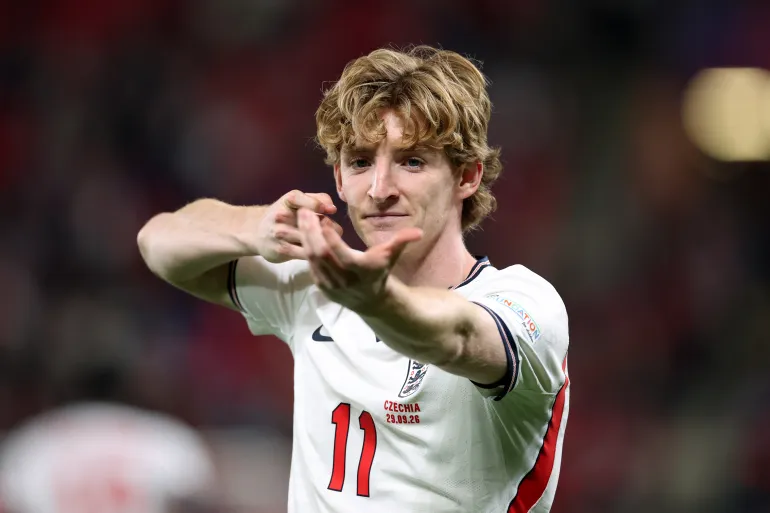
England international Anthony Gordon has scored in back-to-back games [Justin Setterfield/Getty Images]
Harry Kane and Anthony Gordon (England): The script for England has looked the same in the last two games: Gordon opens the scoring, and Kane follows suit. While that wasn’t enough to beat the mighty Spain, it did the job against Czechia. Can this dynamic duo strike again? The numbers swing in their favour – Gordon has five assists already for Barcelona this season, while Kane has scored six times for Bayern Munich.
Team news and predicted lineups
Croatia
Centre-back Martin Erlic is out injured until mid-October, and right-back Josip Juranovic is sidelined with illness.
Probable Croatia XI: Dominik Livakovic; Josip Stanisic, Luka Vuskovic, Josko Gvardiol, Ivan Perisic; Luka Modric, Mateo Kovacic; Luka Sucic, Petar Sucic, Franjo Ivanovic; Dion Beljo
England
England are without left-back Nico O’Reilly, who withdrew from the squad with injury.
Probable England XI: James Trafford; Trent Alexander-Arnold, Trevoh Chalobah, Marc Guehi, Lewis Hall; Elliot Anderson, Miles Lewis-Skelly; Bukayo Saka, Morgan Rogers, Anthony Gordon; Harry Kane
Croatia vs England: TV channel, livestreaming
Croatia: gol
United Kingdom: ITV1
United States: FOX Sports, FuboTV, ViX
India: Sony Sports Network
Middle East and North Africa: beIN SPORTS
South Africa: DStv Stream
You can find your regional broadcaster on UEFA’s official broadcaster listing.
Italy’s Alessandro Bastoni cancels out Michael Olise’s opener for France in 1-1 UEFA Nations League draw in Saint-Denis.
Published On 2 Oct 20262 Oct 2026
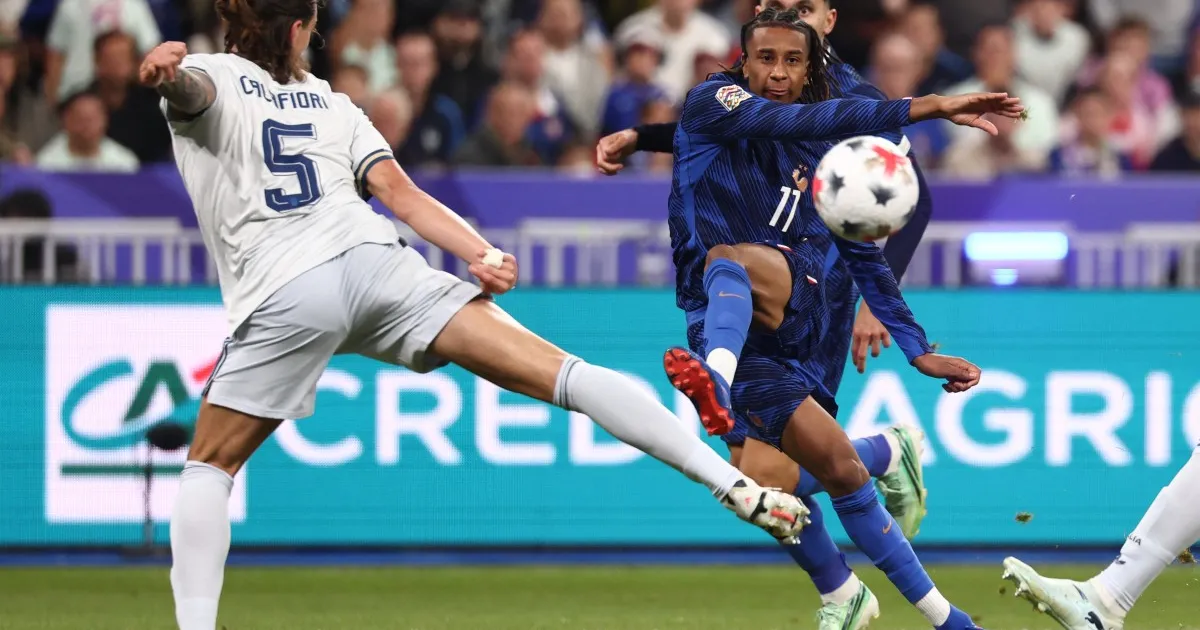
Michael Olise scored another superb goal but France were held to a 1-1 draw by Italy on Friday in Zinedine Zidane’s first home game since being appointed coach of Les Bleus.
Four days after coming off the bench to score a stunning solo effort to give France a 1-0 win in Belgium, Bayern Munich star Olise again showcased his spectacular talent by smashing a shot in off the crossbar from a free kick early in the second half.
Recommended Stories
list of 4 itemsend of list
However, Inter Milan defender Alessandro Bastoni equalised for Italy midway through the second half to prevent Zidane from making it three wins out of three in charge of his country.
France, who had defender Dayot Upamecano sent off late on, lead UEFA Nations League Group A1 with seven points, with Belgium just behind on six points after a 3-0 win over Turkiye.
France and Belgium meet on Monday in their last match of this two-week international window. Italy have four points before hosting Turkiye next.
Zidane was the focus of attention as his home debut, before a packed crowd of 77,118 at the Stade de France just outside Paris, came against the same opponents as in his final game as a player.
The now 54-year-old icon and former Ballon d’Or winner never played again after being sent off for an infamous headbutt on Marco Materazzi in the 2006 World Cup final in Berlin, which Italy won on penalties.
It was a first appearance for the former Real Madrid playmaker at France’s national stadium since he played in a friendly against Mexico in May 2006, winning his 100th cap in the process.
Beyond the spotlight on his past, Zidane is trying to stamp his mark on the France team in this Nations League campaign, with one eye on the next major tournament, Euro 2028.
He was again without captain Kylian Mbappe here with the Real striker having returned to his club after suffering a knee injury while scoring the winner in Turkiye last week.
Olise returned to the starting lineup in one of six changes from the Belgium game, but new faces Jeremy Jacquet, the Liverpool defender, and Como midfielder Lucas Da Cunha again played.
Italy are rebuilding under Roberto Mancini, who has returned for a second spell as coach of a nation who have failed to qualify for the last three World Cups.
They will be the happier of the two teams with the draw in this game, although they had goalkeeper and captain Gianluigi Donnarumma to thank for keeping them in it with a host of saves in the second half.
Moise Kean should have given Italy an early lead after a sweeping move, only for his disappointing finish to be saved by Mike Maignan.
Davide Frattesi also came close in the first half while Kean had a goal disallowed for offside, as an Olise cross that landed on the bar was as close as France came.
The hosts turned up the volume after the break and Donnarumma saved from Desire Doue, Ousmane Dembele and Olise before the latter crashed in the opener on 55 minutes when Rayan Cherki laid off a dead ball.
However, Bastoni caught Da Cunha in possession just outside the France box and was left with an easy finish to pull the visitors level.
Donnarumma, formerly of Paris Saint-Germain, then produced more magic to save from Adrien Rabiot and twice from Eduardo Camavinga, before Upamecano walked for a second yellow on 85 minutes.
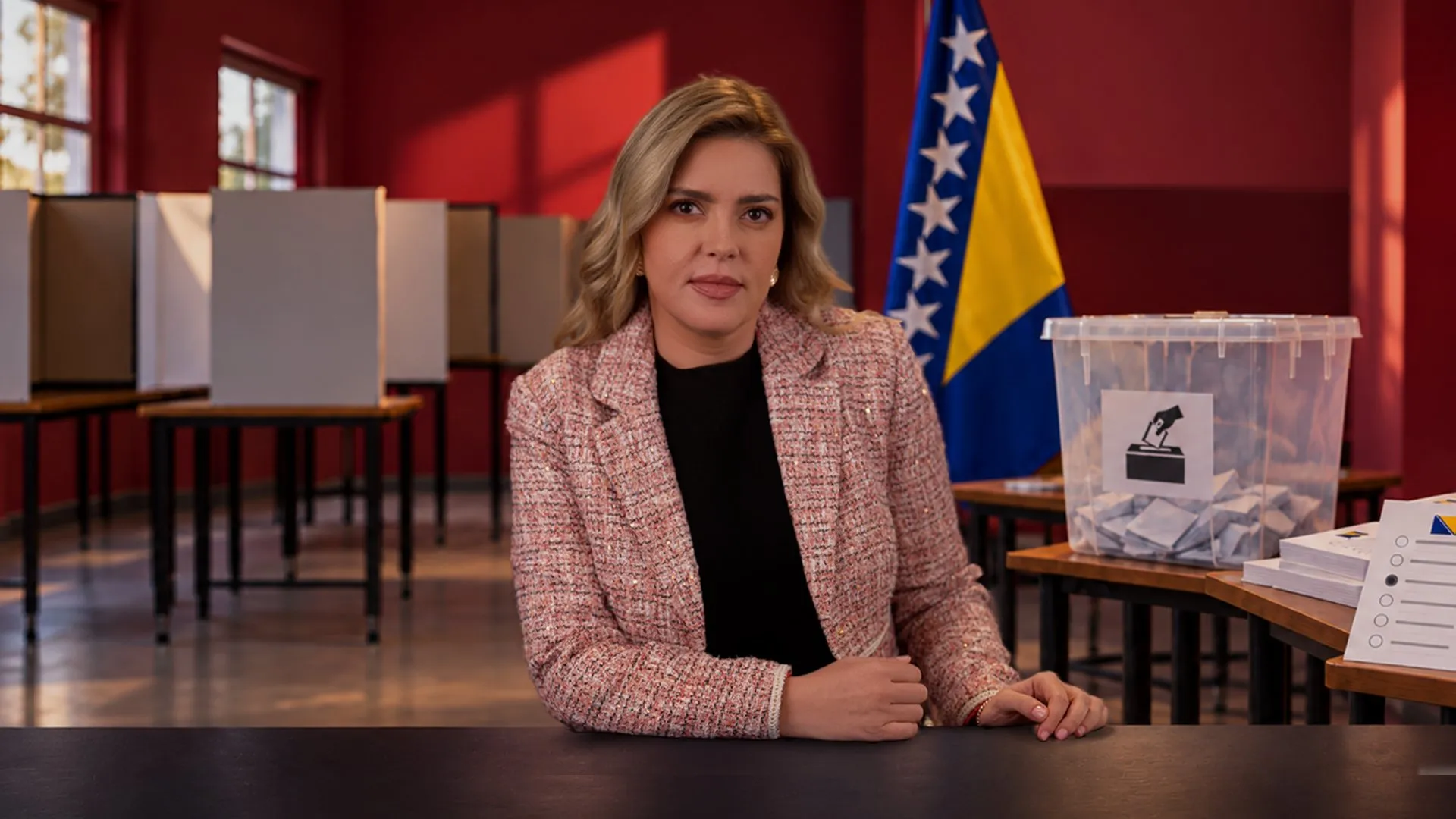
Bosnia and Herzegovina votes on October 4 in an election that may determine whether the country breaks its political deadlock, strengthens its path towards the European Union or faces fresh divisions that could reverberate across the Balkans.
US President Donald Trump says Europe agreed to release a ‘massive amount’ of diesel from emergency stockpiles as the US seeks to lower fuel prices. The proposed release could involve roughly 100 million barrels amid the US war on Iran and elevated fuel costs.
Hundreds of flights have been cancelled in a union dispute that could affect thousands of passengers
Robert Rowlands Deputy editor, money and lifestyle, content hub and Maria Ortega
17:24, 02 Oct 2026
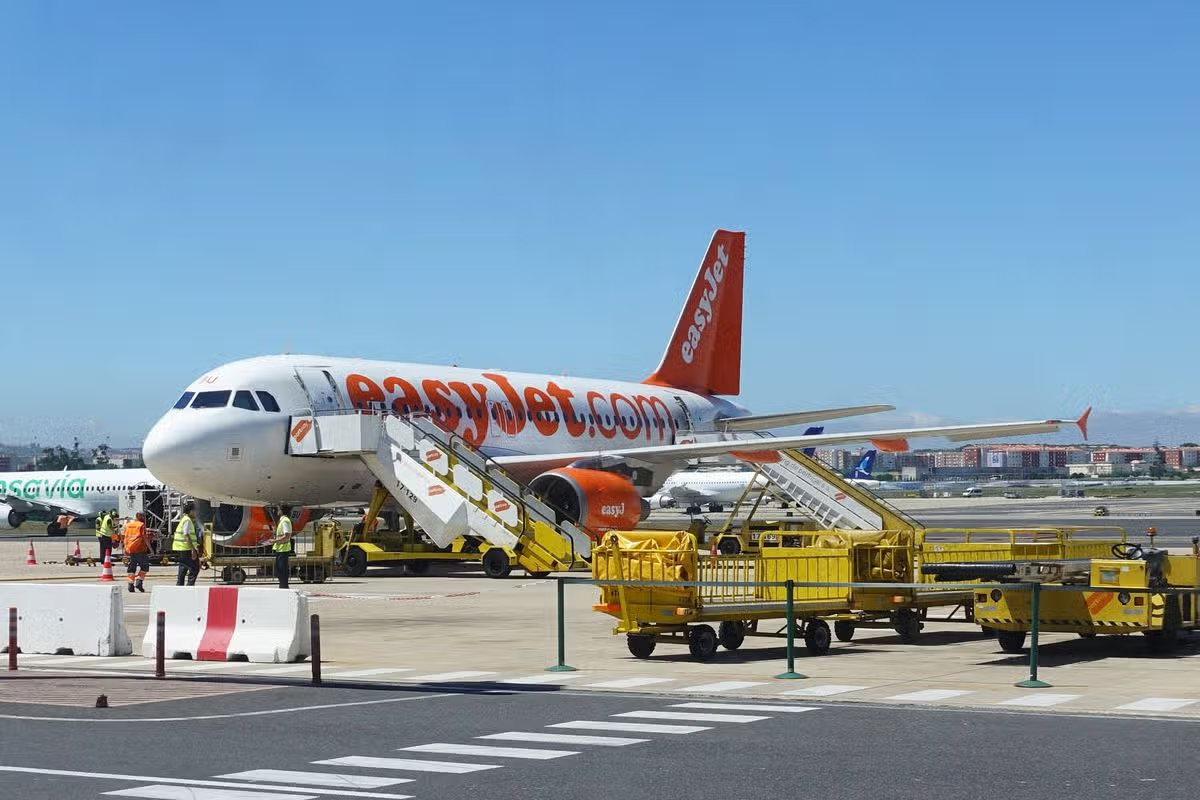
EasyJet says it is “extremely disappointed” that the action is taking place – file image of one of the airline’s planes at Lisbon airport(Image: Sergey Sokolnikov via Getty Images)
A ‘massive’ EasyJet cabin crew strike has resulted in the cancellation of hundreds of flights in a popular British tourist destination – and could jeopardise Christmas plans for holidaymakers.
The initial 5-day industrial action is expected to ground approximately 500 scheduled flights across Lisbon, Porto and Faro airports. And the festive period is also set to be disrupted.
The strike began this Friday, October 2, in Portugal and is the first of two walkouts planned for this year. The affected flights involve all domestic airports, but mainly Lisbon and Porto.
The EasyJet cabin crew strike goes on until Tuesday, with 443 flights from the Lisbon, Porto, and Faro bases already scrapped as of this morning, according to the National Union of Civil Aviation Flight Personnel (SNPVAC). “80% of flights involving the Lisbon, Porto, and Faro bases” between October 2 and 6 have already been cancelled, union official Ana Dias told local news agency Lusa. They noted that “the impact has already been massive.”
EasyJet, meanwhile, said 55% of flights were set to operate over the five-day strike period. The National Union of Civil Aviation Flight Personnel (SNPVAC) reported strong participation on Friday, the first of five scheduled strike days for EasyJet cabin crew, adding that only minimum services are being maintained.
EasyJet has confirmed that two return flights from Manchester Airport to Portugal have been axed in the coming days due to industrial action, the MEN reports. The walkout was announced by the National Union of Civil Aviation Flight Personnel and is set to impact flights from Lisbon, Porto and Faro airports, all served by EasyJet from Manchester Airport.
Sic Noticias reports that the union has said other currently scheduled flights could still be disrupted by the strike, although some may be operated by aircraft and crews from other European bases. An official EasyJet source told Lusa on Thursday that the airline anticipates operating approximately 55% of its schedule during the strike period. The source explained that, in addition to “minimum services” (representing about 22% of its Portugal-based operations), the airline is maintaining flights to and from the country operated by crews from other European bases.
The company says these operations are being conducted “in full compliance with applicable laws and regulations,”. The SNPVAC union deems the use of workers from other bases to replace striking staff “illegal” and is considering taking the matter to court.
EasyJet said it was “extremely disappointed” that the strike was taking place, despite its “ongoing efforts to maintain a constructive dialogue and reach an agreement.” It expressed regret over the disruption caused to passengers.
An EasyJet spokesperson said: “We are extremely disappointed that the union representing our Portugal-based cabin crew has announced an industrial action from 2 to 6 October, despite our willingness to continue a constructive dialogue and reach an agreement to meet our employees’ requests and protect the sustainability of EasyJet business in Portugal.
“We are sorry for the impact the unnecessary action will have on our customers, and are doing all we can to minimise disruption, including cancelling two return flights from Manchester in advance to allow our customers to rearrange their travel plans. Customers have been informed directly and offered options including a free transfer or a refund.
“We advise customers travelling to or from Portugal between 2 and 6 October to check the status of their flight via our Flight Tracker.”
Both decrees to tackle housing affordability crisis shot down as critics say measures would tighten the housing market.
Spain’s government has lost key votes to ratify emergency measures aimed at tackling the nation’s housing affordability crisis, after protests intensified last month following the eviction of an 87-year-old woman.
The proposed measures, which comprised two separate decrees, were both shot down by the majority of the 350-seat lower house of parliament on Friday.
Recommended Stories
list of 3 itemsend of list
The move is a heavy blow to Prime Minister Pedro Sanchez, whose government faces public pressure, including from the hundreds of protesters who had gathered outside parliament demanding help for renters.
The first decree was meant to stop evictions of vulnerable people, make real estate speculation harder, impose tighter restrictions on short-term leases and provide tax incentives to encourage renting and the construction of housing.
The second decree proposed making leases automatically renew when they are set to expire, essentially making them indefinite. A property owner would have to pay a tenant 12 months of rent to break the contract.
The right-wing Catalan separatist party Junts refused to back the housing decrees, saying they would ultimately tighten the housing market. The centre-right Popular Party and far-right Vox also voted against the measures.
Sanchez, who leads a coalition government composed of his Socialist Party and the far-left Sumar, appealed to lawmakers in the run-up to the vote to put aside political calculations and pressure.
“Think about ordinary people, about those who most need the protection of public institutions. Think about the millions of young people who cannot afford to move out of their parents’ homes. Think about the families living with the constant anxiety of ever-rising rents,” he said.
“Do the right thing, because I believe that if you do not, history will judge you sooner than you think, and far more harshly than you can imagine.”
Miriam Nogueras of Junts argued the decrees would only lead to owners removing their properties from the rental market, and thus driving up prices even further.
“These decrees still allow speculators to buy property and to evict people,” Nogueras said.
‘Your profits, our misery’
As the vote was under way, protesters marched on the parliament demanding help for renters.
The government decrees were intended to quell a public uproar following the televised eviction on September 23 of Maria del Carmen Abascal, known across Spain as Maricarmen, that set off protests and a camp-in that occupied Madrid’s Puerta del Sol square ever since.
Abascal was living in the property in Madrid’s central Retiro neighbourhood under a rent-capped lease contract signed by her father in the 1950s. The property was then bought by the real estate and investment firm Urbagestion in 2018.
Urbagestion sought to terminate Abascal’s contract and evict her after raising her rent from 500 euros ($572) to 2,650 euros ($3,010) – nearly double her pension of 1,350 euros ($1,533) a month – according to Spanish newspaper El Pais.
When the police carried out her eviction on their fourth attempt, hundreds of activists who had been protesting against her losing a home she had lived in her entire life were waiting outside. Abascal has since been offered a preliminary agreement that would allow her return to her home.
Protesters rallying at the chamber in downtown Madrid on Friday held up homemade signs with images of vultures on them, denouncing the real estate speculators they blame for driving up prices.
Some people gathered outside the assembly chanted “your profits, our misery” as lawmakers voted down the government’s decree.
The average rent in Spain has almost doubled in the past 10 years. The average price per square metre has risen from 8.20 euros (about $9.08 at the time) in 2016 to 15.1 euros ($17.15) this year, according to the real estate website Idealista.
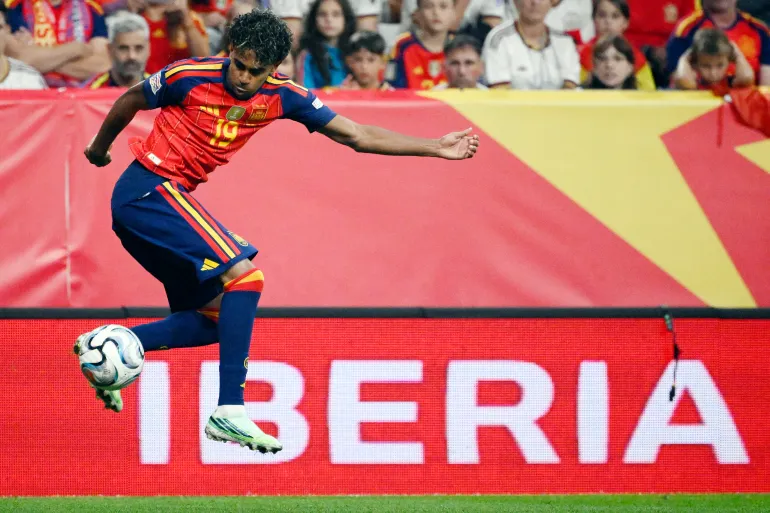

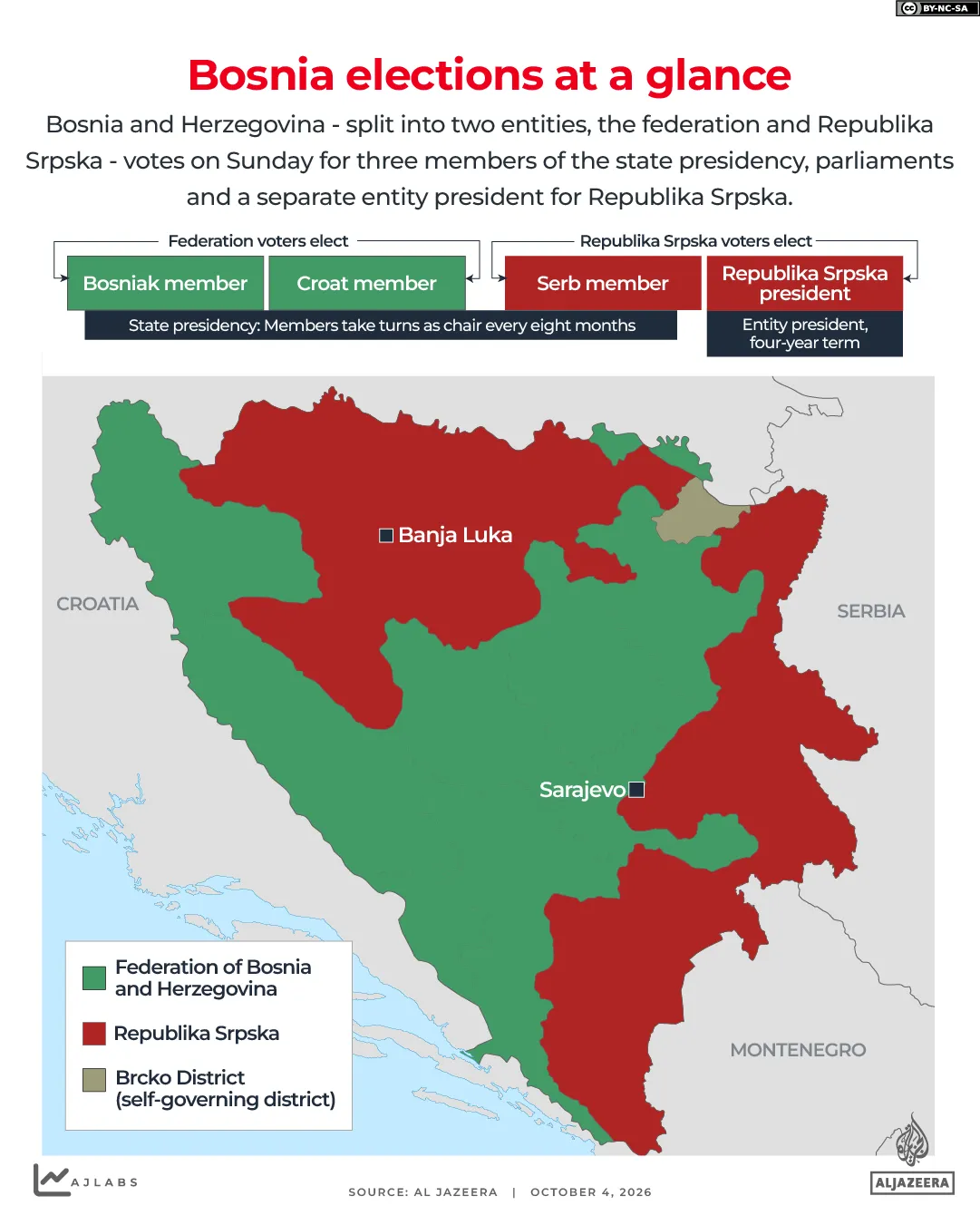


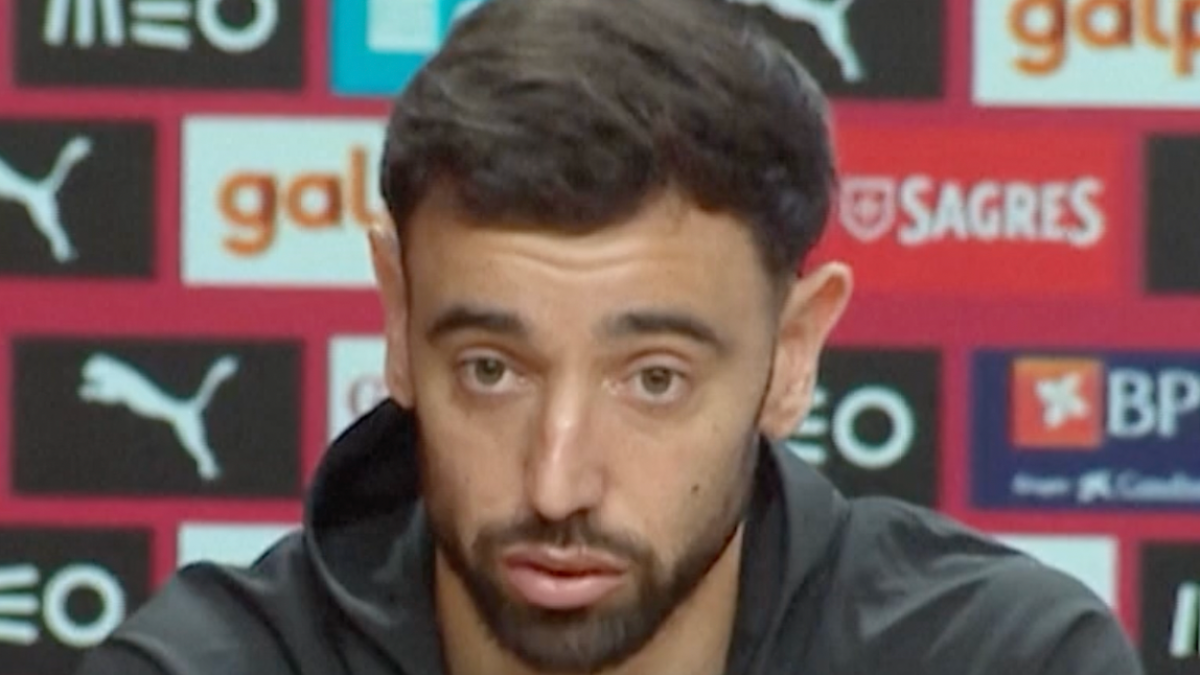
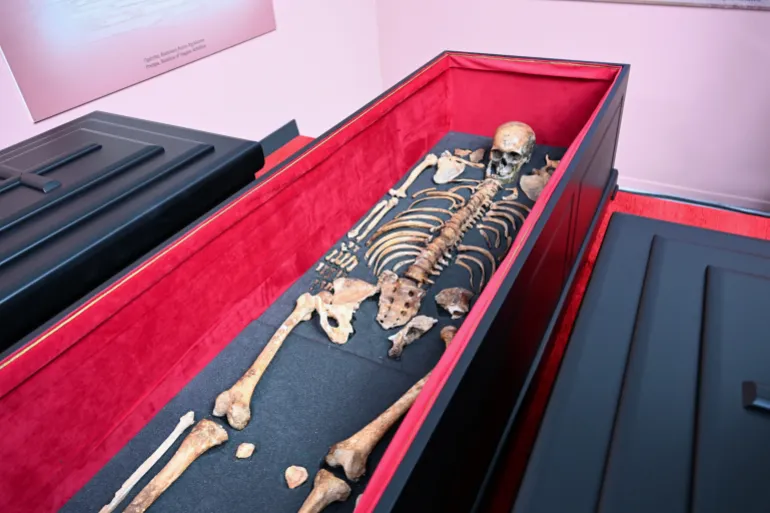

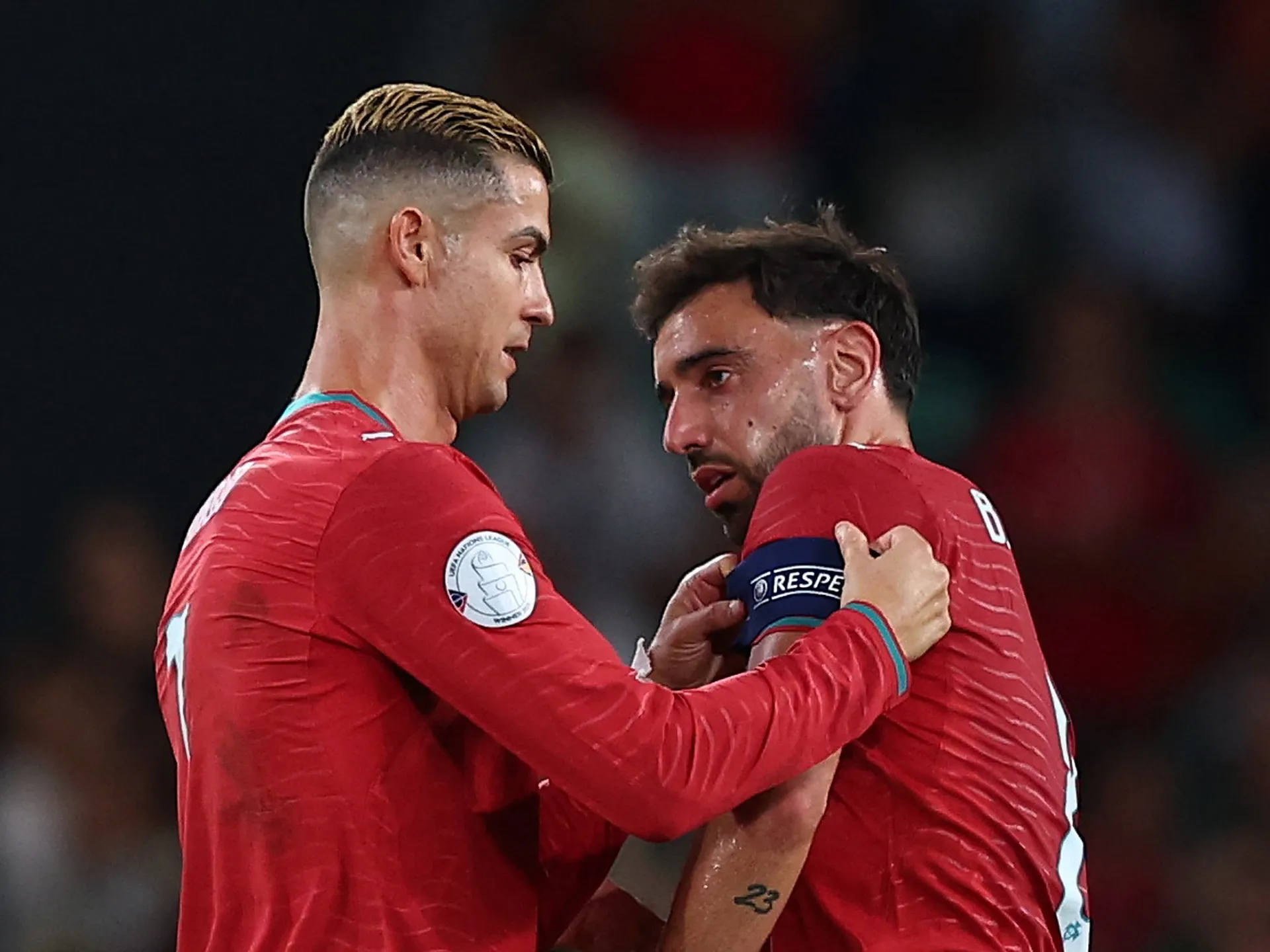
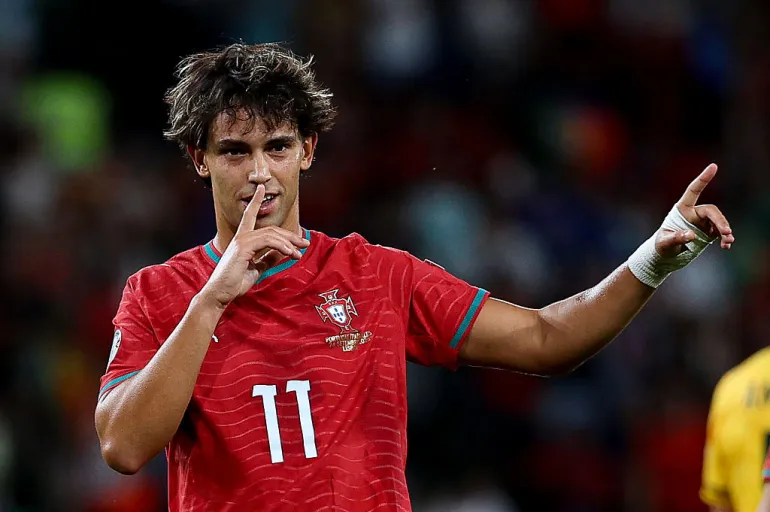


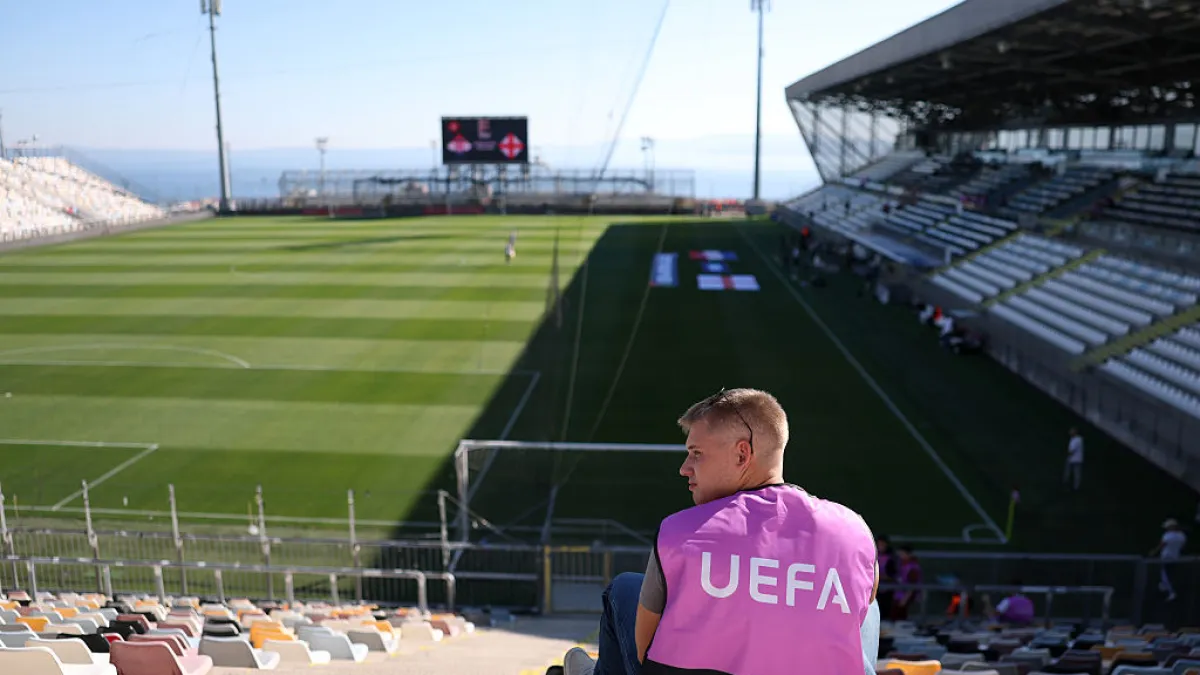
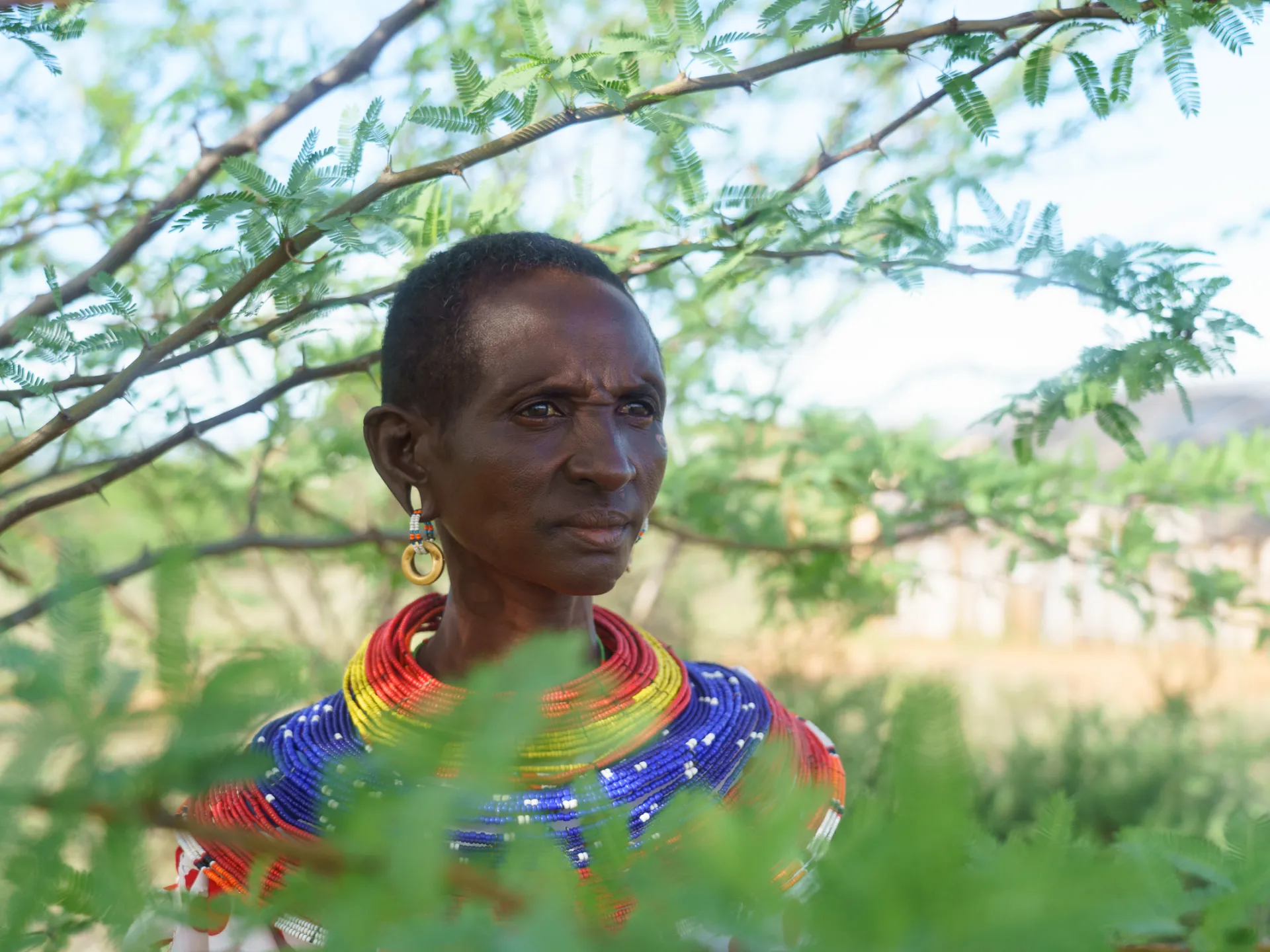
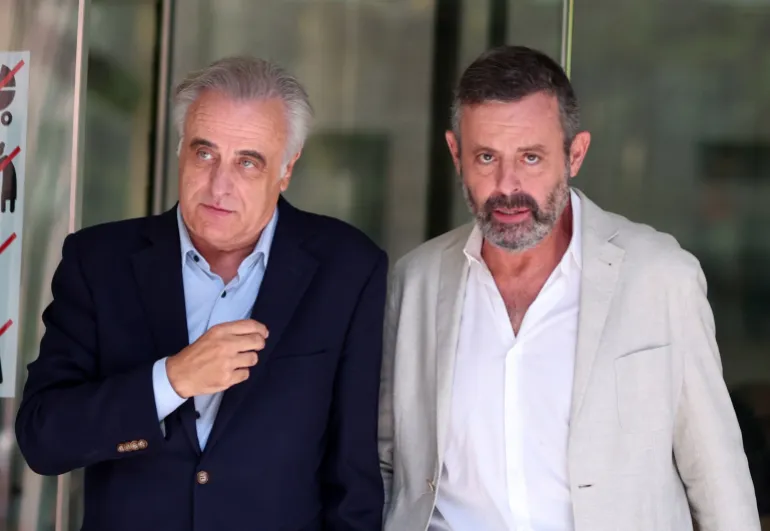

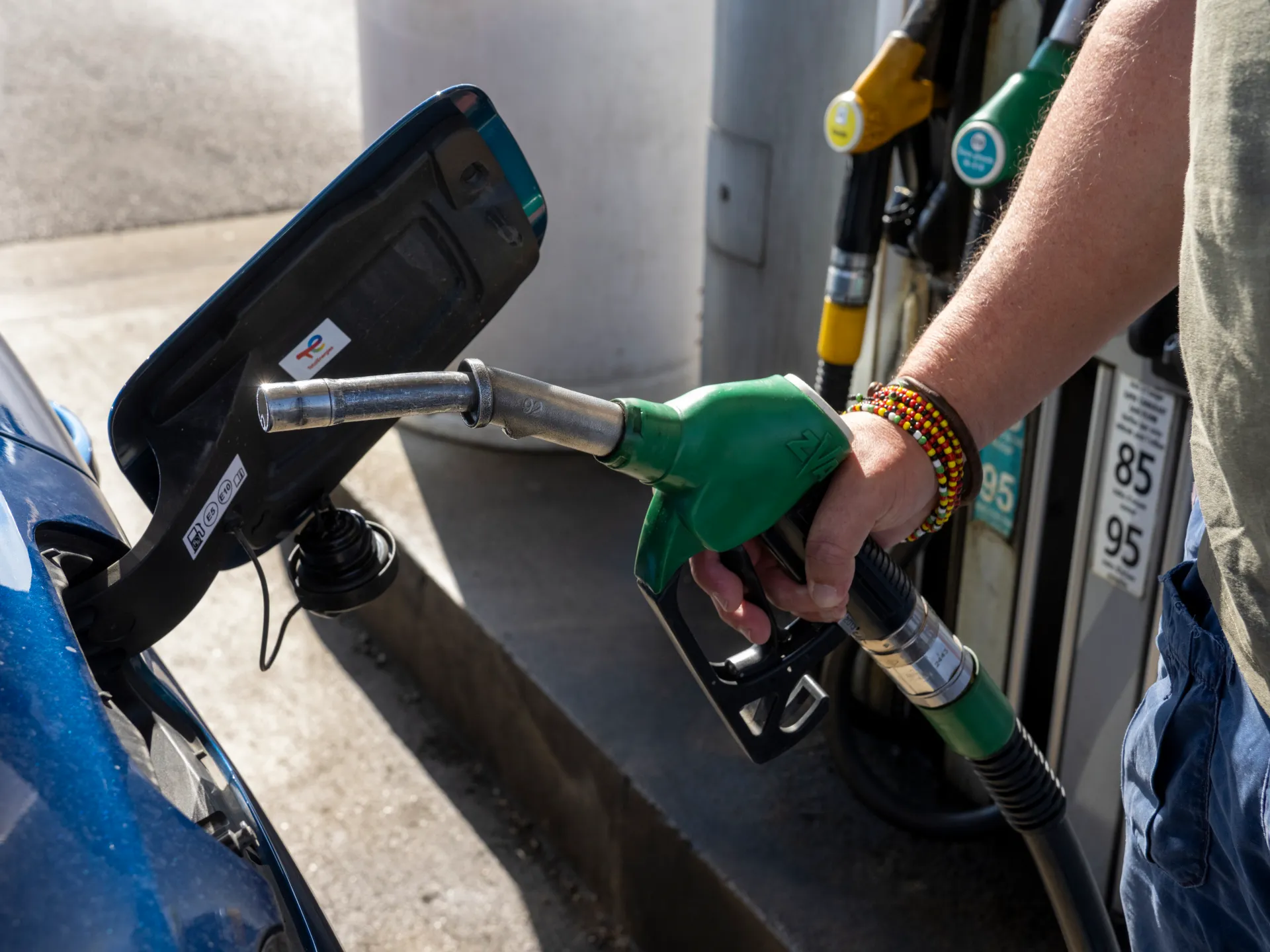


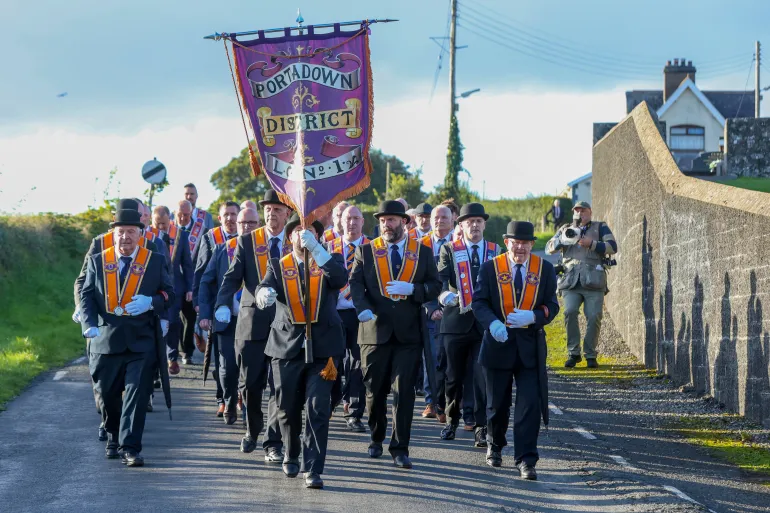
![Portadown Orangemen march from Drumcree Church to start their march towards Garvaghy Road, which was stopped a short distance later by police, in Portadown, Northern Ireland on September 27, 2026 [AFP]](https://i0.wp.com/www.aljazeera.com/wp-content/uploads/2026/10/afp_6abfeb6d30a8-1790962541.jpg?w=640&ssl=1)

![UVF flags fly alongside UK flags in the Edgarstown estate, Portadown, Northern Ireland, on October 1, 2026 [Caolán Magee]](https://i0.wp.com/www.aljazeera.com/wp-content/uploads/2026/10/DSC00033-1790961495.jpg?w=640&ssl=1)
![Orange Order members sit outside Drumcree church as they await passage along Garvaghy Road in Portadown, Northern Ireland, on October 1, 2026 [Caolán Magee]](https://i0.wp.com/www.aljazeera.com/wp-content/uploads/2026/10/DSC00113-1790961532.jpg?w=640&ssl=1)
![Children play on the embankment as music rings out along Garvaghy Road in Portadown, Northern Ireland, on October 1, 2026 [Caolán Magee]](https://i0.wp.com/www.aljazeera.com/wp-content/uploads/2026/10/DSC00134-1790961539.jpg?w=640&ssl=1)
![A ‘Garvaghy Road says no’ sign with an Irish tricolour in the background in Portadown, Northern Ireland, on October 1, 2026 [Caolán Magee]](https://i0.wp.com/www.aljazeera.com/wp-content/uploads/2026/10/DSC00064-1790961515.jpg?w=640&ssl=1)