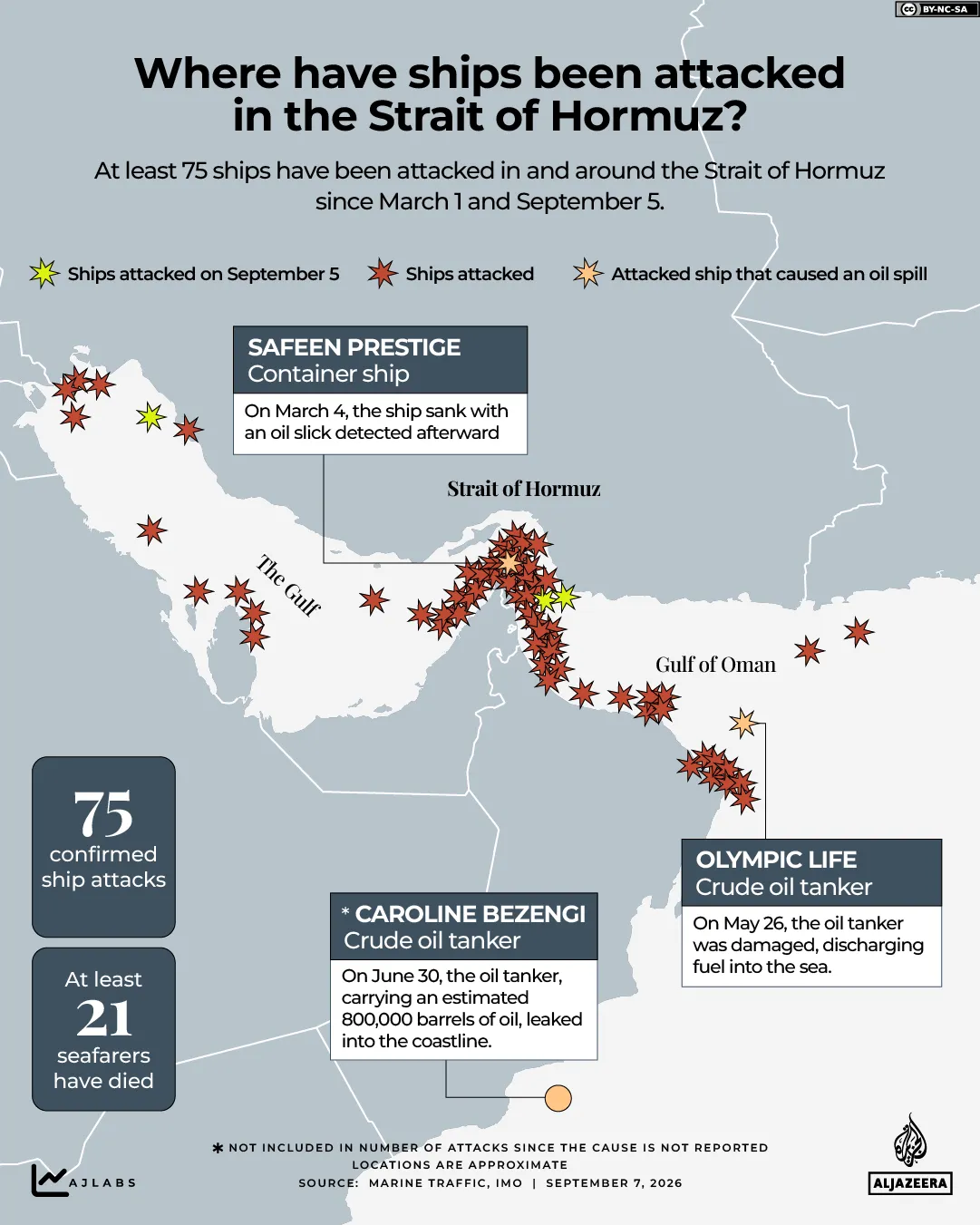
As Iran and the United States work with mediators to end seven months of hostilities, the reality in the Strait of Hormuz is shifting in ways that could prove to be a game-changer in ongoing negotiations.
According to the latest data from tanker-tracker websites, traffic through the key waterway has been steadily increasing, with some estimates putting oil and petroleum flow through the Strait of Hormuz at nearly 80 percent of what it was before the US-Israeli war on Iran began on February 28.
Recommended Stories
list of 3 itemsend of list
This could dent Iran’s leverage in reaching a favourable deal for itself in its attempts to end the fighting, which has seriously hampered its already heavily sanctioned economy, amid the US blockade of Iranian ships and ports.
Despite that, experts believe it would be a mistake to think normality in the Strait of Hormuz is imminent, or that Iran will fold easily despite growing economic hardship.
“The fact that oil is getting through the Strait of Hormuz is encouraging, but flows are not yet regarded as completely secure or guaranteed, particularly while the wider conflict remains unresolved,” Susannah Streeter, chief investment strategist at Wealth Club, told Al Jazeera.
Moreover, oil prices remain high globally, including in the US, where President Donald Trump faces a crucial midterm election that could see his party swept away in both houses of Congress.
Tanker insurance costs also remain elevated and energy flows through Hormuz are still far from secure, suggesting Iran’s leverage may be weakening rather than disappearing.
Oil flows through Hormuz recovering
The latest data from commodity analytics firm Kpler points to a significant recovery in oil exports from the Middle East.
Crude exports reached an estimated 16.328 million barrels per day (bpd) in September – their highest level since the war began in late February, the firm reported this week.
Flows through the Strait of Hormuz itself were expected to reach about 9.719 million bpd during the month. Saudi Arabia has driven much of the increase, with its exports rebounding from 2.446 million bpd in August to about 5.4 million bpd in September.
Kpler said Middle East crude exports have recovered to just under 80 percent of their pre-war level. But the figures remain about 3.2 million bpd below the 19.513 million bpd exported in February.
The data also does not include ships crossing Hormuz with their tracking systems switched off, meaning actual traffic could be higher.
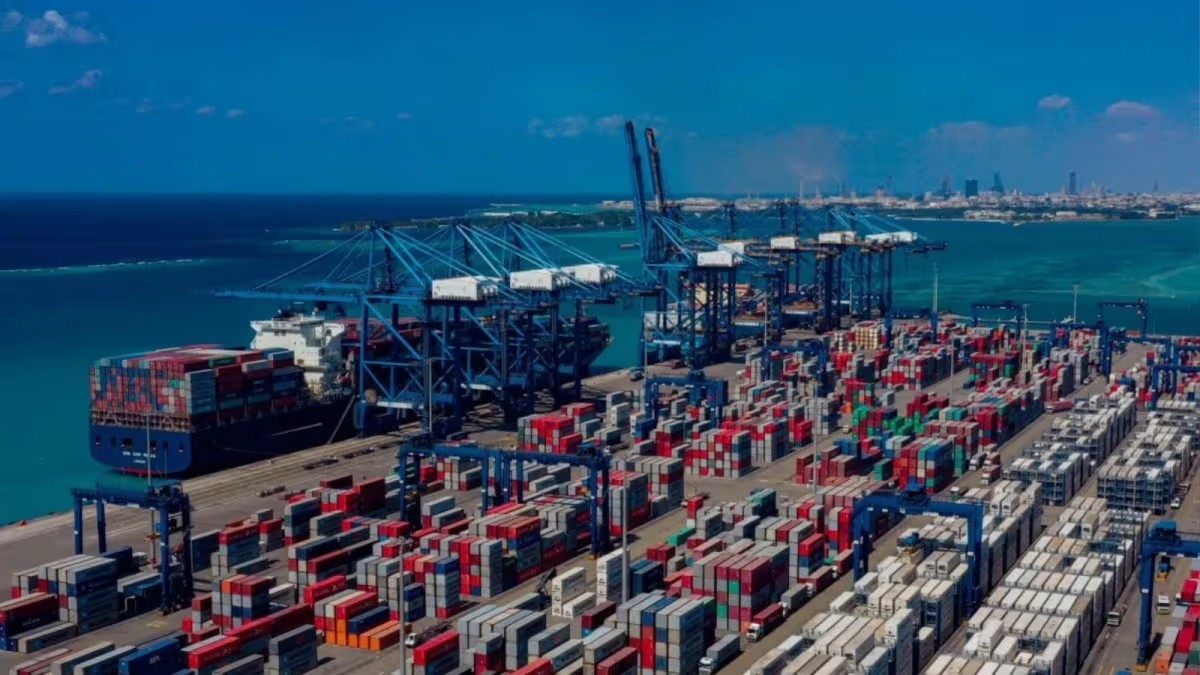
Prior to the war, an estimated 120-140 vessels crossed through the waterway daily, roughly half of them oil tankers moving approximately 20 million barrels per day. At the height of the fighting, traffic through the waterway collapsed to as few as two tankers a day after Iran in effect closed the strait in retaliation for US-Israeli attacks.
Is Iran losing leverage?
The rebound in oil flow presents a challenge for Tehran. Iran has sought to use its ability to disrupt the Strait of Hormuz – one of the world’s most important energy chokepoints – as leverage against Washington’s military and economic pressure.
But if large volumes of oil can continue moving through the strait while Iran itself remains under a US naval blockade, Tehran’s bargaining power could diminish.
Iran, however, rejects any assessment that its control over the strait is slipping.
Islamic Revolutionary Guard Corps spokesperson Hossein Mohebbi on Tuesday said the ability of vessels to transit the waterway with US assistance did not mean Hormuz had returned to normal.
Oil prices are another indication that Iran has not lost all of its leverage.
Villagers stand near plastic containers at a fuel station to fill their water pumps, as India faces rising oil prices, in Halvad, Gujarat, India [File: Amit Dave/Reuters]
Brent crude fell 2.6 percent to $102.59 a barrel on Tuesday as traders focused on recovering Middle East exports. But it was still heading for a roughly 13 percent gain in September.
Chris Beauchamp, an analyst at IG, said markets were beginning to incorporate evidence of recovering flows but remained wary about how durable that recovery would be.
“It takes time for evidence to filter through to markets,” Beauchamp said. “Oil prices came off yesterday as the narrative began to take hold, and should continue to fall.”
But he said concerns persisted over whether the US protection system could withstand a renewed barrage of Iranian missiles and drones.
Streeter of Wealth Club said the market still had a geopolitical risk premium built into crude prices, despite the improving flows.
“Insurance costs for tankers also remain elevated because of the perceived risks of operating in the region, adding to the cost of transporting crude even as more ships make it through the waterway,” she said.
Moreover, Streeter warned that crude figures tell only part of the story. Flows of refined fuels, particularly diesel and gasoline, remain constrained, while damage to infrastructure has placed additional pressure on energy supply chains, she added.
There is another vulnerability, the investment strategist pointed out. Countries including the US have relied heavily on strategic oil reserves to cushion the impact of the disruption and help contain prices.
“With those stockpiles now significantly depleted, there is a thinner buffer if there is another disruption, which is helping to keep a floor under crude prices,” Streeter added.
‘Economic war’ on Iran
There is little doubt that economic pressure on Iran is intensifying, potentially increasing Tehran’s incentive to reach an agreement.
Official data from the Statistical Center of Iran earlier this month showed gross domestic product (GDP) contracting 10.1 percent year on year between March 21 and June 20, while the crucial oil and gas sector shrank 26.4 percent.
Iran has also been battling high inflation and a plunging currency as the US blockade constrains oil exports and foreign currency earnings.
Twelve-month average inflation reached 69.9 percent earlier in September, while the rial had fallen beyond 2.2 million to the US dollar in early September.
People shop at Tajrish Bazaar in northern Tehran, Iran [File: Abedin Taherkenareh/EPA]
In August, the US announced a fresh economic pressure campaign against Iran, promising to target Tehran’s financial interests across the world.
Mohammad Eslami, a research fellow at the University of Tehran, told Al Jazeera that Iran was facing an “economic war” alongside the military conflict.
“There is a US blockade of the Strait of Hormuz, which affects Iran’s revenues from oil exports and other products such as petrochemicals, which are important to Iran’s economy,” Eslami said. “As a result, Iran’s dollar revenues have been affected by the blockade.”
But he cautioned against judging Iran’s economy solely through the value of its currency.
“The exchange rate is a very important indicator, but it is not the only measure for explaining what is happening or the difficulties and challenges facing Iran’s economy,” Eslami said, adding that Iran has faced US economic pressure for “five decades”.
Can a deal be reached?
Despite the military and economic pressure, negotiations have not collapsed.
At the United Nations General Assembly last week, Tehran and Washington engaged in three hours of indirect talks, as US special envoys Steve Witkoff and Jared Kushner met with Iranian Foreign Minister Abbas Araghchi.
President Trump later described the encounter as “very good” and “very productive.”
Iran also proposed a seven-day roadmap under which the Strait of Hormuz could be reopened and normal maritime traffic restored if Washington meets Tehran’s conditions, a plan Trump categorically rejected.
Those conditions included ending the naval blockade on Iran, easing sanctions and releasing frozen Iranian funds.
However, on Wednesday, Reuters news agency reported that Araghchi had received US feedback on the proposal through Qatari mediators.
An official briefed on the talks said the main disagreement now centred on the sequencing of measures rather than the components of the plan.
Sep 25, 2026, 12:00 AM ETBy: Jay Mehta, SA News Editor
kyoshino/E+ via Getty Images
5:15 AM John Williams Speaks
Participates in a policy panel at the 6th Monetary Economics Conference organized by the University of Oxford, the New York Fed, and the Bank of England.
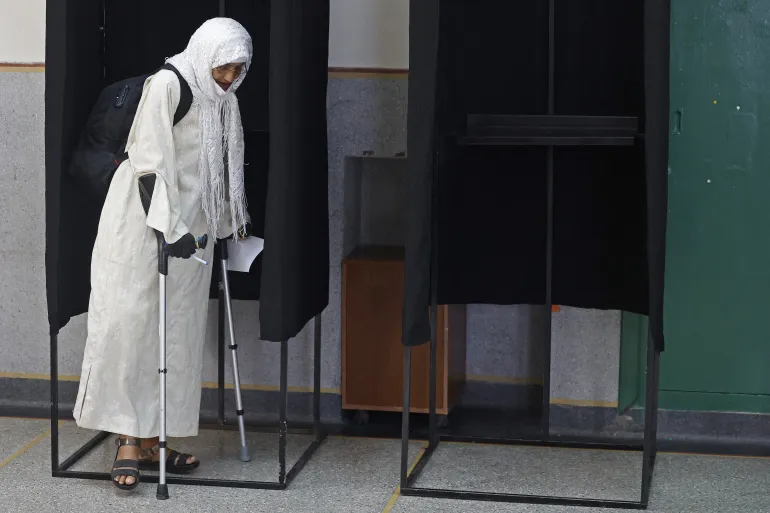
Millions of voters went to polls in Morocco on Wednesday to determine the makeup of the House of Representatives, the parliament’s lower house.
Twenty-seven political parties are competing for 395 seats in the country’s 12th legislative election since independence in 1956.
Almost 16 million people are able to vote, with 55 percent residing in urban areas and 45 percent in rural regions, seeing a mix of concerns among voters.
Economic frustrations
While King Mohammed VI will maintain most executive powers, the new government will manage many public affairs for the coming years.
Once the votes are counted, the king will appoint the head of government from the leading party, but they will still need the support of 198 deputies – an absolute majority – to gain parliamentary confidence.
The election comes at a time of mounting challenges for the country, with the economic situation creating discontent and frustration, Mohammed Masbah, head of the Moroccan Institute for Policy Analysis, told Al Jazeera.
“The upcoming elections will have special importance because they come in a context tied to a social and economic crisis, especially high prices and the cost of living on one hand,” Masbah told Al Jazeera.
“On the other hand, there is a state of frustration among broad segments of society, especially the youth. The Gen Z protests last year, as well as the attempt to cross towards Ceuta a few weeks ago, demonstrate this crisis.”
The introduction of a new financial system designed to support candidates aged 35 could encourage more youth participation. But the nearly six million Moroccans residing overseas, many of them younger citizens, will have to appoint a proxy in Morocco to cast their vote.
There is also an upcoming key milestone for the country with the 2030 World Cup, which requires huge investments. What will remain in the minds of most voters is the state of the economy and inflation, which have impacted the living standards of many Moroccans.
“I believe the upcoming elections will produce a government majority whose primary function will be to address these imbalances, especially the economic ones related to the high cost of living in Morocco,” Masbah said.
“Regarding the issues that were raised and discussed by the majority of political parties, whether represented in the government or the opposition, they are the issue of employment and high prices.”
Two of the main parties competing in the election, the National Rally of Independents and the Authenticity and Modernity Party, have put these issues at the front of their campaigns in what has been a heated election.
“Of course, this is the main topic, but in the public debate, we also noticed conflicts, especially between the top two parties currently running the government,” Masbah said. “We noticed mudslinging and accusations of squandering funds and stealing candidates, which may increase voter alienation from voting today.”
A woman prepares to cast her ballot to vote in Morocco’s legislative elections at a polling station inside a school at the Udayas neighbourhood, Rabat, on September 23, 2026 [AFP]
Despite the tense conditions, Morocco’s Public Prosecution has recorded a significant drop in election-related complaints compared with the 2021 vote.
But legal amendments that criminalise digital offences for the first time – including the dissemination of fake news and false allegations intended to defame candidates or voters – have been introduced. The digital space became the primary arena for violations this year, accounting for 22 complaints.
Masbah said that despite a mood of frustration in Morocco over the government’s inability to manage key economic and social issues, turnout is expected to remain steady, as it has been over the past 20 years, due to structural factors.
“Electoral and voting behaviour in Morocco is not primarily linked to electoral programmes and promises [of parties], as much as it is linked to the stable bloc formed by Moroccan deserts and villages, which relies primarily on a network of notables who have influence and the ability to win voters’ voices through utilitarian voting,” Masbah said.
“I expect that if there is a decline in the voting rate – and this is likely – it will not be catastrophic or a sharp decline, given the consideration I mentioned earlier, which is the focus on notables and traditional elites in winning over voters.”
Tehran, Iran – Amid dire fuel shortages and mounting economic challenges, the Iranian government is seeking cost-saving measures for government workers and other citizens to deal with the crisis.
On Saturday, the government set office attendance hours for 8am to 1pm from September 23 to the end of the current Iranian year (late March 2027), with the remaining contractual hours to be completed remotely.
Recommended Stories
list of 4 itemsend of list
Agencies must also designate one day a week when employees and managers travel to work by public transport. In recent days, government ministers have released videos showing themselves using the metro to commute to work as part of the campaign.
Metro and bus rapid transit (BRT) systems will also be free of charge until mid-November in a bid to encourage commuters to leave their cars at home. Worn-out government vehicles will also be replaced with electric, gas-powered or hybrid alternatives, although this is expected to take years to implement.
Government-linked offices are required to switch off heating and turn off lights after working hours, while schools, universities, healthcare facilities and operational services are to follow separate arrangements to be announced later.
President Masoud Pezeshkian signed a directive on September 12 instructing government agencies to facilitate remote work for suitable employees to save on petrol, electricity and natural gas costs for the state.
“We have begun consumption savings with the government,” Pezeshkian said earlier this month. This is seen as effectively framing remote work and other measures for government workers as in line with other energy-saving measures that the government has asked of the rest of the population.
Resource-rich Iran has dealt with energy crises before, rooted in mismanagement and dated infrastructure, when similar cost-saving measures were implemented. But the added pressure of war with the United States and Israel has forced the government to think of creative solutions to energy shortfalls.
In early September, the cash-strapped government raised the price of fuel for the third tier of quotas for a second time in less than a year, meaning that people will pay double for any petrol use beyond 110 litres (29 gallons) per month. Imported vehicles and some other categories of cars are also limited to the most expensive tier of fuel.
For the first five months of the current Iranian year, which ended on August 22, average daily petrol production was 122 million litres while consumption was at 132 milion litres, highlighting a shortfall in supply versus demand. In the first half of the sixth month, the gap between production and consumption was around the same, at a 10 million litre shortfall.
The US naval blockade of Iran’s southern ports in place since July has halted fuel imports that previously helped balance the gap. The blockade has also stopped Iran from exporting its oil via supertankers transiting the Strait of Hormuz, affecting its foreign currency income. Crude stored on open waters beyond the blockade line is still being gradually sold to China.
Oil and gas facilities, petrochemical companies and major fuel depots were also bombed by the US and Israel, impacting production and distribution. Oil Minister Mohsen Paknejad said in early September that “a significant portion of production capacity has now been restored, and the process is continuing”.
As rampant inflation continues to squeeze most Iranians, data released this week by the Statistical Center of Iran also highlighted the damage the war with the US has dealt to the economy.
Iran experienced a massive 10.1 percent year-on-year fall in real gross domestic product (GDP) and a 26.4 percent fall in oil and gas extraction between late March and late June 2026, the centre’s data showed.
Including oil, industries and mining were down 14.7 percent, while construction was down by 6.4 percent, services overall by 4.8 percent, and transport, storage and communications by 17 percent.
The government has not released any information on how many workers are estimated to be affected by the remote work directive, or how it expected efficiency to be impacted.
But after decades of mismanagement, corruption and inefficiency among government-linked organisations, some Iranians believe it highlights a wider issue of state inefficiency.
“My unpopular opinion is that if 85-90 percent of government sector personnel are fired and 70 percent of ministries closed down, absolutely no problem will occur in the country,” a user named Mohsen wrote on X.
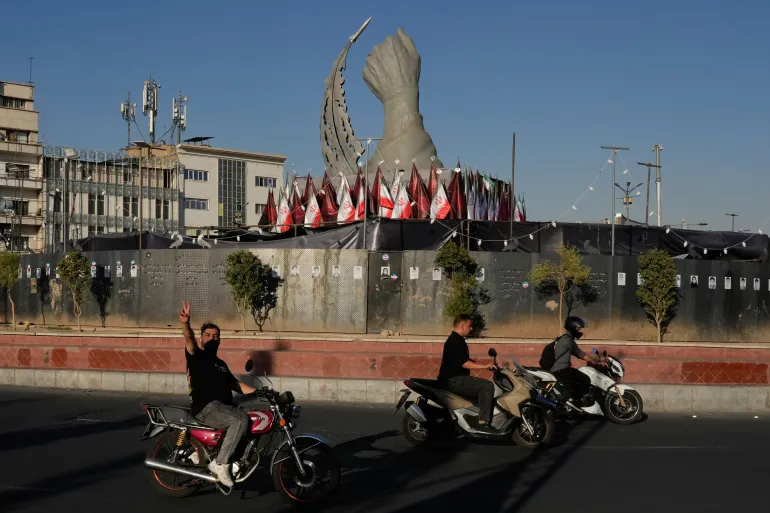
A man reacts to the camera while driving past a monument depicting the clenched fist of the late Iranian Supreme Leader Ayatollah Ali Khamenei, who was killed in a US-Israel strike on February 28, in downtown Tehran, Iran, on Tuesday, September 15, 2026 [Vahid Salemi/AP Photo]
Zabihollah Salmani, a deputy head of the Administrative and Employment Organisation of Iran, told reporters during a press conference in August that more than 2.43 million were on its payroll.
If council, fire brigades, social security and non-government organisation workers were included, this would bring the number to more than four million people. The average monthly pay for government personnel at the end of the previous Iranian year in late March 2026 was around 240 million rials ($104 at the current exchange rate).
Asked by reporters how many of these employees could potentially be taken off the payroll without hurting output, Salmani said, “We do not yet have these figures.” He added that agencies were being asked to submit that information.
About 1,075,000 people are on the payroll of the Education Ministry, including teachers and trainee staff, while 600,000 employees work under the Ministry of Health and its affiliated networks, according to official figures.
Amir-Hossein, a young man working at a research centre linked with the government-funded University of Tehran, said that since the start of the month, he had been assigned two days of remote work. Working hours were set for 7am-1pm before, but are to be shifted to 8am-1pm starting from Wednesday, per the government.
His work can be done on his laptop, but might require some coordination on the phone or short commutes to other centres, he said. Overall, the remote work lifestyle has been beneficial.
“Sometimes I get more work done than I would have at the office,” he told Al Jazeera, asking not to use his full name due to security reasons.
As Amir-Hossein regularly uses online ride-hailing services to commute to and from his job, working from home has been financially beneficial for him.
An Iran-based economist who spoke to Al Jazeera on background said the government measures are essentially crisis control at best, and not a long-term solution to the problem.
JEDDAH: Saudi-Chinese relations are currently in an excellent phase, according to China’s Consul General in Jeddah, Yang Yi.
Speaking to Al-Eqtisadiah, Yi said this year marks the 10th anniversary of the establishment of the comprehensive strategic partnership between the two countries, adding that bilateral trade reached $100 billion in 2025.
$100 billion in bilateral trade
Yi said China is Saudi Arabia’s largest trading partner, while the Kingdom ranks as China’s largest trading partner in the Middle East.
Bilateral trade amounted to about $50 billion during the first half of this year, with China’s imports from Saudi Arabia exceeding $26 billion during the same period. In contrast, the Kingdom’s imports from China amounted to about $24 billion.
Yi said trade between the two countries is “very balanced,” adding that bilateral trade relations have remained strong despite regional tensions. He also highlighted the growing economic and trade ties between Saudi Arabia and China.
Chinese firms support targets of Saudi Vision 2030
Regarding mutual investments, he estimated that Chinese investment in Saudi Arabia has exceeded $4.26 billion, while Saudi investment in China is also growing, particularly in new energy, advanced technologies and biotechnology.
Saudi investments also include the culture and education sectors, with Yi confirming that the strength of relations and the depth of the partnership are encouraging more Chinese companies to invest in the Saudi market.
At the same time, Saudi companies are showing growing interest in the Chinese market, with the consul general expressing his aspiration for “more prosperous and fruitful” bilateral economic relations in the coming period.
New energy and artificial intelligence
The Chinese official highlighted new areas of Saudi-Chinese cooperation, including new energy, green energy and artificial intelligence, noting that the two countries have held discussions on these areas in recent years.
The leaders of the two countries have also reached important understandings to strengthen cooperation in several areas.
Government entities, companies, and research centers in the two countries are working intensively to develop cooperation.
This aims to consolidate the Saudi-Chinese partnership and enhance cooperation in artificial intelligence and new energy.
China calls for the Strait of Hormuz to remain open
Yi said developments in the Strait of Hormuz are of great importance to countries in the region and the international community, stressing that China attaches great importance to the issue.
He said China supports a political settlement on the issue and called for an immediate ceasefire, adding that keeping the Strait of Hormuz open and free serves the interests of all parties.
He also stressed China’s support for efforts to find a peaceful solution to the issue, saying this would help maintain stability and security in the region while ensuring the continued flow of trade and energy.
RIYADH: David Livingstone, chief client officer at Citigroup, believes investor appetite for Saudi debt issuances reflects confidence in the Kingdom’s long-term story, while Gulf countries remain capable of maintaining their positive performance in debt markets despite higher yields and increased global supply.
Livingstone said in an interview with Nour Amache on the “East-West” program on Asharq Business with Bloomberg that the performance of Saudi sovereign issuances, as well as those of the Public Investment Fund, demonstrated the resilience of Saudi Arabia’s market and continued demand from international investors, despite the obstacles created by the Iran war this year.
Livingstone’s comments came after the Kingdom raised $3.25 billion through international sukuk in early September, attracting orders of around $16.5 billion, or more than five times the issuance size. Saudi Arabia tightened the pricing spread by about 30 basis points from the initial guidance.
The Citigroup head added that the pricing adjustment “demonstrates confidence in this long-term story,” placing it within the context of the transformations underway in the Kingdom under Vision 2030.
The comments came after Citigroup helped its clients in Saudi Arabia raise more than $40 billion since the beginning of the year. The bank also decided to increase its direct exposure limits to the Kingdom after it demonstrated “strong economic and financial resilience,” according to CEO Fahad Al-Deweesh.
Debt-market pressures
Higher global yields and increased government borrowing will give investors a wider range of choices in the bond market, Livingstone said, noting upward pressure on yields amid abundant debt supply in emerging markets, Europe, the UK and the US.
Despite this, he said that “Saudi Arabia, and Gulf countries as a whole, can continue this positive performance compared with the recent past.”
Yasir Al-Salman, chief financial officer at the Public Investment Fund, told Asharq Business with Bloomberg that international debt markets would remain the fund’s largest source of financing. The fund had around SR3.4 trillion ($906.1 billion) in assets under management after injecting about SR750 billion into the Saudi economy over five years.
Debt instrument pricing in the Kingdom is linked to US bond yields, which have recently been elevated. The yield on the 10-year US Treasury continued to rise for a fifth consecutive session on Sept. 14, exceeding 5 percent, its highest level since 2023.
Are investors affected by project reviews?
Asked about the effect of media reports concerning the postponement or reassessment of some projects in Saudi Arabia on foreign investor appetite, Livingstone said this did not change the fundamental basis of investor interest in the Kingdom. He said economic diversification remained “the attractive factor for investors,” as infrastructure development and projects connected to the economic transformation continued.
He added that the review was “justified” in light of the economic circumstances surrounding the projects being financed, with attention focused on their feasibility and sustainability.
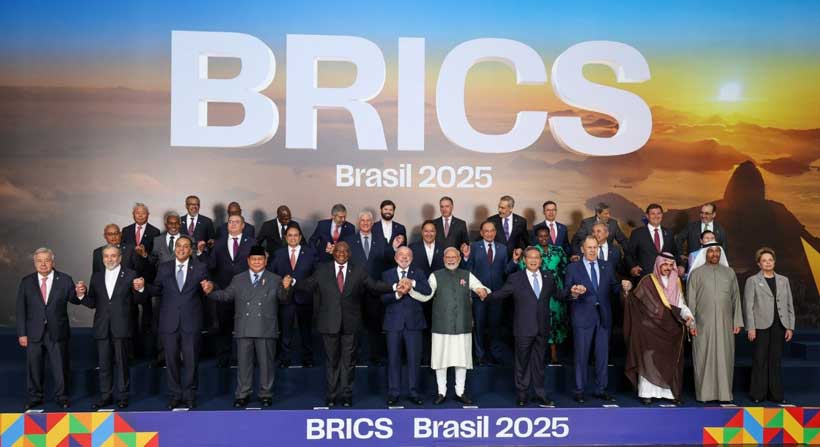
BRICS is moving into a more meaningful phase in its evolution. Its larger membership, considerable resources, population, and markets position it as a voice for the global south. Nevertheless, the fact that the BRICS is economically big does not guarantee that it will turn into a powerful organization. The difficult question is whether BRICS will be able to use the potential of its diversified members to create the institutions and means of collaboration that will meet the needs and interests of different countries, businesses, and banks.
This is where the next chapter of BRICS collaboration will be decided. It is definitely not in need of aspiration. The main question is not whether BRICS will develop a common geopolitical approach but whether BRICS will be able to simplify the issues of cooperation for countries with divergent economic interests and institutional capabilities.
The enlargement of BRICS has brought about both a chance and an enigma. An increased number of members boosts the economic and diplomatic power of the group, but it also entails the presence of more currencies, regulations, economic systems, and foreign policy priorities. States such as India and China may share a desire to amplify the role of developing economies while being in competition with regard to trade, technology, and geopolitics. Resource-rich countries may have their priorities with respect to the manufacturing countries. Financial centers may deal with payment integration differently from countries interested in getting more monetary independence.
Stay ahead of the geopolitical week.
MD Briefing delivers expert analysis across five global fronts — the Indo-Pacific, energy, geoeconomics, European security, and the Middle East — every Monday morning. Free.
The key challenge before BRICS is not about making all the members agree about everything; rather, it is about creating means for cooperation between different countries in the areas where their interests coincide.
This differentiation is essential because BRICS is frequently assessed based on scale indicators, including population, economic output, energy resource reserves, and trade. While these parameters demonstrate the affiliation, the affiliation is not the key to institutional power. BRICS is still functioning as an informal coordinating mechanism and not as a supranational institution due to the absence of an establishing treaty, budget, and secretariat. The conversion of its total economic capabilities into total actions should rely substantially on its members’ coordination. BRICS needs to change its approach, so instead of pursuing expansion, it should focus on implementation.
The issue of cross-border payments can serve as an example. The necessity to improve payment processes within BRICS may be easily explained. International transactions require correspondent banks, multiple currencies, currency exchange, and several commissions. Using local currencies and interoperable payment systems may help reduce some of these expenses and create additional ways of settlements for countries.
However, establishing a new financial structure is much more difficult than just talking about it. The real barriers are technical and institutional: interoperability between national payment systems, regulatory compatibility, foreign exchange liquidity, cybersecurity, anti-money laundering and know-your-customer norms, settlement systems, and trust among the entities participating in the payment system. A domestic payment system cannot simply be hooked up to a foreign payment system without addressing these problems. This leads us to a more practical goal for BRICS countries. Instead of concentrating on the joint BRICS currency, they should work on interoperability among national payment systems.
The example of India’s UPI-PayNow linkage to Singapore shows how this principle works. Two entirely different payment systems can be interlinked without destroying their own systems. The same gap can be figured out at the level of BRICS if all necessary regulations, settlements, and risk management conditions are fulfilled. In order to understand how this can be achieved, BRICS can refer to the examples of other countries that have already applied the same logic.
The same issue of coordination can be observed in trade and supply chains as well. BRICS countries have complementary assets such as resources in energy, agriculture, manufacturing, minerals, technology, and large markets for consumer goods. However, having complementary resources does not automatically result in integrated supply chains.
Businesses need predictable customs, standards that will fit one another, reliable logistics, availability of finance, and clarity of regulation. If countries have different certification systems, digital documents, and technical standards, the theoretical advantages of a large BRICS market will not be fully realized. Therefore, standards will probably prevail over declarations in the end.
So far BRICS has spoken about cooperation of national standard organizations and overcoming technical barriers between trade. Further work is getting cooperation of national standard organizations transferred into standards that will be in demand in real business. Common standards for digital trade documents, selected product certification, customs data, payment systems, and technical standards can connect BRICS economies without full harmonization of their economies.
This method would make it easier to justify politically. There would not be a need for members to give up their power when it comes to buying a wider range of economic policies. The only thing left is for countries with technology to agree on their particular rules where technology will help provide measurable benefits.
The same goes for agricultural projects, as the BRICS countries share similar problems in the fields of food supply, climate, water conservation, and productivity. The BRICS has started pushing for agricultural research and cooperation. So, the question is not whether the BRICS countries have recognized these areas; they already have. The larger question is whether anything can be implemented across borders.
In a situation where one country has effective technology to grow crops and another one has a good way of bringing the crops to a field, BRICS has to find a way to transfer that knowledge or have an organization that can help in that transfer. There should be a value on the moves made regardless of whether formal treaties have been produced or not. This points towards a different institutional model for BRICS: modular cooperation.
BRICS needs to develop a model that allows all members to be part of the major framework and subgroups of interested members cooperating with each other in specific areas that require deep integration. Countries interested in making payments and settlements between them could organize a coalition in charge of finding and implementing technical solutions for that. Those ready to work jointly in the field of agriculture can proceed with agricultural cooperation, while others can focus on critical minerals, logistics, AI technologies, energy, and development finance.
This model recognizes one uncomfortable truth: diversity is BRICS’ asset, but it also acts as an obstacle in its functioning. In a highly heterogeneous grouping, it is impossible to expect rapid integration in view of the differences among its members. Compliance with the needs of all BRICS states only produces long negotiations and ambitious statements that do not work. Modular cooperation, in its turn, enables countries to pursue their own policy while being part of the larger framework.
Moreover, it could also establish a more trustworthy framework for testing. A limited number of members would be given the opportunity to run an initial test of payment or trading procedures, determine any legal or technological obstacles, and welcome other participants once the system is successful. The outcome would be a lowering of the chances of running into challenges that would be involved in the launch of a full project for all members simultaneously. BRICS should also reconsider its parameters of success.
Rather than concentrating on the number of members or the quantity of agreements accepted, BRICS should focus on the outcomes of its activities. There are political benefits to this strategy as well. BRICS will find it difficult to forge sustainable alternatives simply by selling them as counters in the geopolitical confrontation with the West. Governments and businesses respond not just to geopolitical signals but also to incentives. If the BRICS mechanism is cheaper, quicker, safer, and more efficient, then the chances of adoption increase.
This point is especially important for the discussion of de-dollarization. The reduction of dependence on dollar-based systems may in itself be a rational objective for some members; however, viewing de-dollarization as a success in and of itself can overshadow the distinction between geopolitics and economic efficiency. A payment mechanism can only gain credibility if banks and companies use it to solve a problem at hand.
India’s BRICS presidency in 2026 is an excellent opportunity to work on the practical implementation of the above approach. New Delhi can focus on enhancing cooperation based on interoperability and standards, collaboration of sectors, and measurable results. Instead of trying to create a homogenous group, India can create a framework where willing participants will devise their solutions for implementation by others.
Instead of striving to make BRICS like other supranational bodies, we should acknowledge the fact that, given its diversity of membership composition and structure, it is not realistic nor necessary. BRICS differentials provide a comparative advantage of allowing a mix of countries with both different political and economic systems that nevertheless share aspirations for greater policy autonomy and a voice in international affairs.
BRICS does not need to reach consensus on every issue to become successful. What it requires is to be able to determine areas where cooperation can be beneficial economically and create institutions able to do that.
Thus, the biggest problem is not the absence of power. The problem is how to convert power into capacity and capacity into institutions. If BRICS succeeds in this task, its economic capacity will transform from empty statistics into collective power. If it does not, then enlargement might improve visibility of the group, but its effectiveness would stay at the same level.
*Kanav Sharma is a Public Policy Researcher from Jammu & Kashmir with a postgraduate degree in English Literature from the University of Jammu. His interests include public policy, governance, parliamentary and strategic affairs.
WASHINGTON — A sporadic global trade war led by President Trump is fueling inflation across the U.S. economy, elevating prices on everyday goods, as the war with Iran sends the price of gas on a roller coaster.
Aggressive tax cuts have pushed the national debt past $40 trillion, driving a growing crisis in the bond market. And an unprecedented immigration crackdown is disrupting the labor supply in agriculture, construction, hospitality and food processing, raising prices even further.
Approaching the halfway point of Trump’s second term, a president who won reelection based on a promise to turn the economy around now faces a reckoning in the midterm elections centered largely on his economic record.
Trump’s economic agenda has emerged as an increasingly awkward liability for Republicans heading into the November elections, leaving lawmakers to defend policies that have delivered political pain at home, even as the White House argues they will pay off in the long run.
Polling on Trump’s handling of the economy has remained in precariously low territory throughout the summer, entering Labor Day weekend with less than a third of Americans supporting his job performance on their most pressing concerns. One recent poll, from the University of Massachusetts Amherst, found that only 22% perceive the economy in a good or fair state.
Shoppers at Lincoln Heights Certified Farmers Market in Los Angeles on Wednesday.
(Jason Armond / Los Angeles Times)
And Americans’ confidence in the economy is unlikely to improve much ahead of election day, Nov. 3, in part because bad economic news has shown to sink confidence fast. Good news takes much longer to win people back, experts said.
“Voters’ opinion of the economy has mostly hardened,” said Aaron Klein, chair of economic studies at the Brookings Institution. “People vote the economy of the spring and summer, not November.”
Good news has been harder to come by.
Heading into the holiday weekend, Trump dismissed communities opposed to data-center construction as “backwards and poor.” A rapidly escalating trade dispute with Canada threatens Republican gains in battlegrounds along the northern border that could determine control of the Senate.
Sean Zabriskie, center, helps his son Connor, 7, try on hockey pants at The Ice Box Hockey shop in Harbor City. The trade war between the U.S. and Canada is affecting products like hockey gear, most of which is made in Canada and imported to the U.S.
(Genaro Molina / Los Angeles Times)
And fresh polling found that more than 90% of Americans believe corruption is rampant in Trump’s government, even as the president spends hundreds of millions of dollars on vanity projects across the capital.
Susan Collins, the incumbent Republican senator from Maine seeking another term in a strategically critical race, chastised the Trump administration for its latest trade spat with Ottawa as “making the job harder” of securing reelection.
“There’s just nothing good you can say about them,” Collins said of the tariffs.
Trump has pushed back on criticisms of his record, declaring the country has “the greatest economy we’ve ever had” and touting what he calls a manufacturing boom, all while distancing himself from potential midterm losses.
“I’m not affected by the election,” Trump told reporters last week. “I’m not running. But my party’s running, and I’m going to help my party.”
But Rep. Mike Johnson, a Louisiana Republican and speaker of the House, said last week that the midterms would serve as a referendum on Trump’s presidency.
Rep. Aisha Wahab (D-Hayward) and Speaker of the House Mike Johnson (R-La. ) arrive for a ceremonial swearing-in at the Capitol in Washington, D.C., on Sept. 2.
(Andrew Harnik / Getty Images)
“Even though his name isn’t in the midterm, his legacy is,” Johnson said. “The America First priorities and principles are. His administration is.”
Several embattled incumbents fear that’s the case and are distancing themselves from the president. Several Republican lawmakers — including Reps. Tom Barrett of Michigan and Zach Nunn of Iowa — plan on skipping a midterm GOP convention called by Trump for this week in Texas.
Joanne Hsu, director of the University of Michigan’s Survey of Consumers, said that gas prices were a chief frustration among Americans, and found that consumer sentiment soured rapidly once it became clear the conflict in Iran would not be short-lived.
“Consumers are absolutely not feeling great about the economy right now, and the factors that are underpinning their frustrations with the economy at this time are factors that are pretty tough to turn around on short notice,” Hsu said.
Even if the Iran conflict reached a resolution, confidence in the economy is likely to change only when the prices are reflected at the gas station, she said.
“When it comes to the views of the economy, it’s really about what’s happening to my wallet,” Hsu said.
During a White House press media briefing on Thursday,Vice President JD Vance acknowledged the Iran war has led gas prices to rise and that he does not know when Americans can expect those prices to go down.
Vice President JD Vance talks to reporters during a news briefing at the White House on Sept. 3.
(Chip Somodevilla / Getty Images)
“The reason gas prices are so high now is because the Iranians are shooting at commercial shipping,” Vance said. “Gas, frankly, could have been much, much higher were it not for our efforts. But I am not going to make a promise about when it is going to return to $3.”
The day after Vance spoke, diesel hit a record all-time high of $5.85 a gallon. In California, it sold for as much as $7.71.
Yet Trump has tried to downplay the economic pressure the war in Iran is placing on Americans, in particular as the Strait of Hormuz — a vital shipping corridor for oil and gas — remains under threat by Iranian troops.
Diesel prices over $7 a gallon are displayed at a gas station in Los Angeles on Aug. 21.
(Justin Sullivan / Getty Images)
“We have the Strait of Hormuz in extremely good shape,” Trump said, adding that the U.S. Navy has escorted ships through the channel. “A lot of oil is coming out. That’s why you haven’t seen the price of oil going the way they thought it might have to go.”
Trump on Monday also touted an agreement with the Venezuelan government to develop a vast amount of the South American country’s oil reserves. Asked how he sees the deal affecting American consumers, Trump said: “Ultimately prices are going to come down.”
One of the Arts of War statues, newly covered in gold leaf, is visible at Arlington Memorial Bridge near the Lincoln Memorial in Washington, D.C.
(Andrew Harnik / Getty Images)
“Now, will it happen before the election? I can’t tell you that. But I think people are very smart,” he said.
For some Americans, the economic pressures are a key driver ahead of the midterm elections.
Monica Escalante, a home care provider who is a member of the United Domestic Workers union, said she started feeling the pinch on her wallet after Trump imposed sweeping tariffs on a number of products she buys at the grocery store. Gas, she noticed, became harder to cover after the Iran war started.
Escalante, who lives in Bakersfield, said she also has to drive her client to the grocery store, and that mileage reimbursements are not enough to cover her costs.
“It’s really hard when I don’t have the money for gas, and she doesn’t have the money for gas. Then it is like: What do we do?” she said. “It is either she’s borrowing or I’m trying to figure out how I can get gas in my tank.”
The Eastern Economic Forum (EEF) has been described as a successful solid platform since its creation. It increasingly attracts guests from widely different countries, especially leaders of China, India, Malaysia, Mongolia, and Myanmar. The leaders of Vietnam, Kazakhstan, Laos, and Thailand have visited it in various capacities. The business segment of the forum has long gone far beyond the geographical boundaries of Eurasia. Its frequent unprecedented large number of guests includes businesspeople from South America, Africa, and the Middle East. That, however, it remains open for entrepreneurial contacts with everyone whose natural interests are primarily in the trade, economic, and social spheres. This cross-platform cooperation between the structures is developing, growing deeper and creating a new agenda. The most essential feature is that the platform is guided by the principles of equality, mutual benefit, and honest dialogue, which are entirely different from those of Western-oriented structures.
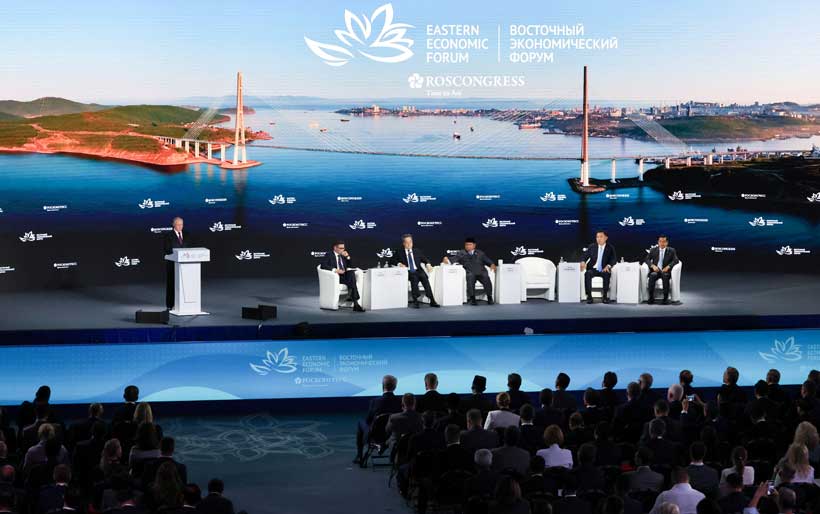
The EEF, which opened on 1st-4th September, in Russia’s Far Eastern city of Vladivostok, has become a solid platform for open and constructive dialogue among business leaders, government officials, and members of the expert community. It has also become a unique venue for discussing the strategic development of the Russian Far East and the country as a whole, while fostering and strengthening potential partnerships with counterparts, particularly from the Asia-Pacific region, in food production, infrastructure, logistics, industry, energy, and many other sectors of the economy. While recognizing the huge untapped economic potential of the region, it is also understandable that the development of the Far East largely depends on human capital, entrepreneurial efforts, and the ability of regions to create the necessary conditions for realizing the practical expectations.
On 2nd September, as part of the business program, the “Towards a Common Future: Inclusion as a Development Resource for the Far East” discussion was held with a strong focus on how to create an equal opportunity environment, develop human capital, and engage diverse groups in economic and social life. The following day, the majority of the participants in the “Inspiring Investments: A Development Strategy for Growth and Scaling” session touched on funding mechanisms for creative projects, opportunities to enter foreign markets, and collaboration between businesses, investors, development institutions, and government agencies. The key point focused on the development of the creative economy and international cooperation with Asia-Pacific countries, industry investments, the export of intellectual property and creative products, the media’s role in the development and positioning of regions in the Far East, new content formats, and training personnel for the economy of the future.
As part of the discussions at the forum, Russia and the United States continued their business dialogue, headed by Robert Agee, president and CEO of the American Chamber of Commerce in Russia (AmCham Russia), and with the participation of US representatives. It was spearheaded by the Roscongress Foundation in Russia. Anton Kobyakov, Adviser to the President of the Russian Federation, noted, however, that there is a strong appetite on both sides for direct professional engagement. What matters most is to sustain the momentum and possibly broaden the agenda to include bilateral entrepreneurial partnership.
Stay ahead of the geopolitical week.
MD Briefing delivers expert analysis across five global fronts — the Indo-Pacific, energy, geoeconomics, European security, and the Middle East — every Monday morning. Free.
“There is the need to facilitate more networking to identify specific strategic areas for cooperation,” said Robert Agee, president and CEO of the American Chamber of Commerce in Russia, and unreservedly agreed to continue their work on developing business ties and prepare for the participation of American representatives in the Russian Federation.
With many Asian and Pacific participants, explored opportunities for developing small and medium-sized enterprises. This is becoming increasingly important amid structural changes in the economy, as businesses look for new avenues for growth. The EEF made it possible not only to exchange experience but also to find concrete solutions that will help entrepreneurs adapt to changing conditions and unlock new opportunities for growth.
Developing trade, strengthening of interstate ties, and the creation of a common space for interaction among Asia-Pacific countries have assumed a new trend with Russia. The argument was logically based on Russia’s historical experience of cooperation with East Asian countries. It was further underlined that Russia and the Asia-Pacific attract politicians and entrepreneurs from around the world. In these current geopolitical circumstances, Russia needs to seek out new opportunities for development, particularly from the Asia-Pacific region, and with reference to the emerging new multipolar world. At the heart of the forum program was the search for new sources of growth and resilience for SMEs amid structural changes in the economy, from raising productivity and adopting new technologies to managing risks and adapting business models. One section of the program focused on the role of automation and artificial intelligence, changes in business processes, employees’ readiness to work with new technologies, and ways of improving productivity.
In addition to the above, a special session was devoted to analysis where experts outlined the key economic trends across the Asia-Pacific region. As monitored, this session was set out in the analytical review entitled “Asia Trends 2026: The AI Boom, Industrial Relocation, and Geopolitical Fragmentation,” prepared ahead of the opening of the Eastern Economic Forum on 1st September. The review clearly noted, among other things, that Asia accounts for around 60% of global GDP growth and is becoming the world’s new center of trade, industry, technology, finance, and military power. Within the region, however, economic growth is highly uneven, while technology and capital are concentrated in a small group of states, making consolidation difficult. The ASEAN countries, meanwhile, face competition from Chinese manufacturers while also coming under growing geopolitical pressure from Washington. More broadly, the Asia-Pacific region is more exposed than any other to the effects of the energy crisis and to climate risks such as a super El Niño.
According to the International Monetary Fund, Asian GDP grew by 5% in 2025, significantly ahead of global growth of 3.5%. Within the region, however, countries face a range of specific challenges, from high labor costs and insufficient industrial capacity to balance-of-payments difficulties and currency instability. These factors are driving increasingly divergent development paths among Asian economies. The region’s advanced economies, such as Japan and South Korea, posted lower growth rates, at 1.2% and 1%, respectively, in 2025. Asia’s emerging economies grew by 5.5% overall over the same period, with performance ranging from a 2% contraction in GDP in Myanmar to an 8% surge in Vietnam.
Countries with the strongest growth prospects are attracting investment, leaving others with fewer opportunities to draw in capital. According to the United Nations Conference on Trade and Development, developing countries in Asia attracted US$644 billion in foreign direct investment in 2025. That is around 40% of the global total and more than 70% of all investment in developing countries. Capital flows are unevenly distributed: eight of the ten largest recipients of foreign direct investment among developing countries are in Asia, and together they account for around 60% of all inflows to developing economies and more than 80% of inflows to the region.
Capital is becoming increasingly concentrated not only in a small number of countries but also in a narrow range of sectors, particularly artificial intelligence, clean energy, semiconductors, and critical minerals. In the longer term, this could deepen inequality and worsen the position of countries without a strong presence in these fields. Asia is one of the principal beneficiaries of the global AI boom. The investment cycle associated with its development has driven up demand for semiconductors, memory, servers, network equipment, and related electronics. The region occupies a central position in the global supply chain for these products. Technology exports will remain a powerful engine of economic growth in Asia, although the benefits will be distributed unevenly depending on each country’s position in the value chain.
South-East Asia’s role as an industrial center is growing as production capacity relocates there from China, which is no longer a low-cost manufacturing base. Chinese companies have begun redirecting production to Vietnam and Indonesia in particular in order to mitigate the impact of US tariffs. At the same time, China has increased its exports of industrial components and capital goods, supplying the equipment and parts needed by manufacturing centers in other countries. Exports of intermediate goods, including memory chips, other semiconductors, and industrial components, rose by 9% in 2025. Part of this represented an indirect offset to reduced shipments to the United States, as components, particularly in electronics, were used by manufacturers in other countries to produce goods that were subsequently exported to the US. A fall of roughly US$15 billion in smartphone exports, for example, was matched by a comparable increase in shipments of components, notably to India.
In many other cases, however, the growth in exports of components and equipment was not linked to replacing sales China had lost in the US. Instead, it supported the expansion of production in third markets, especially developing ones, reinforcing China’s role as a supplier of production inputs rather than an exporter of finished goods. The result is an integrated supply chain taking shape across the region, encompassing research and development and the manufacture of high-technology components in China, assembly and packaging in an ASEAN country such as Malaysia or Vietnam, and the subsequent shipment of products to markets within the region and beyond.
Amid the fragmentation of the global economy and trade, the development of the Eurasian space calls for resilient regional supply chains and logistical connectivity between states. Russia’s Far Eastern Federal District can play a strategically important role here. Thanks to its location, the district can serve as a resource and logistics gateway within the transport corridors linking European Russia with Asia. For a long time, infrastructure constraints held back the expansion of ties between Russia and Asian states, but the situation has begun to change with the development of the Eastern Operating Domain, which comprises the Baikal–Amur Mainline and the Trans-Siberian Railway.
A program to modernize the Eastern Operating Domain has been under way since 2013, aimed at eliminating bottlenecks on the railways of Siberia and the Far East. Over that period, its carrying capacity has increased by 84%, reaching 180 million tonnes in 2025. The modernization is expected to raise that figure to 210 million tonnes by the end of 2030 and 270 million tonnes by the end of 2032. The development of the rail network and port infrastructure will largely determine the prospects for Eurasia and for the Asia-Pacific region in particular, as the world’s economic, financial, and trade center shifts towards the region.
Emerging trends are reshaping the world; South-South economic partnership is seemingly becoming both the political and economic architecture. Logically, developing collaboration with Asian partners, anchoring discussions on technological leadership, and making breakthroughs in scientific fields and adopting innovative technologies are increasingly reshaping the world. Today, the role of academic institutions is to build a solid scientific and technological foundation that addresses applied industrial challenges while enhancing business efficiency, eco-friendliness, and sustainability. It is only through this synergy between science and the real economic sectors that can bring true multifaceted sovereignty. In conclusion, Asia-Pacific and Russia have to create a new model of economic and business and trade relations in the Global South.
As monitored from official reports, Russia is creating practically a new model of development of the Far East with maximally comfortable conditions for enterprises, as well as legal innovations for the investment climate in the region. Therefore, potential Asia-Pacific investors have to work on new ideas and new strategies for developing trade, agro-processing, industry, and other economic sectors in the Far Eastern region. The Eastern Economic Forum was held from September 1 to 4 on the campus of the Far Eastern Federal University. This year’s theme: “The Far East: Development for the Benefit of People.” It was the 11th EEF and organized by the Roscongress Foundation.
WASHINGTON — Confronted by an intransigent Iranian government that has refused to back down in the face of a massive military campaign, President Trump appears to have settled on a dual-prong approach that combines economic pressure with the potential of a devastating escalation in force.
Having launched “Operation Economic Outcast” just last week to try to isolate Iran from its remaining global trade partners, the Trump administration also resumed strikes in recent days, prompting Iranian retaliation that has renewed concerns of an all-out regional war.
However, the combination of already intense sanctions on Iran and an off-and-on bombing campaign since the war began more than six months ago has not bowed the Iranian leadership and has left the administration struggling to find a way to wind down the conflict. Tehran has dug in its heels — to Trump’s frustration — as energy prices rise, the global economy roils and poll numbers on the administration’s handling of the war dip ahead of November’s midterm congressional elections.
Trump said Wednesday that he didn’t think the conflict would last “much longer,” but he again shrugged off suggestions that its unpopularity and high gasoline prices resulting from Iran’s chokehold on the Strait of Hormuz would affect the elections for Republicans.
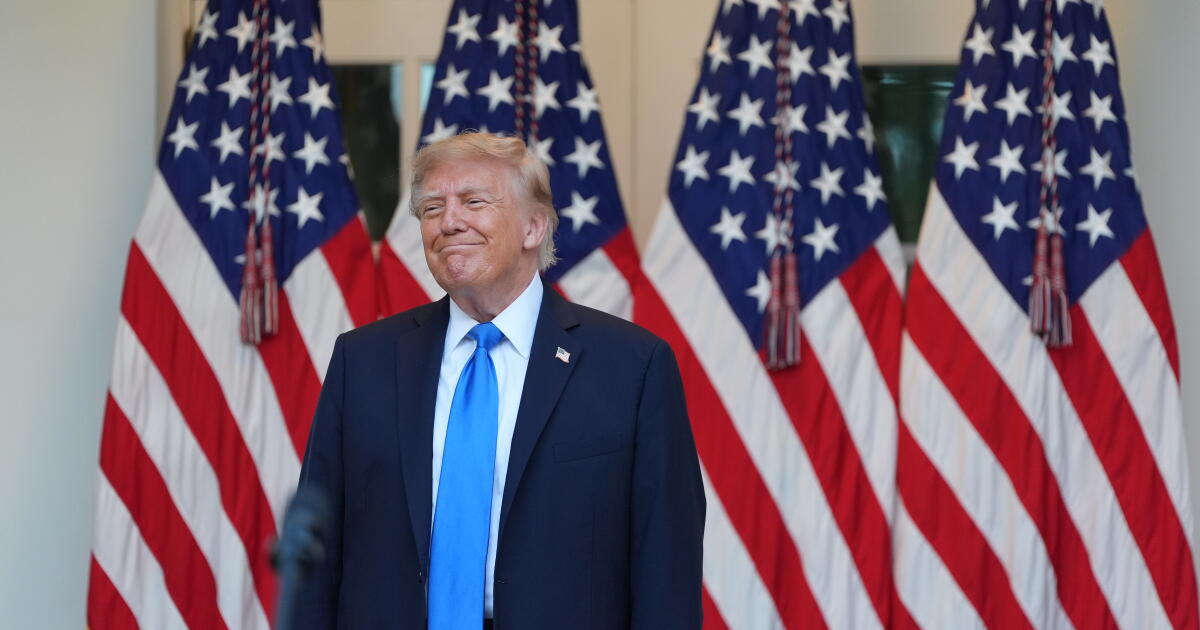
“It doesn’t matter. And I’m not affected by the election,” he told reporters. “I’m not running. But my party is running, and I’m going to help my party. But I think my party respects the fact that we’re not allowing Iran to have a nuclear weapon.”
A regional diplomat briefed on the matter described the current impasse between Tehran and Washington as reflective of both countries’ domestic priorities: the midterm elections for Trump and Republicans and the internal crises within Iran.
Domestic issues are critical reasons why neither side is willing to blink first, said the diplomat, who spoke on condition of anonymity to discuss sensitive negotiations.
The diplomat said negotiations, including those between Iran and Oman or even Iran and the U.S., will not go anywhere without addressing the initial catalyst of war: Israel. And the diplomat was skeptical of the Trump administration’s new sanctions plan, saying the threats require more explanation than what the U.S. has provided so far.
The Trump administration’s economic isolation of Iran is off to a slow start
The administration’s new push for Iran’s economic isolation was announced with great fanfare last week and a dire warning for all remaining countries to cut off financial and trade ties with Iran or face U.S. retaliation — but the campaign so far has fallen flat.
Just one branch of an Egyptian bank in the United Arab Emirates has been targeted so far. For actual sanctions to bite, experts agree that they must apply to Iran’s main trading partners: mainly China but also India and Russia. But Trump is loath to target China especially as he is preparing to host President Xi Jinping later this month.
Trump also insists that the U.S. has control over the Strait of Hormuz, where one-fifth of the world’s oil transited before the war began. The strategic waterway has been a key pressure point for Iran, and reopening it fully has become one of the prime goals for the U.S. administration.
Ship traffic through the strait is well below pre-war levels due to the risk of attack if vessels don’t comply with an Iranian vetting regime near its coastline, which is in sharp contrast to the unhindered navigation before the war. There were 102 transits last week and 126 the week before, according to shipping data company Lloyd’s List Intelligence, compared with 130 or more per day before the war.
“As President Trump said, the strait is open and all mines have been cleared,” White House spokeswoman Anna Kelly said Thursday. “The naval blockade remains in full force and effect, and Operation Economic Outcast is underway to sever every remaining economic lifeline sustaining the regime.”
The White House has repeatedly touted the economic impact that the sanctions have had on Iran, citing its rampant inflation and the massive loss in the value of its currency. U.S. officials have described Iran’s financial system as “one big house of cards.”
Going forward, Secretary of State Marco Rubio said “the price” Iran will pay will be primarily economic, “but we reserve the right … to take military action when necessary — not just to protect ourselves but to prevent them from being able to threaten others as well.”
“They’re going to continue to feel the squeeze,” he told Fox News host Brian Kilmeade in an interview that aired Wednesday.
Treasury Secretary Scott Bessent this week likened Iran to a snake that has been decapitated but whose body is still writhing.
“We are burying the head of the Iranian snake,” he said Tuesday. “The snake doesn’t know it’s dead yet, but it will stop wiggling when the sun goes down. And so the Iranian regime — they are in demise, and they will figure it out.”
Combining military force and sanctions on Iran ‘is the only option,’ one analyst says
Complicating things for the U.S., Iran’s leadership has shown signs of divisions between moderates more open to a diplomatic solution and hardliners who want to press ahead with a more confrontational approach.
President Masoud Pezeshkian is one of the most prominent voices still calling for a negotiated solution. But the hardliners appear to have gained the upper hand, and Iran shows no sign of backing down. Tehran continues to lash out at U.S. interests and allies around the region in response to military strikes.
“This kind of a hybrid approach — the combination of military force, blockade and economic pressure — that is the only option that seems to be available to the United States at this moment,” said Hamidreza Azizi, consulting senior Iran analyst for the International Crisis Group.
Still, he said, “it’s been for a long time, but now maybe more than ever, a battle of endurance between the two sides.”
Amr Hamzawy, director of the Middle East program at the Carnegie Endowment for International Peace, pointed to two main reasons for the deteriorating situation.
“One, none of the two parties is satisfied with the outcome — meaning that the current situation does not serve U.S. interests well, and it does not serve Iranian interests well,” Hamzawy said.
The other reason is how leaders from both sides are perceived at home.
“The Trump administration is afraid of being portrayed in the U.S. as an administration that failed to end a military campaign successfully, and that’s going to impact the midterm elections,” he said. “And the Iranians, especially the Revolutionary Guard, are quite afraid of appearing as if they are submitting to U.S. sanctions with no actions on their side, which might hurt them domestically.”
Lee, Magdy and Amiri write for the Associated Press. Magdy reported from Cairo. AP writers Will Weissert in Washington and David McHugh in Frankfurt, Germany, contributed to this report.


![A woman prepares to cast her ballot to vote in Morocco’s legislative elections at a polling station inside a school at the Udayas neighbourhood, Rabat, on September 23, 2026 [AFP]](https://i0.wp.com/www.aljazeera.com/wp-content/uploads/2026/09/afp_6ab3c71f1ac5-1790166815.jpg?w=640&ssl=1)