

death

Rep. David Scott, a Georgia Democrat seeking his 13th term in Congress, dies at age 80

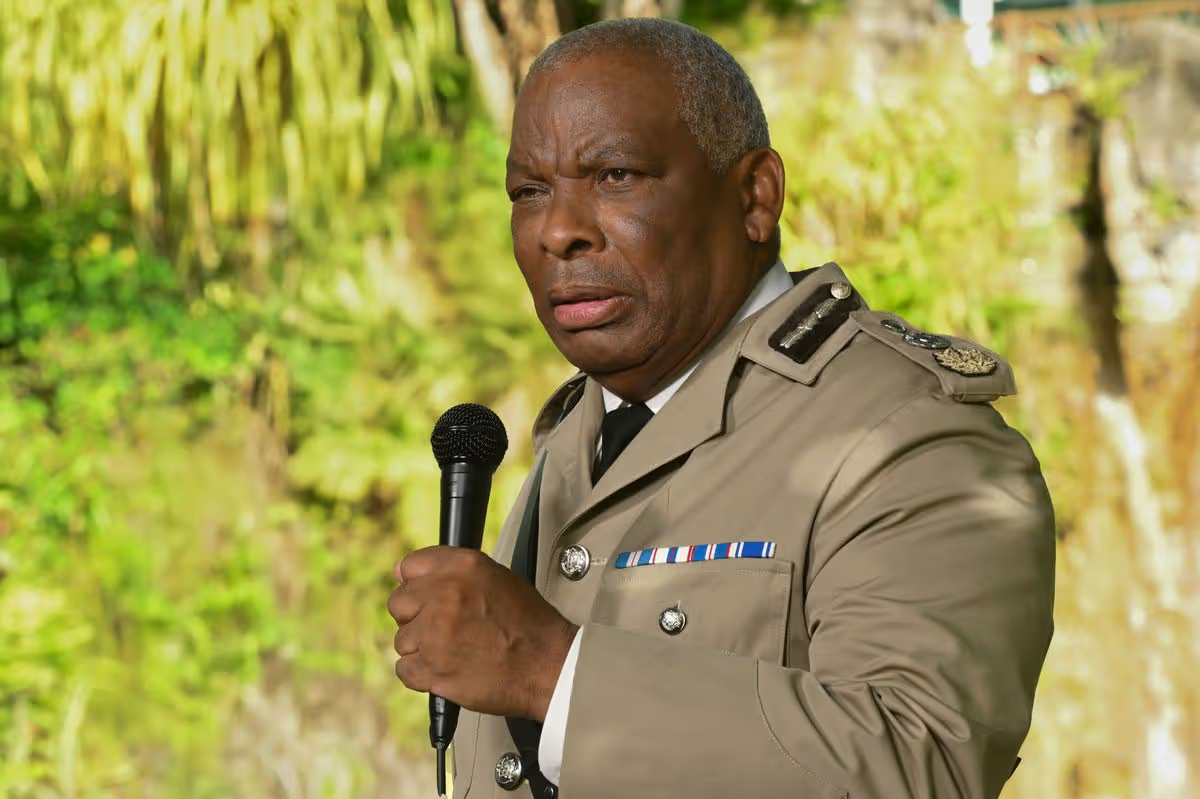
U.S. Rep. David Scott, a Georgia Democrat and the first Black chairman of the House Agriculture Committee, has died. He was 80.

Scott, who was seeking his 13th term in Congress despite challenges from within his party, was once a leading voice for Democrats on issues related to farm aid policy and food aid for consumers and a prominent Black member of the party’s moderate Blue Dog caucus. But he faced criticism and concerns in recent years because of declining health, enduring a primary challenge in 2024 and facing another one at the time of his death.

Democrats on Capitol Hill praised the longtime lawmaker.

“The news of Congressman Scott’s passing is deeply sad,” House Minority Leader Hakeem Jeffries told reporters on Wednesday.

“David Scott was a trailblazer who served district that he represented admirably, rose up from humble beginnings to become the first African American ever to chair the House Ag Committee,” Jeffries said. “He cared about the people that he represented. He was fiercely committed to getting things done for the people of the great state of Georgia, and he’ll be deeply missed.”

News of Scott’s death came during the Congressional Black Caucus’ weekly luncheon on Capitol Hill. The Black Caucus’ chair, Rep. Yvette Clarke, told lawmakers at the outset of the meeting, according to a person who insisted on anonymity to discuss a private conversation. Many lawmakers in the room, some of whom had served with Scott for decades, were shocked and saddened by the news.

Scott’s death slightly widens Republicans’ narrow House majority going into the thick of this midterm election year.

The congressman was not especially active on the campaign trail in 2026. But he had been dismissive of pressure to retire.

“Thank God I’m in good health, moving and doing the people’s work,” Scott said in 2024.

David Albert Scott was born in rural Aynor, South Carolina, on June 27, 1945, in the era of Jim Crow segregation. He graduated from Florida A&M University, one of the nation’s largest historically Black college campuses — and in office he was an outspoken advocate for federal support of HBCUs. Scott also earned an MBA from the University of Pennsylvania’s Wharton School.

He was already a veteran state lawmaker in Georgia before being elected to Congress in 2002.

Barrow, Brown and Amy write for the Associated Press. Brown reported from Washington.

Source link

Campbell Hatton: Support from fans after death of father Ricky Hatton ‘a blessing’

Ricky Hatton’s son Campbell said the family have not been able to grieve his father’s death privately but called the support they have had from people a “blessing”.

The former world light-welterweight and welterweight champion died last September aged 46.

Thousands of people lined the route for the boxer’s funeral procession from Hyde to Manchester Cathedral the following month.

“As a family we’ve not been able to grieve with any privacy and there’s a lot of negatives that have come from that – but if there’s a positive, it’s that people walking down the street say nice things and check up on us. That’s the blessing behind it,” Campbell, who has also boxed professionally, told BBC Radio Manchester.

“To everyone it’s heartbreaking. Not just Manchester, the whole country and the sport are heartbroken because they have lost Ricky Hatton but it’s just my dad to me.”

He added: “We were all so proud of the fanbase he had but to see it day to day… It’s nice.

“It shocked me the most at the funeral when we were in the cars making our way to the cathedral.

“There wasn’t a part of the route that wasn’t full of people. You couldn’t see a bit of pavement for the three hours we were in the car.

“We knew how popular he was but to actually see it in front of you was something else and we can’t thank people enough.”

A special Evening4Ricky is being held at Manchester Arena, a venue where he enjoyed some of the greatest successes of his career, on Sunday, 7 June.

Campbell said they want the event to be “a celebration and a party” for the much-loved boxer.

“I think everyone in boxing, if they’re available, they want to be here and that is a testament to the man he was. It’s massive for people,” he said.

“I think it will be impossible for it to end up being a sad occasion. It’s going to be a great night.”

Source link

FBI probes cases of missing or dead scientists, including four from the L.A. area

Amid growing national security concerns, the FBI said Tuesday that it has launched a broad investigation in the deaths or disappearances of at least 10 scientists and staff connected to highly sensitive research, including four from the Los Angeles area.

“The FBI is spearheading the effort to look for connections into the missing and deceased scientists. We are working with the Department of Energy, Department of War, and with our state and state and local law enforcement partners to find answers,” the agency said in a statement.

The FBI’s announcement comes after the House Oversight Committee announced that it would investigate reports of the disappearance and deaths of the scientists, sending letters seeking information from the agencies involved in the federal inquiry as well as NASA, which owns the Jet Propulsion Laboratory in La Cañada Flintridge, where three of the missing or dead scientists worked.

“If the reports are accurate, these deaths and disappearances may represent a grave threat to U.S. national security and to U.S. personnel with access to scientific secrets,” Reps. James Comer (R-Ky.), chairman of the committee, and Eric Burlison (R-Mo.) wrote in the letters.

President Trump told reporters last week that he had been briefed on the missing and dead scientists, which he described as “pretty serious stuff.” He said at the time that he expected answers on whether the deaths were connected “in the next week and a half.”

Michael David Hicks, who studied comets and asteroids at JPL, was the first of the scientists who disappeared or died. He died on July 30, 2023, at the age of 59. No cause of death was disclosed.

A year later, JPL physicist Frank Maiwald died at 61, with no cause of death disclosed.

Two other Los Angeles scientists are part of the string of deaths and disappearances.

On June 22, 2025, Monica Jacinto Reza, a materials scientist at JPL, disappeared while on a hike near Mt. Waterman in the San Gabriel Mountains.

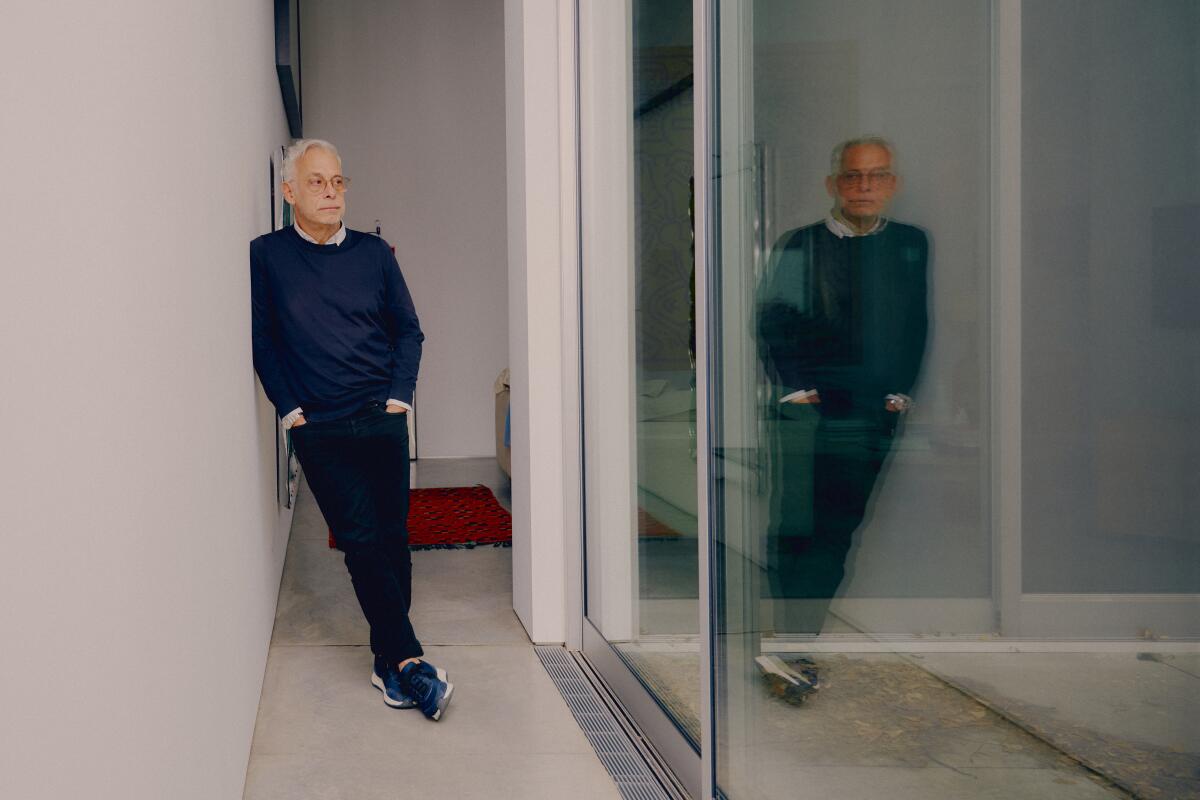
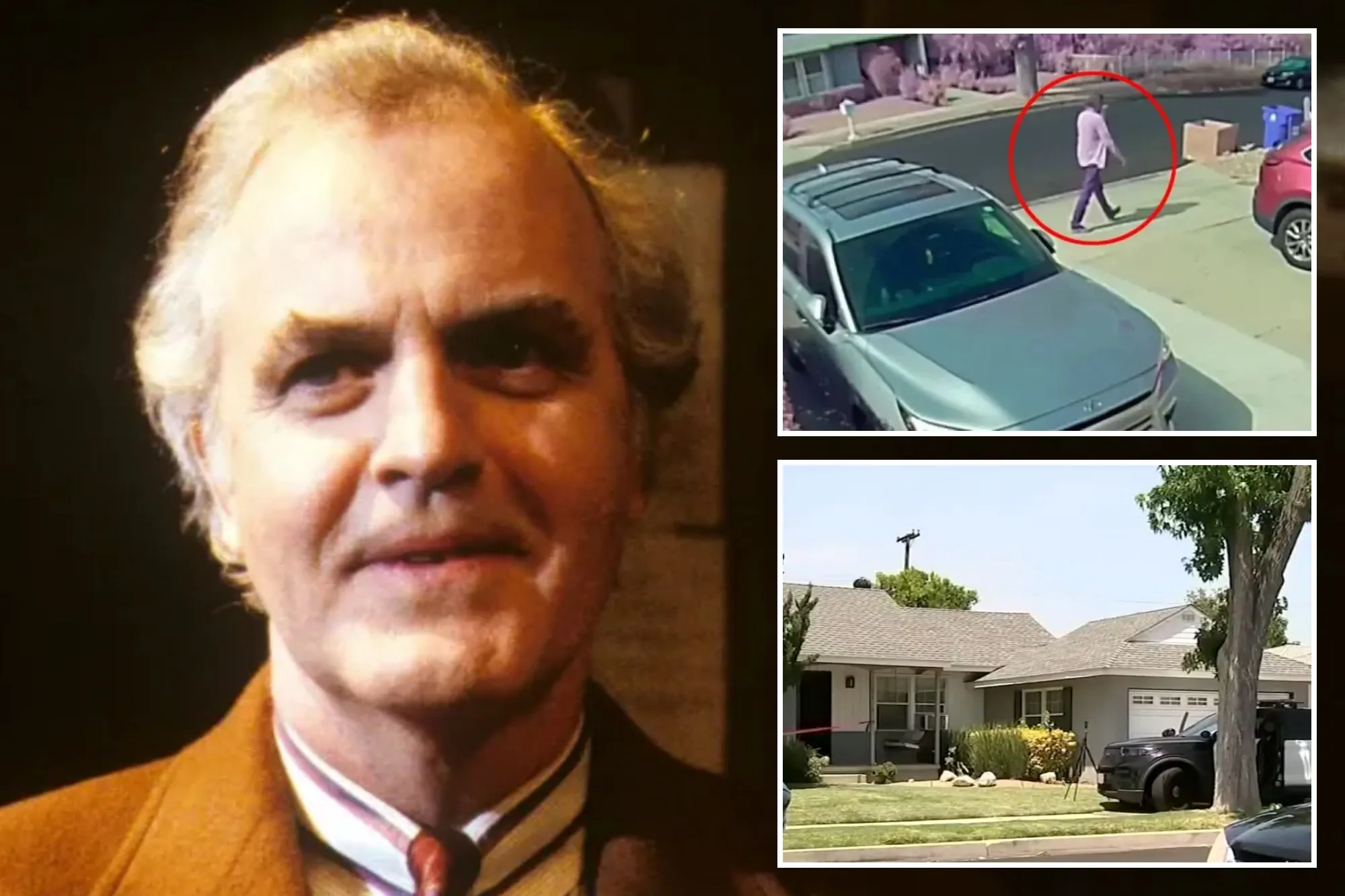
On Feb. 16, Caltech astrophysicist Carl Grillmair was fatally shot on the porch of his Llano home. The Los Angeles County Sheriff’s department arrested Freddy Snyder, 29, in connection with the shooting. Snyder had been arrested in December on suspicion of trespassing on Grillmair’s property.

Snyder has been charged with murder.

There is no evidence at this point that the deaths and disappearances, which occurred over a span of four years, are connected.

A spokesperson for NASA, which owns JPL, said in a statement on X that the agency is “coordinating and cooperating with the relevant agencies in relation to the missing scientists.

“At this time, nothing related to NASA indicates a national security threat,” agency spokesperson Bethany Stevens wrote. “The agency is committed to transparency and will provide more information as able.”

Representatives from Caltech did not immediately respond to a request for comment.

Source link

California could launch a wildlife coexistence program amid anger over mama bear’s death

A month after a public uproar over a mama bear being euthanized after swiping at a resident in Monrovia, state lawmakers are considering mandating the use of nonlethal ways to help allow wildlife and humans to coexist.

Sen. Catherine Blakespear (D-Encinitas) said she believes the bear’s death, and the state’s decision to kill four wolves last year that were preying on cattle, raised public concern.

“That made everybody realize we have to do better here,” she told The Times on Thursday. “We need to recognize the importance of seeing ourselves, humans, as part of a larger ecosystem that includes animals and plants and our world and trying to protect it.”

Senate Bill 1135, introduced by Blakespear, would direct the California Department of Fish and Wildlife to create the Wildlife Coexistence Program, which would provide public education, offer technical assistance and maintain a statewide incident reporting system. It would help communities deploy nonlethal devices to deter predators, like barriers or noise and light machines.

At a legislative hearing on Tuesday, Blakespear told the Senate Committee on Natural Resources and Water that a three-year state initiative offering similar services was seeing positive results — until it was discontinued two years ago after funding ran dry. She said it was time to implement a permanent program.

“Human population growth, habitat loss and the growth of industry across California inevitably leads to interaction between humans and wildlife,” Blakespear told legislators. “No two animal species are the same and each has unique behavior patterns and territories. SB 1135 recognizes these differences and gives communities the tools to prevent conflict and respond when it occurs.”

The bill would also rename a state program that reimburses ranchers who lose livestock to wolves, calling it the Wolf-Livestock Coexistence and Compensation Program. It would require ranchers seeking compensation to show they were using nonlethal deterrents approved by the department.

Sen. Shannon Grove (R-Bakersfield) stressed that life in rural areas is different than living in a city. She said some families and cattle ranchers have a genuine fear of predators.

“When these baby calves drop on the ground and then two wolves start ripping them apart, it’s not the prettiest thing you’ve ever witnessed,” said Grove, who abstained from voting on the measure. “These wolves are not puppies.”

More than 30 organizations are supporting the legislation, including the National Wildlife Federation, Defenders of Wildlife, California State Assn. of Counties, Animal Legal Defense Fund and Citizens for Los Angeles Wildlife.

The California Farm Bureau and the California Cattlemen’s Assn. are in opposition due to concerns over funding.

Last month, Blakespear sent a letter to the chair of the Senate Committee on Budget and Fiscal Review requesting $48.8 million to implement the legislation, with $25 million earmarked for addressing wolf encounters. Half of the money for wolf conflicts would go toward deterrents; the remainder would compensate ranchers for their losses.

Kirk Wilbur, vice president of government affairs cattlemen’s association, said the organization is concerned about that division of funding — especially if funding is reduced.

Wilbur told legislators Tuesday that the organization supports some aspects of the bill and was having productive conversations with Blakespear to address their concerns.

The bill ultimately passed the committee with a 5-to-1 vote and now heads to the Senate Committee on Appropriations.

Human wildlife conflicts have made headlines in California recently, with a bear refusing to leave a basement for weeks in Altadena and a mama bear dubbed Blondie crossing paths last month with a woman walking her dog in Monrovia.

Blondie swiped the woman’s leg, and was subsequently euthanized by the California Department of Fish and Wildlife. Her two cubs were sent to the San Diego Humane Society’s Ramona Wildlife Center. The bear’s death upset many in the community, as thousands had signed a petition calling for other solutions, like relocation.

Deadly wildlife attacks on humans, however, are rare in California.

There have been six reported human fatalities from mountain lions since 1890, according to the state Fish and Wildlife Department. The agency recorded one human fatality from a coyote in 1981 and another fatality from a black bear in 2023. The department has no recorded human fatalities from gray wolves.

Source link