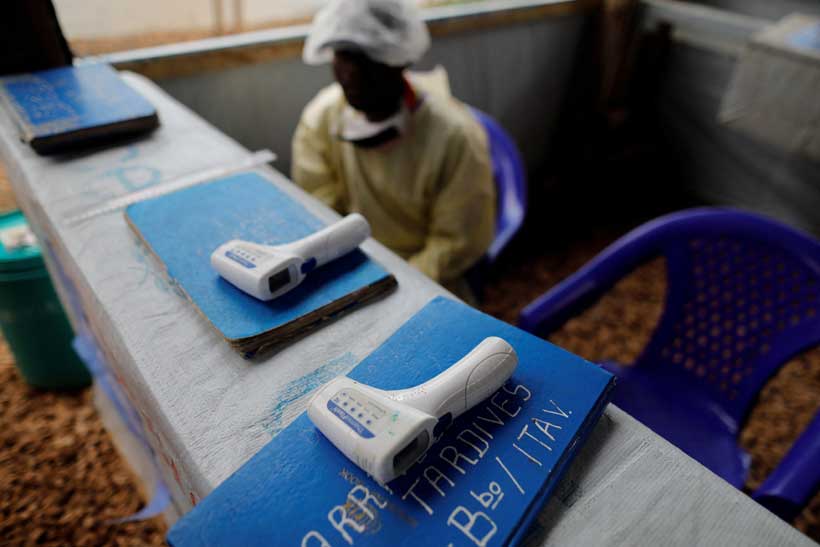
The World Health Organization (WHO) has declared an Ebola outbreak in the Democratic Republic of Congo (DRC) and Uganda as a public health emergency of international concern. This outbreak is caused by the Bundibugyo strain of the virus, which is less understood than the Zaire strain and lacks effective treatments or vaccines. The WHO notes that while this outbreak does not qualify as a pandemic emergency, countries bordering the DRC are at high risk for spread.
Ebola is a severe virus that causes symptoms like fever, body aches, vomiting, and diarrhea, spreading through contact with infected individuals or materials. The DRC has experienced 17 outbreaks of Ebola since it was first discovered in 1976.
Currently, the outbreak in the DRC is the most severe, with the WHO reporting eight confirmed cases, 80 suspected deaths, and 246 suspected infections. Goma, a town in the DRC, has reported a confirmed case, and Uganda has also identified a second case. The true number of infections and the outbreak’s geographic spread are still uncertain, according to the WHO.
With information from Reuters