
This article examines Isese Day, an annual celebration held on August 20th to honor the Yorùbáancestral heritage and spiritual practices. The festivities involve cultural parades, educational lectures, and public festivals designed to promote tradition and encourage international tourism. While primarily centered in the South-West region of Nigeria, the event is also observed by various diaspora communities across the globe. The text highlights the significant demographic influence of the Yorùbá people, who represent a substantial portion of the population in West Africa and the Caribbean. Additionally, the source provides specific traditional greetings used by participants during this commemorat …
SWIMMING through the pleasingly warm water, my bright-pink tow float streaming behind me and a family of ducks paddling in front of me, I glance up at the sky as two herons fly over in perfectly synchronised formation. This is my kind of wild swimming.
I’m taking a dip in the 11-acre lake at Watersedge, a wellness retreat in the countryside near Pershore, 25 minutes south-east of Worcester.
Enjoy a break by the lake in WorcestershireCredit: Supplied by Watersedge ClubSay ‘ahhh’ at the Wild SpaCredit: Supplied by Watersedge Club
My swim session, £10.50, is really friendly and well-organised – with swimmers wearing ID wristbands, bright hats and tow floats, and three lifeguards on boards and canoes in the water with us as we swim one of the 750m, 300m and 150m loops.
Groups breaststroke and chat their way round, while others front-crawl impressively quickly, but there’s a sense of community among everyone.
Sign up for the Travel newsletter
Thank you!
Hut stuff
Dip and dine in the privacy of The DenCredit: Supplied by Watersedge ClubSink into the luxe lodgeCredit: Supplied by Watersedge Club
Later, I wander across to the Wild Spa, where there are three different temperatures of wood-fired sauna, plus two small hot tubs.
To cool down, there’s an ice cabin, cold-water bucket and, of course, the lake itself. One-hour sessions cost £18.
We’re staying in The Den, Watersedge’s largest lakeside lodge.
The light, airy space has three double bedrooms, two with French doors overlooking the water, two bathrooms, and an outside space with a hot tub, barbecue and fire pit.
Once the final swimmers have left for the evening, it’s a haven of calm, and is equipped with everything you need for a cosy night in – a large, squishy corner sofa, huge TV, a stack of board games and a wood-burner for cooler evenings.
The swish kitchen comes with a L’Or coffee machine, induction hob and cute banquette eating area.
But, as it’s a lovely evening, my partner Steve and I make the 20-minute walk into the village of Bishampton to Ounce at The Dolphin for its Thursday-night Chateau Club, which offers a 16oz fillet chateaubriand for just £20 a person.
Steve declares the perfectly cooked steak to be in the top three he’s ever eaten, and we wash it down with blackberry-rich malbec, £8.40 a glass (Ouncebar.co.uk).
What’s sup?
Tuck in at Ounce’s with a steak dinnerCredit: Ounce at The Dolphin/InstagramGaze across the water from sunloungers on the lake’s small beach areaCredit: Supplied by Claire Frost.
Come morning, there are plenty of farm shops close by, but we’ve booked a breakfast hamper, £50 for six people, full of refreshing juices, juicy sausages and bacon to save heading out.
After our fry-up, we try standup paddleboarding (SUP), £20 per person.
The lake is shallow around its edges, so getting back on the board if you fall off (which I do, with a huge splash!) is fairly straightforward.
Soon we’re paddling around like pros, though our arms definitely get a workout when the breeze picks up and we have to navigate our way back to the jetty.
Keen to stretch out our achy muscles, we join a packed Pilates class, £12.50, in the beautiful studio that juts out over the lake.
Instructor Alex puts us through our paces and we promise ourselves we’ll try the fun-looking bungee fitness class next time.
But for now, I’ve earned a treat – and that’s exactly what I get, thanks to wellness therapist Jen’s blissful 45-minute full-body, hot-stone massage, from £50.
Rested and restored, we gaze across the water one last time from our sunloungers on the lake’s small beach area.
Spotting one of the herons, we find ourselves wishing we too could make our home close to this special place.
FYI
Stays at The Den cost from £300 per night for up to eight people.
Guests benefit from 10% off all activities (Watersedge.club).
RECREATING your favourite childhood holiday doesn’t mean you have to pay modern, inflated prices.
From £9.50 stays in Great Yarmouth to £15 per night Cotswolds holidays, the Sun Travel team’s favourite childhood escapes remain remarkably cheap today. Bargains span across Europe too, with £16 flight deals and £18 per night South of France stays.
A trip to the Lake District remains an affordable option for a UK holidayCredit: GettyAlcudia in Majorca remains an affordable family holiday destination, with holiday packages under £500ppCredit: Getty
Even famously-pricey trips like Disneyland Paris can be had for a fraction of the cost by opting for off-site hotels instead of forking out thousands on on-site stays.
Here are Sun Travel’s favourite childhood holidays where the prices have barely budged and exactly how to book them right now.
Disneyland Paris
Travel Reporter, Alice Penwill
Travel Reporter Alice Penwill has been visiting Disneyland Paris since she was a child, and knows how to do it cheaplyCredit: Alice Penwill
The first time I ventured into magical Disneyland Paris, I was four years old and it was in the depths of winter, so covered in snow.
But it goes down as one of my favourite holidays, getting to go on the rides and meet my favourite characters (according to my parents anyway as I can’t remember most of it).
But let’s face it, Disneyland Paris isn’t the cheapest spot to go on holiday. However there are ways to keep the cost down.
The first is choosing accommodation wisely. Rather than staying at one of the hotels on the park which are incredible, but also quite pricey, stay outside and take the train in.
Marne-la-Vallée train station is right outside the gates to the park and just a few minutes on foot to the Disney Village, and off-site accommodation often operates shuttle buses to the theme park too.
When planning accommodation, keep in mind that a room with a kitchenette will seriously cut costs too – as you won’t have to fork out for pricey park food.
For instance, StayCity aparthotels have family studios for up to four people from €299 (£259) for two nights – the rooms come with their own kitchen and the hotel has an outdoor pool, plus it’s just a free 8-minute shuttle ride to Disneyland Paris.
This means you can stock up food for breakfast, packed lunch and dinner at the local supermarket.
Or if you want to stick around at the park in the evening, check out some of the lower cost options like Hakuna Matata where you can get an adult meal for €16 (£13.67) and a kids’ plate from €10 (£8.54).
When it comes to booking travel, Eurostar offers children between 4-11 30 per cent off the price of peak travel and a discount of up to 50 per cent on off-peak travel tickets when booking with an adult.
We found a two-night stay at the Grand Magic Hotel Marne La Vallée in a family room for £410 – from there it’s a six-minute drive to Disneyland (there are regular shuttle buses). Click here to book.
Over the same two-night period, a stay at the Disney Hotel New York The Art of Marvel works out to £2,287 or £285.88pppn.
Camping in the Ardeche
Head of Travel, Lisa Minot
The Sun’s Head of Travel Lisa Minot recalls her time camping in the Ardeche – and says prices have stayed lowCredit: Lisa Minot
As childhood games go, it wasn’t the most exciting. Flip Flop Harbour – as we sisters named it – consisted of attaching string to our flip flops then creating a very impressive stone harbour to sail our ‘boats’ in and out of.

Our ‘harbour’ was actually on the banks of the Ardeche River in the South of France and as children, this was our little piece of paradise.
The river itself sits at the heart of an astonishing landscape of dramatic limestone gorges, dense oak forests and ancient stone villages.
The river winds through the Ardeche Gorges – an 18 mile canyon of pale grey cliffs that lead to its most stunning point, the Pont d’Arc, a 54-metre-high natural stone arch that spans the turquoise river.
We stayed at Camping des Cigales at St Martin D’Ardeche. Facilities weren’t the priority, as long as we had a shower block to wash off the day’s adventures and a small shop to spend our pocket money on ice creams, we were happy.
Walking across the vast suspension bridge from the campsite into St Martin D’Ardeche, you could get right down to the water’s edge at the Grain de Sel beach.
It was the hours spent swimming in the clear, sparkling waters, white river rafting through the rushing waters and simply sunbathing at the water’s edge.
Things haven’t changed much to this day.
You can still enjoy camping at the same site, with just 26 pitches now for tents or campervans with the addition of modern glamping huts and lodges to enjoy as well.
And it doesn’t come at a huge cost. In peak season, a pitch for two adults for the night is just £18. Click here to book.
Great Yarmouth
Assistant Travel Editor, Sophie Swietochowski
Assistant Travel Editor Sophie Swietochowski recommends a trip to Norfolk’s Great YarmouthCredit: Sophie
If I concentrate hard enough, I can still hear the screams from the rickety rollercoaster and smell the toasted sugar wafting from the candy floss machine on Great Yarmouth’s pier.
My brother, step sister and I would tease ourselves by strolling past the sweet stalls daily, just to get a whiff, despite knowing full well that this was reserved as a last-day-of-holiday treat.
We’d try to savour it, but candy floss is hardly a snack that can be relished – a fizzle on the tongue and then it’s gone.
The memories of Yarmouth’s fun in the late 90s and early 2000s very much remain, though.
We’d have spent that morning on the seafront, putting all our might into building the biggest sand castle on the beach, plunging into the sea every thirty minutes or so with whatever float Mum had bought us from the promenade.
Back then, there were no pink flamingo inflatables, it was rubber rings only for us – although we did (successfully) campaign for the smiley-faced orca one year.
Another year, I saved up all my pocket money to splurge on a personalised hairbrush I’d seen at the market. The wooden frame had been embellished with sequins and a large glitter-shaped ‘S’ – it became the envy of my classmates on my return to school.
Rainy days were no bother. These were spent at the penny slot machines in the arcade, followed by vinegar-doused chips and a show at the pier – special mention to the 2003 Chuckle Brothers performance.
We would stay in a caravan each year, but I couldn’t tell you where. Back then I didn’t care, I was too focused on whether I’d win at the claw machine (I never did).
But if you want to book an affordable getaway to Yarmouth, you can stay at Parkdean Resorts’ Vauxhall Holiday Park with The Sun’s Hols from £9.50.
The holiday park recently received a multi-million pound makeover with a new sports bar, fairground golf, Bear Grylls-themed escape rooms, upgraded soft play and more. Click here to book.
Alcudia, Majorca
Travel Reporter, Jenna Stevens
Travel Reporter Jenna Stevens recommends the affordable resort of Alcudia in MajorcaCredit: Jenna Stevens
You know that annual family holiday abroad – the spot you return to year after year – to that very same hotel that you love?
For me and my family, that was a trip to TUI’S Hotel BQ Delfin Azul in Alcudia.
I loved holidaying there as a kid. Getting up on stage and making friends at the kids mini disco, playing mermaids in the pool, singing ‘Choco Choco Chocolate’ to my heart’s content.
My sisters and I would get our hair braided, and I’d soon be begging my parents for a souvenir to remember our holiday. My eyes lit up for spotty flamenco dresses and castanets, or anything with ‘I love Majorca‘ or a dolphin plastered over it.
My granddad, on the other hand, loved loading up on desserts at the all-inclusive buffet, and relaxing on a lounger with a newspaper in peace and quiet until we came back. He still visits year after year, and very much looks forward to that buffet spread!
When it comes to Spanish resorts, Alcudia is a near-perfect pick for families of all ages.
Exploring the Old Town and Roman Ruins of Pollentia keeps parents and history buffs happy, whilst Hidropark Alcudia has waterslides and trampolines adored by kids. This hotel is only a 12-minute walk from the waterpark.
It’s also remained a super affordable part of Majorca to visit, with a meal from the menu del dia at restaurants along the Bellevue Strip costing only around €10 (£8.70).
In fact, you can stay seven nights at this exact hotel with TUI from £457pp, which includes your return flights. For a week away under £500pp, that’s an absolute bargain. Click here to book.
Cotswolds Caravan Holiday
Head of Travel, Lisa Minot
Head of Travel Lisa Minot recommends a caravan stay at Friars Court Island, which you can book from £15 per nightCredit: Lisa Minot
It was the summer of 1976 – the last great heatwave. The unique, baking hot conditions saw an invasion of ladybirds.
And in an idyllic little bit of the Cotswolds I can vividly remember clutching an old Quality Street sweet tin, filled to the brim with the bright red bugs we’d collected on our adventures.
As a family, we’d spend many weekends in our caravan at a working farm at Grafton, a tiny historic hamlet between Clanfield and Bampton in Oxfordshire.
The farmers, Mr and Mrs Wooliams, ran a Classified Location (CL) for caravans called Grafton Hive – essentially a field that would host no more than five caravans.
The facilities were minimal – somewhere to fill up our water carrier and empty our waste. But for us as youngsters from London’s suburbia, this was pure heaven.
We had the freedom to explore the farm, riding our bikes across fields and exploring tiny streams and ancient woodland.
Mum would rustle up eggs and bacon in the caravan in the morning. Lunch or dinner was chicken in a basket at the local pub.
While Grafton Hive no longer runs as a CL there is still an alternative very close at Friars Court Island.
Part of the Caravan and Motorhome Club’s CL offering, this unique little site sits on a three-acre island with the river Thames to the south and a backwater to the north.
Sitting right on the river front, the field allows up to five caravans and you can even launch dinghies and paddle boards from the riverbank as well as fish.
Prices start from just £15 per night for a caravan and all occupants. Click here to book.
Lake District – Lake Windermere
Travel Reporter, Alice Penwill
Travel Reporter Alice Penwill recommends a stay at Lake WindermereCredit: Alice Penwill
Staycations might be on the rise again, but when I was a kid it made up the majority of my summer holidays.
Trips to the often wet and wild Lake District in the summer holidays are ones I’ll always remember.
From feeding the birds at Lake Windemere to sitting at the bottom of a hill eating sandwiches in the car because it was too rainy to outside or on the other extreme, hiking up hills in the scorching sun.
If we were feeling flush, there was also a chance to get out onto the water at Lake Windermere on one of its boat cruises or water sports activities.
Or for those who are fans of Peter Rabbit, it’s close to the World of Beatrix Potter too.
One of the best ways to keep things cheap is a long walk to see the views from Orrest Head – make sure to take a picnic to keep everyone happy.
In my opinion, no trip to the Lake District is complete without a cosy cabin because let’s face it, the weather can be very up and down.
The Rowan Lodge in Cumbria is perfect for a family of four, it’s a great place to be amongst nature and it’s near both Ambleside and Windermere.
A four-night break in October starts from £383, working out to £24 per person per night. Click here to book.
Carcasonne
Deputy Travel Editor, Kara Godfrey
Deputy Travel Editor Kara Godfrey recommends a trip to CarcassoneCredit: Kara
Like many families growing up in the 90s, my rare holiday abroad was only ever to France every few years.
One that we still talk about to this day was our trip to Carcassonne, complete with all the troubles you’d expect of a multi-generational trip.
There was the car sickness from me and my sister (that my dad always forgot about before piling us into a 13-hour car journey), there was the lack of electrics in our villa after we arrived, and of course all of us being bitten to shreds by mosquitoes.
But despite all that, it was still one of those great holidays where we spent the days eating baguettes and exotic snacks from the local store, or playing volleyball in the pool followed by a game of cards.
While I can’t remember the exact villa we stayed at – I was barely a teenager after all – it remains a great affordable option for larger families wanting some R&R.
You can get private homes with a swimming pool for as little as £948 in September for an entire week – that works out to £33 each a night. Click here to book.
Or you can splash out and stay in some beautiful private houses on the grounds of medieval castles or glamorous apartments, if you’re happy dropping a few thousand.
(Just maybe skip the car journey if you have car-sick kids – while not an option in the 90s, Ryanair have gloriously cheap £16 flights to Carcassonne Airport from the UK).
Holidaymakers may be entitled to claim compensation when an airline loses, damages or delays their luggage
The compensation available from an airline is generally limited(Image: anyaberkut via Getty Images)
Holidaymakers facing the misery of lost, damaged or delayed luggage could be entitled to compensation from their airline – but they need to act quickly.
Passengers arriving at their destination only to discover their suitcase has failed to make the journey with them have legal rights that can help them recover some of the costs. Citizens Advice says travellers have the right to claim compensation from an airline when checked-in luggage is delayed, lost or damaged. But there are important deadlines – and passengers should report a problem as soon as possible.
The consumer advice charity warns that the rules for cabin baggage are different. You can generally only claim for a problem with hand luggage where the airline was at fault.
Don’t leave it too late
Citizens Advice says holidaymakers should report missing or damaged luggage to the airline straight away. At the airport, this will normally involve completing a Property Irregularity Report (PIR) at the baggage claims area.
Passengers should keep a copy of the PIR, or obtain written confirmation from the airline if they report the problem later. Making a report does not necessarily mean a compensation claim has been made. Passengers will normally still need to submit a separate claim unless the airline agrees to pay certain expenses upfront.
There are strict deadlines
One of the biggest traps is assuming there is plenty of time to make a claim.
Citizens Advice says the usual deadlines are:
Damaged luggage: claim within seven days of receiving it.
Missing or damaged contents: claim within seven days of receiving the luggage.
Delayed or missing luggage: claim within 21 days of the flight.
Luggage not returned within 21 days: it is officially treated as lost, meaning passengers should make a claim as soon as possible.
A suitcase that eventually turns up after several days does not necessarily mean a passenger has lost their right to compensation. Citizens Advice says it is still possible to claim for delayed luggage if it is returned within the 21-day period.
What can you claim for?
The compensation available from an airline is generally limited. For delayed luggage, this can include the cost of essential items needed while waiting for the suitcase, such as toiletries and underwear.
Passengers may also be able to claim some of the cost of repairing or replacing luggage and its contents if they are lost or damaged. If a traveller has to collect delayed luggage themselves, says they may also be able to recover reasonable transport costs.
But holidaymakers should not assume they will receive the full replacement value of everything inside a suitcase. Airlines will often ask for receipts and proof of purchase, while Citizens Advice warns that they will not normally pay ‘new for old’ replacement costs.
There can also be restrictions around valuable, fragile or perishable items packed in checked luggage. Total compensation is generally limited to around £1,000 and is often considerably less.
Passengers cannot normally claim for stress or inconvenience caused by the luggage problem, or for knock-on problems such as missing a connection.
Keep every scrap of evidence
Anyone making a claim should keep hold of their paperwork.
Citizens Advice says airlines will usually expect passengers to provide documents such as:
their boarding pass;
luggage tags showing the identification number;
the PIR or written confirmation that the problem was reported;
receipts for emergency purchases made because of delayed luggage;
proof of purchase for lost or damaged belongings;
photographs showing damage; and
estimates for the cost of repairs where relevant.
Travellers should keep copies of their claim and the original documents.
How to make the claim
Passengers should check with their airline to find out how it wants compensation claims submitted. If there is no specific claim form, Citizens Advice says travellers may need to write to the airline’s customer service department.
The charity advises making clear that the claim is being made under the Montreal Convention. The claim should include details of the flight, including the date, flight number, departure point and destination.
Travellers should explain what happened, set out the amount being claimed and provide a detailed list of the luggage or contents that were lost or damaged. Any essential items bought because of the delay should also be listed, with copies of supporting receipts and other evidence.
What if several airlines were involved?
Passengers travelling on connecting flights operated by different airlines may be able to claim against any of them. However, Citizens Advice says most airlines expect the claim to be made against the last airline boarded.
An airline cannot simply refuse to deal with a claim because another carrier was involved. If a passenger gets nowhere they can seek advice from the Civil Aviation Authority (CAA).
What if the airline rejects your claim?
Holidaymakers who are unhappy with an airline’s response can take the matter further. Citizens Advice recommends first trying to resolve the complaint through the appropriate process.
The CAA can take up complaints against airlines or airports in certain circumstances, although its role depends on whether the airline or airport belongs to an approved alternative dispute resolution scheme. As a last resort, passengers can consider taking a case to the small claims court.
A luggage claim can generally be taken to court within two years of the flight, although court action can be costly and time-consuming.
Check your insurance too
There is another option that could prove easier and more generous. Citizens Advice says that if luggage is covered by travel insurance or a home contents policy, making an insurance claim may be preferable.
This is because insurance can potentially provide more money and may be easier to claim through than pursuing the airline.
Passengers needing further help can contact the Citizens Advice consumer helpline on 0808 223 1133 or use its online service.
The charity also advises checking the specific rules applying to the airline, as individual procedures and deadlines can vary. More information here.
ONE tiny village in the North of England has been dubbed one of the best places to visit.
It’s surrounded by ‘Little Switzerland’s‘ rolling hills, not to mention it has a wild swimming spot that’s is considered England‘s highest beach.
Todmorden in West Yorkshire has been named one for the best places to visit this summerCredit: AlamyHardcastle Crags is considered the UK’s very own ‘Little Switzerland’Credit: Alamy
The Independent put the village of Todmorden in top spot when ranking its ‘best places to visit in summer‘.
It said: “Hebden Bridge, up the road, is a tourist magnet.Happy Valleyput Calderdale on the TV pilgrims’ map. But Todmorden at the eastern end of the valley has retained a down-to-earth, organic quality.“
Sign up for the Travel newsletter
Thank you!
It continued: “With the historicLancashire-Yorkshire border running through the town – even cutting the Town Hall in half – it’s a mix of rural and urban, Mancunian and West Riding, poshed-up and proletarian.“
It has a few pubs like the Golden Lion, Hare & Hounds and The Polished Knob as well as cafes, an indoor market.
Some of the houses sit on the waterfront as the River Calder runs directly through Todmorden.
The village is also very close to Hardcastle Crags, a wooded valley managed by the National Trust.
It’s often referred to as ‘Little Switzerland‘ thanks to its steep Alpine-style hills, valley, streams and rock ravines.
It also has a 19th-century mill that is open to visitors.
One of its most popular attractions in Todmorden is Gaddings Dam which is a Victorian reservoir high up on the moors.
Gaddings Dam in Todmorden is considered England’s highest beachCredit: Alamy
At 1,150 feet above sea level, it’s actually considered the highest beach in England and is a wild swim spot managed by the local communities.
One visitors said: “Wow! Went here one sunny, but windy day in July. Took about half an hour to walk to the top but well worth it when we got there!
“Make sure you take water and refreshments as there is nothing at the top apart from beautiful scenery! Only a small beach and only a handful of people there but was really peaceful.”
Another added: “Gaddings Dam is a fab place to go for a walk, swim, and picnic.”
Another popular site near Todmorden is Stoodley Pike, a landmark along the Pennine Way.
It overlooks both Todmorden and the neighbouring town of Hebden Bridge.
Lots of hikers say the spot ‘gets windier every single time you visit’ but is worth the walk for the ‘unreal’ views.
Meanwhile, Hebden Bridge is Todmorden’s more well-known neighbour considered ‘quirky’ and ‘bohemian’ thanks to its many artists, crafters, brewers and beekeepers.
Here’s the full list of the best places to visit in the North of England…
Todmorden, Lancashire
Ouseburn, Newcastle
Stockton-on-Tees, County Durham
AND festival, Barnsley, South Yorkshire
The GM Ringway, Manchester and surroundings
Yorkshire Sculpture Park, Wakefield, West Yorkshire
There’s so much water surrounding the gorgeous hotels that some visitors have even compared it to the Maldives.
But it’s much more vast and far less isolated.
With four marinas, over 100 shops and restaurants, two championship golf courses and 18 international hotel resorts and chains, it’s impossible to get bored here.
And the town is still expanding at a rapid rate.
El Gouna only came into existence in the 1980s when billionaire entrepreneur Samih Sawiris decided to transform what was then just a vast area of desert into an area his family and friends could enjoy.
Fast-forward to today and the peaceful spot is the perfect winter sun escape for Brits.
It’s just a short five-hour or so flight from the UK and even in January, temperatures hit 23C.
El Gouna, just a 30-minute drive from Hurghada and with security checks at the town’s few entrances, is also one of the safest destinations in Egypt for tourists.
Entry is only granted for hotel guests, staff and visitors with dinner reservations, so you can stroll back to your hotel in safety.
You can take your pick of luxury hotels within the gates — although the highlight for me was The Chedi.
This 5* luxury resort has its own private beach, luxurious spa and multiple restaurants — including Japanese eatery, Nihon — among its 82 suites and rooms.
A short walk from the lobby will take you to various idyllic sunbathing spots, with the beach just steps away from the pools.
A plush suite at The ChediCredit: SuppliedHead off on a Saharan adventureCredit: Supplied
And if you get restless on a sunbed, The Chedi has paddleboards and kayaks for guests to take into the Red Sea, as well as fun beach games like volleyball.
The luxurious rooms come with an affordable price tag compared to similar 5* hotels in Europe, if you’d rather save those pennies to splurge on excursions, check in to the 4* Cook’s Club instead.
While it doesn’t quite match The Chedi in terms of room size, it certainly has the monopoly on water space with a huge pool and beach area offering direct access to its own private lagoon.
Regular live music poolside caters for the younger crowd of 18 to 30-somethings, but if you prefer an even livelier atmosphere, El Gouna’s town centre is right on your doorstep.
The hotel’s hearty breakfast buffet — which includes an omelette station — has enough grub to soak up any hangover, plus the baristas here can whip up an excellent brew.
But it’s well worth pottering into town when you get the chance.
The newest restaurant, La Botanica, has a farm-to-table concept serving elegant dishes of beef carpaccio and lobster.
If it’s the wow factor you’re after though, head to The Steigenberger Tower where you can soak up 360-degree views of the resort.
The Cook’s Club hotel’s poolCredit: SuppliedEl Gouna’s unofficial motto is: ‘You’ll never want to leave’Credit: Supplied
Everything looks especially gorgeous at sunset.
And when you’re not indulging in fancy food or a five-star massage, the list of action-packed activities are endless.
Alex Safaris does an incredible quad-biking excursion that will send you hurtling over dunes to a traditional Bedouin camp.
Here, visitors can dabble in shisha and other traditional experiences.
And if you’ve always dreamed of spotting wild dolphins, they’re in abundance here and you’ll be spoilt for choice with boat tours.
Apparently, El Gouna’s unofficial motto is: “You’ll never want to leave.”
And with such affordable prices and so much to see and do, I can’t help but agree.
GO: EL GOUNA
GETTING THERE: easyJet flies from London Luton, London Gatwick, Birmingham and other UK airports from £121.99 each way.
A woman has shared a video of her trip to a charming seaside town, where she said ‘time slowed down’ and visitors feel like they’ve stepped back in time
There are some great hidden spots in the UK and away from tourists(Image: Justin Paget via Getty Images)
One Norfolk spot is one of those classic British seaside towns that has managed to hold on to its old-school charm. Set on the North Norfolk coast, it offers far more than just a day at the beach, with historic attractions, independent shops, local food and plenty of scenic walks.
A surprising attraction in Sheringham is hidden beneath the waves. The Cromer Shoal Chalk Reef, which runs along the coast just offshore, is described by North Norfolk tourism authorities as the longest chalk reef in the world, stretching for around 20 miles.
At first glance, it might seem fairly ordinary, with a population of just 7,100 residents, according to the 2021 census. But most visitors quickly change their minds, with countless tourists claiming they feel as though they’ve stepped back in time upon arriving in this delightful town.
There’s no shortage of things to do, with an award-winning beach, breathtaking nature and parks to explore, as well as local and military museums to visit, reports the Express.
A traditional seaside beach
Sheringham’s Blue Flag beach is a big draw, with a long promenade, colourful beach huts and plenty of space to enjoy the coastline.
At low tide, patches of sand appear between the pebbles, while the rocky shoreline is ideal for rock pooling. The town has a much more traditional seaside feel than some of Britain’s busier resorts, with fishing boats, cafés and independent shops lining the streets rather than rows of large amusement attractions.
Ride a steam train
One of Sheringham’s best-known attractions is the North Norfolk Railway, also known as the Poppy Line.
The heritage railway runs between Sheringham and Holt, taking passengers through the Norfolk countryside on restored historic trains. With its old-fashioned stations and steam locomotives, it’s a particularly appealing way to see the surrounding area and adds to the town’s nostalgic charm.
A fishing town at heart
Sheringham’s roots can be traced back to its days as a fishing village, and that heritage is still visible today. Small fishing boats continue to operate from the town’s slopes, with crab and lobster among the catches associated with the area.
For anyone wanting to find out more about the town’s past, Sheringham Museum is well worth a visit. Its collections explore everything from fishing and farming to local life and the lifeboat service, alongside fossils and prehistoric discoveries from the surrounding coastline.
Taking to TikTok, one woman decided to share her experience of visiting the charming coastal town, describing it as a place ‘where time slowed down’.
“Sheringham – a cosy seaside town where time slows down. Colourful cottages, fresh sea breeze, and the sound of waves – it’s the kind of place that makes you want to stay a little longer,” she wrote in the caption of the video.
She went on to post her clip, which opened with a woman, dressed in a blue dress and wearing a sunhat, strolling along the platform at the train station. The footage was filmed from inside a vintage train, which immediately created the sensation of having stepped back in time.
The TikTok creator went on to share brief clips from their visit to Sheringham, highlighting the delightful high street decorated with colourful bunting strung above, before capturing a procession of older women dancing and parading through the town centre.
They then shifted their focus to the beach, where visitors were enjoying the scenery and taking part in various activities in the blue waters, despite the grey skies above.
Viewers were quick to rush to the comments section to share their thoughts, with many expressing their joy at how peaceful and beautiful the Norfolk town looked.
“I love Britain one of my favourite countries,” one person wrote.
Another viewer said: “This is not just a video. It’s like opening up to a brand new dimension of extraordinary power!”
DURING the school holidays I am a fan of making life as easy as possible.
So teaching my children to cook seems a major win, especially when it doubles as a fun day out.
The boys on a roll try making some pasta sheetsCredit: SuppliedNicholas tucks in to a fresh bowl of pastaCredit: Supplied
I took my sons Henry and Nicholas, to a brilliant kids’ pasta making class at the Jamie Oliver Cookery School.
There are two London locations offering lessons for all ages and abilities, including joint parent-kid sessions – perfect for the summer break or weekends.
Sign up for the Travel newsletter
Thank you!
Our class was inside John Lewis’ flagship department store on Oxford Street, in a big, bright teaching kitchen.
Our instructor was Holly, who studied at culinary school, has written cookbooks and worked as a private chef.
Holly explained what was on the menu and took us through the first part of the process – making our pasta dough.
It’s a great one for kids as the mixing and kneading allows them to get stuck in.
Standing in the flash kitchen with our ingredients laid out before us made us feel like we were on a cookery show.
The task does involve some skill, but no real prior expertise or fiddly equipment or techniques.
Holly and her assistant chef Robin circled the room and helped when needed, but gave the young cooks plenty of space to learn and explore for themselves.
Then, as our glistening, golden balls of dough ‘rested’ on our work benches, Holly brought everyone back together to explain how to whip up a quick tomato, basil and garlic sauce.
It was a new one on me, too, as I didn’t know you could make a delicious pasta dressing with just raw tomatoes and a grater – no cooking or chopping needed.
Then, while our sauce marinated, it was on to the rolling.
The kids loved it, and got the hang of the technique instantly, using the machine to gradually fashion a thinner and thinner dough.
Holly then showed the class how to use cutting tools to fashion tagliatelle, angel hair and farfalle (or ‘bow-tie pasta’, as we call them in our house).
The kids worked with care and precision to get their shapes spot-on and were delighted to see their tagliatelle appear like magic from the machine.
It was almost like grown-up Play-Doh!
The final step was to boil the pasta before stirring it into the pre-prepared sauce.
Clutching their steaming bowls of lovingly made pasta, the class wandered to the trestle tables in the cookery school’s dining room to enjoy lunch with lashings of grated parmesan.
Verdict from all the children: Delicious.
And for parents, what better way to spend a school holiday morning?
The only drawback for me has been that I am now being nagged to buy a pasta machine!
If you’re not a big fan of pasta, there are also classes in meatball-making,
Mexican street food, sushi, ravioli, Thai green curry and bread.
At this rate, I won’t have to worry about cooking in the holidays ever again.
EVER watched a TV show or film and wished you could live in the characters’ worlds for a day?
Now, a growing number of iconic TV and film properties are opening their doors to fans to book to stay overnight.
Gavin and Stacey fans can stay in Uncle Bryn’s terrace house – with it being featured on AirbnbCredit: WNSUncle Bryn, played by Rob Brydon. filming on Trinity StreetCredit: WNS
Gavin and Stacey viewers, for example, can book the exact house that was home to Uncle Bryn (played by Rob Brydon) on Airbnb.
Based on the iconic Barry Island in Wales, it is decorated just as it was in Bryn’s ‘bachelor paradise’ during episode three of series three.
Sign up for the Travel newsletter
Thank you!
It can house six guests across two bedrooms, with two nights in September for three guests setting you back £455.
But it’s not the only filming location you can walk onto.
Here are 10 iconic TV and film sets around the world where you can spend the night…
De Vere House (Harry Potter and the Deathly Hallows – Part 1)
You can rent a room in what was used as Harry Potter’s childhood homeCredit: airbnbThe exposed brick and fire creates a very cosy atmosphere in the houseCredit: airbnbYou can separately book one of the two ensuite De Vere House roomsCredit: Warner BrosHarry and Hermione visit the house in the penultimate filmCredit: Alamy
While it may not be Hogwarts, you can also have a magical stay sleeping at Harry Potter’s birthplace and childhood home in Godric’s Hollow.
Located in medieval Lavenham, the Grade I-listed De Vere House was built in the 14th century and features four-poster beds and traditional stone fireplaces.
You can separately book one of the two ensuite rooms, which have access to a guest sitting room where you can toast marshmallows and crumpets over the fire.
The stay also includes a full English breakfast and fluffy robes – but sadly no flying broomsticks. You are required to book two nights minimum, which costs from £390.
Yew Tree Farm (Miss Potter)
Guests can stay at Yew Tree Farm in the English Lake District, which was once the home of Beatrix PotterCredit: GettyThe farm stared in the movie Miss Potter, with Renée ZellwegerCredit: handout
Experience a slice of history by booking the exact home owned by Beatrix Potter herself in the 1930s.
The Grade II-listed 17th-century Lake District property also doubled as Hill Top Farm in the 2006 Miss Potter movie starring Renée Zellweger and Ewan McGregor.
The three-bedroom holiday rental comfortably sleeps six and comes with dark oak beams, four-poster beds, and antique furniture that belonged to Beatrix Potter.
Guests can enjoy the surrounding fells, meet roaming Herdwick sheep, and relax in a private outdoor hot tub on the estate.
You can typically book the property out for around £750 per night.
The Spice Bus (Spice World)
You can rent out the iconic Spice Bus from the Spice World movieCredit: ATPPosh Spice at the helm of the bus in the Spice World movieCredit: Alamy
It’s not only bricks and mortar filming locations that you can book.
Spice Girls fans can have a night in the Union Jack-decorated Spice Bus, which featured in the 1997 pop movie Spice World.
Parked on the Isle of Wight, the original 1978 Bristol double-decker bus is now a cozy retreat that sleeps up to three people from £99 a night.
While it can be booked for nostalgic stays, it could also be the ideal party or hen do backdrop too.
Highclere Castle’s London Lodge (Downton Abbey)
Have a lavish time at Highclere Castle in Hampshire, which is the home of Downton AbbeyCredit: PA:Press AssociationWhile you can’t stay in the main house, you can stay in a lodge on the groundsCredit: Alamy
Downton Abbey fans can step into the world of the privileged family by checking into filming location Highclere Castle.
While you can’t sleep in Lord Grantham’s main bedroom, you can stay on the Crawley family’s estate at the restored London Lodge for from £350 a night.
During the day, guests can wander the estate’s rolling parklands and enjoy views of the main castle facade.
Porthpean House (About Time)
You can rent out Porthpean House, seen in the movie About Time, for holidays or even weddingsCredit: Facebook/The Big Beautiful Beach HouseThe Cornish property was the home of actors Domhnall Gleeson and Bill NighyCredit: Alamy
Nestled right above the coastal waters in St Austell, Cornwall, this 19th-century manor served as the beloved family home of Tim (Domhnall Gleeson) and his dad (Bill Nighy) in Richard Curtis’s About Time film.
Known off-screen as Porthpean House, the 12-bedroom property sleeps up to 21 guests and opens straight out onto rolling lawns that lead down to a secluded beach.
Guests can spend their time in the grand drawing room complete with a piano, play croquet on the grass, or potter barefoot down to the water just like the Lake family.
Not only is it available for private family rentals, but also weddings too.
Lostwithiel Manor (Poldark)
The ginormous property has been used for multiple shows including PoldarkCredit: Oliver’s TravelsThe manor gives off royal vibes with the enormous dining roomCredit: Oliver’s TravelsPoldark has been filmed on the grounds as have many other showsCredit: BBC
This wildcard rental is The Lostwithiel Manor Estate that sits deep in the Cornish countryside, four miles from Lostwithiel.
It’s a property perfect for a wedding, or special event due to its sprawling size.
Lostwithiel Manor that has been the filming location for so many shows from The Three Musketeers, My Cousin Rachel, Delicious starring Dawn French and of course, Poldark.
One guest said: “Fires and candles lit every morning. Flowers from the garden on the tables. Relaxed, attentive staff with a genuine love of the house and its history.”
The nine-bedroom property has a library, gallery, a drawing room with a working fireplace, and a beautiful garden room.
If you fancy getting married or having a party at a filming hot spot, head to Oliverstravels.
Bella Swan’s House (Twilight)
The actual house used as the home of Kristen Stewart’s character, Bella Swan, in the first Twilight movie is on AirbnbCredit: refer to captionThe house in the movie was set in Forks, Washington State, but the real house is located in a quiet neighbourhood in Oregon, and has cardboard cut-outs of the starsCredit: refer to caption
If you grew up watching Twilight, you will recall the iconic 1930s home used for the interior and exterior filming of Bella and Charlie Swan’s house.
Costing around $450 (£350) per night, the Oregon property has been kept as a homage to the 2008 hit film.
Movie memorabilia and photographs fill every room of the five-bedroom property, and you can even eat at the same dining table where Charlie and Bella shared their meals on screen.
Villanelle’s Art Nouveau Apartment (Killing Eve)
Stay in Villanelle’s grand apartment from Killing EveCredit: AirbnbThe beautiful dwelling in Barcelona was used by the glamorous assassinCredit: BBC
Many Killing Eve fans will recall the striking flat that assassin Villanelle stayed in during the third season of the show.
Located in Barcelona‘s trendy Gràcia district, it features lofty ceilings and stained-glass details.
Not only can you soak up the stunning architecture in the two bedroom flat, which is around £232 per night, but you also get access to a garden pool.
Idyllic view of the Aegean Sea from a church in AstypaleaCredit: GettyThe sensational view of Chora and the castleCredit: Getty
It has white-walled, blue-domed churches, idyllic beaches with turquoise coves and spectacular sunsets that paint the sky in shades of gold, pink and orange.
Chora, the capital, is perched on a conical hilltop overlooking the bay.
Sign up for the Travel newsletter
Thank you!
At the top sits a Venetian castle, surrounded by sugar cube houses which cascade down the hillside.
Its eight red-roofed windmills evoke the vibe of Mykonos.
Yet, unlike its more popular neighbours, you’ll find yourself admiring the views in blissful peace.
And you can enjoy a trip around the historic citadel and a seafood dinner on the coast for less than the price of a cocktail on the more popular islands.
We took a British Airways flight to Kos before catching a ferry, which whisked us to Astypalea in under two hours.
The best way to arrive on any Greek island is by sea and our first close-up glimpse of this one left us spellbound.
As it emerged from the shimmering sea, it instantly rekindled awe-inspiring memories of our first visit to Santorini on our honeymoon, more than four decades ago — before the crowds arrived.
Which is probably why you shouldn’t leave it too long before you visit Astypalea.
It’s cheap and easy to get around, and with no giant cruise ship crowds pouring on to the streets, sometimes it feels like you have the place to yourself.
We stayed at the Arhitektoniki studios, which cling to the side of a cliff a short drive from Chora.
The well-equipped rooms combine traditional island charm and simplicity with a luxurious modern touch.
There’s a kidney-shaped swimming pool and a sun terrace overlooking the bay with spectacular views of the citadel.
It’s a pleasant ten-minute walk from here to Livadi beach, with a row of lively beach restaurants, bars and shops.
Astypalea has become a model for sustainability after the municipality and the Greek government teamed up with Volkswagen to develop a unique climate-neutral transport system.
Take a dip in the pool at Arhitektoniki studiosCredit: SuppliedMost of the island cars are eco-friendlyCredit: VW
All the hire cars are electric and there are charging points everywhere. All power comes from solar and wind generation.
If you don’t want to drive, just use the Astymove app to book an Astybus — an on-demand electric minibus service which will pick you up within 15 minutes and take you to your destination for just three euros.
It’s not just the transport that’s eco-Greco, the restaurants are, too.
We were served a delicious meal at Ducato di Astypalea, which ensures all its ingredients are sustainably sourced and prices remain refreshingly reasonable.
Be sure to try the delicious Asty pasta. At Aiolos Pizza we enjoyed the thick, homemade spaghetti, incorporated into the island’s cuisine when it was part of Mussolini’s Mediterranean empire. It’s best eaten with rosto — slow-cooked pork or lamb.
There’s no better way to work off lunch than meandering through Chora’s narrow, stone-stepped streets towards the castle to enjoy the view from the top.
Close by is the blue-domed church of Panagia Portaitissa, built in 1762 and the spiritual centre of the island.
Maltezana, named after the Maltese pirates who once wreaked havoc here, is just five miles from Chora — ideal for a day trip.
Naxos’ seafront bustles with restaurants and shops and has a vibrant nightlifeCredit: GettyThe Sun’s Dave Wooding enjoys his own Greek odysseyCredit: Supplied
It features a beautiful sandy beach, some fine fish tavernas and some recently excavated Roman baths.
It’s also worth a trip to Vathi on the northeastern side of the island.
Close by is the Cave of Drakos, which is adorned with stalactites and stalagmites of many colours and was once used by marauding pirates to hide their treasure.
If two weeks of peace and quiet are too much, you can easily hop to a more lively island for a contrast.
We opted for Naxos, the largest island of the Cyclades, four hours away by ferry.
The first thing you see as you dock is the Portara — a colossal marble doorway which is all that is left of the Temple to Apollo, built in 530BC.
The seafront bustles with restaurants and shops and has a vibrant nightlife.
The best place to stay is on the south side of Naxos town.
Princess Mare Hotel is less than a two-minute walk from sandy St George’s beach and barely ten minutes to the seafront restaurants and ferry terminal.
Naxos is famed for its marble and many famous artworks and buildings — including parts of the Acropolis in Athens — are made from it.
Try exploring one or two picture-postcard mountain villages.
Aperathos and Chalki have pretty shops to explore and tavernas with spectacular views.
Naxos Bus Transfer does a full-day island highlights tour, which includes a stop for lunch.
It also takes in the statue of Apollo — though modern historians argue it is Dionysus — at Kouros.
It is 35ft long, weighs 80 tons and hasn’t moved in 2,000 years, either because it was too heavy or somebody didn’t pay the bill.
It’s only a two-minute drive from here to Apollonas beach, ideal for a swim or to relax in one of the shaded beach tavernas.
Before you leave Naxos town, be sure to explore the streets leading up to the 13th-century castle.
It’s a beautiful, labyrinth-like maze of historic, cobblestone and marble-paved alleys originally designed to confuse invading pirates.
As well as blooming bougainvillea, stray cats, art galleries, boutiques and tiny, centuries-old stone chapels, there’s a little museum at the top with a lovely rooftop bar.
After cramming so much into our three days in Naxos, it was good to return to the slower pace of life in our newfound hideaway, Astypalea
But secrets such as this rarely stay hidden forever. So whatever you do, don’t tell too many people . . .
GO: ASTYPALEA
GETTING THERE: British Airways flies direct to Kos from Gatwick daily from May to October.
OUR Spotlight On column shines a light on the best things to see and do in popular holiday destinations, as well as some lesser known spots.
As Brazil sees a record breaking number of British tourists flocking to the country in 2026, this week we’ve set our sights on Rio de Janeiro.
Here is everything you need to know about a trip to RioCredit: AlamyMake sure to try the famous beach snacksCredit: Alamy
The Sun’s Deputy Travel Editor Kara Godfrey recently visited the iconic city.
She explained: “I’ve never been to a place that looked exactly like it did in the movies – enter Rio.
Sign up for the Travel newsletter
Thank you!
“From the 5am pink sunrise of Copacabana Beach, to the men selling teeny tiny bikinis all tied to a huge stick, the city welcomed me with vibrant colours and beautiful chaos.
“Make sure to do some shopping – Havaianas are a steal here compared to the UK, with too many shops to choose from – or just rent an umbrella and lounger for the day for less than £20.
“Thanks to the many beach vendors, they’ll all come straight to you, serving cocktails, snacks, meals and even accessories.”
Here are some of our other top tips for a trip to the Brazilian capital.
MUST SEE/DO
Hop in a taxi and head over to the district of Santa Theresa, nicknamed Little Lisbon.
The resemblance comes from the very quaint yellow tram that runs the length of it to the fantastic independent shops and cafes.
Street art brings colour to the roads, alongside sellers hawking Brazilian football shirts and rogue monkeys swinging through the trees.
Make sure to order delicious acai bowls and ‘pão de queijo’ a cheesy bread, at Cultivar for a true Brazilian breakfast.
Copacabana Beach feels just like the moviesCredit: Alamy
HIDDEN GEM
One of the famous Brazilian clothing brands is Farm Rio – but one has a hidden rooftop that no-one knows about.
Casa FARM rooftop is set across four floors but go to the top and you will get an amazing view of the beautiful Green Lagoon and Christ the Redeemer without the crowds.
BEST VIEW
You can’t visit Rio without going to see the famous Wonder of the World, Christ the Redeemer.
Make sure to check the weather before going up – any fog up there and you’ll only see half the man – but the massive statue surrounded by the city of Rio will leave you in awe of its grandeur.
Then head over to Sugarloaf mountain for just as fantastic views, after hopping in two cable cars to take you up the 1,299ft.
Rio express tour with Christ Redeemer and Sugarloaf Mountain, from £70. See tuimusement.com.
RATED RESTAURANT
Make the most of the beautiful Rio beaches and eat at Tropik Beach Club, which is on Copacabana Beach with hearty bowls of shrimp rice and fresh ceviche, chased by a local caipirinha cocktail and live music as the sun goes down.
If you get snacky on your walk home, try and catch one of the nearby street vendors for a bag of Biscoito Globo a strangely-morish cassava beach snack.
Santa Theresa is often called Little LisbonCredit: AlamyThe rooftop pool at the Fairmont Rio de Janeiro Copacabana hotel pool has amazing viewsCredit: Alamy
BEST BAR
For a good night out, join the locals in the neighbourhood of Botafogo.
One of the most popular bars is Casa Tão Longe, Tão Perto which serves local Brazilian wines from small distilleries.
You have to be quick here. The tiny rattan seats line the pavement and are in short supply, but it is worth it for the friendly English-speaking staff.
For something a bit finer, head around to Belisco Bar de Vinhos, which serves up fantastic Chilean and Argentinian wine as well.
HOTEL PICK
The Fairmont Rio de Janeiro Copacabana couldn’t be better placed, straddling both Copacabana and Ipanema beach.
The rooftop infinity pool has a great snack menu as well as live DJs and beautiful views from the many sunloungers.
The rooms are simple but classy and spacious, many of which have seaview balconies.
Make sure to spend time at breakfast – the buffet is extensive – and book in for a glorious massage at the on-site spa.
Double rooms at Fairmont Rio de Janeiro Copacabana cost from £277 based on two sharing on room-only basis. See fairmont.com.
One museum, two cups of coffee and a short taxi ride in Paris or Rome can have your banking app in the red before you have even considered lunch.
The grand Alexander Nevsky Cathedral in SofiaCredit: GettyBeers are just £1.50 in this startlingly cheap cityCredit: Getty
But, in Bulgaria’s capital, the grandest sight has a golden dome and a whole day on public transport costs a startlingly low £1.70.
Say “dobŭr den” (good day in the local lingo) to Sofia, a leafy, lively city, which is a brilliant value getaway still slipping under too many Brits’ radar.
Sign up for the Travel newsletter
Thank you!
I have been all over Europe, the US and the Gulf states and yet when it comes to the deal of the century, there is one country that stands head and shoulders above the rest — and that’s budget-friendly Bulgaria.
For proof, the latest Eurostat data showed Bulgaria has the lowest overall consumer prices in the EU, with hotels and restaurants around 48 per cent below the average.
From there, you can stroll past grand old buildings, pavement cafes and Vitosha Boulevard, which stretches toward the mountain of the same name, rising in the distance like a blockbuster backdrop.
I checked into the magnificent Grand Hotel Millennium Sofia — a luxurious 5* retreat with 400 rooms and apartments, plus an amazing spa centre, gym and four themed restaurants and a one-of-a-kind Sky Bar, overlooking the city.
All that luxury would set you back upwards of £300 in one of Europe’s big-hitting capitals like Paris. But this was less than half that cost.
As part of the hotel complex, there is also a casino, the Palms Royale, which offers classic games such as roulette, poker, blackjack and modern slot machines as well as its own 24-hour restaurant and an upmarket Asian eatery.
Casino owner Milo Borissov, who is keen to welcome more British visitors, tells me: “We attract customers from Europe, the Middle East and Asia.
“Over half are weekend tourists who come specifically for the high-class service and games that the casino offers, combined with the restaurants, and the modern hotel accommodation.”
If you are out of luck at the casino, all is not lost, for Bulgaria also has some of the lowest prices in Europe for public transport, clothing, food, alcohol (you can still find a beer for about £1.50) and tobacco.
So where should you head first? St Petka of the Saddlers is a tiny, single-nave church partly sunk into the ground beside the bigger city sights.
It is so modest you could almost miss it, but make sure you don’t.
Enjoy the stunning views from the bedroomCredit: SuppliedHit the jackpot and try your luck in the hotel casinoCredit: Supplied
Standing on the site of an earlier Roman religious building, it preserves murals from several centuries. Duck inside and you can swap traffic noise for candlelit calm in seconds.
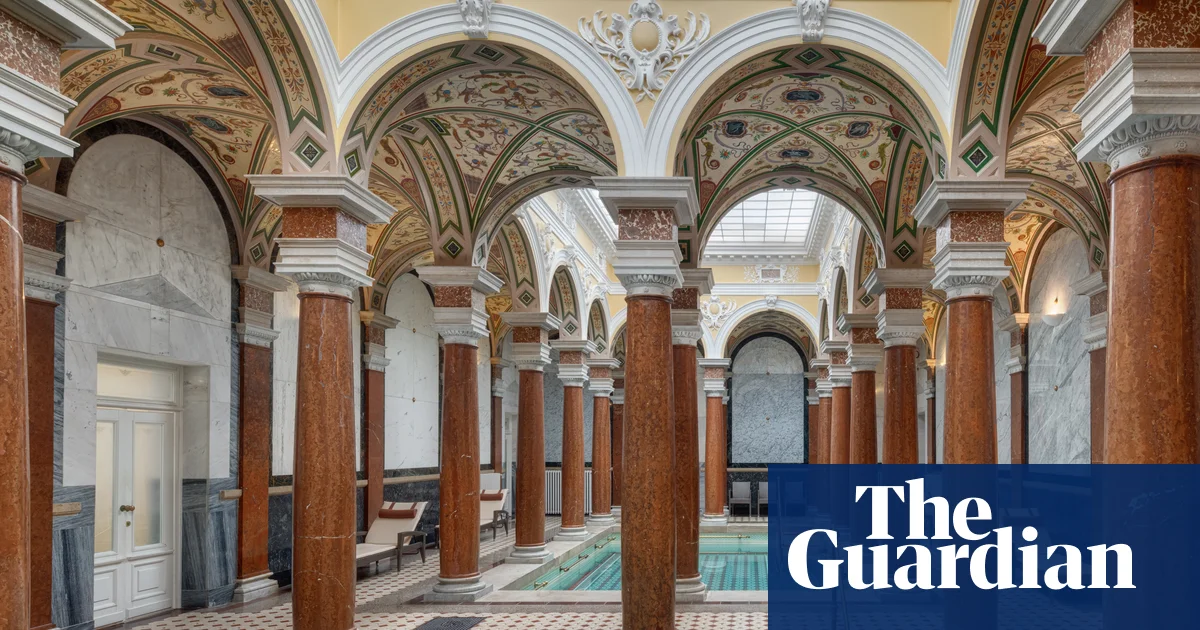
After this, head towards the former Central Mineral Baths.
Bring a reusable bottle: a restored marble fountain by the baths delivers warm mineral water from the city’s historic springs.
It is the sort of pleasingly simple freebie that makes you feel you have joined the locals, not just ticked off a landmark.
For another bit of time travel, go down to the Serdika area and take a lingering look around.
Roman-era Sofia is not sealed behind a museum door here — archaeological remains including excavated streets and ancient basilicas are right in the heart of town.
The cleverest hidden stop, though, is the Eighties-style Red Flat, on Ivan Denkoglu Street.
This is not a dusty museum. It is an interactive, four-room apartment that lets visitors touch, poke about and listen their way through the everyday life of a Bulgarian family in the Communist era. It’s an educational eye-opener.
For lunch, skip the obvious international chains and go on a mini food crawl.
Browse the Women’s Market for colourful stalls of fruit and veg plus ceramics and souvenirs, then seek out a Bulgarian cafe for home-cooked delicacies, such as banistra (cheese pastry) and kyufte (spiced, grilled minced meat rolls).
Then finish off your day with a glass of local wine or coffee in one of the side streets.
In fact, why not stretch to two? With prices this low, you’d be mad not to.
GO: BULGARIA
GETTING THERE: Ryanair flies from London Stansted to Sofia from £18.99 each way.
See ryanair.com. STAYING THERE: Double rooms at the 5* Grand Hotel Millennium Sofia are from around £146pp per night.
While many tourists flock to Cairo and Giza to see the Pyramids, there’s one perfect spot for history buffs that goes unnoticed
07:04, 29 Aug 2026Updated 07:05, 29 Aug 2026
This article contains affiliate links, we will receive a commission on any sales we generate from it. Learn more
The Mirror’s Jess Phillips visits Luxor in Egypt
Drifting 2,000 feet above the ground in cloudless skies, I can hardly fathom that the only thing keeping me from plummeting to the ground is a balloon full of hot air and an engine spurting fire.
But here I am, in a hot air balloon rising high above the Valley of the Queens in Luxor, Egypt. It’s one of the most breathtaking things I’ve ever seen – 20 or so other balloons bobbing around us as we take in the ancient temples and ruins dotting the land below us.
Our pilot reaches around his flight contraption to point out the Temple of Hatshepsut. There’s lush green vegetation, too, and people as small as ants working on uncovering more historical sites less than a mile beneath our basket.
I honestly thought I’d be more scared than this, but aside from a slightly bumpy landing – thankfully away from any farmers’ fields in the vicinity – the balloon ride is smooth and offers an incredible view of the landscape.
I arrived in Luxor after three nights spent in the tourist haven of Marsa Alam, on the coast of the nearby Red Sea. Switching the ocean for the River Nile – with our hotel, the Sonesta St. George, located right on the riverbank and accessible by boat – isn’t a hardship at all, and the buildings surrounding me are simply stunning.
A few hours’ drive from Marsa, holidaymakers who travel with TUI can access Luxor for a day excursion or longer. It’s 100% worth the early start and winding coach journey through the nearby desert to reach the historic city, founded in 3000 BC.
Stepping into the hustle and bustle of Luxor, I can imagine exactly what people like Agatha Christie and Howard Carter must have felt doing the same all those years ago.
Along with our incredible hot air balloon trip, I’m whisked away to the Valley of the Kings for a closer look at the ancient tombs, including the one which holds Tutankhamun’s mummy, still meticulously preserved after all those centuries.
Uncovered in 1922, the tomb had been covered in a mountain of rubble from excavations happening higher up on the hill, leaving archaeologists baffled until they finally found its location.
Honestly, I’m not sure why so many more tourists opt for Cairo and Giza over this. Of course, Luxor doesn’t have any pyramids of its own, but there are plenty of sphinxes, statues and incredible temples which offer access to the public.
Seeing the bright colours of the tombs – reds and blues and yellows – and the ancient hieroglyphs still etched into walls and columns is truly surreal. Along with the famous Valley of the Kings, we visit Karnak Temple – which Agatha Christie famously named her Nile steamer after – and Luxor Temple, along with Hatshepsut Temple.
Our guide points out the “first ever spreadsheet”, made so many centuries before the release of Microsoft Excel, and used to count up the food offerings made to the gods when the temples were still in use.
We’re shown the endless line of sphinx statues in various states of disrepair, lining a huge corridor which bridges the temples of Karnak and Luxor together. ‘Sphinx Alley’, as it is so aptly named, was used for the annual Opet Festival, which would see the Ancient Egyptians carry statues of their gods in a parade between the two temples.
All the while, though, I’m certainly not missing out on the metropolitan feel Luxor has to offer. A trip to the local bazaar plunges me right into the heart of the city’s merchant district, and I’m at once surrounded by a gaggle of stall owners attempting to sell me jewellery, T-shirts and Egyptian perfumes.
There’s time to stop for a delicious meal at the historic Winter Palace hotel’s 1886 restaurant, where jackets and ties for men aren’t optional and “smart” clothing is recommended for ladies. It’s the same hotel frequented by big names such as Howard Carter, Tony Blair and Lord Carnarvon.
It’s worth it solely for the hotel’s opulence, however. Artwork lines the corridors, while huge windows look out onto the sweeping gardens, where live music tinkles gently by an impressive fountain.
My hotel itself, the Sonesta St. George, blends traditional Egyptian architecture with modern luxury. Some of the rooms have their own saunas tucked away in the bathrooms, and the property boasts a heated swimming pool overlooking the Nile.
TUI offers all-inclusive packages and bounteous excursions in Luxor, so it’s not somewhere I’d describe as a hidden gem when so many UK tourists choose Cairo as an entry point. But a little deeper into the country you’ll find so much incredible history – though don’t bank on seeing any pyramids.
Book the holiday
TUI offers seven-night holidays to Marsa Alam, Egypt staying at the 5T Jaz Elite Amara on an all-inclusive basis from £990 per person. Book at tui.co.uk or on the TUI app.
The drive to Pedrovo is vertiginous, and each hairpin bend has me sending a silent prayer that we won’t meet a tractor coming the other way. When we near it, we abandon the car and continue on foot to the hamlet, a scattering of red-roofed, whitewashed houses high on the steep karst hillside. The air is warm and dry, scented with wild sage.
We follow a hand-painted sign to Čilčevi Farmstead. Descending stone steps to a lush garden, we find a shaded table set with fresh cheeses produced at the farm’s own dairy. Below, the valley stretches in both directions, a wide flat plain hemmed in by steep mountain slopes, with the Vipava River winding lazily through fields and vineyards.
Illustration: Guardian Graphics
If the Vipava valley gets a mention in a Slovenian guidebook, it’s usually as a wine region footnote. The area is an hour’s drive south-west of Ljubljana, meeting Italy at the cross-border city of Nova Gorica (called Gorizia on the Italian side). Most visitors skip it in favour of the Soča valley to the north, drawn to the turquoise river and opportunities for rafting on the rapids.
Vipava is a landscape shaped by a strong wind, the burja, which barrels down from the Alps, keeping the red earth arid, the trees bent low, and creating the perfect terrain for dry wines and dried meats. Tourism has traditionally been less of a focus, but I’m here with my family to meet local entrepreneurs and producers, to learn how this valley is building a genuine visitor experience that works for the community.
Part of the reason for the slow development of tourism has been the scarcity of accommodation, save a few nondescript business hotels and a handful of holiday cottages. One place that’s helping change that narrative is Wellba, a boutique guesthouse in the village of Planina, where an old abandoned farmstead has been converted into self-catering apartments and guest rooms by a local couple, working with traditional craftspeople and salvaged materials.
Marko and Tereza Kobal run the boutique Wellba hotel in Planina
Marko and Tereza Kobal grew up on this hillside and then worked in Ljubljana before deciding to return to build a family business, striving to create the kind of place they seek out when travelling. “People who travel want to experience something that is just the way it is, without embellishment, pretence, exaggeration – somewhere authentic,” says Marko. We enter Wellba through a traditional “black kitchen”, its walls darkened by generations of wood smoke. “When we came here the building needed work but it had a real soul. We want the building to stand for another 300 years, so we took the renovation slowly and carefully.”
Our light, spacious accommodation wears its history lightly, with plenty of space for playing card games and reading books on the balcony, with views of the neighbouring farmyard and the valley beyond. Next door, another tumble-down farm building will be converted and opened in 2027. The couple are also working on a boutique hotel in Vipava town in the valley below. The dream is for their children to run Wellba one day, forging their futures in this valley.
Across Vipava, similar small projects are emerging: small, family-run and developing slowly and thoughtfully. Tom Ločniškar and Borut Kokalj began Čilčevi Farmstead during the pandemic, having moved to Pedrovo and become interested in farming. “We started to keep animals. Now we have 150, which is too many animals for just a hobby,” laughs Tom.
Fresh cheeses at the Čilčevi Farmstead dairy in Pedrovo. Photograph: Ailsa Sheldon/The Guardian
He recalls the mad panic to source equipment before the lockdowns began. The pandemic also brought him his first customers, people who were out walking and keen to support local businesses. Tom and Borut keep local Istrska sheep and Drežnica goats, which graze on dry karst grasslands, changing pastures across this hillside every four days. Having tasted fresh cheese straight from the chill of the dairy, including creamy goat’s cheese with fenugreek and buttery mature sheep’s cheese, we walk uphill to meet the goats.
Tom says that in the early 1900s around 1,000 people lived in Pedrovo, but by the 1970s the permanent population had fallen to just two, and remained that low until the 1990s. “The village was almost abandoned because people moved to the cities,” he says. “It was the same in a lot of hill villages: life was hard and tractors didn’t work on steep slopes.” Today the population has risen to 20, with second homeowners roughly doubling that number in the holidays.
Elsewhere in the village, I meet Alenka and Mark Smerajc, who were one of the first families to return, raising three children and running a business here. Today they have two small holiday cottages in what were farm outbuildings and run a relaxed courtyard restaurant for guests, opening to the public at weekends and for holidays. “People wanted food,” shrugs Alenka, as her teenage children help bring out beautiful plates of handmade pasta with local cheese and wild herbs from the kitchen.
“In Vipava valley there was no tourism, so we got to decide how to build it,” says Jani Peljhan. That means GPS-guided cycling tours along roads too small to merit signposts, and experimenting with “wine trains”, carrying visitors from Nova Gorica to the vineyards with local winemakers on board to lead tasting sessions.
Jani’s company, Wajdušna, also offers hiking and paragliding, both gaining in popularity here. He meets us at Wellba with some e-bikes and we pedal through Ajdovščina to spot Roman ruins, and up to Vipavski Križ, famed for being one of the smallest towns in Slovenia, before zigzagging back up the other side of the valley through vineyards. The warmth of the afternoon and the steep hillsides makes me appreciate the “sport” mode on the bikes.
The region’s many narrow lanes are perfect for cycling trips. Photograph: Nejc Bole
In other regions, wine tourism often means visitor centres and branded experiences. In Vipava it still means sitting in someone’s kitchen. At Vina Lisjak in Zalošče, I eat at a little restaurant run by two brothers. “We opened the restaurant to show the wine,” says Peter Lisjak. “It’s all from our farm.” We eat generous platters of house dried meat, aged mountain cheeses, a fennel frittata and slow-cooked celeriac steaks with celery pesto and spinach. Dishes are served family style and there’s plenty of time for stories, with samples of delicious wine straight from the barrels in the cellar.
From Wellba, we walk across the village to Ferjančič vineyard, where seventh generation winemaker Matic Ferjančič talks us through his wines. His father developed the vineyard, going from five to 50,000 plants. “We work hard in the vineyard to make it easy in the cellar,” he says. As we chat, Matic keeps an ear to the baby monitor for the eighth generation sleeping upstairs.
Although many of my favourite restaurant experiences are the simple ones, Vipava valley cuisine can reach loftier heights. One night we smarten up the best we can and follow a winding road uphill to Zemono Manor, to eat at Gostilna Pri Lojzetu. Chef Tomaž Kavčič is known as a Slovenian slow food pioneer, and has earned a Michelin star for his playful dishes and proud use of local ingredients.
We eat delicate Vipava river trout with fermented apricots from the previous summer, and langoustine bisque from the coast. Traditional dishes such as jota, a sauerkraut and potato stew, are honoured on the menu, their humble roots celebrated not hidden. There are some theatrics, like a juniper plant producing flavoured vapour to complement a sorbet, but the restaurant atmosphere is friendly and relaxed. The server chats with my young stepson about his preferences, and brings him a generous bowl of gnocchi. It’s Kavčič’s night off so he sits with friends and a bottle of wine at the back of the restaurant, coming round all the tables frequently to chat.
Vipava may not remain overlooked for ever. But talking to the people building businesses here, there is little appetite for becoming the next famous wine destination. What they seem to want instead is something rarer and more interesting: tourism that helps a place thrive without changing what made it worth visiting in the first place.
The provided text primarily examines the cultural and mythological significance of Onam, a prominent festival celebrated in the Indian state of Kerala. It recounts the legend of King Mahabali, whose annual return to visit his subjects is honored through vibrant floral decorations, traditional Kathakali dance, and competitive snake-boat races. Beyond this central topic, the source functions as a broader news digest, featuring global financial data, international political conflicts, and diverse lifestyle stories. These supplementary snippets include reports on medical tourism for plastic surgery, travel recommendations for Indonesian destinations, and various …
Some locals claim the tunnel is haunted by the ghost of a murdered teenager.
02:13, 29 Aug 2026Updated 08:29, 29 Aug 2026
The tunnel is said to be haunted(Image: Getty)
Hidden at the bottom of the world is a tunnel which is shadowed in years of history. Thousands of cars travel through it daily, and as they do, they sound their horns.
The tunnel is a cacophony of beeping and tooting at all hours of the day and night – all thanks to a murder which has haunted the city since 1931. The Mount Victoria Tunnel is part of a well-used stretch of highway in Wellington, New Zealand.
According to legend, the reason drivers lean on their horns as they travel through the tunnel is in tribute to murdered teenager Phillis Symons.
Phillis was buried alive in dirt fill during the tunnel’s construction.
She was only 17 and was pregnant when her boyfriend George Coats, a worker on the construction of the tunnel, knocked her unconscious with a pipe.
George then dumped Phillis in the dirt fill. Her body was found hunched over, meaning she had tried to escape the soil.
George was sentenced to death for the murder, and was hanged in December 1931.
The tunnel was opened to the public in the same year.
Now, almost a hundred years later, the 632 metre long tunnel echoes constantly with the sound of car horns which residents believe either wards off spirits, or pays tribute to the memory of Phillis.
Some locals say the tunnel is haunted – others say the constant beeping is the only thing that haunts the road.
The tunnel is the subject of a £1.27billion (between NZD$2.9b and NZD$3.8b) infrastructure project which would see a second tunnel built alongside the first to try and alleviate the severe bottlenecks which occur in the tunnel.
The current one is only two lanes, and frequently closes due to crashes, causing traffic jams that can last hours.
According to RNZ, the project has been granted fast track approval – but as of last week there was still no expected start date.
TENNESSEE’S governor Bill Lee announced on Friday that Nashville International Airport will be no more – as the state looks for a new name in tribute to late icon Dolly Parton.
Country music star Dolly Parton died at 80 on Tuesday, sparking waves of tributes across the countryCredit: GettyHer death also reignited calls to rename Nashville International Airport after herCredit: Alamy
The petition to rename the Nashville International Airport after Parton gained nearly 130,000 signatures.
Sign up for the Travel newsletter
Thank you!
“We request that the airport’s name be changed to Dolly Parton International Airport to honor an icon who has given so much to our state and to the world,” the petition on Change.com read.
“Sign the petition to make this change a reality. We could all be Departin’ from Parton!!”
The petition had originally started in January 2025, but has gained 80,000 signatures since Parton died on Tuesday.
“Dolly deserves to be remembered and celebrated,” the updated petition reads.
“What a wonderful way to share her light and magic across Tennessee and the world.”
It called on Governor Bill Lee and state Representatives Todd Warner, Bob Freeman, and Fred Atchley, to make the change.
“Yes I will definitely introduce legislation to rename the BNA airport Dolly Parton International Airport!” he wrote.
Sheryl Crow also joined in on the calls to rename the airport.
During an Instagram Live with Katie Couric, she said, “Yes! I think we should,” and joked that she didn’t know what Nashville’s call sign BNA meant.
Governor Lee didn’t take long to act, announcing his intention to rename Nashville Airport on Friday afternoon.
“Dolly Parton’s extraordinary life is forever woven into the fabric of our state,” he said.
“From her rural mountain home in East Tennessee to global stages, Dolly carried the Volunteer Spirit with her.
“At a place where Tennessee welcomes the world, it is fitting that Nashville International Airport would bear the name of our state’s favorite daughter and greet travelers with the enduring legacy of Dolly’s music, generosity, faith, and kindness.”
The exact new name of the airport remains unclear – as is the official date the change will happen.
A meeting is currently scheduled for September 17 to discuss.
The country music icon passed away in a Nashville hospital after a brief battle with cancer.
“BNA is the front door to Music City, and with that comes a responsibility to reflect the very best of who we are as a community,” said Doug Kreulen, president and CEO, Metropolitan Nashville Airport Authority.
“Dolly’s remarkable legacy reminds us that what makes Nashville special is our ability to welcome people from every walk of life.
“She understood that dignity, kindness and opportunity should never be defined by where you come from or your socioeconomic status.
“At BNA, we share that commitment. Whether you are boarding a private aircraft or taking your first flight, you deserve to be welcomed, respected and served with the same level of care. That spirit is what defines BNA and it is a fitting reflection of the values Dolly shared with Tennessee and the world.”
L.A.’s annual summer heat wave is upon us, with triple-digit temperatures breaking records across the region. During this time of year, ovens and stoves go dormant as Southern Californians seek to sate their thirst and hunger with chilled and frozen options, from refreshing poke bowls and ceviches to shaved ice and soft serve.
Our restaurant scene is responding in kind by adding a slew of frozen beverages to their menus. That means you can get your daily coffee or matcha blended for a cool start to the day, or venture outside of your usual and perk up with a Thai tea slushie or hojicha blockshake. And for kids or those avoiding caffeine, a zesty ginger lemonade and nostalgic Dole Whip are at the ready.
Prefer a more adult take? Some of the city’s best bars are reimagining classic cocktails in blended form, from frozen negronis to piña coladas and margaritas. Far from basic, these frozen concoctions are layered and intentional, featuring small-batch mezcal, locally made cider and Belizean rum. Some are served in popsicle or snow cone form, and you can even enjoy your Dole Whip spiked.
Here are 25 of our favorite frozen cocktails and non-alcoholic slushies to cool off with in L.A.:
FINDING a London hotel room that isn’t the size of a shoe box and is actually affordable can be a real challenge.
Luckily, I’ve done my research and have found an underrated hotel that hides a secret bargain.
You can bag an entire suite-sized room for £32.50pp a night at this underrated London hotelCredit: A&O Hotels
This stay offers suite-sized rooms for a very reasonable £65 – which is less than what you’d pay for those broom cupboard-sized rooms in the city centre.
Not only that, but the hotel has great connections into Central London, plus has attractions like the Minecraft Experience and The Legend of the Titanic exhibition less than 10 minutes away.
Sign up for the Travel newsletter
Thank you!
Throw in unlimited free ferry rides across the river to Canary Wharf, and it might just be the best-kept budget hotel hack in the capital.
Here’s everything you need to know about a&o London Docklands Riverside.
a&o London Docklands sits on the River Thames opposite the skyscrapers of Canary WharfCredit: Getty
a&o London Docklands Riverside is in Rotherhithe, which sits directly opposite swanky London finance district Canary Wharf.
A stay here even comes with free ferry tickets to cross over the river and reach Canary Wharf in a matter of minutes.
You can take the ferry as many times as you’d like during your stay. Ferries come every 15-20 minutes, and run daily until around 11pm.
The easiest way to get to the hotel via public transport is by taking the underground to Canada Water, and then walking around 10 minutes to reach the hotel.
What is the hotel like?
You can even grab a drink in the “Urban Beach”, the hotel’s outdoor bar overlooking the ThamesCredit: A&O Hotels
This is a no faff, no-frills spot which makes for the perfect budget-friendly base on a trip to London.
The building is a restored 17th century wharf warehouse, bringing a touch of the area’s maritime history to your stay – but all of the amenities here are super modern.
Everything here is designed for efficiency – the check-in process is quick and easy, there are vending machines throughout with snacks, drinks and toiletries, and reception are on-hand 24 hours a day to help.
There’s an indoor bar and lounge area, plus an outdoor ‘Urban Beach’ bar with plenty of parasol-topped tables for soaking up the sun in the warmer weather.
What are the rooms like?
It’s hard to find a better value London hotel for £32.50pp a nightCredit: Jenna Stevens
This London stay offers the ultimate room hack – entire suite-sized rooms from just £65 per night.
a&o London Docklands Riverside used to be a Hilton Doubletree hotel, however since a&o took over ownership, you can snag a large room for a shockingly low price.
This is because some rooms here which were once sold as King Junior Suites are now being sold for the price of a regular double room.
This means that you could bag an entire suite with a big double bed, lounge area with a sofa, desk to work from and even a balcony overlooking the Thames for just £65 per night.
That works out to only £32.50pp per night (almost unheard of for a Central London hotel).
Prices vary depending on the time of year you visit, so if you want to bag this price, make sure to look for off-peak season stays such as weekdays in the winter.
As this accommodation is owned by a&o hostels, there are actually dorm rooms on offer here, too.
If you’re a seasoned traveller that doesn’t mind sharing a room, you could bag a stay here from as little as £19 per night – perfect if you just want a place to crash after a concert or event.
What is there to eat and drink?
Tuck into a buffet breakfast in the morning in the modern restaurantCredit: A&O Hotels
Breakfast here is served buffet-style with all the usual suspects – eggs, sausage, bacon, cereals – plus a pancake machine with Nutella and maple syrup.
It’s definitely worth heading out into the city to grab lunch and dinner, as London is full of amazing restaurants inspired by all sorts of cuisines.
Cross the river into Canary Wharf and you’ll soon spot Big Easy – a huge, American-style BBQ restaurant that sits on top of the underground station, with huge neon signage that reflects onto the water below.
Here you can feast on steak, ribs, fries, corn on the cob and more, all lathered in thick barbecue sauce. Messy, but so delicious.
What else is there to do there?
Make sure to hop on the ferry to Canary Wharf and visit Fairgame for a fun night outCredit: wearefairgame
When you’re out in Canary Wharf, make sure to book in a session at Fairgame.
Head towards the giant yellow rubber duck on the waterfront and behind it you’ll find a playground for grown-ups.
Inside there’s street food-style stalls, a bar serving crazy cocktails and, most importantly, loads of fairground-style games like whack-a-mole and basketball hoop-shooting.
If you’ve got kids with you, or just fancy a wholesome day out, hop on the DLR to Mudchute Farm.
Here you’ll find a farm with a surreal feel, where you can see alpacas, goats, sheep, chickens and more grazing grasses backed by London skyscrapers.
There’s even a community garden on-site where you can get stuck in and lend a hand planting flowers, fruits and vegetables.
Is it family friendly?
a&o London Docklands Riverside is family-friendly, with private, family-sized rooms and even pram hire from reception.
The hotel also has dog-friendly rooms, with a fee of £13 per pet per day.
Is the hotel accessible?
The hotel is accessible with step-free access onto the property and elevators to reach the rooms.
Make sure to mention any specific needs you may have upon booking.
A HISTORIC ride at one of the UK’s top theme parks is set to reopen.
Blackpool‘s Pleasure Beach Resort has confirmed that its River Caves ride will reopen after a period of “reimagination”.
The much-loved River Caves theme park ride is set to reopen at Blackpool Pleasure BeachCredit: AlamyThe ride has been closed since 2024Credit: Theme Park Guide
The classic water ride first opened in 1905 and is much-loved by families visiting the theme park.
Amanda Jean Thompson OBE, the managing director of Pleasure Beach Resort said: “Hopefully the River Caves will be reopening next year.
Sign up for the Travel newsletter
Thank you!
“One of the reasons why we had to close when we closed, is because we were hemorrhaging so much water from the ride.
“First of all we’ve got to find where all the leaks are.
She then added details about how the ride will change, commenting: “What I can tell you is what will remain – the Egyptian scene will remain but it and the Angkor Wat scene, which is so integral to Aviktas will remain, but rethemed and redone.
“There will be new scenes of new travels and all different areas of where my grandparents travelled to and my parents travelled to.
“The River Caves are basically the story of where my grandparents travelled to in the close period of the park.
Parts of the ride will be reimaginedCredit: Alamy
“I think the Blue Grotto may stay because I particularly like that area.”
She joked: “The rest will be new and remains top secret for now, because I keep changing my mind.”
“Will definitely be in the Far East for one section and Latin America for another section.”
“The boats are being done now, and one is currently being redesigned now – we are making them smaller and much more comfortable.”
It comes after visits photographed staff working on the ride the week including refitting wheels before the rides final drop.
River Caves closed back in early 2024 due to technical complications.
Since, little details have been shared about whether the ride would reopen and when.
She also confirmed there’s a new ice show in the making as well.
THE OLDEST scientific attraction in Britain is set to close for more than two years – as it undergoes a multi-million pound renovation.
Visitors have just over two months to make the most of the site before it temporarily shuts.
The Royal Observatory Greenwich will undergo extensive renovations over the next two yearsCredit: coldsnowstorm
The Royal Observatory Greenwich has confirmed it will close all buildings from November 2, as part of its “First Light” renovation project.
Following the closures, the 351 year-old site will begin its £77million renovation to transform the area with new galleries, displays and conserving the observatory‘s most historic sections.
Sign up for the Travel newsletter
Thank you!
Changes set to come include an upgraded visitor entrance, a new lift tower to the Great Equatorial Telescope, and a “revitalised” landscape.
A spokesperson for Royal Observatory Greenwich told News Shopper: “The First Light project represents the most significant transformation of the Royal Observatory in recent years and will secure the future of this internationally important site.
“Although visitors will not be able to access the observatory buildings during the redevelopment, we are committed to ensuring people can continue to engage with astronomy through a wide range of activities and events taking place.”
In place of the main observatory, a temporary planetarium and the Astronomers Take Over gallery will open at the National Maritime Museum.
The attraction is expected to remain closed until 2028 while works are being carried out.
The project, known as First Light, claims it will bring the story of the “historic site to life” and “make science and astronomy accessible to everyone”.
The landmark project was funded with the help of The National Lottery Heritage Fund.
The Peter Harrison Planetarium at the site is currently already closed, having shut on September 5 last year.
THE WORLD’S top cities for a night out have been revealed with one spot in the UK making the list – and no, it isn’t London, Birmingham or Manchester.
The UK is home to great nights out anywhere you go, but one seaside city in particular has it all.
Brighton has been named as one of the best places in the world for a night outCredit: GettyThe seaside city came eighth overall and was the only UK spot to feature on the listCredit: Alamy
According to Time Out, Brighton is the best city to go on a night out in the UK and one of the best spots in the world.
The publication commented: “Brighton’s legacy as the home of the UK’s LGBTQ+ nightlife scene continues to thrive.
Sign up for the Travel newsletter
Thank you!
“Of all cities on this ranking, Brighton received the highest score for its sense of community, with 84 per cent of locals saying it’s easy to make connections in the seaside city.”
According to TripAdvisor, the best spot to head to in the city is Maggie Mae’s, which opened back in 2014 and claims to be “one of Brighton’s busiest and most loved venues”.
For the number one LGBTQ+ nightclub on the South Coast, visit Revenge which has three floors, five VIP booths and even a magic mirror photobooth.
A raunchier option is Madam Lola’s – a cabaret and nightlife experience inside a Grade II-listed building with drag performances, dancing on tables and circus performances.
If you like to enjoy a pint but also want a bit of fun then The World’s End is the ideal spot.
The venue is home to a lively bar area as well as a 10-person remote controlled race track and a retro arcade.
Bangkok in Thailand was named as the best city in the world for a night outCredit: Getty
If you want something unique, head to Alcotraz – a prison-cum-bar immersive experience – or for sticky floors and cheesy tunes, head to Pryzm nightclub.
Comedy clubs are more your thing? Brighton has options including Komedia, which hosts around 700 comedy performances each year.
While Brighton came eighth overall, the top spot went to Bangkok in Thailand.
The city has “everything you could ask for, from the pokey street-side bars to the mega clubs and the 360-degree rooftop bars to the wild LGBTQ+ party pads”, according to Time Out.
Berlin in Germany followed in second placeCredit: Getty
Full list of Time Out’s best cities for a night out
Bangkok, Thailand
Berlin, Germany
New York City, USA
Melbourne, Australia
São Paulo, Brazil
Medellín, Colombia
Johannesburg, South Africa
Brighton, UK
Beijing, China
Amsterdam, Netherlands
Porto, Portugal
Hong Kong, China
Athens, Greece
Madrid, Spain
Hanoi, Vietnam
Seoul, South Korea
Bengaluru, India
Accra, Ghana
Singapore
Mexico City, Mexico
In second place – and the best city for nightlife in Europe – was Berlin in Germany, known for the hedonistic Berghain where cameras are banned but nudity is a go.
Time Out said: “Berlin’s nightlife is at a turning point. Rising rents and redevelopment have fuelled what critics call Clubsterben: the slow death of the city’s legendary clubs.
“But there is light at the end of the darkroom. Germany is aiming to reclassify its clubs as cultural institutions, making them harder for developers to displace; a new layer of protecting following UNESCO’s 2024 recognition of Berlin’s techno culture as intangible cultural heritage.”
Rounding out the top three was New York in America.