A content creator who returned to Majorca after spending over three years living in the Dominican Republic has taken to social media to express her sadness over what she found when visiting home
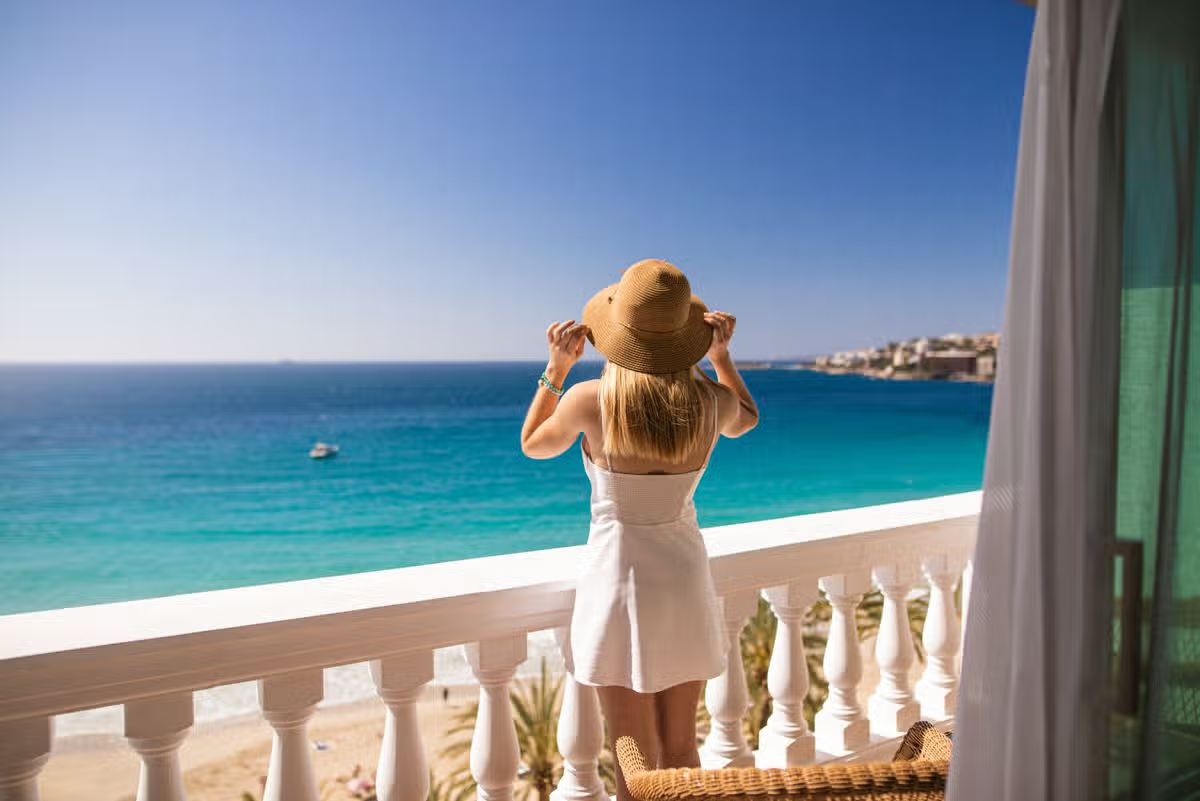
A woman who returned to Majorca after years away was left saddened by what she saw (stock)
A woman who returned to Majorca after over three years living elsewhere expressed her sadness at what she found in the Spanish holiday hotspot.
Carol Vásquez, a native of the popular Balearic island in Spain, had been living in the Caribbean town of Punta Cana in the Dominican Republic for three and a half years, when she decided to come back for a visit.
However, upon her return this summer Ms Vásquez said she was saddened by what she discovered as she noted a massive influx of tourists. Majorca is a major travel hub for Brits during the spring and summer months due to the warm seas and hot climate.
So upset was Ms Vásquez that she took to TikTok to share her dismay admitting she was “a bit sad” over how peak tourist season had changed how she felt about her home island.
The content creator said: “I am feeling a bit sad because I am from Mallorca. I have actually lived in Punta Cana for three and a half years, and every time I come back to Mallorca, especially now in the summer, I don’t enjoy it.
“I get really overwhelmed because there are many tourists. There are so many tourists that the local people cannot enjoy the island.”
However, Ms Vásquez said that her criticism of Majorca was not just about the typical tourism hotspots such as the beaches, but parts of the island where locals who live there year round gather.
She added: “I’m not talking about the beaches anymore; I’m talking about the town centre, the places where we’ve always gone to eat.”
Ms Vásquez subsequently claimed that there was “no way to enjoy the island” and that the only way to do so was by “dodging people”.
Ms Vásquez’s comments come as Spain continues to try and find ways to manage an annual overtourism crisis that sees millions of people travel to its towns and cities, often affecting local people.
Majorca is often one of the hardest hit, welcoming around 13.6m last year alone. In fact, the problem has become so acute that Marga Prohens, President of the Balearic Government, has called for “limits” on tourism.
In a statement during the Forbes Economic Summit 2026, the politician declared the situation was not sustainable. She said: “We cannot continue growing at this pace and with this model.
“We can’t keep measuring the success of tourist seasons by the number of tourists coming each year; we need to talk about limits and manage them.”
This doesn’t mean Ms Prohens is against tourism, but she emphasised the need to think about it beyond things such as beaches and hotels to help the region best utilise its biggest economic driver without making the overtourism situation worse.
She added: “Tourism is much more than hotels, sun, and beaches, or managing visitor flows; it is innovation, artificial intelligence, digitalisation, and new technologies.”
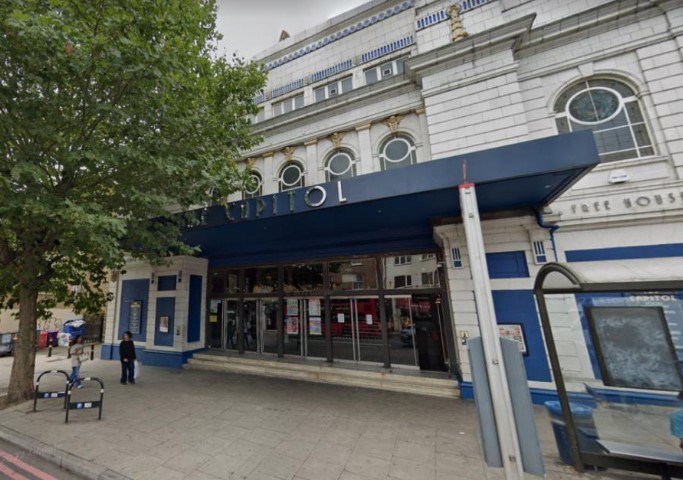
It was housed in a former 1920’s Art Deco building that used to serve as a cinema.
Sign up for the Travel newsletter
Thank you!
The picture house showed its last film in 1978 then opened as a bingo hall before JDWetherspoonssnapped it up in 1996.
But, new life is set to be breathed into the Grade II listed building as developers have revealed plans to transform it into a soft play, according to News Shopper.
Planning permission was approved back in January, with developers now working through a series of conditions to ensure the original features in the building are protected.
A multi-level play structure, party rooms, café facilities and an on-site manager’s flat is set to feature in the building.
Meanwhile, accessible toilets, buggy parking and areas for staff are also set to be built.
However, fans of the building need not worry as its original cinema entrance and distinct features will be protected.
No opening date has been confirmed for the soft play area, but works continue to be underway.
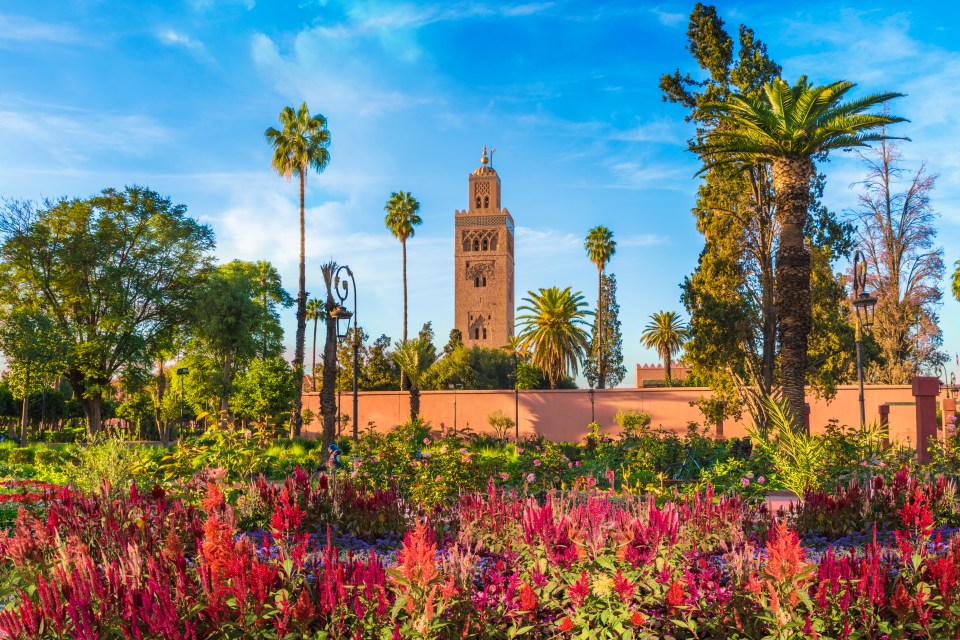
Then from Birmingham you’ll be able to head to Copenhagen, Rome Fiumicino in Italy and Marrakech in Morocco which is perfect for winter sun – with some of these flights costing as little as £14.99 per person, per-way.
And there are other lesser-known destinations where you won’t find the crowds experienced elsewhere in Europe such as Tirana in Albania and Warsaw Modlin in Poland.
The airline has also announced that it is increasing the amount of flights departing Manchester Airport to 26 destinations including Malaga, Palma de Mallorca and Madrid in Spain.
It comes as the airline’s boss Michael O’Leary also warned of flight prices rising next year.
At a press conference last week, he said: “Fares for Ryanair passengers and every other passenger into the summer of 2027 are going to rise materially, I believe, because of significantly higher oil prices.
And the flights start from as little as £14.99 per person, per wayCredit: EPA
“I have no doubt fares are rising next year. The question is by how much.”
The airline also announced recently that it was axing even more seats that are equal to around 13,000 flights.
In 2025, France lost 25 routes and some 750,000 seats last winter and in Brussels, Ryanair axed 20 routes and cut one million seats across Brussels-Zaventem and Brussels South Charleroi airports.
Vintage-inspired mini golf in San Clemente. Mai tais on a sunken ship in Anaheim. Sprawling red rocks in Trabuco Canyon. It’s time to go deeper into great, big, always juicy O.C.
IF YOU are due to head to or from Italy today you might want to check your flight as strikes across the country have seen huge cancellations.
Strike action is set to take place across Italy today between 1pm and 5pm with ENAV – the company that runs Italian air traffic control – walking out at all 33 Italian airports.
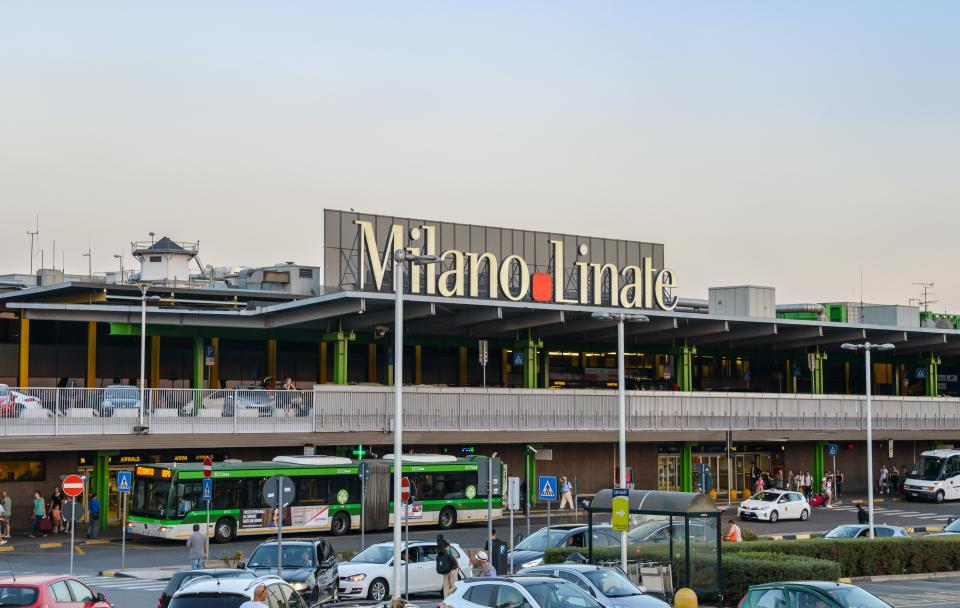
A number of major Italian airports including Milan are set to be impactedCredit: Alamy
The main airports expected to be affected include Rome, Naples, Milan and Venice.
Flights cancelled today already include:
Sign up for the Travel newsletter
Thank you!
10:15am British Airways flight to Milan from London Heathrow
3:25pm British Airways flight to London Heathrow from Milan
11:50am British Airways flight to Venice from London Heathrow
5:20pm British Airways flight to London Heathrow from Venice
1:25pm British Airways flight to Milan from London City
2:25pm British Airways flight to London City from Florence
5:50pm British Airways flight to London City from Milan
3:50pm Ryanair flight to Bologna from London Luton
Currently, flights to Italy from London Heathrow and London Gatwick state they are scheduled as planned, though this may change.
ITA Airways has already warned that 29 per cent of its scheduled flights are cancelled today.
Passengers are being advised to check their flight status with their airline and airport before travelling.
If you are due to fly this morning between 7am and 10am or this evening between 6pm and 9pm then your flight is guaranteed to go ahead as normal, under Italian law.
If you are able to move your flight, then it might be worth doing this to avoid disruption.
Airlines are advising passengers to check their flight status ahead of travelling to the airportCredit: Alamy
Unfortunately though, if your flight is delayed or cancelled you won’t get any compensation as a strike is deemed to be outside of the airline’s control.
But airlines do have a duty of care so should provide you with food and water and if necessary, accommodation overnight.
There is also set to be a strike on October 16 in Italy, lasting 24 hours – but this time it will be easyJet flight crew walking out.
The provided text highlights the National Day for Truth and Reconciliation in Canada, observed on September 30. According to Canadian Heritage Minister Steven Guilbeault, this solemn occasion offers citizens an opportunity to understand a painful historical era and honor the survivors and their affected communities. The observance responds directly to recommendations from Indigenous leaders and the Truth and Reconciliation Commission. Historically, this dark chapter involved approximately 150,000 Indigenous children being forcefully separated from their families to attend religious boarding schools. Within these institutions, many youngsters faced severe neglect, malnutrition, physical abuse, and sexual violence, with more than 4,000 estimated deaths.
RAILWAY workers are set to stage two 24-hour strikes this October in a row over doors.
The staff are making a stand against plans for driver-only operation on new services.
Staff at Chiltern Railways will walk out for two days this OctoberCredit: PA
Members of the Rail, Maritime and Transport union (RMT) at Chiltern Railways will walk out on October 10 and October 17.
The union said its members voted overwhelmingly in favour of industrial action over plans to introduce driver-only operation (DOO) on East West Rail services.
Sign up for the Travel newsletter
Thank you!
The dispute centres on the first stage of the new railway, which will run between Oxford and Milton Keynes.
RMT general secretary Eddie Dempsey said the proposed operation represented a “significant risk” to safety and to existing train manager roles.
He said: “RMT will not accept the watering down of safety on the rail network.”
But Chiltern Railways has rejected the suggestion that the new services will compromise passenger safety.
Interim managing director Tony Baxter said: “We have run most of our trains with the driver in control of the doors for decades, safely and as approved by the independent rail regulator.
“It also means over 100 new permanent jobs at Chiltern, and no changes to the roles of existing colleagues.”
He added that the operator expected to run the “vast majority” of its services on both days, with the timetables for the strike dates confirmed shortly.
The operator also stressed that every East West Rail service will have two people on board.
This will include the driver and another member of staff responsible for looking after passengers, checking tickets and helping people who need assistance.
The company said it remains committed to working with the RMT to resolve the dispute.
PUBS, watersports, outdoor decks with hot tubs and saunas, who said holiday parks are just for kids?
And the even better part is going with a group of friends can mean the break is SO much cheaper than going with kids – some by as much as £887 and these are the best ones we’ve found.
Butlin’s Big Weekenders
Butlin’s has plenty of Big Weekenders for adults to let their hair downCredit: AlamyEnjoy all the activities and watch tribute acts take to the stageCredit: Alamy
Let’s start with the classic – a Butlin’s Big Weekender, they’re big, bold and made purely for adults.
You can forget the kids’s shows or character meet-and-greets and instead opt for bottomless brunches and pool parties.
Don’t miss Bingo Bango either. The adult twist on the game has competitors dancing to party anthems and competing in interactive games to win prizes like giant inflatable unicorns.
There are lots of themed weekenders too, with music ranging from the 60s up to the 2000s.
During October there are 14 Halloweenenders at all three locations (Minehead, Bognor Regis and Skegness) where the classic Big Weekender has a spooky twist.
There’s 80s thriller nights to 90s music-themed fright nights and – if you love all kinds of music – there’s the Replay Time Warp Terror which is a “monster mash-up of the 80s, 90s, 2000s.”
We all know Butlin’s for being cheap, cheerful and full of fun, but going as adults seriously has its perks.
Parkdean Lizard Point has caravan stays from £99Credit: Parkdean ResortsIt’s a great spot for exploring the beaches on the peninsula – like Kynance CoveCredit: Alamy
If a coastal break is on the cards, consider a Parkdean break to Lizard Point.
It has a large indoor and outdoor pool with adult-only swim sessions, so you won’t be splashed by kids all the time.
There’s also brunch club for holiday feasts and wine tasting.
Crafting is on the cards too from jewellery making to designing cards, creating mosaics, and sip and paint sessions.
During the evening, put your boots on for country and western evenings, go all Cluedo at murder mystery events, and get competitive during quiz nights or grab the mic at adult-karaoke.
For almost the same price, four adults could upgrade to a Gold Premium 3 Bedroom Caravan which is the best in the caravan range.
It has three bedrooms, dedicated parking and even bring a pet for £119 (between October 5-9).
Away Resorts, Tattershall Lakes
Head to Tattershall Lakes for watersports, zip wires and silent discosCredit: Tattershall LakesA group of mates can stay in the Shadow Wood Lodge for £21pppnCredit: Away Resorts
Tattershall Lakes is ideal for an action-packed holiday full of watersports, and no, it’s not all for kids.
The holiday park in Lincolnshire has a lakeside lido, paddleboarding, kayaking, an aqua park with a huge inflatable, pedalo hire and make sure to try out the jet skis too.
There’s a chance to get up high on the high-ropes course or the zip wire.
When it comes to entertainment, there are silent discos, karaoke and crowdeoke (where everyone sings so no one goes solo).
Guest acts take to the stage from tribute acts to DJs, there’s an outdoor cinema and a cash bingo that’s specifically for over 18s.
After all the activities, head to the spa which offers facials, pedicures, manicures and massages which start from £39.
Pop into the Tattershall Park Pub & Kitchen for a drink, or head to the rooftop Bar 49 for a classic cocktail.
Both stays include swimming pool access, access to activities, entry to arcade and entertainment venues, as well as access to restaurants and takeaways.
Center Parcs, Elveden Forest
Check out the huge water complex at the Elveden Forest Center ParksCredit: Center ParcsActivities aren’t just or kids – try out the new Treetop Glider attractionCredit: Center Parcs
Center Parcs has never been cheap – but there is a reason why it’s a top holiday park, and it costs much less to go during term-time, so grab your friends and head over.
And as an adult, there’s no reason to be bored because there are 132 activities.
For high-energy thrills, try out the treetop glider or get competitive with a game of sports like football, badminton, glow table tennis and golf (and crazy golf).
If you want to give karaoke a go, but want to avoid the crowds and just sing with your mates instead, book a SingPod which is a soundproof pod where you can pick your own tunes.
A lodge has three bedrooms, two with double beds, one twin – all of which have en-suites. The best part is that this Forest Lodge comes with its own sauna and hot tub.
Park Holidays, Sandhills
The Sandhills holiday park in Christchurch overlooks the beachCredit: Park Holidays It’s ideal for friends looking for a relaxing coastal breakCredit: Park Holidays
For a more sophisticated break, Sandhills in Christchurch is a great choice for those wanting to spend time quality together by the seaside.
Found in Dorset, Sandhills has direct access to Avon Beach which holds a Seaside Award (which is awarded to the best UK beaches for being clean, safe, and well-managed).
It also has a heated outdoor pool (open until October 31), as well as a gym fitted out with weights and elliptical machines.
During the evenings, head to the on-site bar and lounge which serves drinks and light snacks.
When there’s good weather, head outside to enjoy the sunshine on the terrace.
Nearby there’s more to explore like Chichester Watersports, Fruzey Gardens, Osborne House and the New Forest.
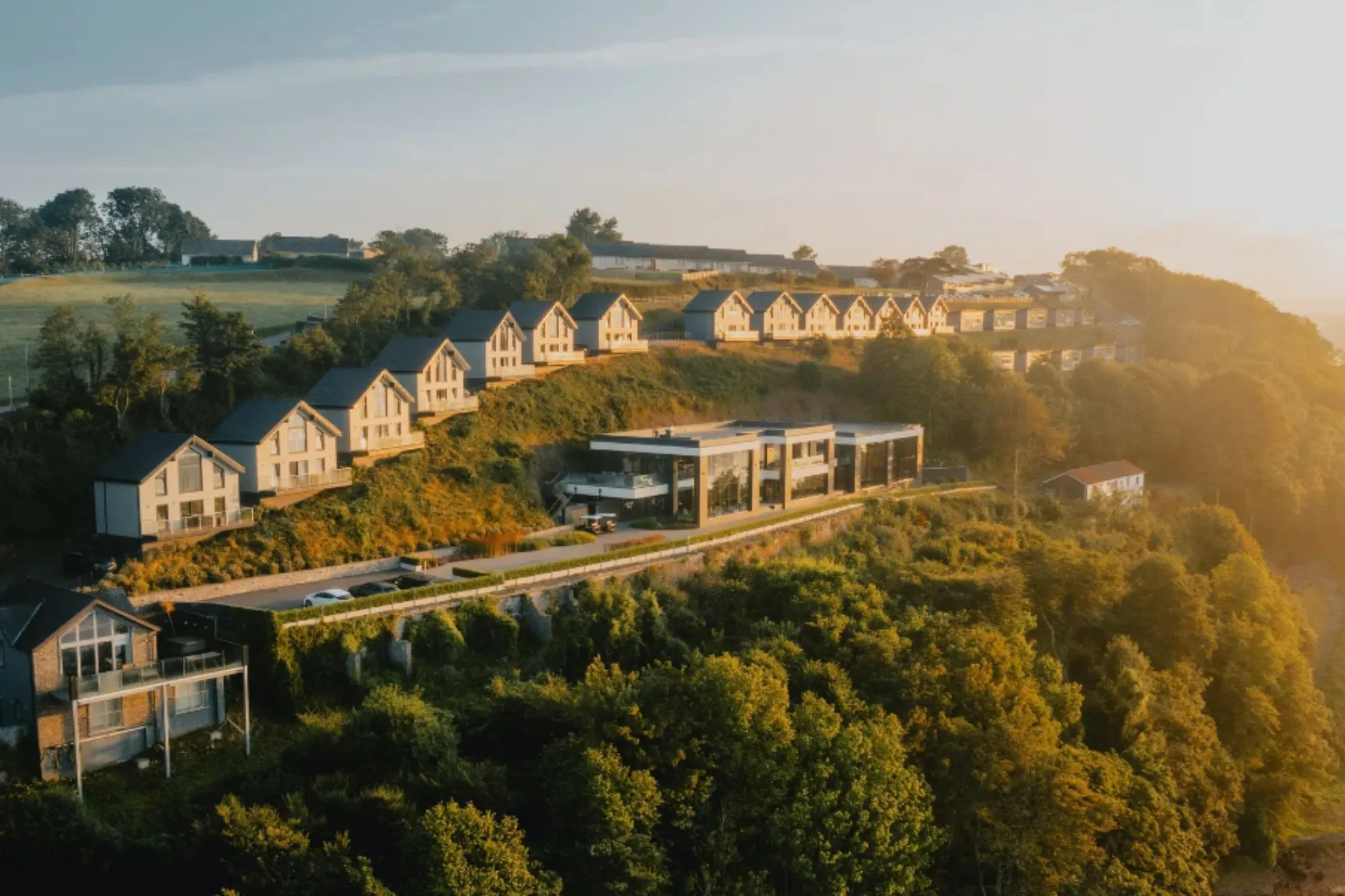
The Dylan Coastal Resort has lodges with built in hot tubsCredit: LandalThere are unmatched views over the Taf Estuary from the swimming poolCredit: TripAdvisor
The holiday lodges sit high on a hilltop looking out over the Taf Estuary which make for incredible views.
The lodges range from one to four person to six-person stays – and some have hot tubs too.
Below the holiday lodges is Milk Wood House where guests will find all the facilities including an infinity pool, outdoor spa area, and lots of therapy treatments.
It’s also where guests will find the bar and restaurant which can be enjoyed on one of the three terraces.
Nearby, try out watersports and bouldering at Wild Lakes or explore the National Botanical Garden and the beautiful fishing village of Tenby.
Included in the stay with the Carningli Lodge is a six-seater buggy to navigate the park – the lodge has an open-plan living and dining, a sunroom with a Juliet balcony.
Each double room includes an en-suite with roll-top bath and shower, and there’s a separate bathroom for the twin rooms.
Brits looking for cheap Spain holidays where it’s still warm and sunny into late October may want to check out one particularly charming destination
This article contains affiliate links, we will receive a commission on any sales we generate from it. Learn more
(Image: LightRocket via Getty Images)
Summer may officially be over, but there’s good news for those not quite ready to accept this fact, as Europe still offers a host of holiday options with hot and sunny weather.
In fact, there’s one Spanish destination that’s been tipped as one of the best holiday hotspots for October, thanks to its balmy temperatures, beautiful beaches and cheap flights.
Lanzarote, in the Canary Islands, still boasts daytime temperatures of 25-27C, with sea waters still warm enough for swimming if you fancy a beach day and a dip. (Just pack some light layers for the evenings when temperatures drop to about 18-19C). Temperatures stay warm well into the winter months – it’s why the Canaries are such popular destinations year-round.
As for Lanzarote, it offers a wide array of different stays from luxury resorts ideal for a romantic getaway, to family-friendly all-inclusive breaks with kids’ clubs, poolside entertainment and family-friendly rooms.
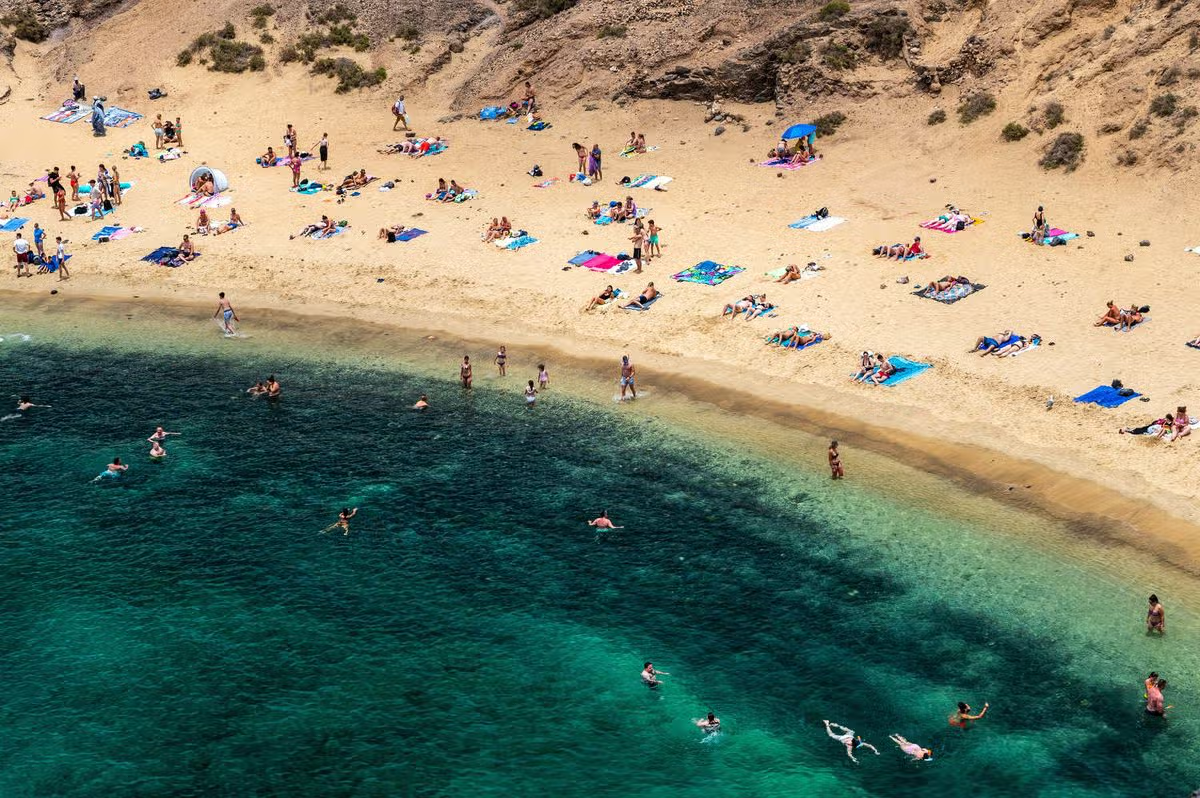
Playa de Papagayo is the highest-rated beach according to TripAdvisor, with holidaymakers praising the golden sands and turquoise waters, although be warned that you’ll need to face a slightly dusty and bumpy road to reach the beach, and cross over some sand dunes. In terms of popularity, Papagayo is closely followed by Playa Blanca, another shoreline made up of soft sands and azure waters with a nearby port and marina if you fancy a waterfront lunch.
As for getting there, when we took a look on Skyscanner, there were plenty of flight options from 12 UK airports with fares from under £30 each way, based on two adults travelling outside of the half term dates. For example we found one-way fares from £17 from Liverpool, £19 from London, £21 from Bristol and £24 from Manchester. (For a family of four travelling during half term, the cheapest flights appeared to be from Bristol with prices from £148pp each way).
Given the weather, cheap flight options and array of accommodation, it’s therefore no surprise that Lanzarote has been named one of Europe’s top 10 best holidays for October, in a recent study from the travel experts at Solmar Villas. The team ranked 105 holiday destinations looking at factors including weather and affordable flights, with Lanzarote coming out sixth in the overall rankings.
Cyprus was the top destination taking four spots in the top ten, while Greece had three destinations on the list and Spain two, followed by Malta – you can check out the full top 10 list below.
After a roasting hot summer during which a trip to the beach to escape the heat was top of everyone’s agenda, Rosaleen Fenton made an autumnal visit to one of the country’s most popular seaside towns
08:41, 30 Sep 2026Updated 08:54, 30 Sep 2026
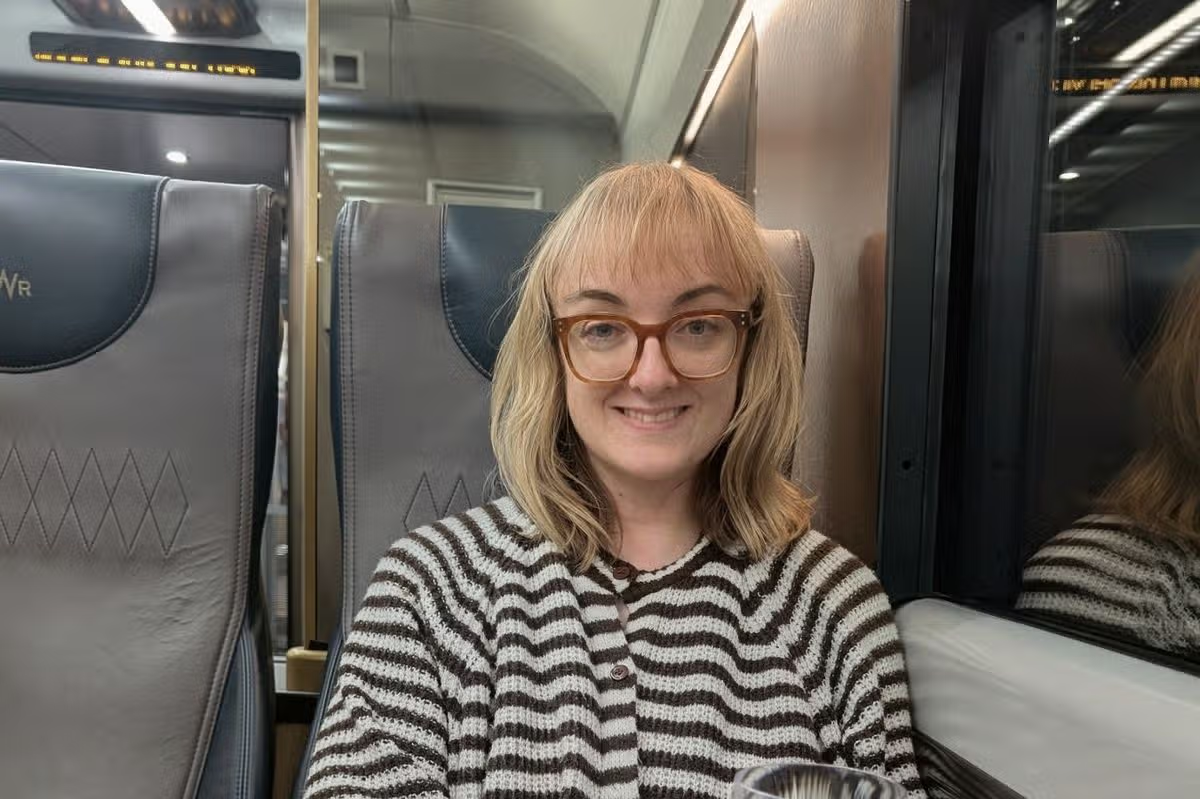
Rosaleen whizzed down to St Ives on a GWR train
A summer trip to Cornwall can often feel like a battle against the crowds. With thousands of visitors packing into its narrow lanes, navigating St Ives during peak season can make you feel like you are trapped in an endless queue – albeit one with access to delicious Cornish pasties roughly every five feet.
But as the schools reopen their doors, the town quietens down and begins to feel like a place reclaimed by its residents. I had been told September is the best time to visit, so I gave it a go, my mum and I hopping on a Great Western Railway (GWR) train from London Paddington, hoping for a glorious, slightly calmer seaside weekend.
Our journey took on a mythical feeling as we headed further west. GWR has recently revived its Line to Legend Land storybook, a century-old set of promotional travel pamphlets and books that encourage passengers to explore the scenic regions by train. It is packed with South West folklore and retellings, and now a new tale by former Children’s Laureate Sir Michael Morpurgo.
Do you have a travel story to share? Email webtravel@reachplc.com
The railway has installed five life-sized statues of these legendary figures across the network. Stepping onto the platform at St Ives, you were greeted by the famous mermaid of Zennor – which celebrates the legend of a local chorister lured beneath the waves. Reading about a coastline teeming with mythical creatures while watching Carbis Bay slide past your window felt like the perfect way to leave a busy working week behind.
Our home for the weekend was Tregenna Castle Resort, perched high on a hill and offering one of the most breathtaking views in the West Country – and not one I tire of looking at.
These stone walls have seen a lot of history. Built in 1774 as a grand private home, it was later purchased by GWR as an exclusive hotel. Today, the 72-acre estate is a dream for holidaymakers. Situated amidst lush ground, it boasts indoor and outdoor pools, woodland walks, a nine-hole golf course, and courts for tennis, badminton and pickleball.
Then there is the food, which deserves its own spotlight. We dined at the Godrevy View Restaurant, named after the distant lighthouse said to have inspired Virginia Woolf. The ever-changing menu is far superior to standard hotel fare. We begin with a beautifully arranged, nicely seasoned tomato salad served with Thai basil whipped ricotta, watermelon, ponzu and chervil (£11). For main, an 8oz fillet steak is generous, served alongside fondant potatoes, carrot puree, asparagus and baby beets.
On Sunday, we enjoyed roast beef, cooked to perfection, with all the trimmings, including Yorkshire puddings hiding a decadent treat within – a small dollop of braised beef swimming in rich jus. My daily routine quickly settled into gluttony – a delicious fry-up for breakfast, a rich chocolate brownie for dessert – an extremely pleasant way to start and finish every day.
While the town, which has a stand-out independent shopping scene and was named the UK’s prettiest seaside town just this week, is calmer in September than the summer holiday months, the streets still felt substantially fuller than you’d expect from a place of 11,000 people. A great energy, but the bustling made me yearn to return to the sublime peace of Tregenna Castle, just 15-minutes away.
With our visit coming just days after Prime Minister Andy Burnham said he was in favour of a ‘tourist tax’ for Cornwall, the topic of overtourism was top of my mind. It’s fair to say business owners in the area remain divided on the topic, but for me, the benefits are easy to see. St Ives records more than 220,000 overnight stays annually, meaning it could bring in over £1,000,000 a year – a lifeline for a town where social issues are pressing, despite its well-to-do reputation. There’s a foodbank here, and a lot of young people who can’t survive in a property market where 15% of homes are second ones.
Chatting with locals, many said they no longer live in St Ives itself, preferring nearby Penzance, where they have room to breathe, cheaper homes, and not every shop sells clotted cream fudge.
Yet as a visitor, I can see why those in the industry are wary of scaring anyone off. It’s clear how holidaymakers pour vital cash into the local economy through independent shops, galleries and restaurants. Last year Jon Hyatt, who chairs Visit Cornwall, said he was “against any charge that might put visitors off”.
It’d be a terrible shame if they were, given how much there is to enjoy, from frolicking in the waves of Porthmeor Beach and peering off the side of Smeaton’s Pier, to touring the Barbara Hepworth Museum and Sculpture Garden.
Unsure of what to take on next, my travel companion tried using an AI bot to plan a fun day out for us. Unsurprisingly, technology failed us with the app repeatedly instructing us to catch a bus route that hasn’t existed for over two years. Abandoning our future robot overlords, we turned to a friendly member of hotel staff instead, who pointed us straight toward Tate St Ives – a far superior mode of recommendation.
Opened in 1992 on a cliff overlooking Porthmeor Beach, the displays change regularly. We caught an exhibition by Halima Cassell, whose intricate geometric sculptures play beautifully with light and shadow. Outside, it feels as if her artwork was continuing, a rainbow appearing over the beach, ending atop the RNLI flag.
Afterward, we walked a stretch of the South West Coast Path and enjoyed the brutally beautiful landscape, with the rhythm of the waves calming our frazzled nerves. As a special treat, we returned to London on GWR’s overnight Night Riviera Sleeper service.
I slept blissfully after a trip to the glorious buffet bar, where you can enjoy a free hot chocolate, before heading to slumber in a carriage. Getting onto the top bunk is no trouble, with a smart fold-away ladder showing how cleverly designed this small cabin is.
We arrived back in London just after 5am, though passengers can stay on board until closer to 7am. Breakfast is delivered (for me, a bacon roll) alongside piping hot coffee – which gives me the strength to start my day back in London, where I mourn the glorious coastline I left behind.
Book it
Tregenna Castle Resort, Treloyan Avnue, St Ives. Rooms and luxury self-catering lodges available. Visit tregenna-castle.co.uk
GWR operates regular services from London Paddington. To travel in a sleeper cabin on the Night Riviera, you need to purchase a regular train ticket, plus a supplement for the cabin. For the best deals, book up to three months in advance. Book at GWR.com.
Timed entry tickets to Tate St Ives on Porthmeor Beach cost £14 (£1.50 extra with a voluntary donation), though locals can get unlimited all-year entry for £10. Book in advance at tate.org.uk/visit/tate-st-ives.
The EU’s new Entry and Exit System (EES) requires most UK travellers to register their biometric data before entering the Schengen area
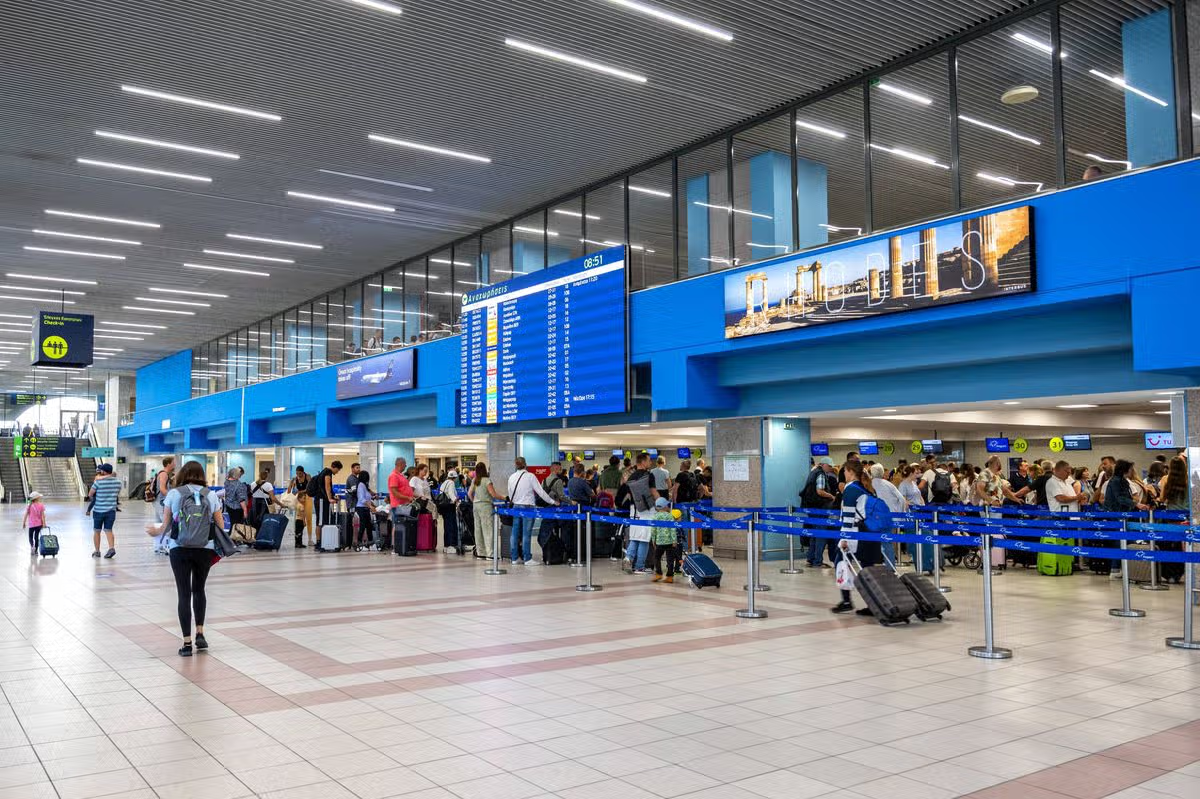
EES has led to queues and delays already this year(Image: Boarding1Now via Getty Images)
UK travellers heading to Europe are now subject to a new Entry/Exit System (EES), which was introduced earlier this year.
This means the majority of non-EU citizens will be required to register their biometric data at one of 29 participating countries, including a host of popular holiday destinations such as Spain and Greece. Some UK travellers will need to have their photograph taken and their fingerprints scanned before they can pass through into Europe’s Schengen area.
Countries that are part of the EES are: Austria, Belgium, Bulgaria, Croatia, Czechia, Denmark, Estonia, Finland, France, Germany, Greece, Hungary, Iceland, Italy, Latvia, Liechtenstein, Lithuania, Luxembourg, Malta, Netherlands, Norway, Poland, Portugal, Romania, Slovakia, Slovenia, Spain, Sweden, and Switzerland.
As a result of the new system, travellers no longer need to have their passports stamped. Over the summer, the EES resulted in lengthy queues and significant delays at a number of airports.
Due to the disruption caused, Greece initially suspended EES checks for UK passport holders in April 2026, though this decision was subsequently reversed in order to comply with EU regulations. Earlier this month, however, Greece and eight other countries – France, Portugal, Germany, Italy, Malta, Switzerland, the Netherlands, and Belgium – have indicated they require additional time before fully implementing the EES.
EU sources say the system is regarded as a success, with approximately 200m registrations and 70,000 people prevented from entering the Schengen area, up from 43,700 in June. These include individuals without visas, those who have exceeded their 180-day allowance, or Britons who have overstayed their 90-day allowance.
People who do not have to register on EES
Some travellers may not be required to register their biometric data on the new system. According to the EU website, you do not need to use the system if the following apply:.
You are a non-EU national who holds a residence card or permit and are immediately related to a non-EU national who can travel through Europe like an EU citizen.
People exempt from border checks due to certain privileges e.g. a head of state.
You are a non-EU national who holds a residence card and are immediately related to an EU national.
You hold a residence permit or long-stay visa.
You are a non-EU national travelling to Europe as part of an intra-corporate transfer for the purpose of research, studies, training, pupil exchange, voluntary services, educational projects, or au-pairing.
You are a national of Andorra, Monaco and San Marino and hold a passport issued by the Vatican City State or the Holy See.
You are a diplomat on a short stay (under certain conditions).
You are a national of a European country using EES, such as Cyprus and Ireland.
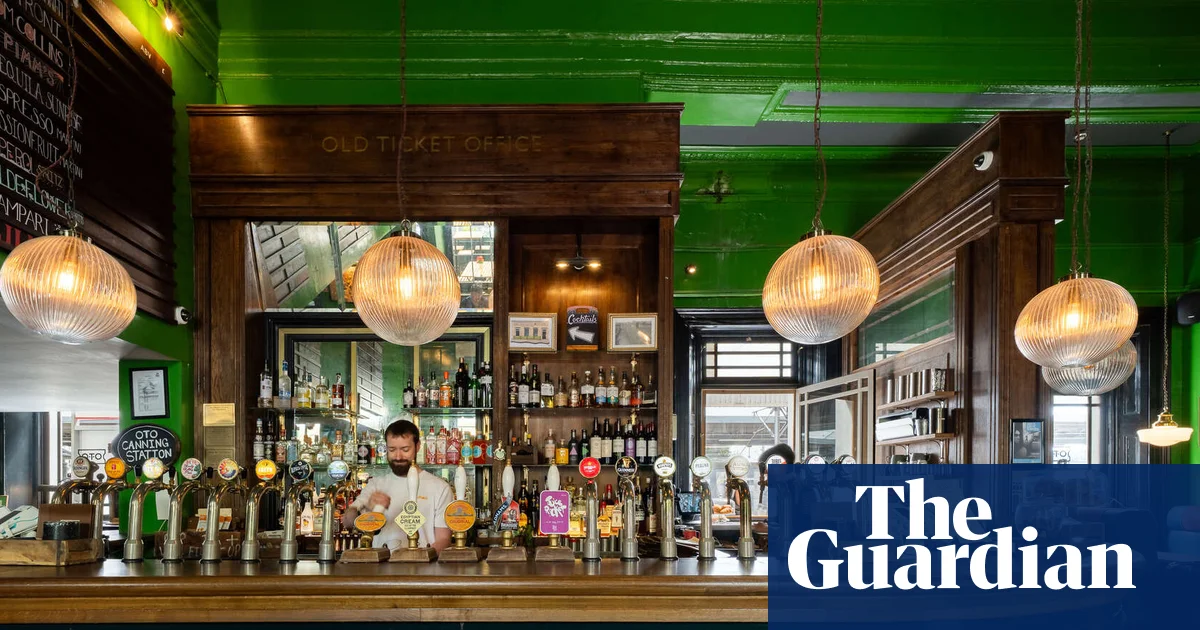
No prizes for guessing what this pub used to be… The Old Ticket Office has high ceilings, walls painted shades of locomotive green and booths resembling train carriages; there are outdoor tables on Station Square. A live train departures board theoretically prevents passengers lingering too long, and a canning machine means any draught beer is also available to take away (the hatch on platform 4 also does takeaway orders). There are five handpulls plus Young’s usual spritz menu and other drinks, plus light bites and pizzas. The pub is currently closed for roof repairs and expected to reopen by the end of October.
Kew Gardens is the only tube station with a pub attached. Photograph: Sunshine/Alamy
London’s various railway stations have many fine pubs (shout out to the Euston Tap), but Kew Gardens is the only tube station that still has a pub directly attached. When the station opened in 1869, the building was the timber steaming hall, and later become the buffet rooms before becoming a pub. It was bought by Fuller’s in 2012 and reopened the following year after refurbishment. It has high oak beams, picture windows looking on to the platform, an arched glass atrium and a pretty paved outdoor area. It serves two Fuller’s ales and a guest ale, among other drinks, has a full food menu and shows live sport.
Stalybridge station has one of the few remaining Victorian buffet bars. Photograph: Anthony Devlin/Getty Images
The pub on platform 4 at Stalybridge station, east of Manchester, is one of the few remaining Victorian buffet bars. Built in 1885, it features the original marble bar top, fireplace and fixed seating, plus lots of railway memorabilia. It serves up to 10 changing real ales, plus a cider or perry; bar snacks include hot pork scratchings, with more substantial food in autumn and winter, such as corned beef hash, pies and local black peas. There is a weekly quiz and folk singalong, regular live bands and food pop-ups in the beer garden, and periodic crisp butty pairing events and beer festivals. Camra awards it two stars for “a pub interior of very special national historic interest”. The buffet bar is now part of the Beerhouses group, which also runs the fantastic West Riding Reception Rooms at Dewsbury station, and the two pubs are on the TransPennine Real Ale Trail.
The Sheffield Tap is in a restored Edwardian first-class refreshment room.
For a great night out in Sheffield, visitors don’t even need to leave the train station. The Grade II-listed Sheffield Tap opened in 2009 in the Edwardian former first-class refreshment room. The original 1904 fixtures and fittings have been repaired where possible – including the mahogany bar top, Minton tiles and terrazzo floors – and replicated if not, as with the ornate barrel plaster ceiling. In 2013, the pub expanded into the adjacent tiled and mirrored former first-class dining room, and added a microbrewery. Today it serves 11 cask and 14 keg beers, plus hundreds of bottles and cans; food is limited to locally made pork pies and sausage rolls. The Sheffield Tap has Camra’s highest rating of three stars, for “a pub interior of outstanding national importance”. It is now operated by a small group that also runs the excellent York Tap and Harrogate Tap station pubs.
The Draughtsman Alehouse serves local real ale, gin and coffee
Delays are always welcome in Doncaster, for the chance to visit the lovely little alehouse on platform 3b. The former Victorian buffet bar had been empty for 18 years when the pub opened in 2017. It is a family business, named after engineering draughtsman grandfather Barry and run by son Russ with help from grandson Nick. The decor features original wall tiles, old photographs and draughtsman’s drawings of steam locomotives; Camra has designated it an “outstanding conversion and restoration”. The Draughtsman serves real ale from Yorkshire breweries, gin distilled in Harrogate and coffee roasted in Sheffield.
Carlisle station’s Grade I listed former waiting room is now home to Scott & Brassey. Photograph: Yasmin Platt/Lancaster Brewery
Those lamenting the loss of the 301 Miles From London pub at Carlisle station, which closed in 2023, had reason to celebrate in February, when Scott & Brassey opened on the same site. This Grade II-listed former first-class waiting room dates from 1848, and became the station buffet in the 1950s. Now it has had a slick makeover, but still retains the original wooden entrance lobby on platform 4, the hammerbeam roof and Tudor-style stone fireplaces. There is a mahogany bar, a feature wall full of clocks (no excuse for missing your train) and some platform-side seating. As well as eight handpumps, it serves a host of keg beer, wine, spirits and soft drinks.
The opulent, Grade I listed Centurion bar inside Newcastle station. Photograph: Graeme Peacock/Alamy
The Grade I-listed Centurion has a colourful history. It was designed by the architect John Dobson and opened in 1893 as a particularly luxurious first-class waiting lounge. By the 1960s, it had been turned into prison cells used by the British Transport Police. It then became a storage facility, but thankfully was restored and reopened as a pub in 2002. It has incredible tiling by Burmantofts Pottery said to be worth £3.8m. Columns, a marble fireplace and a high ceiling with a huge tiled skylight add to the air of opulence. The pub serves everything from real ale to cocktails, has an all-day food menu, shows sport on a gigantic screen and has live music every Friday.
The Head of Steam outside Huddersfield railway station. Photograph: Gary Calton/The Observer
Lucky passengers at Huddersfield have a choice of two great pubs, both accessible from platform 1, sitting on either side of the station’s grand neoclassical entrance (opened 1847). The independent King’s Head, in the former waiting room, has a mosaic floor, wood panelling and wood-burning stoves, and serves about a dozen cask ales. There is live music on Sunday afternoons. The Camerons brewery-owned Head of Steam, in the former ticket office, is now a four-room pub: a bar, a lounge, a family room and a buffet room. It serves up to 14 cask ales and Pieminister pies. Both pubs appear in Camra’s Good Beer Guide.
The Steamworks pub is in the former waiting room of Seaford station
This micropub opened in Seaford station’s former waiting room (built 1864) in 2017. Passengers can go straight from platform 2 (now the only platform!) into the pub, where there are Sussex real ales on rotation, ciders, sandwiches and other snacks, plus regular live music. After it proved a hit, the husband-and-wife owners opened a second Steamworks at nearby Glynde, where the station is even older (1846). They are just two of the micropubs that have opened in old station buildings in the past decade, including the Track & Sleeper in Knaresborough, North Yorkshire; the Little R’Alehouse in Wellingborough, Northamptonshire; the Waiting Room in Durham; and the Hexham Station Platform Bar in Northumberland.
Codsall station’s bar occupies the old waiting room, offices and stationmaster’s house
Codsall is a village on the Shrewsbury to Wolverhampton line. In 1997, the station’s Grade II-listed waiting room, offices and stationmaster’s house were converted into a pub. It has a bar, lounge, conservatory and snug with a fireplace, and steps leading up to a patio area overlooking the platforms. The pub serves three regular beers and two changing ones from Dudley’s Holden’s brewery, while food comprises cobs and pork pies. There are occasional pizza pop-ups and live music, and Cask Club Tuesdays with beer at bargain prices. It is a Camra outstanding conversions and restorations pub.
THE majority of UK holidaymakers still consult and trust family and friends’ recommendations over AI for travel advice.
A landmark study of 14,000 travellers from countries including the UK, Australia and Brazil found that in the UK, family (84 per cent) and friends (81 per cent) trumped AI (45 per cent) for tips and holiday hotspots.
Of the 1,000 Brits surveyed as part of the Hilton 2027 Trends Report, 75 per cent said having a holiday booked gives them a ‘sense of purpose’Credit: SWNSA study found that in the UK, family and friends trumped AI for tips and holiday hotspotsCredit: SWNS
While just 10 per cent rely on influencers for travel advice – highlighting ‘The Travel Trust Equation’ will be a strong theme for 2027, as artificial intelligence may be transforming travel, but it hasn’t replaced the human touch.
It also revealed they are set to prioritise balance, flexibility and trips that leave a lasting impact.
Sign up for the Travel newsletter
Thank you!
Of the 1,000 Brits surveyed as part of the Hilton 2027 Trends Report, The Great Rebalance, 75 per cent said having a holiday booked gives them a ‘sense of purpose’.
This reflects ‘The Beforeglow’, with booking a trip giving people a much-needed psychological lift and offering a sense of excitement, motivation and escape weeks, or even months, ahead of departure.
More than a quarter (27 per cent) also seek a new perspective through travel, which changes how they view everyday life.
Simon Vincent CBE, executive vice president and president, EMEA, Hilton, said: “Travellers are increasingly focused on making their time away count.
“Rather than chasing a one-size-fits-all idea of the perfect trip, they’re looking for experiences that reflect their own interests and priorities.
“Our job is to help guests make the most of every trip; whether they’re exploring a new destination, reconnecting with loved ones, taking time to switch off – or even a little bit of everything.”
The study also found 60 per cent of all Brits claimed having a holiday booked helps them stick to personal goals, while 53 per cent use them to mark important life moments, meaning travellers are well into their ‘Optimisation Era’.
But 28 per cent of Gen Z travellers see holidays as a chance to kick-start a healthier lifestyle, whereas 63 per cent are more likely to make a life change after returning home.
Nearly three quarters of this generation (74 per cent) also feel motivated to stick to personal goals knowing a holiday is on the cards, and 32 per cent regarded maintaining their fitness routine while away as ‘non-negotiable’.
But the research by Morning Consult found 29 per cent of younger travellers feel pressure to plan the ‘right’ kind of trip – compared with just six per cent of 62-80-year-olds, showing a rise in ‘Boomer Goals’.
Only 18 per cent of this older generation stick to a strict itinerary, compared with 41 per cent of Gen Z, with 53 per cent of Boomers favoured a spontaneous approach instead.
And 72 per cent never feel pressure when making travel decisions, compared with only 27 per cent of Gen Z.
Travel loyalty is emerging as another status symbol among younger holidaymakers, with 27 per cent of Gen Z belonging to a points or miles programme.
The rise of ‘Status Seekers’ suggests travel loyalty programmes have entered a new era, where status matters as much as savings.
With 37 per cent even admitting to feeling jealous of friends with a higher travel status, as 41 per cent see that status as a sign of personal success.
A further 58 per cent of 18-to-29-year-olds believed people with elite travel status have greater influence over group travel decisions.
Where travellers stay is changing too, as gardens were named as an accommodation ‘must-have’ by 40 per cent of Brits, placing them ahead of hotel pools at 33 per cent.
Fresh air and time outdoors were key to holiday relaxation (76 per cent), while 47 per cent will use travel to spend more time immersed in settings such as forests, mountains and coastlines.
UK adults are also reconsidering the traditional big annual getaway in favour of shorter, more flexible breaks, with 65 per cent planning to take more short trips over the next year.
Among these “micro-travellers”, 35 per cent want to tick more destinations off their travel lists, and 26 per cent value the spontaneity offered by shorter breaks.
While 56 per cent will plan a micro-trip around one standout experience, rising to 74 per cent of Gen Z travellers.
Simon Vincent added: “With a portfolio spanning everything from luxury retreats and city-centre collection hotels to family-friendly resorts and extended-stay brands, we offer travellers the choice and flexibility to find the experiences that are right for them.”
SEVEN TRAVEL TRENDS FOR 2027
The Travel Trust Equation – AI may be transforming travel, but it hasn’t replaced the human touch.
Status Seekers – Travel loyalty programmes have entered a new era: where status matters as much as savings.
Boomer goals – In contrast to the younger generation’s optimisation obsession, Boomers are making a compelling case for doing less.
The Beforeglow – Booking a trip is giving people a much-needed psychological lift, offering a sense of excitement, motivation and escape weeks, or even months, ahead of departure.
Optimisation Era – Self-optimisation culture continues as travellers will see time away as an opportunity to return home levelled-up.
Wellness Rewired – Nature is the new must-have, with outdoor spaces now valued more than hotel pools.
The Micro-Travel Mindset – More Brits are swapping one big annual holiday for a series of shorter, experience-led escapes throughout the year.
Sykes Holiday Cottages has crowned some of the UK’s best holiday cottages in its latest awards including best for young families, with the best views and pet-friendly properties
This article contains affiliate links, we will receive a commission on any sales we generate from it. Learn more
The UK is filled with beautiful holiday homes whether you’re after a cosy cottage for a romantic break, or a castle-turned-holiday-rental for a weekend away with a huge group of friends and family. The sheer amount of offer can sometimes make it a little trickier to unearth the hidden gems.
Luckily, Sykes Holiday Cottages have helped to narrow it down as they have unveiled the winners of their 2026 Sykes Gem Awards. I was a judge as part of a wider panel, with scores based on a number of factors including guest reviews, the quality of a property, amenities on offer, and even overall popularity.
This year’s winners have included a Grade II-listed lighthouse, a stay in the grounds of the historic Culzean Castle, a cosy glamping hut in the heart of Herefordshire, and a romantic bolthole on the Isle of Lewis.
You can check out the full list of winners here, but below are 12 properties which won gold that we think you’ll definitely want on your radar for your next UK holiday…
It’s not just Sykes Holiday Cottages that’s been serving up a dose of staycation inspiration. Earlier this year, HolidayCottages gave us plenty of UK holiday ideas when it unveiled its 2026 Showcase Awards with categories including winners for Most Iconic Design, Extraordinary Stays and the best in UK and Ireland.
Have you got a holiday story to share? Email us at webtravel@reachplc.com
A BELOVED UK hotel chain has closed two of its sites ahead of a Premier Inn takeover.
One of the hotels has been in operation since 2009 and was highly praised by guests for its great service, low prices and comfy beds.
A popular hotel chain has closed two of its sites ahead of a major takeoverCredit: Future InnThe two sites will be turned into Premier Inn hotelsCredit: AFP via Getty Images
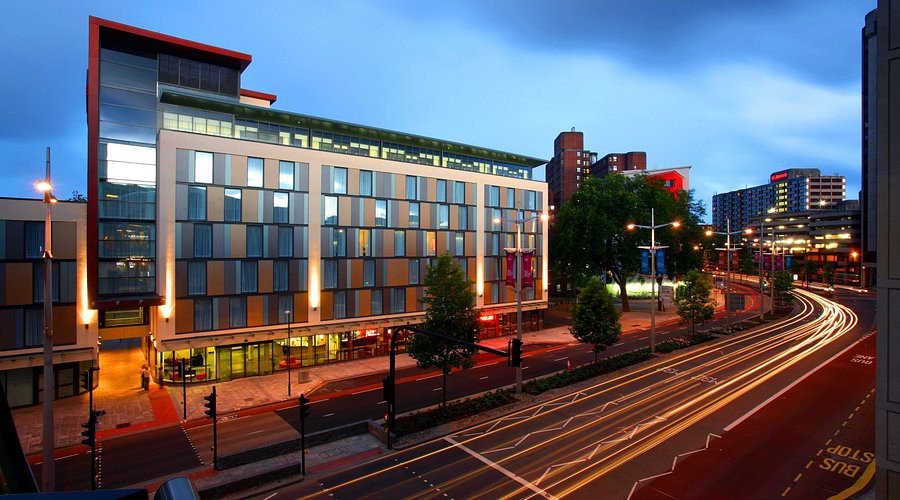
Now, Future Inn in Bristol‘s iconic Cabot Circus has shut down for good, having been bought by hotel giant, Premier Inn.
Future Inn’s Plymouth branch has also closed its doors, after operating for 20 years.
Sign up for the Travel newsletter
Thank you!
The four-star sites were acquired by hospitality operators, Whitbread, and will re-open under the Premier Inn name.
While it’s unknown when the transformations will be completed, the purchases come after Whitbread announced a new business strategy to invest in the Premier Inn brand.
The company has shut down hundreds of Brewers Fayre, Beefeater, Table Table and Bar + Block locations in recent months in order to invest in Premier Inn hotels.
The closure of Bristol’s Future Inn was confirmed after guests who had reservations for after September 28 had their bookings cancelled.
Sharing a statement after the official closure, a Future Inn spokesperson said: “After 17 wonderful years, we’re saying goodbye to Future Inn Bristol.
“To every guest who stayed with us, celebrated with us, shared special moments with us and made memories here – thank you.
“And to the incredible team members, past and present, who brought the hotel to life every day – thank you for your hard work, loyalty and dedication.”
The statement also confirmed the fate of the Plymouth branch, while it said that the Cardiff site will remain open.
The Bristol Future Inn hotel boasted 149 bedrooms as well as its Chophouse restaurant and bar.
The branch also had multiple conference and event spaces plus a jazz music venue.
Having hosted guests for almost two decades, Future Inn became a popular tourist go-to with countless positive reviews.
Reviewing the hotel earlier this year, one guest said: “Excellent stay from start to finish.
“The hotel is modern, clean and very comfortable, with spacious rooms that had everything needed for a relaxing family stay.
“Beds were comfortable, the room was well maintained, and it felt fresh and welcoming throughout,” the customer added.
Another described their stay as a “lovely experience”, while one more wrote: “I had a wonderful stay at this hotel. The room was very spacious, and the bed was large and extremely comfortable.”
British holidaymakers heading to one of Europe’s most popular destinations have been issued a warning
It concerns a volcanic eruption(Image: Getty Images)
Anyone travelling to Italy or the Vatican City this week have been told to check the latest official advice, after an update highlighted a developing issue that could affect some journeys. The Foreign, Commonwealth and Development Office (FCDO) updated its Italy travel advice on Monday, September 28.
The update relates to Mount Etna, the active volcano on Sicily’s eastern coast which is one of the world’s most active volcanoes. According to UNESCO, Etna’s eruptive history stretches back around 500,000 years, with at least 2,700 years of its activity documented by humans.
It is also one of Sicily’s best-known natural landmarks and was added to the UNESCO World Heritage List in 2013 because of its geological importance. UNESCO describes Etna as the highest mountain on a Mediterranean island and says its continuing activity has made it an important site for scientific research.
The latest FCDO advice says Italian authorities have increased the alert level because of volcanic activity at Mount Etna. Travellers are advised to follow instructions from local authorities if an eruption occurs.
It could have consequences for people travelling by air, with the FCDO stating that arrivals and departures at Catania Airport may be cancelled, delayed or rerouted to Palermo or Comiso if volcanic activity affects the airport. Holidaymakers heading to or from Catania have been advised to check with their airline or travel provider and the airport itself.
The FCDO does not advise against travel to Italy as a whole, but its general guidance states that “no travel can be guaranteed safe” and tells travellers to read the full advice before travelling. It also recommends appropriate travel insurance covering an itinerary, planned activities and emergency expenses.
There are also wider safety points for visitors to Italy, with the FCDO warning that demonstrations can occur with little or no warning in cities and advising people to avoid protests, political gatherings and marches. The government also says petty crime, including bag-snatching and pickpocketing, is more common in city centres and at major tourist attractions.
Wildfires remain another risk during Italy’s extended summer months, with the FCDO describing them as dangerous and unpredictable and advising visitors to check local alerts and weather forecasts. The same guidance says people should follow local authorities’ instructions and take care when travelling through woodland areas.
Anyone travelling should therefore check the FCDO advice shortly before departure because circumstances can change. The government’s travel guidance also recommends having appropriate insurance and following instructions from local authorities while abroad.
TRAIN stations are no longer just a place to get from A to B, but are now attractions in their own right.
And a new awards has named some of the most beautiful ones in the world.
The world’s most beautiful stations have been namedCredit: Hufton+CrowA European winner was Lyon Part-Dieu StationCredit: Romuald NICOLAS
The World’s Most Beautiful Stations were revealed by Prix Versailles, a prestigious architecture and design award,
Prix Versailles Secretary General Jérôme Gouadain said they “give us proof that 21st-century passenger stations can be the bridges to a more desirable future”.
Sign up for the Travel newsletter
Thank you!
While none in the UK made the list, there were three in Europe.
One was Colosseo – Fori Imperiali Station in Rome which only opened last year on the city’s metro line.
It was praised for turning “travel into an archaeological adventure” as well as its “unexpected view of the Colosseum“.
Another Italian train station on the list was Monte Sant’Angelo Station in Naples.
Said to be inspired by city’s Mount Vesuvius, Dante’s Inferno and volcanic terrain, the dark orange doughnut-like structure above ground was called a “sculpture that the public can enter”.
The final European entry was Lyon Part-Dieu Station in France.
Despite having opened in 1983, it recently underwent a huge update last year.
According to Prix Versailles: “This regional, national and international train station, one of Europe’s top stations in terms of the number of connecting passengers transiting through it, has doubled in size thanks to the architectural teams at AREP and L’AUC, with additional access points and pass-throughs to boot.”
The Colosseo – Fori Imperiali Station is right by the famous ColosseumCredit: Casalgrande PadanaMelbourne’s Town Hall Station was compared to a cathedralCredit: Prix Versailles./Jim StepehensonWestern Station in Riyadh was one of two to win in Saudi ArabiaCredit: Omrania
Outside of Europe, Melbourne‘s Town Hall Station also made the top seven list.
Also a new railway station having opened last year, it was praised for both its “eight imposing columns like trees whose branches hold up the canopy above” as well as its “cathedral-like feel”.
Over in the US, LAX/Metro Transit Center was the only American station to be named one of the world’ most beautiful and one of the most futuristic designs on the list,
Saudi Arabia had two stations in Riyadh to have made the list.
IF you want to be ahead of the curve, there’s a country three hours from the UK with beautiful coastal resorts, high summer temperatures and cheap beer.
Not only that, but there are more flights from the UK and with new hotels opening – so it’s set to be the must-visit destination of summer 2027.
Bulgaria is known for having beautiful and cheap coastal resortsCredit: AlamyJet2 will be adding even more flights next year for the Eurovision Song ContestCredit: Alamy
Bulgaria has it all from vibrant cities like Sofia to coastal resorts like Sunny Beach, Golden Sands and Albena.
In the summer, Bulgaria has highs of 30C – and in June, return flights to Sofia as little as £62.
Sign up for the Travel newsletter
Thank you!
It’s affordable too, according to Wise, as beer in Bulgaria can be as little as 90p with an inexpensive meal at a restaurant costing around £6.
TUI has a number of hotels in Bulgaria already, but is expanding in time for next summer.
One of those is the TUI BLUE Arabella in Golden Sands near Varna, which is currently undergoing renovation and is set to reopen in summer 2027.
When open, guests will be able to paddle in its four swimming pools, one main pool, a children’s pool, one for relaxation and the indoor one too.
There will be on-site restaurants and bars, wellness area with a sauna, gym and tennis court.
On-site are 290 rooms which will range from suites to double and family rooms with sea views and balconies.
Guests will also have access to the waterpark at nearby GRIFID Bolero hotel.
Another is in the SUNEO collection which is budget-friendly stays with 3- and 4-star beach getaways.
Bulgaria is getting new TUI hotels for summer 2027Credit: Alamy
Called the TUI SUNEO Compass 4*, the pretty hotel is set within peaceful gardens and is also set to open next summer.
Already existing hotels include the TUI SUNEO Serenity Bay in Tsarevo and TUI SUNEO Perla in Sunny Beach.
An all-inclusive stay at TUI SUNEO Perla in May starts from £591.33pp – or £84.47pppn.
This includes a stay for seven-nights in a Deluxe Double Room with a balcony or terrace and return flights – it also has an outdoor swimming pool and restaurant.
Another of the existing TUI hotels includes the TUI BLUE Nevis in Sunny Beach which offers all-inclusive family holidays.
It has a huge swimming complex with swimming pools, splash zone and waterslides as well as kids’ clubs and a buffet restaurant.
TUI BLUE Arabella will reopen for booking next yearCredit: TUIIt’s right on the edge of Golden Sands and has an outdoor swimming poolCredit: TUI
There are plenty of flights from the UK too – TUI has flights to two destinations in Bulgaria, Sofia and Bourgas from 21 UK and Ireland airports.
TUI Group CEO Sebastian Ebel said: “Bulgaria has enormous potential as a tourism destination. The country combines attractive beach holidays on the Black Sea with culture, nature, hospitality and very good value for money.”
Jet2 also flies regularly to Bulgaria with flights from 11 UK airports to Bourgas.
These include London Stansted, Edinburgh, Liverpool, Leeds Bradford, Bristol, Newcastle, London Gatwick, Birmingham, East Midlands, Glasgow, and Manchester.
From Bourgas, it’s easy to get to Sunny Beach, Nessebar, and St Vlas.
Adding to its popularity for next year, Bulgaria will be the host country for the Eurovision Song Contest after winning this year.
It will take place on May 11, 13, and 15 at theArena Burgas– and in time for the event, Jet2 will add new flights from the UK to Bourgas.
Otherwise want a mega cheap holiday? Loveholidays has four-night all-inclusives from £219pp.
The TikToker posted a side by side comparison of prices at a Greek airport, and many holidaymakers, despite visiting the country several times, didn’t know there was a ‘secret menu’ available
Food and drink can be expensive at the airport(Image: Rasid Necati Aslim/Anadolu via Getty Images)
Holidays are an expensive business, especially if you plan to grab a coffee and a toastie at the airport. Even a bottle of water can set you back £2-3, which is a kick in the teeth when you’re delayed and stuck in a hot terminal.
So, when one TikToker posted the prices at a busy Greek airport, it inspired a flood of comments, but not for the reason you might think. The Greek holiday fan, who posts under the username @zantegeezer with videos about the party island, went to an outlet at the airport that sold the usual pre-departure fare, and one thing surprised his followers.
He started his video saying: “I always post this every time I come to the airport. There is a regulated menu. Basically it means Greek government enforce these very good value for money options.”
Do you have a travel story to share? Email webtravel@reachplc.com
He goes on to show the regulated menu, which includes inexpensive prices for coffee, tea, toasties, and water, all the basic airport staples. He then holds up the café menu, saying:
“That’s a normal menu. You see the price difference there? I mean, look at the proper espresso you get off the regular menu”. The cafés usual menu shows a single espresso costs €4.80, just over £4, but travellers who order it via the regulated menu can get it for €1.80, a more reasonable cost of around £1.53.
A filter coffee is listed as €4.70 on the normal menu, yet if customers were to order off the regulated menu they’d spend just €1.60, around £1.36. And the bargains don’t stop there. Bottled water, in 0.5 or 0.75 litre bottles can be bought for €0.60 or €0.90, around £0.51 and £0.77 respectively.
Content cannot be displayed without consent
Hungry travellers can enjoy a toast with ham and cheese for €1.80, and if you’re dying for a cuppa before you get on the plane, a hot tea costs €1.60 on the regulated menu, or €4.00, about £3.43, if you order from the normal menu.
The TikToker finished by saying: “Just so you know, any airport in Greece you can get cheap stuff by law. Sort it out.” Regulated menus are also available in other locations across Greece in spots such as ports and ferries and places with a captive audience such as certain tourist sites.
However, there is a slight catch. The regulated prices only apply to basics such as water, coffee, and simple snacks like toasties, and only have to be offered on a takeaway basis, so the establishment isn’t under any obligation to let you use its tables. You’ll also generally be offered Greek brands, so don’t expect Volvic or San Pellegrino for the low price.
The video received many positive comments from people sick of rip-off airport prices. Over the summer, a number of airport prices came under scrutiny by fed-up travellers, from food costs to the hike in airport drop-off fees across major hubs.
Many shared their experiences with finding these cheaper deals. One said: “Santorini Airport only had €6.50 Evian water on display but they had the cheap Greek stuff when I asked.”, while another was unaware of these ‘secret menus’: “I didn’t know! Paid €4 for a bottle of water and € 7.90 for a sandwich at Zante airport!”
And there were plenty of calls for other countries to follow suit. “I need to call my representatives for the local and European Parliament. this has to be a European wide directive.”, said one. While another poster commented, “This is one of the best things about Greek airports. needs to be made Europe-wide”
Have a story you want to share? Email us at webtravel@reachplc.com
Read on below for the latest rules on travel regulations when it comes to using ferry crossings.
Sign up for the Travel newsletter
Thank you!
Do I need a passport to travel to Ireland via ferry from the UK?
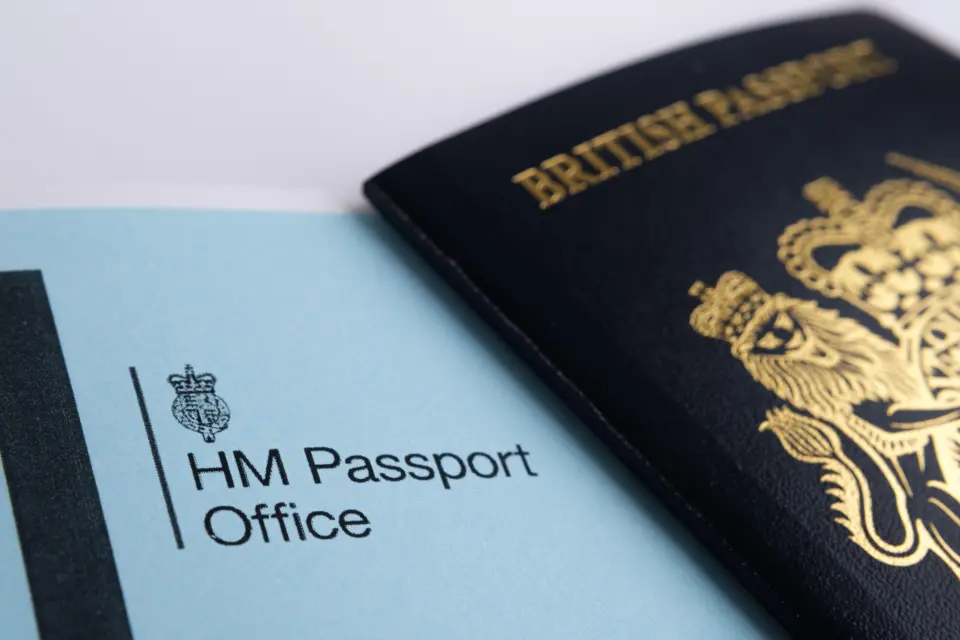
Prior to Monday, 28 September, passengers were able to use routes including Dublin to Holyhead and Rosslare to Pembroke without needing to bring their passport.
However, that has now changed, and you must bring your passport, after identification rules were altered by ferry operators.
Stena Line has stated that all passengers travelling on routes from Dublin, Holyhead, Fishguard or Rosslare would be required to present a valid passport when checking inCredit: John Longley
Previously, anyone travelling on the above routes could use alternative forms of identification, such as driving licences and national identity cards.
Popular operators Irish Ferries and Stena Line have notified customers of the changes following their introduction.
For Irish Ferries routes, the necessity of travelling with a passport applies to its Dublin to Holyhead and Rosslare to Pembroke routes, in both directions.
Meanwhile, Stena Line has stated that all passengers travelling on routes from Dublin, Holyhead, Fishguard or Rosslare would be required to present a valid passport when checking in.
Almost 1.5 million people use the Holyhead to Dublin route each year, meaning it sees around 210,000 lorries and 383,000 cars pass through its port annually.
With more than 210,000 lorries and around 383,000 cars using it every year, Holyhead is the second busiest passenger ferry port to Dover.
Both operators will also accept passport cards, while Irish Ferries has added that anyone travelling who is not a British or Irish citizen and is visiting the UK for up to six months may require an Electronic Travel Authorisation (ETA).
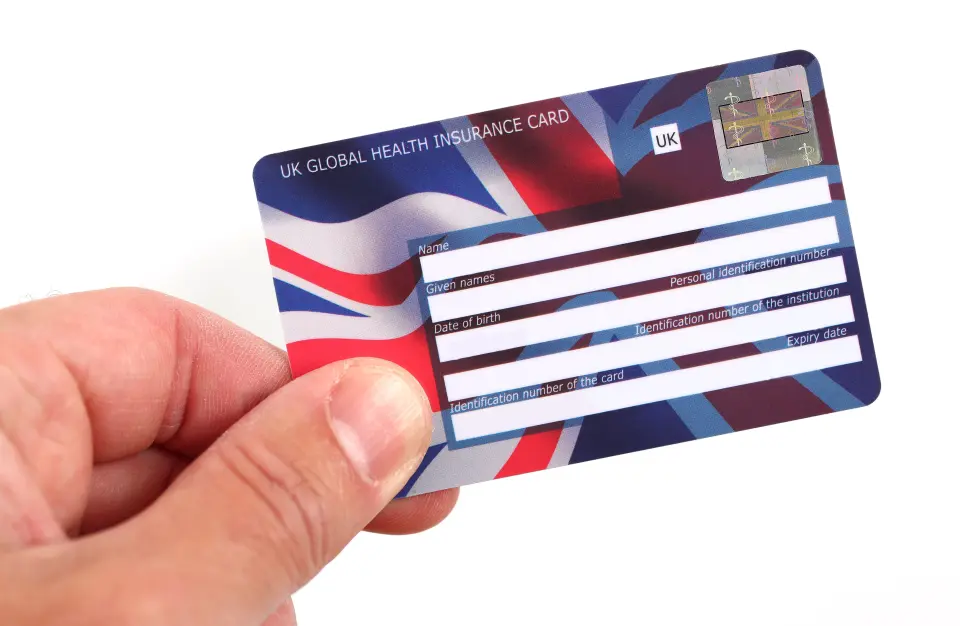
If your GHIC is due to expire soon and you are also due to travel soon, then apply for a new card for free via official NHS BSA Healthcare Cover Application, as soon as possible.
It usually takes around 15 working days for the card to arrive once your application is approved.
If you travel before your card arrives, then don’t worry – if you need medical treatment when abroad, then you or someone on your behalf can request a Provisional Replacement Certificate (PRC) online or by phone.
All you need to provide is your name, address, date of birth and your National Insurance Number.
The card is free to apply for and takes about 15 days to arriveCredit: Alamy
The certificate can then be emailed directly to the hospital or medical centre you are seeking treatment at and gives you the exact same healthcare cover as a physical card.
It is worth remembering though that GHIC cards are not a substitute for travel insurance.
GHICs do not cover private medical care, mountain rescue, flight cancellations or being flown back to the UK – all things that you will need travel insurance for.
Tim Knighton, travel insurance expert at Compare the Market, said: “With nearly 1.3 million GHICs due to expire this year, anyone travelling to Europe should check their card well before they set off.
“It’s an easy thing to overlook, particularly if you haven’t needed to use your GHIC on previous trips.
“The rise in applications for PRCs also highlights that people could find themselves needing access to healthcare unexpectedly while abroad, so checking you have a valid GHIC before travelling is an important part of preparing for your trip.
“A GHIC can be very useful if you need medically necessary state healthcare while abroad, but it’s important to remember that it isn’t a substitute for travel insurance.
“There are costs and circumstances that a GHIC may not cover, so having appropriate travel insurance can provide additional protection if something goes wrong.
“Before travelling, check the expiry date on your GHIC and make sure you understand what healthcare you can access at your destination.
“It’s also worth arranging travel insurance as soon as you book your trip and comparing policies carefully to make sure the level of medical and other cover suits your needs.”