Swedish and German forces are conducting what appears to be the first joint rehearsal of their rapid-reinforcement plans for the Baltic island of Gotland. The exercise is another step in Sweden’s defense planning for an island whose position in the middle of the Baltic gives it an outsized strategic importance for controlling access, protecting the Baltic states, and maintaining NATO’s freedom of movement in a region where Russian military activity remains a persistent concern.
German and Swedish warships stand offshore while a Swedish CB90 fast assault craft operates in the harbor at Visby. Bundeswehr/Marc Tessensohn
The exercise, Silver Wotan 2026, running between September 14-23, brings together Swedish and German forces across the land, maritime, and air domains. The scenario is built around a Swedish request for allied assistance, with German forces moving personnel and equipment across the Baltic before integrating with Swedish units already defending the island. The operation is testing the entire process of getting allied combat power to Gotland, protecting it during the movement to Visby, and rapidly incorporating it into the island’s existing defensive network.
A video shows troops coming ashore on Swedish CB90 fast assault craft, a type that German soldiers are also trained to operate:
A rapid deployment of German and Swedish forces to Gotland island is being carried out today. Units from 🇸🇪 and 🇩🇪 are rehearsing the swift reinforcement of the strategic island in order to ensure the security of the Baltic Sea.#SilverWotan#NATOpic.twitter.com/A0r3LF8XUP
The strategic importance of Gotland has grown considerably following Sweden’s accession to NATO in March 2024, which was a direct response to the full-scale Russian invasion of Ukraine.
Located approximately halfway between mainland Sweden and the Baltic states, the island occupies a central position in the Baltic Sea, close to the maritime approaches to the Gulf of Finland and within reach of the Russian exclave of Kaliningrad. Its location gives forces operating from Gotland a potentially significant position from which to conduct surveillance, air defense, and maritime operations, while also making the island an important part of the wider network connecting NATO’s northern and eastern members.
The location of Gotland within the Baltic region. Google Earth
At the same time, Gotland sits within an extremely complex littoral environment, where shallow waters, islands, narrow maritime approaches, and the proximity of multiple states can make both offensive operations and defensive planning more difficult. The region has also been shaped by longstanding Swedish concerns about Russian clandestine activity, including intelligence gathering and other forms of covert or deniable activity. The complexity of the Baltic operating environment can make such activities harder to detect and attribute, adding another layer of uncertainty alongside the more conventional military challenges facing the region.
The unloading operation in Visby. The vehicles seen here were transported by sea from Karlskrona to the Swedish mainland. Bundeswehr/Marc Tessensohn
Geography has long made Gotland important to Swedish defense planning, but its significance has taken on a broader dimension since Sweden joined the alliance. NATO has described the island as strategically important to its freedom of maneuver in the Baltic, while Swedish officials have highlighted its potential role as a hub for military operations and logistics in the region.
The current exercise is designed around the practical difficulties of reinforcing such a position.
Military equipment is being transported by sea to Visby, Gotland’s principal port, including by commercial ferry. In Visby, Swedish and German personnel are securing the harbor and conducting the reception of the arriving force. Among the equipment being moved are air defense systems, while Swedish forces are also operating coastal defense systems armed with anti-ship missiles.
German Army vehicles roll into Visby during Silver Wotan. Bundeswehr/Marc Tessensohn
Meanwhile, publicly available flight-tracking data showed German Luftwaffe transport aircraft, including at least one Airbus A400M airlifter, apparently involved in the effort. The commercial airport at Visby has long also been used for military activities related to Gotland and the wider Baltic region.
The movement is supported by Swedish and German naval forces and other aircraft, creating a scenario in which the maritime transit, protection of the port, air operations, and subsequent movement of troops and equipment ashore all form part of the same military problem. Once ashore, the arriving forces have to be moved into position and integrated with Swedish units already responsible for defending the island.
The Swedish Gotland Regiment, P 18, provides the core of the island’s permanent military presence. The regiment, Sweden’s youngest and smallest, has been rebuilding its capabilities since Sweden began expanding its military presence on Gotland. Its forces form the basis of the ground-defense structure into which allied reinforcements would be incorporated.
Soldiers of the Gotland Regiment of the Swedish Army camouflage an armoured vehicle during an earlier field exercise near Visby. Photo by Jonathan NACKSTRAND / AFP
Swedish coastal defense capabilities are another important element of the drill. Land-based anti-ship missiles provide the island with a means of threatening hostile surface vessels operating in the surrounding waters, giving the defense of Gotland a direct connection to the wider maritime battle for the Baltic. During Silver Wotan, Swedish and German forces are also conducting anti-surface warfare activities alongside the broader reinforcement operation.
Germany is contributing more than 500 troops to the exercise, part of approximately 2,000 Bundeswehr personnel involved, including elements from the army, navy, and air force. The German Luftwaffe has deployed Panavia Tornado aircraft for surveillance, while German naval forces are participating in the maritime component, and German ground personnel are involved in the reinforcement and security activities on Gotland.
Stock photo of a Luftwaffe Tornado ECR equipped for a reconaissance mission. Bundeswehr
The exercise scenario is particularly relevant against the backdrop of Russia’s continuing military presence in the Baltic region.
Russia maintains major military infrastructure in Kaliningrad, including naval, air, missile, and air defense capabilities, while the Russian Baltic Fleet operates from bases in the region. Kaliningrad’s position between Poland and Lithuania gives Moscow a significant military foothold inside the NATO area, while Russian forces and military infrastructure elsewhere along the Baltic add to the complexity of operating and reinforcing allied territory in the region.
The security environment around the Baltic has also deteriorated considerably since Russia’s full-scale invasion of Ukraine. NATO has increased its surveillance and military activity in the region, including the launch of Baltic Sentry in January 2025 following a series of incidents involving critical undersea infrastructure. The alliance has subsequently expanded efforts to monitor maritime activity and protect infrastructure and sea lines of communication.
A Swedish Navy Helicopter 15 on the flight deck of patrol ship HMS Carlskrona as part of the NATO Baltic Sea patrol mission, Baltic Sentry, aimed to secure critical underwater infrastructure. Photo by Johan NILSSON / TT NEWS AGENCY / AFP
Swedish authorities have stressed that Silver Wotan was planned in advance and is not being conducted in response to a specific imminent Russian threat. The exercise nonetheless reflects the operational environment in which Swedish and NATO planners now have to consider the possibility that maritime and air movements across the Baltic could be monitored, disrupted, or contested.
The exercise also builds on a series of increasingly large Swedish-led activities designed to test the reception of allied forces on Swedish territory. During Aurora 26 earlier this year, more than 18,000 troops from 13 countries participated in operations across Sweden, including the deployment of allied forces to Gotland alongside the Gotland Regiment and Swedish Home Guard. NATO described that activity as an emergency deployment intended to test the reinforcement of the island.
A Dutch AH-64 Apache attack helicopter takes part in Exercise Aurora 26 in southern Sweden on April 29, 2026. Photo by Johan NILSSON / various sources / AFP
Silver Wotan places a more concentrated emphasis on the Swedish-German relationship and on the movement of an allied force into the island’s existing defensive structure.
Germany’s participation is also consistent with its growing military role in the Baltic and along NATO’s northeastern flank. Berlin is already providing forces for NATO’s forward defense in Lithuania and has increasingly emphasized the ability to move German forces rapidly across northern Europe in support of allied operations.
For Sweden, meanwhile, Gotland has become one of the clearest examples of how NATO membership has changed the country’s defense planning. The island remains a Swedish responsibility, but its location means that what happens there has consequences well beyond Sweden’s territorial defense.
German and Swedish troops on a Swedish CB90 fast assault craft. Bundeswehr/Marc Tessensohn
A defended and adequately supplied Gotland provides NATO with a strategically positioned base for surveillance and defensive operations in the Baltic, while the ability to reinforce it demonstrates that the alliance can maintain access to the island even as the surrounding maritime and air environment becomes more contested.
The exercise comes as European allies are being forced to plan for a NATO in which the United States may provide less of the conventional military weight it has supplied for decades. The Pentagon is reviewing the size and posture of U.S. forces in Europe, including the forces and capabilities Washington would make available in a European crisis, while NATO’s top commander has said further U.S. troop withdrawals should be expected as European allies build up their own conventional capabilities.
A German and a Swedish soldier involved in securing Visby during Silver Wotan 2026. Bundeswehr/Marc Tessensohn
At the same time, the alliance now describes Russia as its most significant and direct security threat, citing military activity alongside airspace violations, sabotage, cyber operations, and other forms of hybrid pressure. There are also growing concerns that Russia could try something in the Baltics, while it continues to step up its gray-zone activities regardless. NATO officials have warned that Russia could rebuild enough military capacity to pose a more serious conventional challenge to the alliance before the end of the decade.
There are escalating warnings from Poland that Russia is preparing to widen its war against Ukraine, with “accidental” missile and drone strikes on NATO territory.
Such a move – Russia falsely claiming air strikes that hit NATO allies happened by accident – would be designed to…
For Sweden and Germany, the Silver Wotan exercise is a practical test of how quickly European forces can reinforce and defend one of the Baltic’s most strategically important positions. As the security environment grows more contested and Europe prepares for a future in which U.S. forces may not be as readily available, the ability to move allied combat power across the region and integrate it into existing defenses is becoming an increasingly important part of NATO’s deterrence.
Big Brother star Millie has addressed her time in the ITV show after becoming the first evicted housemate of the 2026 series
23:04, 18 Sep 2026Updated 23:11, 18 Sep 2026
Millie has been booted from the Big Brother house(Image: ITV)
Axed Big Brother star Millie has shared her true feelings about one housemate after being voted out of the ITV show.
This series got off to a dramatic start earlier this week as Big Brother planted a fake housemate, Tays, amongst the cast. His mission was to cause mayhem in the house throughout the week, aided by his hand-picked deputy Philip. The pair were also handed the power to put three housemates up for the first eviction.
They selected bartender Millie, carer Pauline and housewife Rochelle for nomination, leaving the public to decide who would be shown the door. After the votes were counted, Millie was axed and ordered to leave the Big Brother house immediately.
Speaking to hosts AJ Odudu and Will Best upon her exit, Millie confessed that she was “shocked” because she heard fans cheering for her outside the house.
The 19-year-old also addressed her run-in with fellow housemate Rochelle earlier this week, during which Millie shared her plans to undergo weight loss surgery. Rochelle chimed in, saying: “You can’t just have it and think ‘Oh, I’m going to carry on eating s***’ because it doesn’t work like that.”
She went on to advise Millie to try other methods but Millie insisted she has already tried other weight loss strategies. To which Rochelle replied: “You’re saying you have but I see what you eat.”
Bartender Millie was left upset by the interaction and later vented her feelings to Big Brother. Now, she has spoken about the situation revealing that she doesn’t think Rochelle fully grasps that she hurt her feelings, reports OK!.
“I think she just thinks I was being too sensitive, to be honest. Like, she’s from a different time and I think she didn’t even realise she was upsetting me. I think she’s just stuck in her ways, to be honest with you,” Millie said during the live eviction.
She went on to admit that there were times they “got along,” before adding: “But I just think after that my respect was on the floor for her because I didn’t appreciate it at all.”
Despite the spat, the axed housemate reflects on her time on the show fondly. “I had the best time and I love absolutely everyone in there. So do you know what? A win is a win! A win is a win! It broke my heart seeing them [housemates] all start crying that actually broke my heart,” she said.
Before Millie was evicted, content creator Tays was finally unmasked as the original mole, before being instructed to leave the house straight away. The remaining housemates had actually sussed out that Tays was the secret spy just hours before the eviction, after noticing he only had a handful of outfits in his wardrobe.
Following his departure, the fake contestant admitted: “That was stressful”. He also disclosed that Lynx immediately recognised him from his social media content on the opening night, which could have easily blown his mission to remain undetected. But he managed to fly under the radar for some time.
The 23-year-old further confessed he wasn’t convinced by his nominations. “I wouldn’t have picked any of them. At the start I didn’t know them,” he said, before admitting they were “clutching at straws” when selecting the three nominees.
The Pentagon publicly lists 18 US military deaths since the Iran war began. But, The Washington Post has cited six unnamed Pentagon officials who say the toll is at least 22. The Pentagon has declined to explain the discrepancy and Pete Hegseth has called the report ‘a complete lie’.
Hundreds of people gathered at the University of Cape Town on Friday at a vigil for victims of femicide in South Africa. Anger is rising across the country as the bodies of nine women have been found near Johannesburg in just two months.
DAVID Walliams’ entire children’s book catalogue has been dropped by publisher HarperCollins.
The author and TV star, 55, was let go by the company last year after it had been reported that he “harassed” young female staff.
David Walliams’ entire children’s book catalogue has been dropped by publisher HarperCollinsCredit: GettyWalliams was let go by the company last year after it had been reported that he ‘harassed’ young female staffCredit: Getty
A junior employee had complained about Walliams’ conduct, prompting an internal investigation.
HarperCollins will now phase out physical copies in bookshops before removing ebook and audiobook versions.
Sign up for the Showbiz newsletter
Thank you!
His back catalogue of titles includes Billionaire Boy and Gangsta Granny.
In December 2025 the publisher said it would not publish any new titles by Walliams, saying it “takes employee wellbeing extremely seriously”.
US judges affirm migrants must have opportunities to voice safety concerns before deportation to unfamiliar nations.
Published On 19 Sep 202619 Sep 2026
A US federal appeals court has rejected the Trump administration’s policy of rapidly deporting migrants to countries other than their own – a ruling that could next go before the Supreme Court.
On Friday, a three-judge panel of the 1st US Circuit Court of Appeals in Boston largely upheld a February decision that found the Department of Homeland Security’s so-called third-country removal policy unlawful.
Recommended Stories
list of 3 itemsend of list
The case stems from a class-action lawsuit testing what due process migrants are owed before being sent to nations with which they have no ties.
Writing for the panel, US Circuit Judge Seth Aframe said migrants must be given a “meaningful” chance to raise safety concerns before removal, rejecting the Trump administration’s narrower reading of the law.
The court did overturn part of the ruling on procedural grounds, concerning whether officials must first try deporting migrants to countries they have ties to.
Trina Realmuto, a lawyer for the plaintiffs at the National Immigration Litigation Alliance, said the decision confirmed that “due process and the protections Congress enacted against persecution and torture cannot be circumvented by putting someone on a plane to a country that was never part of their removal proceedings”.
The DHS did not immediately comment. The Trump administration is expected to appeal the ruling.
Under Trump, the US has struck agreements allowing it to send more than 25,000 migrants to at least 29 third countries, most often Mexico, according to Third Country Deportation Watch, a tracker run by the rights groups Refugees International and Human Rights First.
The policy, adopted in March 2025, allowed removals with only minimal notice if officials had diplomatic assurances against persecution.
The controversial programme has reached the Supreme Court twice.
In 2025, the justices cleared the way for eight men, including nationals of Cuba, Myanmar and Vietnam, to be deported to South Sudan, a country the US State Department advises against visiting because of “crime, kidnapping, and armed conflict”.
The DHS called the removals “a win”, while rights groups said they flouted basic protections.
The Trump administration’s immigration agenda has faced a string of setbacks this month.
A federal judge blocked planned caps on student and journalist visas, calling the government’s justification “exceptionally weak”, while a coalition of 22 states and Washington, DC, sued to stop a separate rule that would let officials deny green cards to immigrants who lawfully use public benefits.
Welcome to Bunker Talk. This is a weekend open discussion post for the best commenting crew on the net, in which we can chat about all the stuff that went on this week that we didn’t cover. We can also talk about the stuff we did or whatever else grabs your interest. In other words, it’s an off-topic thread.
This week’s caption reads:
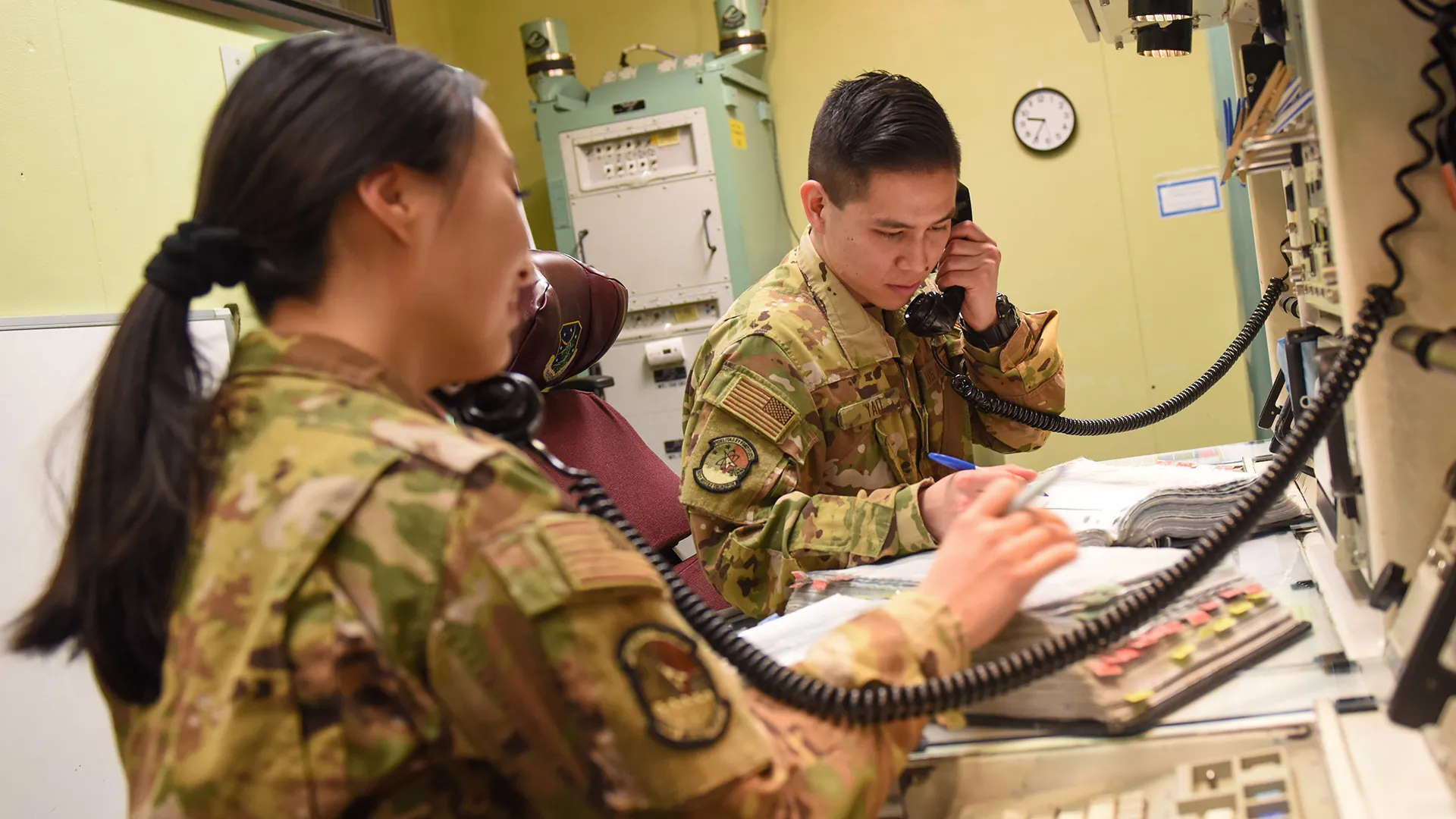
2nd Lt. Michelle Lee and Capt. William Yau conduct pre-operational checks inside of a Launch Control Center used for training purposes at Minot Air Force base, North Dakota, Mar. 7, 2022. The 91st Missile Wing contributes to the nation’s strategic defense by sustaining and operating various Minuteman III intercontinental ballistic missiles and the associated launch facilities.
PRIME DIRECTIVES:
If you want to talk politics, do so respectfully and know that there’s always somebody that isn’t going to agree with you.
If you have political differences, hash it out respectfully, stick to the facts, and no childish name-calling or personal attacks of any kind. If you can’t handle yourself in that manner, then please, discuss virtually anything else.
No drive-by garbage political memes. No conspiracy theory rants. Links to crackpot sites will be axed, too. Trolling and shitposting will not be tolerated. No obsessive behavior about other users. Just don’t interact with folks you don’t like.
Do not be a sucker and feed trolls! That’s as much on you as on them. Use the mute button if you don’t like what you see.
So unless you have something of quality to say, know how to treat people with respect, understand that everyone isn’t going to subscribe to your exact same worldview, and have come to terms with the reality that there is no perfect solution when it comes to moderation of a community like this, it’s probably best to just move on.
Finally, as always, report offenders, please. This doesn’t mean reporting people who don’t share your political views, but we really need your help in this regard.
TOMORROW night in Philadelphia, Ed Sheeran is expected to return to the stage for the first time since the biggest crisis of his career began.
Venues and promoters removed rapper Macklemore as the opening act on his US tour for voicing pro-Palestinian views on stage — prompting a legion of musicians, many of whom were British megastar Ed’s friends, to publicly turn against him over the past week.
Ed Sheeran performing in the US last yearCredit: GettyEd Sheeran and rapper MacklemoreCredit: Getty
This evening at Lincoln Financial Field, Ed will perform to 60,000 fans alone, with just his guitar and his trusted loop pedal, after Irish singer Aaron Rowe and Danish group Lukas Graham pulled out as support acts.
Irish folk group Beoga have performed with Ed on every night of the Loop World Tour — but they have also withdrawn, along with Billie Eilish’s brother Finneas, who was due to open six of Ed’s south American dates later this year.
Sign up for the Showbiz newsletter
Thank you!
“The world feels like a very lonely place for Ed right now,” an insider tells me.
“He couldn’t have done more to change the situation. He genuinely tried everything. This pile-on has been awful.”
I’m told dad-of-two Ed, 35, is planning on pushing ahead with the concert this evening before taking a view on the remaining ten dates across the US before his shows in South America.
My insider explained: “He wants the tour to continue for fans.
“They will have spent a lot of money on travel and hotels and will want to see him perform.
“The plan is to see how it goes tonight and then Ed and his team can take a view on whether they will carry on or not.”
Last night local action groups Philly Palestine Coalition and Shut Down D&Z confirmed they would be demonstrating at the train station closest to the venue.
Police said they would be increasing patrols in the area and were dispatching extra officers to the area around Lincoln Financial Field before the concert starts at 8pm.
Jasmine Reilly, a spokesman for the Philadelphia Police Department, said last night: “Our officers are talking to Ed’s team to make sure all appropriate measures are taken.”
A second source told me: “A nightmare scenario is if unrest begins inside before or during the show. It’s a possibility because of the heightened emotions with everything that is going on right now.
“Naturally Ed and his team’s concerns are for the safety of the people inside and outside the venue.”
Tonight’s gig will take place 15 days after Macklemore lit the touchpaper under Bad Habits hitmaker Ed.
The rapper — real name Benjamin Haggerty — played his pro-Palestinian protest song Hind’s Hall in New Jersey before telling the crowd: “A big part of the reason why I wanted to do this tour in the first place is so I could stand up in stadiums like this and say two words that are very near and dear to my heart: Free Palestine.”
The next day he stood on stage again at the MetLife Stadium and declared: “To all of my Jewish brothers and sisters: criticism of Israel, criticism of apartheid, being against genocide in no way is a criticism of you.”
Beoga members Sean Og Graham, Niamh Dunne, Liam Bradley, Eamon Murray & Damian McKeeCredit: Getty Images – GettyFinneas O’Connell was due to open six of Ed’s south American dates later this yearCredit: Getty
Two days later, the Israeli-American Council published a petition calling for Macklemore to be removed from Ed’s shows.
On September 8, Jewish singer Pink ramped up emotions when she shared a statement on Instagram with her 11.7million followers.
She blasted Macklemore for going on stage “in front of a stadium full of music-loving families, with violent images from a war on the screens, dedicated a song to the movement of his choice, and then took the mic to tell all of the Jews in the stadium that it wasn’t about them.”
Three days later Macklemore was removed from Ed’s tour. US promoters Messina Touring Group said that it had been notified by venues on Ed’s US tour that they “will not allow a concert to take place with Macklemore on the line-up.”
In a statement calling Ed a “brother”, the rapper said: “Nothing I’m writing here is out of spite or because I want to tear down his character.
“But as I told Ed multiple times on the phone, our friendship can’t change my responsibility to tell the truth about what happened.”
Macklemore explained that Ed had told him billionaire Robert Kraft, the owner of the New England Patriots American football team and their Gillette Stadium in Massachusetts, would not allow him to play the two dates there on September 25 and 26.
Danish group Lukas Graham pulled out as support actsCredit: AFPIrish singer Aaron Rowe has also pulled out as a support actCredit: Getty
Macklemore added: “Ed was in a f***ed-up position.
“His typical apolitical stance was being challenged in a way it never had been before.
“He told me that the words ‘Free Palestine’ and the image of the Palestinian flag were hurtful to a lot of people he spoke with. I told him that if those words were more offensive than tens of thousands of Palestinian children being killed by Israel, then there was a fundamental disconnect between where those people stood and where I stood.
“But he couldn’t get past his public-facing, ‘I don’t take sides.’ ”
The next day Ed addressed the situation in a statement to his 47million Instagram followers and revealed the lengths he had gone to in a bid to get everyone back on board.
He said he had spoken to “activists on both sides” as well as the owners of stadiums to find unity and that he was “appalled” by the conflict.
Ed added: “I am not complicit. I have my personal views on this devastating conflict. Just because I choose not to speak publicly, it doesn’t mean I don’t have them, and it doesn’t mean I don’t care.
“Macklemore coming off the tour was the promoter’s decision, it was not mine.
On September 8, Jewish singer Pink ramped up emotions when she shared a statement on Instagram with her 11.7million followersCredit: Instar ImagesBillionaire Robert Kraft, the owner of the New England Patriots American football team and their Gillette Stadium in MassachusettsCredit: Getty
“I would never let down the fans who had made plans, nor would I abandon the touring crew and the other support acts and musicians who rely on me for work.”
Explaining his decision to remain apolitical, he said: “There is a reason I do not use my professional platform for politics.
“My audience includes young people, often children, of all backgrounds.
“Those who come to my shows do not expect a political forum. I respect Macklemore’s strength of purpose to stand up and shout for what he believes in.
“However there is room for multiple approaches to the same end: peace.”
He concluded: “I have spent this week trying to build bridges, to find a solution, and unfortunately I was unable to do so.
“I know who I am, both as a person and as an artist, and those who know my heart know my values too.”
Despite his attempts to make amends, Ed was left flattened the following day as the artists on his tour started to pull out.
In a statement, Irish group Beoga said: “To play in venues that silence anyone advocating for Free Palestine is simply not an option for us.”
Pro-Israeli billionaire Kraft then came out fighting in Ed’s corner.
Shortly after Macklemore announced he was donating his $1million fee for the tour to humanitarian organisations providing aid to Palestinians, Kraft said Ed had been in touch before asking to match a donation he had made.
Kraft said: “I have dedicated much of my life to building bridges between all people.
“I believe deeply that all lives are worth protecting.
“Earlier today, before Macklemore challenged me to match his donation, Ed called me and asked me to commit $2million to match his donation to aid in the region to fight this humanitarian crisis.
“Ed now plans to reach out to other venue owners and our goal is to continue to work together to build bridges.”
Kraft also pointedly recalled Macklemore’s stunt in 2014, where he performed on stage in a costume which featured anti-Semitic tropes.
Macklemore apologised and said he did not mean to offend anyone but conceded the outfit could have looked like a “Jewish caricature”.
In the days prior to tonight’s show, high-profile stars have waded into the row, including British singer Paloma Faith, Hacks actress Hannah Einbinder and Formula 1 champ Lewis Hamilton.
The controversy also spilled over into politics, with US senator Bernie Sanders blasting Kraft.
The Democrat wrote: “In the United States of America, billionaire stadium owners should not be able to silence artists because they speak out on political issues.
“Today it is the genocide in Gaza. What’s next? If they can silence one artist, they can silence anyone.”
Since his statement, Ed has not spoken and is, insiders tell me, “staying focused” on the hours ahead of the concert.
A source said: “Ed has never faced anything like this before.
“It’s been devastating. He is trying to do the right thing by everyone. Sadly that isn’t always possible.
“As he said in his statement he has his own views on the conflict.
“Just because he has not been public in speaking about them, it doesn’t mean he doesn’t care or hasn’t actively been helping in whatever way he can.”
US President Donald Trump says the US will gain ‘permanent control over security’ in Greenland under a deal reached with Denmark. The agreement is expected to be signed next week, following months of Trump’s threats to ‘take’ the Danish territory.
Separate attacks struck central refugee camps as officials warned Gaza’s health sector faces total collapse.
Published On 19 Sep 202619 Sep 2026
An Israeli strike on a motorcycle has killed one Palestinian and injured others, with one child in critical condition, reports the Palestinian Wafa news agency.
The air strike targeted the vehicle in the Sheikh Radwan neighbourhood, west of Gaza City, on Friday. Ongoing Israeli strikes on the besieged enclave have killed at least 1,381 people since the ceasefire was announced in October 2025.
Recommended Stories
list of 3 itemsend of list
Israel has killed at least 73,795 people and wounded 174,869 others since the start of its genocidal war in October 2023.
On Friday, the Israeli army also opened fire in the Nuseirat and al-Bureij refugee camps in the central Gaza Strip, reports Wafa. The attacks on tents sheltering displaced people have resulted in multiple injuries.
Earlier this week, an Israeli “double-tap” air strike killed a paramedic and a 15-year-old schoolboy in Gaza City. Israeli forces claimed they were targeting Hamas operatives.
Last month, UNICEF found that, on average, one child is killed a day by Israel.
Families are now confined to about a third of the enclave, sheltering among destroyed buildings, rubble and uncleared waste, the agency said.
A Palestinian woman carries a girl past a blood stain on the ground after an Israeli drone strike on a cafe in al-Bureij camp, central Gaza Strip, on September 16, 2026 [File: AFP]
On Wednesday, a previously damaged building collapsed in Gaza City, killing at least 21 people, including 12 children. The Palestinian Civil Defence agency in Gaza struggled to recover bodies from under the rubble due to Israel’s severe restrictions on heavy equipment.
The Health Ministry warned on Wednesday that Gaza’s health system was on the verge of “total collapse” as Israel continues to limit the amount of medical aid and fuel permitted to enter the enclave.
Katie Price has made a spectacular return to London Fashion Week—over a decade since she last walked the runwayCredit: GettyKatie showed off her enhanced chest and array of tattoosCredit: Getty
Showing off her newly enhanced chest, Katie wore a black waistcoat and black satin shorts with white ruffles on the back.
Speaking to the press before strutting her stuff, Katie told The Sun: “I’m so excited to be walking in the Natasha Zinko show.
Sign up for the Showbiz newsletter
Thank you!
“I’ve always been someone who believes in being unapologetically yourself, so this feels like a really natural fit for me.
“Fashion is about having fun, expressing yourself and feeling confident in your own skin, and I can’t wait to bring a bit of my personality to the catwalk.”
Taking place at Collins Music Hall in Islington, North London, the show marks the first time OnlyFans has joined London Fashion Week.
Speaking about the collaboration, Keily Blair, CEO of OnlyFans, said: “This collaboration brings together two brands with a shared belief in individuality, creativity, and fierce self-expression.
“OnlyFans has always been a platform where people can define themselves on their own terms, and Natasha Zinko brings that same spirit to fashion.
“Our London Fashion Week debut, which features OnlyFans creators, is a celebration of the communities behind both brands, and of the confidence to express yourself unapologetically.”
Meanwhile, Natasha added: “This limited capsule collection felt like a natural fit from the very beginning.
“We both share the same values: love, freedom of identity, inclusivity and body positivity. It’s about celebrating people exactly as we are.”
The war in Yemen intensifies with mounting clashes and reciprocal attacks between Saudi forces and the Houthis.
Published On 18 Sep 202618 Sep 2026
Yemen’s Houthi rebels have said Saudi Arabia carried out 26 strikes against areas under the group’s control in the past 24 hours, as the two sides continue trading attacks amid an escalating war in Yemen, according to the AFP news agency.
On Friday, the group claimed Saudi strikes on Houthi-held territory had reached 300 over the past week alone, hitting positions across the areas it controls, AFP reported.
Recommended Stories
list of 3 itemsend of list
Yemen’s government, backed by Saudi Arabia, said on Friday its forces had killed 30 Houthi rebels and wounded more than 60 in clashes in the al-Wazi’iyah district of Taiz province, one of several fronts where combat has picked up this week.
The exchange has come on the heels of a widening escalation of fighting in Yemen between the government’s military and the Houthi fighters.
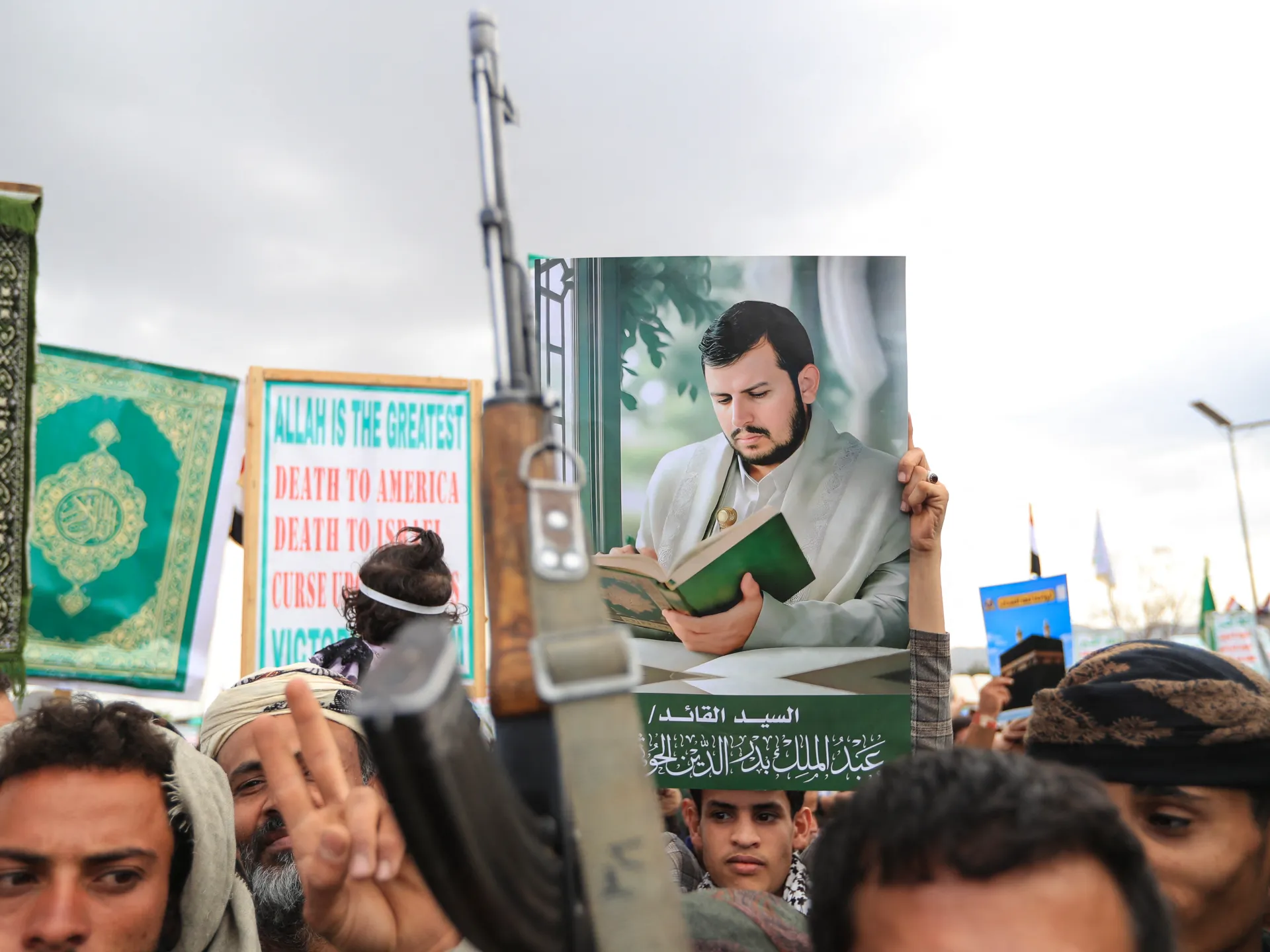
Tens of thousands marched through Sanaa on Friday in a show of support for the Iran-backed Houthis and against Saudi Arabia, as the rebels press gains that have brought large stretches of Yemen’s Red Sea coast, including the strategic Bab al-Mandeb Strait, under their control.
Earlier this week, the intensifying attacks between the Yemeni government and the Houthi rebels killed at least five people, including three children, according to reports from both sides.
Saudi Arabia said one person was killed in the Taif governorate after a Houthi drone was intercepted, while Houthi-linked media reported deaths from Saudi strikes in Taiz and the town of Abs.
The escalation has drawn in Washington, though reluctantly.
US officials met Houthi representatives at the US embassy in the Omani capital, Muscat, over the weekend after the group’s rapid territorial gains raised concern over shipping through Bab al-Mandeb, a vital corridor for global trade.
The Houthis reportedly assured Washington that vessels not linked to Saudi Arabia would not be targeted.
Despite appeals from Riyadh for US President Donald Trump to strike the Houthis directly, Washington has so far held back, wary of opening a new front while still fighting a costly war with Iran.
Meanwhile, European Union foreign policy chief Kaja Kallas said on Friday the bloc’s Red Sea naval mission, Operation Aspides, had raised its alert level as the situation in the region worsened, the Reuters news agency reported.
“Houthi attacks on Saudi Arabia are unacceptable and sabotage the global economy,” Kallas said in a post on X.
She added that she had spoken with Saudi Foreign Minister Prince Faisal bin Farhan Al Saud about diplomatic efforts to end the fighting in Yemen and restore freedom of navigation in the Strait of Hormuz.
The reality star and fashion mogul reveals in the reality series’ Season 8 trailer released Thursday that she has been diagnosed with esophagitis.
“I have something called esophagitism,” Kim tells a stylist in the trailer. The Skims founder is then shown in a hospital bed in a series of clips, one in which it appears she’s being wheeled into a procedure. While it’s unclear who is speaking to Kim, someone off-screen says, “Didn’t your father … isn’t it what he died of?”
If esophagitis is left untreated, there’s a risk of developing Barrett‘s esophagus condition, in which the cells lining the esophagus are damaged from acid reflux, according to Mayo Clinic. The condition raises the risk of cancer that starts in the esophagus, which is called esophageal cancer.
Kim’s dad, famed attorney Robert Kardashian, died in September 2003 at the age of 59. He had been diagnosed with esophageal cancer just months before his death.
“I can’t, it makes me want to cry,” Kim’s mom Kris Jenner says in the trailer, alluding to the frightening diagnosis.
Esophagitis is inflammation of the tissues that line the esophagus, per the Mayo Clinic. The condition can be painful and make swallowing difficult, and it can cause chest pain. While there are a variety of causes for the condition, the trailer does not reveal which has contributed to Kim’s case.
Kim Kardashian in “The Kardashians” in 2022.
(Photo from Hulu)
Treatment for the health issue can vary and depends upon the severity of tissue damage and the cause. Without proper treatment, the lining of the esophagus, which is the tube that carries food and water to your stomach, can be badly damaged. This can lead to more serious health issues including scarring and narrowing of the esophagus, or even tearing in the esophagus.
When detected early, however, the condition is considered treatable.
In Super Macklemore 64, players are chased by a giant Ed Sheeran, dodge tiny billionaire Robert Krafts and summon musicians to chant “Free Palestine”. Creator Jonathan Mann says it highlights the “absurdity” of Macklemore being dropped from Sheeran’s concerts and Israel’s genocide in Gaza.
Keely Hodgkinson powered to victory in a custom-made full-body speed suit before being presented with a Tiffany & Co crown as Athlos made its London debut.
Hodgkinson was greeted by loud cheers as she emerged on to a stage and revealed the all-black aerodynamic outfit at the third staging of the all-female athletics meet.
The 24-year-old ensured she ended a mixed year with a dominant 800m victory in front of a sellout home crowd at StoneX Stadium, bursting clear on the back straight and crossing the line in one minute 56.40 seconds.
Speaking about the outfit, Hodgkinson told BBC Sport: “This has been like a year in the making. It’s a mixture of fashion and speed and science all coming together for maybe the future of athletics.
“It was a real honour for them to choose me to put this out first. We weren’t sure when we were going to wear it.
“But an all-women’s event that’s all about the glitz and the glamour and putting eyes on women, a bit of a moment, I think was the perfect way to finish the season.”
Created by Alexis Ohanian, Reddit co-founder and husband of tennis’ 23-time Grand Slam singles champion Serena Williams, Athlos was staging a meet for the first time outside of New York.
In addition to the silver Tiffany crown awarded to winners instead of medals, a top prize of $65,000 (£48,500) was on offer in each event.
The single-night meet included seven disciplines, each featuring six athletes, with money on offer for each position from a total event prize pot of $1.05m (£790,500).
American sprint stars Gabby Thomas and Sha’Carri Richardson were among the champions amid a party atmosphere which featured a live track-side DJ.
HAYDEN Panettiere’s mother and boyfriend have reportedly been banned from her memorial amid a nasty family feud.
Lesley Vogel, Brian Hickerson and his brother Zach were left off the list for the tragic actress’ celebration of life in Malibu on Saturday, according to reports.
Hayden Panettiere and her mom Lesley Vogel posed during Animal Fair’s 8th Annual Paws for Style event on June 11, 2007 at Arena in New York CityCredit: GettyHayden and Brian Hickerson, here in December 2018, dated for eight years before her deathCredit: Rex
TMZ reported on Friday that the trio will not be welcomed at the event, where 150 guests are expected to attend.
Hayden’s dad Skip Panettiere will be there, as well as celebrity friends.
Sign up for the Showbiz newsletter
Thank you!
As The U.S. Sun reported, Hayden was found dead in a Greenville, South Carolina Airbnb on August 16, where she was staying with her on-again, off-again boyfriend Brian. She was just 36.
Despite the EMTs efforts, Hayden – who admittedly suffered from addiction in recent years – was soon declared dead.
Authorities believe she took a black-market oxycodone pill laced with fentanyl, though the official cause of death has not yet been determined.
Hayden was estranged from her mother at the time of her death, and slammed her in her memoir released earlier this year.
Hayden claimed her mother was furious when she severed their professional relationship, wanting to just focus on their personal bond instead.
Most read in Entertainment
Hayden and Lesley, here in 2009, were estranged at the time of the actress’s deathCredit: GettyHayden and Brian attended her brother’s funeral in 2023Credit: Getty
“Although my daughter and I were estranged, it was not for lack of care or love. It was due to the involvement of a toxic individual who I believe led to her death,” she said, pointing fingers at Brian.
“Hayden was a beautiful and talented young woman who unfortunately became involved with the wrong person, and although her family tried to extricate him from her life, we were unable to be successful.”
And Hayden’s loved ones had been weary of Brian’s presence in her life, after the couple first started dating in 2018.
He had been arrested multiple times for assaulting her, and even served jail time for punching and choking her in the past.
Months before her death, Hayden insisted he was out of her life, but recent reports claimed they were secretly still together in her final days.
Denmark and Greenland plan to sign a US defence pact next week, pending approval from both parliaments.
Published On 18 Sep 202618 Sep 2026
United States President Donald Trump claimed on Friday that Washington has entered into an agreement with Denmark and Greenland that gives the United States “permanent control over security and all other needs”.
In a post on his Truth Social platform, Trump said, “At my direction, we worked with representatives of Denmark and Greenland to guarantee that the US will FOREVER have the complete ability to do what is necessary in Greenland”.
Recommended Stories
list of 3 itemsend of list
He added that US adversaries will be barred from establishing military bases or personnel in Greenland unless they receive written authorisation from the United States.
Trump alleged that plans will begin immediately to build a significant US military footprint in suitable areas across Greenland, noting there are numerous potential locations.
Denmark and Greenland released a joint statement on Friday indicating that a pact with the US is set to be signed during next week’s high-level United Nations General Assembly summit.
The statement added that the agreement remains subject to formal parliamentary approval in both Nuuk and Copenhagen.
Denmark’s Prime Minister Mette Frederiksen said the agreement “recognizes the sovereignty and territorial integrity of the Kingdom and the right of the Greenlandic people to self-determination.”
Who: Brighton vs Arsenal What: English Premier League Where: Amex Stadium, Brighton in United Kingdom When: Saturday, September 19, at 3pm (14:00 GMT) How to follow: Al Jazeera Sport will have all the build-up to our live text commentary stream from 11:00 GMT.
Premier League holders Arsenal head to Brighton on Saturday with a chance to extend their lead at the top of the table to three points.
Second-placed Manchester City, who have also won four from four to start the new English top-flight season, entertain Sunderland on Sunday.
Al Jazeera Sport takes a look at the game, which produced a feisty finale in the clubs’ last meeting.
What was the issue between Arsenal and Brighton last season?
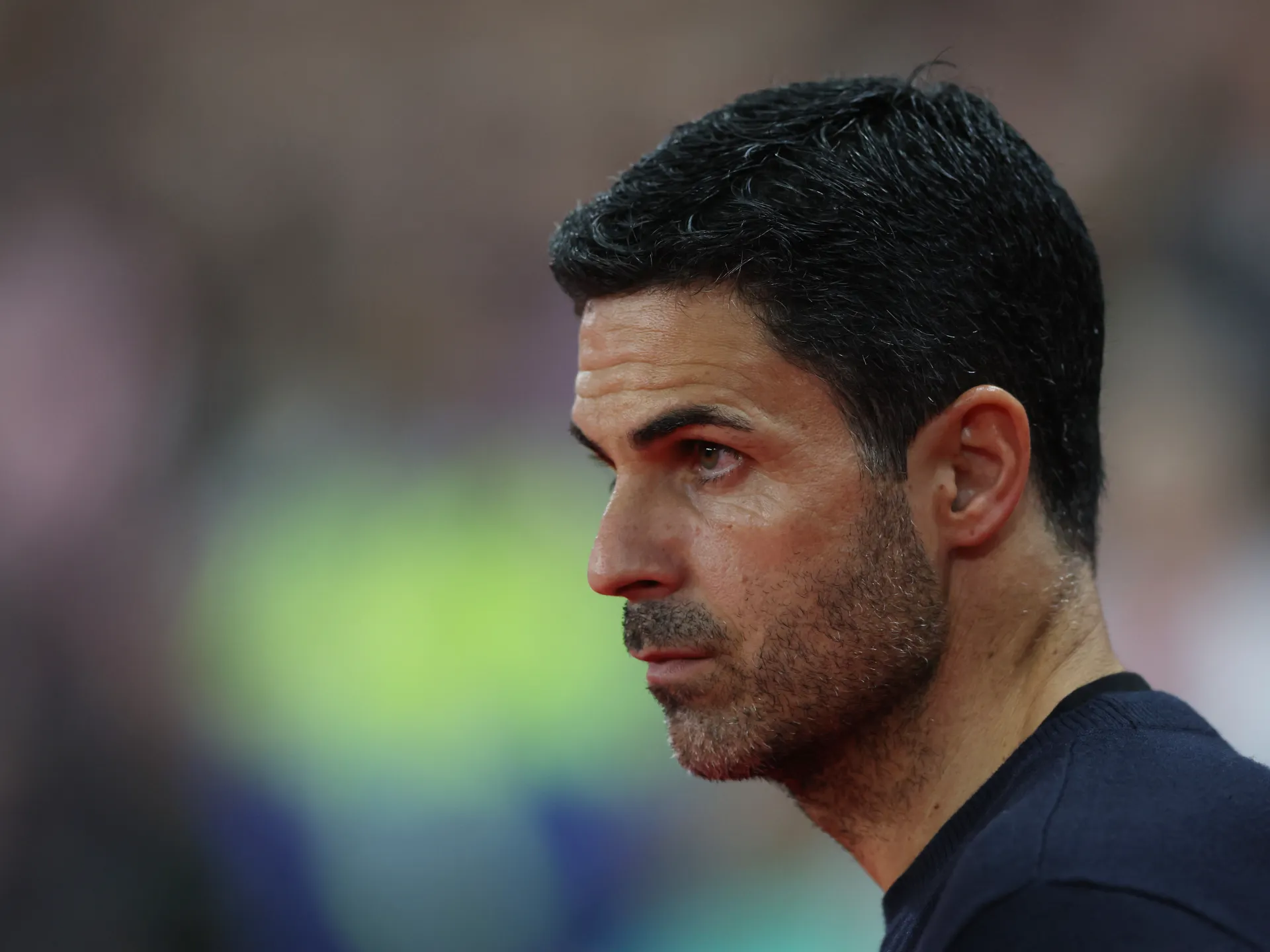
Mikel Arteta has made peace with Brighton manager Fabian Hurzeler following their row last season as the pair go head-to-head again on Saturday.
Hurzeler criticised Arteta’s style of play during a 1-0 loss to the Gunners at the Amex Stadium in March.
The German said “only one team tried to play football” and accused Arsenal of “making their own rules”.
With the champions heading back to Brighton in the top flight this weekend, the spotlight will be fixed on the touchline to see if the spat lingers.
Hurzeler refused to back down this week when quizzed on his comments from last season.
“I think it’s very important that in football there are opinions,” he said.
“I will definitely always share my opinion if I am asked. But, in the end, I congratulate Arsenal for being deserved champions. They deserved it.”
Speaking on Friday, Arteta insisted there was no bad blood over Hurzeler’s blast.
“That’s all done. That’s all in the past,” the Arsenal manager told reporters.
“I have huge respect for Fabian, and what he’s done and what Brighton has done as a club.
“It’s just remarkable, and tomorrow is going to be a beautiful game to watch, I’m sure.”
How have Arsenal started the new season?
Arsenal have made a flying start to their Premier League title defence, with four successive victories taking them to the top of the table.
The north Londoners also won their opening Champions League match against Napoli and booked their place in the League Cup fourth round on Tuesday with a win at Ipswich.
Teenage playmaker Max Dowman starred against Ipswich in his first appearance this season, scoring twice to underline why he is regarded as one of the brightest young talents in the Premier League.
The 16-year-old has made his case for a bigger role in Arteta’s plans after being an unused substitute in the opening weeks.
But when asked if the teenager has been knocking on his door to play, Arteta said: “The best way to knock on the door is to do it on the pitch, not in the office.
“Then you just leave out the arguments. When a player delivers constantly on the pitch, every single day in training, that’s the best way, that’s the best signal for the manager.”
How does Arsenal’s start rank in their history?
Including the Community Shield against Manchester City, Arsenal have won seven consecutive matches.
Another victory on the south coast would equal the club’s 123-year record for their best start to a campaign.
“We know how complicated it is to win a football match at this level. So, to win seven, it tells a story,” Arteta said.
“After the World Cup, there were a lot of unknowns about how the players and the team were going to react. We didn’t have any time with them to work together.
“But I said from day one, the attitude and what I was seeing, I was really impressed with. Then you have to put it down to performances.”
What is the latest on Arteta’s contract at Arsenal?
Arteta is yet to sign a contract extension, with talks ongoing for several months, but the Spaniard is relaxed about the situation.
“I think we are all very much aligned; whenever the time is right, we’ll get that done. There is nothing to be concerned about,” he said.
When did Brighton last beat Arsenal?
The Seagulls last beat the Gunners on May 14, 2023, when they won 3-0 at Emirates Stadium in the league.
Julio Enciso, Deniz Undav and Pervis Estupinan scored the goals in the second half.
Prediction – Arsenal vs Brighton
Opta’s supercomputer has given Arsenal a 57 percent chance of winning, while Brighton have been offered a 29 percent chance.
Head-to-head – Arsenal vs Brighton
This will be the 36th meeting between the clubs, with Arsenal winning 20 of the encounters and Brighton emerging victorious on eight of the occasions.
Brighton team news
Brighton are expected to revert to the side that beat Coventry in their last Premier League outing.
Jaouen Hadjam sustained a knock in the 3-2 League Cup win against Manchester United on Wednesday.
Femi Azeez, Evan Ferguson, Zadok Yohanna, Mats Wieffer, Jack Hinshelwood (unspecified), Kaoru Mitoma, Yankuba Minteh and Stefanos Tzimas all remain part of a lengthy injury list.
ANGELINA Jolie suffered a wardrobe malfunction as her lace bra slipped out of her silk dress while walking through JFK Airport.
The Maleficent actress, 51, was seen strutting through the terminal in New York City wearing a sheer ivory dress with draped sleeves.
Angelina Jolie accidentally flashed her bra while walking through JFK AirportCredit: TheImageDirect.comThe Maleficent actress was seen strutting through the terminal in a cream outfitCredit: TheImageDirect.com
Angelina then accidentally flashed her lace nude bra which in the low-cut frock, as the lingerie peaked through the top.
The Hollywood film star wore a pair of black heels, oversized sunglasses and a matching handbag for the airport outing.
Sign up for the Showbiz newsletter
Thank you!
Angelina flashed a big smile as she her way through the airport, while catching the attention of people at the airport who recognized her.
The Lara Croft star looked chic as ever in the cream ensemble.
Angelina looked chic in a satin outfit with a lace bra peaking throughCredit: TheImageDirect.com
Angelina may have looked in good spirits, but things at home have been tense.
According to court documents seen by the Daily Mail, the reason behind Vivienne’s surname change is listed as “personal”.
A source toldPeople: “He [Brad] has virtually no contact with the adult kids. His engagement with the younger kids is more limited in recent months because of his filming schedule.”
An official court hearing is scheduled for later this year on November 2.
This isn’t the first time Vivienne has made it clear she wants to drop the Pitt surname.
The Oscar-winner was once inseparable from all six kids: Maddox, Pax, Zahara, Shiloh, Vivienne and Knox.
But the latest snub comes as Brad’s relationship with his children remains deeply strained.
A source told People: “He has virtually no contact with the adult kids. His engagement with the younger kids is more limited in recent months because of his filming schedule.”
A new species of living cat has been identified for the first time in more than a century. Found in Bolivia’s Yungas forest, it is smaller than a regular house cat, weighing just around 3 pounds and measuring 18 inches long. Known locally as Tilcayo, it belongs to the group of tiger cats.
Thousands of people cheered as they welcomed Syrian icon Assala Nasri back at a sold-out concert in Damascus. She spent more than 15 years in exile after publicly supporting the 2011 uprising against the government of Bashar al-Assad.