Italy became a nation on March 17th 1861, when most of the states of the region and the two Sicilies were united under King Victor Emmanuel II, hitherto king of Sardinia.
The father of Italian unification was Count Camillo Benso di Cavour, the Chief Minister of Victor Emmanuel.
Rome stayed under the rule of the Papacy for nearly 10 years and became part of the Kingdom of Italy on September 20th 1870. This is the final date of Italian unification.
On June 2nd 1946, in a referendum on the monarchy, more than 12 million Italians voted in favour of the birth of the Italian Republic while electing the assembly that would draft the new Constitution, which would come into force on January 1st 1948. It was announced on June 10th 1946 and on June 18th the Court of Cassation, after 85 years of rule, sanctioned the birth of the Italian Republic.
Male members of the royal family were sent into exile because of their association with the fascist regime and were only allowed to return to their country in 2002. Italy’s constitution now forbids a monarchy to ever rule again.
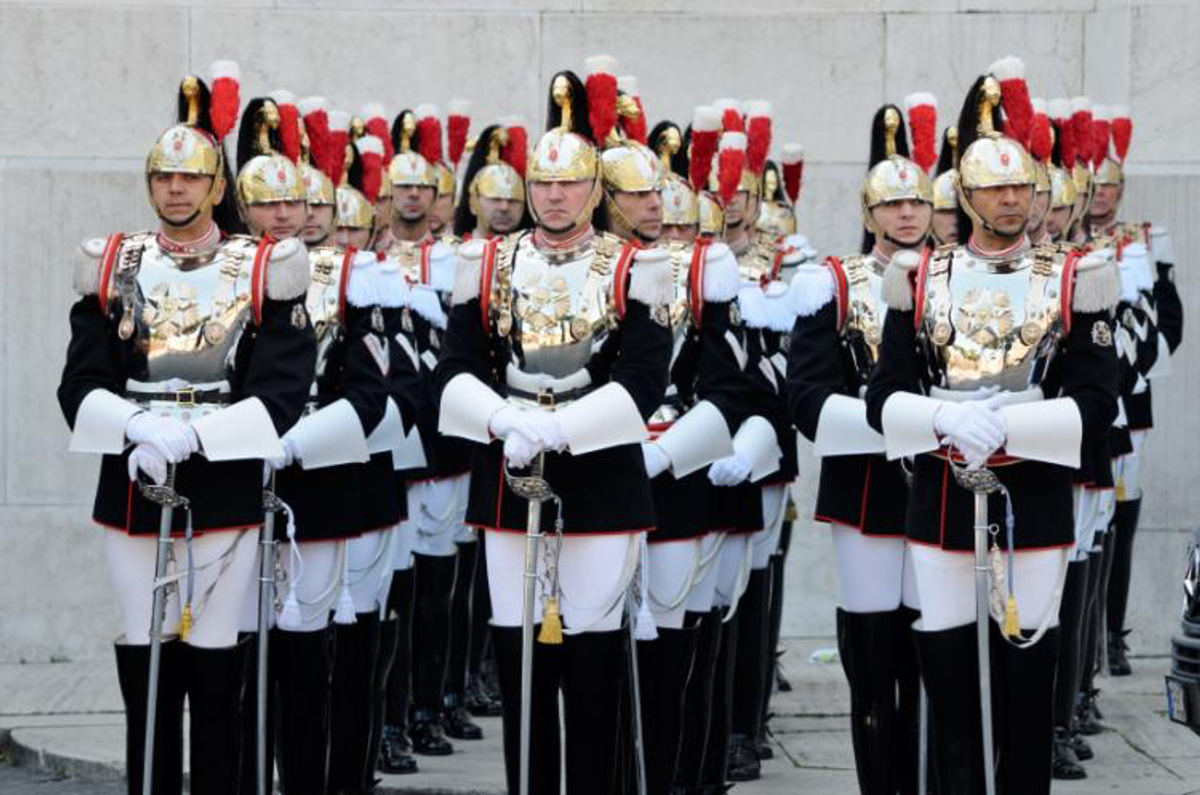
Declared a National Holiday in 1949, the first ceremonial was held in 1948 and included the military review of the armed forces in honour of the republic by the President of the Italian Republic. The event took place in Piazza Venezia, in front of the Vittoriano.
In 1977, the national holiday was moved to the first Sunday in June, for economic reasons to avoid the holiday having a negative effect on working hours. It stayed on the Sunday until 1999, when June 2nd was made the official date.