A voter participates in the March 8 consultation. (Archive)
Mérida, March 9, 2026 (venezuelanalysis.com) – Millions of Venezuelans participated on Sunday in the first National Popular Consultation of 2026, a direct democracy mechanism designed to transfer state resources directly to organized communities for the execution of self-managed projects.
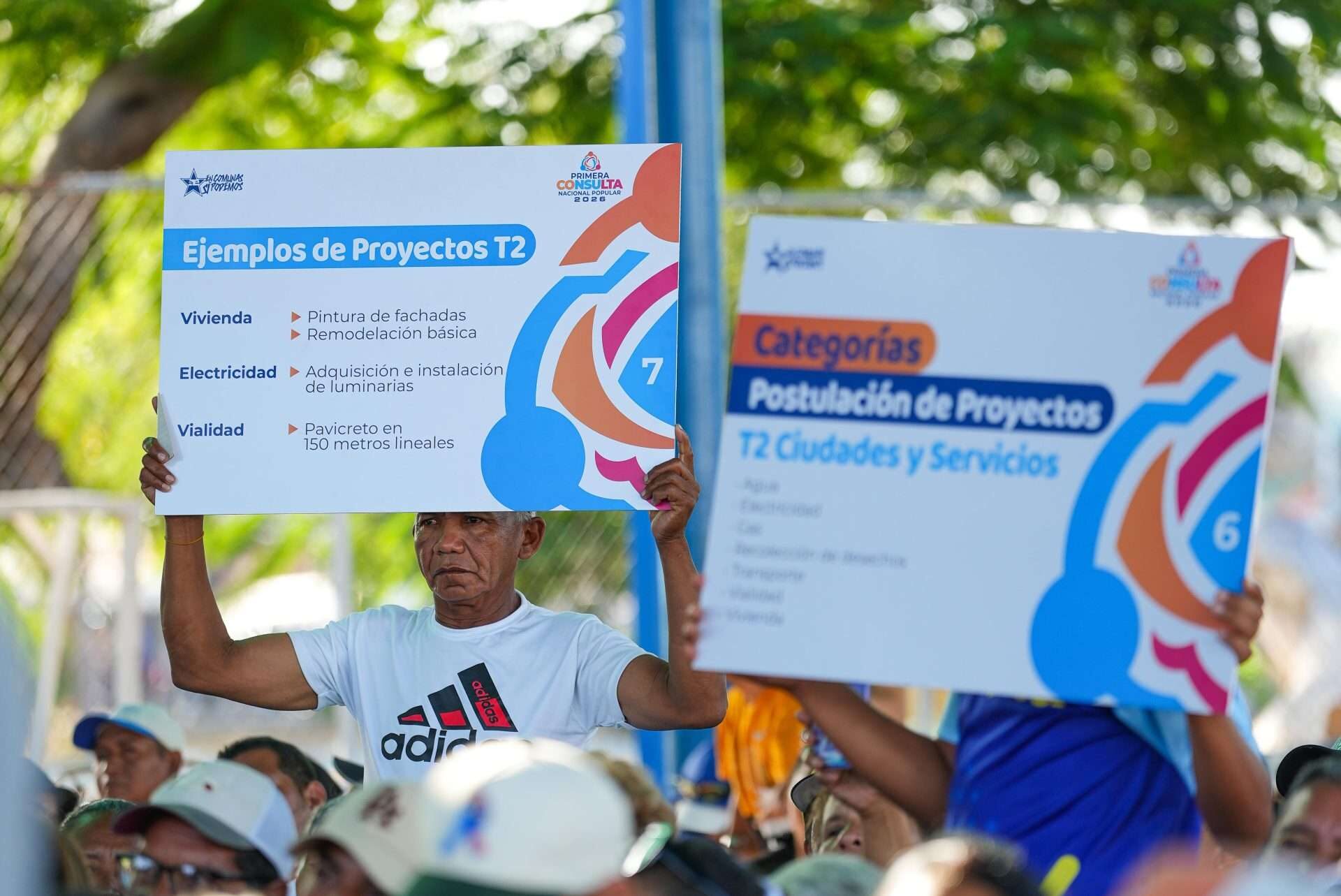
The process took place in 5,336 communal circuits nationwide. Residents over the age of 15 were eligible to vote for one of up to seven projects previously proposed and debated in local citizens’ assemblies. The initiatives mostly focus on urgent territorial priorities such as water distribution, electrical grid repairs, and infrastructure renovations.
Once a project is selected by the majority of voters in a communal circuit, the government transfers US $10,000, in local currency. The community then manages the resources and oversees the execution of the work.
Communes Minister Ángel Prado visited several voting centers on Sunday, hailing the turnout and the efficiency of the communal model.
“This is an extraordinary result and a demonstration of the great participation registered in this 2026 Popular Consultation,” Prado stated to national media. “The organized people are showing that they have the capacity to manage their own resources and solve their problems with transparency and commitment.”
The winning proposal in the Lanceros Atures Commune in Lara state was the purchase of equipment for the local healthcare center. In rural Cojedes state, residents of the Zamora Vive Communal Circuit chose to fund the production of cereals and legumes.
In 5 de Marzo Comandante Eterno Commune in southwest Caracas the community selected a project to replace 10 kg liquefied gas (LPG) cylinders used mostly for cooking. For many families, this was a critical priority as existing cylinders were in poor condition or insufficient for daily needs.
Anaís Márquez, a spokesperson for the commune, explained to Venezuelanalysis the transformative impact of the winning project.
“The winning project is the replacement of the cooking gas cylinders, which will transform our realities,” Márquez said. Six of the seven community councils here rely on these cylinders. Many were in poor condition, or people only had one. Selecting this project means guaranteeing a better quality of life and safety for our families.”
Márquez highlighted that the consultation’s timing on March 8, International Working Women’s Day, added a layer of historical significance to the process.
“I believe this consultation is one of those demands we have fought for. What better way to commemorate International Working Women’s Day than through participation, since 80% of communal spokespeople in Venezuela are women,” she noted.
The local activist added that the projects chosen in the consultations “create a sense of belonging and joint responsibility for the transformation of our territory.”
The concept of the commune was central to former President Hugo Chávez’s vision of the path toward socialism. Chávez envisioned communes as the “unit cells” of a new state, where social property and self-governance would eventually replace the old “bourgeois” structures.
Starting in 2024, the Nicolás Maduro government implemented the consultations as the main mechanism to support grassroots organizations. By empowering local communities to execute projects identified through their own “concrete agenda of action,” the state bypassed the local governorships and mayoralties to deliver funds directly.
Sunday’s vote was the first of several planned for 2026.

Edited by Ricardo Vaz in Caracas.