TODAY

Discover the latest happenings and stay in the know with our up-to-date today news coverage. From breaking stories and current events to trending topics and insightful analysis, we bring you the most relevant and captivating news of the day.

The Ashes 2025-26: Snicko controversy continues with Jamie Smith dismissal

The controversy on the second day follows Alex Carey being given not out on Wednesday, when England reviewed a caught-behind decision with the Australia wicketkeeper on 72.

He was given not out because the spike which appeared on the technology was out of sync with the pictures, but that was later revealed to have been an error by the operator.

The first incident on day two occurred in the 44th over, with England 149-5.

Australia appealed for a catch after a ball to Smith looped to Usman Khawaja at slip and the on-field umpires sent the decision to the TV umpire to check if the ball had carried.

TV umpire Chris Gaffaney then deliberated over various replays, first checking whether the ball had hit Smith’s glove or helmet.

Again the technology appeared inconclusive but Gaffaney deemed the ball had hit Smith’s helmet.

The hosts’ fielders were visibly disgruntled and one Australian was heard saying “Snicko needs to be sacked” over the stump microphone.

In any case it appeared the ball did not carry to Khawaja.

More contentious was the second decision, which ultimately resulted in Smith’s dismissal.

He attempted a pull shot to Pat Cummins but Australia appealed confidently for a thin snick.

Smith appeared certain he had not hit the ball and was ready to review the decision had it been given out on the field.

Again on-field umpire Nitin Menon suggested he was not sure if the ball had carried so sent the decision for Gaffaney to review.

As the players came together to await the decision, Nathan Lyon was heard asking non-striking batter Ben Stokes if he heard anything.

Gaffaney said “there is nothing obvious there” after viewing an initial replay but Snicko showed a rough spike within a frame of the ball passing the toe of Smith’s bat – the leeway allowed in such scenarios.

Smith was given out. Both he and Stokes seemed frustrated with the decision.

Source link

UK police to arrest protesters chanting ‘globalise intifada’ – Middle East Monitor

Police in the UK have said they will arrest people who hold placards or chant the phrase “globalise the intifada,” arguing that the slogan now carries heightened risk in the wake of recent attacks on Jewish communities, Anadolu reports.

The term “intifada,” an Arabic word meaning “uprising,” came into widespread use during the Palestinian uprising against Israeli occupation of the West Bank and Gaza Strip in 1987.

In a joint statement, London’s Metropolitan Police and Greater Manchester Police said the move followed Sunday’s mass shooting at Bondi Beach in Sydney, Australia.

Fifteen people were killed on Sunday when two suspected shooters—father and son—opened fire along the beach in Sydney, the New South Wales capital and Australia’s largest city by population.​​​​​

The two forces also referred to a knife attack at the Heaton Park Hebrew Congregation Synagogue in Manchester, northern England, on Oct. 2, in which two people were killed.

“Violent acts have taken place, the context has changed—words have meaning and consequence. We will act decisively and make arrests,” the police said.

They added: “We know communities are concerned about placards and chants such as ‘globalise the intifada,’ and those using it at future protests or in a targeted way should expect” the two forces “to take action.”

The statement said frontline officers would be briefed on what police described as an “enhanced approach,” and that powers under the Public Order Act would be used, “including conditions around London synagogues during services.”

“Visible patrols and protective security measures around synagogues, schools, and community venues have been stepped up in London and Greater Manchester. We are intensifying investigations into hate crime, and Counter Terrorism Policing continues to operate 24/7 to identify and disrupt threats,” it added.

The UK’s chief rabbi told the BBC this week that chants of “globalise the intifada” had helped lead to the two attacks.

UK Prime Minister Keir Starmer said in parliament on Wednesday that his government has increased funding for Jewish security.

“I’m pleased to do that, but I’m sad to do that,” he said, adding that he has ordered a review of protest and hate crime laws.

Source link

Austria Buys M-346F Light Fighters

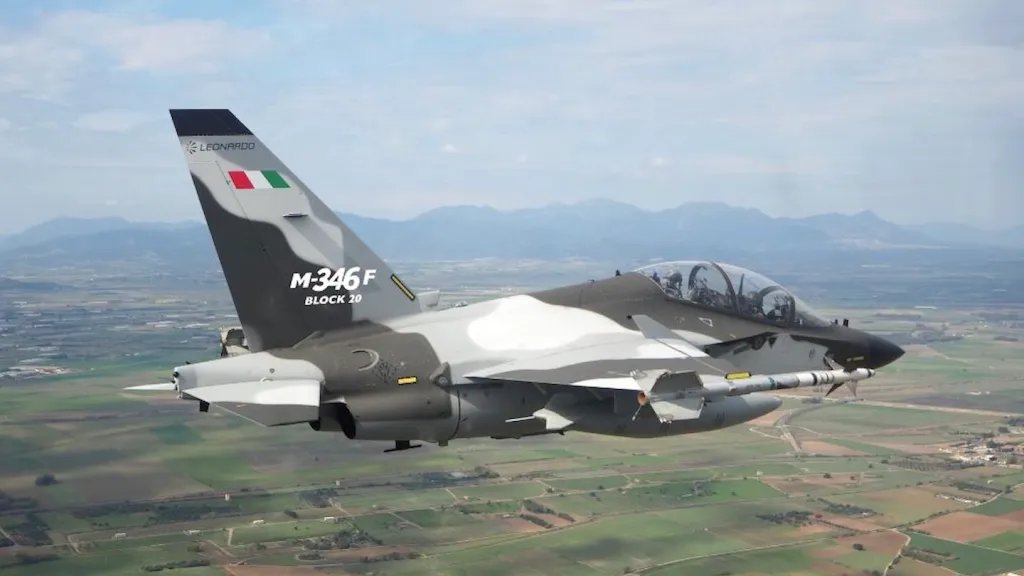
Austria is buying 12 M-346F Block 20 light combat aircraft from Italian defense contractor Leonardo, as part of an overhaul of its air force, the Luftstreitkräfte. Austria does already operate 15 Eurofighter Typhoons, which were procured under controversial circumstances. Those jets have notably limited capabilities compared to other Typhoons, as well as high operating costs, which have prompted attempts to offload them.

Leonardo announced the Austrian contract today. As well as the dozen M-346s, the deal includes simulation systems for pilots, training for maintenance technicians, spare parts and equipment, plus logistical support for six years. The total cost is around $1.7 billion, and the first aircraft is due to be delivered in 2028.

According to Leonardo, the Austrian Air Force will use the M-346Fs for the “defense needs of Austria’s national airspace and territory,” as well as for training.

M-346FA


The two-seat M-346 was originally developed as an advanced jet trainer, but light combat versions have long been offered for sale. Block 20 standard variants are notably well-equipped for aircraft of their size and weight. They come with a pair of large-area displays (LAD) in each cockpit, an active electronically scanned array (AESA) radar, a Link 16 datalink, and electronic countermeasures. The jets are capable of being configured to employ various air-to-air and air-to-surface weapons options, but can also be operated as pure trainers.

In the trainer role, the M-346Fs will serve as a successor to the Austrian Air Force’s Saab 105 jets, which were retired in 2020, and are seen in the video below.

Action: Saab 105 im Flug


The M-346 has been developed by Leonardo as part of an integrated advanced flight training system. Beyond the jets themselves, this includes a ground-based training system (GBTS), which is based around the live, virtual, and constructive (LVC) concept. In this way, simulated elements and scenarios can be combined with real-life training flights.

Austria is already familiar with the M-346 as its pilots already train on it at the International Flight Training School (IFTS), which Leonardo and the Italian Air Force operate together in Decimomannu, Italy.

IFTS – International Flight Training School


According to Leonardo, the complete training system for Austria will include capabilities related to air-to-surface missions. This would be a new development for the Austrian Air Force, which is currently optimized for air defense.

It will also allow pilots to train for aerial refueling, something else that hasn’t previously been featured in the Alpine air arm’s operations. It is worth noting here that the Luftstreitkräfte does not currently operate any tankers itself.

Most notably, however, as well as advanced training, Austria will fly the M-346 in the “dual role of fighter for lower-intensity operations,” according to Leonardo.

Imagery related to the M-346F Block 20 released to date includes pictures of a demonstrator aircraft armed with wingtip AIM-9L/M Sidewinder infrared-guided air-to-air missiles. It has also been seen loaded with laser-guided bombs and Joint Direct Attack Munitions (JDAM). Reportedly, Austria will integrate the IRIS-T infrared-guided air-to-air missile (already used on its Typhoons), 20mm gun pods, and LAU-32 seven-round rocket launchers for its M-346s, as well as Israeli-made electronic countermeasures pods.

A Leonardo Aermacchi M-346 FA Attack Fighter Jet is pictured with MBDA's MICA NG IR (C), and MICA NG IR air-to-air missiles, outside the Leonardo stand on the second day of the Farnborough International Airshow 2024, south west of London, on July 23, 2024. (Photo by JUSTIN TALLIS / AFP) (Photo by JUSTIN TALLIS/AFP via Getty Images)
An M-346FA is pictured with MBDA MICA NG IR (center), and MICA NG IR air-to-air missiles outside the Leonardo stand on the second day of the Farnborough International Airshow 2024. Photo by JUSTIN TALLIS / AFP JUSTIN TALLIS

While the now-retired Saab 105s had a limited air-policing role, the M-346F’s capabilities mean that certain, more expansive operational missions could be ‘downloaded’ from the expensive Typhoon and onto the smaller and more economical jet.

Two Austrian Eurofighters join a Lufthansa Airbus A380 in formation overhead Austria in 2011. Bundesheer/Markus Zinner

Nonetheless, this would still be a significant augmentation for the Typhoon force, not least because Austria is a small country and the M-346F would be capable of responding to most routine threats, especially thanks to its AESA radar.

Furthermore, the Austrian Typhoons have no beyond-visual-range air-to-air missile armament, so the M-346Fs wouldn’t be at a disadvantage in terms of weaponry, either.

In fact, an argument could be made for Austria having ordered the M-346F, or a similar light combat aircraft, rather than the Typhoon in the first place.

The Typhoon acquisition was far from straightforward. Austria selected the Eurofighter design over the Saab JAS 39C/D Gripen in 2002, but only finished paying off the €2 billion ($2.3 billion at the rate of conversion at the time of writing) purchase costs for the 15 single-seat jets (an order that was also reduced from a planned 18 aircraft) in 2014. The deal was also overshadowed by accusations of deception, fraud, and bribery, including a high-level lawsuit filed by the defense ministry against Airbus and Eurofighter.

Overall, the Austrian Ministry of Defense has been far from happy with the Typhoon. It has called into question the jet’s operating costs and lack of certain critical capabilities — including the PIRATE infrared sensor, a helmet-mounted display, and the EuroDASS self-defense suite. As mentioned above, the Austrian jets have no beyond-visual-range air-to-air missiles and lack any air-to-ground capability.

Österreichs Luftstreitkräfte – Luftraumüberwachung


As long ago as 2017, Austria outlined plans to phase out the Typhoons by 2023, arguing that it would be cheaper than upgrading them. Since these are the baseline Tranche 1 jets, equipped to the most basic standard, it is far harder to modernize them. At this time, it was envisaged that they would be replaced by 18 new fighters, which would also supersede the Saab 105s.

More recently, efforts were made to try to sell the Typhoons to Indonesia, as you can read about here.

Somewhat ironically, back in 2020, Austria’s Green Party called for the replacement of both the Typhoon and the Saab 105 with the M-346.

As TWZ noted at the time, “Austrian Typhoon pilots already train on the M-346 in Italy, and in many ways it would seem to make an ideal replacement for the two-seat Saab. However, it lacks the raw performance and sophisticated avionics of a modern fighter jet, which would render it less suitable for the air policing role now undertaken by the Typhoon.”

An Austrian Typhoon pilot prepares for a mission. Bundesheer

However, the M-346F Block 20 is a much more capable proposition in terms of avionics, although it remains subsonic.

As a non-aligned nation, Austria can’t rely on NATO support to defend its airspace, so having additional, more economical light combat aircraft to help do this job will be welcome.

The M-346 also has the benefit of an established user base and supply chains to go along with it. As a trainer, existing M-346 customers include Greece, Italy, Israel, Poland, Qatar, and Singapore. The Italian Air Force has also selected it as the future aircraft for its aerobatic team, the Frecce Tricolori.

An Israeli Air Force M-346 advanced jet trainer. Amit Agronov/Israeli Air Force

Leonardo, as part of a team-up with Textron in the United States, has also been offering a navalized M-346N version to the U.S. Navy as a possible replacement for that service’s T-45 Goshawk jet trainers. You can read more about the M-346N, which was rebranded as a Beechcraft product earlier this year, here. Beechcraft is a wholly-owned subsidiary of Textron.

M-346 Jet Trainer Walk-Around Tour With Its Test Pilot.


The only country known to have already introduced a light combat aircraft version of the M-346 is Turkmenistan, which reportedly acquired just four M-346FA (Fighter Attack) versions, as well as two trainers. It’s unclear exactly what kinds of weapons the country’s jets carry.

However, Nigeria now looks to be lining up to buy the M-346FA, as well, with a potential deal for as many as 24 of the jets reportedly on the cards.

Buying the M-346 also further cements the Austrian Ministry of Defense’s own relationship with Leonardo, from which it previously acquired 36 AW169M Light Utility Helicopters (LUH) under two contracts signed in 2022 and 2023.

An Austrian Armed Forces AW169M. Bundesheer

The Austrian order and the possibility of a larger sale to Nigeria are good news for Leonardo, which is continuing to evolve the M-346 from an advanced jet trainer into an ever more versatile multirole light combat aircraft.

The overall market space for light fighters based on advanced jet trainers is steadily growing globally, too. Korea Aerospace Industries has seen particular success with its FA-50 version of its T-50 trainer. The possibility of Boeing developing a light fighter based on its T-7 Redhawk for the U.S. Air Force has also come up in the past.

On the other hand, the Austrian Air Force remains stuck with the Typhoon, something of a costly white elephant when it’s considered that its primary mission is peacetime air policing over neutral airspace. Ultimately, perhaps, the Typhoon might be retired without a direct replacement, leaving the future M-346Fs to take on all frontline fighter roles.

Contact the author: thomas@thewarzone.com

Thomas is a defense writer and editor with over 20 years of experience covering military aerospace topics and conflicts. He’s written a number of books, edited many more, and has contributed to many of the world’s leading aviation publications. Before joining The War Zone in 2020, he was the editor of AirForces Monthly.


Source link

Qatar’s Energy Advantage Powers Its AI Push in the Gulf

Qatar is trying to catch up in the artificial intelligence (AI) race in the Gulf, relying on its low-cost energy and financial resources. The country is launching Qai, supported by its sovereign wealth fund and a joint venture with Brookfield, marking a significant step into the AI sector. This move is part of a broader aim for the Gulf region to diversify its economies away from oil reliance, similar to investments made by Saudi Arabia and the United Arab Emirates (UAE).

Despite its energy advantages, Qatar faces several challenges in becoming a significant player in AI. These include the need to adopt Western data governance practices, secure advanced chips that are subject to U. S. export controls, and attract skilled talent in a competitive market. Analysts emphasize that overcoming these obstacles, rather than just having financial resources, will be crucial for success in the AI field.

The launch of Qai comes at a time of rising demand for AI infrastructure as companies seek efficiency and cost cuts. Analysts believe that Qatar’s low electricity costs could provide a competitive edge, helping to manage high energy needs in a hot climate. The region’s energy efficiency ratings show that Qatar could grow significantly in the AI market if it maintains affordable power and develops its infrastructure.

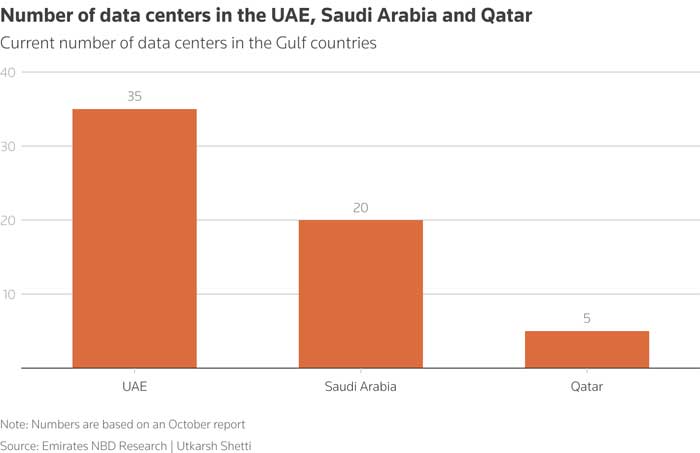
Currently, Qatar has a few data centers compared to its neighbors, with plans to increase capacity considerably. The UAE aims to build a large AI campus, while Qatar would need to reach significant milestones, such as achieving 500 megawatts by 2029, to improve its standing. Compliance with strict U. S. rules on chip usage will also be essential for Qai to obtain advanced processors.

Analysts highlight Qatar as a late entrant in the AI race compared to established players like Saudi Arabia and the UAE. While it has certain advantages, its neighbors are better positioned in terms of scale and volume.

With information from Reuters

Source link

Jeffrey Epstein accomplice Ghislaine Maxwell seeks prison release | Courts News

Maxwell, a former British socialite and Epstein accomplice, says her conviction for trafficking a ‘miscarriage of justice’.

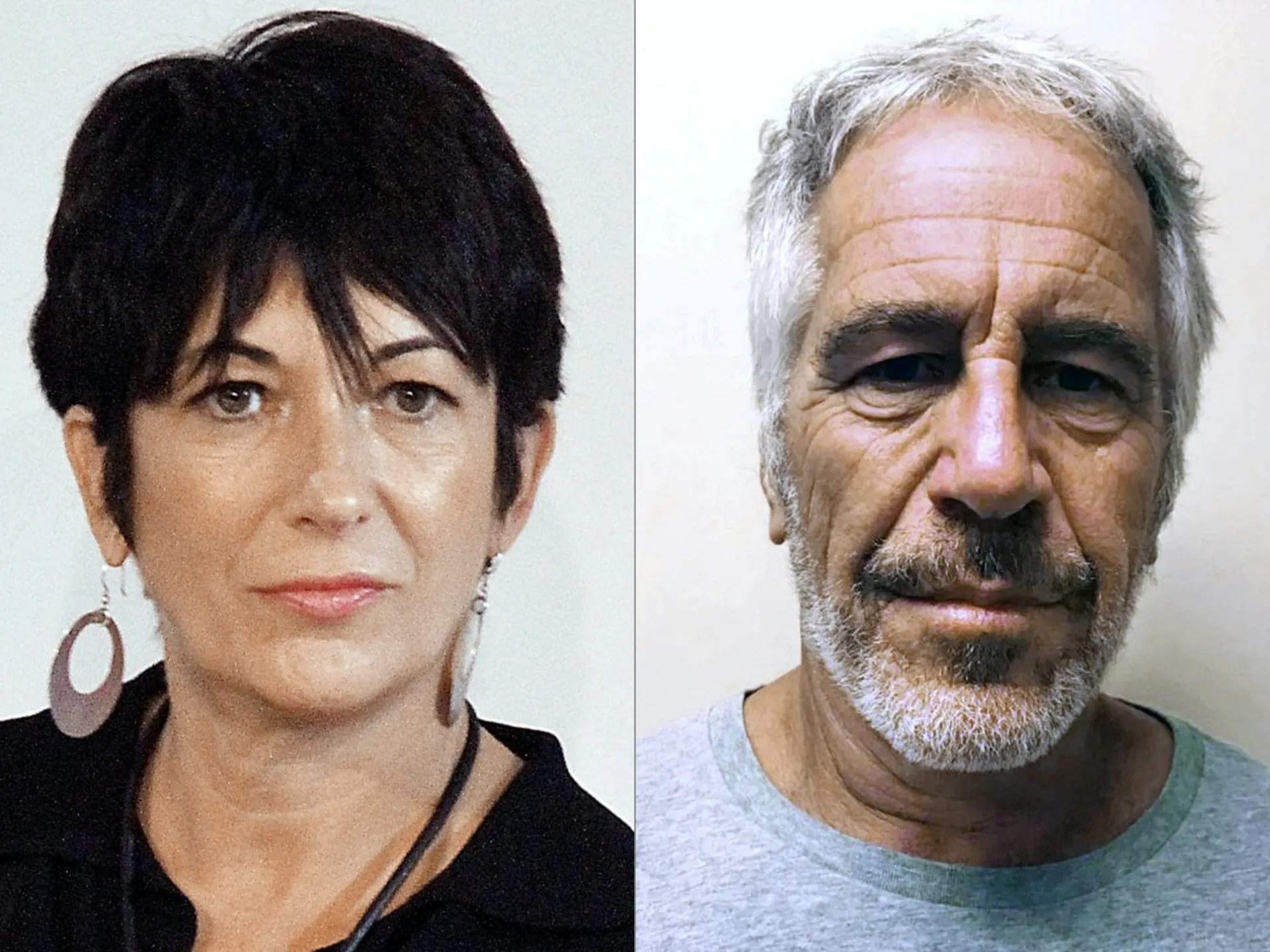
Ghislaine Maxwell, former girlfriend and accomplice of convicted sex offender Jeffrey Epstein, has asked a federal judge in the United States to set aside her sex trafficking conviction and quash her 20-year prison sentence.

Maxwell made the long-shot legal bid in a Manhattan court on Wednesday, saying “substantial new evidence” had emerged proving that constitutional violations spoiled her trial in 2021 for recruiting underage girls for wealthy financier Epstein, who died in 2019.

Recommended Stories

list of 4 itemsend of list

In the lengthy filing, Maxwell, 63, argues that “newly discovered evidence” proves that she “did not receive a fair trial by independent jurors coming to Court with an open mind”.

“If the jury had heard of the new evidence of the collusion between the plaintiff’s lawyers and the Government to conceal evidence and the prosecutorial misconduct they would not have convicted,” Maxwell wrote.

She said the cumulative effect of the constitutional violations resulted in a “complete miscarriage of justice”.

Maxwell submitted the filing herself, not in the name of a lawyer.

Proceedings of the type brought by Maxwell are routinely denied by judges and are often the last-ditch option available to offenders to have their convictions overturned, the AFP news agency reports.

Maxwell’s filing also comes just days before records in her legal case are scheduled to be released publicly as a result of US President Donald Trump’s signing of the Epstein Files Transparency Act.

The law, which Trump signed after months of public and political pressure on his administration, requires the Department of Justice to provide the public with Epstein-related records by December 19.

The circumstances of Epstein’s death and his influential social circle, which spanned the highest reaches of business and politics in the US, have also fuelled conspiracy theories about possible cover-ups and unnamed accomplices

Critics also continue to press President Trump to address his own once-close relationship with Epstein.

The Justice Department has said it plans to release 18 categories of investigative materials gathered in the massive sex trafficking probe, including search warrants, financial records, notes from interviews with victims, and data from electronic devices.

Epstein was arrested in July 2019 on sex trafficking charges but was found dead a month later in his cell at a New York federal jail, and his death was ruled a suicide.

Maxwell, once a well-known British socialite, was arrested a year later and convicted of sex trafficking in December 2021.

In July, she was interviewed by the Justice Department’s second-in-command and soon afterwards moved from a federal prison in Florida to a prison camp in Texas.

Maxwell’s transfer from the Federal Correctional Institution (FCI) Tallahassee – a low-security prison in Florida – to the minimum-security Federal Prison Camp in Bryan, Texas, was carried out without explanation at the time.

Source link

Winter storms worsen Gaza humanitarian crisis as UN says aid still blocked | Israel-Palestine conflict News

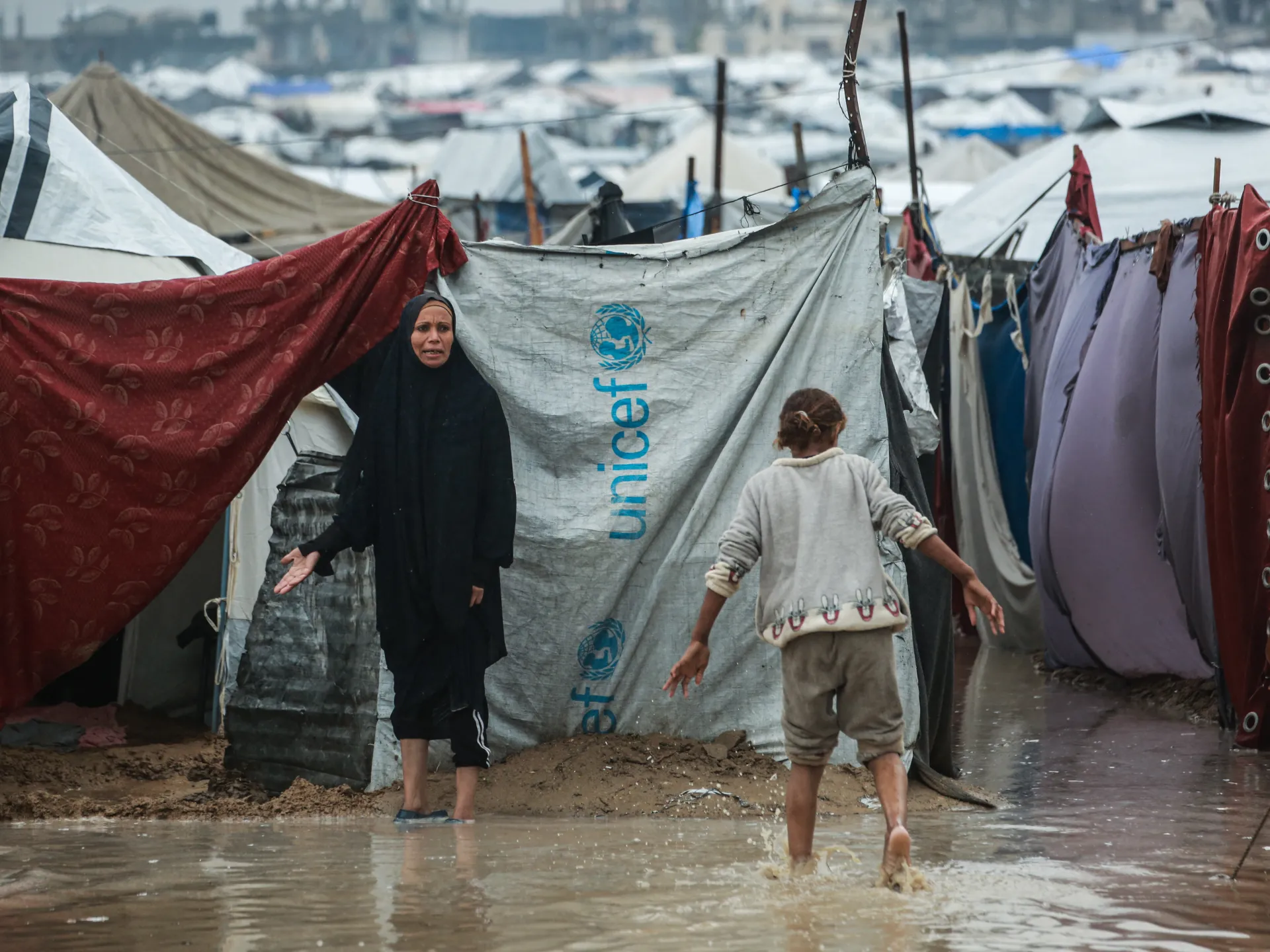
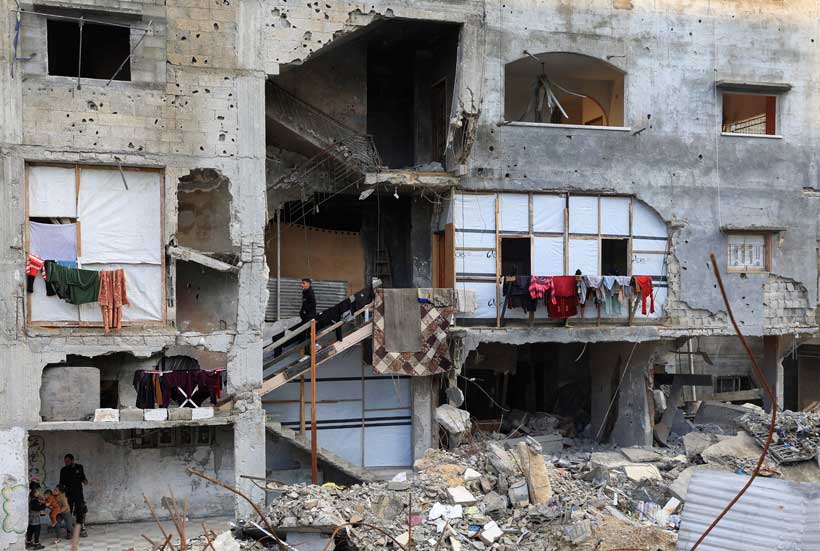
Winter storms are worsening conditions for hundreds of thousands of displaced Palestinians in Gaza, as aid agencies warn that Israeli restrictions are preventing lifesaving shelter assistance from reaching people across the besieged enclave.

The United Nations has said it has tents, blankets and other essential supplies ready to enter Gaza, but that Israeli authorities continue to block or restrict access through border crossings.

Recommended Stories

list of 4 itemsend of list

In Gaza City’s Shati refugee camp, the roof of a war-damaged family home collapsed during the storm, rescue workers said on Wednesday. Six Palestinians, including two children, were pulled alive from the rubble.

It comes after Gaza’s Ministry of Health said a two-week-old Palestinian infant froze to death, highlighting the risks faced by young and elderly people living in inadequate shelters.

A spokesperson for UN Secretary-General Antonio Guterres said the storms had damaged or destroyed shelters and personal belongings across the territory.

“The disruption has affected approximately 30,000 children across Gaza. Urgent repairs are needed to ensure these activities can resume without delay,” Farhan Haq said.

The Palestinian Civil Defence in Gaza added in a statement that “what we are experiencing now in the Gaza Strip is a true humanitarian catastrophe”.

Ceasefire talks and aid access

The worsening humanitarian situation comes as Qatar’s Prime Minister Sheikh Mohammed bin Abdulrahman bin Jassim Al Thani held talks in Washington, DC, with United States Secretary of State Marco Rubio on efforts to stabilise the tenuous ceasefire in Gaza.

According to Qatari officials, the talks focused on Qatar’s role as a mediator, the urgent need for aid to enter Gaza, and moving negotiations towards the second stage of a US-backed plan to end Israel’s genocidal war against the Palestinian people in Gaza.

Al Jazeera’s Alan Fisher, reporting from Washington, said Sheikh Mohammed stressed that humanitarian assistance must be allowed into Gaza “unconditionally”.

“He said aid has to be taken into Gaza unconditionally, clearly making reference to the fact that a number of aid agencies have said that Israel is blocking the access to aid for millions of people in Gaza,” Fisher said.

The Qatari prime minister also discussed the possibility of an international stabilisation force to be deployed in Gaza after the war, saying such a force should act impartially.

“There has been a lot of talk in the US over the past couple of weeks about how this force would work towards the disarmament of Hamas,” Fisher said.

Sheikh Mohammed also called for swift progress towards the second phase of the ceasefire agreement.

“He said that stage two of the ceasefire deal has to be moved to pretty quickly,” Fisher said, adding that US officials were hoping to announce early in the new year which countries would contribute troops to a stabilisation force.

Israeli attacks continue

Meanwhile, violence continued in Gaza despite the ceasefire, with at least 11 Palestinians wounded in Israeli attacks in central Gaza City, according to medical sources.

The Israeli army said it is investigating after a mortar shell fired near Gaza’s so-called yellow line “missed its target”.

Al Jazeera journalists in Gaza reported Israeli artillery shelling east of the southern city of Khan Younis. Medical sources said Israeli gunfire also wounded two people in the Tuffah neighbourhood of eastern Gaza City.

In the occupied West Bank, where Israeli military and settler attacks have escalated in recent days, Palestinian news agency Wafa reported that Israeli troops shot and wounded a man in his 20s in the foot in Qalqilya. He was taken to hospital and is reported to be in stable condition.

Since October 2023, at least 70,668 Palestinians have been killed and 171,152 wounded in Israeli attacks on Gaza, according to Palestinian health authorities. In Israel, 1,139 people were killed during the Hamas-led October 7 attack, and more than 200 others were taken captive.

Source link

Lula threatens to walk away if further delays to EU-Mercosur trade deal | International Trade News

Brazilian president says it is now or never after Italy joins France in saying it is not ready to sign trade deal.

Brazilian President Luiz Inacio Lula da Silva has warned he may abandon a long-awaited trade deal between members of the South American bloc Mercosur and the European Union after key countries sought a delay.

The Brazilian leader issued the threat on Wednesday after Italy joined fellow heavyweight France in saying it was not ready to commit to the pact to create the world’s biggest free-trade area.

Recommended Stories

list of 4 itemsend of list

The EU had expected its 27 member states to approve the deal in time for European Commission President Ursula von der Leyen to fly to Brazil to sign an agreement with the host, along with Mercosur partners Argentina, Paraguay and Uruguay, on Saturday.

“I’ve already warned them: If we don’t do it now, Brazil won’t make any more agreements while I’m president,” Lula told a cabinet meeting.

“We have given in on everything that diplomacy could reasonably concede.”

‘Premature’ to sign: Meloni

The deal, more than two decades in the making, has been keenly backed by economic powerhouse Germany, along with Spain and the Nordic countries, amid rising Chinese competition and recent United States tariffs, which have increased the incentive to diversify trade.

It would allow the EU to export more vehicles, machinery, spirits and wine to Latin America, and more beef, sugar, rice, honey and soya beans to flow in the opposite direction.

France, eager to protect its agriculture industry, had already called for a delay on a vote to approve the deal, and gained the support necessary to potentially block the agreement when Italian Prime Minister Giorgia Meloni said on Wednesday that Rome was also not ready.

“It would be premature to sign the deal in the coming days,” she told parliament, saying that some of the safeguards Italy is seeking on behalf of farmers were yet to be finalised.

She said Italy did not seek to block the deal altogether, and was “very confident” that her government’s concerns would have been addressed to allow it to be signed early next year,

French President Emmanuel Macron told a cabinet meeting on Wednesday that his government would “firmly oppose” any attempts to force through the deal.

Hungary and Poland are also lukewarm on the agreement.

By contrast, German Chancellor Friedrich Merz said Wednesday he would push “intensively” for the bloc to approve the deal by the year’s end, in what he described as a test of the EU’s “ability to act”.

EU reaches agreement on agricultural safeguards

In an effort to allay some of the concerns, the EU struck a provisional deal on Wednesday to set tighter controls on imports of farm products, amid a background of farmer protests against the deal.

It determined the trigger for launching an investigation into such imports if import volumes rose by more than 8 percent per year or prices fell by that amount in one or more EU members.

EU leaders will discuss the matter at a Brussels summit on Thursday, a commission spokesman said.

Source link

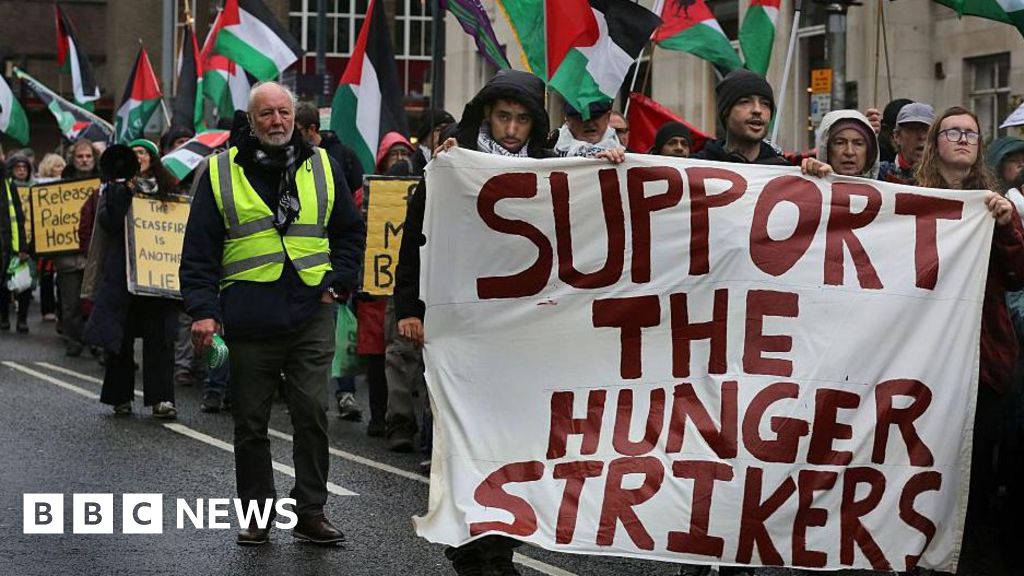
Two protesters awaiting trial end hunger strike

Two remand prisoners waiting to go on trial for alleged offences relating to Palestine Action have ended a hunger strike protest – but five more are said to be continuing to refuse food.

The detainees, in various prisons, have made a series of demands including calling for the ban on Palestine Action to be lifted and for a defence firm with links to Israel to be shut down.

The two longest-protesting detainees have been refusing food for 45 days according to supporters – a claim that has not been disputed by officials.

Three people were arrested following a protest outside HMP Bronzefield in Ashford, Surrey, in support of one of the prisoners.

Speaking at Prime Minister’s Questions on Wednesday, Sir Keir Starmer said “rules and procedures” were being followed in relation to the hunger strike.

Lawyers for the group have repeatedly written to Deputy Prime Minister and Justice Secretary David Lammy asking for a meeting, saying there is a “real and increasingly likely potential” that their clients would die as a result of their protest.

Fifty-one MPs and peers have also written to Lammy asking him to meet the lawyers.

The protests, which began in November, involve people who have all been charged with offences relating to alleged break-ins or criminal damage on behalf of Palestine Action, charges that are denied.

The alleged incidents all occurred before Palestine Action was banned under terrorism legislation – but their trials are not taking place before next year.

Supporters of the detainees confirmed to BBC News on Wednesday that Jon Cink and Umer Khalid had both ended their hunger strike after 41 days and 13 days respectively.

Qesser Zuhrah and Amy Gardiner-Gibson are said to have each been refusing food for 45 days. Heba Muraisi began her protest a day later. Teuta Hoxha is said to have refused for 38 days and Kamran Ahmed 37 days.

An eighth prisoner is described by supporters as intermittently joining the protest but then breaking it because of an underlying health condition.

Some of the group have had periods in hospital but in each case they have been discharged or have self-discharged.

Your Party MP Zarah Sultana has protested outside HMP Bronzefield, demanding urgent medical care for Qesser Zuhrah, who is on remand there.

On Wednesday, an ambulance arrived at the prison and video posted on social media showed scuffles between protesters and police.

Police were called after protesters “attempted to gain entry to restricted areas”, Surrey Police said.

According to police, a member of prison staff was assaulted while officers tried to remove protesters from the building.

A 29-year-old man from Wellingborough, Northamptonshire, was arrested for suspected assault occasioning bodily harm.

“At the point of arresting this man, several people became disruptive towards police and a police officer was assaulted,” Surrey Police added.

“The protesters then blocked the road, delaying our ability to get medical assistance to the injured officer.”

A woman, 28, from Worcester Park, Surrey, was arrested on suspicion of assault causing grievous bodily harm, and a man, 28, from Glasgow, was taken into custody on suspicion of criminal damage to a police vehicle.

A Ministry of Justice (MoJ) spokesperson said: “The escalation of the protest at HMP Bronzefield is completely unacceptable.

“While we support the right to protest, it is deeply concerning that a member of staff has now been injured and protesters are gaining access to staff entrances – putting hard-working staff and security at risk.”

A spokesman for the South East Coast Ambulance Service would not comment on whether the ambulance had transported a protester to hospital.

During Prime Minister’s Questions on Wednesday, former Labour leader Jeremy Corbyn said to Sir Keir that ministers had declined to meet the protesters’ representatives and one of the group had been taken to hospital.

“Many people are very concerned by the regular breaches of prison conditions and prison rules with respect to these hunger strikes,” he said.

“Will he make arrangements for the Ministry of Justice to meet representatives of the hunger strikers to discuss these breaches of the conditions that they’re experiencing at the present time?”

Sir Keir replied: “He will appreciate there are rules and procedures in place in relation to hunger strikes, and we’re following those rules and procedures.”

On Tuesday, justice minister Jake Richards said in answer to an earlier question from Corbyn that he would not be meeting the group’s lawyers and the Ministry of Justice had “robust and proper guidance and procedures” for such scenarios.

“I am satisfied, and the ministry is satisfied, that those procedures are being enacted and we’ll continue to keep it under review.”

An MoJ spokesperson said: “Prisoners’ wellbeing is continually assessed, and appropriate action is taken, including hospital treatment where required.”

They added His Majesty’s Prison and Probation Service had assured ministers that all cases of prisoner food refusal were being managed in accordance with the relevant policy, and with appropriate medical assessment and support – consistent with prisoner rights.

Source link

Army’s New Sentinel A4 Radar’s First Full Deployment Will Be Defending Nation’s Capital

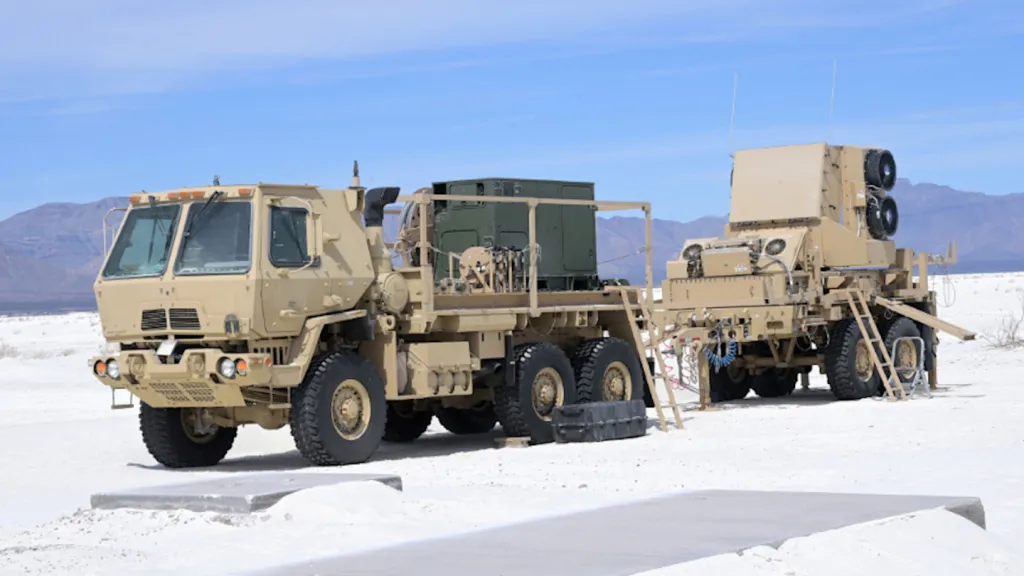
The first full deployment of the U.S. Army’s new Sentinel A4 air defense radar will be in the area around Washington, D.C., also known as the National Capital Region (NCR). The A4 variant offers a significant boost in capability over preceding versions, especially for spotting and tracking lower and/or slower flying targets like cruise missiles and drones.

An Army officer discussed the capabilities of and plans for the road-mobile Sentinel A4, the formal designation of which is AN/MPQ-64A4, with Secretary Pete Hegseth during a show-and-tell at Redstone Arsenal in Huntsville, Alabama, this past weekend. Members of the media were also present. Hegseth conducted several engagements in the Huntsville area during his trip, which was primarily centered on a ceremony marking the designation of the arsenal as the new headquarters for U.S. Space Command (SPACECOM).

A trailer-mounted Sentinel A4 radar, at left, seen behind a 6×6 Family of Medium Tactical Vehicles (FMTV) truck with a generator serving as its prime mover. US Army

“The plan is to be in full-rate production [of the Sentinel A4] at the end of FY 26 [Fiscal Year 2026], sir, and our first fielding will be actually in the National Capital Region,” the Army officer told Hegseth, as can be heard in the video below. “In January, we’re sending a Sentinel A4 to the National Capital Region to start that immigration process earlier, so that when it is fielded late next year, we’re ready to go.”

War Sec. Pete Hegseth Visits The New Site For U.S. Space Command Headquarters In Huntsville, Alabama


The officer noted that the Army already has a Sentinel A4 radar in South Korea, representing an early operational capability. The deployment to the Korean Peninsula has already been providing valuable feedback for the planned full fielding of the sensor in the NCR next year. You can read more about what is known about the air defense network already in place in the NCR, which includes National Advanced Surface-to-Air Missile Systems (NASAMS) and Avenger air defense systems, as well as a wide array of sensors, in previous TWZ reporting. Existing variants of Sentinel are already regularly used in combination with NASAMS and Avenger.

In terms of the Sentinel A4’s capabilities, “what this radar does is provide 360-degree air surveillance, day or night, [in] adverse weather conditions and the most harsh environments, … [to] identify, track and classify cruise missiles, rotary-wing [aircraft], fixed-wing [aircraft], [and] UAS [uncrewed aerial systems],” the officer explained to Hegseth. It also has the ability to spot and track incoming artillery rockets, shells, and mortar rounds.

Sentinel A4: Bringing Next-Gen Radar Capability to the U.S. Army and Allies


The officer said that many of its more specific capabilities are classified. They did say that it offers a 75 percent increase in detection range over the previous AN/MPQ-64A3, and the ability to track many more targets simultaneously. Much of this is a product of the new active electronically scanned array (AESA) found on the Sentinel A4. As a general rule, AESA radars offer improvements in terms of range, fidelity of tracks, resistance to countermeasures, and overall situational awareness compared to mechanically-scanned types. Depending on how the array itself is configured, AESAs can also perform a much wider array of functions at once.

Army personnel seen working on an older version of the MPQ-64 Sentinel radar. US Army

The Sentinel A4 “does have growth potential,” the Army officer highlighted to Secretary Hegseth during the event. “The current array that you see here is 60 percent populated, but we do have the ability to increase how much is in the array, which allows us to meet future threats.”

That the Sentinel A4’s true operational debut is set to be in the NCR is unsurprising, given the extreme importance of defending the skies over and around Washington, D.C. This is already by far the most heavily monitored and densely defended airspace in the United States.

At the same time, the U.S. military, as a whole, has made no secret of its growing concerns about drone and cruise missile threats, which are very much reflected in the new capabilities found on the new A4 variant of Sentinel.

Another look at the Sentinel A4. Lockheed Martin

There has been a particular surge in reported drone incursions over key military facilities and critical non-military infrastructure in the United States in recent years, a trend that is also being observed globally. TWZ has been the first to report on many such incidents. There are questions about the validity of a significant number of these reports, especially given the overlap with claimed sightings of so-called unidentified Aerial Phenomena (UAPs; previously referred to more commonly as unidentified flying objects). Still, the threats posed by drones, including small weaponized commercial types, are very real, and are only set to continue to expand in scale and scope, as TWZ has been calling attention to for years.

Cruise missile threats have also long been top of mind for the U.S. military, including in the context of preparing for potential attacks on the U.S. homeland. The increasing fielding of more capable cruise missiles, such as ones with stealthy features and/or hypersonic speeds, among near-peer competitors like China and Russia, as well as smaller adversaries, has further fueled those concerns.

It’s also worth noting that the NCR has seen a number of false alarm air defense scares over the years. Increased detection capability and general improved situational awareness could help with preventing, though not eliminating, such incidents in the future.

All this being said, the aerial threat ecosystem extends beyond the NCR, and the new capabilities offered by the Sentinel A4 radar will be relevant to Army operations globally. The service has plans to significantly expand its overall air defense force structure in the coming years.

It is possible that plans to send the Sentinel A4s to the NCR, specifically, also presage the deployment of other new air defense capabilities to the area. Sentinel radars are a primary sensor for the Army’s new middle-tier Enduring Shield air defense system, which currently uses the AIM-9X Sidewinder as its interceptor. The service is pushing to acquire a second interceptor option for Enduring Shield, primarily to offer increased capability against faster-flying cruise missiles. Overall, the system is analogous to NASAMS in many ways and would be well-suited to the NCR air defense mission.

One of the palletized launchers at the core of the Enduring Shield system. Leidos

The Army currently has two Enduring Shield platoons, one in South Korea and one at Joint Base Lewis-McChord in Washington State. The service is hoping to have a battalion’s worth of the systems by Fiscal Year 2027.

In general, the Army sees Enduring Shield as particularly important to reducing the immense strain on its highly in-demand Patriot surface-to-air missile systems. The service has said that Enduring Shield and Patriot could even be fielded together in composite units in the future. TWZ has been calling attention to the worrisome inadequacy of the Army’s Patriot force to meet current operational needs, let alone the requirements of any future high-end figure, for years now.

If nothing else, Army air defenders protecting the skies over and around Washington, D.C., are set to get an important boost in their ability to spot and track threats, especially cruise missiles and drones, in the coming year.

Contact the author: joe@twz.com

Joseph has been a member of The War Zone team since early 2017. Prior to that, he was an Associate Editor at War Is Boring, and his byline has appeared in other publications, including Small Arms Review, Small Arms Defense Journal, Reuters, We Are the Mighty, and Task & Purpose.


Source link

Can the Gaza Ceasefire Hold? Stakes, Challenges, and Scenarios

More than two months after a ceasefire between Israel and Hamas ended two years of intense fighting in Gaza, both sides claim the other has violated the agreement, and there is no progress on the more challenging steps that follow.

The ceasefire involves three main documents. The most comprehensive is a 20-point plan by former U. S. President Donald Trump, which proposes that Hamas disarm and cease its governing role in Gaza, accompanied by an Israeli withdrawal. Although a more limited agreement was made on October 9, it mainly focused on hostages, a halt to hostilities, partial Israeli withdrawal, and a boost in aid. This agreement was supported by a United Nations Security Council resolution that aimed to set up a transitional governing body and an international force in Gaza.

The results of the ceasefire have seen all surviving hostages returned and hundreds of Palestinian prisoners released. However, the return of deceased hostages has been slow. Aid distribution has become contentious, with Hamas claiming that fewer aid trucks are entering Gaza than promised. Aid organizations report a significant shortfall in necessary supplies, while Israel asserts it is fulfilling its commitments under the truce. The Rafah border crossing with Egypt remains closed, with Israel stating it will only open it once the last hostage’s body is returned. The living conditions in Gaza are dire, with many residents constructing makeshift shelters from debris, and a large number of children suffering from malnutrition, worsened by floods affecting temporary shelters and sanitation.

Some violence persists, as Palestinian militants have attacked Israeli forces, resulting in casualties on both sides. A proposed international stabilisation force intended to maintain order in Gaza is still undefined, with disagreements over its composition and tasks. Plans for a Palestinian governing body, independent of Hamas, have also not been clarified. The Palestinian Authority, which governs parts of the West Bank, is expected to implement reforms before taking a role in Gaza, but no details have been shared.

The possibility of lasting peace remains uncertain. Israel suggests military action may resume if Hamas does not disarm, yet a return to full-scale war does not seem imminent. Both Israelis and Palestinians are skeptical about the long-term success of the Trump plan and fear it may lead to a continued, unresolved conflict. Many Israelis are concerned about the potential for Hamas to rearm, while Palestinians worry about ongoing Israeli control and lack of resources for rebuilding Gaza.

Trust between Israelis and Palestinians is at a low point, with the two-state solution, considered vital for lasting peace, appearing increasingly distant. Despite international support for Palestinian statehood, Israeli leadership continues to reject this notion, raising doubts about future negotiations and outcomes.

With information from Reuters

Source link

US Senate passes $901bn defence bill | Military News

Legislation reflects Democrats’ efforts to seek tighter oversight of Trump administration’s military action.

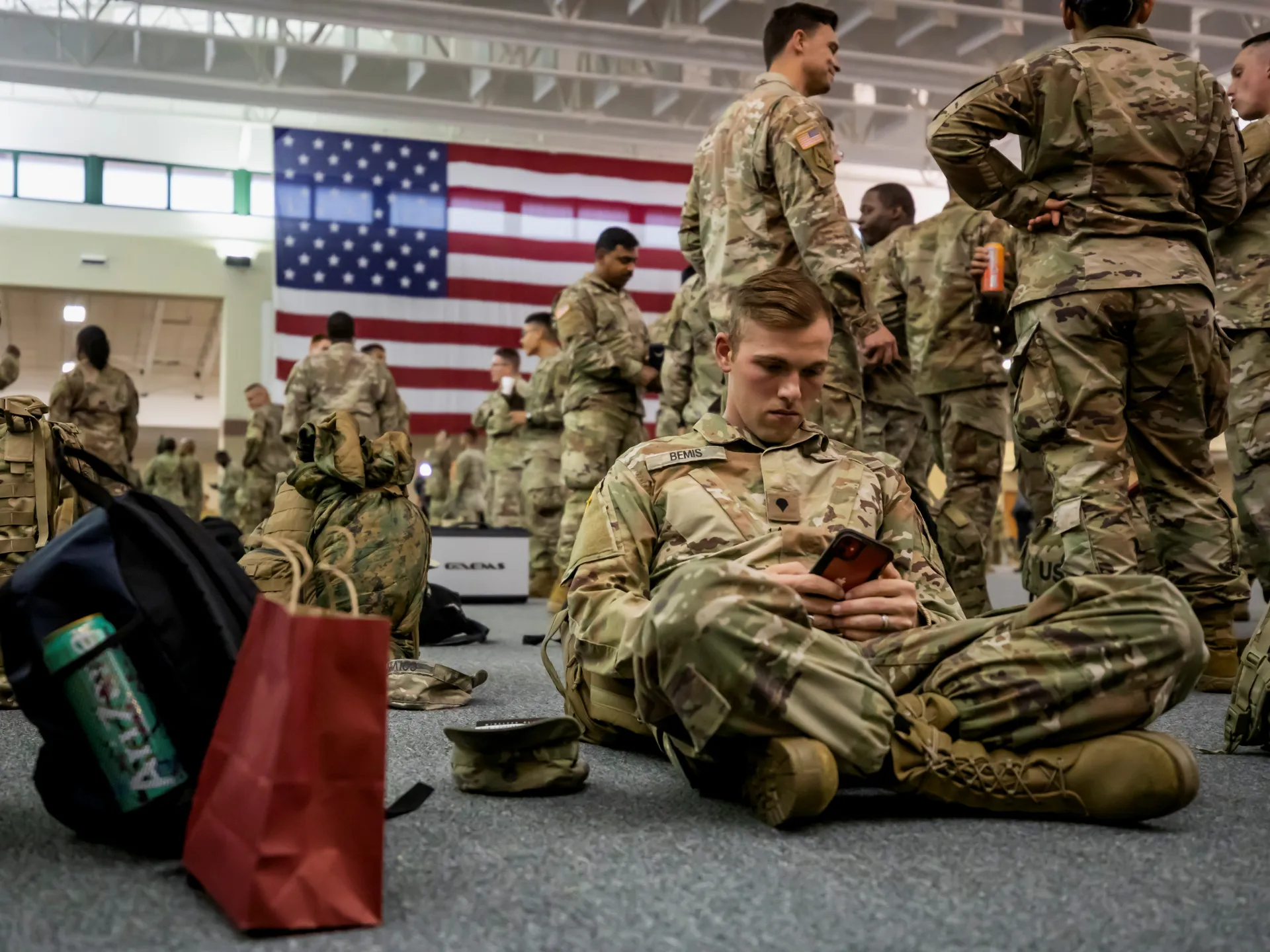
The United States Senate has passed a $901bn bill setting defence policy and spending for the 2026 fiscal year, combining priorities backed by President Donald Trump’s administration with provisions designed to preserve congressional oversight of US military power.

The National Defense Authorisation Act (NDAA) was approved in a 77-20 vote on Wednesday with senators adopting legislation passed by the House of Representatives last month. It now goes to Trump for his signature.

Recommended Stories

list of 4 itemsend of list

Several provisions in the bill reflect efforts by Democratic lawmakers, supported by some Republicans, to constrain how quickly the Trump administration may scale back US military commitments in Europe.

The bill requires the Pentagon to maintain at least 76,000 US soldiers in Europe unless NATO allies are consulted and the administration determines that a reduction would be in the US national interest. The US typically stations 80,000 to 100,000 soldiers across the continent. A similar measure prevents reductions in US troop levels in South Korea below 28,500 soldiers.

Congress also reinforced its backing for Ukraine, authorising $800m under the Ukraine Security Assistance Initiative with $400m allocated for each of the next two years. A further $400m per year was approved to manufacture weapons for Ukraine, signalling continued congressional support for Kyiv and cementing Washington’s commitment to Europe’s defence.

Asia Pacific focus, congressional oversight

The bill also reflects priorities aligned with the Trump administration’s national security strategy, which places the Asia Pacific at the centre of US foreign policy and describes the region as a key economic and geopolitical battleground.

In line with that approach, the NDAA provides $1bn for the Taiwan Security Cooperation Initiative, aimed at strengthening defence cooperation as the US seeks to counter China’s growing military influence.

The legislation authorises $600m in security assistance for Israel, including funding for joint missile defence programmes, such as the Iron Dome, a measure that has long drawn broad bipartisan support in Congress.

The NDAA increases reporting requirements on US military activity, an area in which Democrats in particular have sought greater oversight.

It directs the Department of Defense to provide Congress with additional information on strikes targeting suspected smuggling and trafficking operations in the Caribbean and the eastern Pacific, adding pressure on Defense Secretary Pete Hegseth to provide lawmakers with video footage of US strikes on alleged drug-smuggling boats operating in international waters near Venezuela.

Lawmakers moved to strengthen oversight after a September strike killed two people who had survived an earlier attack on their boat.

Some Democratic lawmakers said they were not briefed in advance on elements of the campaign, prompting calls for clearer reporting requirements.

Sanctions and America First

The legislation repeals the 2003 authorisation for the US invasion of Iraq and the 1991 authorisation for the Gulf War. Supporters from both parties said the repeals reduce the risk of future military action being undertaken without explicit congressional approval.

The bill also permanently lifts US sanctions on Syria imposed during the regime of President Bashar al-Assad after the Trump administration’s earlier decision to temporarily ease restrictions. Supporters argue the move will support Syria’s reconstruction after al-Assad’s removal from power a year ago.

Other provisions align more closely with priorities advanced by Trump and Republican lawmakers under the administration’s America First agenda.

The NDAA eliminates diversity, equity and inclusion offices and training programmes within the Department of Defense, including the role of chief diversity officer. The House Armed Services Committee claims the changes would save about $40m.

The bill also cuts $1.6bn from Pentagon programmes related to climate change. While the US military has previously identified climate-related risks as a factor affecting bases and operations, the Trump administration and Republican leaders have said defence spending should prioritise immediate military capabilities.

Source link

Analysis: Yemen’s future after the separatist STC’s expansion eastwards | Conflict News

Yemen’s separatist Southern Transitional Council (STC) is trying to create facts on the ground with its recent advances in the country’s eastern governorates of Hadramout and al-Mahra.

Its military push this month highlights that Yemen’s conflict – ongoing for more than a decade – cannot be reduced to one simply between the internationally recognised government and the Houthis. Instead, an overlapping map of influence is evident on the ground with de facto authorities competing over security, resources and representation.

Recommended Stories

list of 3 itemsend of list

At the heart of these changes is the STC, backed by a regional power, which now stands as the most powerful actor in Yemen’s south and parts of its east at a time when the government’s ability to impose unified administration over the whole country is distant and the economy is suffering.

In this context comes what the Yemeni government has said is the International Monetary Fund’s (IMF’s) decision to suspend activities in the country. While the IMF has not publicly commented on the topic, President Rashad al-Alimi, the head of Yemen’s Presidential Leadership Council, warned on Sunday that the decision was a “wake-up call” and an early signal of the cost of the STC’s security and military escalation in Hadramout and al-Mahra.

Al-Alimi stressed that Yemen’s economic circumstances – the country is the poorest in the region and has suffered immensely during the war – cannot withstand any new tensions. He added that the security instability in eastern Yemen would immediately affect the distribution of salaries, fuel and services and international donor confidence.

The solution, according to al-Alimi, is for the withdrawal of forces who have arrived in Hadramout and al-Mahra from outside the two governorates, calling it a necessary step to contain tensions and restore a path of trust with the international community.

But that economic warning cannot be understood in isolation from the shift in power in eastern Yemen, where competition for influence has become a direct factor in generating tension that leaves donors wary.

A new balance of power

The STC is clear that its goal is ultimately the secession of the territories in Yemen – its south and east – that formerly made up the country of South Yemen before unification in 1990.

It is opposed to the Houthis, who control Yemen’s capital, Sanaa, and much of Yemen’s populous northwest, and the STC’s leader, Aidarous al-Zubaidi, has a seat on the government’s Presidential Leadership Council, officially as one of its vice chairmen.

The STC and government forces have previously fought, most notably in 2018 and 2019, in Aden and its surrounding governorates.

Its current expansion eastwards, focused on government forces and those affiliated with them, is part of that ongoing division in the anti-Houthi camp but one that redraws the balance of power within it, turning resource-rich Hadramout and al-Mahra into a multiparty arena of competition.

There are three concurrent trends that are emerging as a result: the expansion of STC forces with regional support, a desire by local and tribal forces – independent of the STC – to solidify their presence and the clearly limited tools the government has to confront its rivals.

The result is the further fragmentation of the state on three interconnected levels.

Politically, there is fragmentation within the same anti-Houthi camp with multiple decision-making centres. The government and regional actors are finding it more difficult to unify security and administrative policies, and the idea of a single “chain of command” controlling territory under anti-Houthi control has been eroded.

Geographically, new lines of contact have now been formed. Whereas lines of control were previously between the Houthis and government forces, they are now between Houthi and STC forces as well as grey areas contested by local and tribal forces and multiple military groups.

And then there is fragmentation on the representative level with mounting disputes over who actually speaks for the south and Hadramout and the practical decline of the concept of a single state as a sovereign framework for managing resources and institutions.

In Hadramout and al-Mahra, the fragmentation is particularly sensitive as both governorates include important border crossings with Saudi Arabia and Oman and also have a long coastline with routes tied to trade, smuggling and irregular migration.

Any imbalance here does not remain local; it quickly spills over into the region.

Economy hostage to security

The IMF’s suspension of activities carries not only financial implications but also a political reading that the security and institutional environments no longer provide sufficient conditions for sustaining support programmes.

The Yemeni state relies heavily on its own limited resources and fragile external support, so any disruption in resource areas, ports or supply routes translates into immediate pressure on livelihoods.

The latest military developments increase pressure on the exchange rate and the government’s ability to meet its financial obligations and widen the trust gap between society and the state, prompting non-institutional alternatives based on levies and loyalties.

And it will shrink the room for the government to manoeuvre, meaning the government has to take into account the cost of any escalation because any military move increases an economic bill that it cannot pay and drains what remains of the government’s ability to manage services.

Now that the impression has taken root that Yemen has turned into “islands of influence”, some external actors may be inclined to deal directly with de facto local authorities at the expense of the government, weakening the political centre rather than helping it to strengthen.

That is why the latest developments are so important if not existential to the government and al-Alimi. His call for the withdrawal of outside forces from Hadramout and al-Mahra is part of an attempt to stop the deterioration of trust in Yemen and to present the government once again as capable of controlling the other parties in the anti-Houthi camp if reasonable political and economic conditions are provided.

Houthis gain while rivals stay divided

The Houthis, who overthrew the government in Sanaa in a coup in 2014, have benefitted from the developments in Hadramout and al-Mahra even without being directly involved.

Every struggle for influence in areas outside the group’s control gives it clear gains, including the disintegration of the front opposing it and its rivals being preoccupied by internal conflicts rather than by the Houthis themselves.

In the anti-Houthi camp, the notion of a united front recedes every time a military confrontation between its components takes place, and the discussion shifts from confronting the Houthis to disputes over power and resources within the same camp.

The divisions within the anti-Houthi camp and the regional dimension to them also allow the Houthis to reinforce their narrative that their rivals are working within competing foreign agendas, as opposed to the Houthis, who portray themselves as independent actors able to carry out their own decisions.

Moreover, the recent conflict and its consequences ultimately improve the Houthis’ negotiating position now that the other side is even more fragmented and weak. The Houthis will enter any upcoming settlement from a more cohesive organisational and administrative position, raising the ceiling of their conditions.

The Houthis may have their own economic and social tensions, but divisions among their enemies give them extra time to sustain the war economy and their instruments of control over it and over the people they rule.

Rising risks, domestic and regional

The current course of events in Yemen elevates a number of overlapping risks.

Domestically, there is the possibility of front lines turning into actual borders between adjacent entities, the expansion of security vacuums and declining prospects for producing a unifying social contract.

Regionally, there could be an expansion of the areas considered lawless along the borders with Saudi Arabia and Oman, increasing the risks of smuggling and leading to higher costs for managing border security.

Internationally, the growing need for global powers to communicate with multiple parties in Yemen prolongs the crisis and increases the chances that the conflict is internationalised through competition over ports, resources and shipping routes.

However, the picture painted does not mean there will be a decisive victory for any side and instead makes a mosaic of authorities, all needing external sponsorship, more likely. Inevitably, that will weaken the prospect of establishing a stable state.

A way out?

Lowering tensions by making partial deals on redeployments of forces is not enough. Instead, the path forward needs a broader approach based on three interlinked pillars.

First, the national project needs to be redefined by drafting a vision of the state that guarantees fair partnership for all the regions of Yemen within a viable federal framework and redefines the political centre as a guarantor of rights and services.

Second, security must be based on a model of local forces under a national umbrella. In Hadramout and al-Mahra, this should be done by building professional local forces within a clear national and legal framework with practical arrangements for withdrawing outside forces and ensuring that security decision-making in state institutions is uniform.

Third, an economic deal is necessary to restore trust by concluding a transparent agreement on managing resources in the governorates that produce them, the fair distribution of revenues and the linking of international support to an implementable reform plan with a clear commitment to protecting sovereign facilities under central management.

In the absence of these steps, Yemen will continue towards a gradual model of disintegration from the peripheries in which the most cohesive armed entities advance and contested margins expand.

If that continues, the economy will be the first victim of fragmentation, making conditions even more difficult for millions of Yemenis.

And the governance crisis will eventually turn into a prolonged stability crisis, the repercussions of which will be difficult to contain locally and perhaps even regionally.

Saeed Thabit is the Al Jazeera Media Network’s bureau chief for Yemen

Source link

England’s resident doctors begin five-day strike | Health News

The British Medical Association is calling for improved pay and an increase in available jobs for qualified doctors.

Resident doctors in England have begun a five-day strike in a long-running dispute over pay and working conditions.

Prime Minister Keir Starmer addressed the strike during Prime Minister’s Questions in parliament on Wednesday, describing the walkout as “dangerous and utterly irresponsible”.

Recommended Stories

list of 4 itemsend of list

“My message to resident doctors is: don’t abandon patients,” Starmer said. He urged them to “work with us to improve conditions and rebuild the NHS”.

The prime minister also blamed the previous Conservative government for leaving the National Health Service “absolutely on its knees”.

The doctors, formerly known as junior doctors and accounting for nearly half of England’s medical workforce, walked out at 07:00 GMT on Wednesday. The strike is due to continue until 07:00 GMT on Monday.

The strike follows an online ballot organised by the British Medical Association (BMA), the union representing resident doctors. About 30,000 members voted to reject the government’s proposal, triggering the industrial action.

Jack Fletcher, a BMA representative, said the dispute centred on two main issues: pay and a lack of jobs for qualified doctors.

“There is a jobs crisis, where doctors are trained but unable to secure roles, and there is a pay crisis,” Fletcher said while standing on a picket line outside St Thomas’ Hospital in London.

“We must value our doctors in this country,” he added. “Last year, more doctors left the profession than at any point in the past decade.”

The strike comes as the NHS faces increased pressure, with flu-related hospitalisations in England rising by more than 50 percent in early December. Health authorities across Europe have also warned of an unusually early and severe flu season.

NHS England said fewer doctors than usual would be on duty during the strike period, with staff required to prioritise life-saving care.

The BMA is calling for what it describes as a “genuinely long-term plan” to address pay, after years of below-inflation rises. It is also demanding the creation of new training posts, rather than what it says are recycled positions, to allow doctors to specialise and progress.

The government’s most recent offer, made last week, did not include new pay terms. Shortly after taking office, Health Secretary Wes Streeting agreed to a deal offering a 22 percent pay rise, below the 29 percent sought by the union.

Doctors are seeking “full pay restoration”, calling for salaries to return to their 2008 and 2009 levels in real terms after years of erosion by inflation.

Source link

True origin of ‘first black Briton’ revealed

Graham Huntley A woman. She has black curly hair and brown eyes. Graham Huntley

Mystery has surrounded where the ancient skeleton is from

Scientists have shed light on the true origins of the so-called “first black Briton”.

The skeletal remains – dating from Roman times – were previously thought to belong to a woman from the sub-Saharan region.

This had led her to be dubbed “one of the earliest Africans in Britain”.

But scientists have now said they cannot find DNA evidence that indicates she had recent ancestry from Africa.

They detailed in a paper published online on Wednesday that she actually had a strong genetic similarity to individuals from rural Britain.

She likely had blue eyes, between pale and dark skin and light hair, scientists added.

A craniofacial reconstruction of the ancient skeleton had previously depicted her as having curly black hair, brown eyes and dark skin.

‘Beachy Head Lady’

The skeleton was first uncovered in 2012 in a box in the basement of Eastbourne Town Hall in East Sussex.

The only information on the remains was a label saying ‘Beachy Head (1959)’ – gaining her the moniker the “Beachy Head Lady” after the beauty spot.

Multiple attempts to establish her geographical origins and ancestry were made afterwards.

Face Lab/Liverpool John Moores University A woman with blonde hair, white skin and blue eyes. Face Lab/Liverpool John Moores University

A computer-generated image of how the “Beachy Head Lady” may have looked

The initial assessment that suggested she was of recent sub-Saharan origin was originally based on analysis of her skull in 2013, scientists said.

“The discovery of the ‘first black Briton known to us’ gained traction across several media outlets, non-fiction books, educational resources and academic publications,” they wrote in the paper.

However, this interpretation began to shift, scientists added.

Other scientists later suggested the Beachy Head Lady may have grown up around Eastbourne, but been born in Cyprus.

“Whilst these preliminary results were not published in a scientific journal, they were subsequently reported in the media,” the paper’s authors said.

Graham Huntley A skull. Graham Huntley

Radiocarbon dating suggests her Skeleton is from between 129 and 311 AD

Scientists’ latest discovery is based on “high quality” DNA data made possible by recent advances in science and technology.

The skeleton is radiocarbon dated to between 129 and 311 AD.

The Beachy Head Lady is believed to have been aged between 18 and 25 when she died and was an estimated 5ft (1.52m) tall.

The scientists have said they cannot determine her cause of death.

They cited evidence that fish had been a greater component of her diet, consistent with living on the coast.

The paper – titled ‘Beachy Head Woman: clarifying her origins using a multiproxy anthropological and biomolecular approach‘ – was published in the Journal of Archaeological Science.

It was authored by a team from the Natural History Museum, University College London, Heritage Eastbourne, University of Reading and Liverpool John Moores University.

Source link

HumAngle Unveils Radical Anti-Burnout Policy, Adopts Nine-Month Work Year

HumAngle, the newsroom known for its in-depth coverage of conflict, displacement, and insecurity across West Africa, has announced a major overhaul of how our journalists work and rest.

From January 2026, an Anti-Burnout Work Policy that restructures the work year into nine active months and three mandatory rest months will be introduced, while maintaining a full 12-month salary for our journalists.

The move, an attempt at reimagining what sustainable journalism looks like, is designed to protect mental health, reduce burnout, and sustain the quality of reporting from some of the region’s most difficult environments.

Under the new system, editorial staff will work in three cycles each year:

  • Work: January–March 
  • Rest: April
  • Work: May–July 
  • Rest: August
  • Work: September–November 
  • Rest: December

Traditional annual leave will be embedded into these rest periods, which are intended to serve as structured breaks for recovery, reflection, and creative renewal. The in-house workweek for journalists will also be shortened to three days — Monday to Wednesday.

Support teams and staff of the advocacy arm, HumAngle Foundation, will have a different, flexible structure: they will be required to work two in-office days per week, with the remaining days remote, and will receive 28 days of paid annual leave. Accountability and performance expectations will remain in place, but alongside a clearer recognition of human limits.

Why rest is now part of the job

HumAngle’s reporters routinely work in and around conflict zones, camps for displaced people, and communities living with violence and trauma. This kind of journalism demands not just technical skill but emotional stamina and deep empathy, and the costs are often borne silently. We have a dedicated clinical psychologist who supports staff well-being and manages secondary trauma that results from our regular interaction with violence and victims of violence.

HumAngle sees burnout not simply as personal exhaustion, but as a direct threat to credible journalism, storytelling, creativity, and accuracy. Building rest into the structure of work itself is a step towards treating mental health as a core requirement for excellence, not an afterthought. Well-rested journalists are better able to think clearly, write powerfully, and engage more sensitively with vulnerable sources and communities.

The policy aims to ensure continuity in coverage while allowing staff to step back regularly, process the emotional weight of their work, and return with renewed focus.

A cultural shift in African newsroom practice

Care, structure, and humanity, especially in newsrooms that routinely deal with violence, loss, and injustice, are critical for the sustainability of newsrooms. By aligning productivity with well-being, HumAngle hopes to model an alternative to the long-standing culture of overwork that exists in many media spaces.

The policy is a commitment to our people and our mission: to demonstrate that rest and excellence can reinforce each other, and that protecting journalists’ minds is part of preserving the integrity of the stories they tell.

HumAngle has introduced a revolutionary Anti-Burnout Work Policy starting January 2026 to protect journalists from burnout while ensuring sustained quality in journalism. This policy divides the work year into nine active months and three mandatory rest months while maintaining a full 12-month salary. Journalists will work in three-month cycles followed by a month-long rest, with a shortened three-day workweek, enhancing recovery and creative renewal.

The policy acknowledges the strenuous nature of reporting in conflict zones, promoting mental health as essential for journalism excellence. HumAngle’s inclusion of structured rest in work routines aims to prevent burnout, which they view as a threat to storytelling and credibility. The organization is pioneering this cultural shift in African newsroom practices, aligning productivity with well-being, demonstrating that rest complements excellence. This approach aims to support journalists’ mental health and uphold the integrity of their impactful reporting.

Source link

Aftermath Of Ukraine’s Underwater Drone Attack On Russian Submarine Seen In Satellite Imagery

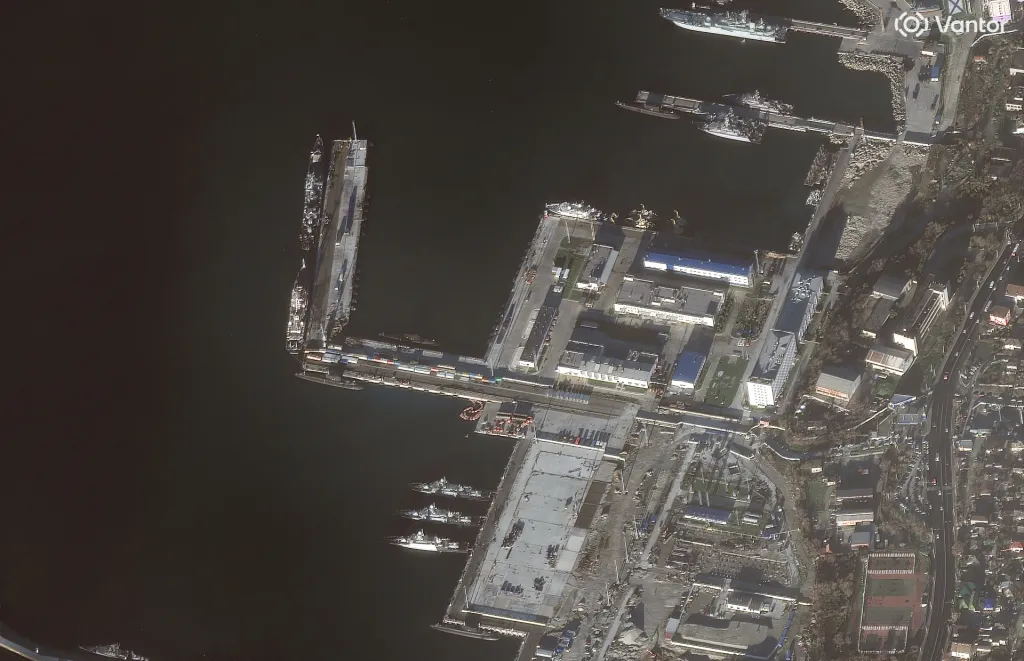
Satellite imagery is now available showing the aftermath of a Ukrainian attack yesterday on a Russian Navy Improved Kilo class diesel-electric submarine in the Black Sea naval stronghold of Novorossiysk. The Security Service of Ukraine (SBU) claimed that this was the first attack against a Russian vessel using an uncrewed underwater vehicle (UUV). The operation could also mark the historic first successful use of a UUV as an anti-ship weapon, but the actual level of damage inflicted on the submarine remains unclear. Readers can first get up to date on the attack in our initial reporting here.

TWZ obtained satellite images of where the attack occurred in Novorossiysk from Vantor (formerly Maxar Technologies). Additional imagery from Planet Labs has also been circulating online.

The satellite imagery confirms that the UUV — named by the SBU as a Sub Sea Baby, a previously unknown type — detonated off the stern of the submarine, which was at a pier in the port of Novorossiysk. A substantial chunk of the pier itself was destroyed in the attack. This all aligns with video footage shot during the attack from a position on the ground nearby, which the SBU released yesterday.

Satellite image from after the attack, with an overview of the targeted submarine, within the harbor, and another submarine moored outside of it. Other ships are also moored nearby. Satellite image ©2025 Vantor

The post-strike imagery shows that the Improved Kilo class submarine, also known as a Project 636.3 Varshavyanka class type, is in the same position as it was before the attack. Two other submarines that were moored nearby when the attack occured have moved. Other submarines and ships are still in the moorings, including on the outside edge of the damaged pier.

Some of the imagery available now suggests that the submarine that was attacked may now be sitting lower in the water, but that can’t be readily confirmed. Any damage below the waterline would also not be visible in the images. At the same time, there are also no clear signs of any emergency measures having been taken to keep it afloat, or to contain the leakage of oil or other potentially hazardous fluids, as one might expect to see if the damage was severe.

A closer view of the submarine targeted in the SBU’s attack and the surrounding areas, with the damage to the pier also clearly visible. Satellite image ©2025 Vantor
The same area seen before the attack, in an image from December 11, 2025. Satellite image ©2025 Vantor

Based on the estimated length of what is visible of the submarine, some observers have noted that the epicenter of the explosion looks to have been less than 65 feet from the stern. The size and configuration of the Sub Sea Baby’s warhead, as well as other details about the UUV and its capabilities, remain scant.

Satellite imagery shows the aftermath of a strike by a Sea Baby underwater drone against a submarine pier in the port of Novorossiysk.

According to the image, the strike occurred approximately 20 meters from the stern of a Project 636 Varshavyanka-class submarine, which remains… https://t.co/SVecegvkeD pic.twitter.com/fxOicR5AAW

— OSINTWarfare (@OSINTWarfare) December 16, 2025

To note, the stern section of Kilo-class submarine remains submerged so presumably it was even closer than 20 meters.

Highly probable that at least the propelled end got affected in a kinetic way.

(satellite imagery I’ve used is not recent and used for illustration purposes… https://t.co/fwO0UldAZs pic.twitter.com/qxNHs2AEQf

— Status-6 (Military & Conflict News) (@Archer83Able) December 16, 2025

It’s also worth noting that wider views of the port of Novorossiysk following the attack show four Project 636 submarines still present. There is nothing definitive to indicate that the targeted boat might have been replaced by another to conceal the extent of the damage.

Satellite reveals that four Kilo-class submarines are docked at the Novorossisk port in Russia. One of them appears to have a slightly different waterline compared to the other three. Ukraine claimed that its underwater UV launched an attack on the area via Mizarvision #OSINT pic.twitter.com/k1DLtOcloL

— GEOINT (@lobsterlarryliu) December 16, 2025

For its part, the Russian Ministry of Defense had unsurprisingly denied that any damage was inflicted on the submarine or to any personnel at the port. The ministry has released a video that it claims shows the undamaged boat, but does not offer a view of the stern end. The background is also heavily censored. Even so, it does still reveal what looks like piles of broken concrete debris left on the pier after the explosion, which was clearly visible in the SBU’s video of the attack, as well as in the satellite imagery available now.

The press service of the Russian Black Sea Fleet, which operates the submarine, also denies any damage to its vessels. This is also consistent with reports from various Russian naval monitoring channels on social media, but clear corroborating evidence has yet to emerge.

Overall, at this stage, we still cannot say with any authority what degree of damage, if any, the submarine may have actually sustained.

On the other hand, the attack does show Ukraine was at least able to slip a UUV into a heavily defended harbor, in daylight, and detonate its warhead only a few dozen or so feet away from a prized Russian submarine worth, according to the SBU, around $400 million.

At least one Ukrainian UUV was therefore notably able to penetrate past barriers erected at the mouth of the port, intended specifically to protect the vessels within. It’s worth noting, however, that the defensive barriers Russia has already built around ports were primarily put there in response to Ukraine’s uncrewed surface vessel (USV) campaign. This underscores the significance of the use of a UUV in this attack, as another example of the steady adaptation of weapons systems and tactics in response to countermeasures that has become a particular hallmark of the conflict in Ukraine.

Barriers at the entrance to the Novorossiysk naval base, seen after the attack. Satellite image ©2025 Vantor
The same area, seen before the attack, on December 11, 2025. Satellite image ©2025 Vantor

With that in mind, Russia is likely to introduce new countermeasures against this particular mode of attack, one which Ukraine has spent some time developing.

The results of yesterday’s attack, while inconclusive for now, will likely spur further such developments in Ukraine, as well. Before SBU targeted the submarine in Novorossiysk, Ukraine had unveiled a UUV dubbed Marichka, designed to launch kamikaze attacks against ships and maritime infrastructure. At least one other Ukrainian UUV, known as Toloka, has previously been disclosed. It’s unclear if either of these has any relationship to the Sub Sea Baby.

Video of the Toloka UUV:

Автономний підводний дрон TOLOKA


Furthermore, the attack confirms that the Black Sea Fleet is very much still a prime target for Ukraine. This applies especially to the submarines like the Project 636 types and corvettes that are able to launch Kalibr long-range cruise missiles. These weapons have been regularly used in Russia’s nightly barrages launched against targets across Ukraine.

Already, Ukrainian naval actions had forced the Black Sea Fleet to retreat from bases on the occupied Crimean Peninsula to Novorossiysk. Attacks in Crimea were also prosecuted against another Improved Kilo class submarine. In September 2023, the Rostov-on-Don was severely damaged during a combined missile and USV attack on Sevastopol. Ukraine later claimed it was destroyed.

Photo showing damage to the Improved Kilo class submarine at Sevastopol, apparently first published by the Conflict Intelligence Team. CIT via X

At the start of Russia’s full-scale invasion of Ukraine, the Black Sea Fleet had a total of six Project 636 submarines available.

Other navies around the world will likely have watched yesterday’s attack with interest.

As well as the United StatesChina and many other nations are developing their own UUVs for missions like this one.

UUVs are able to attack vessels and other targets at long distances and can be launched from submarines and motherships, further extending their range. They can also be used for surveillance and mine laying, among other duties. You can read more about these vessels in various TWZ stories here.

Ultimately, whether or not the Russian submarine was damaged, the attack has demonstrated once again that the war in Ukraine is a crucible for the development of new military technologies, especially uncrewed ones.

Contact the author: thomas@thewarzone.com

Thomas is a defense writer and editor with over 20 years of experience covering military aerospace topics and conflicts. He’s written a number of books, edited many more, and has contributed to many of the world’s leading aviation publications. Before joining The War Zone in 2020, he was the editor of AirForces Monthly.


Joseph has been a member of The War Zone team since early 2017. Prior to that, he was an Associate Editor at War Is Boring, and his byline has appeared in other publications, including Small Arms Review, Small Arms Defense Journal, Reuters, We Are the Mighty, and Task & Purpose.


Source link

Exploring Technology, Mind, and Health with Global Academy

The Technology Mind Health half-day summit, hosted by the Global Academy for Future Governance (GAFG) and its partners, brought together interdisciplinary leaders, researchers, and thinkers to explore the intersection of digital technologies and human psychological well-being. Reflecting the Academy’s foundational mission to enhance the development of governments, businesses, academia, civil society, and consumers through ethical and human-centered deployment of technology, the event underscored that technological progress, when governed thoughtfully, can strengthen individual and collective mental health rather than undermine it.

What made this event truly unparalleled on a global scale was its extraordinary diversity, uniting every geography and every generation under the Global Academy’s platform. No other gathering brings together both the developing and the developed world in such a format—not only in its audience but also among its speakers.

The summit indeed offered a genuinely equal platform across continents and age groups: from seasoned experts and leading professionals to the youngest participant, just 11 years old. All stood side by side, engaged in a shared mission to confront one of the most urgent issues of our time, the relationship between technology, mind, and health, and to collectively explore the challenges and chart future pathways.

Or, as the Development-8 Secretary-General, Isiaka A. Imam, urged previously, the emerging digital world must be co-written by all nations, not inherited by a few. These are words that were further detailed by Charles Oppenheimer, who warned that AI is a new primordial fire, powerful enough to uplift humanity or to undo it. 

Mission and Framing

Founded to advance the ‘3M’ matrix (maximum good for maximum species over maximum time), mindful, measurable, and mutually beneficial technological integration across sectors, the Global Academy for Future Governance promotes sustainable progress free of hidden social, environmental, and health costs. Its interdisciplinary, multispatial, cross-sector mandate aligns with pressing global needs to distinguish substantive technological challenges from hype and to strengthen frameworks that enable early identification and mitigation of risks.

The Technology Mind Health summit of early December 2025 opened with a warm introduction delivered by Dr. Philippe Reinisch, GAFG co‑founder. He highlighted this gathering as the inaugural event for the newly created GAFG and emphasized the importance of bridging technology and society with human enhancement, including human mental wellness.

Acting as the GAFG host, Jesinta Adams, Assistant Director-General of GAFG, spoke passionately about the central role different generations play at the intersection of technology and mind health. 

Voices from Leadership and Thought

The event began with a prerecorded (unauthorized) address by Dr. Khaled El‑Enany Ezz, a candidate for UNESCO Secretary‑General. This powerful note reflected on humanity’s current crossroads amid rapid technological change, underscoring rising challenges related to health, wealth inequality, and psychological well‑being. He emphasized education as the essential tool for guiding technological deployment with wisdom, extending beyond technical mastery into cultural and ethical literacy. His message was clear: “Use technology as a tool rather than a master.”

Following this, Vladimir Norov, former Foreign Minister of Uzbekistan and former Secretary‑General of the Shanghai Cooperation Organisation, addressed the Summit. He drew attention to expanding societal risks, including threats to mental health, social cohesion, privacy, and equitable access, but urged attendees to consider the transformative potential of AI when governed ethically. Highlighting examples from medical innovation in Central Asia, Norov stressed three core principles for beneficial technological integration: human‑centered design, ethical governance, and resilience building. He concluded, “Technology does not replace us but elevates us.” 

Expert Contributions on Mind, Health, and Technology

Closing on the high level, the keynote addresses and the substantive section as the central part of the Summit have started with Dr. KaT Zarychta, a specialist in technology, innovation, and holistic health. She opened by comparing artificial intelligence to the human mind, reminding audiences that AI cannot feel, empathize, or emotionally self‑correct. She argued that the most effective path forward lies in human‑AI collaboration, where evidence‑based digital tools support rather than supplant human capacities. Dr. Zarychta closed with a call to co‑create a world where psychological well‑being is nurtured and protected in tandem with technological innovation.

As the next speaker, Marisa Peer, RTT founder and bestselling author, focused on the role of social media as a source of disconnection and psychological distress. She highlighted the platforms’ addictive dynamics and their proliferation of unrealistic ideals that fuel dissatisfaction and self‑doubt. She urged reimagining digital spaces as tools for learning, growth, and mental enrichment—enabling technology to expand, not contract, human potential.

Prof. John A. Naslund, co‑director of the Mental Health for All Lab at Harvard Medical School, addressed the global mental health crisis, particularly rising depression rates. He introduced the EMPOWER Model, a psychosocial behavioral intervention framework emphasizing community‑based support and scalable delivery. Naslund highlighted the model’s adaptability, from teenagers to adults, and its multilingual expansion, demonstrating how evidence‑driven designs can strengthen resilience across populations.

Dr. Malek Bajbouj, Head of Psychiatry and Psychotherapy at Charité Berlin, examined psychological health in contexts of conflict, pandemics, and ecological anxiety. He described the accelerating demand for mental health support and positioned trustworthy digital tools as essential if governed ethically. According to Dr. Bajbouj, resilient mental health systems rest on population‑wide strategies, transparent communication, and sustained trust in public institutions.

From Uruguay, Professor María Castelló of the Clemente Estable Research Institute investigated neurological and psychological effects of prolonged technology use, especially in youth. She highlighted concerns about brain development, anxiety, depression, and unhealthy digital habits. Yet Castelló also acknowledged potential cognitive benefits, such as enhanced memory, behavioral functioning, and multitasking skills. Her call to action called for policies that address digital inequities and mental health from a neuro‑social perspective rather than one‑size‑fits‑all approaches. 

In her part, Prof. Birgitta Dresp-Langley identified excessive childhood exposure to digital environments as a central factor underlying a range of growing health concerns. Prolonged screen time indoors reduces children’s exposure to natural daylight, which is essential for healthy visual development, sleep regulation, and metabolic balance. This deficit is linked to increasing rates of early myopia, obesity, sleep disorders, depression, and behavioral difficulties, with risks emerging even in very young children.

French professor Dresp-Langley proposes a unifying biological model in which reduced daylight and increased artificial light disrupt vitamin D and melatonin production, leading to deregulation of serotonin and dopamine pathways in the developing brain. These neurochemical changes resemble those seen in addictive disorders and may result in long-term cognitive, emotional, and behavioral consequences. She concluded her detailed writing contribution to the Summit by concluding that urgent awareness, preventive policies, and increased outdoor activity are needed to mitigate these risks.

Youth Engagement and Future Directions

The event culminated with the announcement of winners from the Technology Mind Health Essay Competition, led by Theodora Vounidi (Balkan Youth Initiative founder). Contestants (aged 14-18 and 18-28) discussed the correlation between digital technology and mental health and the need for balance between analog and digital time, as well as the newly formed ‘always online’ (sub-)culture.

With 40 global submissions comprising about 60 writers, as some elected to work in teams, including from the youngest entrant at age 11 (demoiselle Tess), the competition highlighted both the breadth of youth engagement and the global relevance of the human technology dialogue.

First place was awarded to Nikos Galitsis from Greece, second place to Claudio Monani from Italy, and third place was awarded to Kenedy Agustin from the Philippines, while fourth place was secured by a participant from India. Fifth place was awarded to the youngest entrant from Singapore. The top three winners of the competition were given the opportunity to present their work, offering insightful perspectives on the emerging intersection of technology and mental health. 

Main takeaways & future outlook

The Technology Mind Health summit highlighted a crucial truth—as encapsulated in the closing remarks by Prof. Anis H. Bajrektarevic, GAFG cofounder, “technological advancement is inevitable, but its impact on humanity is not predetermined—it depends on the collective choices we make.”

Across sessions, speakers emphasized that technology can either be a catalyst for psychological well-being or a source of disruption, depending on how it is designed, governed, and integrated into society. Ethical frameworks, evidence-based policies, and human-centered governance are essential to ensure that digital tools empower rather than diminish individual and collective mental health.

Equally important is the role of education, intergenerational dialogue, and global collaboration. As the GAFG summit demonstrated, solutions require insights from every sector, culture, and age group—from seasoned professionals to the youngest participants. By fostering awareness of risks such as digital overexposure, social media-induced stress, and inequitable access, while simultaneously encouraging innovative approaches for mental wellness, society can navigate the technological landscape thoughtfully.

Ultimately, the responsibility to shape a future where technology enhances rather than undermines human flourishing lies with all stakeholders—governments, academia, civil society, businesses, and individuals alike.

By successfully conducting such a complex and content-rich event, the GAFG demonstrated its true capability to provide flexible, impartial, and highly engaging solutions for the FAST technology to both the public and private sectors.

In recognition of the summit’s success and the youth essay competition’s impact, the Global Academy for Future Governance (GAFG) has decided to annualize both the Technology-Mind-Health Summit and the essay competition (with its BYI partner), ensuring ongoing dialogue and engagement at the intersection of technology, meridians, generations, and mental well-being.
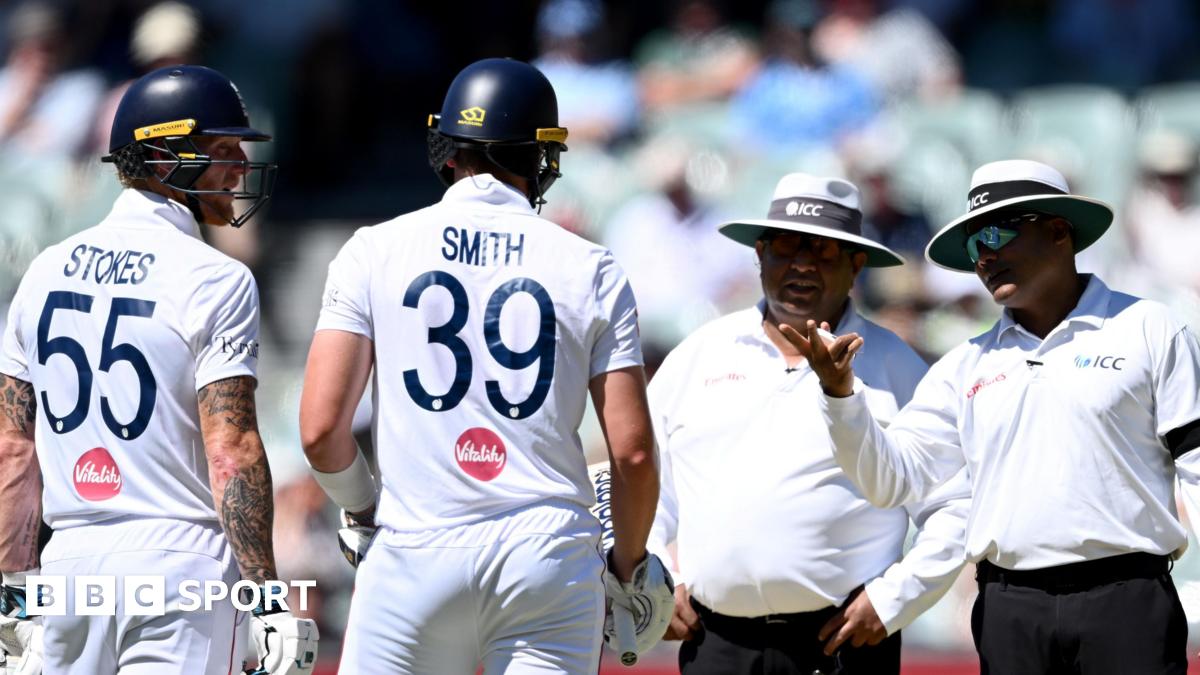
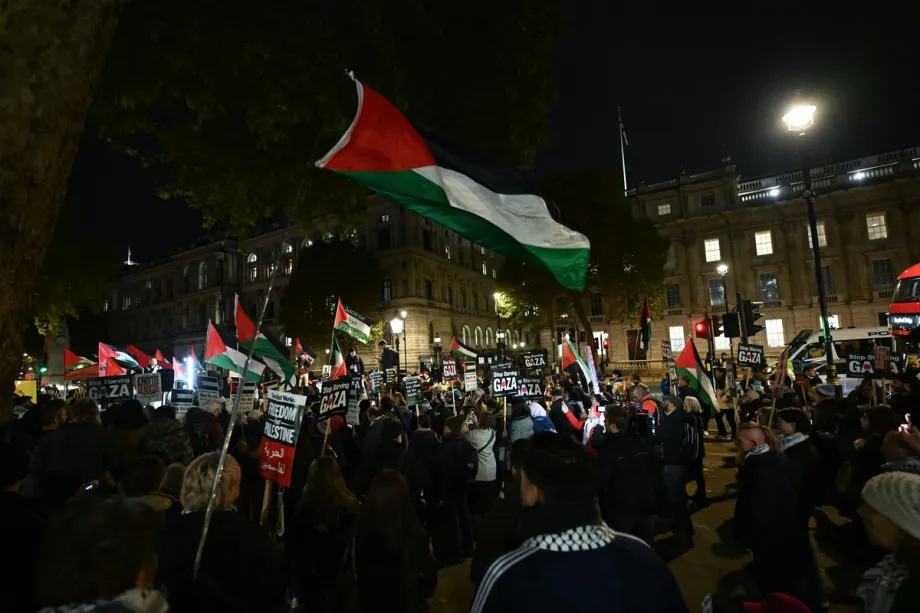
Source link

Activists decry state of Tunisia’s democracy, 15 years after Arab Spring | Arab Spring

NewsFeed

The Arab Spring began in Tunisia 15 years ago, after Mohamed Bouazizi set fire to himself triggering unrest which toppled the dictator and sparked hopes for freedom. Relatives of political prisoners say President Kais Saied has pushed the country back into authoritarianism.

Source link

Man wonders what it would feel like not being the one getting dumped

A MAN who has been told by his girlfriend it is over between them has idly wondered what it would be like to say those words rather than hear them.

Jordan, not his real name, aged 31, knows the script so well after countless dumpings he can mouth along, but for the first time found himself imagining actually being the one to end it.

He said: “I’m not relationship material. They all tell me that. Which is a shame, because I quite like having someone around to shag.

“I’d never end it with a woman, because why would you? I don’t really know what incompatibility is. None of them enjoy ten-hour Championship Manager games or a beer sesh with my mates, so maybe it’s them that’s incompatible.

“Nonetheless, because I’m a gentleman, I carry on dating them anyway until the end comes. But the idea it could be me who calls that end has never really occurred to me before.

“It must feel glorious to actually finish with someone, a real power trip. To be the one saying ‘It’s not you, it’s me,’ and ‘Let’s make this a friendship and see where that goes’ while meaning the exact opposite.

“But it’ll never happen. It’s not me. I’m just too much of a nice guy and too grateful for sex.”

False spring: The end of Tunisia’s revolutionary hopes? | Arab Spring News

Fifteen years ago, a Tunisian fruit seller, Mohamed Bouazizi, despairing at official corruption and police violence, walked to the centre of his hometown of Sidi Bouzid, set himself on fire, and changed the region forever.

Much of the hope triggered by that act lies in ruins. The revolutions that followed in Tunisia, Libya, Egypt and Syria have cost the lives of tens and thousands before, in some cases, giving way to chaos or the return of authoritarianism.

Recommended Stories

list of 4 itemsend of list

Only Tunisia appeared to fulfil the promise of the “Arab Spring”, with voices from around the world championing its democratic success, ignoring economic and political failings through much of its post-revolutionary history that stirred discontent.

Today, many of Tunisia’s post-revolutionary gains have been cast aside in the wake of President Kais Saied’s dramatic power grab in July 2021. Labelled a coup by his opponents, it ushered in a new hardline rule in Tunisia.

Burying the hopes of the revolution

Over the following years, as well as temporarily shuttering parliament – only reopening it in March 2023 – Saied has rewritten the constitution and overseen a relentless crackdown on critics and opponents.

“They essentially came for everyone; judges, civil society members, people from all political backgrounds, especially the ones that were talking about unifying an opposition against the coup regime,” Kaouther Ferjani, whose father, 71-year-old Ennahdha leader Said Ferjani, was arrested in February 2023.

In September, Saied said his measures were a continuation of the revolution triggered by Bouzazzi’s self-immolation. Painting himself a man of the people, he railed against nameless “lobbyists and their supporters” who thwart the people’s ambitions.

However, while many Tunisians have been cowed into silence by Saied’s crackdown, they have also refused to take part in elections, now little more than a procession for the president.

In 2014, during the country’s first post-revolution presidential election, about 61 percent of the country’s voters turned out to vote.

By last year’s election, turnout had halved.

“Kais Saied’s authoritarian rule has definitively buried the hopes and aspirations of the 2011 revolution by systematically crushing fundamental rights and freedoms and putting democratic institutions under his thumb,” Bassam Khawaja, deputy director at Human Rights Watch, told Al Jazeera English.

In the wake of the revolution, many across Tunisia became activists, seeking to involve themselves in forging what felt like a new national identity.

The number of civil society organisations exploded, with thousands forming to lobby against corruption or promote human rights, transitional justice, press freedom and women’s rights.

At the same time, political shows competed for space, debating the direction the country’s new identity would take.

BEIJING, CHINA - MAY 31: Tunisian President Kais Saied attends a signing ceremony with Chinese President Xi Jinping (not pictured) at the Great Hall of the People on May 31, 2024 in Beijing, China. (Photo by Tingshu Wang - Pool/Getty Images)
Tunisian President Saied attends a ceremony with President Xi Jinping in China [ingshu Wang/Getty Images]

“It was an amazing time,” a political analyst who witnessed the revolution and remains in Tunisia said, asking to remain anonymous. “Anybody with anything to say was saying it.

“Almost overnight, we had hundreds of political parties and thousands of civil society organisations. Many of the political parties shifted or merged… but Tunisia retained an active civil society, as well as retaining freedom of speech all the way up to 2022.”

Threatened by Saied’s Decree 54 of 2022, which criminalised any electronic communication deemed by the government as false, criticism of the ruling elite within the media and even on social networks has largely been muzzled.

“Freedom of speech was one of the few lasting benefits of the revolution,” the analyst continued.

“The economy failed to pick up, services didn’t really improve, but we had debate and freedom of speech. Now, with Decree 54, as well as commentators just being arrested for whatever reason, it’s gone.”

In 2025, both Amnesty International and Human Rights Watch slammed Tunisia’s crackdown on activists and nongovernmental organisations (NGOs).

In a statement before the prosecution of six NGO workers and human rights defenders working for the Tunisian Council for Refugees in late November, Amnesty pointed to the 14 Tunisian and international NGOs that had their activities suspended by court order over the previous four months.

Included were the Tunisian Association of Democratic Women, the Tunisian Forum for Social and Economic Rights, the media platform Nawaat and the Tunis branch of the World Organisation against Torture.

‘Plotting against state security’

Dozens of political figures from post-revolution governments have also been arrested, with little concern for party affiliation or ideology.

In April 2023, 84-year-old Rached Ghannouchi, leader of what had been Tunisia’s main political bloc, the Ennahdha Party, was arrested on charges of “plotting against state security”.

According to his daughter, Yusra, after a series of subsequent convictions, Ghannouchi currently faces a further 42 years in jail.

Later the same year, Ghannouchi’s principal critic, Abir Moussi, the leader of the Free Destourian Party, was jailed on a variety of charges.

Critics dismiss the charges, saying the criteria for arrest have been the person’s potential to rally opinion against Saied.

“This is not just the case for my father,” Yusra continued, referring to others, such as the leading post-coup opposition figure Jawhar Ben Mubarak.

“Other politicians, judges, journalists, and ordinary citizens … have been sentenced to very heavy sentences, without any evidence, without any respect for legal procedures, simply because Tunisia has now sadly been taken back to the very same dictatorship against which Tunisians had risen in 2010.”

The head of Tunisia's Islamist movement Ennahdha Rached Ghannouchi greets supporters upon arrival to a police station in Tunis ,on February 21, 2023, in compliance to the summons of an investigating judge. (Photo by FETHI BELAID / AFP)
The head of Tunisia’s Ennahdha, Rached Ghannouchi, greets supporters upon arrival at a police station in Tunis on February 21, 2023, in compliance with the summons of an investigating judge [Fethi Belaid/AFP]

Ghannouchi and Moussi, along with dozens of former elected lawmakers, remain in jail. The political parties that once vied for power in the country’s parliament are largely absent.

In their place, since Saied’s revised 2022 constitution weakened parliament, is a body that is no longer a threat to the president.

“The old parliament was incredibly fractious, and did itself few favours,” said Hatem Nafti, essayist and author of Our Friend Kais Saied, a book criticising Tunisia’s new regime. He was referring to the ammunition provided to its detractors by a chaotic and occasionally violent parliament.

“However, it was democratically elected and blocked legislation that its members felt would harm Tunisia.

“In the new parliament, members feel the need to talk tough and even be rude to ministers,” Nafti continued. “But it’s really just a performance… Nearly all the members are there because they agree with Kais Saied.”

Hopes that the justice system might act as a check on Saied have faltered. The president has continued to remodel the judiciary to a design of his own making, including by sacking 57 judges for not delivering verdicts he wanted in 2022.

By the 2024 elections, that effort appeared complete, with the judicial opposition to his rule that remained, in the shape of the administrative court, rendered subservient to his personally appointed electoral authority, and the most serious rivals for the presidency jailed.

“The judiciary is now almost entirely under the government’s control,“ Nafti continued. “Even under [deposed President Zine El Abidine] Ben Ali you had the CSM [Supreme Judicial Council], which oversaw judges’ appointments, promotions, and disciplinary matters.

“Now that only exists on paper, with the minister of justice able to determine precisely what judges go where and what judgements they’ll deliver.”

Citing what he said is the “shameful silence of the international community that once supported the country’s democratic transition”, Khawaja said: ”Saied has returned Tunisia to authoritarian rule.”

A man holds a flare as protesters rally.
A protest against Saied on fourth years after his power grab. Tunis, July 25, 2025 [Jihed Abidellaoui/Reuters]

Source link

South Africa to deport Kenyans involved in US-Afrikaner refugee scheme | Donald Trump News

Foreign nationals arrested for illegally processing applications under Trump’s contentious programme for white South Africans.

South Africa has arrested and ordered the deportation of seven Kenyan nationals who were illegally working at a centre processing refugee applications for a highly controversial United States resettlement programme aimed at only white Afrikaners.

The arrests on Tuesday in Johannesburg followed intelligence reports that the Kenyans had entered the country on tourist visas and taken up employment despite South Africa’s Home Affairs Department having previously denied work visa applications for the same positions.

Recommended Stories

list of 3 itemsend of list

The seven individuals will be banned from re-entering South Africa for five years.

The operation has led to a new diplomatic dispute between Pretoria and Washington, adding to tensions that have escalated throughout 2025 over US President Donald Trump’s widely rejected claims that white South Africans face “genocide” and racial persecution.

The US State Department told CNN that “interfering in our refugee operations is unacceptable” and said it would seek immediate clarification.

CNN reported that two US government employees were briefly detained during the raid, though South Africa’s statement said no American officials were arrested.

The Kenyans were working for processing centres run by Amerikaners, a group led by white South Africans, and RSC Africa, a Kenya-based refugee support organisation operated by Church World Service. These organisations handle applications for Trump’s programme, which has brought small numbers of white South Africans to the US this year.

South Africa’s Department of International Relations and Cooperation said the presence of foreign officials coordinating with undocumented workers “raises serious questions about intent and diplomatic protocol” and has initiated formal engagements with both the US and Kenya.

‘If you’re not white, forget about it’

Trump launched the resettlement programme in February through an executive order titled “Addressing Egregious Actions of The Republic of South Africa”, cutting all US aid and prioritising Afrikaner refugees who he claims face government-sponsored discrimination.

In September, he set a historic low refugee ceiling of 7,500 for 2026, with most spots reserved for white South Africans.

Scott Lucas, a professor of US and international politics at University College Dublin’s Clinton Institute, previously told Al Jazeera the contrast between how Trump treats white South African refugees, and refugees of colour from other countries, showed a “perverse honesty” about Trump’s conduct and worldview.

“If you’re white and you’ve got connections you get in,” Lucas said. “If you’re not white, forget about it.”

South Africa’s government strongly rejects the persecution allegations.

Foreign Minister Ronald Lamola has said there is no data supporting claims of white persecution, noting that Afrikaners are among the country’s “most economically privileged” citizens.

Major Afrikaner organisations also rejected Trump’s characterisation.

AfriForum and the Solidarity Movement, representing some 600,000 Afrikaner families, declined his refugee offer, saying emigration would mean “sacrificing their descendants’ cultural identity”.

The Afrikaner enclave of Orania said: “Afrikaners do not want to be refugees. We love and are committed to our homeland.”

Deteriorating relations

Trump has repeatedly presented debunked evidence to support his claims, including a choreographed and televised ambush of South African President Cyril Ramaphosa during a White House visit.

Trump played video in May featuring images later verified as being from the Democratic Republic of the Congo and footage of a temporary memorial that Trump falsely claimed showed mass graves.

Relations between the countries have deteriorated sharply this year.

Trump expelled South Africa’s ambassador in March, boycotted Johannesburg’s G20 summit in November, and last month excluded South Africa from participating in the 2026 Miami G20, calling it “not a country worthy of Membership anywhere” in a social media post.

Just one day before the arrests, South Africa condemned its G20 exclusion as an “affront to multilateralism”.

Source link