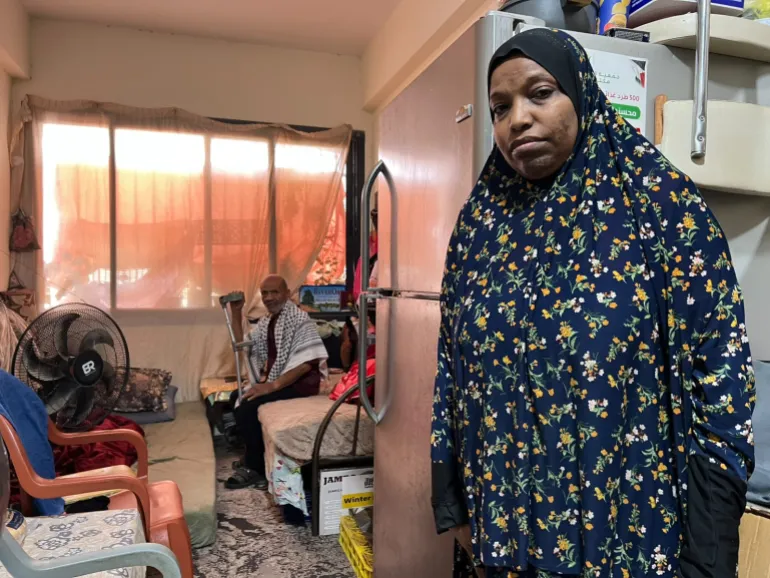
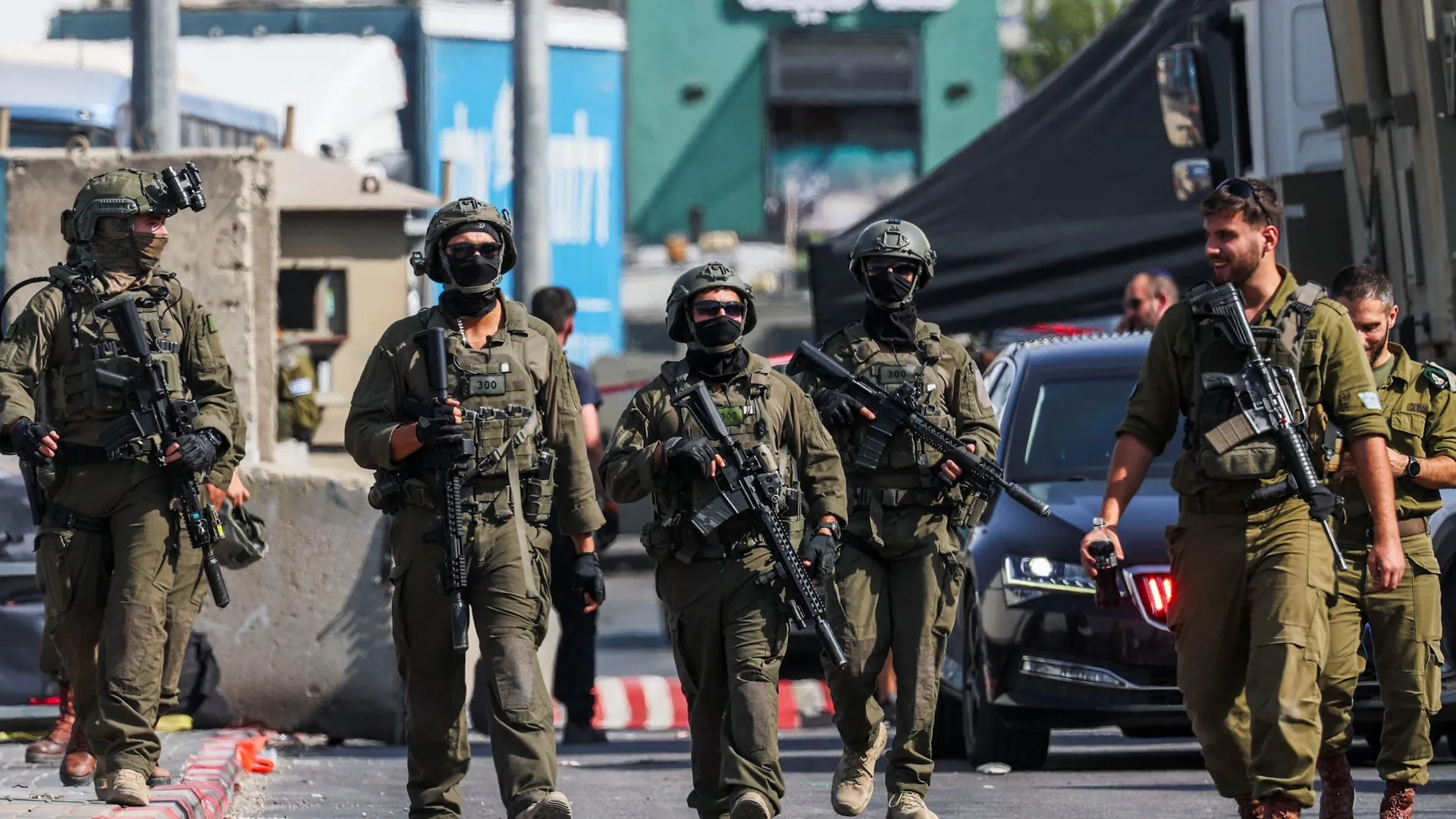
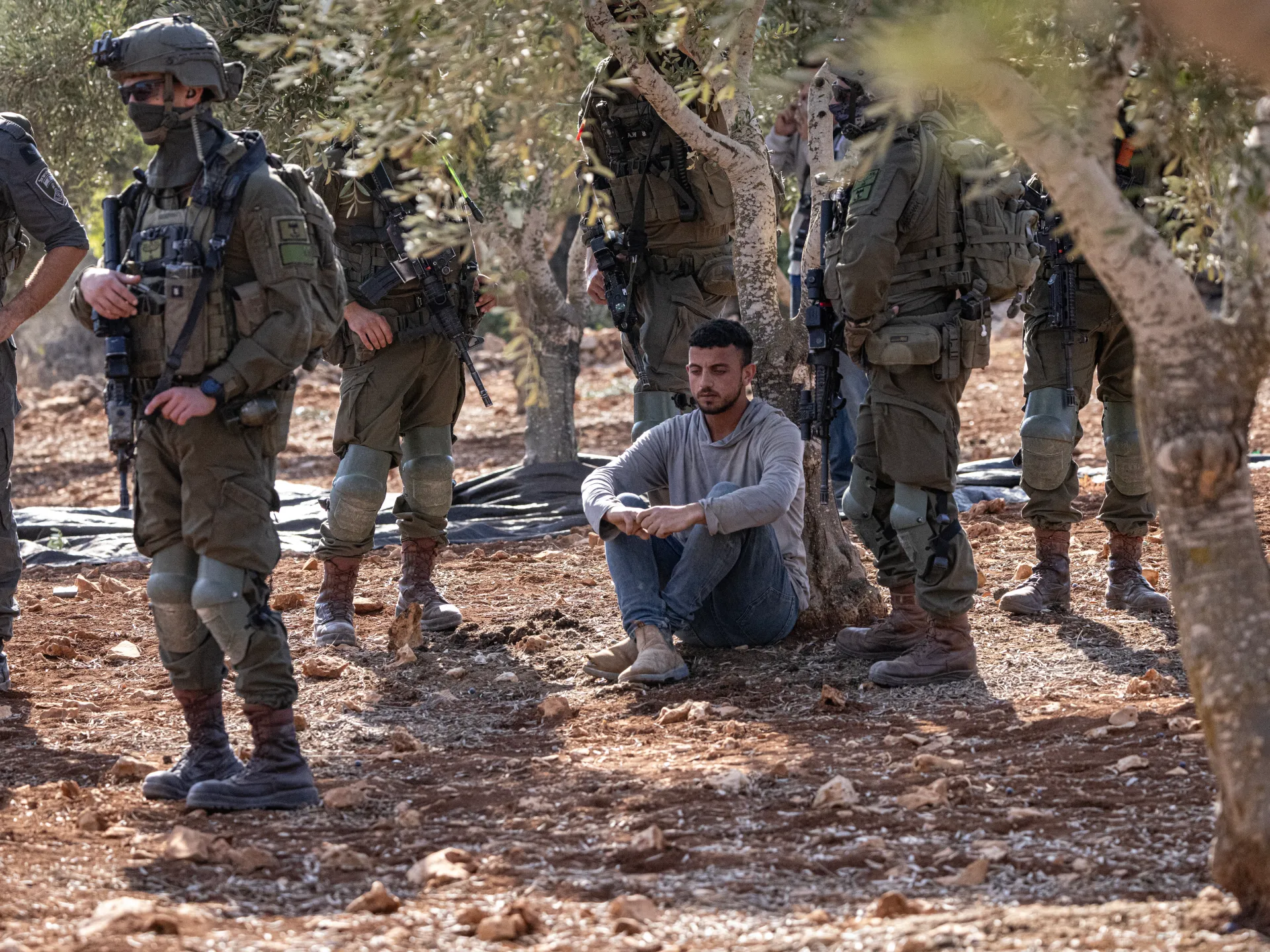
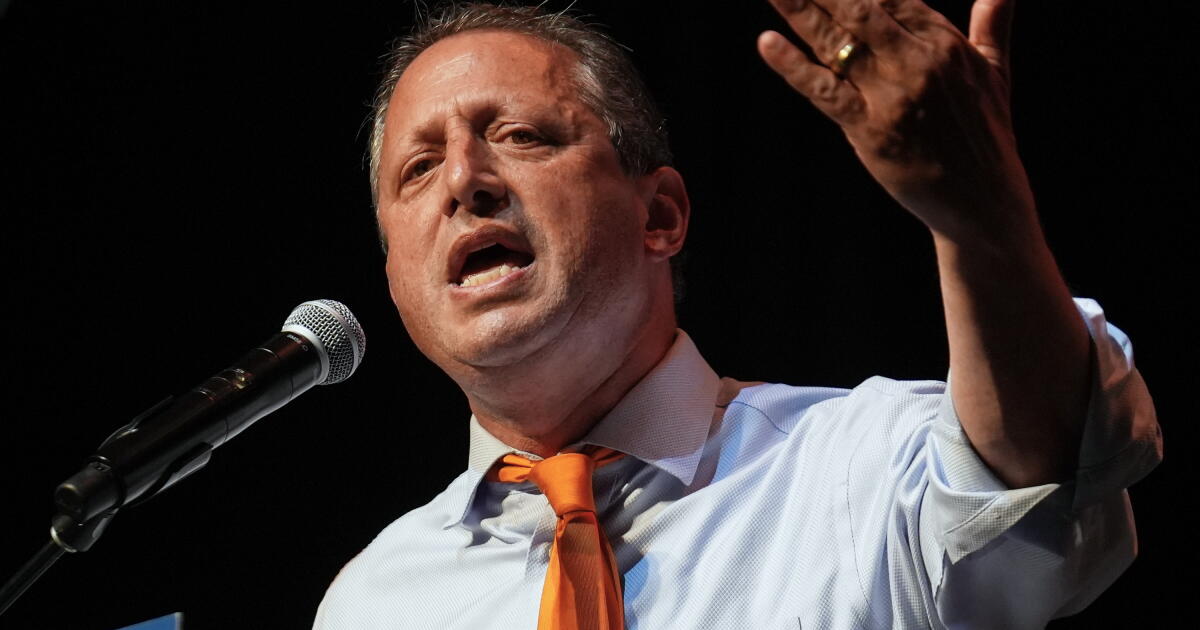
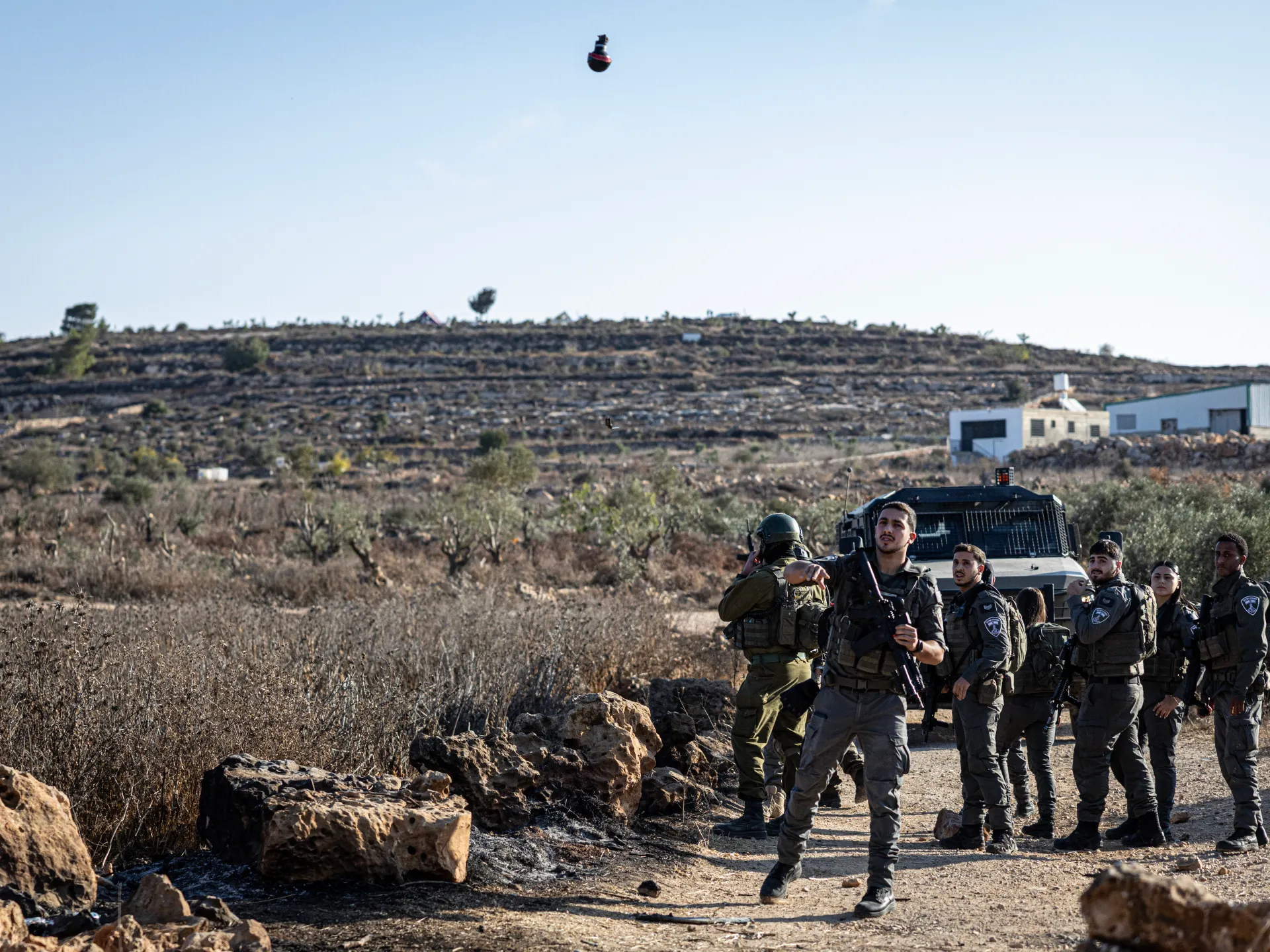
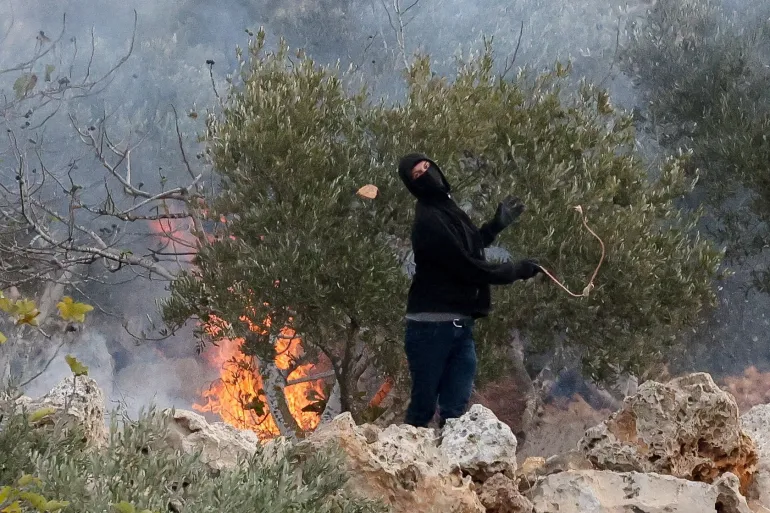
Palestinians in central Gaza and the occupied West Bank have begun voting in municipal elections, the first local vote held since the start of Israel’s genocidal war on Gaza.
Polling stations opened at 7am (04:00 GMT) on Saturday for 70,000 eligible voters in Gaza’s Deir el-Balah area – the first electoral exercise in the besieged enclave in 20 years.
Recommended Stories
list of 4 itemsend of list
The vote in a single city in Gaza is largely symbolic, with officials calling it a “pilot”. Deir el-Balah was selected because it is one of the few areas in Gaza not destroyed by Israeli forces.
Nearly 1.5 million registered voters in the occupied West Bank are also voting to determine the makeup of the local councils overseeing water, roads and electricity.
The elections come amid a tightly restricted political landscape and deep public disillusionment, as the Palestinian Authority (PA) seeks to project reform and legitimacy amid growing public frustration over corruption, political stagnation and the absence of national elections since 2006.
A Palestinian woman casts her ballot at a polling station during municipal elections in the village of al-Badhan, north of Nablus, in the occupied West Bank [AFP]
Most electoral lists are backed by President Mahmoud Abbas’s Fatah movement or independent candidates, with no official participation from Hamas, which controls parts of Gaza.
Linking the occupied West Bank and Gaza
With much of Gaza decimated by more than two years of war, the Ramallah-based Central Elections Commission chose to hold its first vote in Deir el-Balah. It had to improvise because it was unable to conduct traditional voter registration.
“The main idea is to link the West Bank and Gaza politically as one system,” its spokesperson, Fareed Taamallah, said.
The commission has not coordinated directly with either Israel or Hamas ahead of the Deir el-Balah vote and has been unable to send materials like ballot papers, ballot boxes or ink into Gaza, he added.
Though Palestinian voter turnout has gradually decreased, it has been relatively high in past local elections by regional standards, according to commission figures, averaging between 50 and 60 percent.
Gaza’s first election in 20 years
Hamas won parliamentary elections in 2006 and seized control of Gaza from the Fatah-led PA a year later.
It did not put forth candidates for Saturday, but polling from the Palestinian Center for Policy and Survey Research indicates it remains the most popular Palestinian faction in both Gaza and the occupied West Bank.
Ramiz Alakbarov, the United Nations deputy special coordinator for the Middle East peace process, called the elections “an important opportunity for Palestinians to exercise their democratic rights during an exceptionally challenging period”.
Hamas controls half of Gaza, which Israeli forces partially withdrew from last year, including Deir el-Balah, but the coastal enclave is preparing to transition to a new governance structure under US President Donald Trump’s 20-point plan.
The plan established a Board of Peace composed of international envoys and a committee of unelected Palestinians, intended to operate under it.
Progress towards further phases, including disarming Hamas, reconstruction and a transfer of power, has stalled.
A polling official assists a Palestinian woman as she votes during the municipal council election, in Hebron, the occupied West Bank [Mussa Qawasma/Reuters]
Electoral reform
Palestinian President Mahmoud Abbas, 90, signed a decree last year to overhaul the electoral system in line with some demands from Western donors.
The reforms allow voting for individuals rather than party lists (slates), lowering the eligibility age to run and raising quotas for female candidates.
In January, another Abbas decree required candidates to accept the programme of the Palestine Liberation Organization, the group that leads the PA. The programme calls for the recognition of Israel and renouncing armed struggle, in effect, sidelining Hamas and other factions.
The slates in major West Bank cities are dominated by Fatah, the faction that leads the PA, and independents, some with ties to other factions. It marks the first time in six local elections that no other faction has officially put forward its own slates.
A Palestinian man shows his marked finger after casting his ballot at a polling station in the occupied West Bank city of el-Bireh [AFP]
In the occupied West Bank, the PA exercises limited autonomy, and local councils oversee services from rubbish collection to building permits.
Votes are being held in villages in Area C, which covers about 60 percent of the West Bank and remains under direct Israeli control. Full administrative control would have been handed to the PA according to the 1995 Oslo Accords.
Votes will also be held in municipalities that Israel’s military has occupied since it launched a ground invasion in the northern West Bank last year.
Campaign posters have been plastered across cities, though many – including Ramallah and Nablus – will not hold elections because too few candidates or slates registered.
The PA’s power has withered amid years without peace negotiations with Israel and the expansion of illegal Israeli settlements in the occupied West Bank.
Ramallah, occupied West Bank – Hani Odeh has spent four and a half difficult years as mayor of Qusra, southeast of Nablus.
Surrounded by illegal Israeli settlements and outposts, the small Palestinian town of approximately 6,000 in the northern West Bank faces relentless settler attacks that left two residents killed last month.
Recommended Stories
list of 4 itemsend of list
Many are unable to access their agricultural fields as settlers repeatedly damage the village’s water pipes. But when his Palestinian neighbours go to the polls for municipal elections on Saturday, he will not be on the ballot.
“The resources are limited, the demands are many, there’s the settlers, the army – the problems don’t stop,” he says. “You can’t do anything for them. I’m exhausted. I just want to rest, honestly.”
Only three months ago, the Palestinian Authority (PA) announced that there would be local elections on April 25 for municipalities and village councils, the first such elections in nearly five years. There have been no national elections since 2006, keeping the Fatah-ruled PA in power in the West Bank more than 17 years after its initial mandate expired.
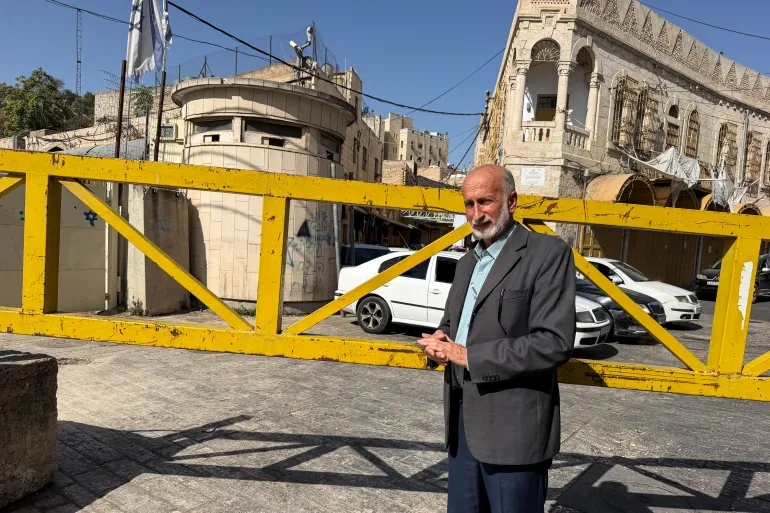
Odeh, who will be stepping down, doesn’t believe there is much point to the vote. “It won’t change the reality,” he says, pointing out that the gate to enter Qusra has been shut by the Israeli military for two years.
Meanwhile, the PA civil servants that Odeh relies on to run Qusra receive salaries of just 2,000 shekels ($670), a fraction of what they are owed, as Israel continues to withhold tax revenues earmarked for the Palestinians.
According to the Palestine Elections Commission, 5,131 candidates are competing across 90 municipal councils and 93 village councils on April 25, with nearly a third of the electorate between the ages of 18 and 30.
Across the West Bank, many agree with Odeh, and express doubts that these elections can move the needle on anything that actually matters.
The gate to enter Qusra has been shut by the Israeli military for two years [Al Jazeera]
‘Sense of futility’
In the days leading up to the vote in Ramallah, there have been no campaign posters hanging along the streets. That is because Ramallah – the city where the PA is headquartered – is not holding competitive elections this Saturday. Neither is Nablus, another major city in the West Bank.
Instead, both cities are being decided through a process known as acclamation, in which a single list of candidates is elected without a formal vote. Across the West Bank, 42 municipal councils and 155 village councils will be filled this way – a majority of local administrative authorities.
Historically used in small villages where extended families agreed on candidates, the process is now being applied in major cities that are PA strongholds – such as Ramallah and Nablus – where Fatah mobilisation has discouraged challengers.
“There is definitely a sense of futility in certain places,” says Zayne Abudaka, cofounder of the Institute for Social and Economic Progress (ISEP), which regularly surveys Palestinian sentiments and views, “and I think that makes it easier for places to just not have an election.”
Fatima*, a businesswoman who runs an education centre in el-Bireh, says she hasn’t voted in an election since the last Palestinian national election 20 years ago – and she doesn’t plan to this time, either. “They will choose a new group of decisionmakers, and I believe they will do the same according to the old decisionmakers,” says Fatima. “We don’t see any difference between them. It is not fair.”
Sara Nasser, 26, a pharmacist who commutes to Ramallah for work from the village of Deir Qaddis, west of the city, says she has simply grown accustomed to elections not happening and will not vote. “It’s been since before I was aware that there were significant elections,” she says. “We’ve always lived like this.”
Muhammad Bassem, a restaurant owner in Ramallah [Al Jazeera]
Some hopeful, others less so
Not everyone is so pessimistic. Iyad Hani, 20, works at a children’s store and is enthusiastic to vote for the first time in his life in el-Bireh. “Hopefully, the one coming is better than the one who left,” he says. “There should be construction in the town and fixing the streets – that’s the most important thing.”
Muhammad Bassem, who is a restaurant manager in Ramallah, is also showing up to the polls, optimistic for what change may bring. “It is the new faces that bring about change for the better – always for the better,” he says. “We want our country to be beautiful, clean and to offer plenty of comfortable employment opportunities, tourism and development.”
Others are not so sure. Amani, who is from Tulkarem but works in Ramallah as a receptionist, watches the campaigns play out on her phone, though she does not plan to vote. “Right now, they keep saying, ‘we’re going to do this, we’re going to do that,’” she says. “But I don’t know if any of it will actually yield results.”
The Tulkarem issues she is thinking of, such as inadequate waste management, no parks for children and roads in disrepair, fall squarely into the kinds of changes that local elections might have an impact on, she suggests. “I just hope that something genuinely new and positive comes out of this.”
The Palestinian Authority is based in Ramallah [Al Jazeera]
‘There isn’t a credible setup’
Underlining the question of these specific elections is a broad disillusionment with the PA that colours nearly every conversation about Palestinian political life.
Fatima says she and her whole family are politically aligned with Fatah, the effective governing party of the PA. “We don’t hate Fatah,” she says. “We hate the decisions they are taking right now.” While she says her business has contracted 85 percent in recent years, the PA still charges her 16 percent VAT.
That same disillusionment extends even to the elections in small localities like Qusra, which Mayor Odeh calls “a family affair, not a political affair”.
“People have lost faith in the parties, lost faith in the [Palestinian] Authority, lost faith in the whole world,” he says, expecting low turnout on Saturday. While most candidates in Qusra are politically aligned with Fatah, Odeh says no candidates in Qusra’s election this Saturday are doing so officially. “If they run under political affiliations, no one will support them.”
According to the Palestine Elections Commission, 88 percent of those on the ballots this year are doing so as independent candidates.
While polling suggests roughly 70-80 percent of Palestinians distrust the PA as an institution, Obada Shtaya resists framing this simply as a PA problem, considering the PA’s hobbled finances and its shrinking autonomy in Areas A and B under Israeli occupation. Israel continues to expand settlements and military raids in the West Bank, and the PA has no power to respond, with the prospect of a Palestinian state increasingly distant.
“Pessimism, lack of hope, helplessness – it is beyond the classical distrust in the PA,” he says. “It is looking at the PA and potentially understanding that these people also don’t have much that they can do to help themselves.”
A new amendment to the local elections law, requiring all candidates to affirm their commitment to agreements signed by the PLO – widely understood as a measure to exclude Hamas and other opposition factions – now threatens to taint how people perceive these elections. “If you want to run, you need to pre-agree to things at the national level,” says Shtaya. “But this is about local service delivery. Why am I having to sign things that deal with agreements between the PA and Israel?”
Despite the many naysayers in this election, “Palestinians are thirsty for democracy,” says the pollster, including those in Gaza. What is missing is not the will, he says, but the proper architecture for it: elections announced years in advance, a functioning legislature, and accountability that extends beyond voting day.
“There isn’t a credible setup that shows people their vote makes a difference,” says Shtaya. Without that, sporadic elections take place at what he calls the surface level: real enough that some people show up, but shallow enough that not much changes underneath.
Soon to be relieved of his mayoral duties, Hani Odeh plans to open a toy shop and set up a house for himself. “Let people breathe,” he says. “We’re here. We’re not going anywhere.”
While Nottingham Forest struck the first blow of the weekend on Friday, Tottenham and West Ham – unusually – both play at the same time on Saturday.
The Hammers host Everton and former manager David Moyes, with Spurs visiting already relegated Wolves.
Tottenham boss De Zerbi, whose side conceded a last-minute equaliser to draw 2-2 with Brighton in their previous fixture, said “a win can change this part of the season”.
“We are suffering, they are suffering because it is not easy to play in Tottenham in this condition of the table, but I said they have to be stronger,” he added.
“We have to live every part of the day waiting for a win and preparing for a win.”
Tottenham and West Ham have to contend with similar run-ins, with Spurs arguably facing the slightly easier of the two. The average position of the teams they still have to play is 11th, while for the Hammers it is 10th.
What West Ham do have which Tottenham do not, however, is some semblance of form.
Nuno’s team have won two and lost just one of their past five matches. Spurs have not won since last year.
“The players are improving their levels and the standards,” said Nuno. “We have been solid in defence, good in attack… sometimes not so good. Finding that balance in the remaining matches is going to be crucial for us.”
Workers from two regional parties in India have been fighting on election day for West Bengal’s state assembly. Local media reported the fighting broke out as opposition party leaders accused the state ruling party of voter intimidation.
Waving a big Catla fish in his hands, Sharadwat Mukherjee went door to door canvassing for votes before Thursday’s election to the state legislature in the eastern Indian state of West Bengal.
Mukherjee is a candidate from Prime Minister Narendra Modi’s Bharatiya Janata Party (BJP), which rules nationally but has never come to power in the state, which has a greater population than Germany: more than 90 million people.
When he folds his hands to greet voters, the Catla just swings with a hook in its mouth. The big question: Can the fish also swing the election’s outcome?
Bengalis’ love for fish is legendary — on both sides of the border, in India and in Bangladesh. So much so that when a student-led uprising led to the ouster of then-Bangladesh Prime Minister Sheikh Hasina, some of the protesters who broke into her residence after she fled were seen raiding her refrigerator and walking away with fish.
But as West Bengal votes for its next government, fish has now leapt from kitchen slabs to the campaign trail, as leaders cosy up to voters in a variety of ways — and in some cases try to distance themselves from suspicions that their wins could hit the Bengali diet adversely.
Trinamool Congress (TMC) chairperson and chief minister of West Bengal state Mamata Banerjee, left, along with General-Secretary Abhishek Banerjee, gestures as they announce the party’s candidate list for the upcoming legislative assembly elections, in Kolkata on March 17, 2026 [Dibyangshu Sarkar/AFP]
What’s happening in the West Bengal election?
Nearly 68 million people in West Bengal are expected to vote for their candidate of choice on April 23 and 29, to elect 294 lawmakers to the state assembly.
The results will be declared on May 4 in the crucial state vote, which the Hindu majoritarian BJP has never governed.
A revision of the electoral list, which controversially swept away a total of 9.1 million names from the register before polling, and has been criticised for disenfranchising minorities, was among the major polling issues. Some 2.7 million people have challenged their expulsions.
Another is identity politics.
On the campaign trail, in rallies, and in interviews, the chief minister of Bengal, Mamata Banerjee, a firebrand, centrist regional leader — who has been sometimes touted as a contender for Modi’s job in New Delhi, if the opposition were to win — has doubled down on identity politics to corner the BJP, analysts say.
BJP-led governments in several states have imposed bans or restrictions on the sale of meat. Far-right mobs have carried out lynchings of Muslims in BJP-ruled states over accusations that they were transporting beef.
Banerjee, who is seeking a fourth consecutive term, has time and again warned that if the BJP were to come to power, they would “ban fish, meat, and even eggs” — effectively labelling them as outsiders, unaware of Bengali culture. The BJP has rejected these allegations.
Biswanath Chakraborty, a psephologist and political analyst in West Bengal who has authored several books on voting behaviour, told Al Jazeera that the whole issue surrounding fish had been “constructed by Mamata Banerjee.”
“For long, she has peddled that fish is parallel to Bengali politics,” he said. “In election campaigning, every issue is constructed, and Mamata is the champion of that.”
Chakraborty argued that by fiercely pushing back against these allegations, the BJP had ended up helping the governing party in Bengal make sure the debate over fish remained a campaign highlight with voters.
“They [the BJP] are entering, or rather trapped, into the discourse set by Mamata,” the analyst said.
A fishing boat is anchored in the waters of the Bay of Bengal as fish are hung out to dry along the beach at Dublar Char in the Sundarbans, November 10, 2011 [Andrew Biraj/Reuters]
Why fish, though?
“Fish is very crucial in Bengal, very crucial,” said Utsa Ray, an assistant professor at Jadavpur University, in West Bengal’s capital Kolkata. She also authored a 2015 book on Bengal’s culinary evolution in colonial India, titled Culinary Culture in Colonial India: A Cosmopolitan Platter and the Middle-Class.
“First of all, due to Bengal’s geographical location itself – along the Bay of Bengal – [and as] a place situated near rivers and streams, fish have been the most available item,” she told Al Jazeera.
Fish has also been an integral part of many rituals in Bengal on auspicious days for both Hindus and Muslims, Ray said, adding, however, that there were sects of people in Bengal who refrain from eating fish.
A 2024 study found that nearly 65 percent of people in West Bengal consume fish weekly.
Against that backdrop, Ray told Al Jazeera that Banerjee’s party was looking to leverage “regional identity or the Bengali identity”.
Banojyotsna Lahiri, a social activist and voter in West Bengal, described the BJP’s response, with candidates like Mukherjee campaigning with fish, as a “gimmick”.
“In Bengal, [the BJP] have suddenly realised that they appear as aliens with their vegetarian posturing because both fish and meat are integral to the Bengal culinary choices, caste or religion notwithstanding,” she told Al Jazeera. ”
A labourer wears a plastic sheet as it rains, while he carries Hilsa fish in a bamboo basket at a wholesale market in Diamond Harbour, in the Indian state of West Bengal, September 10, 2024 [Dibyangshu Sarkar/AFP]
What’s up with the BJP and food choices?
In the run-up to the voting on Thursday, the BJP rushed to find a senior leader who could eat a fish in front of the cameras. They finally managed to get Anurag Thakur, a member of parliament from Himachal Pradesh, to do that on Tuesday.
“Questions of what food people will eat, especially non-vegetarian [food], have been associated with the BJP’s politics to impose restrictions and dictate food options,” said Neelanjan Sircar, a senior visiting fellow at the think tank Centre for Policy Research, in Delhi.
The BJP has been dictating food choices in northern India’s Hindi-speaking belt, with its “hyper masculine, Hindutva, and vegetarianism,” said Ray. “There have been cases of lynching for eating non-vegetarian food.”
However, that falls flat in Benga.
Still, both Sircar and Ray agreed that the display of fish on the campaign trail was a novelty — even in the often-bizarre world of Indian politics.
“Creating these new images for the BJP is important,” said Sircar. “So, to create another image in voters’ minds leads to these outlandish displays.”
April 23 (UPI) — A chemical leak at a decommissioning plant in West Virginia has killed two people and left a third in critical condition, according to officials.
More than 30 people required medical treatment because of the leak Wednesday at Catalyst Refiners, a silver recovery plant in Institute, an unincorporated community west of Charleston.
Kanawha County Commissioners President Ben Salango told reporters at a press conference that workers were cleaning and decontaminating the site ahead of its shutdown when at about 9:31 a.m. EDT Wednesday a chemical reaction occurred, creating hydrogen sulfide, a flammable, colorless gas that can be fatal to those who breathe it, according to the Environmental Protection Agency.
Twenty-one people at the site were initially reported by county officials to have either been transported to the hospital or sought medical attention, a number that West Virginia Gov. Patrick Morrisey told reporters during a second press conference held Wednesday night had increased to more than 30.
“To the families we lost today, our hearts are with you and our state grieves with you,” Morrisey said.
“We stand ready to support you in every possible way.”
Among the injured were seven emergency ambulance employees who had responded to the scene, Kanawha County Emergency Management Agency Director C.W. Sigman said.
“When I got there, firefighters and EMS were doing CPR on two of the patients, trying to revive them,” he said.
He said the hydrogen sulfide was the product of nitric acid and M2000A mixing while workers were decommissioning a tank on the site. Sigman explained he was told by the plant manager that it’s “not uncommon” for workers to mix the two together as part of the decommissioning work.
“But there was something going on that was different,” he said. “But that will be for the investigators to determine.”
Officials said an investigation is ongoing and will involve local, state and federal agencies.
A one-mile-radius shelter-in-place order around the plant that was issued has since been lifted and several roads that were closed have been reopened, officials said.
A group of Israeli settlers torched a Palestinian home overnight in the occupied West Bank and prevented the family from escaping. Eight people were injured in the attack, including a one-year-old.
There was a time when various developments from this past week – such as the Israeli government spending hundreds of thousands of dollars promoting ultra-nationalist marches, a sanctioned settler leading army-escorted livestock raids on a Palestinian village, and the Israeli finance minister calling for the full military occupation and settlement of Gaza while speaking at once-dismantled occupied West Bank settlements – would have been met with outcry or debate in some corners of Israeli society.
This week, however, they have become routine, as United Nations experts describe Israeli policy as “ethnically cleansing the West Bank through daily attacks resulting in killing, injury, and harassment of women and children, and the widespread destruction of Palestinian homes, farmland and livelihoods”.
Recommended Stories
list of 3 itemsend of list
Against that backdrop, this past week brought intense and coordinated settler attacks on villages near Ramallah, continued Israeli strikes on civilians in Gaza, new evictions and demolitions in occupied East Jerusalem, and US-Hamas diplomatic talks in Cairo that showed some glimmers of progress – while falling well short of what either side has demanded.
Gaza: Strikes, starvation, and a partial offer on weapons
Across the Gaza Strip, Israeli air strikes, gunfire and drone attacks continued throughout the week as the humanitarian crisis worsened.
On April 14, a strike on a police vehicle on al-Nafaq Street in Gaza City killed four people, including three-year-old Yahya al-Malahi, whose father said his family had been leaving a relative’s wedding. A strike on the Shati refugee camp later the same day killed at least five more.
On April 16, brothers Abdelmalek and Abdel Sattar al-Attar were killed in Beit Lahiya in an area that witnesses said fell outside the zone under Israeli military control along the so-called “yellow line”. On April 17, brothers Mahmoud and Eid Abu Warda were shot dead by a drone while trying to get water in Gaza City’s Shujayea neighbourhood; a drone separately struck a water desalination facility in the same area, killing one more. The following day, two civilian contractors delivering water on behalf of the United Nations Children’s Fund (UNICEF) were shot dead by Israeli troops in northern Gaza.
Since the October ceasefire, 777 Palestinians in Gaza have been killed and at least 2,193 injured, as of April 20. Since October 7, 2023, the cumulative death toll stands at 72,553 – a figure revised upwards this week after the Gaza Ministry of Health certified an additional 196 deaths.
Meanwhile, aid access into Gaza remains severely constrained. According to the UN Office for the Coordination of Humanitarian Affairs (OCHA), United Nations and partner aid inflows declined by 37 percent between the first and second three-month periods following the ceasefire. Bakeries have scaled back production due to dwindling flour and fuel, with Palestinians reporting hours-long queues for bread.
Board of Peace envoy Nickolay Mladenov told an Egyptian news channel this week that Israeli restrictions at border crossings remain “the primary obstacle” preventing sufficient aid from reaching Gaza.
On the diplomatic front, direct US-Hamas talks in Cairo this week focused on implementing phase-one commitments before any discussion of disarmament. No official agreement has been reached.
Israeli Finance Minister Bezalel Smotrich, meanwhile, called on Israeli Prime Minister Benjamin Netanyahu to order the military to “immediately prepare for the full occupation of the Gaza Strip” and establish Israeli settlements there if Hamas refuses to disarm entirely. Smotrich made the declaration while attending a ceremony commemorating the re-establishment of the illegal settlement of Sa-Nur, which had previously been dismantled by Israel in 2005 along with settlements in Gaza and several others in the northern West Bank.
Coordinated attacks and killings in the West Bank
The week’s most sustained violence in the West Bank took place across a cluster of villages northeast of Ramallah – Khirbet Abu Falah, al-Mughayyir and Turmus Aya – where three new illegal Jewish outposts have been established in the past two months, all on privately owned Palestinian land in Area B, which is supposed to be under limited administrative control of the Palestinian Authority. One such outpost was built on land from which the Abu Najjeh community – itself already forcibly displaced from Ein Samiya in the summer of 2023 – was recently violently expelled from.
On April 18, settlers launched simultaneous coordinated attacks on all three villages, according to local activists. In Turmus Aya, settlers arriving in more than a dozen vehicles burned a home and a car, with a military force near the outpost refusing to intervene, according to local activists. In Khirbet Abu Falah, dozens of settlers gathered at a newly established outpost before descending on Palestinian homes; soldiers subsequently raided the village themselves, according to locals. In al-Mughayyir, soldiers stopped two small children playing in the street, pushing them to the ground. They drove away before settlers on a government-supplied quad bike attacked a Palestinian driver on the nearby road.
The following morning, settlers raided a sheep pen in al-Mughayyir and stole 70 sheep. When residents pursued them, settlers fired live ammunition, activists said. Israeli military and police then escorted the Or Nachman outpost’s founder, Amishav Malt, back into the village, where he led a raid that he claimed was to recover stolen sheep – a tactic local activists say is routinely used to justify further theft. One Palestinian resident was beaten unconscious by police, according to local activists. Soldiers then enabled Neria Ben Pazi – the founder of another local illegal outpost who is internationally sanctioned by Australia, Belgium, France and Britain – to steal sheep from a restrained Palestinian resident. At least 20 military vehicles subsequently laid siege to the village entrance.
Beyond these villages, settler attacks on shepherds, farmers and residents were documented across numerous communities, including olive trees cut down in Yatma near Nablus, and the theft of livestock and crops in Jifna and several communities in Masafer Yatta. Settlers erected a barbed wire fence on the path that children from Umm al-Khair use to reach their school, blocking their safe access ever since.
On April 16, Israeli forces staged a raid on Beit Duqqu, northwest of Jerusalem, during which they shot dead 17-year-old Mohammed Rayan. Soldiers prevented ambulances from treating him, instead removing his body – denying his family proper Muslim burial rites. Four others were shot with live fire. On April 18, Israeli forces killed Mohammed Suwaiti, 25, in Khirbet Salama, southwest of Hebron, claiming he was approaching the illegal settlement of Negohot.
According to the latest OCHA humanitarian situation report, in 2026, more than 2,500 Palestinians have been displaced by demolitions, settler attacks, and evictions – including more than 1,100 children. Settler attacks now account for 75 percent of all displacement recorded this year, with March recording the highest monthly settler injury toll since documentation began in 2006.
Al Jazeera has reached out to the Israeli military for comment on the incidents reported on this week, but has yet to receive a reply.
East Jerusalem evictions
In occupied East Jerusalem, demolitions and evictions continued at an elevated pace. Israeli authorities demolished the home of 80-year-old cancer patient Abu Kamel Dweik in Silwan’s al-Bustan neighbourhood, at least the eighth demolition in the area this month.
According to OCHA, since January 2026, at least 86 Palestinian-owned structures have been demolished in East Jerusalem, displacing more than 250 people, with roughly half demolished by their owners to avoid additional fines.
In addition to further home demolitions in al-Bustan expected shortly, the extended Basha family – six households comprising 12 people, most over 60, who have lived in the Old City’s Muslim Quarter for nearly a century – now face court-ordered eviction by April 26.
The week also saw reports from Israeli media that the Netanyahu government is allocating approximately 1.2 million shekels ($400,000) to expand the ultra-nationalist Jerusalem Day marches across the country next month – yearly events marked by vulgar, racist slogans and violent attacks on Palestinian neighbourhoods.
With such funding, the marches are being expanded to several mixed Jewish-Arab cities including Lydd (Lod), where Jerusalem Day clashes in 2021 escalated into days of violence. That the state is now directly subsidising such events reflects the broader influence of National Security Minister Itamar Ben-Gvir, whose reach over police operations has itself become the subject of a rare legal challenge.
Israel’s High Court this week ordered Ben-Gvir to reach an agreement with the attorney general to curb his political interference in police work, after his repeated alleged violations of a prior agreement not to do so. Critics say his tenure has radicalised the police’s approach toward Palestinians – a charge given weight by documented incidents of police facilitating settler attacks and, in some cases, participating directly in violence against Palestinian residents.
Holidaying as a single parent is a tricky balance. You want to ringfence the kind of extended one-on-one time that can be difficult to find during term time; but too much of that and you know you’ll drive each other a little crazy. Kids need other kids, and you could do with some adult company too. You also need a break. It’s a nice idea to pack the car with camping gear and head out into the wilderness, but it can be a lot of work – and you end up in a field, attempting to put up a tent, alone.
Friends of mine have suggested holiday parks, some of them with bars and restaurants and a daily schedule of kids’ activities. That all sounds a bit overstimulating. I’d been dreaming about sinking into a quiet landscape. But would there be enough to do?
The potential answer came in the shape of One Cat Farm, a small nature reserve tucked in a remote valley in Ceredigion, west Wales, which may have the balance just right. Owners Jessie and Lyndon bought the old pig farm when they moved from London in 2013. Setting up a glamping site, running and raising it with three young children, a barely functioning bathroom and no internet was “not quite as fun” as they’d intended, they tell me, but they persevered, and after years of hard work it is – I soon discover – an incredibly special place.
The four cabins, which sleep two adults and up to three children, were designed and built by the couple and are spaced discreetly through the site. There’s a growing woodland (Jessie and Lyndon have planted more than 300 trees since moving here), a wild-swimming pond, and another where nature is left to do its thing. To the east are the Cambrian Mountains; to the west, the hidden beaches of Cardigan Bay – not that we see much of this when we first arrive, in the dark, having driven straight from school pickup. We’re met by Jessie, who shows us to our cabin, which (with double glazing and heating) is wonderfully warm. My six-year-old daughter can’t contain her excitement; she loves the cushions, the lights, the luxury bedding, and the enormous window through which we glimpse the last of the sunset. On discovering the bar of chocolate left as a welcome gift, she calls the place “paradise”.
One of the ponds at One Cat Farm. Photograph: Jessie Roberts-Duffey
I’m impressed by how much thought has gone into One Cat Farm. It is simple in the best kind of way, each detail carefully considered without ever feeling overbearing. On our first morning, we find pond-dipping equipment by the communal shed and head down to the water. We’ve dipped nets before without much success, but here the discoveries come thick and fast. There are newts and caddisfly larval cases, damselfly nymphs and water boatmen. Red kites wheel overhead. I strip down to my swimming costume and slip into the water; it is bitingly cold, and glorious. My daughter whoops. She’s standing by the reeds with a towel ready; I realise, with some surprise, that I’m feeling cared for, too.
Llangrannog beach is not far away. Photograph: Andrew Chittock/Alamy
Over the next few days we explore the nearby beaches, where there are resident dolphins and seals, along with miles of sand. We eat street food from the Manuka food van on the harbour wall in Aberaeron, and fresh pizza and gelato at Tafell a Tân in Llangrannog; we comb high-tide lines and peer into caves, discover mussels on rocky outcrops and stare up at sheer cliff faces. Walking the hedgerows, we forage pennywort and garlic mustard, and wild garlic in droves (Lyndon tells us to come back in autumn for the mushrooms, his favourite time of year).
It’s easy to be a visitor here, but Ceredigion faces challenges, with about 30% of children living in poverty. Jessie is keenly aware of this, and speaks passionately about the difference that places such as One Cat Farm are able to make to the local economy. “Our existence supports not just our family, but also two employees. And, because of our size, we don’t have onsite facilities like a cafe or pub, so guests go out and support local businesses.” She compares this model with those of bigger holiday sites, which are often run from afar by big businesses: “The difference between them and us is like comparing a big wealthy farm to a small subsistence farm.” Jessie and Lyndon clearly care deeply about what they do, and that the place is of benefit to the community and its wildlife.
Cabins set in the woodland offer space to be at one with nature. Photograph: Jessie Roberts-Duffey
It’s incredible to think how much must have changed here in the last decade or so, since the project began. By the pond, we spot an otter and a heron; there are rumours of polecats and a peregrine falcon. Crouching in the grass, a network of small tunnels becomes visible – evidence of voles and shrews, now permanent inhabitants.
I’m not always good at slowing down, but here it’s possible to do just that – even with a small person in tow. One night, she and I try the wood-fired outdoor baths; we soak (and splash) for hours, and watch the stars come out. It’s been ages since I’ve felt so relaxed, and so free to revel in my time with her.
While community is encouraged – there’s a communal kitchen and fire pit – it’s not enforced, and if you’ve come for quiet it is easy to be secluded. But before long my daughter has buddied up with the boys in the cabin down the slope, who are here with their dad. Soon they’re moving in a pack, playing on the rope swing, making clay models at our picnic table, drawing maps of the wood. As they head off again, I open a book, then stare at the hills, and yes, I think, it is a kind of paradise. This, I see now, is what we needed; not crowds, not endless choices and constant stimulation, but a bit of time to recoup, reconnect and get immersed in the world.
Accommodation was provided by One Cat Farm. Cabin rates start from £134 a night (sleeps two adults and up to three children), minimum two nights.
Tyler and Chloe made an appearance on the latest episode of Channel 4’s Sunday Brunch (April 19), where they spoke to hosts Tim Lovejoy and Simon Rimmer about their radio show.
The pair excitedly spoke about meeting a variety of A-list stars through their new show, including Halle Berry, Margot Robbie and Chris Hemsworth. Chloe said: “They were so lovely. Everyone’s been really nice.”
Tim then asked: “Who are the rotten ones?” with Tyler issuing a very candid reply.
“Do you know what I’m going to say, I’m not going to say rotten ones. We had a really awkward one, I’m just going to say it, with Ryan Gosling,” he shared.
Chloe added: “Oh god, it was awful! I think he was really jet lagged and we were his first interview of the day, and we are kind of like a massive ball of energy. We’re like punchline, punchline, punchline, and he looked slightly bewildered.”
Tyler said: “He looked so confused. It literally got to the point where we had three minutes left of the interview and [we were] like, ‘Anything you want to chat about?'”
Chloe continued: “He looked for help,” before adding: “He asked us at one point if we’d actually seen the film, so that was good. And we had.”
Tim then noted: “I reckon if you interviewed him tomorrow, he’d be a lovely bloke, do you know what I mean? That’s how it is.”
Following the announcement of his role at KISS, Tyler previously said in a statement: “KISS FAM! The mornings are gonna be unreal! Taking over from my boys Jordan and Perri is huge… but trust me, I’m ready to bring it! It’s time for big laughs and bigger tunes. KISS is where home is – this is your new breakfast show where the door is always open. It’s gonna be carnage!”
Chloe added: “I can’t believe I’m saying this – I’m joining KISS! While I know I’ve got big shoes to fill, stepping into the station that I’ve been a HUGE fan of growing up will feel like being launched into my dream job at 100 miles an hour.
“Being the newbie, I know that working alongside Tyler and a world-class team of producers will give me the perfect introduction. I’m more than ready to bring the laughs and every ounce of energy I’ve got for the KISS Breakfast listeners. I’m buzzing!”
As well as hosting the morning show on KISS, Chloe also recently attended Coachella in California, with the star posting smiling snaps with her best friend Millie Court on social media. They were also joined by Love Island: All Stars winner Samie Elishi, and Sophie Piper.
Sunday Brunch is available to stream on Channel 4, while KISS Breakfast airs weekdays from 6am
KANYE West’s Poland concert has been cancelled amid his tour chaos – just weeks after public outrage as he was announced as the headliner for Wireless Festival in the UK.
Over the past few years the American rapper has been mired in controversy for making a string of antisemitic, racist and pro-Nazi comments.
Sign up for the Showbiz newsletter
Thank you!
American singer Kanye West’s Poland concert has seemingly been cancelled by the stadium after backlash over his antisemitic, racist and pro-Nazi commentsCredit: AFPPrime Minister Sir Keir Starmer was ‘deeply concerned’ by Kanye headlining Wireless FestivalCredit: PAKanye West claimed on X it was his ‘sole decision’ to postpone his show in Marseille, France until further noticeCredit: Getty
After his concert appeared to be cancelled by the stadium, Kanye has so far remained silent on the matter.
“We would like to inform you that the Ye (Kanye West) concert planned for June 19, 2026, at the… Slaski stadium will not take place due to formal and legal reasons,” said stadium director Adam Strzyzewski in a statement posted onFacebook.
Authorities in Poland had already signalled they would seek to ban the planned June 19 concert.
The decision by the Slaski stadium in the western city of Chorzow, first reported by Wyborcza newspaper, comes just days after he postponed a concert in Marseille, France, “until further notice.”
Kanye, also known as Ye, said on X: “After much thought and consideration, it is my sole decision to postpone my show in Marseille, France until further notice.”
But Wireless organiser Festival Republic confirmed the popular event had been cancelled altogether following the Government’s decision.
Festival Republic said in a statement: “The Home Office has withdrawn YE’s ETA, denying him entry into theUnited Kingdom.
“As with every Wireless Festival, multiple stakeholders were consulted in advance of booking YE and no concerns were highlighted at the time.
“Antisemitism in all its forms is abhorrent, and we recognise the real and personal impact these issues have had.
“As YE said today, he acknowledges that words alone are not enough, and in spite of this still hopes to be given the opportunity to begin a conversation with the Jewish community in the UK.”
Back in January Ye apologised for his behaviour, which he attributed to untreated bipolar disorder, and renounced past expressions of admiration for Adolf Hitler.
In a separate statement on X, the fashion designer added: “I know it takes time to understand the sincerity of my commitment to make amends.
“I take full responsibility for what’s mine but I don’t want to put my fans in the middle of it.
“My fans are everything to me. Looking forward to the next shows.”
Fashion designer Kanye apologised for the comments he made back in January, attributing them to undiagnosed bipolar disorderCredit: Getty
Ye, the controversial rapper formerly known as Kanye West, faces more legal backlash amid his latest efforts to mount a comeback.
The Grammy-winning “Bully” and “All of the Lights” musician, 48, has been accused of battery and intentional inflection of distress in a lawsuit submitted Monday in Los Angeles County Superior Court. An alleged altercation in April 2024 involving Ye and a man — identified in court documents as John Doe — is at the core of the complaint. The civil suit, reviewed by The Times, accuses Ye of punching Doe in the face and repeatedly punching him while he was unconscious, leading Doe to suffer “serious” physical injuries, incur medical expenses and experience a blow to his professional reputation.
Doe seeks a jury trial and is suing for an unspecified amount in damages including loss of earnings.
A representative for Ye did not immediately respond to a request for comment on Tuesday.
The complaint resurfaces allegations that Ye punched a man in the late evening of April 16, 2024, in West Hollywood. At the time, TMZ reported the “Vultures” musician got physical after the unnamed man allegedly grabbed his wife, Bianca Censori, at Chateau Marmont. A spokesperson for the Los Angeles Police Department confirmed that officers had responded to the 8200 block of Sunset Boulevard at around 12:30 a.m. for a “battery investigation” but did not confirm the suspect’s identity. A representative for Ye at the time denied the rapper was a suspect in the battery case and claimed in an email that “police aren’t even investigating.”
The complaint describes the unidentified plaintiff as someone whose business relies on “personal reputation, professional relationships, and public perceptions.” Ye’s accuser is also willing to disclose his identity, the filing said, under “an appropriate protective order,” though numerous outlets reported on the victim’s suspected identity around the original incident two years ago.
According to the suit, the altercation began when Ye approached the plaintiff’s table and punched him in the face, knocking the accuser “to the ground where he hit his head and lost consciousness.” Ye allegedly proceeded to “repeatedly” punch the man as he lay on the ground, the complaint says. The plaintiff said he did nothing to provoke the rapper’s “cowardly” attack, adding that the musician “acted with malice and oppression.”
The lawsuit alleges Ye fled the scene to the protection of his security detail, leaving his accuser injured on the floor. After the incident, Ye also allegedly “falsely” accused the plaintiff of inappropriate behavior toward a woman in his party. Ye then allegedly “embellished” his claims against the plaintiff during his appearance on a “widely viewed” podcast, though the lawsuit does not explicitly name the program.
“These false statements were republished and circulated widely across social media platforms,” the lawsuit says, “exposing Plaintiff to public scorn, suspicion, and ridicule.”
In a footnote, the plaintiff clarified that his brother was also present at the time of the incident and that neither of them engaged in inappropriate conduct toward the unidentified woman. The lawsuit also mentioned the existence of video from the scene of the alleged attack.
The lawsuit said the plaintiff has suffered “severe emotional distress, including anxiety, humiliation, loss of standing in his community and harm to his professional relationships” as a result of his squabble with Ye.
The latest allegations against Ye come less than two weeks after he delivered his first full live performance in Los Angeles since 2021 at Inglewood’s SoFi Stadium on April 3. Notably, Ye fell out of public favor in recent years for a number antisemitic controversies including threatening violence to Jewish people on social media and selling T-shirts emblazoned with swastikas. He issued an apology for the scandals in January, taking out a full-page ad in the Wall Street Journal that attributed his behavior to his bipolar disorder.
Israeli forces storm camps and villages in an overnight raid across the occupied West Bank arresting more than 22 Palestinians. This comes days after Israel approved 34 new illegal settlements.
Israel has approved 34 new settlements in the occupied West Bank, illegal under international law, that has Palestinians terrified they will lose their land. At an inauguration event, far-right minister Bezalel Smotrich outlined plans to expand borders across Gaza, Lebanon and Syria.
The European Union and the United States are nearing a strategic agreement to coordinate the production and supply of critical minerals, according to reports.
The move reflects growing concern in Western capitals over the dominance of China in global supply chains for key resources such as rare earth elements, which are essential for modern technologies including electric vehicles, semiconductors, and defence systems.
What the Deal Involves
The proposed agreement is expected to take the form of a non binding memorandum of understanding, covering the entire lifecycle of critical minerals
Exploration and extraction Processing and refining Recycling and recovery
It also includes potential financial mechanisms such as minimum price guarantees designed to support non Chinese suppliers and reduce market volatility.
Beyond production, the deal emphasises coordination on standards, investment strategies, and joint projects, signalling a comprehensive approach rather than a narrow trade arrangement.
Strategic Motivation
At the heart of the initiative is a shared objective to reduce reliance on China’s mineral supply chains.
China currently dominates several stages of the critical minerals ecosystem, particularly processing and refining. This has given Beijing significant leverage over industries that underpin the global energy transition and advanced manufacturing.
For both the EU and the US, securing alternative sources is increasingly seen as a matter of economic security as well as geopolitical strategy.
Supply Chain Vulnerability
Recent global disruptions have exposed the fragility of supply chains, especially for materials concentrated in a small number of countries.
Critical minerals are particularly sensitive because their production is capital intensive, geographically concentrated, and difficult to scale quickly.
By coordinating efforts, the EU and US aim to build resilience against potential supply shocks, including those that could arise from geopolitical tensions or export restrictions.
Economic and Industrial Implications
The deal could reshape global competition in several ways
It may accelerate investment in mining and processing projects outside China It could create new incentives for private sector participation through price stabilisation mechanisms It may encourage the development of recycling industries to reduce dependence on raw extraction
At the same time, such measures could alter market dynamics, potentially leading to higher costs in the short term as new supply chains are developed.
Diplomatic and Trade Dimensions
The agreement also reflects a broader trend of economic alignment between the EU and the US on strategic industries.
Discussions between EU Trade Commissioner Maros Sefcovic and US Trade Representative Jamieson Greer have signalled a willingness to deepen cooperation not only on minerals but also on tariffs and trade standards.
This coordination could strengthen transatlantic ties while also reshaping global trade patterns, particularly in sectors tied to clean energy and high technology.
Implications
The emerging deal highlights several key shifts
A move toward resource security as a central pillar of economic policy Increasing alignment between Western economies in response to strategic competition Growing importance of supply chain resilience in global trade
It also underscores how access to raw materials is becoming as geopolitically significant as access to markets.
Analysis
The EU US critical minerals initiative reflects a structural shift in global economic strategy, where control over supply chains is increasingly viewed through the lens of national security.
Rather than relying on open global markets, major economies are moving toward coordinated frameworks that prioritise trusted partners and reduce exposure to geopolitical rivals.
China’s dominance in critical minerals has effectively transformed these resources into strategic assets, prompting a response that blends industrial policy with geopolitical alignment. The inclusion of mechanisms such as price guarantees suggests a willingness to intervene directly in markets to achieve strategic goals.
At the same time, the non binding nature of the agreement indicates a cautious approach, balancing ambition with flexibility. This allows both sides to advance cooperation without committing to rigid structures that could face political or economic resistance.
The broader implication is the gradual fragmentation of global supply chains into competing blocs. As countries prioritise security and resilience over efficiency, the global economy may become less integrated but more strategically segmented, with critical minerals at the centre of this transformation.
There are sure to be plenty more twists and turns in the final weeks of the season.
But, after their hard-fought and well-deserved win against Wolves, West Ham‘s players can at least breathe a sigh of relief as attention turns to their relegation rivals – Leeds United, Nottingham Forest and Spurs – for the rest of the weekend.
Up first are Forest, who host Champions League-chasing Aston Villa at 14:00 BST on Sunday, after a gruelling Europa League quarter-final first leg against Porto on Thursday.
Later in the day, Spurs, as mentioned, will have to inflict just a fourth home defeat of the season on an impressive Sunderland side if they are to move out of the relegation zone at the first time of asking.
Leeds – one point and two places above West Ham – round off the weekend’s fixtures on Monday when they travel to Manchester United.
But it will not be easy against one of their fiercest rivals – Daniel Farke’s men have not won at Old Trafford in the league since 1981.
A favourable weekend of fixtures for the Hammers then?
It is little wonder West Ham captain Jarrod Bowen admitted he would be keeping a close eye on the television over the weekend.
“I’ve got three kids to entertain but I will keep an eye on the games,” added Bowen. “We have a bit of time before the game against Palace then go again.
“The spirit, the togetherness is so important in this situation. You can always have quality, but you need grit and desire and a will to win through the whole squad.
“The only thing we know as a club is to keep fighting and doing what we’re doing and take it into the next six games.”
Britain’s Got Talent has been accused of a ‘fix’ after one if it’s contestant has been revealed as a West End star who appeared in the musical Lion King
20:25, 05 Apr 2026Updated 21:28, 05 Apr 2026
Nic Vani was revealed as a West End star(Image: ITV)
A Britain’s Got Talent star’s West End past has been revealed. But now, Nic Vani has shared his dreams of finally being centre stage in a production, rather than in the background.
During his audition, Nic impressed all four judges with his impressive rendition of Circle of Life, taken from the hit musical, The Lion King.
But one explanation for his outstanding performance is the fact that he starred in the production as a performer. And according to reports, he played the iconic role of Simba.
Nic received a standing ovation from the judges, Stacey Solomon, who is standing in for Simon Cowell, Amanda Holden, KSI and Alesha Dixon. And he received four yesses.
Nic, a father of three, described himself as a singer, without mentioning his professional past. And the reason for appearing on the show was that he finally felt ready to take his career to the next level. During his audition, Nic said: “In my current music career, I’ve always been at the back – so now I think that it’s time for me to be on the spotlight.”
However, after his performance, viewers started to do a bit of digging and found out he was a professional singer. A source said of Nic: “Nic loves performing and has been grafting in musical theatre for decades, but he has always been the swing player waiting in the wings and never the headline West End star. BGT has opened doors for all kinds of stage talent and Nic stepping out of the shadows to show his singing to the world could be the moment to change.”
Meanwhile, a spokesperson said: “Anyone can apply for Britain’s Got Talent whether they are professional or amateur, irrespective of their experience. All contestants are auditioned on merit and judged on their performance on the day. Some of the acts appearing on the show may have tasted a level of success in their craft, but are not household names. All enter the contest with the hope of elevating their career to the highest level.”
As well as starring in The Lion King, he also landed a role in The Book of Mormon and has toured with former Strictly Come Dancing star Oti Mabuse. Fans were not happy about the revelation as they believed the show should be about discovering untapped talent. Taking to X, one person wrote: “Nic vani.. the guy who literally played Simba in The Lion King.. why are they letting people like this on #bgt ??”
And his celebrity links were also on full display as Oti took to Instagram and wrote: “I love you so much and I hope this is the start of a beautiful journey for you.”
Although many were unhappy about his inclusion, others celebrated his talent as they felt he should have been given the coveted golden buzzer.
Another viewer said: “This man was phenomenal!!!! And should have had the golden buzzer!!! His performance made the hairs on my neck and spine stand on end!! Amazing!!!!”‘
Another act that was given Stacey’s golden buzzer was a primary school group who performed a unique version of All Things Bright And Beautiful. But within the song they then paused and performed a comedy skit.
Nic may be wanting to follow in the footsteps of BGT legend Susan Boyle, who shot to fame back in 2009 with her rendition of I Dreamed A Dream.
Following her performance, she made it to the final but lost out on winning the competition to dance group Diversity. Susan is now worth an estimated £22 million and has finally moved out of her childhood home.
Susan, who recently celebrated her 65th birthday, showed off her transformation. And fans were so taken aback by her news look, they said that the TV personality was ageing “backwards.”
Sharing a snap of her in a football shirt, showing off her blonde hair she captioned the post saying: “I’m so proud to support the wonderful charity, Street Soccer Scotland. I’ve absolutely loved getting my hands on this beautiful limited edition Street Soccer Scotland x Timorous Beasties football shirt.”
Before they head to north London, those present in east London will remember this experience for a long time.
Leeds sold out their entire 9,000 allocation, taking up all the space behind one of the goals and contributing to a fantastic atmosphere.
For most of the game, the Whites looked in complete control. Japan’s Ao Tanaka gave them a first-half lead, with England striker Dominic Calvert-Lewin doubling their advantage with a 75th-minute penalty that looked to have killed the game off.
But in the 11 minutes of injury time, Mateus Fernandes and Axel Disasi scored to take the tie into extra-time.
Taty Castellanos and Pablo both had goals ruled out for offside by the video assistant referee (VAR) in a breathless extra-time period, where Leeds also had two shots cleared off the line.
There was added drama as Areola suffered a leg injury at the end of injury time, meaning Herrick – who was on loan at fifth-tier Boreham Wood as recently as January – was handed a first Hammers appearance in the 120th minute and just before the shootout.
He saved from Piroe, but Perri ensured he would be the goalkeeping hero with his two saves.
“This is the magic of the cup, anything can happen and today was a crazy and memorable game. Happy that we won the match and we are into the semi-finals now,” said Perri.
“For this fanbase it shows the magic of them, the love they have for this team. It is a pleasure to play for this team.”
CONTROVERSIAL rapper Kanye West asked to perform at Tottenham Hotspur’s stadium — but was turned down due to the club’s historical connection to London’s Jewish community.
Rapper Kanye West asked to perform at Tottenham Hotspur’s stadiumCredit: GettyKanye’s team chose Tottenham’s stadium as their ‘venue of choice’Credit: Getty
CCTV footage circulated online shows the moment that a military dog attacks a worshipper leaving a mosque during an Israeli raid on Tarqumiyah in the occupied West Bank.