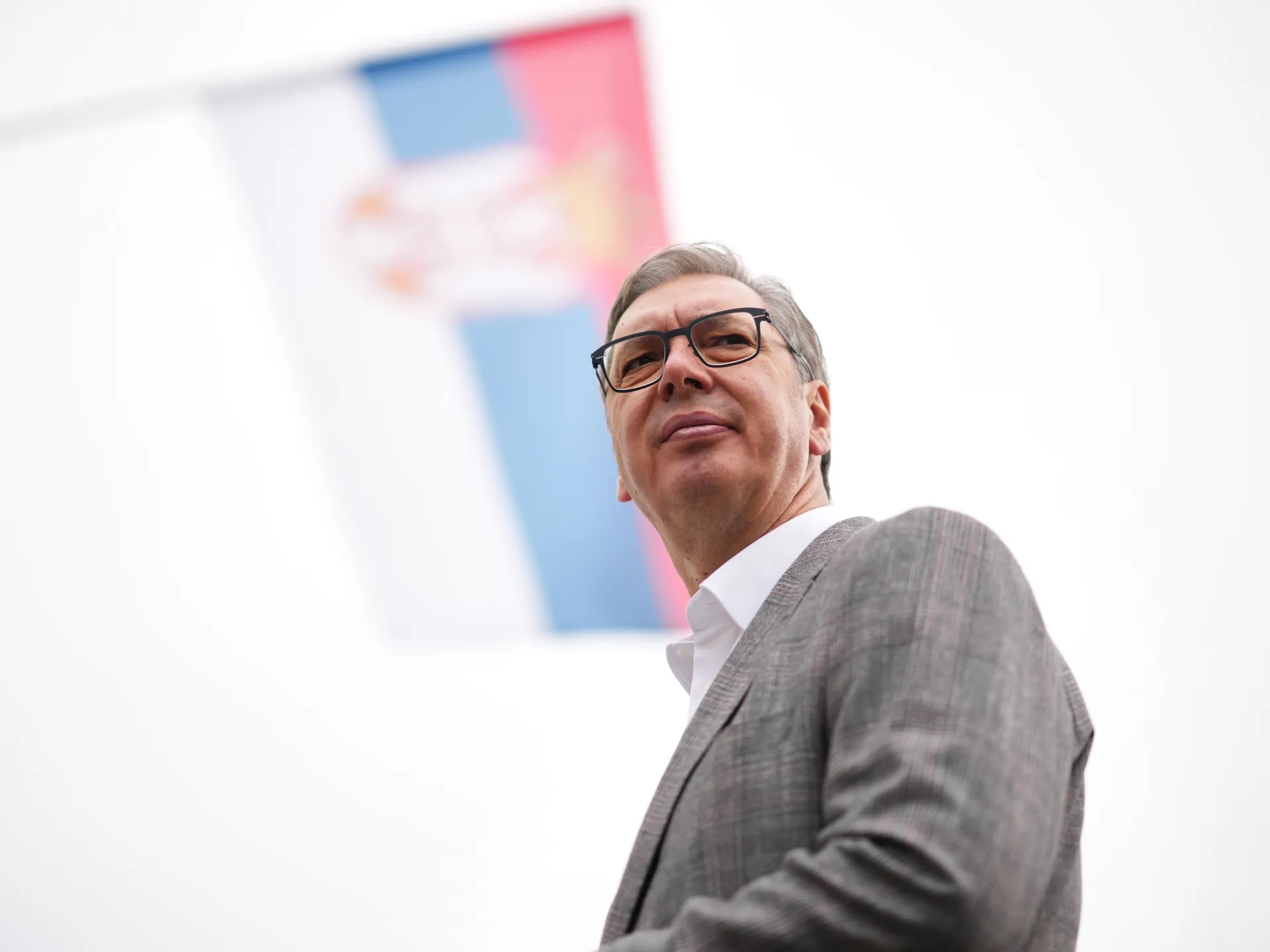
Aleksandar Vucic, who has shaped Serbia’s political life for more than a decade, has lost snap parliamentary elections to a student-led movement that led protests against him for almost two years.
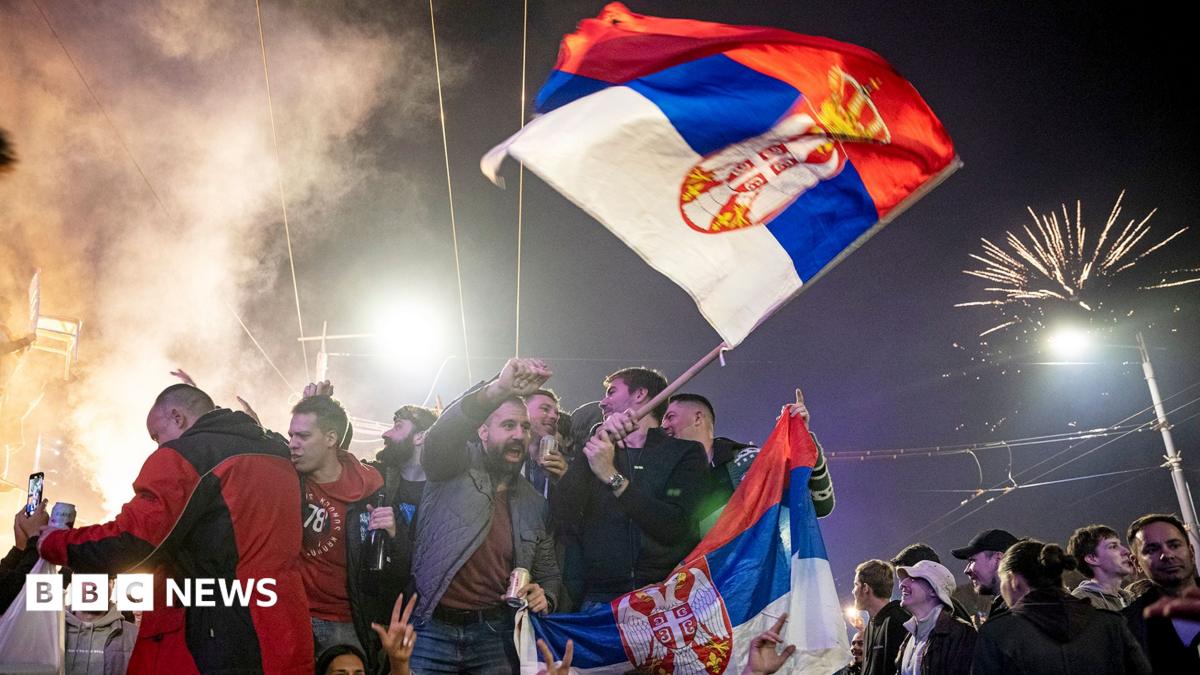
After a heated race, Vucic conceded defeat to the Student List in Sunday’s elections, which saw voter turnout reach its highest level in more than 30 years.
Recommended Stories
list of 4 itemsend of list
“It is clear that we have lost these elections,” the leader of the Serbian Progressive Party (SNS) told supporters after a sample of votes showed his electoral list was expected to win 105 seats in Serbia’s 250-member parliament, compared with 135 to 140 for the Student List.
The student movement emerged after 16 people were killed when a train station canopy collapsed in the city of Novi Sad on November 1, 2024.
The youth-led protests grew into a broader wave of social unrest and evolved into the Student List political platform, which promised to tackle corruption, depoliticise public institutions and restore citizens’ rights.
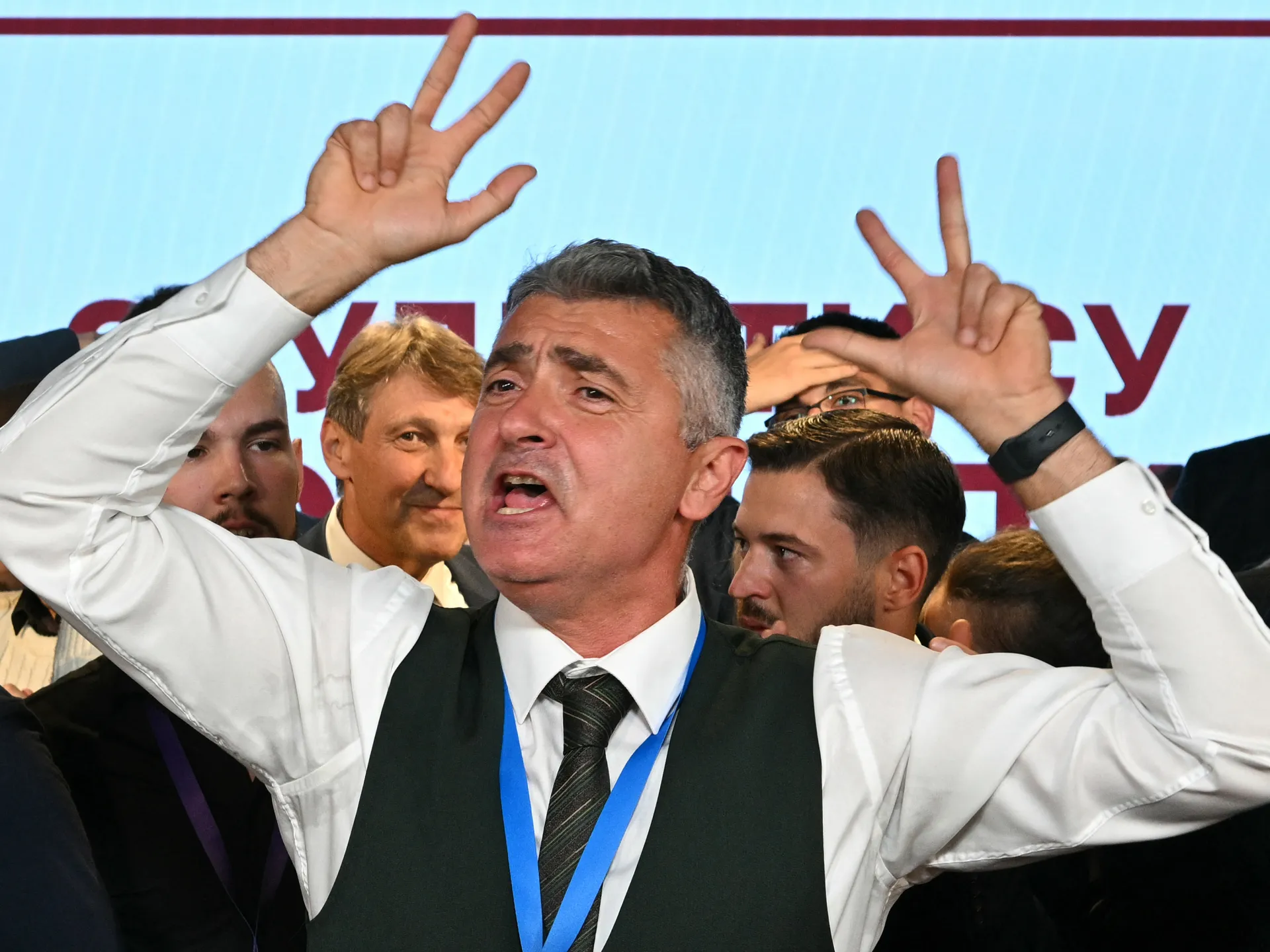
During the election campaign, the movement was led by Ilija Srdanovic, a professor at the Faculty of Medicine in Novi Sad.
Vucic referred to the demonstrators, who included university professors, doctors and workers, as “blockaders” and accused them of seeking to destabilise Serbia.
A former ultranationalist, Vucic cultivated an image of a pragmatic leader who maintained ties with the European Union, Russia and China as well as, increasingly, with Israel in recent years.
Born in Belgrade in 1970, the nearly 2-metre-tall (6.5ft-tall) Vucic graduated from the University of Belgrade’s faculty of law. He entered politics in 1993, joining the ultranationalist Serbian Radical Party led by Vojislav Seselj.
His political record during the 1990s was marked by nationalist rhetoric. One of his most remembered statements came in Serbia’s parliament in July 1995, nine days after the Srebrenica genocide: “Kill one Serb, and we will kill 100 Muslims.” Vucic made the comments during a debate on possible NATO strikes against positions held by the Army of Republika Srpska in Bosnia and Herzegovina.
Vucic’s political mentor at the time, Seselj, was sentenced in 2018 to 10 years in prison by the Appeals Chamber of the International Residual Mechanism for Criminal Tribunals for persecution, deportation and forcible transfer of non-Serbs during the wars in the Balkans in the 1990s.
Aleksandar Seselj, the son of Vojislav Seselj, was on Vucic’s electoral list in Sunday’s elections.
After a split within the Serbian Radical Party, Vucic and Tomislav Nikolic founded the SNS in 2008. The new party sought to move closer to mainstream European politics.
Safeta Bisevac, a Serbian journalist who has long followed Vucic’s political career, believes he was initially less popular than Nikolic, who appeared closer to common citizens.
“Vucic lagged far behind in popularity at the time and was essentially the organiser of the newly formed party,” Bisevac told Al Jazeera.
In 2012, the SNS came to power promising to fight corruption, organised crime and abuses committed under previous governments.
One of the most prominent cases was the December 2012 arrest of businessman Miroslav Miskovic and his son Marko on suspicion of financial irregularities and tax evasion. After years of legal proceedings, both were acquitted and the state paid them compensation.
Bisevac said the results of the fight against corruption remained modest while the authorities expanded their control over institutions, the media and political life.
Vucic served as first deputy prime minister from 2012 to 2014 before ascending to the post of prime minister in 2014. Three years later, he became president of Serbia and won re-election in 2022. His term was due to run until 2027.
Under pressure from the student-led protests, he resigned in September and called early elections. Although the Serbian presidency is constitutionally limited, Vucic has retained a dominant influence over his party and state policy.
“He made many promises and fulfilled few of them, but in the meantime, he established almost complete control over the state apparatus,” Bisevac said.
Economic growth and the debate over living standards
The Serbian economy has expanded significantly since Vucic took Serbia’s political centre stage in 2012. Unemployment dropped from 26 percent to 8 to 9 percent while nominal gross domestic product nearly tripled, reaching about 90 billion euros ($101bn), according to official data cited by the Reuters news agency.
Annual foreign direct investment inflows rose from about 800 million euros ($896m) in 2012 to a record 5.2 billion euros ($5.8bn) in 2024.
A network of modern motorways has also been built.
However, rising wages have not necessarily translated into a proportional improvement in living standards. The rising cost of living and public debt remain important elements of the debate over the government’s economic record.
Political scientist Dusko Radosavljevic said “the students simply gave a voice to the justified anger of citizens.”
Speaking to Al Jazeera about Vucic’s policies, Radosavljevic said the past decade was characterised by “systematic pressure and the destruction of social institutions”.
“State intelligence services have spent less time on their actual duties and more time monitoring political opponents while critical thinking has been pushed out of the public media,” Radosavljevic said.