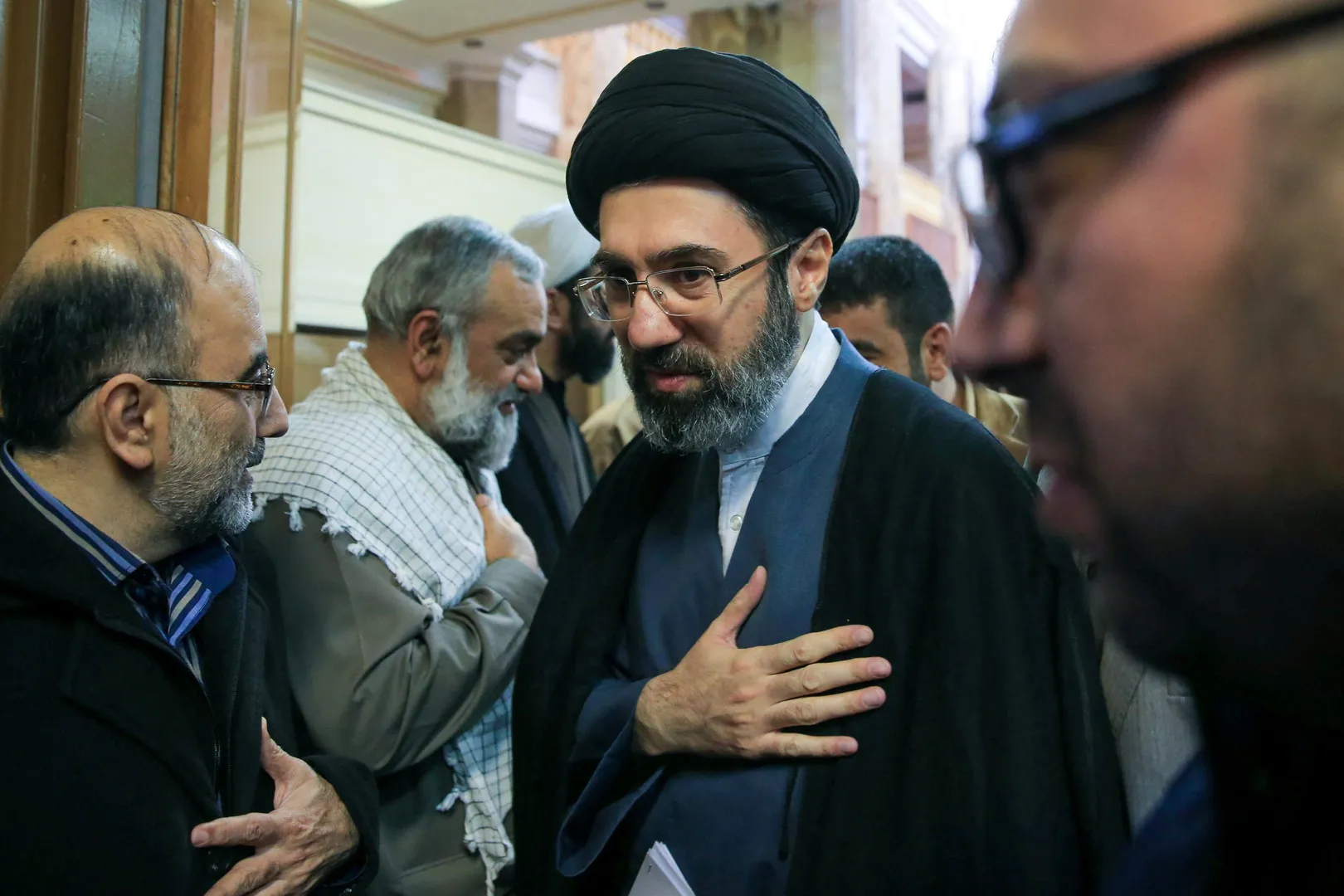
Supreme Leader Mojtaba Khamenei has released a message for the Persian New Year saying that Iran’s unity had defeated the enemy. Khamenei’s message comes amid rumours over his health following US-Israeli strikes.
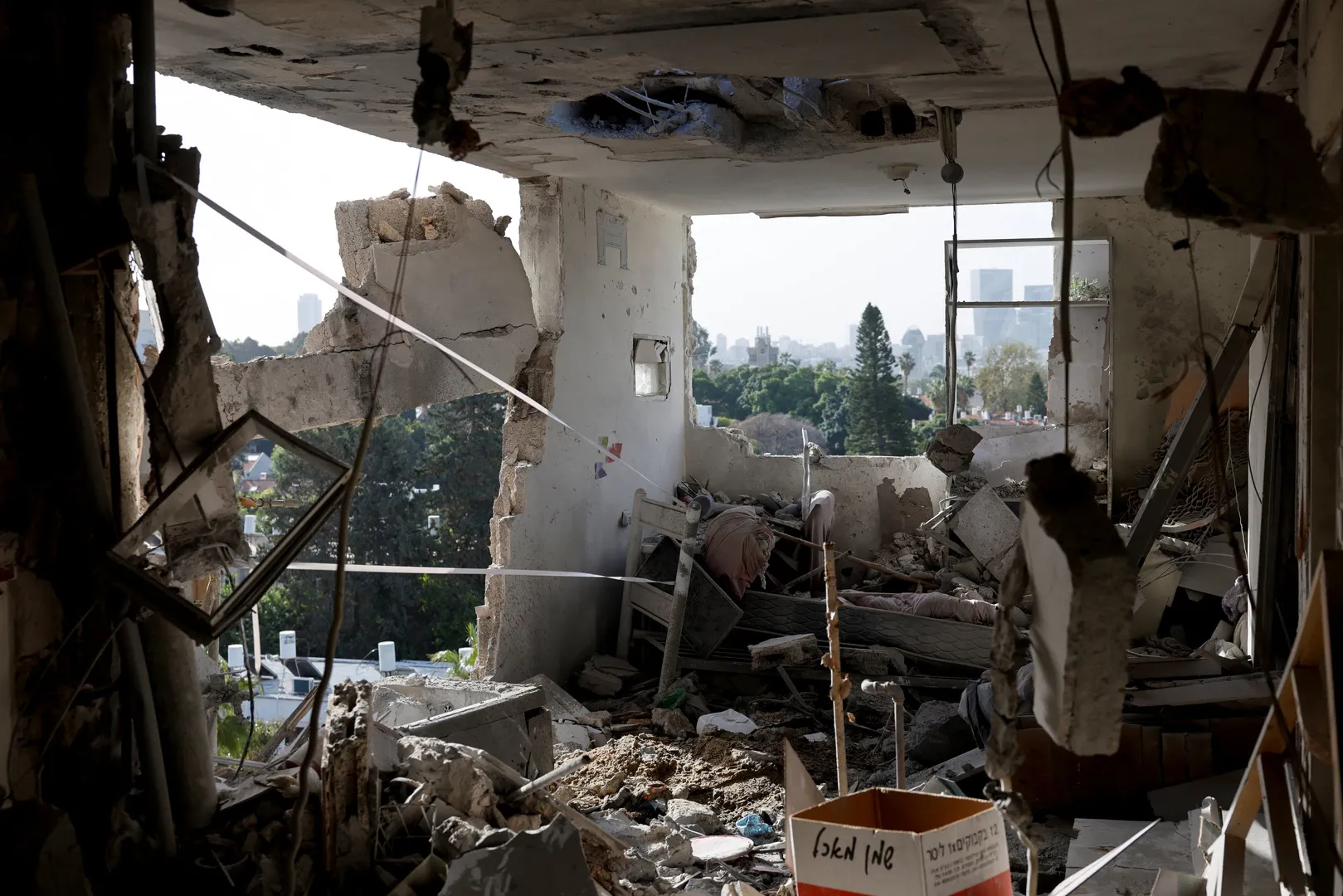
At least 15 people have been killed by attacks in Israel since the war on Iran started late last month. Israel operates a network of shelters to keep people safe, but not all Israeli citizens enjoy the same level of protection.
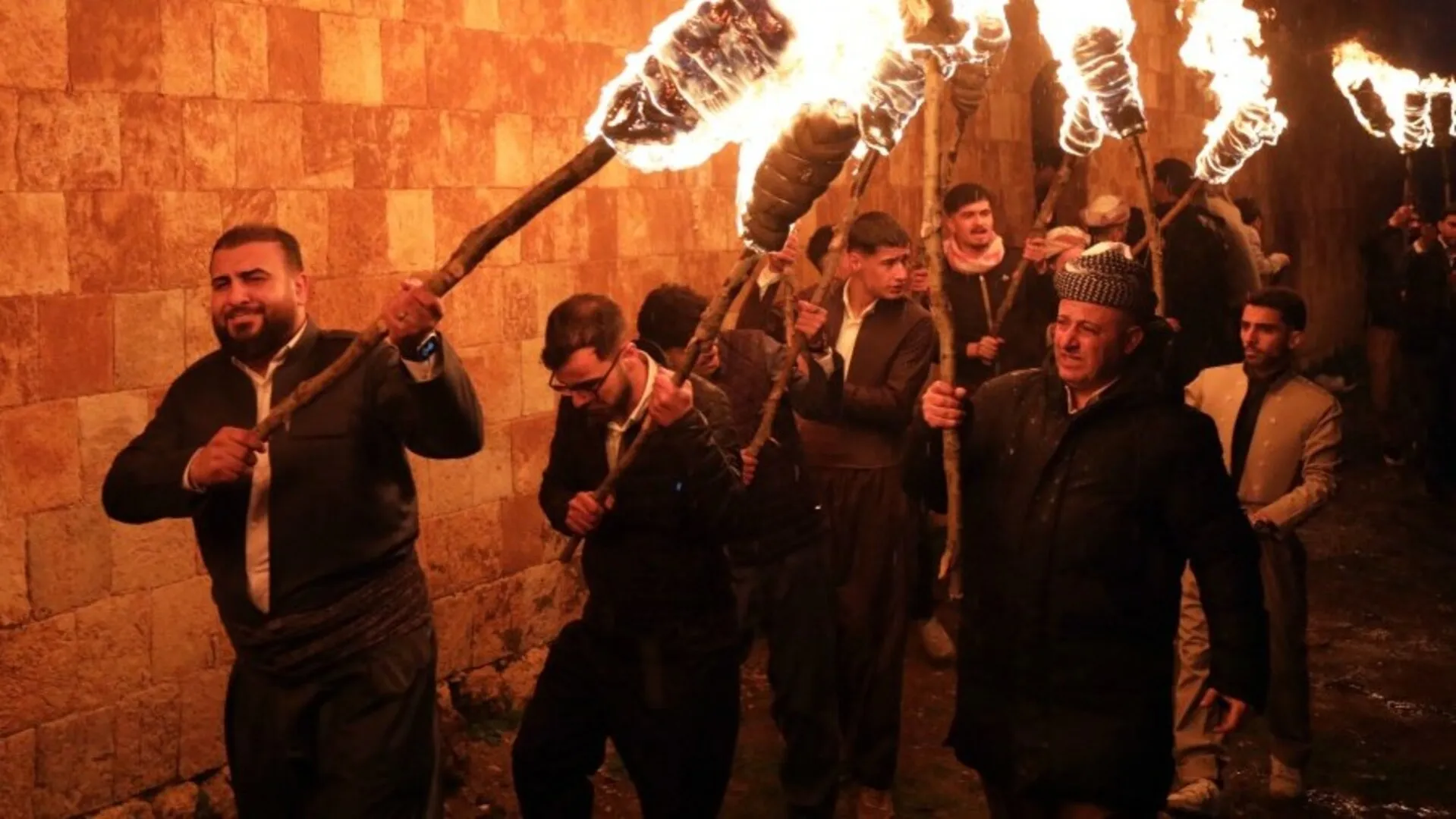
Millions of people have rung in the ancient Persian New Year, Nowruz, as war grips the Middle East. The 3,000-year-old Zoroastrian-rooted celebration marks the beginning of spring in the northern hemisphere and is celebrated by 300 million people in Iran and Central Asia.
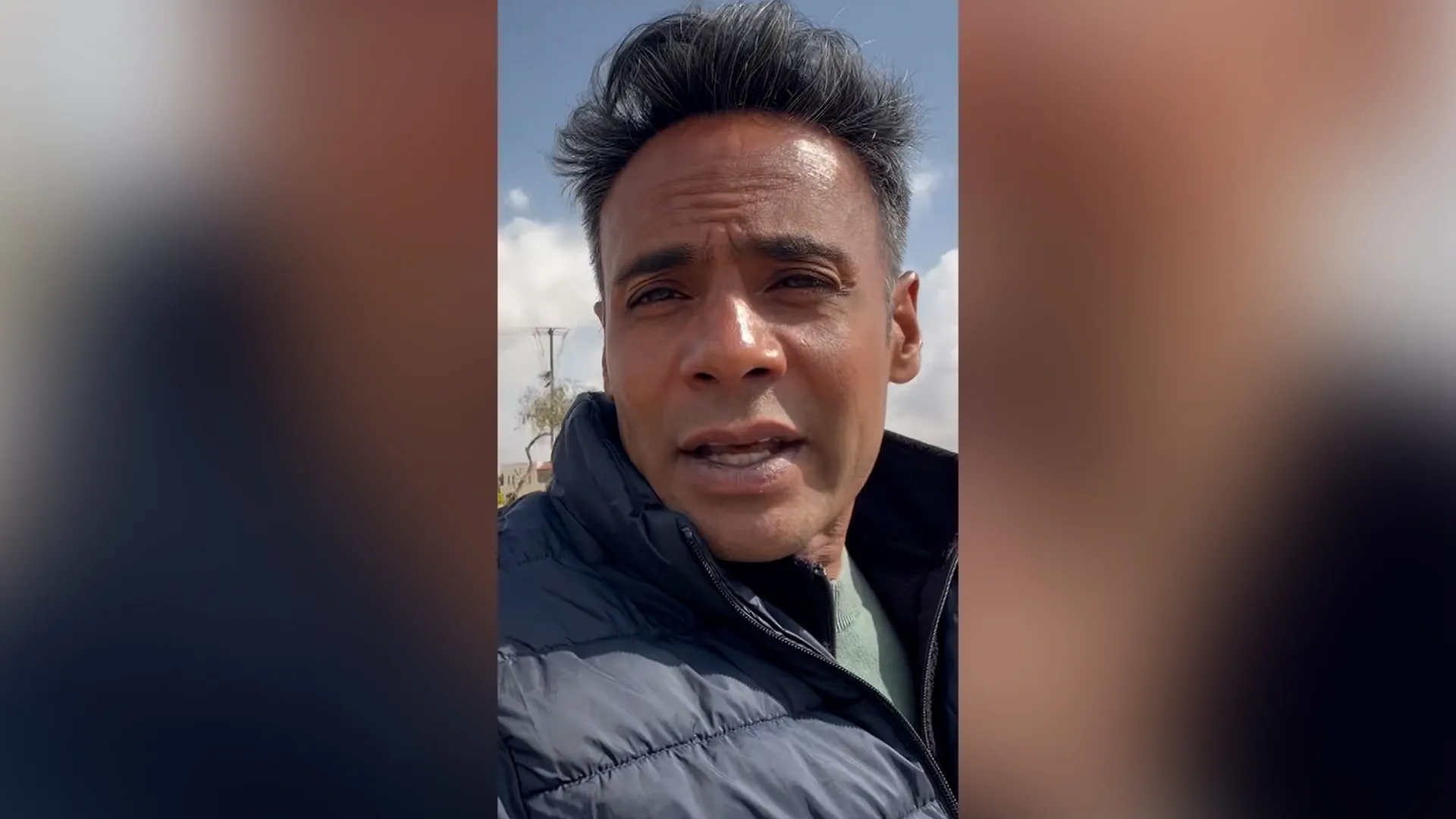
Al Jazeera’s Nicolas Haque recorded his journey on the long road from Amman, Jordan to Baghdad, Iraq as he deploys to cover the US-Israeli war on Iran. Along the 900km drive he found tight security and people largely unfazed by the conflict.
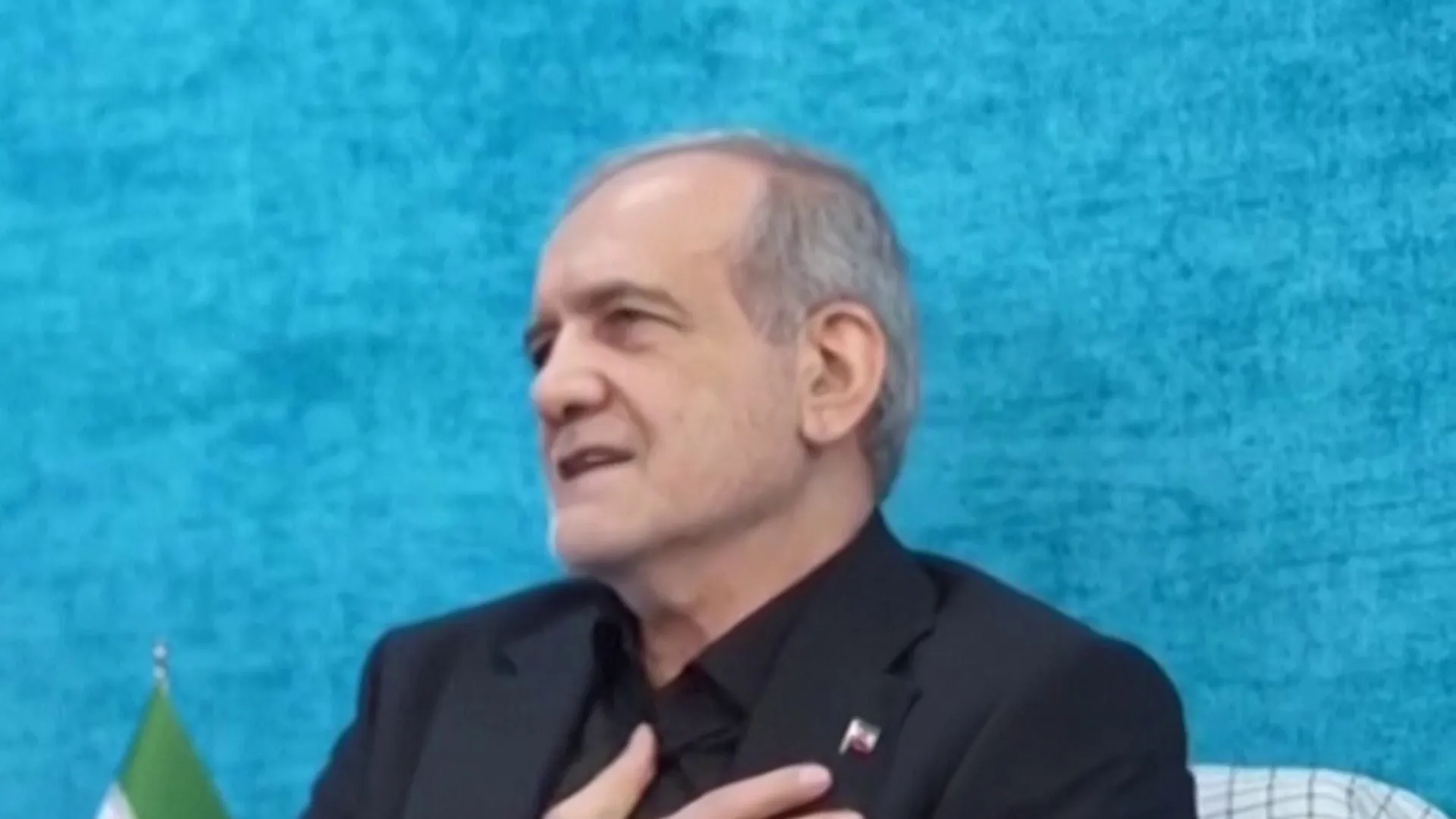
Iran’s President Masoud Pezeshkian says his country is not seeking war with its neighbours, blaming the US and Israel for creating problems. Iran has justified its attacks on Gulf states as they host US military bases.
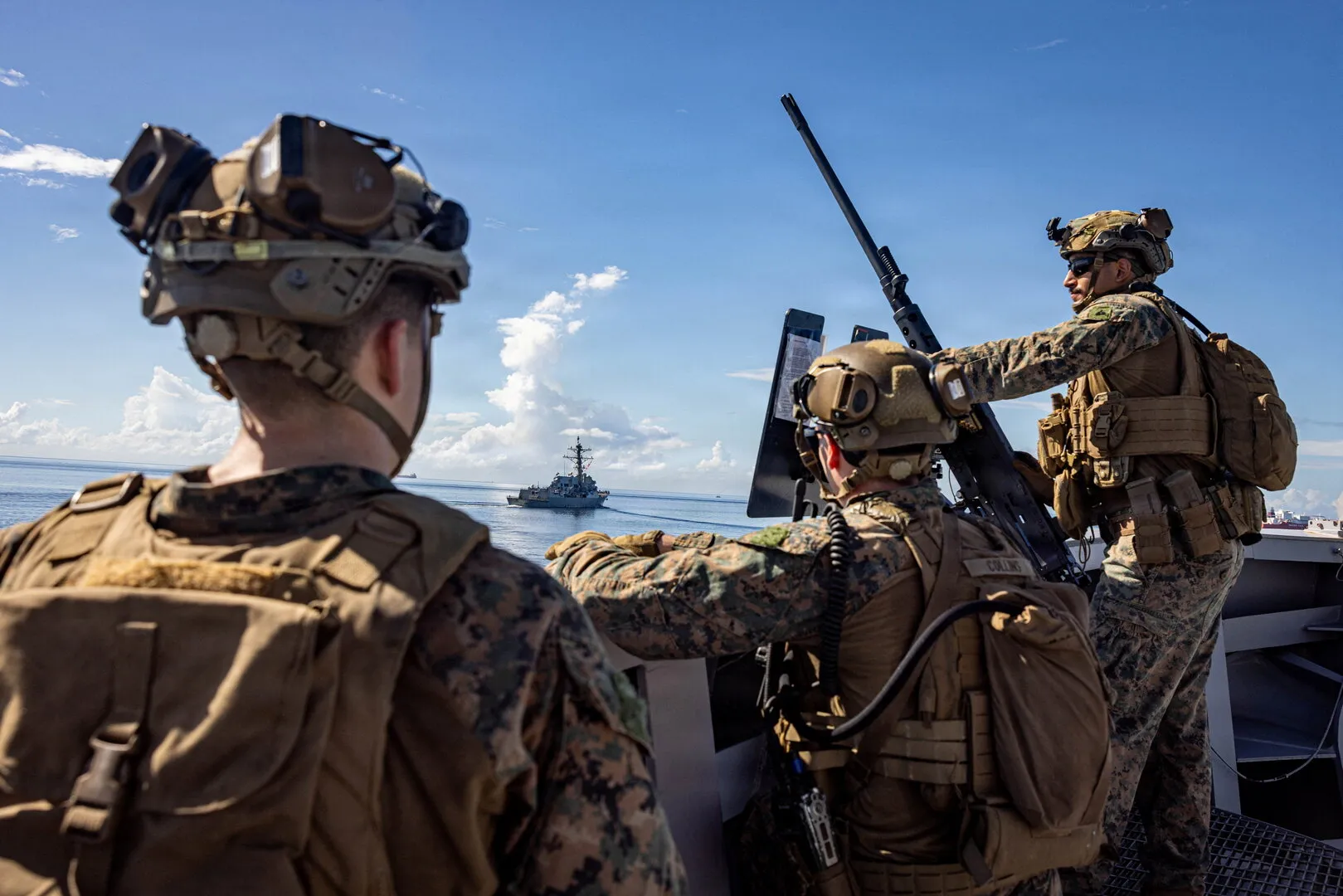
The US is moving military assets to the Middle East that are key to providing support for ground troop operations. Al Jazeera’s Kimberly Halkett says it’s the clearest sign yet of potential US boots on the ground in Iran to secure the Strait of Hormuz.
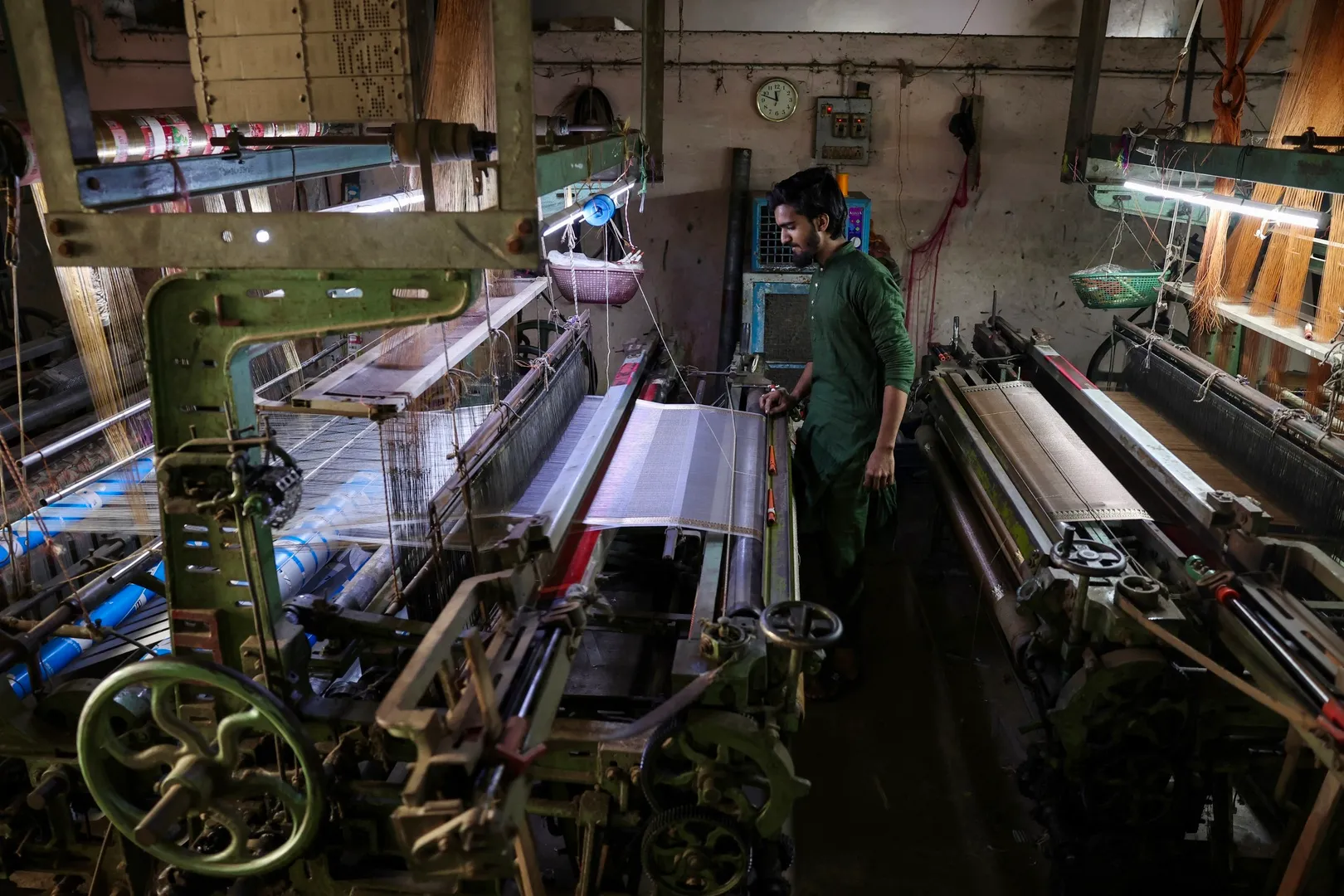
Workers in India’s textile hub Surat are returning home after days without cooking gas, as an LPG crisis linked to Iran war disruptions halts supplies. Industries face shutdowns, while authorities invoke emergency measures to prioritise households.
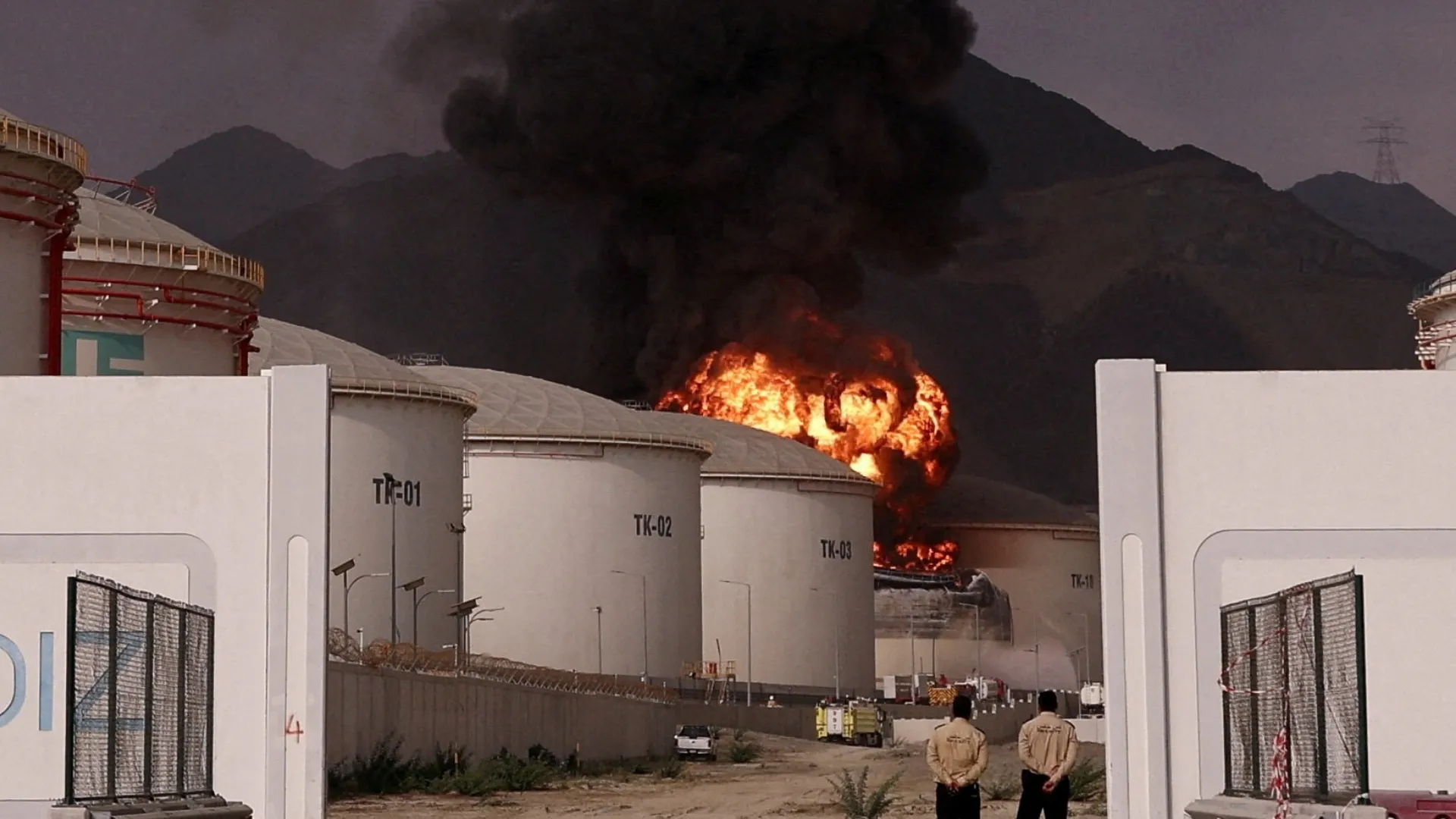
Oil and gas facilities in the Gulf have been attacked since early in the war on Iran.
The war in the Middle East took a serious turn when Israel bombed Iran’s energy facilities, pushing Iran to step up attacks on its Gulf neighbours.
The damage has been significant and will take years to repair. It also has long-term consequences, with Qatar already warning of a reduction in exports.
Recommended Stories
list of 3 itemsend of list
The escalation is dangerous, experts say, as energy exports from the Gulf region account for a fifth of global output.
So, what are the risks of turning energy facilities into battlefields?
Presenter: Imran Khan
Guests:
Mohsen Baharvand – Former Iranian ambassador to the United Kingdom
Jim Walsh – Research associate in MIT’s security studies programme
John Sfakianakis – Chief economist at the Gulf Research Center
How Iran’s power structure was built, and how it survives its architect.
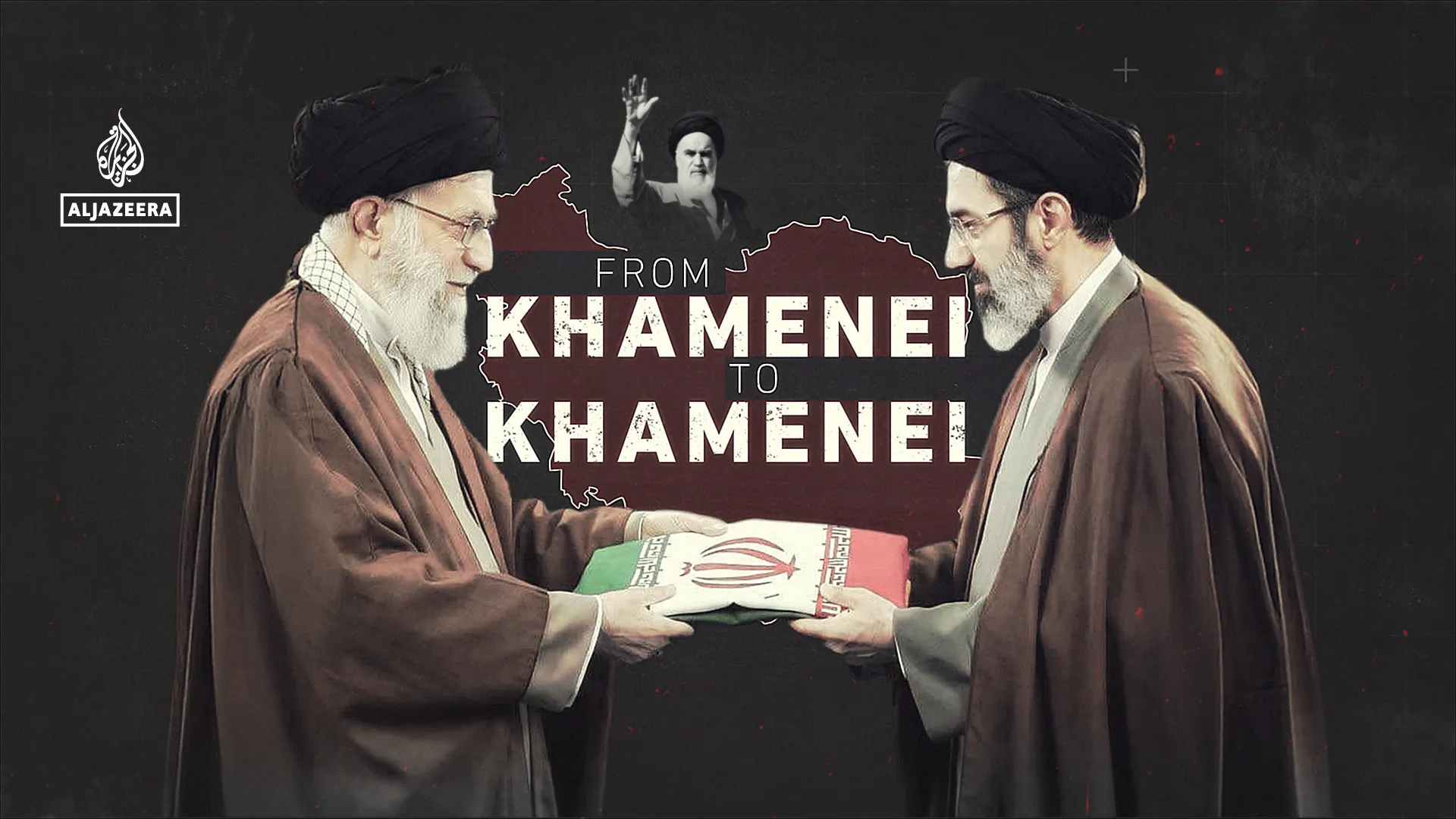
After a US-Israeli strike killed Iran’s Ali Khamenei, the war on Iran escalates, and the Islamic Republic faces a critical moment. Mojtaba Khamenei has been elected supreme leader, marking a rare and controversial succession. This explainer breaks down how Iran’s power structure was built after the 1979 Islamic revolution led by Ayatollah Ruhollah Khomeini, and how Ali Khamenei transformed that revolution into a complex political and security structure.
We examine how the supreme leader sits above all institutions in Iran, shaping decisions across government, the military, and the Islamic Revolutionary Guard Corps, and how this system is designed to endure beyond any single leader. As Mojtaba Khamenei takes power, questions grow over how Iran will be governed, how the IRGC will influence decision-making, and whether the system Ali Khamenei built can withstand both internal pressure and external conflict.
From Ali Khamenei to Mojtaba Khamenei, this is the story of Iran’s supreme leader, the system behind power in Iran, and what comes next.
Mojtaba Khamenei has not been seen in public since he replaced his slain father as Iran’s supreme leader.
Published On 20 Mar 202620 Mar 2026
Supreme Leader Mojtaba Khamenei has said Iran’s enemies were being “defeated” in a written message for the Persian New Year, as the US and Israel continue to pound the country with attacks.
In a statement read on Iranian television on Friday, Khamenei praised the steadfastness of the Iranian people marking Nowruz, which he said ushered in the year of a “resistance economy under national unity and national security”.
Recommended Stories
list of 3 itemsend of list
“At the moment, due to the particular unity that has been created between you, our compatriots – despite all the differences in religious, intellectual, cultural and political origins – the enemy has been defeated,” he said.
Iran’s supreme leader said that while the US and Israel believed that after one or two days of attacks, the Iranian people would overthrow the government, but this was a “gross miscalculation”.
The war was launched under “the delusion that if the pinnacle of the regime and certain influential military figures were to attain martyrdom, it would instil fear and despair in our dear people … and through this means, the dream of dominating Iran and subsequently dismembering it would be realised”, he said.
Instead, “a fracture has emerged in the enemy,” he added.
Analysts have observed that the Iranian constitution itself was drafted with the spectre of a power vacuum in mind, a “survival protocol” designed to give the system the capacity to continue even at a moment of maximum shock.
Khamenei also denied that Iran or its allied forces were responsible for attacks against Turkiye and Oman.
Those were “false flag” incidents used by Iran’s enemy to “sow discord among neighbours, and it may occur in other countries as well”, he claimed.
The Turkish Ministry of National Defence last week said NATO air defences intercepted a ballistic missile launched from Iran. Two people were killed in Oman after drones came down in the Sohar province.
The supreme leader also called on Afghanistan and Pakistan to end their fighting and said he stood ready to assist.
“We consider our eastern neighbours to be very close to us”, the supreme leader said. “I appeal to our two brotherly countries, Afghanistan and Pakistan, to establish better relations with each other … and I myself am ready to take the necessary actions.”
The neighbouring countries agreed to a temporary “pause” in hostilities during the Muslim holiday of Eid al-Fitr this week, after weeks of deadly violence.
From factories to supermarket shelves, the Iran war is disrupting global supply chains.
First came the energy shock. Now, the Iran war is hitting something even more basic: Food.
With the Strait of Hormuz blocked, vessels are being rerouted and supply chains are under strain.
The disruption is pushing up the costs of almost everything from factories to supermarket shelves thousands of miles away.
The longer the Iran conflict continues, the greater the pressure on businesses and consumers worldwide.
The United Nations warns that rising food, oil and shipping costs could push an additional 45 million people into acute hunger – taking the global total above its record of 319 million.
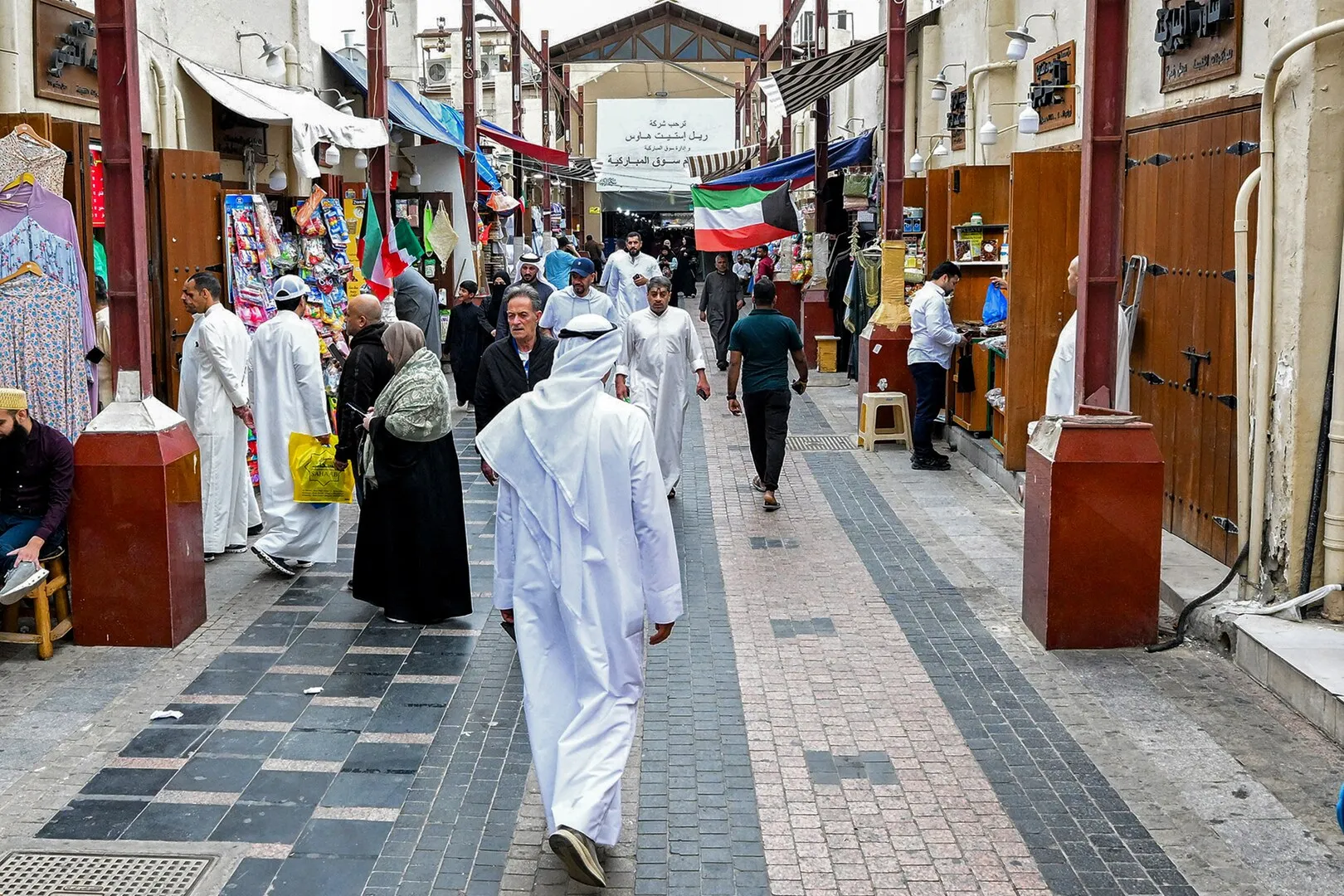
Air raid sirens sounded across Kuwait City as Iran targeted US assets with missiles and drones. Footage shows alerts sounding as the call to Eid al-Fitr prayers was made at a mosque.
Russian oil is emerging as a key beneficiary of the US-Israeli war on Iran, as countries scramble to charter tankers following United States President Donald Trump’s decision to temporarily ease sanctions, analysts say.
Following a phone call with Russian President Vladimir Putin on March 10, Trump said the US would waive Russian oil-related sanctions on “some countries” to ease the shortage caused by Iran’s closure of the Strait of Hormuz, which in peacetime carries 20 percent of the world’s oil and gas from producers in the Gulf.
This week, it was reported that a number of tankers carrying Russian oil bound for China had changed course and were heading for India instead.
According to figures from the Centre for Research on Energy and Clean Air (CREA), Russia earned an additional 672 million euros ($777m) in oil sales in the first two weeks of the war on Iran, which began on February 28 when Israel and the US launched strikes on Tehran, killing Ayatollah Ali Khamenei and other senior Iranian officials.
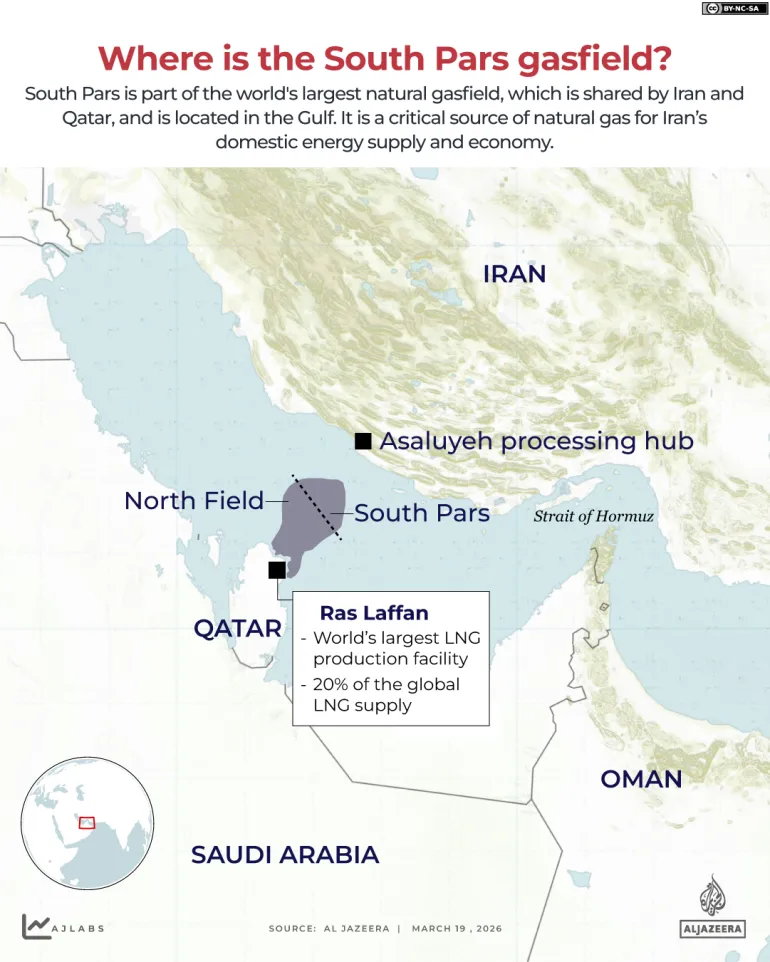
Iran has since struck back, launching thousands of missiles and drones towards Israel as well as US military assets and infrastructure in neighbouring Gulf countries. The war stepped up a level this week, when Israel bombed Iran’s critical South Pars gasfield, and Iran hit back with strikes on Gulf energy assets, including Qatar’s Ras Laffan Liquefied Natural Gas (LNG) facility – the world’s largest.
(Al Jazeera)
This week, the average price of Urals oil – the Russian benchmark – was significantly higher than the pre-war price of less than $60, at around $90 per barrel.
Here’s more about who is buying Russian oil and which other nations might benefit from the oil crisis.
Why is Russian oil benefitting from the Iran war?
Iran’s effective closure of the Hormuz Strait, which is the only sea route from the Gulf to the open ocean, has “walled in” 20 million barrels of Gulf oil per day, George Voloshin, an independent energy analyst based in Paris, told Al Jazeera.
This has prompted the US to, at least temporarily, ease sanctions on shipped Russian oil to slow the ensuing energy crisis and potential global price collapse. The price of Brent crude, the international benchmark, has risen to above $100 a barrel since the closure of the strait, compared with about $65 before the war began.
“Russia has emerged as a primary beneficiary of the Middle East conflict due to the massive supply vacuum created by the closure of the Strait of Hormuz,” Voloshin said. “Global refiners are desperate for alternative medium-sour crudes, a need that Russia’s Urals grade specifically meets.”
He added that the US decision to grant a temporary reprieve for shipped Russian oil “has provided Moscow with a critical window to maximise export volumes and oil revenues, essentially allowing Russian crude to act as the world’s primary swing supply during the Iranian blockade”.
(Al Jazeera)
How has the price of Russian oil been affected so far?
The price of Russian Urals has surged significantly, experts say. As a result of US sanctions, the oil had been trading at below $60 a barrel for some time. However, while “Urals historically traded at a significant discount to Brent due to Western sanctions”, Voloshin said, “that gap has narrowed as demand outstrips supply”.
“Since the beginning of the year, the price of Russian oil is estimated to have risen by nearly 80 percent – most recently close to $90 per barrel – and consistently trading well above the G7 price cap of $60 as buyers prioritise energy security over regulatory compliance in a high-volatility environment,” he added.
Are ships changing course to deliver Russian oil to new buyers?
Earlier this week, Bloomberg reported that at least seven tankers carrying Russian oil had changed course mid-voyage from China to India, citing data from Vortexa, the data analytics group.
Then, Indian media quoted Rakesh Kumar Sinha, special secretary in the Ministry of Ports, Shipping and Waterways, confirming that the Aqua Titan, a Russian oil-laden tanker originally destined for China, is now expected to arrive at New Mangalore port on March 21 having been chartered by Mangalore Refinery and Petrochemicals Limited (MPCL).
India was the first country to receive a time-limited exemption from the US Treasury to import Russian oil that is already at sea, Voloshin said.
“There is clear evidence of a massive logistical redirection of Russian oil cargoes mid-voyage. Several tankers originally bound for Chinese ports have, indeed, switched trajectory to India. This shift is driven by India’s aggressive pursuit of discounted distressed cargoes to fill its strategic reserves and meet domestic demand, as well as the increased risk and insurance costs associated with long-haul shipments to East Asia via contested waters.”
Until recently, Trump had been strongly pressuring India to stop buying Russian oil, even slapping additional 25 percent trade tariffs on India last year in punishment for doing so. This was lifted earlier this year when Trump claimed he had received assurances from India’s Prime Minister Narendra Modi that India would start buying US oil, or even Venezuelan oil seized by the US, instead.
Which countries are buying Russian oil now?
Indian media has reported that India’s purchases of Russian crude have surged in the past three weeks, since the war on Iran began and the Strait of Hormuz was closed.
“The primary buyers of Russian oil continue to be India and China, who together now account for the vast majority of Russia’s seaborne exports,” Voloshin said.
Turkiye is also a significant buyer, he added, now using Russian crude to stabilise its domestic market amid the gas shortages caused by the Israeli strikes on Iran’s South Pars field.
“Additionally, a shadow fleet of ageing tankers continues to move Russian oil to smaller, less-regulated refineries across Southeast Asia and the Middle East, often through complex ship-to-ship transfers designed to obscure the origin of the crude,” he added.
He said this shadow fleet is becoming the primary delivery mechanism for oil in several contested regions, meaning more buyers could appear. “Additionally, the degree of cooperation between the US and its European allies remains a wild card. If the EU continues to refuse participation in military operations near Iran, the diplomatic and economic pressure on the US to maintain the Russian oil reprieve will likely increase.”
A French Navy helicopter hovers over the Deyna vessel, which is believed to be a member of the Russian shadow fleet, during an operation in the Western Mediterranean Sea, in this handout image obtained by Reuters on March 20, 2026 [Prefecture maritime de la Mediterranee/Etat Major des Armees/Handout via Reuters]
Will Russian oil remain in demand if the US re-imposes sanctions?
If there is nowhere else to readily source oil, countries may continue to seek Russian crude even if the US reimposes sanctions, Voloshin said. The International Energy Agency (IEA) says the closure of the Hormuz Strait has caused a shortage of 8 million barrels of oil per day.
If that persists, “major importers like India may feel they have no choice but to continue buying Russian oil to prevent domestic economic collapse”, Voloshin said.
If secondary sanctions on Russian oil are reintroduced, he added, buyers may demand much lower prices to compensate for the increased legal and financial risks of dealing with Moscow. “At the same time, in the presence of a continued severe market disruption, the US is very likely to roll over [extend] current exemptions,” Voloshin said.
Which other energy-producing nations could benefit?
Two other major non-OPEC energy producers that could benefit are Norway and Canada, experts say. However, this will largely depend on their capacity to increase production.
“Norway has already signalled its intent to maintain maximum gas and oil production to support European energy security, primarily selling to EU nations seeking to replace lost Iranian and Russian volumes,” Voloshin said. “Canada is exploring ways to increase its export capacity to the US Gulf Coast. However, like Russia, its ability to significantly ramp up production in the short term is constrained by pipeline throughput and infrastructure bottlenecks.”
Israeli and US air attacks pound Iran as assassination campaign of country’s leadership continues.
Published On 20 Mar 202620 Mar 2026
Iran’s Islamic Revolutionary Guard Corps spokesperson has been killed in overnight strikes carried out jointly by the United States and Israel, the IRGC reported, the latest in a mounting toll of senior officials assassinated since the war began.
Ali Mohammad Naini, a 68-year-old brigadier general who took up the IRGC spokesman role in 2024, “was martyred in the criminal cowardly terrorist attack by the American-Zionist side at dawn”, the IRGC said in a statement on Friday.
Recommended Stories
list of 3 itemsend of list
His death came just hours after he appeared on national television to insist that Iran retained full capacity to manufacture missiles, even under wartime conditions.
“Our missile industry deserves a perfect score … and there is no concern in this regard, because even under wartime conditions we continue missile production,” Naini was quoted by the Fars news agency as saying.
On Thursday, Israeli Prime Minister Benjamin Netanyahu said that “Iran no longer has the capacity to enrich uranium and manufacture ballistic missiles”.
The Israeli army said on Friday that it was carrying out strikes across eastern Tehran, as the country marks the Persian New Year, Nowruz, which this year coincides with Eid al-Fitr.
Al Jazeera’s Mohamed Vall, reporting from Tehran, described the mood in the capital as “hushed”, with none of the customary festivities visible on the streets.
Supreme Leader Ayatollah Ali Khamenei was killed in the opening hours of the joint military campaign. He has since been replaced by his son, Mojtaba Khamenei.
Earlier this week, Ali Larijani, secretary of Iran’s Supreme National Security Council and one of the most influential figures in Iran’s establishment, was killed in a strike along with his son and several aides.
US Defense Secretary Pete Hegseth made little effort to conceal Washington’s glee, saying on Thursday that “the last job anyone in the world wants right now” is a senior leadership role in the IRGC or Basij.
However, other US officials appeared to suggest that Washington and Israel’s aims in Israel were not aligned.
Director of National Intelligence Tulsi Gabbard told the House Intelligence Committee this week that US and Israeli objectives “are different”, adding that while Israel had been “focused on disabling the Iranian leadership,” Trump’s goals were to destroy Iran’s ballistic missile capabilities “and their navy”.
Israeli Prime Minister Netanyahu has cast the killings as a means of opening a path for Iranians to reclaim their country, saying on Wednesday the campaign against the country’s leadership “will not happen all at once” but that persistence would give Iranians “a chance to take their fate into their own hands”.
Foreign Minister Abbas Araghchi said the US and Israel had still failed to grasp that Iran’s political structure does not rest on any single person.
“The presence or absence of a single individual does not affect this structure,” he said.
Israeli air strikes target army camps in response to alleged attacks on the Druze community in Suwayda on Thursday.
Published On 20 Mar 202620 Mar 2026
Israel’s military has said it struck Syrian army camps overnight in response to what it claimed were attacks against the Druze community in the south of the country.
“This was in response to yesterday’s events, in which Druze civilians were attacked in the [Suwayda] area,” the Israeli military said in a post on Telegram on Friday.
Recommended Stories
list of 3 itemsend of list
“The [Israeli military] will not allow harm to come to Druze in Syria and will continue to act for their protection.”
The Syrian Observatory for Human Rights monitor reported on Thursday that fighting broke out between government forces and fighters from local tribes against opposing Druze factions in the western countryside of Suwayda.
The fighting began after mortar shells fell on areas under the control of Druze factions.
The shelling later hit residential neighbourhoods in the city of Suwayda, sowing panic and fear among residents, the Syrian Observatory said.
Syria’s state-run SANA news agency did not acknowledge the fighting in Suwayda or the Israeli attack.
Violence first erupted in Suwayda on July 13 between Bedouin tribal fighters and Druze groups.
Government forces were sent in to quell the fighting, but the bloodshed worsened, and Israel carried out strikes on Syrian troops and also bombed the heart of the capital, Damascus, under the pretext of protecting the Druze.
Israel had already pushed deeper into Syrian territory following the fall of Bashar al-Assad in December 2024, occupying the buffer zone and saying the 1974 deal with Syria had collapsed.
The latest flare-up between the neighbouring countries comes as war roils the Middle East after the United States and Israel attacked Iran on February 28.
In a speech delivered after the Eid al-Fitr prayers on Friday in Damascus, Syrian President Ahmed al-Sharaa said he is working to keep Syria out of any conflict.
“It is important to remember that Syria has always been an arena of conflict and strife during the past 15 years and before that, but today it is in harmony with all neighbouring countries regionally and internationally,” he said.
He added that Syria stood “in full solidarity with the Arab states”.
Beirut, Lebanon and Gaza City, Palestine – Along Beirut’s downtown waterfront, Alaa is looking for somewhere to rest his head.
The Syrian refugee, originally from the occupied Golan Heights, is now homeless. He explained that he had already spent the day wandering around the Lebanese capital trying to find shelter.
Recommended Stories
list of 3 itemsend of list
He used to live in Dahiyeh – the southern suburbs of Beirut that have been pummelled by Israeli attacks, which have now killed more than 1,000 across Lebanon.
Now, he’s just looking for somewhere he can be safe. And in that context, Eid al-Fitr, the Muslim festival that began on Friday, is far from his mind.
When asked if he had any plans for Eid, he replied in the negative. Instead, his focus was on getting a tent.
“I got rejected from staying in a school, then I went to sleep on the corniche,” Alaa said. “Then people from the municipality told me to come here to downtown Beirut’s waterfront.”
Alaa wasn’t able to find a tent and is sleeping in the open air for now. But others in the area have, transforming a downtown more famous for its expensive restaurants and bars into a tent city for those displaced by the fighting. Across Lebanon, more than a million people have been displaced.
Lebanese are uncertain when this war will end, particularly as they have barely recovered from the conflict with Israel that ran between October 2023 and November 2024.
It makes celebrations difficult – a common theme across the countries affected by the current conflict.
In Iran, now in its third week of US-Israeli attacks – with no sign of an immediate end and an economic crisis that preceded the conflict, people are struggling to afford any of the items typically bought during the holiday season.
And it is potentially dangerous for people to shop at places like Tehran’s grand bazaar, which has been damaged by the bombing.
The religious element of Eid adds an extra sensitivity for antigovernment Iranians, some of whom now see any sign of religiosity as support for the Islamic Republic. The fact that Nowruz – the Persian New Year – falls on Friday this year means that some in the antigovernment camp will be focused on that celebration instead, and eschewing any events to mark Eid.
Struggling in Gaza
Many Palestinians in Gaza want to celebrate Eid, but the enclave’s economic crisis, brought on by Israel’s genocidal war, makes it difficult.
Israeli restrictions on the entry of goods into Gaza, which have increased since the war against Iran started, have driven up prices further, including the cost of children’s toys.
Khaled Deeb, a 62-year-old living in a partially destroyed home in Gaza City, had ventured into the central Remal market, curious to see how expensive fruit and vegetables had gotten in the run-up to Eid.
“From the outside, the Eid atmosphere looks lively and vibrant,” Khaled said, pointing to the crowded market. “But financially, things are extremely bad. People have all left their homes and are now living in tents and displacement. Everyone has lost everything during the war.”
Khaled says he can’t afford the fruit and vegetables, and will have to go without. Only “kings” could buy them, he said, not “poor and exhausted people” like him.
What makes it worse is his memory of what things were like before the war, when he owned a supermarket.
“During Eid, I would give my daughters and sisters gifts of more than 3,000 shekels ($950) when visiting them, not to mention preparing the house, buying Eid clothes for my children, and sweets and chocolates to welcome the holiday,” Khaled said. None of that is going to happen this Eid, even with a ceasefire in Gaza.
His sentiment was echoed by Shireen Shreim, a mother of three.
“Our joy in Eid is incomplete,” she said, as she wandered through the market. “We have come out of two years of war with immense hardship, only to face a life where even the most basic necessities are unavailable.”
And with Israel showing few signs that it is willing to stop violently attacking Palestinians, as well as other countries in the region, Shireen has no idea when Gaza will ever be rebuilt.
“I live in an apartment with completely hollowed-out walls,” she explained. “My husband and I put up tarps and wood, and we are continuing our lives. We are much better off than others.”
“Every time I return home, I feel sad,” she added. “As you can see, people are living in nylon and cloth tents in the streets, without any humane shelter. How will these people celebrate Eid?”
Back in Beirut, Karim Safieddine, a political researcher and organiser, is stoic. He said he would be celebrating Eid with his extended family, despite the difficult circumstances.
“Although we have been displaced by the war, we believe that consolidating these family bonds and creating a sense of communal solidarity is the first and foremost condition to survive this war,” Karim said.
“Without solidarity, we won’t be able to build a society, a country,” he said. “I think that’s a starting point for many people attempting to really create a sense of forward-looking vision for a country under bombs, without any form of toxic positivity, of course.”
Tehran has warned of zero restraint if energy facilities are attacked again, while Netanyahu signals that there could be a ‘ground component’ to the war.
Published On 20 Mar 202620 Mar 2026
Iran has warned it will show “zero restraint” if its energy facilities are attacked again, a day after Israel struck the South Pars gasfield and Tehran attacked energy sites across the Gulf.
In the United States, President Donald Trump raised controversy during a meeting with Japan’s Prime Minister Sanae Takaichi by invoking the 1941 bombing of Pearl Harbour while defending the element of surprise in the Iran attack.
Meanwhile, as the conflict intensifies, concerns over supply disruptions have pushed global oil and gas prices higher, with sharp increases reported across the United Kingdom and Europe.
In Iran
Escalation: After Israel struck Iran’s South Pars gasfield, Tehran hit targets in Haifa, Israel, and Ras Laffan, Qatar, warning of “zero restraint” if its energy facilities are attacked again and claiming Iran has only used a “fraction” of its firepower so far.
Widespread regional missile strikes: Iran’s Islamic Revolutionary Guard Corps (IRGC) announced a new wave of missile and drone attacks on US bases and central and southern Israel, including Tel Aviv, Haifa, and Jerusalem.
Humanitarian toll: The Iranian Red Crescent Society reported that more than 18,000 civilians have been injured and 204 children have been killed in Iran since the war began on February 28. In all, more than 1,400 people have been killed in Iran.
US airbase in Germany: Iran said it had asked Germany to clarify the role of the Ramstein Air Base in the war. “The role of Ramstein is not officially clear for us,” Tehran’s ambassador to Germany, Majid Nili, said. The Ramstein Air Base matters because it is one of the US military’s most important hubs and a key link in operations in the Middle East.
Macron eyes UN action on Hormuz: French President Emmanuel Macron said he will consult United Nations Security Council members on a framework to secure navigation in the Strait of Hormuz, a vital global chokepoint through which about 20 percent of the world’s oil and gas flows – once fighting subsides.
In the Gulf
Gulf attacks: UAE and Kuwaiti air defences were responding to missile attacks on Friday, authorities in the Gulf states said. Saudi Arabia’s Ministry of Defense said it had intercepted and destroyed 10 drones in the country’s east and another in the north.
UAE arrests: Authorities detained at least five members of a “terrorist network” linked to Iran and Hezbollah that allegedly used business fronts to infiltrate the economy as part of a coordinated external plan, the official WAM news agency reported.
Qatar – Ras Laffan attack: Iran hit Qatar’s key LNG facility, cutting about 17 percent of output for as long as five years, the CEO of QatarEnergy has said. With Qatar supplying 20 percent of global LNG, disruptions are expected, with force majeure likely on some contracts to Belgium, Italy, South Korea, and China. Diplomatically, Qatar’s prime minister and Turkiye’s foreign minister held a joint news conference condemning the act of sabotage as a “dangerous escalation” by Iran. On Thursday, Qatar’s defence forces again reported ballistic missile attacks.
Missile and drone interceptions in Bahrain: Bahrain’s Defence Force reported shooting down five incoming missiles recently, bringing its total interceptions to 139 missiles and 238 drones since the start of the conflict more than two weeks ago.
In the US
‘Pearl Harbour’ remarks: Trump defended not informing allies about the US strikes on Iran, saying “we wanted surprise.” He then turned to Japanese Prime Minister Sanae Takaichi, who was visiting the White House and was seated next to him, and invoked the 1941 bombing of Pearl Harbour, saying, “Who knows better about surprise than Japan? Why didn’t you tell me about Pearl Harbour, OK? Right?”
Diplomatic shockwaves: Analyst Mireya Solis called Trump’s Pearl Harbour remark to Japan’s PM “unusual – a shock” that brings up a bitter rivalry rather than emphasising shared allied bonds.
US war objectives unchanged: Defense Secretary Pete Hegseth said US goals remain the same since February 28 – targeting Iran’s missile systems, military industry and navy, and preventing a nuclear weapon, with no set end date.
No US ground troops: Trump said he was not sending US ground troops to Iran, telling reporters: “If I were, I certainly wouldn’t tell you. But I’m not putting troops.” However, Trump has frequently changed his position on whether he is open to deploying boots on the ground in Iran.
F-35 incident: A US F-35 fighter jet made an emergency landing at a Middle East airbase after a combat mission over Iran. The aircraft landed safely and the pilot is stable, while US officials investigate reports it may have been struck by Iranian fire. If that is the case, it would be the first US jet struck by Iran during the current war.
In Israel
Explosions over Jerusalem: Israel’s military said it had identified three rounds of missile fire in the hour and a half preceding midnight, and another a few hours later.
Netanyahu says Iran ‘decimated’: Israeli Prime Minister Benjamin Netanyahu said at a news conference he saw “this war ending a lot faster than people think … We are winning and Iran is being decimated.”
Trump and Netanyahu: Netanyahu also denied that Israel “dragged” the US into the war, asking, “Does anyone really think that someone can tell President Trump what to do?”
Israel ‘acted alone’: The PM also said Israel acted on its own when it struck an Iranian gasfield. “President Trump asked us to hold off on future attacks and we’re holding out.”
Netanyahu signals possible ground phase: “It is often said that you can’t win, you can’t do revolutions from the air. That is true. You can’t do it only from the air. You can do a lot of things from the air, and we’re doing, but there has to be a ground component as well,” the Israeli prime minister said in his remarks.
Next stage questions: Al Jazeera’s Rob McBride described Netanyahu’s comments about a possible ground component as “intriguing”, suggesting a potential next stage while raising questions about how it would unfold. Netanyahu’s remarks were also seen as an attempt to reassure Israelis that the nearly three-week war has been worthwhile.
Core objectives: Netanyahu also reiterated goals of dismantling Iran’s nuclear programme, degrading its ballistic missile capabilities, and shaping conditions for a future without the “current regime”.
Regional framing: “In a wider sense, he was also claiming that with their American allies, they were reshaping the Middle East altogether, and that the balance of power and the dynamics within that – that Israel, he said, had never been stronger, while Iran, he claimed, had never been weaker,” McBride said.
In Lebanon
Severe humanitarian crisis and displacements: Since Israeli attacks on Lebanon escalated on March 2, the death toll in the country has surpassed 1,000 people, with at least 2,584 wounded. Furthermore, residents in towns such as Machghara and Sahmar in the Bekaa Valley reported receiving threatening phone calls from foreign numbers urging them to evacuate.
Ongoing clashes and military actions: Fierce fighting continues in southern Lebanon, where the Israeli army has expanded its ground troop presence. Hezbollah has claimed responsibility for multiple attacks, including firing missiles at Israeli soldiers and vehicles in the southern Lebanese towns of al-Aadaissah, Meiss el-Jabal, and Maroun al-Ras.
Diplomatic efforts for a truce: Amidst the heavy fighting, Lebanese President Joseph Aoun has renewed calls for a truce and the opening of negotiations with Israel to end the war.
Oil and gas
Global economic effect: The Ras Laffan strike cut about 17 percent of LNG capacity, with losses near $20bn a year and an estimated 9 percent annual hit to Qatar’s gross domestic product, according to Al Jazeera’s Dmitry Medvedenko, who was reporting from Doha.
Soaring global prices: Concerns over these supply disruptions have triggered a surge in global oil and gas prices. Gas prices have risen sharply across the UK and Europe. The ripple effects are being felt in developing nations as well; for instance, fuel prices in Zimbabwe recently topped $2 per litre for the first time as a direct result of the conflict’s effect on oil and gas exports.
International pushback and warnings: Due to the escalating energy crisis, the European Council has urgently called for a moratorium on strikes against energy and water facilities.
US may ‘unsanction’ Iranian crude: US Treasury Secretary Scott Bessent said Washington might “unsanction” Iranian oil that is already being shipped to ease oil prices. In comments to Fox Business, Bessent also said the US government could release more oil from its strategic reserves.
Reports say Sardar Azmoun, who plays for UAE club Shabab Al-Ahli, was expelled for Instagram post with Dubai’s ruler.
Published On 20 Mar 202620 Mar 2026
Sardar Azmoun, one of Iran’s top football players, has been expelled from the national team for a perceived act of disloyalty to the government, Iranian media has reported, making it unlikely he will play any part in the upcoming FIFA World Cup.
Iran’s participation in the global football showpiece is under a cloud because of the ongoing conflict with the United States, who are co-hosting the June 11-July 19 tournament with Mexico and Canada.
Recommended Stories
list of 4 itemsend of list
If Team Melli do turn up for their opening-round group matches, they will undoubtedly be weakened by the absence of striker Azmoun, who has scored 57 goals in 91 internationals since making his debut as a teenager in 2014.
Azmoun, who plays his club football in the United Arab Emirates (UAE) for Dubai club Shabab Al-Ahli, upset the Iranian authorities this week by posting a picture on his Instagram feed of a meeting with Dubai’s ruler Mohammed bin Rashid Al Maktoum.
Iran has launched rocket and drone attacks on the UAE following air strikes by the US and Israel, which killed the country’s Supreme Leader Ayatollah Ali Khamenei.
A report on the Fars News Agency, which has links to the hardline Islamic Revolutionary Guard Corps, cited “an informed source within the national team” as saying Azmoun had been expelled from the squad.
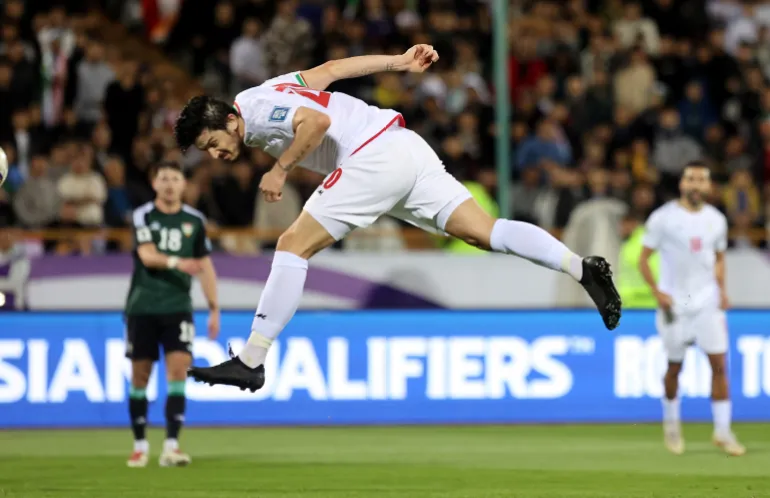
Iran forward Sardar Azmoun scores a goal during the World Cup AFC qualifiers against the UAE at the Azadi Sports Complex, Tehran, Iran, on March 20, 2025 [Majid Asgaripour/West Asia News Agency via Reuters]
Pictures removed
Azmoun later removed the pictures but was still lambasted on state TV on Thursday, with football pundit Mohammad Misaghi saying the striker’s actions had been an act of disloyalty.
“It’s unfortunate that you don’t have enough sense to understand what kind of behaviour is appropriate at a given time,” Misaghi said.
“We should not mince words with such people. They should be told that they are not worthy of wearing the national team jersey.
“We have no patience for this sulking and childish behaviour. National team players should be people who proudly belt out the national anthem and deserve to wear the Iran jersey.”
There was no immediate response to a request for comment on the matter from the Football Federation of the Islamic Republic of Iran (FFIRI).
Azmoun, 31, is one of the best-known footballers in Iran, where the game is a national obsession.
He has played his entire club career abroad with stints at Zenit Saint Petersburg, Bayer Leverkusen and Roma, as well as featuring for Iran in the 2018 and 2022 FIFA World Cups.
An unsourced report on the Novad News channel said on Thursday that an order had been issued for the seizure of the assets of Azmoun, another UAE-based national team forward Mehdi Ghayedi, and former international Soroush Rafiei.
Misaghi was speaking against the backdrop of pictures of a ceremony welcoming the Iranian women’s national team back to Tehran on their return from Australia.
Seven of the delegation accepted asylum in Australia after the team was branded “wartime traitors” on Iranian state TV for not singing the national anthem before a Women’s Asian Cup match. Five later decided to return to Iran.
Iran’s men are scheduled to play friendly internationals in Antalya, Turkiye, against Nigeria on March 27 and Costa Rica four days later as part of their World Cup preparations.
Iran’s national football team returned to their war-torn nation after several of the players sought asylum in Australia.
Published On 20 Mar 202620 Mar 2026
Iranian authorities on Thursday gave the national women’s football team a hero’s welcome after their return from Australia, where some had made and then withdrawn asylum claims, amid accusations Iran had pressured their families.
Six players and one backroom staff member who travelled to Australia for the Women’s Asian Cup sought asylum earlier this month after they prompted criticism from hardliners in Iran for failing to sing the national anthem before their first match.
Recommended Stories
list of 4 itemsend of list
Five of them later changed their minds and returned home along with the rest of the team, including captain Zahra Ghanbari, with their fate prompting international concern amid the US-Israel war on Iran.
Activists have accused Iranian authorities of pressuring the women’s families, including summoning their parents for interrogation, while Tehran has alleged that Australia sought to force the athletes to defect.
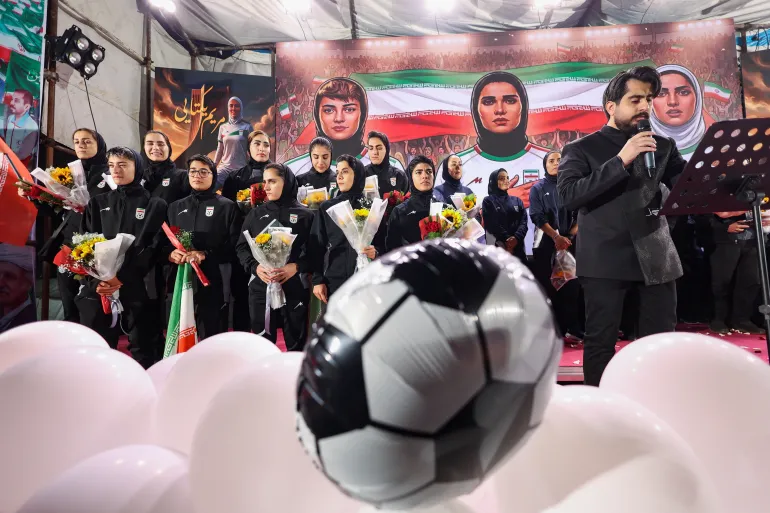
Several thousand people, many holding Iranian flags, turned out for the welcome ceremony on Thursday evening in Valiasr Square in central Tehran, where other pro-government rallies have taken place in recent weeks, state TV images showed.
“My Choice. My Homeland,” read a slogan on a giant billboard on the square that showed the players in their national kit and mandatory hijabs saluting the Iranian flag.
Flanked by team members, Iranian football federation President Mehdi Taj said on stage, “What is certain is that these athletes are loyal to the homeland, flag, leader and revolution.”
Iranian government spokeswoman Fatemeh Mohajerani, one of the most high-profile women in Iranian politics, told the team members: “All Iranians were waiting for you; welcome to Iran.”
Members of Iran’s women’s national football team in Tehran on March 19 [Alaa Al Marjani/Reuters]
‘Threatening their families’
As onlookers cheered the players, giant AI-generated images of the women were projected on a screen showing them pledging loyalty to the Iranian flag against a background of Iranian national landmarks.
Two squad members have remained in Australia, but the remainder of the team, including the five other women who initially applied for asylum, arrived in Iran on Wednesday after a long journey home via Malaysia, Oman and Turkiye.
Activists have accused Iranian authorities of pressuring these five women into changing their minds through intelligence agents putting pressure on their families at home.
“The regime in Iran started threatening their families and basically took their families hostage. Because of that, they were forced to withdraw their asylum and go back to Iran,” Shiva Amini, a former Iranian national football player, who now lives in exile and campaigns on women’s rights, wrote on social media.
But Farideh Shojaei, an Iranian football official who travelled to Australia, said the players had been offered “houses, cars, money, promises of contracts with professional clubs, as well as humanitarian visas”.
“Fortunately, the members of our team valued their national identity above all else and turned these offers down,” she told Iranian media.
Before their opening game, the Iranian team fell silent as the national anthem played, although they later sang it in subsequent matches. An Iranian state TV presenter branded the players “wartime traitors”.
A central feature of the welcome ceremony in Tehran was singing the national anthem of the Islamic Republic, with players and officials joining in.
Members of Iran’s women’s football team arrive by bus at the Gurbulak border crossing on the Turkish-Iranian border on March 18, 2026 [Ali Ihsan Ozturk/AFP]
President of Brazil Lula de Silva criticised the United States’ aggressive foreign policy under President Trump and called on the UN Security Council to prevent war.