US-Israel war on Iran

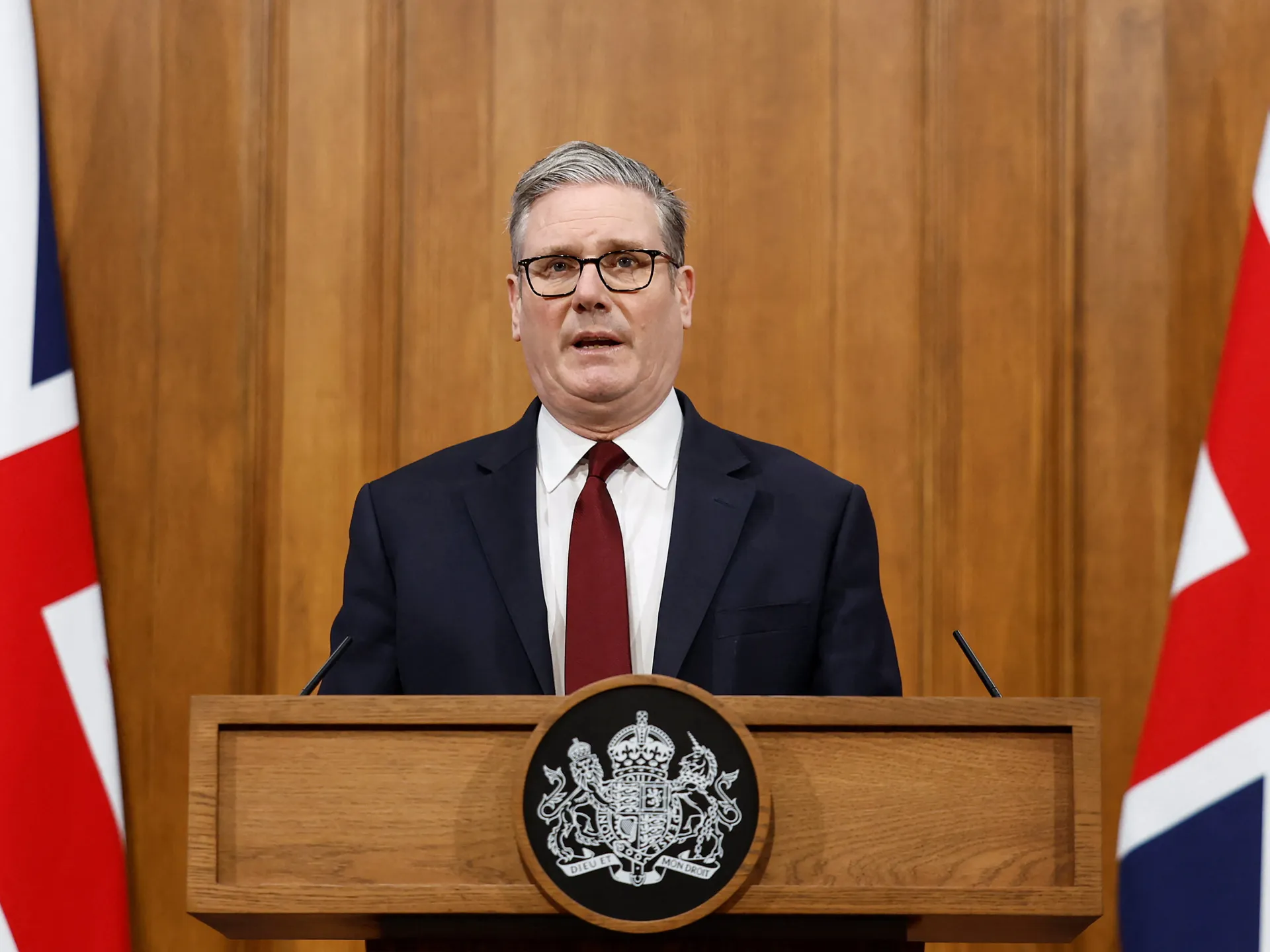
Keir Starmer’s policy on the Iran war is a recipe for catastrophe | US-Israel war on Iran

In March 2003, a million people took to the streets of London to oppose the illegal invasion of Iraq. Seeing straight through the lie that Iraq possessed weapons of mass destruction, protesters warned the British government in no uncertain terms: This action would trigger a spiral of misery, hatred and death.

More than 20 years on, most people now recognise the Iraq war for what it was: a catastrophic mistake that fuelled a string of subsequent conflicts and instability. The United Kingdom had followed the United States into an illegal war – and more than a million Iraqi men, women and children paid the price.

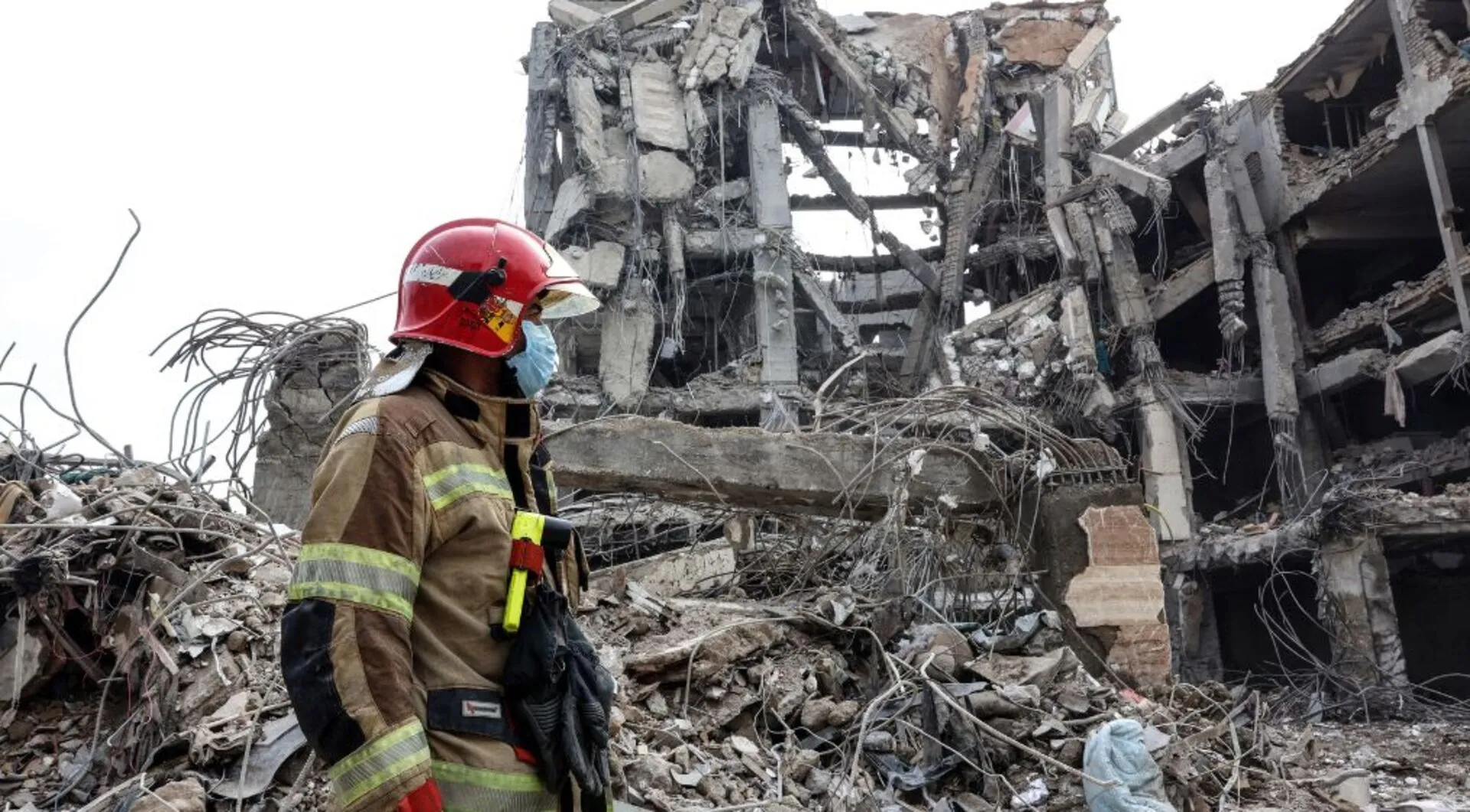
Unfortunately, not everybody has learned the lessons from the past. It has been almost a month since the US and Israel launched their attacks on Iran. More than 1,400 Iranians and more than 1,000 Lebanese people have been killed.

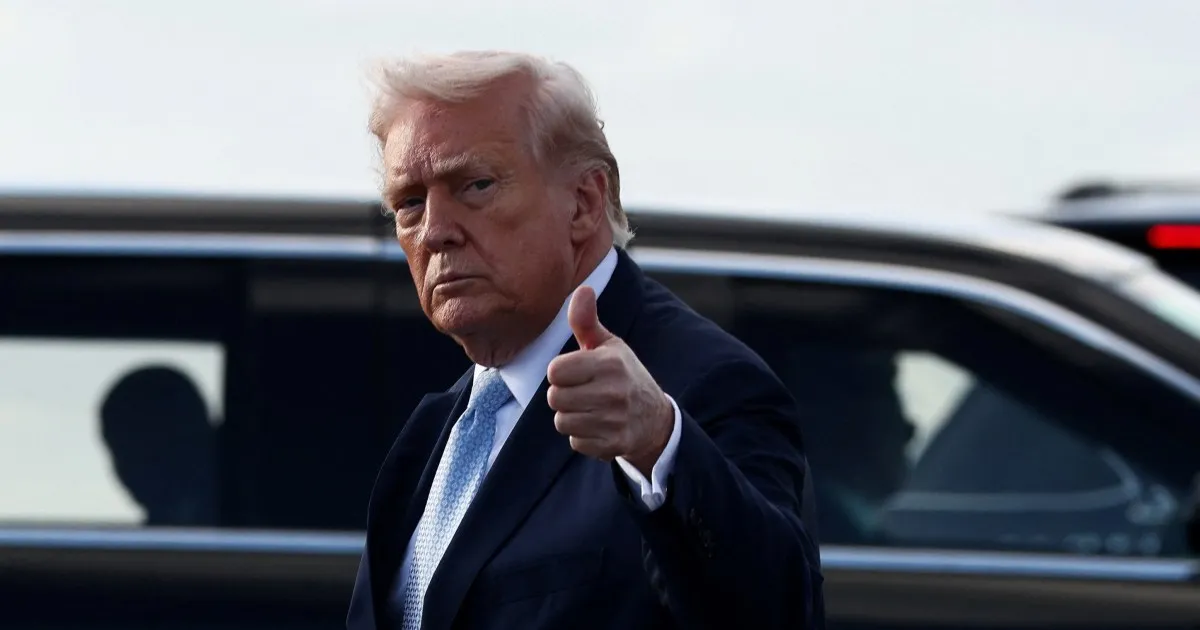
In seeking to justify the bombing, US President Donald Trump spoke of the need to eliminate “imminent threats from the Iranian regime”, whose “menacing activities directly endanger the United States, our troops, our bases overseas and our allies throughout the world”. He said the goal was to make sure Iran “will never have a nuclear weapon”. Sound familiar?

The first casualty of war is the truth, so let us get the facts straight: These are lies that have been peddled to justify an illegal and unprovoked war. As the National Counterterrorism Center Director, Joe Kent, said in his resignation letter last week, Iran “posed no imminent threat to our nation” and that it was “clear that [the US] started this war due to pressure from Israel and its powerful American lobby”.

There is only one nuclear-armed state in the Middle East: Israel. Next month’s UN Conference of the Parties to the Treaty on the Non-Proliferation of Nuclear Weapons would have been the perfect place to call for an end to the nuclear arms race. A diplomatic solution was possible, but the US and Israel chose war instead. In doing so, they have jeopardised the safety of humankind around the world. So, too, have those nations that have decided to lend support to their war of aggression.

Shortly after the attacks on Iran began, British Prime Minister Keir Starmer gave the US permission to use British military bases for strikes on Iranian missile sites. Last week, his government agreed to let the US use British bases to strike Iranian sites targeting the Strait of Hormuz.

The UK could have followed in the footsteps of Spain and said, “No way, absolutely not. We will not be involved in this illegal war in any way whatsoever.” Instead, it has dragged itself into another catastrophic conflict.

Astonishingly, the prime minister still maintains that the British government is not involved – a line that has been regurgitated by many across our media. He says the UK is allowing its sites to be used only for “defensive” strikes. What nonsense.

The reality is, if a bomber takes off from Royal Air Force base Fairford and bombs targets in Iran, we are involved in that act of aggression. If civilians die, will their families stop mourning when they are told that they were bombed for “defensive purposes”? No matter how Starmer dresses it up, he cannot change the truth: The UK is directly involved in this war.

Mark my words: This is a historic mistake that jeopardises the safety of us all. That’s why, earlier this month, I tabled a bill in the House of Commons that would require parliamentary approval for any British involvement in military action. That includes the use of British bases by other nations.

So far, the prime minister has refused to pass this legislation. With no debate, no discussion and no vote, he is dragging Britain into another disastrous illegal war.

Just like with the invasion of Iraq in 2003, today, those of us who oppose the war on Iran are accused of giving succour to authoritarian regimes and leaders. Whatever one thinks of the governments of various places, there is no basis in law for an attack to bring about regime change. There is no basis in history that bombing from the sky would bring about human rights either.

Trump couldn’t care less about people’s human rights. Whether it’s in Iran, Venezuela or Cuba, he is interested in one thing and one thing only: seizing resources and political control around the world.

If the UK cares about international law, it would be standing up to Trump, not bending over backwards to appease him.

The story of US-led foreign interventions is a story of chaos, instability and misery. How many more of these catastrophic failures do we need before we learn the lesson? And what will it take for the UK to finally defend a consistent, ethical foreign policy based on international law, sovereignty and peace?

The views expressed in this article are the author’s own and do not necessarily reflect Al Jazeera’s editorial stance.
Source link

Iran launches waves of missiles towards Israel | US-Israel war on Iran News

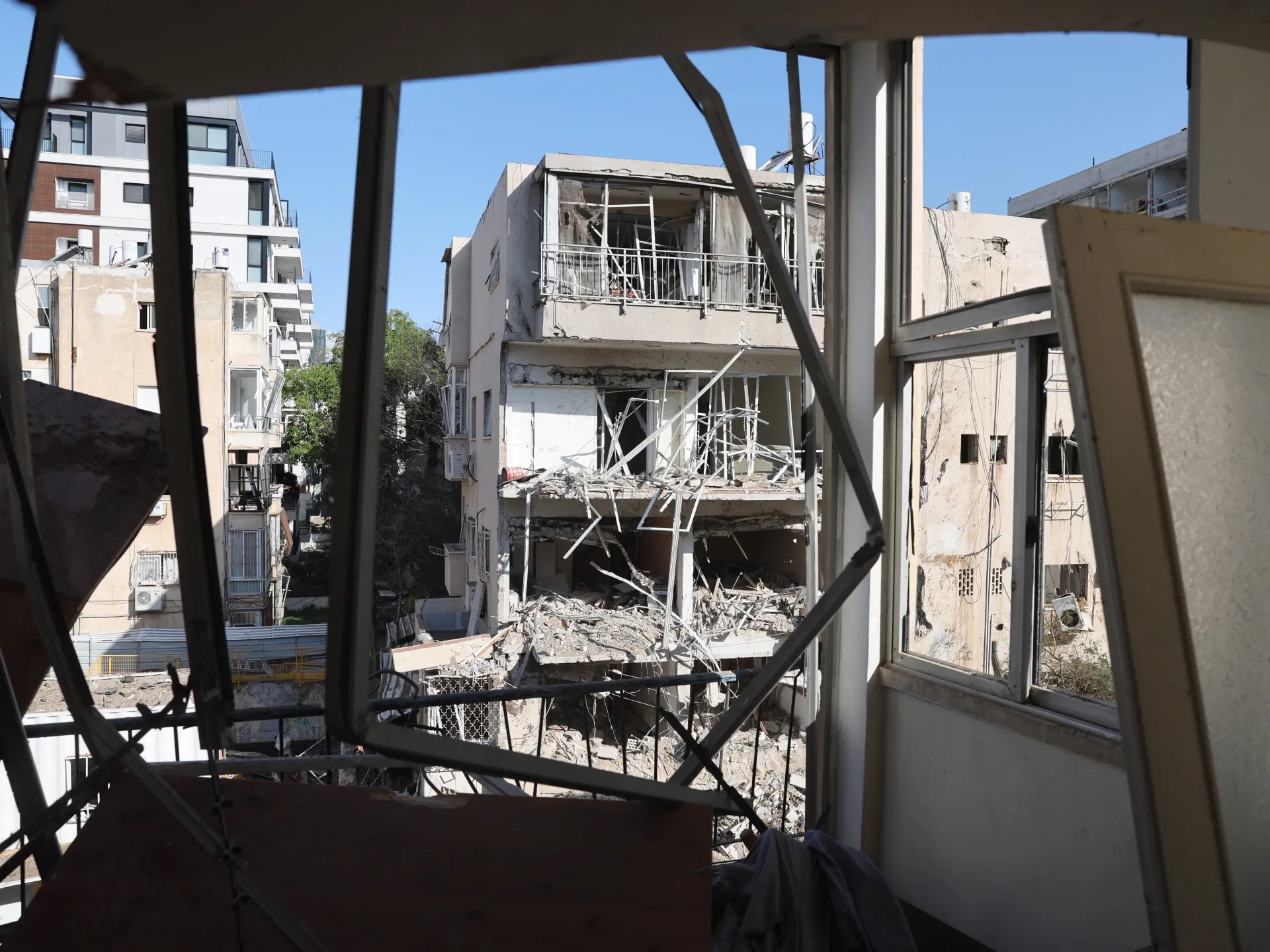
Iran has launched a round of missiles targeting Israel, causing damage and injuries in Tel Aviv, as uncertainty swirled over possible talks to end the three-week US-Israel war on Iran.

The missiles triggered air raid sirens in Israel on Tuesday, including in Tel Aviv, where gaping holes were torn through a multistorey apartment building. It was not immediately clear whether the damage was caused by a direct hit or debris from an interception.

Israel’s Magen David Adom emergency medical service said: “Six people were lightly injured at four different sites.”

Police in Tel Aviv said they were dealing with “several impact sites of munitions”.

Israel’s National Fire and Rescue Authority said the search was on for people trapped in one building in Tel Aviv, adding that civilians were found in a shelter in another damaged building.

Meanwhile, the Israeli military said on Tuesday that its jets carried out a wave of strikes in central Tehran on Monday, targeting key command centres, including facilities associated with the Islamic Revolutionary Guard Corps’ intelligence arm and the Iranian Intelligence Ministry. It said more than 50 additional targets were hit overnight, including ballistic missile storage and launch sites.

Source link

Have Israel, the US and Iran violated international law? | US-Israel war on Iran News

Civilian targets have been struck by all three warring parties.

Schools and hospitals bombed; strikes on apartment buildings; energy facilities targeted and attacks on neighbouring states.

Have Israel, the United States and Iran broken international law in the war? Or what legal justification might they claim?

Presenter: James Bays

Guests:

Geoffrey Nice – Human rights lawyer and former International Criminal Court prosecutor

Brian Finucane – Senior adviser with the US programme at the International Crisis Group and former legal adviser at the US State Department

Nicholas Tsagourias – Professor of international law at the University of Sheffield

Source link

Trump can declare victory in Iran – and he should | US-Israel war on Iran

Since Donald Trump entered the political fray, critics have opined that if he ever faced a direct confrontation with Iran as United States president, the result would be chaos, endless war, and global instability. They have been proven wrong once again.

Today, the world is witnessing the swift decisive assertion of US power that is leading to a clear military victory over a terrorist state that has long threatened US as well as global peace and security.

For too long, US foreign policy was dominated by hesitation disguised as sophistication. US presidents, Democrat and Republican, advocated for “containment”, “strategic patience”, and “measured responses”, while adversaries grew bolder and more brazen. Iran expanded its influence across the Middle East, funded proxy militias, threatened global energy supplies, and openly challenged Washington’s credibility by attacking US interests, personnel and assets.

Trump rejected the conventional Washington approach even before assuming public office. He never believed that endless negotiations or carefully worded diplomatic statements would deter a regime that only yields to power. His critics called it recklessness. What it actually was, was clarity.

Instead of drifting into another conventional decade-long war, Trump chose a simple formula: hit hard, hit fast, and make it clear that the US will not capitulate to threats.

Today, most of the foreign policy establishment still defines “victory” the way it did in the 20th century: overthrow the regime, occupy the country, and rebuild its government in our liking. That post-World War II and Cold War model worked in Europe, Asia and Latin America. It did not in the Middle East. Iraq and Afghanistan proved that nation-building can be a futile endeavour.

Trump understands something Washington does not want to admit: the exercise of American power should not be to build democratic societies. It should be to eliminate threats.

From the outset, the Trump administration made clear that it was launching the attacks to control the outcome.

If Iran’s military leadership has been weakened, if its ability to threaten US forces and allies has been reduced, and if its nuclear ambitions have been significantly set back, then the mission has already succeeded, and it is time to end the war.

When Trump declares victory, he will not do it quietly. He will say it directly: America struck, America won, and America did so without engaging in another endless war.

Timing has always been one of Trump’s political talents. He understands momentum better than any of his predecessors of the past few decades did. If the military objectives have already been largely achieved, waiting months to say so would only weaken the message.

Declaring victory at the moment of peak strength sends a powerful signal — not just to Iran, but to the entire world.  It ratifies that the US has red lines again. It makes clear that threats will be met with force, not speeches. And most importantly, it declares that the US is once again confident enough to act decisively.

Critics on the American left will predictably label any Trump victory “premature” and his methods “illegal” and reckless. But their genuine discomfort with his success has more to do with the use of American firepower to achieve objectives that they believe can or should only be had through diplomacy and multilateral rather than unilateral actions.

Trump’s “America First” foreign policy builds on US President Ronald Reagan’s peace through strength mantra by being willing to pre-emptively exercise American might to demonstrate American resolve and deter adversaries. It has proven effective before, and it is proven effective again today.

It destroys the critics’ primary thesis — that American strength must always be restrained, that military power should be used cautiously, and that multilateral strategies are a prerequisite.

Trump’s Iran victory speech will not be lofty and replete with platitudes. It will be direct, simple, and unabashedly America First.

He will explain that the US acted because it had to do so. He will declare that the imminent threat of a nuclear Iran has been eliminated. He will say American lives were saved. And he will end by stating that the world is safer because of this sacrifice by the American people.

Through Trump’s America First foreign policy, the US will act decisively and unilaterally. It will not apologise for defending its interests. And it will prove that acting boldly can change the course of events in a matter of weeks, not years.

After decades of vacillation, Trump’s message to the world is simple: America’s back and American interests come first.

America did not need another endless war. It needed a president willing to act.

And that is exactly what it got.

The views expressed in this article are the author’s own and do not necessarily reflect Al Jazeera’s editorial stance.
Source link

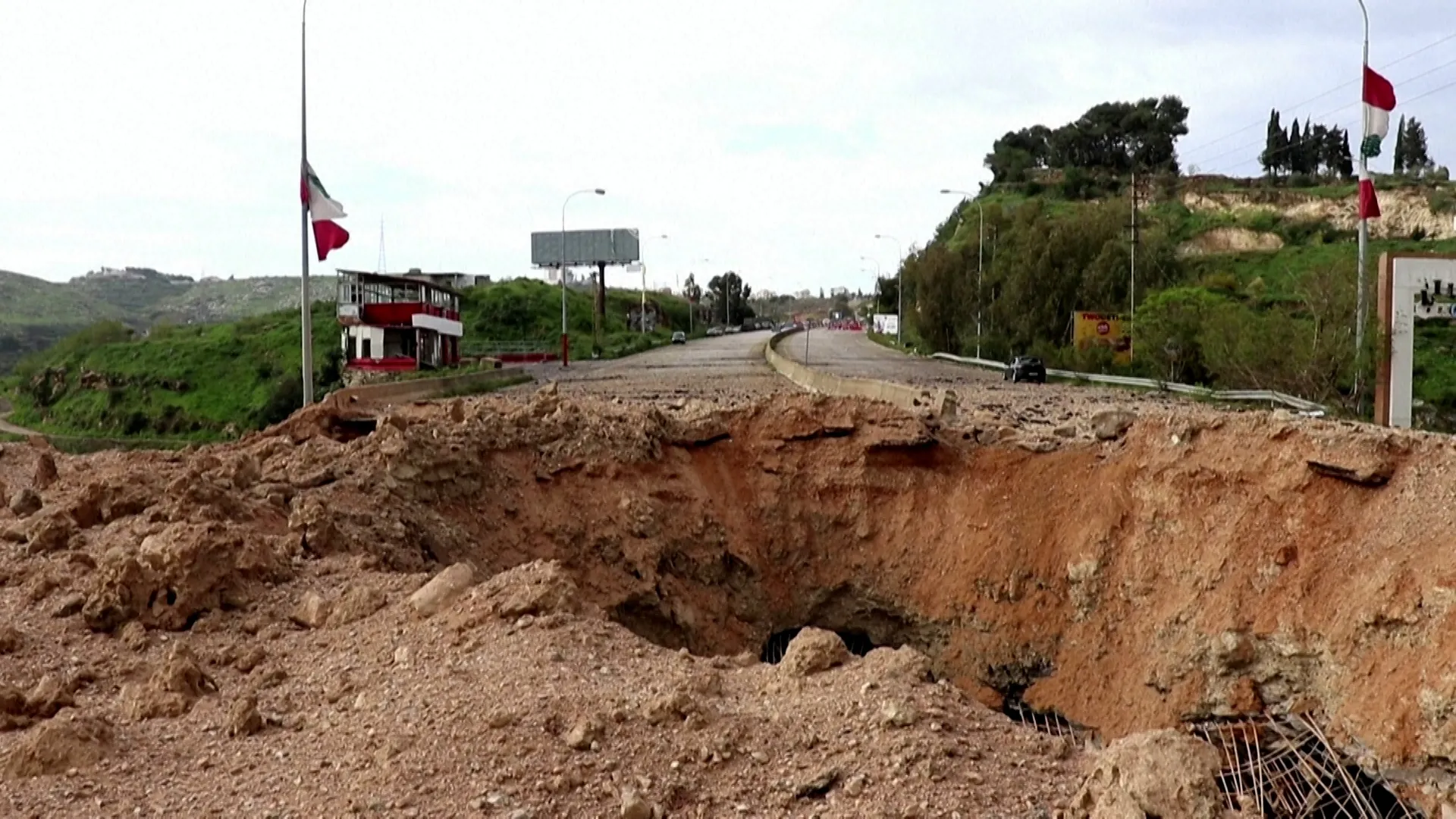
Israeli strike on Lebanon bridge raises fears of ground invasion | Israel attacks Lebanon News

Lebanon fears that Israel’s attack on Qasmiyeh Bridge, a key crossing linking the south to the rest of the country, could be a “prelude to a ground invasion”. The damage caused in the attack could cut off access for civilians, aid and supplies.

Source link

Which countries have strategic oil reserves – and how much? | Oil and Gas News

Iran’s paralysis of the Strait of Hormuz has led to major disruption in global oil and gas supply and many countries have begun tapping into their strategic oil reserves to evade an economic crisis.

Since the US-Israeli war on Iran began on February 28, Tehran, whose territorial waters extend into the Strait, has blocked the passage of vessels carrying 20 percent of the world’s oil and liquified natural gas (LNG) from the Gulf to the rest of the world. The strait is the only waterway to open ocean available for Gulf oil and gas producers.

Recommended Stories

list of 3 itemsend of list

Last week, the price of Brent crude topped $100 a barrel compared to the pre-war price of around $65.

The United States Trump administration has tried and failed to re-open the strait. First, it called on Western nations to send warships to help escort shipping through the strait – an option all have declined or failed to respond to. Then, on Sunday, Trump gave Iran 48 hours to reopen the strait or face US attacks on its power plants.

However, on Sunday, Iran said it would hit back at power plants in Israel and those in the region supplying electricity to US military assets. And, on Monday, Iran said it would completely shut the Strait of Hormuz if US attacks on its energy infrastructure continue.

Following Iranian attacks on energy infrastructure across the Gulf over the past three weeks, countries including Saudi Arabia, UAE, Iraq and Kuwait have also cut their oil output, raising further concerns about global oil and gas supply.

On Monday, Trump appeared to backtrack on his Hormuz ultimatum when he ordered all US strikes on power plants in Iran to be paused for five days and claimed the US was holding talks with Iran. Iran has denied this.

In the face of chaos, on March 11, the 32 member countries of the International Energy Agency (IEA) agreed to release 400 million barrels of oil from their strategic emergency reserves – the largest stock draw in the agency’s history. It is far higher than the 2022 release of 182 million barrels of oil by the group’s members after Russia invaded Ukraine.

What are strategic oil reserves and which countries hold them?

What is a strategic oil reserve?

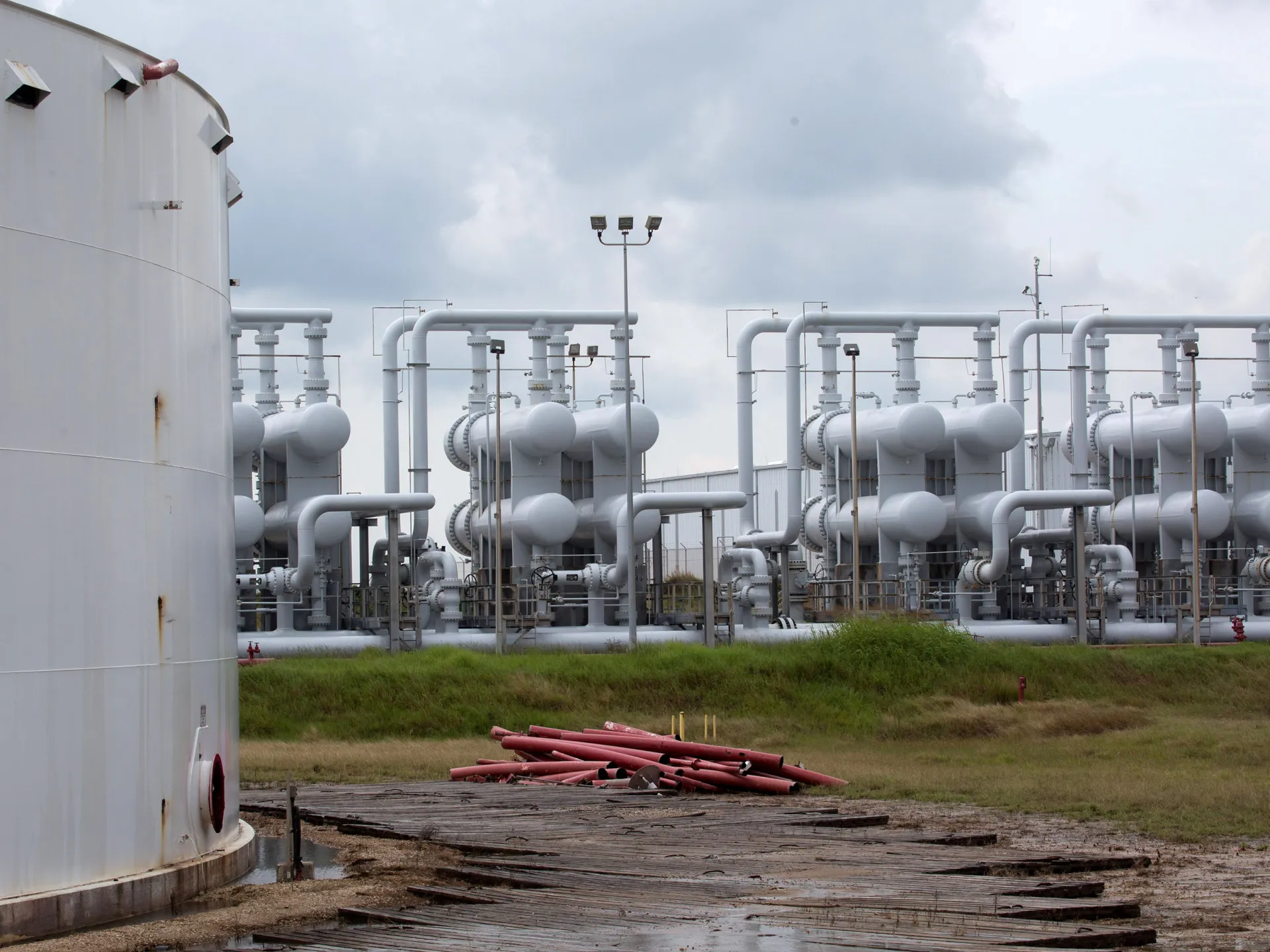
A strategic oil reserve or strategic petroleum reserve (SPR) is an emergency stockpile of crude oil which is held by the government of a country in government facilities.

This oil reserve can be drawn on in cases of emergencies like wars and economic crises. Governments generally buy the oil through agreements with private companies in order to keep their reserves filled.

According to the IEA, its members currently hold more than 1.2 billion barrels of these public emergency oil stocks with a further 600 million barrels of industry stocks held by private organisations but under government mandate to be available to supplement public needs.

Other reserves are also held by non IEA members like China.

Which countries have strategic oil reserves? Can they withstand the war in Iran?

China

Beijing is not an IEA member, but holds the world’s largest strategic oil reserve.

According to China’s Ministry of Ecology and Environment, Beijing “started a state strategic oil reserve base programme in 2004 as a way to offset oil supply risks and reduce the impact of fluctuating energy prices worldwide on China’s domestic market for refined oil”.

“The bases are designed to maintain strategic oil reserves of an equivalent to 30 days of imports, or about 10 million tonnes,” according to a 2007 report from Chinese state news agency Xinhua.

These strategic oil reserves are primarily located along China’s eastern and southern coastal regions such as Shandong, Zhejiang and Hainan.

China does not officially publish information about its crude inventories so it is not clear how much oil the country has in reserve. However, according to energy analytics firm Vortexa, in 2025, “China’s onshore crude inventories (excluding underground storage) continued to rise… reaching a record 1.13 billion barrels by year-end”.

According to data from Kpler, China bought more than 80 percent of Iran’s shipped oil in 2025. As the war in Iran escalates, therefore, Chinese companies such as refiner Sinopec have begun pushing for permission to use oil from the country’s reserves according to a Reuters report on Monday.

“We basically won’t buy Iranian oil, this is pretty clear,” Sinopec President Zhao Dong told a company results briefing in March, according to Reuters.

“We believe the government is closely monitoring crude oil and refined fuel inventories and market situations, and will advance policies at the appropriate ⁠time to support refinery productions,” he added.

US

Of the IEA members, the US holds one of the largest strategic oil reserves with 415 million barrels of oil. The stores are maintained by the US Department of Energy. It has confirmed that it will release 172 million barrels of oil from its SPR over this year as its contribution to coordinated efforts with the IEA.

On Friday, the Trump’s administration announced that it has already lent 45.2 million barrels of crude from the SPR to oil companies.

The US created its SPR in 1975 after an Arab oil embargo triggered a spike in gasoline prices which badly affected the US economy.

The reserves are located near big US refining or petrochemical centres, and as much as 4.4 million barrels of oil can be shipped globally per day.

The SPR currently covers roughly 200 days of net crude imports, according to a Reuters news agency calculation.

US presidents have tapped into the stockpile to calm oil markets during war or when hurricanes have hit oil infrastructure along the US Gulf of Mexico.

In March 2024, US President Joe Biden announced oil would be released from the reserve to ease pressure from oil price spikes following Russia’s invasion of Ukraine in February 2022 and amid subsequent sanctions imposed on Russian oil by the US and its allies.

Japan

An IEA member, Japan also has one of the world’s largest strategic oil reserves.

According to Japanese media Nikkei Asia, at the end of 2025, the country held about 470 million barrels of in emergency reserves which is enough to meet 254 days of domestic consumption. Out of this amount, 146 days worth of oil are government-owned, 101 days are owned by the private sector, and the remainder is jointly stored by oil-producing countries.

Japan set up its national oil reserve system in 1978 to prevent future economic disruptions following the global oil crisis in 1973. That oil crisis heightened Japan’s vulnerability and dependence on oil from abroad. The country remains one of the world’s largest oil importers, relying on fossil fuels from overseas for about 80 percent of its energy needs.

Japan’s reserves are primarily located in 10 coastal national stockholding bases with major storage sites in the Shibushi base in Kagoshima in southern Japan.

On March 16, Japan announced that it had begun releasing oil from its emergency reserves amid the global energy crisis sparked by the effective closure of the Strait of Hormuz.

Japanese Prime Minister Sanae Takaichi told journalists the country would unilaterally release 80 million barrels of oil from stockpiles amid supply concerns.

UK

As of February 26, according to the UK Department of Energy Security and Net Zero, the UK holds about 38 million ⁠barrels of crude oil and 30 million barrels of refined products, as strategic reserves. The reserves are thought to be able to last around 90 days.

The country established its reserves in 1974 following the oil crisis of the 1970s and also to meet its IEA obligations. Members of the organisation are required to maintain at least 90 days of net imports in reserve.

The UK’s strategic reserves are largely held by private oil companies, but are regulated by the government. Milford Haven in South Wales and Humber in northeast England are key locations of reserves.

The country is among the 32 IEA nations releasing oil from its reserve to address the oil crisis amid the war in Iran. The UK government will be contributing 13.5 million barrels as a part of the release.

EU

EU member nations including Germany, France, Spain and Italy, all IEA members, also hold strategic oil reserves.

Germany has 110 million barrels of crude oil and 67 million barrels of finished petroleum products which are held by the government and can be released in a matter of days, according to Germany’s economy ministry.

France reported about 120 million barrels’ worth of crude and finished products in reserve at the end of 2024, the most recent data publicly available. About 97 million barrels of that is held by SAGESS, a government-mandated entity, with ‌a breakdown ⁠of about 30 percent crude oil, 50 percent gasoil, 9 percent gasoline, 7.8 percent jet fuel and some heating oil. Another 39 million barrels are held by the country’s oil operators.

On March 16, Spain approved the release of around 11.5 million barrels of oil reserves over 90 days to counter ⁠supply shortages caused by the effective closure of the Strait of Hormuz, Energy Minister Sara Aagesen told reporters. This is the country’s contribution to the IEA release. The country has around 150 million barrels of crude oil reserves in total.

Italy, by law, was holding about 76 million barrels of reserves, representing 90 days of Italy’s average net oil imports, in 2024.

Source link

US-Israeli war on Iran strains food, water and fuel prices in India | Energy

NewsFeed

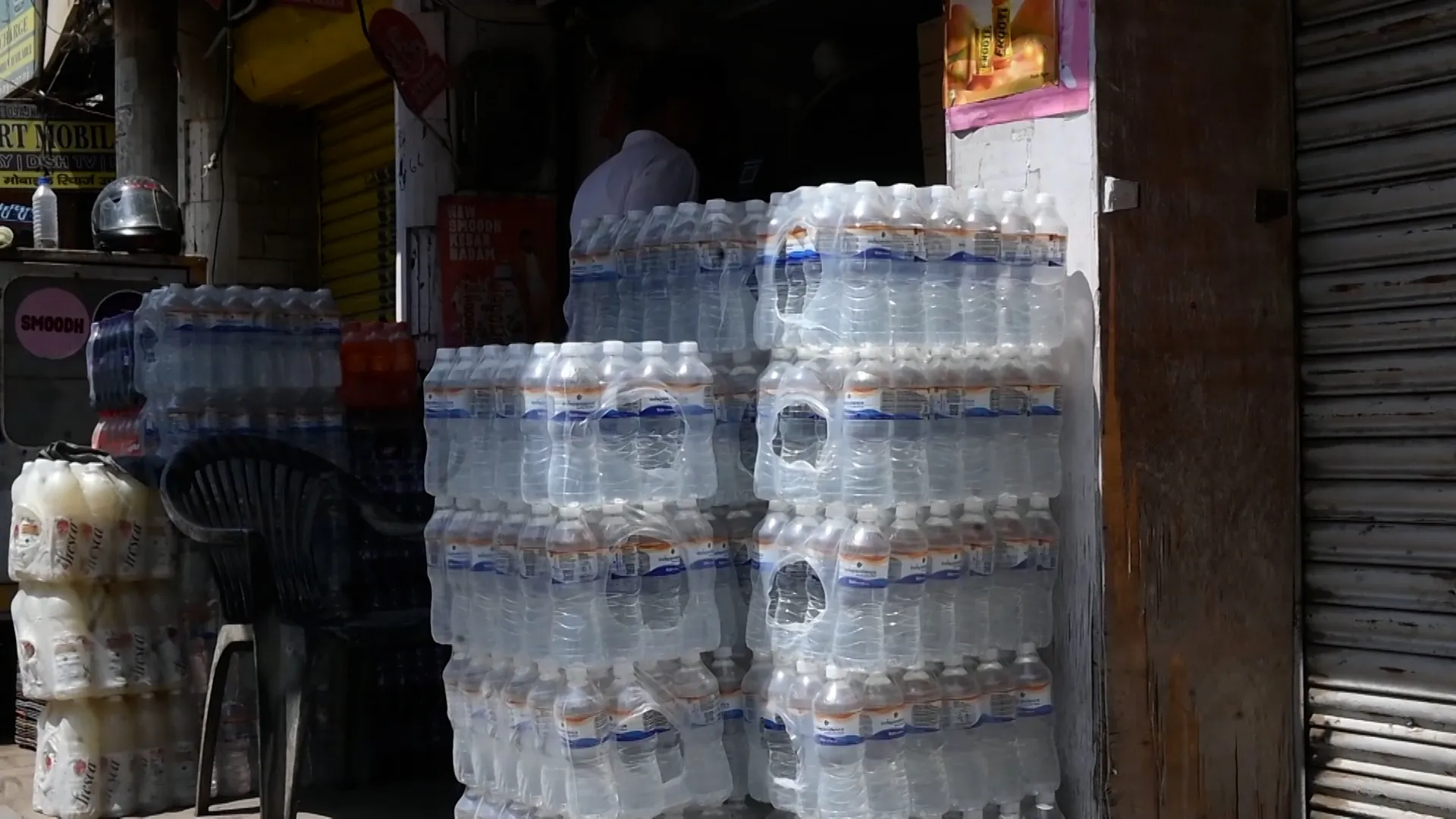
Locals in northern India have a growing concern over essential resources like water, fuel and food, that have become costly due to the US-Israeli war on Iran. The conflict has brought implications on oil and gas prices, which has also affected bottled water and food costs.

Source link

Trump shares SNL skit mocking Starmer as he speaks to UK PM over Iran war | US-Israel war on Iran News

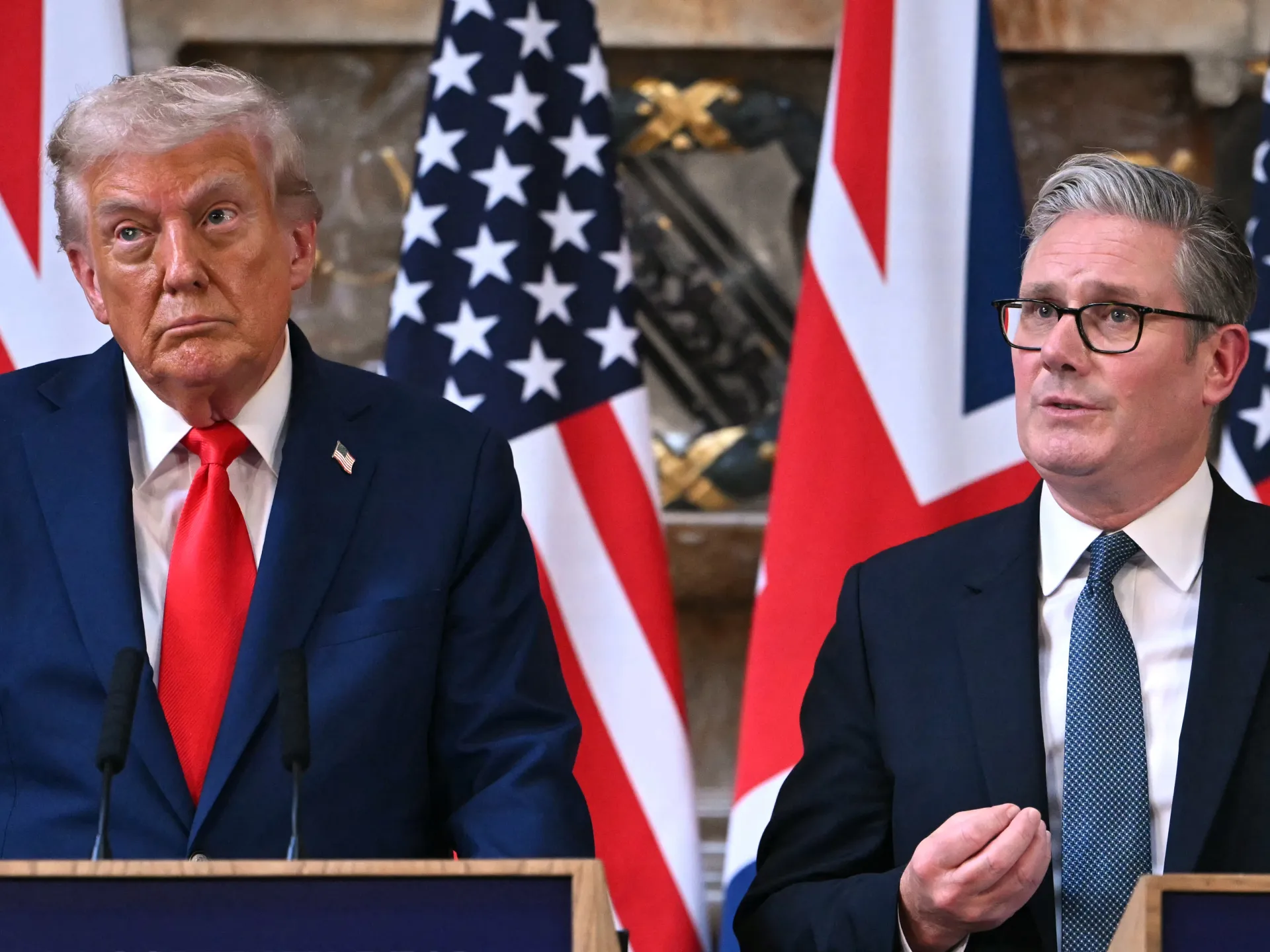
United States President Donald Trump has shared a Truth Social video of a TV comedy skit showing a panicked United Kingdom Prime Minister Keir Starmer trying to avoid his call, on the same evening the two leaders spoke about the US-Israel war on Iran.

The skit, aired on the premiere of the new British version of Saturday Night Live (SNL), adapted from the long-running US show, shows Starmer, played by George Fouracres, panicking inside 10 Downing Street at the prospect of a call with Trump.

Recommended Stories

list of 4 itemsend of list

Starmer turns to a fake David Lammy, his deputy prime minister, and says, “What if Donald shouts at me?”

When Trump picks up the phone, Starmer immediately hangs up, asking why it is so difficult to talk to “that scary, scary, wonderful president”.

“Sir, just be honest and tell him we can’t send any more ships to the Strait of Hormuz,” Lammy says, the vital shipping lane effectively blocked by Iran since the US and Israel launched strikes on Iran on February 28.

“I just want to keep him happy, Lammy. You don’t understand him like I do – I can change him,” Starmer says.

Trump did not post any comment alongside the video.

Trump has lashed out at his NATO allies, including Starmer, for not joining the US efforts to break the de facto blockade of the Strait of Hormuz, through which 20 percent of global oil passes. A week ago, he asked the UK to be more supportive of the US war efforts because Washington spends “a lot of money” on NATO.

The US president last week called the NATO countries “cowards” for their refusal to join the war. This, after European leaders rejected Trump’s demands ⁠to help ensure freedom of navigation in the Strait of Hormuz.

“Now that fight is militarily WON, with very little danger for them, they complain about the high oil prices they are forced to ⁠pay, but don’t want to help open ⁠the Strait of Hormuz, a simple military maneuver that is the single reason for the high oil prices. So easy for them to do, with so ⁠little risk,” he wrote on the Truth Social platform.

The closure of the strait has sent oil prices soaring, creating the biggest energy crisis since the 1970s. On Sunday, Trump threatened to “obliterate” Iran’s power plants if it did not reopen the strait within 48 hours.

Trump-Starmer call

Separately, on Sunday evening, Starmer spoke with Trump to discuss escalating tensions in the Middle East, his office said in a statement. It was not clear if the call took place before or after Trump posted the SNL skit on Truth Social.

In a readout of the call, the Prime Minister’s Office said the two leaders focused on “the need to reopen the Strait of Hormuz to resume global shipping” amid growing concerns over energy security and regional stability.

“They agreed that reopening the Strait of Hormuz was essential to ensure stability in the global energy market,” the statement said.

The leaders also agreed to remain in close contact as the situation develops and “to speak again soon”, it added.

On Monday, Starmer ⁠said there had been no assessment ⁠that mainland Britain was being targeted by Iran.

Starmer asserted that any ⁠attempt to reopen the Strait of Hormuz needed careful consideration and a ‌viable plan, and that his number one priority was to ‌protect ‌British interests and de-escalate.

‘Not Winston Churchill’

The US leader has repeatedly railed against Starmer since the start of the war, accusing him of not doing enough to support the US.

“This is not Winston Churchill that we’re dealing with,” Trump said earlier this month, after Starmer initially declined to let US warplanes use UK bases to strike Iran.

“I’m disappointed with Keir,” Trump has also said, slamming Starmer’s “big mistake”. “I like him, I think he’s a nice man, but I’m disappointed.”

On Friday, the UK government gave authorisation for the US to use its military bases to carry out strikes on Iranian missile sites that were attacking ships in the Strait of Hormuz.

Starmer initially rejected a US request to use British bases for the strikes on Iran, saying he needed to be satisfied that any military action was legal.

But the prime minister modified his stance after Iran conducted strikes on British allies across the Middle East, saying the US could use RAF Fairford and Diego Garcia, a joint US-UK base in the Indian Ocean.

Source link

Brothers search rubble for missing sibling under Tehran rubble after strike | US-Israel war on Iran

NewsFeed

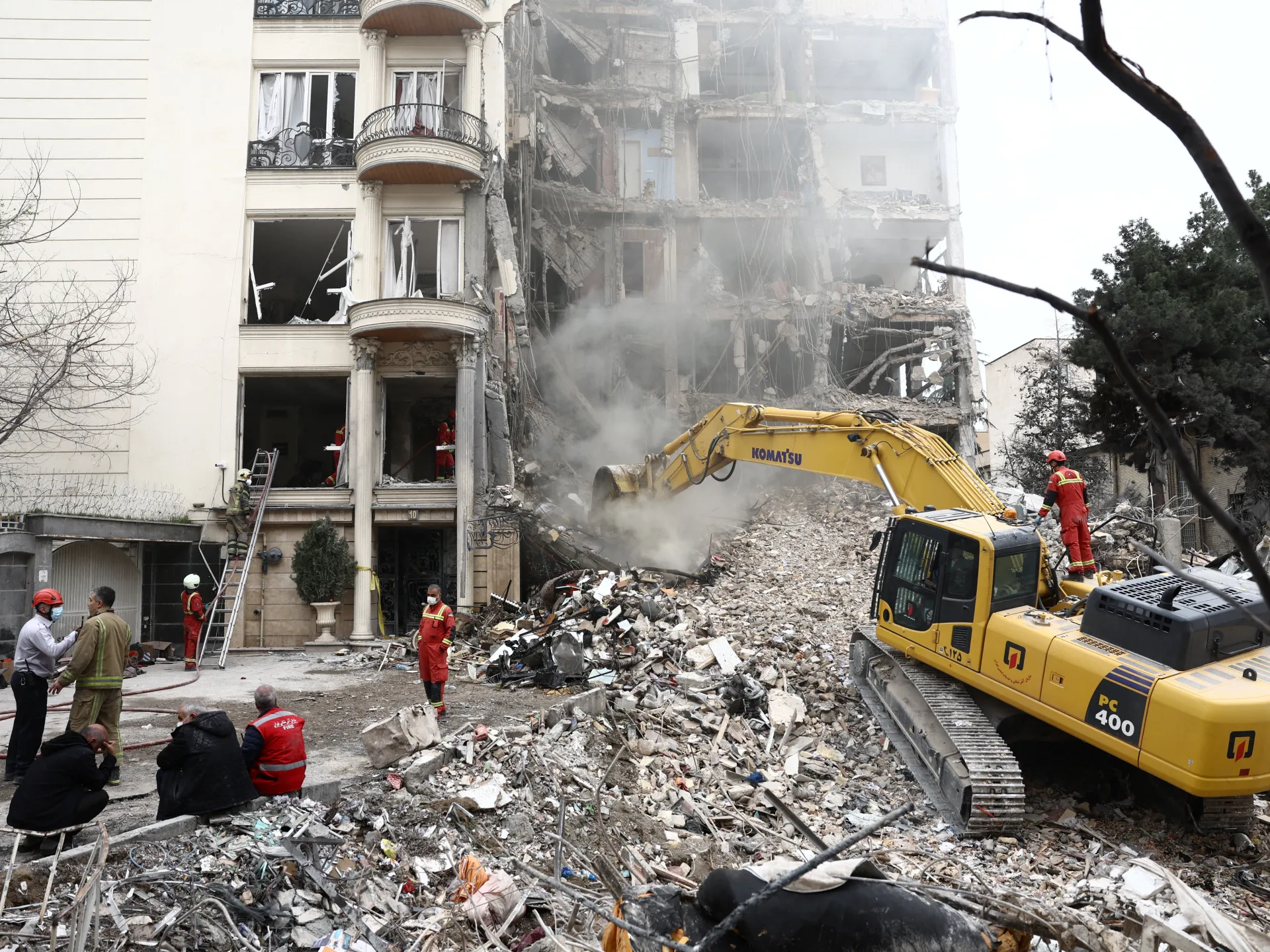
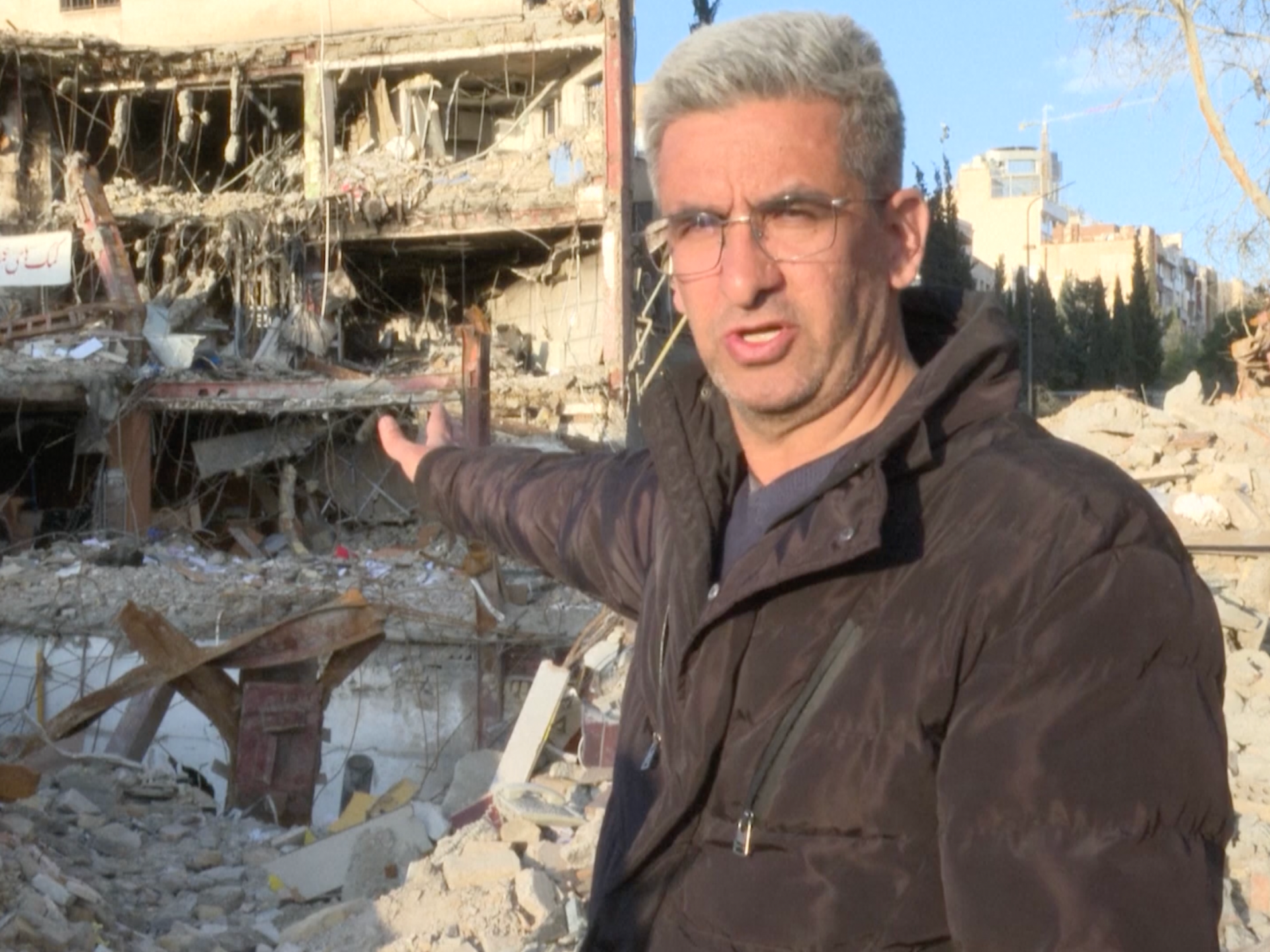
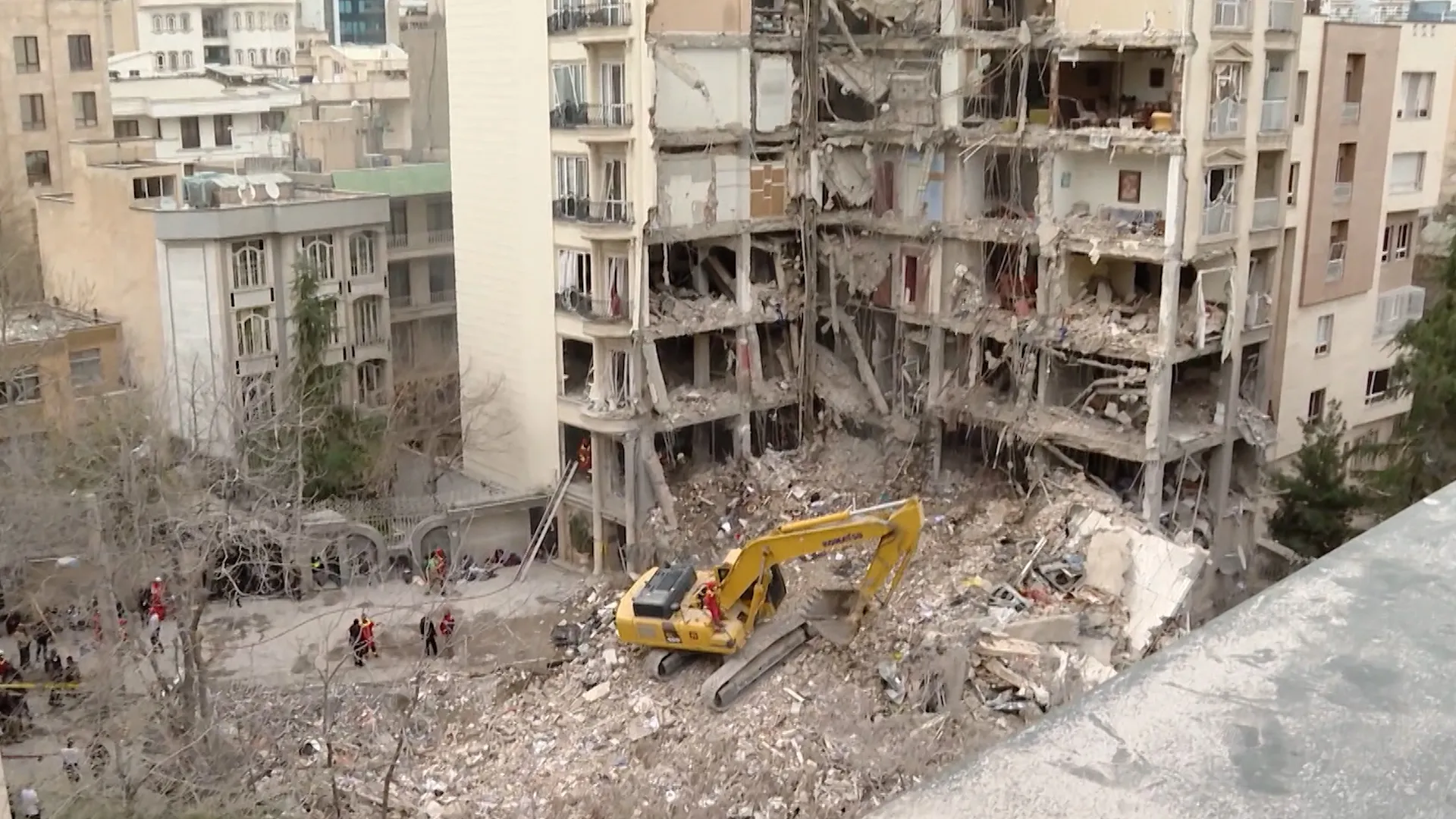
Five days after a strike destroyed a building in Tehran, Mahdi Mirzahosseini’s brothers are still searching through rubble for signs of their youngest sibling. They are holding onto hope of finding their brother who had gone to work insisting on serving customers for the Persian New Year.

Source link

Immense damage seen in Iran’s streets after air strikes | US-Israel war on Iran

NewsFeed

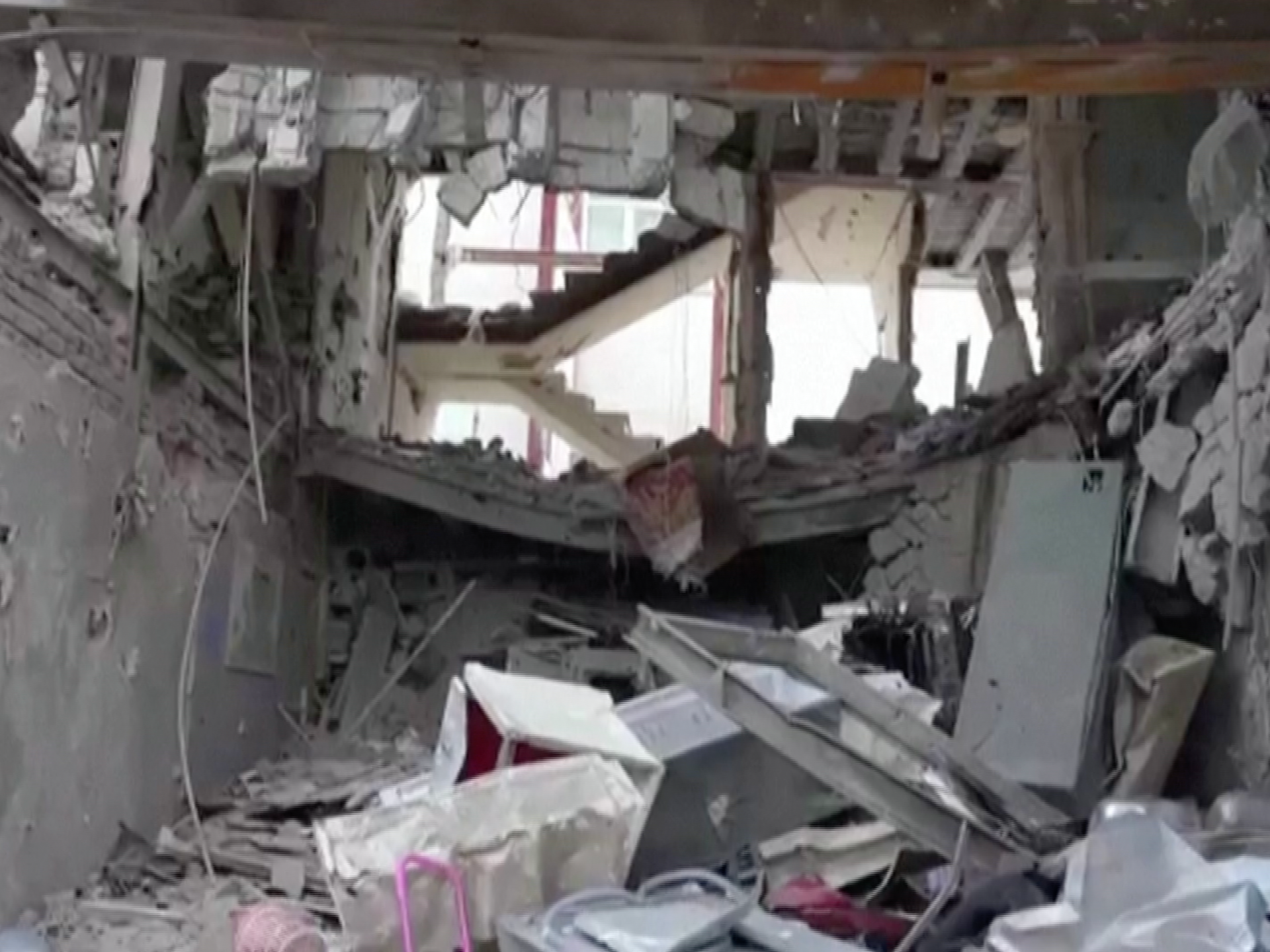
Videos show the aftermath of strikes in Iran, as search teams recover bodies from rubble. Residents are using torches to look for loved ones, as air raids appear to have knocked out power in some parts. Iran’s health ministry says more than 1,500 people have been killed during the US and Israel’s war.

Source link

Asian stock markets plunge amid Trump’s ultimatum on Iran | Oil and Gas News

Key indexes in Japan, South Korea and Hong Kong tumble as Iran threatens attacks on energy infrastructure across region.

Stock markets in the Asia Pacific have fallen sharply amid US President Donald Trump’s ultimatum warning Iran to reopen the Strait of Hormuz or face the annihilation of its energy infrastructure.

Japan’s benchmark Nikkei 225 and South Korea’s KOSPI plunged 4 percent and 4.5 percent, respectively, in early trading on Monday.

Recommended Stories

list of 4 itemsend of list

In Hong Kong, the Hang Seng Index tumbled about 2 percent.

Australia’s ASX 200 dropped about 1.6 percent, while the NZX 50 in New Zealand dipped about 1.3 percent.

Futures on Wall Street, which are traded outside of regular market hours, saw moderate losses, with those tied to the S&P500 and the Nasdaq Composite down about 0.5 percent.

Oil prices remained volatile amid fears of further disruption to global energy supplies.

Futures for Brent crude, the international benchmark, rose more than 1.5 percent to top $114 a barrel, before easing to about $112 as of 02:00 GMT.

Trump on Saturday threatened to “obliterate” Iran’s power plants within 48 hours if Tehran does not end its effective blockade of the strait, through which about one-fifth of global oil and natural gas exports usually transit.

Tehran has pledged to completely close the waterway, which is still being transited by a small number of Chinese, Indian and Pakistani-flagged vessels, and launch retaliatory attacks on energy and water infrastructure across the region if Trump follows through on his threat.

Based on the timing of Trump’s warning on Truth Social, the deadline for his ultimatum is set to expire at 23:44 GMT on Monday.

Philippines
A woman stands beside a sign for prices at a gasoline station in Quezon City, Philippines, on March 19, 2026 [Aaron Favila/AP]

Trump’s threat has added to fears of a cascading global energy crisis as the US and Israel’s war on Iran approaches the one-month mark with no clear end in sight.

Oil prices have surged more than 50 percent since the start of the war, which began with US-Israeli strikes on February 28.

Analysts have warned that energy prices are likely to rise significantly further if the strait remains effectively closed, with some observers predicting oil to hit $150 or even $200 a barrel.

Trump on Sunday held a phone call with UK Prime Minister Keir Starmer to discuss the situation in the Middle East, including the effective closure of the strait.

The two leaders agreed that unblocking the strait is “essential to ensure stability in the global energy market”, Starmer’s office said in a statement.

Trump has provided conflicting messages about the goals of the war and how long it might last.

Hours before issuing his ultimatum on Saturday, Trump said that his administration was “very close to meeting our objectives as we consider winding down” military operations against Iran.

Israeli military spokesperson Lieutenant Colonel Nadav Shoshani last week told reporters that officials had detailed plans for at least three more weeks of war.

Source link

Who’s left running Iran? | US-Israel war on Iran

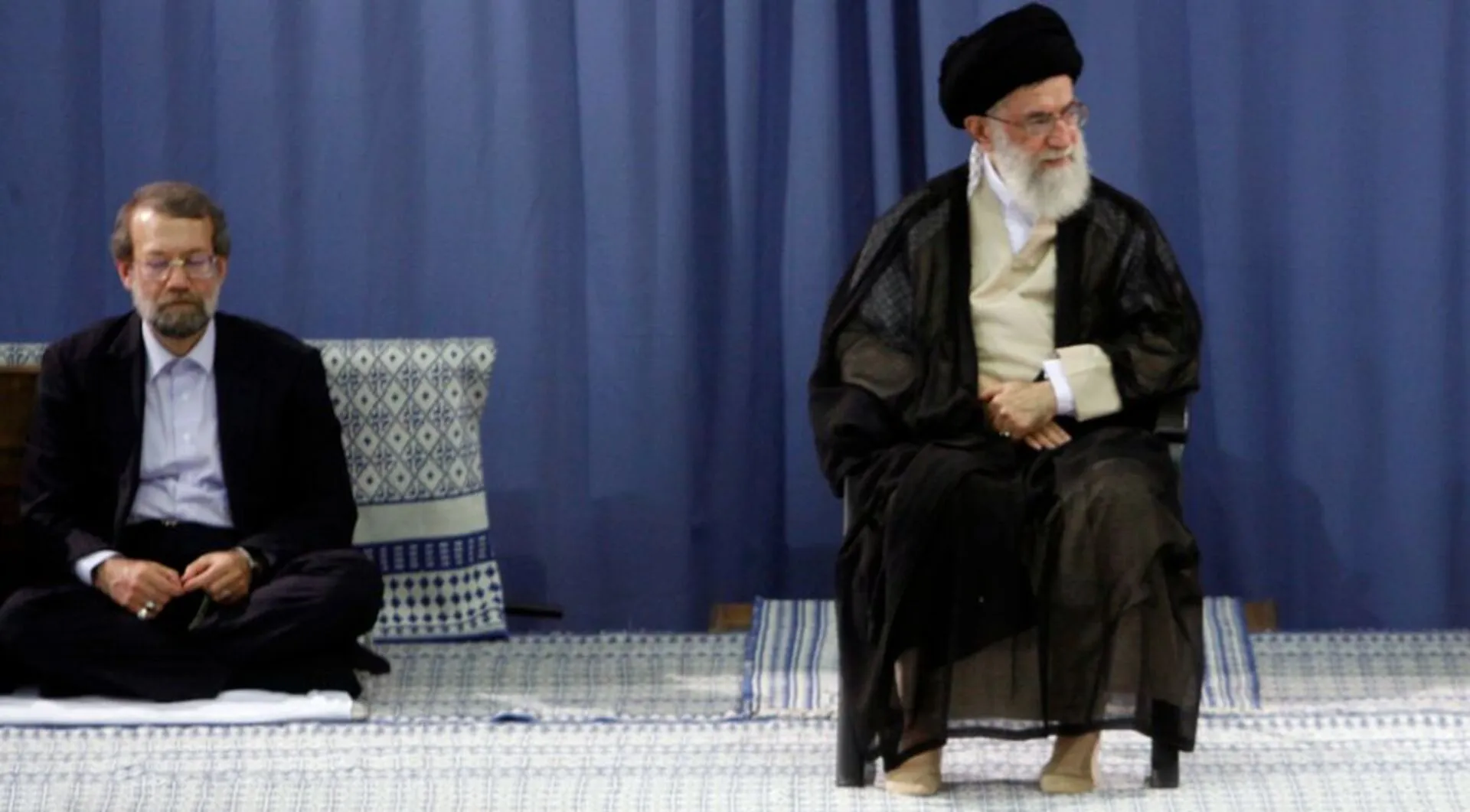
Many of Tehran’s top leaders – from Supreme Leader Ali Khamenei to senior security figures – have been assassinated by the United States and Israel,

US President Trump and Israeli Prime Minister Netanyahu have framed the killings as victories in their war on Iran.

But Iran says its governance structure is designed to withstand such blows.

And that means the loss of any individual should not lead to the downfall of the system.

But how does this unique leadership structure work?

Who is keeping the government running, and how?

And what does it mean for the ongoing war?

Presenter: James Bays

Guests

Hamid Reza Gholamzadeh – director of House of Diplomacy, a think tank

Ali Vaez – director of the Iran Project at the International Crisis Group

Tim Ripley – defence analyst and editor of Defence Eye

Source link

‘We do it together, in confidence’: Netanyahu backs US strikes on Iran | US-Israel war on Iran

NewsFeed

“Whatever we do, we do together, and as far as possible, in confidence.”

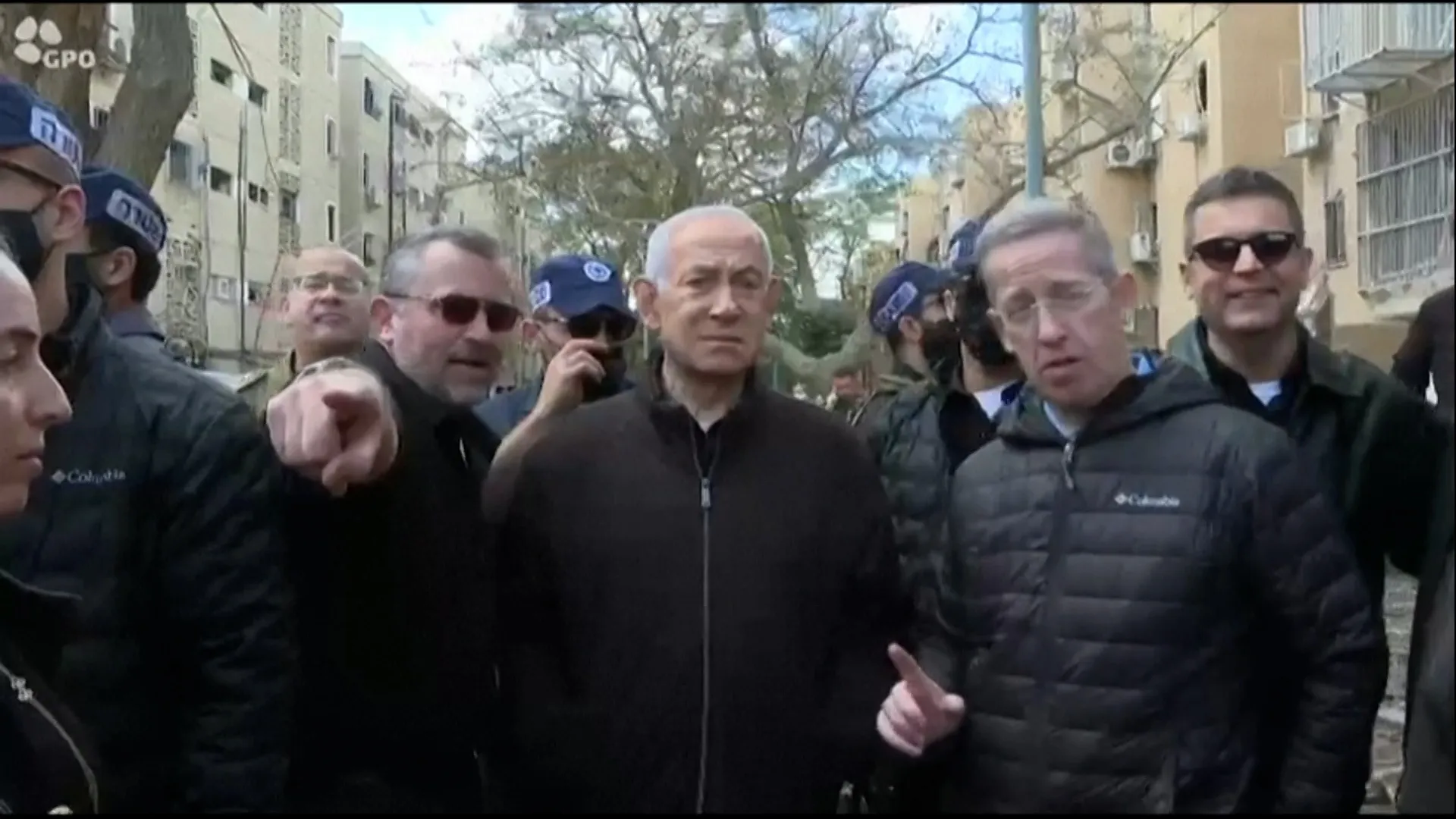
Israeli Prime Minister Benjamin Netanyahu has vowed to back US strikes on Iran’s power grid if Tehran does not reopen the Strait of Hormuz, as he visited the site of an Iranian strike in Arad. He urged world leaders to join the war effort as US-Israeli attacks on Iran have killed more than 1,500 people and injured thousands.

Source link