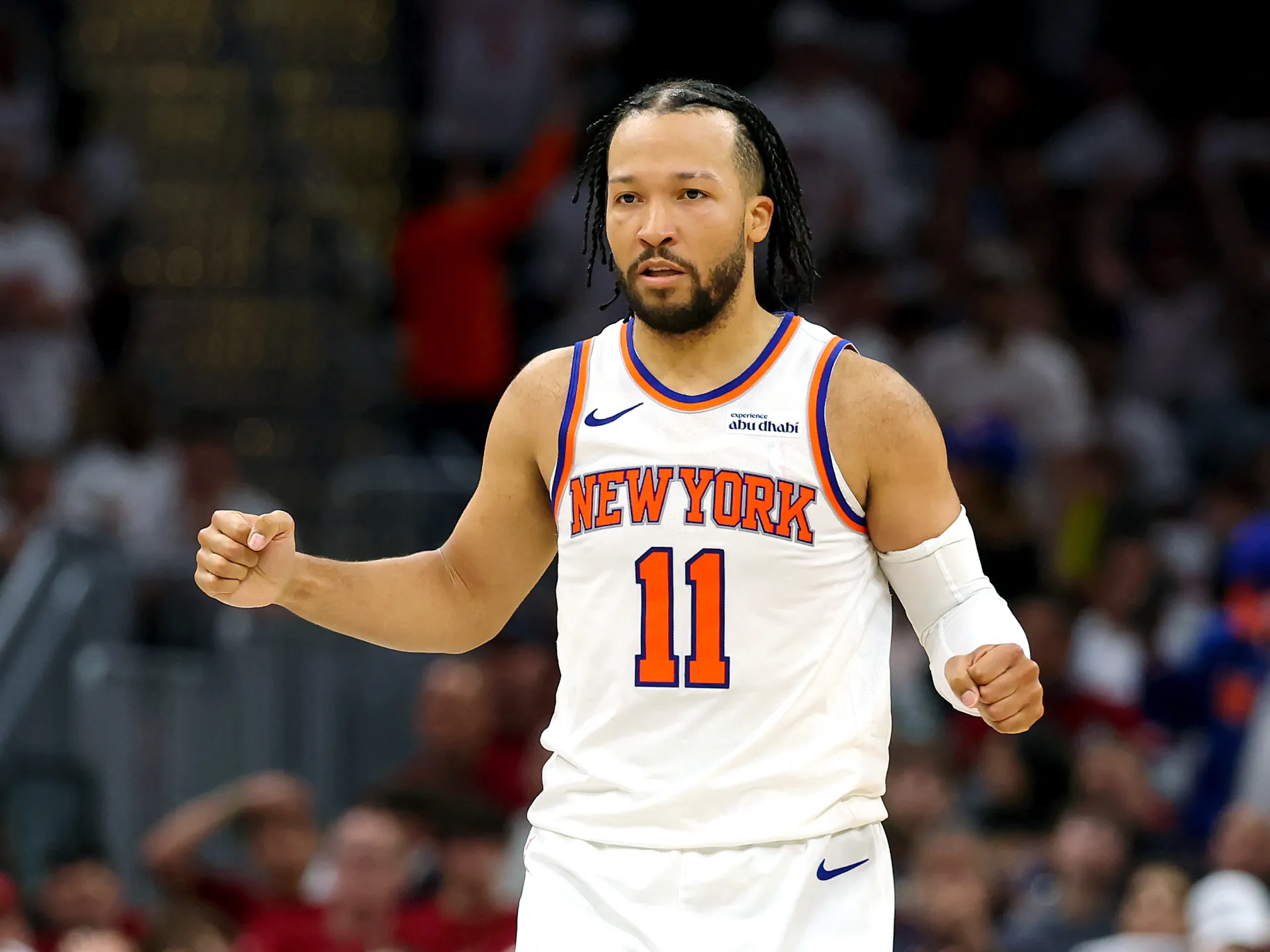
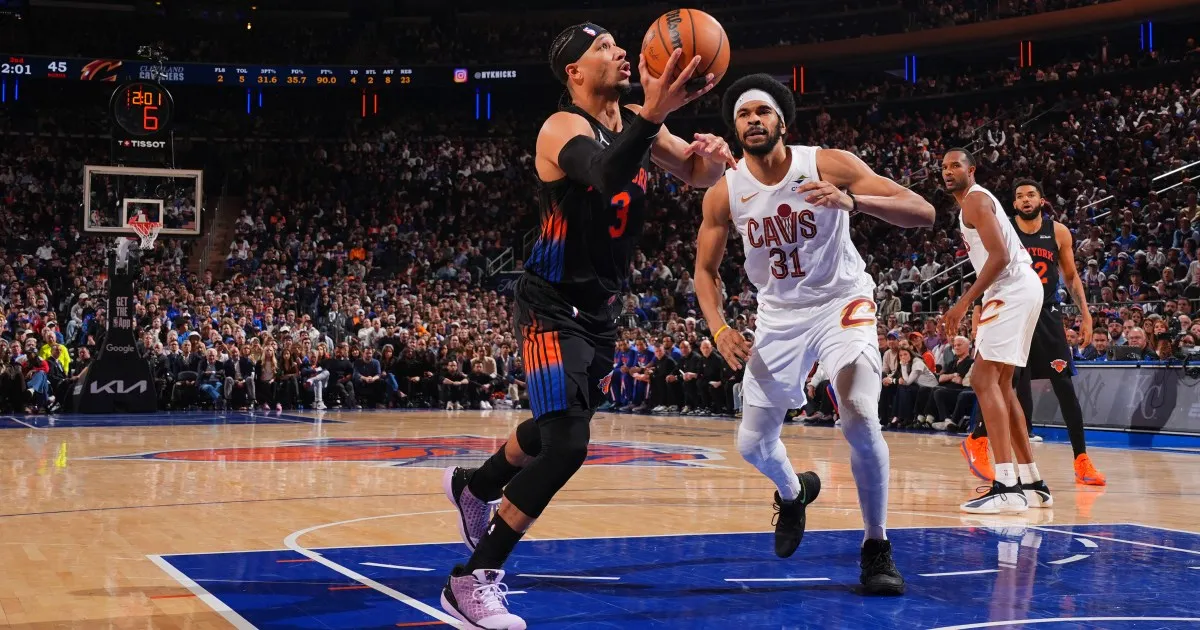
Brunson scores 30 points as the Knicks beat the Cavs 121-108 to take a 3-0 lead in the Eastern Conference finals.
Published On 24 May 202624 May 2026
The New York Knicks are on the brink of their first NBA Finals since 1999 after a 121-108 victory at Cleveland stretched their playoff win streak to 10 games.
Jalen Brunson scored a game-high 30 points, OG Anunoby added 21 and Mikal Bridges contributed 22 on 11-of-15 shooting as New York pushed the Cavaliers to the edge of elimination on Saturday.
“I’m at a loss for words,” Brunson said. “I thought we fought, most importantly.”
The Knicks seized a commanding 3-0 lead in the best-of-seven Eastern Conference finals and could complete a sweep in game four on Monday in Cleveland.
No team in NBA history has recovered from a 3-0 deficit to win a playoff series.
“The series isn’t over,” Anunoby said. “Just keep our foot on their necks and just try to win the game.”
Brunson said the Knicks must continue to concentrate. “Just focus on one possession at a time.”
“The way we’ve been having that mindset these past couple [of] weeks, we have to continue it, if not actually better.”
The Knicks last reached the NBA Finals 27 years ago when they lost to San Antonio. They have not won the NBA championship since 1973.
New York’s Karl-Anthony Towns had 13 points, eight rebounds, seven assists and three steals while Josh Hart added 12 points, nine rebounds, five assists and four steals for a Knicks team that has not been beaten in a month.
Brunson said, “Our mindset hasn’t changed.
“We’re trying to get better every single day. We’re trying to learn from winning.
“There’s a lot of things we can get better at. There’s a lot of things we can control, a lot of mental errors that we need to clean up, but we’re always just looking for ways to try and get better.”
Evan Mobley led Cleveland with 24 points, while Donovan Mitchell added 23 and James Harden scored 19 points.
The Cavaliers, who squandered a 22-point lead to lose the series opener, never led as New York seized command early and dominated.
“I guess you could say momentum carried over [from game one],” Anunoby said.
“We try to play the right way every game, but maybe that momentum carried over a little bit.”
New York started the game 10-of-13 from the floor to seize a 29-19 lead only 8:29 into the contest, Towns delivering 11 points in the run on the way to a 37-27 lead after the first quarter.
Cleveland trimmed New York’s half-time edge to 60-54, but the Cavs committed six turnovers in the first six minutes of the third quarter.
The Knicks were ahead 91-82 entering the fourth quarter and stretched it to 110-93 in the closing minutes before completing their fifth triumph in a row.
“It’s just executing the game plan on both sides of the floor, playing the right way, moving the ball, then getting stops on defence,” Anunoby said of New York’s secret to success.
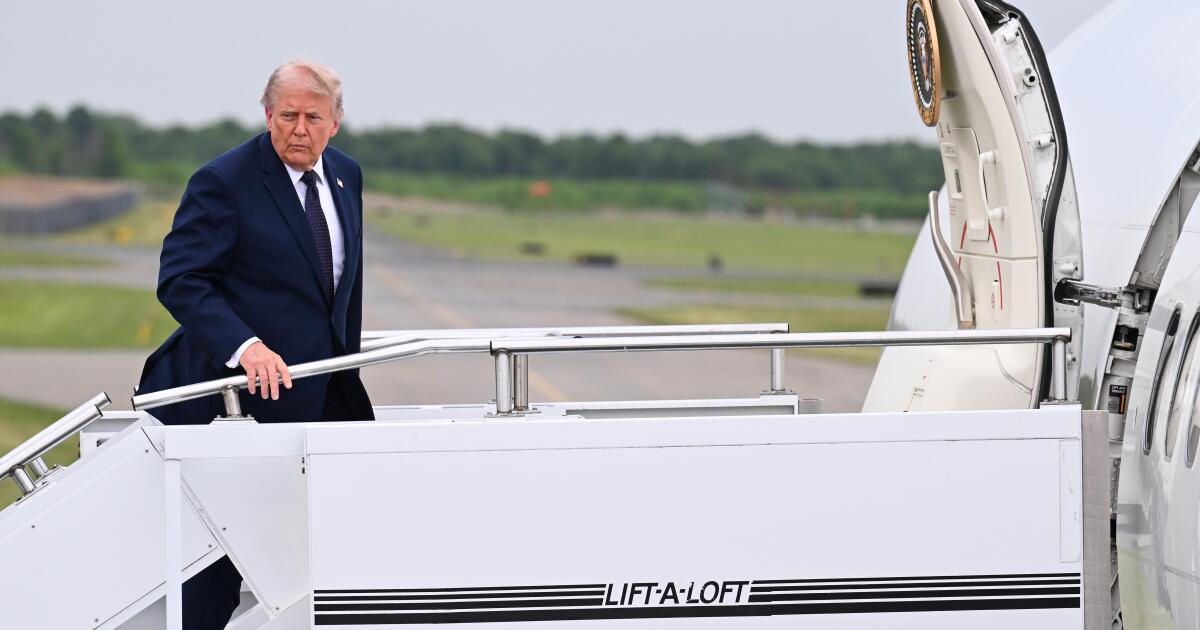
WASHINGTON — President Trump said Saturday that the United States and Iran have agreed on the basic terms of an agreement to end the two countries’ nearly three-month-long war and reopen the Strait of Hormuz.
“An Agreement has been largely negotiated,” Trump wrote in a social media post. “Final aspects and details of the Deal are currently being discussed, and will be announced shortly. In addition to many other elements of the Agreement, the Strait of Hormuz will be opened.”
Iran’s state television network quoted Foreign Ministry spokesman Esmail Baghaei as saying the draft pact will be a “framework agreement” that defers talks toward limiting Iran’s nuclear program until later. Trump did not mention the nuclear issue in his statement.
If that is the form the deal takes, it would represent at least a short-term concession from the president, who initially demanded a definitive end to Iran’s nuclear program as the price of peace.
Trump has also relaxed an earlier U.S. demand that Iran give up its right to enrich uranium and says he would be satisfied with a deal to “suspend” enrichment for 20 years.
Those signs of U.S. flexibility have raised alarm from Iran hawks, reportedly including Israeli Prime Minister Benjamin Netanyahu. They say they fear Trump is so intent on restoring the flow of oil from the gulf that he might agree to a deal that falls far short of U.S. goals.
Mark Dubowitz, a leading critic of past agreements with Iran, said he worries that Trump might settle for “a foolish agreement” to reopen the Strait of Hormuz.
“I’m concerned that the administration is looking to cut some ‘Phase One’ deal” in which Iran is given “significant sanctions relief in exchange for agreement to reopen the strait,” he said in an interview Friday. “I think that would be a foolish agreement. Iran would get real money, but they could continue to close the strait any time they wanted simply by making threats.”
Robert Kagan, a conservative foreign policy scholar at the Brookings Institution, wrote that a deal to reopen the strait while deferring the nuclear issue would amount to a U.S. “surrender.”
“On the present trajectory, Iran will emerge from the conflict many times stronger and more influential than it was before the war,” Kagan wrote in the Atlantic.
When the war began in February, Trump said he wanted not only to end Iran’s nuclear activities and destroy its ballistic missile program, but bring about regime change as well.
Instead, the nuclear talks have focused on narrower, more achievable goals: a “suspension” of nuclear enrichment for 20 years or less and removal or destruction of Iran’s highly enriched uranium, the essential ingredient for a nuclear weapon.
“A basic agreement shouldn’t be impossible to achieve,” said John W. Limbert, who worked on Iran policy at the State Department for three decades, and was one of the American hostages seized by Iranian militants in 1979. “The deal would be some kind of verifiable limits on the nuclear program in return for economic relief.”
“The fact that we’re talking about a suspension of all enrichment, and the question is whether it will be five years, 20 years or halfway in between — that’s important,” said Nate Swanson, an Iran expert who worked at the National Security Council under President Biden and Trump. “That sounds like you really have the basis for an agreement. … But don’t fool yourself to think that completely addresses the situation.”
Swanson said other issues, including Iran’s nuclear research and its advanced ballistic missiles, haven’t been addressed.
Despite signs of progress toward an agreement, the gaps between the two countries remain large.
Part of the problem is that both sides appear to believe they have won the war, said Danny Citrinowicz, a former Iran analyst at Israel’s defense intelligence agency.
Trump and other U.S. officials frequently assert that the United States has gained the upper hand by destroying Iran’s navy, air force and many of its missiles.
But the Iranians use a different scoring system, Citrinowicz said.
“Iran does not measure success the same way Washington often does,” he wrote in an email. “From Tehran’s perspective, simply holding firm in the face of American pressure can be framed as a win.”
“Tehran believes time is working against Trump politically and strategically,” he added. “Iran is prepared for prolonged confrontation; the United States, far less so.”
And even if a negotiated agreement is reached, the deals under discussion now won’t resolve all the conflicts between the two countries.
“An interim deal to buy time [is] probably where we end up,” Swanson said. “Buying time is not a bad thing. Ending a war is not a bad thing. But it’s not a comprehensive solution.”
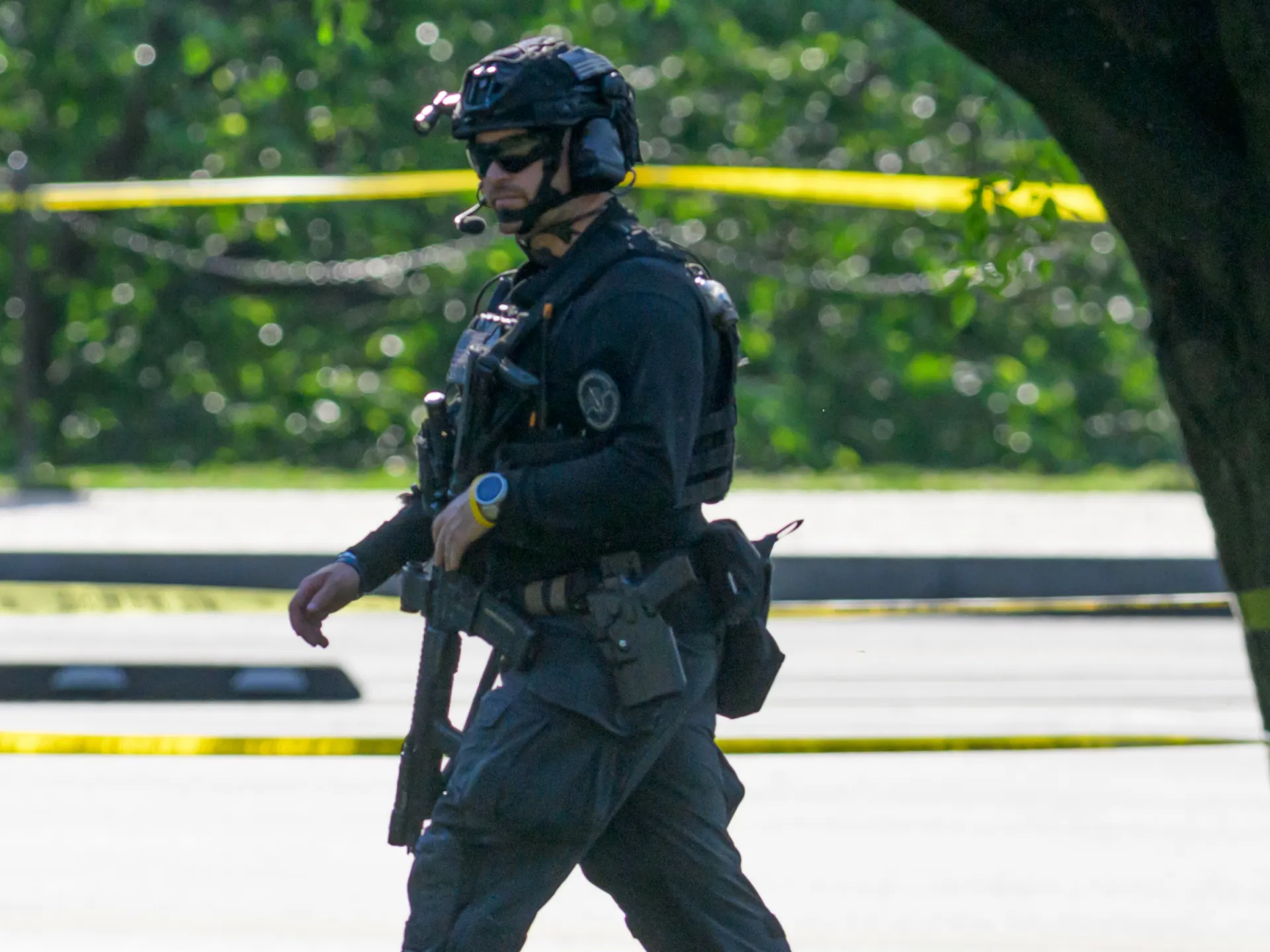
US law enforcement agencies are responding to reports of shots fired near the White House.
There were no immediate reports of any injuries.
Recommended Stories
list of 4 itemsend of list
In a social media post, FBI Director Kash Patel said officers are responding to shots fired and said he would “update the public as we’re able”.
President Donald Trump was inside the White House at the time. Police cordoned off access to the White House and National Guard troops blocked reporters from entering the area in downtown Washington.
Al Jazeera’s Kimberly Halkett, reporting from Washington, DC, said there were more than 30 shots heard from the White House North Lawn.
“The White House is now surrounded by multiple emergency vehicles and agencies. We understand the president was in the Oval Office at the time. The shots were fired outside the White House, but the White House has not confirmed or let anyone know about the president’s condition at this time.”
Journalists who were on the White House North Lawn at the time said they were ordered to run and shelter in the press briefing room.
The Secret Service said it’s “aware of reports of shots fired near 17th Street and Pennsylvania Avenue NW” – one block from the White House – and is “working to corroborate the information with personnel on the ground”.
Trump says deal would include re-opening of Strait of Hormuz after call with Middle East leaders.
Published On 23 May 202623 May 2026
United States President Donald Trump has said that a Memorandum of Understanding in ceasefire talks to end the US-Israeli war with Iran “has been largely negotiated”.
Trump said on Saturday the agreement will include the re-opening of the Strait of Hormuz, adding that it remained “subject to finalization” by US and Iranian negotiators and “various other countries”.
Recommended Stories
list of 3 itemsend of list
Trump made the announcement after holding a call with the leaders and officials from Qatar, Saudi Arabia, the United Arab Emirates, Pakistan, Jordan, Egypt, Turkiye, and Bahrain. He said he also separately held a call with Israeli Prime Minister Benjamin Netanyahu.
“Final aspects and details of the Deal are currently being discussed, and will be announced shortly,” he said.
The announcement was the latest turn in a week that began with Trump threatening Iran that time was running out to make an agreement for a more lasting ceasefire. He later told reporters he was just moments away from resuming attacks, which he decided to put “on hold” at the behest of Gulf countries.
Trump has since alternated between renewing threats of escalation, including posting a picture on Saturday of Iran covered in a US flag, and saying a deal was close.
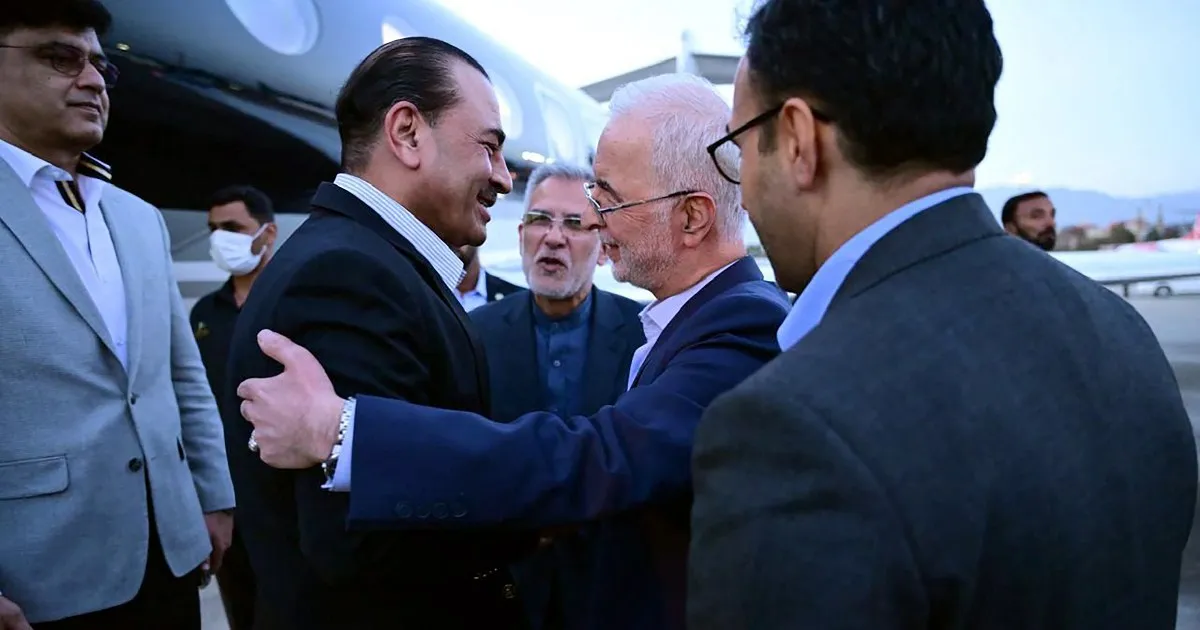
The US president released the statement shortly after Pakistan’s army chief Asim Munir concluded a short but “highly productive” visit to Iran on Saturday, according to a statement from Pakistan’s military.
It said “encouraging progress” was made towards reaching a final understanding.
Iranian officials have repeatedly voiced wariness over negotiating with the US, which had twice launched military attacks on Iran during talks about its nuclear programme.
The US and Israel launched the latest war on February 28, but fighting has largely remained paused as of April 8, barring a handful of flare-ups.
The US has continued to blockade Iran’s ports, with Iran effectively closing the Strait of Hormuz.
Key sticking points have been the future of Iran’s nuclear programme and its influence over the strait, the future of US military presence in the region, and access to frozen Iranian funds.
Iran were expected to fly from Turkiye to Arizona to continue World Cup 2026 preparations but will switch to Mexico.
Published On 23 May 202623 May 2026
Iran will base their squad in the Mexican border city of Tijuana during this year’s World Cup after football’s world governing body FIFA approved a request to move their training camp from Arizona, the head of Iran’s football federation said on Saturday.
“We will be based in the Tijuana camp, which is near the Pacific Ocean and on the border between Mexico and the United States,” Iran’s Football Federation President Mehdi Taj said in a video posted on its Telegram social media account.
Recommended Stories
list of 4 itemsend of list
Taj added that the switch would help avoid visa-related complications following the US-Israel war on Iran, and that the squad would be able to fly directly to Mexico with Iran Air.
Iran will play their first two Group G matches in Los Angeles, against New Zealand on June 15 and Belgium on June 21, before facing Egypt in Seattle on June 26.
“The total distance between us and the venue of our games in Los Angeles is 55 minutes by flight,” Taj said, adding that Tijuana was closer to their match venues than the team’s previously planned camp in Arizona.
Iran has faced uncertainty for months over travel and security arrangements for the World Cup, which will be cohosted by the United States, Canada and Mexico, and had asked for their games to be moved from the US.
Iranian officials said this month that their players and staff had yet to receive US visas, less than a month before the start of the tournament. They began visa applications during their stay in Turkiye for pre-tournament training.
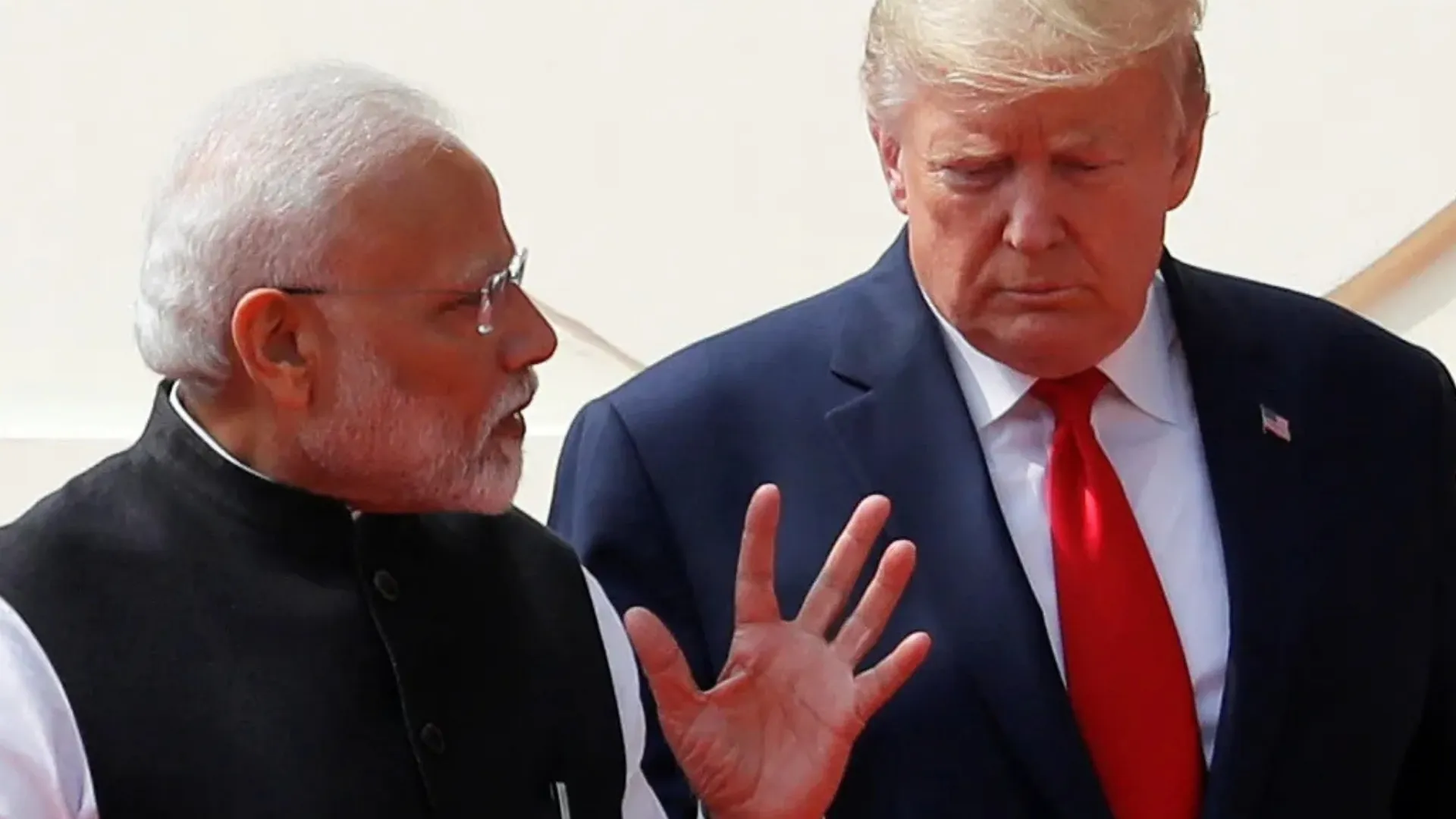
The United States and India are seeking to mend ties after a year of diplomatic see-saw during which tariffs were imposed and then quickly scrapped because of the US-Israel war on Iran.
This is just one example of how international relations and conflict have become more complex and interlinked in recent years.
So, is pragmatism replacing ideology in today’s diplomatic world?
Presenter: Scott McLean
Guests:
Brahma Chellaney – Professor emeritus of strategic studies at the Centre for Policy Research
Chris Weafer – Chief executive officer at Macro-Advisory strategic consultancy
Shaun Rein – Founder and managing director of the China Market Research Group
Latest Truth Social post comes amid ‘delicate diplomacy’, expert says, as US and Iran indicate progress in talks.
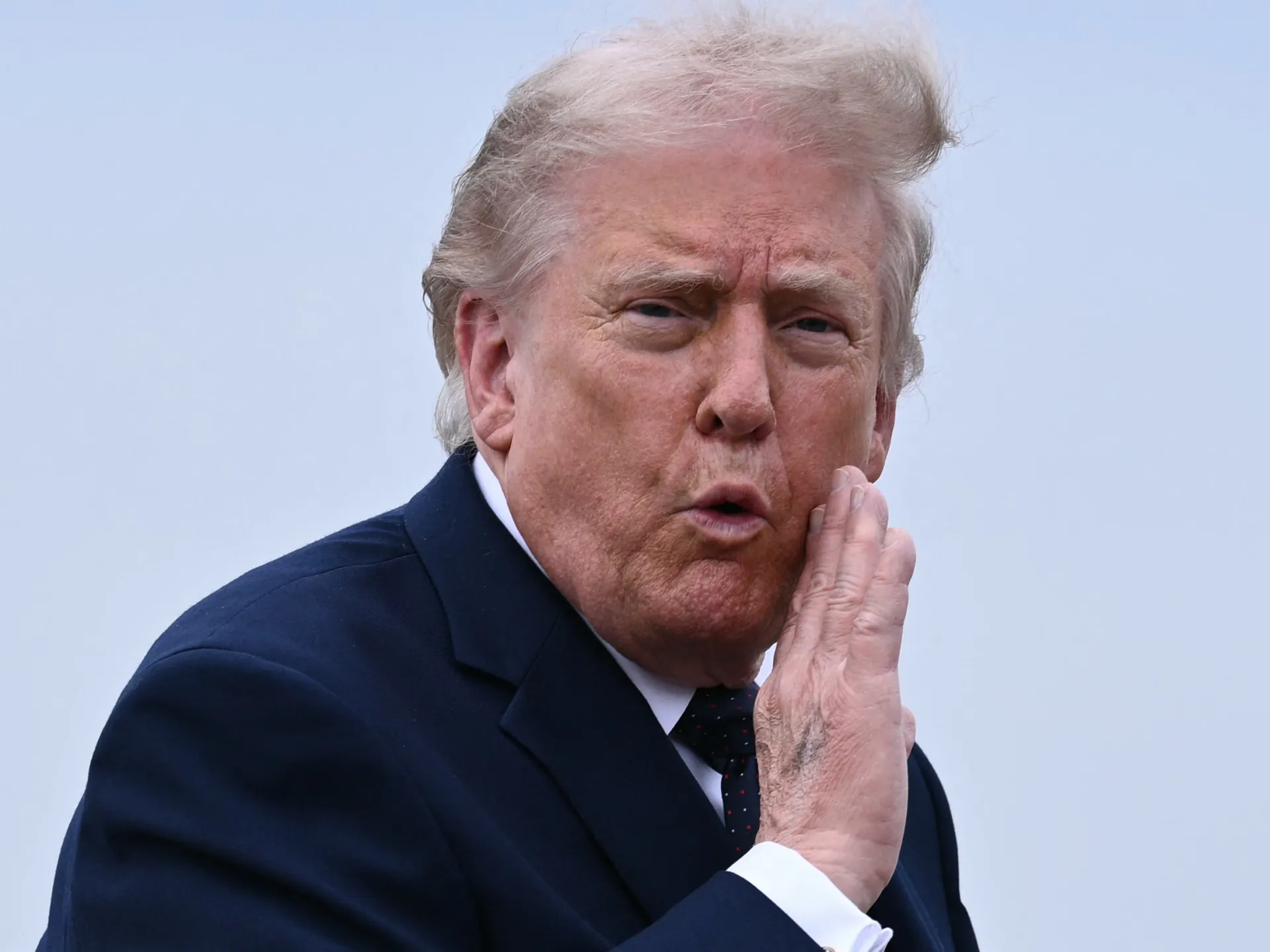
Washington, DC – President Donald Trump has posted a photo of the United States flag covering the map of Iran, with the question: “United States of the Middle East?”
The post on Truth Social on Saturday represented another potentially incendiary message from Trump amid ongoing negotiations for a more lasting ceasefire in the US-Israeli war with Iran, experts said.
Recommended Stories
list of 3 itemsend of list
It carries the potential to roil both regional allies and foes alike given Washington’s past intervention in the Middle East, most notably during the US invasion of Iraq from 2003 to 2011, as well as the Trump administration’s push to increase its influence abroad.
The sentiment also appears to run counter to the Trump administration’s repeated statements that it is not seeking a prolonged occupation of Iran. The US has maintained it is not seeking outright regime change in its war, which it launched alongside Israel on February 28, but that it would welcome such change as a byproduct of the military campaign.
Even for a president known for outlandish social media posts and conflicting messaging on the war, the post could have implications for ongoing negotiations aimed at a more lasting ceasefire, according to Vali Nasr, professor of international affairs and Middle East studies at Johns Hopkins University.
He pointed to Trump’s threat in early April that an “entire civilisation will die” if Iran did not agree to a deal at the time. Hours later, both sides agreed to a pause in fighting.
That pause has held since, save for a handful of flare-ups, with the US continuing to blockade Iranian ports and Tehran effectively closing the Strait of Hormuz.
“First he declared he wanted to eradicate Iran’s civilisation now he is declaring that he wants to turn Iran into an American property,” Nasr wrote on X.
“It is this kind of grotesque behaviour that undermines diplomacy and unites Iranians in defence of their country,” he added. “In the middle of delicate diplomacy he casts doubts on America’s true intentions.”
The White House did not immediately respond to a request for comment.
Fragile negotiations continue
On Saturday, both US and Iranian officials indicated a new deal may be within reach.
Trump told CBS News both sides were “getting a lot closer”. US Secretary of State Marco Rubio said an update could be coming shortly, the broadcaster reported.
Iranian Foreign Ministry spokesperson Esmaeil Baghaei said the two sides were “currently working to finalise” a memorandum of understanding, and that “the opinions have been converging”.
Still, there have been no official announcements related to key sticking points in the standoff, including the future of Iran’s nuclear programme, the fate of its highly enriched uranium stockpile, and its future influence over the Strait of Hormuz.
Trump regularly uses his Truth Social account, which he launched after being briefly banned from Twitter, now X, in the wake of the 2020 election, to make major announcements, attack political enemies, and post AI-generated images and videos.
The foreign policy of his second term has been defined by efforts to grow US influence abroad, particularly in the Americas. That has included the military abduction of Venezuelan leader Nicolas Maduro, continued threats against Cuba, and vows to take control of Greenland, the semi-autonomous Danish territory in the North Atlantic.
The Trump administration has adopted the term the Donroe Doctrine, a reference to the 1823 Monroe Doctrine, which sought to diminish European influence in the Western Hemisphere.
On Saturday, Trump also posted an image of his face peering over a mountain range in Greenland.
World Cup cohosts United States have warned the Democratic Republic of the Congo team to isolate due to Ebola fears.
Published On 23 May 202623 May 2026
The Democratic Republic of the Congo (DRC) have no plans to change their preparations for the 2026 World Cup, despite a warning from the United States that the team must isolate for 21 days before arriving in the country, a team official has said.
Andrew Giuliani, executive director of the White House Task Force for the World Cup, confirmed on Friday that the Congolese delegation needed to maintain a bubble where they are training in Belgium and isolate for 21 days or risk being denied entry after a deadly outbreak of the Ebola virus in the central African country.
Recommended Stories
list of 4 itemsend of list
The Congolese team are to be based in Houston at the tournament and will play an opening Group K fixture against Portugal on June 17, followed by matches against Colombia on June 23 in Guadalajara, Mexico, and against Uzbekistan on June 27 in Atlanta.
“We’ve been very clear to Congo that they should maintain the integrity of their bubble for 21 days before they can then come to Houston on June 11,” Giuliani told ESPN on Saturday.
“We’ve made it very clear to the Congo government as well that they need to maintain that bubble, or they risk not being able to travel to the United States. We cannot be any clearer.”
But a team spokesperson said that at this stage there was no change to their schedule, which includes a friendly against Denmark in Liege, Belgium, on June 3 and another against Chile in Cadiz, Spain, six days later.
“We have kept our training programme. No player in the squad has come from DR Congo,” the official said.
The entire squad of players are based outside the DRC, mostly in Europe, including coach Sebastien Desabre. A few team officials arrived at the training camp in Belgium from the DRC earlier this week.
The team had planned a three-day trip to Kinshasa next week as a celebratory send-off before they head to their first World Cup in 52 years, but that trip has been cancelled.
The World Health Organization on Friday raised to “very high” the risk of the rare Bundibugyo strain of Ebola turning into a national outbreak in the DRC and has declared the outbreak there and in neighbouring Uganda an emergency of international concern.
Nearly 750 suspected cases and 177 suspected deaths have been recorded following the outbreak in DRC.
Parts of the Puebla stadium for high-profile warm-up for 2026 edition were closed to spectators due to FIFA sanctions.
Published On 23 May 202623 May 2026
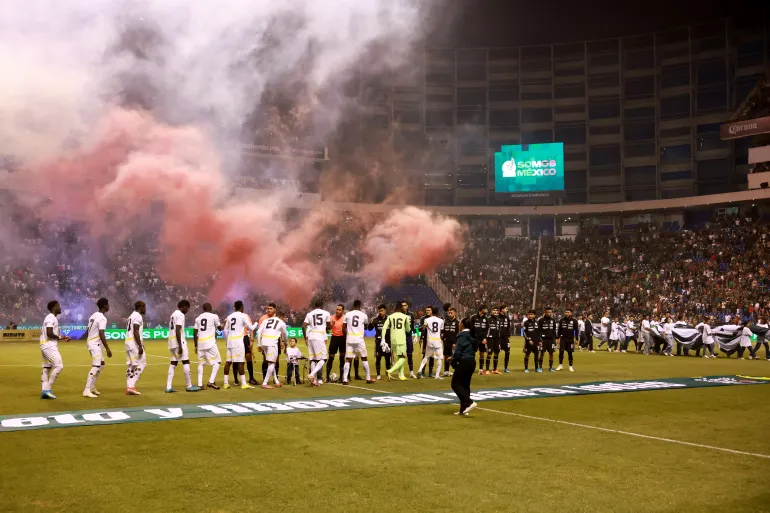
Mexico have beaten Ghana 2-0 in Puebla in a World Cup warm-up that offered a glimpse of the excitement building less than three weeks before the country opens the tournament.
While Puebla is not among Mexico’s World Cup host cities, fans in green shirts at Cuauhtemoc Stadium created an electric atmosphere throughout the night on Friday.
Recommended Stories
list of 4 itemsend of list
Repeated Mexican waves rolled around the stadium despite visible empty sections closed under FIFA sanctions linked to discriminatory chants at previous national team matches.
Brian Gutierrez set the tone immediately, curling home from the edge of the box after two minutes.
Teenage Liga MX sensation Gil Mora struck the post in the first half, and Alexis Vega had a header ruled out for offside before the break.
“He’s a different player, we’ve always said that,” Mexico coach Javier Aguirre said of Mora, who made his first appearance for Mexico since November after returning from injury.
“He’s brave, direct, vertical … he gives us great joy because he’s Mexican and because he’s back without pain.”
The teams were met by a lively atmosphere at Estadio Cuauhtemoc [Henry Romero/Reuters]
Ghana, with recently appointed coach Carlos Queiroz absent and assistants leading from the bench, threatened an equaliser early in the second half after forcing a pair of saves from the Mexican goalkeeper and hitting the crossbar.
But substitute Guillermo Martinez ended the visitors’ hopes in the 54th minute, finishing off a counterattack to double Mexico’s lead.
Coach Aguirre used the friendly to continue evaluating players ahead of naming Mexico’s final World Cup squad on June 1, with Europe-based players Luis Chavez, Edson Alvarez and Jorge Sanchez making second-half appearances after recently joining training camp.
The coach praised the effort shown by players battling for places in the final squad, saying: “The fact they tried and gave their best effort, for me, that’s already worthwhile.
“It’s not easy (to pick the team), it’s the most complex part of my job … It’s a bit about trying to see all the possible scenarios with my coaching staff.”
The world’s best football players will travel to North America this summer for the most anticipated sporting event of the year: the FIFA World Cup 2026.
While the 48-team tournament will feature young prodigies and veterans alike, some stars will not be at the tournament, having missed out due to injuries or because their nations failed to qualify.
Al Jazeera takes a look at the top stars who will not be at the World Cup:
Khvicha Kvaratskhelia (Georgia)
Georgian Khvicha Kvaratskhelia, PSG’s most creative player, will not be at the World Cup [File: Anne-Christine Poujoulat/AFP]
One of the most feared wingers in European football, Kvaratskhelia will not be on the plane to North America as his country, Georgia, failed to qualify for the finals in June and July.
The Paris Saint-Germain winger, the standout player in the Champions League this season, is yet to play at a World Cup. His last major tournament with Georgia ended in a round-of-16 run at Euro 2024.
Robert Lewandowski (Poland)
The 2026 edition was probably Lewandowski’s last chance of featuring at another World Cup [File: Kacper Pempel/Reuters]
A teary-eyed Lewandowski left the pitch after Poland’s final World Cup qualifier on March 31 as the nation narrowly missed out on the 2026 edition. The 37-year-old Barcelona striker even hinted at international retirement after the failure to qualify but has yet to confirm the decision.
Lewandowski has played a record 165 games for Poland, beginning with a goal on his debut against San Marino in 2008 when he was 20. His 89 goals are nearly twice as many as any other Polish player, but he has played at the World Cup only twice with a last-16 finish in 2022 being the best result.
Gianluigi Donnarumma and Sandro Tonali (Italy)
Tonali, left, and Donnarumma are important players at their respective clubs, Newcastle United and Manchester City [File: Scott Heppell/Reuters]
Italy’s failure to qualify for the World Cup for a third consecutive time means the tournament will be devoid of some of the finest Azzurri talents, including star goalkeeper Donnarumma and midfielder Tonali.
After suffering a shock penalty shootout defeat to Bosnia and Herzegovina in the playoffs, Italy became the first former champions to miss three World Cup finals in a row. The last time the Italians played at a World Cup was in 2014 when they crashed out in the group stage in Brazil.
“The World Cup curse”, as described by the Italian media, will keep Donnarumma – one of the best goalkeepers in the world – and Tonali away from playing at the world’s biggest football tournament.
Victor Osimhen and Ademola Lookman (Nigeria)
Osimhen, left, and Lookman are the two brightest attackers in Nigeria’s squad [AFP]
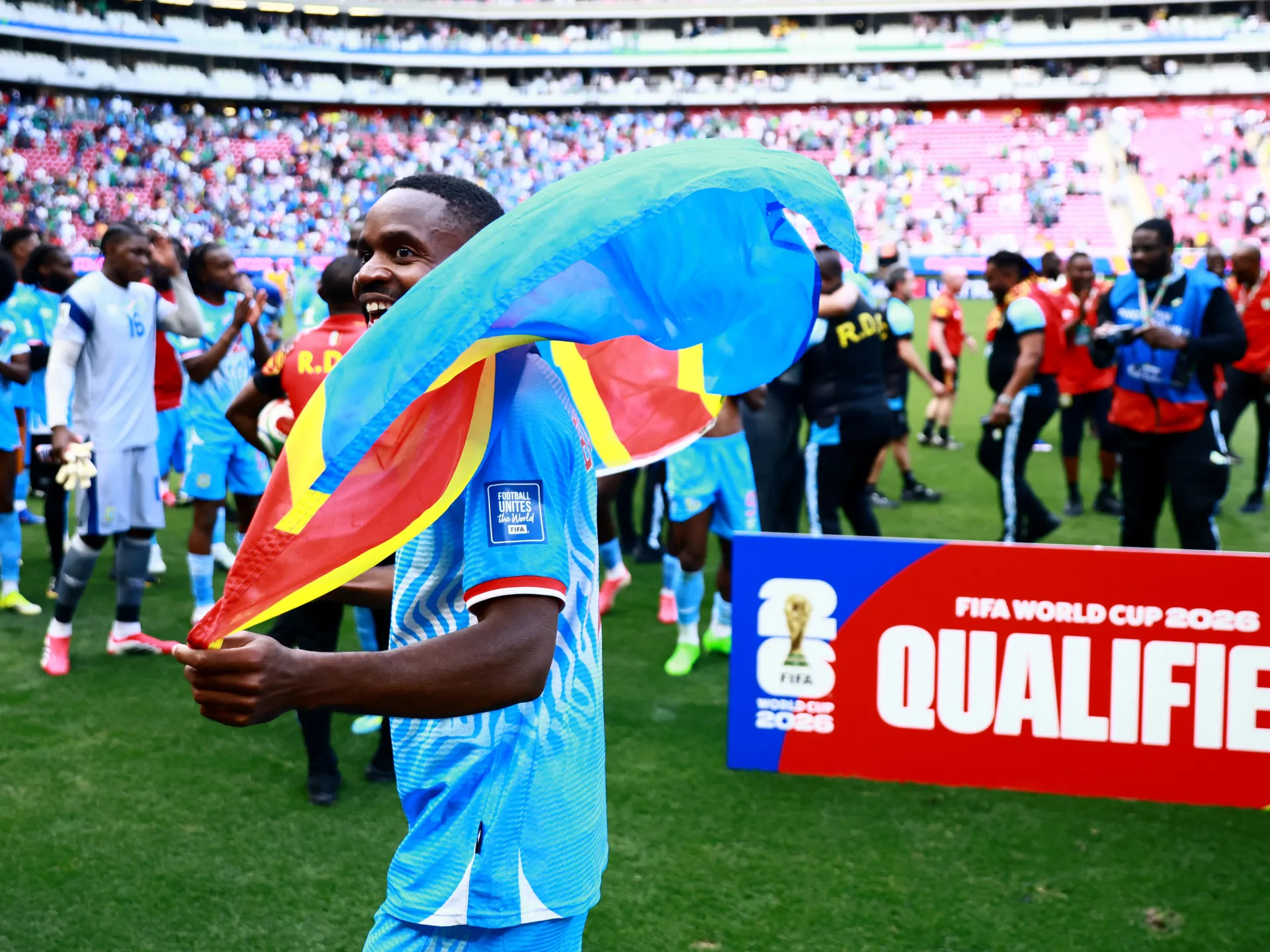
After Italy, Nigeria are the biggest nation to miss out on a ticket to the World Cup 2026, thanks to an abysmal qualifying campaign. The Super Eagles had dreamed of soaring high in North America, but their wings were clipped after a shock penalty shootout defeat to the Democratic Republic of the Congo in the African playoffs.
Nigeria’s failure to make it to the World Cup means fans will miss out on watching Lookman, arguably their best player at AFCON 2025, and Osimhen, one of the most feared strikers in Africa.
The dynamic duo of Lookman and Osimhen has often brought joy to Nigerian fans, whose team is missing successive World Cup finals for the first time in 36 years.
Hugo Ekitike (France)
Ekitike had been dreaming of a maiden World Cup appearance [David Klein/Reuters]
France forward Ekitike’s dreams of making his World Cup debut were shattered when he ruptured his Achilles tendon while playing for Liverpool against PSG in April.
The injury, which could sideline him until January 2027, saw the 23-year-old leave the pitch in tears on a stretcher during the second leg of a Champions League quarterfinal tie at Anfield.
At the start of the 2025-2026 season, Ekitike was far behind in the France pecking order, but an impressive season at Liverpool, which saw him score 17 goals in all competitions until his injury, had put him in the running to be picked by coach Didier Deschamps for the World Cup.
Estevao and Rodrygo (Brazil)
Winger Estevao is one of Brazil’s most promising young talents [File: Sameer Al-Doumy/AFP]
One of the brightest talents in global football, winger Estevao was set for his much-awaited World Cup debut until a hamstring injury crushed his dream. The 19-year-old suffered a grade four hamstring injury while playing for his club, Chelsea, in April, which ultimately kept him out of Brazil’s World Cup squad.
Joining Chelsea from Palmeiras in May 2024, Estevao’s eight goals and four assists in his debut season in England caught everyone’s attention. The teenage sensation had also established himself as a regular member of Brazil’s squad under Carlo Ancelotti.
Alongside Estevao, Real Madrid winger Rodrygo, who made five appearances for Brazil at the 2022 World Cup, will not be at this year’s edition after suffering a torn meniscus and ACL in his right knee.
The 25-year-old picked up the injury while playing for Madrid in March and is expected to be out until the end of 2026.
Xavi Simons (Netherlands)
An injury sustained while playing for Tottenham Hotspur will keep Xavi Simons out of the Dutch World Cup campaign [AFP]
Attacking midfielder Simons will not be with the Netherlands at the World Cup 2026 after he suffered an anterior cruciate ligament (ACL) injury while playing for his club, Tottenham Hotspur, against Wolverhampton Wanderers in a Premier League game.
Simons, 23, was expected to be a key figure in Ronald Koeman’s Netherlands squad for what would have been his second World Cup after his debut in 2022.
He has earned 34 caps, most recently featuring in friendlies in March.
Bryan Mbeumo (Cameroon)
Cameroon’s failure to qualify for the World Cup came as a surprise as the Indomitable Lions hold the African record for the most appearances with eight overall.
After losing to DR Congo in the semifinals of the African playoffs, Cameroon’s World Cup dreams died and, with them, Mbeumo’s chances of playing in North America.
Mbeumo has had a decent season at Manchester United, scoring 10 goals and bagging three assists across all competitions.
Mbeumo is one of several African stars who will not be at the upcoming World Cup [Stu Forster/Getty Images]
Honourable mentions
A few other high-profile players will also miss the tournament.
Spain midfielder Fermin Lopez misses out after requiring surgery on a fracture in his right foot while Germany’s Serge Gnabry has been ruled out with a torn adductor muscle in his right thigh.
England have omittedCole Palmer and Phil Foden from their squad after both had disappointing seasons.
Japan’s Takumi Minamino was left out after suffering an ACL tear while Kaoru Mitoma also misses out after suffering a hamstring injury.
Defender Eder Militao was dropped from Brazil’s squad after undergoing surgery for a hamstring injury while Ancelotti also dropped forwards Joao Pedro and Richarlison.
Slovenia goalkeeper and captain Jan Oblak will be absent after they failed to qualify, and central midfielder Dominik Szoboszlai faces a similar fate after Hungary missed out too.
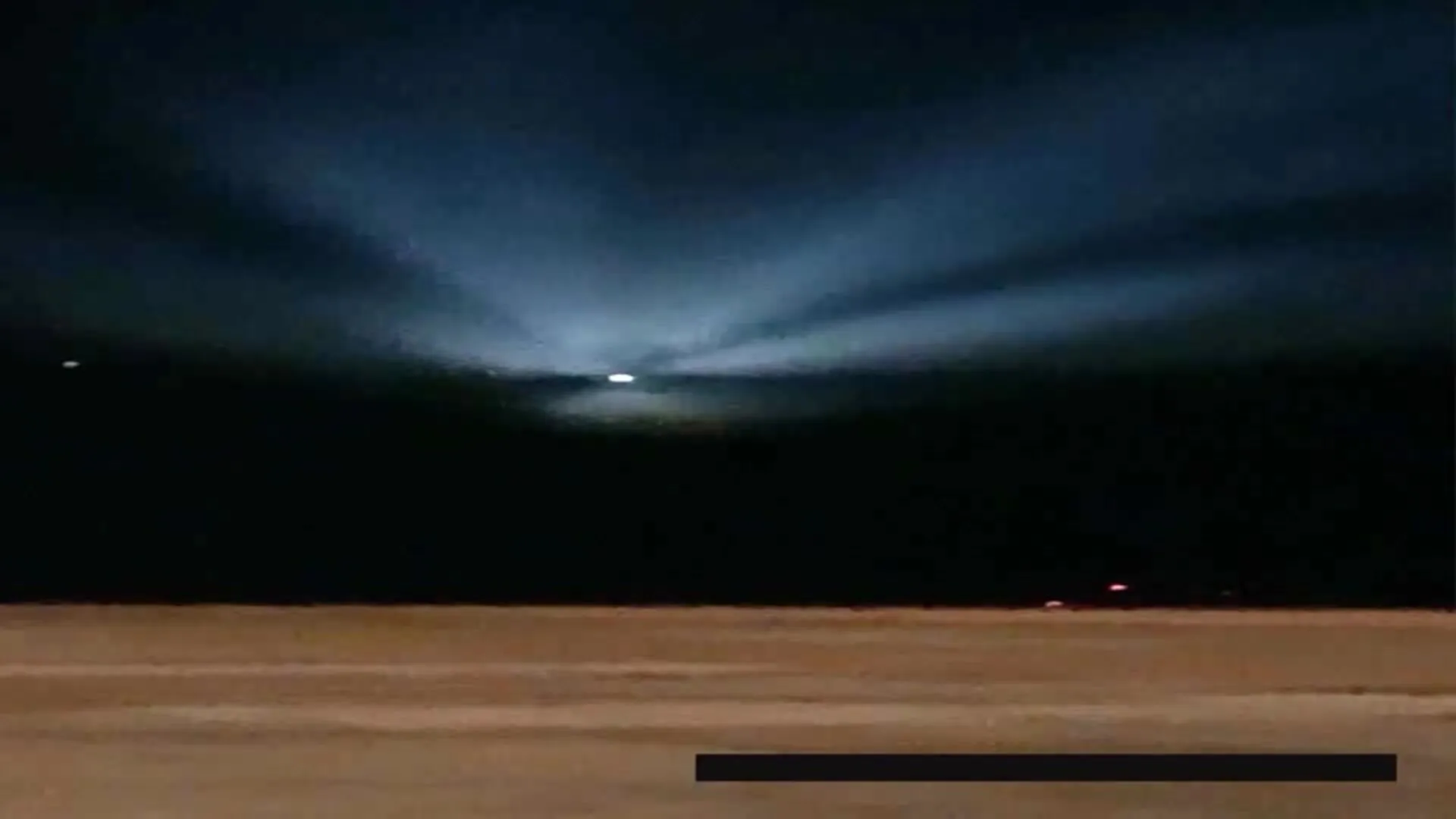
Green orbs, discs and fireballs. The Trump administration has released a second batch of previously classified files on alleged UFO sightings. The Pentagon says the material is linked to 209 sightings, in various locations, of what are officially known as “unidentified anomalous phenomena” (UAP).
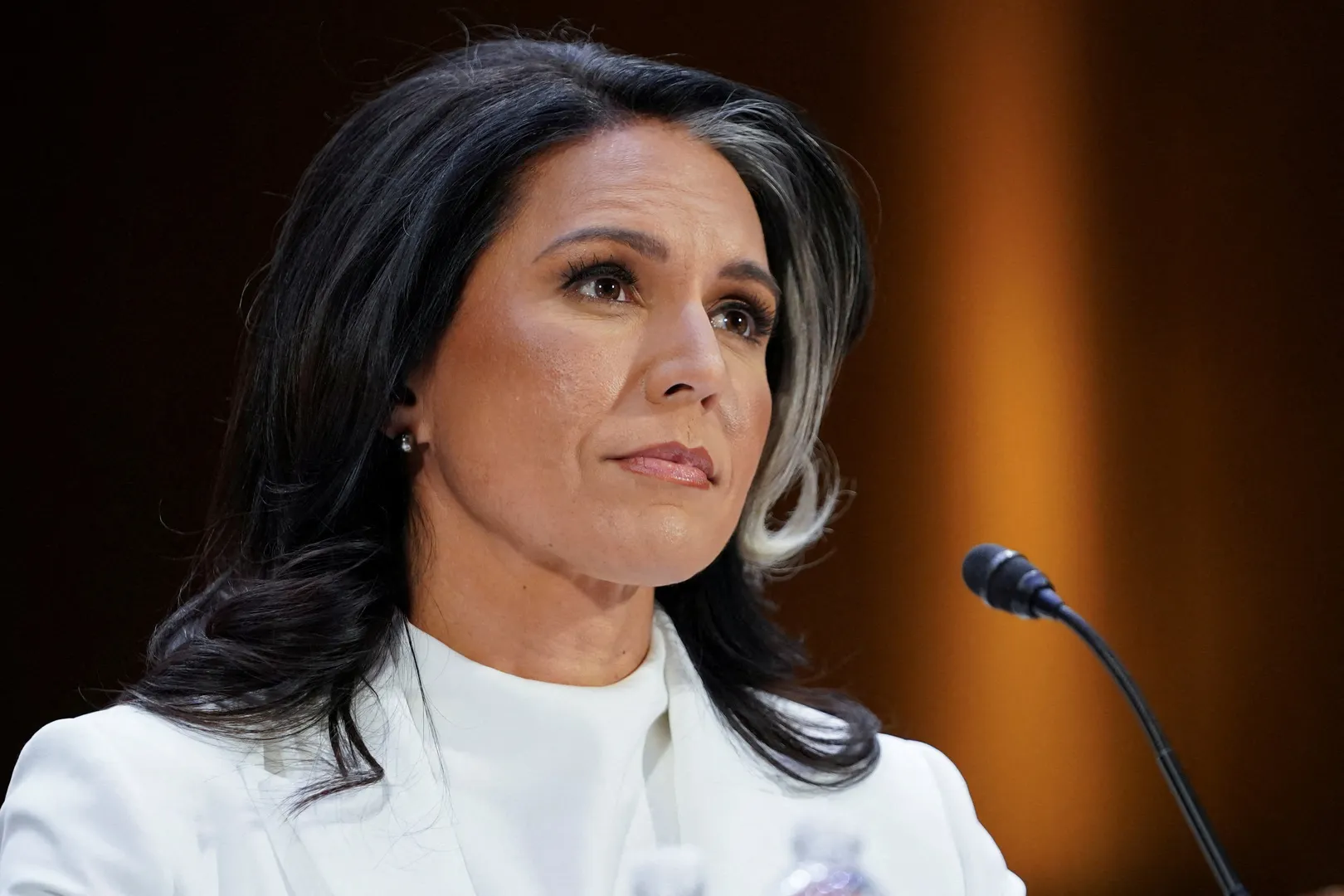
Tulsi Gabbard has resigned as US Director of National Intelligence, citing her husband’s cancer diagnosis. Her departure comes after months of tensions inside President Trump’s administration over foreign policy and intelligence matters, including over the decision to strike Iran.
Judge says the human smuggling probe was reopened after the Salvadoran national filed his lawsuit against his deportation.
Published On 22 May 202622 May 2026
A United States judge has dismissed an indictment against Kilmar Abrego Garcia after finding that he would not have been prosecuted if he had not challenged his deportation.
On Friday, US District Judge Waverly Crenshaw said the Department of Justice only reopened its human smuggling probe stemming from a 2022 traffic stop after Salvadoran national Abrego Garcia filed his lawsuit.
Recommended Stories
list of 3 itemsend of list
“The court does not reach its conclusion lightly,” Crenshaw wrote.
“The objective evidence here shows that, absent Abrego’s successful lawsuit challenging his removal to El Salvador, the Government would not have brought this prosecution.”
Last year, Abrego Garcia became a symbol for President Donald Trump’s drive to clamp down on illegal migration and was sent to a mega prison in El Salvador despite a prior court banning him from being returned there due to a risk of persecution.
While the Trump administration brought Abrego Garcia back to the US in June of the same year, his return came only after prosecutors had secured a criminal indictment charging him with human smuggling and conspiracy to commit human smuggling.
Abrego Garcia pleaded not guilty to the claim and argued that he was being prosecuted in retaliation for suing the government to be returned to the US from El Salvador.
In the ruling to dismiss the indictment, Crenshaw wrote that the timing of the charges was central to the “presumption of vindictiveness”.
With Homeland Security already aware of the traffic stop two years ago and having closed the case against Abrego Garcia when it deported him, the case was only reopened once the US Supreme Court had ruled that he be returned from El Salvador.
Abrego Garcia’s deportation had violated a 2019 immigration court order that granted him protection against being returned to his home country after a judge found that he faced danger from a gang that targeted his family.
Despite his return to the US and his family, Trump officials have said that Abrego Garcia cannot remain in the country and have pledged to deport him again to a third country, a country where the person does not have any ties.
European Commission President Ursula von der Leyen and European Council President António Costa signed on Friday a revamped trade deal with Mexico as part of the EU’s efforts to expand its influence in Latin America, shortly after the Mercosur pact entered into force.
ADVERTISEMENT
ADVERTISEMENT
The deal was signed at an EU–Mexico summit in Mexico, with von der Leyen and Costa joined by the country’s President Claudia Sheinbaum, amid rising geopolitical tensions and shifting global alliances following the return of US president to the White House.
The economic partnership between the two medium-sized powers reflects efforts on both sides to reduce their dependence on the US — the EU’s and Mexico’s largest trading partner—and on China, for which Mexico has become a hub for electric vehicle production.
“The EU and Mexico are committed to a close strategic partnership,” von der Leyen said, adding: “Today’s modernised Agreements set out our shared vision of the future and will deliver many benefits for both sides.”
The EU–Mexico trade deal strengthens the EU’s diversification strategy by updating a 20-year-old agreement that had already eliminated tariff barriers on bilateral trade.
Under the new deal, the EU will access new markets for products, such as agri-food (pork, dairy, cereals, fruit and pasta), pharmaceuticals and machinery.
EU tightens trade ties in Latin America
Mexico is the EU’s second-largest trading partner in Latin America and the EU is Mexico’s second-largest export market. Trade between both sides reached €86.8 billion in goods in 2025, alongside €29.7 billion in services in 2024.
The figures remain far smaller than Mexico’s trade with its neighbour, the US, which exceeded $900 billion in goods and services in 2024. But the deal comes as Mexico faces mounting pressure from a more protectionist White House.
For its part, the EU has been grappling with repeated tariff threats from Trump despite a trade deal clinched in 2025.
“At a time of growing global uncertainty, the EU and Mexico are choosing openness, partnership and ambition,” EU trade Commissioner Maroš Šefčovič, who was also in Mexico City, said. He pointed out that more than 43,000 European companies export to Mexico, while over 11,000 EU companies operate in the country.
On agriculture, the pact will open up new markets for Mexican products such as coffee, fruit, chocolate and agave syrup.
A total of 568 European and 26 Mexican geographical indications will also be protected, alongside the opening of public procurement markets, according to the Commission.
With this new deal, the EU also wants to signal its strengthened presence in Latin America, where China has expanded its influence.
“97% of the GDP of Latin America and the Caribbean will be covered by sophisticated preferential agreements with the European Union,” a senior EU official said, adding: “There is no other region in the world that has such a dense and connected network of agreements.”
The EU has already built new trade ties with Argentina, Brazil, Paraguay and Uruguay through the Mercosur trade agreement, which provisionally entered into force on 1 May and liberalises trade flows between the EU and those countries.
However, its signing has faced strong opposition from EU farmers, who fear unfair competition from Latin American imports, and ratification was suspended after MEPs challenged the agreement before the EU Court of Justice.
Brussels argues the Mexico agreement should avoid the backlash faced by Mercosur because sensitive agricultural imports remain capped through tariff quotas.
Warsh will lead the central bank at a time when its independence has come under scrutiny amid political pressure.
Published On 22 May 202622 May 2026
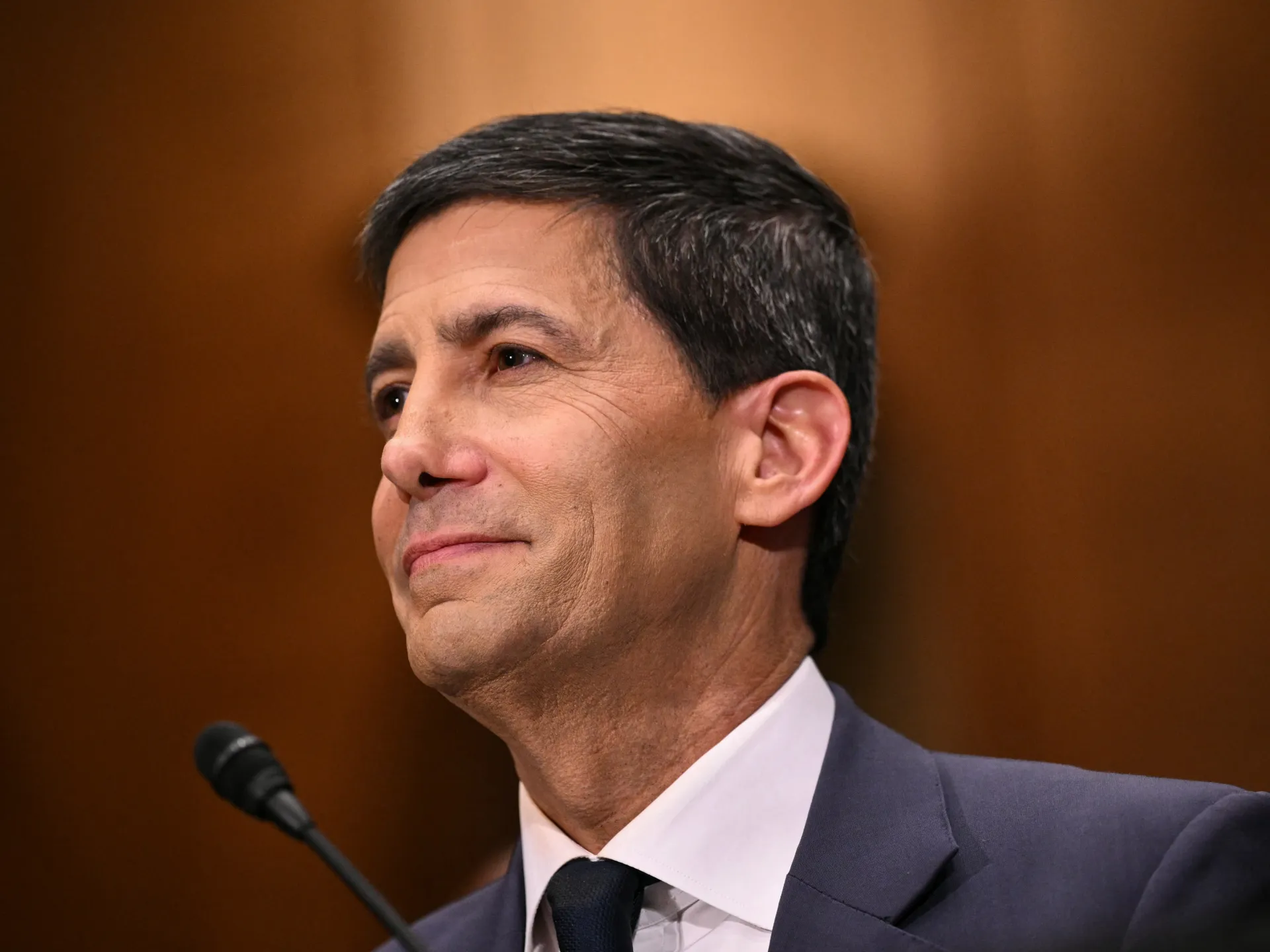
Kevin Warsh has been sworn in as the new chair of the United States Federal Reserve Board of Governors, succeeding Jerome Powell, who has held the position since 2018.
Warsh took the oath of office on Friday, following a contentious nomination period, with the Senate voting along party lines on both his confirmation to the Board of Governors and as chairman. Only Pennsylvania Senator John Fetterman broke with his Democratic colleagues to advance his nomination.
Recommended Stories
list of 4 itemsend of list
Warsh, 56, will lead the central bank at a time when its independence has come under scrutiny amid political pressure on the historically non-partisan institution.
US President Donald Trump, aware of that critique, in his opening remarks said, “I want Kevin to be totally independent and do a great job. Don’t look at me and don’t look at anybody. Just do your own job”.
During his confirmation hearing before the Senate Banking Committee, ahead of a vote by the full Senate, Democratic Senator Elizabeth Warren accused Warsh of being a “sock puppet” for Trump. Warsh denied the allegations and said he would remain independent in his monetary policy decisions.
When Joe Biden was president, Warsh advocated against cutting interest rates, but changed his tune when Trump took office. In December 2025, Trump said that he would only appoint someone to lead the central bank who agreed with him on cutting rates.
Regardless, Warsh cannot unilaterally make policy decisions. He is one of 12 voting members.
The first policy meeting Warsh will lead will be on June 16-17.
Inflationary pressures
Pressure from the White House to cut rates comes amid rising inflation in the US economy.
Consumer prices increased 0.6 percent in April after a 0.9 percent rise in March, according to the most recent Consumer Price Index report released by the Labor Department’s Bureau of Labor Statistics earlier this month.
On an annual basis, prices were also higher, rising 3.8 percent compared with the same month in 2025, marking the largest increase in three years. The largest surge has been in energy prices, which have risen 17.9 percent over the last year.
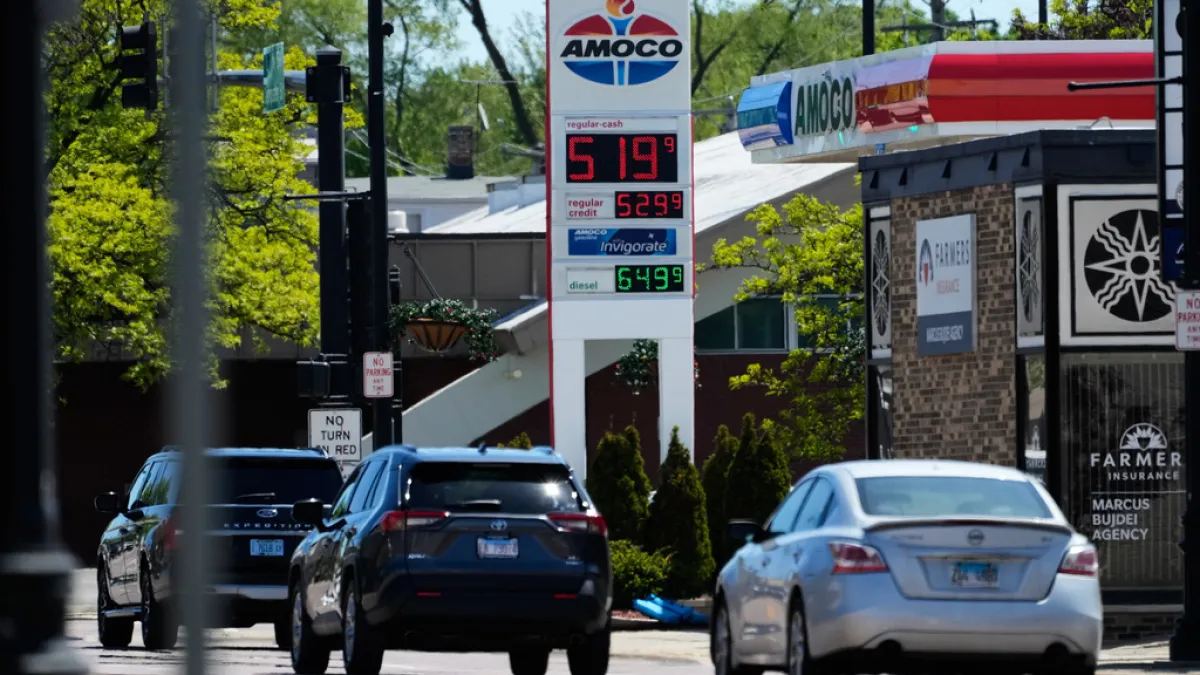
US consumers are feeling the strain at the pump. The average price for a gallon of petrol (3.78 litres) is $4.56, according to the American Automobile Association (AAA), which tracks daily petrol prices. That is up from $2.98 per gallon on February 28, when the US and Israel first struck Iran.
After he was sworn in, Warsh said he was “not naive” about the challenges facing the US economy, and that inflation can be lower and growth strong.
Surging prices could put pressure on the central bank not to cut rates. Analysts from JPMorgan Chase forecasted last month that rates will likely remain unchanged until mid-2027 and anticipated then that rates could rise rather than be cut.
“With inflation having run significantly above 2 percent over the past five years, with further increases in inflation likely to occur as a result of the conflict in the Middle East, and with emergent price pressures in a few categories that appeared unrelated to tariffs or energy prices, the staff viewed the possibility that inflation would be more persistent than anticipated as a salient risk,” the central bank said in the newly released minutes of its April policy meeting.
CME Group’s FedWatch tool, which tracks the likelihood of monetary policy decisions, says there is a 97 percent chance that rates will remain unchanged at the next policy meeting.
As petrol prices rise, new survey suggests economic confidence in the US is at -45, the worst since 2022.
Published On 22 May 202622 May 2026
Only 16 percent of Americans view the economy in the United States as “good” or “excellent”, a new Gallup poll suggests, as inflation continues to rise amid the war on Iran.
The survey, released on Friday, deepens US President Donald Trump’s political woes ahead of the midterm elections in November, which will determine whether his Republican Party can retain control of Congress.
Recommended Stories
list of 3 itemsend of list
The survey, dubbed Gallup’s Economic Confidence Index, showed confidence in the economy has dropped to -45.
Forty-nine percent of respondents said economic conditions are poor and 34 percent rated them as fair. At the same time, 76 percent said they think the economy getting worse, while 20 percent said it is getting better.
The index averages the results on economic conditions, currently at -33 and economic outlook, currently at -56.
It was the worst set of findings on the economy that the index recorded since 2022 when the cost of living rose after the COVID-19 pandemic and Russia’s invasion of Ukraine.
Petrol costs in the US have skyrocketed since the start of the conflict with Iran late in February. The average price of one gallon (3.8 litres) of gasoline has risen to $4.55 from less than $3 before the US and Israel launched the war.
According to official government reports, consumer prices overall rose in March and April due to the energy crisis.
Iran has responded to the US and Israeli strikes – which killed several top officials, including Supreme Leader Ali Khamenei, as well as hundreds of civilians – by closing the strategic Strait of Hormuz, sending oil and gas prices soaring.
The US has also imposed a naval siege on Iranian ports, deepening the strain on energy supplies across the world.
Despite the ceasefire that began in April, the blockades have persisted in the absence of a permanent end to the war, and Iran is now claiming sovereignty over Hormuz, which operated as a free international passageway before the war.
Parts of the strait run through Iranian and Omani territorial waters.
Although the US is one of the world’s largest oil producers, energy prices are set globally, so the disruption has spiked costs for American consumers.
As a candidate, Trump promised to be a president of “peace”, saying he would pursue “America first” policies that would prioritise domestic issues over foreign interventions.
But the US president joined Israel in attacking Iran without direct provocation. His administration argues that the military campaign is necessary to prevent Tehran from obtaining a nuclear weapon.
Iran denies seeking nuclear weapons. And Trump’s own intelligence chief Tulsi Gabbard has said that Tehran is not building a nuclear bomb.
Trump has repeatedly argued that the cost of the war is worth it, stressing that petrol prices will drop rapidly once the conflict is over.
Last month, the US State Department released a legal justification of the war, saying that Washington joined the conflict “at the request of and in the collective self-defence of its Israeli ally, as well as in the exercise of the United States’ own inherent right of self-defence”.
The Gallup survey on Friday is the latest in a series of negative polls for the Trump administration.
A New York Times/Sienna poll released earlier this week suggested that only 31 percent of voters approve of Trump’s handling of the war with Iran.
Earlier this month, the US president suggested the economic fallout from the war and its effect on people in the US do not play a role in his approach to Iran.
“I don’t think about Americans’ financial situation. I don’t think about anybody,” he said. “I think about one thing: We cannot let Iran have a nuclear weapon. That’s all. That’s the only thing that motivates me.”
US President Donald Trump has announced that the United States will send an additional 5,000 troops to Poland, a surprise move that has deepened uncertainty about Washington’s military posture in Europe.
In a post on his Truth Social platform on Thursday, Trump linked the decision directly to his relationship with Poland’s right-wing President Karol Nawrocki.
Recommended Stories
list of 4 itemsend of list
“Based on the successful Election of the now President of Poland, Karol Nawrocki, who I was proud to Endorse, and our relationship with him, I am pleased to announce that the United States will be sending an additional 5,000 Troops to Poland,” Trump wrote.
But the move comes just days after the Pentagon cancelled the deployment of about 4,000 troops to Poland as part of a wider reduction of US forces in Europe.
The abrupt reversal has fuelled questions about what exactly Trump has ordered – and whether the deployment is driven by military strategy with Europe, or by the US president’s increasingly transactional approach to alliances.
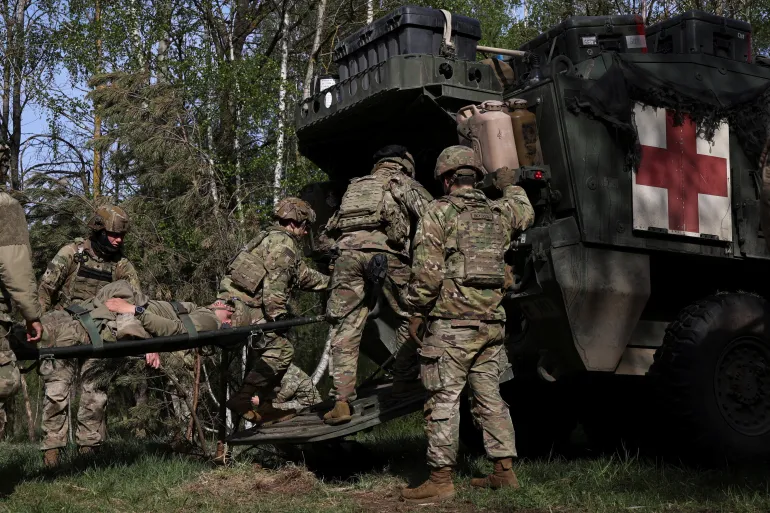
US Army soldiers carry a simulated casualty into a MEDEVAC vehicle during NATO’s Sword 26 exercise, which tested new battlefield evacuation methods using drones and AI-assisted medical technology in Bemowo Piskie, Poland, on May 11, 2026 [Kuba Stezycki/Reuters]
What has Trump ordered and which troops are involved?
While Trump described the move as a new deployment, reports from US media suggest the announcement may actually amount to a reversal of an earlier Pentagon decision.
Last week, the Pentagon abruptly halted the deployment of the 2nd Armored Brigade Combat Team of the 1st Cavalry Division – a Texas-based unit of more than 4,000 troops that had been preparing to rotate into Poland and Eastern Europe.
According to The Wall Street Journal, Trump later questioned Defense Secretary Pete Hegseth about why the deployment had been cancelled, telling him the US should not “treat Poland poorly” given its close ties to Washington.
Several reports said some parts of the brigade – known as the “Black Jack Brigade” – had already begun moving equipment and personnel when the deployment was stopped.
The Pentagon has not confirmed whether Trump’s newly announced 5,000 troops are the same soldiers whose deployment was cancelled earlier this month, or whether they will be redeployed from elsewhere in Europe, such as from Germany.
The White House and Pentagon have so far released few other details about this latest deployment.
Poland currently hosts about 10,000 US troops, largely on a rotational basis, according to the Polish government. Since Russia’s full-scale invasion of Ukraine, the country has become one of Washington’s most important military partners on NATO’s eastern edge and a key hub for Western military aid to Kyiv.
In 2020, Poland and the US signed the Enhanced Defense Cooperation Agreement, expanding military cooperation and helping to formalise a longer-term American military presence in the country.
How has Poland responded?
Nawrocki welcomed Trump’s announcement, calling the Polish-American alliance “a vital pillar of security for every Polish home and for all of Europe”.
“Good alliances are those based on cooperation, mutual respect, and a commitment to our shared security,” he wrote on social media.
Polish Foreign Minister Radek Sikorski also welcomed the news, saying the deployment would ensure that “the presence of American troops in Poland will be maintained more or less at previous levels”.
German Foreign Minister Johann Wadephul also welcomed the move.
“It serves not only for Poland’s security, but for the security of the whole alliance and so also for us,” he told reporters. “So, this is absolutely in our interest.”
Why is Trump doing this?
The announcement appears to mark a sharp reversal from recent signals that the Trump administration was preparing to reduce the US military’s footprint in Europe.
Earlier this month, Washington announced plans to withdraw 5,000 troops from Germany after a public row between Trump and German Chancellor Friedrich Merz over the US-Israeli war on Iran. Trump later suggested the cuts could go even further.
At the same time, Trump has repeatedly accused European NATO allies of failing to spend enough on defence and of not doing enough to support US policy in the Middle East.
Analysts say the decision over Poland also reflects Trump’s increasingly transactional approach to alliances – punishing governments he sees as hostile or unhelpful while rewarding leaders and countries more closely aligned with his brand of right-wing politics.
Germany and Spain have both faced criticism from Trump administration officials in recent weeks over their positions on Iran and defence spending, while Poland’s nationalist government has cultivated close ties with Trump and the wider MAGA movement.
Before meeting NATO counterparts in Sweden, Secretary of State Marco Rubio said: “Like any alliance, it has to be good for everyone who’s involved. There has to be a clear understanding of what the expectations are.”
“The president’s views, frankly disappointment, at some of our NATO allies and their response to our operations in the Middle East – they’re well documented – that will have to be addressed,” Rubio added. “That won’t be solved or addressed today.”
Poland, by contrast, has emerged as one of NATO’s highest defence spenders, allocating about 4.5 percent of its gross domestic product (GDP) to defence. It has also remained one of Ukraine’s strongest backers and has consistently pushed for a larger US military presence on its territory.
The deployment, therefore, appears both strategic and political – reinforcing NATO’s eastern flank while rewarding one of Trump’s closest allies in Europe at a time when he is openly questioning relationships with other partners on the continent.
But the confusion surrounding the announcement has also highlighted a broader uncertainty hanging over Washington’s Europe policy, with allies still trying to determine whether the administration is reducing its commitment to NATO overall, or simply reshaping it around governments Trump sees as more loyal.
United States President Donald Trump has announced plans to deploy an additional 5,000 troops to Poland.
Trump announced the surprise deployment on social media late on Thursday, citing his friendship with right-wing Polish President Karol Nawrocki.
Recommended Stories
list of 3 itemsend of list
The move came days after a planned deployment to Poland was apparently scrapped and will deepen uncertainty surrounding the Trump administration’s approach to NATO allies and its long-term commitment to maintaining a military presence in Europe. It leaves European partners increasingly unclear about which areas they should prioritise as they formulate defence strategies.
“Based on the successful Election of the now President of Poland, Karol Nawrocki, who I was proud to Endorse, and our relationship with him, I am pleased to announce that the United States will be sending an additional 5,000 Troops to Poland,” Trump wrote.
Nawrocki welcomed the announcement on social media.
“Good alliances are those based on cooperation, mutual respect, and a commitment to our shared security,” he wrote on Thursday evening.
Polish Foreign Minister Radek Sikorski also welcomed the news on Friday, saying it ensures that “the presence of American troops in Poland will be maintained more or less at previous levels”.
About-face
The announced deployment is a sudden about-face from US declarations of plans to reduce military support to Europe under Trump’s “America First” doctrine.
The US president has for years been lambasting European NATO partners for failing to spend enough on defence. His opprobrium has risen in recent weeks as European states have criticised the US-Israeli war on Iran and refused to join the conflict.
The Pentagon abruptly announced a week ago that it was scrapping the planned deployment of 4,000 troops to Poland.
Earlier this month, Trump announced he was withdrawing 5,000 troops from Germany following a spat with Chancellor Friedrich Merz, who said Washington had been “humiliated” by Iranian negotiators.
The US president later said that he would be “cutting a lot further than 5,000”.
Polish officials have noted that Warsaw pays significant sums towards the cost of US troop deployments. The suggestion of a pullback has caused concern over security in Poland and elsewhere in Europe, as Russia’s war on neighbouring Ukraine continues, with the Trump administration largely ceasing efforts to mediate a ceasefire.
European states report that they are getting to grips with the need to replace US defence capabilities, albeit slowly. However, sources suggest that the erratic policies emerging from the White House are creating confusion over which elements should be prioritised.
“It is confusing indeed, and not always easy to navigate,” Swedish Foreign Minister Maria Malmer Stenergard told reporters ahead of hosting a meeting of NATO foreign ministers on Friday, which will be attended by US Secretary of State Marco Rubio.
US defence officials are also confused, according to the AP news agency.
“We just spent the better part of two weeks reacting to the first announcement. We don’t know what this means either,” said one official.
‘America First’
The US president has lashed out at fellow NATO members in recent months for failing to support the US-Israeli war on Iran, suggesting Washington could withdraw from the military alliance as a result.
State Department spokesperson Tommy Pigott said Rubio would discuss the need for NATO allies to increase defence spending and shoulder greater responsibility at Friday’s meeting of NATO foreign ministers.
NATO Secretary-General Mark Rutte, who has worked hard in recent months to attempt to soothe the US president’s displeasure with his alliance peers, welcomed Trump’s deployment to Poland and cautioned that Europe must become less reliant on the US.
Rubio said before meeting his NATO counterparts in Sweden: “Like any alliance, it has to be good for everyone who’s involved. There has to be a clear understanding of what the expectations are.”
He also suggested, however, that the meeting is likely to prove less than comfortable.
“The president’s views, frankly disappointment, at some of our NATO allies and their response to our operations in the Middle East – they’re well documented – that will have to be addressed,” he insisted, before adding “that won’t be solved or addressed today”.
While Rubio meets with NATO counterparts, senior Pentagon officials will brief partners at the alliance’s headquarters in Brussels about Washington’s commitment to European defence.
On Tuesday, the Pentagon announced it plans to reduce the number of combat brigades based in Europe from four to three.
Many of Washington’s allies in Europe remain frustrated with Trump’s handling of the war with Iran, which has damaged their economies and prompted some European leaders to question the reliability of the US.
European NATO countries also remain concerned about Trump’s threats to annex Greenland, which is an autonomous territory of the Kingdom of Denmark, a NATO ally.
It remains unclear whether the deployment to Poland announced on Thursday includes the same soldiers as those the Pentagon said would no longer be deployed to the Central European country, or if they will include redeployments from Germany.
Secretary of State Marco Rubio says Cuba poses a national security threat to the US.
Published On 22 May 202622 May 2026
United States President Donald Trump and Secretary of State Marco Rubio have issued new threats of military action against Cuba.
Rubio told reporters late on Thursday that Cuba has been a national security threat for years because of its ties to US adversaries Russia and China, while Trump said he is likely to be the president to finally take action.
Recommended Stories
list of 4 itemsend of list
The Trump administration, with Cuban-American Rubio at the forefront, has been raising the pressure on the communist-led island in an apparent bid to institute “regime change,” including a fuel blockade that has put the Cuban economy on the edge of collapse.
The push has accelerated in recent days, with the US indicting Cuba’s former President Raul Castro and gathering military forces in the Caribbean.
Rejecting suggestions of “nation building,” Rubio told reporters the issue is one of “national security”. He added that while a negotiated agreement is the US “preference”, the path of diplomacy with Cuba is “not high”.
“Their economic system doesn’t work. It’s broken, and you can’t fix it with the current political system that’s in place,” Rubio said.
Over the years, Cuba has gotten used to “buying time and waiting us out,” Rubio said. “They’re not going to be able to wait us out or buy time. We’re very serious, we’re very focused.”
Separately, President Donald Trump told reporters that US presidents have considered intervening in Cuba for decades, but that it looks like he will be “the one that does it”, adding that he would be “happy” to do so.
In response, Cuban Foreign Minister Bruno Rodriguez lambasted Rubio for falsely labelling Cuba a threat.
“The US secretary of state lies once again to instigate a military aggression that would provoke the shedding of Cuban and American blood,” Rodriguez said.
Raised tension
Since returning to office, Trump has slapped Cuba with numerous sanctions, implemented a fuel blockade and overseen a military build-up in the region.
The renewed threats on Thursday came amid rising tensions between the countries.
On Thursday, Adys Lastres Morera – sister of a high-ranking executive of the Grupo de Administracion Empresarial SA (GAESA) conglomerate, which is controlled by Cuba’s military and controls large swaths of the economy – was arrested.
More sanctions were imposed on the Cuban government in the past week. The US military announced that several navy ships, including an aircraft carrier, had arrived in the Caribbean on Wednesday to take part in maritime exercises with partners in Latin America.
Rubio has noted that Cuba had earlier tentatively accepted an offer of $100m in aid in return for reforms. But he said it was unclear if the US would accept Cuba’s terms, as Washington insists on circumventing the military-backed conglomerate GAESA.
Analysts caution that Trump and Rubio are eyeing a similar course of action in Cuba to the regime change manufactured in Venezuela. Left-wing President Nicolas Maduro and his wife were kidnapped in a military operation in January. They were taken to the US, where Maduro was charged with “narcoterrorism”.
Rubio insists that Cuba poses a serious national security threat to the US because of its security and intelligence ties with China and Russia.
Both countries have criticised the US pressure on the island.
China said on Friday it “firmly supports” Cuba and urged the US to de-escalate tensions and “stop threatening force”.
Kremlin spokesperson Dmitry Peskov said: “We believe that under no circumstances should such methods – which border on violence – be used against either former or current heads of state.”
US and Iran continue mediated talks, exchanging draft proposals aimed at reaching a formal agreement.
Published On 22 May 202622 May 2026
Iran and the United States are continuing mediated talks aimed at ending the conflict, with Iranian media reporting that both sides are exchanging messages and draft proposals to establish a formal framework for an agreement.
Al Jazeera’s correspondent Almigdad Alruhaid reported from Tehran that Pakistani officials were engaged in “intense mediation activity” between the two countries.
The diplomatic push comes as US Secretary of State Marco Rubio said there were “some good signs” for a possible breakthrough. However, US President Donald Trump also warned Washington could take “very drastic” action if Iran refuses to give up its uranium stockpiles.
Here is what we know:
In Iran
‘War crime’ on medical research centre: Iran has accused the US and Israel of committing a “war crime” by bombing the Pasteur Institute of Iran early in the war, after The Lancet journal warned that the attack severely damaged a key pillar of the country’s public health system.
Thousands rescued from rubble: The Iranian Red Crescent said its aid workers rescued more than 7,200 people trapped beneath rubble during US and Israeli attacks, sharing footage of survivors being pulled from destroyed buildings for the first time.
War diplomacy
Nuclear ‘red lines’ must shift: Doug Bandow, a senior fellow at the Cato Institute, said the US and Iran will need to move beyond conflicting “red lines” on Tehran’s nuclear programme for negotiations to make progress. Speaking to Al Jazeera, Bandow said both sides must be willing to compromise and continue serious talks if they want to avoid further escalation and move away from war.
Rubio sees ‘good signs’ in talks: US Secretary of State Marco Rubio said negotiations with Iran have shown “some progress”, while cautioning that it remains unclear whether a deal can be reached in the coming days. Rubio said President Donald Trump still prefers a diplomatic agreement, but warned Washington has “other options” if talks fail.
Pakistani mediation efforts intensify in Tehran: Al Jazeera’s Alruhaid said senior Pakistani officials are engaged in “intense mediation activity” in Tehran as efforts accelerate to prevent further escalation. While one senior Iranian official said negotiators were close to a deal and working on draft texts, another source cautioned it was still too early to say whether a final agreement was within reach.
In the US
US forces at ‘peak readiness’: CENTCOM said the USS Abraham Lincoln strike group remains at “peak readiness” in the Arabian Sea, sharing images of warplanes taking off as Washington maintains pressure on Iran amid ongoing mediation efforts.
US reportedly suffers major Reaper drone losses: Iran has destroyed more than two dozen MQ-9 Reaper drones operated by US forces since the conflict began, according to Bloomberg News. The reported losses are estimated at $1bn, nearly 20 percent of the Pentagon’s pre-war inventory.
US pauses Taiwan arms sales: Acting Navy Secretary Hung Cao told a Senate hearing that Washington has paused a $14bn arms sale to Taiwan to ensure the US has enough munitions for its military campaign against Iran, a move Republican Senator Mitch McConnell called “distressing”.
In Lebanon and Palestine
Israeli strike kills two in southern Lebanon: The Israeli military said it carried out an air raid that killed two people near the Lebanon-Israel border, after detecting what it described as “suspicious movement” in southern Lebanon.
US sanctions allies of Hezbollah: The US has imposed sanctions on nine people accused of helping Hezbollah undermine Lebanon’s sovereignty and obstruct efforts to disarm the group, including Lebanese politicians, security officials and Iran’s ambassador-designate to Beirut.
Palestinian envoy condemns aid blockade: Palestine’s UN envoy Riyad Mansour said Israel is continuing to collectively punish more than two million Palestinians through its blockade on aid and ongoing attacks, warning the world must not become “accustomed to seeing Palestinians killed”.
US urges humane treatment of flotilla detainees: According to Al Jazeera’s Ali Harb, the US State Department said activists detained by Israeli forces after attempting to break the Gaza blockade “must be treated humanely and consistent with international law”, while also reiterating Washington’s opposition to the flotilla movement.
New York Knicks use an explosive third quarter to take a 2-0 lead over Cleveland in the NBA Eastern Conference finals.
Published On 22 May 202622 May 2026
Josh Hart scored a playoff career-high 26 points, Jalen Brunson had 19 points and 14 assists, and the New York Knicks moved halfway to their first NBA Finals appearance since 1999 by beating the Cleveland Cavaliers 109-93.
Mikal Bridges also scored 19 points and Karl-Anthony Towns had 18 points and 13 rebounds to help the Knicks win their ninth straight game on Thursday night.
Recommended Stories
list of 4 itemsend of list
That is the NBA’s longest postseason winning streak since the Boston Celtics won 10 straight on their way to the 2024 championship.
Hart went 5 from 11 from 3-point range, burning a defensive strategy that seemed built around leaving him open from long range, and also had seven assists.
“Just a whale of a game from Josh,” Knicks coach Mike Brown said.
Two nights after rallying from a 22-point deficit in the fourth quarter, the Knicks made sure they would be in control late with an 18-0 run in the third quarter that gave them a 71-53 lead. Fans chanted “Knicks in four! Knicks in four!” in the final minute, long after the starters had gone to the benches.
“In our mind it’s 0-0. We’ve got to win the next game. It’s the most important game of the year and that’s how we treat it,” Towns said.
Donovan Mitchell scored 26 points and James Harden had 18 for the Cavaliers, who will have to climb out of a 2-0 deficit for the second straight round. They host Game 3 on Saturday.
“Nothing to hang our head about,” Mitchell said. “They protected home court, and we’ve seen this before so we’re going to go to Game 3.”
The Knicks are in the Eastern Conference finals for the second straight year but have not played for the championship since losing to the San Antonio Spurs in 1999.
Brunson scored 38 points and led the Game 1 comeback. He had only two points in the first half Thursday before making the first basket of the run that broke open the game and finished with the highest assist total of his playoff career.
Hart was benched for the rally in Game 1, playing just three minutes combined in the fourth quarter and overtime. The forward had been shooting just 26.7 percent from 3-point range and after a third straight miss from long range early Thursday, he put his jersey in his mouth and bit it, bouncing the ball down hard in frustration three times. But he kept firing.
“I knew I had to just keep shooting and if I did that I’d be good,” Hart said.
Mitchell got off to a slow start with just seven points in the first half, triggering more of the questions that followed Game 1 about whether he was injured. His 3-pointer with 0.7 seconds left gave Cleveland a 27-24 lead after one.
The Knicks led 53-49 at halftime. The Cavs got the first two baskets of the third to tie it, but Brunson answered with a 3-pointer to start the 18-0 run. He had two more buckets in the burst and Hart hit a pair of 3-pointers, the latter capping it to make it 71-53 with 5:36 remaining in the third. After the Cavs scored five straight, Hart made another 3 and Towns scored to restore the 18-point advantage.
Cleveland cut it to single digits with just under eight minutes left but ruined any chance of getting closer with poor free throw shooting, missing 10 in the game and finishing at 68.8%. The Knicks eventually pushed their lead to 19 points.
“It’s difficult when you’re not making shots,” Harden said. “It puts twice as much pressure on you defensively to get stops.”