united states

US pausing $14bn arms sale to Taiwan due to Iran war, navy chief says | US-Israel war on Iran News

Acting Navy Secretary Hung Cao’s remarks come as US President Donald Trump gives mixed signals on the sale.

A top United States military official has said Washington is pausing a $14bn arms sale to Taiwan to conserve munitions for its war on Iran.

Acting Navy Secretary Hung Cao provided the update to lawmakers during a Senate hearing on Thursday, a week after the weapons sale took centre stage in talks between US President Donald Trump and Chinese leader Xi Jinping in Beijing.

Recommended Stories

list of 4 itemsend of list

“Right now, we’re doing a pause in order to make sure we have the munitions we need for Epic Fury – which we have plenty,” Cao told the Senate Appropriations Subcommittee on Defense.

“But we’re just making sure we have everything, but then the foreign military sales will continue when the administration deems necessary.”

Cao said any decision to move forward with the sale – which would be the largest ever weapons transfer to Taiwan – would be made by Secretary of Defense Pete Hegseth and Secretary of State Marco Rubio.

The war has been paused since the US and Iran agreed to a ceasefire on April 8, but the sides have yet to reach a permanent peace deal.

The US Congress approved the weapons package for Taiwan in January, but the sale requires Trump’s sign-off to move forward.

If approved, the sale would surpass a record-breaking $11bn arms package for Taiwan approved by Trump in December.

Taiwanese Premier Cho Jung-tai told reporters on Friday that Taiwan would continue to pursue arms purchases, according to Taiwanese news outlet FTV News.

William Yang, senior analyst for northeast Asia at the Crisis Group, said in a social media post that the pause will “exacerbate anxiety and scepticism about US support in Taiwan and make it difficult for the Taiwanese government to request additional defence budget for the foreseeable future”.

Trump, who has confirmed that he discussed the arms sale with Xi, said last week in an interview with Fox News that he “may” or “may not” approve the package.

Trump has also suggested that the package could be used as a “negotiating chip” – despite a decades-old precedent against consulting with Beijing on arms sales.

China claims self-governing Taiwan as part of its territory, and objects to Washington’s ongoing but unofficial support for Taipei.

The US government does not officially recognise Taiwan but is committed to helping the island to defend itself under the 1979 Taiwan Relations Act, enacted shortly after Washington severed diplomatic ties with Taipei.

Trump has continued to test the status quo on Taiwan in other ways, saying earlier this week that he would consider speaking to Taiwanese President William Lai Ching-te about the arms deal.

Such a move would break with four decades of diplomatic protocol against direct talks with the Taiwanese leader and almost certainly provoke an angry response from Beijing.

Trump held a phone call with former Taiwanese President Tsai Ing-wen after his 2016 election win, but their talks took place before he was sworn in as president.

Source link

NYC launches lottery for $50 World Cup football tickets | World Cup 2026

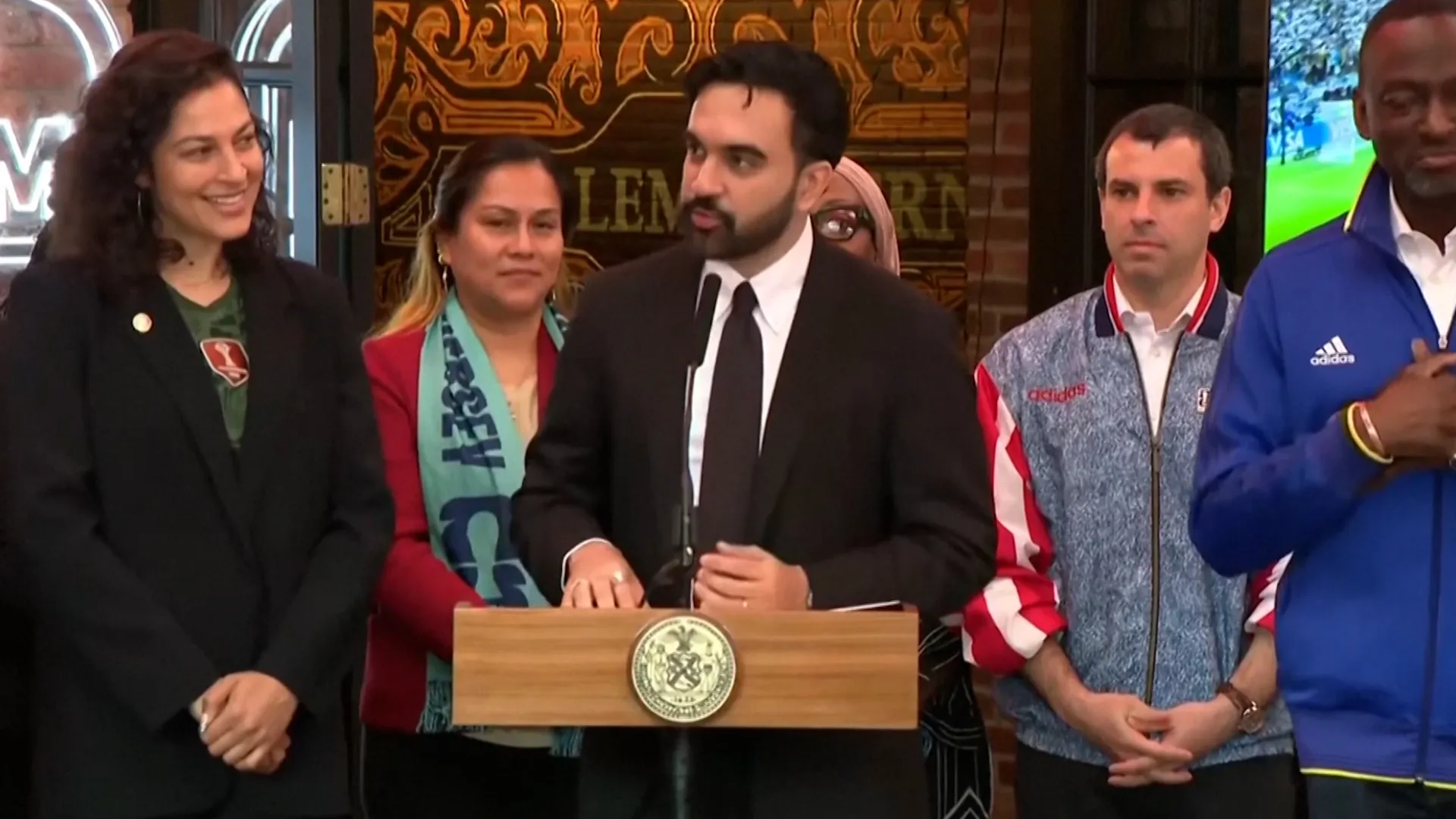
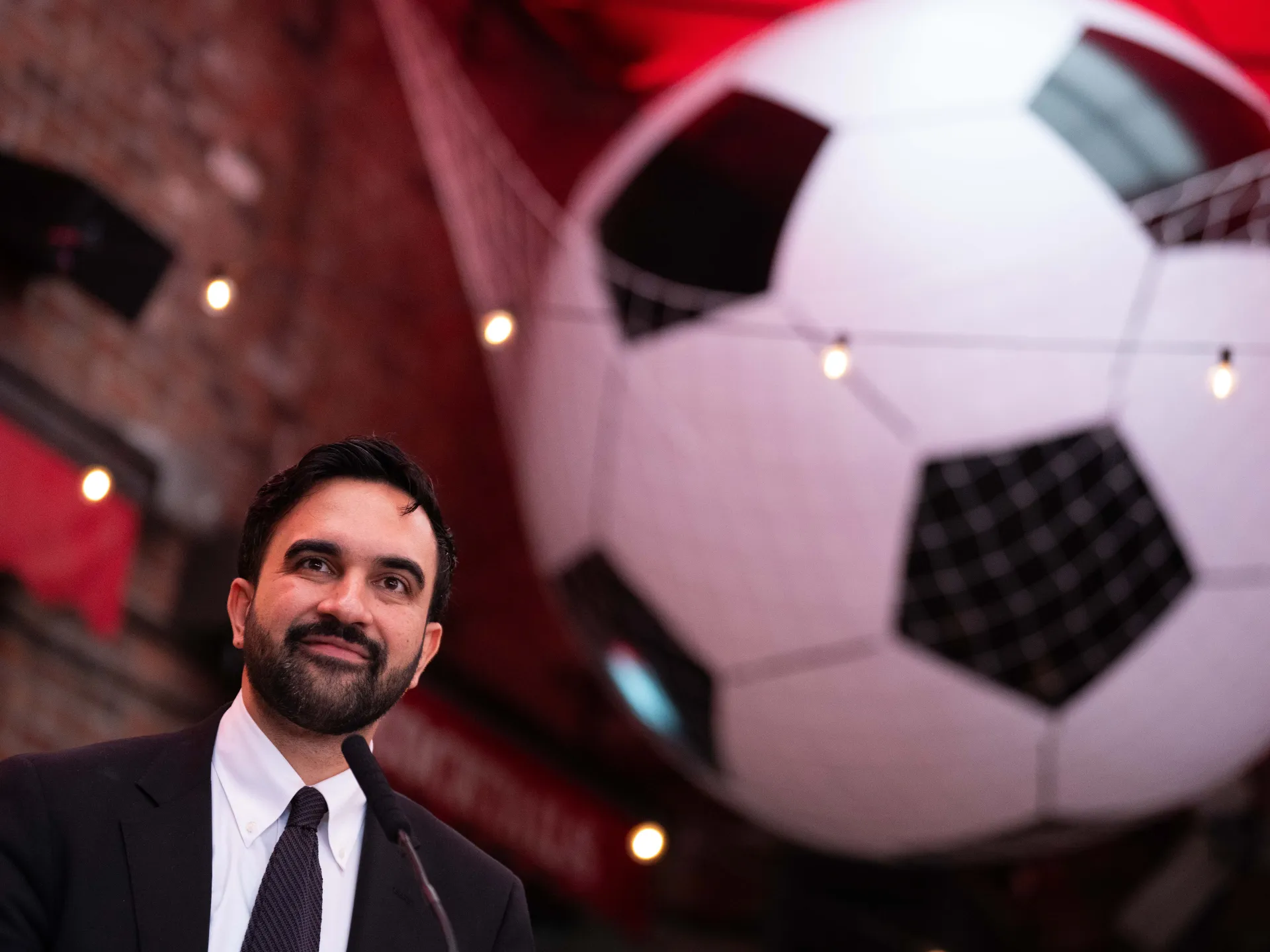
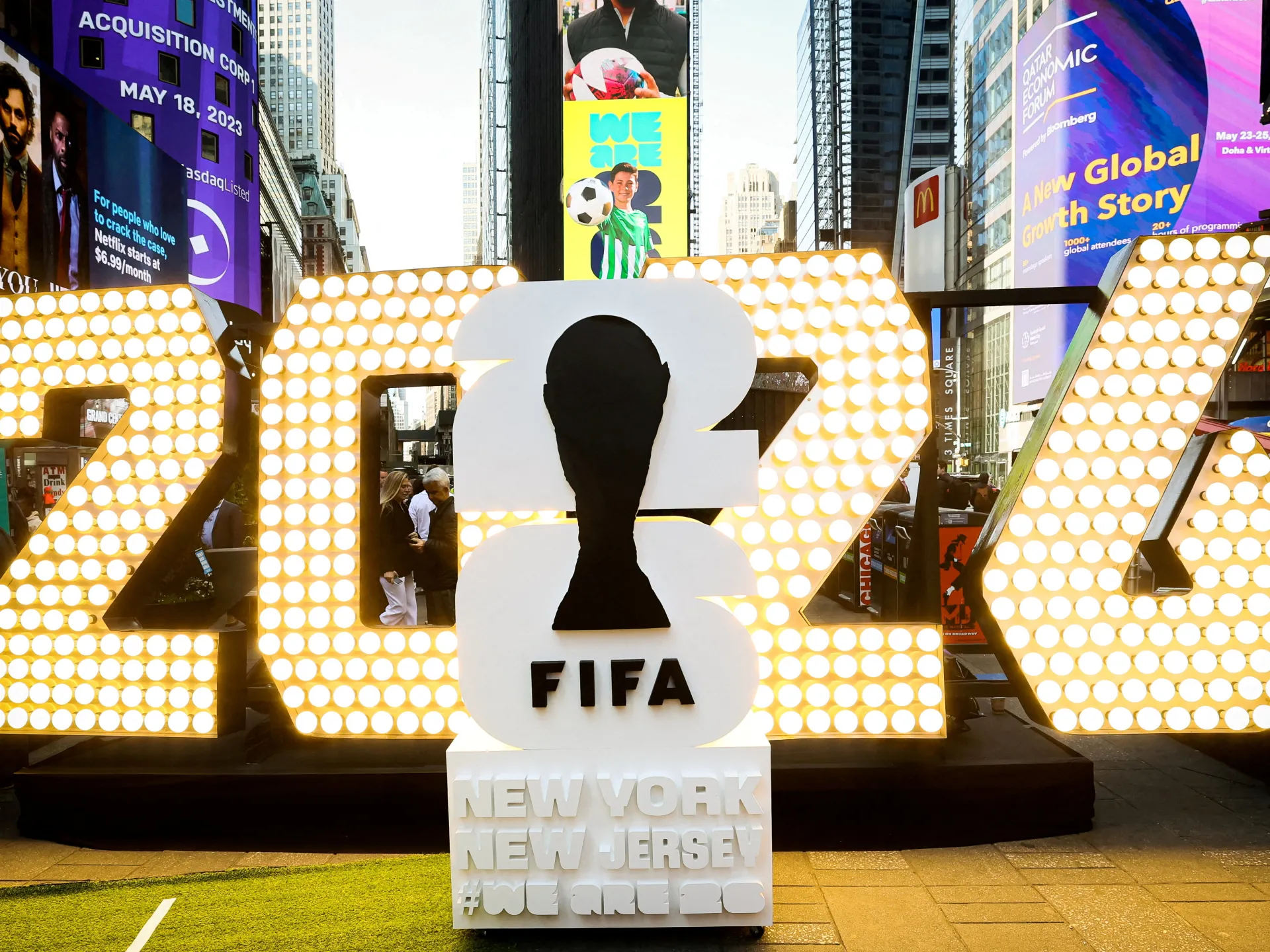
New York City is launching a lottery for 1,000 discounted World Cup tickets priced at $50. The city’s Mayor, Zohran Mamdani said match prices had soared into the thousands of dollars. The scheme is intended to give working-class New Yorkers access to matches.

Source link

Mayor cuts limited World Cup tickets for New Yorkers to $50 after furore | World Cup 2026 News

Pricing for 2026 World Cup has been under heavy scrutiny, including in New York where city mayor cuts limited tickets.

Some lucky New York City residents will soon get a chance to snag cheap seats to this summer’s high-priced World Cup.

Mayor Zohran Mamdani announced on Thursday that 1,000 tickets costing $50 will be made available to city residents of the city of more than 8 million for the world’s most watched sporting event.

Recommended Stories

list of 4 itemsend of list

“To put that into perspective, that is five lattes in New York City,” Mamdani quipped from a bar in Harlem’s Little Senegal neighbourhood, alongside US men’s national team star Timothy Weah.

The tickets will be available for seven of the eight games played at the 82,000-seat MetLife Stadium in New Jersey, across the river from Manhattan. The lone exception is the high demand July 19 final, where some seats are costing nearly $33,000.

The tickets will also include free round-trip bus transportation to the stadium and will be distributed via a lottery starting May 25.

With persistent concerns about the sky-high costs for tickets to the games, Mamdani said the city ensure the ones they distribute go to New York City residents and are not resold on the secondary market.

He said the tickets will be non-transferable, with a “variety of ways” used by city officials to verify residency. They will only be handed out directly to fans as they board buses on game day.

“We are making sure that working people will not be priced out of the game that they helped to create,” Mamdani said.

The Democrat, who took office in January, said the effort underscores how his administration is not simply focused on making everyday things like housing and groceries more affordable.

“It extends to making it possible for every New Yorker to take part in the things that make us human,” he said.

During his campaign, Mamdani called on FIFA, football’s global governing body, to make it cheaper for New Yorkers to go to games by setting aside 15% of tickets at discounted prices. He had launched a petition calling on FIFA to reverse its plan to set ticket prices based on demand.

The $50 tickets don’t come directly from FIFA, but from those allotted to New York and New Jersey’s joint host committee for the games, according to the mayor’s office.

Previously, FIFA had made some $60 tickets available for every game at the tournament in North America following backlash over exorbitant prices.

Those reduced price tickets, though, went to the national federations of the teams playing, with the federations deciding how to distribute them to loyal fans who have attended previous games at home and away.

Besides the final, the home stadium for both the NFL’s New York Giants and New York Jets is set to host five group World Cup matches and two knockout stage games. Group stage matches for former winners Brazil, France, Germany and England, along with other nations, begin on June 13.

Source link

Germany make Neuer first-choice World Cup keeper to cap retirement U-turn | World Cup 2026 News

Manuel Neuer to start for Germany in World Cup upon his return, despite Oliver ⁠Baumann long being labelled team’s first choice.

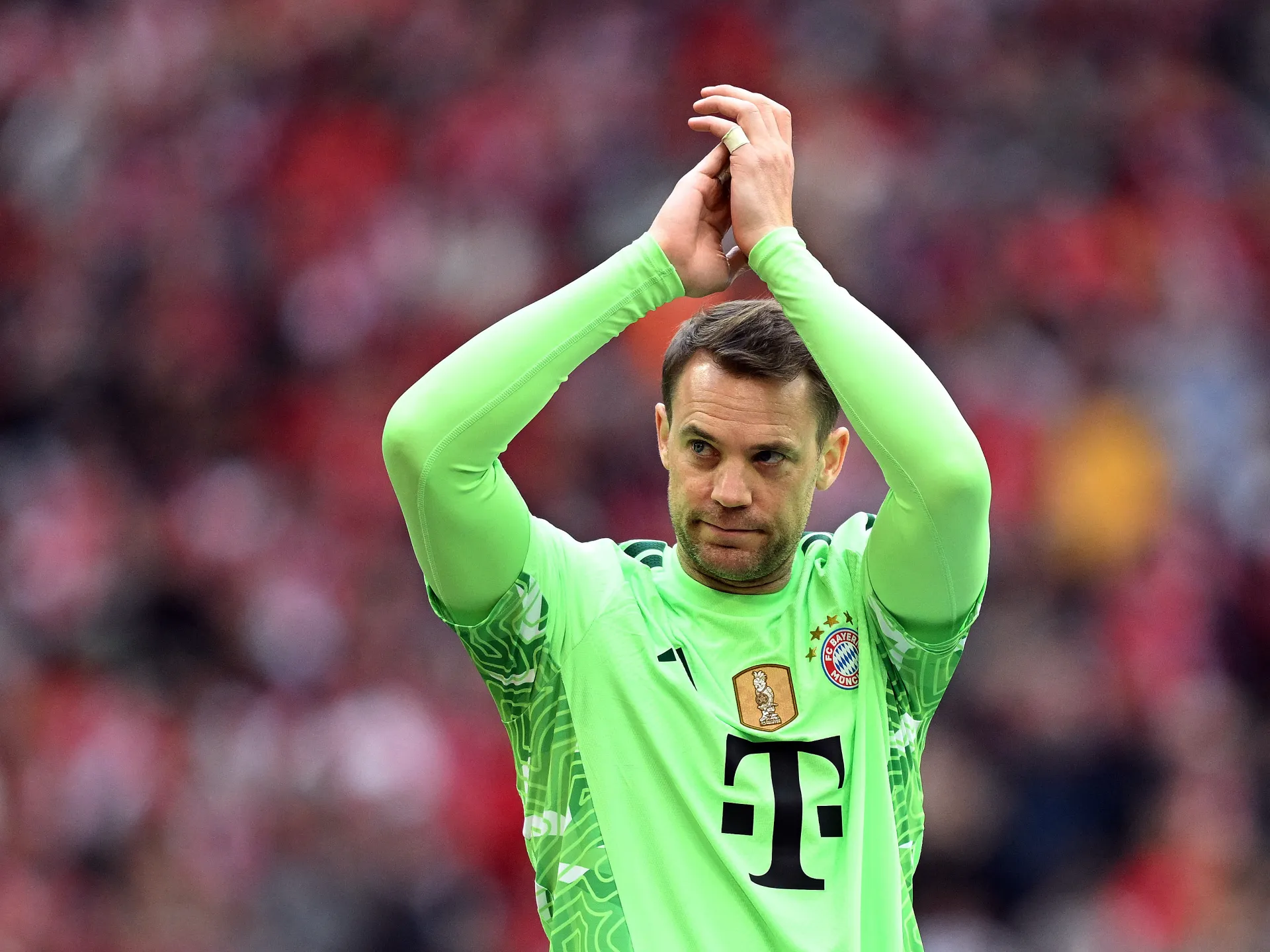
Bayern Munich’s Manuel ‌Neuer has come out of international retirement to compete in next month’s ⁠World Cup after being ⁠named on Thursday as the starting goalkeeper in Germany coach Julian Nagelsmann’s squad for the tournament.

Nagelsmann made the decision after having long labelled Hoffenheim’s Oliver ⁠Baumann as his first-choice keeper.

Recommended Stories

list of 4 itemsend of list

“Yes, I plan with that [with Neuer as number one],” Nagelsmann told a press conference. “The main task was to nominate the best three keepers. So we ⁠decided that these three are part of that.”

“We contacted Manuel and asked him if he wanted to play for the national team again,” said Nagelsmann.

The 40-year-old Neuer, who last competed for Germany at Euro 2024 before his international retirement, is now set to play in his fifth ‌successive World Cup, joining an elite group of football players with five or more tournaments.

Neuer, a 2014 World Cup winner, enjoyed a solid season with champions Bayern, who could win the domestic double with victory over VfB Stuttgart in the German Cup final on Saturday.

He signed a contract extension with Bayern last week.

There were few other major surprises in Nagelsmann’s 26-man squad for the tournament starting next month. But the coach also ⁠called up Bayern’s teenage player Lennart Karl, who enjoyed a meteoric ⁠rise this season, as well as Nadiem Amiri and Leroy Sane, who both had outside chances of earning a spot.

“They [players] fit well together. It is a good mix. Many have been playing since their youth together,” Nagelsmann ⁠said. “We are happy with our choice, but know others will stay at home who have performed very well.”

Germany, who face Curacao, ⁠Ecuador and Ivory Coast in Group E at the World ⁠Cup, have set their sights on a fifth title after shock first-round exits in the past two editions in 2018 and 2022.

“The statement stands,” Nagelsmann said. “We want to become world champions. Every player who is nominated needs ‌to show it now every day.”

Germany squad for FIFA World Cup 2026:

Goalkeepers: Manuel Neuer, Oliver Baumann, Alexander Nubel

Defenders: Nico Schlotterbeck, David Raum, Nathaniel Brown, Jonathan Tah, Waldemar Anton, Pascal Gross, Joshua Kimmich, Felix Nmecha, Malick Thiaw, ‌Aleksandar ‌Pavlovic, Antonio Rudiger, Angelo Stiller

Midfielders/Forwards: Leon Goretzka, Maximilian Beier, Jamal Musiala, Nadiem Amiri, Jamie Leweling, Kai Havertz, Lennart Karl, Florian Wirtz, Deniz Undav, Nick Woltemade, Leroy Sane

Source link

Neymar set to shake off injury scare to play for Brazil at World Cup | World Cup 2026 News

All-time record Brazil scorer Neymar misses Santos draw with San Lorenzo in the Copa Sudamericana due to calf injury.

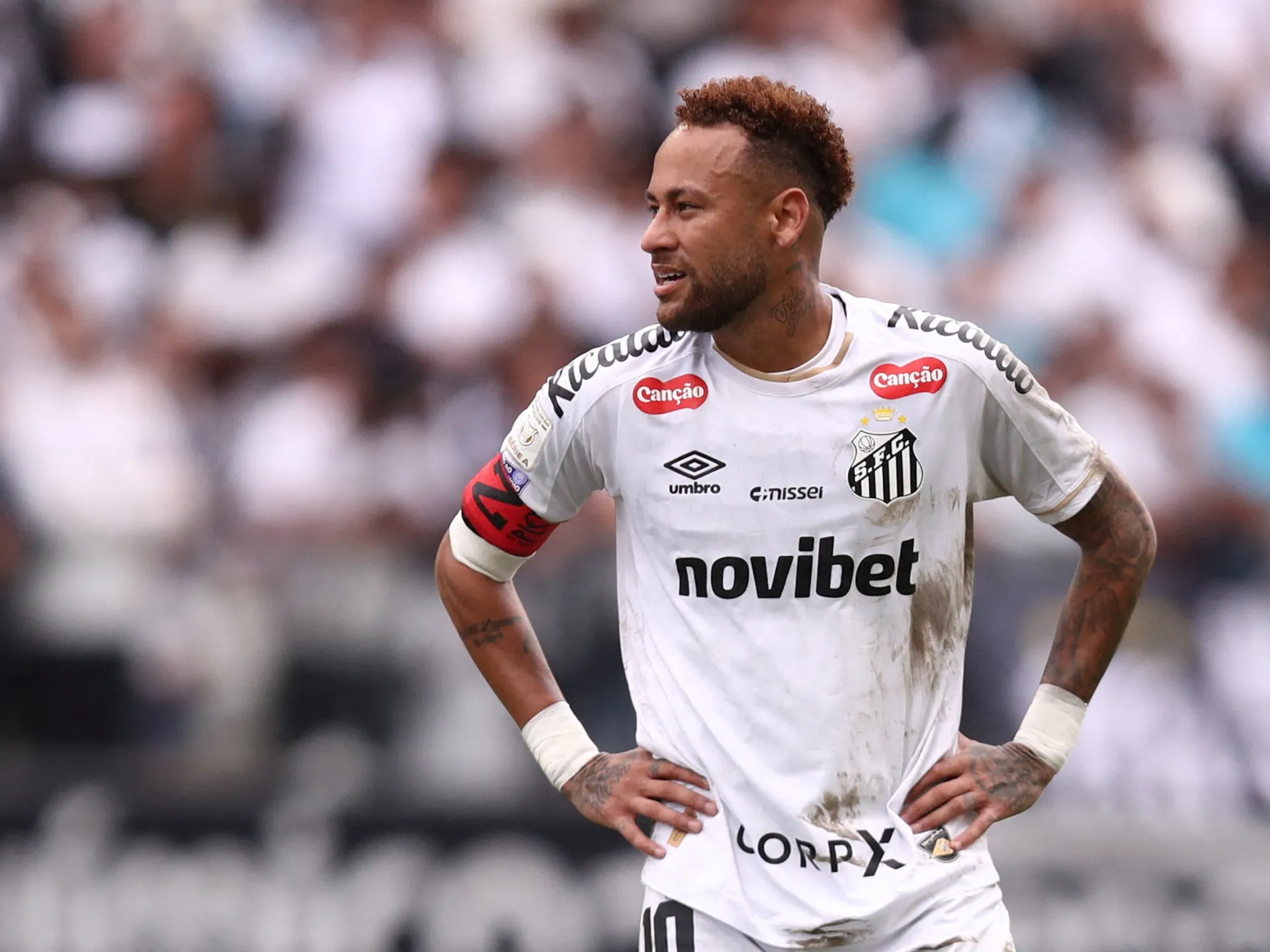
Neymar has suffered ‌a minor calf injury but is expected to recover in ⁠time to join ⁠Brazil’s camp next week, before the World Cup starting on June 11 in the United States, Canada and Mexico.

The ⁠34-year-old, Brazil’s all-time leading scorer, was named in the squad on Monday, marking his return after a prolonged injury layoff that kept ⁠him out for much of the qualifying campaign, as Brazil chase a record-extending sixth title.

Recommended Stories

list of 4 itemsend of list

Much of the build-up to the squad announcement centred on coach Carlo Ancelotti’s decision over whether to include Neymar.

The Italian, who took ‌charge of Brazil last year, had not previously recalled the former Barcelona and Paris St Germain attacker, who now plays for Santos and is set to feature at his fourth World Cup in pursuit of his first world title.

“Neymar has a minor calf injury, an oedema,” Santos’ head of medical services Rodrigo Zogaib told ⁠Brazil’s ge.globo on Wednesday. “But, according to our planning, ⁠his progress will allow him to be fit next week when he will join up with the national team.”

Neymar, who has 79 goals in 128 internationals and has not ⁠featured for Brazil since 2023, continues to face scrutiny over his fitness and form.

His stint at ⁠Saudi club Al-Hilal was disrupted by injuries, ⁠and he returned to boyhood club Santos last year but has struggled to recapture his form.

Neymar missed Santos’s 2-2 home draw with San Lorenzo in the Copa Sudamericana on ‌Wednesday.

Brazil open their World Cup campaign against Morocco on June 13 in New Jersey, before facing Haiti and Scotland in Group C.

They are ‌scheduled ‌to play warm-up matches against Panama on May 31 and Egypt in the lead-up to the tournament.

Source link

What options do the US and Iran have left to bring war to an end? | Newsfeed

NewsFeed

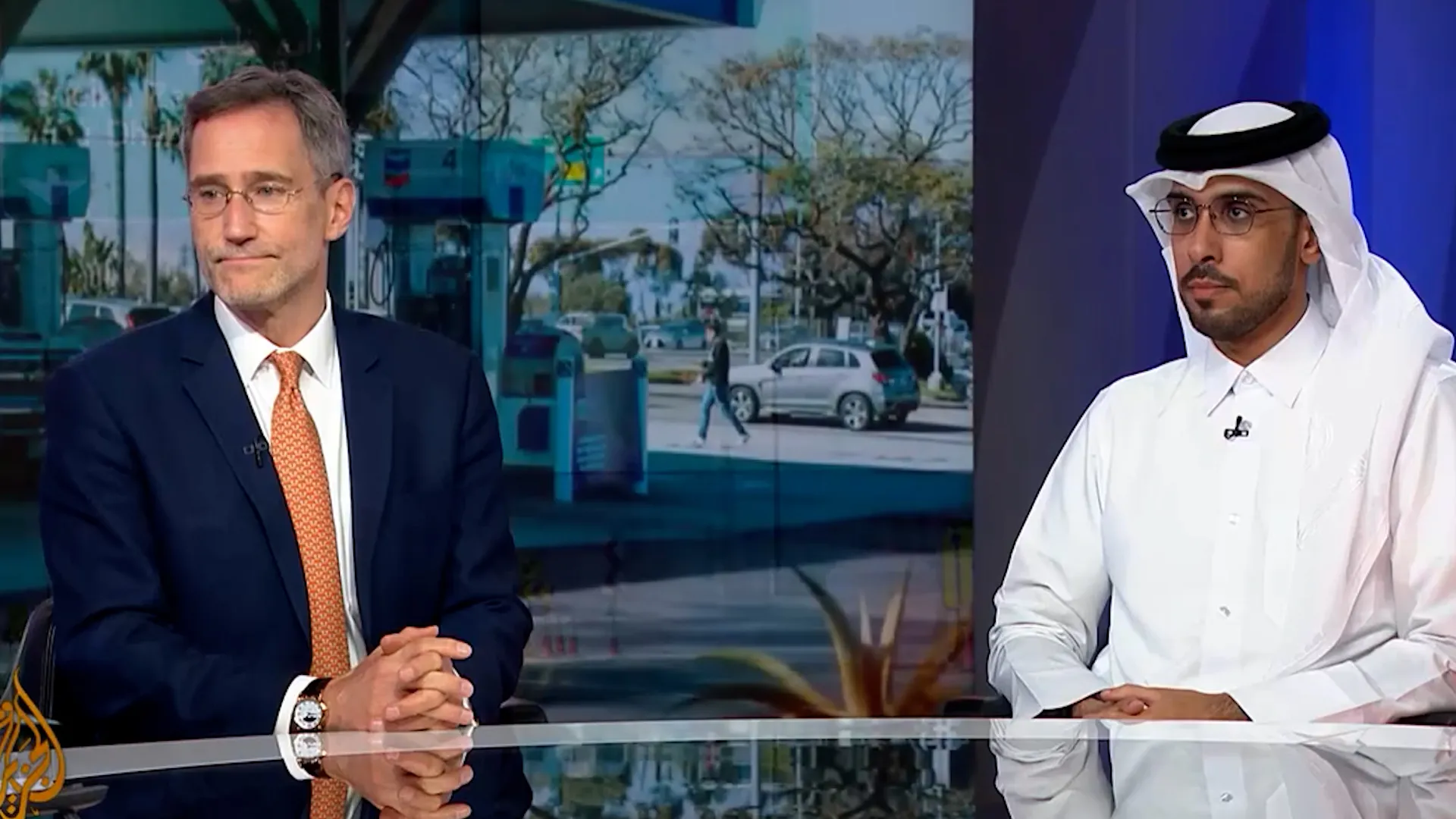
Iran says it’s reviewing Washington’s latest response to a proposed ceasefire framework following Pakistani mediation. In a panel discussion, a former US State Department official and a Qatari academic discussed what options remain on the table.

Source link

Israel pushes for war amid US ceasefire, but its options may be limited | US-Israel war on Iran News

While the United States backs away from threats to resume bombing Iran if it does not agree to a peace deal, Israel’s political establishment is reportedly itching for war.

Shimon Riklin, an anchor for the right-wing Israeli Channel 14, blurted out apparently confidential plans about a renewed attack on Tehran, which included the location of what he claimed was a uranium storage facility that could be targeted.

Recommended Stories

list of 4 itemsend of list

Members of the Israeli parliament roundly criticised Riklin’s supposed revelations, leading the anchor to say his comments were purely hypothetical.

Still, despite broad agreement that Israel is eager to restart hostilities, it is unlikely to be able to do so without US permission. That does not look like it will be quick in coming. Reports of a call overnight between Israeli Prime Minister Benjamin Netanyahu and US President Donald Trump over Washington’s push for a truce irrespective of Israeli concerns left the Israeli leader reportedly with his “hair on fire”.

This week, Israeli media reported that Netanyahu chaired the second meeting of his security cabinet to discuss renewing the conflict with Iran. Despite billions of dollars in Israeli and US ordnance thrown at Iran, the government in Tehran remains in place.

Iran’s deterrence strategy of striking regional states and the subsequent closure of the Strait of Hormuz has dented the US’s appetite for renewing a costly and perhaps unremitting war against Tehran.

Iranophobia

For Netanyahu, the April 8 ceasefire – agreed with little Israeli involvement – has proven politically costly and, analysts say, unnerved a public conditioned to view Iran as an existential threat.

Opposition leader Yair Lapid and former Prime Minister Naftali Bennett have used the ceasefire as political currency in their attacks on Netanyahu. Lapid described the truce as one of the greatest “political disasters in all of our history”, a view that appears to be in line with that of the Israeli public.

A poll conducted by the Israel Democracy Institute in early May showed that a majority of Israelis believed a premature end to the war ran counter to their country’s security interests, while a similar percentage thought that a resumption of the conflict is likely.

To a public and political class accustomed to viewing Iran as their number one nemesis, it is unclear what solution they want in dealing with Tehran, Haggai Ram of Ben-Gurion University told Al Jazeera.

“Both politicians and public have been inculcated into seeing Iran as their ultimate foe,” said Ram, whose book Iranophobia chronicles Israel’s longstanding fixation on Iran.

Israeli people have been effectively trained for most of their lives to see war as inevitable, Ram said, a situation evident in their approach to bomb shelters when Iranian missiles fell, with Israelis whom Ram met at the time seemingly unfazed by the experience.

“It was perfectly normal to them that they should effectively stop their lives if it prevented Iran from completing its nuclear programme, or, from their perspective, if it helped ‘free the people’,” he said.

The only question for many Israelis, Ram said, is how Netanyahu – regarded in some quarters as a “magician” – would bring Iran to its knees.

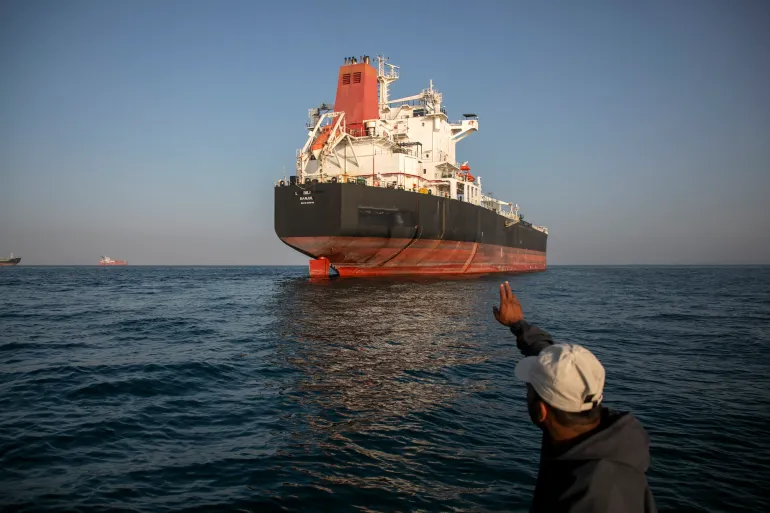
STRAIT OF HORMUZ, IRAN - MAY 16: A ship remains anchored on May 16, 2026 in the Strait of Hormuz near Larak Island, Iran. Negotiations between the U.S. and Iran over opening this critical waterway have largely stalled as the countries have rejected each other's proposals to end the war that began when the U.S. and Israel attacked Iran on February 28. (Photo by Majid Saeedi/Getty Images)
A ship anchored near Larak Island, in the Strait of Hormuz, which was effectively closed as a result of the US-Israel war on Iran [File: Majid Saeedi/Getty Images]

Political necromancy

Many in Israel have grown accustomed to seeing Netanyahu defy the laws of political gravity. In 2022, he won an election despite being hounded by multiple corruption charges. He has managed to distance himself from the security failures of the Hamas-led attack on southern Israel on October 7, 2023, and achieved credit – even if he officially denies it – for allegedly manipulating Trump into joining the war on Iran.

The October 2023 attacks and the US-brokered truce with Iran, which Israel had no role in, will be the foremost political concerns on Netanyahu’s mind, Alon Pinkas, a former Israeli ambassador and consul general in New York, told Al Jazeera. He noted that these could serve as an incentive for resuming military operations.

“My guess is there are three interlocking reasons why Netanyahu is looking to restart the war,” Pinkas said. “Firstly, there’s the distance he wants to put between him and October 7 – he needs a big strategic victory and he’s not going to get that in Gaza or Lebanon, so this is it.

“Secondly, the war wasn’t finished. Every taxi driver or second-rate political commentator will tell you: Israel achieved nothing with its war on Iran.

“Thirdly, and you only need to look at the polls to see it, he needs a victory with Iran to take with him into the [election] later this year.”

Iran’s seizure of the Strait of Hormuz, which has thrown global markets into turmoil, as well as Tehran’s strikes on its neighbours, appear to be consequences that Netanyahu never considered when starting the conflict. Israel’s failures in the war on Iran are expected to be key debates in the general election, slated for August.

JERUSALEM - OCTOBER 13: U.S. President Donald Trump and Israeli Prime Minister Benjamin Netanyahu at the Knesset, Israel's parliament, on October 13, 2025 in Jerusalem. President Trump is visiting the country hours after Hamas released the remaining Israeli hostages captured on Oct. 7, 2023, part of a US-brokered ceasefire deal to end the war in Gaza. (Photo by Evelyn Hockstein - Pool/Getty Images)
Netanyahu, right, and Trump have denied that the Israeli leader manipulated the US into attacking Iran, leading to the closure of the Strait of Hormuz and the strikes upon the US allies in the Gulf region [Evelyn Hockstein/Pool via Getty Images]

Geopolitical shizzle

A few weeks after the April 8 ceasefire, Israeli Defence Minister Israel Katz boasted that once the US gave the green light, Israel was ready to bomb them “back to the Stone Ages”, highlighting the government’s eagerness to restart the conflict.

“There are those in Israel who would like to cut their losses and walk away,” former Israeli government adviser Daniel Levy told Al Jazeera.

“And then there are those, like Netanyahu, and much of the Israeli political mainstream, who want to double down and use all that US hardware [assembled off the coast of Iran] in an attempt to seriously degrade Iran.”

Ultimately, despite the broad political support for a renewed war with Israel, there are still limits to what Netanyahu can do. “This stops when the US says it stops,” Levy said.

Or, as Trump said of Netanyahu after their overnight call on Tuesday, he’ll “do whatever I want him to do”.

Source link

UN adopts resolution supporting international court’s climate ruling | Climate Crisis News

141 UN member states voted in support of the ICJ’s finding climate change is an ‘existential threat’.

The United Nations General Assembly (UNGA) has voted to support a landmark ruling from the International Court of Justice (ICJ), which found states have a legal responsibility to act to prevent the climate crisis from worsening.

More than two-thirds of UN member states, 141, voted in favour of the resolution on Wednesday, with eight voting no and 28 abstaining.

Recommended Stories

list of 4 itemsend of list

Ralph Regenvanu, the minister for climate change from Vanuatu, which championed the case, described the vote as a victory for “communities on the frontlines of the climate crisis”.

“Today the international community affirmed that climate change is not only a political and economic challenge, but a matter of law, justice, and human rights,” Regenvanu said in a statement.

“For vulnerable countries like Vanuatu, this resolution is deeply significant because it confirms that no State is above its obligations to protect people, future generations, and our planet.”

The historic ruling from The Hague-based court in July last year found that states have a legal obligation to act on the “existential threat” of climate change.

The case was the biggest ever to be considered by the ICJ’s 15 judges, who reviewed tens of thousands of pages of written submissions and heard two weeks of oral arguments before delivering their verdict.

The case came to the court at the request of the UNGA after a resolution led by Vanuatu was adopted by consensus in March 2023.

Wednesday’s vote, by contrast, attracted a number of objections, with Belarus, Iran, Israel, Liberia, Russia, Saudi Arabia, the United States and Yemen voting no.

Al Jazeera reported in February that the US had sent a diplomatic cable urging UN member states not to support the resolution.

“We are strongly urging Vanuatu to immediately withdraw its draft resolution and cease attempting to wield the Court’s Advisory Opinion as a basis for creating an avenue to pursue any misguided claims of international legal obligations,” a copy of the cable seen by Al Jazeera stated.

Wesley Morgan, a fellow with the Climate Council, an Australian nonprofit, said the vote confirmed states had a legal duty to act on climate change.

“This landmark resolution is a massive victory for Vanuatu and the Pacific leaders who have spent decades fighting for survival on the frontlines of the climate crisis and a warning for Australian governments,” Morgan said in a statement.

“For far too long, fossil fuel heavyweights have treated climate action as a political choice, but the UN General Assembly has now confirmed it is a binding legal duty,” he added.

Source link

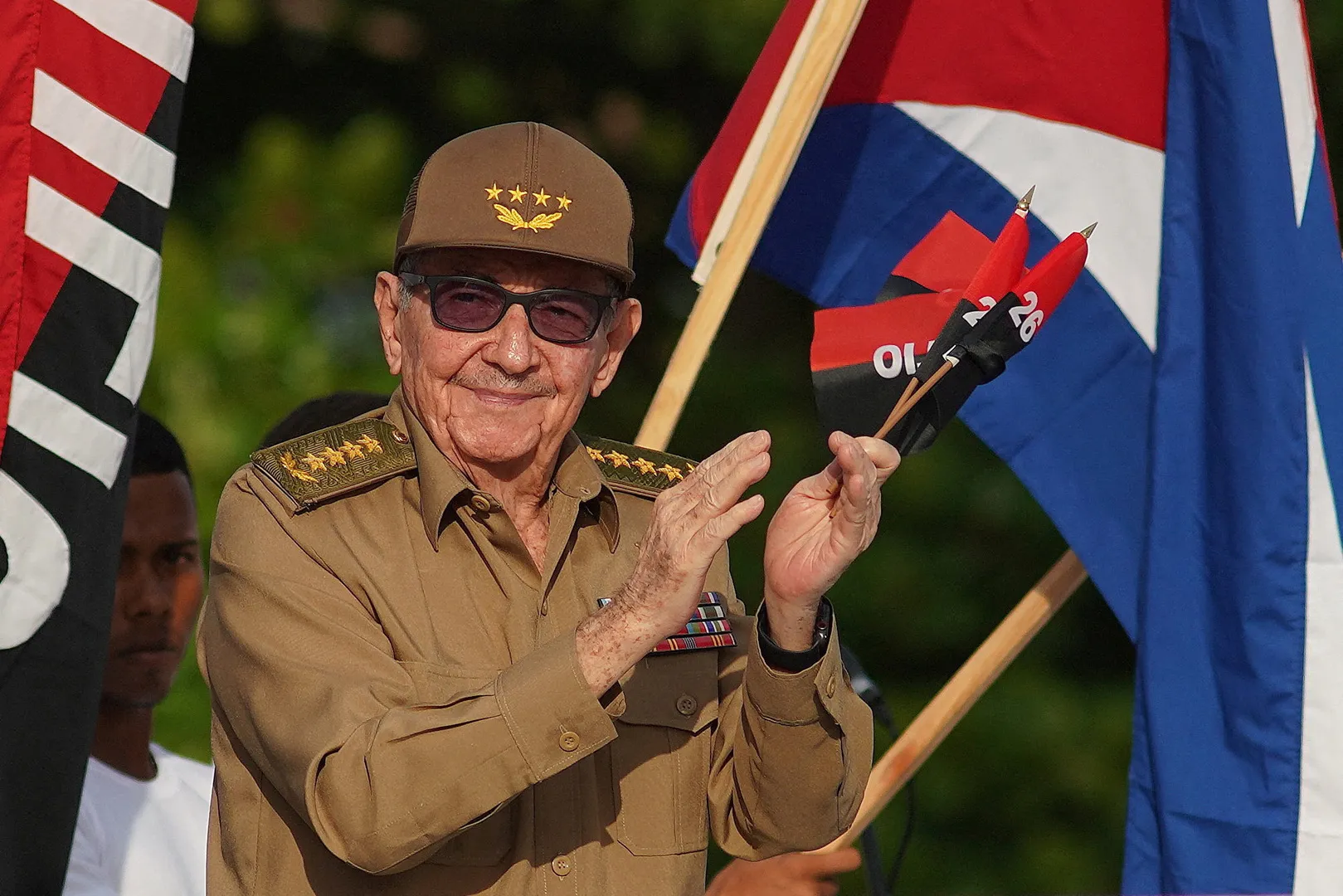
Cubans react to US indictment of former President Raul Castro | Raul Castro

NewsFeed

Cubans in Havana and Miami react to the US charges against former Cuban President Raul Castro over the 1996 downing of civilian planes. The charges against Castro mark a major escalation in pressure from the Trump administration against Cuba’s socialist government.

Source link

US condemns Israel’s Ben-Gvir while sanctioning Gaza flotilla organisers | Gaza News

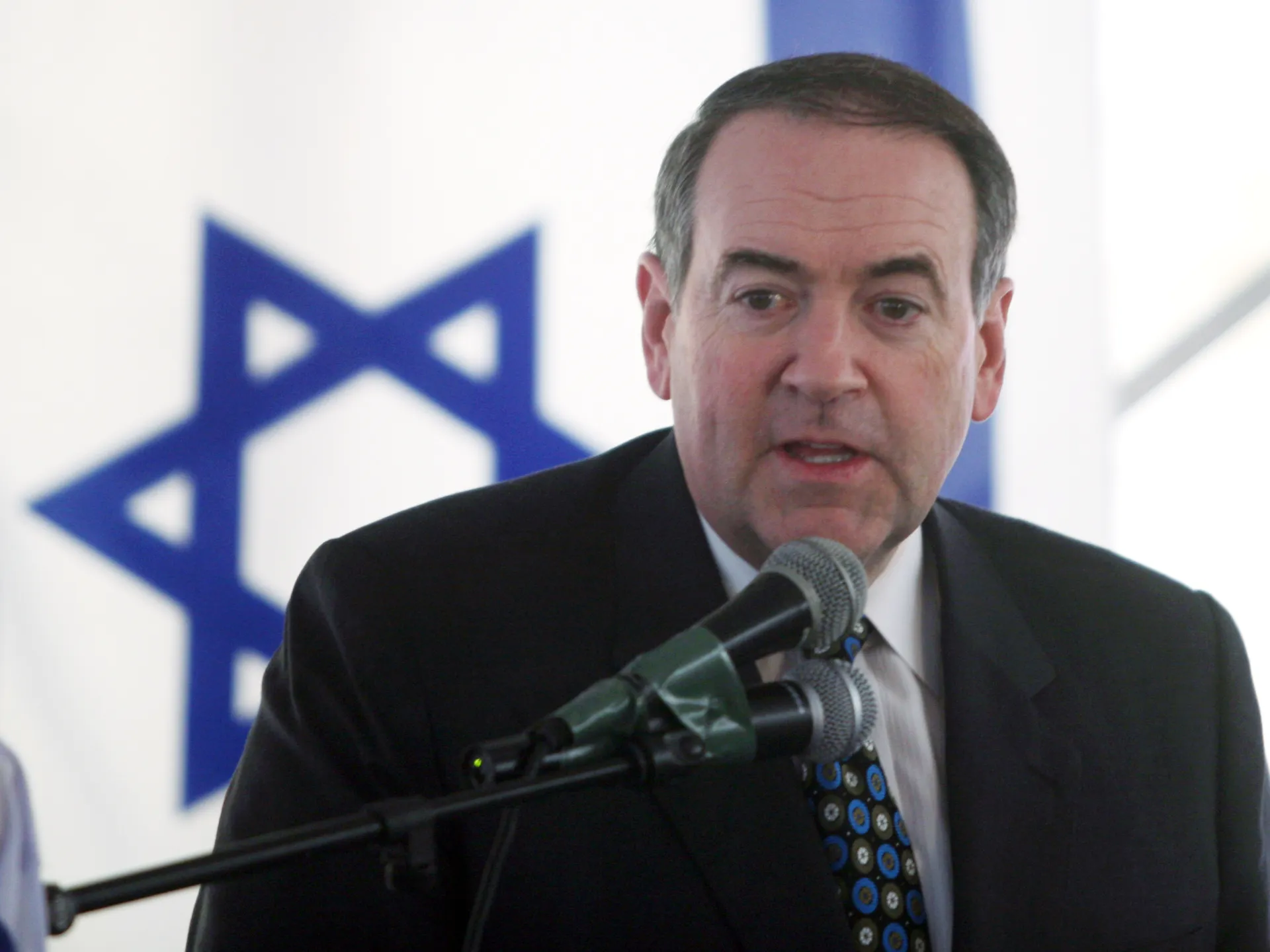
Washington, DC – US Ambassador to Israel Mike Huckabee has become the first official from the administration of President Donald Trump to join global criticism of Israel’s far-right national security minister, Itamar Ben-Gvir.

But as several countries summoned Israel’s ambassadors after Ben-Gvir posted a video of himself taunting abducted foreign activists from a Gaza-bound aid flotilla, Huckabee’s response rang largely hollow, coming a day after the US Department of the Treasury had sanctioned the flotilla organisers.

Recommended Stories

list of 3 itemsend of list

It was the latest incident underscoring a US double standard towards Israel, Palestinians and their supporters, analysts said, and one that showed the US and Israel increasingly out of step with the international community.

“We see a big difference between the US and other Western countries… who see things like freedom of navigation in international waters as a fundamental concept of international law that should be respected, not to mention the mistreatment of civilians,” said Michael Omer-Man, the Israel-Palestine director at the DAWN advocacy group.

Huckabee made his comments on Wednesday, shortly after Italy, France, the Netherlands and Canada summoned Israeli ambassadors over Ben-Gvir’s video, which showed detained activists kneeling on the floor with their hands bound, and at times being shoved to the ground.

Ben-Gvir is seen waving an Israeli flag, shouting and pointing over the detainees.

In a post on X, Huckabee referenced a slew of Israeli officials who have criticised Ben-Gvir for the video, including Prime Minister Benjamin Netanyahu and Minister of Foreign Affairs Gideon Saar.

Huckabee pointed to “universal outrage from every high-ranking Israeli official”, tagging Netanyahu, Saar, the office of Israeli President Isaac Herzog, and Israel’s ambassador to the US, Yechiel Leiter.

“Flotilla was stupid stunt, but Ben Gvir betrayed dignity of his nation,” Huckabee wrote.

Rights observers have long documented Israeli abuses against Palestinian detainees and their supporters from abroad, including detained activists flotilla activists. Israeli authorities have largely dismissed such accounts.

Critics questioned whether the groundswell of condemnation from officials in Netanyahu’s government, which has emboldened far-right figures like Ben-Gvir, was motivated by the abuses committed or by Ben-Gvir’s decision to post it online.

“I do believe that they’re more focused on the public relations side of it,” Omer-Man told Al Jazeera, “both with regards to the international community… and because it’s election season [in Israel] and they’re trying to distinguish themselves as the more stately, less radical actors”.

Annelle Sheline, a research fellow at the Quincy Institute for Responsible Statecraft, said Ben-Gvir’s actions should be seen not as an aberration, but also as part of a manifestation of a US policy that has long fostered impunity and emboldened Israel’s far right.

“Israel knows that as long as it has the unconditional support of the US, it will face no real consequences,” Sheline told Al Jazeera.

One-sided sanctions

The former administration of US President Joe Biden had ruled out sanctioning Ben-Gvir and Finance Minister Bezalel Smotrich as its term ended in 2024, despite mounting calls from US lawmakers to do so.

In a letter that year, nearly 80 members of Congress charged that Ben-Gvir had played a role in “inciting violence against Palestinian civilians, encouraging the construction of illegal outposts, and preventing enforcement against violent settlers” in the occupied Palestinian territory.

That included using his position to “prevent police from protecting humanitarian convoys bound for Gaza, allowing settlers to attack and halt aid”.

Upon taking office, the Trump administration lifted a set of US sanctions imposed on violent Israeli settlers. Shortly after, the administration imposed sanctions on several Palestinian civil society organisations and rights groups for supporting an International Criminal Court (ICC) investigation into Israeli officials.

The administration has also imposed sanctions and travel restrictions on ICC prosecutors and Palestinian Authority officials.

The latest round of US sanctions targeted four organisers of the Global Sumud Flotilla, seeking to break the siege of Gaza, deliver aid and show solidarity with Palestinians. Two of the organisers were from the Popular Conference for Palestinians Abroad (PCPA), and two others were from the Palestinian prisoners’ solidarity network Samidoun.

US Treasury Secretary Scott Bessent said the activists were part of a “pro-terror flotilla”, claiming the humanitarian effort was “in support of Hamas”.

Organisers have roundly rejected the statement, with Samidoun decrying the sanctions against flotilla activists and Palestinian organisations as “aiding and abetting genocide”.

DAWN’s Omer-Man said the latest sanctions further underscore that the Trump administration is “accepting [Israel’s] arguments – that trying to break the blockade is illegal in some way – at face value”.

“I think we can say that the United States, officially, is just never going to criticise Israel under the Trump administration,” he said.

The Quincy Institute’s Sheline said the rare instances of public rebuke from the Trump administration, including Huckabee in November last yearlabelling settler violence as “terrorism”, mean little against the billions of dollars in military aid Washington continues to provide to Israel.

“Weak gestures… are insignificant in the face of billions of dollars a year,” she said.

Source link

James Murdoch to acquire New York Magazine and Vox Media Podcast Network | Media News

The deal, valued at more than $300m, gives Murdoch control of a storied magazine and a podcast division with a reach valued by advertisers.

Media scion James Murdoch has agreed to acquire New York Magazine and the Vox Media Podcast Network in a deal that will significantly expand his portfolio and stands to boost his influence over news and entertainment.

“This acquisition reflects both our interest in the forward edge of culture and our deep commitment to ambitious journalism,” Murdoch, the younger son of media mogul Rupert Murdoch, said in a statement on Wednesday announcing the transaction. His company Lupa Systems will buy both properties from Vox Media.

Recommended Stories

list of 4 itemsend of list

The deal, valued at more than $300m, gives Murdoch control of a storied magazine known for its coverage of culture, politics and fashion, and a podcast division whose reach, among a demographic coveted by advertisers, rivals that of cable television news networks, according to several people with direct knowledge of the acquisition. The politics news site Vox.com is also included.

Murdoch and his wife Kathryn Murdoch were intimately involved in courting key talent from Vox, specifically Kara Swisher and Scott Galloway, stars of the popular Pivot podcast, as well as several other programmes on the company’s podcast network.

“I like James and Kathryn,” Swisher said in a phone interview. “Unlike many other media owners these days, they’re savvy about the business and willing to take smart risks.”

Vox’s podcast division was valued much higher than New York Magazine in the transaction, two of the people said, spotlighting the importance of making sure top programmes were locked in. Pivot, for example, has three years remaining on its contract, which will continue under Murdoch. Swisher met with the investor and his wife Kathryn several times before the deal came together.

“In a company like Vox, if its talent doesn’t like something, it’s not gonna happen,” Galloway said in an interview. He added, “James is the only Murdoch that this deal could have happened with.”

Several years ago, James was locked in a fierce dispute with his father over the editorial direction and future control of the family’s media empire. In 2019, he founded Lupa after stepping down as chief executive of 21st Century Fox. In 2020, he resigned from the board of News Corp, the publishing arm of the family’s media empire, citing “disagreements over certain editorial content”.

Vox’s podcast and publishing assets will operate as a subsidiary of Lupa Systems, which also owns Art Basel, which hosts annual events in Paris, Miami, Hong Kong, and Doha, and Tribeca Enterprises, the media and entertainment company cofounded by Robert De Niro and Jane Rosenthal.

Vox Media CEO Jim Bankoff will join Lupa Systems and will continue to lead the brands under the Vox Media label, he said in a note to the company’s staff, adding the deal is expected to close in four to six weeks.

New York Magazine’s publications include The Cut, Vulture and Intelligencer, with a digital audience of tens of millions and more than 400,000 paying subscribers currently.

The acquisition does not include other Vox Media brands such as Eater, Popsugar and The Verge. These brands, along with SB Nation and The Dodo, will become an independent company under a new corporate name.

James’s father, Rupert Murdoch, once owned New York Magazine from the late 1970s till he sold it in 1991.

Source link

Chris Rabb win in Pennsylvania energises Democrat’s progressive flank | Donald Trump News

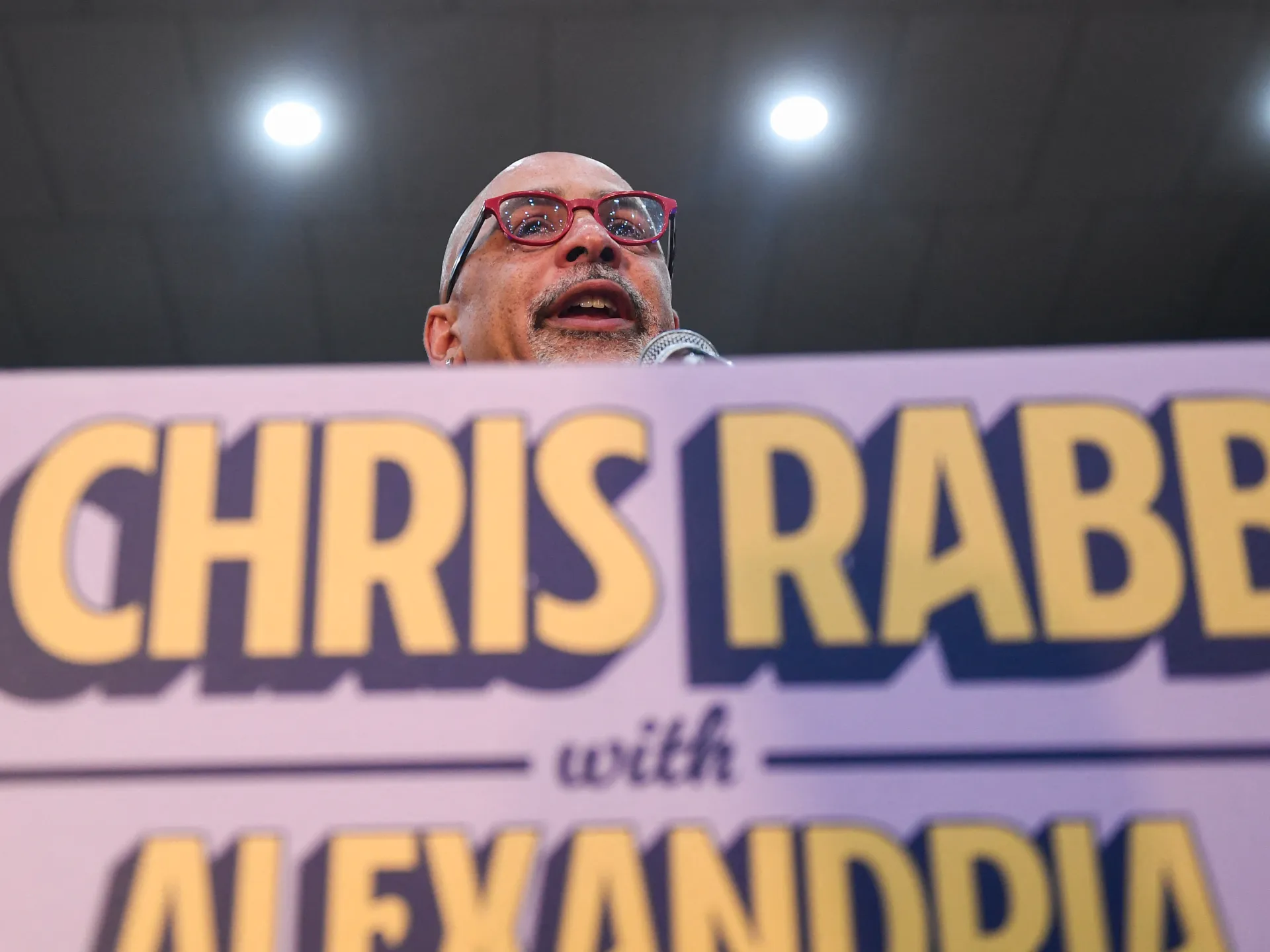
The victory of Chris Rabb in a US House of Representatives primary in Pennsylvania represents a boost to Democrats’ progressive flank, a movement that has come under heavy pressure in recent years.

Running to represent a district stretching across Philadelphia, widely considered the “bluest” in the country, Rabb handily defeated his top competitors. The state lawmaker carried about 44 percent of the vote, compared with about 30 percent for State Senator Sharif Street and 24 percent for paediatric surgeon Ala Stanford.

Recommended Stories

list of 3 itemsend of list

With no Republicans on the ballot in the primary, Rabb is expected to skate to victory in the midterm.

While all candidates sought to highlight progressives’ bona fides in the race, Rabb skewed farthest left, railing against the political machinery that has long played kingmaker in local politics.

He also broke from his opponents on US policy towards Israel. He has pledged to join 12 current members of Congress in signing a resolution recognising the Nakba and has urged his competitors to describe Israel’s actions in Gaza as a “genocide” on the campaign trail.

In one exchange with voters, Stanford appeared to say that using the term “genocide” was “harmful”. Street, whose victory would have made him Philadelphia’s first Muslim member of Congress, has also been criticised for a lack of clarity on the issue.

In a statement, Kendra Brooks and Nicolas O’Rourke, cochairs of the Pennsylvania Working Families Party, said the race was a weathervane for Democrats.

“The question in this race was not whether we would elect a Democrat, but what kind of Democrat we would choose,” they said.

“The people of Philadelphia made their choice clear: bold, working-class leadership, and an end to the broken status quo.”

Indeed, the race in many ways mirrored internal strife for Democrats, kicked into overdrive following the party’s routing in the 2024 election.

Street, the former chair of the Pennsylvania Democratic Party, and Stanford, who was endorsed by outgoing Representative Dwight Evans, have largely been viewed as representing the party’s longstanding establishment.

Underscoring that perception, earlier this Month, Axios reported that Pennsylvania Governor Josh Shapiro had urged building unions supporting Street not to run attack advertisements against Stanford, over concerns it would boost Rabb’s chances.

Rabb, meanwhile, had been endorsed by a series of progressive stalwarts, including Representatives Ocasio-Cortez, Representative Ilhan Omar and Senator Chris Van Hollen and progressive groups, including Justice Democrats and the Sunrise Movement.

The Socialist Democrats of America, who endorsed Rabb early on in the race, have been largely credited with leveraging their ground operation before the primary win.

“We will be with Congressman Rabb every step of the way in the fight to abolish ICE (Immigration and Customs Enforcement), free Palestine and win Medicare for All,” the group said on Wednesday.

Progressives targeted

Rabb’s win represents a sign of hope for progressives, who have been heavily targeted in primary races, particularly for their criticism of Washington’s longstanding support for Israel.

In 2024, both Cori Bush of Missouri and Jamaal Bowman of New York, members of the so-called Progressive “squad” in Congress, lost their primary races amid a massive influx of spending by AIPAC and pro-Israel lobby groups. All told, AIPAC and affiliated groups spent about $25m to unseat the pair.

Progressives have so far seen a mixed bag this primary season. Analilia Mejia saw an early surprise victory when she defeated former Representative Tom Malinowski in February.

Malinowski, who has long portrayed himself as a centrist, was targeted by AIPAC in the 11-way race, in a strategy that has been viewed as a major backfire for the pro-Israel lobby. Instead of boosting a pro-Israel candidate, AIPAC’s targeting indirectly buoyed Mejia, a staunch critic.

In Texas, pro-Palestine pastor and civil rights leader Frederick Haynes III also won his primary race. Haynes was also endorsed by the Justice Democrats, an organisation launched in 2017 to support progressive candidates. The group has endorsed 15 candidates so far this year.

Three other progressive candidates, Junaid Ahmed and Kat Abughazaleh in Illinois, and Nida Allam in North Carolina, lost their primaries amid a massive onslaught of opposition spending from pro-Israel and artificial intelligence-aligned groups.

Still, Justice Democrats spokesperson Usamah Andrabi said Rabb’s victory was an energising sign before a slate of competitive races in June.

Also in Pennsylvania, incumbent Representative Summer Lee easily sailed to victory in her Democratic primary race in Pittsburgh.

“The sky is the limit,” Andrabi told Al Jazeera, “and it is clear that the Democratic base is desperate for a new generation of leadership that not only takes on Republican extremism but takes on the Democratic establishment and their corporate backers all at once.”

Battlelines draw

Tuesday’s primaries across six states saw the battle lines for the midterm election in November further drawn.

The vote will determine which party controls the US Senate and the US House of Representatives, which will set the pace for US President Donald Trump’s second term in office.

Most notably on the Republican side, US Representative Thomas Massie lost his primary race to Trump-backed challenger Ed Gallrein, in what was the most expensive House primary race in history.

Massie had broken with Trump on the investigation into billionaire financier Jeffrey Epstein, the war in Iran, and US support for Israel. His loss indicated Trump’s enduring hold over the party.

But it remained to be seen if that influence would extend to the general election, with Trump’s approval ranking tanking in recent months amid the war with Iran and its knock-on economic fallout. Polls have shown the president’s support has been particularly hard hit among independents, who typically do not vote in primaries.

In Georgia, two Republicans, Congressman Mike Collins and former football coach Derek Dooley, will advance to a run-off election on June 16 in the US Senate race. The winner will take on Democrat Jon Ossoff in one of the closest-watched races of the season.

Meanwhile, Democrat Keisha Lance Bottoms, the former mayor of Atlanta, won the party’s primary in the gubernatorial race. Two Republicans, Rich Jackson and Burt Jones, meanwhile, will head to a run-off.

The race is set to be consequential, with election administration – and the redrawing of congressional maps – in the state looming large in 2024 and potentially set to play a key role in the 2028 race.

Source link

New York City hotels avert labour strike threat before FIFA World Cup | World Cup 2026 News

Hotel operators avoid a ‘very real threat’ by signing a deal with 25,000 workers as the city hosts the 2026 tournament.

New York City hotel operators and ⁠unions have reached an eight-year labour deal covering about 25,000 workers, averting a strike over wages, workloads and staffing levels that had threatened to disrupt the city ⁠before the FIFA World Cup, said the head of the Hotel Association of New York City.

Vijay Dandapani, the association’s president and chief executive, said on Tuesday that the mood among owners was “overall positive” after weeks of negotiations, though the industry made significant concessions.

“We came ‌a long way from where things were,” Dandapani said.

The United States will cohost the tournament with Canada and Mexico from June 11 to July 19.

While FIFA, football’s global governing body and tournament organiser, was not involved in the talks, the prospect of an influx of fans raised the stakes.

A union campaign had warned of a possible strike and urged visitors to avoid affected hotels.

The potential walkout was a “very real threat”, Dandapani said, noting recent labour actions in US cities including Los Angeles and ⁠Boston.

Dandapani said a figure of about $200,000 reflected compensation at the end of the agreement, not at the outset.

Hotel owners entered the talks aiming to preserve profitability, arguing New York’s lodging market has not ⁠fully recovered from the pandemic. Occupancy remains below 2019 levels, and inflation-adjusted room rates have yet to catch up, he ⁠said.

He also cited broader pressures, including the US-Israel war on Iran, tariffs and visa issues.

The deal follows the withdrawal of a proposed city measure that operators said would have sharply raised labour costs by limiting room attendants’ workloads and requiring double pay beyond certain ‌thresholds. Owners estimated it could have lifted wage costs by about 40 percent.

The new pact will still add costs, though operators expect tourism demand and major events to ‌support ‌revenue.

Source link

Contributor: Trump has left himself only bad options on Iran

Nearly three months after the United States and Israel launched their large-scale bombing campaign against Iran and about six weeks since the April 8 ceasefire took effect, President Trump faces an inflection point. Does he return to war? Maintain the ceasefire and U.S. blockade on Iranian ports in the hope of cutting a deal on American terms? Or drop his maximalist negotiating stance?

Sen. Lindsey Graham (R-S.C.), an informal foreign policy advisor for the White House, continues to press for more aggressive U.S. military action. Trump’s political advisors would prefer that the war end as soon as possible to minimize political repercussions against the Republican Party in a midterm election year.

Trump seems conflicted. Despite weeks of U.S. bombardment and an ongoing naval blockade, Tehran is as protective of its nuclear program today as it was before the war began. “For Iran, the Clock is Ticking, and they better get moving, FAST, or there won’t be anything left of them,” Trump wrote on Truth Social over the weekend. A day later, Trump took to the social media platform again to announce he suspended planned U.S. attacks on Iran to give talks more time.

Unfortunately for Trump, he’s proved to be his own worst enemy on this subject. Iran’s stockpile of highly enriched uranium and Tehran’s effective control of the Strait of Hormuz, the regime’s two biggest cards, are a byproduct of Trump’s own policy decisions.

The first is a clear indictment of Trump’s first-term order to withdraw the United States from the Obama-era Joint Comprehensive Plan of Action, a highly technical accord that put Iran’s nuclear work in a box by restricting the number and quality of centrifuges it could use, capped the amount of enriched uranium it could produce and compelled Tehran to ship 97% of its stockpile out of the country. When the Trump administration scrapped that hard-won deal, Iran responded by enriching more nuclear material at a faster pace and accumulating the very stockpile the Trump administration is now seeking to neutralize.

The Strait of Hormuz, Iran’s second card, would not even be an issue today if the Trump administration had refrained from going to war in the first place. On Feb. 27, the day before the conflict began, more than 150 tankers and vessels traveled through the strait. The international waterway was open for business.

Not so today. On Thursday, a grand total of three crossings were registered in the waterway. This collapse of commerce is a consequence of Iran’s ability to harass civilian tankers so much that shipping companies no longer view the journey as worth the cost. As Adm. Brad Cooper, the top U.S. commander in the Middle East, testified to the Senate Armed Services Committee on Thursday: “The Iranian capability to stop commerce has been dramatically depleted through the strait, but their voice is very loud. And those threats are clearly heard by the merchant industry and insurance industry.”

By virtue of his own actions, Trump is now left with a series of policy options that range from least bad to terrible. None of them are ideal, and all of them carry some risk.

For starters, Trump could resume the war. Any renewed U.S. bombing campaign would probably expand the U.S. military’s original set of targets to include a portion of Iran’s energy infrastructure, which Trump has threatened repeatedly to hit. A U.S. invasion of Kharg Island, where 90% of Iran’s oil processing takes place, might also be up for discussion. The aim would be to destroy Iran’s remaining military capabilities and further squeeze its oil revenue until Tehran’s strategic calculus on the war shifts to Washington’s liking.

Yet there are no guarantees that doubling down on military force will work. Trump’s entire strategy has relied on a baseline assumption: The more punitive the United States is, the more likely Tehran will be to cave. Yet that simply hasn’t occurred. If anything, Iran is more dug in now than it was in the opening days of the conflict. For the regime, capitulating to Trump is as dangerous as losing the war. Why would more bombing succeed where previous bombing failed?

The risks of additional U.S. military action are considerable as well. Before the ceasefire, Iran was launching ballistic missiles and attack drones across multiple gulf Arab states, hitting Qatar’s largest natural gas processing facility, Saudi Arabia’s east-west oil pipeline and Dubai’s luxurious high-rises. As the Iranians have stated, such attacks will not only resume if Trump orders a resumption of the war but will expand to new targets, including desalination facilities and nuclear power plants. Such strikes would raise global oil and gas prices to even more absurd levels, adding to the extra $40 billion the American people are already paying for fuel since the war began.

What about continuing the status quo? While this contingency would be less costly than another round of bombing or a U.S. ground invasion, it’s unclear whether it would help or hurt negotiations toward a settlement. There’s a possibility that extending the U.S. blockade of Iranian ports could merely reaffirm the regime’s earlier decision to preserve its own shutdown of the strait. Iran is now urging Washington to end its blockade before talks on the nuclear file can be held. And it’s a mystery whether Trump’s blockade is working anyway; the U.S. intelligence community assesses that Iran could withstand this pressure point for three to four more months, which may be too long for Trump to sustain given the oil disruptions that are bound to get worse.

Striking an agreement to end the war, return the strait to open traffic and restrict Iran’s nuclear program would be the most beneficial policy for the United States with the least amount of cost attached — not quite undoing the harm from Trump’s first-term decision to scrap the nuclear deal and his second-term decision to start a war. U.S. and Iranian negotiators are passing proposals back and forth as we speak. But as of now, Trump can’t stomach agreeing to a deal that covers some of Iran’s terms, including but not limited to a shorter suspension of enriched uranium and some kind of Iranian role in the management of the strait. Even if Trump did reassess his position, he would be forced to confront the hawks in his political coalition who would consider anything short of Iran’s total surrender a failure.

In short, Trump is in an unenviable position. He’s got nobody to blame but himself.

Daniel R. DePetris is a fellow at Defense Priorities and a syndicated foreign affairs columnist.

Source link

Daughter honours security guard father killed while protecting mosque | Gun Violence News

NewsFeed

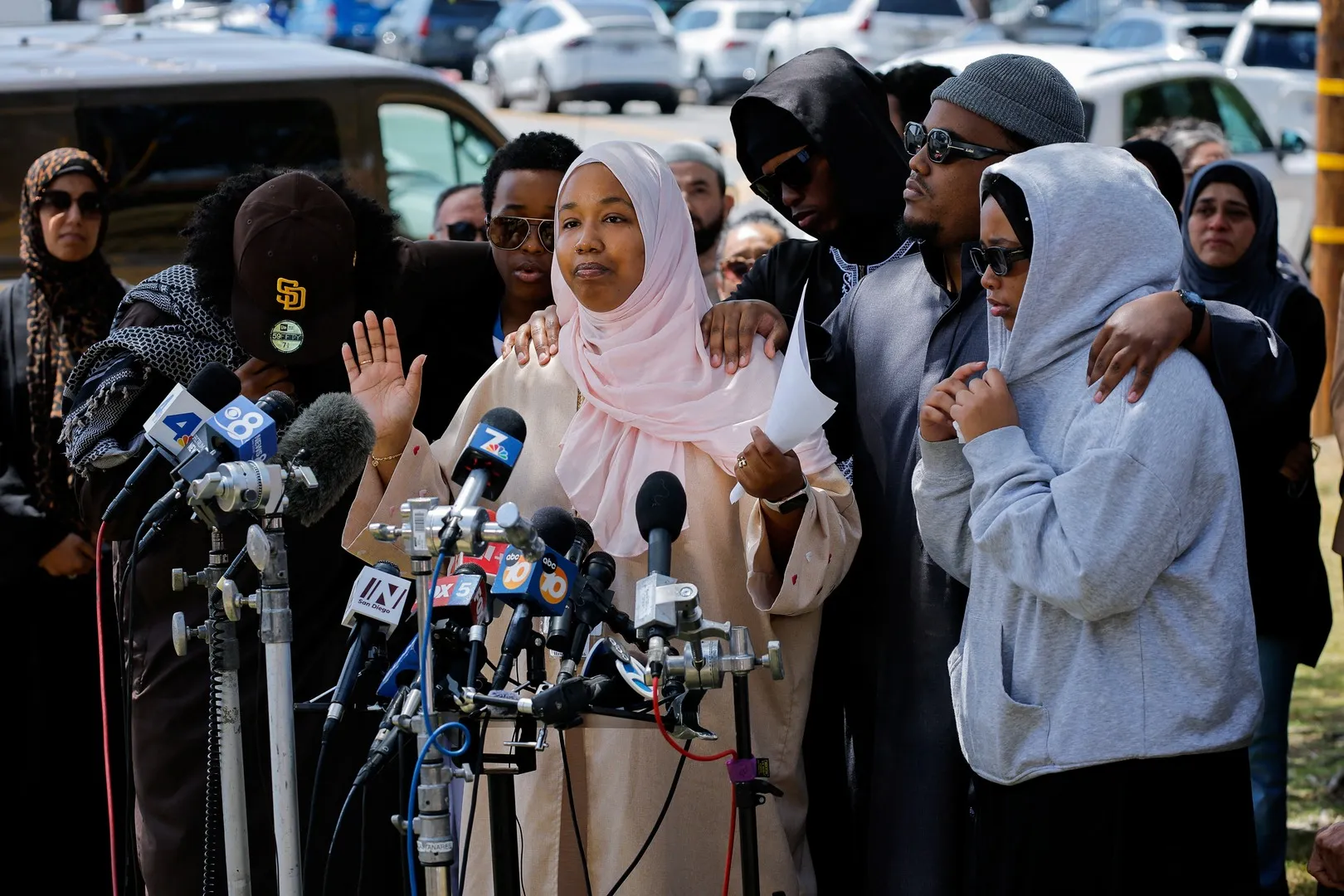
The daughter of mosque security guard Amin Abdullah is remembering him as the “absolute best dad in the world.” Family and community members gathered Tuesday to honour Abdullah, who was killed while confronting gunmen during the attack on a San Diego mosque.

Source link

Republican Thomas Massie who stood up to Trump defeated in Kentucky primary | US Midterm Elections 2026 News

With an estimated 72 percent of the vote counted, Ed Gallrein led with 54.4 percent to Massie’s 45.6 percent.

US President Donald Trump has tightened his grip on the Republican Party as Kentucky voters ousted one of the few conservative lawmakers willing to openly challenge his authority.

Congressman Thomas Massie‘s defeat, which was predicted by US news networks, including NBC and CNN, about two hours after polls closed on Tuesday, marks another victory in Trump’s campaign to punish dissent within Republican ranks.

Recommended Stories

list of 4 itemsend of list

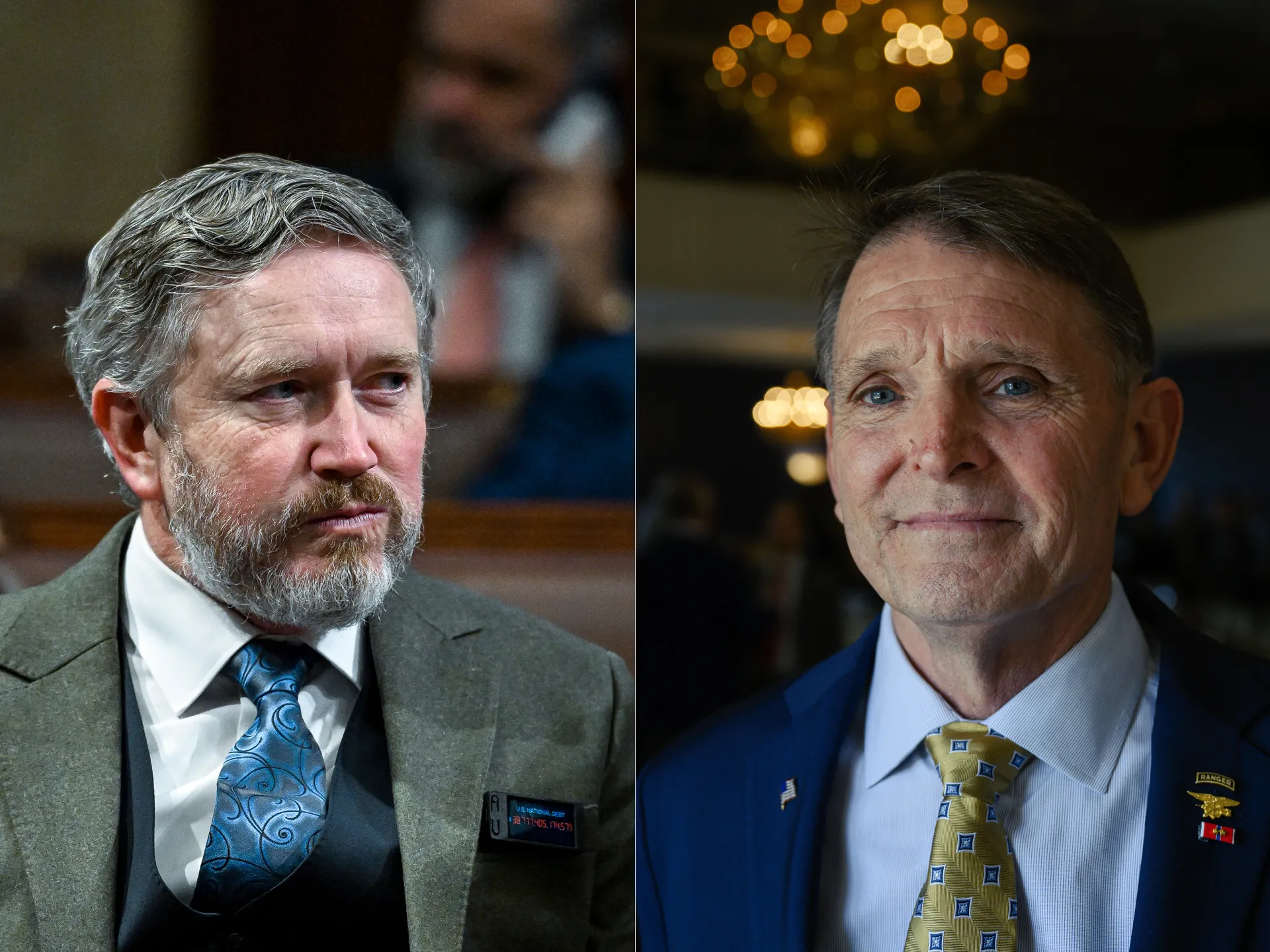
With an estimated 72 percent of the vote counted, former Navy SEAL Ed Gallrein led with 54.4 percent of the vote to Massie’s 45.6 percent.

The Associated Press news agency called the race for Gallrein, whose campaign was backed by Trump’s endorsement as well as millions of dollars from pro-Trump and pro-Israel political lobby groups.

The contest, widely described as the most expensive House of Representatives primary in US history, saw more than $32m spent on advertising and offered the latest evidence of Trump’s hold over Republicans. It followed the primary defeat on Saturday of another Trump critic, Senator Bill Cassidy of Louisiana, as well as losses for dissenting Republican state lawmakers in Indiana earlier this month.

“Massie got Trumped. Donald Trump is the sun and the moon and the stars in the Republican Party in Kentucky,” Kentucky-based Republican strategist TJ Litafik said.

A test of Trump’s influence

The Kentucky vote was closely watched as a test of whether Trump’s hold on Republican voters remained firm despite concerns over his war on Iran, growing inflation and declining personal approval ratings, and whether there was still space in the party for lawmakers willing to break with him.

Massie had angered Trump by opposing US military action in Iran and Venezuela, criticising aid to Israel, resisting parts of the president’s agenda, and backing efforts to release files related to the late sex offender Jeffrey Epstein.

The president spent months attacking Massie, a libertarian-leaning seven-term congressman, calling him a “moron”, a “nut job” and a “major sleazebag”.

“Dealing with him is just horrible. I don’t think he’s a Republican… He’s not a libertarian,” Trump told reporters after polls opened on Tuesday.

“Sometimes they say he’s really a Dumb-ocrat. He votes against us all the time,” Trump said, using a nickname he frequently deploys against Democrats.

‘I’m not running against President Trump’

In the northern Kentucky city of Covington, Rob Barkley, a former Trump supporter who backed Massie, said the president’s attacks had pushed him further towards the congressman.

“He’s on the Republican side, so he has a conservative mindset,” Barkley told US media after casting his ballot.

“But he’s not as far-right leaning as Trump’s politics,” he said.

Massie, who voted with Trump roughly 90 percent of the time during the president’s second term, framed the contest as a broader test of independence within the Republican Party.

“I’m not running against President Trump. Most of the people voting for me support President Trump like I do,” Massie said.

Secretary of Defense Pete Hegseth also made a rare appearance in Massie’s district on Monday to campaign for Gallrein.

Federal law restricts government employees from engaging in partisan political activity while on duty, but Hegseth’s office said he attended in a personal capacity and that no taxpayer money was used.

Trump later revealed that Hegseth’s campaign appearance came just hours before the US had expected to launch a new military assault on Iran, although the operation was later postponed.

Several US states, including Georgia and Pennsylvania, held primaries on Tuesday in advance of November’s midterm elections, but the Kentucky race emerged as one of the night’s most closely-watched contests.

Massie, first elected in 2012, had long been one of Trump’s most persistent Republican critics.

Source link

US President Trump, family granted immunity from pending tax audits | Donald Trump News

Democratic lawmakers blast move, which follows the establishment of a controversial ‘Anti-Weaponization Fund’.

United States President Donald Trump, his family, and his businesses have been granted immunity from any ongoing audits into their tax affairs, according to a directive by the Department of Justice.

The move on Tuesday came as an addendum to Trump’s agreement a day earlier to settle a $10bn lawsuit against the Internal Revenue Service (IRS) over the leak of his tax information to media outlets between 2018 and 2020.

Recommended Stories

list of 4 itemsend of list

In a one-page document, signed by acting Attorney General Todd Blanche, the Justice Department said authorities would be “FOREVER BARRED and PRECLUDED” from “prosecuting or pursuing” tax claims against Trump, members of his family, and his businesses.

The document, which was posted on the Justice Department’s website without any official announcement or press release, stipulates that the waiver applies to inquiries that are “currently pending or that could be pending,” including any related to tax returns filed by Trump before Monday’s settlement.

Democratic lawmakers immediately blasted the move.

Senator Adam Schiff of California accused the Trump administration of engaging in corruption and “self-dealing”.

“The tax-dodging President gets himself and his whole family a tax break, thanks to Todd Blanche,” Schiff said in a statement on social media.

Richard Painter, the chief White House ethics lawyer under former President George W Bush, said that exempting Trump from any tax obligations would be unconstitutional.

“If the president or his family owe the IRS money, this is a violation of the domestic emoluments clause of the US Constitution, which specifically says that the president cannot receive any profits or advantages from the US government other than his salary appropriated by Congress,” Painter told Al Jazeera.

The Justice Department and the Trump Organisation did not immediately respond to requests for comment.

The Justice Department’s directive marks a dramatic expansion in Trump’s settlement, which established a so-called “Anti-Weaponization Fund” to compensate people who claim to have been victims of politically-motivated “lawfare”.

Critics have likened the initiative to a “slush fund”, warning that it is likely to be used to reward Trump’s allies.

Decisions on distributing money from the $1.776bn fund will be made by a five-member commission, four of whom will be directly appointed by Blanche, a Trump appointee who formerly acted as his personal lawyer.

In heated exchanges with Democratic senators on Tuesday, Blanche denied that Trump had directed him to establish the fund or that it would be used in a partisan manner.

“Anybody in this country is eligible to apply if they believe they were a victim of weaponisation,” Blanche said.

Source link

US to let DR Congo football team in for World Cup despite Ebola restrictions | World Cup 2026 News

The US has banned non-Americans who have visited DR Congo, Uganda or South Sudan in the last 21 days from entry.

The United States will ensure that the Democratic Republic of the Congo’s (DRC) football team can enter the country to play in the World Cup, making an exemption to an Ebola-related entry ban, according to a senior Department of State official.

“We expect the DRC team to be able to attend the World Cup,” the official said on condition of anonymity.

Recommended Stories

list of 4 itemsend of list

The US has banned non-Americans who have been in the DRC, Uganda or South Sudan in the previous 21 days from visiting the country due to a deadly outbreak of Ebola.

The US official said the DRC team, the only one among the three countries to have qualified for football’s premier event, had already been training in Europe, so they may not have been subject to the ban in any case.

But if they had, in fact, been in the DRC over the last 21 days, they would be subject to the sort of strict screening required for returning US citizens.

“We’re working to get them into the same protocol for testing in isolation that American citizens returning and permanent residents would be,” the official said.

The official said the exemption would not apply to everyday fans from the DRC looking to come to cheer on the team.

The DRC begin their World Cup campaign in Texas against Portugal on June 17.

Source link