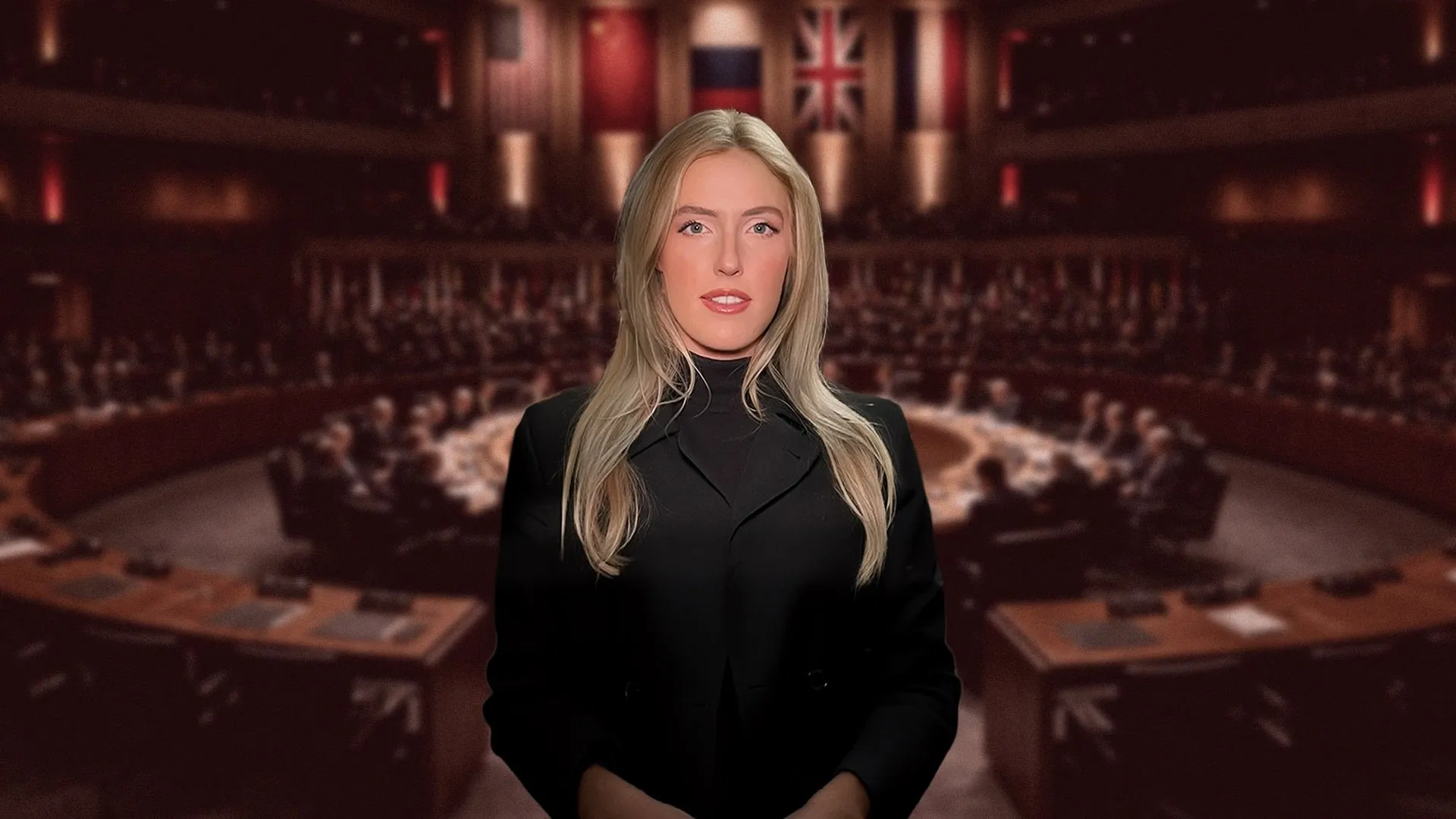
Debate opened at the UN General Assembly and leaders from across the world made their arguments for making the world a better place. International cooperation seems to be the central goal, but as Al Jazeera’s Emma Withrow explains, only a handful of countries hold the cards.
Seven armed groups announce alliance to topple government.
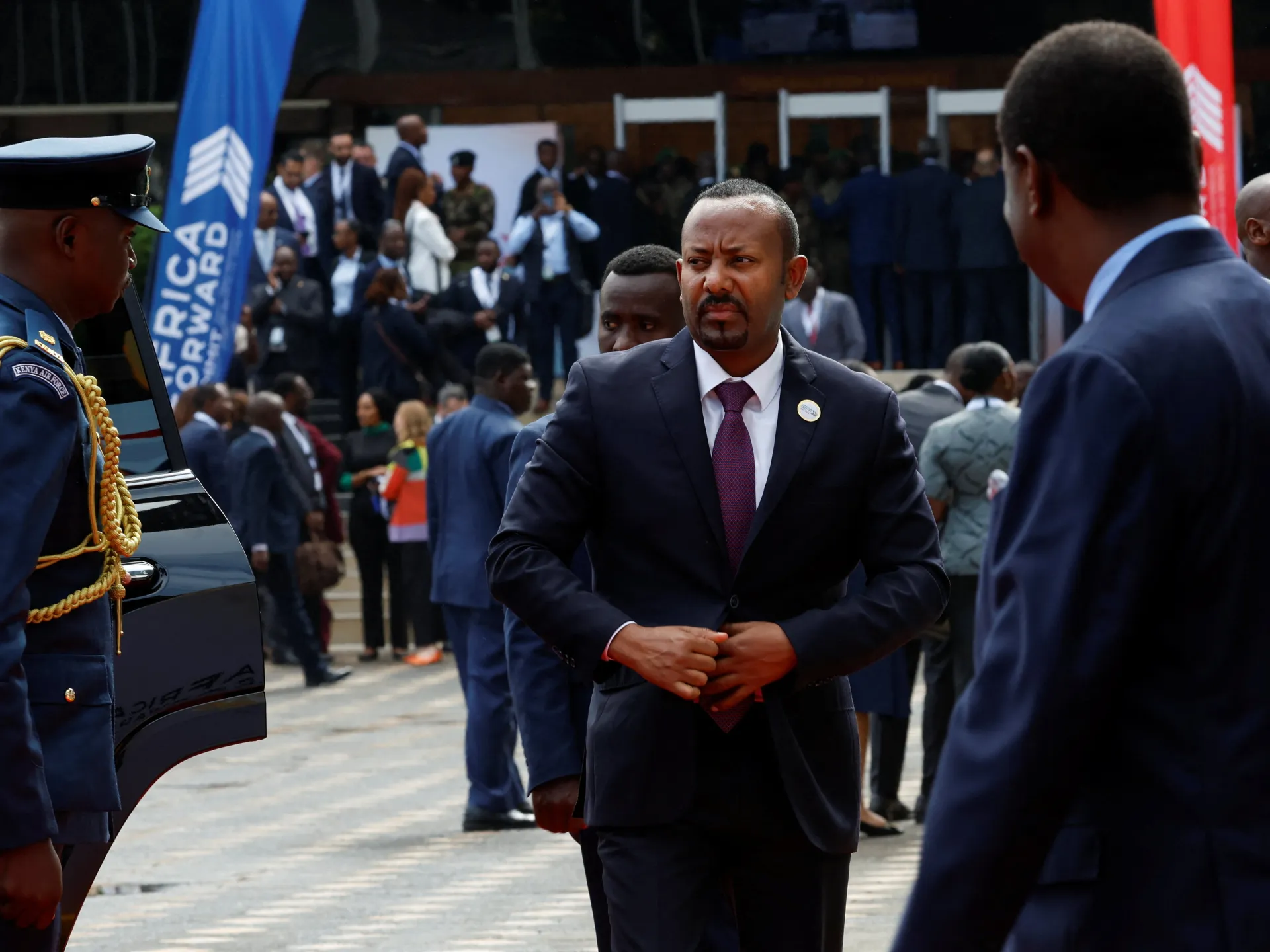
Despite decades of peace deals and ceasefires, armed groups in Ethiopia have continued to battle each other, as well as the military. Now, some of these former rivals have formed an alliance to push out the government in Addis Ababa.
They warn Ethiopia is on the brink of disintegration, and blame Prime Minister Abiy Ahmed. Abiy says the country can defend itself, but Ethiopians fear they could be on the verge of another civil war.
So, could these former rivals, with deep political and ideological divides, achieve their common objective?
Presenter:
Rob Matheson
Guests:
Samuel Getachew – Political commentator who specialises in Ethiopian affairs
Ngala Chome – Horn of Africa analyst
Kjetil Tronvoll – Professor of peace and conflict studies at Oslo New University College