BIG news for families who travel on Ryanair flights.
The airline has announced that it has changed its policy so that families can sit together free of charge.
Sign up for the Travel newsletter
Thank you!
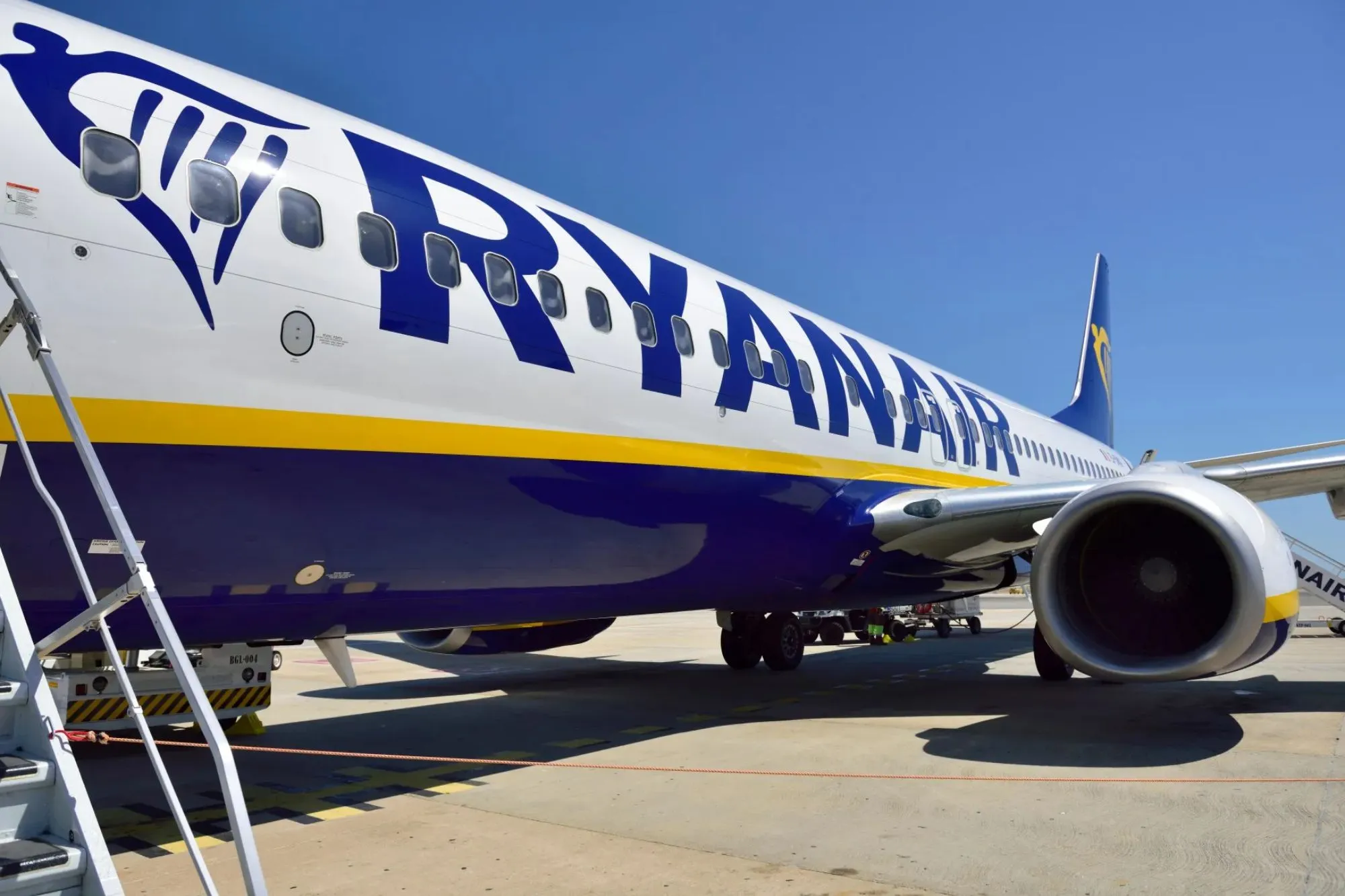
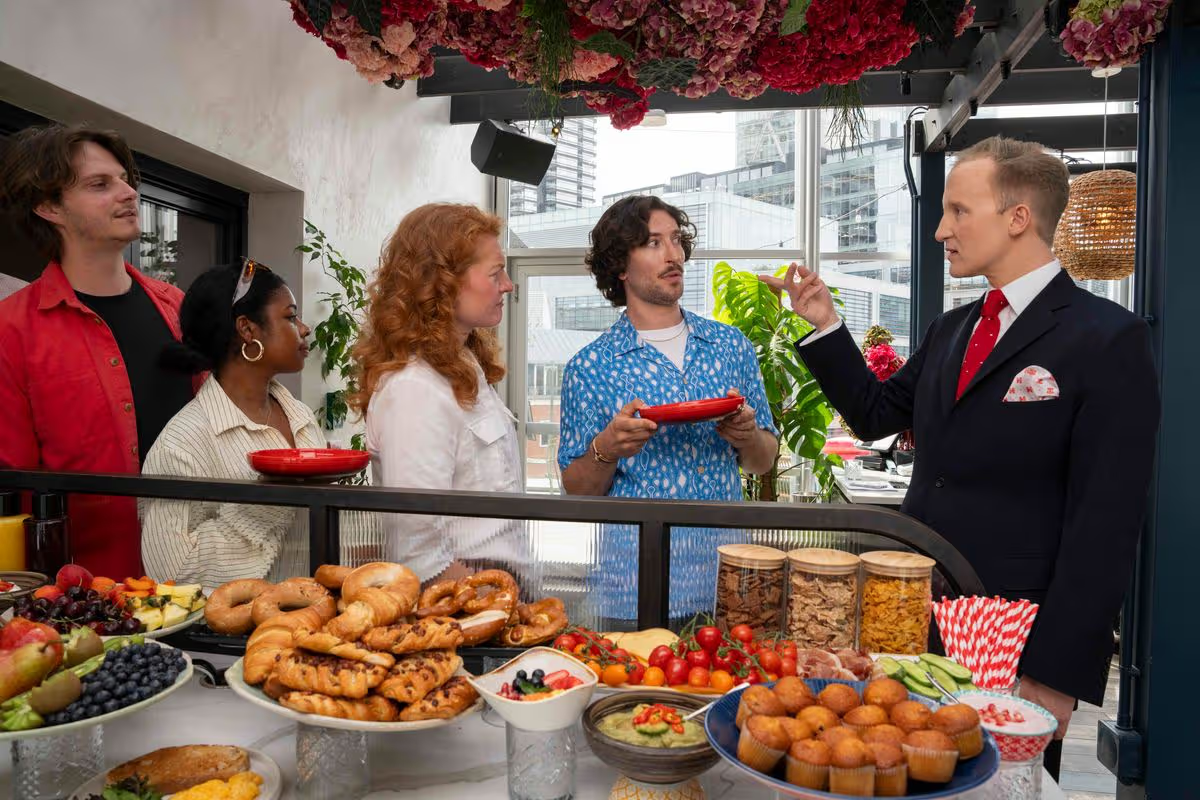
Ryanair has changed its policy so adults can sit with their children with no extra chargesCredit: Alamy
In a statement made today, Ryanair said that there will be free parent and child seats available together in the rear of its planes for families.
For adults travelling with children who choose this new seating option, they will be told of their seat allocation after they have checked in for their flight.
This is the case with most other airlines in Europe.
Families who opt for this are likely to be seated towards the back of the plane.
It’s still an option for families to choose their seats in advance, but this does require a seat reservation fee.
Previously, Ryanair’s Ts&Cs required at least one parent to sit with their children aged 2-11 when they fly.
This was done through what Ryanair calls a “mandatory family seat”, which the parent must pay for in order to secure a seat next to them for their child.
For all other passengers, reserving a seat is optional.
This fee applies to both outbound and return flights and typically costs around £8 each way.
Ryanair’s website refers to “Free reserved seats for kids under 12”, but the parents and guardians had to pay a booking fee to access these seats.
Typically, other airlines offer to seat children with a parent or guardian without the need for a paid-for adult seat reservation, or allocate seats together automatically during booking for free.
The new policy comes in on new bookings made from today.
On the policy change, a CMA spokesperson said: “Ryanair claims its seating policy now complies with the law, and we’ll test that thoroughly. If true, it’s a win for families – who will no longer have to pay to sit with their children – and it shows the impact our new powers are having.
“But it doesn’t change the fact families have been paying for ‘mandatory family seats’. Our investigation remains ongoing.”
Ryanair boss Michael O’Leary commented on the changes…
Ryanair CEO, Michael O’Leary, said: “Turning a blind eye to the high fares charged by airlines on routes with no Ryanair competition, the CMA has now targeted our family seating policy which has been universally embraced by consumers as the most progressive and transparent in Europe.
“Instead of promoting competitiveness and lower fares for consumers, the CMA is on a mission to force Ryanair to adopt the less transparent and less consumer-friendly family seating policy applied by most other airlines – just because it’s the industry standard.”
He said that the airline will “reluctantly adjust” to the industry standard.
Michael explained that “families may have to wait until after they have checked in to find out their seat allocation”.
And that these seats are likely to be at the “rear of the cabin”
This beautiful seaside town has become a popular staycation destination in recent years
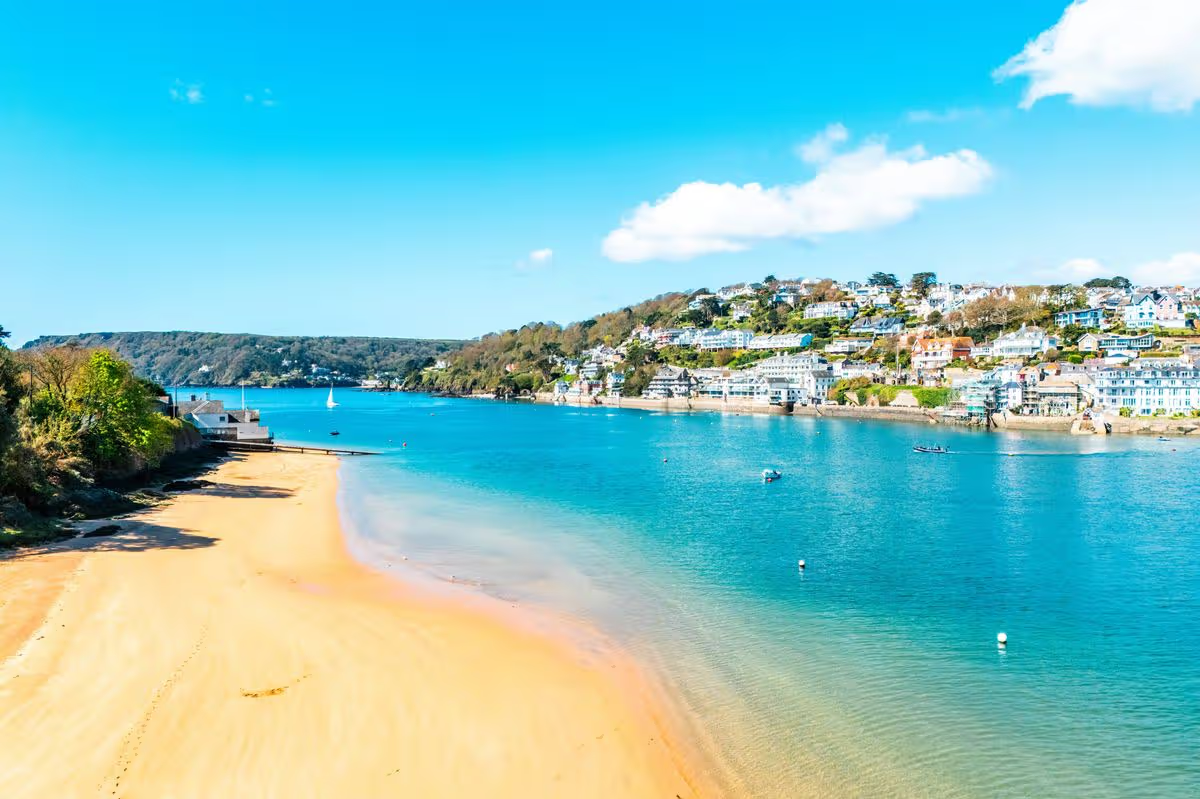
Salcombe is the UK’s ‘answer to the French Riviera’(Image: CHUNYIP WONG via Getty Images)
The French Riviera is an enormously sought-after holiday destination, renowned for its breathtaking coastal scenery and magnificent cities. But you don’t necessarily have to travel abroad to find turquoise waters and sandy beaches, as one charming town right here in the UK has been likened to France’s most glamorous stretch of coastline.
Salcombe in Devon has been hailed as a spectacular alternative to heading off to France by one lucky visitor. Taking to Instagram, UK travel content creator Hannah, who shares guides and reviews under @postcardsbyhannah, posted a video of the gorgeous seaside spot.
Questioning why Brits are always quick to moan about living in the UK when “it’s home to places like this,” she drew comparisons between the town and the stunning vistas of the French Riviera region, which takes in Nice, Cannes, Saint-Tropez, Antibes and Monaco.
She wrote: “Welcome to South Devon… Salcombe to be exact! Once a quiet fishing village, it’s now one of England’s most sought-after seaside escapes, where pastel-coloured cottages sprawl down the hillside towards bobbing sailboats on turquoise waters.”
Hannah went on to say that Salcombe boasts a relaxed and understated sense of luxury that feels almost effortless, with family-run boutiques, art galleries, ice cream parlours, and waterside pubs dishing up oysters freshly harvested straight from the estuary.
She continued: “Salcombe’s estuary is stunning, surrounded by rolling green hills and sandy coves reached only by foot or boat. Have a wander round town and visit Cranch’s Sweet Shop, one of the most iconic establishments in the town, selling sweets since the 1800s.”
Salcombe boasts numerous breathtaking beaches, including Salcombe North Sands, with its rockpools and panoramic views of the ruins of the nearby Salcombe Castle, and Salcombe South Sands Beach, regarded by many as one of the most pristine beaches in South Devon.
Another well-loved beach in the vicinity is Hope Cove Bay, where watersports enthusiasts can hire kayaks and paddleboards to venture out onto the water.
One visitor to Salcombe North Sands expressed their affection for the beach on TripAdvisor, writing: “Love this little place.
“Tide was in when we arrived but after a stroll around town and lunch at The Winking Prawn, it had started to go out revealing a beautiful sandy bay with low shallow water for paddling in. Dog friendly too!”
Content cannot be displayed without consent
Meanwhile, another visitor to South Sands penned: “A lovely day to spend the day as a couple or with the family. Beautiful beach, especially when the tide goes out. Spectacular scenery from the beach.
“A small kiosk sells sandwiches and salads along with wine and tin beer and of course tea and coffees and soft drinks. You need to bring your own chairs (no deck chairs) A great place to visit!”
Once you’ve soaked up the stunning beaches, why not pay a visit to Overbecks Garden — a Grade II registered garden dating back to the Edwardian Era, brimming with tender and exotic sub-tropical plants that are well worth exploring at a leisurely pace.
One visitor wrote: “Stunning gardens with absolutely fabulous views. Couldn’t believe the size of the tropical plants! Nice route around the garden.”
THERE’S enough going on this summer with EES checks and extreme heat – and your passport could cause problems as well.
Affecting millions, we’ve explained the two things you need to check before your next holiday.
Sign up for the Travel newsletter
Thank you!
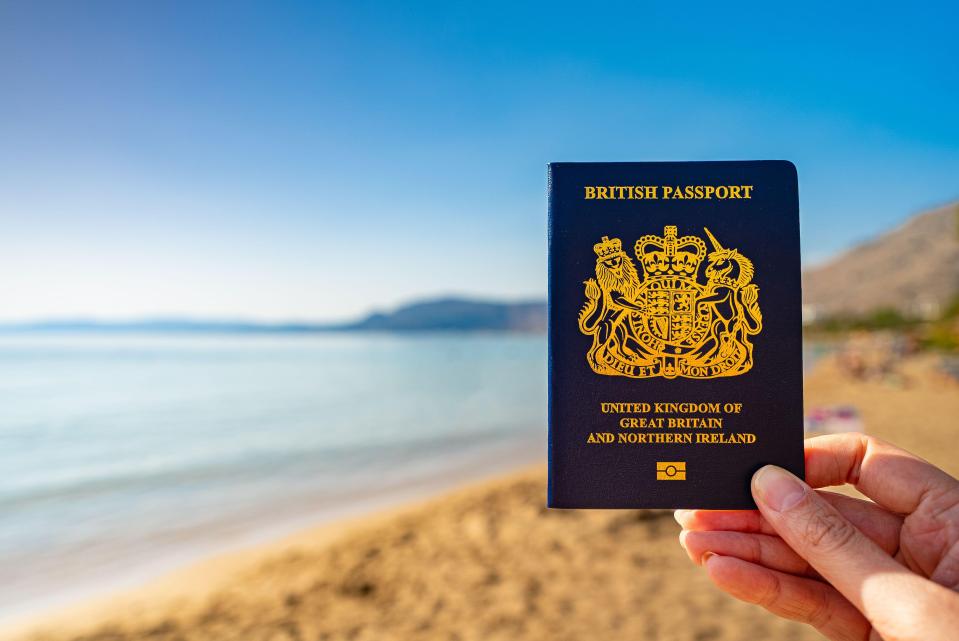
Don’t get caught out by these two passport rules this summerCredit: Getty
Expiry Dates
You might think that expiry dates have been spoken about enough – but it is still catching people out.
Old rules let passports have more than 10 years on them, but these rules have since been scrapped.
To find the true expiry date, you need to check the start date rather than the expiry listed in the passport.
If your passport was issued in April 2016, but has an expiry of December 2026, your passport is out of date as it’s over 10 years old. The REAL expiry date is actually April 2026.
Colette and her two children were unable to fly from the UK to Copenhagen
Colette Bjorn-Alderson has lived in the UK for 28 years, but was trying to return to the UK with her two young children – both of which only had Danish passports.
She told The Times that she felt “unwelcome in my own country” after being turned away from the flight.
She added that her only two options were getting a new UK passport from Denmark – which can take three months – or the certificates, which can take up to eight weeks.
ANYONE who’s looked at holiday prices over the last few years will know one thing: summer getaways haven’t exactly been getting cheaper.
But this year, a big change in booking habits has completely blown the market wide open.
Holiday Expert Rob Brooks has revealed six popular holiday destinations with major price dropsCredit: Rob Brooks
Because British holidaymakers are playing chicken with the calendar and leaving bookings later than ever, airlines and hotels are staring down a reduced summer capacity.
So, rather than flying empty seats and leaving hotel rooms vacant, some airlines and hotel operators are aggressively cutting prices across the board to get bookings in and holidays shifted.
Before we start, though, I should say that not EVERY destination is seeing price drops like this.
But when I crunched the numbers on package data for a family of four, I noticed that some of the year-on-year drops are massive.
So here’s where the prices are falling fastest for summer 2026…
Menorca: £536 cheaper than last year
Safe, relaxed Menorca has always been a major winner for familiesCredit: Menorca Brand
If you’ve never been to Menorca, imagine everything people love about Majorca and Ibiza… but with the volume turned down.
It has always been a major winner for families because it’s incredibly safe, relaxed, and completely skips the club-heavy energy of its neighbours.
The big news is the pricing: our data shows family holidays here are trending noticeably down compared to last summer.
I flagged a seven-night stay at the Minura Sur Menorcaon an all-inclusive basis, flying from Manchester on 22 August, from £858pp – which is a massive £536 cheaper than this exact package last year.
For a destination that traditionally sells out and hikes its rates in August, finding an all-inclusive setup under these numbers is a serious win against the usual school-holiday tax.
The hotel itself is a brilliant family workhorse on the outskirts of Punta Prima with massive pools and a splash park that will easily keep the kids occupied for hours.
If you’ve got a young family like me, my favourite thing about this property is that they run a free, regular shuttle bus straight down to the beach throughout the summer.
It saves you from dragging hot, tired kids and a mountain of beach gear on a 15-minute trek in the August heat.
Paphos, Cyprus: £246 cheaper than last year
Holidays to Paphos in Cyprus are down £246 compared to last summerCredit: Getty
Paphos is a super-reliable destination that absolutely nails the holiday basics.
You get guaranteed scorching weather, great beaches, and a vibrant harbour front packed with tavernas and bars, without feeling overcommercialised.
And when I took a look, I noticed that prices are down sharply across the resort, making it an ideal window for a bargain.
You can lock in seven nights at the Kefalos Damon Hotel Apartments on an all-inclusive basis, flying from Glasgow on 22 August, from £623pp, saving £246 compared to last summer.
Cyprus has some of the longest, most reliable sunshine windows in Europe, which usually means paying a massive premium to secure an August departure.
Snagging this deal lets you bypass that peak-season markup while keeping food and drinks entirely off the daily spreadsheet.
What makes this place stand out for me is the quality of the recent modern room upgrades.
They’ve kitted the apartments out with brilliant, fully functioning kitchenettes, which means you have a high-spec, contemporary space to retreat to.
This is a massive step up from the dated, basic apartments you usually get saddled with on a budget European getaway.
Crete, Greece: £172 cheaper than last year
Holiday Expert Rob Brooks found a deal for an all-inclusive week-long holiday to Crete for £468ppCredit: Getty
Crete is a massive island that handles every type of holidaymaker, but for families, it’s a brilliant choice because you can have completely different holiday experiences depending on where you pitch up.
The great news for the budget, though, is that pricing across the island seems to have headed south for late bookings.
I spotted a seven-night stay at the Bali Beach & Sofia Village hotel on an all-inclusive basis, flying from Bristol on 22 August, from £468pp – knocking £172 off last year’s price.
Greece in peak August for under £500 per person with all your food and beer thrown in is an absolute gift, by the way.
What I loved about this place was that they run free, weekly Greek cooking lessons hosted directly by the hotel’s executive kitchen chef.
It’s a brilliant, authentic touch where you can actually learn how to whip up proper local specialities, which is exactly the kind of genuine, cultural insight you never expect to get from a standard all-inclusive package property.
Gran Canaria: £179 cheaper than last year
The Maspalomas Oasis Club Hotel in Gran Canaria has all inclusive stays this August from £410ppCredit: TripAdvisor
Gran Canaria is perfect for Brits because the weather is spot on all year round.
As a destination, it handles families, couples, and groups effortlessly, and right now the value across the island is dropping back into our favour for this summer.
One standout deal I saw in the data was seven nights at the Maspalomas Oasis Club on an all inclusive basis, flying from Dublin on 22 August, from £410pp – making it £179 cheaper than last year.
The Canary Islands usually command a massive premium in August because they are a safe bet for sun, but this price point lets you dodge that summer-holiday markup.
The real winner at this hotel is the food quality at the buffet, which you’ll be delighted to learn, completely dodges the lukewarm, processed repetitive food sometimes associated with cheaper all-inclusives.
Instead, they have live show-cooking stations at dinner, where the chefs grill fresh meats and fish directly to your order, right in front of you.
Getting proper, freshly seared food on an all-inclusive budget under £450 is an absolute steal.
Dubai: £135 cheaper than last year
You could stay at the Jumeira Rotana Hotel on an all inclusive break from £720pp this AugustCredit: TripAdvisor
Dubai probably isn’t the first spot you associate with price drops, which is exactly why the numbers caught my eye straight away.
Yes, August in the UAE is hot, but that’s exactly why the luxury hotels open up the discount books, with summer family packages dropping well below their usual rates.
Plus, they have some of the best air conditioning in the world.
I clocked seven nights at the Jumeira Rotana on an all-inclusive basis, flying from London Gatwick on 22 August, from £720pp – a drop of £135 against last year.
For Dubai, getting a full all-inclusive package at this price point is a total anomaly.
It means you can indulge in the city’s notoriously expensive dining scene without worrying about a massive bill at check-out.
My pick of features at this hotel though is its rooftop pool – it’s a corker.
It gives you a fantastic, elevated view of the Dubai skyline while you cool off.
And because the hotel is a smaller, more boutique property by Dubai standards, the staff actually bring chilled towels and refreshments straight to your lounger.
It feels incredibly attentive without the chaotic, impersonal hustle of the massive beachfront mega resorts.
Hurghada, Egypt: £107 cheaper than last year
Holidays to Hurghada in Egypt are down £107 compared to the same dates last yearCredit: Getty
If your absolute main priority, like me, is stretching your cash as far as humanly possible, Hurghada is incredibly tough to beat.
The Red Sea is legendary for its crystal-clear water, and the resorts here offer far more facilities per pound spent than almost anywhere else in the Med, with prices sliding down again this season.
So imagine my face when I saw this deal: seven nights at the El Karma Aqua Beach Resort on an all-inclusive basis, flying from Belfast on 22 August, from £578pp, saving you £107 on last year’s price tag.
The value loop here is simple: you get a massive beachfront resort with its own massive on-site waterpark thrown in for under £600, keeping the kids entertained all week without you ever needing to pull out your wallet.
What I love about this specific place is that they offer swim-up rooms where you can literally step out of your patio doors and straight into a crystal-clear pool channel.
It gives you that premium, luxury resort privilege where you can entirely skip the morning sunbed race and slide straight into the water from your own terrace.
A POPULAR swimming spot is set to undergo a major transformation this summer- just three months after being saved from closure.
The historic Art Deco venue will receive a 6-figure makeover.
Sign up for the Travel newsletter
Thank you!
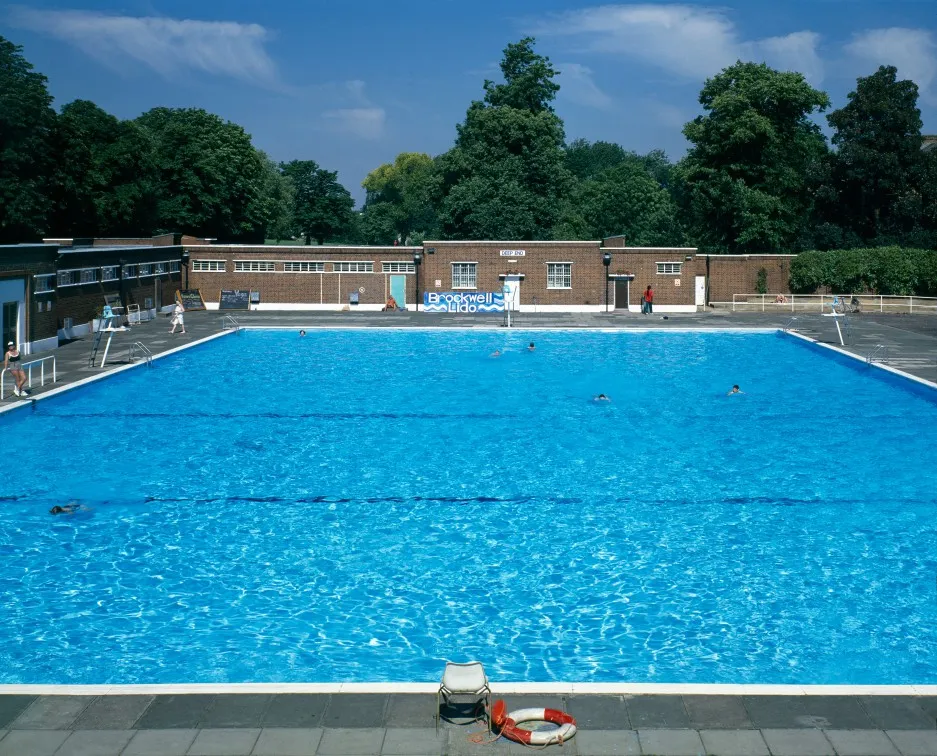
The site has been a well-known spot for swimming in south LondonCredit: Alamy Stock PhotoIt is set to receive a six figure investment from the councilCredit: Alamy Stock Photo
Brockwell Lido, in south London, is set to undergo a £250,000 renovation following Lambeth Council’s take-over of the pool’s management from July 1.
Previously overseen by Fusion Lifestyle for more than 13 years, the leisure charity entered into administration on April 1 this year.
Now, through its in-house leisure services – Active Lambeth – the council will overhaul the current sports facilities, bringing in new fitness equipment, strength training areas and flooring to the site.
As a result, the gym will be closed from the start of the month, with works set to be completed within two weeks.
The 89-year-old lido will also receive improvements, including new pool lane ropes, with swimming facilities expected to remain open throughout the upgrade.
Councillor Natalie Kane, the deputy leader and cabinet member for inclusion, democracy and culture, said: “Brockwell Lido is a vital community asset and we’re proud to be bringing it back in-house, as part of the Active Lambeth family.
“This is an iconic building that is cherished by the people who use it. We’re excited to be investing in the Lido so visitors have modern facilities that support health and wellbeing for everyone.”
Lambeth Council’s take-over aims to introduce a “more connected leisure offer for residents”, with new technology and greater benefits for members.
Following the transition, existing memberships will automatically transfer over to Active Lambeth’s site with no action required from members.
Designed in the Art Deco style, the popular south London spot originally opened in 1937 and was even crowned the ‘Best Lido in Britain’ last year.
ONE of the biggest rollercoasters at Disneyland Paris is set to close until next summer.
Visitors to the theme park won’t be able to ride the East Australian Current for almost a year.
Sign up for the Travel newsletter
Thank you!
Crush’s Coaster at Disneyland Paris will close for 10 monthsCredit: Alamy
Crush’s Coaster is found in Disney Adventure World, formerly known as Walt Disney Studios Park, and will close for renovations on September 7.
The ride first opened in 2007 and over time has become one of the most popular attractions with wait times often exceeding 60–120 minutes on busy days.
The good news is that Crush’s Coaster is closing for upgrades only and is expected to open nextsummer.
Over 10 months the rollercoaster will go through two phases of works.
The first is technical, which Disneyland Paris has said is “essential to the attraction’s operation”.
It includes the replacement of certain control systems, sensors, communication equipment and sections of track.
The second phase will involve testing what has been changed in phase one to make sure everything is working before it reopens to the public.
During the closure, the attraction will also get a makeover with a repaint and clean.
Crush’s Coaster previously closed in 2015 when it underwent a six month refurbishment.
But this closure will be the longest since it opened 19 years ago.
Crush’s Coaster will undergo technical work – and a refreshCredit: AlamyThe ride first opened in 2007 and has become a very popular attractionCredit: Alamy
Certain animals keep disappearing under suspicious circumstances in the UK’s ‘Bermuda Triangle’
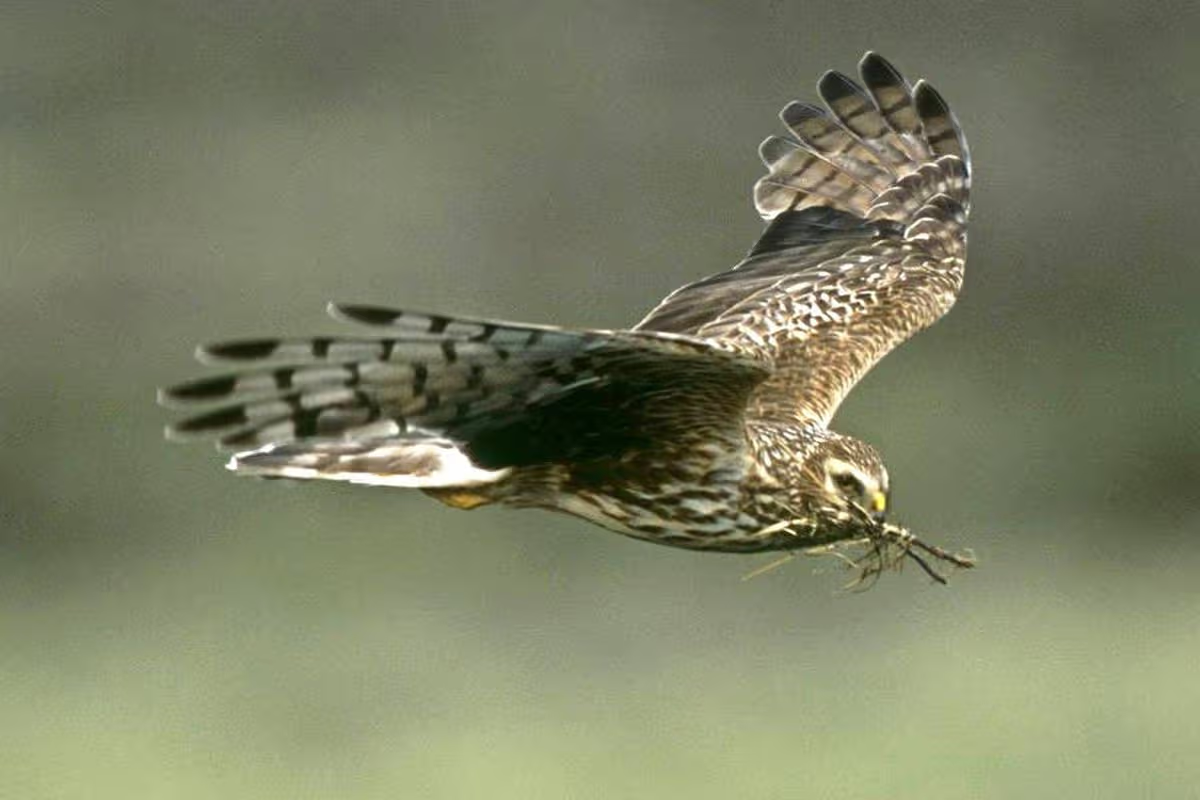
Hen harriers are the most intensely persecuted of all the UK’s birds of prey (Image: PA)
A moorland in North Wales has earned the grim nickname “Wales’ Bermuda Triangle” after gaining notoriety for a string of mysterious bird disappearances. Ruabon Moor, located to the west of Wrexham, is regarded as one of the most notorious bird of prey persecution hotspots in the UK, according to the RSPB.
In late August 2025, a satellite-tagged female Hen Harrier vanished without trace on the moor. Data from late August revealed that the young bird had departed the Peak District National Park, coming to rest on Ruabon Moor on August 28.
By the night of August 31, satellite tag data confirmed that the bird was no longer alive.
A search was subsequently carried out and the tag was recovered, but the bird’s body was nowhere to be found. North Wales Police sent the tag away for forensic examination.
Results confirmed that the satellite tag’s harness had been deliberately severed using a sharp instrument, such as a knife. Despite extensive searches, the body has never been recovered.
The Hen Harrier is a rare and vulnerable, red-listed species in Wales and across the UK, with its recovery being directly undermined by illegal persecution.
Mark Thomas, RSPB’s UK Head of Investigations, said: “Sadly, this incident is a textbook example of Hen Harrier persecution and really shows the massive impact these crimes are having on this species. In this case a healthy young bird fledged from a safe area in the Peak District National Park and sadly chose to settle in ‘Wales’ Bermuda Triangle’ – the most notorious bird of prey persecution hotspot in the country.
“This three-month-old bird survived for just three days in the area before it vanished in highly suspicious circumstances. Based on years of evidence and intelligence, we suspect the criminal shot the harrier, cut the harness off the Hen Harrier’s body, discarded the tag and disposed of the body.”
Craig Best, General Manager for the National Trust in the Peak District, said: “We are devastated to learn of the fate of this magnificent bird that started its life on moorland in our care in the Peak District. Hen Harriers are an important species in the ecosystem of moorland habitats.
“We work hard to make sure these birds have good nesting and feeding grounds. Funding from our supporters helps us to restore the landscapes they need to give them the best chance of survival. If persecution is allowed to continue, we stand to lose a very important species that is crucial to the health of these landscapes and it can’t continue.”
Sgt Peter Evans, of North Wales Police Rural Crime Team, said: “In September 2025, North Wales Police received a report concerning the disappearance of a Hen Harrier on Ruabon Moor. Working in partnership with the RSPB and the National Wildlife Crime Unit, the harness was recovered and the investigation to date is inconclusive. Despite this, we can confirm that the harness had been intentionally severed, and the circumstances surrounding the bird’s disappearance are being treated as suspicious.
“Hen Harriers are a rare and protected species in Wales, making incidents of this nature particularly concerning. We urge members of the public to remain vigilant. If you witness any suspicious activity involving birds of prey, please report it to North Wales Police or the RSPB.”
Members of the public are encouraged to flag any suspected bird of prey persecution by ringing the police on 101 and submitting a report to the RSPB. This can be done through the RSPB’s online reporting form at www.rspb.org.uk/report-crimes or by phoning the RSPB’s confidential Raptor Crime Hotline on 0300 999 0101.
Reports made via the RSPB’s reporting form and Raptor Crime Hotline can be submitted anonymously.
With stunning beaches, a working harbour and a wealth of activities, it’s not surprise this town is among the best for staycations
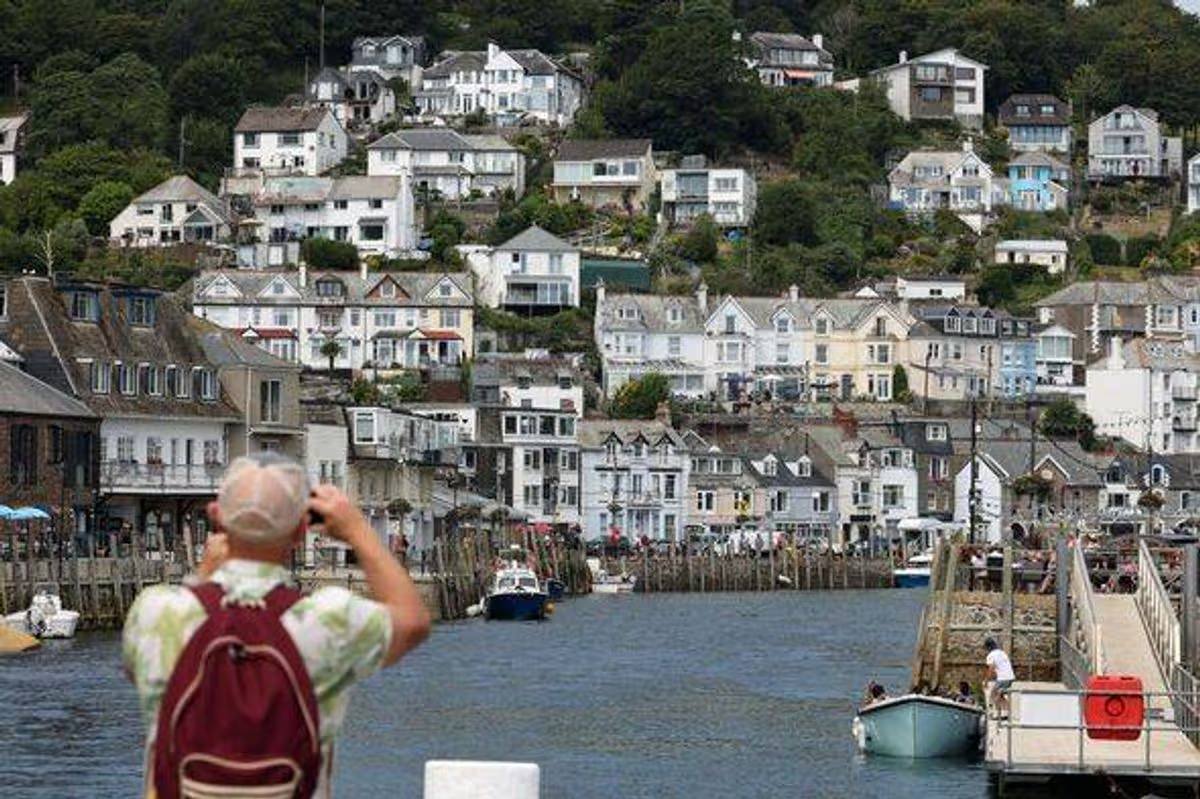
Summer season in the popular and charming Cornish seaside town (Image: Greg Martin / Cornwall Live)
A charming Cornish seaside town that has delighted tourists for generations has managed to hold on to its authentic local character. It is precisely this quality that draws visitors seeking a genuine taste of Cornwall, while also offering plenty to keep the entire family busy.
It has now been recognised as one of the finest seaside destinations in the UK. Looe, nestled in South East Cornwall, is undeniably stunning, boasting sandy beaches, vibrant fishing boats and quaint cottages.
The town’s working harbour has been cherished by generations of hardworking fishing families — and to this day, they continue heading out to sea to supply local restaurants with some of the freshest and most delicious fish you’ll ever taste.
There’s always something happening in and around Looe, both during the day and into the evenings.
With a railway station right in the heart of town, it couldn’t be easier to venture out and explore the surrounding area without needing to get behind the wheel.
Looe is a brilliant base for families — you can visit The Monkey Sanctuary, take a dip or a paddle at East Looe Beach or Talland Bay, or treat the little ones to a visit to the Seaside Sweets shop.
You can embark on a Looe Sea Safari or take to the water with Boatzer Glass Bottom Boat Trips for a truly unique experience.
For thrill-seekers, speedboat trips are available to get the adrenaline pumping.
Local outfit Adventure Fit Southwest offers even more excitement, with canoeing, kayaking and paddleboarding adventures all on the menu. On TripAdvisor, Adventure Fit Southwest outlined the range of other activities on offer: “Other adventure activities, such as bushcraft, mountain biking, hill walking, navigation and outdoor rock climbing.”
The two principal beaches are East Looe Beach, situated in the town itself, and Talland Bay, which can be reached either via the South West Coast Path or by car.
East Looe Beach is home to the iconic Banjo Pier and is widely regarded as a “great family beach”.
One visitor who headed there in May 2025 shared their thoughts on TripAdvisor: “A beautiful stretch of dark golden sand, cleaned daily, ideal for having a picnic or just taking in the sun’s rays. The sands shelve gently into the sea if you fancy a paddle.”
Talland Beach has also received glowing reviews, with one family who made the trip describing it as a “beautiful bay”.
Their TripAdvisor review portrays Talland Beach as a “small bay fronted by a cafe and adjacent car parking”.
They added: “Good walks nearby along the coastal path. Slightly difficult drive due to the very narrow roads, but worth the effort.”
The picturesque woodland surrounding Looe has also proved to be a firm favourite amongst visitors, best experienced along the South West Coast Path — with the charming and “unspoilt” fishing village of Polperro lying just to the west.
The trek to Polperro stretches over five miles, offering breathtaking views throughout — taking walkers directly past the stunning Talland Beach along the way. Getting around by car and finding parking in Looe and Cornwall more broadly can be an absolute headache during the holiday season, but from Looe, there’s the option to hop on the train to certain destinations.
While it’s worth noting that not every corner of Cornwall is accessible by rail, from Looe you can still reach some other fantastic Cornish locations.
In under half an hour you can head inland to the market town of Liskeard – and from there you can catch trains to other areas of Cornwall, although some journeys can take quite a while.
The picturesque Looe Valley Line, which will transport you to Liskeard, also features some other intriguing stops along the way, with many describing this train journey as like “going back in time”.
A passenger demanded answers after she claimed she was told she was not entitled to compensation for a flight delay
07:08, 25 Jun 2026Updated 07:17, 25 Jun 2026
There is a strict compensation rule that must be followed(Image: Getty)
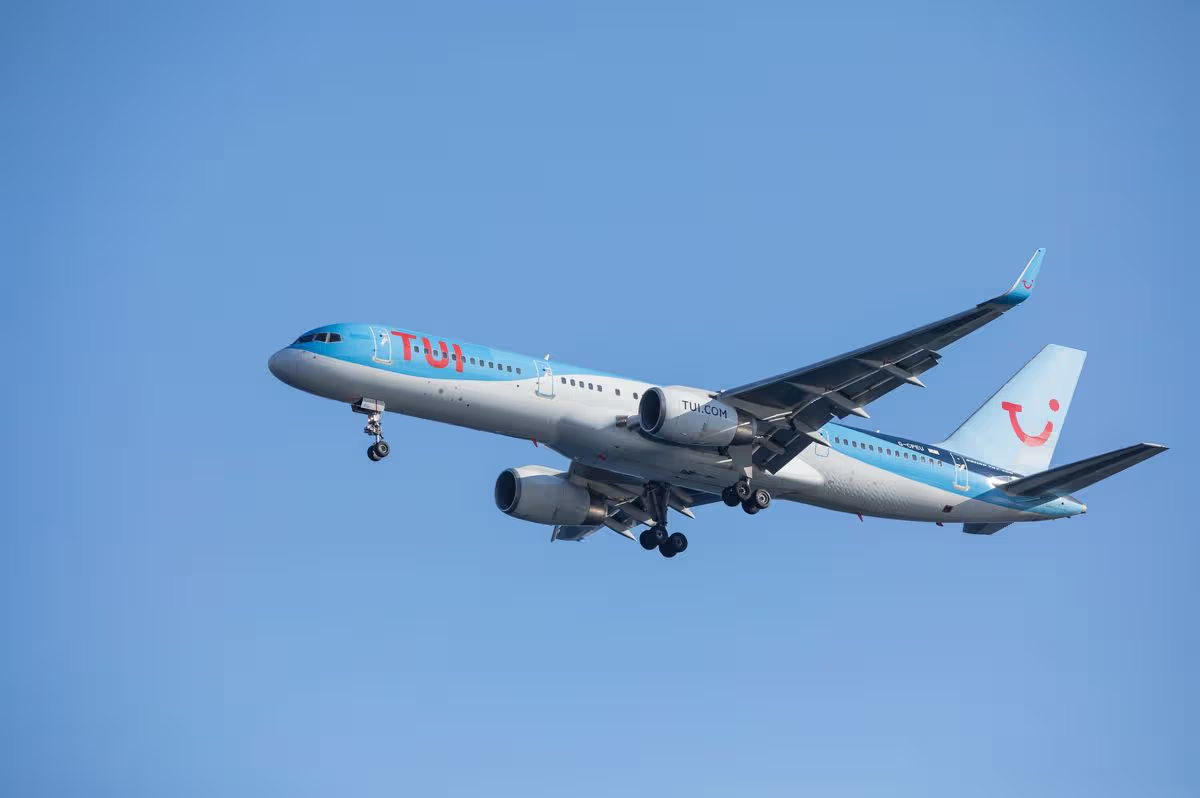
TUI has explained a strict 72-hour rule after a customer took to Facebook to complain that she had been turned down for compensation despite facing a lengthy delay. The passenger, named Elaine, said they had been due to travel to Newcastle from Tunisia last week only for the flight to be cancelled.
Posting on TUI UK Official Customer Service – Help & Advice, she said: “Just been informed from Tui that we are not entitled to compensation! TOM869 leaving Tunisia to Newcastle, all day spent at the airport 19th June flight finally cancelled, and overnight accommodation finally organised.
“WE returned to the airport on the 20th to experience a 5 hour delay! Disgusting always highly regarded Tui disgraceful experience and treatment.”
According to another poster they had been due to be on the same flight but there were several issues which led to the delays. Angela said: “I was on this flight, or rather i wasnt haha, but the reason given was the plane needed a deep clean and there was no one in Tunisia to do it, then the plane they were sending for us on Saturday had a fuel leak so they then had to get another plane sent from Gatwick.”
Many other TUI passengers defended the travel firm with many singing its praises. Peter said: “We were delayed coming home on Friday a couple of years ago, we had the claim form by Monday and the compensation in our bank by the end of the week.”
Christine said: “Had a delay outbound a couple of years ago. On arrival we received an email from TUI apologising, and a link to be able to claim compensation. We claimed as instructed and the money was credited to our bank well before the return flight. Can’t get better than that.”
Teresa added: “Why are you blaming Tui? Delays are the last thing airlines want as it costs them lots of money. Usually mechanical or logistical/,operational reasons for delays. We were delayed in LAX for 26 hours 3 years ago. Got a voucher for a coffee and an overnight stay in a hotel but not entitled to anything else.”
And in reply, Dannii from TUI, explained the rules telling her she had not been turned down but had claimed too soon. Dannii said: “I have taken a look and you haven’t been denied, you have put the claim in too early, you need to wait at least 72hours after the flight has landed before a claim can be made.
“So please try again after 72 hours has been since you landed. This was mentioned in the email sent, and will work once you are within the time frame.”
The TUI website also sets out the 72-hour rule which is in place for all flights with TUI. It advised: “Please note, if you’ve been impacted by a flight cancellation, you’ll need to wait 72 hours before you submit your claim. Unfortunately, any claims submitted within 72 hours cannot be processed.”
Flat fields of poppies and ox-eye daisies stretch out to a wide horizon. There are butterflies, vetches, salad burnet. Skylarks sing overhead and a cuckoo calls from the trees near the river. Legend has it that the poet Lord Byron swam here as a Cambridge undergraduate and, 20 years later, Charles Darwin surveyed its beetles. Heading through flowering meadows towards a nature reserve known as Byron’s Pool, I’ve walked a mile from the new £250m Cambridge South station.
Opening to passengers on 28 June, Cambridge South will be the first Great British Railways-branded station. The towering Biomedical Campus next door is Europe’s biggest medical research facility, with about 40,000 visitors a day. The station itself, with its 1,000 cycle-parking spaces, living roof and solar panels, feels like a model for sustainable transport.
The new Cambridge South station, with its living roof. Photograph: Bav Media
Like other scenic medieval cities, Cambridge itself suffers from congestion. Its cobbled alleys are crowded with tourists, its roads gridlocked with cars. But you can reach some wild and peaceful corners without adding to the traffic. There are layers of human and natural history, a newly devised art trail, bat safaris by punt and a peaceful botanic garden near the busy central station.
Cambridge has been my nearest city for the last 15 years. With lots of buses and now three stations, it’s easy to get around without a car. I’ve spent countless days exploring, and published guides to the long-distance Harcamlow Way, a 140-mile (227km) figure-of-eight walking route that loops between Cambridge and Harlow. The best rural bus routes include the busway from Cambridge North station (opened in 2017) to Fen Drayton lakes and bus 1 to Fulbourn for orchid-rich fens and chalk-flowered Saxon Fleam Dyke.
Walking and cycle paths head out in all directions from the new station at Cambridge South, and I am following one of these to Trumpington, stopping for bao buns and peach oolong tea at the Dao cafe. In the village church, I find one of England’s oldest brass monuments. Sir Roger de Trumpington, who died in 1289, is lying in prayer and full chain mail, with a little lion-clawed dog biting his broadsword. Just south of the church, archaeologists unearthed the grave of a young Anglo-Saxon woman, with a delicate gold-and-garnet cross on her chest.
Heading north through Grantchester Meadows, I have a dip in the reedy River Cam, keeping my head above the willow-shaded water. Sun glints off ripples as I swim past waterlilies, moorhens and straggling blue forget-me-nots. Walking on towards the city through Paradise nature reserve, there are birds everywhere: a cetti’s warbler sings loudly from a reedbed and a song thrush from a waterside alder. A mother duck quacks warnings from a nest-topped tree stump as ducklings paddle underneath.
Cambridge University Botanic Garden. Photograph: Travelbild/Alamy
Twenty minutes further on, Cambridge University Botanic Garden (adults from £8.60, children free) is at its fragrant best. Bees are buzzing through sage, lemon balm and lavender in the scented garden; roses sprawl above foxgloves and cranesbill. There are benches in the cow parsley under walnut and cherry trees, where I sit and listen to blackcaps and chiffchaffs. I detour five minutes up the road to buy a slice of apricot tart from Maison Clement bakery and eat it on the train home.
In the last decade or so, several hotels have (re)opened near the central station, from the right-next-door Ibis (doubles from about £80) to the fancy University Arms (from about £175), where Parker’s Tavern brasserie can pack you a gourmet picnic hamper (£45pp) with 24 hours’ notice. Nearby, one of the city’s newest offerings, Hobson by Adina, has studios from about £125.
The next day, I catch bus 13 three stops to the iron age hill fort at Wandlebury, stroll round its wooded ramparts and past flax-blue meadows, sweet with wild marjoram. The grassy track of an old Roman road runs through shady beeches and pink dog roses.
Heading back into the city, I time-travel to Victorian Cambridge, when designers such as William Morris commissioned master painter FR Leach to decorate halls and churches. I thought I’d visited nearly all the city’s 30-odd museums and galleries, but until recently I hadn’t even heard of David Parr House, which is 10 minutes’ stroll from the main station. Parr was a working-class artist, employed by Leach to paint flowers, fruit, foliage and ornate text for Arts and Crafts designers across the country. By 1886, he had saved enough to buy a terrace house on Gwydir Street, which he decorated in the style of the interiors he worked on every day. A visit to the cosy house (from £15) reveals decades of hand-painted decoration and illuminates the city’s social history.
The house is just off Mill Road, now one of Cambridge’s foodie meccas, lined with indie eateries serving noodles, souvlaki, bibimbap, bamya stew or exceptional plant-based tasting menus. Once a rough track to a windmill, Mill Road expanded with the railway into closely packed terraces. Parr’s house stands opposite an old redbrick brewery, now a stylish coffee shop. The house recently produced a new FR Leach walking map, which takes me to All Saints’ church on Jesus Lane, with its red, gold and green decor, and the Michaelhouse Cafe in a converted church, where Leach paintings can even be found in the loo. Down the road, Great St Mary’s has a360-degree view from the tower (adults £7.50).
The hand-painted interior of All Saints’ church. Photograph: Adrian Powter
After a cone of tangy blackcurrant ice-cream at Jack’s Gelato, I wander down the road to the Museum of Archaeology and Anthropology (free) to see the jewelled Trumpington cross of that young Anglo-Saxon woman, alongside a gallery of Cambridge finds, from stone-age axes to eel-catching prongs. Over the road in the Museum of Zoology (also free), I pass through sea stars and rock pythons to find Darwin’s box of neatly labelled beetles.
As the museum closes, it’s time for supper at Jordanian Little Petra: crisp-and-creamy aubergine fatteh, topped with a jewel-like layer of nuts, parsley and pomegranate seeds, and Bedouin tea, brewed with fresh mint and sage. Finally, heading to the river, swifts are whirling and screaming as the sun sinks behind the colleges.
Iain Webb, community conservation officer at the local wildlife trust, dreamed up the bat safari 15 years ago and regularly guides punts full of nature-lovers along the Cam towards Grantchester on summer evenings (£71 for two). “We need nature more than nature needs us,” says Webb. Despite all the pressures on the Cambridgeshire countryside, it’s a rich, idyllic scene.
A kingfisher flashes past, herons fly overhead with huge, slow wingbeats, and the banks are gold with carpets of buttercups. Daubenton’s bats skim low over the water, while pipistrelles swoop between dark willow branches, flickering in and out of visibility, like creatures from some parallel dimension. A few stars are coming out, the darkling air is full of birdsong, and tawny owlets are calling from a nest among the trees.
A NUMBER of iconic landmarks have closed around the country, as Brits brace for record-breaking heat.
Temperatures today have already broken June weather records, with highs of 36C seen in Surrey.
Sign up for the Travel newsletter
Thank you!
London’s Tower Bridge will close today and tomorrow due to hot weatherCredit: Dario AmadeLondon Zoo is shutting at 4pm on both days to support wildlifeCredit: Shutterstock
Multiple British landmarks have completely closed or restricted public access today as the Met Office’s red weather warning takes effect.
This comes after over 1,000 schools shut doors across the South of England, West Midlands and Wales due to rapidly rising temperatures.
Tower Bridge, a London landmark that attracts nearly one million visitors annually, has shut entirely today and will remain shut tomorrow.
Operators have said the decision was made for “the welfare of our staff and visitors”, and plan to reopen the bridge on Friday.
Changing of the Guard ceremonies at Buckingham Palace and Windsor Castle are suspended for the rest of the week.
The Household Division said: “We take the wellbeing of our soldiers and military working horses very seriously.
“Whilst it may be disappointing not to experience the Ceremonial Operations in full, it is important the wellbeing of the public, our soldiers and military working horses is maintained at all times.”
The historic spectacle, taking place on alternative days at Buckingham Palace and Windsor Castle, is a popular tourist attraction and “must see” for London visitors.
Changing of the Guard has been cancelled to protect the safety of soldiers and their horsesCredit: Getty
Major British landmarks closing this week
A number of British landmarks around the country have closed this week due to hot weather conditions
Full closures on Wednesday, 24 June and Thursday, 25 June:
Tower Bridge, Southwark
Changing of the Guard: Buckingham Palace and Windsor Castle
Young V&A, Bethnal Green
Cutty Sark, Greenwich
The Royal Observatory, Greenwich
Longleat House, Wiltshire
Severn Valley Railway, Wiltshire
Wild Zoological Park, Wolverhampton
Various National Trust properties and stately homes
Part closures on Wednesday, 24 June and Thursday, 25 June:
London Zoo – closing at 4pm on both days
Chester Zoo – closing at 2pm on Thursday
London Wetland Centre – closing at 3pm on both days
The Natural History Museum, Kensington – DC Atrium and West Entrance closed
Victoria and Albert Museum, Kensington – Galleries on level 4, alongside glass and architecture rooms
British Museum, Bloomsbury – Potential temporary closure of some galleries
Royal Parks – Spaces and playgrounds in Bushy Park, Greenwich Park, Hyde Park, Kensington Gardens, Richmond Park, St James’s Park, Green Park, Regent’s Park and Primrose Hill, Brompton Cemetary, and Victoria Tower Gardens
Hampton Court Palace, Richmond – Magic Garden
Greenwich landmarks the Cutty Sark and The Royal Observatory have also both announced their closures, with visitors of the area recommended to view the Queen’s House and National Maritime Museum as an alternative.
Away from the capital, various National Trust properties are operating on shortened hours, such as the Stourhead Estate in Wiltshire, Blists Hill Victorian Town in Shropshire, and Mottisfont House in Hampshire.
Longleat House and the Severn Valley Railway in Wiltshire, alongside the Wild Zoological Park in Wolverhampton, have also closed today and tomorrow.
The UK’s most visited museum, Natural History Museum, alongside the Victoria and Albert Museum have temporarily closed certain sections of the building, with the Young V&A shutting entirely.
The British Museum has further said on its website: “We may also temporarily close some galleries in the Museum to ensure the comfort and safety of staff and visitors.”
Beloved family attractions London Zoo and Chester Zoo are also shutting early on certain days, with London closing at 4pm both days, and Chester Zoo closing at 2pm on Thursday.
Outside, playgrounds in London’s Royal Parks have shut to keep staff, wildlife and visitors safe, including popular sites in Kensington Gardens, Hyde Park, Regent’s Park, and more.
Hampton Court Palace has also shut its Magic Garden from 1pm today, continuing until the end of tomorrow as the hot weather continues.
The Met Office red alert is in place for swathes of the country until late tomorrow night, with warm weather anticipated for the rest of the week.
Unity Holidays has three holiday parks in the UK that have undergone huge transformations – including outdoor lidos, boardwalks and heaps of activities
16:20, 24 Jun 2026Updated 17:05, 24 Jun 2026
This article contains affiliate links, we will receive a commission on any sales we generate from it. Learn more
There are plenty of cheap holiday park deals up for grabs this summer
When it comes to staycations, there’s no shortage of holiday parks to enjoy – but there are some underrated gems that have just had a huge transformation and well worth having on your radar.
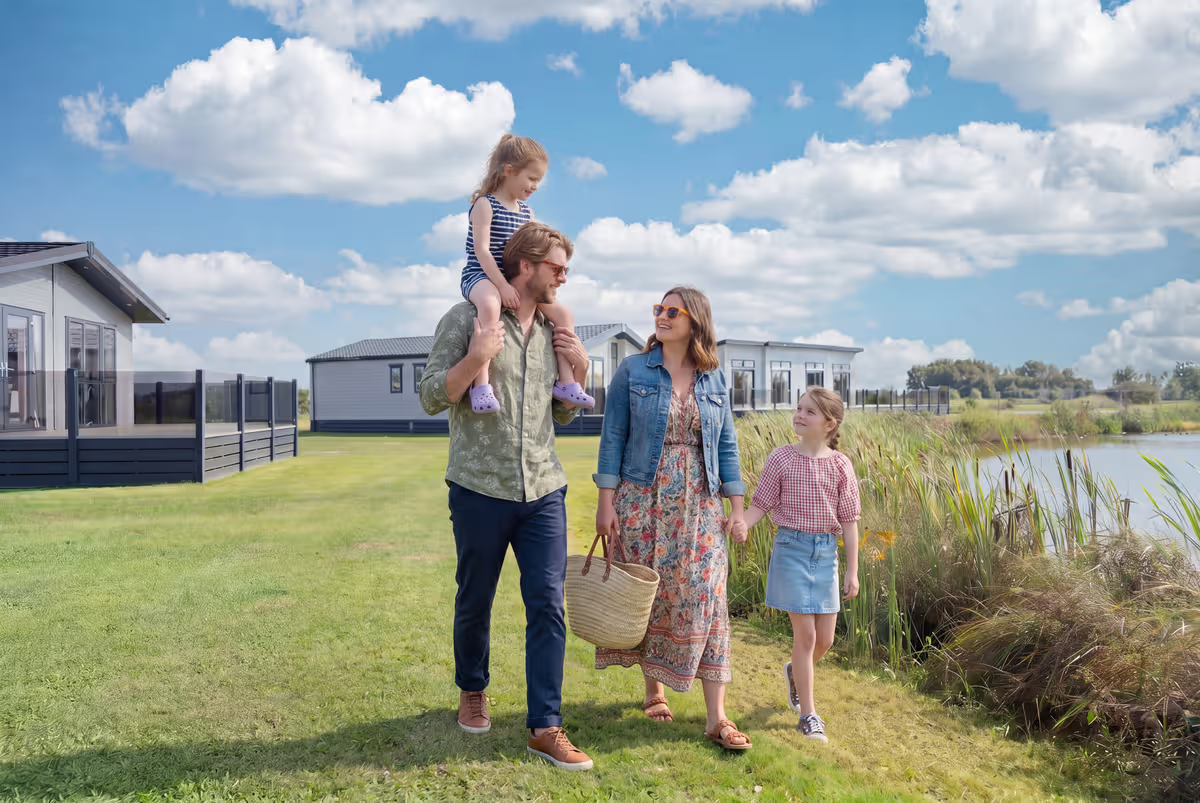
Unity Holidays has three parks – Skirlington Coast in Yorkshire, Unity Beach in Somerset and Seven Lakes in Lincolnshire – and when we took a look we found breaks from £299 for a family of four, including the peak school holiday dates.
The three parks have each undergone a multi-million pound makeover too, with heaps of new restaurants, menus and entertainment, bandstands and boardwalks, as well as trampoline parks, and bookable activities ranging from axe throwing to archery.
The huge makeovers also include outdoor lidos, watersports, and aqua parks which will no doubt be a very welcome offering during those brutal UK heatwaves.
Some of the new highlights include:
Unity Beach: a lido and splash park, a trampoline park, a dog agility park and a boardwalk
Skirlington Coast: an outdoor lido, a splash park, a dog agility park, a new playground, and a boardwalk
Seven Lakes: a refurbed bar and restaurant, as well as outdoor seating with firepits
The holiday parks also boast the likes of soft plays (a lifesaver for any parent), and are dog-friendly, including dog agility parks if you want to let your beloved pet run off some energy before flopping down for a well-deserved meal (and a cheeky drink or two for owners).
In fact, Unity Holidays are currently offering a £100 food and drink voucher with every summer break booked between July 3 and September 28, 2026, to be redeemed at any of the venues on site (excluding the grocery stores). You can book at unityholidays.co.uk and use the code UNITY100 at checkout to claim the voucher.
When we took a look, we found plenty of family breaks under £400 on offer, including the peak travel seasons.
For those who aren’t tied to school holiday dates, there are plenty of cheap breaks to be found. For example, Parkdean Resorts has three-night stays from £129 towards the end of June, while Haven has breaks from £79 in early July (before the school holiday dates). Meanwhile Away Resorts offer four-night stays from £259 outside of the school breaks.
We’ve also got plenty more staycation inspiration whether you’re after a new destination to explore, want to find more last-minute deals, or want to read our reviews of the UK’s best holiday parks and hotels, so you can start planning your next trip!
Have a travel story you want to share? Email webtravel@reachplc.com.
THE UK is home to the world’s fastest zipline – and it’s cheaper to visit this summer.
There are eight locations across the UK, one of which is Penrhyn Quarry in Wales where you can reach top speeds of 100mph.
Sign up for the Travel newsletter
Thank you!
The world’s fastest zipline flies over the Zip World quarry in WalesCredit: Zip WorldIt also has underground caverns with even more ziplines and trampolines tooCredit: Zip World
The ride allows riders to soar high over quarry for one mile, and there are four parallel lines so families can race too.
There are other activities at Penrhyn Quarry including Aero Explorer which is the UK’s largest zip-coaster.
There’s a smaller zipline called the Quarry Flyer and there’s also karting and tours of the historic slate quarry.
And this summer, Zip World is offering up to £25 off tickets.
One of the biggest savings is at Penrhyn Quarry where tickets are £99 between June 25 and September 1, rather than £124.
Here, families can also get up to two free kids’ meals with every adult main meal (children must be aged 12 or under).
Children can also eat for free at three other Zip World sites: Betws-y-Coed, Llechwedd and Tower Colliery.
While the other Zip World sites might not have to same zipline thrills, there’s still plenty to do there – at Llechwedd, there’s an underground cavern filled with trampolines.
Tickets for the world’s fastest zipline are up to £25 off this summerCredit: Zip World
Travel Writer Catherine Lofthouse who visited said her children were thrilled to find all the rides inside the former slate mine.
Catherine continued: “My boys were most excited forBounce Below – a sprawling and cavernous trampoline park whichfeaturesnets set at different levels for adventurers young and old to explore.
“The boys had an absolute blast underground, exploring all the different levels of nets and the twisty slides that connect them.
“Obviously the caves are a bit cold and damp, so you need to wear warm clothes and sensible shoes, preferably not your Sunday best.”
Meanwhile, Zip World Betws-y-Coed has the UK’s longest alpine coaster which at its fastest can travel up to 25mph.
Other Zip World sites have high ropes courses, tree top adventures and the site in London has the world’s longest and tallest tunnel slide which overlooks the 2012 Olympic Park.
IF you’re looking to escape the heat, there is a huge new indoor attraction that is the first of its kind in Europe.
Slick City in Nottingham opened earlier this year, with everything from slides to coasters.
Sign up for the Travel newsletter
Thank you!
The attraction is the first Slick City in EuropeCredit: Slick CitySlick City in Nottingham opened back in MarchCredit: Slick City
For example, you could head on Royal Flush, where you’ll head down a sheer drop before being whizzed around a massive bowl – just like the motion of a flushing toilet.
Then there is Fast Lane, which is ideal for competitive families as it is a four-lane slide.
On Hyperloop, you’ll head through a number of twists and turns.
The attraction is the first Slick City in Europe and is also home to the world’s first UV AirGlider – a gravity-powered aerial coaster that creates the feeling of flying.
In between trying out the slides, visitors can test out the interactive games as well.
There’s a freestyle air court and sports court too, which has a cushioned, bouncy base ideal for parkour tricks.
Little ones aren’t left out either, as they can enjoy a soft play area.
While the kids are playing, parents can grab a bite to eat and a drink at the onsite cafe.
Though, Slick City isn’t just for kids – big kids (adults) can also have fun at one of the adults-only nights on the first Friday of every month.
The neon-lit attraction is for ages four and older and if you just want to watch you don’t have to pay entry.
There’s also the world’s first UV AirGlider – a gravity-powered aerial coaster that creates the feeling of flyingCredit: Slick CityThere’s a soft play for little ones as wellCredit: Slick City
There are a number of different ticket types available including ones for shorter 90 minute sessions and ones for longer two hour sessions.
Tickets cost £19.95 and £24.95 per person, respectively.
If you want to go on the AirGlider you’ll have to pay extra though – it’s £4 for one ride or £10 for three rides.
When at the attraction you also have to wear CitySocks, which cost £3 a pair – but you can keep and re-use them.
One recent visitor commented: “The slides are insane and it’s just so much fun.”
Another added: “Unique experience, such a great idea.
For dry activities, you can go climbing or have a spin at the roller disco.
A three-night stay from June 26 to 29 costs from £215, working out at £17.92 per person per night, based on a family of four – book it here.
Appletree Holiday Park has a nine-hole golf course as well as a splash padCredit: Away Resorts
Appletree Holiday Park, Lincolnshire
Found in Boston, Lincolnshire, Appletree Holiday Park sits in the countryside, with a nine-hole golf course and a splash pad for little ones.
While at the park, you can also have a go at the driving range or even explore by hiring a bike.
Little ones needing to burn off steam can also drop by the play area.
Guests can choose to stay in either a lodge or caravan, with the premium lodges boasting hot tubs as well.
A two-night stay from June 26 to 28 costs from £189.60, working out at £23.70 per person per night, based on a family of four – book it here.
Glendale Holiday Park has easy beach accessCredit: Glendale
Glendale Holiday Park, Cumbria
In Cumbria, you could stay at Glendale Holiday Park, which overlooks the Solway Firth – an Area of Outstanding Natural Beauty.
The park has both the countryside and coast to explore.
At the site itself, there is a swimming pool, an entertainment bar and an onsite restaurant as well.
There is also easy beach access.
A three-night stay from June 26 to 29 costs from £139, working out at £11.59 per person per night, based on a family of four – book it here.
At Broadland Sands, you can head to the indoor heated swimming poolCredit: Park Holidays
Broadland Sands, Suffolk
For a Suffolk break, you can head to Broadland Sands Holiday Park, sitting on the East Coast border.
Near Lowestoft, the holiday park is home to a heated indoor swimming pool with its own water flume.
There’s also a dinosaur-themed adventure golf course, as well as more sporty activities including a climbing wall.
For those wanting to spend some time outdoors, you can also head on a nature trail.
Then in the evening, sit back and enjoy some of the entertainment, including cabaret and live bingo.
A three-night stay from June 26 to 29 costs from £179, working out at £14.92 per person per night, based on a family of four – book it here.
Tarka Holiday Park Devon is just a short walk from the beach tooCredit: Tarka
Tarka, Devon
Tarka Holiday Park is less than five miles from the popular Devonshire town of Barnstaple.
The holiday park focuses on being a more peaceful retreat, so instead of pools, you’ll find a paddock and children’s play area.
Ideal for enjoying the warm weather, there is also an onsite picnic spot.
And for adventures outside of the park, you can head to the Tarka Trail, which stretches 180 miles and follows the steps of Henry Williamson’s Tarka the Otter.
A three-night stay from June 26 to 29 costs from £159, working out at £13.25 per person per night, based on a family of four – book it here.
South Bay Holiday Park in Devon is about 10 minutes from the beachCredit: South Bay
South Bay Holiday Park, Devon
Set on the English Riviera in Devon, you can head to South Bay Holiday Park.
The Brixham-based holiday park is home to an indoor pool, an outdoor pool and even a toddler pool.
There’s also a host of entertainment at the park, including a kids’ club and evening shows.
From the park, there is a direct path to the beach, which takes about 10 minutes to walk.
A three-night stay from June 26 to 29 costs from £199, working out at £16.58 per person per night, based on a family of four – book it here.
Summerfields Holiday Park in Great Yarmouth has a soft play area for little onesCredit: Summerfields
Summerfields Holiday Park, Great Yarmouth
Close to Norfolk Broads National Park, you could stay at Summerfields Holiday Park in Great Yarmouth.
The holiday park boasts a heated indoor pool along with a sauna and for a bite to eat, you can head to The Boathouse.
If it gets too hot outside for the little ones, inside you’ll also find a soft play area, as well as arcades.
A three-night stay from June 26 to 29 costs from £160, working out at £13.34 per person per night, based on a family of four – book it here.
Tattershall Lakes in Lincolnshire is a great spot for water sport-loving familiesCredit: Supplied
Tattershall Lakes, Lincolnshire
Set across 360 acres, Tattershall Lakes Country Park features woodlands and lakes.
The holiday park is a great spot for water sport-loving families, with activities including jet-skiing, water-skiing, wakeboarding and even an inflatable Aqua Park.
If that wasn’t enough water-based activities, there is also an indoor and outdoor pool and spa.
In the evening, you can head to the clubhouse as well for entertainment.
A two-night stay from June 26 to 28 costs from £199.20, working out at £24.90 per person per night, based on a family of four – book it here.
Lower Hyde Holiday Park has both an indoor and outdoor poolCredit: Parkdean Resorts
Lower Hyde Holiday Park, Isle of Wight
Lower Hyde Holiday Park in Shanklin on the Isle of Wight is a great spot if you want to feel like you are travelling abroad but without the long-haul flight.
At the Parkdean site, you can head to the outdoor pool, which has its own flume, as well as another pool inside.
For some entertainment, there’s Squires Showbar.
And if that all wasn’t enough, the park is also only a 20-minute walk from Shanklin Beach.
A three-night stay from June 26 to 29 costs from £189, working out at £15.75 per person per night, based on a family of four – book it here.
The biggest hotel guest faux pas have been revealed – including jumping the breakfast buffet queue and stealing from rooms.
This article contains affiliate links, we will receive a commission on any sales we generate from it. Learn more
Jumping the breakfast buffet queue was one of the biggest hotel faux pas(Image: Hotels.com)
Frowned upon acts when staying in a hotel include reserving pool chairs with towels for long periods, leaving rooms excessively messy and being loud in the hallways late at night. Other divisive acts include hanging damp laundry on the balcony, not leaving a review after staying and being rude to hotel staff.
Smoking or vaping in hotel rooms is also considered a no-no, as are putting the incorrect number of guests on the reservation and leaving alarms or phones to ring for long periods of time without turning them off. While not reading reviews when booking and not collecting or cashing in rewards points are also viewed unfavourably.
In response to a survey of 2000 people who have ever stayed in a hotel, Hotels.com, which commissioned the research, is offering holidaymakers £100 in ‘Hotels.comCash’ for future trips after staying for 10 eligible nights through its rewards programme.
Melanie Fish, travel expert and spokesperson for the global marketplace, which has also teamed up with William Hanson for a ‘Grand Etiquette Hotel’ guide, said: “Small tweaks can make a world of a difference.
“Taking the time to check reviews or making the most of rewards can turn a good trip into a great one, and help your travel budget stretch further, too.”
Researchers found the vast majority (90%) consider themselves to be considerate guests – although 39% think residents have become less respectful in recent years.
Sneaking extra guests in and constant public displays of affection around the pool are also frowned upon by hotel guests.
Those polled were also asked which nationalities they consider to be the gold standard for politeness – and which ones they think tend to be rudest.
Japanese tourists were ranked as the most considerate, followed by Sweden in second place, with U.K. respondents placing themselves third.
At the other end of the scale, Americans are regarded as the most impolite.
They ranked just beneath those from Germany, according to Hotels.com research conducted through OnePoll.
William Hanson said: “Better hotel etiquette doesn’t just benefit others, it can directly enhance your own stay.
“At the heart of my guide is the idea that small, thoughtful behaviours add up to big rewards: from a better night’s sleep and improved service to savings on future trips.”
For the first time in 48 years, Japan has changed its visa fee, rising by a staggering five times for foreign nationals, who will need to pay an extra £55 when visiting
Japan has increased its visa fees for tourists(Image: Getty Images)
Japan has dramatically hiked its visa fees for tourists, with the cost of entry now a whopping five times higher.
From Wednesday, 1 July, many foreign nationals travelling to the country home to Mount Fuji will be required to pay 15,000 yen (£69.99) for a single-entry visa, a sharp rise from the previous 3,000 yen (£14). Meanwhile, multi-entry visas will now set travellers back 30,000 yen (£139.98), jumping up from 6,000 yen (£28).
This represents a staggering fivefold increase, meaning visitors will fork out an additional £55.99 for a single trip, or £111.98 for a multi-entry visa. Remarkably, this marks the first time Japan has raised its visa fees since 1978 — a full 48 years ago.
Foreign Minister Toshimitsu Motegi said the changes were made to “reflect inflation and exchange rate fluctuations”. He added: “We do not anticipate that it will have an immediate impact on inbound tourism.”
The updated visa fees will apply to all applications submitted on or after 1 July, 2026, as the nation continues to experience a surge in visitor numbers. Last year alone, Japan welcomed a remarkable 42.7 million international tourists, with iconic destinations such as Tokyo, Kyoto and Osaka remaining amongst the most sought-after, reports the Express.
The good news for Brits is that Japan has reciprocal visa exemption arrangements with 74 countries and regions, allowing citizens to enter for short-term stays without a visa. UK passport can stay for 90 days visa-free.
Japan’s new visa charge places it among the pricier destinations to enter globally. Other nations with steep tourist visa costs include the UK, where a standard visitor visa costs £135, and Ghana, where travellers from non-African nations pay $260.
Some countries levy per-night charges, with Bhutan ranking among the most expensive. A daily sustainable development levy of $100 is imposed per adult.
The Foreign, Commonwealth & Development Office (FCDO) advises that Brits travelling to Japan must make sure their passport remains valid for the duration of their visit. The FCDO states on its travel advice page: “No additional period of validity is required. You need a blank page for your visa stamp.”
In guidance on obtaining a visit, the Foreign Office adds: “You can get a visa on arrival in Japan for tourism or business for up to 90 days. You do not need to apply before you travel. If you need a multiple-entry visa, you must ask the immigration officials when you arrive. If you want to stay longer, you can apply at your nearest immigration office for an extension for another 90 days. Your passport must be valid for the period of the extension.”
The FCDO adds: “For long-term stays or to work or study, you must meet the Japanese government’s entry requirements. Check which type of visa you need. It is illegal to work in Japan without the correct visa, no matter how informal or temporary the work.
“If you overstay your permission to remain in Japan, you risk arrest, detention and a heavy fine. For residency information, see the Japanese Immigration Services Agency website and read about living in Japan.”
While there is no advice against travelling to Japan, the FCDO has warned about “global travel impacts due to escalation in the Middle East.” They stated: “Escalation in the Middle East has caused widespread travel disruption, including airspace closures, delayed and cancelled flights.
“Your travel plans may be affected, even if your destination is not in the Middle East. Before you travel:
Check travel advice for any countries or territories you are transiting through
Check for the latest updates from your airline or tour operator
Review your travel insurance policy for coverage
Monitor local and international media for the latest information and sign up for travel advice email alerts.”
There are several Jet2 rules to note when planning your trip
Jet2 has clarified its luggage rules(Image: Getty)
Jet2 has clarified its baggage allowances after an enquiry from a holidaymaker. The customer asked for help as they got ready for their summer getaway.
The person contacted the provider over social media on June 23. The traveller had booked their journey through Jet2holidays, and was due to jet off the following week.
They posed a question about their luggage entitlement. The customer wrote: “We have 3 x 22kg baggage allowance. Assume we are good to check in just two bags provided weight doesn’t exceed allowance?”
They went on to ask if they could check in one suitcase weighing 23kg and another at 25kg while remaining within their total allocation. Jet2 replied to set out the options available to the customer.
Combining your baggage allowance
The airline confirmed: “You can pool your luggage into two suitcases as opposed to three, as long as this doesn’t exceed your combined allowance of 66kg, and that no single article of luggage exceeds 32kg. I hope this helps.”
State Pensioners to face major tax change
According to Jet2’s official guidance: “Any baggage that exceeds your total weight allowance will be carried subject to availability and at our discretion. You’ll also need to pay an excess baggage fee, which is £12 per kg. Please note that no single item of baggage can weigh more than 32kg.”
You can add extra luggage when you book or through the Manage My Booking facility. Simply enter your booking reference, surname and departure date, then navigate to ‘Add Holiday Essentials’.
Query over 10kg allowance
Jet2 was also recently asked another question about its baggage weight rules after a passenger reported receiving contradictory information. The person had a booking for two adults and a six-month-old infant.
They explained: “Told we get two extra carry ons such as a buggy and travel cot that will be checked into the hold at the gate.”
They said they had two 22kg checked bags and that on a prior Jet2 holiday they had been told they qualified for “an extra 10kg for the baby”. According to Jet2’s official website guidance for bookings with children, passengers receive “an extra 10kg allowance for infants” plus “up to two items per child or infant free of charge”.
The passenger asked whether the additional 10kg could be combined with one of the 22kg cases, creating a 32kg allowance. They described receiving mixed messages on their last Jet2 journey. The customer recalled: “On the way out with you we were told it’s fine to have a 32kg case (22kg + the 10kg).
“On the way back we were told the 10kg should be a separate small checked case. Please can you clarify which it is and what the rules are because on our last holiday with you we were told different things.”
Setting the record straight, Jet2 responded to the passenger: “The additional 10kg is applied to one adult’s baggage, allowing for a total of one bag at 32kg and one bag at 22kg.”
NEW passport rules that came into force earlier this year are STILL catching people out, with one mum recently left stranded abroad.
Brits who are dual national passport holders – thought to be as many as 1.2million – can no longer use their foreign passport to enter the country.
Sign up for the Travel newsletter
Thank you!
The new travel rules came into force in February of this yearCredit: Alamy
Since February 25, the change in rules meant that anyone with dual nationality has to use a valid British passport when arriving into the UK.
Anyone without this must instead have a certificate of entitlement, which costs £589.
Passengers trying to enter the country by plane, ferry or train without either of these risks being banned from travelling.
One British woman was recently caught out when she was trying to travel from Copenhagen to Manchester with her two children, only to be stopped from boarding her flight.
Colette Bjorn-Alderson, who has lived in the UK for 28 years, had been in the Danish country since April, but was returning to the UK with her six-week old and 23-month old for a friend’s wedding.
However, her two children only had Danish passports which meant they didn’t have valid travel documents for returning to the UK.
She told The Times that she felt “unwelcome in my own country” after being turned away from the flight.
Colette sent photocopies of her documents to the Home Office – but ultimately the decision was made that the family could not fly.
Not only has she been left £1,000 out of pocket, she said the only way to get UK passports for them while in Denmark can take up to three months, while the certificates take eight weeks.
She added: “It was a nightmare. I’ve cried a lot.”
Dual nationality passport holders must have a valid UK passport or certificateCredit: Alamy
A WELSH seaside town has been put on the map globally thanks to two very famous celebrities spotted there this week.
Singer Kylie Minogue and Hollywood director Quentin Tarantino have been seen in the pretty seaside town of Porthcawl.
Sign up for the Travel newsletter
Thank you!
Two A-listers were spotted filming in the seaside town of PorthcawlCredit: AlamyKylie Minogue was spotted filming a scene at a local cafe with Quentin TarantinoCredit: WNS
It isn’t for a holiday – but for filming upcoming movie called Tangled in the Blue, directed by Welsh filmmaker Jamie Adams.
They were caught going to the Saltwater Inn pub, where onlookers said the celebrities “laughed and sang together” for a scene.
Other nearby sightings include at Newton Church, being used for a funeral scene in the film, and at Parkgate Hotel in Cardiff.
But Porthcawl itself is a popular beach town even without the endorsements of the mega stars, with seven bays and two Blue Flag beaches – Rest Bay and Trecco Bay.
She said: “Porthcawl, the ‘jewel of South Wales‘ has the lot. A spectacularly cragged coastline and a swathe of sandy beaches, kissed by sparkling seas – and all just a stone’s throw from the mountains.
“OK, so it might not be the Caribbean, but it does offer fun and frolics for those on a budget.”
“We kicked off activities in Rest Bay. Our morning surf lesson with the brilliant Hugh woke us up quicker than you could say ‘coffee‘.”
The Welsh seaside town has seven beaches – two of which are Blue FlagCredit: Getty – ContributorTrecco Bay Holiday Park is the largest in the countryCredit: Handout
Emma continued: “Within two hours we’d gone from complete beginners to standing up and catching waves.
“Who needs the Maldives when this precious little corner of the UK packs such a punch?”
Along with 2,000 caravans (which can welcome up to 50,000 guests during peak holiday periods) also on-site is a huge entertainment plaza with everything from crazy golf and high ropes to a swimming pool and splash pad.
There’s a bowling alley and for older kids the Next Level Gaming Arena has over 25 consoles including PS5 and Xbox.
Other outdoor activities include archery, hover boards, bumper zorbs and there are even pedal karts to get around.
The park puts on shows, and there’s even Paw Patrol Mighty Missions for little ones.
The holiday park has all the essential facilities like restaurants, cafes, bars, there’s also a launderette, supermarket and even a chapel.
When the sun is shining, guests can enjoy the sprawling sandy Blue Flag beach right on its doorstep.
A four-night stay across this weekend in a Bronze two bedroom caravan which sleeps four people works out to £405 – or £25.31pppn.
If you fancy making a week’s holiday (from June 27 – July 4), then this works out as just £16.40pppn.
Or, sign up with Sun Club and you could stay at Trecco Bay from £9.50.
It has a huge splash park, swimming pool and plenty of other activities to doCredit: Handout
Book Trecco Bay with Hols from £9.50…
Here’s how you can stay at Trecco Bay Holiday Park from £9.50
Parkdean Resorts Trecco Bay is one of 300+ holiday parks you can book with The Sun’s Hols from £9.50.
New breaks at Trecco Bay will be released with the next drop of £9.50 holidays on Wednesday, July 8.
However – if you are signed up to Sun Club – you can get in and book your holiday a whole day EARLY.
Sign up to Sun Club for £1.99 a month and you will have priority in picking from hundreds of new dates for holidays, from 0:01AM on Tuesday, July 7.
Click here to sign up to Sun Club and get early access to booking your Trecco Bay holiday.
Right now, the White Island is 30C, whereas parts of the UK could reach 40C this week. Now seems like the perfect time to head to the beach for a little cooling dip
As everyone who’s been to Ibiza likes to tell you, the Balearic island is more than just Pacha, 50 euro glasses of Prosecco, and ecstasy tabs. It’s also very pretty.
Ibiza’s coast is defined by turquoise waters, dramatic pine-forested cliffs and hidden sandy coves. The most visually stunning spots are scattered across the island, with top-rated options including the sunset views at Cala Comte, the lush nature of Cala Saladeta, and the iconic rock formations at Cala d’Hort.
Right now, the White Island is 30C, whereas parts of the UK could reach 40C this week.
In Cornwall, the thermometer is bopping around the mark, making a trip to the coast a tempting prospect. Happily, there is a beach that shares many of the qualities of those on the comparatively chilly Ibiza.
It sits beneath towering cliffs that shield it from the wind, with stunningly clear waters that prove ideal for swimming and snorkeling.
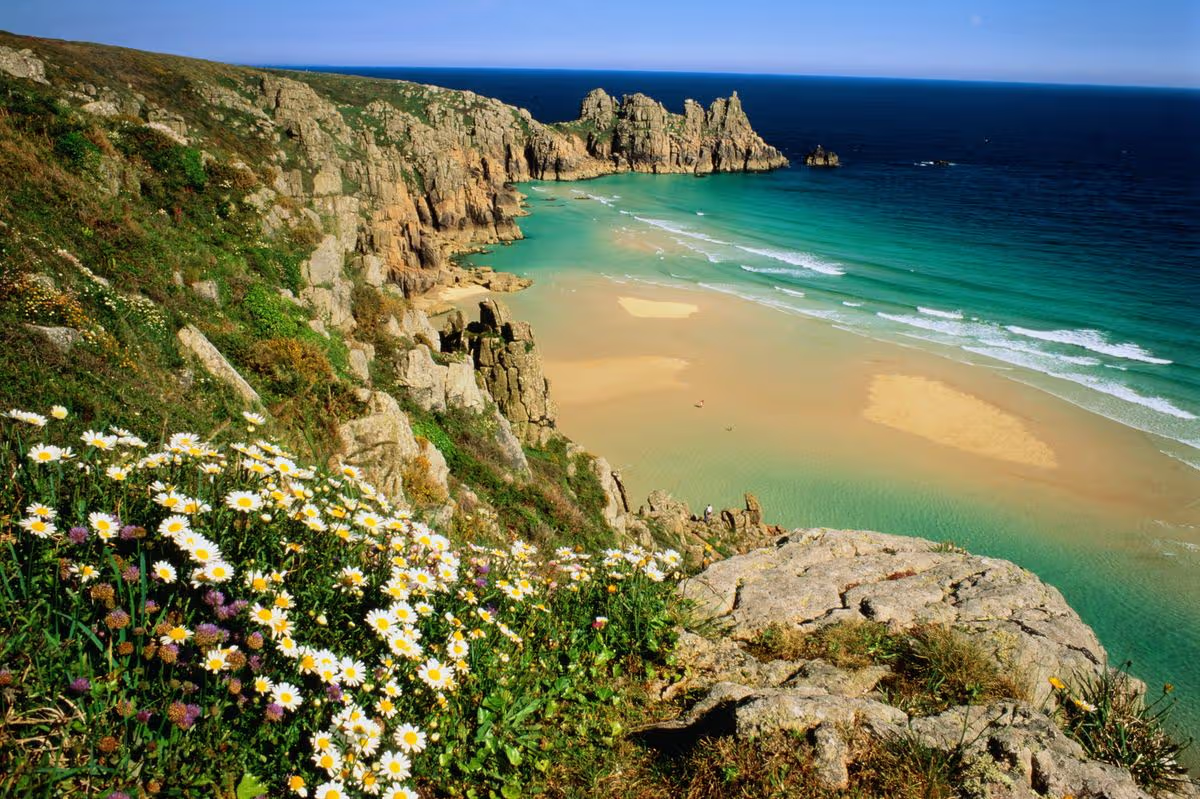
Porthcurno has pure white sand with gorgeous turquoise waters to match. It has the ability to transport you to paradise.
The sand is made up of seashells pounded to powder by the sea over millions of years, which is partly responsible for the beautiful colour of the water. Porthcurno’s south-facing direction, flanked by high headlands, provides natural shelter from the wind and weather, giving the beach its own near-microclimate. The towering cliffs on either side make it easy to find a sheltered spot even on the most blustery of days.
The renowned open-air Minack Theatre is carved into the cliffs above, meaning you can enjoy a Shakespeare play with a sea view.
The theatre was the vision of one woman who decided to carve a clifftop theatre at the bottom of her garden. It’s well worth the climb up the cliff path, if only for the view back down over the bay. You need to book tickets in advance for performances.
The best time to visit is mid to low tide. At low tide the beach widens dramatically, and you can walk to nearby Pedn Vounder. As the tide retreats from Pedn Vounder, a golden sandbar rises out of the turquoise sea creating a shallow lagoon pool. It’s visible for around two hours either side of low tide, according to Cornish SecretsAnywhere We Roam
In the late nineteenth century, Porthcurno became the British connection point of the world’s very first international telegraph cable, stretching all the way to India. In the inter-war period, the cable office briefly became the busiest telegraph station in the world, capable of transmitting up to two million words a day. The Porthcurno Telegraph Museum is right there and well worth a visit.
Driving is by far the easiest way to get to the beach, with public transport options sadly limited. It takes about 25 minutes from Penzance or 45 minutes from St Ives. The car park fills up quickly on peak days, so arrive early or late.
Dogs are banned from the beach between 15 May and 30 September, between 10am–6pm. RNLI lifeguards patrol from mid-May to the last weekend of September.
One visitor wrote on Tripadvisor the beach was “absolutely breathtaking. The most amazing beach beautiful white sand and turquoise sea. Breathtaking views and definitely one of the best beaches you will ever find.”
Another said: “Spent the day here, it’s just like being abroad, clear blue skies water, perfect sandy beach and so peaceful. No arcades, no boats, no noise, just gorgeous.”
Bob Blumenfield would like to see Angelenos’ old banana peels and moldy bread stay local.
On Tuesday morning, the City Council member told a small crowd of waste advocates in front of city hall that he was introducing a motion to reduce the city’s greenhouse gas emissions by strengthening local composting infrastructure and decreasing reliance on distant facilities.
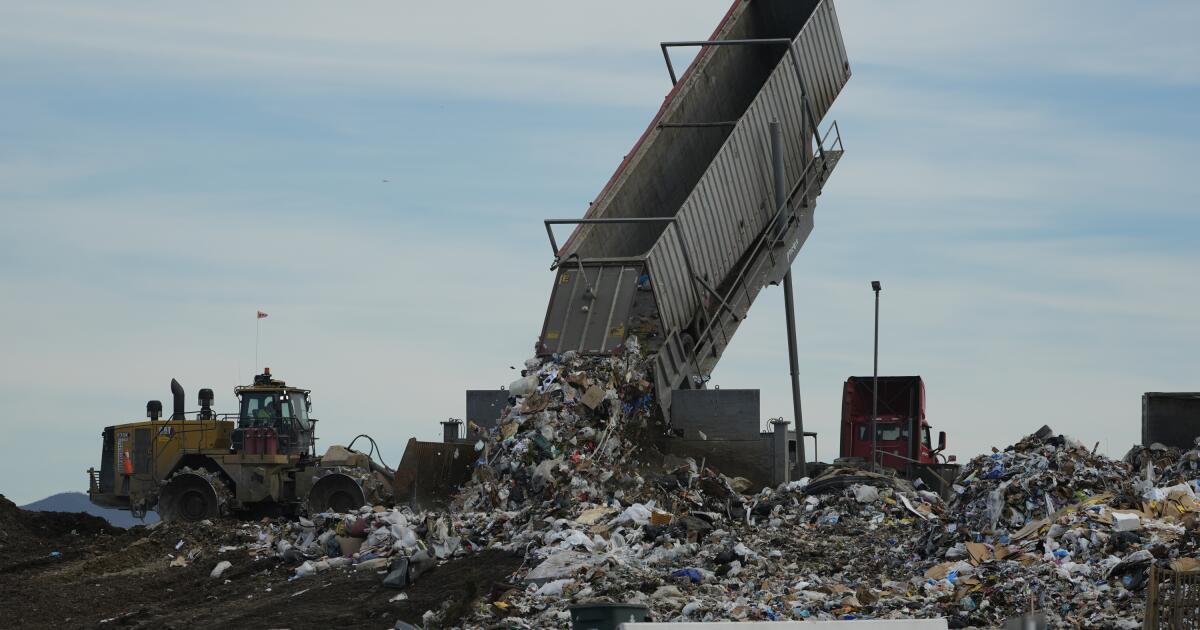
Currently, when city residents separate their food waste and yard clippings, chances are it’s being trucked to faraway processing facilities in Bakersfield or Lancaster.
The motion would help the city meet targets set by California’s Short-Lived Climate Pollutant Reduction Strategy, or Senate Bill 1383, which phases out sending green waste to the landfill, because it is a major source of the powerful climate pollutant methane.
It also would help meet Mayor Bass’ Climate Action Plan, which aims to use at least 50% of locally produced compost and mulch within Los Angeles by 2030. Currently, only 25% to 30% of the city’s material is applied to land locally.
The city produces approximately 350,000 tons of organic material a year, Blumenfield told the crowd, which he said equates to roughly 1.2 to 1.5 million metric tons of carbon dioxide.
“That’s a big number, and when you do the math,” he said, that’s roughly the same amount of carbon dioxide released by the entire country of Belize, the entirety of Humboldt County or the equivalent of burning 1.6 billion pounds of coal per year.
As the announcement was underway, in the background a fire burned for a sixth day in a Boyle Heights warehouse, where 85 million pounds of frozen food was thawing and beginning to rot.
Signed into law in 2016, the state’s composting bill mandated a gradual increase in the amount of organic waste that must be diverted away from landfills. It required 50% of all green and food waste be diverted by 2020; by 2025, that number was supposed to hit 75%.
But it hasn’t. Although Los Angeles has pushed to get a residential curbside bin program in place — recall the “Great Green Bin Apocalypse of 2025” — it has struggled to get people to comply.
According to reports for the recycLA program, a commercial and multifamily waste collection franchise program, only about half of households and business are separating their compostable waste.
Alex Helou, assistant general manager of L.A. Sanitation & Environment, provided a much brighter picture of the city’s food waste situation. L.A. is the first major city to provide green bins to 750,000 residential customers, he said. The city has “exceeded expectations” in food recovery, he said, saving 80 million meals that would have been thrown out and redirecting them to people in need.
Helou said Blumenfield’s motion completes the loop by keeping food waste close to home, creating more local composting and reducing greenhouse gas emissions from transporting waste outside of the city. It doesn’t directly affect the city’s compliance with SB 1383, but that isn’t necessary, he said. “We’re meeting that and exceeding that at multiple fronts.”
Blumenfield’s initiative directs the Bureau of Sanitation to develop a plan for expanding local composting across the city. It would also increase the use of locally produced compost and mulch.
For instance, the motion would encourage using the compost on urban farms and at community gardens and city parks. It also would be used to replace artificial grass and turf.
It will support a “citywide transition away from artificial turf and towards nature-based solutions, such as California native plants and natural grass plant fields, and ensure everyone has access to safer, cooler, and sustainable parks, schools, and communities,” said Terry Saucier, a Tarzana resident and member of the Neighborhood Council Sustainability Alliance and the Tarzana Neighborhood Council.
The state’s composting law has proved challenging on several fronts.
The Antelope Valley has become a dumping site for many of the city’s haulers looking to cut transport and facility costs — causing concern among environmentalists and others who say the material is destroying fragile ecosystems.
Complying has been particularly difficult for Los Angeles and much of coastal Southern California, where there are few large composters and low demand for compost. Unlike areas to the north, there is little agricultural demand for compost and mulch.
Experts say dumping in the desert has always been a problem, but the law made it worse by making it more expensive and difficult to deal with.
In addition, composters are struggling with the amount of plastic and other debris that people and businesses put in the food waste bins.
According to a report by Closed Loop Partners, which partners with companies such as Pepsico and McDonald’s, nearly 4% of food waste is contaminated with other materials — most of it plastic. State law requires that finished compost contains no more than 0.5% by dry weight of physical contaminants.