Arab News | Syria steps up literacy drive as war, displacement leave one in five illiterate
DAMASCUS: Syria’s Culture Ministry is stepping up efforts to combat illiteracy and expand access to adult education as the country grapples with the legacy of years of war and displacement that has left about one in five Syrians unable to read or write.
The ministry highlighted the scale of the challenge at an event marking International Literacy Day, where officials outlined plans to expand literacy programs, introduce new teaching methods and use digital technology to reach people who have been excluded from education.
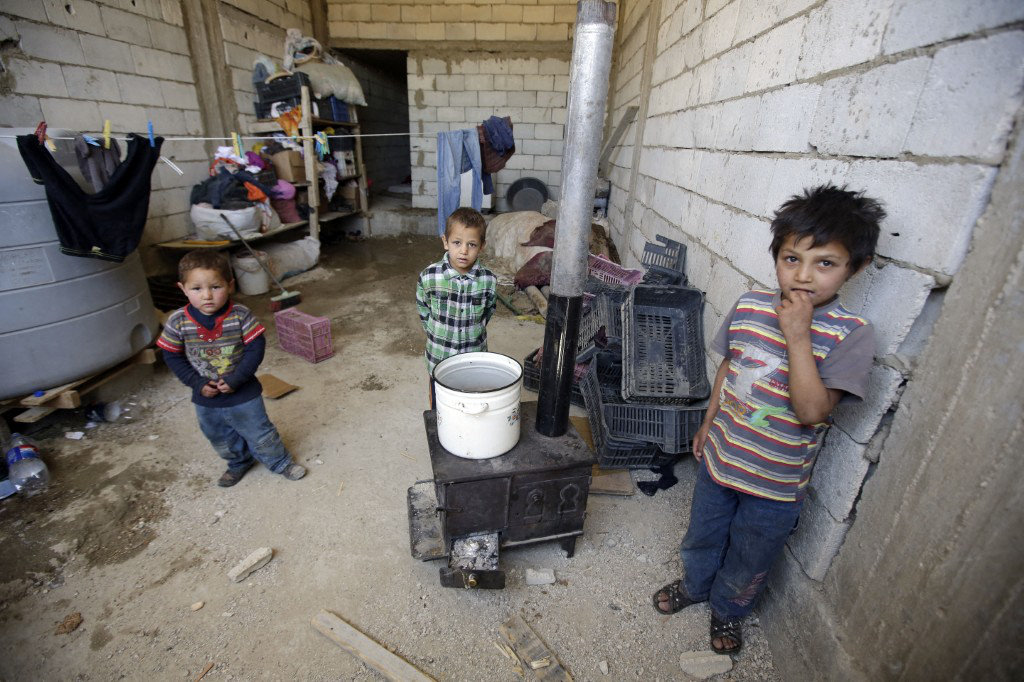
Ministry data presented at the event showed that around 4 million people in Syria are illiterate, equivalent to about 20% of the population, while an estimated 2.5 million children have dropped out of education.

Officials said years of war, displacement and deteriorating economic and social conditions had contributed to the high numbers, making literacy not only an educational issue but also a challenge for the country’s broader recovery and development.
Targeting single-digit illiteracy rate
Mohammad al-Asha, director of the Cultural Development and Adult Education Department at the ministry, said authorities were pursuing two parallel approaches to address the problem.
More than 400 literacy courses have been launched since the beginning of the year as part of an immediate response, while the ministry is also developing a national plan aimed at reducing the illiteracy rate to single digits within three years.

New curricula are expected to go beyond basic reading and writing skills to include digital and legal literacy, critical thinking and Syrian cultural identity, as well as awareness aimed at preventing extremism, addiction and behavioral problems.
Deputy Culture Minister Ahmad al-Sawwaf said literacy was closely linked to human dignity, development and citizenship, describing reading and writing as essential tools for people to understand their rights and responsibilities and participate in rebuilding their communities.

Digital tools to broaden access
The event also focused on using digital technology and artificial intelligence to expand adult education at a time when limited resources and staffing pose additional challenges.
Engineer Ramez al-Sammak said digital tools could be used to assess learners’ abilities and tailor educational content to individual needs, helping move literacy programs beyond traditional classroom-based teaching.
Such technology could also help programs reach more people and address difficulties including low motivation and the challenge of attending lengthy courses, participants at a specialized seminar on digital literacy education said.
The event honored 18 people who had benefited from adult education programs, including some who went on to complete secondary education and others who used their newly acquired skills to start income-generating projects in food production, handicrafts, woodworking and crochet.

People with disabilities who continued their education despite difficult circumstances were also honored.
The Culture Ministry said tackling illiteracy required a broad national effort to help vulnerable groups regain access to education and overcome economic, social and psychological barriers.
Through its Adult Education Directorate, the ministry implements Syria’s national literacy policy and develops programs aimed at providing sustainable learning opportunities and helping people excluded from formal education participate more fully in social and cultural life.