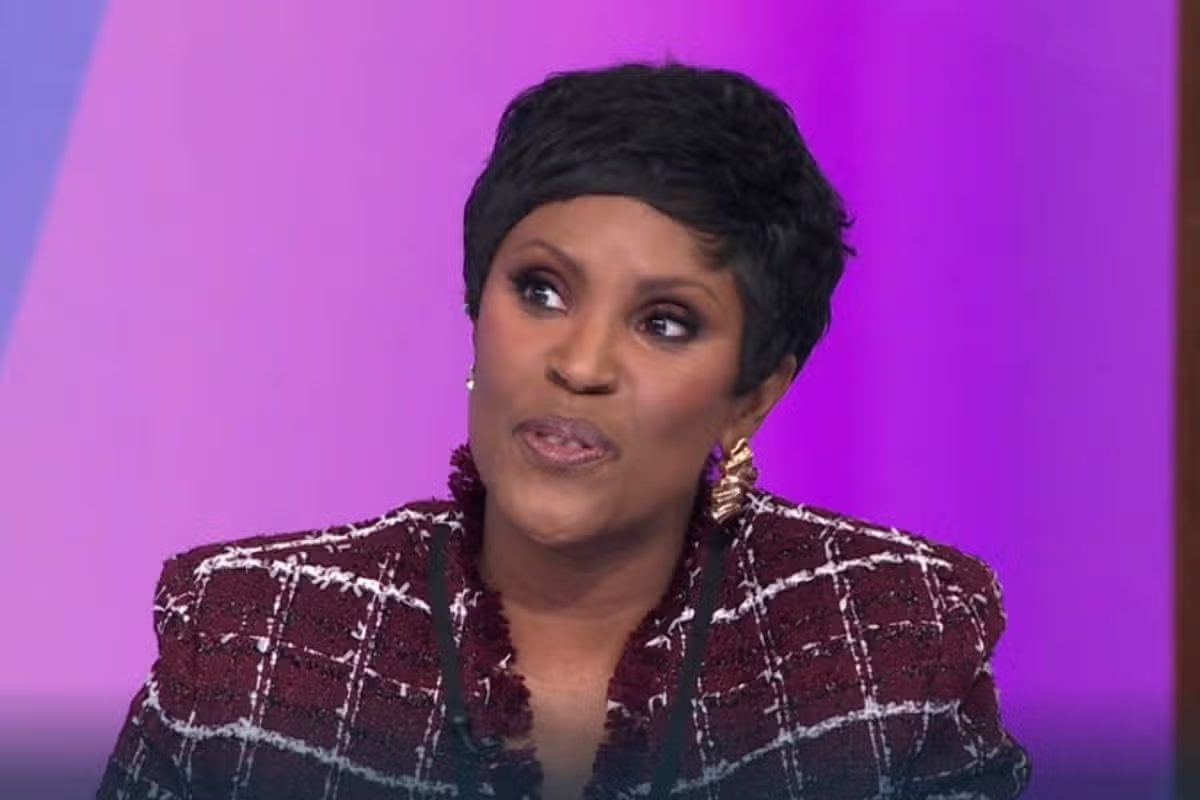
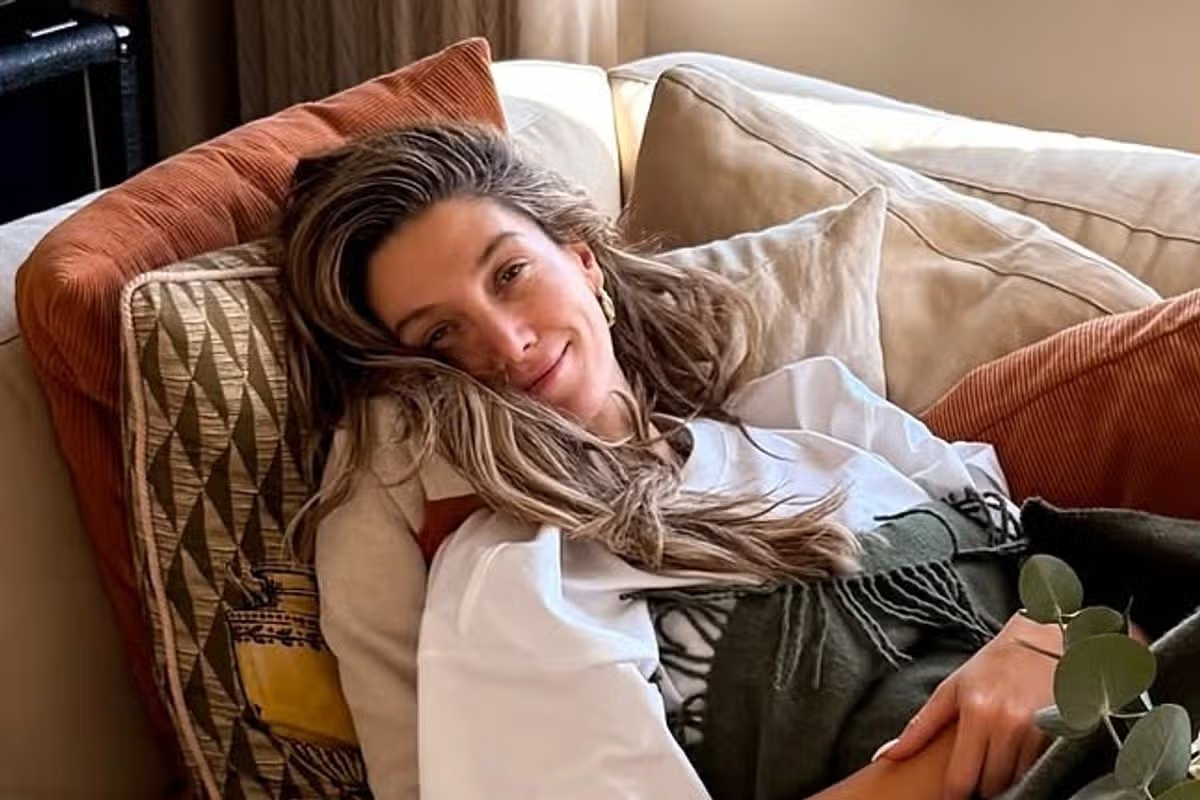
Charlene White, Brenda Edwards, Judi Love, and Kéllé Bryan returned to ITV screens this morning (Thursday, October 15) to front today’s instalment of Loose Women, where they were on hand to discuss the latest news and headlines from around the globe.
Just seconds in, today’s hosts shared some “sad news” that came as a shock as they expressed their love and support for their co-star, Ruth Langsford.
Earlier this week, Ruth took to social media to share the heartbreaking news that her dog Maggie had died, paying an emotional tribute.
On the show, Charlene said: “We’re going to start with some really sad news, actually. It came as a bit of a shock to all of us this morning when our Ruth shared the news that her beloved dog Maggie has sadly passed away.”
Sharing the emotional tribute Ruth had paid this morning, Charlene then added: “Loads of you watching will of course have known Maggie for years, wouldn’t they? All of us, she’s like a part of our family.”
Brenda said, “We were literally on the panel on Monday talking about Ruth and Maggie. Maggie is in every single conversation, and I’m sending so much love to Ruth right now because this is really sad.”
Admitting she didn’t understand the connection between owner and pet before she got her own cat, Judi added cat Bella is now a ‘part of the family.”
Charlene added: “We just absolutely adore Ruth, and we just know what a hit this will be”, as Kelle replied: “Absolutely, and I think the relationship between Maggie and Ruth’s mum has been one that we’ve all followed, and it’s been so lovely that every time Maggie goes in, mum lights up.”
The panel then sent their love for their co-star as tributes continue to pour in from fans and loved ones on social media.
In an emotional statement online, Ruth shared a photograph of Maggie as she wrote: “It is with a heavy heart that I tell you our beautiful Maggie has gone to sleep forever.
“She was 16 years old, and sadly, this was her time. Her passing was painless and peaceful, and we were with her until the very end. We are so thankful to have had her in our lives for 15 years… she gave us so much joy & unconditional love. We will treasure our memories forever. Rest in peace, our beautiful girl.”
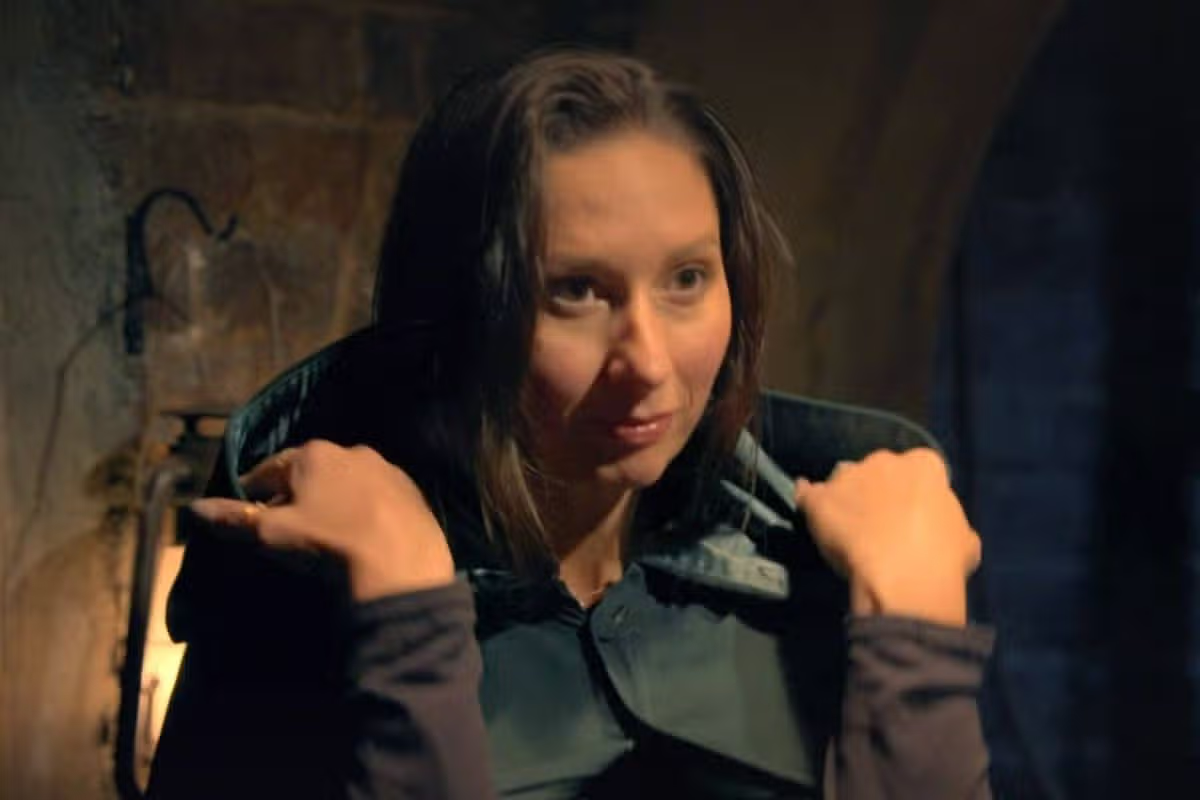
Rachel Duffy, joint winner of The Traitors UK series four, has wowed fans after debuting a glamorous new makeover months after winning the iconic BBC reality show
12:15, 15 Oct 2026Updated 12:15, 15 Oct 2026
The Traitors star showed off a glam makeover (stock image)(Image: BBC)
A former champion of The Traitors has left people totally wowed as she showed off a super glam makeover. Rachel Duffy is primarily recognised for jointly winning series four of the BBC reality contest The Traitors UK in January 2026, and it’s fair to say life has changed for her a few months down the line.
Now commanding over 200,000 Instagram followers, she recently admitted she took part in a photoshoot, even though she was a bit nervous at first. However, it’s clear people thought she didn’t need to be, as they told her she looked absolutely sensational and showered her with kind words.
Alongside the pictures, she wrote: “FULL transparency. I was petrified doing this shoot! I mean I couldn’t sleep properly the night before. I even Googled how to pose for a magazine.
“I was so chuffed when @jackmurphyjewellers asked me to be their cover girl for @ulstertatler but it sent me into a spiral of self doubt. They should have asked someone younger, thinner, prettier – all these terrible thoughts that go through our heads when we don’t feel we belong.”
Ensure our latest DWP headlines always appear at the top of your Google Search by making us a Preferred Source. Click here to activate or add us as a Preferred Source in your Google search settings
She added: “Some days I have sooooo much confidence in myself and my ability but, on days like this shoot, it was very wobbly! I’m so grateful for the fabulous team at Jack Murphy’s for making me feel at ease, to @gemmamurphyjewel for hyping me up and covering me with the most beautiful diamonds (not to mention doing my zips b/c of my gammy hand), to Charlotte and Tara for being the best wing women and keeping me right and cheering me on behind the camera and to @jamierobb for being so chilled out and making it fun!
“There’s a huge difference between the first shots taken on the day and the last video here. I could have done it all over again.
“Point to my post – I overcame a lot of self doubt on the day and I am beyond happy at how these photos turned out. I’m getting the cover shot printed on my duvet. I’m very proud of myself for pushing through the doubt and encourage you to do the same.
“Here’s to backing ourselves more! A big thank you to @wearonceloved, @salon_602_ and @emzobeauty for making me look so pretty. You’re the best.”
Content cannot be displayed without consent
In the photographs, Rachel can be seen wearing a sleek, off-the-shoulder black dress. Beautifully figure-hugging, she looked absolutely breathtaking in every shot.
She styled her hair in an elegant half-up-half-down look, also modelling a chic black jumpsuit. Finished off with a delicate smoky eye and a touch of lipstick, she looked utterly stunning as she confidently worked the camera.
The post has since amassed more than 8,000 likes, with fans rushing to the comments section to share their reactions. They had plenty to say, clearly blown away by the stunning transformation.
One said: “Damn. Hot.” Another added: “I hope you feel as just as incredible as you look in these photos.”
A third replied: “You are simply gorgeous. One hot lady.”
Meanwhile, a fourth commented: “Wow, Rachel! You take my breath away! Go girl!”
Someone else also responded: “You look amazing. We are so good at putting ourselves down and filling our heads with negativity. Beautiful photoshoot.”
CHRONICLES of Narnia star Ben Barnes has tied the knot with partner Aubrey Cleland.
Ben, 45, played the role of Prince Caspian in the titular 2008 film as well as 2010’s Voyage of the Dawn Treader.
Chronicles of Narnia star Ben Barnes revealed he has married Aubrey ClelandCredit: INSTAGRAM/@BENBARNESTaking to Instagram, Ben shared loved-up photos from the couple’s special dayCredit: INSTAGRAM/@BENBARNES
Taking to Instagram, the actor confirmed he and American Idol alum Aubrey Cleland, 33, have wed.
Paying tribute to his bride, Ben penned: “We got married!
Sign up for the Showbiz newsletter
Thank you!
“In a world of 8 billion people, it is extraordinary to find someone who feels like your person, someone who matches your sense of humour, curiosity and humanity — with whom you can be effortlessly yourself, feel understood, valued and loved for everything that you are.
“And, speaking for the first time as a proud husband: I married a woman of such rare grace, kindness and beauty, who somehow makes the world feel both bigger and more like home, who finds wonder, joy and laughter in things that might have passed me by, and who makes the ordinary feel momentous.
The actor shared a sweet message to his now-wifeCredit: INSTAGRAM/@BENBARNESHe played Prince (later King) Caspian in the Chronicles of Narnia filmsCredit: AP:Associated Press,OOther20th Century Fox
“We are so happy and so excited for everything to come.
“Ben & Aubrey.”
Friends and fans soon flocked to the comments section to share their congratulations.
EastEnders star Robert Kazinsky added: “My best mate got his fairytale!”
Katherine Heigl penned: “Oh my lord!!! Congratulations my old friend I am so so so thrilled and happy for you!!”
A fan shared: “Congrats Ben and Aubrey! Wishing you both so much love and happiness.”
Another remarked: “Could not be happier for you both! You both look absolutely radiant and stunning!!!”
A third chimed in: “Congratulations. Wishing you both a world full of happiness and luck. And a life together filled with love, laughter and creativity!”
A fourth said: “I’m in absolute tears!!! I have NEVER been happier.
“Congratulations you absolutely gorgeous humans!!
“May this next chapter be everything you both ever wished for!!”
Coronation Street’s Bethany Platt is pregnant after her fling with Kit Green, but some viewers are predicting a twist on the ITV soap involving another character
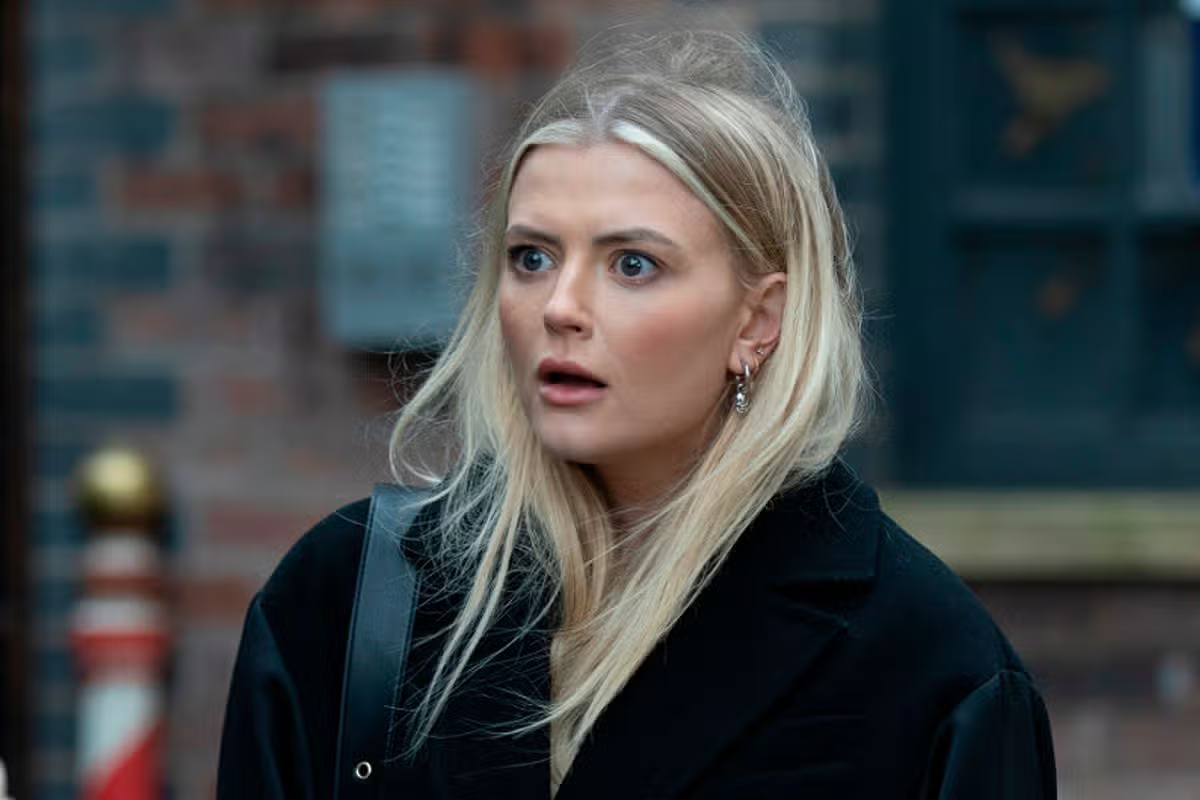
Bethany Platt’s baby news on Coronation Street has led to some predictions about who the father is(Image: ITV)
Bethany Platt’s baby news on Coronation Street has led to some predictions about who the father is.
While Bethany actress Lucy Fallon appeared to confirm the dad’s identity, it hasn’t stopped theories curculating about it being somebody else. Bethany learned she was pregnant this week, and she has yet to decide if she will have a termination.
Bethany had a fling with her mum’s ex Kit Green recently, with her mum Sarah Platt currently in prison. The betrayal and now the pregnancy has left her struggling in secret, but fans wonder if a twist will see another character confirmed as the father.
Amid a blossoming romance with Ryan Connor, fans are desperate for the soap to confirm that Ryan is the father of Bethany’s baby. It’s not thought that Ryan and Bethany have slept together, but fans still hope the soap will end up making Ryan the dad.
One fan said on social media: “It’ll be the same as EastEnders, she will tell Kit it’s his, have a DNA test and it ends up being Ryan’s then she just leads Kit on to believe its his.” Another fan said: “I think Ryan would be a great dad.”
A third fan posted: “Hope it’s Ryan’s but doubt that,” as a fourth commented: “I do hope it’s Ryan’s and they get together.” Another viewer said: “I hope it’s Ryan’s would be awful if the baby was Kit’s.”
One more prediction read: “My money is on Ryan,” as a final comment said: “Let’s hope it’s Ryan.” It comes as Lucy, who plays Bethany, appeared to confirm who the dad is.
According to her, Kit is the father, with this also hinted at in scenes this week. She shared: “It’s not going to end well, because it’s her mum’s ex-boyfriend’s baby!”
Lucy is expecting some fan backlash over the betrayal too. She explained: “I think they’re going to be annoyed at her and think that she’s just really stupid, which she is for what she’s done. But there was two people involved here so I’m hoping she doesn’t get all the blame.”
Bethany’s mum Sarah could soon find out about the betrayal too, while Lucy shared that Bethany will not want to tell her mum the truth. Lucy said: “[She feels] really, really, really guilty. Bethany and Sarah have a really good relationship, she’s been such a support to her, she’s basically been a mum to Harry while Sarah’s been in prison.
“They’re almost like best friends because they’re not so far apart in age. So she’s not feeling great about it, and I think it’s going to eat away at her until one day she can’t take it anymore.”
With less than two years until the 2028 Olympic and Paralympic Games in Los Angeles, serious questions remain about funding and coordination for the Cultural Olympiad, the arts and culture program accompanying the Games.
The Cultural Olympiad is a measure of a host city’s commitment to the creative arts and can have a lasting impact on a region’s artistic legacy. The 2024 Olympics in Paris featured more than 2,500 projects over a period of three years. And while Los Angeles arts organizations and neighboring cities are already commissioning work and developing neighborhood celebrations, critics say a more formal and cohesive plan has failed to materialize.
At a legislative hearing Wednesday at the California Science Center, lawmakers pressed organizers for answers to a basic question: How much money will there be to support the Cultural Olympiad, and when will that money reach the artists and communities expected to bring it to life?
Former Los Angeles County Supervisor Zev Yaroslavsky, director of the Los Angeles Initiative at UCLA’s Luskin School of Public Affairs, criticized the failure to mobilize cultural planning earlier. Los Angeles was awarded the Games in September 2017, giving it nearly 11 years to prepare.
“I’m not trying to point a finger here, but it just didn’t happen,” he said.
The delay had consequences, he warned: major artists book engagements years in advance, limiting what organizers can now arrange.
“So that’s the kind of thing that we lose. But that doesn’t mean that the Cultural Olympiad is a flop.”
Yaroslavsky also described the 1984 Olympic Arts Festival as a catalyst for Los Angeles’ cultural growth. “It allowed us to think much bigger,” he said.
“The urgency to share what our local communities can expect has been pressing, and many local cities and nonprofits could no longer wait for outside direction,” said Sofia Klatzker, Santa Monica’s cultural affairs manager.
She outlined Santa Monica’s proposed cultural framework, “Land and Water Here and Now,” encompassing performances, exhibitions, public art and international cultural exchanges.
The joint hearing of the Senate’s Special Committee on International Sporting Events and the Legislature’s Joint Committee on the Arts brought together about 100 city and county officials, LA28 Cultural Olympiad leaders and arts advocates. Their presentations revealed a patchwork of efforts, with municipalities and organizations moving ahead while seeking clearer coordination and financial commitments.
Sen. Benjamin Allen (D-Santa Monica), who chairs both committees, convened the hearing.
A September report from City Administrative Officer Matthew W. Szabo and Chief Legislative Analyst Sharon M. Tso puts LA28’s Olympic and Paralympic Games budget at $7.263 billion.
At Wednesday’s hearing, Dwayne Jones, LA28’s senior vice president for the Cultural Olympiad and stakeholder events, did not disclose a precise cultural budget or how much funding had been secured. He described a fundraising ambition in the tens of millions of dollars, with conversations underway with philanthropic donors and LA28 partners.
The Olympic cauldron is lit at the Los Angeles Memorial Coliseum ahead of the launch for ticket registration to the 2028 Summer Olympic Games Tuesday, Jan. 13, 2026, in Los Angeles.
(Damian Dovarganes / Associated Press)
Sen. Lola Smallwood-Cuevas (D-Los Angeles) repeatedly questioned how those resources would reach artists and community organizations. After the hearing, she conceded that “there are a lot of unanswered questions.”
LA28 Cultural Olympiad Executive Director Nora Halpern and Jones provided updates on plans first outlined in May, including an official Cultural Olympiad mark recognizing participating programs and a digital calendar and mapping platform. They also said programming spanning fashion, film, food, music, performing and visual art, will be announced in 2027.
Applications for the mark are expected to open in early 2027. The calendar and mapping platform is scheduled to launch in January 2028.
Separately, Halpern said artists had been selected to create 16 official posters — eight Olympic and eight Paralympic — through a process involving nominations from regional curators. The posters will be unveiled in July 2027.
Jones also described free community film screenings paired with local food and musical performances, as well as plans for dance, theater and spoken-word programming. Further announcements will come in 2027, he said.
City and county cultural affairs officials presented complementary efforts. Los Angeles’ Department of Cultural Affairs general manager Daniel Tarica said $15 million from its existing budget has been committed to its core program.
The department reported completing 19 programs and events this year, citing World Cup celebrations that combined sports screenings with art-making and dancing. The department is continuing exchanges between local and international artists and testing neighborhood programming ahead of an official summer 2027 launch. Additional initiatives, including 15 new Olympic and Paralympic murals and disability arts celebrations, depend on further funding.
Los Angeles County’s Department of Arts and Culture is building its 2028 effort around existing grants, youth programs, public art and neighborhood partnerships, Director Kristin Sakoda said. Plans include a Year of Creative Youth, an Olympic arts education curriculum being developed with the Olympic Museum in Switzerland, and outreach through parks, libraries and cultural venues.
Arts administrators from Long Beach and West Hollywood described local initiatives. Long Beach Cultural Affairs Officer Griselda Suarez reported investing $135,000 in 12 groups to pilot cultural projects, while Rebecca Ehemann, arts manager, City of West Hollywood, said the city was completing its first year of implementing a multiyear creative plan.
Arts for LA CEO Gustavo Herrera presented Mosaic LA, a community-led initiative intended to coordinate neighborhood cultural programming and sustain investment beyond 2028. Its proposals include a pooled fund, technical assistance and shared promotion, alongside exploration of a new county-level arts funding mechanism. Cultural districts would anchor the effort.
Its financing remains unresolved. “There are budgets that have been laid out, but no resources that have been allocated to it yet,” Herrera said.
The discussion also touched on the federal government’s role. Congress has appropriated $1 billion through FEMA’s State Homeland Security Grant Program for Olympics-related security, planning and other costs, and $94.3 million for Games-related transportation assistance. Those commitments are separate from the cultural fundraising described at the hearing.
Assemblymember Christopher M. Ward (D-San Diego) called for federal financial support and “a little bit of a better attitude,” saying recent political rhetoric was unhelpful to attracting visitors to California.
Earlier this month, President Trump drew criticism for remarks at a Nebraska rally about Iran potentially striking Los Angeles and San Diego. He subsequently said his comments had been misinterpreted.
The potential benefits of the Games are not automatic, UCLA professor of history Dr. Tawny Paul cautioned. Her research found that large Olympic visitor numbers do not necessarily translate into higher museum attendance, underscoring the importance of local audiences and programming before and beyond the competitions.
For Smallwood-Cuevas, securing additional state support requires a clearer account of the needs.
“At the end of the day, we need a concise, coordinated and clear ask,” she said after the hearing. “That’s rooted in some real facts.”
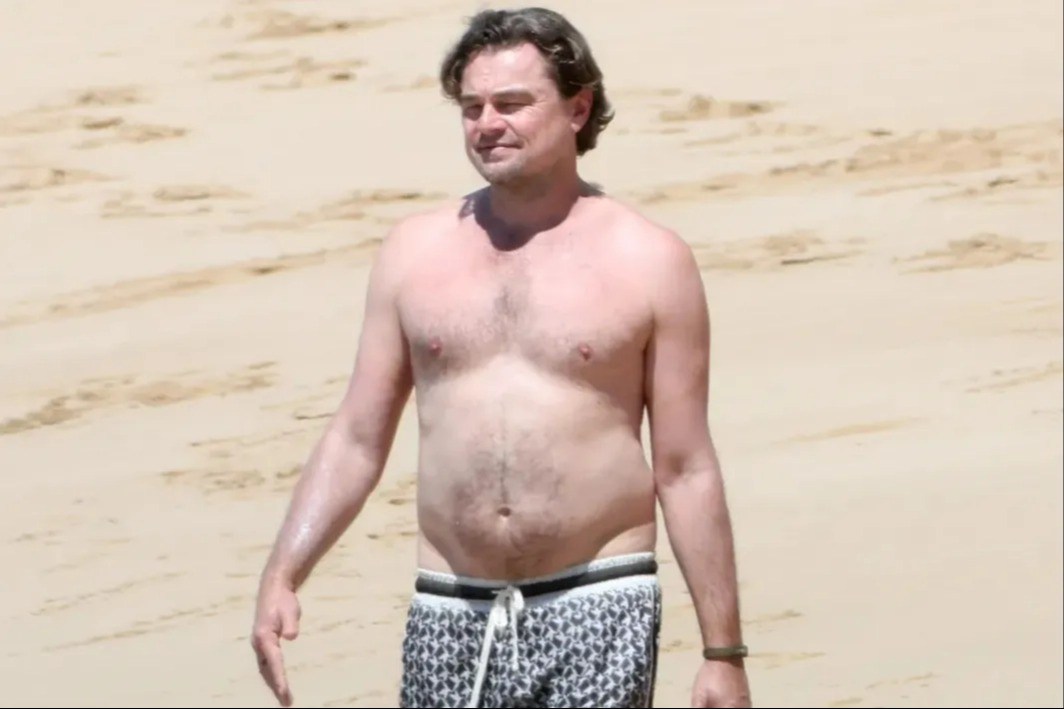
IF Leonardo DiCaprio, a man who seems to have dated half the Victoria’s Secret catalogue, can’t whip his shirt off on a Hawaiian beach without critics likening him to a beached whale, what hope is there for the rest of us blokes?
The recent photos of Leo catching some rays sparked a frenzy of online trolling, with keyboard warriors gleefully pointing out that the actor – shock horror – no longer possesses the boyish physique he sported 30 years ago on the bow of the Titanic.
Leonardo DiCaprio has been criticised for his supposed ‘dad bod’ after he was snapped on a beach in HawaiiCredit: BackGridDiCaprio, aged 24, starring in the 2000 blockbuster The BeachCredit: Alamy
Apparently, we are now fair game and it’s open season on the male waistline.
Leo’s holiday flab, the internet decided, was public property, ripe for mockery.
They disparagingly call it the “Dad Bod” – even though Leo, as far as we know, has yet to produce any sprogs.
It’s a term delivered with a patronising smirk, conjuring images of a bloke whose primary exercise consists of walking to the fridge between repeats of Top Gear.
But let’s pause for a second and reverse it. Would any sane person ever dream of pointing a camera at a woman on a beach and laughing at her “Mum Bod”?
You’d be cancelled in an instant with feminists queuing up to condemn you.
Yet, when it comes to blokes, it seems the rules against bodyshaming don’t apply.
Now, I’ll acknowledge the elephant in the room, women have put up with relentless, toxic body scrutiny for decades.
But it’s the women in my life who have been most gleeful when scrutinising poor Leo.
It’s only fair they argue, after all 51-year-old Leo isn’t shy at letting his own preferences be known, dating a string of twenty-somethings who look like they’ve never consumed a carb in their short lives.
But underneath the jokes about Leo’s paunch, there is a serious side to all of this.
The pressure to look like a muscle bound Marvel actor is driving ordinary blokes to desperate measures – and contributing to poor male mental health.
Chris Pratt sporting a pair of USA flag branded shorts during a visit to the beach in 2006Credit: Splash NewsChris Pratt has since undergone a huge transformation but still contends with bodyshaming comments
Gym memberships are skyrocketing, not just because men suddenly care about their cardiovascular health, but because they are chasing the Hollywood aesthetic.
We are witnessing an epidemic of normal blokes turning to unregulated peptides and sometimes illegal supplements, desperately trying to keep up with the unachievable, steroid-assisted standards plastered across their Instagram feeds.
I’ll hold my hands up and confess I am one of the millions who has tried the fat jabs.
After years of miserable yo-yo dieting, I would always end exactly back where I started, so I finally caved and got on the Mounjaro.
The pharmaceutical quick fix certainly worked, helping me to lose a couple of stone within six months despite the dreaded side effects.
But despite my smaller frame – and annoyingly pricey new wardrobe to match – I still have to contend with the toxic pressure of the perfect body burrowed in my own brain.
And I’m far from the only one. Just look at the male celebs who are supposedly at the top of the food chain.
Pop icon Robbie Williams has been open about his own torturous battle with his weight and his use of fat jabs, telling fans: “I could write a book about self loathing where my body image is concerned, like pure self hatred.
To most men, Zac Efron has the perfect male physique but it has contended with depression over his body imageCredit: NetflixJames Corden has spoken out on body image issues and created Nessa and Smithy’s love story to show bigger people falling in love on the screenCredit: Getty
“The struggle is real. The sadness is shocking. I’ve had it all my life. And it won’t abate.”
James Corden has faced abuse from those obsessed with his waistline, even channelling his frustration with the industry into Nessa and Smith’s love story in Gavin & Stacey.
He once said: “If an alien came back and they had to take a reading on planet Earth by just watching films or TV, they would imagine that if you are chubby or fat or big, you never really fall in love, you never have sex. Certainly no-one really ever finds you attractive.”
Even the supposed “hunks” are miserable. While Jason Momoa has shrugged off “Dad Bod” criticism, Zac Efron has spoken out about the severe dehydration and “pretty bad depression” he suffered to get his Baywatch body.
While Chris Pratt had to ditch his Parks & Rec “dad bod” to break Hollywood as the ripped Star-Lord in Guardians of the Galaxy.
But then found himself criticised for being too thin, forcing him to warn critics to back off: “Just because I am a male doesn’t mean I’m impervious to your whispers. Body shaming hurts.”
So it’s little wonder that the next generation of young men are endlessly preening themselves in the mirror.
Aquaman star Jason Momoa has laughed off claims that he has a dad bodCredit: BackGridDespite Robbie Williams bulging muscles, the showman has said he has ‘self hatred’ towards his own bodyCredit: Instagram/robbiewilliams
They call it looksmaxxing, a dystopian online cult where young lads obsess over every facet of their appearance to fit a very specific alien-like visage.
We have genuinely reached a point where an influencer known as Clavicular, literally smacks himself in the face with a hammer in a bid to attempt to reshape his jawline, and is watched in this mindboggling process by millions of impressionable youngsters.
We have created a world where teenage boys are learning that blunt-force facial trauma is preferable to looking like a normal human being.
It’s time to call time on the madness.
If the price of a Hollywood physique is a lifetime of misery, macros counting, and taking a hammer to your own cheekbones, you can count me out.
Let’s leave Leo to enjoy his Hawaiian holiday in peace, and please give us blokes a bloody break too.
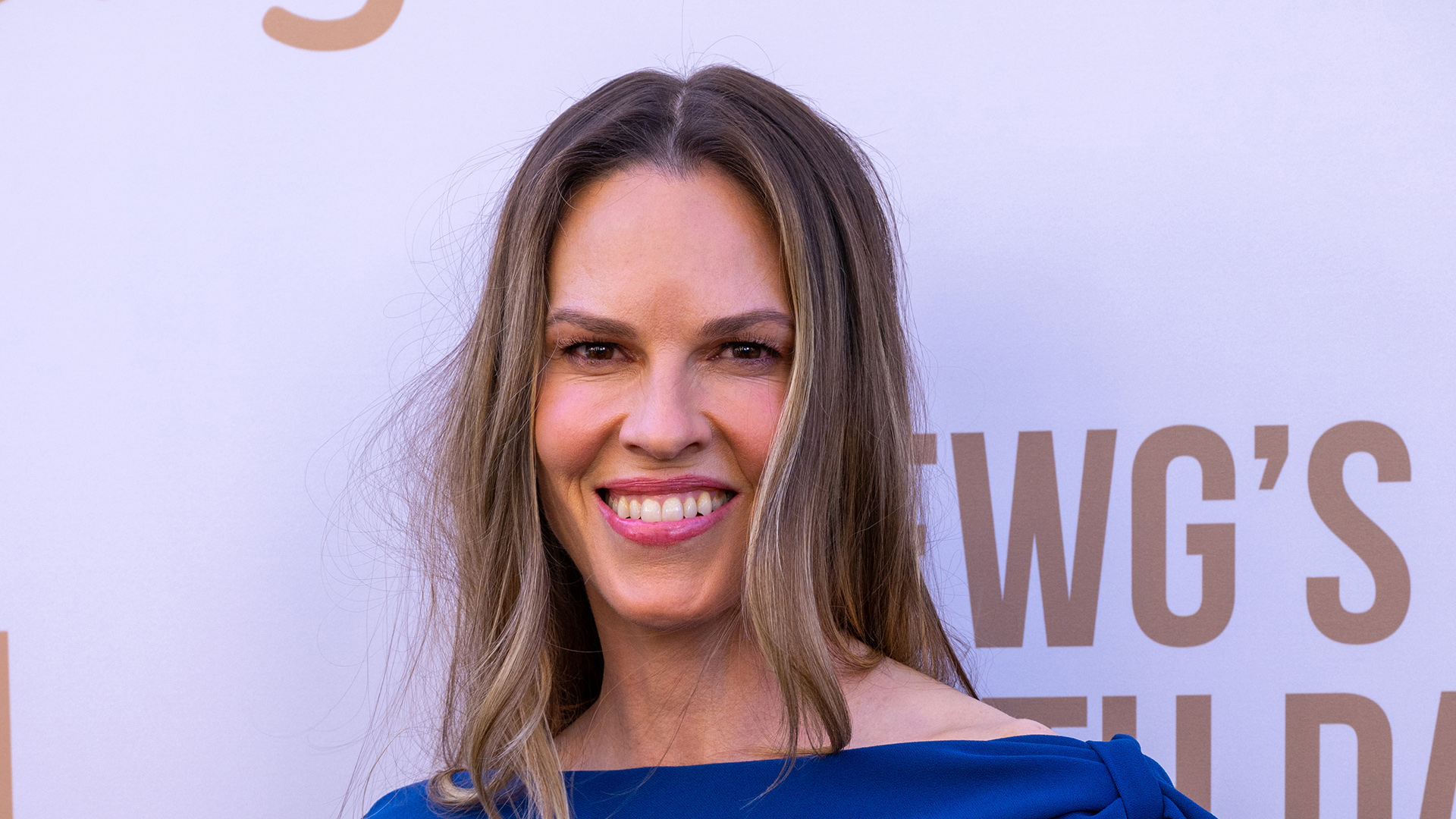
ACTRESS Hilary Swank is pregnant with her third child more than three years after welcoming her twins.
Swank, 52, announced her pregnancy on social media on Wednesday, sharing a creative video of glowing stick figures with a tiny baby attached to the belly of one of their bodies.
Hilary Swank wearing a blue dress at EWG’s 16th Annual Earth Day Dinner in AprilCredit: Getty ImagesThe video displayed three glowing stick figures, which appear to represent Swank’s husband Philip Schneider and their twins Aya and OhmCredit: Instagram / hilaryswankA fourth pregnant glowing stick figure joins the partyCredit: Instagram / hilaryswankPhilip Schneider and Hilary Swank attend the New York premiere of Ordinary Angels held at the SVA Theatre in February 2024Credit: Getty
The video displayed three glowing stick figures, which appear to represent Swank’s husband Philip Schneider and their twins Aya and Ohm, dancing to Ain’t Seen Nothing Yet by Bachman-Turner Overdrive.
Moments later, a fourth member joins the party, however, this stick figure has a baby attached, which suggests Swank’s pregnancy.
Sign up for the Showbiz newsletter
Thank you!
Swank captioned the post, “A lot of people have been asking what project I’m doing next, this one releases in December,” hinting that she is due in the winter.
Swank and Schneider welcomed their twins in April 2023, nearly five years after tying the knot at an outdoor ceremony at the Santa Lucia Preserve in Carmel, California, in August 2018.
The Oscar-winning actress announced her first pregnancy during an interview on Good Morning America in October 2022.
Swank gushed at the thought of becoming a mom, saying, “This is something that I’ve been wanting for a long time and my next thing is I’m gonna be a mom.”
She then teased, “And not just of one but of two.
“It’s such a blessing. It’s a total miracle. It’s unbelievable.”
Most read in Entertainment
Swank made the decision to freeze her eggs at 37, not yet sure whether she wished to be pregnant someday.
She then used these eggs a decade later, and opened up to Women’s Health magazine about how it felt to become a mother at the age of 48.
The star shared: “I would have had kids earlier. I’m not saying I actively waited until 47. But that was a magical time in my life, when it all culminated. It was the right time for myriad reasons.
“I’m a very different parent than I would’ve been, even in my early 40s, I’m much more patient. I’m much more understanding. I am much more, I think, interested in a different way than I would’ve been.
“I’m really interested in their brains. I am fascinated about what makes them tick. And I have my career that’s already established, so I’m not divided. I’m able to really sink in and be present with them and be a hands-on parent.”
Swank also graced the cover of Women’s Health magazine to flaunt her post-baby body in a series of sexy bathing suits.
The then 50-year old ooze confidence in the stunning snaps, flashing her enviable figure.
Her stomach looked super flat and toned despite carrying twins, and her smile beamed from underneath a blue sun visor.
More to follow… For the latest news on this story, keep checking back at The U.S. Sun, your go-to destination for the best celebrity news, sports news, real-life stories, jaw-dropping pictures, and must-see videos.
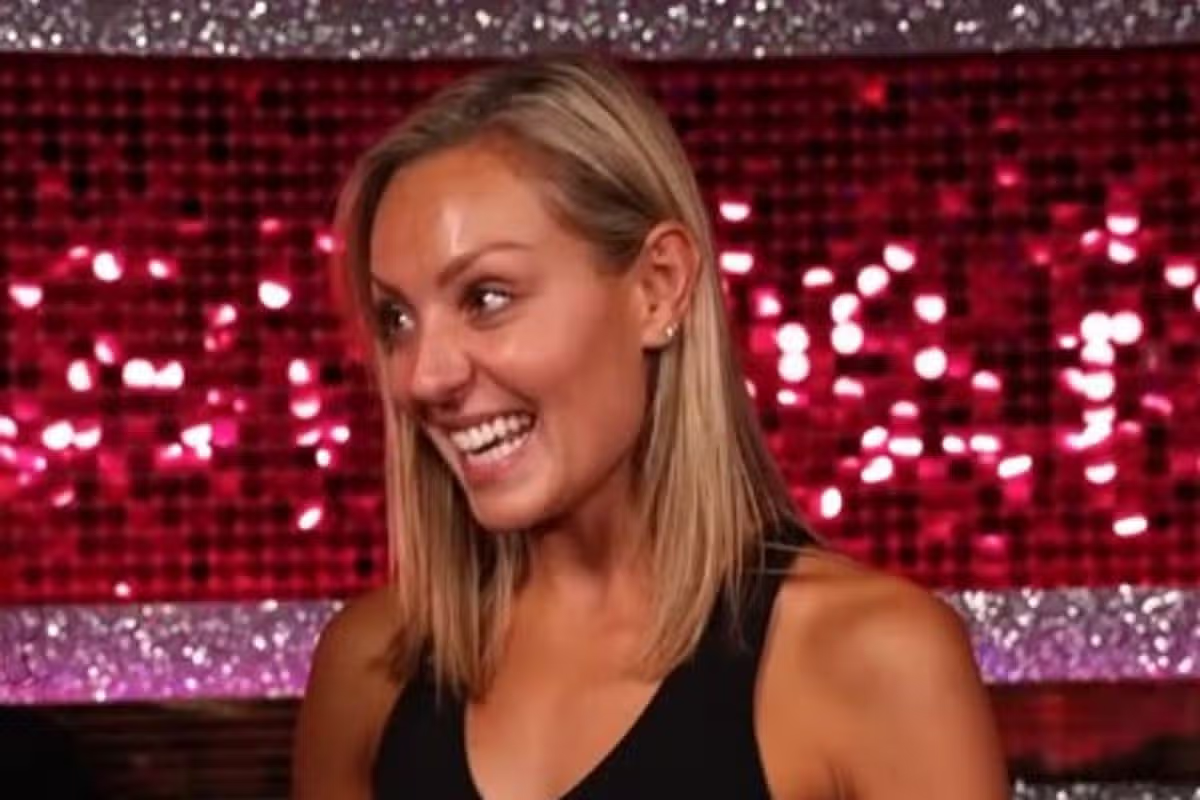
Amy Dowden has teased her comeback to Strictly Come Dancing after it was confirmed she would be replacing injured Delta Goodrem, who is unable to dance this week
21:51, 14 Oct 2026Updated 21:51, 14 Oct 2026
Amy is returning to the Strictly dancefloor this weekend(Image: BBC)
Amy Dowden has teased her comeback to Strictly Come Dancing as she’s set to replace injured Delta Goodrem.
Singer Delta has been forced to miss this year’s Icons Week after breaking her rib. She has been forced to pull out of the show this week and will get a bye to the following week as per the rules.
It has been confirmed that Amy will dance with Kai. Vogue Williams said on Lorraine today: “It’s good to see her back, but she’s going to be dancing with Kai, and supposedly to Dolly Parton’s Jolene. I mean, that’s going to be so good.”
Now, footage has emerged of Amy – who was first out the competition with Chris Appleton – reacting to the group dance. “I really think this Icon’s Week is going to be phenomenal,” she said as the group prepared to dance to a Madonna number.
Today, Delta shared an update on her own health. Taking to social media, she wrote: “Just wanted to come on here and say a big Thank you to everyone who has sent messages and wrote lovely comments the last couple of days, I see them all.
“Not the start to the week I’d hoped for but your support has meant the world. Also special big thank you to my amazing dance partner @kaiwidd who I will miss dancing with this weekend but I am so beyond grateful for his guidance and friendship through it all.. as well as the wonderful Strictly team!!”
To see more of the stories you love from The Mirror and to find them easily in Google then make us your preferred source. Free and easy-to-do, just click on the link here to find more from The Mirror at the top of your feed.
Delta had previously said she was “absolutely gutted” to be out the show for the week, and hoped she’d be back the following week. She told fans: “I’ve been loving every second of this experience, so having to sit this one out is heartbreaking – especially after the high of Saturday night.
“I cannot tell you how much I love being a part of this magical show. I’m going to focus on resting and recovering, and hopefully I’ll be back on that dancefloor very soon. Thank you so much to everyone for all the love and support. It’s so appreciated. I’ll be cheering everyone on from the sidelines this week!”
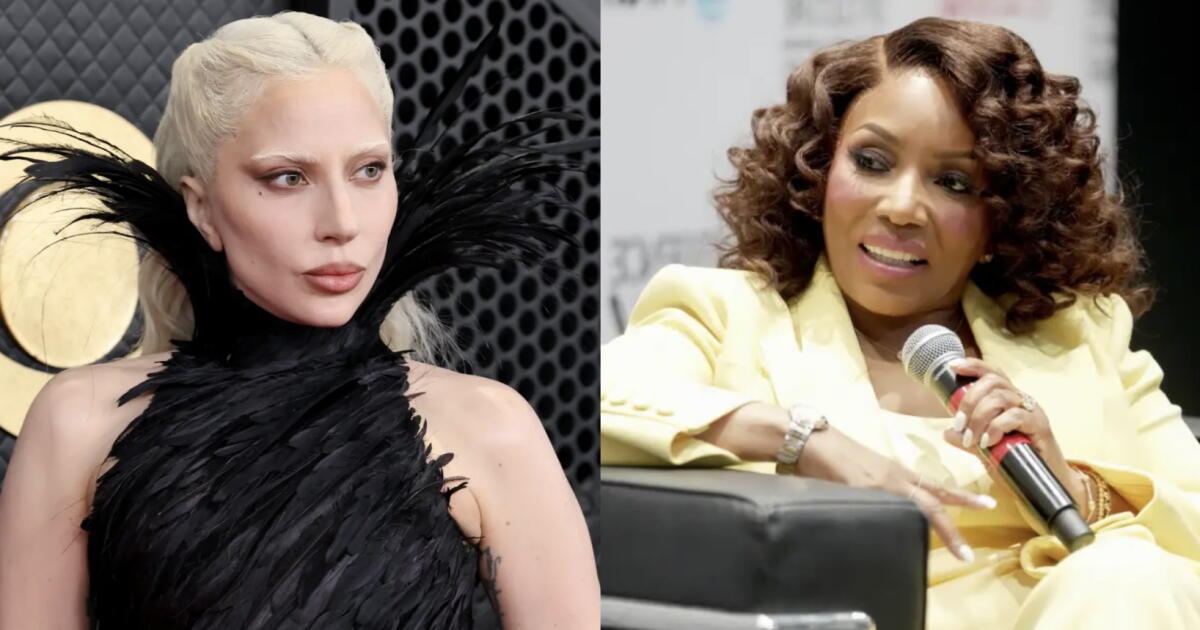
R&B icon Stephanie Mills revealed she had an unresolved beef with “Mother Monster” Lady Gaga.
During Wednesday’s episode of “The Jason Lee Show,” the Grammy-winning “Wiz” star didn’t hold back when she explained what went down between her and Gaga and how the experience left a sour taste in her mouth.
“I feel like Lady Gaga is a culture vulture,” Mills said. “Can I tell you something. … I don’t even know if I should say it now.”
But Mills went on and said it anyway.
She said she was approached by her former manager a few years ago and asked to fly to New York, where Lady Gaga was doing a fashion shoot. Mills’ megahit “Home” was Gaga’s favorite song, according to the manager, who asked Mills, “Would you come and surprise her and sing?”
“At first I said no,” Mills continued. “Why would I do that? And I was talked into it. Never let somebody talk you into something.
“I went,” Mills said. “She had a little black dog there, and all the other people, and so I sang for her. She didn’t smile. She didn’t do anything. She looked at me like I had two heads.”
Mills said she finished singing “Home,” and the stars took photos, but before she left, Gaga’s team stopped her at the elevator and insisted she delete the pictures. “And they did not let us leave until they saw every picture being deleted,” she said. “Very disrespectful.”
The Broadway star further explained that she thought Gaga was a culture vulture because she was managed by a Black man, Troy Carter, who also worked with John Legend, Eve, Nelly, Meghan Trainor and Charlie Puth. Carter is widely credited with ushering the “Born This Way” singer into superstardom in the aughts.
“I know who I am. I did it. I sang a song for her. I had admiration for her. I don’t any longer,” Mills said.
“I give everybody grace, and I’ve learned throughout the years to take my temperature down and not react but show them who I am later. … It’s like you don’t have to always react, but sooner or later you’ll get your chance to say, ‘Do you remember?’”
She followed the statement by looking straight into the camera and addressing Gaga, “I hope you watch, and I hope you remember what you did. And I feel like you owe me an apology.”
Reps for Gaga did not immediately respond to The Times’ request for comment, but the star — as well as many other musicians and actors — has a history of nixing photographs.
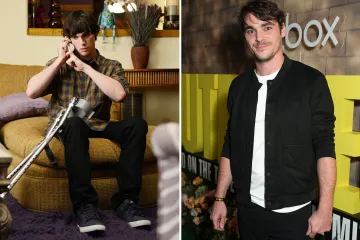
AARON Paul has shared a gut-wrenching video of his Breaking Bad co-star, RJ Mitte, following his tragic death by suicide.
The actor best known for starring as Walter White Jr in the Emmy Award-winning show, died on Mondayin Brownsville, Texas, aged just 34.
Aaron Paul shared shared a video of Mitte talking about the importance of mental healthCredit: Instagram/@aaronpaulThe actor died in Texas aged 34, from suicideCredit: Getty
In an emotional tribute to his friend, Aaron said RJ’s strength and kindness was “blinding”.
Aaron shared a video of Mitte talking about the importance of taking care of one’s mental health.
Sign up for the Showbiz newsletter
Thank you!
The late actor lived with cerebral palsy and used his platform to raise awareness and champion people with disabilities.
RJ said in the video shared by Paul: “I hope y’all are doing well today in this time of uncertainty but I would like to talk to you a little about mental health.
Aaron Paul and RJ Mitte at the premiere of the third season of Breaking BadCredit: GettyRJ Mitte shot to fame in Breaking Bad but struggled to land roles after the iconic show finishedCredit: Getty
“Its very important to take care of ones physical health but its equally as important to take care of one’s mental health.”
RJ said that “more often than not” people hide how they truly feel by saying “I’m fine” and “I’m good.”
He continued: “But its ok to not always be good.
“But its not ok to harbour that feeling, harbour those emotions.
Most read in Entertainment
The actor made his final appearance at the screening of ‘Talking To Strangers’ on September 30Credit: GettyBryan Cranston, Anna Gunn and Betsy Brandt, writer-producer Vince Gilligan, R.J. Mitte and Aaron Paul, after winning Best Series at the Golden GlobesCredit: Getty
“So I am hoping to inspire each and everyone that sees this video today.”
Aaron apologized for not realizing the pain his friend was experiencing.
He wrote: “I am so sorry you were hurting my friend. I wish we knew.”
“You constantly had a smile on your face and you took every single challenge that was given to you with such confidence and grace.
“I met you when you were a little boy and watched you grow into a beautiful young man.”
“What an absolute tragic loss.”
Aaron finished his post by encouraging anyone who is feeling lost, sad or uncertain about the future, to reach out for help.
He said: “We must suffocate the noise and focus on each other.”
The tribute from the star, best known for portraying Jesse Pinkman, followed the heartbreaking news that RJ was found dead by suicide at his home on Monday, as confirmed by his publicist.
RJ said in his final interview that he wanted to “keep living the dream” but added that “every dream could be a nightmare … just keep living it, just keep pushing forward”.
Bryan said: “I met him when he was only 14 years old when he was cast as Walter White Jr., a part he played with such joy and enthusiasm.
“Born with Cerebral Palsy, he never – ever – allowed that challenge to be an excuse for anything. He met the demanding shooting schedule head on with great determination.”
The actor, like his character Walter Jr, had cerebral palsy and said his greatest achievement in life had been “giving back”.
He said: “That’s really the greatest thing that ‘Breaking Bad’ has given me, is to be able to lend my voice to causes that make a meaningful impact that changes people’s lives.
“I think that’s one of the greatest things that I have and it’s not the awards.
“It’s not all of these things people assume come with this. It’s literally being able to impact someone’s life in a meaningful way that without that, wouldn’t have it.”
If you or someone you know is affected by any of the issues raised in this story, call or text the 988 Suicide & Crisis Lifeline at 988, chat on 988lifeline.org, or text Crisis Text Line at 741741.
How to get help
EVERY 90 minutes in the UK a life is lost to suicide It doesn’t discriminate, touching the lives of people in every corner of society – from the homeless and unemployed to builders and doctors, reality stars and footballers. It’s the biggest killer of people under the age of 35, more deadly than cancer and car crashes. And men are three times more likely to take their own life than women. Yet it’s rarely spoken of, a taboo that threatens to continue its deadly rampage unless we all stop and take notice, now. If you, or anyone you know, needs help dealing with mental health problems, the following organisations provide support: CALM, www.thecalmzone.net, 0800 585 858 Heads Together,www.headstogether.org.uk HUMEN www.wearehumen.org Mind, www.mind.org.uk, 0300 123 3393 Papyrus,www.papyrus-uk.org, 0800 068 41 41
MARTIN Freeman looked happier than ever as he made a rare red carpet appearance alongside his girlfriend Rachel Benaissa.
The Sherlock actor, 55, was joined by the French actress, 31, at the premiere of his new film A Long Winter during the BFI London Film Festival on Wednesday evening.
Martin Freeman looked happier than ever as he made a rare red carpet appearance alongside his girlfriend Rachel Benaissa.Credit: GettyThe Sherlock actor, 55, was joined by the French actress, 31, at the premiere of his new film A Long Winter during the BFI London Film Festival on Wednesday evening.Credit: Getty
The couple, who have been dating since 2020, shared a giggle as they posed together for photographers at the glamorous event.
Martin looked dapper in a dark suit with a patterned shirt and white T-shirt underneath, while Rachel opted for a blue striped shirt tucked into high-waisted black trousers and chunky heels.
Sign up for the Showbiz newsletter
Thank you!
The pair stood close together on the red carpet, with Rachel showing off her voluminous curly hair as they smiled for the cameras.
Martin stars alongside Outlander actress Caitríona Balfe and Fred Hechinger in A Long Winter, which follows a family preparing for the harsh winter months in the American mountains.
The pair stood close together on the red carpet, with Rachel showing off her voluminous curly hair as they smiled for the cameras.Credit: GettyMartin poses with Caitriona Balfe and Fred Hechinger at the glam red carpet eventCredit: Getty
The actor previously spent 16 years with his former partner Amanda Abbington, with whom he shares two children, Grace, 21, and Joe, 18, before their split in 2016.
Rachel, who has appeared in Normal People, This Way Up and Netflix film Irish Wish, has since become a familiar presence in Martin’s family life.
The actress previously appeared in a TikTok video shared by his daughter Grace, dancing alongside the family to a song from Martin’s festive film Nativity.
Martin has also offered a rare insight into their relationship, revealing on Jessie and Lennie Ware’s Table Manners podcast that the couple enjoy cooking together.
Speaking about Rachel’s love of food, he said: “She’s not a Cordon Bleu… she’s a massive cheese and wine w****,” before adding: “That’s what she would say about herself.”
He continued: “She says that about herself, ‘I’m a cheese and wine w****’. It’s not all she is, but no, she loves all that stuff. We like cooking.”
The remaining Big Brother housemates returned to the Diary Room to nominate on Wednesday
21:54, 14 Oct 2026Updated 21:56, 14 Oct 2026
The Big Brother housemates nominated on Wednesday(Image: ITV)
Three Big Brother housemates are at risk of eviction this week.
The latest round of nominations took place in the house on Wednesday (October 14), with the remaining housemates entering the Diary Room to share their choices. This comes after Yasmin received a killer nomination this week.
After losing a dominoes task, Yasmin was chosen by the winning blue team to be put up for eviction for the first time. The group then made their own selections for who they wanted to be at risk of leaving on Friday (October 16) night.
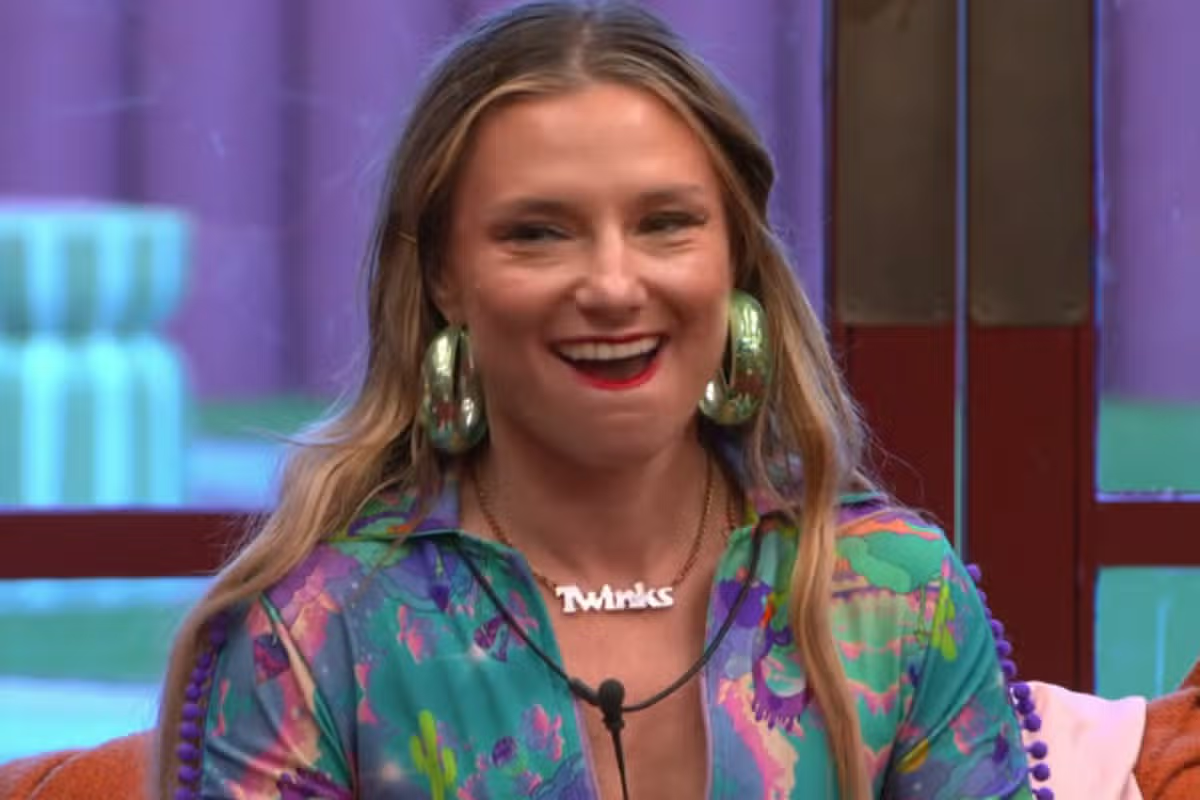
For the first time this series, there will be three housemates facing the public vote. Twinks and Rob received the most nominations from their fellow housemates, meaning they will join Yasmin in facing eviction this week.
Twinks received six nominations from Rochelle, Frankie, Rhianna, Philip, Yasmin and Omar. Rob also received six nominations from Philip, Rhianna, Omar, Frankie, Lynx and Rochelle.
Rochelle received four nominations, while Omar and Rhianna each had two. Catrin, Lynx, Philip and Sam were all voted for once, while Frankie and Harry received no nominations from their fellow housemates.
Voting for Friday’s eviction opened at 10pm, with viewers being asked to vote for the housemate they wish to evict from the house. After learning the result of this week’s nominations, it didn’t take long for fans to share their frustrations on social media.
“My 3 current fave housemates are up for eviction,” one fumed on X. Another said: “Actually fuming.” Someone else commented: “Yasmin vs Twinks vs Rob is an abysmal eviction lineup while the horror group coast their way through btw.”
A fourth fan echoed the sentiment, saying: “Cancel the eviction. I don’t want any of them to go.” Another furious viewer wrote: “I’m done with this.”
Elsewhere in tonight’s episode, Omar played a prank on Rochelle by hiding her nail kit in the store room. However, she didn’t see the funny side, as she was soon heard screaming: “Where is it? Where’s my f****** bag? Where is it?”
Rochelle left the bedroom and headed to the garden to ask the other housemates. Lynx said: “I don’t know. I don’t f****** know,” before Yasmin added: “Rochelle, you haven’t even looked properly.”
Omar then turned to Lynx, saying: “She will never find it, where we put it. Does Frankie know?” After searching high and low for her nail kit, Rochelle headed to the Diary Room to share her frustrations.
“Where’s my nail, where’s all my nail stuff? The whole lot’s gone… where, who has taken it? I f****** hate him. I want my nail stuff… just tell them to give it to me back… I’m literally gonna rip this place apart till I find it.”
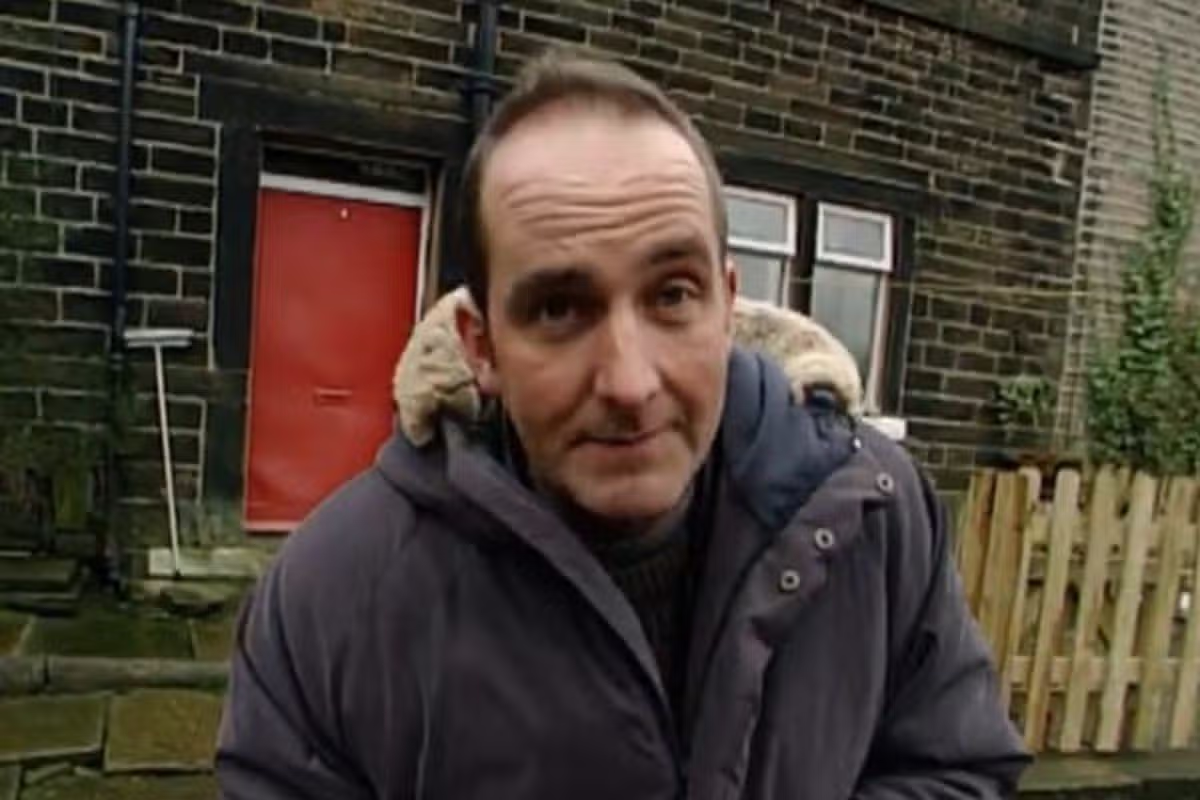
Grand Designs viewers were left disgruntled as Kevin McCloud returned to a build from 25 years ago.
Viewers issued the same complaint (Image: Channel 4)
Grand Designs viewers claimed to “turn off” the Channel 4 programme as they rushed to social media to share their complaints.
Kevin McCloud’s architectural programme has been airing a new series, which has so far seen a ‘pink cloud house’ in London built by an eccentric couple, and a Cornwall family home designed to overlook the sea. On Wednesday, 14 October, the Channel 4 show took viewers back in time 25 years, revisiting a build in Yorkshire.
It looked back on earlier Grand Designs clips, where Chris and Gill designed and built their dream home from a 19th-century Mill. Kevin shared at the start of the episode: “West Yorkshire has always been a place of innovation, manufacturing and mills.”
He spoke about the disrepair of one mill, before it was brought back to life by “gutsy pioneers”. Kevin continued: “25 years ago, Chris and Gill put that same spirit of innovation into the restoration of one of these forgotten buildings.
“They took an abandoned mill and turned it into a high-tech home, and they did it in proper Yorkshire style – no nonsense, with grit.” Gill and Chris had bought the derelict 19th-century mill in 1999, without seeing the site.
“What a dump,” Kevin had declared at the time. But the couple were determined to transform it, and had high ambitions for “a radical hybrid home”. Looking back on the build, Kevin went on: “Amazingly, it’s been a quarter of a century since I last saw Chris and Gill, that is a really long time! So long in fact, that you have to ask, have they changed? Is the building as radical as it looked then, and most importantly, how well has that building over 25 years looked after them?”
As Kevin shared their story from over two decades ago, and reflected on where Gill and Chris were now, viewers were disgruntled at the revisit, rather than a new project on their screens. A number of fans quickly took to social media to share their frustrations.
Content cannot be displayed without consent
“Another pointless edition of #granddesigns,” one person fumed, as another said: “Always disappointing seeing ‘new’ @granddesigns and its the revisited version.” Someone else said: “There obviously hasn’t been many new ‘grand design’ projects in the country over the last few years as it’s a ‘revisited’ episode four shows into the new series.” Someone else replied by saying they’ve “turned it off”, as another added: “Was exactly my point too.”
Someone else wrote: “#granddesigns revisit, in other words, it’s a repeat.” However, other viewers were more excited about the revisit episode, with one sharing: “I can’t wait! This one was amazing at the time.” Someone else declared: “This was one of my favourite GD’s of all time.”
Ahead of the new series airing, Kevin spoke about the success of Grand Designs, and was asked about if the series has changed the way people build houses. He replied: “It is very chicken and egg, what came first?
“I think the great thing about television is that it can reflect society, and I think television is at its best when it is able to do that and hold a mirror up and say, this is us now. Channel 4 are very good at doing this, I think it is one of the most compelling things about the channel.
“Grand Designs has been going forever, and so the question is whether it holds a mirror up and I believe the answer is yes, it does so because we have no real formula. We find projects in the real world and we observe, that is it.
“Grand Designs strengths and its longevity are down to the fact it doesn’t really have a format other than that. It has a beginning and a conclusion, but what happens in the middle is not up to us, it is up to the people who are building. We, of course, go out of our way to find interesting and challenging projects that are more at the margins, that show us where we might be as a society in 5,10, 20 years time, not just where we are now. So, my short answer is possibly, but it is much more important for us to show examples of stuff which show the rest of society how we might be building and living in the future.”
A MAJOR A-list celebrity put on a disguise and turned up at Pacific Park to mingle with an unsuspecting crowd at the fairground.
The star is known for her long blonde tresses and huge personality – so would you still have known that it was her?
Sydney Sweeney went incognito at the funfairCredit: Instagram/Sydney SweeneyShe enjoyed going to the arcades and rode on the ferris wheelCredit: Instagram/Sydney Sweeney
Sydney Sweeney dressed down in a white graphic t-shirt and denim skirt for the day out with her friend Jayde.
She kept her identity on the down-low by covering her hair up with a brunette wig that only just fell to her shoulders.
Sign up for the Showbiz newsletter
Thank you!
The star finished the look off with a pair of chic sunglasses and a white set of nails.
Sydney shared a series of snaps from the day out to her Instagram page after, showing her and Jayde having fun on a ferris wheel and in the arcades.
Her friend brought along a brunette wig for her to wearCredit: Instagram/Sydney SweeneyWould you have been able to recognise her?Credit: Instagram/Sydney Sweeney
Penned in the post’s caption, Sydney said: “when ur bestie shows up and says “here put this wig on””.
Fans loved the photos and how Sydney was able to have so much fun without being noticed.
One user said in the post’s comments section: “Great idea!!! This is what best friends are for.”
A second shared: “A couple of small town sisters on their big California vacation.”
A third added: “I didn’t even recognise her.”
The post comes shortly after Sydney has been slammed for posing naked in adverts for sports prediction platform, Novig.
InSyd’s latest Novig video, she posed topless with a pair of American footballs pressed to her chest and said: “There are grown men making spreadsheets to bet on what colour underwear I’m wearing. I mean, I’m flattered.”
The star also posed naked with balls, bats and racquets and said: “Think you know sport? Prove it.”
BBC sitcom Daddy Issues will come to an end after the third series has aired but not before a star-studded lineup of guest stars has joined the cast for its final outing
22:21, 14 Oct 2026Updated 22:58, 14 Oct 2026
Daddy Issues will come to an end after the third and final series has aired(Image: BBC/Fudge Park Productions/James Stack)
Daddy Issues will come to an end after the third and final series has aired, the broadcaster has confirmed. The BBC Three sitcom stars Aimee Lou Wood as Gemma and David Morrissey as Malcolm, following a pregnant party girl who moves into a flat share with her recently-divorced father.
But the programme, which is Danielle Ward and co-written with David Reed has confirmed a string of guest stars for its final outing. Men Behaving Badly star Neil Morrissey will be amongst those joining the cast, taking on the role of as Malcolm’s new friend Ellis.
Ensure our latest headlines always appear at the top of your Google Search by making us a Preferred Source. Click here to activate or add us as your Preferred Source in your Google search settings.
Shobna Gulati, best known as Sunita Alahan in Coronation Street and Anita in dinnerladies, will play new neighbour Odette whilst former Peep Show star Sophie Winkleman will play campsite owner Mary.
Sarah Hadland, best known for her role as Stevie Sutton in Miranda and for her Strictly Come Dancing stint, will be back as Rita, joining fellow returning cast members David Fynn as Derek, Taj Atwal as Cherry and Celebrity Traitors star Sharon Rooney as Catherine.
The new run of six episodes will focus on Gemma’s newfound set of calamities as she tries to settle into her new promotion at the salon whilst daughter Sadie thrives at nursery. Chaos ensues when the flat she still shares with her dad floods, and a new romance leaves her stuck in a web of lies.
Over the last few years, actress Aimee, who the BAFTA Television Award for Best Female Comedy Performance after making her screen debut in Netflix hit Sex Education, has enjoyed global success with US comedy drama The White Lotus.
Through her role as Chelsea, she earned Emmy and Golden Globe nominations. Aimee has also hosted an episode of Saturday Night Live UK, starred as Sally Bowles in the West End production of Cabaret and is due to appear in a string of Hollywood films including The Beatles, Anxious People, and The Idiots.
Speaking about the series coming back, Aimee shared nothing but excitement as she expressed her joy at being part of the comedy series.
She said: “I’m so happy to be back with David and the brilliant Daddy Issues cast for one final time. Gemma and Malcolm are one of the funniest and sweetest comedy double acts on TV, and I’ve loved being a part of it.”
Meanwhile, David Morrissey added: “I love doing Daddy Issues so much, such a great cast and crew! So I’m delighted to be coming back to have more adventures with Gemma, Malcolm and the gang!”
Halfway through her very sold-out concert Tuesday night at the Greek Theatre, Ella Langley pulled up a stool near the front of the stage and told us she wanted to “be kind of normal for a second, if that’s all right witcha.”
Life has been pretty un-normal lately for the 27-year-old country singer from small-town Alabama, whose smash “Choosin’ Texas” set a new record last month for the longest stay of all time atop Billboard’s Hot 100. The chart achievement only bolstered talk that Langley is due to clean up when Grammy Award nominations are announced next month — welcome chatter, no doubt, for a striver who grew up, as she said at the Greek, determined to get exactly where she’s gotten.
Yet Langley’s success has brought with it some darkness, including accusations from armchair experts on social media that “Choosin’ Texas” — a monster hit that people keep saying they’ve never heard — owes its impressive stats to an act of record-biz chicanery. More ominously, Langley called off a concert in Oklahoma last week due to what she called a “serious security threat.”
Then former Homeland Security Secretary Kristi Noem got involved in Langley’s business when she tried in a tweet to pit the singer against Kacey Musgraves after Musgraves hosted the Senate hopeful James Talarico at a show in Dallas. (Langley, who’s been circumspect about voicing her political opinions, appeared to un-tag herself from Noem’s post, which is objectively hilarious.)
So you could empathize with Langley — empathize more than with other country singers longing for the good ol’ days — as she straightened up on that stool to do “Somethin’ Simple,” a winsome ditty from this year’s double-platinum “Dandelion” LP. “While I’m living the dream,” she sang, “all I’m dreaming about is slowing down just a little.”
This acoustic section of Tuesday’s gig, the first of two at the Greek, was by far the best part of the night; Langley also brought out her two openers for a pair of stripped-down duets in “Dreams,” the deathless Fleetwood Mac classic, which she sang with Laci Kaye Booth, and “Strangers,” her soulful power ballad with Kameron Marlowe, who gladly disregarded that unspoken rule about not showing up the headliner who hired you.
Loose, chatty, surrounded by friends and bandmates, Langley here was just a musician playing music; I can’t say whether she attained the normalcy she said she was looking for, though I’d buy that this is more or less what she gets up to on the back porch she sings about missing in “Somethin’ Simple.”
The problem with the rest of the concert — the parts with the lights and the videos and the goofy stage business involving a guy with a keytar and a cigarette — was that it demanded a level of star power that Langley simply doesn’t possess (or anyway isn’t interested in deploying).
On record, she summons a coolly detached quality that plays intriguingly against arrangements lush with romantic pedal steel; there’s something hard to pin down about the emotion of tunes like “Be Her” and “Choosin’ Texas,” in which the narrator sounds almost alienated from her own heartbreak.
If somebody wants to make a case that Langley’s beautifully dead-eyed love songs represent the purest embodiment of Gen Z’s post-pandemic social dysfunction — well, I’m all ears. (Great look too: very Linda Ronstadt meets Stevie Nicks.)
But onstage the lack of affect just felt flat, not least when she’d dole out the kind of canned banter between songs that would make anyone resent the mechanics of stardom. The performance posed an interesting question: How much (or how little) charisma is required to support a branding infrastructure as robust as Langley’s? At the Greek there were ads for her jeans and her sunglasses and her energy drink, and there were more merch stands than I’ve ever seen at the venue. Every one of them was jammed.
96-year-old Emma Finch was found dead in her own home, but detectives suspected a sinister reality
Murder Scene The Incident Room returns to Channel 5
A killer who faced police after a chilling crime remained silent, as chilling footage has been revealed in a Channel 5 true crime documentary.
Taking viewers beyond a crime scene, the Channel 5 series once again plunged people into the heart of another brutal criminal investigation as detectives investigate high-profile murder and criminal cases across the UK.
Back for a new series on Channel 5, Murder Scene: The Incident Room aired a chilling episode tonight (October 14) titled A Killer in the Family. Tonight’s heartbreaking instalment transported viewers to a devastating 2024 fire in Hampshire when firefighters made a heartbreaking discovery.
But when detectives arrived on the scene to piece together what happened, they were soon faced with a chilling reality. 96-year-old grandmother Emma Finch was found dead on her bedroom floor, with suspicions soon turning to her grandson Joshua Powell.
The episode heard from detectives involved and how they pieced together vital information, as the police interview with Joshua was also shown.
But with 96 hours to question him, and detectives working against the clock, Joshua decided to exercise his right to silence on multiple occasions.
The episode hears how the evidence against Joshua “kept getting stronger” before detectives had a sufficient amount to bring a charge of murder, with viewers also hearing heartbreaking accounts from family, including Emma’s son Peter.
What happened to Joshua Powell, and where is he now?
On May 16, 2025 – a day before the anniversary of Emma’s killing – Joshua pleaded guilty to the murder of his grandmother. The documentary heard: “He was left with no option but to plead guilty. By admitting his guilt and telling everyone how he killed Emma, he did at least avoid putting the family through a trial.”
Months later, on November 14, Joshua Powell was sentenced at Portsmouth Crown Court, where he was handed the sentence of life imprisonment with a minimum term of 26 years.
Aged 17 at the time, he would be 53 before even being considered for release. As of 2026, he would still be in prison for his crime.
At the time of the sentencing, Senior Investigating Officer, Detective Chief Inspector Howard Broadribb, said: “Joshua’s callous actions took advantage of Emma’s trust in him. His subsequent denials when faced with mounting evidence against him showed a total disregard for Emma and her family.
“His subsequent admission at court spared them from having to endure a trial, but that is little comfort when compared to the loss that they have suffered. I hope that this sentence gives all of Emma’s relatives the opportunity to grieve their loss in the knowledge that justice has been served.”
Murder Scene: The Incident Room airs Mondays at 8pm on Channel 5
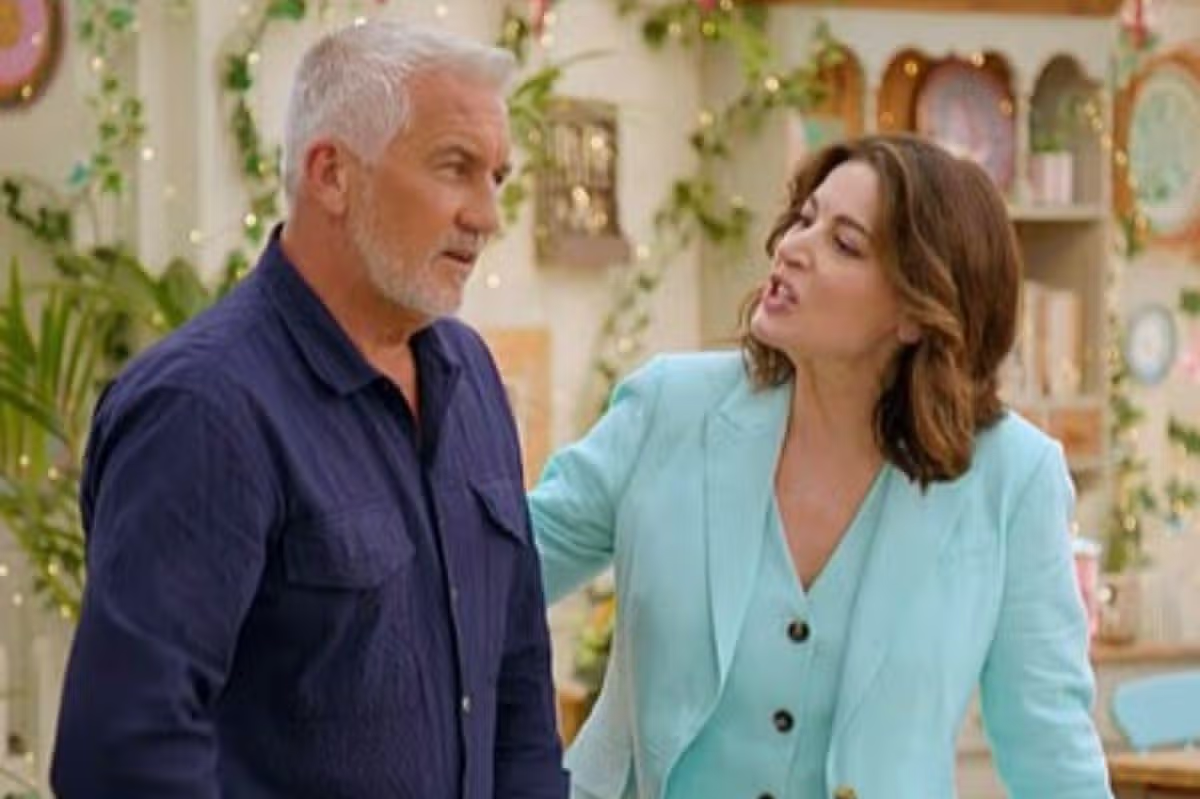
Mary Berry has had her say on Nigella Lawson, who has taken over Prue Leith’s role as judge on The Great British Bake Off. Mary originally held the role alongside Paul Hollywood
Mark Jefferies at Cheltenham Literature Festival
19:37, 14 Oct 2026Updated 19:40, 14 Oct 2026
New Bake Off judge Nigella Lawson alongside Paul Hollywood on the show(Image: Channel 4)
TV cook and former Great British Bake Off judge Mary Berry has backed Nigella Lawson – saying she is a “glamorous” addition to the show who has brought “new life” to the format.
Dame Mary said: “Bake Off is a wonderful format. We started it off not knowing what we were doing and then Prue has been doing it and it is a format and you fit into it.
‘I am delighted Nigella is there. She has got to keep control of a certain person. Paul needs handling and he has this handshake which keeps appearing.
To see more of the stories you love from The Mirror and to find them easily in Google then make us your preferred source. Free and easy-to-do, just click on the link here to find more from The Mirror at the top of your feed.
“Nigella has brought some glamour to it, and she really likes tasting doesn’t she? And I know how she feels, I always took a proper mouthful because if you just take a little bit, the person whose food you are tasting, their auntie will say ‘well she didn’t even taste it’. So I was aware of that.
“Nigella is a joy and I think she has brought new life and I think it will do really well. A touch of glamour.”
Speaking on stage at Cheltenham with comedian and former host of Bake Off Mel Giedroyc, the pair recalled how Mary would sometimes arrive for day two of filming in the tent with the same hair and make up, having slept without taking it off to minimise the amount of time she needed to be styled.
Laughing, Dame Mary said: “Why not? I used to put a towel over the pillow, I didn’t want them to think I was grotty. It does take such a long time for someone to do your make up.”
She also said she found the tent cold and would hide hot water bottles under her jackets.
Dame Mary was appearing at Cheltenham to promote her first gardening book, My Gardening Life and a new cook book All In One.
Arguably she was a gardener before she could cook, as she recalled how her father grew practical crops such as potatoes, sweet peas and celery during wartime to feed the family.
“My dad had to take to gardening because he had to dig for Britain and he gave me a little patch and I grew radishes,” she recalled.
Nowadays she has six raised beds in her garden raised to above knee height so she can easily reach them and even perch on the edge if she wants to take a rest.
She said one of her greatest pleasures now in life was ‘deadheading’ in the garden, the process by which you removed faded or spent flowers to tidy up plants.
She explained: “Deadheading is one of my favourite things, you don’t have to dress up for it. I can do it when I get in tonight if its not dark. I can deadhead the roses which are still flowering and it so encourages more things to come on.”
She added: “Gardening is similar to cooking, you follow a formula. But cooking you can follow a recipe and produce it by tonight. Gardening you have got to be much more patient.
“Which do I prefer, gardening or cooking? I think the two go together. We grow vegetables that we eat, things that I like, so there is no kale, lots of herbs and I think they go together.
“I am a fair weather gardener, I would walk a dog in any weather but I don’t garden in any weather. I wait until the sun comes out.”
Dame Mary is of course better known for her baking and cooking. Having studied in France and the UK, she worked for a number of food industry bodies and wrote recipe pages of Housewife magazine.
Her first cookbook, The Hamlyn All Colour Cookbook, was published in 1970 and since then she has gone on to write more than 50 others, which have sold millions of copies around the world.
Already a big name in food, Dame Mary became a household name to a new generation of cake lovers when she landed the role as a judge on The Great British Bake Off, alongside Paul Hollywood, Mel Giedroyc and Sue Perkins in 2010.
She quit the show in 2016, along with the hosts Mel and Sue, when it moved to Channel 4, staying loyal to the BBC and continuing to make shows there.
* My Gardening Life by Mary Berry is out now, published by DK.
KATIE Price’s third and final day of evidence at Kieran Hayler’s alleged rape trial spiralled into fiery court outbursts and a stark warning from the judge.
The former glamour model lashed out at Hayler’s lawyer – accusing her of “slander” and ranting: “I won’t have anybody call me a liar”.
Katie Price’s evidence descended into fiery exchanges and outburstsCredit: Doug SeeburgShe was giving evidence at Kieran Hayler’s alleged rape trialCredit: PA
Despiter being slapped down about her outbursts, Katie continued to row with Arlette Piercy as her cross-examination became more heated.
In one tense exchange, she asked the defence lawyer: “Are you calling me a liar?”
Sign up for the Showbiz newsletter
Thank you!
Ms Piercy replied: “I am.”
Katie then responded: “I don’t need to be here. You can see in black and white something’s gone on.
Katie also branded Hayler, who is accused of raping and sexually a 13-year-old girl, a “wrong’un” and said: “You shouldn’t turn this case against me”.
She continued: “The real reason why we’re here is what he’s done to a child, not me.”
Ms Piercy then said she “can’t continue like this” after Katie repeatedly spoke over her.
She said: “Because you know I’m right.
“I won’t have anyone tell me I’m a liar. I’m not a liar.”
Hayler was married to Katie Price at the timeCredit: GettyHe and Katie married in 2013Credit: Dan Charity – The Sun
After Ms Piercy then referenced “cocaine and booze benders”, the reality star snapped back: “That’s discrimination.
“Everyone knows I self-medicated on coke due to Kieran introducing it.
“You are wrong and trying to discriminate me. The press know it all because of my journey. I ended up in therapy and tried to kill myself twice.
“You’re not going to slander my name. I don’t care if you are a barrister, you are not going to slander my name like that.
“I don’t need to sit here like a therapy session.”
Judge Mark van der Zwart was forced to intervene and told Katie to “stop talking please”.
He urged: “Take a drink, take a breath, take a moment.”
As she continued to try to talk, the judge continued: “Ms Price, let’s leave it there please.”
It came after she was given a prior warning by the judge to keep her views to herself following another rant yesterday.
Katie had claimed there were “other kids that haven’t come forward” during yet another tense exchange with Ms Piercy.
But the judge said: “When you’re being asked questions today please would you not mention any beliefs you may have whether Kieran Hayler has behaved inappropriately with anyone else apart from (the complainant).”
When she began repeating other allegations, she was slapped down by the judge.
He said: “I’m going to stop you there, Ms Price.
“Ms Price, golden rule: when I talk, nobody else does.”
She replied: “OK, sorry.”
Katie told jurors how she had confronted her then-husband over the allegationsCredit: PAShe called the allegations ‘disgusting’Credit: James Shaw
Hayler has denied the allegations, which allegedly took place in West Sussex while he was married to Katie.
The complainant is not a member of his or Katie’s extended family.
Katie, 48, yesterday told jurors she did not have “any venom” against her ex-husband and said their split was “amicable”.
She also said she had not read any media reports of his trial because she had been “handcuffed to Suella Braverman all week” for a Channel 4 show.
Jurors were told how she had messaged the girl and vowed to make her a “little star” while quizzing her about whether she had kissed Hayler.
The exchange happened in May 2017 – eight months after the last alleged attack by Hayler, it was said.
Katie wrote: “I WON’T say anything and I PROMISE I’ll protect you!
“I’m only asking as this is a serious allegation to say.”
The girl, who was 14 at the time of the message exchange, replied: “It was just a flirt thing and he knew it was wrong. Nothing happened.”
Katie said: “Was it just a flirt and what did he do to realise it was wrong? Did he try (to) kiss you?
“I won’t bring (it) up anymore (I) just want (the) truth! I will make you a little star.
“Please help and tell me… as long as I know the truth, I won’t say. I PROMISE.”
Giving evidence behind a screen, Katie said it was “just a figure of speech” and claimed there was “no agenda or nothing behind it”.
She also denied being “angry and vengeful” towards Hayler and said she did not have a “vendetta” against him.
She ended her evidence yesterday by opening up about her mum Amy, 74, who has lung condition Idiopathic Pulmonary Fibrosis (IPF).
Katie said: “My mum’s dying at the moment and I haven’t been able to see her (because) I’ve got a cold… she’s got days.
“I did promise my mum I’d see her tomorrow.”
The girl, now 23, reported her allegations to the NSPCC in 2021.
The children’s charity then referred it to police and she was interviewed by cops in December 2021, with Hayler questioned the following month.
He denied any of the allegations took place and that anything sexual occurred.
Jurors heard he also told police in his first interview of the allegations in January 2022 that he believed he was being “set up”.
He said “100 per cent” he had not raped the girl, adding: “No never, the thought someone thinks I would do that is horrible, it makes me feel sick.”
Hayler also said to officers that he believed Katie had “planted a seed to (the complainant)”.
He added: “It’s like a smear campaign to ruin me.
“For this to come completely out of the blue I feel like somebody here is trying to set me up.
“Kate would put pressure on anybody. For her to not have anything on me I think kills her a little bit inside.”
In court, Katie described the allegations as “disgusting” but said she never went to the press or police about it and it was the complainant who reported it.
Hayler, who has worked as a stripper and actor, married Katie at a luxury resort in the Bahamas in 2013.
He was her third husband following her marriages to singer Peter Andre and cage fighter Alex Reid.
Katie and Hayler split in 2018 and formally divorced in 2021.
Sean “Diddy” Combs was rushed to hospital with a head injury early Saturday morningCredit: GettyCombs was reportedly Injured in fight with Jamaican drug lord known as “Dudus”Credit: U.S. Marshals Service
Page Six initially reported that the 56-year-old had smacked his head on a bunk bed.
But in the latest twist to the mystery hospital visit, insiders told TMZ that Combs was injured in a brawl with fellow inmate Christopher Coke, known as “Dudus”.
Sign up for the Showbiz newsletter
Thank you!
Multiple sources inside Fort Dix FCI told the outlet the pair came to blows last Friday but Dudus had the upper hand.
Combs suffered a severe head injury that required medical treatment.
Combs was reportedly conscious and able to speak after the alleged incidentCredit: APCombs was sentenced to 50 months in FCI Fort Dix prison on two charges related to prostitutionCredit: Obtained by CBS News
The Grammy winner was rushed out of the federal lockup in New Jersey at 1am local time on Saturday.
The fight was reportedly sparked over inmates’ anger at Combs for getting exposed in a recent NBC News report about his lavish lifestyle behind bars.
The shamed rapper reportedly had access to a cellphone, alcohol and had paid other inmates for their prescription medication.
As a result of the leak, prison officials conducted two raids and confiscated cell phones from inmates – including Dudas.
Most read in Entertainment
The convict – serving a 23-year sentence since 2012 – is a kingpin at the prison, sources told the outlet.
Combs was said to have been conscious and speaking following the alleged incident.
He was reportedly taken back to prison grounds before sunrise the same day.
After the punch- up, both men were reportedly hauled into solitary confinement for two week’ s punishment.
Combs was acquitted on more serious charges of racketeering and sex traffickingCredit: Getty Images – GettyDefense lawyers seen comforting Combs in a court sketch after jurors reached their verdictCredit: Reuters
A rep for the Grammy winner previously told Page Six: “We are aware of the reports concerning Sean Combs and are working to confirm the circumstances.”
“Sean’s health and well-being are our immediate concern,” they continued, “and we appreciate everyone who has reached out.”
The hip-hop star was sentenced to 50 months in FCI Fort Dix prison last year on two charges related to prostitution.
Combs was acquitted on more serious charges of racketeering and sex trafficking.
His recent hospital visit follows a turbulent few months for the disgraced music producer.
The singer has been forced to bow out of this upcoming Icons Week on the BBC show after falling ill. She has broken her rib but is hoping to recover in time for next week and – following her doctor’s order – has been getting rest at home.
Taking to social media, she wrote: “Just wanted to come on here and say a big Thank you to everyone who has sent messages and wrote lovely comments the last couple of days, I see them all.
“Not the start to the week I’d hoped for but your support has meant the world. Also special big thank you to my amazing dance partner @kaiwidd who I will miss dancing with this weekend but I am so beyond grateful for his guidance and friendship through it all.. as well as the wonderful Strictly team!!”
To see more of the stories you love from The Mirror and to find them easily in Google then make us your preferred source. Free and easy-to-do, just click on the link here to find more from The Mirror at the top of your feed.
She added: “Resting and recovering at home and will be cheering everyone on from my couch on Saturday night xx.” Delta had previously said she was “absolutely gutted” to be out the show for the week, and hoped she’d be back the following week.
It was revealed today that Delta’s planned dance to Dolly Parton’s Jolene with Kai Widdrington will be performed instead by Amy Dowden.
A spokesperson for the show had said: “Due to injury, Delta Goodrem has been advised by doctors to rest and, as a result, will not dance on this weekend’s Strictly Come Dancing.
“In line with the rules of the show, Delta and Kai will receive a bye through to next week when it is hoped they will be able to dance again. We wish Delta the very best as she continues her recovery.”
Delta added: “I’ve been loving every second of this experience, so having to sit this one out is heartbreaking – especially after the high of Saturday night.
“I cannot tell you how much I love being a part of this magical show. I’m going to focus on resting and recovering, and hopefully I’ll be back on that dancefloor very soon. Thank you so much to everyone for all the love and support. It’s so appreciated. I’ll be cheering everyone on from the sidelines this week!”
Sources revealed that Delta’s rib injury “deteriorated” and she was “in absolute agony” performing. She was later rushed to hospital to undergo tests but is now resting at home.
A source said: “Delta has been pushing herself as far as possible to impress Strictly viewers. A small injury at the start of last week has quickly deteriorated. On Saturday night, despite putting on a brave face and smiling, she was in absolute agony.
“Filming didn’t wrap until late Saturday night and she was exhausted. The plan was to go home and get some rest but she could hardly sleep. On Sunday morning she was raced to A&E and then spent most of Monday also at the hospital.”
Fans reported audience members walked out of cinemas when it was first released
The Substance teaser clip
Film fans say it is one of the best thrillers ever, so long as you can stomach it.
Ahead of Halloween, a number of horror movies have been added to BBCiPlayer for fans to enjoy at no extra cost. That includes The Substance, which was originally released in cinemas to great acclaim back in 2024.
It later landed on premium subscription services following its theatrical run. This includes the likes of Paramount+, where it can still be found, but the broadcaster’s platform states it can be watched at no extra cost on iPlayer for the next three months.
According to its synopsis, the film’s story follows fading actress Elisabeth Sparkle who becomes distressed when her chauvinistic boss fires her from her aerobics show. She soon injects herself with a new and mysterious serum that promises a younger, better version of herself. As you might expect, it’s not long before things go horribly wrong.
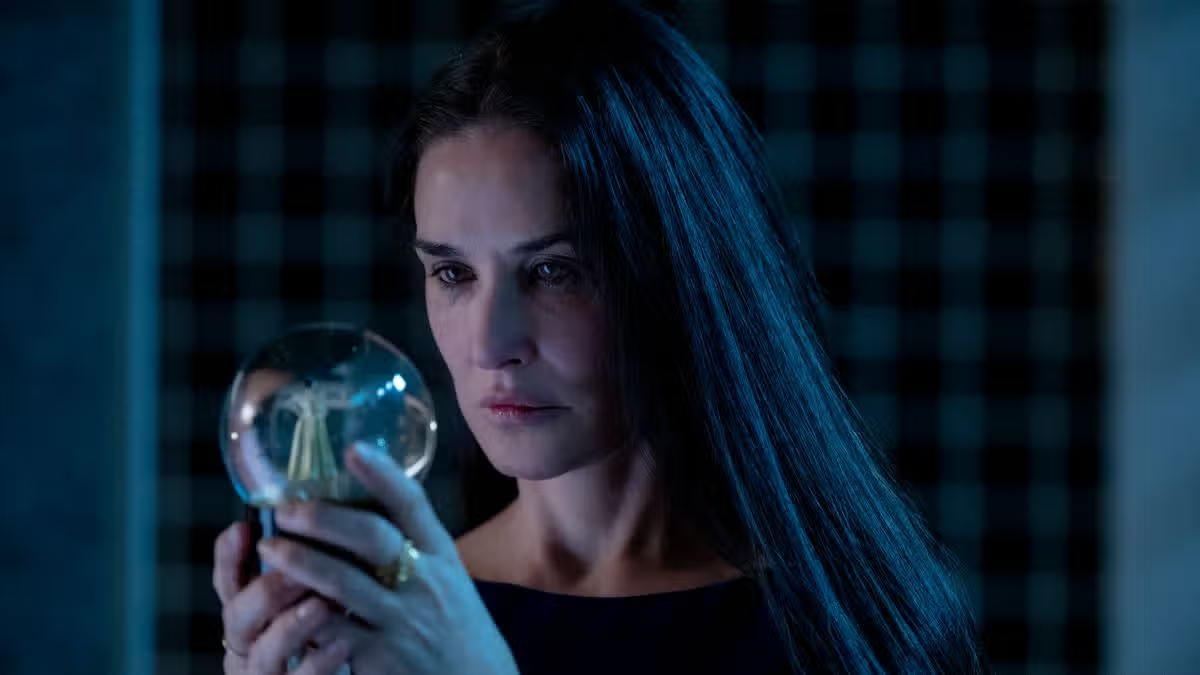
Despite being a relatively low-budget production at under $20 million, the title boasted an impressive cast list. This includes Demi Moore, Dennis Quaid, and Margaret Qualley.
It would go on to earn more than $80 million at the box office globally and even earned plenty of awards buzz both for the film and its stars. The Substance was also one of the highest-rated movie releases of the year it came out, boasting an 89% score on the website Rotten Tomatoes.
When it first arrived in cinemas, some reports claimed that moviegoers struggled to actually sit through the entire thing. There were claims on social media that people walked out, unable to stomach it all, while others stated that audiences applauded at the end.
A number of reviews backed this up, such as one which claimed: “The Substance is an incredibly difficult watch, even for the most hardened horror fan. “This film is exemplary, there’s no doubt about that, but it pushed me to my absolute limit – perhaps even just beyond it. Don’t be fooled by the big names in the cast, this does not operate in the boundaries of mainstream cinema, it shatters them completely and you’ll feel like you’re fighting for your life. Bravo.”
Another critic agreed and added: “It’s the kind of film that requires courage from everybody involved, including the caterers who were presumably tasked with preparing a menu that wouldn’t end up on the shooting floor every day.”
Despite this, many fans still recommend it, as one posted online: “What a spectacular film, out of the ordinary, what an incredible social critique, the ending was just a bit exaggerated, but that’s also part of the criticism, I thought it would be just another generic horror film, no, far from it…”
But some still urge caution: “Warning! This movie is insanely gruesome and bloody. So much so that if you can’t handle excessive gore, you might just find yourself gagging. But if you can stomach it, The Substance is an absolutely wild ride, delivering one of the best horror-thriller experiences in years.”
Someone else called it “bonkers” and added: “The last 45 minutes were one of the greatest cinema experiences of my life, listening to a group of humans howl with laughter and scream and cover their eyes and ears in equal measure.”
The Substance is streaming on BBC iPlayer and Paramount+