seafood

I stayed at the Norfolk seafront pub with crazy Sea Shanty festival and Insta-famous seafood platter

STRIKING orange sunsets over sage green marshes. Clear, starry skies and healing salty air. A seafront pub bringing all the party vibes and the best of local seafood.

This is The White Horse in Brancaster Staithe, a posh pub with rooms on the North Norfolk coast.

Travel Reporter Jenna Stevens tries out The White Horse, a pub with rooms in North Norfolk Credit: Jenna stevens
The White Horse has benches facing right out to the saltmarshes of Brancaster Staithe Credit: The White Horse

Norfolk locals like me will tell you this pub is famous for three things: Oyster festivals, blazing orange sunsets, and the colossal Seafood Platter that’s doing the rounds on social media. (And maybe that clip of General Manager Rob falling off his chair on Instagram).

Here’s everything you need to know about staying at The White Horse.

Where is The White Horse?

The White Horse sits on the North Norfolk coastline in the seaside village of Brancaster Staithe.

This stretch of North Norfolk coast is known for it’s freshly-caught seafood such as lobsters and oysters, vast golden beaches and laid-back, friendly feel.

POSH PUB

I stayed in glam pub with rooms in Norfolk’s ‘Chelsea-on-Sea’ with its own cinema


SEA IT

Norfolk is one of the cheapest UK holiday spots – this seaside town is my favourite

The seafront pub sits smack-bang on the Norfolk Coast Path, its garden leading straight out onto the coastal trail with its maze of creeks and pretty marshland.

Follow the trail along to Brancaster Beach to find a sprawling expanse of dog-friendly golden sand, where you can even spot the rusted wreck of a WWII ship.

What is the hotel like?

The White Horse has multi-level restaurants plus an outdoor terrace and Marshside bar Credit: The White Horse

The White Horse has an impressive exterior, with multi-levelled restaurants directly facing the salt marshes.

This setup offers unbeatable sunset views for arguably the best outdoor dining on the North Norfolk coast.

Inside the beachy theme continues with rattan furniture, shell and sailing artwork lining the walls, as well as a balance of cool blue and warm orange tones to reflect those famous Norfolk sunsets over the sea.

Whether you’re sipping your morning coffee by the creeks, or enjoying a pint of golden Wherry by the roaring fire, the whole place operates at an unhurried coastal pace – what locals dub being on ‘Norfolk time’.

What are the rooms like?

Rooms at The White Horse stick with the pub’s coastal theme, with oranges, blues and sea-themed art Credit: The White Horse

There’s 15 bedrooms in the main building, many of which look out over the sea, offering views over the sandy stretch of Scolt Head Island.

The ‘Room at the Top’ comes with a stargazing terrace and telescope, letting you take full advantage of Norfolk’s clear, starry skies.

The pub’s eight garden rooms are pricier starting at £210 per night, but are super spacious, come with their own outdoor terrace, and are just steps from the sea.

Rooms start from £165 per night, including breakfast. See whitehorsebrancaster.co.uk.

What is there to eat and drink?

The giant seafood platter contains everything from local oysters to smoked salmon and seared tuna Credit: The White Horse

There’s three main spots to eat here: the cosy bar, the swanky main restaurant, and the vibey Marshside bar.

The main bar is perfect for popping into after a breezy beach walk, where you can grab a pint of local ale or a hot drink and sink into the sofa.

There’s also light lunches and dinner on offer here, like focaccia sandwiches (£12.50), fish and chips (£22.50) and a local beef burger with fries (£19).

The raised main restaurant boasts panoramic views over the marshes, with floor-to-ceiling windows that allow the sunlight to flood in, with touches of warm light and glowing candles.

Here you can order a locally-caught Market Fish of the Day (£28.50) served with Norfolk potatoes, three huge Brancaster Rock Oysters for £13.50, or the one that people travel far and wide for: the Seafood Platter.

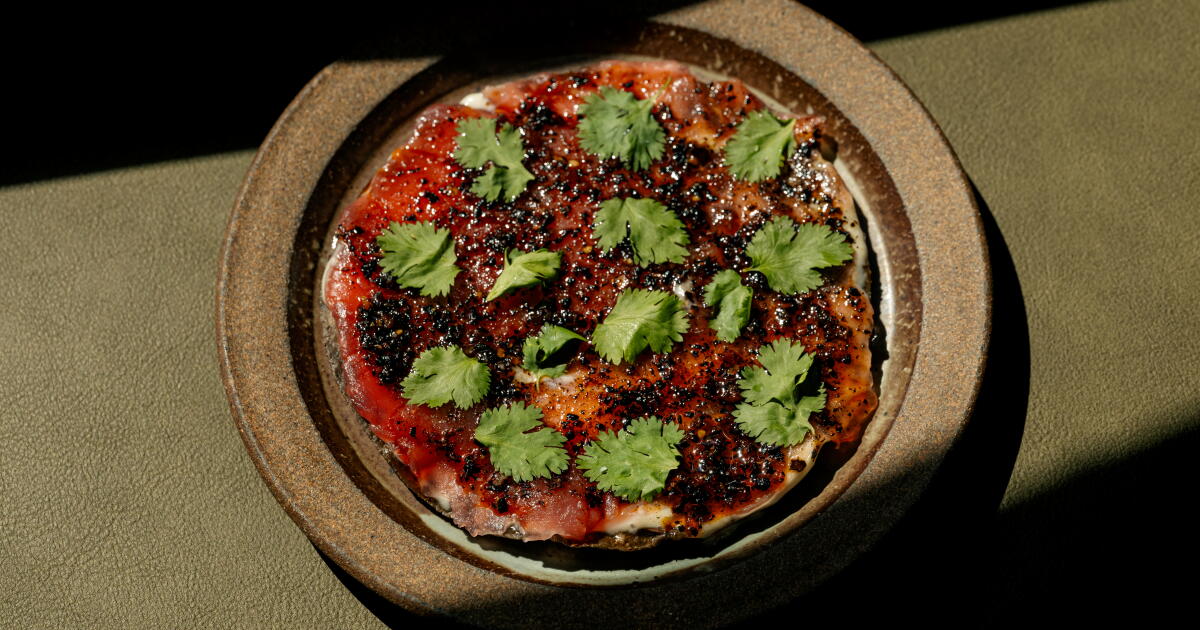
The Seafood Platter comes with smoked salmon, oysters, crab, cockles, clams, tuna, crevettes, prawn cocktail, caviar, mackerel, sauces and focaccia for £89, and can easily be shared between 2-3 people. It’s a must-try!

Then there’s Marshside – the outdoor bar and restaurant where the pub’s festivals are held in summer, and cocktails are enjoyed with salty air and vibey music.

If you’re dining at Marshside, go for the chicken kiev and fries – or a cheeky Bloody Mary served with an oyster on the side for £15.

What else is there to do there?

The White Horse put on a range of festivals each year, celebrating everything from sea shanties to paella and oysters Credit: The White Horse

This pub hosts very popular festivals over the summer and into September, including an annual Oyster Festival, Paella Weekend and a Lobster BBQ. Make sure to check the website for specific dates.

My favourite is the Sea Shanty Festival, where local crew Nelson’s Shantymen and touring shanty groups perform sea-faring favourites like Blow The Man Down and the TikTok-famous ‘Wellerman’ to raise money for the RNLI.

Outside of the festivals, there’s plenty of water sports to tackle nearby, from stand up paddling with Brancaster Boards to sailing with Brancaster Staithe Sailing Club.

If you’re looking to unwind, Wild Yoga Norfolk offers unique seaside wellness sessions like seaside sauna and swims in the saltwater creeks.

Twitchers will love nearby Titchwell Marsh, where you can spot birds like pink-footed geese, marsh harriers and avocets.

Sister pub The Jolly Sailors is just a few minutes down the road, and has a large beer garden with beach huts selling everything from unicorn ice cream to rum cocktails. They also serve generous bowls of local mussels, when in season.

Is it family friendly?

There are dedicated family rooms here with space for extra beds – just make sure to mention if you need this when booking.

There’s also a children’s menu in the restaurant with options for ‘Little Kids’ like haddock and chips (£9.50) and a chargrilled chicken burger (£9.50), or ‘Bigger Kids’ mains like a beef burger (£16) and even half a lobster with fries (£28).

Is the hotel accessible?

There are accessible garden rooms with ramps, as well as step-free access to restaurants.

Make sure to mention any additional needs you may have when booking.


Source link

Boat trips, swimming and seafood: 10 of the UK’s best harbour towns and villages | Travel

The historic harbour is the hub of this working East Neuk fishing port, home to a fleet of about 30 small trawlers and creel boats. Their catches are sold at the covered market on the quay each weekday morning, and served at the harbourside Dory Bistro and Chip Ahoy at the Larachmhor pub. Pittenweem (which means “place of the cave”) also has a Victorian-era swimming pool next to the beach, which is filled by the tide twice a day. After falling into disrepair, it was saved by a local group called the West Braes Project and reopened in 2021, along with the crazy golf course. Early each August, there is an annual arts festival with exhibits by nearly 200 artists in harbourside spaces, heritage buildings, homes and studios. Pittenweem is flanked by two other pretty harbour villages, St Monans and Anstruther, while a third, Crail, is a little further north; the Fife Coastal Path links them all. The Bank in Anstruther has harbour-view rooms (doubles from £120 B&B).

Carnlough harbour featured in Game of Thrones as the Braavos canal. Photograph: Christopher Hill Photographic/Alamy

There has been a harbour in the village of Carnlough since the late 1700s, but the one standing today dates to 1853 (Game of Thrones fans may recognise it as the Braavos canal). It was built on the orders of the Marchioness of Londonderry to transport limestone from her quarries – the town hall’s Heritage Hub tells the full story. The old railway line between the quarry and harbour is now a footpath with panoramic views, leading to Cranny Falls. The harbour is the focal point of the village, which stands at the foothills of Glencoy – one of the nine glens, or glacial valleys, of Antrim – on Carnlough Bay. It bustles with local fishers, and boat trips set sail daily (£10 adults, £6 children; trips last 45 minutes). The Twilight coffeeshop, directly across from the harbour, serves brunch and has bunkhouse accommodation upstairs (sleeping 14). The recently refurbished Harbourview hotel offers more than 200 Irish whiskeys and hosts an annual whiskey festival (doubles from £120 B&B).

Solva, Pembrokeshire

At low tide, Solva harbour becomes a huge stretch of sand. Photograph: Ashley Cooper/Getty Images

Solva’s ancient harbour is at the bottom of a steep-sided valley on St Brides Bay, a few miles from St David’s. At high tide, it is popular with paddleboarders, but at low tide it becomes a huge stretch of sand, with the River Solva meandering down the middle. Then, there are rock pools and caves to explore; prime fishing, crabbing and shrimping spots; and safe, shallow places to swim. The village is split into Lower Solva, by the harbour, and Upper Solva – there are fantastic views over both ends from the Gribin headland. Cafe on the Quay and the Harbour Inn have outdoor tables overlooking the water; the Hats & Barrels serves fresh fish, and seasonal lobster and crab; and the Cambrian Inn is a restaurant with five rooms (doubles from £140 B&B).

Craster, Northumberland

The small harbour at Craster, known for its smokehouse and kippers. Photograph: Jim Monk/Alamy

While Craster’s natural haven has been used by fishers for centuries, today’s harbour was built in 1906 as a memorial to a member of the Craster family and has the ruins of Dunstanburgh Castle, a mile’s (1.6km) walk away up the coast as a backdrop. Craster is perhaps best known for its kippers, and L Robson & Sons has been producing them at its smokehouse overlooking the harbour since 1856. They are sold in the shop next door, while the Piper’s Pitch hut serves them in a bun, and the Jolly Fisherman pub turns them into paté and puts them in a scotch egg. The Cottage Inn, just outside Craster, has 10 rooms (doubles from £105 room only), and the Dunstanburgh Castle Inn in neighbouring Embleton has 16 (doubles from £120 B&B). The market town of Alnwick is about seven miles away.

Car-free Clovelly harbour. Photograph: Nigel Hicks/Getty Images

Brixham, on Devon’s south coast, is probably the county’s best-known harbour town – but the village of Clovelly, on the north coast, is well worth seeking out, too. It was once the property of William the Conqueror, and is still privately owned today (entry is £10.90 adults; £6.25 children). The tiny harbour stands at the foot of a 122-metre cliff, reached via the steep, cobbled main street (known as Up-along or Down-along). Cars are not allowed, so goods are transported by sledges and donkeys. The Red Lion hotel, right on the quay, has 17 rooms, all with sea views (doubles from £225 B&B); the restaurant serves dishes such as wild hake and local lobster, while the snug bar offers haddock and chips. The Fisherman’s Cottage & Kingsley Museum is a 1930s time capsule, and there are annual festivals celebrating seaweed, seafaring and seafood.

Staithes, North Yorkshire

Staithes village and harbour. Photograph: Nigel Harris/Getty Images

North Yorkshire is not short of busy harbour towns and fishing villages: see Scarborough, Whitby and Robin Hood’s Bay. But Staithes, a little further north, is less well known. The name means “landing place” in Old English; Vikings landed here, and it was once one of the busiest fishing ports in the north-east. Today, there are still a handful of cobles (a traditional fishing vessel), plus boats running wildlife-watching trips, from which minke whales can be seen in August and September. The village is a steep jumble of cottages (largely white-washed and red-roofed, with the occasional electric blue pile), threaded with cobbled snickets (narrow alleys). The Cod & Lobster pub is right on the harbour wall; and the Endeavour B&B (refurbished in 2022) has four rooms, one with harbour views (doubles from £120 B&B). There is an annual arts festival (this year running 11-13 September), and visitors can walk a mile or so along the Cleveland Way to the ruined harbour at the abandoned hamlet of Port Mulgrave.

skip past newsletter promotion


Porthleven is one of Cornwall’s quieter harbour towns. Photograph: Jory Mundy/Getty Images

From mighty Falmouth to minuscule Mousehole, harbour hunters are spoiled for choice in Cornwall. But pretty Porthleven, on the Lizard peninsula, tends to have fewer crowds. Its double harbour, which opened in 1825, is said to have been built by French prisoners of war after the battle of Waterloo. It is lined with pubs, restaurants and galleries; there is a craft market most days from Easter to the end of October, and a food festival in April. The 17th-century Ship Inn straddles the harbour and the waters of Mount’s Bay; the Mussel Shoal is a seafood shack right on the harbour head; and Kota Kai serves fusion food such as Cornish fish and chips with katsu curry sauce, wasabi tartare, Asian slaw and pea puree. The Harbour Inn is a recently refurbished pub with 15 rooms (doubles from £110 B&B).

Lyme Regis harbour, built from Portland stone. Photograph: Travel Pics/Getty Images

Lyme Regis’s harbour includes the Cobb, a breakwater and jetty. The first written mention of it was in 1328, when it was damaged by storms, but today’s Cobb was built from blocks of Portland stone in the late 18th and 19th centuries. It is on the west side of the town (known locally as the Pearl of Dorset), so is great for a sunset stroll. You can often see seals in the harbour and dolphins just out to sea; there are daily boat trips in late spring and summer. The beaches are fertile ground for fossil hunters – especially at Monmouth, to the west of the Cobb, and East Cliff, to the east of the town – and have thrown up many amazing discoveries, including an ichthyosaurus excavated by the paleontological pioneer Mary Anning in 1812. The Cobb Arms is the closest pub to the harbour and has three rooms (doubles £155 B&B); while the Harbour Inn, a tiny bit farther north by the beach, serves Lyme Bay seafood.

Lymington is a yachting hub. Photograph: Thomas Faull/Getty Images

This market town on the west bank of the River Lymington, at the edge of the Solent, was first mentioned in the Domesday Book, became a hotbed for salt manufacture in the medieval era and later a shipbuilding centre in the 19th century. Today, it is a yachting hub, with two marinas as well as the old town quay. Near the Royal Lymington Yacht Club are the town’s seawater baths – established in 1833 and still open for swimmers (plus paddleboarding and inflatable obstacle courses). There is a lively market along the high street on Saturdays; while waterfront pubs and restaurants include the Ship Inn and The Haven, and the recently reopened Mayflower, set a little back near the seawater baths, which has seven rooms (doubles from £100 B&B). The Wightlink ferry port is just outside the town at Lymington Pier, taking passengers to Yarmouth on the Isle of Wight, another historic harbour town (with a crossing of about 40 minutes).

Plockton sits in a sheltered bay. Photograph: Getty Images/iStockphoto

Plockton, a planned harbour village built to support the herring industry in the early 1800s, is known as the Jewel of the Highlands. It sits in a sheltered bay on the banks of Loch Carron, with a mild climate that allows incongruous-looking palm trees to thrive, and wooded hills beyond. Visitors can buy fresh fish and prawns off the pier when the boats come in at about 3pm; go on sea-kayak tours and seal-watching trips (from spring until the end of October); and watch the annual summer regatta in July. The Plockton Inn serves local langoustines and other seafood; the Plockton hotel has six rooms with loch views and five overlooking the gardens (doubles £180 B&B); and the bunkhouse by the railway station has budget beds (£20pp, discounts for groups). It is about an hour’s drive over the bridge to the Isle of Skye and on to its pastel-painted harbour capital, Portree.


Source link