Nimesh Patel’s ‘Buy the dip’ finds humor and hope in a country in crisis
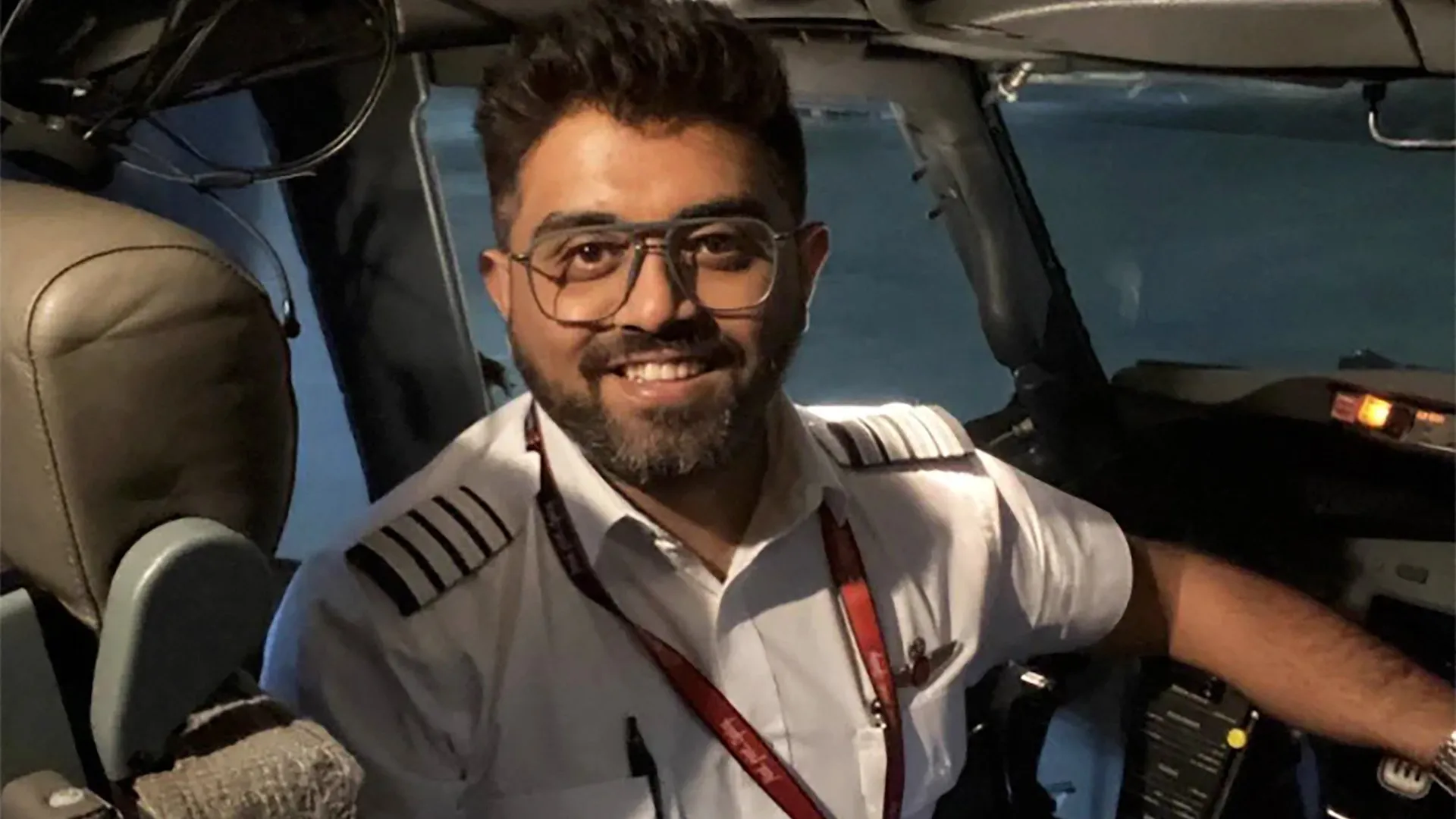
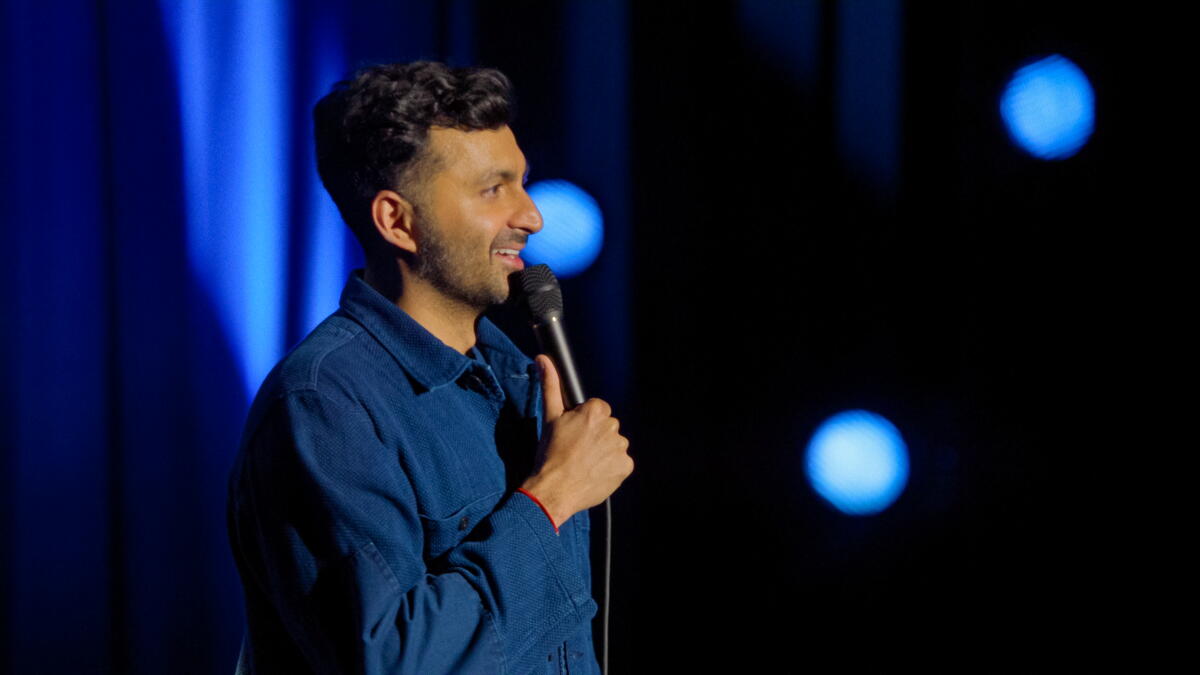
Nimesh Patel’s stock in comedy has been on an upswing lately. From sold-out shows to a skyrocketing social media following and the release of his first Netflix special, “Buy the Dip,” last month, it’s been amazing the difference a year makes. The new hour filmed in Washington, D.C., delivers surgically precise, dryly delivered jokes and personal stories about America falling apart from the heart of our nation’s capital.
Despite the dire circumstances, it’s in our country’s DNA to believe in the power of the rebound. So does Patel, who’s seen one play out with his own career after taking an unexpected hit. Last fall, the comedian faced public backlash for his decision to accept — and then reject — a spot on the controversial Riyadh Comedy Festival, for which he’d been offered $125,000 to perform along with major names like Dave Chappelle, Bill Burr, Sebastian Maniscalco, Whitney Cummings and many more. The rollout of a comedy festival in Saudi Arabia, a nation whose government has been accused of human rights abuses and, according to U.S. intelligence, the brutal murder of journalist Jamal Khashoggi at its consulate in Turkey, lead to a war of words on the internet aimed at the comedians on the lineup. Hearing the scrutiny loud and clear and ultimately deciding the money wasn’t worth it, Patel decided to pull out and tell the world via Instagram that he wasn’t going, opting instead (and somewhat grudgingly) to make up for the lost bag with 40 extra shows added to his nationwide theater tour. The response to his video announcement drew even more ire from comedy fans. Looking back on it now, he admits his delivery at the time, looking tired and somewhat annoyed by his own decision, wasn’t the greatest.
“People read that as sarcasm and like woe is me,” Patel said in a recent conversation with The Times over Zoom. “I can see why they thought that I was a poor actor in the video that I posted. But everyone acts better than the person they see on the screen until it becomes their life and then they’re like, ‘Oh s—, yeah, I probably would have done the same thing.’ So, f— them!”
Despite the roasting he received, Patel stuck to his word and did the shows. Stepping on stage night after night to earn the money he had planned on making last year from one canceled gig in Saudi Arabia gave him the reps he says he needed to perfect the new hour of material. The title “Buy the Dip” is a nod to the remnants of his former career in finance — it’s stock market terminology about buying a failing asset with the hope that it will go up in value again. But it also describes the optimism from which he now makes his decisions as a parent and as someone who still believes that things can get better, even at their lowest.
“I have to be an optimist, I have to believe the world is getting better, because otherwise, what the f— did I do by having a kid?” he said.

In his Netflix debut special, “Buy the Dip,” comedian Nimesh Patel turns personal setbacks and a troubled America into sharply observed jokes grounded in unexpected optimism.
(Courtesy of Netflix)
His belief in positivity followed him to D.C. to record the special, the town where he says he got his first big breaks as a comedian opening for major acts like Maz Jobrani at the Warner Theatre, headlining the Bier Baron and the DC Improv and even the Kennedy Center — “or the now-defunct Trump whatever you’re supposed to call it,” he joked. When it comes to his comedy trajectory, taking the long view is essential to realizing that Patel’s path to this special started over a decade ago when Chris Rock discovered him while on stage in Brooklyn and helped him get writing gigs on “Saturday Night Live” and the 2016 Oscars ceremony, two opportunities that solidified his resolve to go into comedy full-time after he lost his job in finance.
As an Indian American comedian, he knows there is a spotlight of cultural representation on him, which he notes in the special and even makes fun of. That kind of attention isn’t on just him but also on Indian Americans in even higher-profile jobs, such as, say, the first Indian American director of the FBI, the chronically embattled Kash Patel.
“Let me be clear, it’s really difficult to both be proud of Kash and despise him at the same time,” Patel says. On the one hand, there’s the astonishing feat of going from being one of the few Indian kids in Virginia amid post-9/11 racism to becoming head of the nation’s domestic intelligence agency. On the other there’s a career riddled with gaffes and allegedly immoral conduct that makes him an easy punching bag for the writers at “SNL” with the help of his late-night TV doppelganger Aziz Ansari.
“For him to go from that to then be serving the country at this level, that is an incredible achievement, and it’s just so sad that that is who our representative is at the moment,” Patel said. “Just like when an Uber driver says to me, ‘Your last name is Patel? Like Kash?’ I’m like, ‘Yeah, just like that, but not like that at all, you know?’”

Patel revisits the backlash he faced after accepting, then withdrawing from, Saudi Arabia’s Riyadh Comedy Festival, and how dozens of extra tour dates helped shape his new material.
(Courtesy of Netflix)
While trying to distance himself from one person who shares his family name, when it comes to his actual family, Patel has plenty of jokes of being too close to them. Like many millennials, he’s squeezed tight between caring for aging parents and raising a child. At 40, he says in the special that people in his age bracket have become the “Sandwich Generation.” Though, to be fair to his toddler, keeping track of his parents is a much harder task at times.
“They won’t take help. They’re very independent, and I imagine I was the same way when I was growing up,” Patel said. “So it’s that in itself is just like the Progressive commercial that we’re all becoming our parents, but in real life and not driven by a corporate marketing team. It’s just funny to see that play out.”
Whether the obstacles he faces in life are laugh-out-loud funny or career hurdles that threaten to topple him into the abyss, the idea that he can always bounce back is the key to staying unfazed during the highs and the lows of life. And to the extent that anyone can take a lesson from Patel in the art of staying even-keeled, he hopes the special will make people feel a little less bad about the country being on the brink of destruction.
“Everyone knows that we’re not in a good spot right now,” he said. “The dip is here now. I fully believe that we can recover, I hope that we can. It’s going to be a lot of pain. I don’t know if we’re at the bottom just yet, but I’m optimistic, and I have to be. Otherwise, I don’t know what I’m doing.”