Ryanair

Wetherspoons boss Tim Martin hits back at Ryanair after Michael O’Leary’s alcohol attack

Tim Martin has spoken out after Ryanair boss Michael O’Leary claimed drinking booze at UK airports, such as London Heathrow, should be banned before a certain time

The boss of JD Wetherspoons has hit back at the Ryanair CEO’s claims alcohol shouldn’t be served at UK airports in the early hours of the morning.

Tim Martin, who founded his pub chain in 1979, said Michael O’Leary’s suggestion would require passengers being breathalysed at airports. He described the plan as “an overreaction”.

But Mr O’Leary, boss of the budget airline, had claimed an average of nearly one flight every day is diverted due to disruptive passengers fuelled by booze. The 65-year-old businessman said these tourists often drink in bars at airports for hours before they board their planes, and called on a ban on serving booze at airport bars in the early hours of the morning and a two-drink limit thereafter.

Mr Martin, though, has said: “A two-drink limit would be extraordinarily difficult to implement, short of breathalysing passengers, and would, in our opinion, be an overreaction — especially since many of the problems stem from incoming flights. It is in everyone’s interests to have good behaviour at airports and on flights.”

READ MORE: Mum raves about ‘family friendly’ Wetherspoons nestled around stunning bluebell forestREAD MORE: Seaside town with UK’s shortest pier and arcades ‘paying out big’

Mr Martin, 71, also told The Times it had “never been suggested” its customers cause disruption on flights. JD Wetherspoon told the newspaper that pubs in airports were “highly supervised” with strict policies preventing excessive alcohol consumption.

Airside bars in the UK are not required to follow restrictions on opening hours which apply to other venues selling alcohol. Being drunk on a plane is a criminal offence in the UK and can be punished by a fine of up to £5,000 and two years’ imprisonment.

But alcohol can be served on flights, including those of Ryanair, and there have been no calls on this practice. This, coupled with alcohol consumption at airports, has led to a number of incidents of disruption recently.

A man was, for instance, jailed for becoming abusive, causing widespread alarm throughout the Ryanair aircraft on which he was travelling from Poland to Bristol.

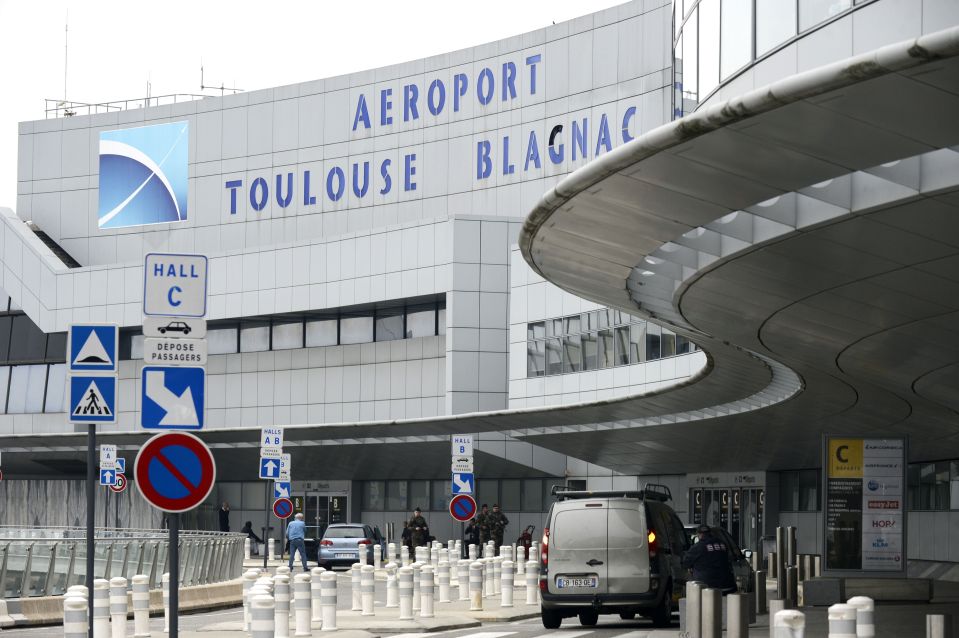
And, on Thursday, Ryanair welcomed the decision by a court in France which it said found two passengers guilty of causing disruption onboard a flight from Stansted to Ibiza that was diverted to Toulouse in May last year. The pair received a combined penalty of more than 10,000 euros (£8,640) and received suspended prison sentences of up to 10 months, according to the airline.

Speaking earlier this week, Mr O’Leary shared his plans. The father of four had said: “I fail to understand why anybody in airport bars is serving people at five or six o’clock in the morning. Who needs to be drinking beer at that time? There should be no alcohol served at airports outside [those] licensing hours.”

Source link

Ryanair’s ticket rule people born in 2010, 2014 and 2024 have to comply with

Families need to be aware of how this could impact their flights home

Certain young people going on holiday with Ryanair this year could find themselves in trouble if they are booked to fly with the wrong ticket type. It can happen to anyone born in 2010, 2014, or 2024. Ryanair divides its passengers into four categories when assigning seats on planes: adults, teens, children, and infants.

The airline is clear online about who qualifies for specific ticket types when they are travelling abroad with the budget carrier. Outlining the policy online, Ryanair says: “For the purpose of defining our passenger types, adults are over 16 years of age, teens are between 12 and 15 years of age, children are between two and 11 years of age, and infants are those under two years of age.”

This applies from the “date of flight departure”. If families are heading abroad and celebrate a birthday, they need to be aware of how this could impact their flights home. Anyone born in 2010, 2014, or 2024 must comply with the rules.

If a child turns two, 12 or 16 between leaving the UK and returning home, they cannot be booked onto Ryanair flights without potentially facing extra charges. It is important for parents to be aware of this before booking their next holiday – or act now if the plans are already in place.

Ryanair adds: “If an infant turns two years of age or a child turns 16 years of age during your trip, you should purchase two one-way flights rather than a return ticket. You may then connect the bookings by contacting us.”

In terms of pricing, teens (aged 12-15) are treated the same as adults for pricing. They may, however, lose any free seat selection that is offered to under-12s.

The airline has a section on its website for customers who have already made a booking and need to change their passenger type. Changing passenger types may incur fees, and it is generally better to update this to avoid issues at boarding.

Generally, swapping a child or teen ticket to an adult is free when done online, but child passengers will lose their free seat selection privileges and have to pay for a new seat when ageing out of the free under-12s seating offer. The cost of doing this varies, depending on the flight service and the newly selected seat.

In other Ryanair news, the budget airline is selling flights to Spain that are “cheaper than buying dinner”, which is great news if you’re looking for a budget holiday. The travel news was recently drawn to the attention of Spain Explore on Instagram, as they were keen to alert people to the deals.

The page claimed the airline has announced routes to Barcelona that are “cheaper than dinner”. After making a quick check, you’ll see that some flights from the UK are pretty reasonable.

Source link

10 of the best beach destinations you can fly to this month where flights cost less than a bottle of wine

An image collage containing 3 images, Image 1 shows Sea shore of Santander, Image 2 shows Row of houses on the old ramparts by the sea, Alghero, Province of Sassari, Sardinia, Italy, Image 3 shows Ilha da Culatra, Faro, Portugal

IF you’re having a night out at Wetherspoons, you can expect to drop around £25 for a bottle of wine.

But skip the bottle next time and you could fly somewhere to a beautiful beach instead – sometimes with some cash to spare.

From Portugal to Spain, lots of beach destinations have flights in May for under £25 Credit: Alamy
Biarritz is less visited by Brits but has a fantastic coastline Credit: Alamy

Of course, a bottle is always cheaper at a supermarket, but sometimes you just want to have a night out with your mates.

But there are lots of flights from the UK this month that are under £25 – so we’ve found 10 of the best which have a beautiful beach as well.

Faro

The Portuguese town is used as a gateway to the Algarve but it has its own amazing beaches too. Try Isla Deserta, home to just one restaurant but beautiful stretches of sand.

EasyJet has flights there for £19.99 when flying from London Southend or London Luton.

GROUNDED

Ryanair threatens to scrap all flights at another popular European airport


PLANE EXPLAIN

Jet2, Ryanair, easyJet, TUI, BA and Virgin – UK airlines on the fuel crisis

Biarritz

On the French basque coast is Biarritz, known for being both a surfing capital and a seaside resort once loved by royals – and nicknamed Paris-on-Sea.

Fly with Ryanair from Edinburgh for £19.99.

Did you know Alghero is often caleld Little Barcelona? Credit: Alamy

Santander

The northern part of Spain shouldn’t be overlooked, not least for its amazing ‘pitxos’ snacks – grab a bunch with some cheap wine to the
El Sardinero beaches for a relaxing afternoon.

Flights are £14.99 this month with Ryanair, and you can fly from both Birmingham and Manchester for the bargain fare.

Alghero

Did you know Italy has its own ‘Little Barcelona? Sardinia’s Alghero is just as beautiful especially with its white sand beaches.

Ryanair flights are £15.99 when flying from London Stansted.

Dubrovnik

The Croatian city of Dubrovnik has more to it than it’s Game of Thrones popularity, in the form of Banje Beach right by the Old Town.

Ryanair flights from London Stansted are £16.99.

Madeira

The Portuguese island of Madeira has some of Europes most beautiful mountains to hike, with some fantastic beaches underneath.

£16.99 flights with Ryanair take off from Manchester this month.

Madeira is known for its amazing hikes as well as the beaches Credit: Alamy
The north coast of Spain including Santander shouldn’t be missed Credit: Getty

Fuerteventura

When it comes to Spanish islands, Fuerteventura is often overlooked in favour of its neighbours Lanzarote and Gran Canaria.

But fly there with easyJet for £19.99 from Birmingham and make the most of Sotavento Beach.

Beziers

In the south of France, Beziers has four nearby beaches to choose from – Portirangues Plage, Serignan Plage, Valras Plage and Vias Plage.

Flights from London Luton to Béziers Cap d’Agde with Ryanair start from £21.99.

Choose from one of four beaches in Beziers Credit: Alamy

Barcelona

Spain‘s second city is know for its beautiful beach, and now is a great time to go following the latest competition of the Sagrada Familia.

Fly with Ryanair from Edinburgh for 14.99. Or fly with Wizz Air from Luton for around £20.

Newquay

Don’t fancy leaving the UK? Newquay is often compared to the Med and if you don’t fancy getting the train, Ryanair has £14.99 flights from London Stansted.

Source link

Wetherspoon boss hits back at Ryanair’s ‘Big Brother’ approach after airline’s plan to scrap airport breakfast pint

POV shot of a mid-adult same-sex female couple toasting beers at an airport.
A point of view shot of a mid-adult caucasian same-sex female LGBTQI couple sitting in the airport waiting for their flight toasting with their beers. Credit: Getty

THE BOSS of Wetherspoons has hit back at Ryanair after the airline proposed to scrap the beloved airport breakfast pint.

Sir Tim Martin, 71, boss slammed the idea to ban the sale of alcohol before early morning flights as a “Big Brother” approach.

Tim Martin has hit back at Ryanair after the airline proposed to limit airport drinking Credit: Louis Wood News Group Newspapers Ltd
The Wetherspoon boss said it was a ‘Big Brother’ approach Credit: Getty

Ryanair boss, Michael O’Leary, recently called for a ban after saying the rise in badly behaved passengers is causing huge problems for the airline.

He said it had become a “real challenge for all airlines” and questioned why punters needed a pint in the early hours of the morning.

O’Leary has also previously suggested a two-drink cap, something he says the airline tends to follow onboard, in an effort to clamp down on bad behaviour by passengers.

But JD Wetherspoon chief Martin said it could lead to passengers being breathalysed and added that any drinks limit would be hard to manage, The Times reports.

ON TRACK

New train links two of Europe’s must-see capitals – with tickets from just £53


COAST ALONG

English beach could soon reopen to the public after being closed for 18 years

Ryanair chief Michael O’Leary recently called for a ban on the beloved airport breakfast pint Credit: Reuters
He claimed that badly behaved passengers are causing the airline huge problems Credit: Getty

He told the outlet: “It is in everyone’s interests to have good behaviour at airports and on flights.

“A two-drink limit would be extraordinarily difficult to implement, short of breathalysing passengers, and would, in our opinion, be an overreaction — especially since many of the problems stem from incoming flights.”

Wetherspoon also claimed that the majority of its airport sales were not alcohol and any ban would result in passengers buying alcohol elsewhere prior to arriving at the airport.

But O’Leary said the problem with passengers is getting worse – previously the airline would have around one flight diversion a week, which has since increased to “one diversion a day”.

Current rules allow pubs and restaurants in airports to serve alcohol at any time as they do not have to follow the same licensing rules elsewhere in the country.

Passengers drunk on a plane can face being jailed for up to two years, and huge fines if they force a plane to divert of up to £80,000.

Source link

Should we ban airport breakfast beers? Our travel experts’ debate this ‘sacred British holiday tradition’

An image collage containing 2 images, Image 1 shows A smiling woman wearing sunglasses and a striped shirt sits at an outdoor table with two beers, Image 2 shows A woman in sunglasses sits at a table on a rooftop, holding a glass of white wine, with a marina visible in the background under a cloudy sky

RYANAIR boss Michael O’Leary has made the headlines today, calling for an early-morning ban on airports serving alcohol to passengers.

He’s calling for the big change following a rise in badly behaved passengers that have caused flights forced to divert.

A smiling woman wearing sunglasses and a striped shirt sits at an outdoor table with two beers.
Caroline McGuire, Head of Travel (Digital) says banning airport bars from serving any booze outside of normal UK licensing hours – typically from around 10 or 11am – seems pretty unfair

He told The Times: “It’s becoming a real challenge for all airlines

“I fail to understand why anybody in airports bars is serving people at five or six o’clock in the morning. Who needs to be drinking beer at that time?

“There should be no alcohol served at airports outside [those] licensing hours,” he said. “We have been calling for many years for a limit of two drinks per person per airport, why don’t you limit people by boarding pass?”

So should we be banning morning beers at UK airports? Our travel experts go head to head…

LAST SHOT

Ryanair boss calls for BAN on beloved airport breakfast pint


AIR OFF

Ryanair boss demands EU axes new travel rules causing misery for Brit holidaymakers

‘Please don’t deny hard-working Brits this small holiday pleasure’ says Caroline McGuire, Head of Travel (Digital)

AIRPORT breakfast beers are one of those quirky British traditions, much like the Wetherspoons table number game and the dirty birthday pint.

It is pretty much guaranteed that you will see a number of sleepy-eyed Brits sinking a lager at the airport pub, no matter what time of day you arrive.

While I personally can’t stomach a drink before midday, I’m also not a fan of telling hard-working Brits how they can spend their precious seven days of holiday that they’ve been saving for all year.

Michael O’Leary has long called for there to be a two-drink limit on people drinking at airports and that is something that feels like a reasonable compromise to me.

But to ban airport bars from serving any booze outside of normal UK licensing hours – typically from around 10 or 11am – seems pretty unfair when passengers can still buy a drink on the actual Ryanair flight.

Pubs are under a huge amount of financial stress these days, thanks to a raft of anti-hospitality measures introduced by our current chancellor, Rachel Reeves.

Around two pubs are closing in the UK each day – more than 2,000 since the outbreak of the coronavirus pandemic in 2020, should we really be penalising them any further?

Add to this the fact that pubs pay an extremely high rent for their airport locations, do we want to see boozers also disappearing from here too?

I’m not sure that cutting out morning drinking will see the solution to the problem that airlines are clearly having such a huge issue with, because it won’t have any effect on the thousands of flights that fly out of the UK post-midday.

I’ve been on more late-evening Ryanair flights to Ibiza than I care to remember, when I have deep sympathy for the cabin crew serving very rowdy passengers.

Mr O’Leary has been in the industry for a long time, in fact he’s one of the most experienced airline bosses in the business, and we should be listening when he says it’s a huge problem that needs sorting.

The measures he has taken in recent years to hold disruptive passengers to account with huge court fines is clearly a huge step in the right direction, although I appreciate this is a time-consuming and costly process.

But banning the small joy of a breakfast beer in these stressful modern times, with everything that’s going on in the world? Please no.

An image collage containing 1 images, Image 1 shows A woman in sunglasses sits at a table on a rooftop, holding a glass of white wine, with a marina visible in the background under a cloudy sky
Deputy Travel Editor Kara Godfrey says that without airports willing to put a cap in place, more drastic measures are needed

‘More drastic measures are needed’ says Kara Godfrey, Deputy Travel Editor

LOOK, I get it – you finally got that time off work, and you’re ready for a week of sunshine and relaxing.

But it has forever baffled me as to how that translates to a pint of beer or glass of champagne at 6am when normally you wouldn’t even be awake.

I can’t think of anything worse than sinking a Guinness when I’m waiting for my flight, and certainly don’t want that sloshing around in my stomach before a long journey.

If people could restrain themselves then a ban wouldn’t be needed but sadly, without airports willing to put a cap in place, it seems more drastic measures are needed.

Haven’t we all been on that awful flight where rowdy passengers just make it worse for everyone?

With Ryanair saying that as many as a flight a day are being diverted, those costs are likely to be passed onto the passenger too.

So those drunken idiots are essentially going to make your flight more expensive.

Maybe a full ban is too far, but I would say that a drink limit is definitely needed. 

I’d back airports being required to scan boarding passes, with a cap on 1-2 boozy beverages before you get on a plane.

Lets save it for the all-inclusive pool bar, guys.

Source link

Jet2, easyJet, Jet2, TUI passengers with flights booked warned of ’14 day rule’ change

The Department for Transport has announced it is consulting on major changes for holidays

Concerns have been raised about potential changes which will mean the end of a ‘14-day rule’ this summer with flights being changed or cancelled at the last minute. The Department for Transport has announced it is consulting on major changes to holidays amid uncertainties about jet fuel supplies as the Middle East crisis continues with no end in sight.

With intense pressure on jet fuel widely tipped to cause travel problems this summer, the government announced over the weekend that airlines will be allowed to group passengers from different flights onto fewer planes. This means that at the last minute, people could be switched to a different flight.

The DfT says it will help cut the likelihood of last-minute flight cancellations this summer in the event of significant disruption due to ongoing global uncertainty caused by the Middle East conflict. It lets carriers such as Ryanair, easyJet, Jet2, British Airways, Wizz Air UK, and TUI, consolidate flights on routes where there are multiple trips to the same destination on the same day.

However, consumer experts said that currently, passengers are protected by a 14-day rule, and it’s ‘not fair’ for people to be shifted at the last minute to suit airlines without compensation. Rory Boland, Editor of Which? Travel said: “Millions of Britons will have already booked their flights for this summer, often paying over the odds for flights at peak times.

“Existing rules already allow airlines to move customers to new flights so long as they give them more than 14 days’ notice and offer the choice between a new flight or a refund. It’s only for cancellations within 14 days that compensation is payable, rightly.

READ MORE: Ryanair, EasyJet, Jet2 and Wizz Air update on summer flightsREAD MORE: Martin Lewis’ urgent warning for TUI, Jet2 and Ryanair bookers ‘do it now’

“It’s not fair for the rules to now be bent in favour of airlines and potentially leave passengers holding the bill. Many passengers will understand that disruptions can occur and may be happy to travel a few hours or a day later, but for those on short trips or connecting flights it could mean the trip is no longer worthwhile.

“Before any changes are made, passengers need cast-iron assurances that their rights will not be weakened and that airlines cannot use reform as cover to shift the cost of disruption onto travellers.”

Conservatives say it could see passengers “herded on to a different plane, at a time of the airline’s choosing”. The DfT says, however, that the measure is designed to give passengers “greater confidence” by helping airlines to lock in their schedules earlier.

Heidi Alexander, the transport secretary, adds: “There are no immediate supply issues, but we’re preparing now to give families long-term certainty and avoid unnecessary disruption at the departure gate this summer.

“This legislation will give airlines the tools to adjust flights in good time if they need to, which helps protect passengers and businesses.”

The Department for Transport said the measures would:

  • help move passengers onto similar services much earlier, helping avoid stressful delays at the airport
  • prevent running flights which have not sold a significant proportion of tickets
  • reduce wasted fuel from flying near-empty planes

Current rules

If your flight is cancelled by the airline, you have a legal right to a choice between being re-routed or a refund. If a flight is subject to a significant delay – at least 2 hours for short-haul, 3 hours for medium-haul and 4 hours for long-haul – passengers are entitled to care and assistance, including food, drink and overnight accommodation where necessary.

Rob Bishton, Chief Executive of the UK Civil Aviation Authority, said: “Passengers in the UK are well protected by some of the strongest rights in the world, offering reassurance if disruption does occur.

“Airlines have a duty to look after their passengers when they face disruption, and should offer a choice between a refund or alternative travel arrangements, including with another airline, if a flight is cancelled.

“Relaxing the rules around slots at airports will allow airlines more flexibility and so we expect them to give passengers as much notice as possible of cancellations during this period.”

If notified of changes to their flights by airlines, passengers are advised to speak to their airline, travel agent or tour operator in the first instance.

Source link

Ryanair boss Michael O’Leary wants to BAN early morning pints before boarding flights

Michael O’Leary, who has served as Ryanair CEO since 1993, said his airline is being forced to divert flights almost daily because of drunken, aggressive passengers

Airport bars should stop serving alcohol early in the morning, the boss of Ryanair says.

Michael O’Leary, who has served as Ryanair CEO for more than 30 years, claimed his airline is being forced to divert flights almost daily because of drunken, aggressive passengers. He said these tourists often drink in bars at airports for hours before they board their planes.

Pubs in airports do not currently need to follow the same licensing rules as bars outside these environments do. Mr O’Leary, 65, believes changing this will support his airline and others because it would help cut out aggressive behaviour in the skies.

The businessman said: “I fail to understand why anybody in airport bars is serving people at five or six o’clock in the morning. Who needs to be drinking beer at that time? There should be no alcohol served at airports outside [those] licensing hours.”

READ MORE: Ryanair passenger jailed for mid-air tirade after downing doublesREAD MORE: Drunk teacher attacked easyJet flight attendant on plane in front of his kids

A man was recently jailed for becoming abusive, causing widespread alarm throughout the Ryanair aircraft on which he was travelling from Poland to Bristol. Stephen Blofield’s case is one of several recent examples of passengers behaving aggressively after consuming alcohol.

According to The Times, Mr O’Leary has been calling for a two-drink per-person limit “for many years” and accused airports of “profiteering” off the troublesome travel ritual and “exporting the problem to the airlines”.

But father-of-four Mr O’Leary, from Kanturk, County Cork, stressed Ryanair is “reasonably responsible” with their drinks, rarely serving a passenger more than two drinks onboard. He insisted, though, drug use has entered the alcoholic mix too, worsening the issue as passengers then “want to fight”.

Footage recently emerged of a “shocking and frightening” brawl which broke out aboard a Jet2 flight from Antalya, Turkey to Manchester. The dramatic exchange, during which two people were seen grabbing at the phone and another passenger’s face culminated in airline bans for two of the people involved.

Mr O’Leary says he takes a similarly strict approach with his company, and has reminded passengers it is a criminal offence to be drunk on an aeroplane anyway, punishable by up to two years in prison and a hefty fine. Threatening and abusive passengers can be further prosecuted, as well as facing large compensation fees and prosecution in the country where the aircraft is forced to land.

It is reported flights from Britain to Ibiza, Alicante and Tenerife have been particularly problematic. Last year, a former soldier who sexually assaulted four Jet2 cabin crew during a flight to Tenerife was jailed. Joseph McCabe groped and slapped the buttocks of two flight attendants before grabbing a third around the waist and attempting to hug a fourth. The dad of two, from Glasgow, had been given for his drunken conduct on the plane.

Source link

Dozens of British Ryanair passengers miss Spain flight due to ‘airport delays’

68 Ryanair passengers missed their flight to Edinburgh from Lanzarote on Monday, reportedly due to issues with the airport’s new Entry/Exit System (EES) used to register third-country nationals including British travellers

Almost 70 Ryanair passengers missed their flight to Edinburgh from Lanzarote on Monday, reportedly due to delays at border control.

Those travelling back to the Scottish capital were left stranded at Lanzarote Airport on May 4, owing to passport control system failures, with several flights believed to have been affected.

A total of 68 holidaymakers failed to reach the boarding gate before it closed, due to problems with the airport’s new Entry/Exit System (EES), which is used to register third-country nationals – including British citizens.

READ MORE: MV Hondius hantavirus outbreak live: Human transmission fears as three deadREAD MORE: Madeleine McCann suspect Christian Brueckner sends chilling warning to UK police who want to put him on trial

Ryanair confirmed all passengers who presented at the boarding gate before departure were accommodated and travelled without incident.

According to local publication Canarian Weekly, the disruption affected those travelling to destinations outside the European Union, reports Edinburgh Live.

Under the EES, travellers are required to provide biometric data, including fingerprints and a photograph, to establish a digital record valid for three years, replacing the traditional passport stamping system.

The system is intended to streamline passport checks and track how long visa-free travellers remain within the EU, however it has been beset by delays, with lengthy queues reported at passport control across various locations.

Now Lanzarote Airport has become the latest to face disruption. Operations were reportedly thrown into chaos by 11am, “causing delays and confusion in departure areas”. Canarian Weekly reports that the disruption was triggered by “a failure in the passport control system” according to National Police sources, while other sources “suggested a wider disconnection issue across Europe, which slowed systems at multiple airports”. The issue was resolved by midday.

Ryanair has recently pressured EU governments to abandon the EES during the peak travel season, writing to administrations in 29 countries demanding they halt the new entry requirements.

The airline’s chief operations officer Neal McMahon said: “Governments across Europe are attempting to roll out a half-baked IT system in the middle of the busiest travel season of the year, and passengers are paying the price, being forced to endure hours long passport control queues and in some cases, missing flights.

“The solution is simple and already provided for under EU law (EU Reg. 2025/1534) – Governments should suspend EES until September when the peak summer travel season has subsided, just as Greece has done. This would allow passengers – many of whom are travelling with young families – a smoother airport experience for their summer holidays.”

The Spanish National Police Force were contacted for a response.

Source link

Ryanair threatens to scrap all flights at another popular European airport

RYANAIR is considering cancelling all flights to another airport in Europe over a dispute in airport fees.

The airline is reportedly set to close its base at Makedonia Airport later this year.

A plane taking off over the sea with a city and mountain range in the background, Thessaloniki, Greece.
Ryanair is reportedly considering closing its base in Thessaloniki Credit: Alamy
Aerial view of Thessaloniki Airport, a plane on the runway, and coastal suburbs along the Thermaic Gulf, Greece.
Thessaloniki is considered an entryway to spots like Mount Olympus Credit: Alamy

Follow The Sun’s award-winning travel team on Instagram and Tiktok for top holiday tips and inspiration @thesuntravel.

Ryanair currently operates three aircraft from its base in Thessaloniki, but is considering shutting it down from October 2026.

Reports have been linked to issues related to a 15 per cent increase in airport charges.

However, no official announcement has been made by the airline.

With the airline considering leaving the city, there are growing concerns about tourism within Thessaloniki – a place where tourists visit to see Mount Olympus and the beautiful beaches of Halkidiki.

The news has prompted Thessaloniki Mayor Stelios Angeloudis to call an emergency meeting with regional tourism officials to assess the situation.

A tourism representative told local media that the “priority for everyone is and must be the interest of the city.

“If the reason for the possible closure is the high increases, then Fraport should reconsider its pricing policy.”

Sun Travel has approached Ryanair for comment.

This isn’t the first time Ryanair has closed a base due to the rising cost of airport fees.

The budget airline confirmed last year they would be cutting 1.2million seats across Spain and closing bases in the likes of Valladolid and Santiago de Compostela.

The airline also recently announced that it would be reducing its flight schedule to and from Berlin by 50 per cent.

When it comes to flights being affected, this means Ryanair passenger numbers will fall from 4.5million to 2.2million by next year.

This will affect flights from the UK which includes routes from LondonManchesterBirmingham and Edinburgh.


Source link

Travel expert Simon Calder predicts EU’s controversial EES system to be ‘put on hold’ for the whole summer

Simon Calder described the EU’s Entry Exit System (EES) as ‘passport roulette’

A leading travel journalist has suggested the European Union’s new Entry/Exit System (EES) could be put on hold for the entire summer following reports of chaos and significant delays at airports. Speaking on BBC Breakfast, Simon Calder – who has branded the system ‘passport roulette’ – acknowledged that while some locations had performed ‘really well’, others were ‘struggling’.

EES is an automated system gradually replacing the traditional passport stamp. It requires people from third-party nations such as the UK to have their fingerprints registered and photograph captured before entering the Schengen Area, which encompasses 29 European countries, predominantly within the EU.

For the majority of UK travellers, the procedure takes place at foreign airports. The system saw a soft launch in October 2025 and was meant to be fully operational across all borders by April 10, 2026.

Yet there have been numerous accounts of passengers missing flights and enduring lengthy queues at airports as systems buckle under the sheer volume of people attempting to register. Several countries have suspended EES at various points, with Greece postponing the system for UK travellers over the summer to enhance the travel experience.

Portugal has halted EES for extended stretches to ease travel to and from the country, with speculation mounting that Italy may do likewise. Mr Calder indicated it was not beyond the realms of possibility. “It was always going to be really exciting to see what happens when you roll out a digital borders scheme and you ask 29 national governments to implement it,” Mr Calder said. “They have all gone their own way.

“Some of them have done it really well. Others, well, they are still struggling and we might find that, actually, the whole scheme gets put on a sort of hold for the rest of the summer.

“That’s certainly what a lot of airlines and train operators would like, not to mention the Port of Dover, where they haven’t even started taking biometrics from motorists yet.”

READ MORE: Ryanair issues plea to ‘suspend’ EES rollout amid ‘missing flights’ warningREAD MORE: Ryanair issues warning to customers – and it’s not down to fuel crisis

What’s the problem?

Headlines were made in April 2026 when passengers travelling with both Ryanair and easyJet missed their flights from separate Milan airports owing to EES complications. Footage from one incident revealed a crowd gathering at Milan Bergamo, with exasperated passengers informing staff they had been held at the gate for over an hour, demanding to know what action to take.

It’s understood that approximately 30 passengers were left behind. Ryanair said in a statement: “Due to passport control delays at Milan Bergamo Airport on 16 April, a number of passengers missed this flight from Milan to Manchester.” One passenger claimed they were kept waiting until the aircraft had departed, only to then be informed they would need to arrange their own return flights. A number of travellers on a Ryanair service from Tenerife South to East Midlands on 10 April also missed their homeward journey, once again blaming hold-ups at passport control.

Ryanair recently issued a blistering statement on social media, demanding the EES rollout be postponed until September. The low-cost carrier tore into France, Portugal, Poland, Italy, Spain, and Germany for their failure to ‘ensure that adequate staffing, system readiness, or kiosks are in place’.

Content cannot be displayed without consent

Branding the system as ‘half-baked’, the Ryanair statement said: “Despite knowing for over three years that EES would become fully operational from 10 April 2026, France, Portugal, Poland, Italy, Spain, and Germany have failed to ensure that adequate staffing, system readiness, or kiosks are in place.

“As a result, passengers are suffering long passport control queues and, in some cases, missing their flights.

“Ryanair calls on these EU Governments to suspend the rollout of the EU’s passport control Entry/Exit System (EES) until September to ensure that passengers are not needlessly forced to suffer long passport control queue delays at European airports during the peak summer season.”

Source link

Airline with the best food named – not British Airways, Virgin or Emirates

This European carrier serves regionally inspired dishes at 35,000ft

A Greek airline boasting a fleet of 83 aircraft has been named the top carrier for in-flight dining, beating major rivals including Emirates, Virgin Atlantic, Qatar Airways, and British Airways. A study by Canstar Travel Insurance analysed passenger reviews and meals from the world’s top 100 airlines, concluding that Greek carrier AEGEAN serves up the finest food, earning an impressive score of 7.82 out of 10.

AEGEAN treats passengers to authentic Greek cuisine and regionally inspired dishes, while in business class, meals are lovingly prepared by acclaimed Greek chefs and sommeliers. The airline’s culinary philosophy is rooted in the concept of filema, which champions “love and kindness through food”. Other carriers delivering exceptional onboard dining include Qatar, Asiana Airlines and EVA Air.

On Tripadvisor, one traveller who recently flew with Aegean wrote: “Aegean Airlines is simply amazing! The level of service is very high, and it is incredibly easy to reach their call centre whenever you need help or extra information. On board, they offer food and drinks, and everything was delicious.”

A second passenger added: “I have used British, Virgin, easyJet, Ryanair… but no one is better, always on time and sometimes even earlier at the destination than Aegean Airlines.

“Although I’m Italian, I use it instead of Alitalia when I’m travelling to my country. Warm and delicious food and choices of wines and a particular menu for any kind of dietary or religious needs.”

Airlines with the best food

  1. AEGEAN Airlines
  2. Qatar Airways
  3. Asiana Airlines
  4. EVA Air
  5. Singapore Airlines
  6. Korean Air
  7. All Nippon Airways (ANA)
  8. Japan Airlines
  9. Kuwait Airways
  10. Garuda Indonesia

Source link

EasyJet issues new Saturday ‘flights and package holidays’ update for UK travellers

EasyJet has issued a new statement this Saturday, May 2 as UK travellers consider their holiday plans amid concern over jet fuel shortages

EasyJet has issued a new update for UK travellers currently looking to book their summer flights. Holidaymakers up and down the country are busy making plans for the warmer months ahead.

However, they are doing so amid uncertainty hanging over parts of the airline industry. This follows jet fuel shortages brought about by the effective closure of the Strait of Hormuz by Iran.

Lufthansa has already confirmed that 20,000 of its flights are to be axed as a result. Industry experts warn that further airlines are likely to slash their capacity in the coming weeks – with Ted Wake, managing director of Kirker Holidays, last week predicting that “I think other airlines within the UK market will be doing something similar.”

Across the Atlantic, we reported earlier today that budget carrier Spirit Airlines has announced it is grounding all of its flights, as the jet fuel crisis, combined with mounting financial pressures, pushed the airline to the edge of collapse. easyJet has now set out new commitments to customers alongside a fresh statement.

It is all part of a bid to put the minds of UK passengers at rest as they weigh up their summer travel options. Ryanair and Wizz Air have also moved within the past 24 hours to offer their own reassurances to British holidaymakers.

In a statement released today, easyJet said: “easyJet is not seeing any disruption to fuel supply. We continue to operate our flights and package holidays as normal, are not making changes and intend to operate our full summer schedule. We remain in close contact with suppliers who continue to provide uninterrupted supply and are diversifying exporting from additional countries globally to bolster supplies going forward.”

easyJet made the latest statement as it introduced new measures designed to give UK travellers greater peace of mind when booking flights. The airline has unveiled a ‘Book with Confidence Promise’ in a move to reassure passengers ahead of the summer season.

The carrier says it is guaranteeing that customers won’t be hit with post-booking price rises or fuel surcharges. easyJet says it plans to operate its complete network schedule, which includes more than 50 million seats and 30 new UK routes.

According to the airline, the ‘Ultimate Flexibility’ policy enables holidaymakers to amend or cancel their bookings up to 28 days prior to departure. Kenton Jarvis, CEO at easyJet said: “We understand that global events may affect travellers’ confidence at the moment, but we believe that everyone has a right to book their flights and holidays with confidence.

“That’s why we’re launching our ‘Book with Confidence Promise’. Our customers won’t be charged any more after they book, including no fuel surcharges, and package holidays customers can continue to benefit from Ultimate Flexibility when they book with easyJet Holidays.”

Jet2, easyJet and TUI have all pledged not to impose additional charges on travellers for fuel price increases. In new remarks published today, Michael O’Leary, the boss of Ryanair, Europe’s largest airline, told The Times that 80 per cent of its fuel supply until March 2027 had been secured in advance. He confirmed the company would not be reducing any flights, despite the crisis costing the firm approximately £37 million each month in extra fuel costs on its unhedged supply.

Eddie Wilson, chief executive of Ryanair, warned that rival airlines could soon begin “gouging” their schedules should prices remain elevated. He said: “What’s going to happen with airlines that are not financially robust, they either have to decide whether they are going to continue flying at a loss or start gouging their schedules. That’s not something we are contemplating.”

Meanwhile, Wizz Air has also moved to reassure customers. Speaking to renowned UK travel broadcaster and journalist Simon Calder on his Independent travel podcast, the airline expressed confidence that it will deliver a full schedule of flights this summer.

“We have just launched our biggest-ever network from the UK and in particular from Luton,” said Yvonne Moynihan, managing director of Wizz Air UK. “Despite the challenging geopolitical crisis, business goes on as usual. In airlines, we are well used to crises, so we are resilient and we’re well adapted.

“For low-cost airlines like Wizz in the UK, we don’t see any shortage of fuel.” She said that if jet fuel shortages affected the UK, the airline would get fuel from elsewhere.

“We can take more fuel than is required in those destinations,” she said. “We can even fly to other countries and and pit-stop, if you will, if we need additional fuel.

“But we’re not seeing an Armageddon situation. We have fuel supply. We have other mechanisms for uplifting fuel.”

A Jet2 spokesman said: “We remain in continual dialogue with our fuel suppliers, as is standard practice. Based on the conversations we have been having, we see no reason not to look forward to operating our scheduled programme of flights and holidays as normal.”

Airlines UK said: “UK airlines continue to operate normally and are not experiencing issues with jet fuel supply.”

Source link

UK tourists to face flight ‘cancellations’ alert as 6 hotspots ‘could be at risk’

Transport Secretary Heidi Alexander is set to ‘level with’ the public as jet fuel shortages continue to affect airlines

British holidaymakers are set to be warned by ministers to prepare for potential flight cancellations. The anticipated warning follows concerns from airline bosses about possible jet fuel supply shortages affecting the UK from as early as next month.

Transport Secretary Heidi Alexander is reportedly preparing to “level with” the public this weekend about the likelihood of disruption and cancellations this summer. She is also expected to outline contingency measures designed to minimise the fallout – as six tourist hotspots have reportedly been identified as being at risk of cancellations.

Government officials are drawing up plans to advise against long-haul travel to specific destinations should tensions in Iran escalate dramatically. Countries including Vietnam, Pakistan, Bangladesh, the Philippines, Myanmar and Ethiopia could be affected, sources told the Times.

Ministers are also set to highlight the “positives” of staycations as anxiety mounts over overseas bookings. A number of major European carriers have recently sounded the alarm about looming jet fuel shortages in the coming weeks, citing disruption to their primary supply route through the Strait of Hormuz.

According to UKOilWatch, Britain currently holds just 34 days’ worth of jet fuel reserves. Roughly three-quarters of Europe’s jet fuel originates from the Middle East and passes through the Strait of Hormuz off Iran. Heathrow Airport confirmed on Wednesday that it anticipates passenger figures for the remainder of the year will be impacted by Middle Eastern tensions.

Lufthansa Group plans to axe 20,000 flights over the next six months in a bid to conserve fuel. Meanwhile, other carriers including Virgin Atlantic have introduced a fuel surcharge, and British Airways has cautioned passengers about potential “pricing adjustments” to their tickets.

Sir Keir Starmer, the Prime Minister, also suggested this week that Brits might need to reconsider “where they go on holiday”. Government ministers insist the UK isn’t currently facing jet fuel shortages, as alternative supply sources remain available.

Michael O’Leary, chief executive of Ryanair, Europe’s largest airline, revealed to The Times that competitors are “desperately” hunting for flights to axe, with cancellations expected to begin within weeks. According to the newspaper, leading fuel suppliers are informing airlines that the UK has the “most limited visibility” across Europe regarding jet fuel availability, largely due to its heavy dependence on Middle Eastern imports.

These suppliers reportedly anticipate May will be manageable. Yet they warn that “mid to late June as the potential start of disruptions” if the Strait of Hormuz near Iran remains closed.

Ryanair and Jet2 reassure passengers

O’Leary explained: “There is a modest improvement in the supply situation through to the end of May, early June, but then nobody would give us any undertakings what happens in mid-June or thereafter.”

He confirmed Ryanair wouldn’t be slashing flights. However, he predicted that other prominent European carriers more “exposed” to soaring costs would likely begin scrapping routes, saying: “They are all desperately trying to take out marginal flights or any growth because they don’t have the fuel for it.

“We were worried there would be disruption to around 10 per cent of our flights but some of those worries have eased because other European airlines have taken out lots of capacity.” It comes as Jet2 has revealed that holidaymakers are increasingly making last-minute bookings following the outbreak of the Iran war, with growing concerns about the conflict’s impact and potential disruptions to jet fuel supplies.

The company reported that summer passenger bookings are currently up 6.2%, driven by growth in both its airline and package holiday operations. However, highlighting rising unease amongst travellers, it noted that the “booking profile has become increasingly close to departure” as a result of the Middle East conflict.

Jet2 confirmed it has strong protection against fuel cost increases triggered by the Iran war for the crucial summer period. It said it is “maintaining frequent dialogue with our fuel suppliers and airport partners on fuel supply”.

British refineries have meanwhile been instructed to maximise jet fuel production as part of government contingency measures amid concerns that the Iran war could lead to aircraft being grounded. Energy minister Michael Shanks said the government is closely monitoring UK jet fuel stocks and liaising with airlines, airports, fuel suppliers and international partners.

“UK airlines typically buy fuel months in advance, and aviation fuel suppliers hold bunkered stocks. The UK imports jet fuel supplies from a range of countries not reliant on the strait, including the United States,” Shanks stated in a ministerial announcement. “Airlines UK have stated that ‘UK airlines continue to operate normally and are not experiencing issues with jet fuel supply.’ The government continues to work with partners to monitor and mitigate potential disruptions,” Shanks added.

Source link

Ryanair, EasyJet, Jet2 and Wizz Air give Saturday update on summer flights amid fuel fears

Budget airlines have spoken amid warnings that the UK faces greater exposure to jet fuel shortages due to the Middle East conflict

Following warnings from a leading analyst over potential jet fuel shortages that could hit the UK during the summer, Europe’s biggest budget airlines have stated they remain confident in their ability to keep flights running as normal throughout the peak holiday season.

Ano Kuhanathan, head of corporate research at insurer Allianz, has warned that the closure of the Strait of Hormuz leaves Britain considerably more exposed than other European countries to supply disruptions. Roughly three quarters of Europe’s jet fuel comes from the Middle East and passes through the vital shipping lane.

He explained: “The UK is Europe’s most structurally exposed market to jet fuel shortages, relying heavily on imports to meet aviation demand and running persistent refining kerosene deficit, leaving it particularly vulnerable to supply shocks.”

Despite these concerns, senior figures at Britain’s top budget airlines have voiced confidence in their capacity to deliver a full flight schedule throughout the summer.

A spokesperson for Jet2 said: “We remain in continual dialogue with our fuel suppliers, as is standard practice. Based on the conversations we have been having, we see no reason not to look forward to operating our scheduled programme of flights and holidays as normal.”

READ MORE: Martin Lewis warning for holidaymakers including Jet2, easyJet, TUIREAD MORE: TV holiday expert Simon Calder gives holiday 2026 update and says ‘that is crazy’

The announcement comes in the wake of a separate warning from Heathrow airport on Wednesday, which stated it anticipates passenger numbers for the remainder of the year to be impacted by the ongoing situation in the Middle East. Laura Lindsay, spokesperson for the price-comparison site Skyscanner, suggested that travel demand is changing rather than vanishing. She told The Independent’s daily travel podcast: “We know that people do still want to get away. It may be reduced internationally and increased domestically, for example.”
Jet2 has revealed that holidaymakers are increasingly making last-minute bookings since the outbreak of the Iran conflict amid growing concerns over the impact of the war and fears surrounding jet fuel supply.

The company said summer passenger bookings to date are up 6.2% thanks to expansion across its airline and package holiday operations, but in a sign of rising unease among travellers, it disclosed that the “booking profile has become increasingly close to departure” due to the Middle East conflict.

It stated it is well shielded from the fuel cost surge triggered by the Iran war for the crucial summer period, adding it is “maintaining frequent dialogue with our fuel suppliers and airport partners on fuel supply”.

Michael O’Leary, Ryanair’s chief executive, said that “the risk of ‌a supply disruption is receding”, with no disruption risk before the end of June. However, he pointed out that the UK faces greater vulnerability compared to other major nations. EasyJet has confirmed it intends to run “a full schedule across its network”. Garry Wilson, chief executive of easyJet Holidays, said: “Our operations remain unaffected, so customers can be confident that not only will their holiday go ahead as planned, but there will be no surprise extra payments.”

Yvonne Moynihan, managing director of Wizz Air UK, said: “We have just launched our biggest-ever network from the UK and in particular from Luton.

“Despite the challenging geopolitical crisis, business goes on as usual. In airlines, we are well used to crises, so we are resilient and we’re well adapted.

“For low-cost airlines like Wizz in the UK, we don’t see any shortage of fuel.”

The airline boss explained that if a shortage were to emerge in the UK, Wizz Air could source fuel from alternative countries – a tactic known as “tankering”.

“We can take more fuel than is required in those destinations,” she said. “We can even fly to other countries and and pit-stop, if you will, if we need additional fuel

“But we’re not seeing an Armageddon situation. We have fuel supply. We have other mechanisms for uplifting fuel.” Wizz Air is Europe’s third-largest budget airline, behind Ryanair and easyJet.

Jet2, easyJet and TUI have all committed to not imposing any additional charges on passengers for fuel price increases.

Source link

British Airways, easyJet and Ryanair rules on taking photos during flights

In a world of smartphones and content creators, airlines have strict rules on taking photos or videos while on board, with British Airways tightening its passenger regulations

Every airline has passenger regulations, but holidaymakers may not be aware of the restrictions on taking photos during a flight, as British Airways tightens its rules.

Heading off on holiday is always an exciting time, and it’s natural to want to document the journey, from arriving at the airport and boarding the plane to landing at that sun-drenched destination. But for those eager to take photos or videos during their flight, there are stringent guidelines to follow.

A vast number of airlines that fly thousands of Brits to holiday hotspots every year have specific policies on using a camera on board. While they affirm that it’s not a blanket ban and passengers are still allowed to take photos or videos during the flight, they can’t capture everything on board.

READ MORE: British Airways warns passengers taking certain photos can be kicked off flightsREAD MORE: ‘I’m a pilot – there’s one ritual l do at the airport before every single flight’

Just recently, British Airways introduced tougher guidelines on taking photos and videos while on board and revised its passenger terms. In an update under section 11a on its ‘behaviour on the aircraft’ conditions, the airline noted that none of its crew should be filmed without their consent.

The update stated: “If, while you are on board the aircraft, we reasonably believe that you have filmed, live-streamed or photographed our crew or other colleagues without their consent, we may take any measures we think reasonable to prevent you continuing your behaviour.”

The airline went on to warn that passengers who fail to comply with these rules could be asked to disembark upon landing or be refused passage on the remaining legs of their journey, as shown on their ticket. That’s not all; the incident could be reported to the relevant authorities “with a view to them prosecuting” the passenger for any criminal offences that may have been committed.

BA also pointed out that if diversion expenses arise due to unacceptable conduct, and they redirect the aircraft to an “unscheduled place of destination” and remove a passenger from the plane, that traveller will be liable for the “reasonable and proper costs of the diversion”.

They’re not the only airline to have a policy of this nature in place. Outlining their own policies on the common habit, a Virgin Atlantic spokesperson told the Mirror: “We know our customers enjoy capturing moments during their journey, and photography and filming are permitted onboard. However, we ask that customers always seek permission before including other people, including our crew, in any photos or videos. The comfort and well-being of our customers and crew is always our priority, and our crew may ask customers to stop filming or photographing to protect the privacy of those onboard.”

Meanwhile a spokesperson for Wizz Air told us: “Wizz Air is proud of its cabin crew, who play a vital role in maintaining the safety and security of everyone on board. Filming or taking pictures of cabin crew without their consent is not tolerated on board. Passengers are required to follow crew instructions at all times, and where behaviour is considered disruptive, unsafe, or causes concern to crew or other passengers, appropriate action may be taken in line with our Conditions of Carriage. Our priority is always to help ensure a safe and respectful onboard environment for both passengers and crew.”

As for easyJet, a spokesperson told us: “Customers are welcome to take personal photos and videos as long as it doesn’t disturb the privacy of other customers or include the crew without their consent, so everyone can have a pleasant flight.”

Meanwhile, Ryanair states in its terms and conditions: “Recording or photographing our personnel, whether at the airport or onboard the plane, without their consent is strictly prohibited. Only recordings or photographs personal to you may be permitted.”

While airlines have these regulations in place, it doesn’t mean holidaymakers can’t document their flights. They’re still free to capture images of their seat, the view through the window, cabin features, meals, drinks and any other personal moments – provided they don’t film a crew member directly without their permission.

The same rule applies to photographing or filming fellow passengers on board without their consent. So as long as travellers remain mindful of their surroundings and what they’re recording, it shouldn’t be an issue.

Do you have a travel story to share? Email webtravel@reachplc.com

Source link

Ryanair issues plea to ‘suspend’ EES rollout amid ‘missing flights’ warning

Ryanair is warning customers after problems with the European Entry/Exit System (EES)

Ryanair has provided an update regarding its stance on the new European Entry/Exit System (EES), which is continuing to pose difficulties for travellers. The system affects Brits heading to the Schengen zone, encompassing sought-after destinations including France, Germany, Greece, Italy, Portugal, and Spain.

It is a digital system that is taking the place of conventional passport stamps. Travellers may need to register biometric information, such as fingerprints and a photograph, upon arrival. No advance action is required before reaching the border, and there is no charge for using the system.

EES officially went live on April 10, 2026. Yet difficulties with the system, particularly during peak periods at busy airports, have resulted in its suspension in several countries on multiple occasions.

Budget carrier Ryanair issued a blistering message on social media, demanding the EES rollout be halted until September. The low-cost airline criticised France, Portugal, Poland, Italy, Spain, and Germany for failing to ‘ensure that adequate staffing, system readiness, or kiosks are in place’.

Content cannot be displayed without consent

Reports indicate that passengers have been left waiting for hours due to the new system, with some even missing their flights as a result. Branding the system as ‘half-baked’, Ryanair’s statement read: “Despite knowing for over three years that EES would become fully operational from 10 April 2026, France, Portugal, Poland, Italy, Spain, and Germany have failed to ensure that adequate staffing, system readiness, or kiosks are in place.

“As a result, passengers are suffering long passport control queues and, in some cases, missing their flights.

“Ryanair calls on these EU Governments to suspend the rollout of the EU’s passport control Entry/Exit System (EES) until September to ensure that passengers are not needlessly forced to suffer long passport control queue delays at European airports during the peak summer season.”

READ MORE: Shoplifters stealing £4000 of goods from supermarkets every week – ‘it’s out of control’READ MORE: Teen suddenly dies after seizure while on phone to boyfriend

The system was gradually rolled out from October 2025 before coming into full effect on April 10 across Schengen countries, which comprise 25 of the EU’s 27 member states alongside Iceland, Norway, Liechtenstein, and Switzerland.

Frustrated holidaymakers have reported a range of issues, from an insufficient number of kiosks to handle registrations, to malfunctioning fingerprint scanners and being forced to repeat the entire process on both arrival and departure.

Source link

Ryanair boss demands Europe AXE new travel rules causing misery for British tourists

A woman's hand touching a screen with the EU flag and the text "EES Entry/Exit System".

EUROPE’S biggest airline is calling for new European travel rules to be suspended.

Ryanair has written to the 29 countries where Europe‘s new Entry/Exit System (EES) is being enforced, to suspend the system until September following lengthy airport delays.

Follow The Sun’s award-winning travel team on Instagram and Tiktok for top holiday tips and inspiration @thesuntravel.

The budget airline’s COO Neal McMahon said: “Governments across Europe are attempting to roll out a half-baked IT system in the middle of the busiest travel season of the year, and passengers are paying the price, being forced to endure hours-long passport control queues and in some cases, missing flights.

“The solution is simple and already provided for under EU law (EU Reg. 2025/1534) – Governments should suspend EES until September when the peak summer travel season has subsided, just as Greece has done.

“This would allow passengers – many of whom are travelling with young families – a smoother airport experience for their summer holidays.”

Read more on travel inspo

TAKING OFF

I’ve visited 50 countries & this much-loathed budget airline is the world’s best


TRIP UP

The Sun’s travel experts reveal their best EVER holidays & how you can do them too

It comes as the airline has called on the French government to suspend the rollout of EES to ensure passengers do not suffer long queues at airports during the summer period.

According to the airline, despite French authorities knowing that EES was going to be introduced on April 10 this year for the past three years, they have “failed to ensure adequate staffing, system readiness or kiosks are in place”.

This has meant that there are long queues at passport control and in some cases, passengers are even missing their flights.

For example at Beauvais, Marseille and Nantes airports, queues are taking around one to two hours for passengers to get through.

Other European countries are also suffering, with Sun Travel Reporter Alice Penwill recently getting stuck at Lanzarote Airport in Spain for three hours.

Other reports have seen two-hour queues at Lisbon Airport in Portugal and in Malta, one flight was forced to wait on the tarmac for 40 minutes before passengers could get off, as passport control queues in the airport were so long.

Greece, on the other hand, has suspended EES until September, to manage peak summer travel.

Back on April 18, a statement from the Greek Embassy announced that Brits are “exempt” from biometrics at all “Greek border crossing points”.

Eleni Skarveli, the director of the Greek National Tourism Organisation in the UK, added: “The exemption of British passport holders from biometric registration at Greek border crossing points, effective from 10 April 2026, is expected to significantly reduce waiting times and ease congestion at airports.

“UK travellers will no longer need to undergo additional EES biometric procedures, ensuring a smoother and more efficient arrival experience in Greece.

“The Greek National Tourism Organisation remains committed to ensuring a seamless and welcoming journey for all visitors from the UK.”


Source link

Jet2, easyJet, Ryanair and TUI list of check-in desk opening times

A travel specialist has said some people are giving themselves ‘too much time’

Travellers can avoid ‘pointless’ time-wasting this spring and summer by knowing exactly when to turn up at European airports with enough time to get through the new EES checks. Getting the timing spot on could help passengers feel less worried about missing their flights if they find themselves stuck in lengthy passport control queues.

Travel specialist Kate Donnelly (@Thedonnellyedit) said: “There is a lot of mixed information out there, and some people are saying that you need to get to the airport four to five hours before your departure. This is absolute nonsense. You need to be at the airport a minimum of three hours before your flight.

“Firstly, the bag drop in most European airports only opens two hours before departure, in some cases it may be three hours. [So] getting there four to five hours before your flight just means you’re going to be sitting waiting for the check-in desks to open.”

Kate went on to explain that, once you’ve cleared security and duty-free, most airports should have multiple border control points, reports the Express. She said: “You need to wait for your gate to be announced in order to know which one you have to pass through.

“[Even] if you haven’t had to wait to check a bag (you’re travelling with just hand luggage) and you’ve gone straight through, you are still going to be sitting in the main airport waiting for your gate to be called. This is why getting there hours ahead of time is pointless.”

Content cannot be displayed without consent

How much time should I allow myself?

Depending on which airline you fly with, some carriers open their check-in desks several hours ahead of departure. Getting your timing spot on will give you the best chance of sailing through the airport, even if there are potential EES-related delays.

Most airlines work to similar timeframes, though this can vary by route. For instance, airlines tend to open check-in desks for long-haul flights considerably earlier than for shorter trips, as they require additional time for security and document checks, including visa verification.

It’s worth double-checking directly with the airline operating your service, or you may receive guidance a few days before you’re due to depart. Below is some general advice on when some of the more popular airlines will begin checking passengers in:

  • British Airways: Two to three hours before the flight
  • easyJet: Two hours before the flight
  • Jet2: Three hours before the flight
  • Ryanair: Two to three hours before the flight (airport dependent)
  • TUI: 2.5 hours before (short-haul) / 3.5 hours before (long-haul)
  • Virgin Atlantic: Four hours before the flight

Some airlines – like Jet2, easyJet, TUI, British Airways, and Ryanair – offer a twilight check-in service for people catching early departures. Passengers who are staying close enough to the airport to arrive the night before can drop off bags at select airports the night before their flight, so they can head straight to security on the day of their flight.

What is the new EES system?

The European Union’s (EU) Entry/Exit System (EES) launched on October 12, 2025. This new digital border system has altered the requirements for British citizens travelling to the Schengen area, which includes the following countries:

  • Austria
  • Belgium
  • Bulgaria
  • Croatia
  • Czechia
  • Denmark
  • Estonia
  • Finland
  • France
  • Germany
  • Greece
  • Hungary
  • Iceland
  • Italy
  • Latvia
  • Liechtenstein
  • Lithuania
  • Luxembourg
  • Malta
  • Netherlands
  • Norway
  • Poland
  • Portugal
  • Romania
  • Slovakia
  • Slovenia
  • Spain
  • Sweden
  • Switzerland

The UK, the Republic of Ireland, and Cyprus are not part of the Schengen area. EES does not apply when travelling to any of these countries.

If you are travelling to a Schengen area country for a short stay on a UK passport, you may be required to register your biometric details, such as fingerprints and a photograph, upon arrival. No action is needed before you reach the border, and EES registration is completely free of charge.

EES registration will replace the existing manual passport stamping system for entering the EU. EES may require additional time per traveller, so travellers should be prepared for longer waits than usual at border control.

Source link

Ryanair passengers warned over type of bag you can never check in

Everyone knows Ryanair’s strict rules around the size and weight of your luggage, but there’s one bag type it won’t accept in the hold even if meets the other requirements for travel

Packing for a flight on a budget airline can be anxiety-inducing, as the baggage requirements seem to change all the time. It’s important to check for the latest luggage rules before you fly, so you can ensure you aren’t forced to pay additional fees at the gate.

However, some holidaymakers might not realise that there is more to luggage regulations than just the size and weight of your case. One particular type of bag, beloved by those who like to take lots of gadgets overseas, can not be checked into the hold on most airlines including Ryanair.

Smart bags, which are bags that have a built-in battery and USB charging port, cannot be checked into the hold on Ryanair flights if the battery is left inside them. There’s also a 100Wh maximum for batteries being carried in the cabin, so passengers should check the capacity before they fly.

Ryanair passengers warned over type of bag you can never check in

READ MORE: Ryanair passengers can ‘boost price of flights’ by making 1 booking mistakeREAD MORE: Major airline cancels all flights to three UK holiday hotspots for June

If you have a smart bag that you’d rather put in the hold rather than the cabin, Ryanair’s website states they “may be checked in as hold luggage only if the lithium battery is removed before the bag is checked in at the bag-drop desk or at the gate.”

It clarifies: “The battery must not be placed in the hold under any circumstances. The removed battery must be carried with you in the cabin and placed in small baggage that is placed underneath the seat in front of you or on your person. Removed batteries must not be placed in the overhead lockers.”

Some bags do not give the option to remove the battery, and Ryanair explicitly notes: “If the battery is non-removable the bag is not permitted as checked baggage.”

Ryanair recently updated its luggage policy for passengers bringing a free under-seat bag onboard. These bags can now be 20% larger, and can measure up to 40x30x20cm, whereas the old allowance was previously 40x25x20cm. Technically, these small bags have no weight restrictions, although they must be light enough for a passenger to handle and carry onboard.

READ MORE: Beautiful overlooked European gem outside Schengen zone has £17 flights and £2 pintsREAD MORE: Europe’s largest all-inclusive hotel has six pools, a waterpark, and its own chocolatier

The budget airline also announced another upcoming change to its baggage policy. Ryanair CMO, Dara Brady, said: “From Tuesday 10 Nov next, Ryanair customers will see airport check-in and bag drops close 60 minutes before scheduled departure, instead of today’s 40 minutes.

“This will allow these 20 percent of our customers [checking baggage] more time to clear through airport security and passport queues, and get to their departure gate on time, especially during busy travel periods when some of these airport queues can be longer.”

It also floated a more tongue-in-cheek idea on its Facebook page, joking: “we’ll be charging yappers on our 6AM flights very soon” and proposing that people who get chatty on its early morning flights should be charged a fee for annoying other passengers.

Have a story you want to share? Email us at webtravel@reachplc.com

Source link

Ryanair, easyJet, TUI, Jet2, British Airways and Virgin Atlantic

AS THE fuel crisis continues to put pressure on airlines, it can be hard to know what it means for your upcoming flight.

For some airlines, rising fuel costs are being offset by raising the price of flight fares such as Virgin Atlantic, with British Airways also recently warning of flight fare increases.

Follow The Sun’s award-winning travel team on Instagram and Tiktok for top holiday tips and inspiration @thesuntravel.

Yet there are also a number of airlines that have vowed not to increase costs for their passengers. Here’s a full rundown of the UK airlines that have not changed their prices:

Jet2

Currently, Jet2 has not increased the prices of its flights and holidays due to rising jet fuel costs, and both holidays and flights with the company remain unaffected.

A Jet2 spokesperson told Sun Travel: “We remain in continual dialogue with our fuel suppliers, as is standard practice.

Read more on travel inspo

HOLLA

Never pay full price for hols again… 25 apps, sites & clubs for huge discounts


CHEAP BREAKS

UK’s best 100 cheap stays – our pick of the top hotels, holiday parks and pubs

“Based on the conversations we have been having, we see no reason not to look forward to operating our scheduled programme of flights and holidays as normal.”

Jet2 boss Steve Heapy added: “Holidaymakers should have every right to book their hard-earned break in the sun, without worrying about being hit with additional costs, and they can have that complete assurance when they book a flight or holiday with Jet2.

“As a result of today’s announcement, customers booking with Jet2 know that they are locking in their price without additional cost surprises later and we strongly believe that is the right thing to do by them.”

EasyJet

EasyJet is not increasing flight prices, nor is the airline currently impacted by the fuel crisis.

A spokesperson told Sun Travel that passengers would not “suddenly face unexpected fees added to their bookings to cover fluctuating commodity costs”.

They added that there were “no plans to make any changes to our flying schedule”.

Easyjet airplane at Marrakech International Airport.
EasyJet has said that its passengers do not need to fear sudden unexpected fees Credit: Alamy

TUI

TUI holidays are not be increasing prices to cover fuel costs and are currently not impacted by the fuel crisis.

A TUI spokesperson told Sun Travel: “We’re closely monitoring the developing situation in the Middle East and its potential impact on global aviation fuel supplies.

“At present, we’re not anticipating disruption to our flight schedules or holiday programmes from fuel shortages.”

Ryanair

Europe‘s biggest airline has not increased costs for passengers and has not cancelled any flights due to the fuel crisis yet.

This week, the airline’s CEO Michael O’Leary said that he was committed to not implementing price increases or adding fuel surcharges to flight fares.

However, O’Leary has previously warned that it could cancel flights in the future, saying: “We don’t expect any disruption until early May, but if the war continues, we do run the risk of supply disruptions in Europe in May and June, and we hope the war will finish sooner than that and the risk to supply will be eliminated.”

A Ryanair aircraft at an airport.
Ryanair is another budget airline that has not yet increased prices for travellers Credit: Splash

Kuoni

When it comes to holiday package firm Kuoni – which specialises in tailor-made packages – they confirmed to MoneySavingExpert that no ‘holiday surcharge’ will be added to bookings.

Loveholidays

Similarly, Loveholidays – which offers packages to sunshine destinations and city breaks – also confirmed to MoneySavingExpert that there would be no additional charges on bookings.


Source link

Passengers urged to avoid Ryanair’s ‘expensive £160 fee’ by ‘double checking’

It could cost up to £160 if people do not notice this problem before it is too late

Passengers flying with Ryanair have been warned against making one of the most expensive mistakes, which could leave them facing three-figure bills just before take-off. The mistake can be prevented by carefully checking a small detail when booking a flight with the carrier.

In the rush to snap up a bargain, tiny keypads on mobile phones or a simple typing error mean travellers could easily misspell their name when booking a Ryanair journey. However, this could set them back as much as £160 to correct.

As of April 2026, the charge remains in place and is listed on the Ryanair website. Aside from the £100 missed flight penalty, the name fee is one of the highest charges Ryanair passengers can face.

The budget airline operates a policy for amending passenger information that provides a brief window of opportunity should an error occur. However, this limited timeframe comes with specific terms and conditions, according to the Express.

Ryanair says: “Name changes are allowed on all bookings, with full changes possible online up to 24 hours before departure or at the airport up to two hours before, subject to a fee. Free corrections include swapping first and last names within 48 hours of booking or changing up to three characters per name once, up to 48 hours before departure.”

If travellers only spot the mistake after getting to the airport, it could cost up to £160. The policy was previously flagged by Martin Lewis’ MSE team in an article about the most effective ways to dodge Ryanair’s additional charges.

The budget carrier is known for imposing penalties on travellers who go against their policies when booking, including mistakes that can happen entirely by accident. Correcting a minor misspelling – such as jumbled or missing letters – is free of charge, but only if passengers act within two days of making their booking.

Travellers must also have booked directly through Ryanair, not a third party service. Beyond the 48-hour window, passengers will be hit with a £115 fee for a name change, rising to £160 if done at the airport, according to MSE.

Each airline’s policy varies, so check whether your airline charges to fix these mistakes; some may amend small typos for free if reported as soon as possible. The important thing is making sure that the name on your passport matches for boarding, and errors can lead to being denied a place on your holiday.

The MSE team suggested there is a rather drastic workaround to avoid the charge if it’s too late to make amendments without paying £115 or more. Given the typically low price of Ryanair flights, cutting your losses and starting a new booking could actually be the cheaper option.

MSE said: “If you notice errors after 48 hours, it may be cheaper to make a completely new booking, rather than amend an existing one. It won’t always be cheaper, but it is worth checking the cost of a new flight to see if it’s less than the change fee.”

Ryanair confirmed on its website that certain passengers needn’t worry about being stung by the name change fee. Bookings made under a maiden name can be updated at no extra cost.

It said: “If you booked your flight using your maiden/married name, and you update your name in the passport before the date of travel, we will make the name change on your booking for you free of charge. You’ll need to have proof (a copy of your marriage certificate).”

Source link

Ryanair threatens to axe MORE flights to Spain

SPANISH holidays are under threat as Ryanair looks to cancel even more flights to the popular European destination.

Ryanair has slammed the Spanish government over rising airport fees in the country, warning that they could reduce even more flights to Spain.

Follow The Sun’s award-winning travel team on Instagram and Tiktok for top holiday tips and inspiration @thesuntravel.

It comes as Aena – Spain‘s airports operator – plans to increase airport fees by 3.8 per cent each year between 2027 and 2031, which works out to 21 per cent total over five years.

Yesterday, Ryanair’s CEO Eddie Wilson said the new fees are “neglecting regional Spain” and that there could be further cancellations if the new charges go ahead.

Mr Wilson previously said: “Next winter we will make further cuts to regional airport services and I remind you that our total traffic in Spain for this summer will only grow by 0.5 per cent compared to 9 per cent in Italy, 11 per cent in Morocco or 20 per cent in Poland.

Read more on travel inspo

HOLLA

Never pay full price for hols again… 25 apps, sites & clubs for huge discounts


HOL YES

I’m a travel editor & mum-of-3… my favourite family holidays from just £3pp a night

“Aena’s proposal to increase fares by 21 per cent is regrettable, but not surprising, as this airport monopoly has a history of applying the highest fares at the expense of traffic development, especially at Spain’s regional airports, which are 70 per cent empty.”

He added that if the fees did increase it would “make even the most popular airports in Spain uncompetitive” and that Ryanair would turn to “other places in Europe where rates are more competitive”.

These destinations would include Albania, Sweden, Italy and Morocco.

Ryanair has already slashed 1.8million seats, with another 1.2million set for this summer. This includes all flights being cancelled to:

  • Asturias
  • Vigo
  • Tenerife North
  • Jerez
  • Valladolid

Here’s more on which Spanish destinations are losing their Ryanair flights.


Source link