Ryanair

Ryanair and easyJet flight warning as exact date airports face fuel shortages revealed

Major UK airlines have warned that should the Strait of Hormuz not be fully reopened in the coming weeks then fuel shortages will have an impact of travel ahead of the summer holidays

European airports will face “systemic” shortages of fuel if the Strait of Hormuz is not fully reopened within three weeks, experts have warned.

ACI Europe, which represents EU airports, noted that jet fuel reserves were running low with further supplies strained due to “the impact of military activity on demand”.

Despite a current ceasefire and negotiations of a deal underway, there will still be ‘ripple effects’ for airlines as the impact of reduced gas supplies was felt worldwide.

With JD Vance announcing today “no deal” has been reached yet, it means that the impact could be felt as early as the week of May 4.

A letter seen by the Financial Times, warned “increasing concerns of the airport industry over the availability of jet fuel as well as the need for proactive EU monitoring and action”.

“If the passage through the Strait of Hormuz does not resume in any significant and stable way within the next three weeks, systemic jet fuel shortage is set to become a reality for the EU,” the letter said.

Although major airlines still have weeks of supply left, the upcoming peak summer season raises further concerns about supply and costs.

Ryanair has warned that if the war doesn’t end this month, there will be disruption from May.

Ryanair boss Michael O’Leary said: “Fuel suppliers are constantly looking at the market. We don’t expect any disruption until early May, but if the war continues, we do run the risk of supply disruptions in Europe in May and June, and we hope the war will finish sooner than that and the risk to supply will be eliminated.

“We think there is a reasonable risk, some low level, maybe 10 per cent to 25 per cent of our supplies might be at risk through May and June, so like everyone else in this industry, we hope the war ends sooner rather than later.

“If the war finishes by April and the Strait of Hormuz reopens, then there is almost no risk to supply.”

Despite the confidence that should negotiations be made, travel will not be under threat, it is reported that suppliers are unable to guarantee deliveries into May.

This week European jet fuel prices hit a record $1,900 per metric ton, according to specialised publication Argus.

The hike could see potential shortfalls coming in future months.

Kenton Jarvis, the boss of EasyJet, warned that pricing was “volatile” since this “terrible war started” however the company is “well hedged” in terms of supplies.

The likelihood of cancellations comes after four Italian airports last weekend introduced restrictions on jet fuel after disruption. Air New Zealand also cancelled a selection of flights due to high fuel prices.

Source link

Ryanair £55 airport charge that’s nothing to do with bag size

Ryanair passengers could face an additional £55 fee

A Ryanair regulation could land passengers with £55 charges, and it’s got nothing to do with oversized luggage. The budget carrier is renowned for its stripped-back approach, with a habit of adding extra charges for items such as baggage and choosing your own seat.

At present, passengers on a basic ticket can only bring one small personal bag as hand luggage without facing additional charges. If this bag exceeds the dimensions, it will need to be placed in the hold – at an extra cost. And while many travellers are familiar with this regulation, there’s another Ryanair policy that could see you stung with extra charges.

If you’re jetting off with Ryanair you’ll be required to check in online. You can then save your boarding pass to a smartphone or tablet. As of November 2025 Ryanair has transitioned to “100% digital boarding passes via its app, eliminating paper passes to reduce costs, improve service, streamline rebooking, and save 300 tonnes of paper annually”.

You can check in online from 60 days ahead of your flight’s scheduled departure if you’ve purchased a seat, or 24 hours beforehand if you’re content to be assigned a complimentary seat. Regardless of seat selection, online check-in shuts two hours before the flight is scheduled to take off.

Following online check-in you’ll obtain your boarding passes, and you’ll be required to save a copy. If you fail to check in online, you’ll face an airport check-in charge of £55 or 55 euros.

To dodge the fee make sure you have a valid boarding pass before you head off to the airport. For those without a smartphone or tablet, Ryanair will print a boarding pass at no cost, provided you have already completed your online check-in prior to arriving at the airport.

Ryanair said it will remind passengers who are booked to fly to check-in online before they are due to depart.

Source link

The beautiful city a few hours from the UK with £16 Ryanair flights to hit 35C next week

THE UK basked in sky high temperatures on Wednesday and if you want more heat, you can head to another nearby city.

Marrakech, in western Morocco is set to hit highs of 35C next week, and flights there are still a bargain.

Marrakech is basking in highs of 35C next weekCredit: Alamy
You can explore the main square which is filled with shops, cafes and restaurantsCredit: Alamy

It’s nicknamed the ‘Red City’ because it’s been built from red clay and sandstone – in the sunlight, and especially at sunset Marrakech seems to glow an orange-red colour.

One of its biggest landmarks is Bahia Palace, a 19th-century building decorated with stunning paintings and mosaics. 

It’s the largest and best-preserved 19th-century palace in the city with 160 decorated rooms, courtyards, and pretty gardens.

Another must-see is El Badi Palace – commissioned by the then-sultan Ahmad al-Mansur after his accession in 1578, it eventually fell into ruin after his death.

TRIP UP

The Sun’s travel experts reveal their best EVER holidays & how you can do them too


PARK UP

Holiday park expert reveals her top UK resorts and how to get cheap stays

You can still explore its huge courtyard, sunken orange gardens and reflecting pools.

When it comes to souvenirs, head to Jemaa el-Fnaa square which is filled with vibrant cafes and colourful stalls.

It has lots of restaurants too where visitors can pick delicacies like tagine, brochettes (skewered kebabs), fried fish and couscous.  

Lisa Minot, Head of Sun Travel, filled us in on her recent trip to the Moroccan city. She said: “I’ve just returned from a wonderful long weekend in Marrakech and the city is as exciting as ever.

“We were sunbathing on the roof of our riad in the Medina in glorious 22 degree temperatures – and I loved the amazing desert landscapes just 40 minutes from the hustle and bustle of the souks.

“Tourism is booming in the city and while the streets are as colourful and chaotic as ever, the influx of visitors has brought some gorgeous new bars, restaurants and stunning hotels.”

Travel Reporter Alice Penwill suggests heading to the beautiful Dar el Bacha Palace in the Medina.

Behind the 20th-century palace walls is intricate tilework and a courtyard with orange trees that you wouldn’t know is there from the outside – and is ideal for pictures.

For more holidays to Morocco – check out some of our favourites…

*If you click on a link in this box, we will earn affiliate revenue

Riu Palace Tikida Taghazout

This hotel in laid-back surf capital Taghazout has seven giant pools to pick from, as well as six bars and four restaurants. The on-site spa offers massage treatments, facials and even a hair salon, should you fancy a pampering. Take a stroll outdoors to find colourful souks and a five and a half mile-long beach.

BOOK A BREAK

El Pueblo Tamlelt, Agadir

El Pueblo Tamelt in Agadir sees year-round sunshine and is just steps away from the beach. The huge resort has 363 rooms, each with a balcony or terrace overlooking the sea or gardens. Food here includes three daily meals in the main buffet restaurant, as well as snacks like pizza, hot dogs and burgers at the snack bar.

BOOK A BREAK

Diwane Marrakech

Smack-bang in the centre of Marrakech, this hotel is a private paradise with its own giant pool and sun deck hidden within. Kids will love dancing and singing along to the live entertainment, whilst parents can unwind in the sauna and spa. Here, you’re only 10 minutes’ drive from both Jemaa El-Fnaa square and the medina.

BOOK A BREAK

Riad Meski
Enjoy a stay in a traditional riad in Fes, know as Morocco’s capital of culture. Soak up the sun from the rooftop terrace, enjoy the artistic interiors, and wander through the famous blue gates into the oldest medina in the world, just a 15-minute walk away.

BOOK A BREAK

Dar El Bacha has incredible tilework – and a sought out coffee spotCredit: Alamy

It’s also home to Bacha Coffee café, a luxurious spot that serves over 200 types of Arabica coffee.

Marrakech is a very affordable spot too – you can fly from Birmingham to Marrakech from £15.99 with Ryanair.

Flights are short, taking on average three and a half hours.

Once you’ve landed, you can pick up a local beer for as little as 25MAD (£2), and a meal at an inexpensive restaurant can cost as little as 35MAD (£2.81).

Coffee can cost as little as 21MAD (£1.68), according to Wise.

Hotels can be inexpensive too. A seven-night stay for two at the Grand Mogador Agdal & Spa in April is £677 – or £48pppn.

The hotel has five-stars on Booking.com and has a sun terrace, garden, and a year-round outdoor swimming pool with slides.

Another great deal is at the Le Palais Averroes Adults Only hotel.

It’s dubbed as having a “5-star riad experience with adults-only access”.

It also has a year-round outdoor swimming pool, spa and wellness centre, massage services, a steam room, a hammam and restaurant.

With Booking.com, you can book a five-night stay in May for two for £564 – or £56.40pppn.

For more on Morocco, here’s more on the overlooked city of Fez that’s three hours from the UK that ‘still isn’t touristy’.

And this beautiful coastal African city that’s just one hour by boat from Spain has cheap five star hotels and is 20C this week.

Hotels are super cheap in Marrakech tooCredit: Alamy
Marrakech has hot weather and very cheap flightsCredit: Alamy

Source link

Handy app could help Brits prep for new EU rules and swerve long queues

New rules have come into force for Brits this week across a number of European holiday hotspots, but there’s an app that could help you swerve potentially long queues

Brits heading to the likes of France, Spain, Portugal and Greece will face new entry requirements as Europe’s new Entry/Exit System (EES) has come into force. Airports across the EU are braced for potential travel chaos as non-EU visitors, including Brits, will need to have biometric information such as facial images and fingerprints taken when they enter the EU.

Personal data from your passport will also be collected when you enter an EU border, and the system will record entry and exit dates to allow overstays to be easily flagged. EES is set to replace passport stamps in the long run.

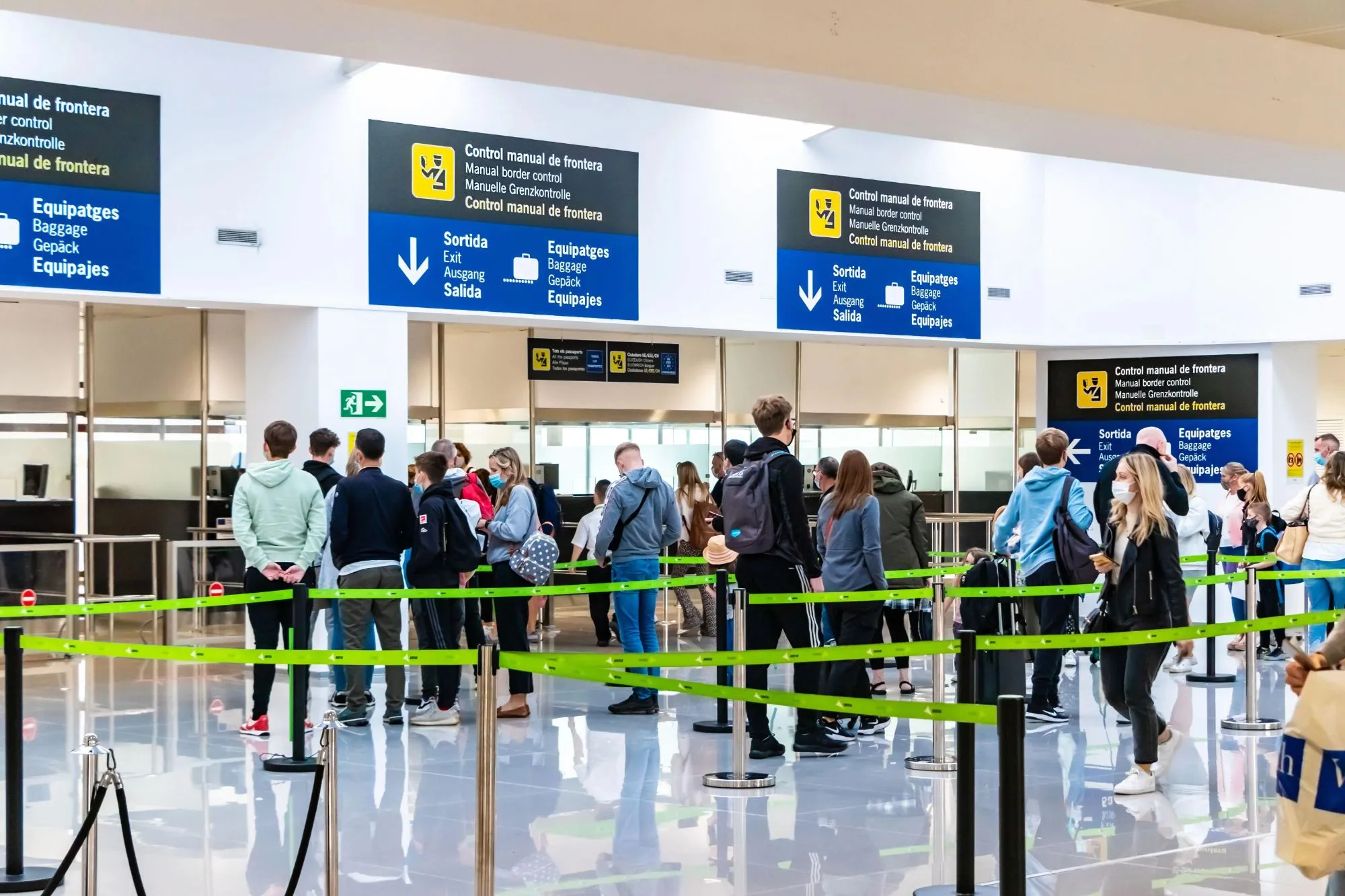
However, getting to grips with the new technology has proven tricky at some airports, with many Brits reporting longer queues on arrival and when departing the EU. While EU passport holders have their own lanes, Brits must queue with other non-EU nationalities and go through the new system.

An official app could potentially speed up the process for Brits and other non-EU citizens, although many travellers are unaware of its existence.

The Travel to Europe app is available on Apple’s App Store or Google Play and claims it can “speed up your border check”. Holidaymakers heading to the EU first need to download the app and register. At the moment, the app is only available at selected border crossing points, including Sweden and Portugal, although the developers claim more will be added soon.

READ MORE: Fairytale Cotswolds village with charming cottages is regularly named one of UK’s bestREAD MORE: Brits urged to make key passport check before Friday or risk issues on holidays

Families flying together can add co-travellers to the app so their details are in one place. You simply need to add details of your journey such as the date and time you’ll arrive and depart, and can scan your passport using your phone. You then take a selfie and answer some questions. This can be done up to 72-hours before your flight.

The app then generates a QR code for each passenger which can be scanned at a self-service kiosk or by passport control staff. Simply follow the signs or directions from airport staff to the pre-registration queue. Of course, there’s no guarantee of entry and staff may still carry out additional checks, but for many passengers this could speed up the process for them.

Travellers have been warned to “expect chaos” in the coming months in popular holiday hotspots such as Tenerife. Reports of hours long queues and confusion caused by the new system have surfaced. And while the EES implementation date has avoided the busy Easter weekend, May half-term is just a few weeks away, which could potentially put more strain on the system.

Have a story you want to share? Email us at webtravel@reachplc.com

Source link

Tiny Italian city you won’t have heard of with £3 wine to get new Ryanair flights

RYANAIR is relaunching twice weekly flights to a little-known Italian city – the first time in decades.

The budget airline is reintroducing flights to Forli, the first from the UK in 18 years.

Ryanair is relaunching flights to Forli in Italy after 18 yearsCredit: Getty
Forli is dubbed by Emilia-Romagna Turismo as a “city of art”Credit: Alamy

Follow The Sun’s award-winning travel team on Instagram and Tiktok for top holiday tips and inspiration.

Based in the Emilia-Romagna region, Forli is dubbed by Emilia-Romagna Turismo as a “city of art”.

Flights will take off from London Stansted Airport between June and October, on Wednesdays and Saturdays.

It takes around two hours to reach Forli from the UK.

Read more on travel inspo

TAKING OFF

I’ve visited 50 countries & this much-loathed budget airline is the world’s best


PARK UP

10 European resorts with hundreds of Hols from £9.50 available THIS Easter holidays

And you won’t have to spend much either – you could hop on the first Ryanair flight on June 3 and return on June 6 for just £41.37 return.

Ryanair used to fly to the destination between 2001 and 2008, however the route was scrapped when the airline started to serve Bologna instead.

The comeback of the route has also been possible due to the municipal tax being removed, which was added to flights.

If visiting the city of Forli you will see traces of the Romanesque and Renaissance times, with ancient churches and piazzas that date back over 2,000 years.

One of the piazzas is Aurelio Saffi, which sits in the heart of the city and stretches 128 metres long, making it one of the largest squares in Italy.

Off the square, the historic centre is made up of four main streets – Mazzini, Garibaldi, Diaz and Della Repubblica.

Nearby, make sure to visit the Abbey of San Mercuriale, which has a 72-metre bell tower dating back to the 12th century that inspired the reconstruction of St Mark’s Campanile in Venice.

For those who love being outdoors, check out Parco Urbano Franco Agosto – a 64-acre park by the old city walls with free-roaming rabbits, ponds and sports facilities.

Aurelio Saffi sits in the heart of the city and stretches 128 metres long, making it one of the largest squares in ItalyCredit: Getty

Our favourite Loveholidays breaks

*If you click on a link in this box, we will earn affiliate revenue.

Belpoint Beach Hotel, Antalya, Turkey

This hotel is surrounded by the forests of the Toros Mountains, giving your outdoor swim a pretty impressive backdrop. With a pool decorated with colourful parasols and a waterslide, this pretty resort also has plenty to do indoors, including a sauna and a Turkish bath to unwind in.

BOOK A BREAK

El Pueblo Tamlelt, Agadir, Morocco

The huge resort has 363 rooms, each with a balcony or terrace overlooking the sea or gardens. All-inclusive food includes three daily meals in the main buffet restaurant, as well as drinks and snacks such as pizza, hot dogs and burgers at the pizzeria snack bar. If you fancy getting out and exploring, the town centre is a 10 minute drive away.

BOOK A BREAK

Terramar Calella, Costa Brava, Spain

Terramar Calella puts you right in the thick of the action, with the sea on one side and the buzzing promenade on the other. Here, days start with sea swims and end with sunset drinks. Platja Gran Calella is the area’s largest beach, and here it’s right on your doorstep.

BOOK A BREAK

Canvas by Mitsis Messonghi, Corfu

This Corfu resort was built for families, buzzing with entertainment and activities. With four adult pools, three kids pools, a mini waterpark and a beach on your doorstep, there’s plenty of spots for you to stretch out on a sun lounger and for the kids to splash around. And as the day winds down to a close, the party starts with mini discos, Greek dancing, lively quiz nights and karaoke.

BOOK A BREAK

Forli is also well-known for its Romagnan cuisine with restaurants serving Piadina – a traditional bread often filled with local soft cheese and cured meats.

And the city is home to lots of bars as well, with some such as Volume Bar, offering a glass of wine for £3.05 and pints of beer for £3.48.

There are many other places to explore in the surrounding area as well.

Just 23 minutes from Forli is Bertinoro, which is a medieval citadel known as the ‘City of Hospitality’.

It is a great place to visit for panoramic views, stretching as far as the Adriatic Sea on clear days.

The city of Bologna is 29 minutes on the train, or an hour’s drive from Forli.

Bologna is known as Italy‘s capital of food and features a historic centre with 600 archways.

Or you could head to Rimini – which sits on the Adriatic coast with nine miles of beaches – is about 50 minutes away.

In other flight news, an airline is launching its first flights in two years from a UK airport to one of the world’s best food destinations.

Plus, a small UK airport is set to close for GOOD with its last flights departing next month.

Bologna and Rimini are also not far from ForliCredit: Alamy


Source link

Little-known Jet2, Ryanair, BA and TUI coffee rule that could see you wasting money

If you’re planning to take a hot beverage on your next flight, make sure you know your airline’s policy around food and drink. Some airlines are pickier than others about what you can bring into the cabin

When you’re rushing to the airport for a budget airline flight at some ungodly hour, you’ll no doubt be dreaming of your first cup of coffee of the day. Once through security, many of us make a beeline for the nearest café to get us through to our destination.

However, when it comes to boarding your flight, not all airlines are happy for you to bring your venti cup onboard. While some airlines are fine with hot drinks as long as the lid is well-secured, others will make you bin your freshly-roasted drinks and you may end up waiting for the trolley to come round to get your caffeine fix.

It’s important to check the rules with your airline – otherwise you may end up wasting money on a coffee you then need to chuck before you get on your flight.

Here’s what some of the UK’s most popular airlines say about bringing hot drinks onboard in their policies.

EasyJet

If you’ve booked a flight with easyJet you can bring your own food and drink, although the airline does of course sell its own range onboard. When it comes to your morning cuppa or coffee, the easyJet website states: “You can bring hot drinks on board if you’ve bought them at the airport and they have a lid on.”

When you buy your takeaway drink, make sure you keep hold of the lid, or even better buy a reusable cup with a tight seal such as the Byron 2.0 SNAPSEAL™ Travel Mug and get it filled with your favourite drink at the airport before you board.

Jet2

Unfortunately for Jet2 passengers, the airline doesn’t allow you to bring a cup of coffee onboard, even if bought at the airport. Its website states: “No, you can’t bring hot food or hot drinks onboard our planes for safety reasons. However, we offer a great selection of meal deals and hot and cold sandwiches that can be pre-purchased in Manage My Booking.”

The Jet2 website also has a link to its online menu, which shows it sells a range of Costa coffees including cappuccinos, lattes, Americanos, and decaf options. Its menu also includes Yorkshire Tea and Cadbury’s hot chocolate.

Ryanair

While Ryanair does allow passengers to bring their own cold food and drink onboard, its general terms and conditions of carriage clearly state: “You must not take hot drinks on the plane, or drink your own alcohol when on the plane.”

Ryanair has an app that allows passengers to order food and drink before the trolley comes round and in-between drink service. You can therefore order a coffee or tea as soon as you’re in the air and the crew will deliver it when safe to do so. While its hot drink selection is quite limited at just coffee, tea, hot chocolate, or cappuccino, the airline does offer some meal deals that include a sandwich and panini, snack, and either hot or cold drink which can work out cheaper.

TUI

TUI don’t specify whether you can bring your cup of coffee onboard. Under an FAQ saying “Can I take my own food for the flight?” the airline has responded: “Yes. However, we can’t provide heating facilities on board – although for infants, we are able to warm bottles of milk in hot water.

“Therefore, we would advise low-risk food such as pre-made sandwiches and snacks that can be eaten cold.”

It’s likely to be at the discretion of flight attendants whether they let you bring your coffee cup onboard, so you may be better off waiting for the trolley. TUI’s inflight café menu for short-haul flights includes cappuccinos, Americanos, and decaf options for coffee, as well as teas including herbal tea, and Cadbury’s hot chocolate.

British Airways

British Airways (BA) also don’t explicitly ban hot drinks from being brought onboard. It simply states that food and drink needs to pass security checks and adhere to customs regulations, so again, it’s likely to be at the crew’s discretion.

BA offer the High Life Café aboard most short-haul routes meaning travellers get a better choice of hot drinks than most airlines. From a flat white to a pumpkin spice latte, you’ll find the kind of coffees you usually order in high street chains. It also offers a wide range of Birchall teas and hot chocolate.

Have a story you want to share? Email us at webtravel@reachplc.com

Source link

The new European travel rules starting TOMORROW as experts and airlines warn of chaos 

NEW travel rules for Brits visiting Europe are being rolled out tomorrow, and it includes everything from airports to ferry ports.

The new rules require all non-EU nationals to register their details like fingerprints and facial images before going abroad – but it’s set to cause chaos as some countries aren’t ready.

The deadline for EES is set to be fully operational is tomorrowCredit: Alamy
If you’re heading to the beach this summer you could experience delays at the airportCredit: Alamy

The EU’s Entry/Exit System (EES) started a phased rollout on October 12, 2025 in 29 European countries and will be fully operational as of tomorrow – April 10, 2026.

EES is replacing the need for a passport stamp by automatically checking when a person enters and exits an EU country.

Non-EU nationals – which includes Brits – will be required to register their details on their first visit to a Schengen area country.

This is done by using the EES machines at airports, ferry terminals and the Eurostar to log fingerprints, facial images and scan passports.

TRIP UP

The Sun’s travel experts reveal their best EVER holidays & how you can do them too


DIG IN

We found 20 of the cheapest all-inclusive hotels for summer… with breaks from £349pp

Up until now, not every traveller has had to register with EES, but from tomorrow, that will change.

Even through the phased process, it hasn’t been smooth, and there have been reports of long queues across Europe with travellers at airports waiting for hours to register with EES.

Travel Reporter Alice Penwill spent three hours getting through the arrivals hall at Lanzarote Airport last month.

And delays have been reported at other airports like BrusselsLisbon and Prague.

With summer holidays on the horizon and lots more Brits going abroad than off-peak season, officials have even called for the EES to be delayed until later in the year.

Airports Council International, Airlines for Europe and Iata, the airline trade body, have warned about further delays of “four hours or more” during the summer.

Advantage Travel Partnership chief executive Julia Lo Bue-Said told Travel Weekly just two days ago that there are still “significant issues” with EES.

She added: “While we understand the importance of modernising border processes, a smooth rollout must be prioritised in order to avoid major travel chaos at peak periods.

“With very high demand for travel over the upcoming summer holiday period, we are deeply concerned about the impact delays could have at a time when it is vital we maintain high consumer confidence within a travel sector facing global uncertainty and rising costs.”

Reporter Alice Penwill queued for three hours in Lanzarote Airport

Ryanair boss Michael O’Leary called EES “a shambles” and called for EES to be delayed “for five months” until the end of September to ease congestion.

To avoid the predicted travel chaos, some airports are preparing to open Brit-only border control queues in the hope of easing wait times.

The Spanish operator, Aena, said it would adapt security and border control for Brits at Ibiza, Menorca, Malaga and Palma, Majorca airports.

It’s not just airports, ferry terminals and the Eurostar using EES – but reports state that these will actually miss tomorrow’s deadline.

Visa HQ reported that France’s Ministry of the Interior has postponed full EES checks at border points like the Eurostar terminal in St Pancras and the ports of Dover and Calais.

French authorities said that travellers on Eurostar, Eurotunnel Le Shuttle and cross-Channel ferries will not be asked to provide fingerprints or facial images as the technology is not yet in place.

At the Port of Dover, only lorry drivers, coach and foot passengers are registering with EES.

The EES system has been “paused for several weeks” because reportedly, ‘software integration tests failed and physical booth space is still inadequate’.

Here are Sun Travel’s top tips for those heading on holiday this summer and are likely to be caught up in EES chaos…

You might not be able to beat the EES queues – but here are our seven ways to make it a little easier

  1.  Book a seat at the front of the plane. If you want to get to border control before the rest of the passengers on your flight, then by being at the front, you’ll be able to get off first.
  2. When you’re booking, it might ease wait times if you go head out on one of the first flights of the day There are generally fewer scheduled flights and they experience less disruption. So if you get an early flight, there’s less likely to be a backlog.
  3. If you are taking a connecting flight, we’d advise to anticipate delays Of course this varies from airport to airport, but some travellers might find it will take longer to get through because of the EES requirements.
  4. If you can go to a bigger airport and take a longer road transfer, it could be worth it. At a larger airport there’s likely to be more EES machines than at one of the smaller ones.
  5. If you have children, or are generally just bored of queues (and who can blame you?) – think about entertainment. It could be worth setting the kids up with an iPad or something that will keep them occupied.
  6. For those who are disabled, make sure to let the airline know in advance as you would usually. After landing, staff should escort you straight through to the front of border control queues.
  7. Quite simply, if you are going to be waiting in line for hours, then you want to be comfortable. So before landing, go to the toilet on the plane.

For more on EES and what to expect – hear from our travel expert who will guide you through the registering process.

And one of the world’s best airlines becomes latest to introduce strict new rules on travel item.

The introduction of EES will be fully rolled out tomorrow – but experts warn of ‘chaos’Credit: Alamy

Source link

Ryanair asks tourists ‘please’ stop wearing clothing item on board planes

Budget airline Ryanair has told passengers they “do not look cool” wearing sunglasses on board in a cheeky social media post which sparked lively reactions from British holidaymakers

Ryanair has issued a “please note” as it urges passengers to cease wearing a particular item while on board.

Ryanair, which operates from several UK airports including Belfast, Birmingham and Manchester, is a favourite amongst British holidaymakers and tourists throughout the summer season. With Easter now passed and attention shifting to the middle months of the year, the budget carrier has issued an important update for its passengers. It stated: “Please note: Passengers do not look cool wearing sunglasses on board.”

Ryanair competes with Jet2, Easyjet and TUI, alongside the likes of British Airways, Wizz Air, Lufthansa and other budget and mid-range domestic and international operators, Birmingham Live reports.

Reacting to the warning, one holidaymaker commented: “I have never understand why airlines don’t first board a plane, from the seats in the back. It will be a lot quicker boarding.”

READ MORE: Travel agent tips Ibiza to challenge Benidorm as ‘stag and hen do capital’READ MORE: Brit tourist lands 80 miles from Frankfurt Airport after booking blunder

Another holidaymaker posted online: “No mess with handluggage etc. Why would anyone sit in the plane longer than necessary? Because you have ‘priority boarding.'”

Another stated: “The biggest blight on most flights is “Carry on Luggage”. It slows down the whole boarding process as well as the exit procedure. Passengers at the front half of the aircraft having to put their luggage in the back half of the aircraft causing chaos when landing. Especially as the numpties who insist on standing immediately on touch down, and block the route to your bag.”

One amused commenter laughed: “It’ll come as a blow to Tom Cruise – I guess he’ll be cancelling all his Ryanair bookings then,” referring to Ryanair’s post featuring a snap of the Hollywood star sporting sunglasses as Maverick in Top Gun.

“Gotta shield our eyes from that highlighter-yellow cabin,” another holidaymaker quipped on social media.

“Looking at Ryanair surroundings requires a filter I’m afraid,” a further passenger chuckled in response to the Facebook post.

Another weighed in with: “If it’s good enough for the driver, it’s good enough for the passengers.

“You dont look cool wearing them in youre house either…..,” came yet another response.

It comes after we published a list of items Ryanair has now banned tourists from packing in their suitcases and carry-on luggage. These include guns, firearms and other devices that discharge projectiles. Devices capable of, or appearing capable of, causing serious injury by discharging a projectile are also on the list.

Source link

Ryanair, easyJet, TUI and Jet2 hand luggage rules on duty-free bags explained

TUI, easyJet, Ryanair and Jet2 can have different rules around what duty free bags you can bring onboard as part of your hand luggage allowance – we take a look at what passengers need to know

Before heading to the airport, it’s crucial to be aware of any hand luggage restrictions and certain duty-free rules that not everyone knows about, with airlines including TUI and Ryanair.

Many of us fly with different airlines, depending on the route, airport and price, so it’s tricky to keep up with the various hand luggage allowances or restrictions. Most airlines allow passengers to take on board a small personal bag for free, which can include a backpack or handbag, while others offer a generous addition of a free cabin bag.

There can also be confusion when it comes to carrying on duty-free, alongside your personal bag or cabin bag. Holidaymakers have often been left questioning whether they can carry it on separately or if they have to pack it into one of their bags.

READ MORE: Travel expert names 4 cheap holiday destinations you should book for MayREAD MORE: Stunning village close to UK with 24C April temperatures is paying people to move there

To ensure you’re fully prepared for your next getaway, we’ve outlined the key hand luggage rules for four major UK airlines. So you know exactly how big your bag needs to be and what to do with your duty-free goodies before boarding your flight.

Ryanair

When it comes to duty-free, Ryanair allows passengers to carry on their duty-free items alongside their cabin bags. Additionally, passengers can purchase checked bags of 10kg, 20kg, or 23kg while flying with Ryanair.

All Ryanair fares include a small personal bag (40 x 30 x 20 cm), but it must fit under the seat in front of you. There is technically no weight limit to this bag, which is typically a handbag, laptop bag, or small rucksack, but passengers must be able to carry it onboard, unless there is an exception.

When booking Priority boarding, travellers can take an additional 10kg cabin bag (55 x 40 x 20cm) on the plane, which is stored in the overhead lockers. While infants (aged from 8 days to 23 months) have no cabin allowance, parents or guardians can bring a 5kg baby bag ( 45 x 35 x 20 cm) and two baby items on board for free. For more information, visit the Ryanair website.

easyJet

In terms of duty-free, the airline states: “You’re allowed to bring some extra things into the cabin. e.g. umbrella, overcoat, crutches, walking stick, one standard bag of goods bought at the airport.”

Everyone flying with easyJet is entitled to bring one small bag (45 x 36 x 20 cm) on board for free, which must fit under the seat in front. It can weigh up to 15kg, but it’s important to note that its size, including handles and wheels, cannot exceed the specified measurements.

The airline notes that travellers “need to be able to lift and carry the bag” themselves. easyJet passengers can pay for an additional cabin bag (56 x 45 x 25 cm) that fits in the overhead lockers, which also comes with their Speedy Boarding service.

For an easyJet Plus member or customer who has booked an Inclusive Plus fare, they can also take a large cabin bag on board, in addition to the standard cabin bag. Of course, there’s the option to book checked-in luggage too.

For more information, visit the easyJet website.

TUI

TUI customers can take one piece of hand luggage (55 x 40 x 20cm) on board for free, excluding infants. It can weigh up to 10kg, and they can also take one small personal bag (40 x 30 x 20cm) on board, which must fit under the seat in front.

A duty-free bag is also allowed on board, and TUI outlines its requirements for liquids purchased at the airport. They said: “Any liquids you buy from duty-free must be carried in a sealed security bag – you’ll be given this bag when you buy the item at the airport. You’ll need to keep the item and the receipt sealed in the security bag throughout the journey.”

A checked-in bag of 20kg or 25kg is also available to book for an extra fee. For more information, visit the TUI website.

Jet2

Holidaymakers are entitled to take a small bag (40 x 30 x 20cm), such as a handbag or laptop bag – or a duty free bag – that must fit under the seat in front.

You can also take one piece of hand luggage (56cm x 45cm x 25cm) on board for free, provided it fits within the measurements, including wheels and handles, and doesn’t weigh more than 10kg.

Parents with infants under 2 years old are also provided with an additional 10kg allowance. They can also take two items per child or infant on board free of charge, including a collapsible pushchair, car seat or booster, a baby carrier, and a travel cot.

For more information, visit the Jet2 website.

Airline hand luggage rules

When it comes to hand luggage, there are certain packing restrictions to be aware of, and these are typically universal across all airlines. These include the following:

Liquids: Many airports require liquids to be under 100ml, while some UK airports have ditched this rule. As rules have changed, it’s best to check directly with the airport for both your outbound and inbound flights, as countries outside the UK may have different restrictions.

Lighters: As outlined on the government website, travellers can only carry one lighter on board a plane. It cannot be packed in hold luggage; instead, it should be placed in a resealable plastic bag in carry-on luggage and kept in your possession throughout the flight.

Food and powders: While you can carry certain food items and powders in your hand luggage, they can obstruct images on X-ray machines. This means that bags may need to be manually checked at security, which can cause delays. The government advises packing suitable items into your hold luggage to minimise delays.

Frozen items: Typically, you cannot carry frozen items in your hand luggage onto your flight, such as food, liquids or ice packs. However, there are some exceptions, such as for medicines, medical equipment, dietary requirements, baby food and baby milk. It’s best to check directly with the airline you’re flying with to ensure you meet their requirements.

Sharp objects: While you can carry scissors on a plane, the blade must be shorter than 6cm to be placed in carry-on luggage. Small sewing or embroidery scissors are generally allowed, while other larger, sharp items can be packed into hold luggage. It’s best to check directly with your airline for specific requirements.

Some airlines may have specific requirements for some of the above items, so before heading to the airport, it’s best to check directly with your airline to avoid being caught out. After all, there’s nothing worse than having something confiscated at airport security.
Do you have a travel story to share? Email webtravel@reachplc.com

Source link

Every item that will get you stopped from boarding Ryanair flights

Passengers must not bring any of these on board planes or pack them in their luggage

People who use budget airline Ryanair for their 2026 travel plans will need to be aware that dozens of items are not allowed on board. Ignoring the list when packing your suitcase or carry-on could mean holidays never make it past the airport.

By now, most people know the basics of what is and is not allowed when heading abroad. These items are usually banned for good reason, such as to keep everyone, including yourself, as well as the staff and other passengers on the plane, safe.

Ryanair has published a full list of items staff will flag as too dangerous to bring on board in any kind of luggage. People who pack these items will likely be stopped by security teams during baggage screening.

People will usually be given the choice to surrender the item if they want to continue with their holiday, provided it is only a minor item, such as liquids over 100ml or certain small tools. Some airports provide bins at security for you to dump items before screening.

Depending on the item and situation, you may be allowed to pay for a postal return service, dispose of it, or face fines and prosecution if it is illegal. Police will be called, and you may be detained. According to the Ryanair website, the following items are strictly prohibited on board and in checked baggage.

Ryanair’s full list of

Guns, firearms and other devices that discharge projectiles. This also covers devices capable of, or appearing capable of, causing serious injury by discharging a projectile. Examples include:

  • firearms of all types (such as pistols, revolvers, rifles, shotguns)
  • toy guns (including recreational guns such as paintball guns)
  • replicas and imitation firearms (capable of being mistaken for real weapons)
  • component parts of firearms (excluding telescopic sights)
  • compressed air and CO2 guns (such as pistols, pellet guns, rifles and ball bearing guns)
  • signal flare pistols and starter pistols
  • bows, crossbows and arrows
  • harpoon guns, spear guns and nail guns
  • slingshots and catapults

Stunning devices, designed specifically to stun or immobilise, including:

  • devices for shocking (such as stun guns, tasers and stun batons)
  • animal stunners and animal killers
  • disabling and incapacitating chemicals, gases and gas containers, sprays (including tear gas, mace, pepper sprays, capsicum sprays, acid sprays and animal repellent sprays)

Explosives, incendiary substances and devices used to cause serious injury or to pose a threat to the safety of aircraft (or those appearing capable), such as:

  • Ammunition
  • Blasting caps
  • Detonators and fuses
  • Replica or imitation explosive devices
  • Mines, grenades and other explosive military stores
  • Fireworks and other pyrotechnics
  • Smoke-generating canisters and smoke-generating cartridges
  • Dynamite, gunpowder and plastic explosives
  • Flammable liquids, flammable solids and substances that cause a chemical reaction
  • Paint, turpentine, white spirit and paint thinner
  • Alcohol with an ABV of more than 70% (140% proof)
  • Toxic or infectious substances (for example, acids and alkalis, ‘wet’ batteries, bleach, poisons, infected blood, and bacteria and viruses)
  • Radioactive material (including medicinal or commercial isotopes)
  • Corrosives (including mercury, vehicle batteries, and parts which have contained fuel)
  • More than one litre in total of edible oil (for example, olive oil)
  • Lithium ion battery-powered vehicles (including segways and hoverboards), other than any wheelchair or mobility equipment that meets our regulations
  • Smart bags in which the lithium battery has not been removed
  • Fire extinguishers (except as authorised by fire procedures and as emergency equipment on the plane)
  • Lighters and firelighters with a flammable liquid reservoir containing unabsorbed liquid fuel (other than liquefied gas), lighter fuel and lighter refills
  • “Strike anywhere” matches
  • Christmas crackers
  • Energy-saving light bulbs
  • Items with internal combustion engines

Items which Ryanair staff have good reason to believe are “unsuitable for carriage” because they are “dangerous or unsafe”. Staff can also refuse items due to their “weight, size, shape or character” and if they appear “fragile or perishable”.

Ryanair also adds to its ‘ban list’ that “fish, birds or any animals killed and kept as hunting trophies” cannot be carried on board or in checked baggage. These bans are intended to make it more difficult for the trophy hunting industry to ship remains—such as skins, heads, or tusks—back to a hunter’s home country.

Certain items that are not allowed in the main cabin can be packed in suitcases, such as “sharp objects, workmen’s tools, and blunt instruments”. See the full list here and how to safely let airlines know if you intend to bring one.

Source link

Ryanair warns 10% of summer services may be scrapped as first airline grounds UK flights

A UK airline has scrapped some flights from mid-April to early June following the US and Israeli attacks on Iran, which has sent the price of aviation fuel soaring

A UK airline has cancelled flights due to the impact of the Iran war, while Ryanair is warning that up to 10% of services could be binned.

Aurigny of Guernsey has scrapped some flights from mid-April to early June following the US and Israeli attacks on Iran, which has sent the price of aviation fuel soaring, the Independent reports.

The airline, which links up the Channel Islands with the UK, described the cuts as “proactive measures to address the impact of global instability”, also adding a “temporary fuel adjustment surcharge” of £2 on all new bookings.

Demand for flights has fallen 13% in May, Aurigny has said, leading the airline to cancel some departures to and from Guernsey.

Aurigny’s chief commercial officer, Philip Saunders, told the Independent: “While a small island community, we are not immune from the realities presented by the global travel ecosystem. Current global events are impacting consumer confidence and changing travel behaviours. Furthermore, significant increases in global oil prices are now filtering through to aviation.

“Unfortunately, we have to pass on some of the resulting costs to customers to ensure sustainable air services to and from Guernsey.”

European jet fuel prices hit a record $1,900 per metric ton on Thursday, according to specialized publication Argus. It warned of potential shortfalls in the coming months.

READ MORE: Five key passport checks for Easter holidaymakers to avoid missing flightREAD MORE: Ryanair hits out at passengers wearing 1 common item on planes

Argus project that Portugal could run out of jet fuel in four months, Hungary in five, Denmark in six, Italy and Germany in seven, and France and Ireland in eight.

Last week, the chief executive of Ryanair warned that the airline may not be able to run its full summer schedule due to the cost of fuel if the Strait of Hormuz remains closed.

Michael O’Leary predicts that European airlines will begin canceling scheduled flights “by the end of April” if the key shipping lane is not opened.

“The Strait of Hormuz has been closed for 30 days. If it remains closed for 60 or 90 days, then we’re all facing an unknown scenario, and we are certainly looking at maybe having to cancel 5%–10% of flights through May, June and July,” he told ITV.

O’Leary explained that airlines won’t be able to choose which routes to cancel as cuts will depend on which airports suffer fuel shortages.

Later speaking to SkyNews, the Ryanair boss added: “Fuel suppliers are constantly looking at the market. We don’t expect any disruption until early May, but if the war continues, we do run the risk of supply disruptions in Europe in May and June, and we hope the war will finish sooner than that and the risk to supply will be eliminated,” he told Sky News.

“We think there is a reasonable risk, some low level, maybe 10% to 25% of our supplies might be at risk through May and June, so like everyone else in this industry, we hope the war ends sooner rather than later.

“If the war finishes by April and the Strait of Hormuz reopens, then there is almost no risk to supply.”

Source link

Ryanair hits out at passengers wearing 1 common item on planes

The budget airline has issued a message to its passengers, urging them to ‘please note’ the announcement as it ‘does not look cool’ – but many people were not impressed by the new rule

Budget Irish airline Ryanair has taken aim at travellers who persist in wearing one particular accessory aboard aircraft. This follows the airline previously advising passengers to ‘please stop wearing’ jeans during flights.

For several people, being comfortable while travelling on a plane ranks amongst their top priorities. And given that remaining seated in the same spot for extended periods can be decidedly uncomfortable, particularly when you’re short on legroom, selecting the appropriate attire might be your sole opportunity for achieving comfort. For many, this translates to donning joggers or tracksuits. However, sometimes it’s the accessories that can enhance comfort even further.

This becomes especially important on Ryanair, where seating is typically more confined owing to the airline’s efforts to accommodate as many seats as feasible, forming part of their strategy to maintain ticket prices as low as possible – despite recent threats that prices might go up do to jet fuel prices.

Renowned for their budget-friendly fares, the carrier has also established a reputation on social media, where they frequently poke fun at their own passengers, and jokingly threaten to introduce even more regulations and charges than they currently impose – such as extra legroom seats or late check-in fees.

Nevertheless, Ryanair has now criticised travellers who insist on wearing one particular type of accessory aboard aircraft, claiming it ‘does not look cool‘.

Posting on their Facebook page, the airline issued a statement to their passengers. They wrote: “Please note: Passengers do not look cool wearing sunglasses on board.”

However, many weren’t convinced, as numerous people quickly flocked to the comment section to express their own views.

“Could be true, but we don’t care,” one person posted. Others went on to suggest it was ‘necessary’ due to the vibrant interior of Ryanair flights.

One person contended: “Gotta shield our eyes from that highlighter-yellow cabin.”

“I put mine on so I can sleep,” another person clarified. Another concurred and stated: “Sunglasses at night-flight for a better sleep.”

Someone else remarked: “With sunglasses on during the flight the 3 days vacation lasts longer.”

Nevertheless, some sided with the airline, as one person commented: “Only pilots should wear sunglasses.”

This isn’t the first occasion Ryanair has joked about and poked fun at its passengers. Recently, they threatened to introduce a ‘toilet usage fee’ for any passengers wishing to use the lavatory facilities onboard an aircraft.

However, many travellers soon cottoned on this was a joke, as they noted it sounded like an April Fool’s prank that was posted a few days early.

Source link

Real reason flight attendant welcome you on planes – it’s nothing to do with manners

A flight attendant has shared the little-known reason passengers are welcomed onboard planes – and it has nothing to do with manners

A flight attendant has lifted the lid on a trade secret about the moment passengers board a plane. The little known fact explains why passengers are welcomed at the aircraft doors during boarding.

Most air travellers are well acquainted with the customary warm reception at the plane doors, which typically involves broad smiles and even some direction on locating their allocated seat. The most widespread assumption is that this is simply a display of good customer service, with the flight attendants, the public face of any airline, setting the tone with courtesy and decency.

Another presumption is that the welcome is intended to set passengers up for an enjoyable flight experience, or perhaps verify boarding passes one last time. However, one serving flight attendant claims that hospitality is not the primary driving force behind the warm greeting. The genuine reason for the friendly reception is to carry out a visual assessment of passengers from head to toe before take-off.

READ MORE: UK passport fees to rise in April 2026 with new rule changeREAD MORE: Ryanair, TUI and easyJet ban everyday item from luggage with new rules

In a now- viral TikTok clip, MrsMiva – who claims to work for TUI out of Stuttgart airport – has revealed that flight attendants use the boarding process to assess whether passengers are fit to fly. According to the content creator, flight attendants are checking to establish whether passengers may be “too drunk or sick to fly”.

In the caption accompanying the video, MrsMiva also clarifies that the greeting enables attendants to identify who could potentially assist in the event of an emergency. The video has been watched over 18 million times and sparked a flurry of discussion in the comments.

Numerous users confirmed they’ve definitely experienced the cabin crew greeting and that the reasoning behind it makes perfect sense. One commenter who purported to be a long-serving attendant verified the policy as well, writing: “FA (flight attendant) of eight years – or to check if they could be an ABA (able-bodied assistant).”

The comments also started to diverge into the various types of cabin crew passengers had come across. Some remarked they had “really chill” attendants, while others noted theirs were supportive when they were in poor health to travel.

Being able-bodied and physically capable is essential for passengers seated adjacent to emergency exit doors, which is potentially why attendants verify this at the entrance. Emergency exit seats are highly sought-after given that they provide additional legroom and have no row ahead of them.

That being said, occupying these seats means that a passenger must be willing and capable of helping cabin crew in the improbable event of an emergency. For this reason, Ryanair’s terms and conditions stipulate that it “can change your allocated seats at any time, even if you had reserved it, if we need to do this for operational, safety or security reasons.”

According to the airline’s regulations, passengers wishing to occupy rows 1, 16, or 17, where emergency exits are situated, must fulfil specific requirements. These include being aged over 16, being physically capable of assisting during an emergency, travelling without an infant, not requiring any special assistance at the airport, not needing a seat belt extender, and not having an extra comfort seat reserved.

Should the added responsibility of emergency exit seats not appeal to you, there are alternative methods to guarantee extra legroom while on board.

Do you have a story to tell? Email: emma.mackenzie@reachplc.com

Source link

Jet2 update for passengers booking holidays to Greece this spring

The airline and tour operator has shared advice for passengers on social media

Jet2 has issued an update for passengers worried about disruption to their spring travel plans. With the Easter holidays here at last, many families have booked European getaways over the next few weeks. However, some passengers are worried about possible cancellations.

Greece faced travel disruption this week after a deadly storm hit parts of the country, and Crete was enveloped in a Saharan dust storm. Passengers have also been warned of possible jet fuel shortages caused by the Iran war.

One passenger who shared their concerns with Jet2 has been told that all flights are currently planned to go ahead as normal. Taking to X, a customer named Liz Hughes asked Jet2 for guidance ahead of an upcoming trip to Corfu later this month.

Liz wrote: “We have return flights booked Man-Corfu 13-20 Apr. Should we be worried about cancellations?” A Jet2 employee named Lily responded to the question on Friday (April 2).

Replying from the @Jet2tweets account, Lily said: “Hi Liz, all flights are planned to go ahead as normal. If anything were to change regarding your booking, we would be sure to reach out to you directly to make you aware, and discuss the options available to you. Thanks, Lily.”

Content cannot be displayed without consent

The news comes as Ryanair boss Michael O’Leary has recently said passengers could face severe disruption in early May if the Middle East conflict continues. Speaking on Sky News Michael O’Leary said: “Fuel suppliers are constantly looking at the market.

“We don’t expect any disruption until early May, but if the war continues, we do run the risk of supply disruptions in Europe in May and June, and we hope the war will finish sooner than that and the risk to supply will be eliminated.”

Oil prices have surged since February due to Iran’s block on tankers passing through a key shipping passage, the Strait of Hormuz. The Business Secretary has said there are no supply chain issues for jet fuel “at this moment.”

Peter Kyle told Times Radio: “I was looking immediately after the conflict started, where we interact in order to get resilience into our society, into our economy, we’ve been working with all these key sectors, identifying sectors where there may well be challenges down the track. We have no (fuel) supply chain issues at this moment at all.”

UK airlines are not experiencing disruption to their supply of jet fuel, according to an industry association. An Airlines UK spokesperson said: “UK airlines are currently not seeing disruption to jet fuel supply and continue to engage with fuel suppliers and Government to monitor the situation.”

Source link

Airline baggage rules you need to know – easyJet, Jet2, BA and Ryanair

People with holidays booked have been urged to do the quick check before heading to the airport

Holidaymakers are being urged to double-check their luggage before heading to the airport. It’s a task that takes just seconds and it could save you from unexpected charges.

Airlines are becoming stricter with cabin bag regulations, scrutinising the size and weight of passengers’ luggage. If your baggage exceeds the permitted dimensions or weight, you could be hit with hefty last-minute fees.

For example, easyJet warns: “We check cabin bag sizes before you board. If your cabin bag is bigger than the maximum size allowed or if you bring a large cabin bag to the departure gate without the correct seat selection or without one pre-booked for your flight, it won’t be able to go in the cabin. We’ll have to check it into the aircraft hold and charges will apply.”

Given these stricter check-in rules, it’s crucial to familiarise yourself with your airline’s baggage allowances. Here’s what some of the most popular airlines permit.

Ryanair

If you’re flying with Ryanair, “all fares include one small personal bag (40 x 30 x 20 cm) that must fit under the seat.”

You can add extra options like Priority boarding with a second 10kg cabin bag, checked bags of 10kg, 20kg (up to 3), or 23kg (1 allowed). Infants have no cabin allowance but may bring a 5kg baby bag and two baby equipment items free, it confirms.

Ryanair Cabin Baggage

  • Priority & 2 Cabin Bags: This allows you to carry a small personal bag (40 x 30 x 20 cm), which must fit under the seat in front of you and a 10kg bag (55x40x20cm) onboard, to be stored in the overhead locker. It also allows you to board the plane first using the Priority Boarding queue at the gate.

Ryanair Checked Baggage

  • 10kg Check-in Bag: If you wish to check in a bag, you can add a 10kg Check-in Bag to your booking. Bags must be dropped at the airport check-in desk before security and will be placed in the aircraft hold.
  • 20kg Check-in Bag: If you require a larger baggage allowance, you can add a 20kg Check-in Bag to your booking. Passengers can purchase up to 3 checked bags of 20kg on their booking.
  • 23kg Check-in Bag: If you require an even larger baggage allowance, you can add a 23kg Check-in Bag to your booking. Passengers can purchase up to 1 checked bags of 23kg on their booking.

Ryanair Infant Baggage

  • Ryanair allows you to carry 2 items of baby equipment free of charge per child, to make your journey as seamless as possible. There is no cabin bag allowance for an infant (aged 8 days to 23 months inclusive). However, it allows a baby bag up to 5kg (dimensions: 45 x 35 x 20 cm) for babies travelling on an adult’s lap.

Jet2

Passengers flying with Jet2.com can bring a small under-seat bag, like a handbag or laptop bag, up to 40 x 30 x 20 cm, to fit under the seat in front of them.

The airline also confirms: “On all our Jet2.com flights, each passenger has a 10kg hand luggage allowance included as standard (excluding infants). You can also bring one small under-seat bag onboard (such as a handbag or laptop bag) as long as it fits under the seat in front of you.”

Passengers are permitted one free cabin bag, provided it weighs no more than 10kg and measures within 56 x 45 x 25 cm – including wheels and handles. If you are travelling with little ones, “you can bring along a collapsible pushchair, car seat and/or travel cot free of charge.”

British Airways (BA)

Another popular airline, British Airways, confirms that if you have no checked baggage, the following applies.

Handbag

  1. 1 handbag
  2. Max dimensions of 40 x 30 x 15cm (16 x 12 x 6in)
  3. Must easily fit under the seat in front of you
  4. May contain essentials like medication, mobile phones, other electronic devices and passports
  5. Guaranteed in the cabin

Cabin bag

  1. 1 cabin bag
  2. Max dimensions of 56 x 45 x 25cm (22 x 18 x 10in) – including wheels and handles
  3. You must be able to lift your cabin bag into the overhead compartment unassisted
  4. No valuables, electronics or essential medicines
  5. May need to go in the hold

You can also use the airline’s baggage calculator here. You need to enter your flight details, including your departure and arrival airports, travel class, departure date, and ticket issue date.

It cautions: “The weight of your bag as well as the number of bags you are allowed may be different when travelling on flights operated by our partner airlines, even if you are booked under a BA flight number. These are also called code-share flights, and the operating airline will be named in your itinerary.

“If a journey with connecting flights includes ‘BA’ and other airline codes, such as ‘AA’ or ‘IB’, your baggage allowance is generally determined by the airline that operates the longest flight in your itinerary.”

easyJet

Airline easyJet has confirmed that all passengers “can bring one small under-seat cabin bag per person on board for free.”

It adds: “It can be a maximum size of 45 x 36 x 20 cm (including any handles and wheels) and must be kept under the seat in front of you. Your bag can weigh up to 15kg, but we do ask that you’re able to lift and carry it yourself.”

The airline says passengers can bring a large cabin bag (up to 56 x 45 x 25 cm, including handles and wheels) if they book it for their flight. “Every customer who books a large cabin bag can also enjoy the benefit of Speedy Boarding”, easyJet says.

It continues: “If you’re an easyJet Plus member or customer who has booked an Inclusive Plus fare, you can also bring a large cabin bag on board (in addition to your small cabin bag) as part of your membership or fare benefits.

“Please note that the maximum number of cabin bags available per person is two; one small cabin bag for all customers and one large cabin bag for customers if it’s included with their fare or membership benefits or where they have paid to add one to their booking.”

The large cabin bag must follow these rules:

  1. Maximum size 56 x 45 x 25 cm (including any handles and wheels)
  2. Includes items like a trolley case and larger rucksack, but please check dimensions
  3. Needs to fit in an overhead locker
  4. Maximum weight 15kg. You need to be able to lift and carry the bag yourself

The airline recommends passengers purchase all their bags online, as it’s more economical and helps avoid airport charges.

Source link

Hundreds of flights face cancellation & holidaymakers could get STUCK abroad amid Iran war chaos Ryanair boss reveals

HOLIDAYMAKERS could get stuck abroad this summer as up to 10 per cent of flights face cancellation if the Strait of Hormuz remains closed, Ryanair boss Michael O’Leary warned.

And the budget airline kingpin said that holidaymakers should book as soon as possible to avoid paying far higher prices.

Ryanair Group CEO Michael O'Leary at a press conference in Rome.
The fresh warning comes as family’s look ahead to the summer holsCredit: Getty
A Ryanair Boeing 737 airplane on the tarmac, with passengers boarding via stairs and ground crew working around the luggage conveyor.
If the new war in the Middle East continues, holidaymakers could face serious disruptionCredit: Getty

The price of jet fuel has skyrocketed since the outbreak of the US-Israeli war with Iran, which has left the vital shipping route of the Strait of Hormuz blocked.

Speaking to ITV News, the airline chief revealed that between five and 10 per cent of flights in May, June and July could be cancelled if the Strait remains closed.

The Ryanair chief explained: “We have aircraft that are based at 95 airports across Europe.

“And we’ll have to cancel routes at whichever airport where the fuel company advises us they’re short of jet fuel at, say, Malaga Airport or Athens Airport.

“It’ll be those kind of decisions. And we’ll get very little notice – we’ll be told, I think, within five or seven days.

“So we will then be looking around and we will be trying to ground one or two aircraft and minimise inconvenience for customers. But it’s going to be difficult, it’s going to be challenging.”

O’Leary admitted that some holidaymakers may get stuck abroad due to flight cancellations, but noted that airlines have a responsibility to get you home.

He said: “Now, you won’t get compensation because it’s clearly beyond the airline’s control, but we will – and in Ryanair’s case we have lots of flights on a daily basis – we will re-accommodate you and get you back.

“You might be stuck for a day or two, but if you’re staying within Europe, you should be reasonably confident.”

Asked if it would be a “gamble” to book a summer holiday, O’Leary admitted “life is a gamble”.

He continued: “I think we’re looking at the risk of five or 10 per cent of cancellations in June or July, but 90 to 95 percent of flights will still operate.

“So, I think you’re really not taking much of a gamble. I would be much more concerned if you delay your booking, that actually you and your family will be paying much higher prices if you get to May, June, or July.”

The blame for any cancellations should be laid at the feet of the US President, not the airlines, the Irish airline boss added.

He added: “There doesn’t seem to be any exit plan at all. But we are where we are, blaming Trump is not going to get us anywhere.”

O’Leary said that this would be an “unknown scenario” for the airline industry and that “the sooner this war is over, the better”.

The new comments from the airline boss come after he said yesterday that jet fuel supplies could be disrupted as soon as May due to the new crisis in the Middle East.

Speaking to Sky News, the airline chief revealed that while Ryanair is “reasonably well hedged” on 80 per cent of its fuel, the company is being forced to shell out nearly double for the remaining 20 per cent.

O’Leary confirmed the airline is paying around $150 (€130) a barrel for the unhedged portion of its supplies.

Source link

MORE holiday flight cancellations loom next month as fuel shortages to ramp up, Ryanair boss warns

RYANAIR boss Michael O’Leary has warned jet fuel supplies could be disrupted in May as the war in Iran chokes off global oil routes.

The budget airline kingpin warned that holidaymakers could face a summer of uncertainty if the Middle East war continues to throttle global oil routes.

: Ryanair AGM in Dublin
Michael O’Leary revealed that while Ryanair is “reasonably well hedged” on 80% of its fuel, the company is being forced to shell out nearly double for the remaining 20%.Credit: Reuters
A Ryanair airplane in flight against a cloudy blue sky.
O’Leary confirmed the airline is paying around $150 a barrel for the unhedged portion of its suppliesCredit: Splash

Prices have spiralled since the outbreak of fighting at the end of February, with Iran blocking vital tankers from passing through the Strait of Hormuz.

Speaking to Sky News, the airline chief revealed that while Ryanair is “reasonably well hedged” on 80% of its fuel, the company is being forced to shell out nearly double for the remaining 20%.

O’Leary confirmed the airline is paying around $150 a barrel for the unhedged portion of its supplies.

The outspoken boss warned that while rising costs are a major headache, the more “immediate concern” is whether there will be enough fuel to keep planes in the sky.

TRAVEL ADVICE

Is it safe to travel to Turkey? Latest holiday advice and flight news


BAGGED UP

Airlines are now hiking luggage fees due to soaring fuel costs

He admitted that the industry is at the mercy of the conflict and the ongoing blockade of the world’s most important shipping passage.

“Fuel suppliers are constantly looking at the market. We don’t expect any disruption until early May, but if the war continues, we do run the risk of supply disruptions in Europe in May and June, and we hope the war will finish sooner than that and the risk to supply will be eliminated,” he said.

O’Leary calculated that the threat to the airline’s operations is now a very real possibility for millions of passengers planning their early summer getaways.

He warned that there is a “reasonable risk” that between 10% and 25% of supplies could be at risk through May and June, adding that like everyone else in the industry, he hopes the war ends sooner rather than later.

The Ryanair chief made it clear that the fate of the summer season rests on the reopening of the Strait of Hormuz.

He stated that if the war finishes by April and the shipping lane reopens, then there is “almost no risk to supply.”

Despite the looming threat of shortages, O’Leary struck a defiant tone regarding his own flight schedule.

He told Sky News that he does not expect to cancel any flights, even as some of Ryanair’s rivals struggle to cope with the volatile market.

However, the pressure on the industry is mounting across the board.

EasyJet boss Kenton Jarvis has already sounded the alarm for passengers’ wallets, warning that European consumers should expect higher ticket prices towards the end of summer when existing fuel hedges come to an end.

So far, a number of airlines have already said they will be raising the cost of flights due to the fuel crisis.

Cathay Pacific, AirAsia and Thai Airways are just some that are increasing fares, along with Air New Zealand.

United Airlines said it could eventually see fares increase as much as 20 per cent.

Other airlines have said they are cancelling flights altogether.

United Airlines confirmed that it would be cutting five per cent of flights for the next few months, which works out to around 250 a month.

Air New Zealand has cancelled 1,100 fights, affecting 44,000 passengers, while Scandinavian airline SAS also cancelled 1,000 flights.

Source link

Ryanair hits out as ‘cheaper flight’ hack is shared

Experts say families could save more than £100, though Ryanair disagrees

Passengers flying with Ryanair are being encouraged to follow several steps to reduce costs on their journeys, though the airline has responded by dismissing the advice as “fake news”.

Consumer champion platform Which? claimed its research revealed travellers may have been spending more than necessary. Last month, Which? suggested families could potentially save over £100 on their next Ryanair flight by simply disregarding the airline’s “recommended” fare option. When arranging a summer journey from London to Alicante for a family of four, Ryanair promoted its “Regular” fare as the “ideal” selection.

But opting for this choice would have cost £59 more than picking the “Basic” fare and adding the identical seats and luggage manually later during the booking process, Which? claimed. The article continues: “If our family decided that we could get by with four cabin bags instead of the eight included in Ryanair’s ‘Regular’ fare, then we could reduce the fare by £163 from Ryanair’s recommendation.

“The Regular fare comes with priority boarding, carry-on luggage and free standard seat selection included, but on around 30 checks over the past two years we’ve only once found it cheaper. We looked at 15 flights to a range of locations in February 2026 and only once was the Regular ticket cheaper, even if we wanted all those extras.”

Ryanair has made its feelings on Which?’s findings abundantly clear. A spokesperson for the airline told Sky News: “This is more fake news from Which? Thankfully no one reads, or takes any notice of Which’s fake recycled news articles or your spurious ‘advice’, as our traffic growth from 200 million to 208 million passengers in 2025 proves.”

Source link

Ryanair officially axes all flights to and from ‘European Hawaii’ in blow to 400,000 passengers

RYANAIR has scrapped all flights to a popular destination often compared to Hawaii.

The low-cost airline has axed its direct service as a result of soaring airport fees.

Ryanair Boeing 737-800 airplane at Lanzarote airport in Spain
Ryanair has stopped flying to the popular holiday destinationCredit: Getty

From today – March 29, 2026 – all services to and from the Azores – which are famous for their stunning beaches and vibrant greenery – have been stopped.

The move means six different routes have been scrapped, impacting approximately 400,000 passengers who visit the islands annually.

The airline previously pointed to a 120 per cent rise in air traffic control charges and the introduction of a new travel tax as the breaking points.

Ryanair’s CCO Jason McGuinness said: “We are disappointed that the French airport monopoly ANA continues to raise Portuguese airport fees to line its pockets, at the expense of Portuguese tourism and jobs – particularly on the Portuguese islands.”

MAGICAL TIME

I visited fairytale French region with £17 Ryanair flights – my kids loved it


SUIT UP

Tesco is selling £12 cabin case that’s £287 cheaper than Samsonite version

As costs continue to climb, the airline stated it had no choice but to move its planes to cheaper airports elsewhere in Europe.

McGuinness added: “As a direct result of these rising costs, we have been left with no alternative other than to cancel all Azores flights from 29 March 2026 onwards.”

The region – located about 950 miles from mainland Portugal – has lost direct low-fare links to London, Brussels, Lisbon and Porto.

The nine volcanic islands are known for having unspoiled beauty, which includes vibrant green hills and black sandy beaches.

British Airways still flies to the islands seasonally, with direct flights from London Heathrow to Ponta Delgada and Terceira.

A panoramic view of Horta town and harbor from Monte da Guia, with rolling green hills and a bright blue sky.
The Azores is famous for its stunning beaches and vibrant greeneryCredit: Getty

Source link

Ryanair explains why thousands of flights have been cancelled

Ryanair is calling on passengers to act

Thousands of Ryanair flights have been cancelled, with the budget carrier continuing its campaign to “keep EU skies open”.

Ryanair has set up a a petition, aimed at the European Commission, to reduce the impact of French Air Traffic Control (ATC) strikes on EU flights. The campaign has now garnered support from more than two million people, with thousands of flights scrapped – and more disrupted – in 2025 alone. In October of last year, Ryanair CEO Michael O’Leary said: “It is inexcusable that Europe’s worst performing ATCs in France, Spain, Germany and the UK continue to inflict avoidable delays and cancellations on millions of EU citizens every month.

“Despite warnings, Europe’s ATC performance is not improving, as national providers fail to properly staff and manage their operations. EU ATC needs reform and its passengers who are paying the price.

“ATC delays have already disrupted 33m citizens so far this year, with France, Spain, Germany and the UK consistently failing to staff and manage their services properly.”

The International Air Transport Association (IATA) reported last month that Air Traffic Flow Management (ATFM) delays in Europe have “grown sharply” in recent years, with this “far outpacing traffic growth”. ATFM delays, it said, “have cost airlines and passengers an estimated EUR 17.5 billion since 2015 (in 2025 prices), of which over 70% is linked to capacity shortages and staffing issues”.

The Council of the European Union said last year that “the air traffic control system is increasingly struggling to manage this growing demand”, noting that while “close coordination has been underway for many months between the European Commission and EUROCONTROL as well as ongoing planning between the EUROCONTROL Network Manager, airlines, airports, air navigation service providers and the military … resolving the issue also requires political will at the national level as each country is responsible for providing adequate air traffic services and making the necessary investments to support these services.”

Source link

Flight misery over for tall passengers as easyJet shares new seats with extra legroom

The new seat will be installed from 2028 on hundreds of easyJet’s new aircraft, providing an extra two inches of improved knee and shin clearance

As budget airlines attempt to cram more and more passengers onto flights, it can feel as if the seat in front edges slightly closer each time you board a plane.

However, a “next generation” economy seat is on the horizon, which its creators claim will provide travellers with additional legroom without compromising space for airlines.

The Kestrel seat from Mirus Aircraft Seating, a British manufacturer, will be fitted from 2028 on hundreds of easyJet’s new aircraft, delivering an extra two inches of “improved knee and shin clearance” for passengers. It will enable easyJet to provide more legroom than most of its short-haul budget rivals.

READ MORE: Britain’s biggest car park operator to close 22 sites within days – full listREAD MORE: Warning as tourist is detained for going on a walk in holiday hotspot

The seat reshapes a passenger’s back, enabling their hips and spine to sit further back on the cushion so their knees and legs gain additional space at the front.

The back is constructed from carbon fibre rather than the traditional moulded plastic, producing a slimmer seat that provides crucial extra inches for the person behind.

A “fixed recline” of 22 degrees naturally shifts the passenger to the most efficient position in the seat, Mirus claims. Customers cannot manually recline the seat to annoy the passenger behind them.

A standard easyJet seat typically provides between 28 and 29 inches of room, meaning anyone who is six foot or taller will touch the seat in front with their knees. Some airlines on longer haul economy flights offer up to 34 inches of space.

“We’ve always had very comfortable leg room in easyJet,” said Kenton Jarvis, the airline’s chief executive. “This product is exceptionally comfortable, exceptionally light and allows a configuration that creates more space for the customer in the cabin.”

He explained easyJet wouldn’t be retrofitting any of its estimated 350 aircraft, stating: “There’s an expense to ripping off perfectly good seats and putting in and buying new ones.” The seats will instead appear in new orders of the Airbus A320neo and A321neo from 2028.

Research conducted this year by consumer group Which identified the short-haul carriers offering the tightest economy-class seat layout, or pitch, as Jet2, KLM, Lufthansa, Ryanair, SAS, TAP Air Portugal, Vueling and Wizz Air. All featured at least some seats with a 28-inch pitch.

The group noted that seat comfort also hinged on quality factors such as padding. By that measure, easyJet’s current seats achieved two out of five.

David Morgan, easyJet’s chief operating officer, commented: “We are delighted to be introducing the Mirus Kestrel seat across our future fleet.

“On top of the sustainability benefits, the additional legroom and enhanced comfort these seats will provide will also deliver an improved onboard experience for our customers, which we know they’ll love.”

READ MORE: ‘Text four letters to five-digit code’ this week if you have a mobile phone

Source link

World’s most beautiful place has £15 flights from UK and 13-mile trail

Time Out has ranked the 51 most beautiful places in the world, and the top spot goes to Spain’s Picos de Europa mountain range that’s just a two-hour flight from the UK with Ryanair

The world is brimming with extraordinary destinations to discover, and pinpointing the most stunning is no easy feat, but Time Out has tackled the task.

The publication recently unveiled a list of the 51 most beautiful places in the world, featuring everything from lakes to beaches, National Parks, libraries, vineyards, and historic towns. Yet, claiming the number one position is a breathtaking mountain range that provides remarkable hiking opportunities, and it’s merely a two-hour flight from the UK.

The Picos de Europa in Spain is a striking, rugged limestone mountain range that soars to a height of 2,650 metres. Located just over 12 miles from the coastline, the mountains ascend steeply, forming deep gorges to discover, reports Express.

READ MORE: Corridor for Brits’ holidays is shrinking and is now just 50 miles wideREAD MORE: Woman finds ‘secret compartment’ in plane toilet and contents are brilliant

One route, the Cares Trail, ranks among the most sought-after walks in Spain, tracing a canyon and passing through craggy peaks and cascading waterfalls.

Spanning 13 miles in total, it’s not suitable for novices, though its gentle inclines make it achievable for walkers who can manage the distance. A straightforward choice is to board the Fuente Dé cable car, whisking you up the mountainside in moments and letting you relax and admire the verdant landscape below.

Upon reaching the summit, you can also explore additional hiking trails, including some demanding, steep climbs that provide spectacular vistas.

The mountains form part of the broader Picos de Europa National Park, and this region features the Lakes of Covadonga. These glistening blue waters are encircled by peaks and vegetation and resemble landscapes you’d encounter in Scotland or the Lake District, making it difficult to believe you’re in Spain.

This protected national park is abundant with wildlife, including brown bears, wolves, vultures, and eagles, and you’ll probably encounter mountain goats and vibrant butterflies amongst the limestone surroundings.

At the foot of the mountains, you can discover towns like the medieval Potes, brimming with centuries-old stone and half-timbered buildings and cobbled streets that lend it a rustic allure.

The town’s centrepiece is the Torre del Infantado, a 15th-century tower once the residence of medieval royalty, now a museum with a rooftop terrace providing sweeping views of the town.

Arenas de Cabrales on the park’s periphery is another favoured spot to stay. It’s renowned for producing Cabrales cheese, and has evolved into a gastronomic hotspot due to its plethora of acclaimed restaurants serving Northern Spanish cuisine.

Don’t expect to find paella on the menu. In this region, the dishes are hearty and rustic, such as bean stews and grilled meat, with ingredients sourced locally from the mountains.

The Picos de Europa is just under two hours from Santander Airport, and is serviced by airlines including Ryanair. Routes from the UK to Santander operate year-round from Edinburgh and London-Stansted, and seasonal flights operate from Birmingham and Manchester. Flights start from just £15 one-way and take 2 hours from the UK.

Got a story you’d like to share? Drop us an email at webtravel@reachplc.com

Source link