Russian

Russian Drone Impacts Apartment Building In NATO State Romania, Injuring Civilians

In what appears to be the first incident of its kind, a Russian kamikaze drone strayed into Romanian airspace before striking a residential building, injuring civilians. While Russian drones flying into NATO airspace, whether accidental or deliberate, have become a feature of the war in Ukraine, this marks a notable milestone, although the nature of the repercussions remains unclear.

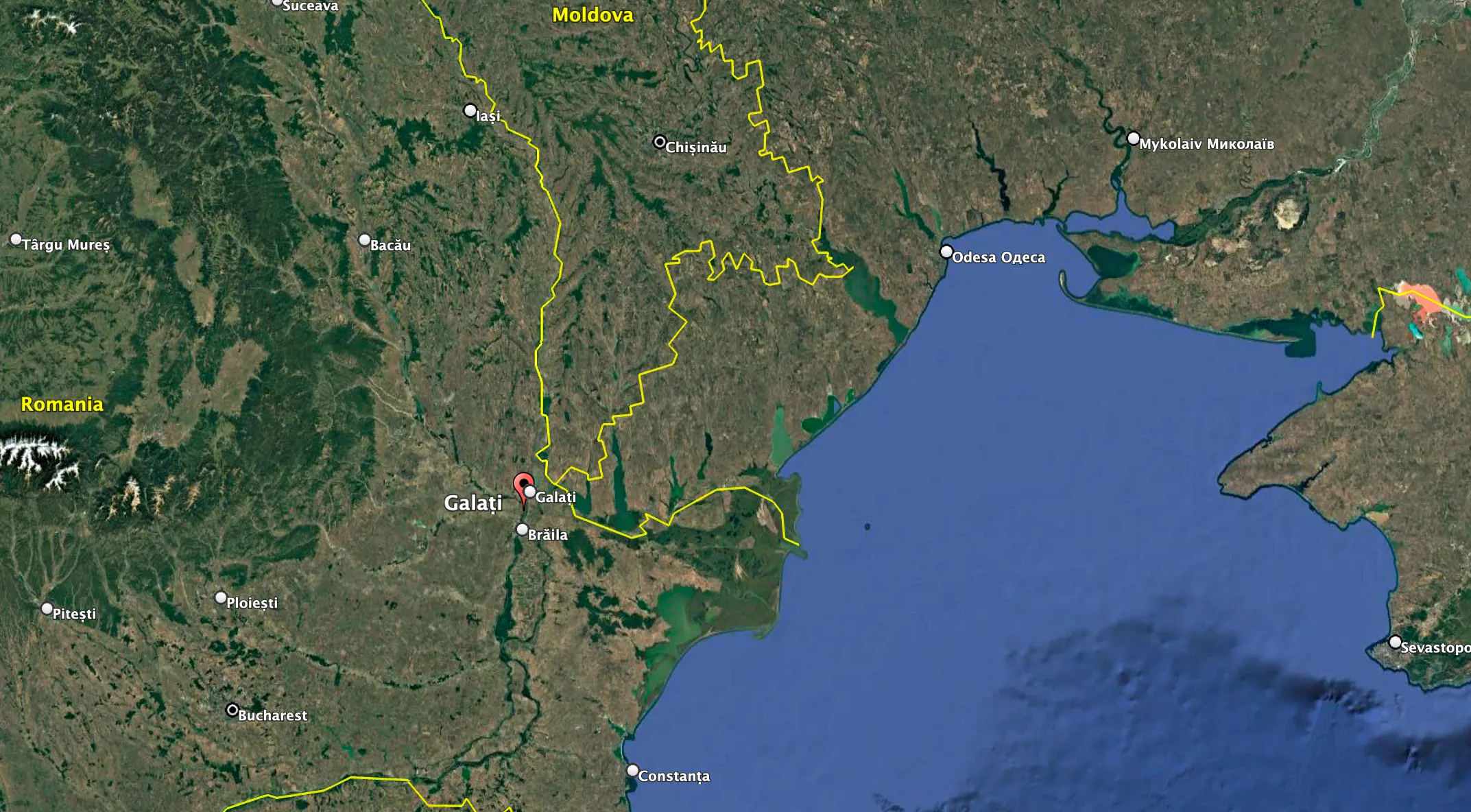
The Russian drone was part of a barrage involved in an overnight attack on Ukraine. It strayed into Romanian airspace before crashing into the roof of a residential building in Galați on the River Danube, in eastern Romania. The Romanian Ministry of Defense assesses that the drone was intended to attack one of several Ukrainian targets in the vicinity of the river border with Romania.

A senior NATO official confirmed to TWZ that it had detected and tracked the Russian drone, but it entered Romanian airspace only minutes before striking the apartment building. “To put this in context, you are talking about something that is travelling nearly 200km/h [124 miles per hour] over a populated area less than 15km [nine miles] from the border. Nonetheless, we are assessing what more can be done now to optimize Romania and NATO’s network of sensors and shooters to safely neutralize such threats,” the official added.

According to Ukrainian President Volodymyr Zelensky, the Shahed-type drone was involved in Russian strikes on the Odesa region, which borders Romania, targeting civilian container ships. Since the summer of 2023, Russia has embarked on a campaign to attack Ukrainian ports and other facilities on the Danube, with extensive use of drones. Overnight Russian strikes in the wider Black Sea region saw three foreign-flagged merchant vessels attacked, according to Kyiv, one of them being the Turkish-owned Ant, a dry cargo ship that was heading to Turkey from Odesa.

A map showing the approximate location of Galați on the River Danube, in eastern Romania, close to the borders with Ukraine and Moldova. Google Earth

The impact sparked a fire, injured two people, and forced the evacuation of several other residents.

The Romanian Ministry of Defense said the drone had been tracked by radar in Romanian airspace.

A Romanian Air Force pilot guides a F-16 fighter behind a KC-135 Stratotanker, assigned to the 117th Air Refueling Wing (ARW), during a joint training mission through the State Partnership Program between the Alabama National Guard and Romania, Romania, May 13, 2024. The 117th ARW conducts multiple mid-air refueling missions with the Romanian Air Force so they two can increase their own operational capabilities. (U.S. Army National Guard photo by Staff Sgt. Jaccob Hearn)
A Romanian Air Force F-16 fighter. U.S. Army National Guard photo by Staff Sgt. Jaccob Hearn Sgt. 1st Class Jaccob Hearn

In response, two Romanian Air Force F-16 fighters and an armed IAR-330 SOCAT helicopter were scrambled.

There have been some mixed messages as to why the drone was not shot down.

The Romanian Ministry of Defense says that the pilots involved had authorization to engage targets throughout the alert.

President of Romania Nicușor Dan said that the decision not to engage the target was taken “because the conditions did not exist to destroy it without the heightened risk of endangering civilian safety.”

Other reports suggest the interceptors were simply too late on the scene, and others that the chain of command to approve the engagement took too long, although this is clearly at odds with the Romanian Ministry of Defense’s account.

Regardless, Romania summoned Russia’s ambassador today, calling out the “irresponsible escalation” by Moscow.

“We will officially communicate the consequences that this lack of responsibility on the part of the Russian Federation will have for the diplomatic relations between our countries, as well as the next steps at the European level regarding sanctions packages,” the Romanian Foreign Minister Oana Țoiu wrote on X.

Meanwhile, Romania’s president, Nicușor Dan, said he had instructed the foreign ministry to prepare a package of measures regarding Romania’s relationship with Moscow, “proportionate to this very serious situation.”

Condemnation has also come from other NATO allies.

“I want to condemn this irresponsible act by Russia,” France’s foreign minister, Jean-Noël Barrot, said, adding that the drone had struck “a country of the European Union and a NATO country.”

A NATO spokesperson condemned “Russia’s recklessness” and said the alliance would strengthen its defences against all threats, including drones.

Meanwhile, UN Secretary General António Guterres has called for greater diplomacy, immediate de-escalation and “a full and unconditional ceasefire,” warning of “unknown and unintended consequences” from the escalation and intensification of Russian drone and missile attacks against Ukraine.

Romania has also called for the beefing up of its counter-drone capabilities to help prevent similar incidents in the future.

The Romanian Foreign Ministry today said it had asked NATO to accelerate the transfer of anti-drone capabilities in response to the drone strike.

Romania already hosts several layers of NATO and NATO-linked air defense infrastructure, but most of these are designed to engage ballistic missiles and conventional aircraft, not large numbers of low, slow Shahed-type drones.

Air defense capabilities in Romania include the Aegis Ashore system at Deveselu, the most important NATO missile-defense installation in the region. It is a U.S.-operated land version of the naval Aegis ballistic missile defense system armed with SM-3 interceptors, integrated into NATO’s missile shield.

The U.S. Aegis Ashore site in Romania. U.S. Navy

Romania also operates Patriot PAC-3 systems, which are effective against aircraft, cruise missiles, and some ballistic missiles, but are an expensive option for routine drone interception.

The Romanian Army's 74th Patriot Regiment conducted the country's first PATRIOT missile system live-fire exercise at the Capu Midia test firing range in Romania Nov. 15-16, 2023. Romania received the first of seven PATRIOT systems in 2020 through a foreign military sales case executed by the U.S. Army Security Assistance Command. (Courtesy photo)
A Romanian Army Patriot missile system during a live-fire exercise at the Capu Midia range in Romania, in November 2023. U.S. Department of Defense/Courtesy photo Tech. Sgt. Kristen Pittman

In addition, the country hosts rotational NATO fighter policing detachments, which provide additional air defense over the Black Sea and provide air policing patrols. Currently, a detachment of U.K. Royal Air Force Typhoons is in Romania as part of Operation Biloxi.

It should be pointed out that this is not the first incident in which a Russian drone flying from the Ukrainian side of the border has violated Romanian airspace. Drone wreckage was found in Romania, close to the border with Ukraine, in September and October of 2023, although there was no evidence that the NATO country was deliberately targeted. In December of the same year, NATO fighters deployed in Romania were scrambled to respond to a drone violation, with one of the drones exploding in Romanian territory, although it was not shot down. Since then, there have been multiple other Russian drone incursions, but no reported injuries as a result.

However, the overnight strike in Romania further underscores the potentially lethal risk of the war in Ukraine spilling over from Ukraine and into NATO territory.

It also coincides with Russian threats to step up its sustained assault on Ukraine. Moscow has continued using long-range missiles and drones to target Ukrainian cities and critical energy infrastructure, while Kyiv prepares for further waves of intense attacks.

Earlier this week, Zelensky said he was urging the United States to supply more Patriot systems to help defend against Russian ballistic missile strikes, amid an ongoing shortage of critical air defense systems. Speaking today, the Ukrainian leader said that Ukrainian intelligence has information indicating Russia is preparing a new large-scale attack on Ukraine.

As we have discussed in the past, Russian kamikaze drones heading toward population centers in NATO countries represent an entirely new level of threat to the alliance and one that NATO is currently not well-equipped to deal with.

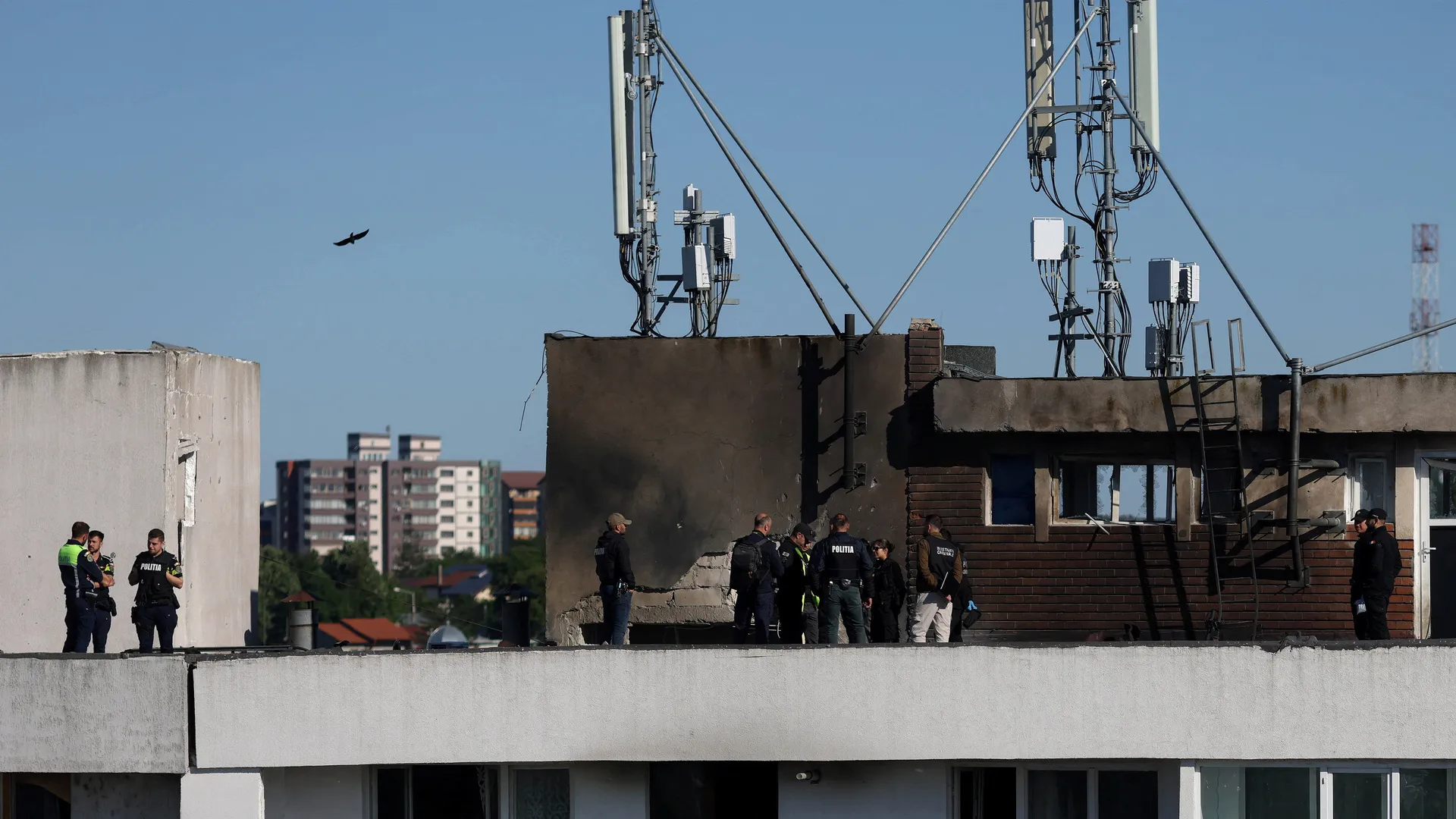
Police and forensic investigators stand on the rooftop as they examine the location of impact (L) over a damaged apartment after a Russian drone struck an apartment building in Galati, eastern Romania. A Russian drone wounded two people as it struck an apartment building in NATO-member Romania, its defence ministry said on May 29, 2026, the latest spillover from the four-year war into neighbouring states. (Photo by Daniel MIHAILESCU / AFP via Getty Images)
Police and forensic investigators examine the location of impact over a damaged apartment after a Russian drone struck an apartment building in Galati, eastern Romania. Photo by Daniel MIHAILESCU / AFP DANIEL MIHAILESCU

Considering the intensity of Russian aerial bombardment of Ukraine, and the proximity of NATO borders, it was really only a matter of time until an incident like this occurred.

Already, Romania expanded its no-fly zone along a section of the border with Ukraine to up to 20 miles inside Romania and to a height of 4,000 feet. This was intended as a deterrent against Russian drones from deliberately entering Romanian airspace to reach enemy targets.

TWZ reached out to NATO for details of potential posture changes, and a senior official from the alliance confirmed that a NATO E-3A Sentry Airborne Warning and Control System (AWACS) aircraft was launched today to increase air-domain awareness.

A U.S Air Force E-3 Sentry taxis past a NATO E-3A Airborne Warning and Control System aircraft on June 7, 2017, at NATO Air Base Geilenkirchen, Germany. The aircraft and nearly 100 reservists from the 513th Air Control Group are deployed in support of BALTOPS 2017, which is the first time a U.S. E-3 Sentry has supported a NATO exercise in 20 years. (U.S. Air Force photo/2nd Lt. Caleb Wanzer)
A U.S Air Force E-3 Sentry taxis past a NATO E-3A Airborne Warning and Control System aircraft at NATO Air Base Geilenkirchen, Germany. U.S. Air Force photo/2nd Lt. Caleb Wanzer Capt. Caleb Wanzer

The same NATO official told us that one way to avoid similar incidents in the future would be to bring the MEROPS counter-drone system to Romania under NATO command and control.

“Another way is for Romania and other allies to continue the acquisition of more capabilities as part of the Eastern Flank Deterrence Initiative, which integrates sensing, decision-making and precision effects into a resilient, defense-in-depth concept,” the official added.

As you can read about here, MEROPS counter-drone systems, initially used in Ukraine, have also been deployed to protect U.S. troops from Iranian Shahed-136 munitions. The MEROPS is a small, relatively inexpensive drone built specifically to intercept long-range one-way attack drones.

A new system to identify and take down Russian drones is deployed to NATO’s eastern flank thumbnail

A new system to identify and take down Russian drones is deployed to NATO’s eastern flank


Now that a Romanian residential building has been hit and people injured, this may push the needle further and lead to the more comprehensive deployment of counter-drone capabilities in this country and elsewhere on NATO’s eastern flank.

Contact the author: thomas@thewarzone.com
Thomas is a defense writer and editor with over 20 years of experience covering military aerospace topics and conflicts. He’s written a number of books, edited many more, and has contributed to many of the world’s leading aviation publications. Before joining The War Zone in 2020, he was the editor of AirForces Monthly.


Howard is a Senior Staff Writer for The War Zone, and a former Senior Managing Editor for Military Times. Prior to this, he covered military affairs for the Tampa Bay Times as a Senior Writer. Howard’s work has appeared in various publications including Yahoo News, RealClearDefense, and Air Force Times.


Source link

Romania to expel Russian consul after residential drone strike | Russia-Ukraine war

NewsFeed

Romanian President Nicusor Dan says that the Russian consul in the southeastern city of Constanta will be expelled and the consulate shut down after a drone intended for Ukraine crashed into an apartment complex in the border town of Galati.

Source link

Russian drone strikes residential building in NATO ally Romania

May 29 (UPI) — A Russian drone carrying explosives struck the roof of an apartment building in NATO ally Romania overnight, risking a dangerous escalation in Moscow’s four-year-old war in Ukraine.

The drone had entered Romanian airspace during a Russian attack on neighboring Ukraine and struck the building in the eastern city of Galati, located near the Romania-Ukraine border, Romania’s Defense Ministry said in a statement Friday.

Two people were “slightly injured,” according to Romania’s Ministry of Foreign Affairs. The two victims were transported to the Galati County Emergency Clinical Hospital, officials said.

The drone sparked a fire on the 10th floor of the building, according to the Department for Emergency Situations, which said online that 70 people were evacuated from the building.

Video of the scene shared by Galati County emergency services officials shows firefighters responding and debris littering the residential street.

“This represents a serious and irresponsible escalation by the Russian Federation,” Romanian Foreign Minister Oana Toiu said online.

According to the Defense Ministry, radars had detected drones flying near Romanian airspace, prompting two F-16 fighter jets and an IAR-330 SOCAT helicopter to deploy at 1:19 a.m., with authorization to engage targets.

The aircraft followed the drone in Romanian airspace, but the decision was made to not engage over heightened risk to the safety of the civilian population, Romanian President Nicusor Dan said in a statement.

Dan said he convened a meeting of the Supreme Council of National Defense for 11 a.m. Friday to discuss what he called “the most serious incident to have affected national territory” since Russia invaded Ukraine on Feb. 24, 2022, igniting the war.

“The unprecedented nature of the event requires a firm, coordinated and commensurate response — at the national, allied and international levels,” he said.

He said he holds the Kremlin wholly responsible.

“What happened today in Galati is the direct consequence of Russia’s war of aggression unleashed against Ukraine, of the irresponsible and indiscriminate manner in which Moscow operates these weapons systems in the immediate vicinity of NATO borders, as well as of its systematic disregard for international law,” he said.

“There is no ambiguity regarding the perpetrator and the cause of this aggression.”

All NATO and European Union allies have been informed of the incident, and the U.N. Security Council has been informed, he said, adding that Romania has formally requested that allies deploy additional anti-drone capabilities to NATO’s eastern flank.

Romania also summoned the Russian ambassador to officially communicate “the effects that this lack of responsibility on the part of the Russian Federation will have on the diplomatic relations between our countries and the next steps at the European level regarding packages of sanctions,” Toiu said.

Numerous heads of state and ministers of foreign affairs condemned the attack, including European Commission President Ursula von der Leyen and NATO Secretary General Mark Rutte, who said he spoke with Dan and assured him that the alliance “stands ready to defend every inch of allied territory.”

“Russia’s reckless behavior is a danger to us all,” he said in a statement. “They continue to target civilians and civilian infrastructure across Ukraine. And last night showed yet again that the implications of their illegal war of aggression don’t stop at the border.”

Russian drones have repeatedly entered NATO airspace amid Russia’s war in Ukraine, but Friday’s incident appeared to be the most severe involving Romania.

Source link

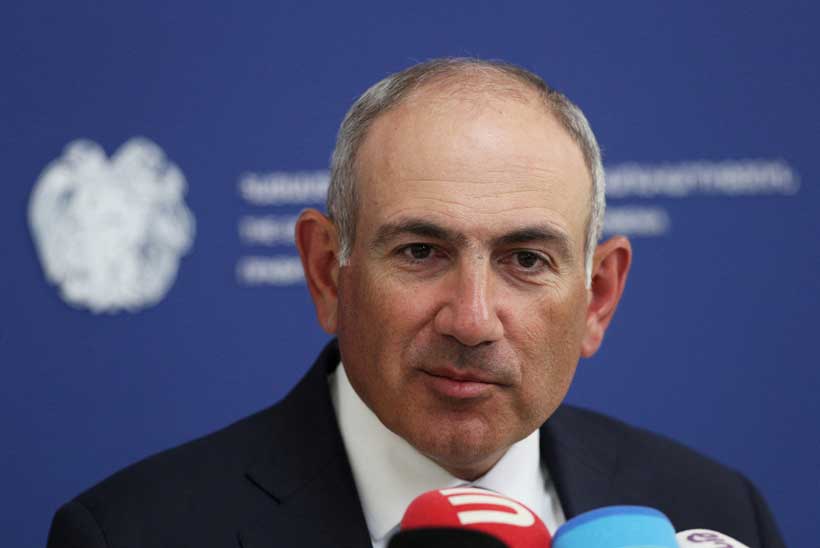
Armenia Faces Rising Russian Pressure Ahead of Key June Election

Russia has sharply criticized Armenia for its closer ties with the European Union, arguing that Armenia is not maintaining a balanced relationship with Moscow and is working with countries that wish Russia harm. This criticism comes ahead of Armenia’s parliamentary vote on June 7, where the ruling Civil Contract party, led by Prime Minister Nikol Pashinyan, is seeking a third term and has shown interest in strengthening ties with the West against various pro-Russian opposition groups. Recent polls suggest that Pashinyan’s party holds about 30% support.

Moscow’s discontent with Armenia’s warming relationship with the West was expressed by Russian Foreign Ministry spokeswoman Maria Zakharova, who emphasized that while Russia sees Armenia as a partner, it questions Armenia’s partnerships with the EU, especially given claims from Western nations about a “hybrid war” against Russia.

In response to these developments, Russia’s agricultural safety agency announced new temporary bans on Armenian produce, including tomatoes and strawberries, set to take effect on Saturday. Russia has warned Armenia that it may halt supplies of cheap oil, gas, and diamonds if Armenia continues pursuing EU membership. Armenia, with a population of around 3 million, depends heavily on Russian energy and military support.

With information from Reuters

Source link

European countries and EU summon Russian envoys over threats on Kyiv | Russia-Ukraine war News

EU spokesperson Anitta Hipper says Russia’s threat to diplomats and foreign citizens is an ‘unacceptable escalation’.

Germany, the Netherlands, Norway and the European Union have summoned Russian envoys a day after Moscow warned foreigners and diplomats to leave the Ukrainian capital ahead of renewed air strikes.

On Tuesday, EU spokesperson Anitta Hipper called Russia’s threat to diplomats and foreign citizens an “unacceptable escalation”.

Recommended Stories

list of 3 itemsend of list

Hipper added in a post on X that the charge d’affairs had been summoned, calling on Moscow to “stop hitting civilians & Russia to engage in genuine peace talks starting with a full and unconditional ceasefire”.

At the beginning of May, Russia and Ukraine agreed to a three-day ceasefire for Moscow’s celebrations to mark its victory over Nazi Germany in 1945 at the end of World War II, but fighting quickly resumed with both sides accusing the other of violating the agreement.

On Monday, Moscow said that it planned to launch more strikes on Kyiv after it launched a barrage of drones and missiles on Ukraine over the weekend that killed four people.

Among the weapons Russia used in its attacks were its Oreshknik hypersonic missile, which can travel 10 times the speed of sound.

The warning came after Russia accused Ukraine of targeting a vocational school last week in the Russian-occupied Luhansk region that killed 21 people.

Russian President Vladimir Putin ordered his military on Friday to prepare options for retaliation in response to the attack.

“Under the current circumstances, the Russian Armed Forces are starting to launch systematic strikes against Ukrainian military-industrial facilities in Kyiv,” Russia’s Ministry of Foreign Affairs said in a statement on Monday.

“The strikes will target both decision-making centres and command posts … We are warning foreign citizens, including personnel of diplomatic missions and international organisations, to leave the city as soon as possible,” it added.

But in response to the call to leave the country, Germany’s Federal Foreign Office said on Tuesday that Moscow was resorting to “threats, terror & escalation”, which is why they summoned the Russian ambassador.

“We made it clear to Russia today: We will not be intimidated by threats and will continue to support Ukraine with full force,” the ministry wrote on X.

Norway and the Netherlands also summoned their Russian ambassadors over threats to attack Kyiv.

With no clear end to the war in sight, United States Secretary of State Marco Rubio reiterated on Tuesday that Washington had remained ready to mediate between Russia and Ukraine, as talks have stalled.

Source link

Czech police detain Russian priest over ‘white substance’ find | Crime News

Moscow condemned the action of the Czech police, calling the detainment a ‘provocation’.

Czech police have detained a Russian cleric after four containers of a suspicious white substance were discovered in his car.

Orthodox Bishop Hilarion was detained in the town of Karlovy Vary, according to a statement released on his Telegram channel by his defence team on Monday.

Recommended Stories

list of 3 itemsend of list

The arrest sparked claims of provocation from Moscow against Czechia’s government, despite Prague having reduced its support for Ukraine since it took office six months ago.

Bishop Hilarion, 60, whose secular name is Grigory Alfeyev, heads the Russian Orthodox Church’s congregation in the western town, which hosts a sizeable Russian diaspora.

The cleric denied any involvement in drug possession. “I have no connection and have never had any connection to the illegal trafficking of narcotic substances,” he said in the statement.

Czech police said only that a man was detained on Sunday evening on a highway between Karlovy Vary and Prague, adding that interrogations were under way and no one had been charged, without disclosing the detainee’s identity.

The Czech Drug Enforcement Centre said it had also acted on an anonymous tip-off reporting the transport of narcotic and psychotropic substances.

Hilarion’s defence said police offered no clear reason for stopping the vehicle and that two patrol cars appeared to be waiting for it on the road.

Hilarion was not permitted to observe the search, his lawyer said, adding that the defence was demanding independent forensic analysis of the substance along with fingerprint and DNA checks.

‘Provocation’

Russian Foreign Ministry spokeswoman Maria Zakharova called the incident an “orchestrated provocation” aimed at discrediting Hilarion, and demanded his immediate release.

“The head of the Czech diplomatic ⁠mission in Moscow will shortly be summoned to ⁠the Russian Foreign Ministry, where a strong protest will be lodged regarding the unacceptable high-handedness of the Czech authorities,” she said.

Russian media reported that the detention followed months of anonymous threats against Hilarion, including threats of physical violence demanding he leave his post in Karlovy Vary.

Hilarion was once considered the right-hand man of Patriarch Kirill – the head of the Russian Orthodox Church and a pillar of support for President Vladimir Putin and his war on Ukraine.

However, the priest reportedly fell out of favour with Moscow’s spiritual authorities and was sent abroad in 2022, shortly after Russia’s invasion.

Pro-Ukrainian activists trample a photo of Russian President Vladimir Putin and Patriarch of Moscow and All Russia Kirill
Pro-Ukrainian activists trample a photo of Russian President Vladimir Putin and Patriarch of Moscow and All Russia (File: AFP)

His assignment to the Czech Republic came after a former aide brought sexual misconduct charges against him, allegations Hilarion denied, claiming the aide had attempted to extort €384,000 from him.

Unlike many senior Russian clergymen who have publicly backed the war in Ukraine, Hilarion has never publicly commented on the conflict.

Separately on Monday, the Czech government, a coalition of populist and far-right parties that took office in December, announced that it had approved a legal amendment ⁠that would ⁠tighten rules for Ukrainian refugees’ stays and financial support. It said it was responding to the abuse of ⁠aid, and the perception that refugees had some advantages over locals.

Source link

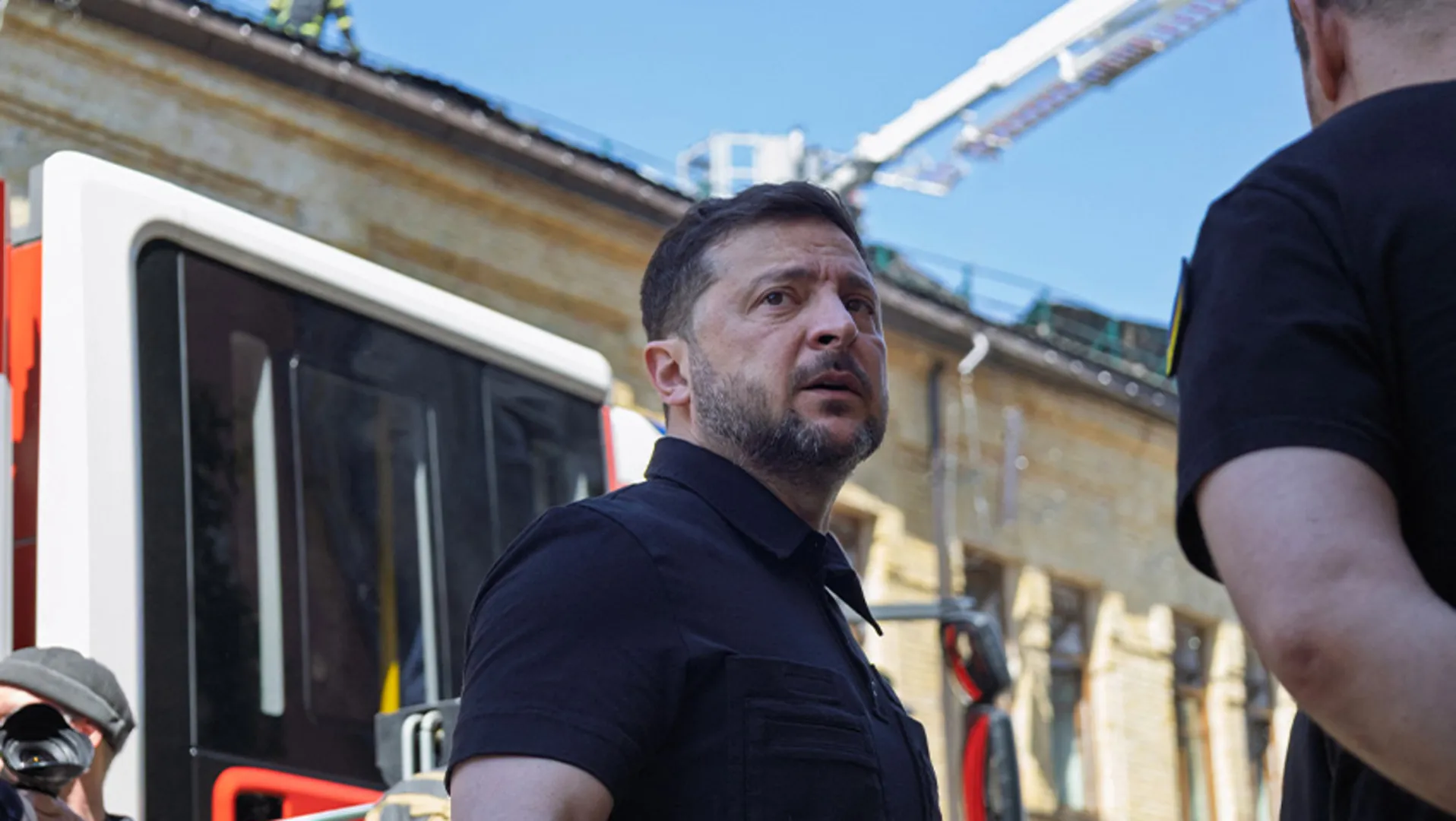
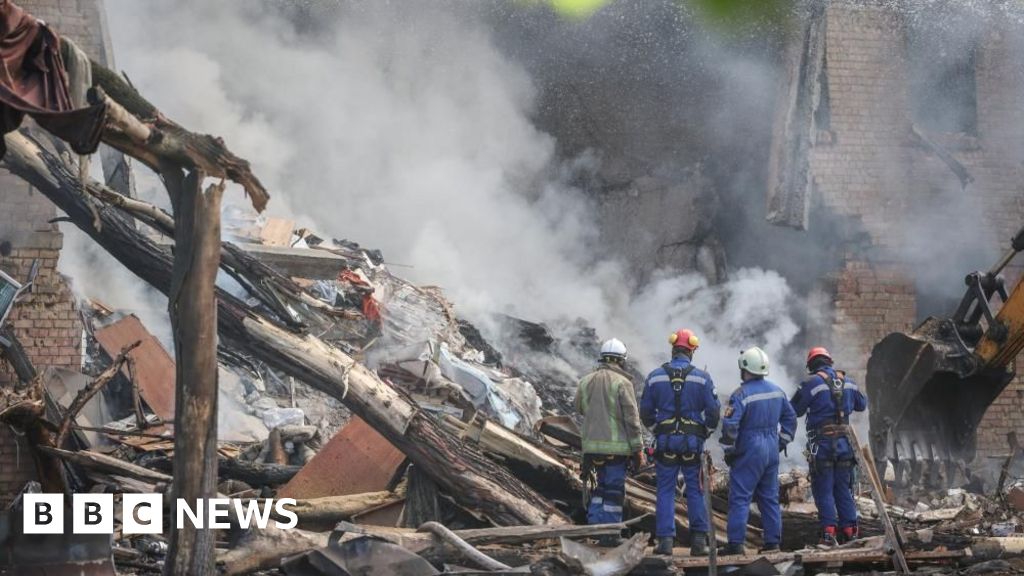
Zelenskyy speaks to Al Jazeera at site of major Russian attacks in Kyiv | Russia-Ukraine war

NewsFeed

Russia has launched one of its largest attacks on Kyiv since the war began, firing hundreds of drones and missiles across Ukraine overnight.

Speaking to Al Jazeera after visiting damaged sites, President Volodymyr Zelenskyy condemned the strikes and the targeting of civilian infrastructure, as Ukraine vowed retaliation.

Source link

China’s Xi Jinping and Russian President Vladimir Putin meet in Beijing | Politics News

DEVELOPING STORY,

Xi and Putin hold talks just days after US President Donald Trump made an official visit to China.

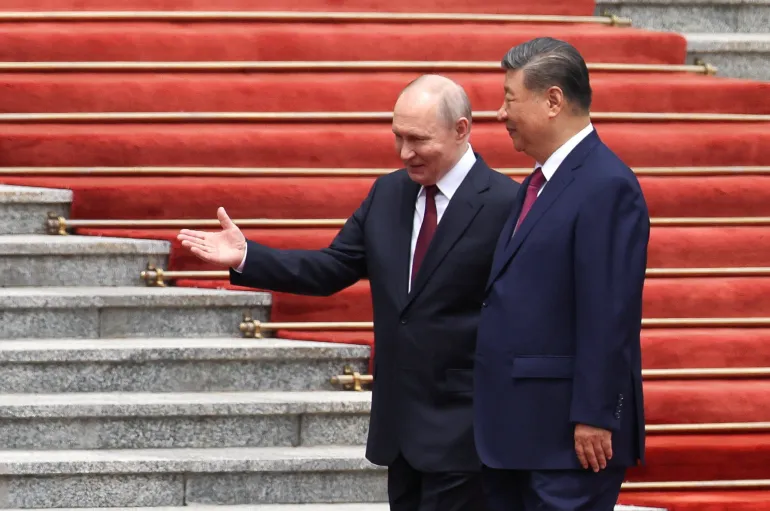
A meeting between Chinese leader Xi Jinping and visiting Russian President Vladimir Putin has started in Beijing, Chinese state media report.

Xi welcomed Putin to the Chinese capital on Wednesday, shaking hands with the Russian leader outside the Great Hall of the People before their talks, video by Russian media showed.

Recommended Stories

list of 4 itemsend of list

Before entering the Great Hall, Putin and Xi walked down a red carpet, rolled out to greet the Russian leader, and stood as a military band played their two national anthems.

Putin began the talks by hailing the “strong, positive” momentum in cooperation between Russia and China, according to Russian media.

“Even amid unfavourable external factors, our cooperation and economic cooperation is showing strong, positive momentum,” Putin told Xi.

Addressing Putin, Xi lauded the “unyielding relationship” between China and Russia.

“We have been able to continuously deepen our political mutual trust and strategic coordination with a resilience that remains unyielding despite trials and tribulations,” Xi told Putin, according to China’s Xinhua news agency.

The Chinese leader also addressed war in the Middle East, telling his Russian counterpart that further conflict was “inadvisable” and a ceasefire was necessary.

“A comprehensive ceasefire is of utmost urgency, resuming hostilities is even more inadvisable and maintaining negotiations is particularly important,” Xi said, according to Xinhua.

Russian President Vladimir Putin walks with Chinese President Xi Jinping during a welcoming ceremony at the Great Hall of the People in Beijing, China May 20, 2026. REUTERS/Maxim Shemetov/Pool TPX IMAGES OF THE DAY
Russian President Vladimir Putin walks with Chinese President Xi Jinping during a welcoming ceremony at the Great Hall of the People in Beijing, on Wednesday [Maxim Shemetov/Pool/Reuters]

Al Jazeera’s Katrina Yu, reporting from Beijing, noted that Putin’s visit and that of the recently concluded trip by US President Donald Trump to China were very different.

Putin, she said, is marking 25 years of the Sino-Russian friendship, has visited China dozens of times, and met with Xi on more than 40 other occasions.

“So this visit will really be about deepening existing coordination and cooperation,” Yu said.

“We are expecting that the two sides will update each other on the situation in the Middle East, as well as Ukraine. No doubt, Xi Jinping will also talk to Putin about what was discussed with Donald Trump last week,” Yu said.

Putin is being accompanied by a large delegation of Russian businesspeople and government leaders, and the Kremlin has announced that the two leaders will sign some 40 different agreements, Yu said, covering everything from the economy and tourism to education.

“But I think for Putin, the main topic of discussion with Xi Jinping is going to be on energy security,” Yu said.

“Since the war in Ukraine, any gas sales that were previously heading to Europe – that is all dried up – and Russia is in desperate need of revenue to replace that, especially since we are in the fifth year of the Ukraine war,” she added.

In a video address released before meeting Xi, Putin said Beijing and Moscow are prepared to cooperate with each other on “core interests ‌of ⁠the two countries, including the protection of sovereignty and national unity”, the Reuters news agency reports.

Both countries are actively expanding ⁠ties in economy, politics and defence, Putin said, adding that “a close” and “strategic” connection between Moscow and Beijing ⁠was playing “a stabilising role” in global relations.

“We are not aligning against anyone, but working ⁠for the cause of peace and universal prosperity,” Putin said.

Source link

Russian President Vladimir Putin arrives for state visit to China

May 19 (UPI) — Russian President Vladimir Putin arrived Tuesday in Beijing for a state visit after U.S. President Donald Trump made a similar visit last week.

It’s Putin’s 25th trip to the country and marks his most recent meeting with Chinese leader Xi Jinping with a “quite packed” schedule, Russian news agency TASS reported. The two leaders have met more than 40 times over their respective tenures.

“Hosting two of the most powerful leaders in the world in a matter of days shows China’s growing confidence in its place and standing in the world,” said William Yang, a senior analyst at the International Crisis Group, The Guardian reported. He said the Chinese leader “likely wants to remind Trump that Beijing has other solid and robust relationships that it can count on, so Washington can’t easily isolate or harm Beijing if it tries to.”

TASS said that Xi will host Putin for tea and the two leaders will discuss “pressing international issues.” The visit will also include talks involving delegations, a meeting with Chinese Premier Li Qiang, a tour of an exhibit on the relationship between the two countries and other events, the news agency said.

In a video address to China on Monday, Putin said the relationship between the two countries had reached an “unprecedented level,” The Guardian reported. Meanwhile, Guo Jiakun, China’s foreign ministry spokesperson, said, “The friendship between China and Russia will be further deepened and will be more deeply rooted in people’s hearts.”

In Putin’s video address, the Russian leader mentioned that transactions and financial considerations between the countries have taken place mainly in Russian and Chinese currencies rather than the U.S. dollar.

In this way, the countries have been building resistance against sanctions from Western nations; China does not acknowledge sanctions against Russia and has purchased billions in Russian fossil fuels since Russia’s invasion of Ukraine. There have also been sanctions against China since that war began.

Wreathes are seen amongst the statues at the Korean War Veterans Memorial during Memorial Day weekend in Washington on May 27, 2023. Memorial Day, which honors U.S. military personnel who died while in service, is held on the last Monday of May. Photo by Bonnie Cash/UPI | License Photo

Source link

Inside Ukraine’s Interceptor Drone Innovations Swatting Down Thousands Of Russian Shaheds

Hours after hunkering down during Russia’s most intense Shahed-136 drone barrage of the war, the head of the country’s defense technology incubator spoke with us about the interceptor drones his country developed to defend against them.

Some of these small munitions cost about $1,000 a piece and can reach speeds of nearly 200 miles per hour. Some also have AI-assisted guidance. They have proven to be a far cheaper alternative to effectors like Patriot interceptors – costing more than $5 million a piece – and even far less advanced missiles for downing Shaheds, which have caused widespread destruction across Ukraine for years. In an hour-long interview, Brave1 CEO Andrii Hrytseniuk talked about how Ukraine developed Shahed interceptors, their effectiveness and the growing interest from the U.S. – which produced its own drone-killing interceptor that Ukraine has used – and other allies. He also spoke about Ukraine’s burgeoning uncrewed ground vehicle industry, which we will discuss in the second part of this interview.

Some of the questions and answers have been lightly edited for clarity.

Brave1 CEO Andrii Hrytseniuk (Brave1) Vasyl Churikov

Q: Tell us about Ukraine’s development of Shahed interceptor drones.

A: The majority of Shaheds are destroyed by interceptors. So this is the dominance of interceptors in aerial defense already. And Ukraine built the new class of weapon globally. It didn’t exist before. Interceptors have extremely high potential, and the main advantage of the interceptors is extremely low price.

In total, we have more than 150 Ukrainian companies who are producing interceptors. And these are interceptors of different architecture. Some are small rocket type first-person view (FPV) drones. In some cases, they resemble small planes. In some cases, they resemble big planes. Some of them are X wings, like a combination between FPV and fixed wing. We use different varieties in different regions and different conditions. 

A small sample of the interceptor drones produced by Ukrainian industry.

Q: How do you determine which interceptors are right for the job?

A: As an example, in case the Shaheds are coming from the Black Sea, where we have Odessa and other cities on the coast, small interceptors are used only in the last kilometers. The planes are used like loitering munitions, flying for hours and when they find a Shahed, they destroy it.

We need some interceptors that are capable of flying for hours and for hundreds of kilometers. For some, we need just a small diameter zone of protection.

Q: Given the success you’ve had with interceptor drones, have the U.S. and allies in the Gulf reached out, considering the death and destruction caused by Shahed drones launched by Iran?

You can see video of one of those attacks below.

A: I am permanently discussing and we are involved in discussion of interceptors and the potential of interceptors. And of course, it’s one of the top priorities for all countries to build the capability to use interceptors.

Ukraine is able to produce more than 2,000 interceptors per day, and this is not a maximum per day, more than 2,000. And for us, this is not a threshold, not a limit. In the case of export contracts and procurements, we can do much more than 2,000 per day. As an example, during the terroristic attack of Russia, they used more than 1,300 Shaheds and this was just during the last 24 hours. So of course, we need to have a huge number of interceptors.

Q:  Did you use more than 1,000 interceptors to defend against them?

A: I will not share details of how many Shaheds were destroyed by interceptors or other types of weapons, but in total, we were able to hit 97% of all Shaheds. This is the public information from our air defense command.

The following video shows some of the aftermath of the recent Russian Shahed barrage.

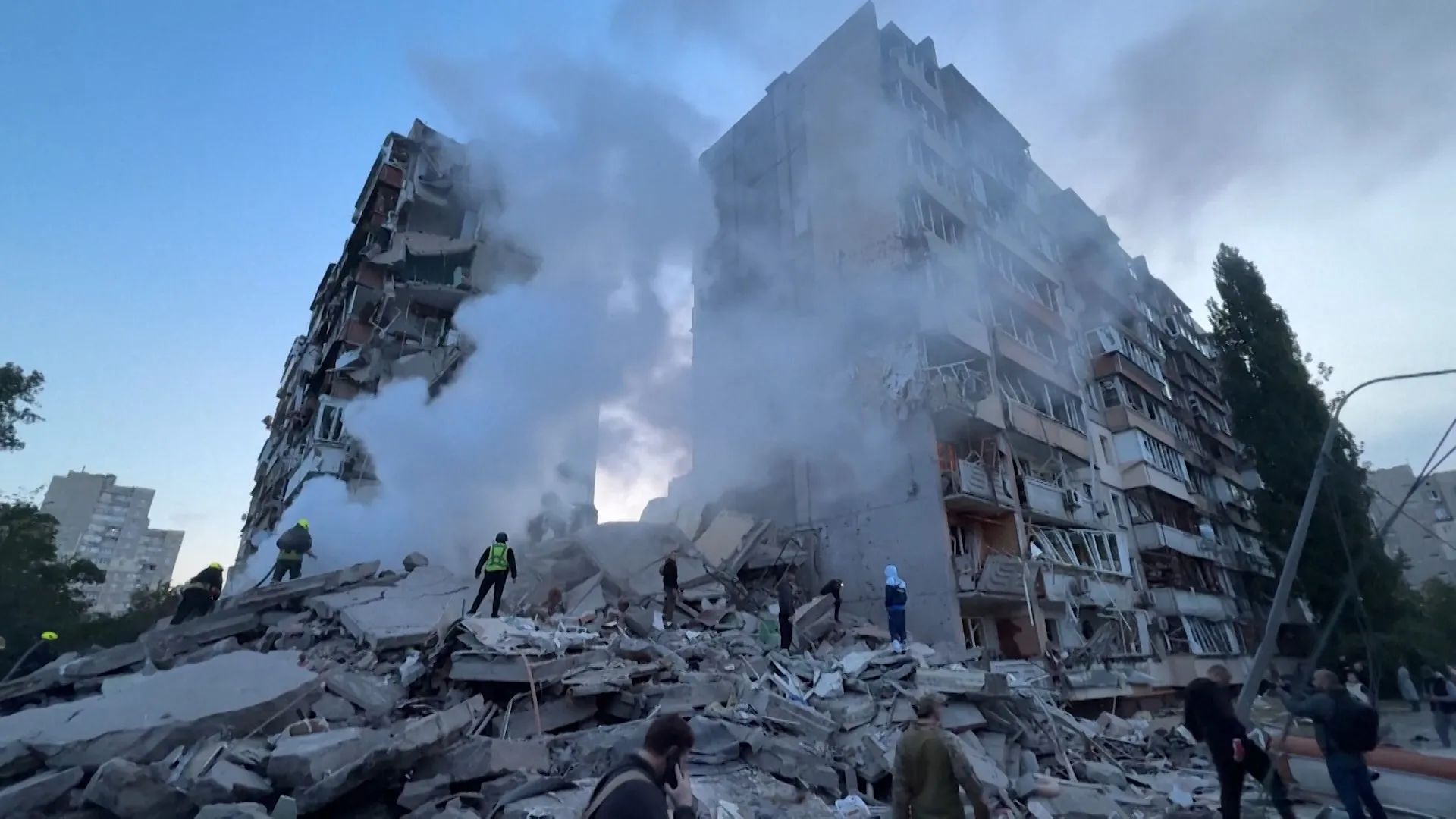
Search and rescue operations are ongoing in Kyiv following a Russian strike on a residential apartment building.

As of now, five people have been killed by Russia, and more than 10 people remain missing.

Around 40 people were injured in the attack, while 28 have been rescued… pic.twitter.com/n7z2mB42lu

— MFA of Ukraine 🇺🇦 (@MFA_Ukraine) May 14, 2026

Q: So when the U.S. and allies ask for help, what do you tell them and what is the current status of exports? The last time I wrote about this issue, the law prevented exports.

A: Brave1 works with Ukrainian and international companies to build and test solutions. We are not deeply involved in export questions. So I cannot comment here, because I’m not aware of the current status.

Q: The U.S. sent its own interceptor drones, the Merops system, to Ukraine in 2024. It proved so effective that it was sent to the Middle East to protect U.S. assets during the now-paused war against Iran. How much, if anything, did Ukraine learn from it?

A: Most successful defense manufacturers learned from our military and Brave1 – both Ukrainian manufacturers, and Merops. Without the direct input of the Ukrainian military and experts, Merops would never have become such a high-performing system, as it is now.

An interception drone of the American MEROPS counter drone system is seen during tests at the Nowa Deba military training ground, south-eastern Poland, on November 18, 2025. (Photo by Wojtek RADWANSKI / AFP) (Photo by WOJTEK RADWANSKI/AFP via Getty Images)
An interceptor drone of the American MEROPS counter drone system is seen during tests at the Nowa Deba military training ground, south-eastern Poland, on November 18, 2025. (Photo by Wojtek RADWANSKI / AFP) WOJTEK RADWANSKI

Q: What can you tell me about the relationship between Ukraine and the U.S. and allies as a result of what’s taking place in the Middle East?

A: It’s extremely interesting, and a lot of questions are coming to us, and we are sharing our experience.

Q: Have you had direct conversations with the U.S. military?

A: We are working with the majority of our allied countries. We have calls, sessions, conferences where we are sharing our experience, and the results of Brave1 transforming and improving the Ukrainian defense industry. Everyone is interested. This is the magic that it’s possible to do in such a short period of time. Right now, in Brave1, we have more than 2,300 different Ukrainian companies that are building weapons. And when the war started, it was a majority of state run companies and a very small number of private companies, and right now there is a huge list of companies.

Ukraine's $2,000 Drone Is Destroying Russia's $50,000 Shaheds. And Everyone Wants It thumbnail

Ukraine’s $2,000 Drone Is Destroying Russia’s $50,000 Shaheds. And Everyone Wants It


Q: You told me that Ukraine has a wide variety of interceptor drones, from the small ones to the bigger ones. How many different kinds of interceptors do the U.S. and allies need to defend against what Iran was launching?

A: I believe that the minimum is 10.

Q: 10? Why?

A: It takes 10 different types of architecture. For us, it’s important to have more different products, because it creates competition between Ukrainian companies, and they are much quicker, building new innovations, and they run faster to get ahead of the competitors – of their rivals. Also, it’s important to have not only interceptors. Interceptors themselves do nothing. This is the combination of variety of technologies, radars, permanent control system, the navigation systems, the systems for remote control, because the soldiers operating them should be not on the front line. They need to be in shelters. So this is the variety of different sub technologies, and as a whole, this is the segment of drone-based aerial defense.

Q: Wild Hornets, for instance, claims its Sting interceptor can be operated by soldiers from 2,000 kilometers away. How common is that?

A: Right now our pilots are able to manage interceptors from any place in the world.

Wild Hornets 2,000 Km thumbnail

Wild Hornets 2,000 Km


Q: Could pilots at the Tampa, Florida headquarters of U.S. Central Command, which oversees American military efforts in the Middle East, operate interceptor drones?

A: Let’s imagine I’m sending my pilot to the U.S. on a business trip and something happens, and my pilot will be needed to manage interceptors. He will be able to do it from New York or California.

Q: Getting back to the 10 different kinds of interceptor drones the U.S. and allies need. What different kinds? What are the differences?

A: Interceptors against ISR drones. Interceptors against Shahed heavyweight kamikaze drones. Interceptors against decoys. Interceptors that are capable of flying extremely high. Interceptors that are capable of increasing their speed to catch jet kamikazes. Interceptors that can throttle very quickly. Interceptors that have a long flight time and can fly a long distance. So there are a variety of different interceptors.

11 May 2026, Ukraine, Kiew: A Ukrainian soldier returns the Zirka interceptor drone after a test flight during Defense Minister Pistorius' visit to a drone defense site on the outskirts of Kiev. Political talks are on the agenda. Photo: Kay Nietfeld/dpa (Photo by Kay Nietfeld/picture alliance via Getty Images)
A Ukrainian soldier returns the Zirka interceptor drone after a test flight during German Defense Minister Boris Pistorius’ visit to a drone defense site on the outskirts of Kiev. (Photo by Kay Nietfeld/picture alliance via Getty Images) picture alliance

Q: How do you use AI?

A: We have a very responsible attitude about the ethical aspects of AI. Human-in-the-loop sometimes is used, but mostly we use human-on-the-loop where it’s a synchronous usage of human to arm, disarm, to cancel decisions, but not the human-in-the-loop where we need to wait for the human decisions, because speed of decisions should be taken into account. The effective hitting of Shahed drones is much higher when the human is not in the loop, but on the loop.

Q: Has Ukraine learned any lessons watching the U.S. and its allies defend against Iranian Shahed drones?

A: That’s the best question from all my interviews, for the last period of time. I can tell this subjectively from myself, not a representative of Brave1 or the country. One of the main lessons is that you should never be sure that you are secure enough and your technologies are perfect, because you don’t know what is in the pocket of your enemy. And you always need to be ready for the worst case scenario and permanently improve the level of readiness to counteract or react to absolutely non-predictable different things. And the speed of your reaction is crucial.

You can see one such Iranian Shahed attack on U.S. forces in the following video.

Video footage filmed by an American servicemember of an Iranian one-way attack drone, likely a Shahed-136, nearly impacting a radar tower at a U.S. military base in the Middle East earlier this week, possibly located at Ali Al Salem Air Base in Kuwait. pic.twitter.com/zsPyuFXK1c

— OSINTdefender (@sentdefender) March 8, 2026

Q: Is there anything in particular you’ve seen about the performance of Iranian drones against the U.S., Israel, the UAE and other countries that surprises you and that you need to develop new ways to defeat them?

A: No. As you know, there is a strong cooperation between Russia and Iran, and Iranian technologies appear to have been used on the battlefield by Russia, and I’m sure vice versa as well.

Q: Have you seen anything different about how Iran is using these drones?

A: I didn’t see anything different. The things that I saw were the same, but I’m not a military expert. We are focusing on technologies.

You can see Iran’s Shahed drone attack on the U.S. Navy’s facility in Bahrain on the opening day of the war below.

Q: What about Ukrainian companies? How closely are they watching this conflict, and when they talk to you, are they saying anything about what they’ve learned and can use to improve Ukrainian weapons?

A: Everyone would like to help. And because we see that Ukraine, this is the only country who knows – and proven for years – how to defend itself against Russian new technologies. And of course, for us, it’s very painful to see because we have this experience. We know what to do, but all these tens of millions [of] people are facing these problems, but we could help.

DNIPROPETROVSK OBLAST, UKRAINE - FEBRUARY 22: Ukrainian soldier holds interceptor drone Sting before a test flight on February 22, 2026 in Dnipropetrovsk Oblast, Ukraine. With the help of interceptor drones, the Ukrainian army shoots down Shaheds and Gerbers drones, which the Russian army launches over Ukraine. Interceptor drone can reach speeds of up to 300 kilometers and hit an air target at an altitude of 3 kilometers. The interceptor can be controlled using VR glasses or a small ground station. (Photo by Alex Nikitenko/Global Images Ukraine via Getty Images)
Ukrainian soldier holds a Sting interceptor drone before a test flight on February 22, 2026 in Dnipropetrovsk Oblast, Ukraine. (Photo by Alex Nikitenko/Global Images Ukraine via Getty Images) Global Images Ukraine

Q: In March, President Donald Trump said: ‘We don’t need their help in drone defense. We know more about drones than anybody. We have the best drones in the world, actually.’ What do you think about that?

A: I cannot comment.

Q: Would you say there was a difference in the level of interest from the U.S. and allies at the beginning of the war to now? 

A: Of course, absolutely different interest. Previously, it was almost zero interest. And right now, this is number one topic.

TOPSHOT - A member of the 3rd Army Corps Interception Squadron holds an interceptor drone used to protect against Russian drone attacks, at an undisclosed location near the front lines of eastern Uraine, on October 9, 2025. (Photo by Ed JONES / AFP via Getty Images)
A member of the 3rd Army Corps Interception Squadron holds an interceptor drone used to protect against Russian drone attacks, at an undisclosed location near the front lines of eastern Ukraine, on October 9, 2025. (Photo by Ed JONES / AFP) ED JONES

Q: What advice would you give to the U.S. about defeating Shaheds?

A: Number one is, do not believe that you have plenty of time, a lot of time for preparation. The time is gone. The second one is cost matters. And the expenses for defense should be less than the expenses of your enemy to attack you. Number three is permanently focus on asymmetrical solutions.

Q: Like what?

A: When Ukraine didn’t have enough air defense missiles, we invented interceptors (drones). When we had a lack of 155mm ammunition, we invented FPV drones. When we had a lack of helicopters, we invented drone bombers. We had a lack of naval fleet, so we invented naval drones

And we see that such tremendous change of new technologies on the battlefield posed a lot of different new innovations everywhere, and we are the Ukrainian government cluster that analyzes all military ideas of different industry players. We see that every month the number of ideas is increasing, nothing. This is just opening new doors to a new era of new technologies.

Members of the 3rd Army Corps Interception Squadron check the delivery of a mobile workstation used to control interceptor drones, at an undisclosed location near the front lines of eastern Uraine, on October 9, 2025. (Photo by Ed JONES / AFP via Getty Images)
Members of the 3rd Army Corps Interception Squadron check the delivery of a mobile workstation used to control interceptor drones, at an undisclosed location near the front lines of eastern Uraine, on October 9, 2025. (Photo by Ed JONES / AFP) ED JONES

Q: Have interceptor drones been able to replace those fired by high-end systems like the Patriot air defense system and others?

A: No. It’s not about replacement. Interceptors will never replace Patriot. Patriot is a great technology, the best in the world missiles for protection against ballistic missiles, hypersonic missiles. But of course, it absolutely doesn’t make any sense to use it against Shaheds. It’s extremely expensive, extremely it is overkill.

The Pentagon is brushing off concerns that it is running low on Patriot interceptors.
Ukrainian interceptor drones augment, but will never replace, Patriot interceptors, says the head of Brave1. (Lockheed Martin) Lockheed Martin

In our next installment, Hrytseniuk talks about how Ukraine plans to meet President Volodymyr Zelensky’s directive to produce 50,000 uncrewed ground vehicles this year.

Contact the author: howard@TWZ.com

Howard is a Senior Staff Writer for The War Zone, and a former Senior Managing Editor for Military Times. Prior to this, he covered military affairs for the Tampa Bay Times as a Senior Writer. Howard’s work has appeared in various publications including Yahoo News, RealClearDefense, and Air Force Times.


Source link

Anti-Drone “Cope Cage” Appears On Russian Patrol Boat

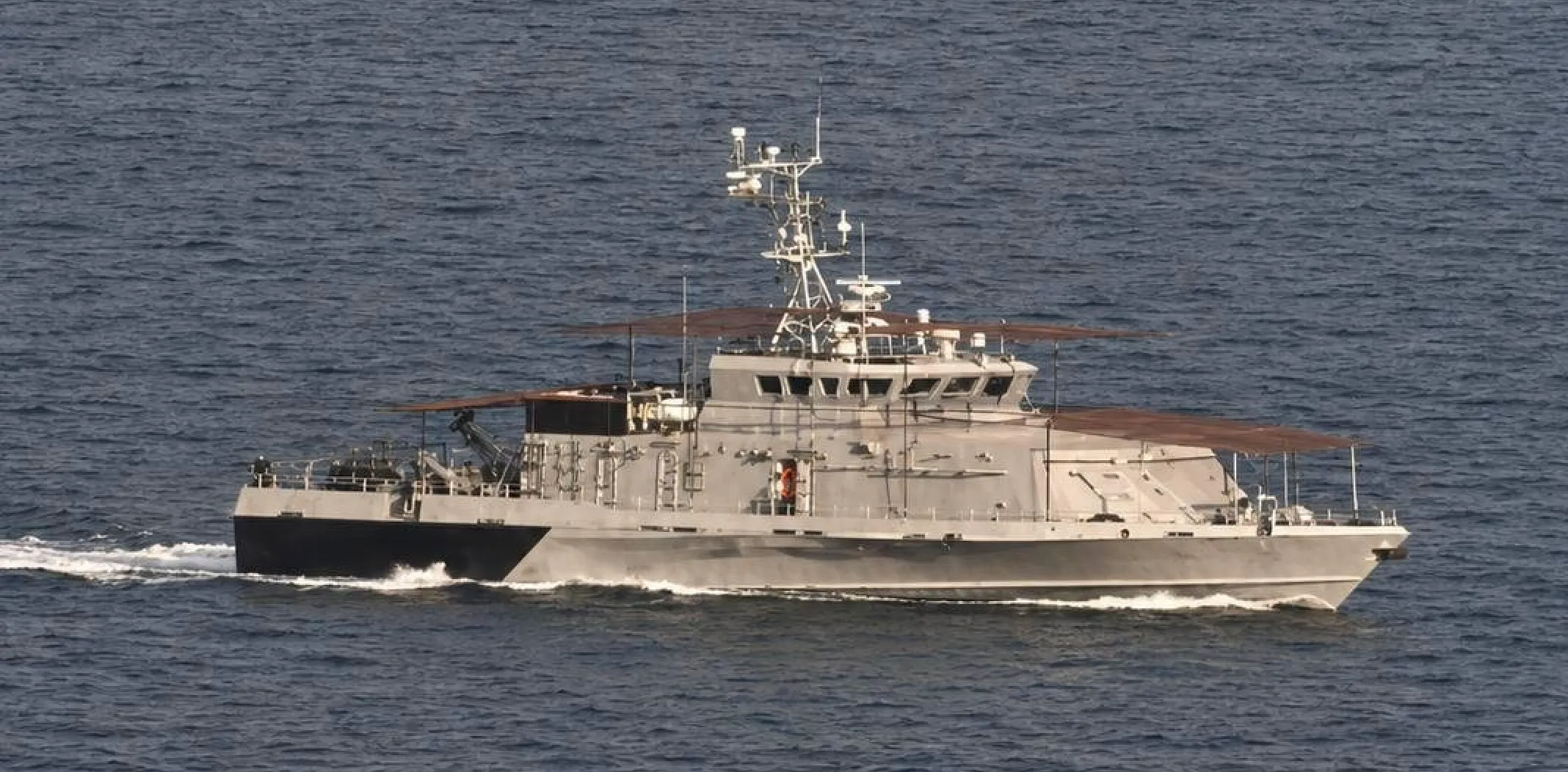
A recent development in the Black Sea drone war has seen a Russian Navy patrol boat appear with a screen, commonly known as a “cope cage,” on top of its superstructure to help protect against drones. Whether the modification is a one-off or part of a broader plan, it emphasizes the growing ubiquity of drone threats, a reality that the U.S. Navy is also increasingly having to contend with.

Two photos showing Russian Navy Project 21980 Grachonok class patrol boats underway in the Black Sea were published by Ukrainian defense adviser Serhii Sternenko. The photos were reportedly taken this month, but it’s not clear if they show the same vessel (in one photo, the Russian Navy flag is flying from a mast, and in the other, it is not).

Another view of a Russian Navy Project 21980 Grachonok class patrol boat underway in the Black Sea, with anti-drone protection, but no Russian Navy flag flying. via X

This may well be the first instance of this kind of add-on protection, which is now routinely used by both sides of the conflict in Ukraine on tanks and other fighting vehicles, being installed on a surface vessel. However, as we reported in the past, a cope cage has also appeared on at least one Russian Navy ballistic missile submarine, the Tula.

A view of the ballistic missile submarine Tula’s conning tower with an apparent counter-drone screen installed. Russia-24 capture

The Project 21980 vessel is described by Russia as a multi-purpose anti-saboteur boat. Primarily designed to protect ports and other naval installations, they are used by the Russian Navy as well as the Border Service. Around 30 of the vessels have been completed since 2008.

According to Ukrainian sources, Russia’s Black Sea Fleet operates nine Project 21980 boats, while another four are assigned to the Border Service.

Displacing around 150 tons, the Project 21980 is a little over 100 feet long and can be armed with a 14.5 mm machine gun, anti-sabotage grenade launchers, and an Igla-series man-portable air defense system (MANPADS). Ironically, the Russian media has, in the past, heralded the success of the Grachonok class during exercises in which the vessel was used to detect and destroy uncrewed aerial vehicles (as well as uncrewed surface vessels and other small-sized surface targets).

The cope cage covers most of the surface area of the vessel, with three distinct levels: a first section protecting the area above the stern; a second section mounted above the bridge and projecting aft of it, but below the antenna array; and a third section aft of the main superstructure. The sides of the vessel appear entirely unprotected; this may well be to allow normal operations such as docking. Furthermore, access here is required to operate the weapons, as well as the rigid-hull inflatable boat (RHIB) that is typically stowed at the stern, and which is deployed and recovered by crane.

Considering the normal mounting of the machine gun on the bow and the grenade launchers firing aft from the rear of the superstructure, it’s not clear how these weapons function after the cope cage is fitted. At the very least, the additional protection screens would appear to significantly reduce their fields of fire, limiting them to a very depressed trajectory.

SAINT PETERSBURG, RUSSIA - JULY 31: (RUSSIA OUT) Russian Grachonok-class anti-saboteurs Vladimir Vosov boat attends the Navy Day Parade, on July, 31 2022, in Saint Petersburg, Russia. President Vladimir Putin has arrived to Saint Petersburg to review Main Naval Parade involving over 50 military ships on Russia's Navy Day. (Photo by Contributor/Getty Images)
The Project 21980 patrol boat Vladimir Nosov attends the Navy Day Parade in Saint Petersburg, Russia, on July 31, 2022. Photo by Contributor/Getty Images Contributor#8523328

Moreover, while the cope cage provides a degree of overhead protection against drone-delivered munitions, it can be easily seen how a skilled drone operator would be able to find a gap in the protection. FPV drones, in particular, are highly maneuverable and have already demonstrated their ability to penetrate inside armored vehicles through open hatches and into buildings through whatever openings might be available. In this case, flying a drone around the static cope cages would not appear to be too difficult.

At the same time, the protection doesn’t address the threat posed by uncrewed surface vessels (USVs, ‘drone boats’) and uncrewed underwater vessels (UUVs) that have repeatedly been used to attack Russian targets in and around the Black Sea.

The threat of Ukrainian naval drones was most recently underscored in an incident on the night of April 30, when, according to reports, a Border Service PSKA-300 class patrol boat was struck, close to the Kerch Bridge. A photograph subsequently published on a Telegram channel showed a memorial plaque indicating that nine members of the Russian crew were killed in the strike. Ukrainian reports suggest that, as well as the PSKA-300, a Project 21980 Grachonok class patrol boat was also hit in the same raid.

🚨⚓ BREAKING: Ukrainian Navy struck Russian patrol boats guarding the Kerch Bridge overnight on April 30.

A Sobol patrol boat of the FSB Border Service and a Grachonok anti-sabotage boat were hit in the Kerch Strait area. https://t.co/dEFbWvQM8M pic.twitter.com/0Ib1M3rbyG

— Special Kherson Cat 🐈🇺🇦 (@bayraktar_1love) April 30, 2026

The PSKA-300 and Project 21980 are both regularly used to patrol the waters around the Kerch Bridge, linking mainland Russia with occupied Crimea, which is a regular target of Ukrainian strikes.

At the same time, equipping surface vessels with these kinds of add-on protection is a logical extension of the drone war. Russian forces began installing top protection on their tanks in the build-up to the full-scale invasion of Ukraine in 2022. Armor of this type has since become a common feature on Russian and Ukrainian tanks and other armored vehicles, primarily as a defense against FPV and other types of weaponized commercial drones.

As the war has progressed, the threat of Ukrainian aerial drones has been extended into the Black Sea.

Last summer, we reported on how Ukraine had begun using so-called bomber drones launched from USVs to attack targets in Crimea. The occupied peninsula is especially target-rich, hosting high-value Russian radar and air defense systems, as well as military aircraft. In that context, Ukraine using similar weapons to target Russian surface vessels in the Black Sea should come as no surprise.

TARTUS, SYRIA - FEBRUARY 15: (----EDITORIAL USE ONLY â MANDATORY CREDIT - " RUSSIAN DEFENCE MINISTRY / HANDOUT" - NO MARKETING NO ADVERTISING CAMPAIGNS - DISTRIBUTED AS A SERVICE TO CLIENTS----) Grachonok Anti-Sabotage warship takes part in Russian navy exercises in the eastern Mediterranean in Syria's Tartus on February 15, 2022. (Photo by RUSSIAN DEFENCE MINISTRY/Anadolu Agency via Getty Images)
A Project 21980 patrol boat takes part in Russian Navy exercises in the eastern Mediterranean, outside the Syrian port of Tartus, on February 15, 2022. Photo by RUSSIAN DEFENSE MINISTRY/Anadolu Agency via Getty Images Anadolu

Bomber drones launched from drone boats offer various advantages. They give Ukrainian operators the ability to strike more than one target per drone with heavier warheads than typical FPV drones usually carry. They can also travel farther while maintaining their connection, as they don’t have to dive to the ground to hit their targets. As we have reported in the past, Ukraine also has bomber drones that can launch guided munitions with a heavier punch. All of these would offer a significant threat to Russian vessels in the Black Sea.

A Baba Yaga captured by Russian forces. This is, to date, the best-known type of Ukrainian bomber drone. via Telegram

Already, Ukrainian actions have effectively forced the Black Sea Fleet to vacate Crimea and instead operate from Novorossiysk, although this hasn’t removed the Ukrainian threat entirely.

As well as heavier and more capable bomber drones, Ukrainian drone boats are also increasingly being used as platforms for launching FPV drones. Back in 2024, the first evidence emerged that Ukraine was using a capability like this, with aerial drones being launched from USVs as part of its campaign of attacks on Russian offshore platforms. 

Meanwhile, it was reported recently that the HX-2 strike drone, from German manufacturer Helsing, has been adapted for launch from small boats. The company states that the HX-2s feature standoff range and artificial intelligence (AI) enabled capabilities that make them resistant to electronic warfare systems, and can be employed in networked swarms.

🇩🇪 German HX-2 strike drone, which is used by 🇺🇦Ukraine, has been adapted for deployment from boats, – Militarnyi

Helsing reported that it successfully conducted the first launch of the drone from a coastal vessel. pic.twitter.com/PAujJE2Wd5

— MAKS 25 🇺🇦👀 (@Maks_NAFO_FELLA) May 11, 2026

Further proliferation of FPV drones and new missions for these types include a growing emphasis on using them in a coastal defense capacity. Here, again, patrol boats like the Project 21980 would be exposed to additional threats.

Overall, questions remain about how effective the drone protection on the Project 21980 patrol boat might be in practice. However, the emergence of the fixture again underscores Russia’s concerns about the dangers posed by Ukrainian weaponized drones. This is a threat that is now very real across all domains and one that is steadily growing worldwide.

Contact the author: thomas@thewarzone.com

Thomas is a defense writer and editor with over 20 years of experience covering military aerospace topics and conflicts. He’s written a number of books, edited many more, and has contributed to many of the world’s leading aviation publications. Before joining The War Zone in 2020, he was the editor of AirForces Monthly.


Source link

Japan expands emergency use of Russian Sakhalin oil amid Hormuz risks

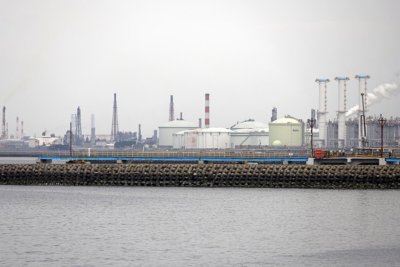
Large-scale crude oil storage tanks are seen in the background at a Sodegaura Refinery in Sodegaura, Chiba Prefecture, Tokyo Bay, Japan, 06 April 2026. Photo by FRANCK ROBICHON / EPA

May 8 (Asia Today) — Japan is expanding imports of Russian Sakhalin-2 crude oil beyond a one-time emergency purchase, extending supply arrangements to multiple refiners and fuel networks around Tokyo Bay as concerns grow over instability in the Strait of Hormuz.

Japanese officials have reportedly asked Fuji Oil, an Idemitsu Kosan affiliate, to accept crude shipments from the Sakhalin-2 project after similar imports were arranged through Taiyo Oil.

The move comes as Japan seeks to reduce risks tied to Middle Eastern oil supplies while continuing to use sanction exemptions that remain in place for Sakhalin-2 energy resources.

The Sankei Shimbun reported Wednesday that the tanker Voyager, carrying crude oil from the Russian Far East project, was heading toward Fuji Oil facilities in Sodegaura, Chiba Prefecture.

Fuji Oil became a subsidiary of Idemitsu Kosan in November 2025 and operates a refinery that supplies petroleum products to the greater Tokyo metropolitan area.

According to ship tracking data cited by the newspaper, the Voyager departed Prigorodnoye Port in southern Sakhalin on April 24 and arrived near Imabari in western Japan on Sunday. The vessel later conducted unloading operations at Taiyo Oil facilities before departing for Tokyo Bay.

The tanker is expected to arrive in Sodegaura on Friday and leave Tokyo Bay on Saturday.

Idemitsu Kosan acknowledged the shipment was made at the request of Japan’s Ministry of Economy, Trade and Industry.

A company spokesperson told Sankei that the import did not violate sanctions and described it as part of efforts to diversify procurement sources and maintain stable fuel supplies.

Before halting most Russian crude purchases after Moscow’s invasion of Ukraine in 2022, Idemitsu sourced roughly 4% of its oil imports from Russia.

Analysts say the significance of the latest shipment lies not simply in Japan buying Russian oil again, but in Tokyo integrating Sakhalin-2 crude into a broader emergency procurement network involving multiple refiners.

Japan had already begun using the sanctions exemption amid rising Middle East tensions, but the latest deliveries suggest the mechanism is evolving into a more permanent contingency supply channel.

The development is also drawing attention in South Korea, which remains heavily dependent on Middle Eastern oil imports.

According to Korea National Oil Corp. data, South Korea imported about 1.03 billion barrels of crude oil in 2024, with 71.5% sourced from the Middle East. Saudi Arabia accounted for 32.2% of imports, followed by the United States at 16.4% and the United Arab Emirates at 13.7%.

Although South Korea has steadily increased imports of U.S. crude, its supply structure remains highly exposed to shipping disruptions through the Strait of Hormuz.

Energy analysts say South Korea may eventually need to move beyond reliance on strategic petroleum reserves alone and develop broader contingency planning that includes alternative suppliers, refinery compatibility and supply stability at major refining hubs such as Ulsan, Yeosu, Daesan and Incheon.

Japan’s latest actions suggest governments are increasingly seeking practical emergency supply options within existing sanctions frameworks rather than relying solely on traditional energy security measures.

— Reported by Asia Today; translated by UPI

© Asia Today. Unauthorized reproduction or redistribution prohibited.

Original Korean report: https://www.asiatoday.co.kr/kn/view.php?key=20260508010001814

Source link