potential

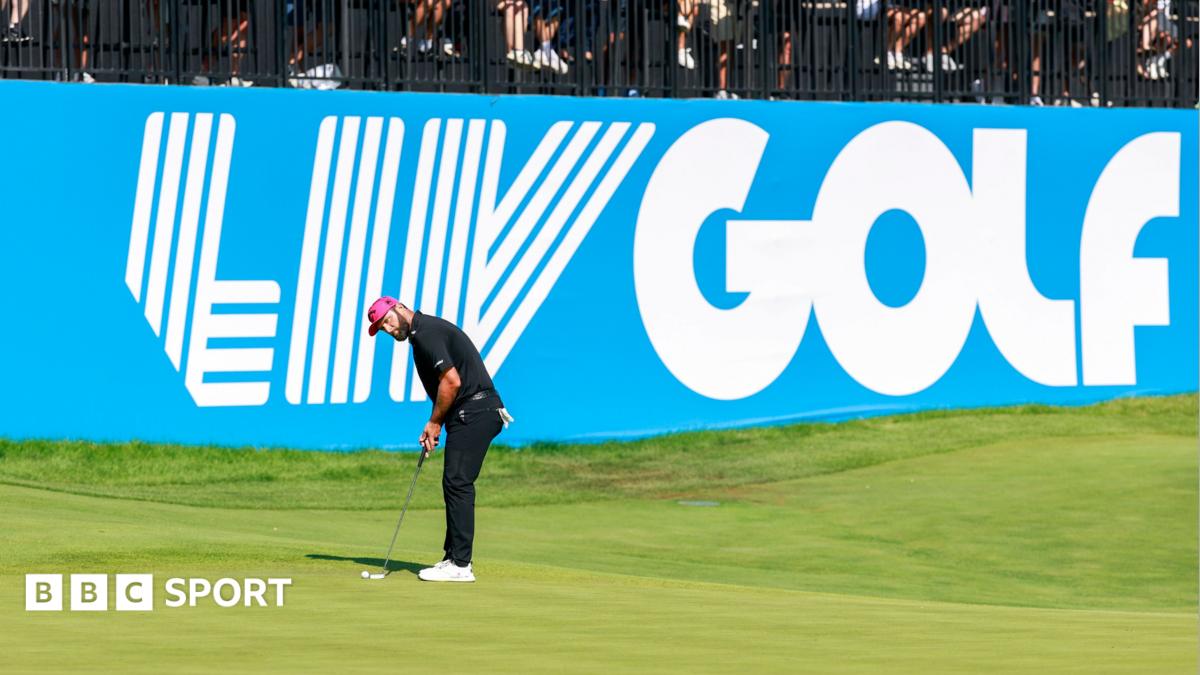
World Cup 2026: Elliot Anderson’s rise to England star and potential British record

Anderson, who played 55 times in all competitions for Newcastle United, made his debut in an FA Cup defeat against Arsenal in January 2021 before joining Bristol Rovers on loan a year later.

It was here that he completed a vital part of his education – while also figuring in what might still be the most remarkable match of his career.

Former Republic of Ireland international Glenn Whelan was player coach at Bristol Rovers, and vividly remembering the impact the confident “but never arrogant” Anderson made in the west country.

He told BBC Sport: “He just came into the building and showed his potential straight away. Nothing seemed to faze him. You could see straight away this boy was different.

“As the coach, there were certain scenarios in training when I tried to put him under a little pressure. Some kids would be a little bit more reserved and fall back. Elliot was right on the front foot. He took the bull by the horns.”

And the date 5 February 2022 was one of significance in Anderson’s development, as recalled by Whelan: “We were away to Sutton United. They were doing well and were a proper men’s team with a lot of grit. Some of the coaching team were a little wary of throwing him in against them.

“We were losing at half-time and I basically said ‘we need to get this lad on because he’s a game-changer.’ He came on and made an impact. He won a penalty and we drew. I think he played pretty much every minute after that.”

Anderson’s attitude and determination stood out as he excelled at Bristol Rovers – ending in a dramatic climax to the season.

“He just had a confidence about him to show everyone how good he was,” says Whelan. “It was not arrogance. He’d obviously had a great upbringing from his family and he had that Geordie in him.

“He played off the left wing, but if the ball wasn’t coming to him he would go and look for it. He didn’t care who was marking him. He could take the ball under pressure and make things happen.

“Elliot loved training. He wanted to learn, do the extras. He had the attitude to stay behind and get better. We could tell straight away he was going to be a top player.”

And Anderson left Bristol Rovers after one of the greatest days in their history, when they clinched promotion to League One on the final day of the season.

The Pirates started the day needing to better the result of third-placed Northampton or win by five goals more than their rivals – they won 7-0, Anderson getting the final goal with five minutes remaining to help Rovers move into the top three for the first time all season.

Anderson made his triumphant farewell chaired off by jubilant Bristol Rovers supporters.

Source link

Analyst says what attacks on Lebanon could mean for potential US-Iran deal | Hezbollah

NewsFeed

Dan Perry: The US ‘may pretend’ that Israel can’t attack Hezbollah ‘in order to get this deal done’. Israeli affairs analyst Dan Perry explains how the US, Israel and Iran may react as they get closer to a potential agreement.

Source link

Israel attacks Lebanon despite being included in potential peace deal | Israel attacks Lebanon

NewsFeed

Israel has continued to attack Lebanon, despite Iran saying it was included in a potential memorandum of understanding with the US. Fresh forced displacement orders were issued on Saturday morning, following Israeli bombardment throughout Friday night on towns and villages in the south.

Source link

World Cup 2026: BBC pundits disagree on potential red card in Canada-Bosnia match

This is what Rooney said: “It is a red card. We have seen it before when players have gone through, and the whistle has gone, and it is a red card.

“It is a very dangerous play. I know he wins the ball, but the follow-through, he hits him in the temple. That is the worst place to be hit.

“He [Oluwaseyi] could get knocked out. He might come back in a week’s time and have delayed concussion. For me, that is a clear red card.

“I don’t think it is the first time we [himself and Darren Cann] have disagreed.

“When you see players win the ball, it is with reasonable force. They follow-through and then they go and get a red card, so it is the same, but with his hands. It is easier to move your hands back than it is with your leg.”

Former France forward Olivier Giroud, another member of the BBC team, was seeing both sides. He said: “As a striker, I would have been frustrated to not get a penalty on that one.

“On the other hand, I understand what Darren Cann says. You hit the ball first and it is hard for him to get his hands off the striker’s head.”

So now it is your turn to act as the referee and take part in a vote. Should it have been a red card or not? Have your say.

Source link

Nat’l Assembly begins procedure for potential probe on election ballot shortage

A plenary session of the National Assembly is held in Seoul on Thursday. Photo by Yonhap

The National Assembly on Thursday launched formal procedures for a potential parliamentary investigation into ballot shortages reported during last week’s local elections, with requests for the probe submitted by both the ruling and opposition parties being reported to a plenary session.

The head of the Proceedings Division of the National Assembly Secretariat said that the requests for a parliamentary probe were submitted separately by the ruling Democratic Party (DP) and the main opposition People Power Party (PPP), with all lawmakers from each party sponsoring their respective requests.

The move marks the first step toward establishing a special parliamentary committee to examine allegations of mismanagement by the National Election Commission during the voting process.

The establishment of the committee is expected to undergo negotiations, as proposals from the DP and the PPP differed over the scope of the probe and the number of seats to be allotted to each party on the committee.

The PPP has argued that a separate special counsel probe should be launched alongside the parliamentary investigation, while the DP has maintained that such a move should be considered after the parliamentary probe.

In a meeting chaired by National Assembly Speaker Cho Jeong-sik, the rival parties shared a consensus on holding a plenary session as early as next week to adopt a plan for the parliamentary probe, according to officials.

Separately, the PPP’s new floor leader Jeong Jeom-sig met with Hong Ik-pyo, presidential secretary for political affairs, and stressed the need for a special counsel probe into the incident.

Hong said the presidential office would be open to the idea of a special counsel investigation if the rival parties reach an agreement, according to PPP spokesperson Choi Soo-jin.

Ballot shortages were reported at more than a dozen polling stations in Seoul during last Wednesday’s local elections, temporarily disrupting voting and prompting protests by people alleging election fraud.

Copyright (c) Yonhap News Agency prohibits its content from being redistributed or reprinted without consent, and forbids the content from being learned and used by artificial intelligence systems.

Source link

Martin Scorsese is betting on AI to transform storyboarding process

Oscar-winning director Martin Scorsese is joining the ranks of entertainment industry power players embracing generative AI.

Black Forest Labs, the German AI startup behind the text-to-image model Flux, announced Tuesday that Scorsese is joining the company as an advisor.

The company unveiled the collaboration on its website with a video of the auteur using Flux to storyboard scenes, which involves mocking up shots before filming.

“This conveys a cinematic intelligence,” he said in the video, discussing the program’s uses with Black Forest Labs co-founder and Chief Executive Robin Rombach and Creative Artists Agency co-founder Michael Ovitz. According to the New York Times, Ovitz, an investor in Black Forest Labs, helped bring Scorsese aboard, along with Rick Yorn, Scorsese’s talent manager, whose investment firm BroadLight Capital is also an investor.

In a statement, Scorsese emphasized the potential for AI to transform the storyboarding process.

“For 70 years, I’ve been creating my own storyboards. There’s always been this problem of how do you communicate what you see in your head to your cast and crew. There are some things you have to see and feel,” he said. “I’m interested in the intersection of technology and storytelling, and seeing how that can push the bounds of creativity to create deeper and richer experiences for audiences.”

Traditionally, storyboarding is done by hand or digital illustration through a collaboration between directors and storyboard artists.

Scorsese’s public espousal of this technology marks the latest shift in attitude about AI from powerful Hollywood creatives. Since generative AI became widely accessible in 2022, Hollywood has struggled to navigate its power to rapidly upend industry norms.

Scorsese is not the first decorated filmmaker to embrace AI. James Cameron, the Oscar-winning “Avatar” director, is on the board of directors for Stability AI, where Rombach worked before launching Black Forest Labs. In his keynote address at the AI on the Lot conference last week, director and screenwriter Paul Schrader expressed a mixture of admiration and caution toward the technology.

“AI does not create — it combines,” Shrader said. “If AI wants an idea, it has to go to where that idea already exists. Of course, you can make the argument that that’s all artists do anyway, and to a degree that’s a valid argument. But you still have to come up with something.”

Not everybody is on board with generative AI’s potential transformations. Guillermo del Toro and Seth Rogen spoke out against the technology at Cannes last month, and below-the-line wokers, screenwriters and actors have continued to express apprehension and even horror at the prospect of being replaced by generative AI.

Scorsese’s entry into the AI field might especially shock fans given his traditionalist approach to filmmaking. In 2019, he famously criticized Marvel movies, calling them “theme parks” and “not cinema.”

“It isn’t the cinema of human beings trying to convey emotional, psychological experiences to another human being,” he said in a 2019 interview with Empire Magazine.

Even if his filmmaking centers humanity, Scorsese’s partnership with Black Forest Labs demonstrates his willingness to incorporate non-human assistance.

“Remember, cinema is a young medium, only around 125 years old, so we have to be open to how it can evolve,” he said in the statement on Black Forest Labs’ website.

Source link

FACTBOX – Iranian, US versions of potential agreement proposals – Middle East Monitor

Both the US and Iran have recently signaled progress on efforts to reach a deal to end their conflict, though their accounts of its terms differ on some issues across respective media narratives, Anadolu reports.

US President Donald Trump on Saturday said an agreement with Iran to end the war was “largely negotiated” and awaited finalization.

On Sunday morning, Iran’s semi-official Tasnim news agency also published a report on the details of a potential agreement. However, certain aspects of what has been agreed seem to diverge.

Here is a comparison of the US and Iranian versions of the deal by key issues.

Strait of Hormuz

Citing a US official, Axios said the deal that Washington and Tehran are close to signing would extend a ceasefire by 60 days, during which the Strait of Hormuz would be reopened.

During the 60-day period, the Strait of Hormuz would be opened without any tolls, and Iran would remove the mines it has placed there to ensure unrestricted maritime passage.

In return, Washington would lift its blockade on Iranian ports, added the report.

The New York Times also said it was informed by three senior Iranian officials that Tehran had agreed to a memorandum of understanding to halt fighting and reopen the Strait of Hormuz.

US Secretary of State Marco Rubio also said on Sunday that the agreement could, if successful, result in a “completely open” Strait of Hormuz, with no tolls or restrictions on passage.

“They don’t own it. It’s an international waterway,” Rubio told reporters of the strait, in remarks that came during his visit to India.

A report by Iran’s semi-official news agency Tasnim, however, said that the Strait of Hormuz will not fully return to its pre-war status if the agreement is reached.

Instead, the number of ships allowed to pass would be restored to pre-war levels within 30 days, the outlet added.

Tehran also demands an end to the US blockade on its ports, arguing that no changes will be made in the strait if the blockade remains in place.

For its part, the US argues that the quicker Iran removes the mines and allows shipping to resume, the sooner the blockade will be lifted.

READ: Iran ready to reassure world it is not pursuing nuclear weapons, president says

Sanctions relief and release of frozen Iranian assets

Iran was seeking the immediate unfreezing of funds and a permanent lifting of sanctions, but the US position indicates these measures would only be granted after Iran made concrete concessions, according to the Axios report.

As part of the proposed 60-day agreement, the US is offering temporary sanctions waivers that would allow Iran to sell its oil freely. These waivers are explicitly linked to Iran reopening the Strait of Hormuz, removing mines, and ending restrictions on maritime traffic. Once these steps are taken, Washington would also lift its naval blockade on Iranian ports.

Tehran, however, says no agreement will be reached unless at least a portion of the frozen Iranian assets is released immediately. Iranian media confirmed the discussion of temporary oil sanctions waivers in the latest US proposal but insisted on broader and more permanent sanctions relief.

Nuclear file

The Axios report said the draft deal includes commitments from Iran not to pursue nuclear weapons, along with provisions to negotiate a suspension of uranium enrichment and the removal of its stockpile of highly enriched uranium.

The Iranian media reports, however, indicate that Tehran has not yet accepted anything on its nuclear program.

A potential deal would involve a 60-day negotiation window on Iran’s nuclear program, according to Tasnim.

Extent of ceasefire

Both US and Iranian media reports suggest that the cessation of hostilities would mean a halt to fighting on all fronts, including Lebanon.

This was also highlighted by Iranian Foreign Ministry spokesman Esmaeil Baqaei on Saturday, when he said Tehran was prioritizing an end to hostilities across all fronts, including Lebanon.

Context

Regional tensions have escalated since the US and Israel launched strikes against Iran in February. Tehran retaliated with strikes targeting Israel, as well as US allies in the Gulf, along with the closure of the Strait of Hormuz.

A ceasefire took effect on April 8 through Pakistani mediation and was later extended by Trump indefinitely. Washington and Tehran also held rare direct talks in the Pakistani capital Islamabad on April 11-12, but have failed to reach an agreement.

Trump’s Saturday remarks came after Pakistani army chief Asim Munir’s visit to Tehran. The visit was the second of its kind in recent weeks, as Munir is directly involved in Islamabad’s mediation efforts.

READ: Trump says Iran talks ‘constructive’ but blockade will remain until final deal is reached

Source link

FACTBOX – Iranian, US versions of potential agreement proposals – Middle East Monitor

Both the US and Iran have recently signaled progress on efforts to reach a deal to end their conflict, though their accounts of its terms differ on some issues across respective media narratives, Anadolu reports.

US President Donald Trump on Saturday said an agreement with Iran to end the war was “largely negotiated” and awaited finalization.

On Sunday morning, Iran’s semi-official Tasnim news agency also published a report on the details of a potential agreement. However, certain aspects of what has been agreed seem to diverge.

Here is a comparison of the US and Iranian versions of the deal by key issues.

Strait of Hormuz

Citing a US official, Axios said the deal that Washington and Tehran are close to signing would extend a ceasefire by 60 days, during which the Strait of Hormuz would be reopened.

During the 60-day period, the Strait of Hormuz would be opened without any tolls, and Iran would remove the mines it has placed there to ensure unrestricted maritime passage.

In return, Washington would lift its blockade on Iranian ports, added the report.

The New York Times also said it was informed by three senior Iranian officials that Tehran had agreed to a memorandum of understanding to halt fighting and reopen the Strait of Hormuz.

US Secretary of State Marco Rubio also said on Sunday that the agreement could, if successful, result in a “completely open” Strait of Hormuz, with no tolls or restrictions on passage.

“They don’t own it. It’s an international waterway,” Rubio told reporters of the strait, in remarks that came during his visit to India.

A report by Iran’s semi-official news agency Tasnim, however, said that the Strait of Hormuz will not fully return to its pre-war status if the agreement is reached.

Instead, the number of ships allowed to pass would be restored to pre-war levels within 30 days, the outlet added.

Tehran also demands an end to the US blockade on its ports, arguing that no changes will be made in the strait if the blockade remains in place.

For its part, the US argues that the quicker Iran removes the mines and allows shipping to resume, the sooner the blockade will be lifted.

READ: Iran ready to reassure world it is not pursuing nuclear weapons, president says

Sanctions relief and release of frozen Iranian assets

Iran was seeking the immediate unfreezing of funds and a permanent lifting of sanctions, but the US position indicates these measures would only be granted after Iran made concrete concessions, according to the Axios report.

As part of the proposed 60-day agreement, the US is offering temporary sanctions waivers that would allow Iran to sell its oil freely. These waivers are explicitly linked to Iran reopening the Strait of Hormuz, removing mines, and ending restrictions on maritime traffic. Once these steps are taken, Washington would also lift its naval blockade on Iranian ports.

Tehran, however, says no agreement will be reached unless at least a portion of the frozen Iranian assets is released immediately. Iranian media confirmed the discussion of temporary oil sanctions waivers in the latest US proposal but insisted on broader and more permanent sanctions relief.

Nuclear file

The Axios report said the draft deal includes commitments from Iran not to pursue nuclear weapons, along with provisions to negotiate a suspension of uranium enrichment and the removal of its stockpile of highly enriched uranium.

The Iranian media reports, however, indicate that Tehran has not yet accepted anything on its nuclear program.

A potential deal would involve a 60-day negotiation window on Iran’s nuclear program, according to Tasnim.

Extent of ceasefire

Both US and Iranian media reports suggest that the cessation of hostilities would mean a halt to fighting on all fronts, including Lebanon.

This was also highlighted by Iranian Foreign Ministry spokesman Esmaeil Baqaei on Saturday, when he said Tehran was prioritizing an end to hostilities across all fronts, including Lebanon.

Context

Regional tensions have escalated since the US and Israel launched strikes against Iran in February. Tehran retaliated with strikes targeting Israel, as well as US allies in the Gulf, along with the closure of the Strait of Hormuz.

A ceasefire took effect on April 8 through Pakistani mediation and was later extended by Trump indefinitely. Washington and Tehran also held rare direct talks in the Pakistani capital Islamabad on April 11-12, but have failed to reach an agreement.

Trump’s Saturday remarks came after Pakistani army chief Asim Munir’s visit to Tehran. The visit was the second of its kind in recent weeks, as Munir is directly involved in Islamabad’s mediation efforts.

READ: Trump says Iran talks ‘constructive’ but blockade will remain until final deal is reached

Source link

FACTBOX – Iranian, US versions of potential agreement proposals – Middle East Monitor

Both the US and Iran have recently signaled progress on efforts to reach a deal to end their conflict, though their accounts of its terms differ on some issues across respective media narratives, Anadolu reports.

US President Donald Trump on Saturday said an agreement with Iran to end the war was “largely negotiated” and awaited finalization.

On Sunday morning, Iran’s semi-official Tasnim news agency also published a report on the details of a potential agreement. However, certain aspects of what has been agreed seem to diverge.

Here is a comparison of the US and Iranian versions of the deal by key issues.

Strait of Hormuz

Citing a US official, Axios said the deal that Washington and Tehran are close to signing would extend a ceasefire by 60 days, during which the Strait of Hormuz would be reopened.

During the 60-day period, the Strait of Hormuz would be opened without any tolls, and Iran would remove the mines it has placed there to ensure unrestricted maritime passage.

In return, Washington would lift its blockade on Iranian ports, added the report.

The New York Times also said it was informed by three senior Iranian officials that Tehran had agreed to a memorandum of understanding to halt fighting and reopen the Strait of Hormuz.

US Secretary of State Marco Rubio also said on Sunday that the agreement could, if successful, result in a “completely open” Strait of Hormuz, with no tolls or restrictions on passage.

“They don’t own it. It’s an international waterway,” Rubio told reporters of the strait, in remarks that came during his visit to India.

A report by Iran’s semi-official news agency Tasnim, however, said that the Strait of Hormuz will not fully return to its pre-war status if the agreement is reached.

Instead, the number of ships allowed to pass would be restored to pre-war levels within 30 days, the outlet added.

Tehran also demands an end to the US blockade on its ports, arguing that no changes will be made in the strait if the blockade remains in place.

For its part, the US argues that the quicker Iran removes the mines and allows shipping to resume, the sooner the blockade will be lifted.

READ: Iran ready to reassure world it is not pursuing nuclear weapons, president says

Sanctions relief and release of frozen Iranian assets

Iran was seeking the immediate unfreezing of funds and a permanent lifting of sanctions, but the US position indicates these measures would only be granted after Iran made concrete concessions, according to the Axios report.

As part of the proposed 60-day agreement, the US is offering temporary sanctions waivers that would allow Iran to sell its oil freely. These waivers are explicitly linked to Iran reopening the Strait of Hormuz, removing mines, and ending restrictions on maritime traffic. Once these steps are taken, Washington would also lift its naval blockade on Iranian ports.

Tehran, however, says no agreement will be reached unless at least a portion of the frozen Iranian assets is released immediately. Iranian media confirmed the discussion of temporary oil sanctions waivers in the latest US proposal but insisted on broader and more permanent sanctions relief.

Nuclear file

The Axios report said the draft deal includes commitments from Iran not to pursue nuclear weapons, along with provisions to negotiate a suspension of uranium enrichment and the removal of its stockpile of highly enriched uranium.

The Iranian media reports, however, indicate that Tehran has not yet accepted anything on its nuclear program.

A potential deal would involve a 60-day negotiation window on Iran’s nuclear program, according to Tasnim.

Extent of ceasefire

Both US and Iranian media reports suggest that the cessation of hostilities would mean a halt to fighting on all fronts, including Lebanon.

This was also highlighted by Iranian Foreign Ministry spokesman Esmaeil Baqaei on Saturday, when he said Tehran was prioritizing an end to hostilities across all fronts, including Lebanon.

Context

Regional tensions have escalated since the US and Israel launched strikes against Iran in February. Tehran retaliated with strikes targeting Israel, as well as US allies in the Gulf, along with the closure of the Strait of Hormuz.

A ceasefire took effect on April 8 through Pakistani mediation and was later extended by Trump indefinitely. Washington and Tehran also held rare direct talks in the Pakistani capital Islamabad on April 11-12, but have failed to reach an agreement.

Trump’s Saturday remarks came after Pakistani army chief Asim Munir’s visit to Tehran. The visit was the second of its kind in recent weeks, as Munir is directly involved in Islamabad’s mediation efforts.

READ: Trump says Iran talks ‘constructive’ but blockade will remain until final deal is reached

Source link

FACTBOX – Iranian, US versions of potential agreement proposals – Middle East Monitor

Both the US and Iran have recently signaled progress on efforts to reach a deal to end their conflict, though their accounts of its terms differ on some issues across respective media narratives, Anadolu reports.

US President Donald Trump on Saturday said an agreement with Iran to end the war was “largely negotiated” and awaited finalization.

On Sunday morning, Iran’s semi-official Tasnim news agency also published a report on the details of a potential agreement. However, certain aspects of what has been agreed seem to diverge.

Here is a comparison of the US and Iranian versions of the deal by key issues.

Strait of Hormuz

Citing a US official, Axios said the deal that Washington and Tehran are close to signing would extend a ceasefire by 60 days, during which the Strait of Hormuz would be reopened.

During the 60-day period, the Strait of Hormuz would be opened without any tolls, and Iran would remove the mines it has placed there to ensure unrestricted maritime passage.

In return, Washington would lift its blockade on Iranian ports, added the report.

The New York Times also said it was informed by three senior Iranian officials that Tehran had agreed to a memorandum of understanding to halt fighting and reopen the Strait of Hormuz.

US Secretary of State Marco Rubio also said on Sunday that the agreement could, if successful, result in a “completely open” Strait of Hormuz, with no tolls or restrictions on passage.

“They don’t own it. It’s an international waterway,” Rubio told reporters of the strait, in remarks that came during his visit to India.

A report by Iran’s semi-official news agency Tasnim, however, said that the Strait of Hormuz will not fully return to its pre-war status if the agreement is reached.

Instead, the number of ships allowed to pass would be restored to pre-war levels within 30 days, the outlet added.

Tehran also demands an end to the US blockade on its ports, arguing that no changes will be made in the strait if the blockade remains in place.

For its part, the US argues that the quicker Iran removes the mines and allows shipping to resume, the sooner the blockade will be lifted.

READ: Iran ready to reassure world it is not pursuing nuclear weapons, president says

Sanctions relief and release of frozen Iranian assets

Iran was seeking the immediate unfreezing of funds and a permanent lifting of sanctions, but the US position indicates these measures would only be granted after Iran made concrete concessions, according to the Axios report.

As part of the proposed 60-day agreement, the US is offering temporary sanctions waivers that would allow Iran to sell its oil freely. These waivers are explicitly linked to Iran reopening the Strait of Hormuz, removing mines, and ending restrictions on maritime traffic. Once these steps are taken, Washington would also lift its naval blockade on Iranian ports.

Tehran, however, says no agreement will be reached unless at least a portion of the frozen Iranian assets is released immediately. Iranian media confirmed the discussion of temporary oil sanctions waivers in the latest US proposal but insisted on broader and more permanent sanctions relief.

Nuclear file

The Axios report said the draft deal includes commitments from Iran not to pursue nuclear weapons, along with provisions to negotiate a suspension of uranium enrichment and the removal of its stockpile of highly enriched uranium.

The Iranian media reports, however, indicate that Tehran has not yet accepted anything on its nuclear program.

A potential deal would involve a 60-day negotiation window on Iran’s nuclear program, according to Tasnim.

Extent of ceasefire

Both US and Iranian media reports suggest that the cessation of hostilities would mean a halt to fighting on all fronts, including Lebanon.

This was also highlighted by Iranian Foreign Ministry spokesman Esmaeil Baqaei on Saturday, when he said Tehran was prioritizing an end to hostilities across all fronts, including Lebanon.

Context

Regional tensions have escalated since the US and Israel launched strikes against Iran in February. Tehran retaliated with strikes targeting Israel, as well as US allies in the Gulf, along with the closure of the Strait of Hormuz.

A ceasefire took effect on April 8 through Pakistani mediation and was later extended by Trump indefinitely. Washington and Tehran also held rare direct talks in the Pakistani capital Islamabad on April 11-12, but have failed to reach an agreement.

Trump’s Saturday remarks came after Pakistani army chief Asim Munir’s visit to Tehran. The visit was the second of its kind in recent weeks, as Munir is directly involved in Islamabad’s mediation efforts.

READ: Trump says Iran talks ‘constructive’ but blockade will remain until final deal is reached

Source link

FACTBOX – Iranian, US versions of potential agreement proposals – Middle East Monitor

Both the US and Iran have recently signaled progress on efforts to reach a deal to end their conflict, though their accounts of its terms differ on some issues across respective media narratives, Anadolu reports.

US President Donald Trump on Saturday said an agreement with Iran to end the war was “largely negotiated” and awaited finalization.

On Sunday morning, Iran’s semi-official Tasnim news agency also published a report on the details of a potential agreement. However, certain aspects of what has been agreed seem to diverge.

Here is a comparison of the US and Iranian versions of the deal by key issues.

Strait of Hormuz

Citing a US official, Axios said the deal that Washington and Tehran are close to signing would extend a ceasefire by 60 days, during which the Strait of Hormuz would be reopened.

During the 60-day period, the Strait of Hormuz would be opened without any tolls, and Iran would remove the mines it has placed there to ensure unrestricted maritime passage.

In return, Washington would lift its blockade on Iranian ports, added the report.

The New York Times also said it was informed by three senior Iranian officials that Tehran had agreed to a memorandum of understanding to halt fighting and reopen the Strait of Hormuz.

US Secretary of State Marco Rubio also said on Sunday that the agreement could, if successful, result in a “completely open” Strait of Hormuz, with no tolls or restrictions on passage.

“They don’t own it. It’s an international waterway,” Rubio told reporters of the strait, in remarks that came during his visit to India.

A report by Iran’s semi-official news agency Tasnim, however, said that the Strait of Hormuz will not fully return to its pre-war status if the agreement is reached.

Instead, the number of ships allowed to pass would be restored to pre-war levels within 30 days, the outlet added.

Tehran also demands an end to the US blockade on its ports, arguing that no changes will be made in the strait if the blockade remains in place.

For its part, the US argues that the quicker Iran removes the mines and allows shipping to resume, the sooner the blockade will be lifted.

READ: Iran ready to reassure world it is not pursuing nuclear weapons, president says

Sanctions relief and release of frozen Iranian assets

Iran was seeking the immediate unfreezing of funds and a permanent lifting of sanctions, but the US position indicates these measures would only be granted after Iran made concrete concessions, according to the Axios report.

As part of the proposed 60-day agreement, the US is offering temporary sanctions waivers that would allow Iran to sell its oil freely. These waivers are explicitly linked to Iran reopening the Strait of Hormuz, removing mines, and ending restrictions on maritime traffic. Once these steps are taken, Washington would also lift its naval blockade on Iranian ports.

Tehran, however, says no agreement will be reached unless at least a portion of the frozen Iranian assets is released immediately. Iranian media confirmed the discussion of temporary oil sanctions waivers in the latest US proposal but insisted on broader and more permanent sanctions relief.

Nuclear file

The Axios report said the draft deal includes commitments from Iran not to pursue nuclear weapons, along with provisions to negotiate a suspension of uranium enrichment and the removal of its stockpile of highly enriched uranium.

The Iranian media reports, however, indicate that Tehran has not yet accepted anything on its nuclear program.

A potential deal would involve a 60-day negotiation window on Iran’s nuclear program, according to Tasnim.

Extent of ceasefire

Both US and Iranian media reports suggest that the cessation of hostilities would mean a halt to fighting on all fronts, including Lebanon.

This was also highlighted by Iranian Foreign Ministry spokesman Esmaeil Baqaei on Saturday, when he said Tehran was prioritizing an end to hostilities across all fronts, including Lebanon.

Context

Regional tensions have escalated since the US and Israel launched strikes against Iran in February. Tehran retaliated with strikes targeting Israel, as well as US allies in the Gulf, along with the closure of the Strait of Hormuz.

A ceasefire took effect on April 8 through Pakistani mediation and was later extended by Trump indefinitely. Washington and Tehran also held rare direct talks in the Pakistani capital Islamabad on April 11-12, but have failed to reach an agreement.

Trump’s Saturday remarks came after Pakistani army chief Asim Munir’s visit to Tehran. The visit was the second of its kind in recent weeks, as Munir is directly involved in Islamabad’s mediation efforts.

READ: Trump says Iran talks ‘constructive’ but blockade will remain until final deal is reached

Source link

FACTBOX – Iranian, US versions of potential agreement proposals – Middle East Monitor

Both the US and Iran have recently signaled progress on efforts to reach a deal to end their conflict, though their accounts of its terms differ on some issues across respective media narratives, Anadolu reports.

US President Donald Trump on Saturday said an agreement with Iran to end the war was “largely negotiated” and awaited finalization.

On Sunday morning, Iran’s semi-official Tasnim news agency also published a report on the details of a potential agreement. However, certain aspects of what has been agreed seem to diverge.

Here is a comparison of the US and Iranian versions of the deal by key issues.

Strait of Hormuz

Citing a US official, Axios said the deal that Washington and Tehran are close to signing would extend a ceasefire by 60 days, during which the Strait of Hormuz would be reopened.

During the 60-day period, the Strait of Hormuz would be opened without any tolls, and Iran would remove the mines it has placed there to ensure unrestricted maritime passage.

In return, Washington would lift its blockade on Iranian ports, added the report.

The New York Times also said it was informed by three senior Iranian officials that Tehran had agreed to a memorandum of understanding to halt fighting and reopen the Strait of Hormuz.

US Secretary of State Marco Rubio also said on Sunday that the agreement could, if successful, result in a “completely open” Strait of Hormuz, with no tolls or restrictions on passage.

“They don’t own it. It’s an international waterway,” Rubio told reporters of the strait, in remarks that came during his visit to India.

A report by Iran’s semi-official news agency Tasnim, however, said that the Strait of Hormuz will not fully return to its pre-war status if the agreement is reached.

Instead, the number of ships allowed to pass would be restored to pre-war levels within 30 days, the outlet added.

Tehran also demands an end to the US blockade on its ports, arguing that no changes will be made in the strait if the blockade remains in place.

For its part, the US argues that the quicker Iran removes the mines and allows shipping to resume, the sooner the blockade will be lifted.

READ: Iran ready to reassure world it is not pursuing nuclear weapons, president says

Sanctions relief and release of frozen Iranian assets

Iran was seeking the immediate unfreezing of funds and a permanent lifting of sanctions, but the US position indicates these measures would only be granted after Iran made concrete concessions, according to the Axios report.

As part of the proposed 60-day agreement, the US is offering temporary sanctions waivers that would allow Iran to sell its oil freely. These waivers are explicitly linked to Iran reopening the Strait of Hormuz, removing mines, and ending restrictions on maritime traffic. Once these steps are taken, Washington would also lift its naval blockade on Iranian ports.

Tehran, however, says no agreement will be reached unless at least a portion of the frozen Iranian assets is released immediately. Iranian media confirmed the discussion of temporary oil sanctions waivers in the latest US proposal but insisted on broader and more permanent sanctions relief.

Nuclear file

The Axios report said the draft deal includes commitments from Iran not to pursue nuclear weapons, along with provisions to negotiate a suspension of uranium enrichment and the removal of its stockpile of highly enriched uranium.

The Iranian media reports, however, indicate that Tehran has not yet accepted anything on its nuclear program.

A potential deal would involve a 60-day negotiation window on Iran’s nuclear program, according to Tasnim.

Extent of ceasefire

Both US and Iranian media reports suggest that the cessation of hostilities would mean a halt to fighting on all fronts, including Lebanon.

This was also highlighted by Iranian Foreign Ministry spokesman Esmaeil Baqaei on Saturday, when he said Tehran was prioritizing an end to hostilities across all fronts, including Lebanon.

Context

Regional tensions have escalated since the US and Israel launched strikes against Iran in February. Tehran retaliated with strikes targeting Israel, as well as US allies in the Gulf, along with the closure of the Strait of Hormuz.

A ceasefire took effect on April 8 through Pakistani mediation and was later extended by Trump indefinitely. Washington and Tehran also held rare direct talks in the Pakistani capital Islamabad on April 11-12, but have failed to reach an agreement.

Trump’s Saturday remarks came after Pakistani army chief Asim Munir’s visit to Tehran. The visit was the second of its kind in recent weeks, as Munir is directly involved in Islamabad’s mediation efforts.

READ: Trump says Iran talks ‘constructive’ but blockade will remain until final deal is reached

Source link

FACTBOX – Iranian, US versions of potential agreement proposals – Middle East Monitor

Both the US and Iran have recently signaled progress on efforts to reach a deal to end their conflict, though their accounts of its terms differ on some issues across respective media narratives, Anadolu reports.

US President Donald Trump on Saturday said an agreement with Iran to end the war was “largely negotiated” and awaited finalization.

On Sunday morning, Iran’s semi-official Tasnim news agency also published a report on the details of a potential agreement. However, certain aspects of what has been agreed seem to diverge.

Here is a comparison of the US and Iranian versions of the deal by key issues.

Strait of Hormuz

Citing a US official, Axios said the deal that Washington and Tehran are close to signing would extend a ceasefire by 60 days, during which the Strait of Hormuz would be reopened.

During the 60-day period, the Strait of Hormuz would be opened without any tolls, and Iran would remove the mines it has placed there to ensure unrestricted maritime passage.

In return, Washington would lift its blockade on Iranian ports, added the report.

The New York Times also said it was informed by three senior Iranian officials that Tehran had agreed to a memorandum of understanding to halt fighting and reopen the Strait of Hormuz.

US Secretary of State Marco Rubio also said on Sunday that the agreement could, if successful, result in a “completely open” Strait of Hormuz, with no tolls or restrictions on passage.

“They don’t own it. It’s an international waterway,” Rubio told reporters of the strait, in remarks that came during his visit to India.

A report by Iran’s semi-official news agency Tasnim, however, said that the Strait of Hormuz will not fully return to its pre-war status if the agreement is reached.

Instead, the number of ships allowed to pass would be restored to pre-war levels within 30 days, the outlet added.

Tehran also demands an end to the US blockade on its ports, arguing that no changes will be made in the strait if the blockade remains in place.

For its part, the US argues that the quicker Iran removes the mines and allows shipping to resume, the sooner the blockade will be lifted.

READ: Iran ready to reassure world it is not pursuing nuclear weapons, president says

Sanctions relief and release of frozen Iranian assets

Iran was seeking the immediate unfreezing of funds and a permanent lifting of sanctions, but the US position indicates these measures would only be granted after Iran made concrete concessions, according to the Axios report.

As part of the proposed 60-day agreement, the US is offering temporary sanctions waivers that would allow Iran to sell its oil freely. These waivers are explicitly linked to Iran reopening the Strait of Hormuz, removing mines, and ending restrictions on maritime traffic. Once these steps are taken, Washington would also lift its naval blockade on Iranian ports.

Tehran, however, says no agreement will be reached unless at least a portion of the frozen Iranian assets is released immediately. Iranian media confirmed the discussion of temporary oil sanctions waivers in the latest US proposal but insisted on broader and more permanent sanctions relief.

Nuclear file

The Axios report said the draft deal includes commitments from Iran not to pursue nuclear weapons, along with provisions to negotiate a suspension of uranium enrichment and the removal of its stockpile of highly enriched uranium.

The Iranian media reports, however, indicate that Tehran has not yet accepted anything on its nuclear program.

A potential deal would involve a 60-day negotiation window on Iran’s nuclear program, according to Tasnim.

Extent of ceasefire

Both US and Iranian media reports suggest that the cessation of hostilities would mean a halt to fighting on all fronts, including Lebanon.

This was also highlighted by Iranian Foreign Ministry spokesman Esmaeil Baqaei on Saturday, when he said Tehran was prioritizing an end to hostilities across all fronts, including Lebanon.

Context

Regional tensions have escalated since the US and Israel launched strikes against Iran in February. Tehran retaliated with strikes targeting Israel, as well as US allies in the Gulf, along with the closure of the Strait of Hormuz.

A ceasefire took effect on April 8 through Pakistani mediation and was later extended by Trump indefinitely. Washington and Tehran also held rare direct talks in the Pakistani capital Islamabad on April 11-12, but have failed to reach an agreement.

Trump’s Saturday remarks came after Pakistani army chief Asim Munir’s visit to Tehran. The visit was the second of its kind in recent weeks, as Munir is directly involved in Islamabad’s mediation efforts.

READ: Trump says Iran talks ‘constructive’ but blockade will remain until final deal is reached

Source link

FACTBOX – Iranian, US versions of potential agreement proposals – Middle East Monitor

Both the US and Iran have recently signaled progress on efforts to reach a deal to end their conflict, though their accounts of its terms differ on some issues across respective media narratives, Anadolu reports.

US President Donald Trump on Saturday said an agreement with Iran to end the war was “largely negotiated” and awaited finalization.

On Sunday morning, Iran’s semi-official Tasnim news agency also published a report on the details of a potential agreement. However, certain aspects of what has been agreed seem to diverge.

Here is a comparison of the US and Iranian versions of the deal by key issues.

Strait of Hormuz

Citing a US official, Axios said the deal that Washington and Tehran are close to signing would extend a ceasefire by 60 days, during which the Strait of Hormuz would be reopened.

During the 60-day period, the Strait of Hormuz would be opened without any tolls, and Iran would remove the mines it has placed there to ensure unrestricted maritime passage.

In return, Washington would lift its blockade on Iranian ports, added the report.

The New York Times also said it was informed by three senior Iranian officials that Tehran had agreed to a memorandum of understanding to halt fighting and reopen the Strait of Hormuz.

US Secretary of State Marco Rubio also said on Sunday that the agreement could, if successful, result in a “completely open” Strait of Hormuz, with no tolls or restrictions on passage.

“They don’t own it. It’s an international waterway,” Rubio told reporters of the strait, in remarks that came during his visit to India.

A report by Iran’s semi-official news agency Tasnim, however, said that the Strait of Hormuz will not fully return to its pre-war status if the agreement is reached.

Instead, the number of ships allowed to pass would be restored to pre-war levels within 30 days, the outlet added.

Tehran also demands an end to the US blockade on its ports, arguing that no changes will be made in the strait if the blockade remains in place.

For its part, the US argues that the quicker Iran removes the mines and allows shipping to resume, the sooner the blockade will be lifted.

READ: Iran ready to reassure world it is not pursuing nuclear weapons, president says

Sanctions relief and release of frozen Iranian assets

Iran was seeking the immediate unfreezing of funds and a permanent lifting of sanctions, but the US position indicates these measures would only be granted after Iran made concrete concessions, according to the Axios report.

As part of the proposed 60-day agreement, the US is offering temporary sanctions waivers that would allow Iran to sell its oil freely. These waivers are explicitly linked to Iran reopening the Strait of Hormuz, removing mines, and ending restrictions on maritime traffic. Once these steps are taken, Washington would also lift its naval blockade on Iranian ports.

Tehran, however, says no agreement will be reached unless at least a portion of the frozen Iranian assets is released immediately. Iranian media confirmed the discussion of temporary oil sanctions waivers in the latest US proposal but insisted on broader and more permanent sanctions relief.

Nuclear file

The Axios report said the draft deal includes commitments from Iran not to pursue nuclear weapons, along with provisions to negotiate a suspension of uranium enrichment and the removal of its stockpile of highly enriched uranium.

The Iranian media reports, however, indicate that Tehran has not yet accepted anything on its nuclear program.

A potential deal would involve a 60-day negotiation window on Iran’s nuclear program, according to Tasnim.

Extent of ceasefire

Both US and Iranian media reports suggest that the cessation of hostilities would mean a halt to fighting on all fronts, including Lebanon.

This was also highlighted by Iranian Foreign Ministry spokesman Esmaeil Baqaei on Saturday, when he said Tehran was prioritizing an end to hostilities across all fronts, including Lebanon.

Context

Regional tensions have escalated since the US and Israel launched strikes against Iran in February. Tehran retaliated with strikes targeting Israel, as well as US allies in the Gulf, along with the closure of the Strait of Hormuz.

A ceasefire took effect on April 8 through Pakistani mediation and was later extended by Trump indefinitely. Washington and Tehran also held rare direct talks in the Pakistani capital Islamabad on April 11-12, but have failed to reach an agreement.

Trump’s Saturday remarks came after Pakistani army chief Asim Munir’s visit to Tehran. The visit was the second of its kind in recent weeks, as Munir is directly involved in Islamabad’s mediation efforts.

READ: Trump says Iran talks ‘constructive’ but blockade will remain until final deal is reached

Source link

FACTBOX – Iranian, US versions of potential agreement proposals – Middle East Monitor

Both the US and Iran have recently signaled progress on efforts to reach a deal to end their conflict, though their accounts of its terms differ on some issues across respective media narratives, Anadolu reports.

US President Donald Trump on Saturday said an agreement with Iran to end the war was “largely negotiated” and awaited finalization.

On Sunday morning, Iran’s semi-official Tasnim news agency also published a report on the details of a potential agreement. However, certain aspects of what has been agreed seem to diverge.

Here is a comparison of the US and Iranian versions of the deal by key issues.

Strait of Hormuz

Citing a US official, Axios said the deal that Washington and Tehran are close to signing would extend a ceasefire by 60 days, during which the Strait of Hormuz would be reopened.

During the 60-day period, the Strait of Hormuz would be opened without any tolls, and Iran would remove the mines it has placed there to ensure unrestricted maritime passage.

In return, Washington would lift its blockade on Iranian ports, added the report.

The New York Times also said it was informed by three senior Iranian officials that Tehran had agreed to a memorandum of understanding to halt fighting and reopen the Strait of Hormuz.

US Secretary of State Marco Rubio also said on Sunday that the agreement could, if successful, result in a “completely open” Strait of Hormuz, with no tolls or restrictions on passage.

“They don’t own it. It’s an international waterway,” Rubio told reporters of the strait, in remarks that came during his visit to India.

A report by Iran’s semi-official news agency Tasnim, however, said that the Strait of Hormuz will not fully return to its pre-war status if the agreement is reached.

Instead, the number of ships allowed to pass would be restored to pre-war levels within 30 days, the outlet added.

Tehran also demands an end to the US blockade on its ports, arguing that no changes will be made in the strait if the blockade remains in place.

For its part, the US argues that the quicker Iran removes the mines and allows shipping to resume, the sooner the blockade will be lifted.

READ: Iran ready to reassure world it is not pursuing nuclear weapons, president says

Sanctions relief and release of frozen Iranian assets

Iran was seeking the immediate unfreezing of funds and a permanent lifting of sanctions, but the US position indicates these measures would only be granted after Iran made concrete concessions, according to the Axios report.

As part of the proposed 60-day agreement, the US is offering temporary sanctions waivers that would allow Iran to sell its oil freely. These waivers are explicitly linked to Iran reopening the Strait of Hormuz, removing mines, and ending restrictions on maritime traffic. Once these steps are taken, Washington would also lift its naval blockade on Iranian ports.

Tehran, however, says no agreement will be reached unless at least a portion of the frozen Iranian assets is released immediately. Iranian media confirmed the discussion of temporary oil sanctions waivers in the latest US proposal but insisted on broader and more permanent sanctions relief.

Nuclear file

The Axios report said the draft deal includes commitments from Iran not to pursue nuclear weapons, along with provisions to negotiate a suspension of uranium enrichment and the removal of its stockpile of highly enriched uranium.

The Iranian media reports, however, indicate that Tehran has not yet accepted anything on its nuclear program.

A potential deal would involve a 60-day negotiation window on Iran’s nuclear program, according to Tasnim.

Extent of ceasefire

Both US and Iranian media reports suggest that the cessation of hostilities would mean a halt to fighting on all fronts, including Lebanon.

This was also highlighted by Iranian Foreign Ministry spokesman Esmaeil Baqaei on Saturday, when he said Tehran was prioritizing an end to hostilities across all fronts, including Lebanon.

Context

Regional tensions have escalated since the US and Israel launched strikes against Iran in February. Tehran retaliated with strikes targeting Israel, as well as US allies in the Gulf, along with the closure of the Strait of Hormuz.

A ceasefire took effect on April 8 through Pakistani mediation and was later extended by Trump indefinitely. Washington and Tehran also held rare direct talks in the Pakistani capital Islamabad on April 11-12, but have failed to reach an agreement.

Trump’s Saturday remarks came after Pakistani army chief Asim Munir’s visit to Tehran. The visit was the second of its kind in recent weeks, as Munir is directly involved in Islamabad’s mediation efforts.

READ: Trump says Iran talks ‘constructive’ but blockade will remain until final deal is reached

Source link

FACTBOX – Iranian, US versions of potential agreement proposals – Middle East Monitor

Both the US and Iran have recently signaled progress on efforts to reach a deal to end their conflict, though their accounts of its terms differ on some issues across respective media narratives, Anadolu reports.

US President Donald Trump on Saturday said an agreement with Iran to end the war was “largely negotiated” and awaited finalization.

On Sunday morning, Iran’s semi-official Tasnim news agency also published a report on the details of a potential agreement. However, certain aspects of what has been agreed seem to diverge.

Here is a comparison of the US and Iranian versions of the deal by key issues.

Strait of Hormuz

Citing a US official, Axios said the deal that Washington and Tehran are close to signing would extend a ceasefire by 60 days, during which the Strait of Hormuz would be reopened.

During the 60-day period, the Strait of Hormuz would be opened without any tolls, and Iran would remove the mines it has placed there to ensure unrestricted maritime passage.

In return, Washington would lift its blockade on Iranian ports, added the report.

The New York Times also said it was informed by three senior Iranian officials that Tehran had agreed to a memorandum of understanding to halt fighting and reopen the Strait of Hormuz.

US Secretary of State Marco Rubio also said on Sunday that the agreement could, if successful, result in a “completely open” Strait of Hormuz, with no tolls or restrictions on passage.

“They don’t own it. It’s an international waterway,” Rubio told reporters of the strait, in remarks that came during his visit to India.

A report by Iran’s semi-official news agency Tasnim, however, said that the Strait of Hormuz will not fully return to its pre-war status if the agreement is reached.

Instead, the number of ships allowed to pass would be restored to pre-war levels within 30 days, the outlet added.

Tehran also demands an end to the US blockade on its ports, arguing that no changes will be made in the strait if the blockade remains in place.

For its part, the US argues that the quicker Iran removes the mines and allows shipping to resume, the sooner the blockade will be lifted.

READ: Iran ready to reassure world it is not pursuing nuclear weapons, president says

Sanctions relief and release of frozen Iranian assets

Iran was seeking the immediate unfreezing of funds and a permanent lifting of sanctions, but the US position indicates these measures would only be granted after Iran made concrete concessions, according to the Axios report.

As part of the proposed 60-day agreement, the US is offering temporary sanctions waivers that would allow Iran to sell its oil freely. These waivers are explicitly linked to Iran reopening the Strait of Hormuz, removing mines, and ending restrictions on maritime traffic. Once these steps are taken, Washington would also lift its naval blockade on Iranian ports.

Tehran, however, says no agreement will be reached unless at least a portion of the frozen Iranian assets is released immediately. Iranian media confirmed the discussion of temporary oil sanctions waivers in the latest US proposal but insisted on broader and more permanent sanctions relief.

Nuclear file

The Axios report said the draft deal includes commitments from Iran not to pursue nuclear weapons, along with provisions to negotiate a suspension of uranium enrichment and the removal of its stockpile of highly enriched uranium.

The Iranian media reports, however, indicate that Tehran has not yet accepted anything on its nuclear program.

A potential deal would involve a 60-day negotiation window on Iran’s nuclear program, according to Tasnim.

Extent of ceasefire

Both US and Iranian media reports suggest that the cessation of hostilities would mean a halt to fighting on all fronts, including Lebanon.

This was also highlighted by Iranian Foreign Ministry spokesman Esmaeil Baqaei on Saturday, when he said Tehran was prioritizing an end to hostilities across all fronts, including Lebanon.

Context

Regional tensions have escalated since the US and Israel launched strikes against Iran in February. Tehran retaliated with strikes targeting Israel, as well as US allies in the Gulf, along with the closure of the Strait of Hormuz.

A ceasefire took effect on April 8 through Pakistani mediation and was later extended by Trump indefinitely. Washington and Tehran also held rare direct talks in the Pakistani capital Islamabad on April 11-12, but have failed to reach an agreement.

Trump’s Saturday remarks came after Pakistani army chief Asim Munir’s visit to Tehran. The visit was the second of its kind in recent weeks, as Munir is directly involved in Islamabad’s mediation efforts.

READ: Trump says Iran talks ‘constructive’ but blockade will remain until final deal is reached

Source link

FACTBOX – Iranian, US versions of potential agreement proposals – Middle East Monitor

Both the US and Iran have recently signaled progress on efforts to reach a deal to end their conflict, though their accounts of its terms differ on some issues across respective media narratives, Anadolu reports.

US President Donald Trump on Saturday said an agreement with Iran to end the war was “largely negotiated” and awaited finalization.

On Sunday morning, Iran’s semi-official Tasnim news agency also published a report on the details of a potential agreement. However, certain aspects of what has been agreed seem to diverge.

Here is a comparison of the US and Iranian versions of the deal by key issues.

Strait of Hormuz

Citing a US official, Axios said the deal that Washington and Tehran are close to signing would extend a ceasefire by 60 days, during which the Strait of Hormuz would be reopened.

During the 60-day period, the Strait of Hormuz would be opened without any tolls, and Iran would remove the mines it has placed there to ensure unrestricted maritime passage.

In return, Washington would lift its blockade on Iranian ports, added the report.

The New York Times also said it was informed by three senior Iranian officials that Tehran had agreed to a memorandum of understanding to halt fighting and reopen the Strait of Hormuz.

US Secretary of State Marco Rubio also said on Sunday that the agreement could, if successful, result in a “completely open” Strait of Hormuz, with no tolls or restrictions on passage.

“They don’t own it. It’s an international waterway,” Rubio told reporters of the strait, in remarks that came during his visit to India.

A report by Iran’s semi-official news agency Tasnim, however, said that the Strait of Hormuz will not fully return to its pre-war status if the agreement is reached.

Instead, the number of ships allowed to pass would be restored to pre-war levels within 30 days, the outlet added.

Tehran also demands an end to the US blockade on its ports, arguing that no changes will be made in the strait if the blockade remains in place.

For its part, the US argues that the quicker Iran removes the mines and allows shipping to resume, the sooner the blockade will be lifted.

READ: Iran ready to reassure world it is not pursuing nuclear weapons, president says

Sanctions relief and release of frozen Iranian assets

Iran was seeking the immediate unfreezing of funds and a permanent lifting of sanctions, but the US position indicates these measures would only be granted after Iran made concrete concessions, according to the Axios report.

As part of the proposed 60-day agreement, the US is offering temporary sanctions waivers that would allow Iran to sell its oil freely. These waivers are explicitly linked to Iran reopening the Strait of Hormuz, removing mines, and ending restrictions on maritime traffic. Once these steps are taken, Washington would also lift its naval blockade on Iranian ports.

Tehran, however, says no agreement will be reached unless at least a portion of the frozen Iranian assets is released immediately. Iranian media confirmed the discussion of temporary oil sanctions waivers in the latest US proposal but insisted on broader and more permanent sanctions relief.

Nuclear file

The Axios report said the draft deal includes commitments from Iran not to pursue nuclear weapons, along with provisions to negotiate a suspension of uranium enrichment and the removal of its stockpile of highly enriched uranium.

The Iranian media reports, however, indicate that Tehran has not yet accepted anything on its nuclear program.

A potential deal would involve a 60-day negotiation window on Iran’s nuclear program, according to Tasnim.

Extent of ceasefire

Both US and Iranian media reports suggest that the cessation of hostilities would mean a halt to fighting on all fronts, including Lebanon.

This was also highlighted by Iranian Foreign Ministry spokesman Esmaeil Baqaei on Saturday, when he said Tehran was prioritizing an end to hostilities across all fronts, including Lebanon.

Context

Regional tensions have escalated since the US and Israel launched strikes against Iran in February. Tehran retaliated with strikes targeting Israel, as well as US allies in the Gulf, along with the closure of the Strait of Hormuz.

A ceasefire took effect on April 8 through Pakistani mediation and was later extended by Trump indefinitely. Washington and Tehran also held rare direct talks in the Pakistani capital Islamabad on April 11-12, but have failed to reach an agreement.

Trump’s Saturday remarks came after Pakistani army chief Asim Munir’s visit to Tehran. The visit was the second of its kind in recent weeks, as Munir is directly involved in Islamabad’s mediation efforts.

READ: Trump says Iran talks ‘constructive’ but blockade will remain until final deal is reached

Source link

FACTBOX – Iranian, US versions of potential agreement proposals – Middle East Monitor

Both the US and Iran have recently signaled progress on efforts to reach a deal to end their conflict, though their accounts of its terms differ on some issues across respective media narratives, Anadolu reports.

US President Donald Trump on Saturday said an agreement with Iran to end the war was “largely negotiated” and awaited finalization.

On Sunday morning, Iran’s semi-official Tasnim news agency also published a report on the details of a potential agreement. However, certain aspects of what has been agreed seem to diverge.

Here is a comparison of the US and Iranian versions of the deal by key issues.

Strait of Hormuz

Citing a US official, Axios said the deal that Washington and Tehran are close to signing would extend a ceasefire by 60 days, during which the Strait of Hormuz would be reopened.

During the 60-day period, the Strait of Hormuz would be opened without any tolls, and Iran would remove the mines it has placed there to ensure unrestricted maritime passage.

In return, Washington would lift its blockade on Iranian ports, added the report.

The New York Times also said it was informed by three senior Iranian officials that Tehran had agreed to a memorandum of understanding to halt fighting and reopen the Strait of Hormuz.

US Secretary of State Marco Rubio also said on Sunday that the agreement could, if successful, result in a “completely open” Strait of Hormuz, with no tolls or restrictions on passage.

“They don’t own it. It’s an international waterway,” Rubio told reporters of the strait, in remarks that came during his visit to India.

A report by Iran’s semi-official news agency Tasnim, however, said that the Strait of Hormuz will not fully return to its pre-war status if the agreement is reached.

Instead, the number of ships allowed to pass would be restored to pre-war levels within 30 days, the outlet added.

Tehran also demands an end to the US blockade on its ports, arguing that no changes will be made in the strait if the blockade remains in place.

For its part, the US argues that the quicker Iran removes the mines and allows shipping to resume, the sooner the blockade will be lifted.

READ: Iran ready to reassure world it is not pursuing nuclear weapons, president says

Sanctions relief and release of frozen Iranian assets

Iran was seeking the immediate unfreezing of funds and a permanent lifting of sanctions, but the US position indicates these measures would only be granted after Iran made concrete concessions, according to the Axios report.

As part of the proposed 60-day agreement, the US is offering temporary sanctions waivers that would allow Iran to sell its oil freely. These waivers are explicitly linked to Iran reopening the Strait of Hormuz, removing mines, and ending restrictions on maritime traffic. Once these steps are taken, Washington would also lift its naval blockade on Iranian ports.

Tehran, however, says no agreement will be reached unless at least a portion of the frozen Iranian assets is released immediately. Iranian media confirmed the discussion of temporary oil sanctions waivers in the latest US proposal but insisted on broader and more permanent sanctions relief.

Nuclear file

The Axios report said the draft deal includes commitments from Iran not to pursue nuclear weapons, along with provisions to negotiate a suspension of uranium enrichment and the removal of its stockpile of highly enriched uranium.

The Iranian media reports, however, indicate that Tehran has not yet accepted anything on its nuclear program.

A potential deal would involve a 60-day negotiation window on Iran’s nuclear program, according to Tasnim.

Extent of ceasefire

Both US and Iranian media reports suggest that the cessation of hostilities would mean a halt to fighting on all fronts, including Lebanon.

This was also highlighted by Iranian Foreign Ministry spokesman Esmaeil Baqaei on Saturday, when he said Tehran was prioritizing an end to hostilities across all fronts, including Lebanon.

Context

Regional tensions have escalated since the US and Israel launched strikes against Iran in February. Tehran retaliated with strikes targeting Israel, as well as US allies in the Gulf, along with the closure of the Strait of Hormuz.

A ceasefire took effect on April 8 through Pakistani mediation and was later extended by Trump indefinitely. Washington and Tehran also held rare direct talks in the Pakistani capital Islamabad on April 11-12, but have failed to reach an agreement.

Trump’s Saturday remarks came after Pakistani army chief Asim Munir’s visit to Tehran. The visit was the second of its kind in recent weeks, as Munir is directly involved in Islamabad’s mediation efforts.

READ: Trump says Iran talks ‘constructive’ but blockade will remain until final deal is reached

Source link

FACTBOX – Iranian, US versions of potential agreement proposals – Middle East Monitor

Both the US and Iran have recently signaled progress on efforts to reach a deal to end their conflict, though their accounts of its terms differ on some issues across respective media narratives, Anadolu reports.

US President Donald Trump on Saturday said an agreement with Iran to end the war was “largely negotiated” and awaited finalization.

On Sunday morning, Iran’s semi-official Tasnim news agency also published a report on the details of a potential agreement. However, certain aspects of what has been agreed seem to diverge.

Here is a comparison of the US and Iranian versions of the deal by key issues.

Strait of Hormuz

Citing a US official, Axios said the deal that Washington and Tehran are close to signing would extend a ceasefire by 60 days, during which the Strait of Hormuz would be reopened.

During the 60-day period, the Strait of Hormuz would be opened without any tolls, and Iran would remove the mines it has placed there to ensure unrestricted maritime passage.

In return, Washington would lift its blockade on Iranian ports, added the report.

The New York Times also said it was informed by three senior Iranian officials that Tehran had agreed to a memorandum of understanding to halt fighting and reopen the Strait of Hormuz.

US Secretary of State Marco Rubio also said on Sunday that the agreement could, if successful, result in a “completely open” Strait of Hormuz, with no tolls or restrictions on passage.

“They don’t own it. It’s an international waterway,” Rubio told reporters of the strait, in remarks that came during his visit to India.

A report by Iran’s semi-official news agency Tasnim, however, said that the Strait of Hormuz will not fully return to its pre-war status if the agreement is reached.

Instead, the number of ships allowed to pass would be restored to pre-war levels within 30 days, the outlet added.

Tehran also demands an end to the US blockade on its ports, arguing that no changes will be made in the strait if the blockade remains in place.

For its part, the US argues that the quicker Iran removes the mines and allows shipping to resume, the sooner the blockade will be lifted.

READ: Iran ready to reassure world it is not pursuing nuclear weapons, president says

Sanctions relief and release of frozen Iranian assets

Iran was seeking the immediate unfreezing of funds and a permanent lifting of sanctions, but the US position indicates these measures would only be granted after Iran made concrete concessions, according to the Axios report.

As part of the proposed 60-day agreement, the US is offering temporary sanctions waivers that would allow Iran to sell its oil freely. These waivers are explicitly linked to Iran reopening the Strait of Hormuz, removing mines, and ending restrictions on maritime traffic. Once these steps are taken, Washington would also lift its naval blockade on Iranian ports.

Tehran, however, says no agreement will be reached unless at least a portion of the frozen Iranian assets is released immediately. Iranian media confirmed the discussion of temporary oil sanctions waivers in the latest US proposal but insisted on broader and more permanent sanctions relief.

Nuclear file

The Axios report said the draft deal includes commitments from Iran not to pursue nuclear weapons, along with provisions to negotiate a suspension of uranium enrichment and the removal of its stockpile of highly enriched uranium.

The Iranian media reports, however, indicate that Tehran has not yet accepted anything on its nuclear program.

A potential deal would involve a 60-day negotiation window on Iran’s nuclear program, according to Tasnim.

Extent of ceasefire

Both US and Iranian media reports suggest that the cessation of hostilities would mean a halt to fighting on all fronts, including Lebanon.

This was also highlighted by Iranian Foreign Ministry spokesman Esmaeil Baqaei on Saturday, when he said Tehran was prioritizing an end to hostilities across all fronts, including Lebanon.

Context

Regional tensions have escalated since the US and Israel launched strikes against Iran in February. Tehran retaliated with strikes targeting Israel, as well as US allies in the Gulf, along with the closure of the Strait of Hormuz.

A ceasefire took effect on April 8 through Pakistani mediation and was later extended by Trump indefinitely. Washington and Tehran also held rare direct talks in the Pakistani capital Islamabad on April 11-12, but have failed to reach an agreement.

Trump’s Saturday remarks came after Pakistani army chief Asim Munir’s visit to Tehran. The visit was the second of its kind in recent weeks, as Munir is directly involved in Islamabad’s mediation efforts.

READ: Trump says Iran talks ‘constructive’ but blockade will remain until final deal is reached

Source link

FACTBOX – Iranian, US versions of potential agreement proposals – Middle East Monitor

Both the US and Iran have recently signaled progress on efforts to reach a deal to end their conflict, though their accounts of its terms differ on some issues across respective media narratives, Anadolu reports.

US President Donald Trump on Saturday said an agreement with Iran to end the war was “largely negotiated” and awaited finalization.

On Sunday morning, Iran’s semi-official Tasnim news agency also published a report on the details of a potential agreement. However, certain aspects of what has been agreed seem to diverge.

Here is a comparison of the US and Iranian versions of the deal by key issues.

Strait of Hormuz

Citing a US official, Axios said the deal that Washington and Tehran are close to signing would extend a ceasefire by 60 days, during which the Strait of Hormuz would be reopened.

During the 60-day period, the Strait of Hormuz would be opened without any tolls, and Iran would remove the mines it has placed there to ensure unrestricted maritime passage.

In return, Washington would lift its blockade on Iranian ports, added the report.

The New York Times also said it was informed by three senior Iranian officials that Tehran had agreed to a memorandum of understanding to halt fighting and reopen the Strait of Hormuz.

US Secretary of State Marco Rubio also said on Sunday that the agreement could, if successful, result in a “completely open” Strait of Hormuz, with no tolls or restrictions on passage.

“They don’t own it. It’s an international waterway,” Rubio told reporters of the strait, in remarks that came during his visit to India.

A report by Iran’s semi-official news agency Tasnim, however, said that the Strait of Hormuz will not fully return to its pre-war status if the agreement is reached.

Instead, the number of ships allowed to pass would be restored to pre-war levels within 30 days, the outlet added.

Tehran also demands an end to the US blockade on its ports, arguing that no changes will be made in the strait if the blockade remains in place.

For its part, the US argues that the quicker Iran removes the mines and allows shipping to resume, the sooner the blockade will be lifted.

READ: Iran ready to reassure world it is not pursuing nuclear weapons, president says

Sanctions relief and release of frozen Iranian assets

Iran was seeking the immediate unfreezing of funds and a permanent lifting of sanctions, but the US position indicates these measures would only be granted after Iran made concrete concessions, according to the Axios report.

As part of the proposed 60-day agreement, the US is offering temporary sanctions waivers that would allow Iran to sell its oil freely. These waivers are explicitly linked to Iran reopening the Strait of Hormuz, removing mines, and ending restrictions on maritime traffic. Once these steps are taken, Washington would also lift its naval blockade on Iranian ports.

Tehran, however, says no agreement will be reached unless at least a portion of the frozen Iranian assets is released immediately. Iranian media confirmed the discussion of temporary oil sanctions waivers in the latest US proposal but insisted on broader and more permanent sanctions relief.

Nuclear file

The Axios report said the draft deal includes commitments from Iran not to pursue nuclear weapons, along with provisions to negotiate a suspension of uranium enrichment and the removal of its stockpile of highly enriched uranium.

The Iranian media reports, however, indicate that Tehran has not yet accepted anything on its nuclear program.

A potential deal would involve a 60-day negotiation window on Iran’s nuclear program, according to Tasnim.

Extent of ceasefire

Both US and Iranian media reports suggest that the cessation of hostilities would mean a halt to fighting on all fronts, including Lebanon.

This was also highlighted by Iranian Foreign Ministry spokesman Esmaeil Baqaei on Saturday, when he said Tehran was prioritizing an end to hostilities across all fronts, including Lebanon.

Context

Regional tensions have escalated since the US and Israel launched strikes against Iran in February. Tehran retaliated with strikes targeting Israel, as well as US allies in the Gulf, along with the closure of the Strait of Hormuz.

A ceasefire took effect on April 8 through Pakistani mediation and was later extended by Trump indefinitely. Washington and Tehran also held rare direct talks in the Pakistani capital Islamabad on April 11-12, but have failed to reach an agreement.

Trump’s Saturday remarks came after Pakistani army chief Asim Munir’s visit to Tehran. The visit was the second of its kind in recent weeks, as Munir is directly involved in Islamabad’s mediation efforts.

READ: Trump says Iran talks ‘constructive’ but blockade will remain until final deal is reached

Source link

FACTBOX – Iranian, US versions of potential agreement proposals – Middle East Monitor

Both the US and Iran have recently signaled progress on efforts to reach a deal to end their conflict, though their accounts of its terms differ on some issues across respective media narratives, Anadolu reports.

US President Donald Trump on Saturday said an agreement with Iran to end the war was “largely negotiated” and awaited finalization.

On Sunday morning, Iran’s semi-official Tasnim news agency also published a report on the details of a potential agreement. However, certain aspects of what has been agreed seem to diverge.

Here is a comparison of the US and Iranian versions of the deal by key issues.

Strait of Hormuz

Citing a US official, Axios said the deal that Washington and Tehran are close to signing would extend a ceasefire by 60 days, during which the Strait of Hormuz would be reopened.

During the 60-day period, the Strait of Hormuz would be opened without any tolls, and Iran would remove the mines it has placed there to ensure unrestricted maritime passage.

In return, Washington would lift its blockade on Iranian ports, added the report.

The New York Times also said it was informed by three senior Iranian officials that Tehran had agreed to a memorandum of understanding to halt fighting and reopen the Strait of Hormuz.

US Secretary of State Marco Rubio also said on Sunday that the agreement could, if successful, result in a “completely open” Strait of Hormuz, with no tolls or restrictions on passage.

“They don’t own it. It’s an international waterway,” Rubio told reporters of the strait, in remarks that came during his visit to India.

A report by Iran’s semi-official news agency Tasnim, however, said that the Strait of Hormuz will not fully return to its pre-war status if the agreement is reached.

Instead, the number of ships allowed to pass would be restored to pre-war levels within 30 days, the outlet added.

Tehran also demands an end to the US blockade on its ports, arguing that no changes will be made in the strait if the blockade remains in place.

For its part, the US argues that the quicker Iran removes the mines and allows shipping to resume, the sooner the blockade will be lifted.

READ: Iran ready to reassure world it is not pursuing nuclear weapons, president says

Sanctions relief and release of frozen Iranian assets

Iran was seeking the immediate unfreezing of funds and a permanent lifting of sanctions, but the US position indicates these measures would only be granted after Iran made concrete concessions, according to the Axios report.

As part of the proposed 60-day agreement, the US is offering temporary sanctions waivers that would allow Iran to sell its oil freely. These waivers are explicitly linked to Iran reopening the Strait of Hormuz, removing mines, and ending restrictions on maritime traffic. Once these steps are taken, Washington would also lift its naval blockade on Iranian ports.

Tehran, however, says no agreement will be reached unless at least a portion of the frozen Iranian assets is released immediately. Iranian media confirmed the discussion of temporary oil sanctions waivers in the latest US proposal but insisted on broader and more permanent sanctions relief.

Nuclear file

The Axios report said the draft deal includes commitments from Iran not to pursue nuclear weapons, along with provisions to negotiate a suspension of uranium enrichment and the removal of its stockpile of highly enriched uranium.

The Iranian media reports, however, indicate that Tehran has not yet accepted anything on its nuclear program.

A potential deal would involve a 60-day negotiation window on Iran’s nuclear program, according to Tasnim.

Extent of ceasefire

Both US and Iranian media reports suggest that the cessation of hostilities would mean a halt to fighting on all fronts, including Lebanon.

This was also highlighted by Iranian Foreign Ministry spokesman Esmaeil Baqaei on Saturday, when he said Tehran was prioritizing an end to hostilities across all fronts, including Lebanon.

Context

Regional tensions have escalated since the US and Israel launched strikes against Iran in February. Tehran retaliated with strikes targeting Israel, as well as US allies in the Gulf, along with the closure of the Strait of Hormuz.

A ceasefire took effect on April 8 through Pakistani mediation and was later extended by Trump indefinitely. Washington and Tehran also held rare direct talks in the Pakistani capital Islamabad on April 11-12, but have failed to reach an agreement.

Trump’s Saturday remarks came after Pakistani army chief Asim Munir’s visit to Tehran. The visit was the second of its kind in recent weeks, as Munir is directly involved in Islamabad’s mediation efforts.

READ: Trump says Iran talks ‘constructive’ but blockade will remain until final deal is reached

Source link

Oversight chair seeks information from OpenAI’s Sam Altman about potential financial conflicts

The chair of the House Oversight Committee has sent a letter to OpenAI Chief Executive Sam Altman requesting information about potential conflicts of interest between Altman’s personal investments and his operation of the company.

The letter, sent Friday, comes amid a high-stakes legal battle currently playing out in an Oakland federal courtroom between one-time partners Altman and Elon Musk, the world’s richest man, who in 2015 co-founded the AI company best known for creating ChatGPT.

The company was first established solely as a non-profit corporation and the letter sent to Altman by Rep. James Comer (R-Ky.), the Republican chair of the Oversight committee, indicates that the committee is “investigating potential conflicts of interest involving capital from nonprofit corporations invested in startups and other for-profit companies.”

Comer has requested by May 22 a briefing from the company official responsible for oversight of potential conflicts involving company officers and directors, including Altman, as well as all documents related to conflict of interest policies and guidance for those executives.

While OpenAI was created as a non-profit designed to responsibly harness the power of the emerging artificial intelligence technology, the company created a for-profit subsidiary in 2019 and three years later released ChatGPT, which jumpstarted widespread adoption of the technology.

Musk, the chief executive of Tesla, left Open AI’s board in 2018, one year before the creation of the for-profit arm. He is arguing that Altman and another co-founder, Greg Brockman, betrayed the original mission of the non-profit organization, driven by their desire to “cash in” on the technology.

Musk added Microsoft, a significant investor in OpenAI, to the lawsuit in 2024. OpenAI is rumored to be gearing up to go public later this year or early next, and was recently valued at $852 billion.

Musk has said that he invested $38 million in the OpenAI non-profit, but he does not stand to benefit from a potential OpenAI public offering.

He created a rival company xAI in 2023 that was later folded into his company SpaceX

In the lawsuit, Musk is seeking $150 billion in damages, for Altman to be removed from the company and for the company to be fully returned to its non-profit status.

Musk’s complaint also alleges that Altman engaged in self-dealing by directing OpenAI to pursue deals with companies in which he also held a personal stake, including nuclear fusion power company Helion.

Comer’s letter cites reporting that Altman’s pursuit of a Helion deal, which is still ongoing, would come at a lofty valuation of the power-company, boosting the company’s worth, and the value of Altman’s investment.

Altman was briefly forced to step down from leadership of OpenAI in 2023 in part due to concerns about potential conflicts between his personal investments and his operation of the company, but was soon reinstated.

While the company’s board created an audit committee to investigate the potential conflicts of Altman and other officers, the findings were never disclosed.

Comer has requested that Altman turn over all documents and communication related to that audit committee.

Representatives for OpenAI did not immediately respond to requests for comment.

Source link