The airline expects to be the only one in the US that offers this seating option.
The new perk from United comes after the announcement of United Relax Row.
Major airline introduces new seat perk that lets you keep the middle seat free, Credit: UnitedCredit: United AirlinesThe airline is also introducing Relax Row where seats turn into a sofa, or bedCredit: United Airlines
The Relax Row seats come with a custom-fitted mattress, blankets, extra pillows and a toy for children.
These will be onboard its Boeing 787 and Boeing 777 widebody aircraft and are expected to be available from 2027.
Andrew Nocella, United’s Executive Vice President and Chief Commercial Officer said: “The XLR is our newest aircraft and not only offers all-aisle access lie-flat seats in United Polaris but now also includes seats in Economy Plus with extra leg and elbow room.
“Our customers are going to love all these new options.”
Instead, they must give the seat next to a child to the person accompanying them if they are under the age of 14.
The same rule applies to pregnant women or anyone with reduced mobility.
Ryanair used to make adults travelling with children pay one reserved seat fee and then they could select seats beside them for up to four children.
This meant for a usually for a family of four, and additional fee of £8 each way, per adult – if both parents wanted to sit with their children.
= Potential savings: £32
Hidden carry-on and hand luggage fees
Under new rules, airlines will not be allowed to have hidden hand or cabin luggage feesCredit: Alamy
Another trick by airlines to get more money was to charge for suitcases, sometimes even at the gate.
Under the new rules, there will be a baseline for ticket pricing where comparison sites and airlines have to display fares including cabin luggage, from the offset.
Passengers will be allowed a personal item each, which can measure up to 40x30x15cm and a small cabin suitcase weighing up to 7kg.
If you do travel bag-free, some airlines may offer a discount.
For Ryanair, passengers could be set back between £46 and £75 for a standard 10kg cabin bag that hasn’t been booked.
This would rise to between £70 and £75 for any oversized cabin bag, each way.
= Potential savings: £300
Boarding pass fees
Airlines will no longer be able to charge to print off boarding passesCredit: Alamy
Some airlines force you to download their app or create an account just to get your boarding pass.
And if you didn’t and instead wanted a paper boarding pass, often you are forced to pay.
However, under the new rules, airlines cannot force passengers to use the app or charge for a physical boarding pass.
For example, with Wizz Air if you check-in at the airport and they print off your boarding pass this will set you back between £33.92 and £42.20 per person, per way.
= Potential savings:£337.60
Name correction fees
If you accidentally made a typo or spelt your name wrong, you’d often have to pay a fee to have this corrected.
Airlines will no longer be able to charge for correcting a basic typo on a ticket.
A number of airlines allow for allow minor corrections of up to three characters for free, such as Wizz Air and Ryanair.
However, if there is anything more than this or the correction is made less than 48hours before your flight, then Ryanair charges between £115 to £160.
= Potential savings: £640
‘No show’ flight cancellations
If you miss your outbound flight, your return flight will no longer be allowed to be cancelledCredit: Alamy
For some reason or another, you may miss or skip the outbound leg of your return trip.
This previously has resulted in the airline cancelling travellers‘ return flight and as a result, the passenger is forced to buy a completely new ticket – often last-minute and therefore more expensive.
This could even cost thousands depending on the location.
Soon this will change though as passengers with a return trip will be allowed to use their return flight, even if they didn’t take their outbound flight, without any additional fees.
There will also be new shops at the airport, as well as a VIP lounge for non-Schengen departures.
Several areas outside the airport will see improvements as well, including car parking and new taxi and bus drop-off zones.
If you don’t plan on driving to and from the airport, then this too will become easier with a new rail link that would have an underground station.
The train will link onto a nearby commuter line and is expected to be built between now and 2030.
There will be a new area dedicated for non-Schengen departuresCredit: GettyInside, there will also be the latest technology as well as new shopsCredit: WERNER WILMES/Wikipedia
The first phase will start in 2027 and is expected to be completed by 2031.
The second phase will then take place in the mid-2030s.
The upgrade was first announced last year.
The project comes as the airport handled nearly 20million passengers last year, with it expected to pass that number this year, with Brits making up one of the largest groups of tourists.
For those travelling in Premium Economy, there will be no changes.
The rules will apply for both inbound and outbound flights.
A TUI spokesperson told Sun Travel: “From 1 November 2026, we are making some changes to the food and drink service included for customers travelling in Economy on our long-haul flights.
“Customers will continue to receive complimentary soft drinks throughout their flight and a complimentary beer or wine served with their main meal.
“Additional alcoholic beverages will be available to purchase onboard.”
Adults with pre-existing bookings affected by the change will be given a £12.50 refund per flight, each way, as a gesture of goodwill.
A WIZZ AIR pilot-in-training has revealed all about what it is like to work for the airline including the flying tips and tricks you need to know.
Having joined Wizz Air back in 2024 as cabin crew, Sebastien Harrison is now training to be a pilot through Wizz Air’s Cabin Crew to Captain programme.
Sign up for the Travel newsletter
Thank you!
And from spending years in the air, he has loads of tips for travellers.
When it comes to flying itself, the 20-year-old had many tips including where the best place to sit on Wizz Air planes.
He said: “The best seats in the plane for turbulence are on or about row 15; this is because if the plane is pitching up or dowduringne turbulence in the middle of the plane there is least movement.”
And for nervous fliers, Sebastien says: “If you are a first-time or nervous flyer, let the crew know as soon as you board.
“They are excellent at providing reassurance and will check in on you throughout the flight.”
And when it comes to managing tiredness when you reach your destination, Sebastien recommends not napping before your bedtime so you get solid sleep and avoid “pushing back the tiredness”.
He added: “Go to the gym at maybe 5pm because it’s going to make you tired and then you can go to sleep a bit earlier.”
And of course, there are a number of destinations Seb is excited to see and recommends visiting.
He revealed: “I’m very excited for the Greek destinations like Santorini, because obviously it’s an island with very beautiful weather and beautiful scenery.”
And if you want to head to a really unique destination then Seb recommends Tromso in Northern Norway.
He shared: “It’s in the Arctic Circle and it’s very beautiful, set in a valley surrounded by mountains.
“It is some of the best scenery I’ve seen in the world.
“You can see the Northern Lights, head skiing, spot whales and see reindeer – it’s just a very interesting place with loads to do.”
He added that the destination is also super unique because in the summer you get midnight sun, and in the winter you get polar night, where the sun remains below the horizon between late November and mid-January.
For a more beachy destination, Sebastien suggests heading to Catania in Sicily – which is Italy‘s sunniest destination.
He said: “There’s a volcano which you can see from the airport and the beaches are really cool.”
Having grown up only 10 minutes from Glasgow Airport in Scotland, Seb knew he wanted to one day become a pilot.
He said: “As a child I was always excited to literally leave the earth – you’re defying gravity.
“I think being able to literally fly planes is very rewarding.”
Then in 2024, his dream of working on planes came true as he got a job as Wizz Air cabin crew.
He said: “Being cabin crew has been a very useful experience.”
“Obviously I went into cabin crew knowing that I wanted to become a pilot and I just thought as cabin crew I would have the opportunity to speak to pilots a lot and really gain a lot of insight about the job.
“I knew that if I was cabin crew, I’d kind of see the job firsthand – it’s a very sociable job being cabin crew too.
“When I’m a pilot, it’s probably going to make me a better pilot as well because I’m going to understand what the cabin crew do as well, but some pilots they don’t 100 per cent appreciate it.”
“At the moment we’re only doing classroom theory training and we’re in the classroom for about four hours a day on average.
“There’s quite a lot of testing maybe about two or three tests a week just to make sure that you’re progressing – there’s 13 theory exams that you have to pass in total across around two years.”
EVERYONE loves a cheap holiday – and a budget airline is about to launch their own package deals from the UK.
Wizz Air has launched Wizz Holidays – a new holiday booking service, where you can get your flights, accommodation and transfers all in the same package.
Sign up for the Travel newsletter
Thank you!
Wizz Air has launched a holiday booking platformCredit: Alamy
According to the airline,travellers can choose their destination and travel dates or browse the site with filters to find the best holiday deals – from city breaks to beach trips.
There are also options to add extras onto your booking, such as 25l luggage.
The new travel platform uses AI to find travellers personalised holiday packages.
According to local media, Wizz Air’s Chief Commercial Office Silvia Mosquera, said at the press conference yesterday: “Wizz Holidays offers a smarter solution that makes travel planning easier and more flexible.
“With our Unpackage Yourself message, we encourage our passengers to discover our competitive prices and the possibilities of multi-city travel.“
The platform is already live and due to launch in the UK soon.
While destinations from the UK haven’t been revealed, the airline heads to a number of popular spots including Alicante in Spain, Corfu in Greece and Rome in Italy.
And when the platform eventually launches for UK customers, Brits will be able to use the tool to plan and build a tailored holiday package which can include a different number of stops.
One of the current packages available for example, is a multi-stop trip in Italy, flying from Budapest.
The seven night trip would cost €600 (£513.03) per person including hotels, with four days in Lampedusa and then three days in Catania between August 28 and September 4.
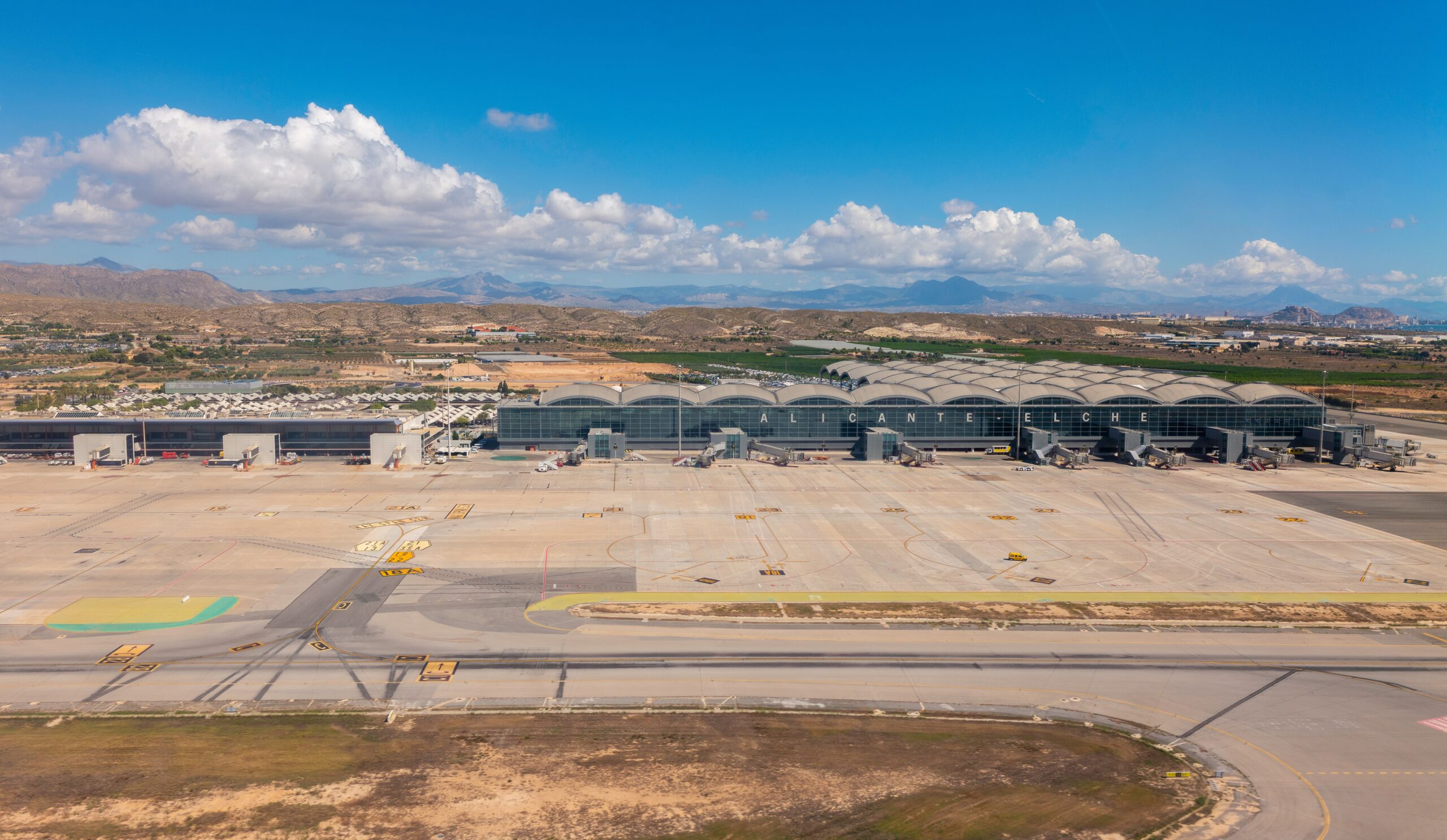
Places like Alicante could be potential destinationsCredit: Alamy
Or perhaps you’d prefer to head to Portugal?
The deal from Budapest to Porto, includes five days there before flying to Lisbon and spending four days there for €445 (£380.50) per person between November 3 and 13.
A Wizz Air spokesperson said: “Today’s launch marks the first phase of WIZZ Holidays, our smarter, more intuitive package holidays platform, which is initially available in selected markets.
“While holidays departing from the UK are not yet available, the UK remains an important market for Wizz Air.
“We’re working towards making WIZZ Holidays available to UK customers as part of the second phase of the rollout and look forward to sharing more details as soon as we can.”
THERE’S been a new plea to suspend the new passport checks this summer amid fears of even more chaos this summer.
So far, some airlines have had to leave passengers behind and there are already queues of up to six hours at border control.
Sign up for the Travel newsletter
Thank you!
Airlines and airports have asked for EES checks to be suspended for the summerCredit: Alamy
The situation is only predicted to get worse with summerholidays on the horizon when millions of Brits including lots of families will be heading abroad.
Passenger numbers are predicted to increase by an extra 40million across Europe in July and August.
As a result, a number of airlines and airports have submitted a letter the president of the European Commission asking to suspend EES checks.
A number of industry groups have said they’ve reached a “critical point”.
They continued: “Passengers have already been forced to queue for extended periods outside terminal buildings and on exposed aprons because border control facilities cannot process arrivals quickly enough.
“Airlines face half-empty planes at gate closing time, while passengers are stuck in border control queues.”
The groups have asked the authority to allow airports to “completely suspend” the EES when “passenger volumes exceed the operational capacity of border control facilities”.
They’ve said that “immediate intervention” is needed before the situation “deteriorates further during the peak summer travel season”.
There has also been a call for “flexibility’ in September as well.
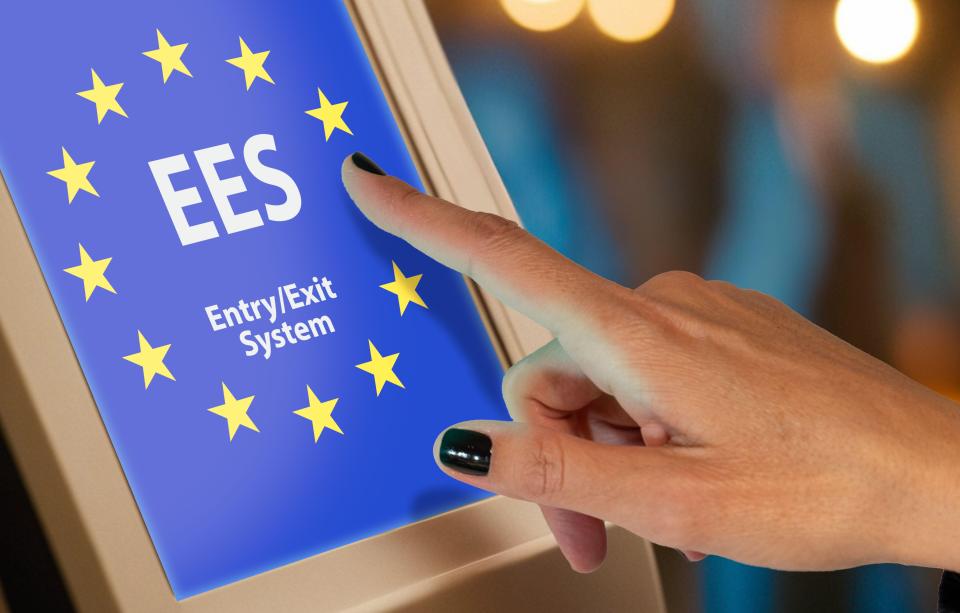
The Entry Exit System (EES) involves people from third-party countries such as the UK having their biometrics taken to enter the Schengen Area.
There are already queues of up to six hours for BritsCredit: Alamy
The progressive rollout began in October 2025 and has caused a number of problems.
A NUMBER of holiday companies have gone bust this year leaving British travellers with cancelled holidays.
From airlines to Claudia Winkleman-approved sailing trips, the UK has had to say goodbye to many holiday companies this year – so here’s a round-up of all the travel companies that have gone bust in 2026 so far.
Sign up for the Travel newsletter
Thank you!
A number of travel companies have gone bust this yearCredit: Alamy
Groupia Ltd
Just this week it was announced that group-based travel company Groupia Ltd has entered administration.
The company used to operate group trips such as hen and stag dos, adventure holidays and ski trips.
Any customers who have a holiday booked with the company on or before August 31 will still have their trip as planned.
However, trips from September 1 onwards have been cancelled with the company’s website sharing information on how to get a refund.
Edinburgh’s EcoJet went bust despite having never launched a flight.
The planned flights included between Edinburgh and Southampton and across Europe.
The company was originally founded in 2023 and aimed to be the world’s first electric airline.
However, in May, liquidators had been appointed at the firm.
A spokesperson said: “EcoJet was a start-up business and has no material assets.
“The members have elected to fund the liquidation process to ensure that the company’s employees receive their full statutory entitlements.”
EcoJet planned flights for between Edinburgh and Southampton and across EuropeCredit: Refer to Source
Regen Central Ltd
Regen Central Ltd used to sell package holidays to Europe and South East Asia.
However the company entered administration in January.
The company was founded in 2011 and used to have package holidays to Italy, Bali, and Thailand, as well as the Middle East, including Dubai and Saudi Arabia.
Tripsmiths (and TS Travel)
Tripsmiths and TS Travel used to operate trips across Europe including getaways to French vineyards, African safaris, Italy’s Lake Garda and city breaks.
However, the company entered administration in May.
Though, for those with trips booked with the company, bookings were being honoured and not cancelled.
For Tripsmiths used to operates a range of trips across EuropeCredit: Handout
Gold Crest Holidays
Also in January, Gold Crest Holidays entered liquidation.
The holiday company used to sell coach tours as well as short breaks to a number of European destinations including major cities and Disneyland Paris.
The 30-year-old company cancelled all future trips at the time of closure.
Salamander Voyages
Based in Belfast, Salamander Voyages used to sell private boat holidays in Turkey, Greece, Italy and Croatia.
According to The Gazette, administrators were appointed on April 22 after 23 years of business.
Luxury holidays with the company weren’t cheap though, costing around £3,000 per person.
Celeb Claudia Winkleman has even previously been a customer, commenting: “The holiday was absolutely amazing. The boat is beautiful and the crew were outstanding.
“The most relaxing week of our lives. We love you Salamander.”
Salamander Voyages used to sell private boat holidays in Turkey, Greece and ItalyCredit: Not known, clear with picture desk
Strachan Travel
Based in Lancashire, Strachan Travel used to operate bespoke holidays.
The company had been operating since 1983, but because they acted as an agent mainly selling holidays with tour operators such as TUI and Jet2, customers’ holidays were mainly unimpacted.
Ascend Airways
Ascend Airways entered liquidation back in April.
The Hertfordshire-based company used to be a ‘wet-lease’ airline, operating mainly out of London Gatwick, Stansted and Southend airports.
Ascend Airways used to ‘wet-lease’ planesCredit: Ascend Airways
Zenith Aviation
Back in May, Zenith Aviation entered administration.
THE summer of warned EES chaos is almost upon us – but two airports are set to scrap the new entry rules for Brits.
Both Rome Fiumicino Airport and Rome Ciampino Airport could suspend the requirements to avoid length queues at passport control.
Sign up for the Travel newsletter
Thank you!
EES could be suspended at two Italian airports during the summer periodCredit: Alamy
Talking to the Financial Times, Aeroporti di Roma Chief Executive Officer Marco Troncone said that allowing passengers to skip EES checks is the only way to avoid “disaster”.
He added “we are very worried for the summer” and rated his concerns an “eight or nine” out of 10.
Marco Troncone said: “The process proves to be incompatible with the peak volumes that we are going to face.
“So the only way is to open up the valve. There is no way that we can deliver 100 per cent of the enrolment.”
These two Italian airports can be particularly busy during the summer period.
Rome Fiumicino Airport sees over five million passengers per month during the peak summer travel season.
In recent years, numbers have been as high as 180,000 in a single day.
Rome Ciampino Airport is a little quieter but can still see up to 3.9million total passengers per year.
During the summer, there are estimates of up to 400,000 passengers per month through the airport, according to Aeroporti di Roma.
EES requires UK and other non-EU nationals to register at the border with their biometrics and will replace manual passport stamping.
EES has caused lengthy queues and passengers have even missed their flight homeCredit: Alamy
But since their introduction there have been reported issues which have caused up to six- hour queues through airports.
Another issue was raised by Olivier Jankovec, head of the airports industry group ACI Europe.
H said that one of the biggest problems is that the self-service EES points “don’t work”.
He also said that there is congestion caused by a lack of organisation.
Once enrolled with EES, travellers should be able to go through gates automatically on future trips without needing to use the machines again.
But at the moment, lots of airports haven’t introduced separate queues for those who have already completed EES checks which is adding to wait times.
Queues at passport control have been so long at some airports that passengers have missed flights.
Earlier this month, a Ryanair flight was forced to leave up to 50 of its passengers behind when they were stuck in Athens Airport in what they dubbed a ‘mega queue’.
A FRESH warning has been issued over a major travel item that many of us now use, that actually poses a huge threat when flying.
Over the past couple of years, power banks have caused several issues across a number of flights.
Sign up for the Travel newsletter
Thank you!
A new warning has been made to travellers about heading on a flight with a power bank this summerCredit: Alamy
In response, airlines have introduced new measures that specify the type of power bank you can or cannot take onboard.
As the school summer holidays approach, travellers are now being reminded to carry these items in their hand luggage.
Power banks contain lithium batteries, which according to the Civil Aviation Authority (CAA), pose a huge risk to aircraft, with more and more devices being found in hold luggage over the past year.
The aviation body also said that the average person now takes four different lithium-powered devices on a flight.
However, they are prone to overheating, especially if they are defective and this can cause a fire.
The CAA states: “Passenger awareness remains low – over a third (36 per cent) of travellers are unaware of the dangers of packing batteries in checked baggage, even though 92 per cent fly with a mobile phone, 55 per cent with a laptop and 49 per cent with a power bank – suggesting hundreds of batteries could be incorrectly packed on a typical flight.”
While some airlines have responded to the increased use of lithium batteries by carrying containment bags – such as Virgin Atlantic and Wizz Air – they still pose the biggest risk of fire to flights.
And it’s not just power banks that have lithium batteries though and they aren’t anything new – you’ll also find them in your laptop, mobile and smart watch.
Over the past couple of years, power banks have caused a number of incidents on flightsCredit: Alamy
When an incident regarding a lithium battery occurs in the cabin, cabin crew can handle it more easily.
However, if the issue is in the hold it is a trickier problem to solve.
According to the CAA, there are around two lithium battery incidents every week.
And these incidents can cause delays as well as the plane diverting.
The rules to be aware of include taking items such as your mobile phone, vapes and power banks on board in the cabin.
If you are taking power banks, you are allowed a maximum of two and you cannot charge them during the flight.
Laptops must be switched off if they are in hold bags.
As part of its new campaign ‘Pack right, Safe flight’, the CAA added that travellers should “choose reputable suppliers and brands when buying devices and spare batteries” and that “batteries that show signs of damage, overheating, or swelling should not be used and should never be carried on an aircraft”.
Passengers need to be aware of airlines’ rules on power banksCredit: Getty
Giancarlo Buono, Director of Aviation Safety at the UK Civil Aviation Authority said: “Flying is by far the safest way to travel, and we want to keep it that way.
“Pack right for a safe flight, and that means don’t put your batteries in your checked bag. Take them into the cabin with you.
“This simple tip will make your flight safer for you, and the other passengers you’re flying with.”
Here are the rules on batteries for some of the major airlines:
British Airways
British Airways allows each passenger to carry two power banks with themCredit: Getty
You can take up to 15 battery-operated Personal Electronic Devices (PEDs) that contain lithium batteries such as laptops, tablets, smartphones, cameras, music players, smart baggage tags (e.g. Apple AirTag) onboard.
If in hand luggage, they must be switched off or placed in flight safe mode.
If in checked luggage, they must be completely switched off – not in sleep or hibernation mode.
You can only carry up to two power banks per person and they must be in the cabin in either the seat pocket or in a bag under the seat in front of you and they cannot exceed 100Wh.
Ryanair
All electronic devices must be carried in the cabin on Ryanair flightsCredit: PA
Electronic devices and spare lithium batteries must be carried in the cabin only.
Each passenger can carry up to 15 electronic devices for personal use in the cabin “including but not limited to: smartphones, tablets, laptops, cameras, handheld gaming consoles, headphones”.
Each passenger can only carry up to two power banks and these are included in the overall limit of 20 spare lithium batteries – which cannot exceed 100Wh.
Ryanair adds: “Spare lithium batteries and power banks must be carried on the passenger’s person or in the under-seat cabin bag stowed under the seat in front.
“Power banks and spare lithium batteries must not be placed in cabin baggage stored in the overhead lockers.“
Power banks cannot be recharged when onboard or during the flight.
EasyJet
Power banks cannot be used onboard an easyJet flightCredit: AFP
EasyJet has a limit of 15 electronic devices per passenger, which must be 12V or less and 100Wh or less.
When it comes to power banks, Wh ratings cannot exceed 160Wh for lithium batteries, and only two can be carried per passenger.
EasyJet states: “Power banks are prohibited from use on easyJet aircraft and must not be used to charge other devices.
“Power banks must be carried in carry-on baggage only, and it is recommended that power banks are carried where they can be monitore, d i.e. on your person.”
Virgin Atlantic
Power banks cannot be charged when onboard Virgin Atlantic flightsCredit: Alamy
For Virgin Atlantic, you can travel with up to five spare batteries and/or power banks, depending on their watt-hour (Wh) rating.
All batteries and power banks must be able to fit inside the airline’s onboard Fire Containment Bag, which measures 37×28×10cm.
The airline states: “Please keep them in an accessible place during your flight — not in the overhead locker.
“Power banks cannot be plugged into your seat’s power supply at any time.
“Power banks cannot be used to charge other devices while onboard.
“Batteries and power banks must be under 100Wh.”
Wizz Air
Wizz Air only allows one power bank per passengerCredit: Alamy
For Wizz Air, power banks cannot be used during any phase of the flight, and they are not allowed in checked luggage.
Each traveller is limited to a maximum of 20 spare batteries, including a maximum of one power bank, which cannot exceed 100Wh.
The airline states: “Power banks and e-cigarettes should be carried where they can be monitored, i.e. on the person.”
A LESSER-VISITED airport is about to get a massive upgrade – its biggest in its 96-year history.
Hollywood in Los Angeles, USA, is known for being one of the most famous tourist spots in the world.
Sign up for the Travel newsletter
Thank you!
Hollywood Burbank Airport is opening a new £1billion terminalCredit: CorganThe airport is near one of the most famous tourist destinations in the world – HollywoodCredit: elevatebur.com
And most people will get there via LAX Airport – but don’t realise there is also Hollywood Burbank Airport.
The airport is not only closer to Hollywood, but also closer to Universal Studios Hollywood and Warner Bros. Studio Tour.
This October the airport will be opening its £1billion new terminal – called The Icon – which will replace the former historic terminal which opened back in 1930.
The new terminal will be bigger than the former one and have floor-to-ceiling glass windows, filling the terminal with natural light.
The airport is also close to Universal Studios Hollywood as well as Warner Bros. Studio ToursCredit: CorganThe airport will be themed like ‘old Hollywood’Credit: elevatebur.com
To get to the 14 gates, passengers will head through an eight-lane TSA security area with modern screening technology.
There will be a central food court with restaurants and shops for travellers, with plenty of seating outside each gate.
The airport is often used by celebs due to being close to Hollywood.
Recent celeb sightings include actress Jennifer Garner and actor Neal McDonough.
The airport itself has even appeared on the big screen as a filming location, including in Ocean’s Eleven and The Office.
Visitors will be able to head to a sleek bar with views of the parked planesCredit: Corgan.comThe new terminal will open in OctoberCredit: Corgan
A LOW-COST airline with cheap long-haul flights is returning to the UK after more than a decade.
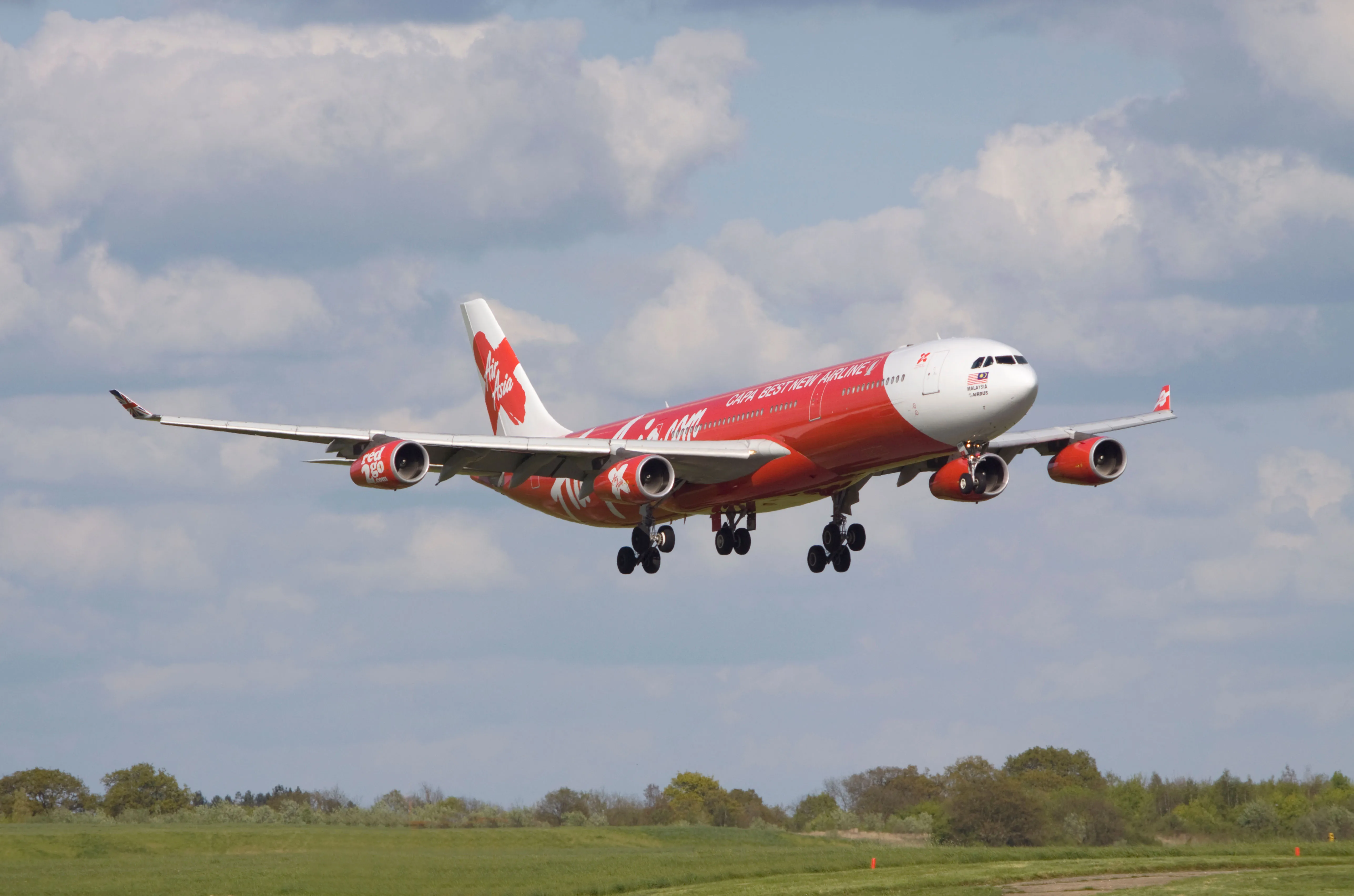
AirAsia X, a Malaysian airline, used to operate budget long-haul flights from Kuala Lumpur to London but the service stopped in 2012.
Sign up for the Travel newsletter
Thank you!
AirAsia X is launching flights from the UK after 14 yearsCredit: Alamy
However, the airline has confirmed it will relaunch flights from London Gatwick to Kuala Lumpur via Bahrain.
Flights will be on an Airbus A330-300, which with AirAsia X holds between 285 and 377 passengers.
The stopover in Bahrain helps to keep costs low, as does flying from London Gatwick as opposed to London Heathrow.
Travelling from Kuala Lumpur, flights will leave late at night before stopping in Bahrain for two hours and then arriving into London Gatwick at around 7:30am the next morning.
The route was due to launch tomorrow, however that date has been postponed by two months due to the conflict in the Middle East.
Flights will now launch on August 27, operating four times a week until November 2, where flights will then take place daily, according to Air Traveler Club.
The airline has also confirmed that tickets will be getting cheaper as fuel costs ease.
Pierre-Hugues Schmit, Chief Executive, London Gatwick previously said: “The arrival of AirAsia X and flights to Kuala Lumpur is fantastic news for London Gatwick passengers.
“The new daily service will provide excellent opportunities to visit the city or onward connectivity across the region – ideal for holidaymakers, businesses and the many British‑Malaysian families who will now have even better options for visiting friends and relatives.”
Bo Lingam, Group Chief Executive Officer, AirAsia X added: “Our return to London marks a significant milestone for AirAsia X and we’re excited to commence our operations at London Gatwick this June.”
DUBAI is currently building what will be the biggest, and possibly the most efficient, airport in the world.
Not only will it see millions of passengers through its doors – it also plans on eliminating queues altogether and will even have robot staff.
Sign up for the Travel newsletter
Thank you!
Al Maktoum International Airport is expected to open in 2032 with 260million passengersCredit: Dubai Media OfficeIt will have ‘no queues’ and robot staff to help travellersCredit: Dubai Media Office
When Al Maktoum International Airport has been fully expanded and refurbished, it will be the biggest in the world – and it will have all the modcons too.
The airport which will cost £23.5billion and will serve 260million passengers every year is being designed to make travel as smooth as possible.
One of the ways it’s doing this is by creating a way that passengers won’t have to queue, which almost seems like a given in other airports.
At Al Maktoum International Airport, bags could be dropped off before travellers even reach the terminal.
Passengers will then be able to move through the airport without the usual repeated stops for the likes of security and customs.
Dubai Airports CEO Paul Griffiths called this a “no red lights” concept while talking to Khaleej Times.
The airport is set to be huge, but travellers won’t have to worry about walking from one side to the other.
Instead, they will be able to use the ‘integrated underground Automated People Mover system’, which includes a multi-track train.
It will have 14 stations and will transport passengers from terminals to concourses.
It’s designed to help travellers get to their flights in the shortest and quickest route possible.
The airport will have an underground ‘Automated People Mover system’Credit: Dubai Media Office
When it comes to collecting baggage, the new system will be able to process tens of thousands of bags in just one hour.
And better yet, bags are expected to be available within minutes – so there won’t be any standing about waiting for suitcases after a flight.
The airport is also going to be technologically advanced with automated travel systems, AI security check and robot staff.
The robots will be used for various tasks, including baggage handling and potentially customer service roles too.
The terminal isn’t completely new, as Al Maktoum International Airport is an expansion of Dubai World Central.
The nearby Dubai International Airport which is currently the main base in Dubai will close once the new runways are operational which is scheduled for 2032.
Al Maktoum International Airportis 23 miles south of Dubai and once fully up and running will be the largest in the world.
NO ONE wants to start their holiday with delays, but with hotter weather and new travel rules, it’s becoming all the more common.
New research from AirAdvisor has found the top airports around Europe where you are most likely to be delayed this summer.
Sign up for the Travel newsletter
Thank you!
Airports on the Greek Islands are some of the worse when it comes to delaysCredit: Alamy
The study looked at flights between June and September 2025, to see where flights either to or from the UK were likely to be delayed for over an hour.
The top of the list was Milan Bergamo, an airport which sits just outside of Milan in Italy which had 11.96 per cent of its flights delayed by one hour or more.
Also in Italy, Pisa came fourth on the list which had 10.58 per cent of its flights affected by delays last summer.
For anyone heading to the Greek islands this summer, some of these destinations experience hold-ups too.
The pretty island of Kefalonia is third on the list where 11.79 per cent of flights being delayed by an hour or more last year.
Also in the top 20 is Corfu, Zante, Paphos in Cyprus, Kos, Rhodes and Mykonos.
Anton Radchenko, CEO of AirAdvisor explained why the airports at Greek islands are badly affected.
He explained: “They tend to be much smaller than hubs in major metropolitan centres and are incredibly popular with holidaymakers from across the world.
“During the summer period, they frequently operate at maximum capacity, so that means that when a mass disruption event occurs, there are implications for other services.”
He continued: “Similarly, the sheer volume of flights between popular Spanish holiday hubs in Palma and Reus can result in full days of travel chaos when multiple services are delayed.”
Flights at these 20 airports are sometimes delayed by over an hourCredit: Alamy Last summer, 9.33 per cent of flights in and out of Palma Mallorca to the UK were delayedCredit: Alamy
Anton Radchenko added that these delays often result in a “domino effect” where flights across a single day are then pushed back, especially during peak times.
Spain is a popular getaway destination for Brits as it’s just a few hours from the UK.
But there are some airports here that have experienced issues too.
Of course, last summer EES checks at passport control hadn’t been enforced yet.
But these have had a big impact in some airports around Europe – so there could be even more delays at certain destinations.
If you are delayed for more than three hours or have a flight cancelled then under the UK261 regulation you could be eligible for compensation.
For more information on this, check out the rules on AirAdvisor.
Here are the top 20 European airports where you’re most likely to be delayed this summer…
According to AirAdvisor these airports this is the percentage of flights delayed by 60 minutes or more either heading too or from the UK between June and September 2025…
FANCY a seaside holiday that’s cheaper than St Tropez and looks like Greece? Look no further.
Jet2 has announced that they are launching new flights to a coastal African destination from a number of UK airports.
Sign up for the Travel newsletter
Thank you!
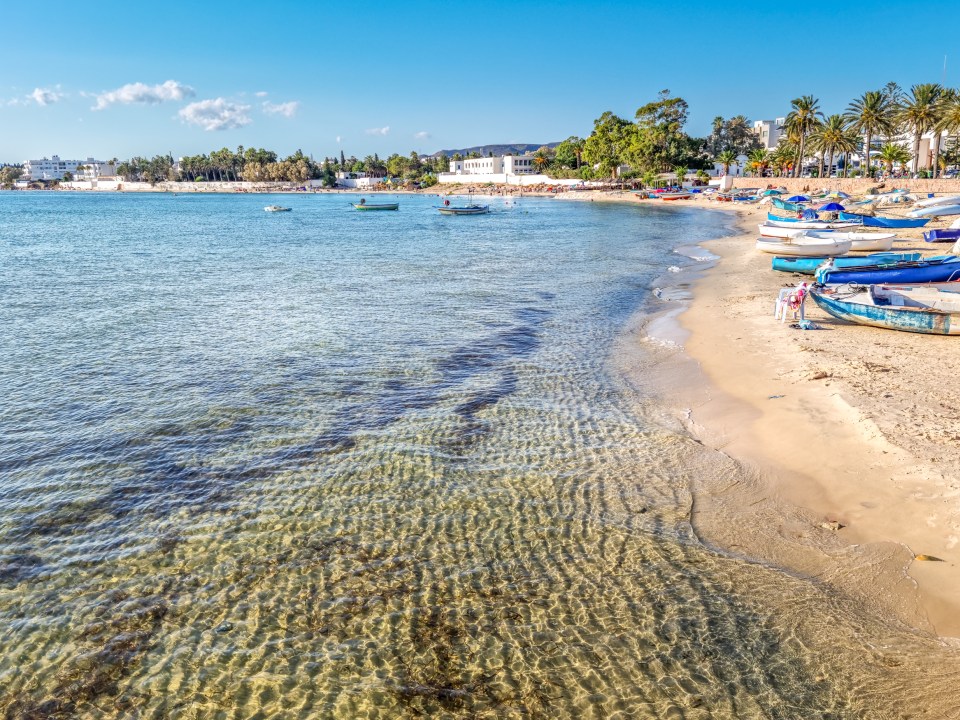
From Enfidha, travellers can head to Hammamet around 30 minutes awayCredit: Getty
The flights will head to Enfidha in Tunisia, with two flights a week from Birmingham, Manchester and London Stansted from May 1, 2027 to October 31, 2027.
And then there will also be weekly flights to the destination from Leeds Bradford and East Midlands airports as well.
From Enfidha, visitors will easily be able to visit Hammamet which is just 30 minutes away .
Also known as the ‘Tunisian Riviera’, it costs just 35 per cent the price of a holiday to the French Riviera where you’ll find St Tropez.
The Sun’s Digital Sports Reporter, Etienne Fermie, recently visited.
She said: “In May sunshine, the glorious blue sky pops off the glistening white walls of the stunning coastal town of Sidi Bou Said in northern Tunisia.
“All the buildings are decked out in white and blue, providing a gorgeous visual as the perfect sky kisses the crystal clear, calm Mediterranean sea.
“Sidi Bou Said is reminiscent of Santorini and symbolic of the blend of cultures that modern-day Tunisia infuses.”
And an hour from Hammamet is Sibi Bou Said, which is like SantoriniCredit: Getty
Other destinations travellers can reach from Enfidha Airport include Port el Kantaoui, Skanes, Mahdia and Sousse.
Jet2 used to fly to Tunisia in 2015 from East Midlands, Glasgow, Leeds Bradford, Manchester and Newcastle airports but the route was suspended not long after it launched.
Steve Heapy, Jet2 Chief Executive, said: “With year-round sunshine, rich culture and fantastic scenery, Tunisia has something for everyone and we know how immensely popular it will be.
Fakhri Khalsi, Acting UK Director at the Tunisian National Tourist Office, said: “This announcement represents a significant milestone in our efforts to strengthen Tunisia’s position as a leading Mediterranean destination and reflects the growing confidence of major travel operators in our tourism offering.
“As one of the UK’s most respected and influential travel companies, Jet2’s entry into the Tunisian market will provide British travellers with even greater access to our country’s rich cultural heritage, beautiful coastline, authentic experiences, and renowned hospitality.”
At the moment, the current longest flight in the world is Singapore Airlines’ Singapore to New York route, which takes around 19 hours.
UK tourism minister Stephanie Peacock said: “Qantas’s decision to make London the first destination for Project Sunrise is a powerful vote of confidence in the UK as a hub for global tourism, and a reflection of the deep ties between our two countries.
“This is a historic moment, not just for British aviation and tourism, but for the millions of passengers who will experience flying from Sydney to London non-stop for the first time.”
VisitBritain chief executive Patricia Yates said: “Australia is one of our most valuable inbound markets, set to reach £1.8 billion this year in visitor spending, and expanding airline connectivity and seat capacity is fantastic news for our competitive tourism offer and our welcome.”
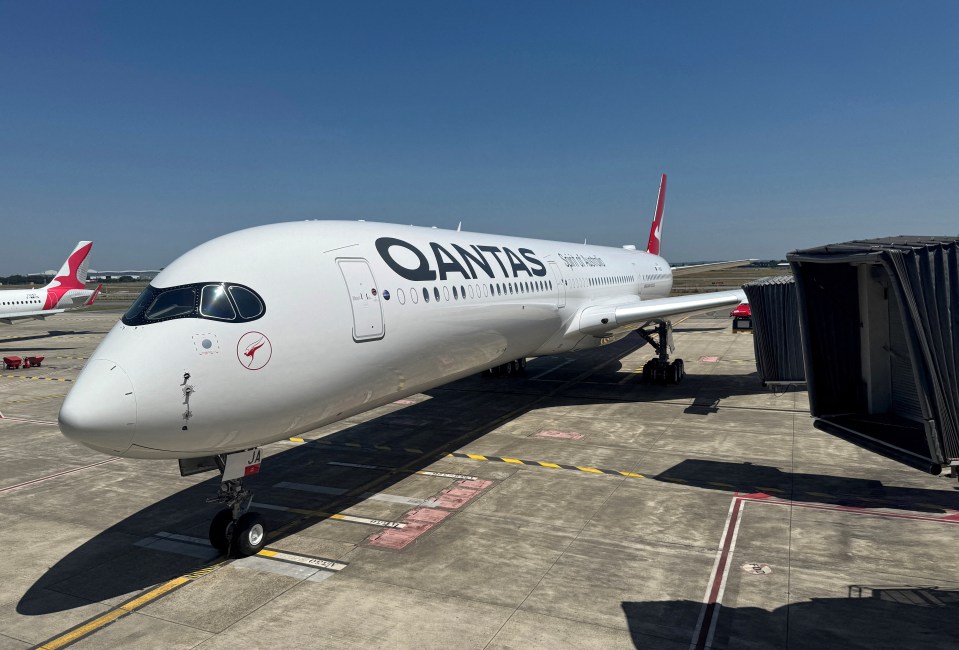
Onboard the plane, there will be 238 seats as well as a wellbeing zoneCredit: Qantas
Onboard the plane, passengers can expect 238 seats across First Class suites, Business Class, Premium Economy and Economy seats.
The cabins will prevent jet lag through different light settings, to help passengers to adapt to the time zone of their destination.
All passengers will also be able to use a Wellbeing Zone onboard, with space to move about, listen to guided wellbeing content and grab a healthy snack or drink.
Wi-Fi and Bluetooth connectivity will also be available onboard.
Eventually there will be 12 aircraft as part of Project Sunrise.
Back in April the airline was hoping for an early 2027 launch, however this has now been pushed back to October 2027 with tickets for the first flights expected to go on sale in February 2027.
FANCY a last-minute getaway in June? You can still get one with plenty of one-way flights under £30 and to destinations that are over 25C.
Sun Travel reveals our favourite holiday spots with cheap flights in the next two weeks, from Greece to sunny European islands and pretty cities.
Sign up for the Travel newsletter
Thank you!
You can get cheap flights across Europe in the next two weeksCredit: AlamyAlice recommends heading to Corfu and checking out Faliraki BeachCredit: Alamy
Corfu, Greece
“It’s shocking that you can get to a Greek island for less than £30 and with Wizz Air, flights are as little as £18.
“Just over three hours away and you’ll reach the olive grove paradise of Corfu with beautiful blue bay beaches that in June averages at 30C.
“I love Greece mostly for the food and Corfu has lots of spots where you can indulge in a fresh feta salad with juicy tomatoes alongside a refreshing local Greek beer.
“Have a dip in the ocean at Faliraki, and make sure to pick up some locally made olive oil as a souvenir too.
“For anyone who loves history, head to the Holy Monastery of the Virgin Mary at Paleokastritsa. It’s quite the hike but the views from the top are unbeatable.
“If you can, take a day trip across to Paxi or Paxos, a tiny island seven miles south of Corfu with sea caves and white cobbles beaches.” – Travel Reporter, Alice Penwill
Nice, France
“Nice is an astonishingly short plane ride from the UK, given how exotic it feels. Just 2 hours and 5 minutes in the air, and you’re suddenly on the French Riviera – and flights in June are £18.
“I’ve spent many summers on that stunning stretch of coast, first on family holidays as a kid, then as a showbiz reporter at the Cannes Film Festival and most recently on family trips as a mum myself.
“It is easily one of my favourite places in Europe, thanks to the glorious scenery and the fantastic food.
“My best tip would be to avoid the pricey cab fares and stick to the many beautiful towns that run along the riviera train line.”
On a trip to Nice, make sure to check out beautiful seaside towns like Villefrance Sur MerCredit: Getty
“For instance, Villefranche Sur Mer is a sleek, picturesque seaside village that has all of the beauty of its fancier neighbours, but less of the tourists.
“With a lovely sandy beach, a pretty harbour, and a quaint old town featuring 13-century cobbled streets, there is something for everyone.
“Grab a baguette, a bottle of wine and some stinky cheese from the supermarket for under 10 euros in total and enjoy a picnic on the sand or in the pine trails behind the village.
“This is a perfect spot to base yourself with Airbnbs from £86 a night, then you can take the train along the coast anywhere from Monaco and Nice, to Antibes and Cannes in under an hour.” – Head of Sun Travel (Digital), Caroline McGuire
Cagliari, Italy
Ditch Sardinia’s Olbia for the capital, Cagliari
“Sardinia is a beautiful Italian island that actually sits closer to Africa than the mainland.
“But when it comes to visiting the island, most will head to Olbia in the north – instead, I suggest venturing south to the capital Cagliari.
“This quiet and quaint city can easily be explored in a day, with colourful architecture and over 140 churches and religious buildings.
“The best thing to do in the city? Head on the Underground Cagliari tour with Viator, which will take you to three historic sites all underground, including passages used as bomb shelters under a school, a crypt and prison and uncovered Roman ruins (£26 per person).
“Wander around the city and you will also see several defensive towers marking the perimeter of the ancient city, with the most extravagant of them being Bastione de Saint Remy – a huge former military fortress.”
“One-way flights start from £28 in June.”- Travel Reporter, Cyann Fielding
Rome, Italy
Hop in a Fiat for a city tour of Rome like Sophie did
“Rome is a city of passion. Whether that’s due to the fiery locals, who emphasise every word with a hand gesticulation, or because of its sordid history, the scars of which are still present today, who knows.
“But that passion is what gives the place its buzz and you can see it all on the cheap as flights start from £15.
“If you’re new to the city, I couldn’t recommend a Fiat 500 sightseeing tour enough (rome500exp.com).
“You’ll cruise around in vintage motors, ticking off all the key sights including the mighty colosseum and Gianicolo Hill where you can soak up one of the best views of the city.
“The Vatican is, of course, a must. But make sure to book one of the queue jump tours for first thing in the morning – it gets very busy, very quickly and unless you’re willing to stand and wait for hours, this is the only way.
“As for food… pizza, pasta, gelato, they’re all staples in the Roman diet. If you’re near the Colosseum, try Zia Rosetta which serves mega sandwiches stuffed with traditional ham fillings.” – Assistant Travel Editor, Sophie Swietochowski
Lanzarote, Canary Islands
Cheap pints and flights to Lanzarote – count us in
“If you want some (almost) guaranteed sun, Lanzarote is a safe bet for a June getaway.
“Daytime temperatures usually sit around 27C, rain is virtually non-existent, and a one-way flight is £18 with Ryanair – you can’t beat it really.
“On my visit, I stayed near Playa Blanca, which is Lanzarote’s southernmost resor,s scattered with beach bars, restaurants and small sandy bays.
“It can be busy, but if you carry on walking along the front, you’re bound to find a much quieter spot.
“You can’t beat sitting out at one of the sea-facing bars with a cheap beer, soaking up the sunshine with a glass of Dorada you can pick up for €3 (£2.59).” –Travel Reporter, Alice Penwill
Valetta, Malta
You can get flights to Malta for under £30 this monthCredit: Alamy
“When I first visited Malta, several years ago, my only holiday demands were: guaranteed sunshine, decent food and flights that wouldn’t break the bank – and that’s exactly what I got.
“My girlfriends and I had booked a sweet little apartment overlooking St Julian’s Bay, an area littered with waterfront restaurants and a charming old-world feel to it.
“I remember the water being as clear and turquoise as the Caribbean Sea, with the dinky boats bobbing atop.
“At the weekend we caught the bus to Marsaxlokk where a traditional fishing market still operates every Sunday – get there in the early to mid morning to avoid the crowds.
“We came home with stacks of fresh prawns for only a few euros that we sizzled on the barbecue back at our apartment.
“Make sure to visit the capital Valletta while you’re here, too. The city is significant in British history and it became a hub for the Royal Navy in the 19th century.
“Pop into St. John’s Co-Cathedral, one of the most beautiful baroque structures I’ve ever laid eyes on.
“Flights to Valletta start from £18 in June“. – Assistant Travel Editor, Sophie Swietochowski
Paris, France
Jenna says get yourself on a plane to Paris to explore the city’s top attractionsCredit: Jenna Stevens
“There’s a reason why Paris is a dream destination for so many.
“Incredible food, glitzy nightlife, plus some of Europe’s top art galleries and museums.
“What’s great about Paris is that there’s so many types of trip you can take, making it the kind of city you can visit again and again.
“Spend a romantic weekend in the cobbled streets of Montmartre, where you can watch the sun set over the city from the highest point in Paris. Soak up the views from the steps of The Basilica of the Sacred Heart.
“Or spend a week with the family at Disneyland Paris, where you can explore their new World of Frozen – a new attraction we’re lucky to have right on our doorstep as Brits.
“My favourite way to visit Paris is as a girly holiday. Hit the Galeries Lafayette for world-famous shopping, then grab some boujee Instagram pictures together in the Palais Garnier.
“Make sure to go for brunch in Mon Crème, where dried flowers drape from the ceiling and candlesticks give the cosy restaurant a warm glow – plus I would fly over just to eat their Duck Confit again.
“With £28 return flights on Skyscanner, ticking off one of the world’s dreamiest capital cities can cost you less than going out for lunch.” – Travel Reporter, Jenna Stevens
Pisa, Italy
Taking a picture with the Leaning Tower of Pisa is a must
“Let’s face it, Italy‘s Pisa is famous for its leaning tower in the city centre and you can see it for yourself for £15 with Ryanair.
“Before you get to the tower, take a leisurely stroll along the Arno River where there are lots of cafes and restaurants.
“I stopped into Bottega for a tasty strawberry and kiwi smoothie for €5 (£4.32) – the same price as a glass of wine, I might add.
“Further into the city, there are shopping streets, some designer outlets and plenty of places to grab a souvenir too.
“I found it does get very busy once you get to the Leaning Tower of Pisa – and a trip is not complete without the mandatory photo outside pretending to push the building upright.
“It can take a while to get into the right position, but I discovered the biggest challenge is trying not to get too many other tourists doing exactly the same thing in the background.” Travel Reporter, Alice Penwill
Crete, Greece
From Chania, Jenna says head to Rethymno which has a beautiful harbourCredit: Alamy
“You can hop over to Crete for £18 each way – not a bad deal for a trip to the largest Greek island.
“Just an hour’s drive from Chania airport will land you in Rethymno, a coastal city with a sprawling Old Town full of surprises.
“Stroll along the Venetian Harbour to watch colourful fishing boats bob, overlooked by a charming stone lighthouse which was built in 1830.
“Then dip into your pick of tavernas to try some Dakos, a delicious Cretan bruschetta with some local wine.
“After an afternoon exploring the maze-like streets, come back for dinner to try one of the best burgers you’ll ever have.
“Mojo Burgers is a strikingly modern burger joint in the heart of the Old Town, serving up sloppy American-style burgers oozing with flavour.
“Make sure to sign your name on the wall once you’ve eaten to follow tradition.” – Travel Reporter, Jenna Stevens
THE EU is in the midst of making huge changes when it comes to air travel and all of them will greatly benefit passengers.
These include no extra fees, better compensation rights and families heading on holiday can sit together at no extra charge – but now we’re out of the EU, the new rights will only carry weight for Brits on certain flights.
Sign up for the Travel newsletter
Thank you!
Changes to travel rules in the EU means families no longer have to pay to sit togetherCredit: Alamy
The new regulations were agreed by the EU Council and Parliament yesterday, making it the first overhaul in over 20 years and will come into play in 2027.
Some of the biggest changes include allowing families to sit together at no extra cost, as well as passengers having a free personal item to take onboard.
It will be easier for passengers to get money back for delays or cancellations too.
Airlines will need to immediately acknowledge a claim and then reply within 30 days.
For those who experience delays, there is a right to assistance which includes refreshments every two hours of waiting time, a meal after three hours, internet access and phone calls.
When passengers need overnight stays, they should be given the hotel free of charge and get free transport from the airport to the accommodation and back.
After a cancelled flight or denied boarding, passengers who choose to reroute must be given an alternative journey within three hours.
This all sounds great doesn’t it? Well, there is some bad news – this won’t count for all British travellers leaving the UK.
The new rules will only count on certain flights leaving the UKCredit: Alamy
As a result of Brexit, British holidaymakers won’t necessarily benefit from this as in some cases their flights will fall under passenger rights called UK261.
Whereas for those living in the EU, the new regulations count for all.
For Brits heading on holiday, taking advantage of these EU changes will depend on the route and the airline.
For example, a flight leaving the UK for Malaga with Ryanair will fall under EU rules as Ryanair is an EU airline.
The Malaga to UK return leg will also be under the EU rules – on the return journey, it doesn’t matter if the airline is EU or non-EU, because the flight departs from the EU.
Along with Ryanair, the likes of Wizz Air, easyJet and Lufthansa are all EU-airlines so the new rules automatically count for Brits on both journeys to EU countries.
There will however, be a gap on flights leaving the UK on a non-EU airline.
On EU operated airlines like Ryanair – the new EU rules will apply to Brits on both legsCredit: MoreISO
For example, if a British passenger flies from London to Madrid on a UK airline like British Airways, that outbound leg would remain under UK261 rules rather than the new EU regulations.
But the return would fall under the EU rules because it departs from Madrid in the EU.
So Brits heading on holiday will only get the new benefits if they are travelling on EU-covered flights.
They will not get them automatically on all flights from UK airports.
UK-airlines like British Airways, Virgin Atlantic and Jet2 won’t fall under the new EU rules.
But these do have their own guidelines and policies regarding families sitting together and luggage costs.
AirAdvisor CEO Anton Radchenko, a renowned aviation lawyer, added: “This agreement is a meaningful step forward for European passengers, and it throws the position of UK travellers into sharp relief.
“For the first time since Brexit, we are looking at a real divergence in the everyday rights of passengers flying from the UK versus those flying from the EU.
“The headline compensation amounts remain broadly aligned, but on the things passengers deal with on every single trip, being penalised for a missed leg, paying to sit next to your own child, comparing fares that hide the cost of a bag, EU travellers are about to pull ahead, and UK travellers are at risk of being left behind.”
BUDGET airline Wizz Air has warned that it could be forced to cut UK routes due to rising costs.
It comes after air passenger duty (APD) was raised in April – a tax on airlines that is usually then passed onto passengers by increasing flight fares.
Sign up for the Travel newsletter
Thank you!
Wizz Air is threatening to axe some of its flights from the UKCredit: Shutterstock Editorial
Wizz Air boss József Váradi said that the airline will now look at whether the rise in APD will impact demand for its flights and depending on the results, whether any of the airlines routes should be cancelled.
The APD rise in April hit a record high and further increases are expected in the future.
On economy flight fares, APD rose from £13 to £15 in April, to most destinations across Europe.
For Brits travelling on holiday, this means that a family of four could be spending an extra £60 (£8 more than previously) before even adding luggage to their flight booking.
While Wizz Air has not confirmed which flights are at risk, the airline currently flies to 77 destinations from the UK including holiday hotspots such as Alicante, Tenerife and Majorca in Spain.
The airline boss added that while Wizz Air is mostly happy with its services from the UK, “issues affecting the UK airline industry like APD charge increases” cannot be ignored.
He said: “We have to evaluate how exactly that plays out on our network, our customer base and our financial performance and make decisions accordingly.”
“If the cost of business is going up, that will result in capacity rationalisation if you are unable to pass it on to customers.”
The APD rise comes at a time when many airlines are already feeling the financial pressure of rising air fuel costs.
Váradi added: “I do not think the UK should be overcharging airline customers to raise funds for other activities and commitments, because this is going to undermine airlines and the UK is going to lose out on tourism at the end of the day.”
HOLIDAYMAKERS travelling to and from a major UK airport will now be able to catch overnight trains.
The airport welcomes over 40million passengers a year, making it the second busiest in the country.
Sign up for the Travel newsletter
Thank you!
New overnight train services have been introduced between Reading and GatwickCredit: AlamyThe GWR trains operate along the North Downs Line overnight on Mondays and SaturdaysCredit: Alamy
Passengers commuting to London Gatwick can now travel on a new overnight rail service as part of a Great Western Rail (GWR) trial.
The service links Gatwick Airport with Reading along the North Downs Line, allowing travelers to arrive in time for early flights, and leave after late-night departures.
Along the North Downs Line, the service calls at Reading, Wokingham, Guildford, Dorking Deepdene, Reigate, Redhill, and Gatwick.
GWR started this overnight service on June 6 as part of a 12-week trial running throughout summer up until mid-September.
The trial aims to test popularity of round-the-clock rail access between Reading and Gatwick.
The managing director of GWR, Mark Hopwood, said on the launch: “The trial will help us understand whether overnight services can work operationally and commercially on this route.
“We’ll monitor performance closely and will review feedback before considering options to improve services in the future.”
The trial operates two services from Reading to Gatwick at 2:28am and 3:30am on Saturday mornings, as well as three return journeys at 12:30am, 1:24am and 4am.
One service from Reading to Gatwick at 3:24am, and two returns from 12:24am and 4am, will take place on Monday mornings.
Historically, passengers travelling between the west and London Gatwick Airport faced difficulty because GWR services restricted between a 4:30am to 23:30pm window.
This largely cut commuting options for those on early departures and late arrivals – a group of Gatwick visitors that make up 20 per cent of its daily traffic.
Now, the service aims to sync with flights from major airlines such as easyJet, Jet2, and British Airways, bringing a sense of ease to travellers requiring this route.
Jonathan Pollard, chief commercial officer at London Gatwick, said: “We’re delighted to work in partnership with Great Western Railway to introduce these new overnight services, which will make travelling to and from London Gatwick even easier for both passengers catching early flights and staff working at the airport.
“Strengthening sustainable, reliable public transport links is vital as our route network grows, and this trial represents a significant step in improving choice and convenience for our passengers across the region.”
If GWR’s trial is successful, overnight trains between Reading and Gatwick could become a permanent feature.
IT’S THE end of an era as after 90 years, Coventry Airport is closing its runway for good today.
What originally opened back in 1936 as Baginton Aerodrome – and later served as a World War II RAF fighter base – has officially grounded all flights, leaving fans of the airport saddened.
Sign up for the Travel newsletter
Thank you!
Coventry Airport is closing for good todayCredit: Alamy
One fan of the airport commented online: “This was the best airport to fly from.”
Plans for the site have already been revealed, with it being transformed into a multi-billion-pound energy plant – though, several fans of the airport are not happy about the decision.
One person said on Facebook: “Such a shame an airport that has been there before World War II to be got rid of – just because someone wants to sell it for greed!”
Another added: “Sad to see the airport closing down; the airshows there were great and I had some happy times at the airport.”
Over the years the airport has seen its fair share of celebs including royalty Princess Anne and rock heroes Status Quo.
Airshows at the airport have hosted flying legends too such as the Red Arrows and Concorde.
Sun Travel takes a look back at the airport’s history.
1930s
The airport first opened back in the 1930sCredit: Getty
The airport officially opened in 1936, with a single grass runway.
In the late 1930s, the airport then looked to expand with Armstrong Whitworth Aircraft opening a factory next to the airfield.
This factory then later contributed to the industrial war effort.
1940s
During the war years, the British Royal Air Force used the airport as a base and fighter station.
Squadrons at the base included the Polish Fighter Squadron flying Hawker Hurricanes, the Royal Canadian Air Force and the Royal Australian Air Force.
However, the airport did become damaged in 1940 due to heavy bombing during the Coventry Blitz air raids by the German Luftwaffe.
Through the rest of the war, the airport was used to test bomber planes.
Commercial flights later started in the 1950sCredit: Getty
1950s
Commercial flights first took off from Coventry Airport in the 1950s with services from the Midlands to the Channel Islands.
1960s
During the 1960s, the airport began glider flights.
British United Airways also began flying from the airport – which was later merged with Caledonian Airways to form British Caledonian, which was then eventually absorbed into British Airways in 1988.
Aviation Traders Carvairs and Handley Page Dart Heralds also flew from the airport in the 60s.
1970s
Flights from the airport used to go to European destinations such as Italy and SpainCredit: Getty
Several open days were held at the airport in the 70s with historic aircraft being shown including a Bücker Jungmeister and a Messerschmitt 108.
Next to the airfield, The Midland Air Museum opened in 1978 with just five aircraft.
Despite the airport redevelopment, the museum will remain open with regular events and restorations.
Today the museum is home to more than 45 aircraft, including a Cold War nuclear bomber and Soviet helicopters.
Visitors heading to the museum can head on cockpit tours, watch aircraft be restored and enjoy a drink and light bites in the tea room.
1980s
The Pope even visit the airport in 1982Credit: GettyThe Pope toured the airfield, where there was a crowd of 350,000 peopleCredit: Getty
Coventry Airport was one of the first airports to gain a papal visit, with Pope John Paul II flying to the airport in a gold and blue helicopter in 1982.
He then toured the airfield, where he was greeted by a crowd of 350,000 people.
A company called Hards Travel also launched flights to Spain, France and Italy in the 1980s.
1990s
During the 90s, the airport became a 24-hour freight hub for Parcelforce.
More airshows were also hosted at the airport, with many locals able to take helicopter rides over the Warwickshire countryside.
2000s
Wizz Air launched flights from the airport in 2007Credit: Alamy
In the early 2000s, TUI AG launched low-cost airline Thomsonfly at the airport, basing its Boeing 737 planes there with flights to Europe.
Later, Wizz Air began flights from the airport in 2007 to Polish cities including Gdansk and Katowice.
However, these were short lived with the last passenger flight taking off in 2008.
By 2009, the airport had entered administration – though this too was short lived, with billionaire Sir Peter Rigby purchasing the airport in 2010.
Rigby reopened the airport with flight training schools, business jets, cargo and the West Midlands Air Ambulance.
Today
The airport will now be turned into a multi-billion-pound energy plantCredit: Alamy
Between 2021 and 2022, the local government approved plans to build the West Midlands Gigafactory, also known as Greenpower Park.
And in December 2025, the Civil Aviation Authority announced the airport’s official closure.
In May of this year, all flights were stopped with the flight schools and private jet owners told to move out of the airport.
In a final hurrah, Take That touch down at the airport for a concert in Coventry on June 5 as the last ever commercial flight at the airport.
A NEW airline has revealed plans to launch flights to some dream holiday hotspots.
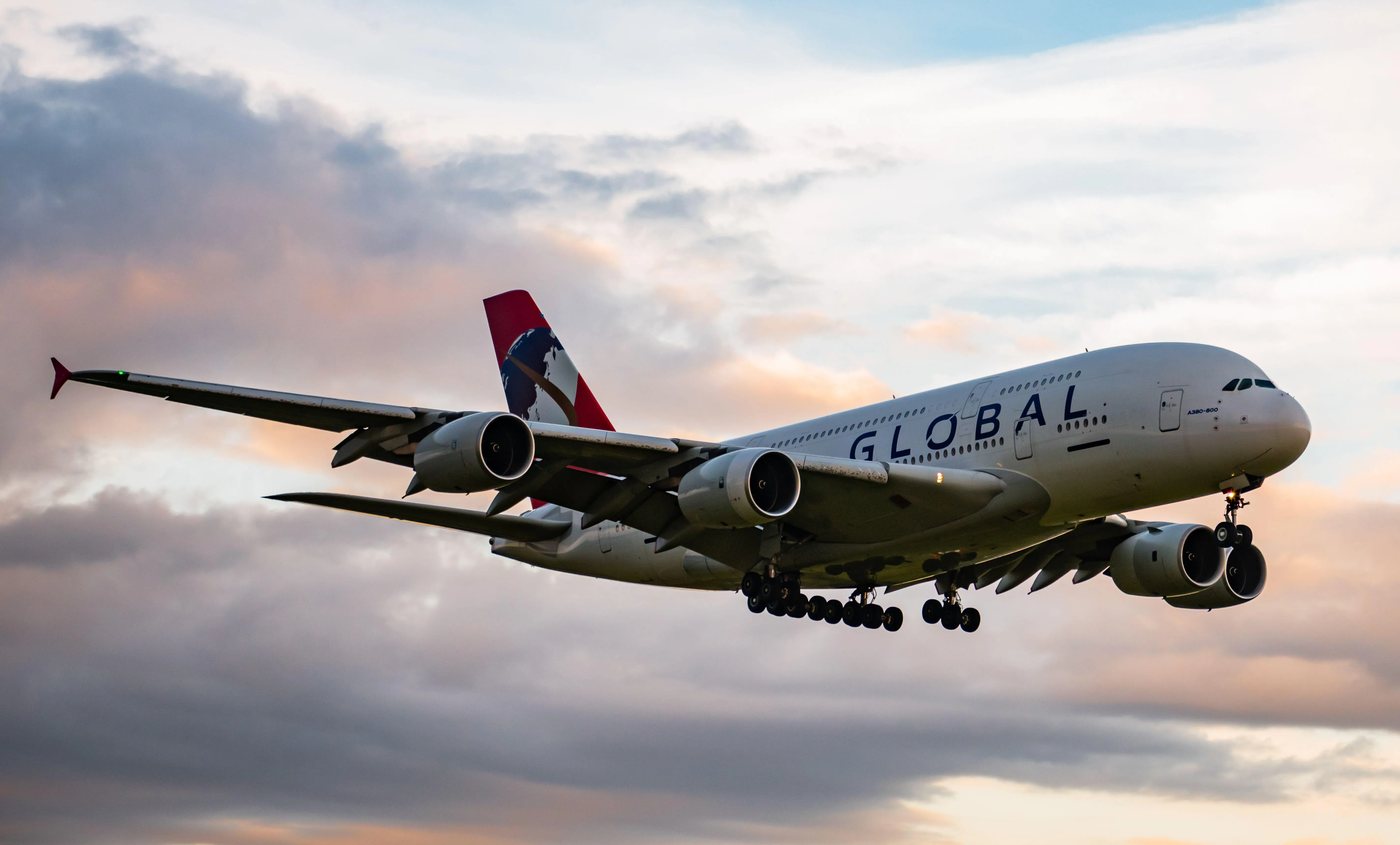
Global Airlines – which is the UK’s newest airline – is planning on adding flights from the UK to the Maldives before Christmas.
Sign up for the Travel newsletter
Thank you!
Global Airlines has revealed that it plans to launch flights to the Maldives from the UK before the end of the yearCredit: Getty
Speaking with Metro, the airline’s founder, James Asquith, said: “Ask anyone in the UK, do you want to go to the Maldives? I think everyone would say: ‘I’d love to, it’s my dream holiday, or I want to go there on honeymoon.’
“And it’s so underserved from the UK.”
The Maldives is known for being a popular destination for British tourists, with flights taking around 11 hours to reach the islands which feature pretty white sand beaches and famous bungalows hanging over crystal clear waters.
There are currently direct flights already from the UK to the Maldives, including from London Heathrow with British Airways.
Asquith also shared that the Maldives is just one of a number of long-haul destinations being considered and that the airline is looking to launch flights from a number of UK regional airports such as Manchester and Birmingham.
In addition to the latest flight route news, the airline is currently buying another plane.
The UK airline currently only has one plane and is in the process of getting anotherCredit: Alamy
The airline’s only plane at the moment, is an A380 – the world’s largest passenger plane.
The airline’s founder revealed that Global isn’t focusing on short-haul routes but instead, on flights to America and transatlantic destinations.
Though he also joked that they might give “a crack or two” at flying to Honolulu in Hawaii, which usually takes between 15 and 16 hours.
The airline already previously launched a route last year; however, only two flights took off and since then, there have been no other flights.
After initially launching in 2022, Global Airlines wanted to start flying from London Gatwick by 2023 and have around 100 planes flying across Europe by 2025.
However, due to several delays, only two commercial flights have flown to date, which were between Glasgow and New York in May 2025.
Since then, Global Airlines’ only plane has remained at Tarbes Airport in France, in a storage hangar.
Asquith mainly blames the delays on maintenance check wait times, but he remains confident that the Maldives route will be up and running before 2027.