The UK has appropriated its last working steelworks, following fears its former Chinese owners would shut it down.
Published On 17 Jul 202617 Jul 2026
Beijing has warned the United Kingdom that its nationalisation of British Steel has “severely undermined” Chinese companies’ confidence in investing in the UK.
The UK nationalised the loss-making company on Thursday in what the government said was a move taken to protect national interests.
Recommended Stories
list of 3 itemsend of list
British Steel is the only source of primary steelmaking in the UK. It supports approximately 2,700 jobs across its main steelworks in Scunthorpe and across the wider supply chain.
The company’s former owner, Jingye – which is among the 100 biggest companies in China – bought British Steel for 70 million pounds ($94m) in 2020. By 2025, Jingye said it was losing 700,000 pounds ($942,000) every day.
British Steel’s nationalisation has been in the works for more than a year.
In March 2025, Jingye carried out a consultation that concluded that the British Steel furnaces were not financially sustainable. The following month, it emerged that Jingye had cancelled orders for a key material used in the steelmaking process, stoking fears that it was planning to shut down the blast furnaces.
That month, the UK government seized operational control of British Steel from Jingye to stop that from happening. The Chinese company retained ownership, but lost operational control.
Thursday, though, saw ownership officially transfer to the UK government, which says it will appoint an independent valuer to “assess whether any compensation is payable” to Jingye.
The process has angered Beijing. The expropriation of British Steel “seriously damaged” Jingye’s legitimate rights and interests and “severely undermined” Chinese companies’ confidence in investing in the UK, China’s Ministry of Commerce said in a statement on Friday.
The UK, the ministry said, has “forcibly” taken over the company and “disregarded” Jingye’s contributions to the British economy and society.
The ministry urged the UK to fulfil obligations under the China-UK Investment Protection Agreement and said it would assist Chinese companies in protecting their rights.
Weekly insights and analysis on the latest developments in military technology, strategy, and foreign policy.
The U.K. Royal Air Force has launched a new collaborative combat aircraft (CCA) program, named Storm Fighter, reviving a British push into the autonomous ‘loyal wingman’ arena as the service seeks to build what officials describe as “Europe’s first sixth-generation air force.” The announcement, made by a senior government official today, marks a renewed effort to field uncrewed combat aircraft designed to operate alongside crewed combat jets after earlier British CCA initiatives lost momentum.
Storm Fighter forms part of a much broader U.K. push to introduce uncrewed and autonomous systems across the armed forces under a defense modernization effort backed by around $6.6 billion over the next four years. You can read more about this Defense Investment Plan (DIP) here.
Speaking at the Air & Space Power Association Global Air and Space Chiefs’ Conference in London today, Luke Pollard, the U.K. minister for defense readiness and industry, said that Storm Fighter will be funded using the $406 million investment in CCAs included in the DIP published earlier this month.
“We are maximizing our air power in the eye of the storm of future combat, that will be swarming with drones, sixth-generation fighter jets and ever evolving EW [electronic warfare] capabilities,” Pollard said, adding, “I am delighted to reveal that our new autonomous CCA program will be named Storm Fighter […] to deliver guardian angel and attack dog drones to fly into combat with the Typhoon, F-35, and Tempest. Storm Fighter will make the RAF Europe’s first sixth-generation air force.”
The Storm Fighter nomenclature is in line with a set of ‘Storm’ programs in the air warfare domain. Previous ones include Storm Shroud, which will provide the Royal Air Force with a new uncrewed electronic warfare drone, that will enter service this year. Meanwhile, the Royal Air Force today also announced a new EW drone, named Storm Chrome, as well as Storm Fire, a 1,000-mile-range one-way attack drone.
A Storm Shroud drone during trials. Crown Copyright
As an example of the experimental programs that could feed into Storm Fighter, Pollard highlighted Project Vanquish, which is intended to demonstrate a fixed-wing, short takeoff and landing autonomous collaborative platform (ACP) from a Queen Elizabeth class aircraft carrier before the end of 2027. The ACP terminology has been used in the United Kingdom in the past and is broadly equivalent to CCA.
The Royal Navy has explored various drone options for its carriers in the past. It has tested the General Atomics Mojave short takeoff and landing (STOL) drone from HMS Prince of Wales class, as well as catapult-launching smaller, jet-powered drones.
Mojave Aircraft Carrier Takeoff and Landing
Pollard referencing the Royal Navy Vanquish ACP program is noteworthy and reflects the struggles that the Royal Air Force has faced in getting similar efforts off the ground.
The Royal Air Force had been working on the Project Mosquito as part of the broader Lightweight Affordable Novel Combat Aircraft (LANCA) initiative. Project Mosquito called for a prototype “uncrewed fighter aircraft” flying by 2023, and in 2021 a contract for the aircraft was awarded to Spirit AeroSystems. Mosquito was canceled in 2022 for reasons that are not entirely clear, although it may well have become clear that the ambition couldn’t be realized with the relatively tiny budget, just $41 million across three years.
Speaking at the Global Air and Space Chiefs’ Conference, a Royal Air Force official stressed that Storm Fighter should result in a vehicle “that is good enough, that is cheap enough, that can be produced fast enough, and we need enough of them.” The official added: “If you’re building something that takes 70 percent of the build time of an F-35 and costs three-quarters of it, then rip up your CCA program and start again.”
Clearly, however, the Royal Air Force still needs a loyal wingman-type platform. This is the same ambition outlined by the U.K. Ministry of Defense in the past, when it described drones that would “fly at high speed alongside fighter jets” and would carry “missiles, surveillance and electronic warfare technology.”
When Project Mosquito was still active, the U.K. Ministry of Defense also stressed that its future loyal wingman would be expected to target and shoot down enemy aircraft and “survive against surface-to-air missiles.”
A rendering of a Project Mosquito loyal wingman drone. U.K. Ministry of Defense
While Pollard’s words today were ambiguous, his reference to providing “guardian angel and attack dog drones” suggests that both aerial combat and strike missions could be covered. On the other hand, this might also describe both offensive and defensive counter-air missions.
It’s notable, too, that the new CCA should fly into combat with the F-35, Tempest, and Typhoon. The last of these is currently planned to be withdrawn from service by 2040, so the drone would have to be in operational use ahead of the arrival of the sixth-generation Tempest.
A Royal Air Force Typhoon fighter lands at RAF Akrotiri following a mission in the Middle East. Crown Copyright
As to who might build the Storm Fighter, Janesreports that “several contractors have already indicated their interest, most prominently BAE Systems and Boeing,” although a formal set of requirements is yet to be published.
In the case of Boeing, the company’s MQ-28 Ghost Bat has already attracted some official interest in the United Kingdom. In 2023, Rear Adm. James Parkin, Director Develop for the Royal Navy, gave a presentation that included a slide with a Boeing rendering showing a variant or derivative of the MQ-28 with a visible tailhook landing on a Queen Elizabeth class carrier.
TWZ has also made the case for the Australia-United Kingdom-United States defense cooperation agreement, or AUKUS, to be extended to cover the MQ-28 and other uncrewed technologies.
Meanwhile, BAE Systems is also involved in the MQ-28 program, providing the autonomous Vehicle Management System (VMS) and elements of the Ground Control Station (GCS) that monitor and control the drone. The company has also presented a rendering of a notional stealthy CCA, as seen at the top of this story. This has some features reminiscent of renderings of the Tempest crewed combat jet, including large-area trapezoidal wings and cropped outward-canted tailfins. The drone has a wedge-shaped nose intake, partially shrouded by a prominent ‘lip.’
An MQ-28 Ghost Bat. Australian Department of Defense U.S. Air Force photo by Senior Airman Adrien Tran
In its work on CCAs, BAE Systems is also working in collaboration with Lockheed Martin’s Skunk Works division, which is also heavily involved in this field. This includes a higher-end stealthy CCA-type drone named Vectis. The uncrewed aircraft is designed to be highly adaptable to an operator’s requirements, which would appear to place it particularly well for the U.K. Storm Fighter initiative, especially if paired with BAE Systems.
The Vectis CCA. Lockheed Martin
When it comes to stealthy drones, BAE Systems’ experience dates back far longer, including a proof-of-concept UCAV testbed called Taranis.
BAE Systems – Taranis Unmanned Combat Air Vehicle (UCAV) First Flight [1080p]
Apart from the two contractors mentioned, the Royal Air Force CCA effort is likely to attract attention from others, too.
General Atomics has pitched to the United Kingdom a carrier-capable member of its Gambit drone family, which is based around a common modular core ‘chassis’ concept, and which could fit into a future air wing aboard the Queen Elizabeth class. The company already provides the Royal Air Force with Protector drones.
A rendering featuring a catapult-equipped HMS Prince of Wales with a Gambit-series drone ready to launch. GA-ASI
For now, Storm Fighter remains little more than a name attached to an emerging requirement, with no design, contractor, or acquisition timeline yet formalized — as far as we know. Even so, today’s announcement signals that the Royal Air Force is once again serious about fielding a loyal wingman capability after the demise of Project Mosquito. This comes as other European nations are already firming up their CCA requirements and setting in-service goals, while more major players are now deeply involved in proving out operational concepts.
With autonomous aircraft now central to the broader U.K. defense strategy and the Tempest program steadily advancing, the pressure will be on to turn Storm Fighter into an operational capability.
The US launched a new wave of strikes against Iran for a sixth night in a row, its military said, as the two sides battled for control of the Strait of Hormuz.
US Central Command (Centcom) said the attacks were intended to “further degrade Iranian military capabilities”, before saying it had boarded a vessel as part of its blockade of the strait.
Iran’s state media reported US missiles struck close to the island of Qeshm, near the strait, as well as in Bandar Abbas and Bushehr – the site of a nuclear power plant.
In an apparent escalation, it also said two bridges in Hormozgan province had been hit. The BBC has verified an attack on one bridge to the west of Bandar Abbas in Hormozgan province.
Earlier this week, US President Donald Trump threatened to strike Iran’s bridges and power plants if the country did not return to talks.
After Trump said in April that the US would bomb civilian infrastructure in Iran, including bridges and power plants, UN human rights chief Volker Türk said “deliberately attacking civilians and civilian infrastructure is a war crime”.
The 1949 Geneva Conventions on humanitarian conduct in war prohibit attacks on sites considered essential for civilians.
Centcom also said marines had boarded an oil tanker in the Gulf of Oman as part of the renewed US blockade of Iran’s ports that began on Tuesday night.
It added it had “redirected 3 commercial vessels trying to run the blockade”.
According to Centcom, US forces disabled nine ships and redirected more than 140 under its previous blockade of Iranian ports between 13 April to 18 June.
As the the renewed hostilities further strained the preliminary deal to end the war, White House press secretary Karoline Leavitt said on Thursday that Trump remained open to talks with Iran.
“The president will hold them accountable when they turn their back on the words that they state to the United States. But he is always open to diplomacy at the very same time,” she told reporters.
She said Iran has expressed it still wants to make a deal with the US, adding: “We’re talking to them, but again, the president is not going to allow them to fire on ships in the strait without paying a consequence for that.”
As attacks escalate, the Strait of Hormuz – a critical waterway off Iran’s coast that Tehran effectively blocked in response to US-Israeli strikes – has remained shut.
Earlier on Thursday, Tehran said it had struck US military bases in Jordan, Kuwait and Bahrain, while the US said it had inflicted a six-hour wave of strikes on multiple locations in the strait.
Those exchanges came after Trump warned Iran it had “better behave” or face further military action should Iran not return to negotiations.
Iran’s top negotiator, Mohammad Bagher Ghalibaf, told state media that Tehran had “no reason” to abide by any agreement that did not benefit the country.
He added that Iran’s national security depended on maintaining what he described as “Iranian arrangements” in the Strait of Hormuz.
Abidjan, Ivory Coast – For decades, many of Ivory Coast’s biggest consumer markets were built around international companies with established brands, global supply chains and deep financial resources.
But a number of Ivorian businesses are now finding room to grow.
From petroleum distribution and digital banking to cosmetics manufacturing, these companies are entering sectors where foreign firms have long been dominant, building customer bases at home and looking beyond Ivory Coast’s borders.
Their rise does not signal the retreat of multinational companies, which remain major players across the economy. Instead, the experiences of Petro Ivoire, Djamo and Kaira Holding show how some domestic firms are competing by moving quickly, understanding their markets and investing in production.
Fuel challenge
When Petro Ivoire entered Ivory Coast’s petroleum sector in 1994, international oil companies controlled much of the market.
Today, the company says it is the country’s largest locally owned fuel distributor and ranks third overall behind TotalEnergies and Shell.
Sebastien Kadio-Morokro, Petro Ivoire’s chief executive, said the company’s founders believed a domestic business could compete by combining knowledge of the market with international standards.
“In the 1990s, the market was managed exclusively by multinationals,” Kadio-Morokro told Al Jazeera. “My late father’s idea was that, given the local expertise we had acquired in this industry, it was important to offer something authentic to the local market while strictly adhering to international standards.”
A Petro Ivoire petrol station in Abidjan. The company is among a group of Ivorian firms challenging established international brands [AbdulHadi Heriba/Al Jazeera]
The company says it now holds about 15 percent of Ivory Coast’s fuel market. Kadio-Morokro said being locally owned allows the company to make decisions faster than larger international rivals.
“When a strategic decision needs to be made, we can convene our board immediately and move forward,” he said. “We don’t have to navigate a long chain of decision-making through headquarters overseas.”
That approach helped Petro Ivoire move into the butane gas market in 2007, a sector the company says it now leads. It is also investing in electric-vehicle charging infrastructure as Ivory Coast prepares for changes in transport and energy use.
For Kadio-Morokro, the company’s experience reflects a broader challenge facing African businesses: building confidence that companies created on the continent can compete at scale.
“Africans must trust their countries, themselves and their continent,” he said. “There is no reason why we cannot succeed at home.”
Digital banking
In West Africa’s financial sector, another company is challenging traditional ways of accessing banking services.
Djamo launched in Ivory Coast in 2020, offering accounts, savings and investment products through a mobile application. The company says it now serves more than two million customers and 10,000 small and medium-sized enterprises.
For cofounder Hassan Bourgi, one of the biggest obstacles was convincing investors that francophone West Africa could produce a technology company capable of scaling.
Djamo cofounders Adis Labi, left, and Hassan Bourgi are building a digital banking platform aimed at changing how consumers access financial services in francophone West Africa [AbdulHadi Heriba/Al Jazeera]
“The biggest hurdle we encountered was that our region was completely off the radar for global venture capital investors,” Bourgi told Al Jazeera. “Historically, tech investment flowed almost exclusively into four main hubs: Nigeria, Kenya, South Africa and Egypt.”
Djamo sought to challenge that perception by showing investors that companies from francophone markets could grow beyond their borders.
“We showed investors that it was possible to build a large company here,” Bourgi said. “We highlighted the stability of our economy and the CFA franc, which created a strong environment for us to build and expand.”
The company focused heavily on younger consumers, designing a platform around the habits of a generation already familiar with digital services.
“Generation Z was the cornerstone upon which we built our product,” Bourgi said. “We wanted to provide an experience that matched what people encountered every day on international platforms.”
Scaling up
The growth of companies such as Petro Ivoire and Djamo comes as Ivory Coast seeks to strengthen its domestic private sector and help businesses move beyond the national market.
The International Finance Corporation (IFC) and Ivory Coast’s employers’ association, CGECI, have launched programmes aimed at helping promising companies improve access to finance, strengthen management and prepare for regional expansion.
For many entrepreneurs, the challenge is not only building a successful business at home but creating companies large enough to compete across borders.
Few stories capture that journey more clearly than Kaira Holding.
From cot to cosmetics
In 2009, Fode Kaira Yatabare launched his cosmetics company from a two-room apartment in Abidjan.
The apartment served as both home and office. Each night, he slept on a folding military cot that had to be packed away each morning to make space for work.
Today, Kaira Holding exports beauty and personal care products to 32 countries across Africa, Europe and the Middle East.
Products from Kaira Holding, an Ivory Coast-based cosmetics manufacturer, have expanded from a small apartment operation into an export venture serving 32 countries [AbdulHadi Heriba/Al Jazeera]
“I belong to a new generation of African entrepreneurs who passionately believe in local manufacturing and value addition,” Yatabare told Al Jazeera.
“When we started, capital constraints were immense. We launched from a tiny two-room flat. We only managed to scrape together four million CFA francs [about $7,000] to start producing soap.”
The company has since invested in its own packaging, printing and manufacturing processes, reducing its dependence on imported inputs.
“Many people fail to realise that manufacturing costs in Africa can actually be lower than in China if you fully integrate your value chain,” Yatabare said. “This vertical integration has made us more competitive.”
Kaira Holding is now expanding its research capacity and preparing to enter new markets, including China.
The experiences of Petro Ivoire, Djamo and Kaira Holding do not represent the end of multinational influence in Ivory Coast. But they show how some African businesses are building an advantage by staying close to consumers, making decisions quickly and investing in their own capacity.
For Yatabare, that ambition reflects a changing mindset among entrepreneurs on the continent.
“Africa has changed,” he told Al Jazeera. “We are moving forward guided by a singular ambition: from Côte d’Ivoire to the world.”
Moment a projectile struck a border area between Kuwait and Iraq, sparking a fire and sending thick smoke into the sky. The scenes emerged after Kuwait said it intercepted 32 hostile drones since dawn as Iran announced strikes targeting US assets in the country.
After a recent logistics training exercise in South Korea, photographs were posted on the Pentagon’s image distribution site showing what appears to be anti-drone netting on a ship-to-shore floating platform used for moving cargo and troops. While it’s possible that it could be for some other purpose, the netting appears to be in line with other examples of drone defensive measures seen in Ukraine and many other places, including recent usage by Dutch forces. We’ve reached out to the Marines for more details.
Republic of Korea service members aboard an Improved Navy Lighterage System conduct a beach stabbing of the platform during Combined Joint Logistics Over-the-Shore 26 at Dogu Beach, Pohang, South Korea, July 9, 2026. (U.S. Marine Corps photo by Lance Cpl. Matthew Borruso) Lance Cpl. Matthew BorrusoRepublic of Korea service members aboard an Improved Navy Lighterage System conduct a beach stabbing of the platform during Combined Joint Logistics Over-the-Shore 26 at Dogu Beach, Pohang, South Korea, July 9, 2026. (U.S. Marine Corps photo by Lance Cpl. Matthew Borruso) Lance Cpl. Matthew Borruso
The idea behind the netting, as we have reported in the past, is that drones will get caught up in the nylon or mesh metal nets and become disabled, or the nets will help keep the drones far enough from personnel before exploding to keep them from being killed. How protective the netting set up by the Marines would be against highly maneuverable first-person view (FPV) drones is questionable, given how open it is on both ends, though it could provide some protection from lighter munitions dropped by so-called bomber drones. Beyond that, the netting only covers one section of the floating platform, presumably where the cargo or a vehicle will go, leaving the rest of it, as well as the ship and its wheelhouse, fully exposed.
The images were taken during Combined Joint Logistics Over-the-Shore 26 (CJLOTS 26) at Dogu Beach, Pohang, South Korea on July 9. The goal of CJLOTS 26 was to allow the Marines and partners from the Republic of Korea’s military to deliver supplies from a vessel stationed offshore without requiring existing infrastructure like a pier.
“The offload was a Maritime Prepositioning Force exercise where 3rd Marine Logistics Group (MLG) distributes equipment from a created port of entry and provides support to III Marine Expeditionary Force units training throughout South Korea, testing and validating 3rd MLG’s ability to conduct integrated logistics operations in complex environments,” the Marines noted. “CJLOTS 26 is a combined exercise designed to integrate U.S. and Republic of Korea lighterage and ship-to-shore connector capabilities, improve combined readiness, strengthen the Republic of Korea-U.S. alliance, and expand combined maritime sustainment capacity during logistics operations.”
U.S. service members transfer an MK36 Medium Tactical Replacement Vehicle Wrecker onto an Improved Navy Lighterage System to conduct a cargo offload during Combined Joint Logistics Over-the-Shore 26 at Dogu Beach, Pohang, South Korea, July 9, 2026. (U.S. Marine Corps photo by Lance Cpl. Matthew Borruso) Lance Cpl. Matthew Borruso
The images show Republic of Korea service members aboard an Improved Navy Lighterage System (INLS), “a sea state three (SS3) capable causeway system that resembles a floating pier comprised of interchangeable modules and is used to transfer cargo from Military Sealift Command (MSC) ships to shore areas where conventional port facilities are unavailable or inadequate,” according to the Navy.
The troops were conducting what is called a “beach stabbing,” where the module is attached to the beach so that vehicles and troops can come ashore.
You can see another example of the INLS system in the following photograph taken in 2022.
Improved Navy Lighterage System (INLS) craft, attached to Amphibious Construction Battalion 1 (ACB 1), connect to the offloading ramp of a Military Sealift Command ship in support of Joint Logistics Over-The-Shore (JLOTS) training operations in waters off Virginia, Aug. 4, 2022. (U.S. Navy photo by Chief Boatswain’s Mate Justin Wahl) Improved Navy Lighterage System (INLS) craft, attached to Amphibious Construction Battalion 1 (ACB 1), is connected to the offloading ramp of a Military Sealift Command ship in support of Joint Logistics Over-The-Shore (JLOTS) training operations in waters off of Virginia, Aug. 4, 2022. (U.S. Navy photo by Chief Boatswain’s Mate Justin Wahl)
While the Marines don’t specifically mention drone defense in photos, U.S. Forces Korea/Combined Forces Command did explain it was part of a large-scale training exercise designed with the drone threat in mind.
“To enhance full-domain operational sustainment capabilities, the exercise integrated five types of ground, maritime and air sustainment assets,” according to U.S. Forces Korea/Combined Forces Command. “Reflecting evolving battlefield conditions, the training also strengthened protection measures for sustainment nodes against threats such as hostile drone attacks.”
There’s good reason for counter-drone efforts to be baked into logistics operations. The war in Ukraine has shown that drone attacks have made resupplying front line troops such a deadly endeavor that there is an increasing use of ground robots to carry out these missions.
Ukraine’s ‘Khartia’ brigade turns to land drones to survive the drone-saturated frontline
Any fight against China or North Korea would almost assuredly see large numbers of drones descending on U.S. and allied forces. Both countries have developed large arsenals of these weapons and the technology to use them at scale. North Korea, as we have reported in the past, has gotten assistance from Russia on drone technology as well as direct experiencing fighting Ukraine. The regime has invested significant resources into evolving its drone capabilities across all tiers.
Amphibious operations are especially vulnerable to short-range drone attacks. Approaching over the horizon in open water to a controlled beach means commanders can assume their assets will be attacked by FPV and other short-range drone types, and likely at scale.
The extent and effectiveness of netting that would be deployed as a passive defensive measure in future battles is an open question; however, U.S. military doctrine is starting to acknowledge the need. Newly released guidance from the Pentagon suggests using such systems as part of a layered defense against small drones.
“Two proven ways to disrupt drones are shaping their physical environment and interfering with their signals,” according to a new handbook published by the Pentagon’s Joint Interagency Task Force 401. “Obstacles such as fencing, netting, or over-head structures can alter flight paths, block common avenues of approach, and push drones into visible or unfavorable routes while also degrading control links, GPS (Global Positioning Systems), or navigation timing.”
The Pentagon established JIATF 401 last August to coordinate counter-drone efforts across the department and help accelerate the fielding of new capabilities. The guidance in the handbook follows a call in February by the task force for the increased use of netting, cables, and other kinds of passive physical defenses to protect critical infrastructure. It is part of an evolving trend by the U.S. toward acceptance of these measures, something we discussed in great detail here.
The section on hardening from the Pentagon’s counter-drone guidance issued in February. (Pentagon)
In addition, as we reported two years ago, U.S. Air Force officials at Langley Air Force Base in Virginia were looking at installing anti-drone nets to help protect F-22 Raptor stealth fighters on the flightline. That came nearly a year after the base was subjected to waves of still-mysterious drone incursions, which The War Zone was first to report.
Still, despite JIATF 401’s suggestions about netting and the Air Force’s interest in installing it to protect prized aircraft, there is scant evidence of widespread use by the U.S. military, leaving it lagging as these measures proliferate around the globe.
As we noted earlier in this piece, TWZ has showcased examples of netting use beyond Ukraine. The most recent instances emerged in Lebanon, where Israeli troops began using netting to protect against increasing attacks from Hezbollah FPV drones. The netting was erected after Israeli military leaders were heavily criticized for not doing enough to protect their troops from drone attacks. In fact, some Israeli troops were so desperate to get netting they reached out to fisherman.
The following video shows one example of Israel’s use of anti-drone netting.
Israeli Defense Forces testing a folded anti-drone net installed on a Humvee.
The video emerged amid a surge of Hezbollah strikes with FPV drones against the IDF in Lebanon. pic.twitter.com/PwIyuJQVs4
— Status-6 (War & Military News) (@Archer83Able) April 29, 2026
Elsewhere, we reported that Taiwan is using anti-drone netting to protect its air defense systems. There are also reports published in the Netherlands that Dutch troops trained using anti-drone “net tunnels” – similar to those used by Russia and Ukraine – during an exercise in Germany last month called “Fighter Lion.”
Dutch Army is testing anti-drone “tunnels” in Germany during Exercise Fighter Lion.Netted covered routes are designed to shield vehicles from UAV strikes in a Russia-scenario battlefield.~7,000 Dutch troops involved — their largest exercise of the year, running until early July.… https://t.co/jSIMzByXgYpic.twitter.com/qjYcbdXy0L
Whether the netting seen in the logistics training exercise in South Korea represents a trend, or a one-off experiment, is currently unknown. However, one thing is clear. Netting, while certainly no panacea, is increasingly viewed as a critical countermeasure for militaries across the globe.
The former CEO of Italy’s main highway operator has been given 12 years in prison over the collapse of a motorway bridge in Genoa that killed 43 people in 2018. Families say the verdict against Giovanni Castellucci confirmed the disaster was preventable.
Outlets like the Washington Post seized the earthquake to retroactively attack Hugo Chávez. (Helena Carpio)
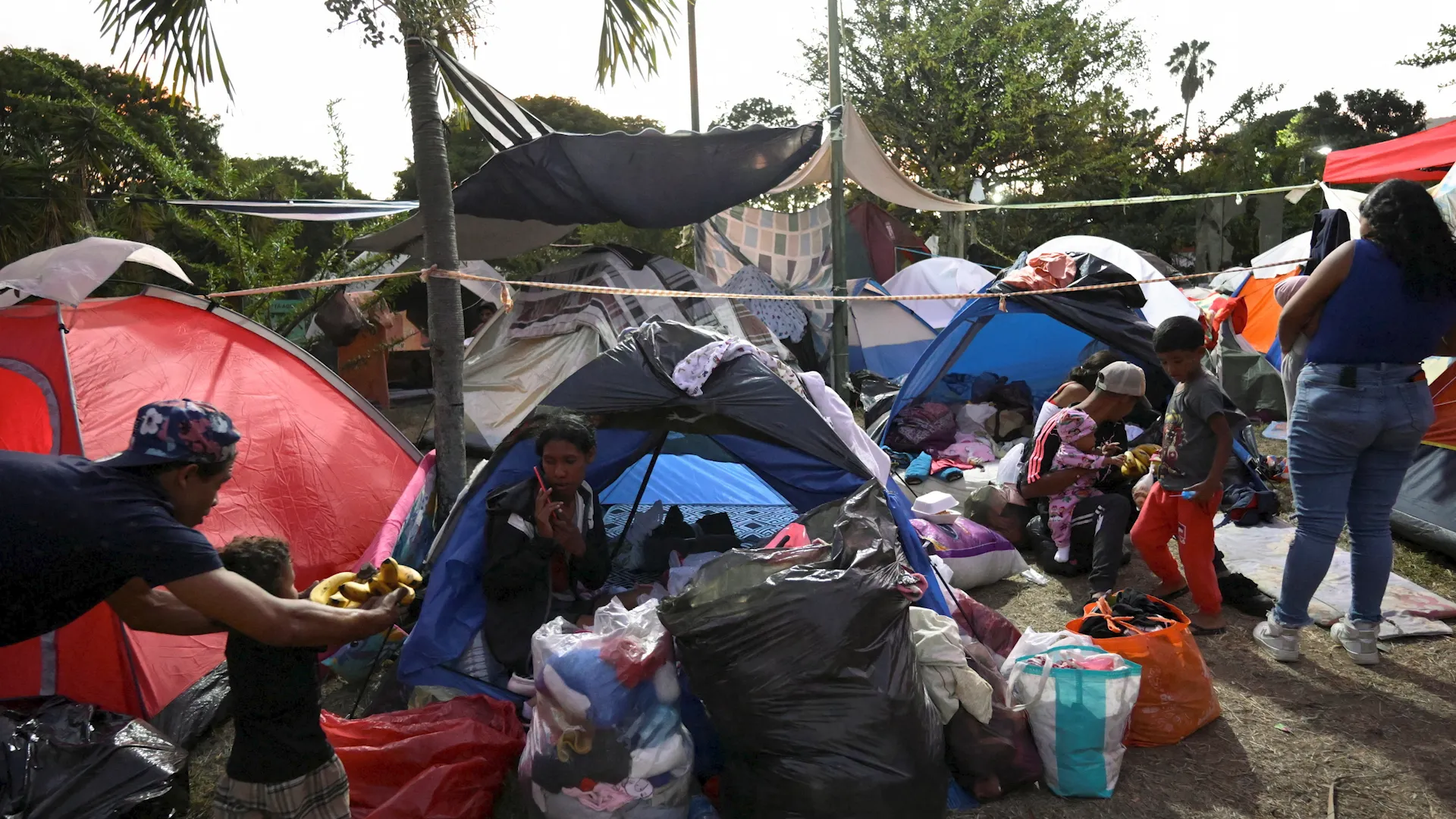
A devastating double earthquake hit Venezuela on June 24, leaving a trail of destruction and thousands dead. Dozens of buildings collapsed in coastal La Guaira State, the worst affected in the South American country.
The natural disaster followed two unnatural catastrophes: a decade-plus of US-led economic sanctions, and the January 3 US bombing attack and kidnapping of President Nicolás Maduro.
But rather than sympathize with the beleaguered country, the Western media establishment seized the opportunity to continue demonizing the Bolivarian Revolution—while whitewashing Washington’s economic terrorism and its present efforts to tighten its semi-colonial stranglehold on the country (FAIR.org, 2/27/26).
An assault on public housing
The ground had barely stopped shaking when corporate media oligopolies took aim at one of the most visible pillars of Hugo Chávez’s legacy: Venezuela’s Great Housing Mission (GMVV).
A Washington Post headline (6/27/26) declared: “These Homes Rose out of Venezuela’s Socialist Revolution. Now They’re Rubble.”
An architect was quoted claiming that the damaged apartments had been “constructed hastily” to “meet a political deadline.” Though the Post claimed Chávez launched the housing program to secure votes for the 2012 election, the only beneficiary the paper could find received her home in 2014.
The Washington Post (6/27/26) blames the disaster on “mismanagement by the socialist government” and “government lapses…evident long before the worst of the economic crisis.”
AFP (6/29/26) singled out damage to a GMVV complex—“once touted as part of former strongman leader Hugo Chavez’s flagship housing program”—arguing that it “symbolize[d] the country’s dire situation.” Dozens of buildings geared toward tourism, including hotels and high-rises built for short-term rentals, in this neighborhood of Catia La Mar, were also flattened by the devastating tremors, but AFP made no effort to provide that context.
The New York Times (7/5/26) likewise attempted to besmirch what is one of the most ambitious public housing projects worldwide by repeating the unfounded claim that homes were assigned as a “reward for loyalty to Mr. Chávez.” However, the paper of record at least admitted that “Misión Vivienda buildings are far from the only apartments to have fallen.”
The Wall Street Journal (6/28/26) could not hide its elitism in describing how Chávez “rushed to provide apartments to the poor” in a town “beloved by the rich,” with a golf course and a “marina for yachts.” It went further by promoting a social media hoax that styrofoam found in damaged buildings meant that the housing mission used absurdly unsuitable materials in its construction. In reality, expanded polystyrene (EPS) foam is widely used to lighten the load on structures and for thermal insulation, a key factor in such a hot climate.
Venezuelan officials have called for a review of the collapsed structures and building codes, though they have claimed that the public housing buildings fared better than their privately constructed neighbors.
There is little evidence to suggest that GMVV buildings suffered a worse fate than their private sector counterparts. According to the open-source tool Terremoto Venezuela, only 11 out of 258 buildings reported as collapsed (“daño total”) belong to the housing mission.
The definitive figures will need to be put in perspective to see whether affected buildings and non-complicity with existing codes were prevalent in the GMVV developments or the recent tourist-driven real estate boom in La Guaira. But the media establishment immediately jumped to its politically motivated verdict before any thorough investigation had been conducted.
Whitewashing sanctions
While multiple outlets stressed that it is necessary to scrutinize whether authorities enforced the appropriate regulations in what is known to be vulnerable terrain (France24, 6/29/26; Reuters, 6/29/26), no evaluation of the Venezuelan state’s record is accurate if it ignores the wide-reaching sanctions regime imposed by Washington.
Yet many Western journalists completely overlooked sanctions in their coverage of the earthquakes and the Venezuelan state’s capacity to respond to a natural catastrophe.
For the Financial Times (6/28/26), it was the “grim legacy of ‘Chavismo’”—and not the fact that the United States has stolen the revenues from Venezuela’s main export—that has hindered the earthquake response.
Corporate outlets like the Financial Times (6/28/26) wasted no time in proclaiming that the “legacy of ‘Chavismo’ hinder[ed] Venezuela’s earthquake response,” while AP (7/3/26) decreed that the government’s response was “slow” and the BBC (6/29/26) claimed survivors were “left to fend for themselves.”
None saw fit to even mention that Venezuela has been under economic coercive measures for years. NBC (6/25/26) avoided the kneejerk verdicts and offered lots of testimony on the natural disaster, but when concluding that “Venezuela already faced economic challenges and poverty,” chose not to name sanctions as a key economic challenge and poverty factor.
In other reports, the whitewashing of sanctions was more subtle. The Guardian (7/3/26) attributed the government’s “sluggish response” to “years of corruption, economic mismanagement and investment in political repression and domestic security rather than emergency services and healthcare.” As almost an afterthought, it added that sanctions “have further enfeebled the Venezuelan state.” The Washington Post‘s anti-public housing article (6/27/26) called Venezuela’s economic collapse “the result of mismanagement by the socialist government exacerbated by US-imposed economic sanctions.”
The New York Times (7/4/26) wrote that “Venezuela’s fragile infrastructure—including rail, electricity and healthcare systems that have suffered from years of corruption and mismanagement.” In a later section it added, “Venezuela is reeling from years of economic turmoil and crippling US sanctions.”
Over the years, Western media have pulled all the stops to legitimize Washington’s hybrid war on Caracas and conceal the murderous impact of sanctions (FAIR.org, 6/4/21, 6/13/22). There is no shortage of documentation on how these coercive measures represented collective punishment (CEPR, 4/25/19). In an extensive 2021 report, UN rapporteur Alena Douhan thoroughly discussed the impact of sanctions on Venezuelan public services and infrastructure.
The current framing of earthquake coverage aims to separate US sanctions as much as possible from their direct consequences. Rail, electricity and healthcare systems became much more “fragile” because sanctions blocked the Venezuelan government from servicing equipment and importing spare parts, not to mention brain drain resulting from mass migration of qualified personnel largely trained in public universities. Similarly, the “economic turmoil” is a result of US sanctions, not a parallel phenomenon.
Indeed, economist Francisco Rodríguez, senior research fellow at the Center for Economic and Policy Research, dismisses arguments that the bulk of Venezuela’s economic decline preceded sanctions (CEPR, 5/19/26). Instead, the rate of GDP contraction nearly quadrupled following the US imposition of unilateral coercive measures in 2017.
And the need to conjure elaborate intermediation schemes in order to circumvent sanctions opened more avenues for corruption. To present the latter as an issue that uniquely and disproportionately plagues a government facing an economic blockade is disingenuous, to say the least.
Ignoring the semi-colonial straitjacket
In their recent coverage, most corporate media sources were quick to decree that the Venezuelan government’s response was “slow” (Financial Times, 6/27/26; Guardian, 6/29/26), “inadequate” (Reuters, 7/5/26), “faltering” (AP, 7/1/26) or “completely ineffective” (PBS, 7/2/26).
It is understandable that ordinary people would not sing the government’s praises after losing a relative or while looking for one trapped under rubble. But journalists have a responsibility to add context. In this case, a significant mitigating circumstance is that the tremors heavily hit the local authorities, which run civil protection and other services.
This AP article (7/1/26) reports that “the dismal response is linked to the huge numbers of people who have left the public sector because of extremely low pay”—but the words “sanctions” and “Trump” don’t appear anywhere in the piece.
Acting President Delcy Rodríguez stated that nearly all the directors from the La Guaira regional government were lost in the tragedy. Coupled with a collapse of communications, this added more hurdles for response efforts.
Another overlooked element is just how rare and deadly this double earthquake was. The New York Times was a notable exception, with a thorough piece (7/3/26) explaining how the disaster unfolded and why it caused so much destruction.
But the most relevant element to understand Venezuela’s present constraints is, once again, the role played by the US government. Just like with sanctions, corporate news outlets whitewashed Washington’s current semi-colonial impositions on the South American nation.
Since the January 3 attacks, the Trump administration has seized control of Venezuelan export revenues, particularly from oil sales (Venezuelanalysis, 2/20/26). Secretary of State Marco Rubio stated that the Venezuelan government would need to submit a “budget request” to access its own funds held by the US Treasury (Venezuelanalysis, 1/29/26). Neither US nor Venezuelan authorities have offered any transparent information on the amounts collected and disbursed, including Washington’s intermediation fees.
Trump is not known for precision in his statements, but he has not been shy in boasting that the cost of the January 3 military operation has been paid “many times over” from oil profits (New York Times, 6/29/26; Guardian, 6/28/26; Al Jazeera, 6/24/26). While there is no information to verify the claims, economist Francisco Rodríguez, analyzing Venezuelan Central Bank data, concluded that there is at least a significant delay in the US disbursement of Venezuelan funds back to the country (Banca y Negocios, 6/22/26). The suspicious lack of transparency has even drawn questions from traditional foreign policy paladins like the Council on Foreign Relations.
With few exceptions (Reuters, 7/1/26; AP, 7/3/26; New York Times, 7/6/26), this key, semi-colonial constraint on the Venezuelan state is completely overlooked. Even worse, some outlets mistakenly stated that the White House has “lifted” or authorized “relaxation” of sanctions (PBS, 7/2/26; Financial Times, 6/27/26). Actually it has only issued licenses for select Western corporations, and with the condition that proceeds be deposited in the US Treasury account. Following the recent natural disaster, the Trump administration issued a four-month waiver allowing earthquake relief-related transactions, but left all restrictions and asset freezes in place (Venezuelanalysis, 6/26/26).
Another ominous development has been the US forces’ takeover of operations at the Simón Bolívar International Airport, the country’s main air hub, and the La Guaira port. Despite regular Southern Command press releases, and even photographic evidence, the media establishment has paid little attention to this serious (further) encroachment on Venezuelan sovereignty.
The outlook is bleak for Venezuela, with this tragedy likely to increase dependency and semi-colonial plundering. But there is room for hope. The limits of US power are being exposed all over the world, and resorting to more and more violence will not stem this inevitable decline. Peoples in the Global South, including in Venezuela, will eventually (re)take control of their destinies. But they know that the corporate press barons are no allies in this struggle.
U.S. Vice President JD Vance has accused some members of the Israeli government of attempting to influence American public opinion to undermine Washington’s agreement with Iran, highlighting growing public differences between the two allies over Middle East policy.
Speaking on a podcast with Joe Rogan released on Wednesday, Vance defended the U.S.-brokered deal that ended last month’s conflict with Iran, despite criticism from Israeli officials and some U.S. lawmakers who argue the agreement leaves Tehran’s missile and nuclear capabilities largely intact.
Vance accuses Israeli officials of influence campaign
Vance said he was certain that some figures within the Israeli government sought to steer U.S. policy toward continuing military operations against Iran.
“I know beyond a shadow of a doubt that there have been people within the Israeli government who are trying to actually shift us away from that policy because they want to continue the military campaign,” Vance said.
Stay ahead of the geopolitical week.
MD Briefing delivers expert analysis across five global fronts — the Indo-Pacific, energy, geoeconomics, European security, and the Middle East — every Monday morning. Free.
He added that although he maintains good relationships with some Israeli officials, others were trying to shape American public opinion.
“There are some people within their system that we know beyond a shadow of a doubt are manipulating and trying to change American public opinion to keep the war going on indefinitely,” he said.
Defends Iran ceasefire agreement
Vance argued that the agreement reached last month was the right decision, despite criticism that it failed to place sufficient limits on Iran’s ballistic missile programme or provide a clear roadmap for dismantling its nuclear facilities.
The deal has also been criticised in Israel for restricting its military campaign against Iran-backed Hezbollah in Lebanon.
The vice president said attempts by foreign governments to influence U.S. policy are common and not unique to Israel.
“It doesn’t bother me that Israel tries to do this. It frankly doesn’t even bother me that Russia or some of these other countries do it,” Vance said.
“What does bother me is when those operations, those influence campaigns, actually affect American political judgment.”
Growing public differences with Israel
The remarks add to increasingly visible disagreements between the Trump administration and Israeli leaders over how to handle Iran.
In June, Vance sharply criticised Israeli opponents of the Iran agreement, arguing that President Donald Trump remained Israel’s strongest ally despite objections from some members of the Israeli government.
Israeli officials have argued that the agreement does not adequately address Iran’s nuclear ambitions or ballistic missile programme, concerns they say are widely shared across Israel’s political and security establishment.
Would US have entered the conflict?
Asked whether the United States would have become involved in the recent conflict with Iran without Israeli influence, Vance replied, “Yes, yes I do.”
He added that President Trump independently believes Iran should never obtain a nuclear weapon.
“I think the president, separate from any influence from Israel, believes very strongly, and again I agree with this, that Iran should not have a nuclear weapon,” Vance said.
The Israeli Prime Minister’s Office did not immediately respond to requests for comment.
Why it matters
Vance’s comments expose unusually public tensions between senior U.S. and Israeli officials over the future of Middle East policy. They also underscore ongoing debate within Washington over the extent of foreign influence on U.S. decision-making and the long-term strategy toward Iran.
What to watch
The remarks are likely to draw scrutiny from both Israeli officials and members of the U.S. Congress as the Trump administration seeks to preserve the Iran agreement while managing its close security partnership with Israel. Further disagreements over Iran and regional military operations could test the traditionally strong U.S.-Israel alliance in the months ahead.
Ukraine has appointed veteran energy executive Sergii Koretskyi as its new prime minister, marking a significant leadership change as the country continues to battle Russia’s invasion and prepares for another difficult winter.
Parliament approved the 48-year-old on Thursday as part of a wider government reshuffle announced by President Volodymyr Zelenskiy. Koretskyi becomes Ukraine’s third wartime prime minister and takes office at a time when Kyiv faces mounting military, economic and energy challenges.
A Political Outsider Takes Office
Unlike many of his predecessors, Koretskyi arrives in government without a political background. An engineer and economist by training, he has never held elected office or served in government and is not affiliated with any political party.
Analysts say that independence could work in his favour. Volodymyr Fesenko, director of the Penta think tank, has described Koretskyi as an experienced manager whose political neutrality makes him well suited to lead a technocratic government focused on wartime priorities rather than party politics.
Stay ahead of the geopolitical week.
MD Briefing delivers expert analysis across five global fronts — the Indo-Pacific, energy, geoeconomics, European security, and the Middle East — every Monday morning. Free.
More Than Two Decades in Ukraine’s Energy Sector
Koretskyi is best known for his extensive career in Ukraine’s energy industry, where he has spent more than two decades working across oil production, refining, retail fuel operations, wholesale energy management and international financing.
Since May 2025, he has served as chief executive of Naftogaz, Ukraine’s state-owned oil and gas company that oversees much of the country’s natural gas production, imports and distribution. Before taking over Naftogaz, he led Ukrnafta, Ukraine’s largest oil producer and a subsidiary of the Naftogaz Group.
Earlier in his career, Koretskyi headed Western Oil Group, served as chief executive of the Continuum Group, and managed WOG, one of Ukraine’s largest fuel station networks. Outside the energy sector, he also founded a coffee chain business in his hometown of Lutsk in western Ukraine.
Winter Energy Security Will Be the First Test
His appointment comes as Ukraine’s energy sector remains under relentless pressure from Russian missile and drone strikes. Last winter, Russia launched its most extensive campaign against Ukraine’s power infrastructure since the war began, damaging power plants, substations and transmission networks across the country.
Preparing the energy system for another winter has become one of the government’s most urgent priorities. President Zelenskiy has said ensuring stable electricity and heating supplies while strengthening protection for critical infrastructure will be among the new government’s immediate tasks.
Leading Ukraine During Wartime
Koretskyi also takes office as Ukraine faces continued battlefield pressure despite making gains through long-range strikes against Russian energy facilities and military logistics. At the same time, Kyiv continues to rely heavily on international military and financial assistance while confronting shortages of air defence interceptors needed to counter Russian missile attacks.
His background suggests the government will place a strong emphasis on energy security, infrastructure resilience and economic management as the war enters another challenging phase.
Whether Koretskyi’s experience in managing some of Ukraine’s largest energy companies translates into effective wartime leadership will likely become one of the key tests for Zelenskiy’s newly reshuffled government in the months ahead. His ability to secure Ukraine’s energy network, maintain economic stability and coordinate with international partners will be closely watched as the country prepares for another winter under the shadow of war.
Syrian authorities say they intercepted a shipment including missiles, rockets, and drones before it entered from Iraq.
Published On 16 Jul 202616 Jul 2026
Syria has seized a shipment of weapons, including missiles, at its border with Iraq, as authorities say they foiled an attempt to smuggle arms to Hezbollah in Lebanon, something the group denies.
Syria’s General Authority of Ports and Customs said on Thursday that the weapons shipment – which included long-range missiles, rockets and drones – was concealed inside “one of the oil tanker-trucks headed to the city of Baniyas”.
Recommended Stories
list of 3 itemsend of list
It was discovered during routine inspection procedures at the al-Tanf border crossing between Syria and Iraq after customs officers subjected the vehicle to a thorough search, Syria’s state news agency reported.
“According to the ministry, preliminary investigations based on evidence collected at the scene indicated that the shipment was intended to transit Syrian territory before being delivered to the Hezbollah terrorist militia in Lebanon,” SANA wrote, citing sources from Syria’s Interior Ministry.
The Iran-backed Lebanese group denied having any activity in Syria, dismissing the accusations in a statement on Thursday as “fabricated narratives with no basis in fact, aimed at harming Hezbollah”.
Syrian authorities are known to be hostile towards the group, as it was an ally of former president Bashar al-Assad before he was ousted in 2024 by members of the current government.
Following the seizure, Iraq said it would form a high-level committee to investigate what happened. The military’s Joint Operations Command said Baghdad would coordinate with Syrian authorities to establish the circumstances of the attempted smuggling, hold those responsible to account, and strengthen security along the shared border.
The Baniyas route, where the tanker was passing through, has been used frequently in recent months for fuel movements between Iraq and Syria, since the main route through the Strait of Hormuz has been disrupted by the Iran war.
“This seizure from Syria is part of a broader reshaping of the region that has occurred over the last couple of years, particularly the fall of the Assad regime in Syria,” said Al Jazeera’s Heidi Pett, reporting from Lebanon.
“It used to be a very popular land route for Iran to traffic weapons and cash to its partner here in Lebanon, Hezbollah. They went from Iran, across Iraq, through Syria, and then here into Lebanon.”
“Under the Assad regime they [Iran] had very little trouble with that, but since the new [Syrian] President Ahmed al-Sharaa took power, he has been cracking down on that crossroad of smuggling,” Pett added.
A source at Syria’s Interior Ministry told SANA that “protecting Syria’s borders and safeguarding its national sovereignty remained a top priority, adding that it would not allow Syrian territory to be used as a transit route or launch point for arms smuggling or other activities that threaten the security of Syria or neighbouring countries”.
US President Donald Trump had spoken to Syria’s al-Sharaa about disarming Hezbollah, which is fighting Israeli forces occupying southern Lebanon. But Lebanese President Joseph Aoun’s office said al-Sharaa had assured him that Syria would not take sides in Lebanon’s internal affairs, including fighting Hezbollah.
Iraqi authorities say they seized the equivalent of $19 million in cash and several kilograms of gold jewelry hidden in secret hideouts linked to an ex-deputy oil minister.
Uganda discharges last-remaining patient, as WHO says Ebola has ‘expanded faster than any previous outbreak’ in DRC.
Published On 16 Jul 202616 Jul 2026
The World Health Organization (WHO) has warned that Ebola is spreading in the Democratic Republic of Congo more quickly than in any previous outbreak.
WHO chief Tedros Adhanom Ghebreyesus told reporters on Thursday that the Ebola outbreak in the DRC in 2018-2020 “took more than 10 months to reach 2,000 confirmed cases”. But this time more than 2,000 cases were confirmed in only two months, including 796 deaths.
Recommended Stories
list of 4 itemsend of list
“It is now the third-largest Ebola outbreak on record,” Tedros said. “In the past month, it has expanded faster than any previous outbreak.”
The DRC reported 62 new cases on Thursday, increasing its total number of confirmed infections to 2,073, though the WHO has said the true tally could be at least double that.
The DRC’s 17th Ebola outbreak was declared on May 15 after several deaths in Ituri, the mineral-rich northeastern province patrolled by several armed groups.
Cases of Ebola, which spreads through close contact and infected bodily fluids, have so far been found in five DRC provinces and neighbouring Uganda, though the vast majority are in Ituri.
The WHO chief highlighted that over 80 percent of new cases were being detected “outside known contact lists, showing that transmission chains are still being missed”.
He added that 377 people have recovered from Ebola in the DRC, “showing that with early diagnosis and safe care, this disease can be survived and stopped”.
To compound problems in Ituri, healthcare workers began a strike and blocked the entrance to Bunia General Hospital on Wednesday. Staff said they had not received any compensation for their work since the outbreak began, despite working under extremely difficult conditions.
In Uganda, things were looking up as its last remaining Ebola patient was discharged on Thursday, starting a 42-day countdown after which it can be declared Ebola-free, said the East African nation’s health ministry.
Uganda had 20 cases of the rare Bundibugyo strain of Ebola since mid-May. Fifteen were people infected in the DRC who then travelled to Uganda.
Unlike the surging number of infections in DRC, Uganda has not reported a new case since June 22 .
“Today, Uganda has discharged the last Ebola patient, a Congolese national who has successfully recovered and [is] ready to be with his family,” Uganda’s health ministry posted on X.
“Uganda starts counting down. If 42 days pass without a single new case, WHO guidelines stipulate that we will be declared Ebola-free.”
The sugary versions of the drinks can also contribute to obesity and damage teeth, according to The Association of UK Dieticians.
Currently any drink, other than tea or coffee, with over 150mg requires a label warning of its high caffeine content that says it is not recommended for children or pregnant or breast-feeding women.
For most adults, up to 400mg of caffeine a day, or about four cups of instant coffee or five cups of tea, is safe.
Katharine Jenner, Executive Director of the Obesity Health Alliance, praised the policy and said restricting the sales of the drinks to children “at a vital time in their life is just common-sense”.
The British Soft Drinks Association said the ban was “unnecessary”.
A spokesperson said: “Since 2010, our members have committed not to market or promote the sale of energy drinks to under-16s, and all high-caffeine beverages carry a ‘not recommended for children’ label.”
The previous Conservative government had planned to introduce the ban, but scrapped the move in 2022, and said consumption should be a personal choice.
Northern Ireland, Scotland and Wales are also considering a ban.
Weekly insights and analysis on the latest developments in military technology, strategy, and foreign policy.
The U.S. Navy is envisioning a future force of carrier-based uncrewed aircraft capable of attacking enemy forces at least 1,000 nautical miles away from the ship. They would also have to be able to do this without needing to refuel in mid-air, though tankers could further extend their reach. This, along with other details, offers the first real sense of the combat drone capabilities the Navy wants to add to its future carrier air wings.
The range target was included in a very broad request for information (RFI) contracting notice regarding a future Air Wing of the Future (AWOTF) “family of systems,” which Naval Air Systems Command (NAVAIR) put out this week. NAVAIR is looking for prospective drone designs that could perform any combination of eight distinct missions. These are surface warfare; strike warfare; anti-submarine warfare; air warfare; electronic warfare; intelligence, surveillance, reconnaissance, and targeting (ISR&T); mobility; and logistics. A breakdown of how these missions are defined, in general terms, in the RFI is provided below.
The mission sets as defined in the RFI. The acronyms JFC and CVW here refer to the joint force commander and the carrier air wing, respectively. USN
It should be noted here that the Navy says the family of AWOTF platforms already includes the MQ-25A Stingray tanker drone, which will have a secondary surveillance and reconnaissance role, as well as future Collaborative Combat Aircraft (CCA). The Navy is still very early on in the process of defining what it wants its CCA drones to be able to do, even just initially. As TWZ has noted in the past, the MQ-25’s core design and baseline performance, specifically its extreme endurance and low-signature design, also leave open the possibility that it could be adapted to strike, advanced ISR, and other missions in the future.
A demonstrator used in the development of the MQ-25 Stingray tanker drone, seen on the deck of the supercarrier USS George H.W. Bush during testing. USN
“For missions involving attacking the enemy, the system must be capable of delivering effects a minimum of 1,000 NM [nautical miles; approximately 1,151 miles statute miles or 1,900 kilometers] from the CVN without refueling,” the RFI NAVAIR issued yesterday says.
The drones must be “fully compatible with both Nimitz class and Ford class CVN launch and recovery systems,” per the RFI. “The system must demonstrate increased combat effectiveness over current 4th generation platforms at a given spot factor.”
Spot factor here is the amount of physical space the platform occupies, which is a very important consideration for carrier-based aircraft, where room on the flight deck and below is at a premium. Though the focus is on prospective carrier-based designs, the RFI also highlights the Navy’s interest in vertical takeoff and landing capable drones that could operate from destroyers or other vessels. This is something the service has openly discussed in the past and that we will come back to later on.
The Navy also wants any potential designs to be “capable of integration into existing U.S. Navy Unmanned Carrier Aviation (UCA) control systems.” Furthermore, the service is asking prospective vendors to explain how their concepts “address flight autonomy (e.g., carrier pattern, taxiing) and mission autonomy (e.g., dynamic tasking / retasking, threat evasion, automated aerial refueling) maturity,” and whether “their solution is single-role, multi-role, or a modular/variant-based approach.”
The video below from Collins Aerospace offers a notional look at what crewed-uncrewed teaming involving carrier and land-based CCA-type drones might look like in the future.
Collaborative Mission Autonomy
The range requirement is particularly interesting. As adversary anti-access/area denial (A2/AD) bubbles continue to expand in scale and scope, carriers and their air wings will be pushed further and further away from target areas. Having aircraft, crewed and uncrewed, that can cover those extended distances will be vital. Having CCA-type drones, in particular, with ranges similar to or greater than that of the crewed fighters they are expected to be paired with, is also key to enabling that particular concept of operations.
Not necessarily needing tanker support to complete those missions will also be a boon. Aerial refueling capacity is always in high demand during sustained conflicts, as underscored by the recent fighting with Iran, and that need will be further magnified in a future high-end fight against a near-peer opponent like China. Those same tankers would, by extension, also be top targets for enemy forces.
The new uncrewed carrier-based aircraft RFI from NAVAIR outlines exactly this reality:
“Aligned with the 2025 National Security Strategy (NSS), the 2026 National Defense Strategy (NDS) issued by the Department of War, and the Chief of Naval Operations’ (CNO) Fighting Instructions, the Navy is seeking capability improvements to expedite transition from a 4th-generation-centric Carrier Air Wing (CVW) to a 5th/6th-generation manned-unmanned AWoTF. This transition supports the Golden Fleet initiative and the Navy Warfighting Concept, which is a proactive approach leveraging global maritime maneuver to gain sea control, impose sea denial, and project power independently. Unmanned systems are critical to increasing Carrier Strike Group (CSG) strike capacity, extending CVW operational reach, and introducing advanced methods for executing Naval Aviation missions in a Highly Contested Environment (HCE). The objective is to evaluate the feasibility of fielding platforms with extended range and payload capacity, while minimizing deck footprint and integrating with established CVN infrastructure.”
F/A-18E/F Super Hornets and F-35C Joint Strike Fighters seen on the deck of the supercarrier USS Theodore Roosevelt on July 10, 2026. Seaman Apprentice Tyler Harstad/USN
A 1,000 nautical mile range target is in line, at least in broad strokes, with what the Navy is looking for in terms of combat radius for F/A-XX. The service has said in the past that the sixth-generation jets will offer a 25 percent increase in range over the existing tactical combat jets. This would be roughly 837.5 nautical miles (just over 1,551 kilometers) based on the stated combat radius of the F-35C (670 nautical miles, or close to 1,241 kilometers). The F-35C has the longest reach, with a relevant payload, of any tactical jet in the Navy’s current inventory. The service has also previously expressed interest in finding new ways to extend the unrefueled range of its F/A-18E/Fs and EA-18Gs.
The US Air Force released this infographic in May, which includes the combat radius figures and other specifications for the F-47, as well as for the YFQ-42A and YFQ-44A CCA drones, along with other existing tactical platforms. USAF
As an aside, it is interesting to remember that the Navy’s abortive Unmanned Carrier-Launched Airborne Surveillance and Strike (UCLASS) program had been aiming for a platform with a combat radius of up to 2,000 nautical miles when operating in the strike role. There was also a requirement to be able to fly surveillance and reconnaissance orbits in areas 1,200 nautical miles from the deck of a carrier. UCLASS payload requirements fluctuated, but a pair of X-47B stealthy demonstrator drones tested during the program were designed to carry two 2,000-pound-class munitions internally.
One of the X-47B demonstrators. US Military
UCLASS showed much promise, and the X-47Bs achieved many firsts for carrier-based drones. Despite this, UCLASS was transformed into the radically different Carrier-Based Aerial-Refueling System (CBARS) program in the mid-2010s, which then led to the MQ-25. This was a shift that seemed abrupt to many and was done for reasons that are still not entirely clear, as TWZ has previously explored in detail in a seminal feature readers can find here.
Northrop Grumman X-47B | First to Complete Autonomous Aerial Refueling
As mentioned, the Navy is still refining the requirements for its planned carrier-based CCA drones. Anduril, Boeing, General Atomics, and Northrop Grumman are all on contract now to develop conceptual designs. So far, what we have seen are designs intended to operate from carriers in a broadly traditional manner using existing catapults and/or arresting gear. General Atomics has publicly put forward a carrier-based member of its highly modular Gambit family of drones, which are based around the common chassis concept that you can read more about here. Boeing has also previously shown a rendering of a carrier-based version of its MQ-28 Ghost Bat, a drone developed by the company’s Australian subsidiary. The Navy has also expressed specific interest in Ghost Bat.
A rendering depicting General Atomics carrier-based Gambit 5 drones operating from a British Queen Elizabeth class carrier. General Atomics
It is also worth pointing out that the NAVAIR RFI uses the term “combat radius” but also frames the requirement around “delivering effects” out to the desired range without the need for refueling. This might leave the door open to concepts that use stand-off munitions and/or other capabilities to extend the functional reach of the drone, even if its actual combat radius is under 1,000 nautical miles.
As mentioned earlier, the RFI also discusses VTOL drone operations for vessels other than carriers. Concepts of operations that involve launches from carriers (or other ships) and recovery at tertiary points at sea (or on land) could also have impacts on the range equation. Depending on their design and performance, drones could be launched from forward locations and then recover aboard carriers further to the rear, too.
Shield AI has notably talked about exactly this kind of flexibility as being a key benefit of its still-in-development X-BAT stealthy jet-powered combat drone. X-BAT is designed to take off and land vertically using nothing more than a trailer-based launch and recovery system. Shield AI is aiming for a maximum range of 2,000 nautical miles for the drone, which you can learn about in far more detail here
X-BAT: Earth Is Our Runway
A screen capture from the video above highlighting different potential concepts of operations for the X-BAT. Shield AI
A rendering of a forthcoming variant of Kratos’ Valkyrie drone with tricycle landing gear. This version will also be capable of rocket-assisted takeoffs from static launchers. KratosAn XQ-58 seen during a rocket-assisted launch. USAF/2nd Lt. Rebecca Abordo
Beyond exploring specific design concepts and capability mixes, NAVAIR’s RFI makes clear that the Navy is very much still refining its overall vision for what the uncrewed complement of future carrier air wings will look like. Senior service officials have said in the past that the goal is for the total makeup of carrier air wings to eventually be 60 percent or more uncrewed.
At the same time, the Navy has acknowledged that it has been moving more slowly than the Air Force and Marines with its plans to develop and field a carrier-based CCA fleet. The NAVAIR RFI also points to efforts now to expand that work, but it remains unclear when operational CCAs, or any other future uncrewed members of the AWOTF, will appear on the decks of U.S. carriers. The Navy has consistently said that it is focused first on fielding the much-delayed MQ-25, which will then help serve as a ‘pathfinder’ for other drones. The service is now targeting next year to finally reach initial operational capability with the Stingray, something that was originally scheduled to happen in 2024.
What we do know now is that the Navy also sees a combat radius of at least 1,000 nautical miles as a key threshold requirement for uncrewed tactical elements of its future carrier air wings.
In all, 32 defendants convicted and 25 acquitted or cleared by statute of limitations over 2018 Morandi bridge disaster.
Published On 16 Jul 202616 Jul 2026
A court has sentenced the former CEO of Italy’s main highway operator to 12 years in prison over the collapse of the Morandi road bridge in the port city of Genoa.
Atlantia CEO Giovanni Castellucci was found guilty of vehicular homicide and negligence related to the Morandi bridge’s collapse.
The bridge was operated by Atlantia’s motorway unit, Autostrade per l’Italia, which has come under severe scrutiny in this affair.
Castellucci is already in prison, serving a six-year sentence over another fatal incident in 2013 on a viaduct in southern Italy, and was not in court to hear the verdict.
Also convicted on Thursday were Autostrade’s former head of maintenance, Michele Donferri Mitelli, who was sentenced to 11 years in prison and the former CEO of the SPEA engineering company, Antonino Galata, who received five years and six months.
In all, 32 people were convicted and handed sentences ranging from one year and 11 months to 12 years. Others were either found not guilty, or lesser charges had expired under the statute of limitations.
Relatives of the victims, meanwhile, packed the court to hear the outcome of a case that has become a symbol of Italy’s decaying infrastructure and slow justice system. The verdict came after four years of trial hearings for 57 defendants, including company executives, engineers and transport ministry officials, on charges of manslaughter, endangering transport safety and falsifying official documents.
Giovanni Paolo Accini, Lawyer of former CEO of Atlantia Giovanni Castellucci, speaks with media in the Courthouse after the verdict in the case of the Morandi Bridge collapse nearly eight years ago that killed 43 people in one of the country’s worst infrastructure disasters, in Genoa on July 16, 2026 [AFP]
The 1,182-metre (1,293-yard) bridge, which had been dubbed Italy’s “Brooklyn Bridge”, was designed by the architect Riccardo Morandi and inaugurated in 1967.
By the turn of the century, experts continued to warn that the structure was deteriorating, yet critical repairs were never carried out.
Prosecutor Walter Cotugno dubbed the bridge “a ticking time bomb” at the verdict.
The collapse of the then-51-year-old bridge triggered years of investigations into the maintenance of its decrepit infrastructure. A 50-metre (160-foot) high section of the bridge collapsed with as many as 35 vehicles on it, which fell onto warehouses and a riverbed below.
“I wish to apologise to the victims’ families, to the people of Genoa, and to all Italians for the suffering caused by the tragic Morandi disaster, fully aware that our gesture can never erase their pain,” Autostrade CEO Arrigo Giana wrote in an apology statement on Wednesday.
Prosecutors argue that years of inadequate maintenance, ignored warning signs and delayed safety work contributed to the collapse, alleging that vital work was postponed, while profits continued to be generated and distributed.
The defence’s main argument was that the bridge had a hidden construction defect, namely corrosion of its cables, that caused its collapse, not a lack of maintenance.
Weekly insights and analysis on the latest developments in military technology, strategy, and foreign policy.
U.S. Central Command (CENTCOM) on Wednesday unleashed a new wave of strikes on Iranian targets. The attacks, on Iran’s Greater Tunb Island, came as the newly restored blockade on Iranian ports entered its first full day and the command began ordering ships headed to Iran to turn around. Meanwhile, Iran claims it damaged several U.S. military facilities in new rounds of missile and drone attacks in the region.
“CENTCOM launched precision munitions against coastal defense systems and cruise missile storage and launch sites on Greater Tunb Island during the 90-minute wave,” the command stated on X. “The strikes further degraded Iran’s ability to attack commercial shipping in the Strait of Hormuz.” The island, located at the western mouth of the Strait, sits about 30 miles south of the Iranian coast and about 50 miles northwest of the United Arab Emirates (UAE), which also lays claim to it, along with the Abu Musa and Lesser Tunb islands that Iran seized in 1971.
US Central Command carried out a 90-minute wave of strikes against coastal defense systems and cruise missile storage and launch sites on Greater Tunb Island on Wednesday, further degrading Iran’s ability to attack commercial shipping in the Strait of Hormuz, CENTCOM said. pic.twitter.com/8GpPtZKAIW
— Iran International English (@IranIntl_En) July 15, 2026
Greater Tunb Island was a frequent target during Operation Epic Fury. A little more than two miles across at its widest point, it hosts a “vast network of underground bunkers,” created by the Islamic Revolutionary Guard Corps (IRGC), according to the Israeli Alma Research and Education Center think tank. “These underground facilities are believed to be storing anti-ship missiles and other weapons threatening freedom of navigation and commerce through the Strait of Hormuz.”
Greater Tunb Island. (Google Earth)
In a subsequent X post, CENTCOM stated that since “restarting the naval blockade against Iranian ports 17 hours ago, U.S. forces have redirected 2 commercial vessels attempting to run the blockade. The U.S. military remains vigilant and prepared to ensure full compliance.”
Since restarting the naval blockade against Iranian ports 17 hours ago, U.S. forces have redirected 2 commercial vessels attempting to run the blockade. The U.S. military remains vigilant and prepared to ensure full compliance. pic.twitter.com/E00JAlmBua
In its announcement on Tuesday that the blockade had been reimposed, CENTCOM stated that there are “currently more than 20 U.S. Navy warships and hundreds of military aircraft operating across the Middle East. American forces remain vigilant, lethal, and ready.”
U.S. forces resumed the naval blockade against vessels transiting to and from Iranian ports and coastal areas today at 4 p.m. ET.
There are currently more than 20 U.S. Navy warships and hundreds of military aircraft operating across the Middle East. American forces remain… pic.twitter.com/ATRJHlLQNo
Control over the Strait has been at the center of most of the flare-ups of violence that have taken place after a shaky ceasefire was agreed to by the U.S. and Iran on April 8. They’ve often involved Iranian attacks on commercial shipping in the Strait followed by U.S. kinetic responses. However, these kinetic encounters have been intensifying over the past five days, leading President Donald Trump to order the resumption of the naval blockade on Iranian ports. It went into effect at 11:30 PM local time on Tuesday.
President Trump on the blockade on the Hormuz Strait: “I don’t think anybody should be able to charge a fee for the Strait or for any other Strait-relationship in terms of other sections of the world… but we were doing it as a reimbursement.” pic.twitter.com/ZNAdSa7wSl
As we have frequently noted, the blockade was lifted on June 17 when the U.S. and Iran signed a 14-point Memorandum of Understanding (MoU). The MoU provided a 60-day extension of the ceasefire to iron out an agreement to end fighting throughout the region, including Lebanon, prevent Iran from seeking nuclear weapons, end U.S. sanctions and resume the flow of traffic through the Strait of Hormuz, among other points.
Iran, as we noted earlier in this story, said it carried out a number of retaliatory strikes on Kuwait, Bahrain and Jordan as it has over the past five days. All three nations host an array of U.S. military facilities.
The Iranian Army’s public relations office said it “launched a seventh wave of drone strikes on U.S. bases in the region on Wednesday, targeting F-18 facilities and support infrastructure at al-Azraq in Jordan,” Iran’s official Mehr news outlet stated on Wednesday. The strikes “were part of ‘Operation Thunderbolt’ and followed six earlier waves of drone attacks on U.S. positions since the American violation of the ceasefire and the start of ‘brutal attacks’ on Iranian territory.”
The Iranian army launched a seventh wave of drone strikes on U.S. bases in the region on Wednesday, targeting F-18 facilities and support infrastructure at al-Azraq in Jordan.https://t.co/hpqsv0WImA
TWZ cannot independently confirm Iran’s claims and CENTCOM declined comment.
“Jordan’s military intercepted three Iranian missiles,” The New York Times reported, citing a statement carried by the official Petra news agency. “The Kuwait Army said earlier that its air defenses were intercepting hostile targets, while Bahrain’s interior ministry said warning sirens had been activated. None of the countries have reported damage or casualties from strikes on Wednesday.”
However, images and videos have emerged online purporting to show damage at several installations in the wake of Iranian attacks over the past several days.
The following post on X uses satellite imagery from Iranian state media to claim damage to an anti-drone radar system at Prince Hassan Air Base in Jordan; however, its low resolution makes it hard to confirm that claim.
Video shared on social media and verified by The New York Timesshowed an Iranian drone hitting the area surrounding an already burning warehouse in Kuwait late on Tuesday night local time.
“The IRGC claimed that the warehouse in Mina Abdulla was a logistics and supply hub for U.S. forces in the region,” the publication noted.
Iranian officials also claimed that “seven members of the 388th Iranshahr Brigade, including permanent personnel and conscripts, were killed during a U.S. strike on one of the Iranian Army Ground Force bases in Bampur early on Wednesday,” according to the IRGC-connected Tasnim news outlet.
Located in southern Iran, Bampur is about 120 miles north of the Gulf of Oman. TWZ cannot verify these claims either.
Seven personnel of Iran’s Army Ground Force were martyred after the US military launched a missile attack on an Army base in Bampur, in the southeastern province of Sistan and Baluchestan, the Army said, vowing a decisive response to the “heinous crime.”https://t.co/v8v7DwAps3pic.twitter.com/kED98QGljV
This latest wave of strikes came after Trump on Tuesday warned that the U.S. would strike bridges and power plants in Iran “next week” unless Tehran returns to the negotiating table.
“We’re going to hit them very hard tomorrow night,” Trump proclaimed in an interview with Fox News. “We’re going to hit them very hard the night after, and then next week it gets really bad for them, because next week comes the power plants. Next week comes the bridges. We’re going to knock out all their power plants. We’re going to knock out all their bridges unless they get to the table and negotiate.”
PRESIDENT TRUMP: “Ultimately, we’ll hit energy targets in Iran. Next week comes the bridges. We’re going to knock out all of their power plants. We’ll knock out all of their bridges unless they get to the table and negotiate” pic.twitter.com/CwbiDxHcwx
The U.S. leader also rescinded his threat to impose a 20% toll on Strait of Hormuz transits.
“I was called by different people, different countries, kings and emirs,” Trump said Tuesday, shortly after announcing the fee reversal. “And they’ve said, ‘We’d love to do it a different way. We’d love to invest in the United States with billions and billions of dollars. I like that actually because I don’t think anybody should be able to charge a fee for the Strait or for any other strait.”
President Trump said Tuesday he changed his mind on charging 20% Strait of Hormuz cargo fees after many countries called him.
“I was called by different people, different countries, kings and emirs,” Trump said shortly after announcing the fee reversal. “And they’ve said, ‘We’d… pic.twitter.com/8IaHfltzKT
Pickaxe Mountain is Iran’s hardest-to-reach facility and Trump saying he may take a “shot right in the front door” wasn’t likely just small talk.https://t.co/SsDnvtAGXZ
Iranian officials on Wednesday reacted to Trump’s statement about attacks on bridges and power plants, saying that: “Wherever the Americans strike, our Armed Forces will respond in the same manner.”
In addition, the Islamic Republic has no intention of returning to the bargaining table, Foreign Ministry spokesperson Esmaeil Baghaei told Iranian media on Wednesday.
“We currently have no plans for negotiations and remain focused on defending the country,” Baghaei told reporters.
⚡️BREAKING
Iran’s Deputy Foreign Minister on the U.S. striking Power Plants and Bridges:
“Wherever the Americans strike, our Armed Forces will Respond in the same Manner
While Trump and Iran are ramping up the rhetoric, there is also tremendous global and domestic pressure on the American leader to refrain from expanding the fighting. In just one example of that playing out, the per barrel price of Brent crude jumped from a recent low of just over $75 a barrel on July 13 to more than $84 a barrel this morning as the attacks are intensifying.
Meanwhile, the MarineTraffic maritime tracking organization reported a slight uptick in Strait of Hormuz transits yesterday. However, the outlook for future traffic is grim given the unfolding security situation, including the renewed blockade, the organization posited.
Strait of Hormuz risks deepen despite slight rise in crossings
Vessel activity through the Strait of Hormuz increased slightly on 14 July, with 21 confirmed crossings recorded, according to #MarineTraffic data. Commercial traffic accounted for most movements, including vessels… pic.twitter.com/oIkrtu2kGl
Trump also faces domestic headwinds, with the November mid-term elections fast approaching and the conflict is unpopular among American voters.
Still, the fighting rages on, and the fact that the U.S. Navy is once again forcing ships away from Iran is a significant step back up the escalation ladder given that the now tattered MoU called for the blockade to end. We will continue to monitor this situation and provide updates when warranted.
UPDATE: 3:22 PM EDT –
CENTCOM announced new strikes against Iranian targets.
“At 3 p.m. ET, U.S. forces launched operations for a second wave of strikes today against Iran,” the command stated on X. “The strikes are targeting Iranian military capabilities used to threaten vessels freely transiting through the Strait of Hormuz, an international waterway vital to global commerce. The U.S. military is holding Iran accountable at the Commander in Chief’s direction.”
At 3 p.m. ET, U.S. forces launched operations for a second wave of strikes today against Iran. The strikes are targeting Iranian military capabilities used to threaten vessels freely transiting through the Strait of Hormuz, an international waterway vital to global commerce. The…
For the first time since resuming the blockade, U.S. forces today fired on a ship trying to run it, CENTCOM stated on X. The Curacao-flagged M/T Belma, an unladen oil tanker, was transiting international waters, headed toward Iran’s Kharg Island terminal, when it “ignored multiple warnings as it attempted to violate the U.S. blockade,” according to the command. “A U.S. aircraft disabled the vessel after firing Hellfire missiles into the ship’s smokestack. The ship is no longer transiting to Iran.”
U.S. Central Command says it disabled the Curaçao-flagged tanker M/T Belma as it sailed toward Iran’s Kharg Island earlier today.
CENTCOM said the unladen vessel ignored repeated warnings before a U.S. aircraft fired Hellfire missiles into its smokestack, stopping it from… pic.twitter.com/zLFHGAOsn7
“U.S. forces struck Iranian command centers, air defense sites, missile and drone capabilities, and coastal surveillance facilities to further degrade Iran’s ability to threaten innocent mariners crewing commercial vessels transiting the Strait of Hormuz,” CENTCOM explained, adding that its forces “used precision munitions to hit targets in multiple locations including Bandar Abbas.”
U.S. military:
“U.S. Central Command (CENTCOM) ended an evening wave of strikes against Iran at 9 p.m. ET on July 15.
U.S. forces struck Iranian command centers, air defense sites, missile and drone capabilities, and coastal surveillance facilities to further degrade Iran’s… pic.twitter.com/6Bx5YZtAoP
Harry Kane was in the form of his life in the Bundesliga last season, scoring 61 goals in all competitions.
But time is against the Bayern Munich striker, who turns 33 on 28 July.
The captain, who scored six goals at the World Cup, said after the loss to Argentina that it was “too early” to talk about playing at the finals in 2030.
Kane will, though, surely be around for Euro 2028. Lifting a trophy on home soil could yet be the end of his international career.
So who starts up front should not be a problem, barring injury.
Tuchel’s key task is to work out a Plan B, or find an able understudy should Kane not be available.
Phil Foden was given a chance in a false nine role against Uruguay in March, but he underperformed to such an extent that he missed out on the World Cup.
Tuchel took two other central strikers, Ollie Watkins and Ivan Toney. Yet they were limited to one minor substitute appearance each.
Watkins, the top-scoring English striker in the Premier League last season with 16 goals, played just six minutes when he replaced Kane against Panama.
Kane played every other minute save for stoppage time against Mexico, when Morgan Rogers replaced him.
Toney, who like Watkins is 30, was only granted the final throes of stoppage time against Argentina.
It suggests an over-reliance on Kane, and alternatives must be found to ease his workload as he approaches the age of 35.
Dominic Solanke (28) and Dominic Calvert-Lewin (29) are the only other strikers to be used by England in the last 12 months.
Watkins, Leeds’ Calvert-Lewin (14) and the 35-year-old Brighton attacker Danny Welbeck (13) were the only English strikers to hit double figures in the Premier League last season.
Age is not on the side of any of these players, and it is unclear where the new blood is coming from.
It was hoped that Eddie Nketiah, the England Under-21 all-time record goalscorer, would be the next prolific striker to come through the youth levels.
But the former Arsenal player has scored just five Premier League goals in two seasons at Crystal Palace.
Perhaps Liam Delap, still only 23, who scored 12 Premier League goals for Ipswich Town in 2024-25, will finally find his feet at Chelsea – or at a new club.
This may be a problem for another manager beyond Euro 2028, as Tuchel may feel that he has got Kane and that will do him.
It was a Capitol Hill mystery. For nearly a month, United States Senator Mitch McConnell was not seen or heard from in public.
Little was known about the 84-year-old’s condition, other than that he was hospitalised on June 14. Conspiracy theories began to bubble online. One prominent right-wing influencer, Laura Loomer, even spread rumours that the Republican leader was brain-dead.
Recommended Stories
list of 3 itemsend of list
But after weeks of silence, McConnell confirmed on Sunday that he was on the mend after suffering a fall.
Still, the Kentucky Republican has increasingly appeared frail on Capitol Hill, freezing in front of cameras and walking unsteadily when not in a wheelchair.
Members of Congress are typically on the older side. The average age for a US senator is around 65.
McConnell’s poor health — and the sudden passing of his Senate colleague Lindsey Graham, 71, on Sunday — have reignited the question: What would happen if McConnell were unable to serve the remainder of his term?
The answer is the subject of intense scrutiny, as Republicans seek to preserve their majority in the Senate.
Who is Mitch McConnell?
A seven-term senator from Kentucky, McConnell is the longest-serving party leader in the history of the Senate.
He first entered the Senate in 1985, and in 2007, he became the head of the Republican Party in the chamber, a position he held until 2025.
He continues to serve as a senator, though he is not seeking re-election in November’s midterm elections. His term ends in January.
What is wrong with McConnell’s health?
On Sunday, McConnell said in a statement that a fall on June 14 rendered him “briefly unconscious” and landed him in the hospital. The senator also said he had dealt with a mild case of pneumonia.
But McConnell has long struggled with health and mobility challenges. As a toddler, he survived a severe bout of polio, though it left one of his legs partially paralysed.
McConnell indicated his condition was improving, but that he would not return to the Senate yet.
“With signs of continued progress, I’ve been able to move from hospital care to a rehabilitation center where I’ll keep regaining my strength,” he wrote.
His statement was accompanied by a smiling photo of the senator in a hospital bed, with what appeared to be a copy of Sunday’s Washington Post newspaper.
Senator Mitch McConnell released this photo of himself and his wife, Elaine Chao, on July 12, amid questions about his health [Handout: Office of Senator Mitch McConnell via Reuters]
Has McConnell been hospitalised before?
This is not the first time the senior senator’s health has been a source of concern in recent years.
As recently as February, the veteran lawmaker was hospitalised for flu-like symptoms.
Also, in 2019, McConnell tripped and fell in his Louisville home, fracturing his shoulder.
According to reporting from the Louisville Courier Journal, he also collapsed three times in 2023, suffering a concussion and a broken rib that ultimately led to him using a wheelchair.
It was during that period that McConnell had several instances where he inexplicably appeared to freeze while speaking in public, prompting questions about his fitness to serve.
Why does his presence in the Senate matter?
Republicans have a controlling majority in the Senate — but only by a few seats.
With McConnell absent, the number of Republicans available to vote shrinks from 53 to 52 in the 100-seat Senate.
That could influence the outcome of divisive bills, when every Republican vote matters.
McConnell’s absence has already helped Democrats pass a resolution against President Donald Trump’s war on Iran, with four Republicans crossing party lines to vote for it.
McConnell also sits on the all-important Senate Appropriations Committee, which helps decide discretionary government spending.
The US government has a looming funding deadline on September 30, and McConnell’s continued hospitalisation could muddle efforts to pass funding measures.
Senator Mitch McConnell leans on a colleague’s arm as he walks through the US Capitol on January 15 [Allison Robbert/AP Photo]
What does McConnell’s absence reveal about Republican Party unity?
The Republican majority in the Senate has weakened over time, according to Stephen Voss, a political science professor at the University of Kentucky.
Moderates like Susan Collins and Lisa Murkowski — alongside wild cards like Rand Paul — have shown willingness in the past to join with Democrats during critical votes.
But that small proportion of “swing” Republicans has grown during the midterm primary season.
A number of lame-duck Republicans have lost their re-election bids to party rivals, backed by President Trump. That makes them more willing to buck their party leadership from time to time.
“McConnell’s absence could become inconvenient depending on what sort of policy battles we see in coming months,” said Voss.
What has been the reaction to McConnell’s absence?
News of McConnell’s hospitalisation sent alarm rippling through the US political sphere.
Republican leaders attempted to reassure the public that the senator would soon return to his post. But as the weeks stretched on, questions about McConnell’s condition mounted.
Ultimately, on July 8, Kentucky Governor Andy Beshear sent a letter to McConnell’s office, requesting an update on the senator’s health status.
Beshear has since called McConnell’s written statement on Sunday a “step in the right direction”, but he continues to push for more transparency, suggesting the Republican senator release a video update instead.
Some critics have called on McConnell to step down altogether, questioning his fitness for office. They include Democrat Charles Booker, who is running to succeed McConnell in the midterm elections.
Tres Watson, a Republican strategist and host of the Kentucky Politics Weekly podcast, sees no reason to doubt McConnell’s ability to serve, despite the recent health scares.
“I’ve been around the senator several times in the last year. His brain is functioning fine, his wit is there, his intellect is there, but the body is failing him, and he made the understandable decision not to run for another term,” Watson said.
Kentucky Governor Andy Beshear has pressed Mitch McConnell for a health update [File: Charlie Neibergall/AP Photo]
What happens if Mitch McConnell is unable to serve the rest of his term?
If McConnell were to vacate his senate seat before his term ends, it may be tempting for Democrats to think Beshear, the Democratic governor of Kentucky, could appoint someone from his own party.
That’s not the case, however, because of a recent change in state law. Kentucky is now one of four US states where the governor does not have authority to fill Senate vacancies.
In 2024, Kentucky’s Republican-controlled legislature passed a law requiring Senate vacancies to be filled by a special election, which must be called by the governor.
But experts say holding a special election this year would be fraught with challenges, one of which is timing.
The new law says the governor must give 63 days’ notice before the special election. Senate hopefuls would have to file their candidacy no later than 56 days prior to the vote.
Even if McConnell’s Senate seat were vacated immediately, the earliest a special election could occur is September.
But experts say that cobbling together a special election would not make sense, since November’s midterm elections are barely three and a half months away. McConnell’s Senate seat is up for grabs in that race.
“Setting up the process would take time, so we wouldn’t get a senator in office very quickly, even if this process kicked off soon,” said Voss, the political science professor. “The probability that we’d get a replacement ahead of time is pretty low.”
Watson, the Republican strategist, agrees. He questions the efficiency of rushing to hold a special election, when the midterms are on November 3.
“We’re getting pretty close to Election Day,” Watson said. “They’re not going to put the commonwealth through the expense of having another special election just so someone could be a US senator for effectively one month.”
Representative Andy Barr is running as the Republican nominee to succeed Mitch McConnell in November’s midterm elections [File: Jon Cherry/AP Photo]
Could there be challenges to filling McConnell’s seat?
Yes, a significant challenge could be litigation. Kentucky’s 2024 law is largely untested, and it would almost certainly attract legal challenges.
“I think there’s a decent chance the issue could end up in the courts,” said Joshua Douglas, a University of Kentucky law professor who teaches election law.
Douglas believes there may be a contradiction between the new law and parts of the Kentucky Constitution.
“The 17th Amendment says the legislature may authorise the governor to appoint a temporary replacement, Section 152 of the Kentucky Constitution says the governor appoints one, and the Kentucky legislature now says there must be a special election after the new law,” Douglas said.
Voss explained that the legal challenges could delay any special election to fill McConnell’s seat.
“This is the sort of thing that lawyers know how to tie up in litigation,” Voss said. “There would be people involved who know how to slow walk the process.”
Kentucky Democrat Charles Booker is racing against Republican Andy Barr in November for Mitch McConnell’s open Senate seat [File: Timothy D Easley/AP Photo]
Why can’t the governor pick McConnell’s replacement?
The 2024 law stripped the governor’s authority to select a temporary replacement for a US Senate seat.
Governor Beshear vetoed the bill, but the state legislature, which has a Republican supermajority, overrode his opposition.
The measure is part of a broader strategy of Republican lawmakers to shift powers away from the governor since Beshear’s election in 2019.
“We’ve seen an overall attempt by the Kentucky General Assembly to shift power from the executive to the legislative branch,” Voss said.
But the 2024 law was not the legislature’s first attempt at limiting the governor’s ability to fill Senate vacancies.
Initially, in 2021, Republican lawmakers passed a bill that required the governor to choose a temporary replacement from a list of three provided by the executive committee of the former senator’s party. After filling the vacancy, a special election would be held.
According to Watson, Republicans passed a new version because they were concerned about legal challenges to the 2021 law.
Republicans in the state argue that the 2024 update is more democratic and aligns with the process for filling other vacancies.
Beshear is the only Democrat to hold a statewide office in Kentucky. The state has not elected a Democrat to the US Senate since 1992.
Who is running to replace McConnell in the midterms?
In the general election, Democrat Charles Booker, a former state legislator, is running against Republican Representative Andy Barr to succeed McConnell.
Khartoum, Sudan – A senior Sudanese minister says more than three years of a devastating war in the country have “profoundly reshaped” its demographic makeup.
Minister of Human Resources and Social Development Mutasim Ahmed Saleh told Al Jazeera Arabic that his ministry was working with several partners to strengthen population policies and link them to social protection programmes.
Recommended Stories
list of 4 itemsend of list
Sudan has been embroiled in a brutal civil war between its army and the Rapid Support Forces (RSF) paramilitary since April 2023. The war is estimated to have killed about 200,000 people and displaced more than 11 million, creating what the United Nations calls the world’s largest humanitarian crisis.
The war has also affected Sudan’s demographics.
Before the war, the North African country’s population was expected to exceed 64 million by 2035, according to official data. In 2020, the population stood at about 44.4 million, with forecasts of a growth rate of about 2.39 percent – one of the highest rates globally.
Sudanese Minister of Human Resources and Social Development Mutasim Ahmed Saleh [Al Jazeera]
The war has not only displaced millions of people internally in South Darfur, North Darfur and Central Darfur states, it has also forced tens of thousands of others to seek asylum in neighbouring countries, including Egypt, South Sudan and Chad.
Saleh said the most significant demographic changes caused by the war included a general increase in poverty levels, a large segment of citizens losing their income, the deterioration of basic services in a number of areas, and a decline in the labour market and human capital.
To mark World Population Day on July 11, the minister said his government would work for the people – “the focus and ultimate aim of the state’s attention” – and strengthen social protection programmes.
Saleh said his ministry, through the National Population Council and with other state partners, would strengthen Sudan’s population policies and link them to social protection, the voluntary return of refugees, the reintegration of displaced people, and human resource development to contribute to rebuilding the country’s human capital as the “cornerstone of national recovery and sustainable development”.
He said that investing in people was “the real investment in Sudan’s future”.
“The more we succeed in restoring population stability and empowering citizens economically and socially, the closer we come to building a more stable, just and prosperous homeland,” Saleh said.
Population imbalance
Experts say Sudan is distinct in its demographic structure – it has a large youth population, with about 70 percent of the population under the age of 30, according to data from the last census conducted in 2008.
They say that its large youth population gives Sudan a demographic dividend that could drive economic development. But Saleh’s ministry said young people have faced challenges such as limited access to education, scarce job opportunities and widespread poverty, even before the conflict turned them into one of the worst-affected groups.
Sudanese women gather for a hot meal at al-Rahmaniyah camp for displaced people, near the city of el-Obeid in the southern Kordofan region, on July 7, 2026 [AFP]
Khalid Saad, director of the Sudanese Center for Development Communication, told Al Jazeera that Sudan’s population crisis did not begin with the war.
Despite the country’s vast territory and abundant natural resources, it has suffered for decades from a clear imbalance in population distribution, he said.
“The war came to deepen this imbalance, redraw the demographic map through displacement and asylum, empty some areas of their populations, burden other cities with numbers beyond their capacity to absorb, while large numbers of people have returned to areas retaken by government forces,” he said.
Saad said the likely return of people does not mean the end of the demographic crisis, because returnees often go back to areas that have lost a large part of their economic infrastructure.
“The challenge therefore remains in rebuilding an environment that ensures their stability and prevents renewed displacement,” he said.
The war, Saad added, raises questions that still require precise answers: the actual scale of human losses; how the war has affected mortality rates; how it has changed patterns of marriage and childbearing; the impact of displacement and migration on birth rates and age structure; and how the emigration of skilled professionals will affect the size of the workforce in coming years.
Answers to these questions form the basis for any economic or social planning in the post-war phase, he said.
Data released by the National Population Council also points to a demographic imbalance.
Sudan’s urban population rose to about 17.9 million in 2020, with Khartoum alone accounting for about 42 percent of the country’s urban population, indicating a pattern of internal migration driven by uneven development.
The International Organization for Migration said that about 4.1 million people have returned to their areas of origin across Sudan. The vast majority — more than 80 percent — returned from within Sudan to nine states, led by Khartoum, Gezira and Sennar.
According to the organisation, the number of internally displaced people has fallen by 23 percent compared with the highest level recorded in January 2025, when the number of people displaced within Sudan stood at nearly 12 million.
Sudan has entered its fourth year of conflict amid a complex political and military landscape, with little hope of a resolution. Infrastructure has collapsed, and essential services remain disrupted.
Meanwhile, local and international warnings are mounting over a worsening humanitarian crisis, driven by shortages of food and medicines, and the difficulty of delivering aid to affected or besieged areas.
United States Secretary of State Marco Rubio is hosting more than 65 countries for a conference focused on political violence from the far left, a designation that a number of critics say is being used to target legitimate opposition.
The “Ministerial on the Resurgence of Political Terrorism”, taking place on Thursday, brings together government representatives from around the world to coordinate on what the US Department of State calls a “renewed threat” that has “remained a blind spot in the international community’s counterterrorism focus”.
Critics, including the American Civil Liberties Union, told the Reuters news agency that “the far-left terrorism designations could be used to target lawful protest activity and political opponents rather than genuine security threats.”
Here’s what’s driving the summit and who’s attending:
What is this summit about?
The Trump administration’s 2026 counterterrorism strategy identifies three primary threats: “Islamist terrorism”, “narco-terrorism”, and “violent left-wing extremists, including Anarchists and Anti-Fascists”.
The strategy states that the third category of left-wing “extremists” has been traditionally ignored, and notes that Charlie Kirk’s assassination in September 2025 was executed “by a radical who espoused extreme transgender ideologies”.
The counterterrorism strategy omits right-wing extremism and white supremacist groups, despite growing instances of violence that some of these outfits have been accused of – including several of those who attacked the Capitol on January 6, 2020, in an attempt to overturn the US presidential election that Donald Trump lost.
Thomas Renard, director of The Hague-based International Centre for Counter-Terrorism, said the summit reflects a fundamental shift in how the US sees the threat.
“What we are seeing now in the United States is that counterterrorism has been completely politicised, instrumentalised,” he told Al Jazeera. “For instance, the threat from far-right terrorism, which was for decades considered as the primary domestic threat, has now completely disappeared from the US counterterrorism strategy.”
Who has been invited?
Invites went to more than 70 countries as the State Department wrote on social media that countries had shown “overwhelming interest”. It is reported that Israel’s Foreign Minister Gideon Saar will be present alongside representatives from multiple countries. The stated aim is to “expand coordination, enhance information sharing, and strengthen international law enforcement mechanisms”.
The summit follows a series of smaller meetings held earlier this year, including one in The Hague with law enforcement officials.
Renard says many European nations are expressing their unease with this ministerial meeting by sending relatively junior ministers.
“They are not particularly convinced that this is a topic that justifies this type of gathering, but at the same time, they don’t want to antagonise the United States either. And therefore, this is the compromise they found,” he said.
In November, 2025, the US designated four European groups as terrorist organisations: The German Antifa Ost, the Italian Informal Anarchist Federation/International Revolutionary Front (FAI/FRI), the Greek Armed Proletarian Justice and the Greek Revolutionary Class Self-Defense.
What is “far-left terrorism”?
The term is usually used by governments to describe movements accused of violence and driven by left-wing ideologies, including Marxism, socialism, or anarchism. Such movements usually describe themselves as anti-capitalist and anti-imperialist.
Latin America saw several left-wing armed movements during the Cold War, a number of which carried out sustained campaigns of political violence, such as Colombia’s Revolutionary Armed Forces of Colombia (FARC), the Farabundo Marti National Liberation Front (FMNL) in El Salvador and the Tupamaros in Uruguay. Throughout the 20th century, Washington repeatedly backed hardline right-wing regimes that opposed left-wing movements across Latin America.
India has been dealing with the Naxalite rebellion, a far-left Maoist movement that started in the 1960s and claims to fight for the rural population. The group is seen as one of India’s most serious internal security threats. At its peak, about the year 2000, thousands of people were killed due to the conflict with the Naxalite rebellion.
During the 1970s and 1980s, Marxist groups like the Red Army Faction in West Germany were behind several assassinations, abductions and bombings that they argued were aimed at weakening the capitalist state.
By contrast, the Antifa movement, which the Trump administration has consistently tried to portray as a major violent threat, is a loose, decentralised collection of socialist-leaning individuals opposed to far-right extremism, white supremacy and authoritarianism. Several individuals described by prosecutors as Antifa members have been indicted on accusations of violence in US courts, especially in states like Texas that are ruled by Trump’s Republican Party, since he returned to power. In June, eight such individuals were sentenced to several years in prison: Benjamin Hanil Song, convicted of the attempted murder of a law enforcement officer, was sentenced to 100 years in prison.
Far-right political violence and terrorism in the US
But the same Trump administration has pardoned all those charged with violence during the January 6, 2023 insurrection, including individuals accused of beating police officers.
This week’s summit also specifically focuses on far-left political violence but does not include the threat from far-right ideology and terrorism, similar to the counterterrorism strategy.
This, even though the Oklahoma bombing, which killed 168 people and wounded nearly 700 in the deadliest act of domestic terrorism in the US, was carried out by the right-wing hardliner Timothy McVeigh.
The Cato Institute, a US think tank in Washington, DC, stated in February that of politically motivated terrorism on US soil between 1975 and 2025, excluding the Oklahoma bombing and 9/11, “right-wing terrorists account for 45 percent of people murdered, Islamists are responsible for 32 percent, left-wing terrorists are responsible for 16 percent.”
Renard says the summit creates the very problem it claims to solve: “The United States, with this summit and with its strategy, is creating, actually, a blind spot about far-right terrorist threats, as that threat is strongly anchored and rooted in the United States.”
In Venezuela, the focus has shifted from rescue to rebuilding three weeks after devastating earthquakes killed at least 4,829 people. But for many affected communities, uncertainty remains over how and when the government’s reconstruction plan will take shape.

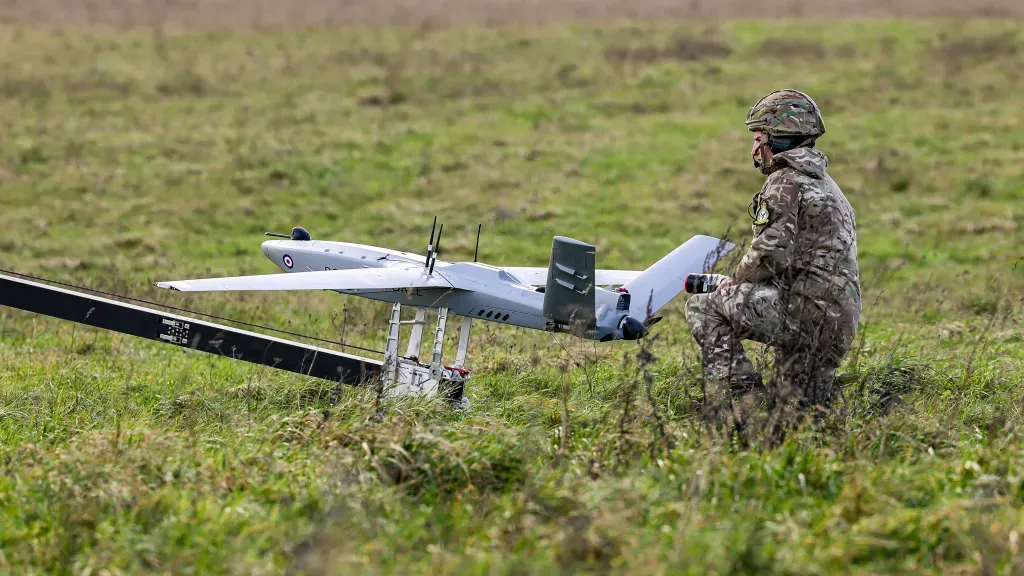


![BAE Systems - Taranis Unmanned Combat Air Vehicle (UCAV) First Flight [1080p] thumbnail](https://i0.wp.com/i.ytimg.com/vi/znwU_4lLoGE/hqdefault.jpg?w=640&ssl=1)

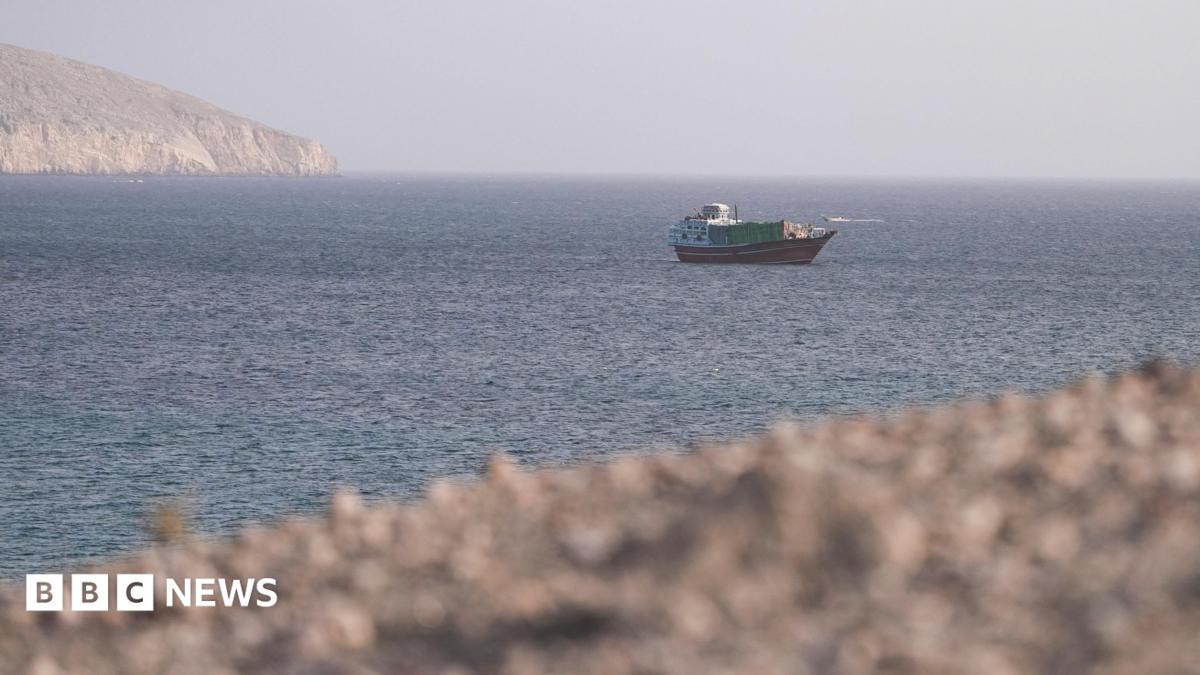
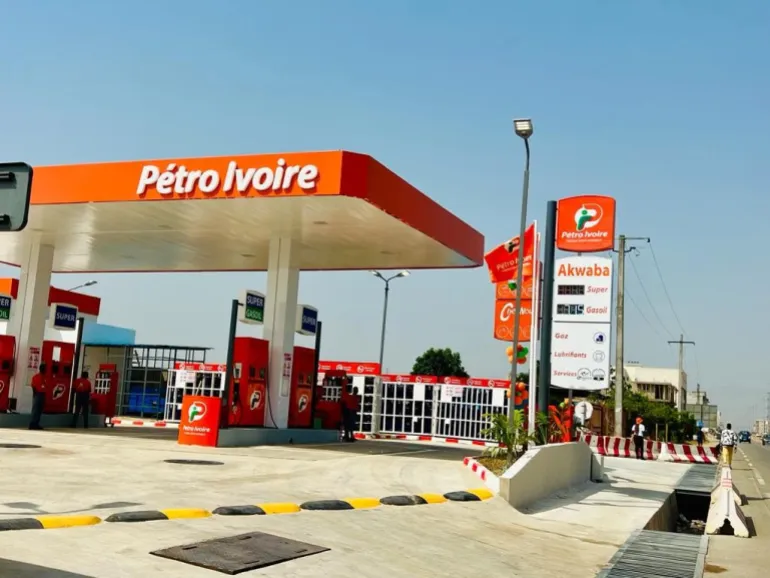


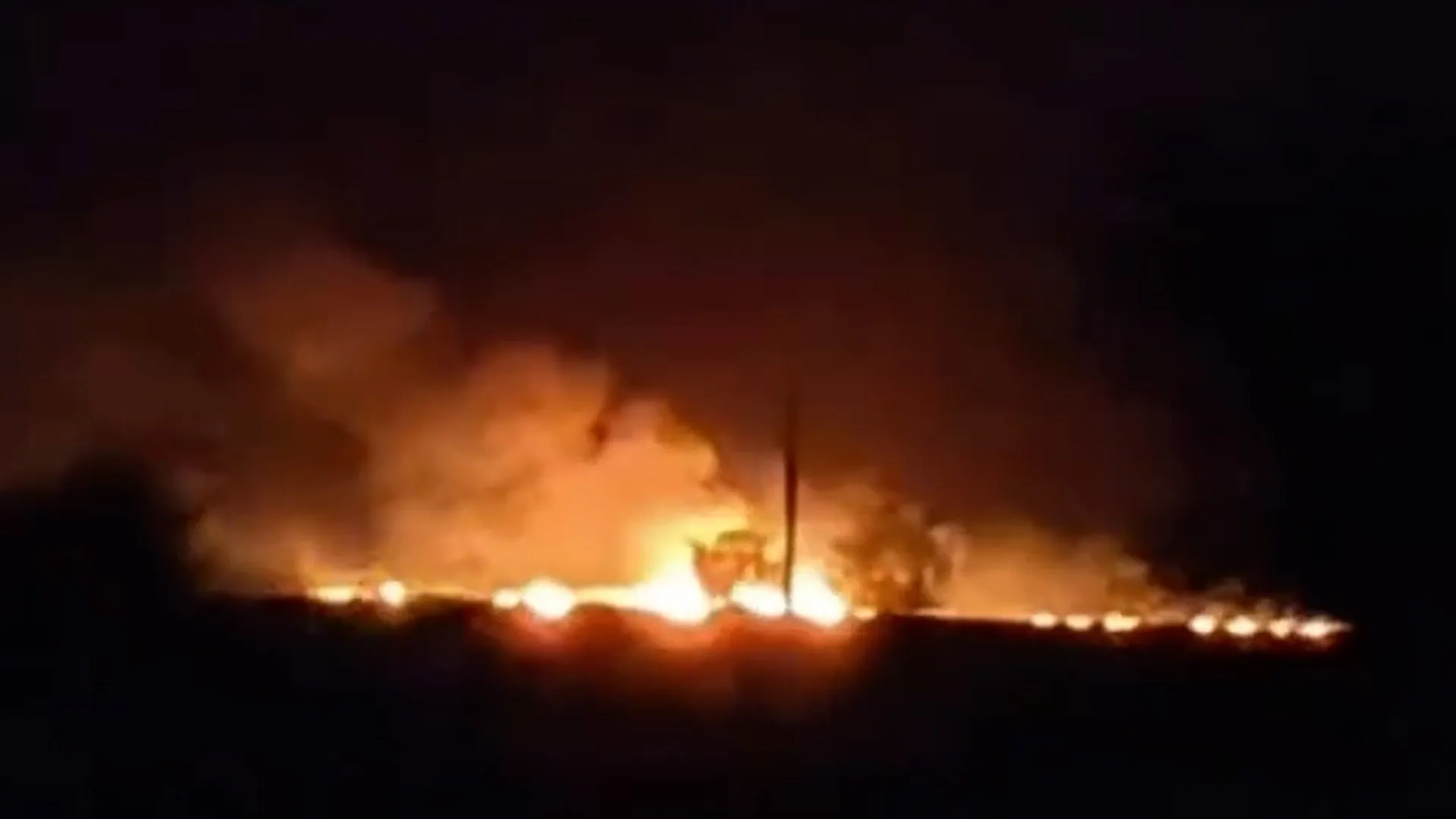
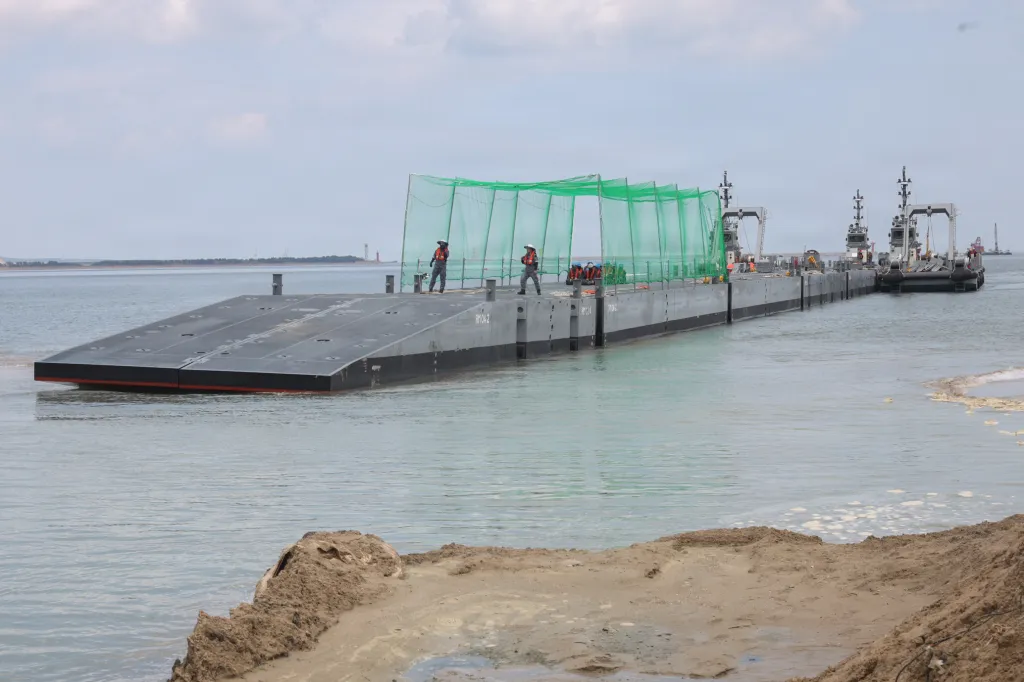


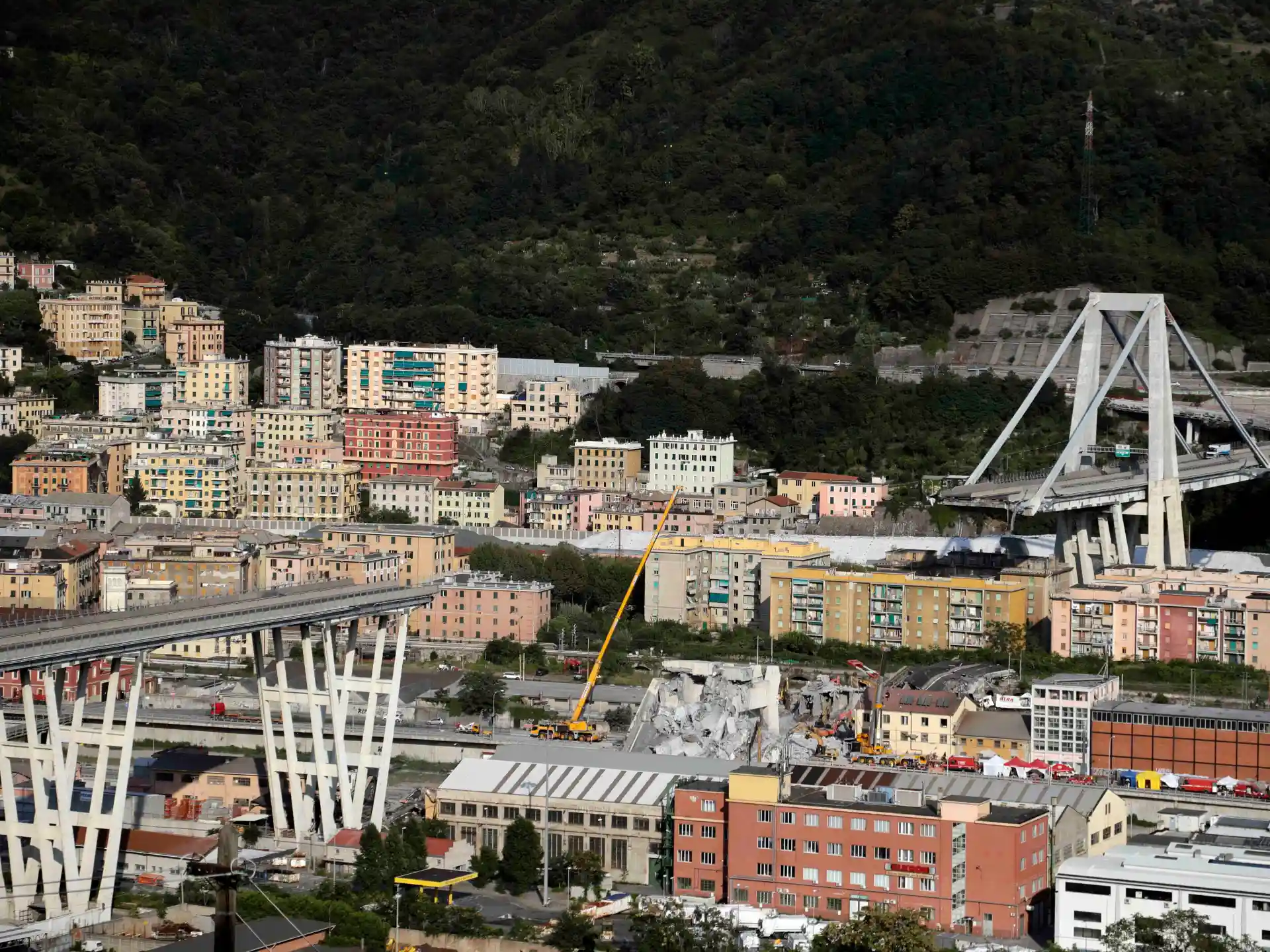
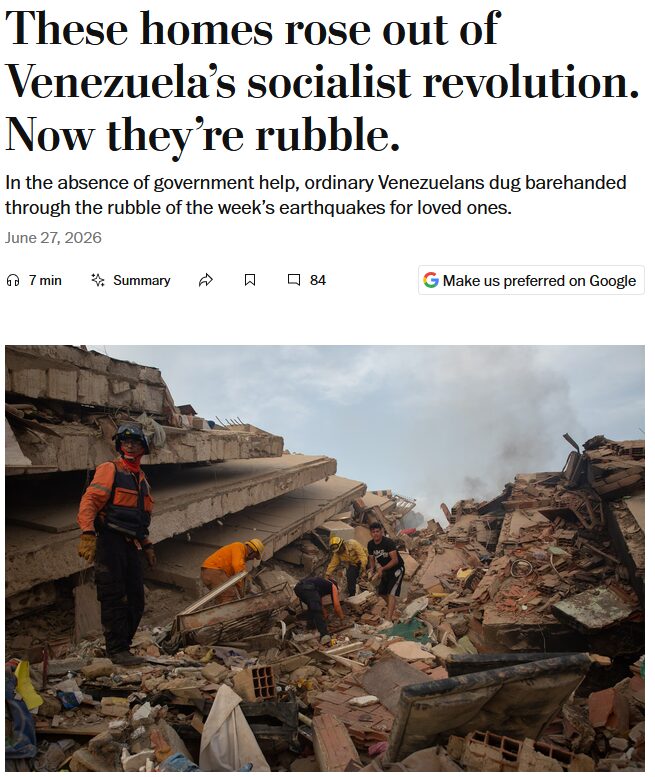






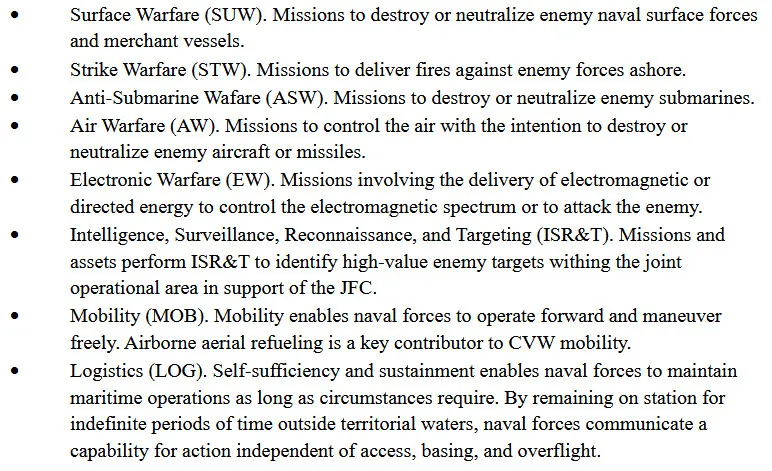


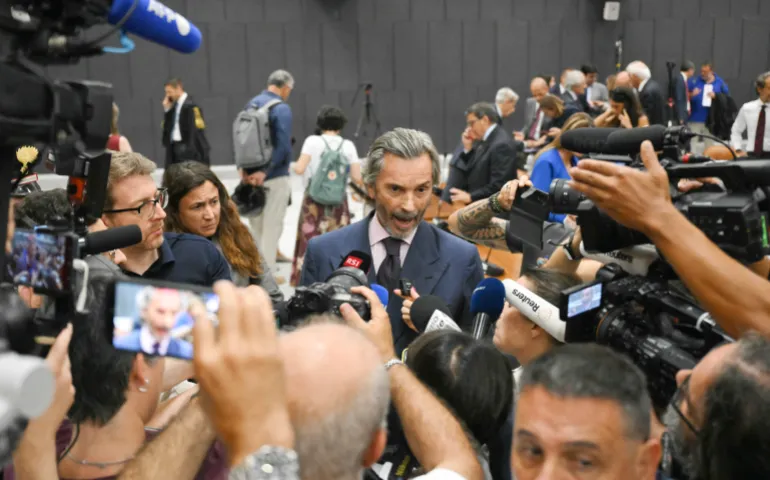
![Giovanni Paolo Accini, Lawyer of former CEO of Atlantia Giovanni Castellucci, speaks with media in the Courthouse after the verdict in the case of the Morandi Bridge collapse nearly eight years ago that killed 43 people in one of the country’s worst infrastructure disasters, in Genoa on July 16, 2026 [AFP]](https://i0.wp.com/occasionaldigest.com/wp-content/uploads/2026/07/afp_6a58ed6c60d1-1784212844.jpg?w=640&ssl=1)
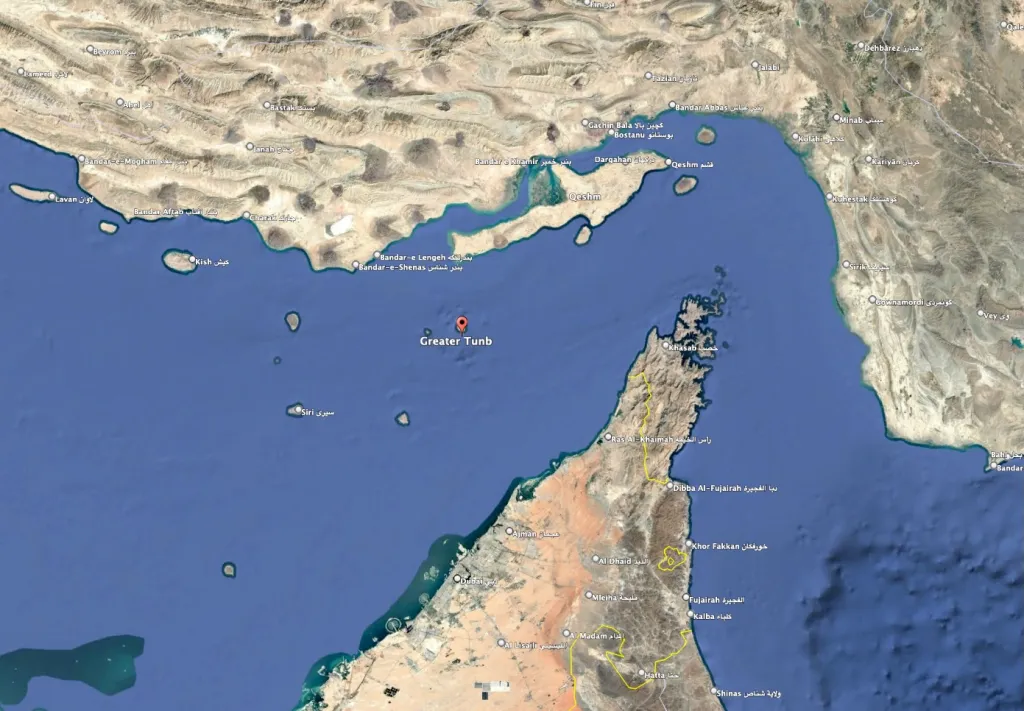





![Sudanese Minister of Human Resources and Social Development Mutasim Ahmed Salih [Al Jazeera]](https://i0.wp.com/www.aljazeera.com/wp-content/uploads/2026/07/%D9%8A%D9%8A%D9%8A-1763634388-1784200340.webp?w=640&ssl=1)
![Sudanese women gather for a hot meal at al-Rahmaniyah camp for displaced people, near the city of el-Obeid in the southern Kordofan region, on July 7, 2026 [AFP]](https://i0.wp.com/www.aljazeera.com/wp-content/uploads/2026/07/afp_6a4f5eab6ba6-1783586475.jpg?w=640&ssl=1)