Many TUI customers due to fly in the next few days will be awaiting news of whether their flights and package holidays are cancelled. The travel operator has now issued a major update on the situation
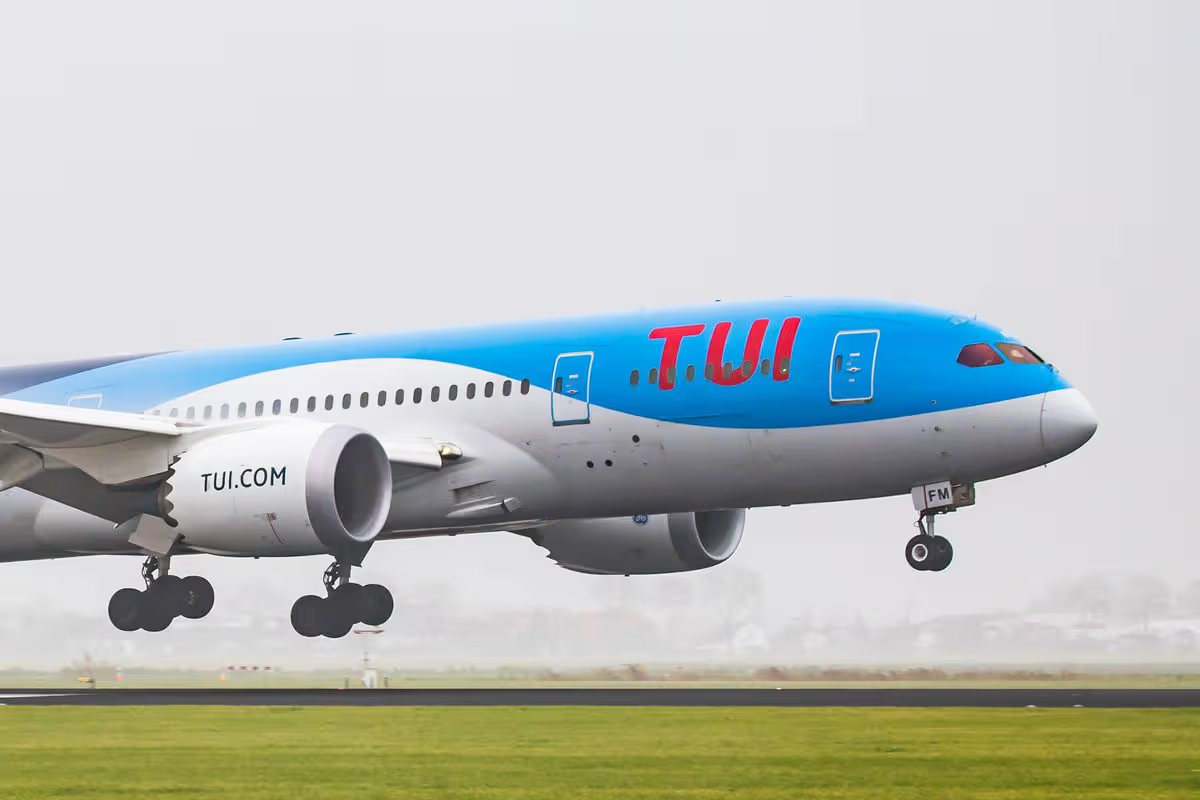
TUI has updated customers flying out to Paphos this week(Image: Nicolas Economou/NurPhoto via Getty Images)
TUI has cancelled more flights to Cyprus as a UK Royal Navy warship heads for the region.
Sir Keir Starmer said HMS Dragon – a Type 45 Destroyer – will be sent to that section of the Mediterranean. The PM has also spoken with Cypriot President Nikos Christodoulides to let him know the UK is also “sending helicopters with counter-drone capabilities”.
It comes a day after the runway of the British air base in Cyprus, RAF Akrotiri, was hit by a drone. The Ministry of Defence said it caused “minimal damage”.
Today, flights to Cyprus’s two commercial airports were cancelled, with easyJet, Ryanair and TUI scrapping services. This afternoon, German travel giant TUI issued a major update on its coming Cyprus flights.
The spokesperson said: “In light of the evolving situation in the Middle East, we have taken the decision to cancel the four TUI Airways flights scheduled to travel to Cyprus on Wednesday, 4 March. We appreciate this may be disappointing news for those due to travel, and we are truly sorry for the disruption to our customers’ holiday plans. Our customer service teams are fully mobilised, and every affected customer will be contacted directly to discuss the options available to them.
“We want to reassure all customers that we are closely monitoring developments and keeping the situation under constant review.”
As for next steps, TUI has said: “Customers will be contacted directly and offered the option to amend their booking fee-free, with a rebooking incentive, or to receive a full refund.”
It also confirmed that its next TUI Airways flights to Cyprus are scheduled to operate on Saturday (March 7). TUI said: “At this stage, these flights are planned to run as normal. However, we continue to monitor the situation closely and, as it remains dynamic, schedules may be subject to change.”
Passengers flying out on Saturday should keep an eye on TUI’s travel alert page, as well as check its app for updates, and keep up to date with international news.
Flights cancelled on Wednesday, 4 March:
TOM7318 – East Midlands Airport to Paphos
TOM6312 – Cardiff Airport to Paphos
TOM6354 – Bournemouth to Paphos
TOM2336 – Manchester to Paphos
TUI’s website also has advice for customers currently in Cyprus. It says: “The safety of our customers is always our top priority. Our teams are working with our airline partners to monitor the situation and make arrangements to bring you back to the UK once it is safe to do so. We are working though bookings in date order and will call you to discuss your options. However, if you would prefer, please call us on 0203 451 2688.
“If you choose to call us, please be aware that we are receiving an exceptional volume of calls and there may be some delay in your call being answered.”
The Foreign, Commonwealth & Development Office (FCDO) does not currently advise against travel to Cyprus, but many airlines have been cancelling their flights in light of the current situation.
The FCDO advises that Brits planning a holiday in Cyprus should sign up to FCDO Travel Advice email alerts, monitor local news, and regularly review departure plans as the situation can change rapidly.
Have a story you want to share? Email us at webtravel@reachplc.com
Ensure our latest stories always appear at the top of your Google Search by making us a Preferred Source. Click here to activate or add us as your Preferred Source in your Google search settings.
Despite promising to end United States involvement in costly and destructive foreign wars, President Donald Trump, together with Israel, has launched a massive military assault on Iran, targeting its leadership and nuclear and missile infrastructure.
Much like his predecessors, Trump has relied on military force to pursue US strategic interests, continuing a pattern that has defined US foreign policy for more than two decades.
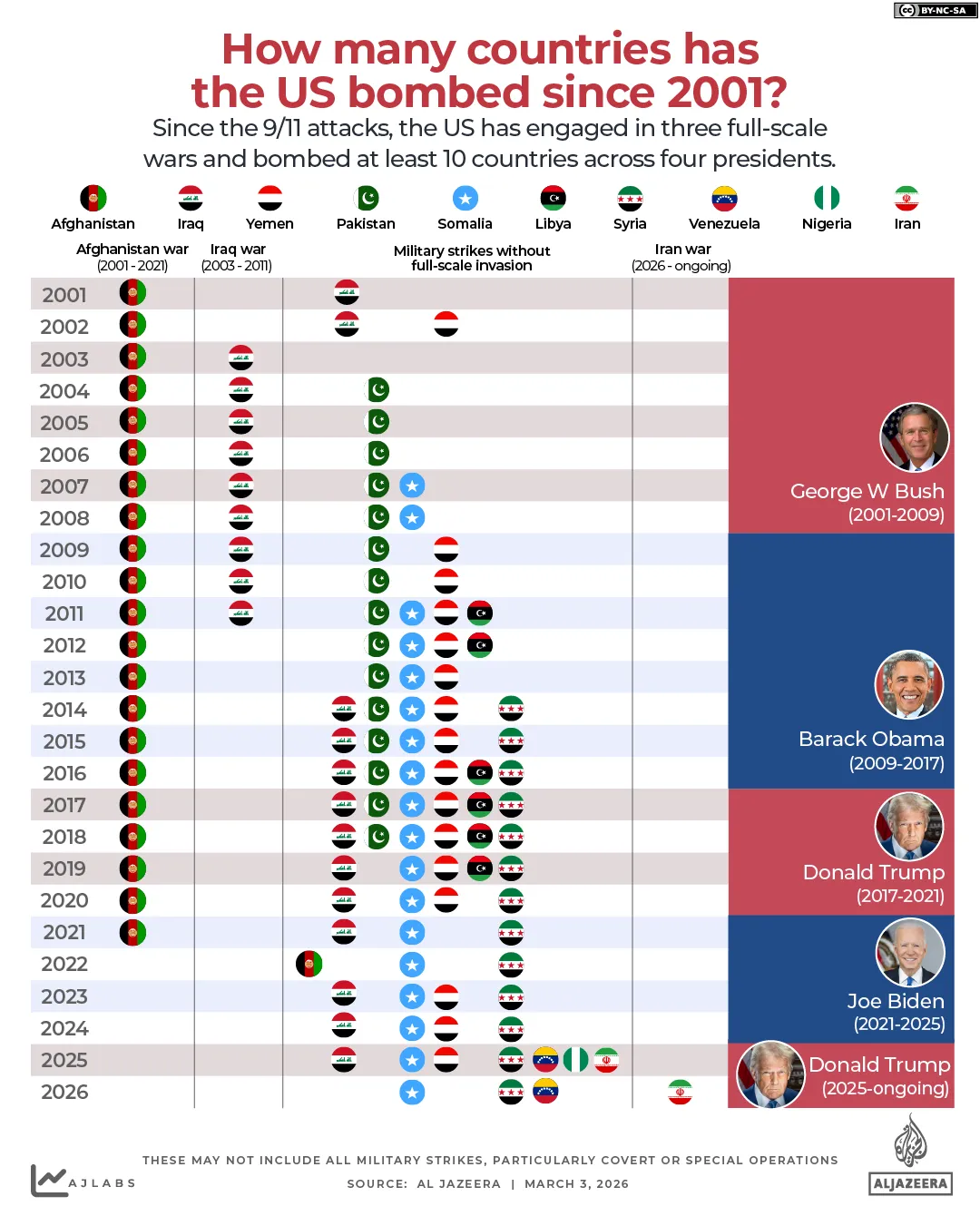
Since the September 11, 2001, attacks on New York and the US capital, the US has engaged in three full-scale wars and bombed at least 10 countries in operations ranging from drone strikes to invasions, often multiple times within a single year.
The graphic below shows all the countries the US has bombed since 2001.
These may not include all military strikes, particularly covert or special operations.
The US has bombed at least 10 countries: Afghanistan, Iraq, Yemen, Pakistan, Somalia, Libya, Syria, Venezuela, Nigeria and Iran since 2001. [Al Jazeera]
The cost of decades of war
In the aftermath of the September 11, 2001, attacks, President George W Bush launched what he called a “war on terror”, a global military campaign that reshaped US foreign policy and triggered wars, invasions and air strikes across numerous countries.
According to an analysis by Brown University’s Watson Institute of International & Public Affairs, US-led wars since 2001 have directly caused the deaths of about 940,000 people across Afghanistan, Pakistan, Iraq, Syria, Yemen and other conflict zones.
This does not include indirect deaths, namely those caused by loss of access to food, healthcare or war-related diseases.
(Al Jazeera)
The US has spent an estimated $5.8 trillion funding its more than two decades of conflict.
This includes $2.1 trillion spent by the Department of Defense (DOD), $1.1 trillion by Homeland Security, $884bn to increase the DOD base budget, $465bn on veterans’ medical care and an additional $1 trillion in interest payments on loans taken out to fund the wars.
In addition to the $5.8 trillion already spent, the US is expected to have to lay out at least another $2.2 trillion for veterans’ care over the next 30 years.
This would bring the total estimated cost of US wars since 2001 to $8 trillion.
Afghanistan war (2001-2021)
The first and most direct response to 9/11 was the invasion of Afghanistan to dismantle al-Qaeda and remove the Taliban from power.
On October 7, 2001, the US launched Operation Enduring Freedom.
The initial invasion succeeded in toppling the Taliban regime within just a few weeks. However, armed resistance groups mounted a prolonged resistance against US and coalition forces.
The war went on to become the longest conflict in US history, spanning four presidencies and lasting 20 years until the final withdrawal in 2021, after which the Taliban regained control of Afghanistan.
An estimated 241,000 people died as a direct result of the war, according to an analysis from Brown University’s Costs of War project. Hundreds of thousands more people, mostly civilians, died due to hunger, disease and injuries caused by the war.
At least 3,586 soldiers from the US and its NATO allies were killed in the war, which is estimated to have cost $2.26 trillion for the US, according to the Cost of War project.
Iraq war (2003-2011)
On March 20, 2003, Bush launched a second war, this time in Iraq, claiming that President Saddam Hussein possessed weapons of mass destruction – a claim that proved to be false.
On May 1, 2003, Bush declared “mission accomplished” and the end of major combat operations in Iraq.
Bush on board the USS Abraham Lincoln aircraft carrier, where he declared combat operations in Iraq over on May 1, 2003 [Larry Downing/Reuters]
However, the subsequent years were defined by violence from armed groups and a power vacuum that fuelled the rise of ISIL (ISIS).
In 2008, Bush agreed to withdraw US combat troops, a process completed in 2011 under President Barack Obama.
The drone wars: Pakistan, Somalia and Yemen
Although not declared wars, the US has also expanded its air and drone campaigns.
Beginning in the mid-2000s, the CIA launched drone strikes inside Pakistan’s tribal areas along the Afghan border, targeting al-Qaeda and Taliban figures believed to be operating there. These strikes marked the early expansion of remote warfare.
Obama dramatically expanded the drone strikes in Pakistan, particularly in the early years of his presidency.
At the same time, the US conducted air strikes in Somalia against suspected al-Qaeda affiliates, later targeting fighters linked to al-Shabab as that armed group grew in strength.
In Yemen, US forces carried out missile and drone strikes against al-Qaeda leaders.
Libya intervention
In 2011 during an uprising against Libyan leader Muammar Gaddafi, the US joined a NATO-led intervention in Libya. American forces launched air and missile strikes to enforce a no-fly zone.
Gaddafi was overthrown and killed, and Libya descended into prolonged instability and factional fighting.
Iraq and Syria
From 2014 onwards, the US intervened in the Syrian war with the stated goal of defeating ISIL. Building on its campaign in Iraq, the US conducted sustained air strikes in Syria while supporting local partner forces on the ground.
In Iraq, US forces advised Iraqi troops, fought ISIL remnants and tried to counter Iranian influence, highlighted by a Trump-ordered 2020 strike that killed Iranian General Qassem Soleimani.
Analysts said that the Lebanese government’s decision, while difficult to implement, might have a decisive impact on the future of Lebanon. Some say it was a necessary step to bring decisions related to security and defence under the central government’s control, while others argue it raises the spectre of internal strife.
Imad Salamey, a political scientist at the Lebanese American University, said that implementation of the government’s decision to disarm Hezbollah was “more plausible today than in previous years because the decision reflects unusually broad national backing, including from within the Shia political sphere”.
“Amal’s vote in favour signals that support for consolidating arms under state authority is no longer framed purely as a sectarian or anti-resistance demand, but increasingly as a state-stabilisation necessity – especially amid economic collapse and regional escalation,” he said, referring to the other Lebanese Shia Muslim group headed by Parliament Speaker Nabih Berri.
But Michael Young, a Lebanon expert at the Carnegie Middle East Center, said the decision was easier said than done.
“Implementation is going to he much more complicated. The army is not enthusiastic to enter into a fight with Hezbollah,” Young told Al Jazeera.
“It’s good that the state has taken this decision, but it is not good that the army seems very reluctant to implement this decision,” he added.
The Iran-backed Hezbollah effectively joined the war that the United States and Israel started against Iran on Saturday when it launched a barrage of rockets and drones towards northern Israel on Monday, saying it was acting to avenge the killing of Iran’s Supreme Leader Ayatollah Ali Khamenei in Tehran and Israel’s near-daily attacks on Lebanon.
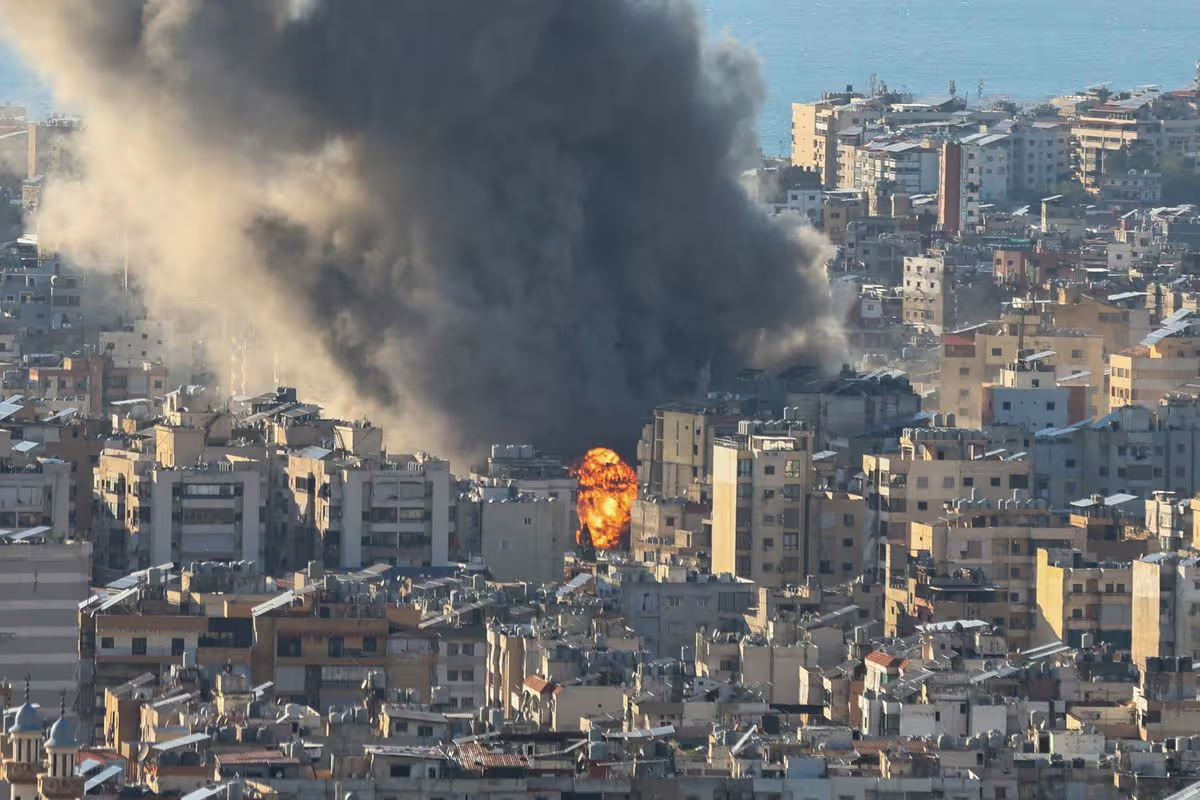
Israel responded by hitting Beirut’s southern suburbs with loud attacks that woke many of the city’s residents up, and issued evacuation warnings for more than 50 towns, displacing tens of thousands of people from their homes.
Hezbollah’s military actions banned
As this unfolded, Salam’s cabinet met and debated the events before the prime minister called an emergency news conference.
“We announce a ban on Hezbollah’s military activities and restrict its role to the political sphere,” Salam said in a news conference on Monday after the meeting.
“We declare our rejection of any military or security operations launched from Lebanese territory outside the framework of legitimate institutions.”
Lebanese Prime Minister Nawaf Salam speaks to journalists at the government headquarters in Beirut, Lebanon, December 3, 2025 [Mohamed Azakir/Reuters]
He added that all of Hezbollah’s military or security activities are “illegal” and said security forces would “prevent any attacks originating from Lebanese territory” against Israel or other states.
“We declare our commitment to the cessation of hostilities and the resumption of negotiations,” he said.
The statement was the strongest stance against Hezbollah to date and even gained the support of Parliament Speaker, and longtime staunch Hezbollah ally, Nabih Berri, who leads the Amal Movement.
Justice Minister Adel Nassar, meanwhile, ordered the arrest of the people who ordered the attack.
A ‘landmark’ decision
Hezbollah has been Lebanon’s strongest political and military force for decades. But the 2023-2024 war with Israel devastated the group. Hezbollah lost the majority of its military leadership, including longtime Secretary-General Hassan Nasrallah.
Since the end of that war, a debate over Hezbollah’s weapons and role has ensued. Salam’s government has promised to disarm Hezbollah, while the group itself only accepted giving up its arms south of the Litani River that cuts across southern Lebanon.
Despite a November 2024 ceasefire agreement, Israel continued to attack south and east Lebanon almost daily. But since Hezbollah’s retaliation, Israel has started bombing Beirut’s suburbs again. On Monday alone, Israel killed more than 52 people, wounded more than 150 others, struck targets all over Lebanon, and gave evacuation orders for more than 50 Lebanese towns.
While Hezbollah’s first attack on Israel in over a year took many by surprise, Israel’s violent response did not.
Critics of Hezbollah pointed out that the group had acted recklessly and gave Israel an excuse to unleash its fury on Lebanon. Israel has also spoken about a potential ground invasion.
For analysts, the Lebanese government’s decision was a clear indication of how far the group has fallen since 2024.
“The government’s decision to officially ban all Hezbollah activities represents a landmark shift in the position of the government toward disarming Hezbollah,” Dania Arayssi, a senior analyst at New Lines Institute for Strategy and Policy, told Al Jazeera. “This is a further reaffirmation that Hezbollah has lost a lot, if not all, its political power and influence in the Lebanese government.”
Arayssi said Hezbollah’s diminished status since 2024 also meant that the likelihood of a clash between the group and the Lebanese Armed Forces (LAF) was minimal.
“I don’t think there is a possibility of this leading to internal strife,” she said.
Hezbollah challenges Salam’s government
Hezbollah did not welcome the announcement.
The head of Hezbollah’s Parliamentary Bloc, Mohammad Raad, dispelled rumours of his assassination on Monday evening when he released a statement dismissing the government’s decision.
“We see no justification for Prime Minister Salam and his government to take bombastic decisions against Lebanese citizens who reject the occupation and accuse them of violating the peace that the enemy itself has denied and refused to uphold for a year and four months,” Raad said in a statement. “[Israel] has imposed a state of daily war on the Lebanese people.”
“The Lebanese were expecting a decision to ban aggression, but instead they are faced with a decision to ban the rejection of aggression,” Raad added.
Jawad Salhab, a political researcher and analyst, called the government’s move “a grave betrayal of the Lebanese people and a grave betrayal of the Lebanese state, whose sovereignty has been violated for 15 months.”
“Fifteen months of strategic patience have cost us more than 500 martyrs, while this Zionist enemy has persisted in its aggression against Lebanon and its sovereignty by air, land, and sea,” he said.
Overnight on Monday, leading into Tuesday, Israel struck targets around Lebanon, including the southern suburbs of the capital Beirut. In one strike, Israel targeted al-Manar, Hezbollah’s television station.
Then, on Tuesday morning, Hezbollah attacked Israel again, in what will be interpreted as a clear challenge to Salam’s announcement.
The Lebanese army had been tasked with an earlier government decision to disarm Hezbollah and said in January that it completed the first phase south of the Litani River. But Hezbollah has refused to move along with phase two, set to take place between the Litani and the Awali River, which is near the city of Sidon.
Nicholas Blanford, a nonresident senior fellow with the US-based Atlantic Council, told Al Jazeera that the government’s move was a “bold step” but one that might be difficult to enforce.
“How can they implement the decision?” Blanford asked, adding that it increased the potential for internal conflict.
Check the latest air travel status including departures from popular holiday destinations such as Dubai, Cyprus and Egypt after the Iran war forced airports to close and airlines to cancel flights
War in the Middle East is causing flight disruption across the world(Image: AFP via Getty Images)
Conflict between Iran, the US and Israel has spread across the Middle East and triggered widespread airspace closures, sparking major disruption to flights, and leaving thousands of British tourists stranded abroad.
Popular holiday destinations including Egypt, Abu Dhabi and Dubai are among those to ground all flights or severely limit departures, but the ‘ripple effects’ are also impacting travel to and from a number of other countries, including Cyprus and Turkey.
Here’s all the latest on flight cancellations, cruise ships and your rights if something goes wrong:
Ensure our latest headlines always appear at the top of your Google Search by making us a Preferred Source.Click here to activate or add us as your Preferred Source in your Google search settings.
The UK Foreign Office now advise against all but essential travel to the UAE, Qatar and Bahrain.
Airspace closures mean flights to and from the United Arab Emirates (including Dubai and Abu Dhabi), Qatar, Saudi Arabia, Lebanon, Kuwait and Oman are almost entirely cancelled, with aviation largely reserved for military and cargo flights.
If you have a flight due soon to one of these countries, you should get in touch with your airline as soon as possible.
While flights to and from Cyprus, Egypt and Turkey are going ahead largely as scheduled, they may be subject to short-notice delays or cancellations, so you should check regularly with your airline before you travel.
Dubai and UAE travel advice
The Foreign Office advises against all but essential travel to United Arab Emirates.
Your travel insurance could be rendered invalid if you travel against this advice.
British nationals currently in the country should stay indoors due to risk of missile attacks, and the current advice reads: “Remain indoors in a secure location, avoid all travel and follow instructions from the local authorities.”
Cyprus travel advice
After a suspected Iranian-made drone was fired at the RAF base at Akrotiri, the Foreign Office updated its advice to read: “Regional escalation poses significant security risks and has led to travel disruption.
“British nationals in the Sovereign Base Areas should follow instructions from the Sovereign Base Areas Administration. British nationals in the Republic of Cyprus should follow any instructions from Cypriot local authorities.”
Turkey travel advice
The Foreign Office advises against all travel to within 10km of the border with Syria due to “fighting and a heightened risk of terrorism”.
Egypt travel advice
There is “heightened risk of regional tension” which “could lead to travel disruption and other unanticipated impacts”, the Foreign Office said.
Which airlines have cancelled flights?
A handful of flights will bring British nationals stranded in the Middle East back to Britain today – but the majority of departures from the region remain cancelled.
The current Emirates flight status is that the airline plans to operate two flights to Heathrow, and one each to Gatwick and Manchester. At least some of these flights will be operated by the airline’s A380 jets, which can each carry up to 615 passengers depending on how they are configured.
Emirates usually operates 146 weekly flights to the UK, which is the equivalent of about 21 per day.
Etihad Airways has scheduled one UK flight on Tuesday, from Abu Dhabi to Heathrow.
Qatar Airways, which usually serves Heathrow and Gatwick from Qatar, said on Tuesday morning that its operations remain suspended because of the closure of Qatari airspace.
British Airways has cancelled its timetabled flights to Heathrow from Abu Dhabi, Amman, Bahrain, Doha and Dubai on Tuesday.
The airline told passengers: “We are closely monitoring the situation and have cancelled a number of our flights to the Middle East.
“Safety is always our top priority and we would never operate a flight unless it was safe to do so.”
Passengers with bookings on certain routes up to March 15 are being allowed to amend the date to fly on or before March 29.
Virgin Atlantic axed a flight from Dubai to Heathrow.
What about connecting flights?
You could also be affected if you’re due on a flight that changes at an airport disrupted by the war – such as Abu Dhabi, which acts as a major hub for connecting flights to Thailand, Vietnam, India, Australia and New Zealand. Check with your airline in advance if you’re in any doubt.
What if I’m stuck abroad?
British nationals currently in the Gulf have been advised by the Foreign Office to remain indoors and follow local authorities. Plans for evacuation repatriation flights are going ahead, but at a very limited capacity, and you should not make plans around these until you have been contacted by British consular staff.
What are my rights if something goes wrong with my flights?
Don’t cancel your own ticket if your destination or connecting flight is affected – instead, wait for the airline to cancel the flight.
If you cancel voluntarily, you will likely forfeit your right to a full refund or rebooking under UK air passenger rights.
It’s important to check your travel insurance, as standard policies will usually cover extended emergency medical expenses if you are stranded abroad – but many exclude cancellation or curtailment costs arising directly from acts of war.
What about cruise ships?
Thousands of cruise line passengers are currently trapped in ports in the Middle East due to the war in Iran.
At least six well-known ships from big companies, including TUI, are reported to be at a standstill and awaiting news of when they can leave.
Cruise liners affected include TUI Cruises’ ships Mein Schiff 4 and Mein Schiff 5, which are stranded in the ports of Abu Dhabi and Doha. The cruise line has had to cancel its upcoming departures due to the lack of operating repatriation flights.
The MSC Euribia remains docked in the port of Dubai, under strict security measures, with embarkations suspended until further notice.
The ships Celestyal Journey and Celestyal Discovery have also had their departures cancelled and are being kept under supervision in regional ports.
TUI Cruises said in its latest alert: “We are currently monitoring the evolving situation in the Middle East region and the latest guidance from the UK Foreign, Commonwealth & Development Office (FCDO).”
Disruption ‘could last weeks’
Last night, US president Donald Trump said the joint US-Israel military operation in Iran could last four to five weeks or “far longer”.
Aviation consultant John Strickland said it could take weeks to clear the backlog of passengers, even if the conflict ends sooner.
He said: “It’s a bit uncertain (when that will happen) because of course it will depend on how long the airspace restrictions remain in place.
“But factoring in the high volumes of normal daily traffic and the high capacity of aircraft such as the A380 and the Boeing 777, plus the fact that other flights covering similar routes operate at high occupancy, then it will certainly be quite a period of time which would likely run into weeks.”
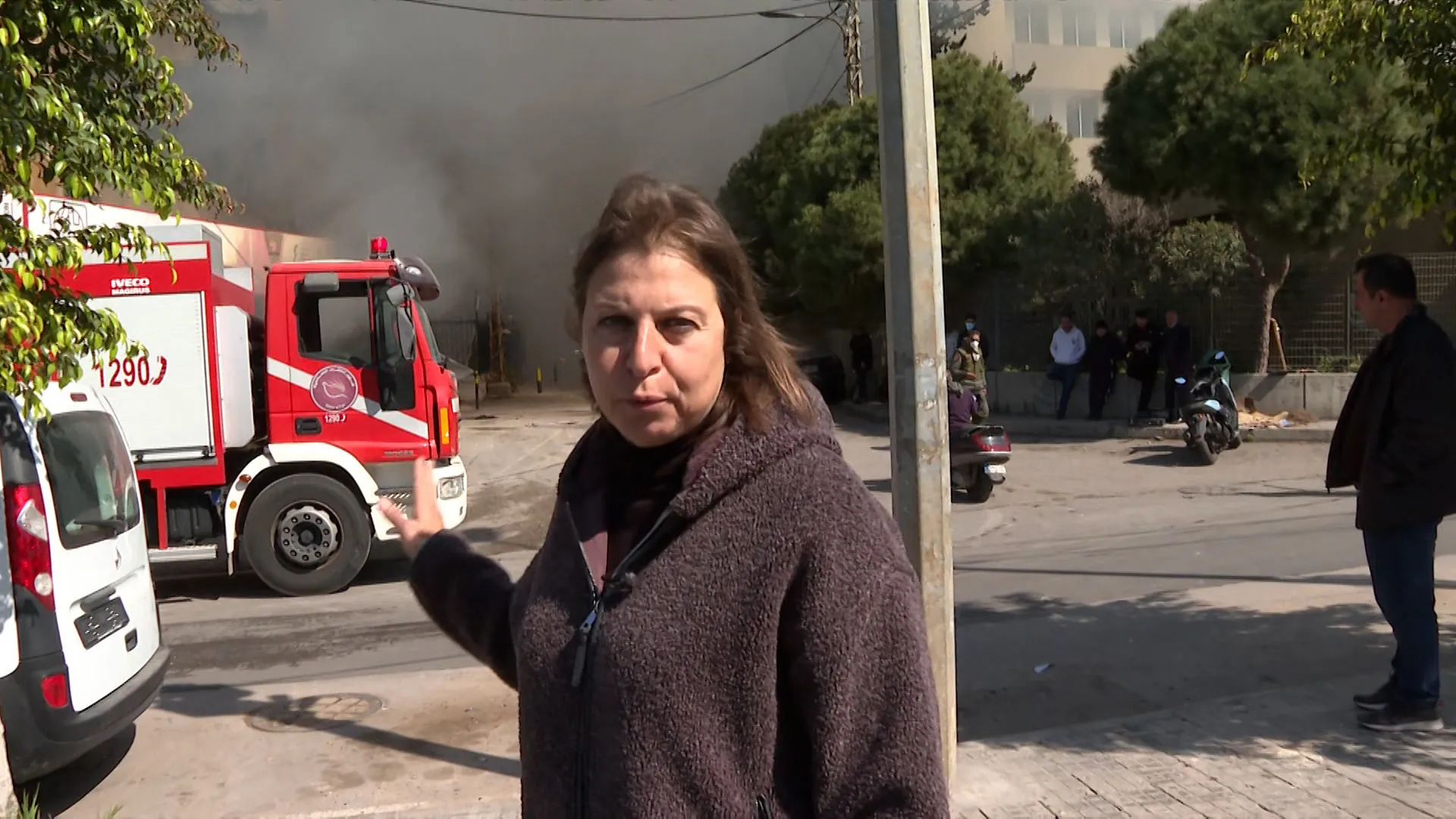
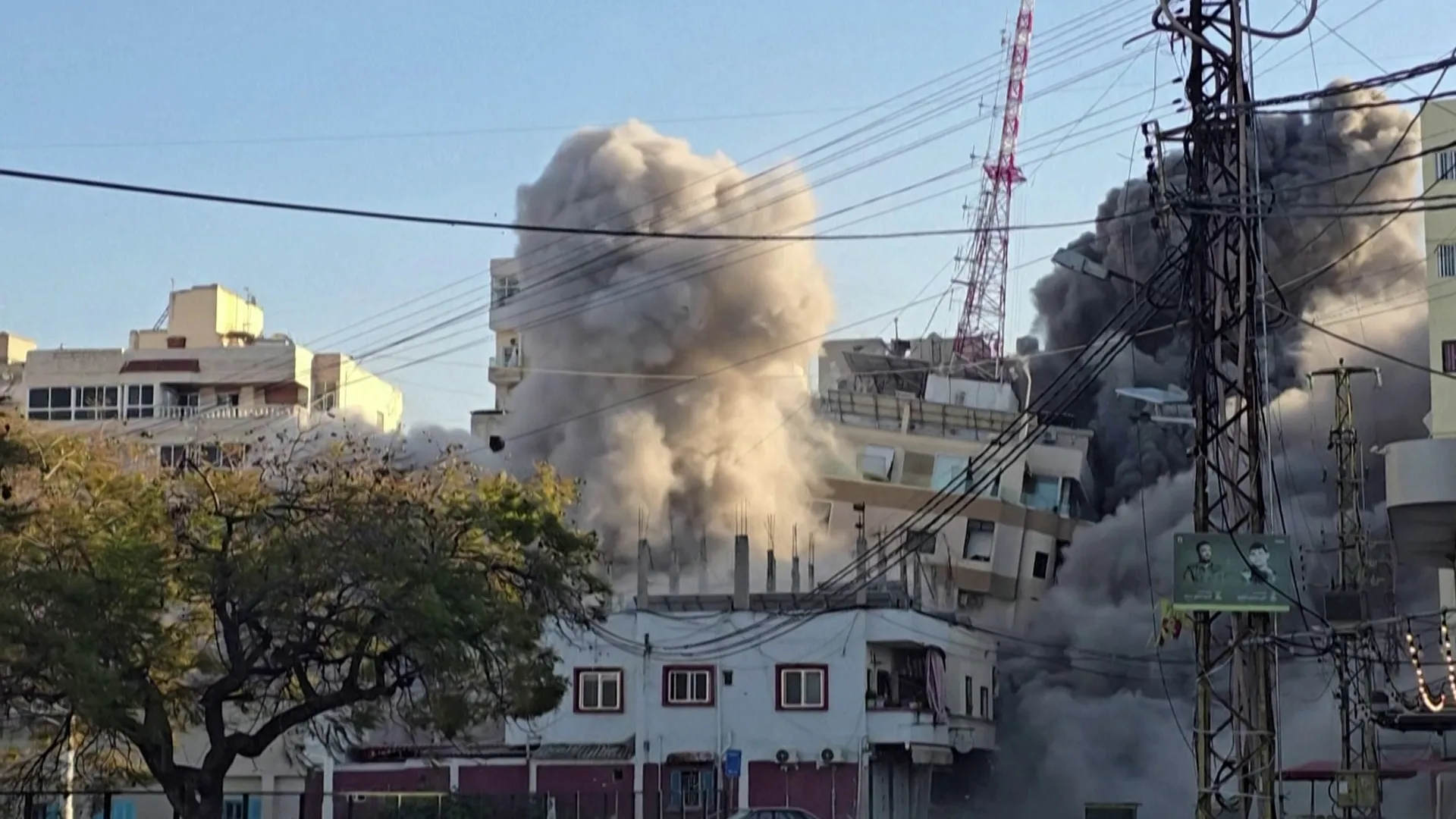
Al Jazeera’s Zeina Khodr reports from the site of an Israeli attack in Beirut’s southern suburbs, which Israel says targeted a ‘Hezbollah area’. Israeli forces have taken more land inside Lebanon, expanding a de facto buffer zone that has already displaced tens of thousands of people.
With 100 days to go until the tournament kicks off, appetite for tickets to the 2026 World Cup in the United States, Mexico and Canada is reaching fever pitch despite eye-watering prices that have fans crying foul amid global unrest after the US-Israeli attacks on Iran.
In addition to the war against Iran – a country scheduled to play its World Cup group stage games in the US – the heavy-handed immigration crackdowns in the US and the violence that erupted near host city Guadalajara after the death of Mexico’s most-wanted drug cartel leader are causing concern for fans.
Recommended Stories
list of 4 itemsend of list
“I’m afraid I might not be allowed into the country. I’ve decided to fly to Canada at most but not to the USA,” German football fan Tom Roeder told the Reuters news agency
“I hope that at least the issue of war with Iran does not reach North America, at least not in a way that affects us personally.”
FIFA, which did not immediately respond to a request from Reuters for comment, has said nearly 2 million tickets were sold in the first two sales phases and demand was so intense that World Cup tickets were oversubscribed more than 30 times.
The most expensive tickets for the opening game are going for almost $900 and more than $8,000 for the final while tickets in general cost at least $200 for matches involving leading nations. The cheapest tickets for the final cost $2,000 and the best seats $8,680 – that is before taking into account FIFA’s official resale site, where one category three seat for the game in New Jersey on July 19 was being advertised for an eye-watering $143,750, more than 41 times its original face value of $3,450.
Political and social tensions surrounding host nations are nothing new for the World Cup.
Mexican President Claudia Sheinbaum said there was “no risk” for fans coming to the country, and Adrian Nunez Corte, leader of Unipes, a fan association in Spain, said the situation has not affected willingness to buy tickets.
“Obviously, it is causing concern, but some Spanish fans living in the area have helped to calm things down after the initial hours of alarm,” Corte said.
“There is no alarm regarding US immigration policy, but people are taking preparation of the necessary visas seriously to avoid problems, especially since some fans will be travelling between the US and Mexico due to the match schedule.”
The buzz around the tournament in North America is unprecedented.
“The demand for the 2026 World Cup in the USA, Canada and Mexico is the strongest I’ve ever experienced,” said Michael Edgley, director at Australia’s Green and Gold Army Travel.
“I think FIFA will make record amounts of money. There’s no question.
“This World Cup will be a massive financial success, and the beneficiaries will be the member federations.”
But such popularity comes with a price.
Geography adds another layer of complexity as the tournament spans 16 host cities across three countries, making it more challenging and expensive for fans wanting to follow their teams.
“The price of tickets has been a major drawback, particularly affecting the number of matches each fan will attend, as well as the distances between venues and the costs involved,” Corte said.
Secondary ticket market soars
The sticker shock is even more pronounced this year, especially with a huge resale market in which tickets are sold at above face value, which is legal in the US and Canada.
FIFA defended the ticketing model.
“Unlike the entities behind profit-driven third-party ticket marketplaces, FIFA is a not-for-profit organisation,” a spokesperson said.
“Revenue generated from the FIFA World Cup 2026 ticket sales model is reinvested into the global development of football. … FIFA expects to reinvest more than 90 percent of its budgeted investment for the 2023-2026 cycle back into the game.”
Mehdi Salem, vice president of the French football fans association Les Baroudeurs du Sport, said its members are seeing more than a 200 percent increase on what they were told would be the prices in 2018 by the French federation and FIFA.
The pricing pain is so acute that Salem’s association, which boasts about 400 members, will have only 100 attend the tournament – a dramatic drop that he attributed to ticket prices and the political landscape in the US.
“We feel like this World Cup will not really be a people’s World Cup but rather an elitist World Cup,” Salem added.
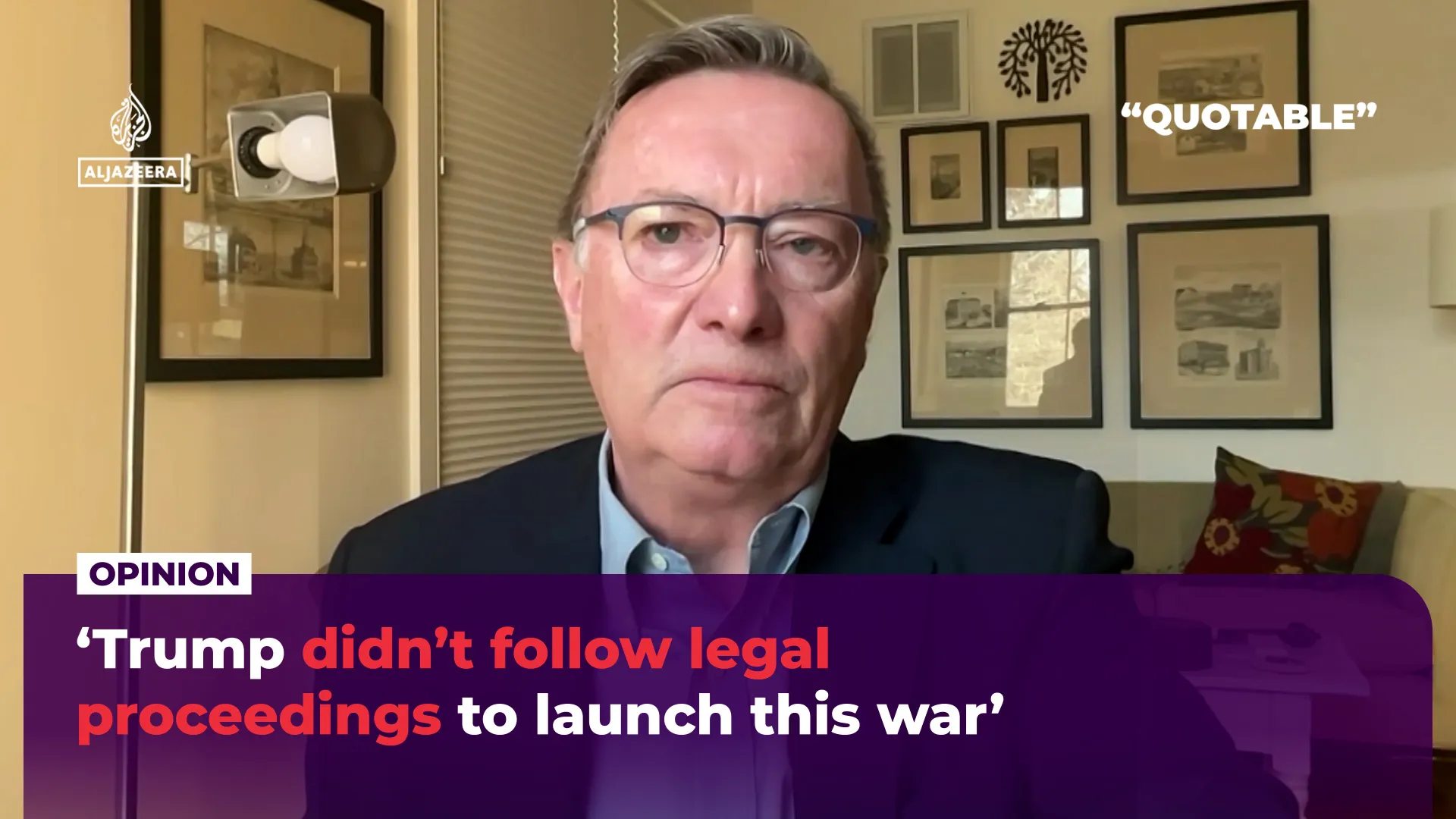
Jeffrey Feltman, former US Assistant Secretary of State for Near Eastern Affairs, questions the legal basis and endgame of the US-Israel war on Iran, saying he does not believe Iran posed an imminent threat to the United States that would justify war.
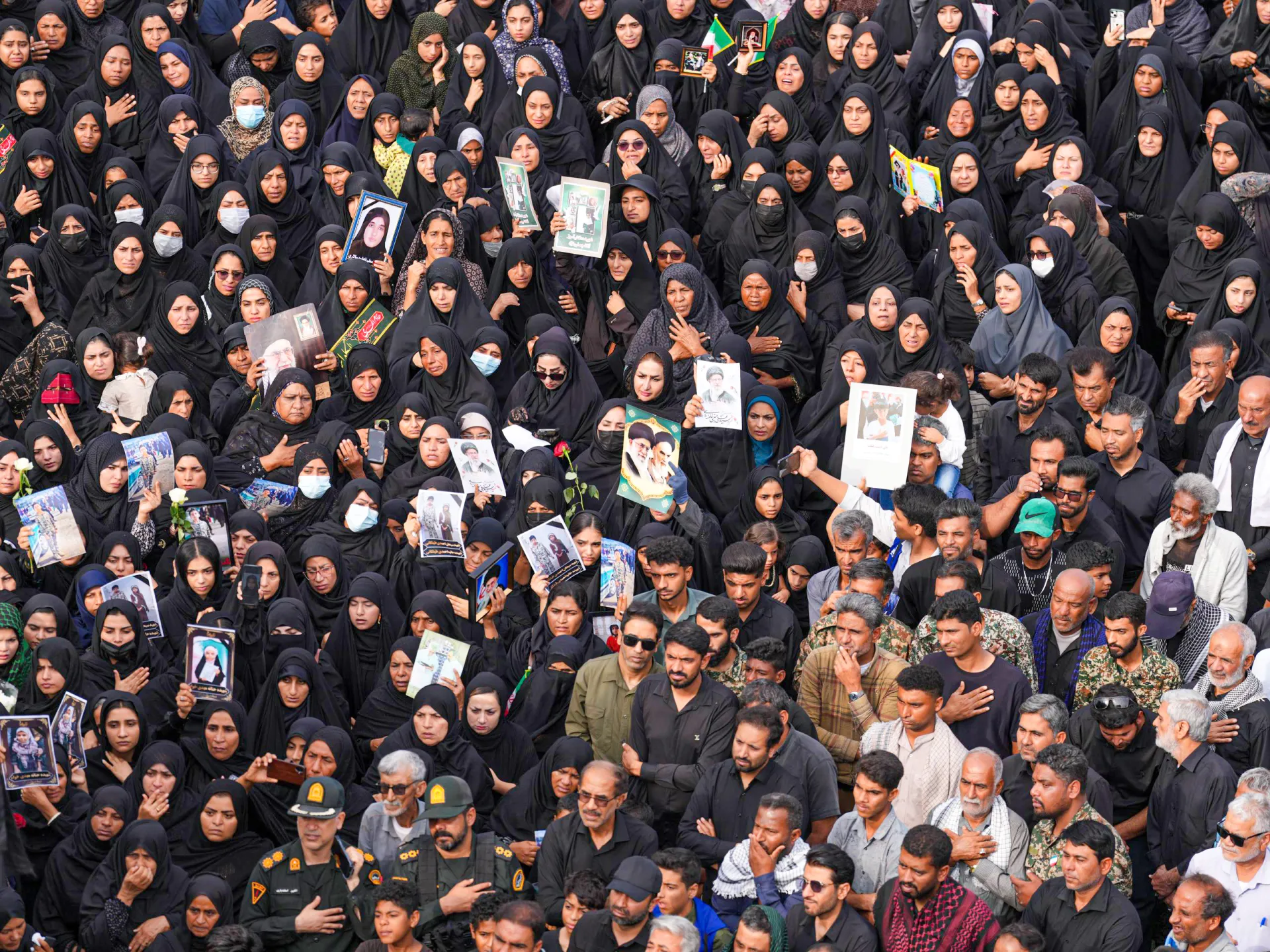
Iran has held a mass funeral for 165 schoolgirls and staff killed in what it has described as a United States-Israeli attack on a girls school in the southern city of Minab.
Saturday’s strike came on the first day of the joint US and Israeli attacks on Iran. It was the deadliest incident in the campaign against Tehran so far.
The Israeli military said it was not aware of any Israeli or US attacks in that area. Throughout its genocidal war on Gaza, however, Israel has repeatedly denied responsibility for deadly attacks on Palestinian civilians, only to later backtrack when evidence emerged, often describing such incidents as “accidental”.
The attack in Minab has been condemned by UNESCO and Nobel Peace Prize-winning education activist Malala Yousafzai.
Deliberately attacking an educational institution, hospital or any other civilian structure is a war crime under international humanitarian law.
On Monday, Iranian Ministry of Foreign Affairs spokesman Esmaeil Baghaei said the two countries “continue to indiscriminately strike residential areas, sparing neither hospitals, schools, Red Crescent facilities, nor cultural monuments”.
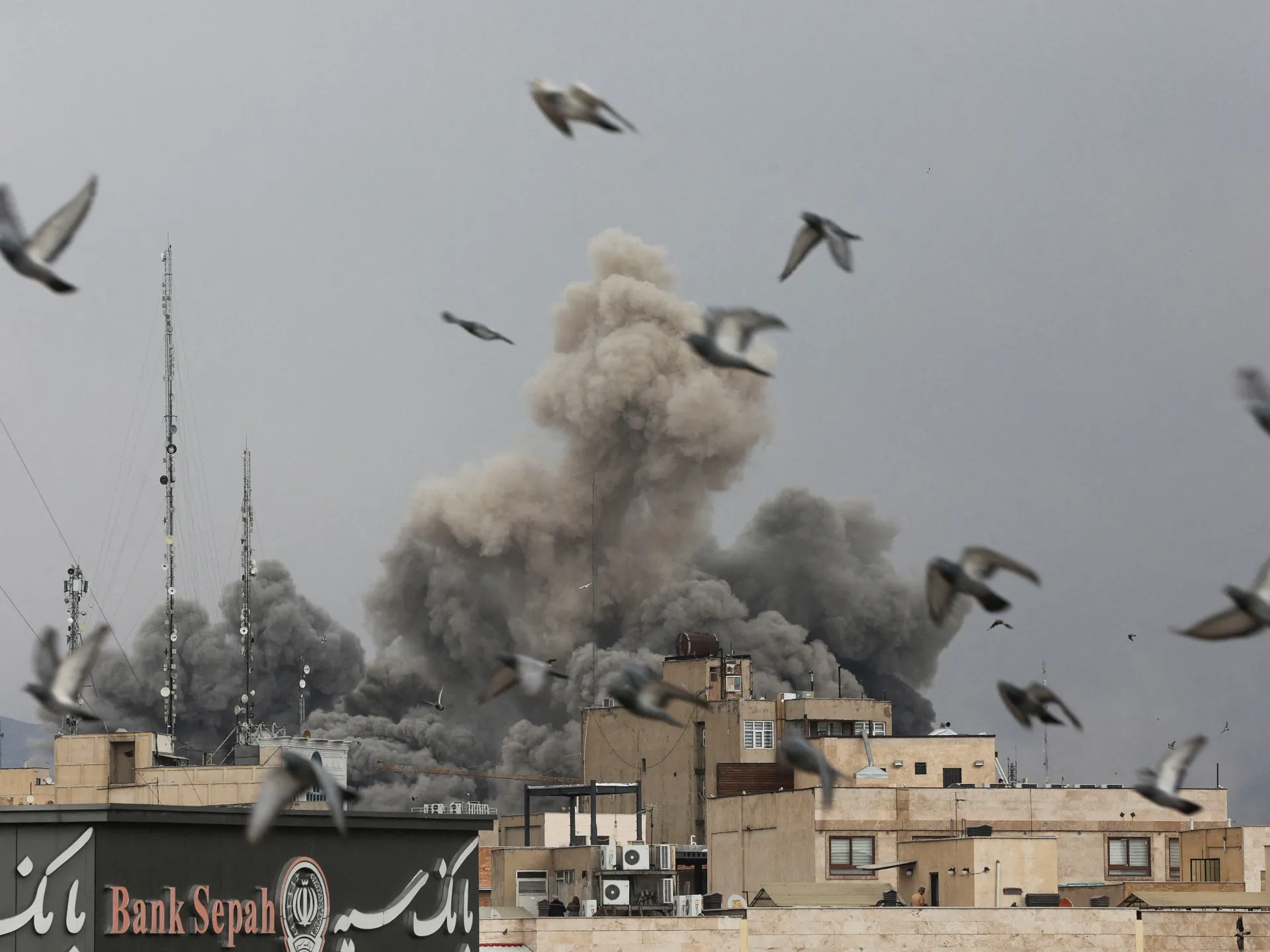
Explosions have rung out across Tehran as the war entered its fourth day with the United States and Israel continuing to pound Iran’s capital and numerous other cities and locations after the assassination of Supreme Leader Ali Khamenei.
Iran continued on Tuesday to retaliate against Israel and throughout the Gulf where nations host US assets.
At least 787 people have been killed in US-Israeli strikes on a minimum of 131 cities across Iran, the Iranian Red Crescent Society said on Tuesday.
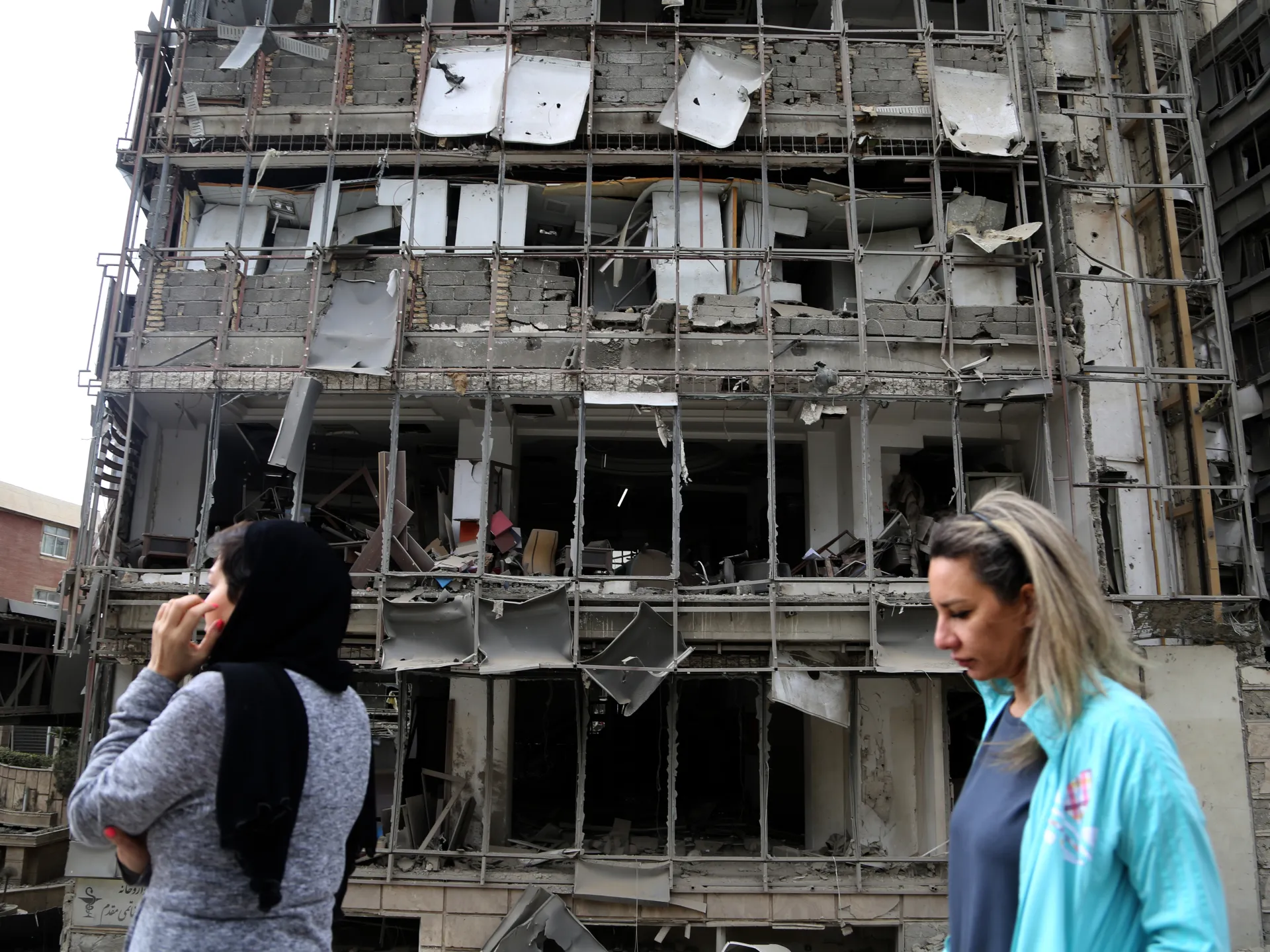
Israel’s military said it had “struck and dismantled” the headquarters of Iran’s state radio and television broadcaster, the Islamic Republic of Iran Broadcasting (IRIB), accusing it of “calling for the destruction of the State of Israel and for the use of nuclear weapons”.
In a post on Telegram, IRIB reported explosions near its headquarters in Tehran but said there had been no disruption to its operations.
Tehran’s streets have been largely deserted as people take shelter during the air strikes.
Iranian media also reported explosions in the city of Karaj, just outside Tehran, as well as in the central city of Isfahan.
Iran held a mass funeral on Tuesday for 165 schoolgirls and staff killed on Saturday in what Iran said was a US-Israeli attack on a school in the southern city of Minab.
Israeli attacks on Lebanon have killed more than 50 people. It says the strikes are a response to Hezbollah rockets and drones fired into Israel to protest the US-Israeli killing of Iran’s Supreme Leader.
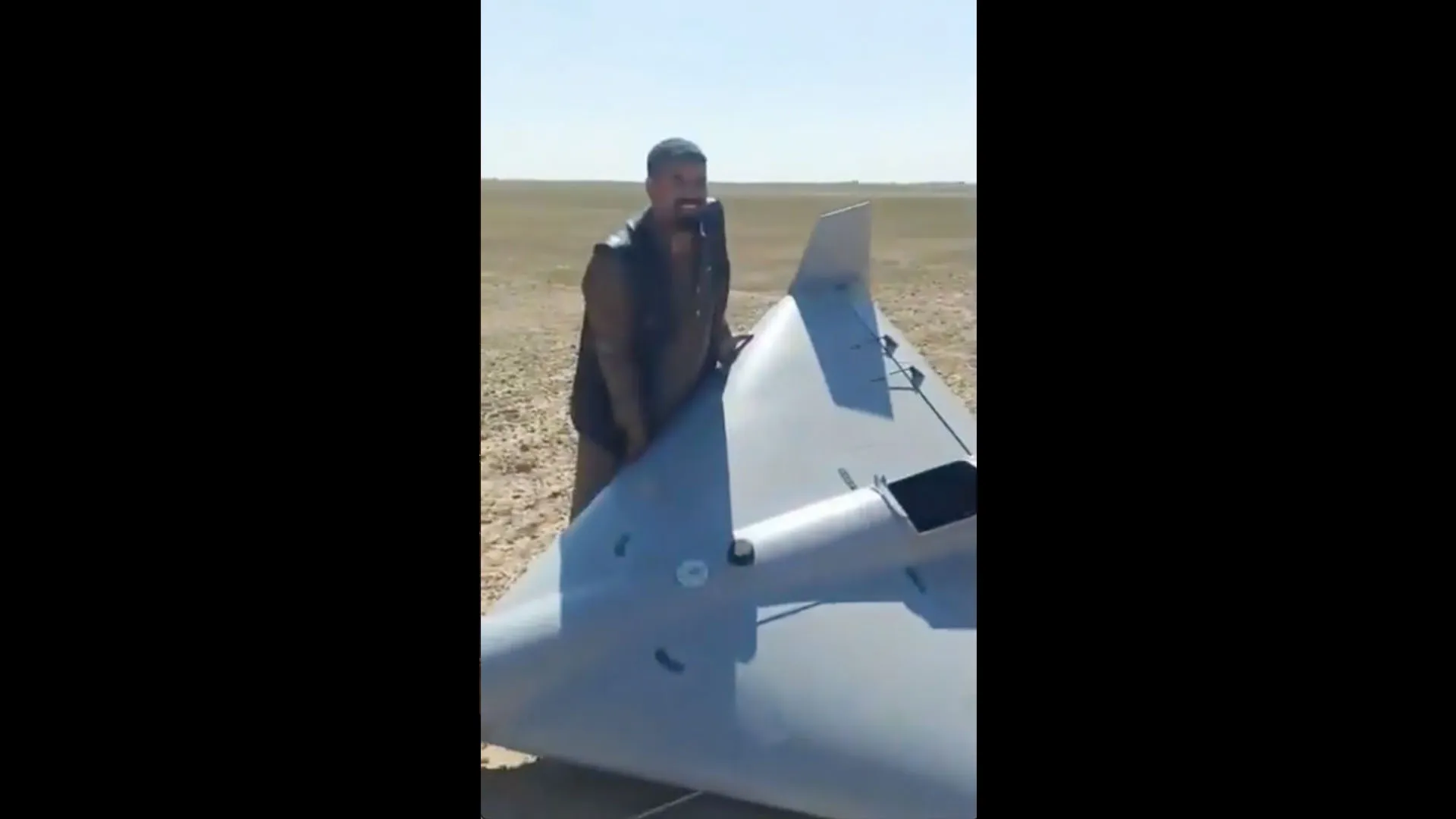
An unexploded US kamikaze drone was found on farmland in Western Iraq on Monday. The low-cost drones have reportedly been used in US-Israeli strikes on Iran.
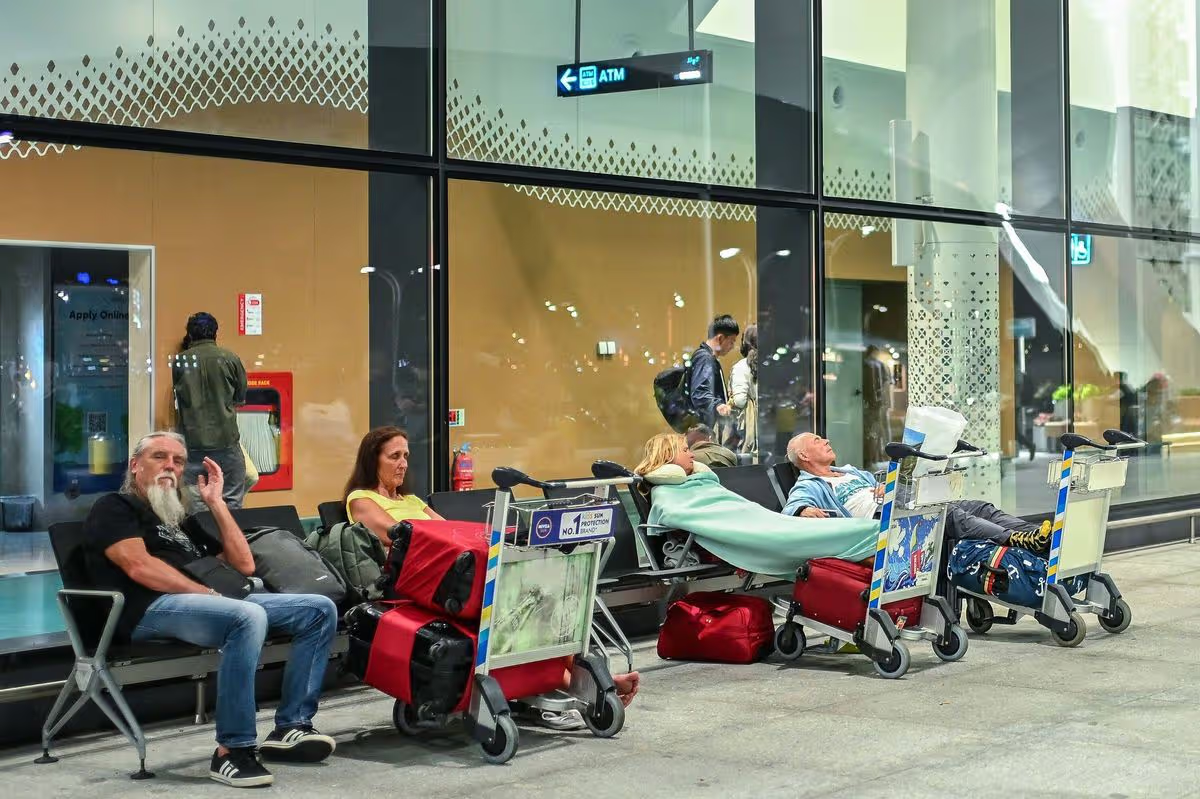
With thousands of people either stranded or diverted across the Middle East following the attacks on Iran, one travel expert has shared the advice you need to know
Passengers are stranded across the globe(Image: Getty)
Thousands of travellers are either stuck or have had their plans thrown into disarray across the Middle East following Israel and the US’s strike on Iran. The missile strikes have triggered widespread disruption throughout the UAE and the broader Middle East region, leaving thousands of holidaymakers facing an anxious wait.
Flight cancellations have swept through major Gulf aviation hubs as well as Cyprus in what experts are calling the most severe travel turmoil since the Covid-19 pandemic.
Chris Harrington, Managing Director at hoppa, has outlined the top four things travellers need to understand if their flight gets axed, including your passenger rights and what compensation you might be owed.
The initial step when you spot that dreaded red ‘cancelled’ notice appearing on the departures board is to get in touch with your airline.
If you’re already inside the airport terminal, make your way to the customer service desk. However, if you turn the corner and discover a mammoth queue of passengers already assembled there, Chris has an alternative approach, reports the Express.
He advised: “Try using the airline’s app if they have one or ring the customer service team to find out about the next steps.”
Once you’ve managed to locate a staff member to speak with, it’s time to explore what options are on the table.
“In most cases, the airline will have to make an alternative plan for you. When you manage to speak to a member of staff, see if they can rebook you on a later flight.
“You may also want to consider opting for an alternative route or flying to another airport close to your final destination. It’s important to understand that the airline can book you a flight through a different provider, so make them aware of this.”
It’s vital to ensure you’ve got insurance sorted for any overseas trip. This will safeguard you against cancellations or other complications.
Chris explained: “If your flight has been cancelled, check your travel insurance documents as some policies will cover the cost of hotels, airport transfers, alternative flights, and food. It’s also worthwhile enquiring with your airline about vouchers for cancelled flights, as many offer them for passengers to find accommodation and cover the cost of food.”
Chris’s final piece of advice is to ensure you’re fully aware of your passenger rights.
He stated: “If the flight cancellation is due to the actions of the airline, then it’s likely you’ll be entitled to compensation. As stated by ABTA, if an airline cancels your flight in less than 14 days before you’re due to depart, then you’ll be entitled to compensation based on the length of your journey.
“However, in this case, because the cancellation is caused by extraordinary circumstances outside of the airline’s control, compensation is unlikely to apply. In these cases, passengers are still entitled to a refund or rebooking, as well as care and assistance such as meals and, if necessary, overnight accommodation.”
‘What is needed now in the region more than anything, is a way out.’ The UN Secretary-General is urging a cessation of hostilities and de-escalation amidst the ongoing US and Israeli military offensive against Iran.