I assumed the Lapland decision was mainly about price — until I visited Lapland UK and started comparing it with Finland. The biggest difference between the two destinations isn’t always the cost

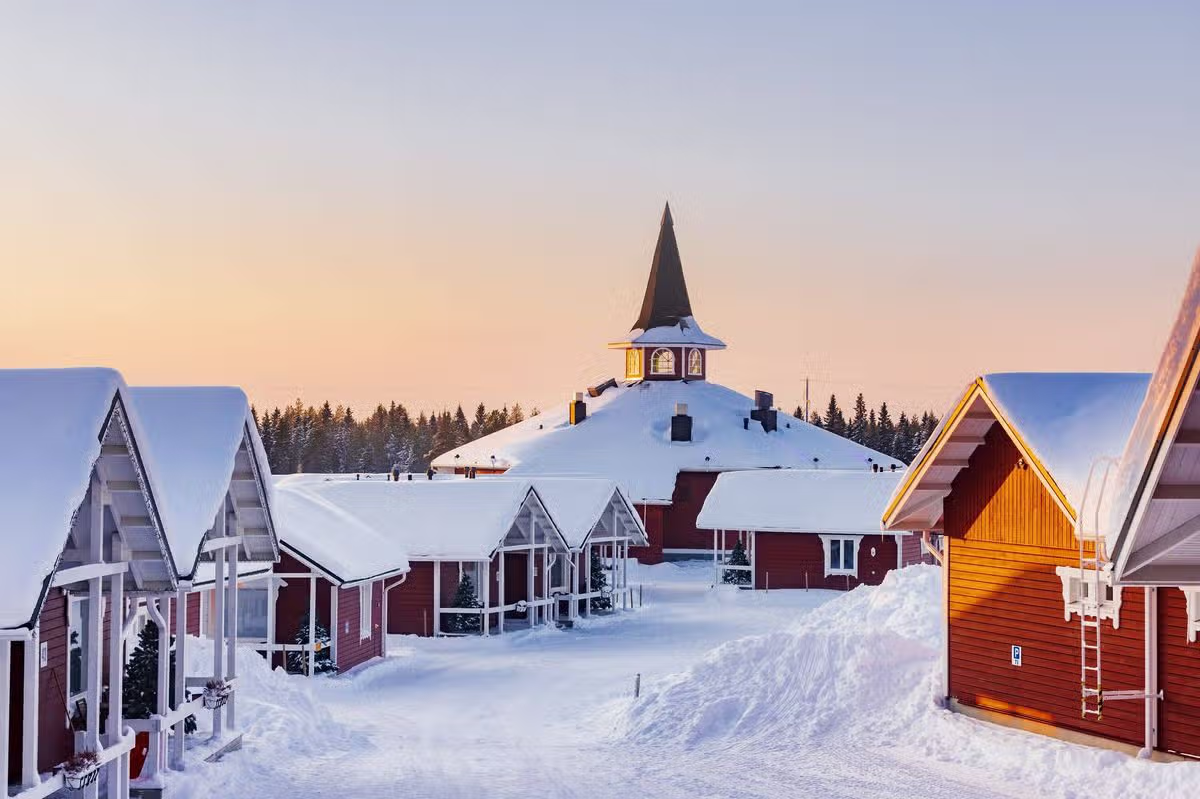
Santa Claus village in Rovaniemi, Finland(Image: Getty)
Few family getaways spark the imagination quite like Lapland. Snow-blanketed woodlands, husky sledding, reindeer encounters, and that crucial visit with Father Christmas make it the ultimate wish-list adventure for countless families.
However, with costs that can soar into the thousands, is journeying to Finnish Lapland worthwhile, or can you experience the same festive enchantment nearer to home at Lapland UK?
Having explored various methods to make a genuine Lapland expedition more budget-friendly, I understand that both choices have considerable appeal. The right option truly depends on your finances, your children’s ages and what you’re hoping to gain from the experience.
Lapland UK: Festive enchantment without flying
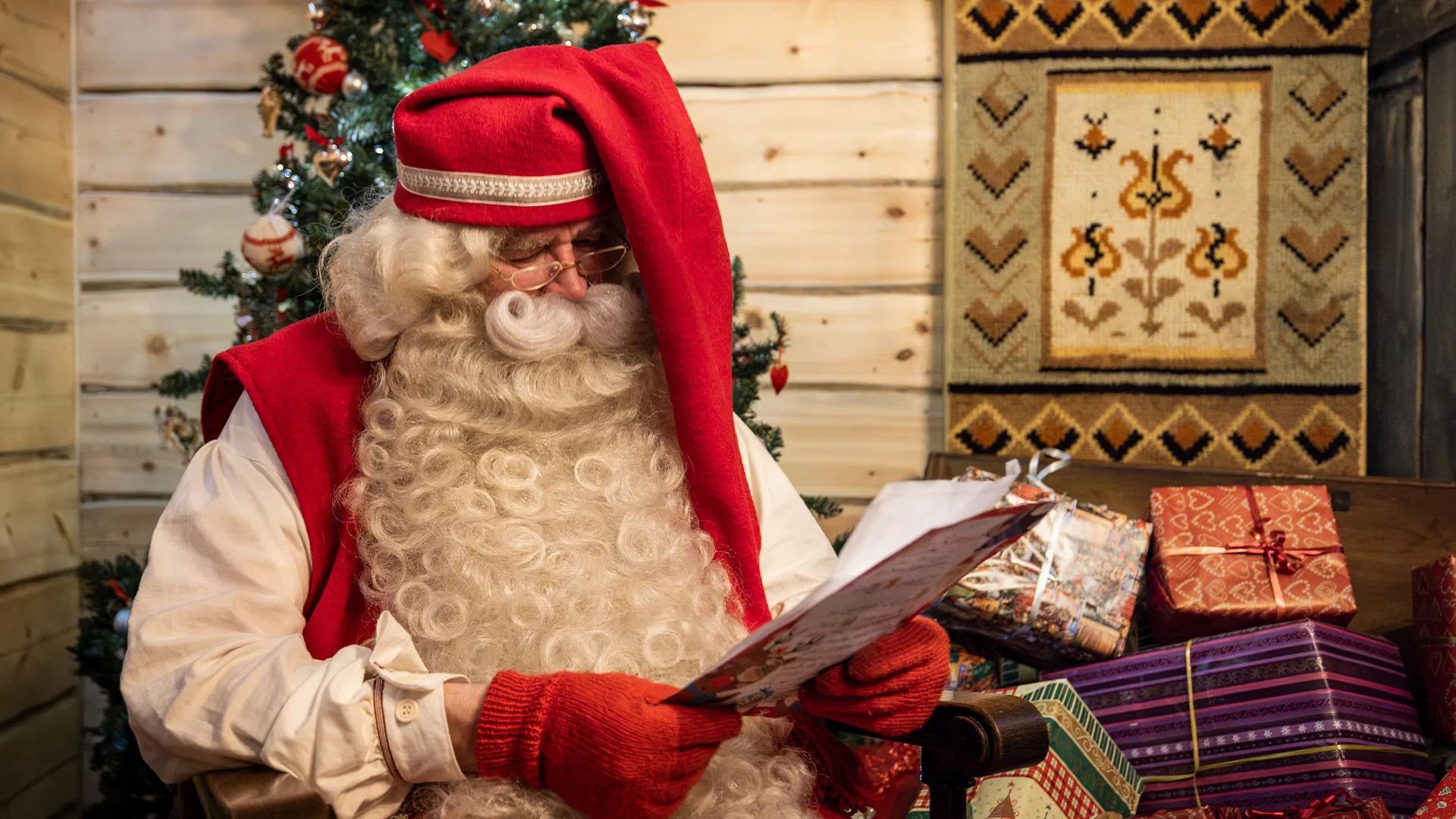
Lapland UK has established itself as a yuletide tradition for numerous families, providing an immersive seasonal experience at its Ascot and Manchester venues. Rather than being a conventional Christmas attraction, the experience is crafted to transport youngsters into Santa’s realm, featuring themed activities, enchanting forest settings and a private audience with Father Christmas.
It’s exceptionally well executed, from the invitation arriving by post to the children receiving the bear they helped make in the toy shop on Christmas morning; enchantment is interwoven into every element. The main benefit is sheer convenience.
There’s no need to arrange flights, fret about whether your little ones can handle the freezing Arctic conditions, or stuff an entire suitcase with thermal clothing. You can experience it all as a day trip, which makes it especially attractive for families with younger kids.
Our top tips for visiting Lapland UK:
- Take a spare bag with you to hide the teddies you’ll secretly take home with you, ready for Christmas Day
- Use the free time you get to explore every little detail in the village area and take all the photos
- Take thick socks with you for ice skating
- Wear comfortable shoes as there’s quite a bit of walking – and dress accordingly for the weather
- And finally… try the hot chocolate with popping candy – yum!
How much does Lapland UK cost?
For the 2026 season, standard tickets start at £60 per person, rising to £155 depending on the date and time of the visit. Booking fees of £4.95 per ticket and postage of £5.95 per booking apply.
This means a family of four could fork out roughly £266 for a date at the cheapest advertised rate, or approximately £646 for a £155-per-person slot, before factoring in travel, food and any extra spending.
The price gap between quieter dates and peak December weekends is substantial, so being flexible can significantly reduce overall expenses.
Bear in mind that tickets are in massive demand. The primary 2026 booking window has shut, though returned tickets might pop up.
For upcoming seasons, register for the official mailing list and be prepared when bookings launch – this truly is the Glastonbury of family outings.
Actual Lapland: an Arctic adventure
There’s something distinctly different about disembarking from a plane into a snowy Arctic setting. In Finnish Lapland, this isn’t merely a Christmas-themed attraction; it forms part of a far broader winter expedition.
Depending on where you base yourself, you could embark on a husky safari, glide through the snow on a reindeer sleigh, tackle a snowmobile excursion, build snowmen among the trees or simply revel in proper snowfall. A visit to Santa Claus Village in Rovaniemi, exploring the breathtaking wilderness and, weather permitting, even catching a glimpse of the Northern Lights are all on the cards.
For youngsters, the real magic lies in the sheer sense of adventure. Rather than spending a few hours in a festive grotto, you’re immersing yourselves in an entirely different world together as a family.
Naturally, the weather comes with the territory. Temperatures can plummet well below freezing, daylight hours are scarce in December, and little ones may need more rest stops than you’d anticipate.
But with suitable clothing and a sensible itinerary, it can make for an unforgettable family getaway.
How much does a genuine Lapland holiday set you back?
This is where many families are deterred before they’ve even begun their search. Organised Christmas trips can run into several thousand pounds for a family of four, with prices climbing steeply around the most sought-after December dates.
As a rough guide, typical short-break packages for 2026 have been advertised at around £3,400-£4,900 for a family, though costs vary considerably depending on the operator, dates, accommodation and activities included. Always scrutinise the actual package inclusions rather than simply the headline figure.
That said, there is an alternative: booking everything yourself. At The Travel Mum, we’ve investigated how to experience Lapland without breaking the bank by arranging flights, lodging and excursions independently.
During one seven-night trip, our total spend came to £3,000 for a trio of travellers, encompassing everything from airfare and hotels to meals, getting around and entertainment. We successfully kept within our financial limits, despite adding a few special extras.
Low-cost carriers operating routes to Rovaniemi have made this DIY approach far more achievable. Our piece, Lapland on a Budget: Real Costs and Tips, breaks down how to organise a journey and identify potential savings.
Admittedly, it requires additional homework, and costs vary depending on when you travel, but it demonstrates that an authentic Lapland getaway needn’t necessarily involve shelling out for a pricey all-in-one package.
Five ways to make real Lapland more affordable:
Be flexible with your dates. December is the most sought-after month, and prices reflect that. November can offer better value, although snow is never guaranteed. January can also be considerably cheaper and is a great option if you’re happy to experience Lapland after Christmas. The Travel Mum Top Tip: If you visit in January, add extra magic for your kids by personally delivering your thank-you cards to Santa himself!
Check flights THEN accommodation. If you’re organising the trip yourself, flights are often the biggest variable. Once you’ve found affordable flights, look for accommodation that fits your budget and is convenient for the activities you want to do. Accommodation books up quickly, so you want to be sure you can find the right combination of flights at the right price, along with suitable available accommodation, too – before you hit book.
Don’t pay for activities you don’t need. It can be tempting to book every husky safari, reindeer ride and snowmobile experience available. But children don’t need a packed itinerary to enjoy Lapland. Playing in the snow, exploring the forest and visiting Santa can be just as memorable.
Check what’s included. Thermal suits, boots, meals, airport transfers and excursions can all add to the cost. A package that initially looks more expensive might offer better value if it includes things you’d otherwise pay for separately.
Think carefully about Santa. Santa Claus Village in Rovaniemi is open year-round, so you don’t necessarily have to visit in December. Travelling outside the Christmas rush can help you save money, and you may find the experience more relaxed.
So, which option is right for you?
For households with very small children, Lapland UK can provide the ideal gateway to festive enchantment. It’s simpler to arrange, less reliant on weather conditions and considerably more economical than a foreign adventure.
Many visitors actually claim they favour Lapland UK’s yuletide experience over the Santa Claus Village in Rovaniemi, Lapland.
However, if your finances permit or you’re prepared to invest the effort in planning an independent expedition, genuine Lapland offers something that’s challenging to replicate. The snow-covered scenery, Arctic pursuits and opportunity to spend multiple days fully absorbed in the location transform it into a proper holiday, rather than merely a festive attraction.
I’d also take into account your children’s ages. For younger ones, a briefer experience might prove more than sufficient. Older kids could benefit more from the outdoor pursuits and the chance to discover somewhere entirely different.
Ultimately, there isn’t a wrong decision here. We frequently place pressure on ourselves as parents to craft the perfect Christmas, but enchanting family moments needn’t come with an enormous price tag.
Whether you’re meeting Father Christmas in a snowy woodland in the UK or journeying to the Arctic Circle, what matters most is selecting an experience that suits your family and your budget. And if the genuine article has always seemed beyond reach, don’t dismiss it until you’ve investigated the costs of arranging it independently.
You might be surprised at what’s achievable.