Israeli

Al Jazeera reports from Israeli attack site in southern Beirut | US-Israel war on Iran

NewsFeed

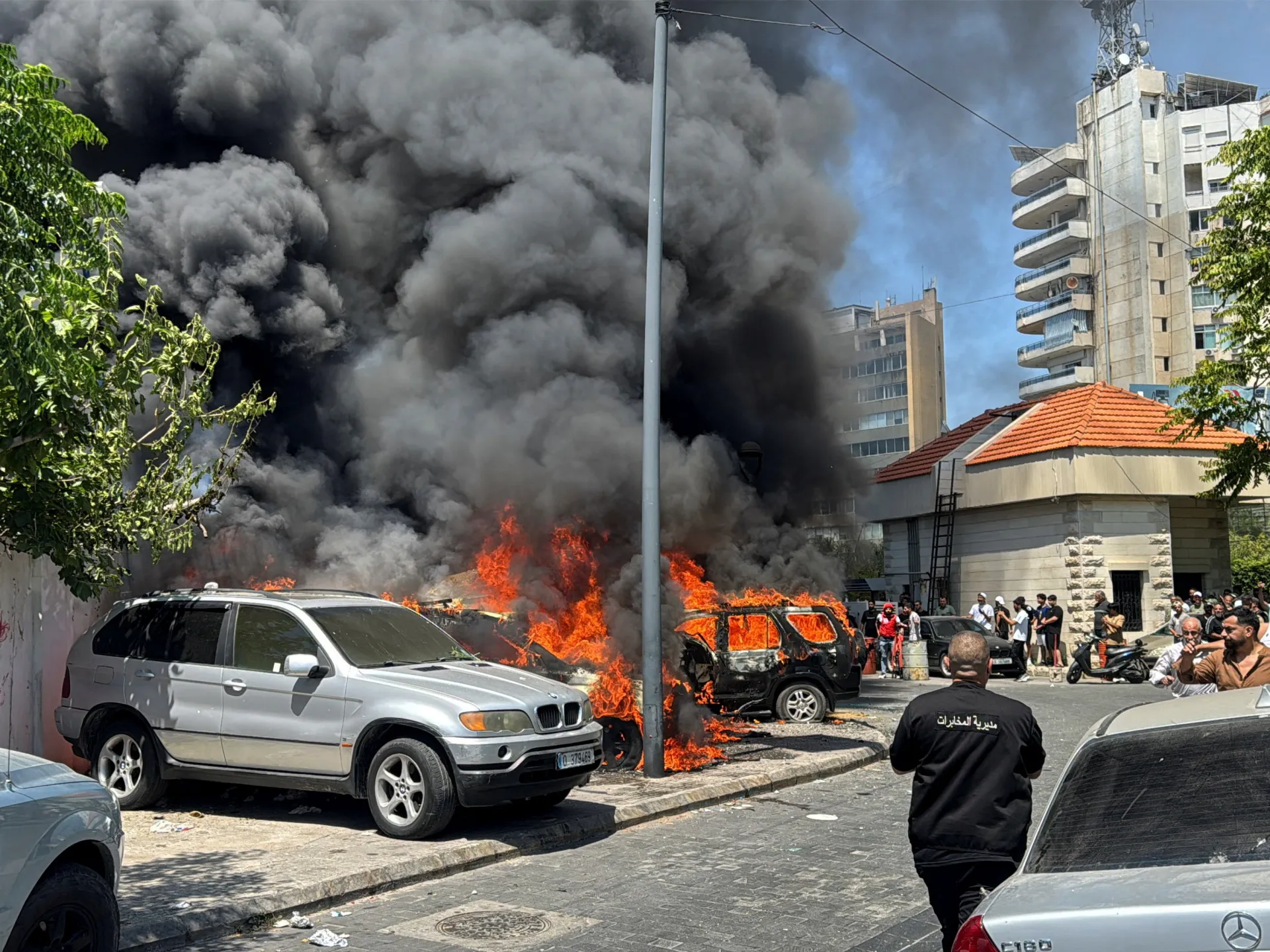
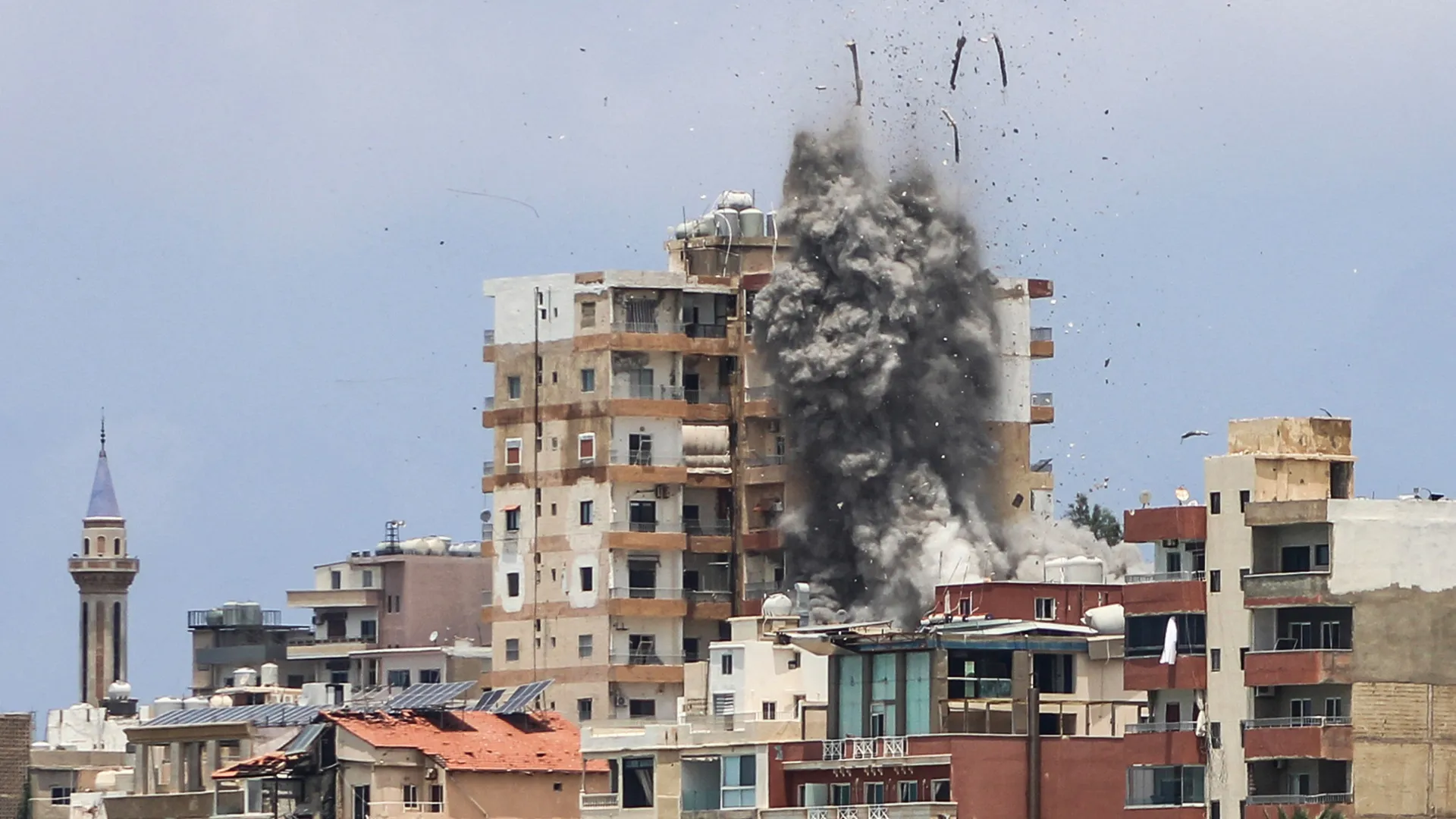
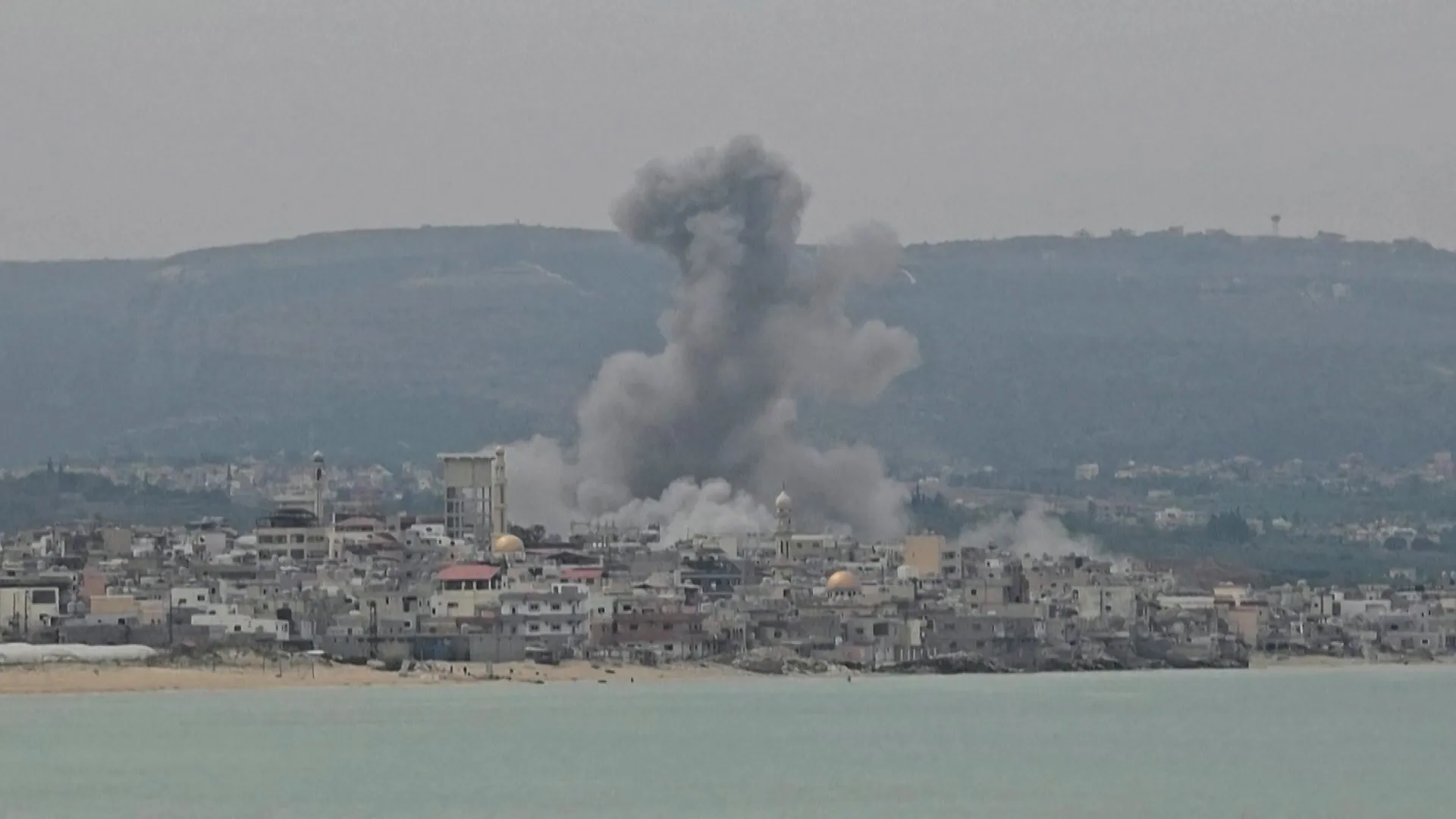
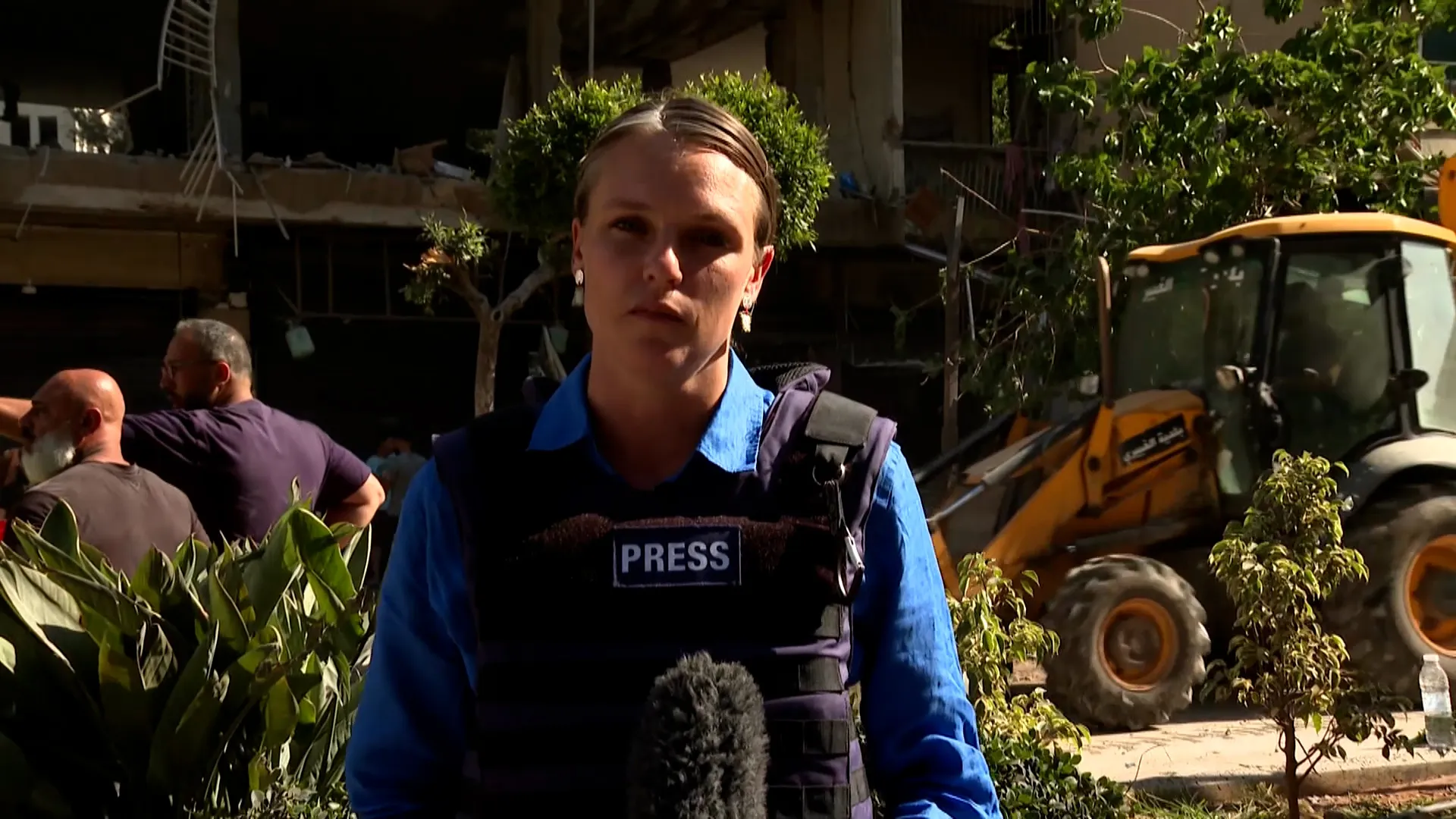
Al Jazeera’s Heidi Pett reports from the site of an Israeli attack on a residential building in southern Beirut, which Israel calls a Hezbollah command centre. The strike came hours before President Trump said a US-Iran deal was meant to be signed.

Source link

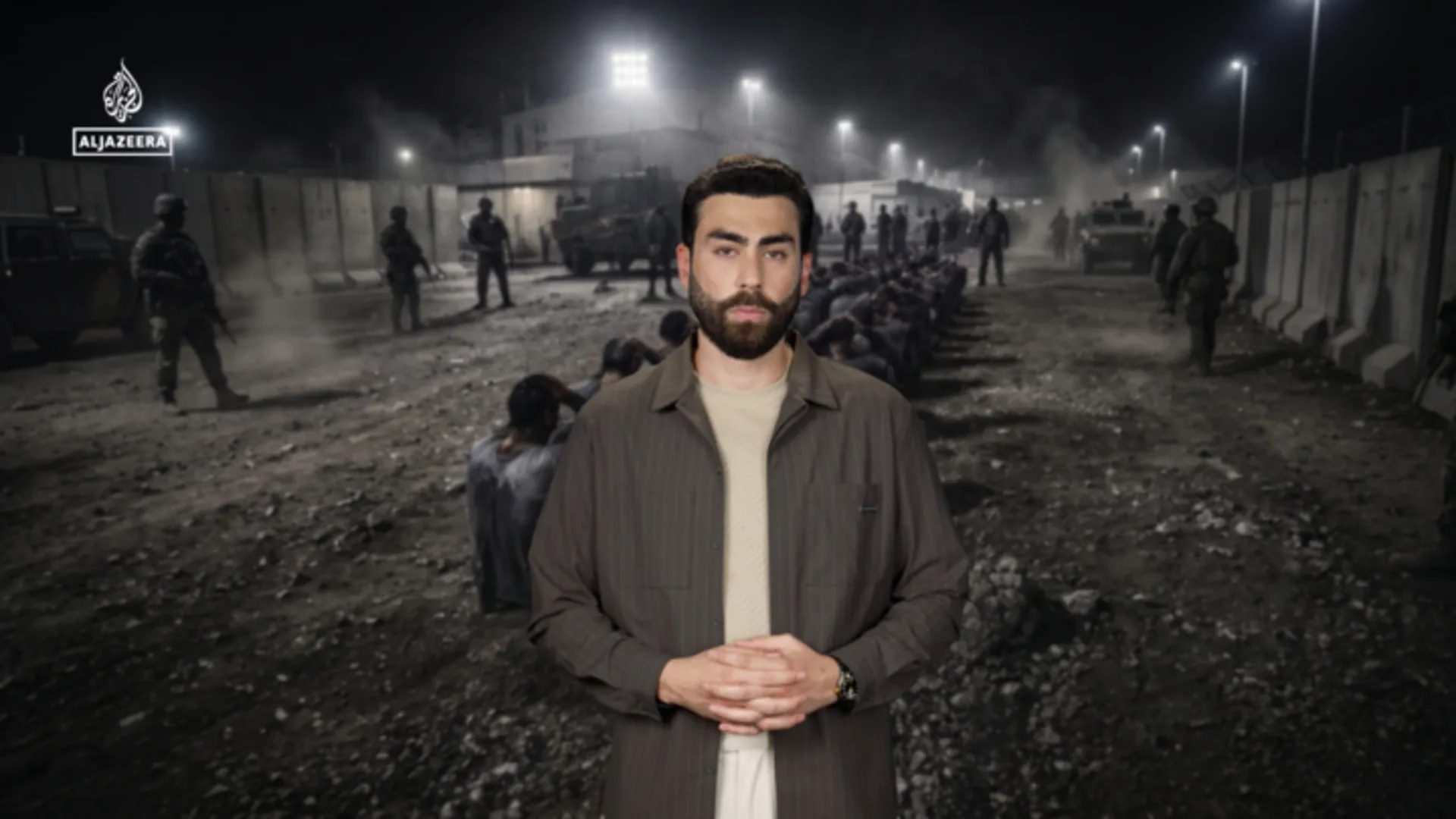
Sexual Violence in Israeli Prisons: What History Tells Us | Crimes Against Humanity

Al Jazeera’s Basel Ghazoghli traces the documented record from 1948 to the present. Sexual violence against Palestinians in Israeli custody is often framed as a post-October 7 issue. But historical records, academic research, and legal testimony suggest a much longer history.

Source link

Gaza post-‘ceasefire’ deaths hit 983 as Israeli attack targets refugee camp | Israel-Palestine conflict News

Israeli attack reportedly kills one person in central Gaza’s Bureij camp, as a disabled Palestinian is shot in the West Bank.

Israeli forces have carried out a deadly attack in a refugee camp in central Gaza, according to Palestinian media reports, as casualties continue to mount in the enclave despite a “ceasefire” declared months ago.

The Israeli drone attack in the Bureij camp on Saturday killed one person and injured two others, reported the Wafa news agency.

The Palestinian Information Center identified the person killed as Muawiya al-Aydi, a local municipality worker.

Further north, a separate Israeli attack injured a person at a gathering in Gaza City’s Tuffah neighbourhood, according to Wafa.

Despite a ceasefire technically in effect since October, Israel’s military has regularly attacked Gaza, over half of which is under Israeli military control in defiance of the ceasefire’s terms.

According to Gaza’s Health Ministry, at least two Palestinians have been killed and 11 injured in Israeli attacks on the enclave in the past 48 hours.

The ministry said 983 people have been killed and 3,122 injured in Israeli attacks since the ceasefire was declared.

Hamas has accused Israel of repeatedly violating the agreement through its continued attacks and by shifting the so-called “Yellow Line” that demarcates Israeli-controlled areas in Gaza.

“Israeli actions reflect its unwillingness to implement the ceasefire agreement and aim to blow up the negotiation track and thwart the efforts being made, while continuing escalation to serve political and electoral considerations,” said Hamas spokesman Hazem Qassem on Friday.

Disabled Palestinian shot, injured in West Bank

Israeli troops also carried out a series of violent raids in the occupied West Bank on Saturday, part of a pattern of near-daily operations since the Hamas-led attacks on Israel on October 7, 2023.

According to Wafa, Israeli forces deployed stun grenades and tear gas during two separate incidents near Bethlehem, causing numerous injuries: one during a raid on the Dheisheh refugee camp and the other while blocking access to the Solomon’s Pools reservoirs.

A disabled Palestinian man was also shot and injured in the town of Duma, near Hebron.

Wafa said Israeli forces shot the man, while Israeli media cited Israeli police as saying an Israeli settler was responsible. According to Israeli police, the settler felt threatened by the man who was carrying a rock.

Other Israeli settlers attacked Palestinians and vandalised property near Bethlehem, including assaulting Palestinian electrical workers and stealing water pipes, said Wafa.

Source link

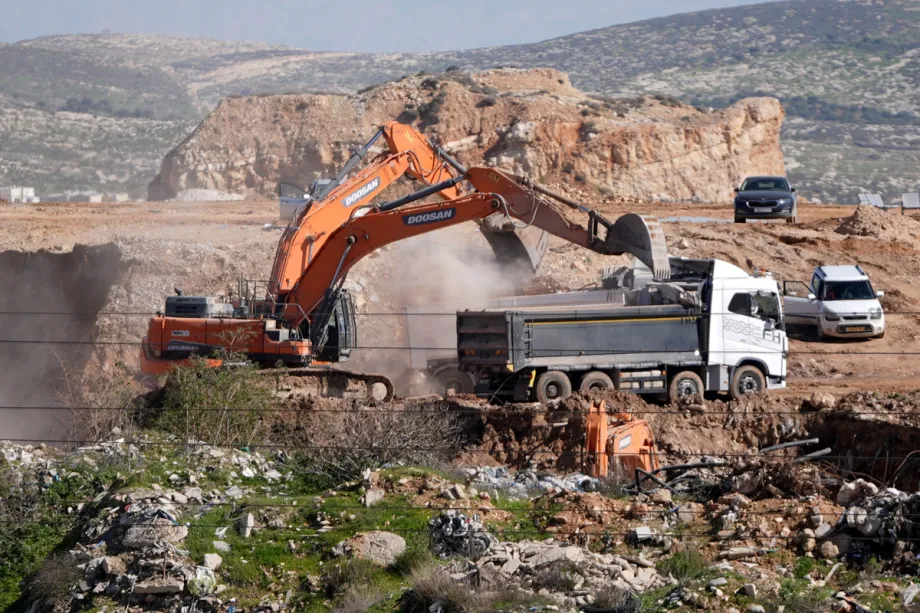
Israeli government mulling huge funding to expand West Bank settlement: NGO | Israel-Palestine conflict News

Israel continues to expand settlements in the occupied territory, which are illegal under international law.

The Israeli government has allocated a first tranche of an expected $388m in new funds for the construction of settlements in the occupied West Bank.

The anti-settlement group Peace Now reported on Thursday that the government had allocated 152 million shekels ($51m) to prepare construction plans for 69 illegal settlements and outposts in the occupied West Bank.

Recommended Stories

list of 3 itemsend of list

The cabinet later reportedly postponed a decision about a 1-billion-shekel ($338m) allocation. That proposal, if passed, would mark one of the largest expansions of illegal Israeli settlements in decades.

“The government decided to postpone the decision [on the 1-billion-shekel allocation] and refer it to the Security Cabinet which is expected to convene on Sunday,” Peace Now wrote.

Under the yet-to-be-approved plan, construction for the settlements, including infrastructure and public buildings, would begin despite necessary planning protocols not having been carried out in accord with Israeli law.

Peace Now accused the government of intending to bypass planning and construction regulations.

“October 7 proved that the right-wing approach has failed: the conflict cannot be ‘managed,’ and the Palestinians cannot be ‘defeated’,” the group said in a statement.

“Israel must reach a political solution and diplomatic agreement, but instead the government is only sinking us deeper into the mire and condemning us to many more years of bloody conflict.”

Israel has come under growing condemnation for expanding settlements in the occupied West Bank, which are illegal under international law.

On Tuesday, the United Kingdom, Australia, New Zealand, Canada, France and Norway imposed sanctions on networks involved in financing, enabling and carrying out settler violence against Palestinians.

According to Peace Now, the current Israeli government has approved 103 settlements since it took office in December 2022. From that figure, 51 are entirely new settlements.

On Wednesday, Amnesty International published a report accusing the Israeli government of playing a central role in what it describes as the ethnic cleansing of Palestinians in the occupied West Bank. The report described the government’s actions as “integral”.

At least 117 villages in the West Bank have been subject to either complete or partial displacement due to settler attacks, according to the United Nations Office for the Coordination of Humanitarian Affairs (OCHA).

Amnesty also condemned the upcoming “Great Israeli Real Estate Event”, which is due to take place in London on Sunday.

The event, which has also been held in the United States and Canada, promotes the sale of properties in the occupied West Bank, which campaigners say is in violation of international law.

Source link

Meta to take legal action against Israeli spyware company NSO | Cybersecurity News

WhatsApp disrupted phishing attempts linked to NSO, blacklisted by the US for security concerns.

Meta has said it is ⁠filing a federal US ⁠court contempt order against Israeli spyware firm NSO Group for violating a permanent injunction that barred it from ever ⁠targeting WhatsApp and its users.

The company said on Monday that its WhatsApp messaging service disrupted new spear phishing attempts linked to NSO, an ⁠entity blacklisted by the United States government for engaging in activities that are contrary to national security or foreign policy interests.

Recommended Stories

list of 3 itemsend of list

These attempts were similar to previous “1-click phishing campaigns”, aimed to trick users into clicking ‌malicious links and direct them to external websites, Meta said in a blogpost.

A “1-click” is a type of cyberattack where a single click on a malicious link or attachment is sufficient to compromise a victim’s device or account, without requiring them to enter their credentials.

Meta said WhatsApp took down test accounts ⁠and groups created by NSO on its platform. ⁠NSO did not immediately respond to a Reuters request for comment.

Last year, a US court ordered NSO to stop targeting Meta’s WhatsApp, a development the spyware ⁠company warned could put it out of business.

While the ruling significantly reduced the punitive damages NSO ⁠owed Meta to $4m from an ⁠initial $167m, the injunction itself was seen as a substantial challenge for the company, which faces ongoing accusations of enabling human rights abuses through its Pegasus hacking tool.

Meta ‌said on Monday that last month it was joined by 12 prominent civil rights organisations, a coalition of security researchers, privacy advocates ‌and ‌digital rights experts, who filed their amicus briefs to fight NSO’s appeal against the permanent injunction.

Source link

Why has the Pentagon raised the risk of Israeli spying to the highest level? | Explainer News

The US defence department has reportedly raised its assessment of the espionage threat posed by Israel to the highest category of “critical”, according to media reports citing American intelligence and defence officials.

The assessment, first published by NBC News on Friday and followed by The New York Times, comes at a time when Washington is pursuing diplomatic engagement with Iran, while its ally Israel is opposed to the talks aimed at ending the conflict now 100 days long on Sunday.

Recommended Stories

list of 3 itemsend of list

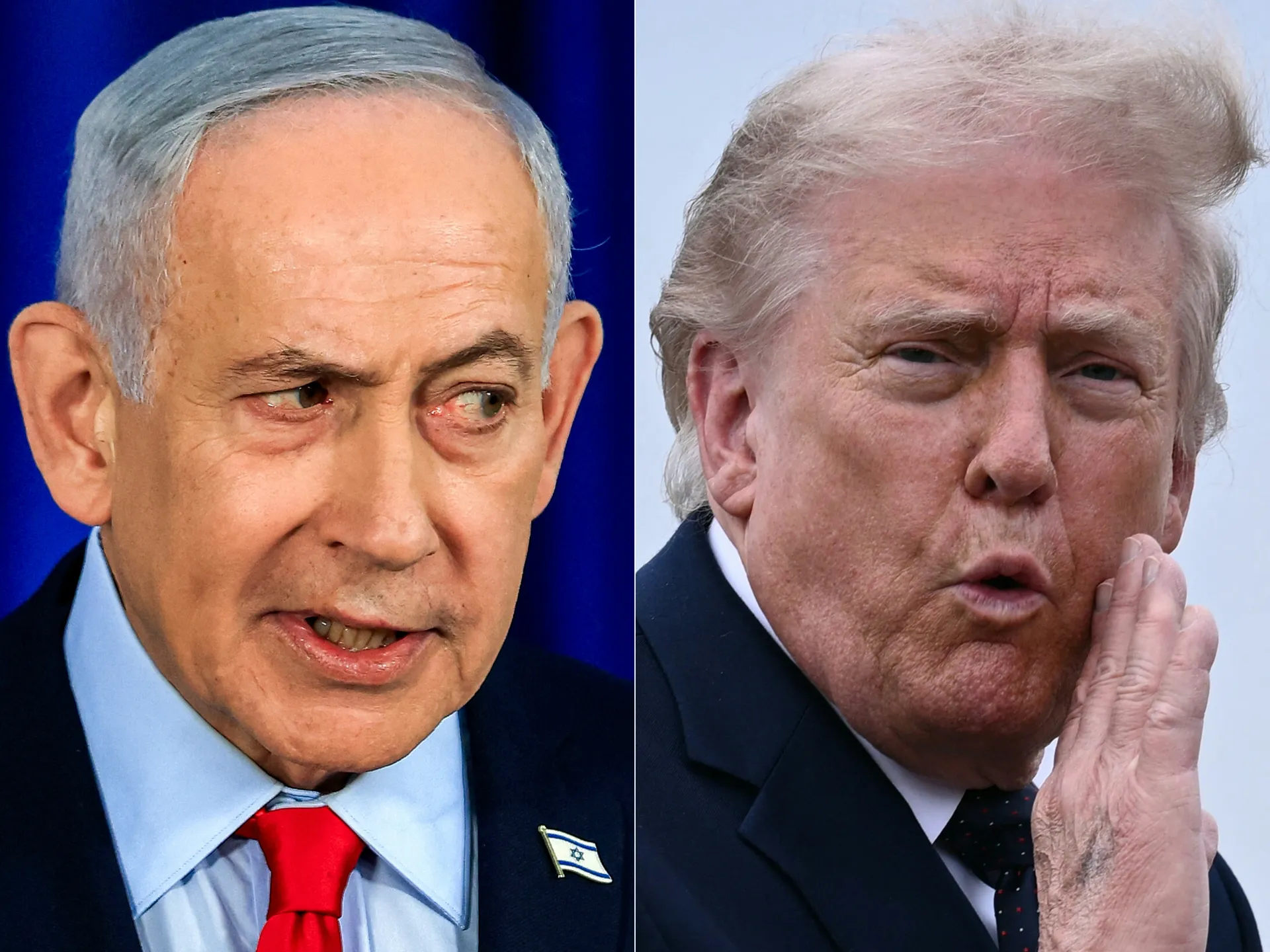
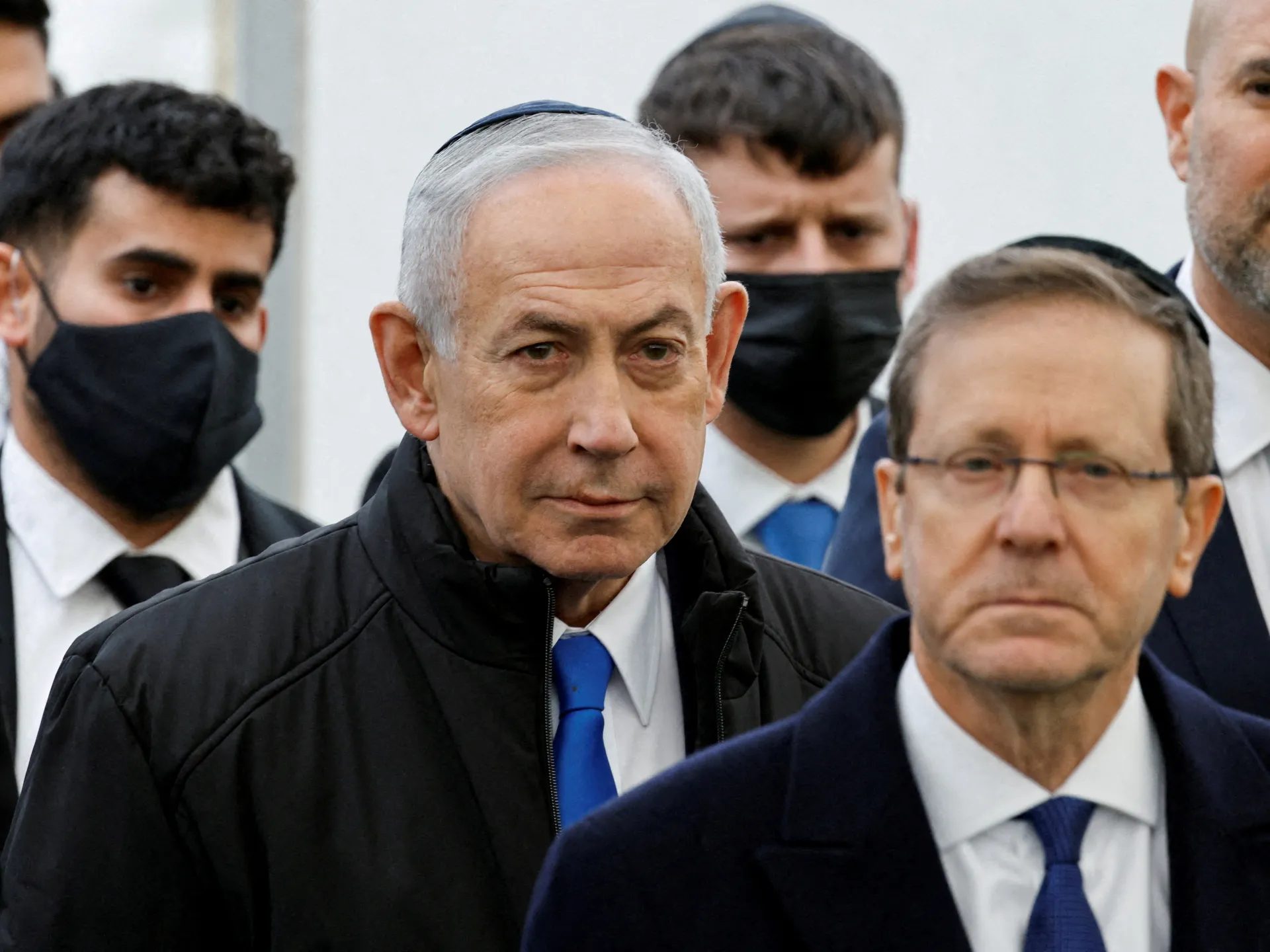
US President Donald Trump and Israeli Prime Minister Benjamin Netanyahu have publicly diverged in their approach to the war – Washington wants to extricate itself amid political pressure, while Israel is still pushing to topple the Iranian government.

This is not the first time Israel has been accused of espionage against the US – its closest ally and benefactor – with which it maintains extensive security and intelligence cooperation.

Here is what you need to know:

What did the Pentagon say?

According to NBC News and The New York Times (NYT), citing anonymous current and former US officials, the Pentagon’s Defense Intelligence Agency (DIA) arm recently upgraded Israel’s counterintelligence threat level from “high” to “critical”, the most serious designation in its internal assessment system.

The warning was based on Israeli intelligence agencies intensifying efforts to collect information on US military personnel, government officials and policy discussions.

The news reports said the concern was focused on American officials involved in shaping Washington’s approach towards Iran, as the two foes continue to negotiate an end to the war that has sent global energy prices soaring.

“An intensified Israeli effort to learn about US positions in talks with Iran has crossed a line, according to some American officials,” the NYT said.

According to the news outlet, intelligence assessments pointed to increased Israeli surveillance efforts in recent weeks targeting US military and government figures.

They include Trump envoy and key negotiator Steve Witkoff; the Pentagon’s top policy official, Elbridge A Colby; and one of his deputies, Michael P DiMino IV, the NYT reported.

Witkoff was chief negotiator in the nuclear talks before Israel and the US launched the attack on Iran on 28 February.

The reports also referenced incidents in which US defence personnel working in Israel allegedly discovered software on their phones “to tap their communications had been surreptitiously installed on their phones”, the NYT added.

The newspaper said the DIA reports found Israeli spying on the US, which has occurred before, surged from late 2024 onwards, coinciding with US President Joe Biden’s administration stepping up pressure on Israel over its genocide in Gaza.

The reported increase in spying continued after Trump was elected to a second term in November 2024 and began shaping his administration’s policy towards Iran.

Tensions between Trump and Netanyahu have come to the surface in the past week, amid reports the US president called the Israeli prime minister “f****ing crazy”, due to Israel’s escalation in Lebanon. At least 3,500 people have been killed in Israeli attacks in Lebanon.

Trump has been pressing Israel to halt its attacks on Lebanon, but the bombardment in the south has continued, undermining a potential deal with Iran which insists both issues are inseparable.

While intelligence gathering between friendly nations is not unusual, some US officials reportedly believe recent Israeli activities have gone beyond what Washington traditionally considers acceptable among allies.

According to officials cited in the reports, US intelligence agencies have become increasingly concerned that Israel is seeking greater insight into US policy discussions and negotiating positions, specifically with Iran.

What has been the response from the Israeli and US governments?

Israel has denied the allegations.

According to NBC, the Israeli embassy in Washington said it was “completely false” that the country spies on US government officials or American institutions.

“Israel does not gather intelligence on American entities, let alone US government officials,” NBC quoted the spokesperson as saying.

A White House official also reportedly dismissed the NBC report, saying the “entire story is false and sourced to someone who doesn’t have any knowledge of what’s going on”.

Al Jazeera could not independently verify the media reports and the US and Israeli responses.

Has Israel previously spied on the US?

Yes. Israel has previously been involved in espionage cases targeting the US, although such incidents have not been spoken about much given their close ties.

The most famous example is the Jonathan Pollard affair. The civilian intelligence analyst working for the US Navy was arrested in 1985 after passing large quantities of classified information to Israel. He later pleaded guilty to espionage and served 30 years in prison before being released on parole in 2015.

The Pollard case remains one of the most significant espionage scandals in the history of US-Israeli relations and continues to shape perceptions within parts of the American intelligence community.

However, espionage between close allies is not uncommon, says academic Andreas Kreig.

“Israel has a particularly long track record of conducting intelligence operations inside the United States,” the professor at the Department of Security at King’s College London told Al Jazeera.

“Over decades, Israel has sought to penetrate US policymaking circles through both formal and informal networks, including intelligence and lobbying channels, in order to gain insight into American strategic thinking and decision-making,” he added.

Nevertheless, Washington has for years provided billions in military aid and weapons sales to Israel, including throughout the ongoing Israeli genocide in Gaza.

The US Congress is also currently debating a section of a new defence bill, which would integrate the two countries’ research and development for weaponry to an unprecedented degree. The US has also provided diplomatic cover to Israel at the UN and other international bodies.

Why has Israel allegedly ramped up its espionage activities in the US?

According to academic Kreig, Israel is “deeply concerned” about the trajectory of US negotiations with Iran.

“From the Israeli perspective, the recent conflict with Iran was effectively a joint US-Israeli war, yet the United States is now in a position to shape the diplomatic endgame,” he told Al Jazeera.

“The principal Israeli concern is that Washington could agree to a deal that establishes an enduring diplomatic framework, potentially lasting years or even decades, which would constrain Israeli freedom of military manoeuvre against Iran in the future. Israeli policymakers therefore have a strong incentive to stay ahead of US deliberations and understand negotiations in real time.”

Moreover, Kreig said Israeli intelligence gathering also serves a “strategic purpose”, which is to identify “opportunities to influence, derail, or undermine negotiations if Israeli leaders judge the process to be contrary to their security interests”.

“While Israel sees the United States as its indispensable patron and closest strategic partner, it has simultaneously treated the US as a legitimate intelligence target whenever interests diverge,” he added.

“What surprises many observers is the extent to which Israel, despite being heavily dependent on American military, diplomatic and financial support, has developed the capacity to penetrate multiple layers of US policymaking and cultivate influence across key institutions involved in American statecraft.”

According to analyst and Iran expert Negar Mortazavi, Israel’s reported espionage in the current context is not new and has past precedent. Israel’s opposition to US-Iran negotiations goes back to the time of US President Barack Obama when he signed a nuclear deal with Iran in 2015, which the US under Trump withdrew from in 2018.

“The Israeli Prime Minister Netanyahu did not want any deals or serious negotiations or normalisation between Tehran and Washington, and he tried to stop it publicly and privately in any way he could,” she told Al Jazeera.

Moreover, Mortazavi said the ongoing war on Iran was “not going as planned or as promised”, and that Trump wants “to exit the war and he has to do it through diplomacy”.

“At this point it is very clear that US interests and Israeli interests are no longer overlapping, they’re divergent,” she added.
Source link

Palestine urges US to stop Israeli ‘madness’ after new illegal settlement plans in occupied West Bank – Middle East Monitor

The Palestinian Authority condemned Israel’s decision to build 2,162 illegal settlement units in the occupied West Bank, calling for US intervention to halt the Israeli “madness.”

“All settlement activity is illegal under international law and does not confer legitimacy to anyone,” the authority said in a statement carried by the official news agency Wafa.

It said the Israeli decision constitutes a “blatant challenge to international law and UN resolutions,” particularly UN Security Council Resolution 2334, which affirms the illegality of the Israeli settlements in all occupied Palestinian territories, including East Jerusalem.

It held the Israeli authorities responsible for the “serious consequences” of the settlement policies, warning that they would push the region toward “further cycles of violence and escalation.”

READ: Situation worsening in West Bank, warn Italy, UK, France, Germany

The authority called on the US administration to intervene immediately “to stop the Israeli madness if it genuinely seeks to promote security and stability in the region and globally.”

It stressed that the Palestinian people would remain “steadfast on their land and committed to their legitimate national rights,” saying the illegal settlement plans would not deter them from continuing their struggle to establish an independent Palestinian state on the June 4, 1967 borders with East Jerusalem as its capital.

The statement came after Israel’s Higher Planning Council approved the construction of 2,162 new settlement units across several illegal settlements in the occupied West Bank.

The plans include 1,006 units in the Gevaot settlement within the Gush Etzion bloc south of Bethlehem, 922 units in the Har Brakha settlement south of Nablus, and 234 units in Kiryat Arba settlement built on land belonging to the city of Hebron.

Palestinians view the new plans as part of an accelerated Israeli policy aimed at expanding illegal settlements, confiscating Palestinian land and creating new facts on the ground.

READ: Israeli authorities issue order to seize 74 acres East of Bethlehem

Source link

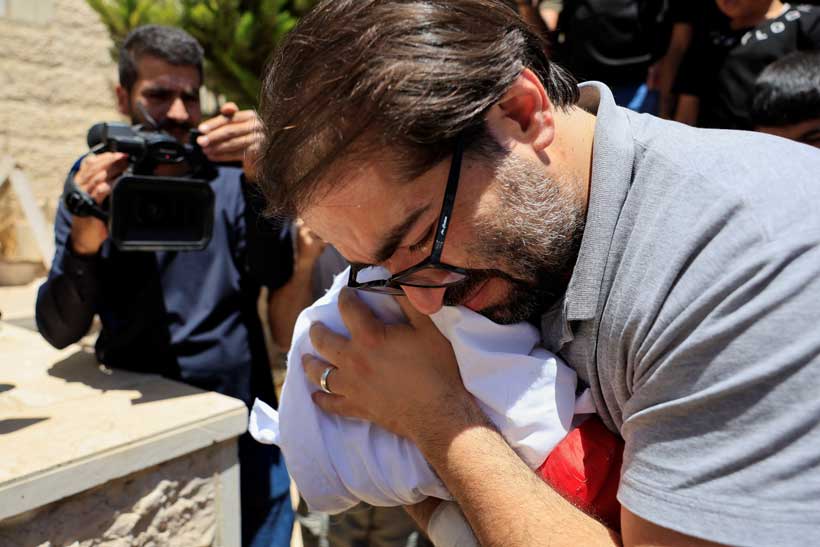
Palestinian father buries baby killed by Israeli gunfire in West Bank | Newsfeed

NewsFeed

A Palestinian father in Hebron has buried his seven-month-old son after the baby was killed by Israeli gunfire directed at the family’s car. The shooting, which also wounded the child’s parents, is the latest deadly incident amid escalating Israeli violence in the occupied West Bank.

Source link

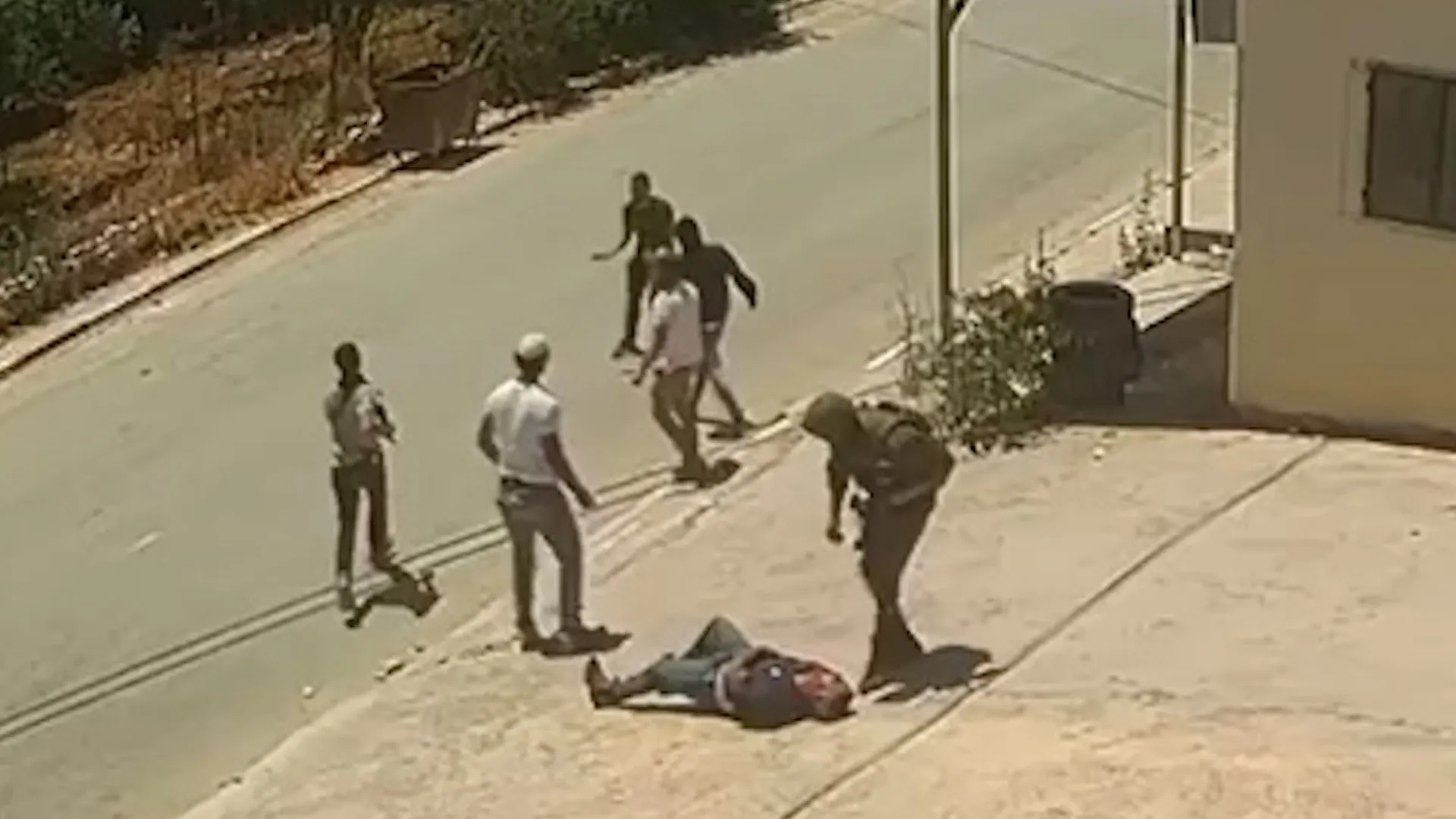
Video shows Israeli soldier and settlers assaulting two Palestinians | Occupied West Bank

NewsFeed

A surveillance camera caught a brutal assault by an Israeli soldier and settlers on two young Palestinians in the occupied West Bank. Video shows them slamming the victims onto the ground and repeatedly beating them, including with a plank of wood, leaving them motionless on the ground.

Source link

7-month-old baby killed, parents wounded after Israeli forces open fire on vehicle in West Bank

Israeli forces reportedly killed a seven-month-old Palestinian baby, Sam Fahd Abu Haikal, and injured his parents in the Tel Rumeida area near Hebron on Friday evening, according to the Palestinian health ministry. The baby’s grandmother described how the family stopped their car after seeing Israeli military vehicles when shots were fired at them. She recounted that a bullet hit the baby in the face and lodged in his mother’s cheek, while also grazing the father’s finger. The parents were treated for their gunshot wounds.

The Israeli military stated that during operations in Hebron, soldiers fired shots at a vehicle they thought was approaching them quickly. They acknowledged that three Palestinians, later determined to be “uninvolved civilians,” were injured, and the incident is under investigation. Tel Rumeida has a history of violence as Israeli settlers live with military protection among the Palestinian community. Recent EU data indicates over 700,000 settlers reside in East Jerusalem and the West Bank while more than 3 million Palestinians live there.

With information from Reuters

Source link

Israeli strike kills at least five people at wedding in Gaza | Israel-Palestine conflict News

Casualty toll is expected to increase, reports Al Jazeera’s Hani Mahmoud.

At least five people have been killed while attending a wedding in Gaza City after Israeli forces bombed the wedding tent.

Al Jazeera’s Hani Mahmoud, reporting from the enclave on Saturday, said several projectiles exploded in or near tents that were part of the wedding, with shrapnel flying into surrounding areas.

A source at al-Shifa Hospital told Al Jazeera reporters on the ground that more than a dozen people were wounded in the attack.

Women and children are believed to be among the casualties, Mahmoud said, adding that the casualty toll is expected to rise.

This is a developing story. More to come…

Source link

‘Badge of honour’: Israeli settlers shrug off global condemnation | Occupied West Bank News

When the European Union issued its latest tranche of sanctions against Israeli settler groups and their leaders, Regavim, founded in part by the country’s Finance Minister Bezalel Smotrich, these groups welcomed the measures as a “badge of honour.”

Another sanctioned figure, Daniella Weiss, whose movement, Nachala, has held conferences on the Gaza border to discuss plans for settlement expansion into the occupied Palestinian territory, likewise dismissed the European penalties as “ridiculous” and “banal”.

Recommended Stories

list of 4 itemsend of list

In total, the EU sanctioned four entities and three individuals associated with the settler movement, which includes high-profile characters such as Weiss, Regavim and its director, Meir Deutsch, and the Amana cooperative association, which offers logistical and financial support to settlements in the occupied West Bank.

Even government figures have been targeted in recent Western actions. Finance Minister Bezalel Smotrich, a son of the settler movement, was sanctioned by the United Kingdom, Canada and several other countries for his alleged role in supporting or enabling violence in the West Bank, highlighting how the settlement project has the support of the highest echelons of the Israeli state.

Overall, the nonchalant response from the targeted figures and entities suggests that none of the EU measures will do anything to stop settlement expansion or make individuals accountable for the growing wave of violence against Palestinians.

Ironically, the largely toothless measures might instead become a source of domestic prestige for their leaders, analysts say, as few would expect these hardline settler figures to spend their summers in Paris or London and thus be affected by the sanctions. Instead, a wave of terror in the occupied West Bank will likely continue, with the tacit support of the government.


Endemic violence

In the eyes of many activists and observers who spoke to Al Jazeera, the EU’s focus on group and individual “violations” falls far short of articulating the scale of the highly coordinated settler attacks or the extent to which the state and society support them.

Following the Hamas-led attack of October 2023, United Nations and human rights monitors have documented systemic lethal settler attacks in places such as the South Hebron Hills, where residents of villages like Susiya and Umm al-Khair have been killed or seriously injured in collective incursions.

In the northern West Bank, Palestinian residents of villages around Nablus and Ramallah have seen their homes, vehicles and olive groves torched during nighttime settler raids. Entire Bedouin herding communities in the Jordan Valley have also been forcibly displaced following sustained campaigns of intimidation and violence.

All of this underscores the depth and breadth of settler activity, which, according to people on the ground, has the direct support of the Israeli government.

“It’s gotten much worse since October 2023. They now have the courage to attack into the heart of densely populated Palestinian villages. I see them, they came into the heart of my village outside Ramallah, they feel safe to do so,” Tahseen Alayan, deputy director of Al-Haq, told Al Jazeera.

“If you buy a sheep, they will steal it. If you build a house, they will destroy it. If you buy a car, they will burn it.”

BE'ERI, ISRAEL - OCTOBER 21: Daniella Weiss, founder of the Nachalot Association, attends the Jewish religious holiday of Sukkot (Feast of Tabernacles) activities, where activist Jewish people set up numerous gazebos in the area as a tradition in Be'eri, Israel on October 21, 2024. Israelis and far-right politicians are demonstrating demanding the expulsion of Palestinians from the Gaza Strip and the reopening of settlements there, while others dream of invading many countries in the region in pursuit of “Greater Israel”. ( Enes Canlı - Anadolu Agency )
Daniella Weiss, founder of the Nachalot Association, described the EU sanctions as “ridiculous” and “banal” [Enes Canli/Anadolu Agency]

Examples of Israeli government complicity in these settler raids are not hard to find, and the statistics indicate collective efforts to entrench Israeli control over the West Bank, which has been occupied since 1967.

Israeli forces and settlers are accused of killing an estimated 1,168 people in the occupied West Bank since October 2023 and injuring a further 12,666 Palestinians. Another 33,000 people have been displaced, while Israel has also detained nearly 23,000 Palestinians in the West Bank during this period, many without charge.

“The violence does not happen in a vacuum,” Alayan continued. “This is an extension of the Israeli government; settlement is at the core of their identity. They are protected by the government and by the occupying services, and they freely admit it.”

A tragic incident that comes to mind is settler Yinon Levi, who allegedly shot dead Palestinian activist Awdah Hathaleen in Masafer Yatta last year. Despite the murder being captured on video, Levi nevertheless remains at large.

“Even if they are ever prosecuted, the sentences rarely reflect the severity of the crime,” Alayan said. “These people return to their homes and are seen as heroes.”

‘Entitlement and superiority’

This sense of impunity that settlers appear to be imbued with cannot be detached from the appointment to ministerial positions of leading figures or sympathisers of the settler movement – notably Ben-Gvir and Smotrich, the latter born in an illegal settlement in the occupied Golan Heights.

In a sign of state-settler cooperation to achieve direct control of the West Bank, in contravention of the Oslo Accords, Israel last year announced plans for the establishment of the E1 settlement that would link occupied East Jerusalem with its growing Maale Adumim bloc.

According to plans outlined by Smotrich, when established, this settlement would kill any hopes of the creation of a Palestinian state in the West Bank and Gaza and fulfil a biblical prophecy that many in the movement have been working towards.

Israeli far-right Finance Minister Bezalel Smotrich holds a map of an area near the settlement of Maale Adumim, a land corridor known as E1, outside Jerusalem in the occupied West Bank, on August 14, 2025, after a press conference at the site. [Menahem Kahana/AFP]
Israeli far-right Finance Minister Bezalel Smotrich holds a map of an area near the settlement of Maale Adumim, a land corridor known as E1, outside Jerusalem in the occupied West Bank, on August 14, 2025, after a news conference at the site [Menahem Kahana/AFP]

Daniel Bar-Tal, a professor of social-political psychology from the Department of Education at Tel Aviv University, interpreted the thinking behind the settlers leading this violence across the West Bank.

“It is divine order to settle West Bank. With divine order you do not argue but achieve it in the way Yehoshua carried it 3,000 years ago when he entered the promised land,” he explained. “He achieved it with sword, so we need to do the same.”

Shai Parnes of the Israeli human rights group B’Tselem told Al Jazeera that the absence of international pressure has bolstered the alliance between the state and settler movement.

“The Israeli regime is an apartheid regime based on Jewish supremacy and institutionalised discrimination against Palestinians,” Parnes told Al Jazeera.

“Any Israeli, civilian or soldier, who harms a Palestinian receives full immunity and support from the Israeli systems, and Israel itself receives this from the international community. These facts explain the Israelis’ sense of entitlement and superiority.”

Palestinian Nazem Saleh Shoman stands inside a pen at a sheep farm that was set on fire the previous night by Israeli settlers in the Palestinian village of Abu Falah in the central occupied West Bank on June 2, 2026.
Palestinian Nazem Saleh Shoman stands inside a pen at a sheep farm that was set on fire the previous night by Israeli settlers in the Palestinian village of Khirbet Abu Falah in the central occupied West Bank [AFP]

Yehouda Shenhav-Shahrabani, one of Israel’s leading sociologists, described the channelling of “Jewish supremacy” from the individual to the group, to the state, and back again, as a “closed loop”.

This, he said, fosters a sense of superiority among individuals, and when combined with a militarised society, makes violence against the native Palestinian population, who are in the way of realising this supposed biblical prophecy, almost inevitable.

“Some believe they’re in the West Bank because God said it was theirs. Others are there because they’re too poor to be anywhere else, and have been told they’re superior anyway,” he said.

“Two-thirds of the time, these same people are soldiers. They carry guns all the time. Looking on while they carry out this violence against Palestinians are other soldiers who believe almost exactly the same thing, and behind them politicians. Like I said, it’s a closed loop.”

Source link

Ireland imposes travel ban on Israeli ministers Ben-Gvir and Smotrich | Israel-Palestine conflict News

Irish Taoiseach Martin says the far-right ministers have shown ‘a desire to see the elimination of Palestinians from Palestine’.

Ireland has barred Israel’s National Security Minister, Itamar Ben-Gvir and Finance Minister, Bezalel Smotrich, from visiting the country, citing their conduct towards pro-Palestinian activists and support for policies that would displace Palestinians from their homeland.

Ireland’s Prime Minister Micheal Martin – known as the Taoiseach – confirmed the move on Friday, saying the two far-right ministers had advocated positions that amounted to “a desire to see the elimination of Palestinians from Palestine”.

Both Ben-Gvir and Smotrich have repeatedly called for Israel to annex Palestinian territories and push Palestinians out of Gaza, provoking condemnation from rights groups and several foreign governments.

Martin also referenced the treatment of pro-Palestinian activists who were part of a Gaza-bound aid flotilla last month.

Ben-Gvir provoked widespread condemnation when he shared video of himself mocking the detained activists as they knelt on the floor, blindfolded, with their hands bound.

In a statement, Ireland’s justice ministry said Justice Minister Jim O’Callaghan had instructed immigration officers to refuse entry to Ben-Gvir and Smotrich should they seek to enter the state.

Ben-Gvir became a minister in 2022, after an alliance with Smotrich’s far-right Religious Zionist party came third in legislative elections.

Smotrich, who himself lives on an illegal Israeli settlement, has been a vocal advocate of Israel annexing the occupied West Bank, saying he hopes to “kill the idea” of a Palestinian state.

Together, Ben-Gvir and Smotrich form a cornerstone of Israeli Prime Minister Benjamin Netanyahu’s right-wing coalition.

‘Justifies EU sanctions’

Addressing Ireland’s travel ban at a summit in Montenegro, Martin said the two Israeli ministers should also be subject to EU sanctions.

“In my view, their behaviour justifies sanctions at EU level as well, and that’s something that we will raise, whether we can get sufficient support across the European Union is a different matter,” Martin was quoted by Irish broadcaster RTE.

Since Israel’s genocidal attacks on Gaza, Ireland has been among the most outspoken critics of Israel.

In 2024, Ireland officially recognised the Palestinian state, after which Israel ordered the closure of its embassy in Dublin.

Ben-Gvir and Smotrich have faced bans from other European countries over their conduct, including Britain, Spain and Slovenia. Last month, France banned Ben-Gvir from entry.

Source link

How the world failed a mother’s children, killed in Israeli strikes on Gaza | Child Rights News

NewsFeed

Palestinian journalist and mother Aya Shamaa wrote about how an Israeli strike killed her children, newborn Ryan and seven-year-old Yaman. Like countless mothers in Gaza, she saw her children as gleams of hope amid a fragile ceasefire. Narrated by Al Jazeera’s Al Anoud Al Aqeedi.

Source link

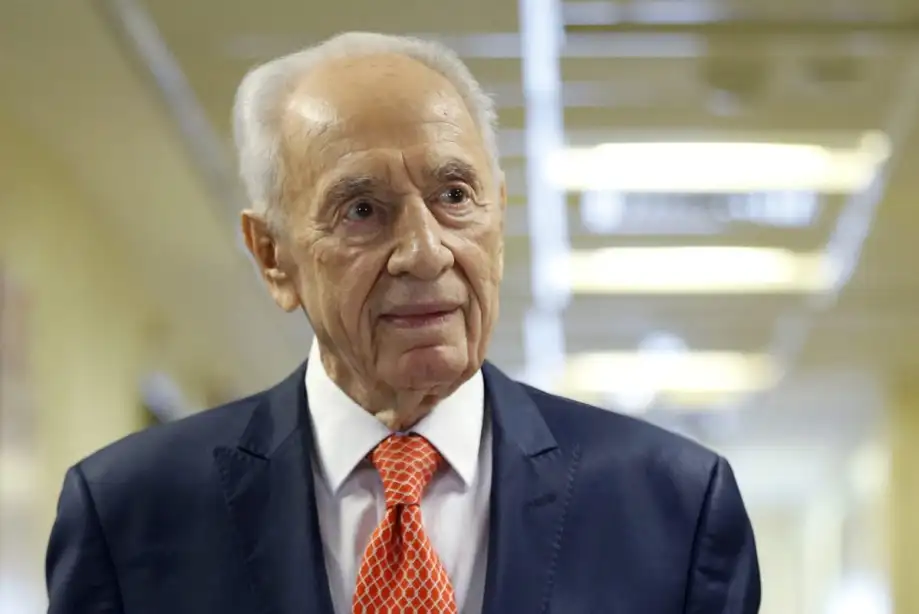
Shimon Peres: Israeli war criminal whose victims the West ignored – Middle East Monitor

Shimon Peres, who passed away Wednesday aged 93 after suffering a stroke on 13 September, epitomised the disparity between Israel’s image in the West and the reality of its bloody, colonial policies in Palestine and the wider region.

Peres was born in modern day Belarus in 1923, and his family moved to Palestine in the 1930s. As a young man, Peres joined the Haganah, the militia primarily responsible for the ethnic cleansing of Palestinian villages in 1947-49, during the Nakba.

Shimon Peres (1923-2016)

  • Best known in the West for role in Oslo Accords
  • Family moved to Palestine in the 1930s
  • Fought with the Haganah during the Nakba
  • Described as the architect of Israel’s clandestine nuclear programme
  • Saw Palestinian citizens as a ‘demographic threat’
  • Played key role in early days of West Bank settlements
  • Responsible for Qana massacre in Lebanon in 1996
  • Defended Gaza blockade and recent Israeli offensives

Despite the violent displacement of the Palestinians being a matter of historical record, Peres has always insisted that Zionist forces “upheld the purity of arms” during the establishment of the State of Israel. Indeed, he even claimed that before Israel existed, “there was nothing here”.

Over seven decades, Peres served as prime minister (twice) and president, though he never actually won a national election outright. He was a member of 12 cabinets and had stints as defence, foreign and finance minister.

He is perhaps best known in the West for his role in the negotiations that led to the 1993 Oslo Accords which won him, along with Yitzhak Rabin and Yasser Arafat, the Nobel Peace Prize.

Yet for Palestinians and their neighbours in the Middle East, Peres’ track record is very different from his reputation in the West as a tireless “dove”. The following is by no means a comprehensive summary of Peres’ record in the service of colonialism and apartheid.

Nuclear weapons

Between 1953 and 1965, Peres served first as director general of Israel’s defence ministry and then as deputy defence minister. On account of his responsibilities at the time, Peres has been described as “an architect of Israel’s nuclear weapons programme” which, to this day, “remains outside the scrutiny of the International Atomic Energy Agency (IAEA).”

In 1975, as secret minutes have since revealed, Peres met with South African Defence Minister PW Botha and “offered to sell nuclear warheads to the apartheid regime.” In 1986, Peres authorised the Mossad operation that saw nuclear whistle-blower Mordechai Vanunu kidnapped in Rome.

Targeting Palestinian citizens

Peres had a key role in the military regime imposed on Palestinian citizens until 1966, under which authorities carried out mass land theft and displacement.

One such tool was Article 125 which allowed Palestinian land to be declared a closed military zone. Its owners denied access, the land would then be confiscated as “uncultivated”. Peres praised Article 125 as a means to “directly continue the struggle for Jewish settlement and Jewish immigration.”

Another one of Peres’ responsibilities in his capacity as director general of the defence ministry was to “Judaise” the Galilee; that is to say, to pursue policies aimed at reducing the region’s proportion of Palestinian citizens compared to Jewish ones.

In 2005, as Vice Premier in the cabinet of Ariel Sharon, Peres renewed his attack on Palestinian citizens with plans to encourage Jewish Israelis to move to the Galilee. His “development” plan covered 104 communities – 100 of them Jewish.

In secret conversations with US officials that same year, Peres claimed Israel had “lost one million dunams [1,000 square kilometres] of Negev land to the Bedouin”, adding that the “development” of the Negev and Galilee could “relieve what [he] termed a demographic threat.”

Supporting illegal settlements in the West Bank

While Israel’s settlement project in the West Bank has come to be associated primarily with Likud and other right-wing nationalist parties, it was in fact Labor which kick-started the colonisation of the newly-conquered Palestinian territory – and Peres was an enthusiastic participant.

During Peres’ tenure as defence minister, from 1974 to 1977, the Rabin government established a number of key West Bank settlements, including Ofra, large sections of which were built on confiscated privately-owned Palestinian land.

Having played a key role in the early days of the settlement enterprise, in more recent years, Peres has intervened to undermine any sort of measures, no matter how modest, at sanctioning the illegal colonies – always, of course, in the name of protecting “peace negotiations”.

The Qana massacre

As prime minister in 1996, Peres ordered and oversaw “Operation Grapes of Wrath” when Israeli armed forces killed some 154 civilians in Lebanon and injured another 351. The operation, widely believed to have been a pre-election show of strength, saw Lebanese civilians intentionally targeted.

According to the official Israeli Air Force website (in Hebrew, not English), the operation involved “massive bombing of the Shia villages in South Lebanon in order to cause a flow of civilians north, toward Beirut, thus applying pressure on Syria and Lebanon to restrain Hezbollah.”

The campaign’s most notorious incident was the Qana massacre, when Israel shelled a United Nations compound and killed 106 sheltering civilians. A UN report stated that, contrary to Israeli denials, it was “unlikely” that the shelling “was the result of technical and/or procedural errors.”

Later, Israeli gunners told Israeli television that they had no regrets over the massacre, as the dead were “just a bunch of Arabs”. As for Peres, his conscience was also clean: “Everything was done according to clear logic and in a responsible way,” he said. “I am at peace.”

Gaza – defending blockade and brutality

Peres came into his own as one of Israel’s most important global ambassadors in the last ten years, as the Gaza Strip was subjected to a devastating blockade and three major offensives. Despite global outrage at such policies, Peres has consistently backed collective punishment and military brutality.

In January 2009, for example, despite calls by “Israeli human rights organisations…for ‘Operation Cast Lead’ to be halted”, Peres described “national solidarity behind the military operation” as “Israel’s finest hour.” According to Peres, the aim of the assault “was to provide a strong blow to the people of Gaza so that they would lose their appetite for shooting at Israel.”

During “Operation Pillar of Defence” in November 2012, Peres “took on the job of helping the Israeli public relations effort, communicating the Israeli narrative to world leaders,” in the words of Ynetnews. On the eve of Israel’s offensive, “Peres warned Hamas that if it wants normal life for the people of Gaza, then it must stop firing rockets into Israel.”

In 2014, during an unprecedented bombardment of Gaza, Peres stepped up once again to whitewash war crimes. After Israeli forces killed four small children playing on a beach, Peres knew who to blame – the Palestinians: “It was an area that we warned would be bombed,” he said. “And unfortunately they didn’t take out the children.”

The choking blockade, condemned internationally as a form of prohibited collective punishment, has also been defended by Peres – precisely on the grounds that it is a form of collective punishment. As Peres put it in 2014: “If Gaza ceases fire, there will be no need for a blockade.”

Peres’ support for collective punishment also extended to Iran. Commenting in 2012 on reports that six million Iranians suffering from cancer were unable to get treatment due to sanctions, Peres said: “If they want to return to a normal life, let them become normal.”

Unapologetic to the end

Peres was always clear about the goal of a peace deal with the Palestinians. As he said in 2014: “The first priority is preserving Israel as a Jewish state. That is our central goal, that is what we are fighting for.” Last year he reiterated these sentiments in an interview with AP, saying: “Israel should implement the two-state solution for her own sake,” so as not to “lose our [Jewish] majority.”

This, recall, was what shaped Labor’s support for the Oslo Accords. Rabin, speaking to the Knesset not long before his assassination in 1995, was clear that what Israel sought from the Oslo Accords was a Palestinian “entity” that would be “less than a state”. Jerusalem would be Israel’s undivided capital, key settlements would be annexed and Israel would remain in the Jordan Valley.

A few years ago, Peres described the Palestinians as “self-victimising.” He went on: “They victimise themselves. They are a victim of their own mistakes unnecessarily.” Such cruel condescension was characteristic of a man for whom “peace” always meant colonial pacification.

Source link