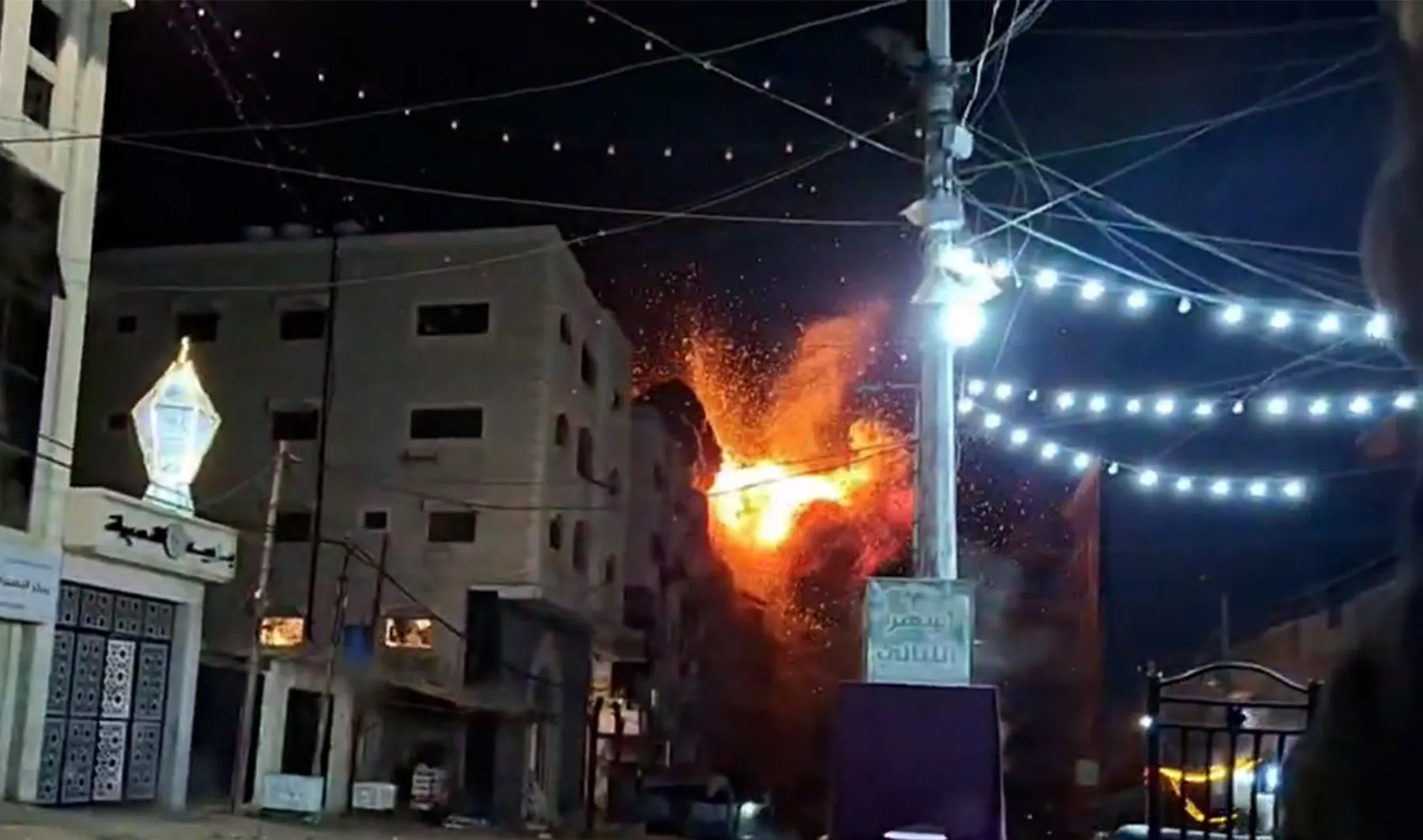
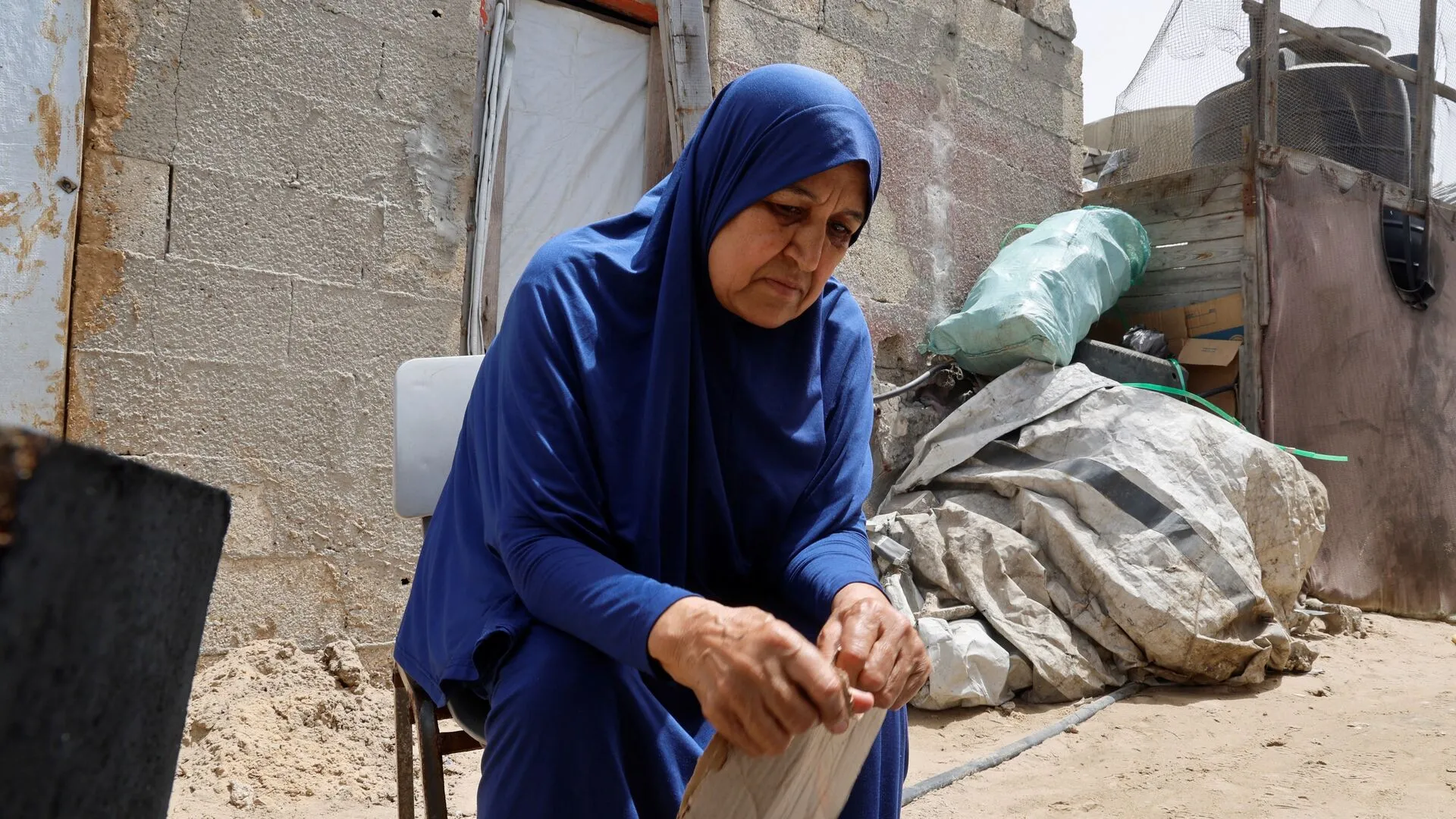
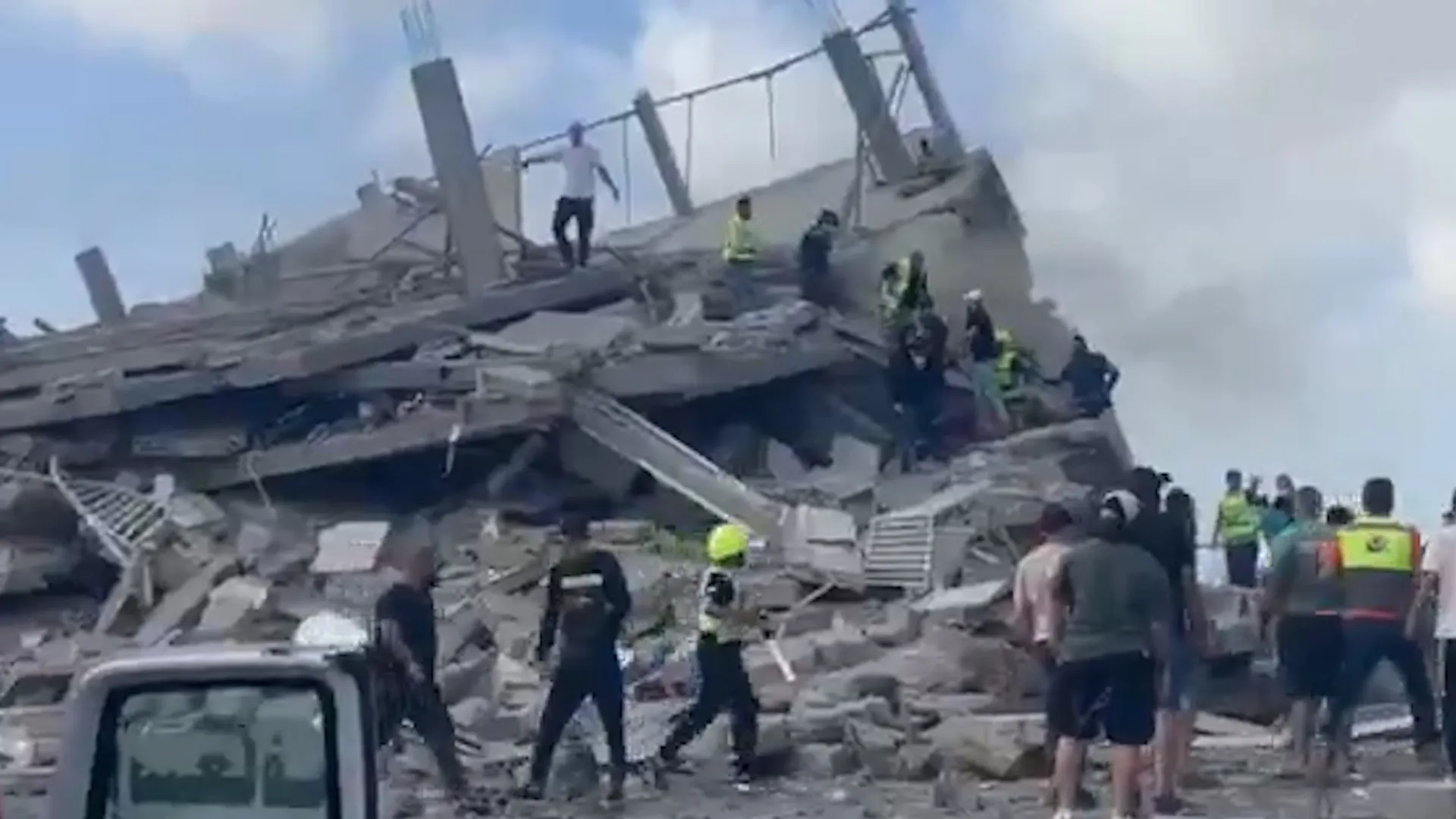
Israeli

Lebanese army ‘overly stretched’ to fight off latest Israeli invasion | Israel attacks Lebanon

NewsFeed

Geopolitical analyst Joe Macaron says the Lebanese army is ‘overly stretched’ as Israeli troops expand their occupation of Lebanese territory. The Israeli army has pushed north of Lebanon’s Litani River and appears poised to encircle the major city of Nabatieh.

Source link

Palestinian doctor killed, three people injured in Israeli attack on Gaza | Israel-Palestine conflict News

A Palestinian doctor has been killed and three people injured in an Israeli attack in central Gaza, as Israeli settlers attacked Palestinian homes and property in northern and southern parts of the occupied West Bank.

The attacks across Palestine on Saturday, the fourth day of the Muslim holiday of Eid al-Adha, came amid continued Israeli violations of a United States-backed “ceasefire” implemented in October aimed at halting Israel’s genocidal war on Gaza.

Recommended Stories

list of 3 itemsend of list

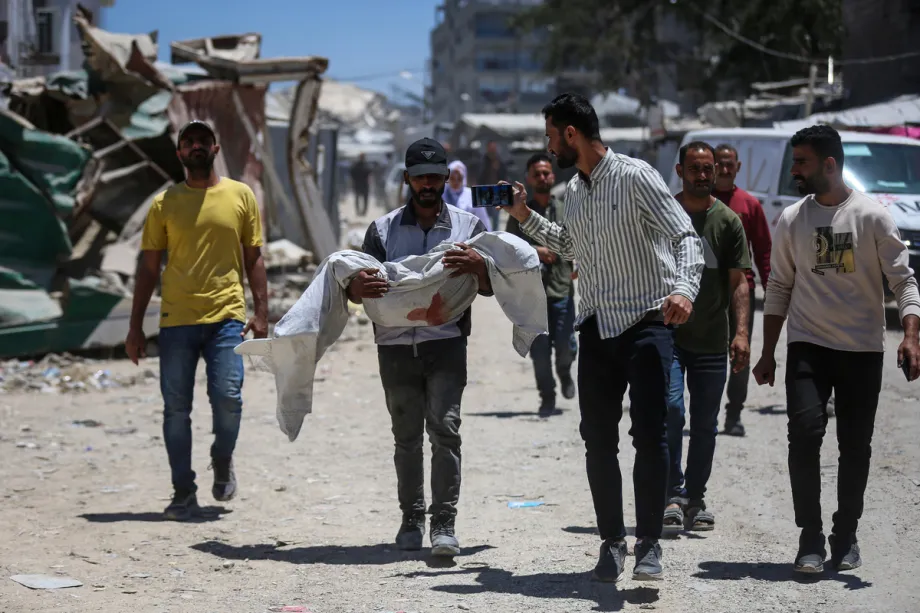
Dr Jamal Abu Aboun, the head of anaesthesia at Al-Yafa Medical Hospital in central Gaza’s Deir al-Balah, was killed in an Israeli strike near the Al-Aqsa Martyrs Hospital, also in Deir al-Balah on Saturday.

“The body of Jamal Abu Aoun and three injured people, including a child, had arrived at the hospital following an Israeli drone strike that targeted a group of civilians near the hospital,” a medical source at Al-Aqsa hospital told the Anadolu news agency.

Earlier, Israeli artillery shelling targeted areas east and south of Khan Younis city in southern Gaza. Another artillery strike targeted al-Bureij refugee camp in central Gaza.

At least 922 Palestinians have been killed and 2,786 others injured in Israeli attacks since the October “ceasefire”, according to the Gaza Media Office.

Israel launched its genocidal war on Gaza in October 2023, killing at least 72,000 Palestinians and injuring over 172,000 others, according to Palestinian figures.

In testimonies to The Associated Press news agency, Israeli soldiers described a climate of dehumanisation, permissive rules of engagement and the routine killing of Palestinians during the “ceasefire”.

Reservists who served in Gaza between last October and January said Israeli troops frequently opened fire on Palestinians approaching or crossing the so-called “Yellow Line”, an often poorly marked boundary separating Israeli-occupied areas from the rest of the enclave.

One soldier said that fellow troops celebrated after a strike on a vehicle carrying Palestinians killed everyone inside. “It was a jungle,” the soldier told AP. “After the ceasefire, the order was: If someone crosses the line, you shoot them.”

Another reservist said commanders repeatedly emphasised holding territory at all costs. “There was a general feeling that human lives are not valuable,” he said.

Settler attacks in occupied West Bank

Elsewhere in occupied Palestine, Israeli settlers attacked several homes early on Saturday in the town of Beita, south of the city of Nablus in the northern West Bank, according to Palestinian news agency, Wafa.

They threw stones at houses and smashed several vehicles, Wafa reported.

State-run Voice of Palestine radio reported Israeli forces firing light bombs into the sky over the town.

In the southern West Bank, settlers attacked Palestinian farmland and damaged several trees in Khirbet el-Muraq in Masafer Yatta, activist Osama Makhamra, who follows Israeli violations south of Hebron, told reporters.

Israeli settlers carried out at least 540 attacks in April against Palestinians and their property in the occupied West Bank, including Jerusalem, according to a monthly report by the Palestinian state-run Wall and Settlement Resistance Commission.

The attacks ranged from “direct physical violence, uprooting trees, burning fields, preventing farmers from accessing their land, seizing property, as well as demolishing homes and agricultural structures”.

Israeli army raids, arrests and settler attacks have intensified across the West Bank since the start of the genocidal war in Gaza.

According to Palestinian figures, Israeli forces and settlers have killed 1,168 Palestinians, injured 12,666, displaced about 33,000, and detained nearly 23,000 in the West Bank since October 2023.

Source link

Israeli strikes kill 14, wound several in southern Lebanon in latest ceasefire violation – Middle East Monitor

At least 14 people were killed and several others wounded in Israeli airstrikes in southern Lebanon on Sunday amid continued violations of an ongoing ceasefire, Anadolu reports.

The Lebanese Health Ministry said 11 people were killed and nine others injured in an Israeli strike on the town of Seir al-Gharbiyeh in Nabatieh province in southern Lebanon.

A fighter jet struck the town of Bazouriyeh in the Tyre district, killing one person and injuring two others, the state news agency NNA reported.

An Israeli drone strike also killed a young man in the town of Arabsalim in Nabatieh district, the outlet said.

A house was also hit in an Israeli strike in the town of Toura in Tyre, killing a woman and injuring two people.​​​​​​​

The Israeli attacks came despite a US-mediated ceasefire that is supposed to remain in effect until early July.

More than 3,100 people have been killed, over 9,500 injured, and 1.6 million displaced by Israeli bombardment in Lebanon since March 2 amid cross-border attacks with Hezbollah, according to Lebanese officials.

READ: Israel pounds Gaza, Lebanon in daily breaches of ceasefires

Source link

Israeli soldiers reach Nabatieh, one of southern Lebanon’s biggest cities | Israel attacks Lebanon News

Israel’s military has advanced beyond Lebanon’s Litani River for the first time since 2006.

Israel’s military has advanced beyond the Litani River in southern Lebanon for the first time since 2006 and appear poised to encircle the major city of Nabatieh.

Senior Lebanese military sources on Saturday told the Turkish state news agency Anadolu that Israeli forces had crossed the Litani River, which Israel has declared the perimeter of its unofficial buffer zone.

Recommended Stories

list of 3 itemsend of list

Israeli forces are now on the outskirts of Nabatieh, a city that is key to southern Lebanon’s economy and a cultural hub for the region. If the Shia-majority city were to fall, it would mark a significant development in the war on Lebanon, which began in October 2023 and subsequent official ceasefire.

Nabatieh is viewed by many Lebanese as a symbol of resistance due to its historic role on the frontline of Israeli assaults.

Reporting from the southern city of Tyre, Al Jazeera’s Obaida Hitto said Israel was expanding its air campaign in southern Lebanon and encircling Nabatieh in preparation for a potential assault on the city.

“It looks like Israel is trying to make this final push to encircle Nabatieh, breaking through the second and third lines of defence of Hezbollah and isolating the western Bekaa Valley from the south of the country,” Hitto said.

Israel has issued evacuation orders for at least 10 villages in southern Lebanon, as it expands its invasion, despite being engaged in ongoing peace talks with Lebanese officials.

The Israeli army’s Arabic spokesperson, Avichay Adraee, instructed residents in several Lebanese villages to evacuate immediately, warning they could be killed if they remained.

The order came the day after officials from both countries met in Washington to discuss a permanent end to the war. It began in early March when Iran-backed Hezbollah began attacking Israel following the assassination of Iran’s Supreme Leader, Ali Khamenei.

Hitto said people fleeing their homes have few options, with more than 20 percent of the population — around 1.2 million people — displaced by fighting.

“Those options are turning into basically people living with relatives if they have that option, or people living in makeshift camps in public parks and public spaces. I’ve seen many families living in their vehicles for long periods of time,” Hitto said.

“Some of these families have been continuously displaced since 2023,” Hitto added.

The latest forced displacement orders are a further test to the nominal “ceasefire” in place since mid-April and repeatedly violated by Israel. It justifies its actions by saying it is targeting Hezbollah as part of efforts to disarm the group.

On Friday, at least 14 people were killed in Israeli air raids in southern Lebanon.

Lebanese officials are working to disarm Hezbollah, but the task has proved extremely difficult.

Lebanese and Israeli officials are currently engaged in negotiations to end the war, marking the first time the two sides have spoken directly in decades.

The talks are being facilitated by the United States, and a new round is expected in Washington next week.

Lebanon’s President, Joseph Aoun, held talks with Prime Minister Nawaf Salam on Saturday to discuss the security situation and  ongoing negotiations with Israel. According to the state-run National News Agency, they agreed to intensify efforts to end the war, which has triggered a humanitarian crisis.

Aoun also spoke by phone with US Secretary of State Marco Rubio and stressed the importance of Israel respecting the current ceasefire.

Source link

5 Palestinians killed, 5 injured by Israeli fire in Gaza – Middle East Monitor

Five Palestinians, including three members of the same family, were killed and five others injured in fresh Israeli attacks in the Gaza Strip on Sunday amid daily violations of an ongoing ceasefire, medical sources said.

One of the Palestinians was killed by Israeli gunfire in the center of Jabalia refugee camp in northern Gaza and his body was transferred to Al-Shifa Hospital in western Gaza City, the sources told Anadolu.

A couple and their child were also killed, and three others were wounded in an Israeli airstrike that targeted their home in the Nuseirat refugee camp in central Gaza, the sources added.

In a separate incident, the sources said a child died from injuries sustained in an Israeli strike that targeted a police headquarters in northwestern Gaza on Saturday.

In northern Gaza, a Palestinian fisherman was moderately injured after Israeli naval forces fired shells and machine-gun fire at fishing boats off the coast of Gaza City, according to the sources.

READ: France bans Israeli Cabinet Minister Ben-Gvir over treatment of Gaza flotilla activists

Another Palestinian was injured by shrapnel from a shell fired by Israeli forces on the beach in the Al-Sudaniya area, northwest of the enclave.

In a related development, the Israeli army carried out demolition operations targeting buildings and facilities in northern Gaza. Local sources reported hearing a large explosion resulting from the demolitions.

In Khan Younis in southern Gaza, Israeli forces also carried out similar demolition operations east of the city, accompanied by gunfire and artillery shelling near Bani Suheila roundabout, according to the local sources.

According to Gaza’s Health Ministry, over 880 people have been killed and more than 2,645 others injured in Israeli attacks since the ceasefire was announced on Oct. 10, 2025.

The agreement was meant to halt Israel’s two-year war that killed more than 72,000 people, most of them women and children, injured over 172,000 since October 2023, and caused massive destruction affecting 90% of civilian infrastructure.

READ: Israel pounds Gaza, Lebanon in daily breaches of ceasefires

Source link

Netanyahu says Israeli forces have crossed Lebanon’s Litani River | Israel attacks Lebanon

NewsFeed

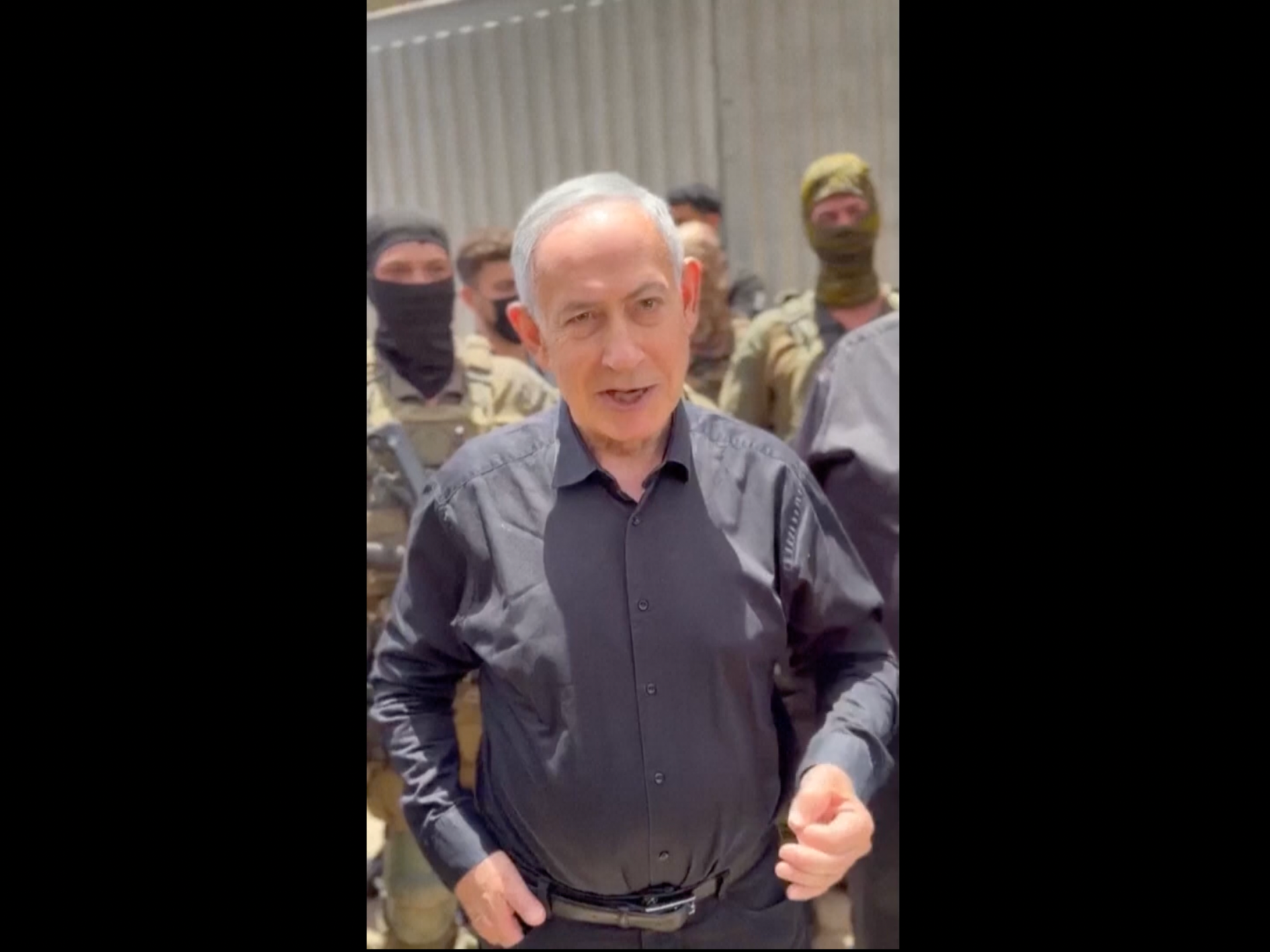
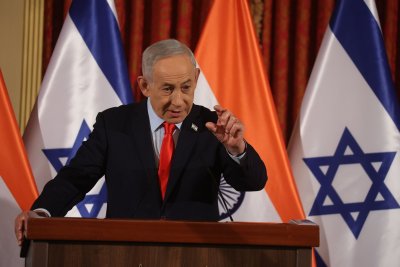
Israeli Prime Minister Benjamin Netanyahu said Israeli forces had crossed the Litani River in southern Lebanon and were operating in Beirut and the Bekaa Valley, in what he described as a “tactical victory”. This comes after Netanyahu said he ordered the Israeli military to take control of 70% of the Gaza Strip.

Source link

EU sanctions ‘extremist’ Israeli settlers in occupied West Bank | Israel-Palestine conflict News

EU says the sanctioned individuals and groups violated a range of rights, from the right to physical and mental integrity, to the right to education.

The European Union has sanctioned four entities and three individuals it says are “extremist Israeli settlers” responsible for “serious” human rights abuses against Palestinians in the occupied West Bank.

The EU said they had violated a range of rights, including the rights to physical and mental integrity, privacy and family life, freedom of religion and education.

Recommended Stories

list of 4 itemsend of list

The announcement on Thursday is part of an EU sanctions package agreed earlier this month to punish Israeli settlers and Hamas leaders.

The sanctions include the Nachala Settlement Movement and its director, Daniella Weiss. The EU says the group “encourages and facilitates coercive acts that lead to the forced displacement of Palestinians”.

Israeli NGO Regavim and its director, Meir Deutsch, are also on the sanctions list for lobbying “for the demolition of Palestinian property” in order to expand Israel’s control over the entirety of the West Bank, plus the demolition of an EU-funded Palestinian primary school.

Also sanctioned is the Hashomer Yosh NGO and its president, Avichai Suissa for supporting “at least 28 violent outposts and settlements”. It also recruits armed volunteers and provides guards who engage in violent attacks, the EU added.

The Amana cooperative association of the settler movement Gush Emunim was also sanctioned, the EU stating it had likewise “played a key role in initiating, financing, and facilitating at least 30 violent outposts and settlements”.

Long-awaited sanctions

With Thursday’s additions, the EU said it now sanctions 136 persons and 41 entities from a range of countries under its Global Human Rights Sanctions Regime.

The regime was created in 2020, and applies to acts such as genocide, crimes against humanity and other serious human rights violations or abuses.

The measures targeting Israeli settlers because of violence against Palestinians were long-awaited, having been blocked by the self-styled illiberal government of Hungary’s former premier Viktor Orban.

However, the appointment of new Prime Minister Peter Magyar saw the veto quickly lifted earlier this month.

Israel earlier condemned the sanctions, asserting that Jews have the right to settle in the occupied West Bank, despite that being in violation of international law.

In 2025, the expansion of Israeli settlements reached its highest level since at least 2017, when the United Nations began tracking data.

Since the start of Israel’s genocidal war on Gaza, the West Bank has been gripped by almost daily violence involving Israeli troops and settlers. More than 1,000 Palestinians have been killed in the territory, according to the UN.

Source link

Family mourn ‘Hamas leader’ killed in Israeli attack | Hamas

NewsFeed

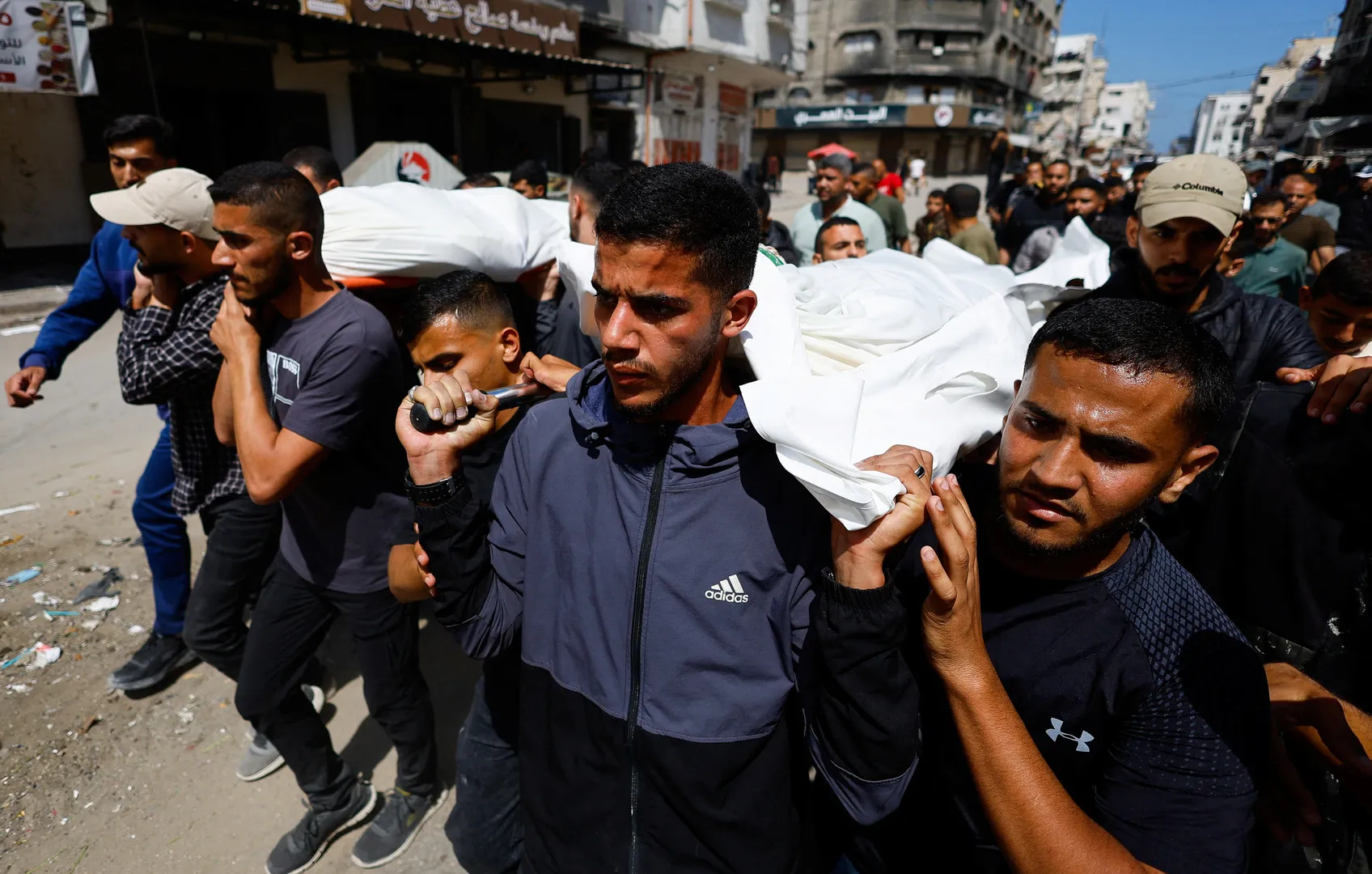
A funeral has been held for Mohammed Odeh, believed to be the leader of Hamas’s military wing, who Israel said was killed in a strike on a busy area in Gaza City on Tuesday. Odeh’s family has reportedly confirmed his death, despite no official comment from Hamas.

Source link

Israeli Troops Turn To Fishing Nets For Protection Against Hezbollah FPV Drones

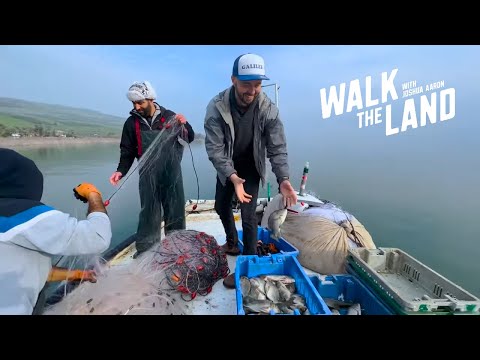
For more than 2,000 years, fishermen in Israel’s Sea of Galilee were famous for using nets to catch St. Peter’s Fish, a form of tilapia with a biblical backstory. Now these anglers have gained new notoriety, helping keep some Israeli troops safe from Hezbollah first-person view (FPV) kamikaze drones. TWZ was among the first to highlight the danger these weapons have posed to Israeli forces in southern Lebanon and how the IDF was racing to install passive defenses, including nets, on its combat vehicles for protection.

The threat is so great and countermeasures so far limited, that some IDF troops are resorting to obtaining nets on their own from fishermen for protection, a senior IDF official confirmed to TWZ on Monday. The issue was first reported by Israel’s KAN public broadcasting network. This is in addition to netting the IDF itself is working to procure, which we will talk more about later in this story.

The IDF’s improvised countermeasure: going to Israeli fishermen and asking to use their nets.

They’re being hung in front of bases and tanks so the drones get tangled. pic.twitter.com/oSUpfoMvyy

— The Jerusalem Post (@Jerusalem_Post) May 26, 2026

“Indeed, IDF soldiers are equipping themselves with fishing nets, most of which are being purchased in the city of Tiberias on the shores of the Sea of Galilee,” a senior IDF official told us. The troops are also buying nets from fishermen at Akko and Haifa on the Mediterranean, the official added.

“The drone threat has become a nightmare for the fighters on the ground,” the high-ranking official explained.

Fishing on the Sea of Galilee! Joshua Aaron / Rather Be in the Galilee thumbnail

Fishing on the Sea of Galilee! Joshua Aaron / Rather Be in the Galilee


In our past reporting, we explained that the idea behind netting is that drones will get caught up in these barriers and become disabled, or, in some cases, the nets will help keep the drones far enough from the troops or equipment before exploding to keep personnel within the vehicles from being killed.

Israel, as we have previously noted, started using netting on vehicles and other equipment as the FPV threat grew.

You can see one example of this in the following video.

Israeli Defense Forces testing a folded anti-drone net installed on a Humvee.

The video emerged amid a surge of Hezbollah strikes with FPV drones against the IDF in Lebanon. pic.twitter.com/PwIyuJQVs4

— Status-6 (War & Military News) (@Archer83Able) April 29, 2026

The use of nets as a defensive measure was first employed in Ukraine as FPV drones became the ubiquitous weapon of choice for both sides.

You can see an early example of Russians using netting in the video below.

To protect themselves from Ukrainian drone attacks, the Russians have fenced off the road from Bakhmut to Chasiv Yar, creating a 2-km mesh tunnel. In this way, the Russians are trying to rescue their equipment and personnel from threats from drones. pic.twitter.com/qbtFvwrAcx

— WarTranslated (@wartranslated) February 9, 2025

In our initial stories about Hezbollah’s FPV arsenal, we noted that the Iranian-backed proxy group was adding a challenge to the IDF by increasing the percentage of FPV drones guided by fiber optic cables. These wires mitigate the effect of electronic warfare efforts to jam radio signals as well as some of the limitations imposed by geographical features that can impede the line-of-sight radio connection between drone and operator.

Videos of these attacks began to emerge online last month, which you can see below.

Hezbollah conducted more fiber-optic FPV strikes on Israeli vehicles in Lebanon, including two ‘Merkava’ Mk.4 tanks, a D9 Caterpillar armored bulldozer, and what appears to be a rare ‘Namer’ heavy IFV equipped with a turret mounting a 30 mm Bushmaster Mk 2 cannon.
1/ https://t.co/ms2nagNHrD pic.twitter.com/WDs6M3SpwW

— Roy🇨🇦 (@GrandpaRoy2) April 5, 2026

Now there’s a new problem for Israel to solve when it comes to FPV drones. Hezbollah has begun using thermal cameras on these munitions so they can be deployed in night attacks, the IDF official told us. Thermal cameras register heat signatures, turning them into thermal images using differences in temperature.

By adding thermal cameras to the FPV drone, Hezbollah “severely restricts [our] movement both during the day and at night,” he postulated.

#Lebanon / #Israel / #Iran / #USA 🇱🇧🇮🇱🇮🇷🇺🇸: Hezbollah’s “THERMAL Ababil” FPV Drone struck an Israeli Army (#IDF) soldiers in Al-Bayada.

Group used FPV Kamikaze Drone with equipped with Thermal Sight and carrying PG-7 / IED —which is a quite significant development. pic.twitter.com/pSHy4JriVA

— War Noir (@war_noir) May 25, 2026

Combined with fiber-optic guidance, the use of thermal cameras on FPV drones “creates an extraordinary level of deterrence against the forces operating inside Lebanon and along the border,” the senior IDF official bemoaned. “It is terrifying, dangerous, and frightening in equal measure.”

“The forces are essentially static,” the official added. “They cannot advance toward the drone-launch areas, nor can they effectively target the drone logistics and operational chain extending through the Beqaa Valley, Tyre, Sidon, and even Beirut.”

“Our operational doctrine must change,” he added. “We need to shift from completely exposed operations, where our soldiers become easy targets for Hezbollah, to covert and concealed activity.”

TOPSHOT - This photograph taken from the northern Israel shows Israeli tanks and military vehicles standing along the road between destroyed houses in southern Lebanon near the border with Israel, on April 29, 2026. Lebanon's army said on April 29 that one of its soldiers was among two people killed in an Israeli strike in the country's south, the latest deadly raid despite a ceasefire in the Israel-Hezbollah war. (Photo by Jalaa MAREY / AFP via Getty Images)
Israeli tanks and military vehicles standing along the road between destroyed houses in southern Lebanon. (Photo by Jalaa MAREY / AFP) JALAA MAREY

Making matters worse, “the political-security cabinet, and more specifically [Israeli Prime Minister Benjamin] Netanyahu, is pushing for overt operations in order to demonstrate an Israeli presence in southern Lebanon,” the senior IDF official posited. “At the same time, due to commitments and demands made by [U.S. President Donald] Trump, the operational freedom of the forces is being heavily restricted. It is a classic Catch-22 situation.”

“The result is severe harm to our soldiers and a weakening of the IDF against an enemy that is bound by no rules or constraints,” our source continued. “This is a dangerous and absurd asymmetry – sheer recklessness.”

His comments came a day before Netanyahu officially ordered a much larger Israeli push into southern Lebanon, despite the ongoing ceasefire, which you can read more about in our story from earlier today here.

Prime Minister Benjamin Netanyahu, today, at the start of the Security Cabinet meeting:
“As per the directive of myself, the Defense Minister and the IDF Chief of Staff, we are deepening our operation in Lebanon. The IDF is operating with large forces on the ground and seizing… pic.twitter.com/GBLuWgEbyl

— Prime Minister of Israel (@IsraeliPM) May 26, 2026

The IDF says about 158,000 square meters of protective nets have already been distributed to units in the field, Israel’s I24 News reported.

“The army says it is in the process of acquiring an additional roughly two million square feet of netting,” the outlet added. “Altogether, the total area ordered is equivalent to roughly 20 football fields, highlighting the scale of Israel’s efforts to adapt its defenses to a rapidly evolving battlefield threat along the northern front.”

Even that much netting does not appear to be enough, given the scope of Israel’s push into southern Lebanon. That may be way some soldiers are looking to fishing nets to fill in the gaps.

Since the war in Ukraine began, troops have done whatever they could, often out of desperation, to develop improvised workarounds to protect against drones, from stacking logs on their vehicles to welding on layers of steel to create so-called “turtle tanks.” These and many other ad-hoc improvements have led to major innovations and a long list of dead-ends. Often times, even simple solutions can be hard to realize due to bureaucracy. Israel’s troops are no different, and their work to find their own solutions is yet another example of even the world’s most capable militaries underestimating and being unprepared for the realities of drones on the modern battlefield.

Contact the author: howard@twz.com

Howard is a Senior Staff Writer for The War Zone, and a former Senior Managing Editor for Military Times. Prior to this, he covered military affairs for the Tampa Bay Times as a Senior Writer. Howard’s work has appeared in various publications including Yahoo News, RealClearDefense, and Air Force Times.


Source link

Aftermath of deadly Israeli strikes in southern Lebanon | Israel attacks Lebanon

NewsFeed

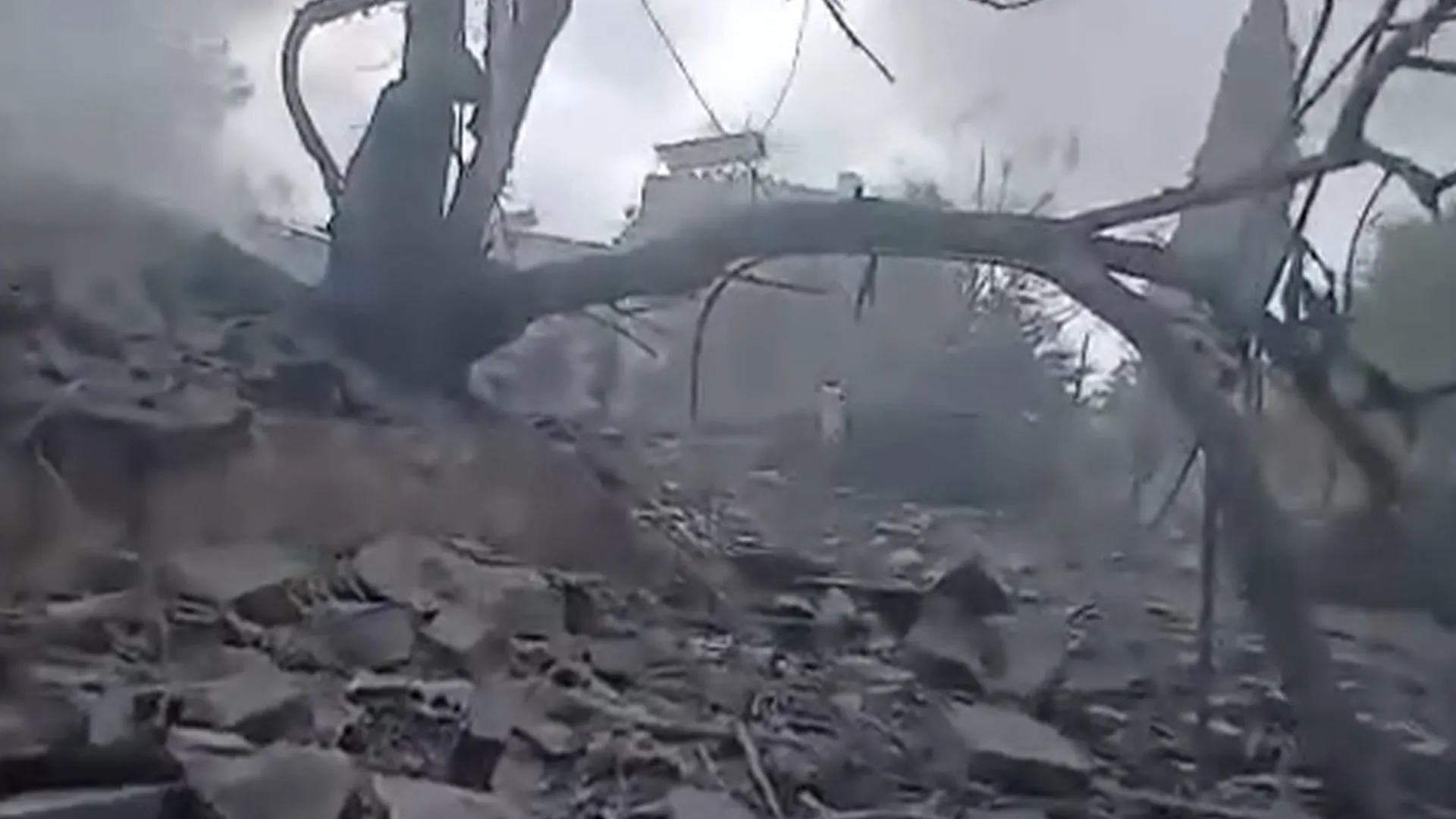
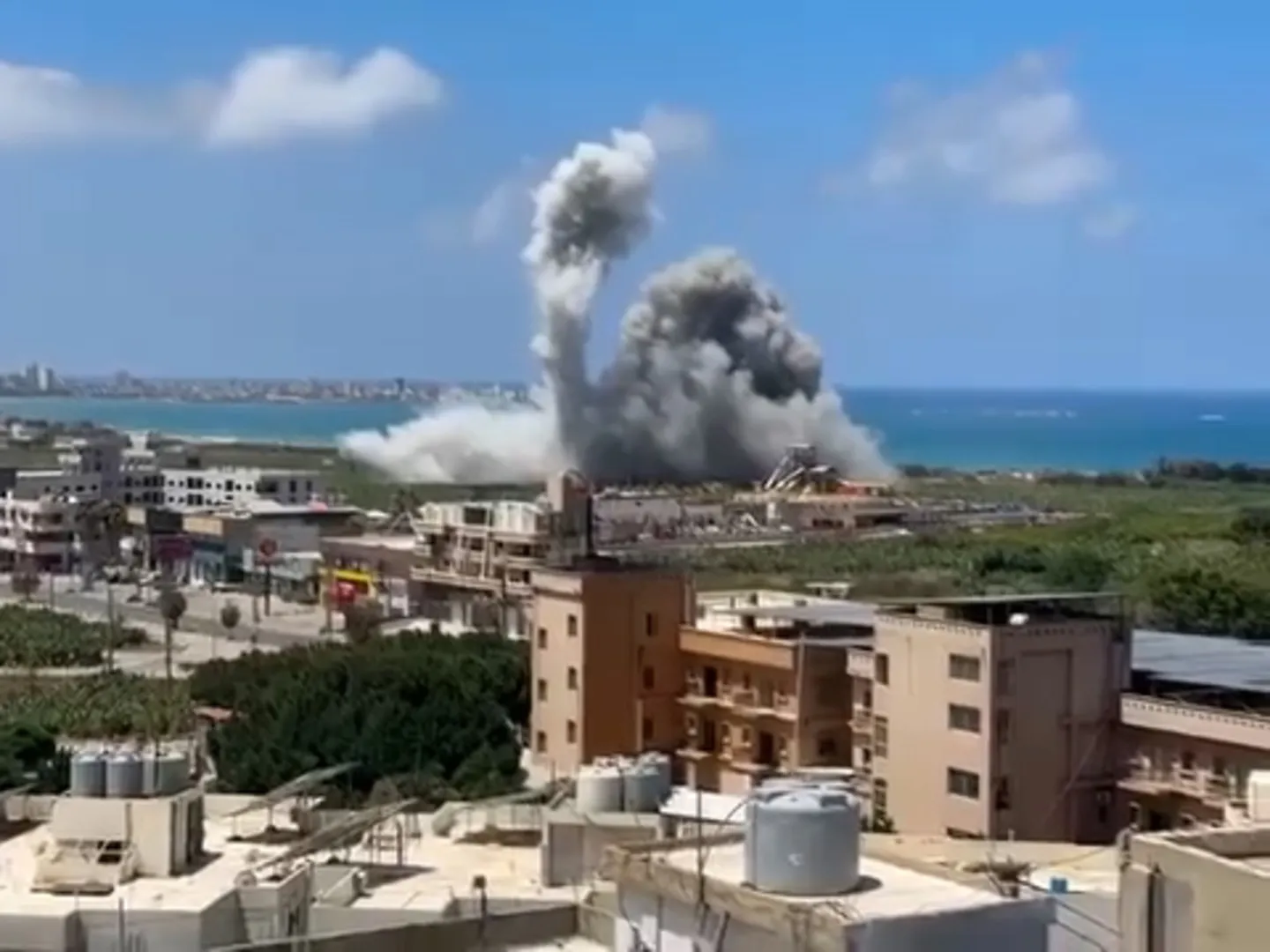
New videos show widespread destruction in Maarakeh following deadly Israeli strikes across southern Lebanon. On Tuesday, the Israeli military issued forced displacement orders for more than a dozen towns and villages, expanding its ground operation beyond its new, so-called ‘yellow line’.

Source link

Israeli forces strike Lebanon as Netanyahu vows to intensify attacks

May 25 (UPI) — Israeli forces launched a renewed wave of strikes targeting Hezbollah on Monday as Prime Minister Benjamin Netanyahu vowed to intensify attacks against the Iran-backed militia.

The strikes came as Israel and Lebanon have been engaged in U.S.-mediated talks, the first in decades between the two nations, aimed at ending hostilities between Israel and Hezbollah. The attacks were expected to further strain the already frayed negotiations.

Israeli warplanes launched more than 85 munitions, striking more than 70 sites across Lebanon, including about 10 Hezbollah headquarters and weapons storage facilities in Tyre, located in southwestern Lebanon on the Mediterranean.

Infrastructure used by Hezbollah to attack Israel was among the targets struck, the IAF said in a statement, adding the Israeli military “eliminated” alleged motorcycle-riding Hezbollah operatives in southern Lebanon where IDF forces were operating.

The IDF said earlier that it had hit sites in the northeastern Beqaa Valley and several other areas in Lebanon, though it was not clear if that was part of a separate operation.

Netanyahu vowed in a video statement on Instagram to intensify strikes targeting the Iran-backed militia, stating that they were in response to Hezbollah firing fiber-optic drones over the last few weeks at northern Israel.

“We are at war. We are not taking our foot off the gas — on the contrary. I said to press the gas in Lebanon. We will strike them,” he said.

In a sign of concern over potential Hezbollah retaliatory strikes, the IDF issued new, tightened restrictions for northern Israel residents on Tuesday, capping outdoor gathering limits from 200 to 50 people and indoors from 600 to 200.

Hezbollah initially attacked Israel a day after the Israel-Hamas war began on Oct. 7, 2023. The conflict halted 13 months later with a fragile cease-fire that was never fully observed.

In early March, Israel launched renewed attacks on Lebanon, involving ground troops. In April, a cease-fire was announced in the larger Iran war, with Israel claiming it did not apply to Lebanon, while Lebanon and Iran said it did.

In mid-April, amid the confusion, Israel and Lebanon held their first diplomatic talks since 1993.


Source link

Lebanon marks Liberation Day under Israeli bombardment | Hezbollah News

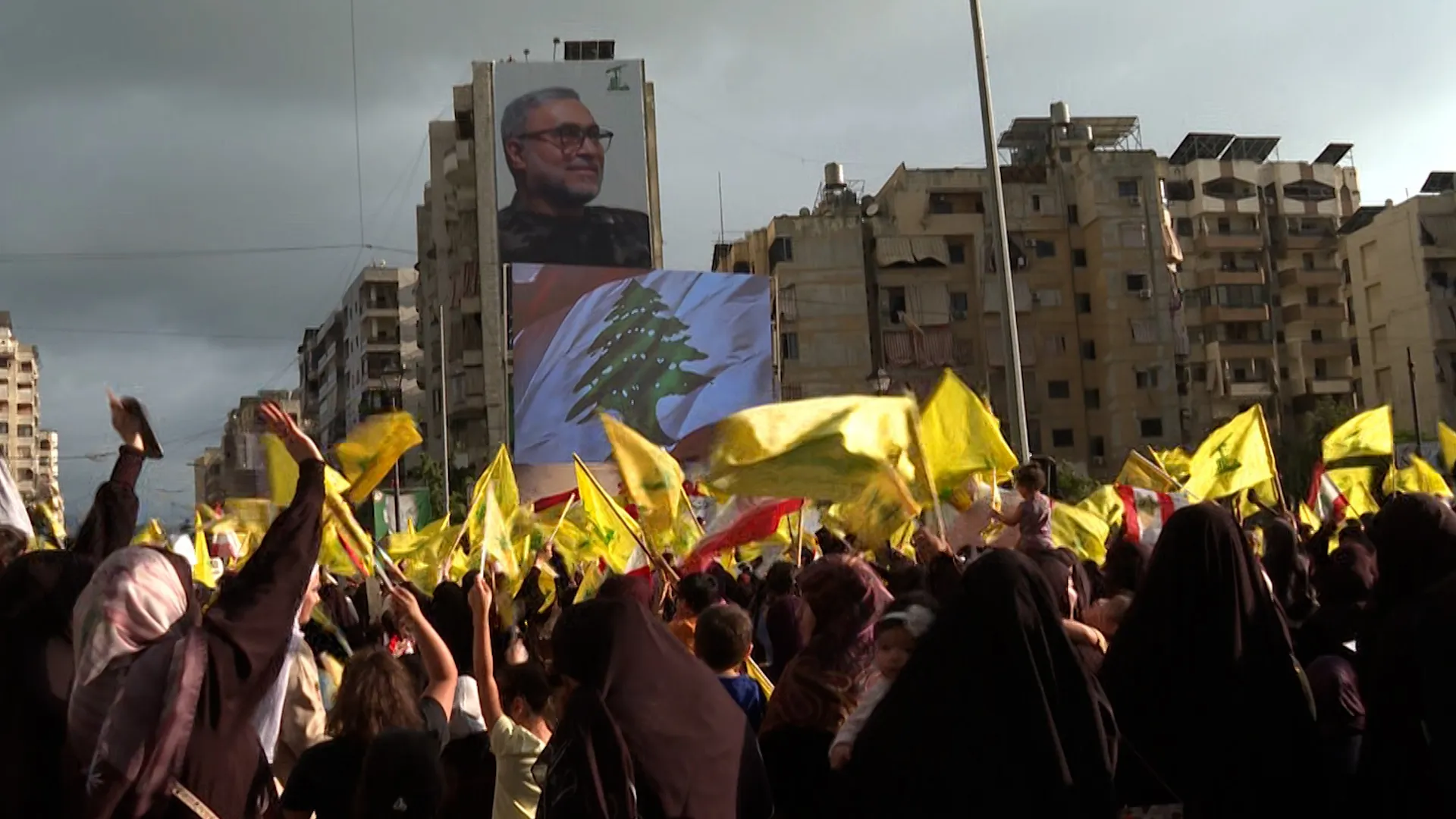
People in Lebanon have gathered to observe Liberation Day, which marks the date in 2000 when Israel ended its 22-year occupation of southern Lebanon. Al Jazeera’s Zeina Khodr explains how this year’s celebrations come as occupation returns to the country’s south.

Source link

Israeli strikes kill six in southern Lebanon amid fresh evacuation orders | Israel attacks Lebanon News

Israel’s attacks on southern Lebanon seem to be expanding with these fresh strikes.

Israeli strikes have killed at least six people in southern Lebanon as the Israeli army issues fresh evacuation orders.

Israeli air raids in al-Namiriya killed two young men who were riding on a motorcycle, and another young man in al-Duweir was also killed while he was on a motorcycle, according to Lebanon’s National News Agency (NNA).

Recommended Stories

list of 4 itemsend of list

In the town of Abba, a Syrian man driving a motorcycle was killed by an Israeli strike, and in Jebchit, one man was killed in another attack. A paramedic was killed by a drone strike while he was inspecting the site of a recent air strike in Arab Salim, and an air raid in Bazouriyeh in Tyre left one person dead, NNA reported.

Israel’s army spokesperson issued 16 evacuation orders in southern Lebanon, and local sources said Israel was striking before and after the order was given.

“These attacks are very violent, and they are targeting places that are filled with many people, homes and communities,” said Al Jazeera’s correspondent in Tyre, Obaida Hitto. He explained that many of these places are not near the front line.

‘Expansion of Israeli attacks’

“We are seeing significant expansion of Israeli attacks,” Hitto said.

Rescue teams managed to recover three bodies from the rubble of a house that was targeted by Israeli warplanes in the town of Srifa, in southern Lebanon’s Tyre district, according to the NNA.

Hezbollah said it carried out a series of attacks on Israeli military infrastructure and military positions throughout the day. Hezbollah forces targeted Israeli soldiers stationed in a house in the Biyyada area of the South Governorate with a drone.

Hezbollah also launched a rocket barrage at soldiers in the town of Rashaf in Nabatieh Governorate.

Israel’s continued bombardment of southern Lebanon comes amid tense peace talks between the United States and Iran. Despite an ongoing ceasefire, Israel and Hezbollah have continued to trade fire.

Since Israel’s conflict with Hezbollah began in early March, Israeli air strikes in Lebanon have killed 3,151 people and wounded 9,571, the Health Ministry has said in a statement carried by the NNA.

Hitto said civilians are stuck between a rock and a hard place, having to decide whether they should stay in the south, closer to their homes and communities, or continue a long-term displacement outside the south.

Naim Qassem, the secretary-general of Hezbollah, called upon the Lebanese government to “reverse the decisions it has taken to criminalise the resistance”.

In remarks reported by NNA, Qassem vowed that recent US sanctions against nine people linked to Hezbollah “will only strengthen our resolve”, and criticised Beirut for not taking a stronger stance against Israel.

Source link

Israeli attack on Gaza kills three family members, including infant | Israel-Palestine conflict News

Mohammad Abu Mallouh, ​Alaa Zaqlan and their child, Osama, killed in the attack on the Nuseirat refugee camp, medics say.

An Israeli air raid on a home in Gaza has killed three members of a family, including a six-month-old child, medical workers said, as Israel continues to violate the “ceasefire” brokered by the United States last year.

Al-Aqsa Martyrs Hospital in Deir el-Balah in central Gaza said it received the bodies of a couple and their young child in the early hours of Sunday morning.

Recommended Stories

list of 3 itemsend of list

Medics identified those killed in the attack on an apartment in the Nuseirat refugee camp as Mohammad Abu Mallouh, his wife Alaa Zaqlan, and their child Osama, the Reuters news agency reported.

Medical workers said about 10 people were wounded in the attack.

There was no immediate comment from the Israeli military.

Since the “ceasefire” came into effect in October, Israel has continued with its near-daily attacks across the besieged Palestinian territory, which Gaza health authorities say have killed nearly 900 people.

Reporting from Gaza City, Al Jazeera’s Hani Mahmoud said Israeli bombing began on Sunday as Palestinians were fleeing following forced displacement orders. He said many people ran while carrying personal belongings, including mattresses.

Separately, Israeli forces continued demolishing homes and civilian infrastructure in eastern Gaza on Sunday behind Israel’s so-called “Yellow Line”, referring to Israeli-designated military zones and buffer areas inside the enclave, he said.

Israeli jets also carried out air raids on Deir el-Balah in central Gaza on Sunday, causing extensive damage near a hospital, Mahmoud said.

Earlier this month, the Gaza Government Media Office said it had documented at least 2,400 Israeli violations in the first six months of the ceasefire, including more than 1,100 air raids and at least 921 shootings targeting civilians.

More than 72,000 Palestinians have been killed since Israel launched its genocidal war on Gaza in October 2023. Israeli officials acknowledged the data was broadly accurate in January, after casting doubt on their credibility for two years.

On Saturday, five police officers and a 13-year-old boy were killed in an Israeli attack.

Talks between Israel and Hamas aimed at reaching a permanent end to the war have stalled, with both sides accusing each other of violating the ceasefire. Israel says Hamas’s refusal to disarm is a key obstacle, while the Palestinian group says negotiations have been paused due to continued violations and restrictions on aid entering Gaza.

Earlier this week, Human Rights Watch said the territory’s humanitarian infrastructure remained in peril, more than six months after the start of the ceasefire.

Source link

South Lebanon’s agriculture falls victim to Israeli attacks

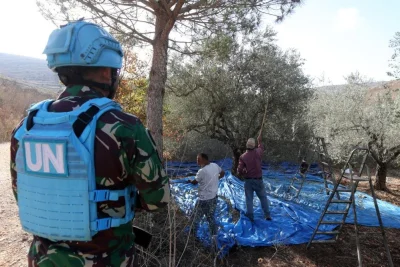
A United Nations Interim Force in Lebanon soldier stands guard as farmers harvest olives in the village of Odaisseh, located close to the Blue Line border with Israel, in southern Lebanon, in October. File Photo by Wael Hamzeh/EPA

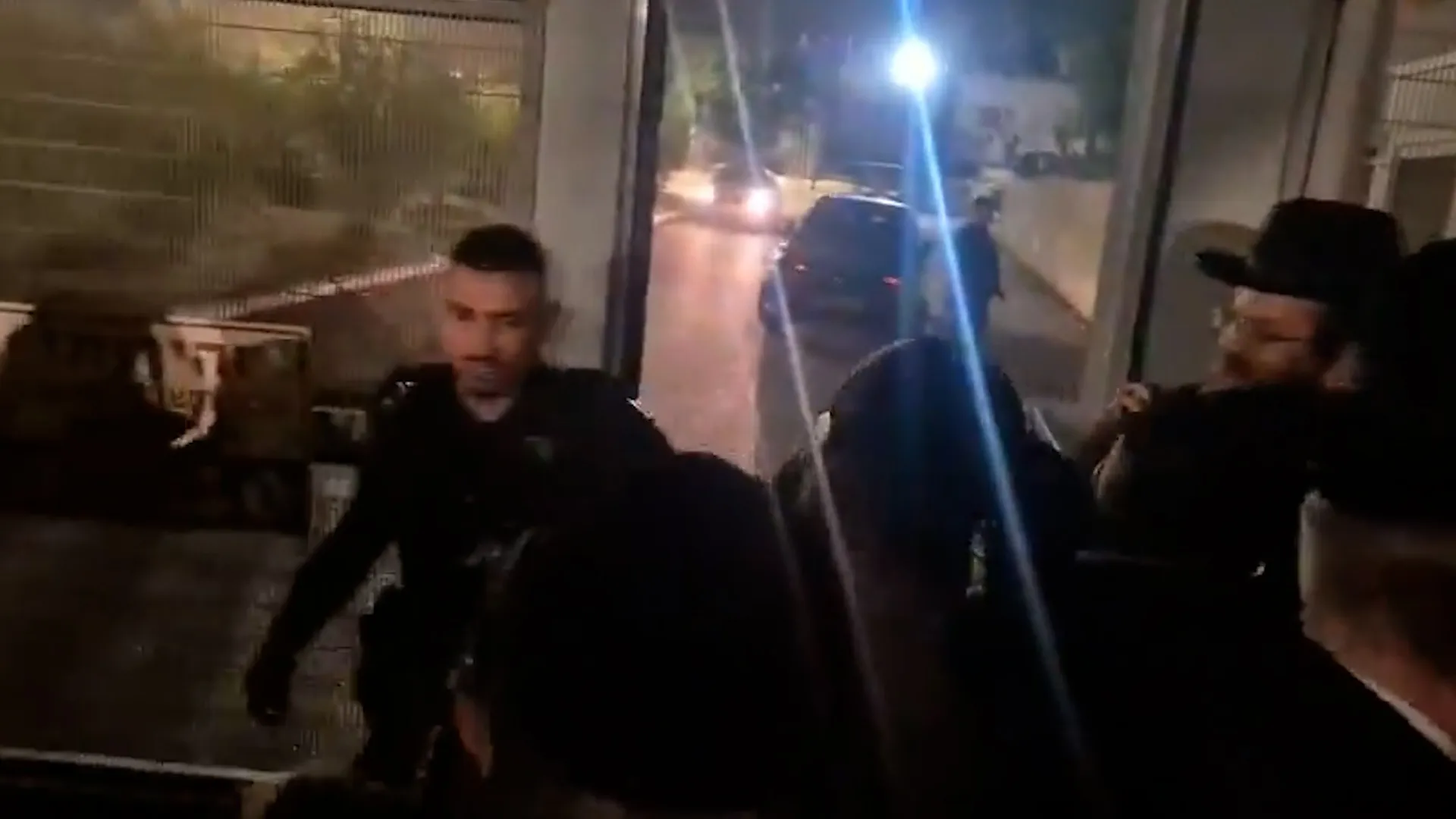
BEIRUT, Lebanon, May 22 (UPI) — Lebanon’s agriculture sector emerged as another victim of Israel’s widespread attacks across southern Lebanon, damaging vast areas of farmland, displacing the majority of the region’s farmers and threatening the country’s food security, economic resilience and cultural identity.

The sector, which is key to Lebanon’s economy and plays a vital role in sustaining rural communities and preserving cultural traditions, had not yet recovered from the impacts of the 2023-2024 war between Hezbollah and Israel when it was again hit by resumed hostilities in March.

The fresh escalation severely disrupted farming activities, with an estimated 22.5% of agricultural areas (56,264 hectares) damaged, including farms and greenhouses, and nearly 80% of farmers (more than 6,593) displaced and unable to access their land due to Israeli military activities, according to an updated report released by the Lebanese Ministry of Agriculture on May 5.

The report indicated that the most affected crops in the south are bananas (95%), citrus trees (97%), olives (91%) and small-scale farming, which accounts for 80% of Lebanon’s total agricultural area.

Moreover, more than 1.8 million heads of livestock (cows, goats, sheep and poultry), 29,121 beehives, and 2,030 tons of fish have been lost.

Nizar Hani, the minister of agriculture, said the sector suffered its biggest losses compared with previous wars, adding that agricultural losses have doubled since the March 2 escalation to about $1.5 billion, out of an estimated total war damage that exceeds $20 billion.

Hani said Israel is establishing a buffer zone in southern Lebanon “empty of any life, where no one can pass through, hide or live,” through destruction of entire villages, properties, orchards and olive trees.

He said southern Lebanon produces 70% of the country’s citrus fruits and 90% of its bananas, supplying the local market and exporting to neighboring countries such as Syria, Jordan and Iraq.

And he told UPI that the heavy agricultural losses, inflation, and resulting job losses had a direct impact on food security, with 24% of people living in Lebanon — including Syrian displaced persons, Palestinian refugees and others — requiring immediate assistance.

According to an analysis by the Agriculture Ministry, in collaboration with the U.N.’s Food and Agriculture Organization and the World Food Programme, 1.24 million people were expected to face food insecurity between April and August 2026, marking a significant increase from the November 2025-March 2026 period, when an estimated 874,000 people experienced acute food insecurity.

Nora Ourabah Haddad, the Food and Agriculture Organization representative in Lebanon, warned that damage to irrigation systems, productive infrastructure, livestock systems and agricultural supply chains is further weakening local production capacity.

Haddad referred to substantial declines in the production of milk, meat, eggs and honey after 1,600 farms were affected and more than 1.8 million animals killed during the war.

She said the scale of the damage is “extremely serious” and extends far beyond the affected agricultural land that included some of the country’s most productive farming areas.

“What is at stake today is Lebanon’s capacity to sustain local food production, protect rural livelihoods and preserve the resilience of its agrifood systems at a time when the country is already heavily dependent on food imports and facing severe economic pressures,” she told UPI in an interview.

Haddad said food prices rose by 8.4% in the first quarter of 2026, while transport costs increased by 21%, adding that higher fuel and logistics costs expected to continue to drive up prices.

This time, farmers fear prolonged displacement after being forced to leave their land and homes under Israeli evacuation orders in early March — as many were preparing for the planting season.

Hussein Salameh, head of an agriculture cooperative in the Bint Jbeil-Marjeyoun area, recalled how they fled without having time to take any belongings, move their cows away or release them.

Salameh, an inhabitant of the village of Aitaroun, said the displaced farmers mostly feel “frustrated and abandoned” after exhausting their savings on working their land and repairing their damaged homes when they first returned after the Nov. 27, 2024, cease-fire.

He noted that Hezbollah did not provide them then with any financial assistance, saying it no longer had the funds to do so.

Unlike other displaced employees or skilled workers who could still find work in their areas of refuge, they have lost their only source of livelihood away from their land, he said.

“This is a big tragedy. … Farmers have only their land to live on and survive,” he told UPI.

The fear is that when farmers remain separated from their land, livestock and livelihoods for extended periods, many gradually lose the ability to sustain themselves and may eventually abandon agriculture altogether, Haddad warned.

Helping farmers protect what remains of their livelihoods by providing emergency agricultural support and restoring the country’s agricultural capacity before losses become “irreversible” were emerging priorities for the Food and Agriculture Organization, she said.

However, soil contamination presents another major concern after Lebanon and international rights groups accused Israel of unlawfully using white phosphorus and the herbicide glyphosate during its attacks on southern Lebanon, destroying crops and damaging beehives and livestock.

“This is an international environmental crime,” Hani said, adding that Israel “sprayed everything with glyphosate.”

The destruction and uprooting of old olive trees — some of which have been cultivated and preserved across generations, and in some cases for centuries — was equally painful.

“It is the loss of a living heritage … olive trees are deeply connected to family history, local traditions, food culture and rural economies,” Haddad said, adding that their destruction carries not only economic consequences, but also profound social and cultural impacts on farming communities.

Restoration is possible, but it requires time as newly planted trees require many years before becoming fully productive.

“Some of these ancient olive trees may also contain unique genetic heritage that has adapted to local environmental conditions over centuries, making parts of this loss potentially irreversible from a biodiversity perspective,” Haddad said.

Even if hostilities were to stop today, recovery in southern Lebanon’s agriculture sector would not be immediate and would require extensive international funding and support.

Farmers would also need time to recover from the “deep psychological impact” of being uprooted from their land, after their “cultural and environmental values” were destroyed, according to Hani.

To Salameh, Israel was not just targeting Hezbollah but carrying out what he described as “collective punishment” against everyone living in the south, including those opposed to the Iran-backed group.

“Would such collective punishment ensure security for Israel? Would that bring peace?” he asked.
Source link

Funerals for medics killed in Israeli air strikes in southern Lebanon | Israel attacks Lebanon

NewsFeed

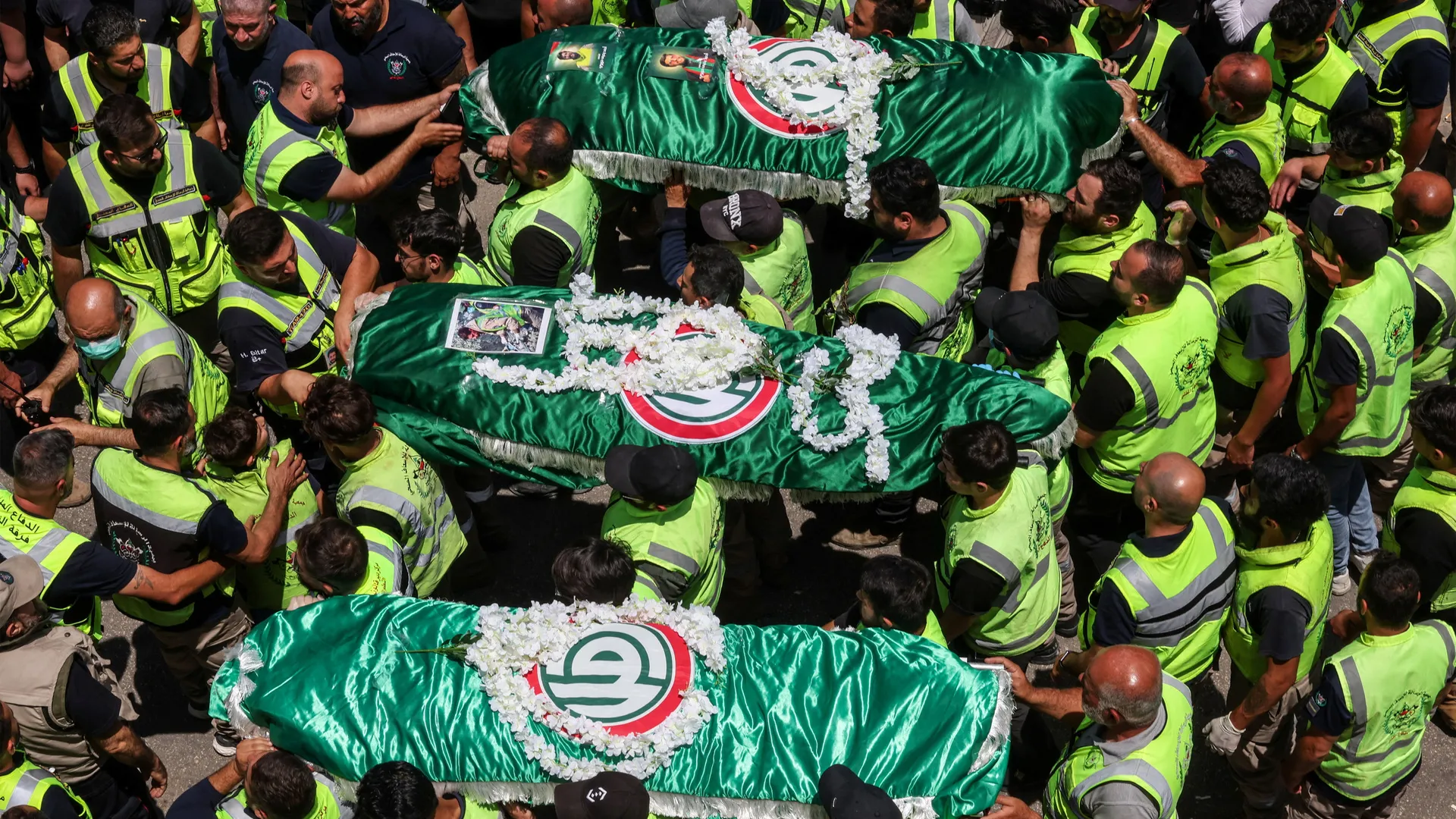
Funerals were held for paramedics killed by two Israeli air strikes in southern Lebanon on Friday. The Israeli military has repeatedly attacked health facilities and medical teams in Lebanon, accusing Hezbollah of using them to conceal weapons and fighters.

Source link

Overnight Israeli strikes on Gaza leave behind heavy destruction | Israel-Palestine conflict

NewsFeed

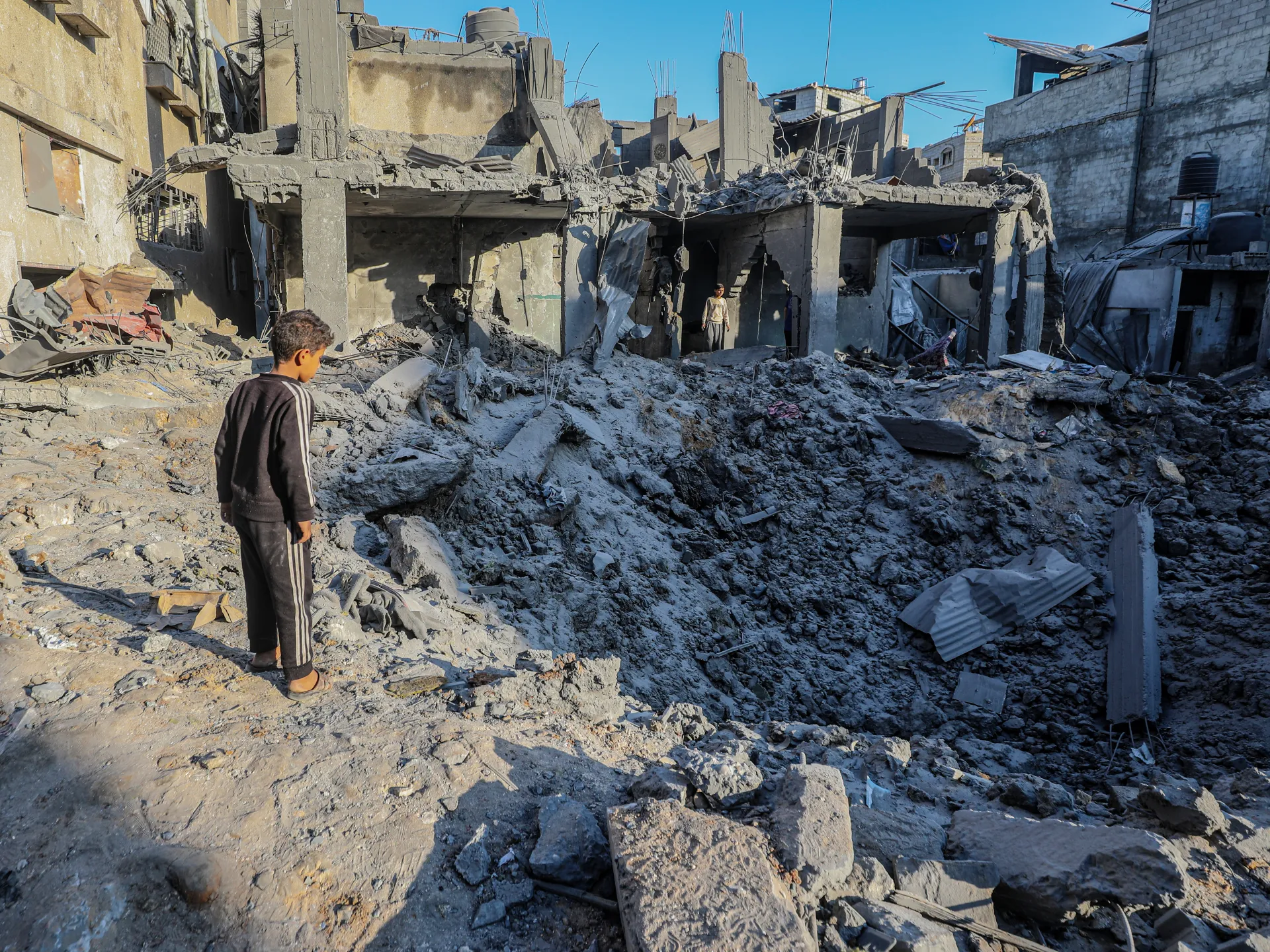
Overnight Israeli strikes devastated the Nuseirat and Bureij refugee camps in central Gaza despite an ongoing ceasefire, injuring dozens. The strikes targeted residential areas, leaving behind piles of rubble. Israel has now destroyed or damaged around 90% of Gaza’s civilian infrastructure.

Source link