What role has the United Kingdom played in Israel’s war on Gaza? We meet those who say it’s complicit in atrocities committed there.
During the Gaza war, protesters have flooded the streets of major British cities, calling on their leaders to cut off the supply of weapons and other military hardware to Israel.
The United Kingdom’s relationship with its ally is under scrutiny. Jeremy Corbyn, a British MP, set up the Gaza Tribunal to examine whether the UK’s support for Israel amounts to complicity. Doctors and aid workers gave emotional accounts of the horrors they saw while working in the Gaza Strip, and journalists presented evidence of weapons shipments and spy flights allegedly operating from a nearby British air force base. All were making the case that the UK’s unwavering support for Israel is no longer legally or morally justifiable.
In its final report, published on March 16, the Gaza Tribunal said the UK has failed in its duty to prevent genocide and has been complicit in atrocities. It also recommended that the UK end all military cooperation with Israel.
The UK government has yet to comment on the allegations.
Israeli settlers set fire to homes and vehicles near Jenin amid reports of widespread violence across the occupied territory.
Published On 22 Mar 202622 Mar 2026
Israeli settlers have torched homes and vehicles in at least two areas of the occupied West Bank, wounding at least one person, amid reports of settler violence across the Palestinian territory.
The Palestinian Wafa news agency, citing local sources, said Israeli settlers stormed the village of al-Fandaqumiya and the town of Seilat al-Dahr, south of Jenin, late on Saturday.
Recommended Stories
list of 3 itemsend of list
In al-Fandaqumiya, Israeli settlers set “homes and vehicles ablaze and damaged additional houses by smashing windows” as Palestinians “attempted to confront them and put out the fires”, the agency reported.
In Seilat al-Dahr, the settlers targeted several homes, attempted to set them alight and physically assaulted a resident, leaving him wounded.
Footage verified by Al Jazeera showed large fires burning inside homes in Seilat al-Dahr, and another house engulfed in flames in al-Fandaqumiya as residents frantically tried to extinguish them.
There was also an attack on Masafer Yatta, south of Hebron, where settlers wounded two Palestinians. Three others were arrested as settlers stormed the area under the protection of Israeli forces, Wafa reported.
The attacks, which took place late on Saturday during Eid al-Fitr celebrations, are the latest in a wave of settler violence in the occupied territory that has previously resulted in killings.
Other images and videos shared by Palestinian authorities showed settler attacks on the villages of Qaryut and Jalud, south of Nablus. In Jalud, a four-wheel-drive vehicle was seen completely burned out following the attack.
Violence was reported elsewhere across the occupied West Bank.
Near the town of Haris, west of Salfit, settlers gathered on the main road and pelted Palestinian vehicles with stones, according to Wafa.
In Ramallah, settlers near Rawabi Square on the Ramallah-Nablus Road threw stones at passing Palestinian-registered vehicles, with no injuries reported.
Similar incidents were reported in Tuqu, southeast of Bethlehem.
Settler violence in the West Bank has intensified in the shadow of Israel’s genocidal war on nearby Gaza.
More than 1,000 Palestinians have been killed by Israeli troops and settlers in the West Bank since the Gaza war began in October 2023, according to the latest United Nations figures.
In late February, Israeli settlers defaced and set fire to a mosque near Nablus in the occupied West Bank during the Muslim holy month of Ramadan.
In February, the UN Human Rights Council warned in a new report (PDF) that Israeli policies in the occupied West Bank – including “the systematic unlawful use of force by Israeli security forces” and unlawful demolitions of Palestinian homes – aim to uproot Palestinian communities.
Human rights groups say Israeli authorities have allowed the settlers to operate with total impunity in their attacks against Palestinians.
Israeli organisation B’Tselem has also accused its government of actively aiding the settlers’ violence “as part of a strategy to cement the takeover of Palestinian land”.
Elsewhere in the occupied West Bank, two Palestinians were injured on Saturday night by live fire from Israeli forces south of Tulkarem.
The Palestine Red Crescent Society (PRCS) reported that at least two people were wounded after being shot by Israeli forces at the Jabara checkpoint.
Day of intense hardship as mothers mourn children lost in war and children face day without their mothers.
While much of the Middle East celebrated Mother’s Day with flowers and gifts this weekend, in Gaza, the occasion served as a painful reminder of precious lives lost.
Sitting in her tent in Gaza City on Saturday, Em Rami Dawwas remembered the three sons she lost in Israeli attacks, two of whose bodies are still being withheld by the authorities.
Recommended Stories
list of 3 itemsend of list
“I miss my sons on Mother’s Day. They used to bring me gifts, flowers, sweets, and ask me about my needs. They were the light of my life,” she said, sitting among boxes filled with their clothes, which she cannot bring herself to throw away.
Palestinian children have borne the brunt of Israel’s genocidal war on Gaza that began in October 2023, with UNICEF estimating in October last year that 64,000 children have been killed and wounded in Israeli attacks.
Reporting from among the tents in Gaza City, Al Jazeera’s Hind Khoudary said Dawwas kept the photos of her sons under her pillow, looking at them every day, “as if holding on will keep their memory alive”.
Many mothers spend the day in graveyards, sitting in the only place they can feel close to their dead children, said Khoudary.
‘I just wanted to make her happy’
Maram Ahmed faced a second Mother’s Day without her mother, who she lost in an Israeli air attack that killed her entire family. Her mother was her closest friend, said Khoudary.
“On Mother’s Day, even if I didn’t have money, I would buy my mum a gift from my allowance, even if it was for less than a dollar. I just wanted to make her happy,” said the 14-year-old, sitting in her sparse tent.
“I feel so sad when I see other children with their mothers, but I don’t show it,” she said.
A report published by rights group Amnesty International this month highlighted the “brutal price” women and girls have paid during the war, which started in October 2023. Two years later, Israel and the Palestinian group Hamas agreed to a fragile “ceasefire” that the former has repeatedly violated.
“Amid Israel’s deliberate imposition of conditions of life calculated to bring about the physical destruction of Palestinians in Gaza, Palestinian women face compounded and life-threatening consequences,” said the report.
It cited ongoing mass displacement, the collapse of reproductive, maternal and neonatal healthcare, the interruption of treatment for chronic illness, heightened exposure to disease and unsafe and undignified living conditions faced by women, as well as “profound physical and mental harm”.
Since the October 2025 “ceasefire”, Israeli attacks have killed more than 650 Palestinians, many of them women and children, according to recent figures from the Ministry of Health.
Overall, Israeli attacks have killed more than 72,000 people since the start of the war.
Gaza City – In front of a toy stall in Gaza City’s central al-Rimal market, Rania al-Saudi stands with her two young daughters, looking bewildered at the unusually high prices of toys.
Al-Saudi had promised her daughters she would buy them two dolls to celebrate Eid, but the exorbitant toy prices mean she simply can’t afford them.
Recommended Stories
list of 3 itemsend of list
Her elder daughter, six-year-old Razan, didn’t understand her mother’s worried expressions as Rania asked the vendor for the price of each toy. With every price, Rania gasped and said, “Oh my God, it’s so expensive… this used to be much cheaper.”
Faced with her daughter’s insistence, Rania pleaded with the vendor to lower the prices, but he apologised, saying he could not because getting hold of toys to sell was incredibly difficult, considering Israeli restrictions on importing items into Gaza.
Rania was not alone. Other parents and children repeatedly came to the vendor’s stall to ask about toys, but not one of them made a purchase. In Gaza’s current war-driven economic crisis, the prices are simply unaffordable.
Rania, 43, is originally from Shujayea in eastern Gaza, but has been displaced by the war to the west of the city. She told Al Jazeera that she came looking for toys in an attempt to put smiles on her daughters’ faces before the holiday, but her wish was not fulfilled.
“The prices are extremely high, and the vendors tell us that toys have not entered Gaza since the start of the war. But what did our children do to deserve this?”
Rania recalled the many toys her daughters had in their home before it was destroyed, and how she used to make sure they had toys for every occasion and every holiday.
“Eid holidays are for children’s joy, and children are happy with toys and entertainment. But our children are deprived of everything.”
While speaking to Al Jazeera, Rania tried to calm her daughter Lulwa, who had begun to cry after realising from her mother’s words that she would not get the doll she wanted.
“This doll used to cost no more than 15 shekels ($5) before the war; now it costs 60 shekels ($20),” she said to Al Jazeera, frustrated. “This is something I cannot afford. Everything is expensive and overpriced.”
Rania’s voice grew heavier as she explained that she was unable to even buy new Eid clothes for her daughters – a tradition across the Muslim world – due to the high prices.
“My daughters will not be happy this Eid. I wanted to compensate by getting them dolls, but even that is impossible.”
Toys have been in short supply during the war, which began in October 2023, with bombing and displacement meaning that most children either had their toys destroyed, lost, or left behind. Rania says that her children have been bored, and have had to develop their own ways of playing.
“All the children in the camp face the same situation, so they spend their time playing simple street games like hopscotch, hide-and-seek, or drawing in the sand,” she said.
“But my daughters always wished for a doll. I once tried to make one for them, but they didn’t like it.”
Israel restricts the entry of many non-essential goods into Gaza, including toys [Abdelhakim Abu Riash/Al Jazeera]
Rising prices and market impact
Toy sellers say they are not to blame for the high prices.
Anwar al-Huwaity has been in the business for 20 years. He told Al Jazeera that his stall is still operating despite Israel’s devastation of Gaza, but that business has become extremely difficult.
“Before the war, toys were widely available,” Anwar said. “Today, we go from one trader to another, searching. Sometimes we find toys with someone who had them stored, but they sell it at a very high price, up to three times its normal price.”
He added that most toys that now reach Gaza do not enter through official crossings, but in limited quantities via unofficial routes, making them very difficult to obtain.
The cost of bringing toys into Gaza has become extremely high. Anwar said some middlemen demand up to 12,000 shekels ($3,870) for a small shipment, and if it is confiscated or destroyed, the loss falls entirely on the trader.
“We buy merchandise at high prices, so we have to sell it at high prices as well,” Anwar said apologetically.
Anwar said that toys were now up to 300 percent more expensive compared to pre-war prices. The holiday season, the main income generator for toy sellers, used to bring in between $6,500 and $10,000, he explained. Now, he’d be lucky to sell $1,000 of stock – and most of that is bulk sales to other traders, rather than regular customers.
Anwar may be a businessman, but he shared that the hardest part of his job was seeing children ask for toys that their parents cannot afford.
“Many parents can’t buy toys due to the economic situation. People are barely able to secure food,” he said.
Anwar’s job has gone from providing children joy, to seeing them disappointed.
“I have started hating my workday because I know the prices are exorbitant, and when the children and families see the toys, they get upset, especially during the holidays.”
“People come to buy toys and beg me to lower the price,” he said. “They say, ‘This child is an orphan, that child is an orphan … his parents were killed in the war’. It feels like all children in Gaza have become orphans.”
Toy sellers say they are forced to pass on high prices to customers [Abdelhakim Abu Riash/Al Jazeera]
Restrictions on recreational goods during the Gaza war
Since the outbreak of the war on Gaza in October 2023, trade has been heavily restricted due to the closure of commercial crossings by Israel, especially Karem Abu Salem (Kerem Shalom), the main entry point for goods into Gaza from Israel.
Israel imposed a total blockade on Gaza in 2023, and again for several months in 2025, leading to the declaration of a famine in northern Gaza.
Conditions have improved since a “ceasefire” was declared in October, but Israel is continuing regular strikes – and continuing to heavily restrict the entry of non-essential commercial goods, including toys and recreational materials.
Although no official law or declaration explicitly bans toys from entering Gaza, administrative and security restrictions, combined with the prioritisation of humanitarian goods, have effectively made entry of these items almost impossible.
The United Nations has noted that restrictions on commercial goods, including toys, have affected the availability of both essential and non-essential goods in Gaza.
Near Anwar’s toy stall is another run by Ahmed Ziara. The 24-year-old has been selling toys for several years, but the war has forced him to periodically stop trading.
“Before the war, I worked in major toy exhibitions,” Ahmed explained. “Now toys rarely enter, and we often have to smuggle them, sometimes hidden inside clothes or other goods.”
Ahmed confirmed that most of the toys he acquires are old stock already in Gaza, sold at high prices due to scarcity.
He mentioned that popular Eid holiday toys, which were once inexpensive, now cost triple or even quadruple their previous prices: a small toy car that sold for 40 shekels ($13) last year now costs 150 shekels ($48), a small ball that once cost 3 shekels ($1) is now 30 shekels ($10), building blocks are nearly unavailable, and dolls cost more than 70 shekels ($22.50).
“Buying from traders is hard, and selling is hard due to the economic situation,” Ahmed told Al Jazeera.
“Sometimes I have to sell below the expected price just to clear stock, but most of the time we must raise prices due to high costs and difficulty obtaining toys.”
“If conditions improve and toys are allowed in normally, prices will return to normal, and children and families will be able to enjoy the holiday as before,” he said.
“This work is not easy,” he added, contemplating. “Sometimes I sit alone and tell myself what I am doing is unfair because prices are extremely high. But despite everything, we love to bring joy to children, even for a short time.”
Israeli air strikes target army camps in response to alleged attacks on the Druze community in Suwayda on Thursday.
Published On 20 Mar 202620 Mar 2026
Israel’s military has said it struck Syrian army camps overnight in response to what it claimed were attacks against the Druze community in the south of the country.
“This was in response to yesterday’s events, in which Druze civilians were attacked in the [Suwayda] area,” the Israeli military said in a post on Telegram on Friday.
Recommended Stories
list of 3 itemsend of list
“The [Israeli military] will not allow harm to come to Druze in Syria and will continue to act for their protection.”
The Syrian Observatory for Human Rights monitor reported on Thursday that fighting broke out between government forces and fighters from local tribes against opposing Druze factions in the western countryside of Suwayda.
The fighting began after mortar shells fell on areas under the control of Druze factions.
The shelling later hit residential neighbourhoods in the city of Suwayda, sowing panic and fear among residents, the Syrian Observatory said.
Syria’s state-run SANA news agency did not acknowledge the fighting in Suwayda or the Israeli attack.
Violence first erupted in Suwayda on July 13 between Bedouin tribal fighters and Druze groups.
Government forces were sent in to quell the fighting, but the bloodshed worsened, and Israel carried out strikes on Syrian troops and also bombed the heart of the capital, Damascus, under the pretext of protecting the Druze.
Israel had already pushed deeper into Syrian territory following the fall of Bashar al-Assad in December 2024, occupying the buffer zone and saying the 1974 deal with Syria had collapsed.
The latest flare-up between the neighbouring countries comes as war roils the Middle East after the United States and Israel attacked Iran on February 28.
In a speech delivered after the Eid al-Fitr prayers on Friday in Damascus, Syrian President Ahmed al-Sharaa said he is working to keep Syria out of any conflict.
“It is important to remember that Syria has always been an arena of conflict and strife during the past 15 years and before that, but today it is in harmony with all neighbouring countries regionally and internationally,” he said.
He added that Syria stood “in full solidarity with the Arab states”.
Slovenia heads to the polls on Sunday in a closely contested race between incumbent Prime Minister Robert Golob and right-wing former Prime Minister Janez Jansa.
Opinion polls currently suggest no clear winner between Golob’s Freedom Movement (GS) and Jansa’s Slovenian Democratic Party (SDS), with the outcome likely to hinge on smaller parties and coalition-building.
Recommended Stories
list of 4 itemsend of list
Jansa has served three times as prime minister, between 2004-2008, 2012-2013 and 2020-2022.
Golob’s domestic agenda has been broadly reform-driven and welfare-focused, with a mix of social policy, green transition, and institutional reforms, something Jansa has promised to reverse by introducing tax breaks for businesses and cutting funding for welfare programs.
The election will also decide which direction the Alpine nation, which gained independence in 1991, will take on foreign policy, especially given the wildly divergent views on Israel and Palestine.
Slovenia’s government has been an outspoken critic of Israel’s war; in contrast, Jansa is a staunch supporter of Israel.
Slovenian then Prime Minister Janez Jansa and Israeli Prime Minister Benjamin Netanyahu met in Jerusalem on December 8, 2020 [Ohad Zwigenberg/Pool via Reuters]
Diverging views on Israel-Palestine
For a small nation – roughly the size of New Jersey in the United States – home to two million people, the Israel-Palestine conflict has played a significant role in its politics.
Slovenia’s current government has openly criticised Israel’s actions in Gaza and the occupied West Bank, even introducing a ban on imports of goods produced in the occupied Palestinian territory.
In May 2024, the country recognised Palestinian statehood, raising a Palestinian flag alongside the flags of Slovenia and the European Union in front of a government building in downtown Ljubljana.
A Palestinian flag flies next to a Slovenian and an EU flag, at the government building in Ljubljana, Slovenia, May 30, 2024 [Borut Zivulovic/Reuters]
In May 2025, Slovenia’s President Natasa Pirc Musar told the European Parliament that the EU needed to take stronger action against Israel, condemning “the genocide” in Gaza.
Later in the year, it banned far-right Israeli cabinet ministers Itamar Ben-Gvir and Bezalel Smotrich from entering the country and became the first country in the EU to ban all weapons trade with Israel over its genocidal war on Gaza.
It has also backed Slovenian International Criminal Court (ICC) Judge Beti Hohler, after she was sanctioned by the US for her role in issuing arrest warrants for Israeli Prime Minister Benjamin Netanyahu and former Defense Minister Yoav Gallant.
In a letter sent to the EU heads of state on March 13, Golob and Musar warned that Europe’s refusal to condemn the sanctions indicated that “concern for economic consequences has taken precedence over a principled defence of judicial independence and international justice … at a moment when armed conflicts rage, when international law is being violated, when the victims of the gravest crimes look to the ICC as their last hope for justice.”
Palestinian Foreign Minister Varsen Aghabekian Shahin meets with Slovenia’s Prime Minister Robert Golob, at the Office of the Prime Minister of the Republic of Slovenia, in Ljubljana, Slovenia, August 25, 2025 [Borut Zivulovic/Reuters]
Nika Kovac, a Slovenian sociologist and cofounder of the 8th of March Institute, a nongovernmental organisation focused on human rights, told Al Jazeera that support for Palestine is in part rooted in the fact that Slovenia is “a very young country”, which means “there is … solidarity with countries that want to be independent, and they cannot be.”
However, the country’s approach to Palestinian rights could shift if pro-Israel Jansa were to be elected.
Jansa has been a close ally to Israeli Prime Minister Benjamin Netanyahu and lambasted Slovenia’s decision to recognise the state of Palestine, with a statement from his party claiming it was tantamount to “supporting the terrorist organisation Hamas”.
A woman votes during the early voting before national elections, in Ljubljana, Slovenia, March 17, 2026 [Borut Zivulovic/Reuters]
Accusations of ‘foreign information manipulation’
In the lead-up to the election, a series of covertly recorded conversations was published online, featuring a Slovenian lobbyist, a lawyer, a former minister and a manager.
The videos purportedly show the individuals discussing ways to influence decision-makers in Golob’s coalition to expedite procedures and secure contracts.
On Tuesday, Golob accused “foreign services” of interfering in Slovenia’s elections, after a report by the 8th of March Institute and investigative journalists claimed that representatives of the Israeli private spy firm Black Cube had visited the country in December and Jansa’s headquarters in the weeks leading up to the leaks.
On Wednesday, Slovenia’s Intelligence and Security Agency confirmed the arrival of Black Cube representatives in Slovenia and presented a report on foreign interference in elections, which the agency’s director said was alleged to have been carried out at the behest of people in Slovenia.
The State Secretary for National and International Security in the Office of the Prime Minister of the Republic of Slovenia, Vojko Volk, made a statement following the announcement, saying, “According to information available to date, representatives of Black Cube have stayed in Slovenia on four occasions over the past six months.”
On Thursday, Golob sent a letter to European Commission President Ursula von der Leyen notifying her of “alarming information regarding what appears to constitute a grave instance of foreign information manipulation and interference currently unfolding in the Republic of Slovenia”.
French President Emmanuel Macron told reporters on Thursday that Golob “was the victim of clear-cut interference” by “third countries”.
“Today, in every election in Europe, there is interference that disrupts electoral processes,” Macron said.
Jansa has admitted to meeting with a Black Cube representative but denied any wrongdoing.
Beirut, Lebanon and Gaza City, Palestine – Along Beirut’s downtown waterfront, Alaa is looking for somewhere to rest his head.
The Syrian refugee, originally from the occupied Golan Heights, is now homeless. He explained that he had already spent the day wandering around the Lebanese capital trying to find shelter.
Recommended Stories
list of 3 itemsend of list
He used to live in Dahiyeh – the southern suburbs of Beirut that have been pummelled by Israeli attacks, which have now killed more than 1,000 across Lebanon.
Now, he’s just looking for somewhere he can be safe. And in that context, Eid al-Fitr, the Muslim festival that began on Friday, is far from his mind.
When asked if he had any plans for Eid, he replied in the negative. Instead, his focus was on getting a tent.
“I got rejected from staying in a school, then I went to sleep on the corniche,” Alaa said. “Then people from the municipality told me to come here to downtown Beirut’s waterfront.”
Alaa wasn’t able to find a tent and is sleeping in the open air for now. But others in the area have, transforming a downtown more famous for its expensive restaurants and bars into a tent city for those displaced by the fighting. Across Lebanon, more than a million people have been displaced.
Lebanese are uncertain when this war will end, particularly as they have barely recovered from the conflict with Israel that ran between October 2023 and November 2024.
It makes celebrations difficult – a common theme across the countries affected by the current conflict.
In Iran, now in its third week of US-Israeli attacks – with no sign of an immediate end and an economic crisis that preceded the conflict, people are struggling to afford any of the items typically bought during the holiday season.
And it is potentially dangerous for people to shop at places like Tehran’s grand bazaar, which has been damaged by the bombing.
The religious element of Eid adds an extra sensitivity for antigovernment Iranians, some of whom now see any sign of religiosity as support for the Islamic Republic. The fact that Nowruz – the Persian New Year – falls on Friday this year means that some in the antigovernment camp will be focused on that celebration instead, and eschewing any events to mark Eid.
Struggling in Gaza
Many Palestinians in Gaza want to celebrate Eid, but the enclave’s economic crisis, brought on by Israel’s genocidal war, makes it difficult.
Israeli restrictions on the entry of goods into Gaza, which have increased since the war against Iran started, have driven up prices further, including the cost of children’s toys.
Khaled Deeb, a 62-year-old living in a partially destroyed home in Gaza City, had ventured into the central Remal market, curious to see how expensive fruit and vegetables had gotten in the run-up to Eid.
“From the outside, the Eid atmosphere looks lively and vibrant,” Khaled said, pointing to the crowded market. “But financially, things are extremely bad. People have all left their homes and are now living in tents and displacement. Everyone has lost everything during the war.”
Khaled says he can’t afford the fruit and vegetables, and will have to go without. Only “kings” could buy them, he said, not “poor and exhausted people” like him.
What makes it worse is his memory of what things were like before the war, when he owned a supermarket.
“During Eid, I would give my daughters and sisters gifts of more than 3,000 shekels ($950) when visiting them, not to mention preparing the house, buying Eid clothes for my children, and sweets and chocolates to welcome the holiday,” Khaled said. None of that is going to happen this Eid, even with a ceasefire in Gaza.
His sentiment was echoed by Shireen Shreim, a mother of three.
“Our joy in Eid is incomplete,” she said, as she wandered through the market. “We have come out of two years of war with immense hardship, only to face a life where even the most basic necessities are unavailable.”
And with Israel showing few signs that it is willing to stop violently attacking Palestinians, as well as other countries in the region, Shireen has no idea when Gaza will ever be rebuilt.
“I live in an apartment with completely hollowed-out walls,” she explained. “My husband and I put up tarps and wood, and we are continuing our lives. We are much better off than others.”
“Every time I return home, I feel sad,” she added. “As you can see, people are living in nylon and cloth tents in the streets, without any humane shelter. How will these people celebrate Eid?”
Back in Beirut, Karim Safieddine, a political researcher and organiser, is stoic. He said he would be celebrating Eid with his extended family, despite the difficult circumstances.
“Although we have been displaced by the war, we believe that consolidating these family bonds and creating a sense of communal solidarity is the first and foremost condition to survive this war,” Karim said.
“Without solidarity, we won’t be able to build a society, a country,” he said. “I think that’s a starting point for many people attempting to really create a sense of forward-looking vision for a country under bombs, without any form of toxic positivity, of course.”
Israel’s National Security Minister has filmed himself in front of gallows at a Jerusalem museum, threatening the death penalty for “terrorists”. Itamar Ben-Gvir is leading a campaign to expand the grounds for execution, which human rights groups have slammed as discriminatory.
Khan Younis, Gaza Strip – Historic landmarks often withstand centuries of volatile change, but when rockets and missiles fall, even the most enduring stones become fragile.
For generations of families in Gaza’s southern city of Khan Younis, the Grain Market was the first stop when they went shopping.
Recommended Stories
list of 3 itemsend of list
Reaching it meant walking past the historic Barquq Castle, a centuries-old structure dating back to 1387 and the very foundation of Khan Younis.
But for residents, the castle was more than an old monument; it was a familiar landmark marking the entrance to one of the city’s liveliest commercial spaces.
The aromatic scent of spices and dried herbs would accompany any walk towards the Grain Market.
But that was before Israel’s genocidal war on Gaza began. Israeli attacks inflicted heavy damage on the Grain Market and the Barquq Castle. The market has now been reduced to shattered alleys, with dust and heavy silence filling the air.
Sitting in his store along a row of damaged old shops, 60-year-old Nahed Barbakh, one of the city’s oldest and most well-known traders of staple food supplies, spent decades watching customers stream through the market. Now, only a handful pass by his shop.
“I’ve been in this spot for decades, day in and day out, watching people bring life to this place,” Nahed said. “Look at it now – it’s empty. These days, there shouldn’t even be space to walk because of the crowds preparing for Eid.”
He paused before gesturing towards the nearby castle.
“We always felt the weight of history here because we are so close to Barquq Castle. Now that history and life itself have been struck by the occupation.”
But Israeli fire did not take into account the market’s historic status. The Grain Market, long considered the economic heart of Khan Younis, was also among the first sites of destruction during the second month of Israel’s genocidal war on Gaza. More than two years of Israeli bombardment and repeated waves of displacement have left the market unrecognisable.
“The occupation killed many of our friends who worked here,” Nahed said quietly. “Those who survived have been financially broken. That’s why you see most of these shops are still closed.”
He pointed to some shelves behind him.
“My shop used to be fully stocked with goods at its high capacity. We even had extra warehouses to supply what people needed, especially during the busiest seasons.”
Before he could finish his sentence, a deafening blast interrupted him — the sound of an Israeli tank fire.
“And this is the biggest reason people are afraid to return,” Nahed said abruptly. “The yellow line is only a few hundred metres away from this street. At any moment, bullets can reach here.”
The yellow line is the name given to the demarcation line behind which Israeli forces withdrew as part of the first phase of October’s ceasefire agreement. It effectively divides Gaza into two, and Palestinians have repeatedly been shot for approaching it.
The yellow line has divided Khan Younis, dramatically reshaping the city’s geography. Israel has repeatedly shifted the line, moving it deeper into Gaza.
The Grain Market, once firmly at the centre of urban life, now sits close to the yellow line.
What used to be the city’s commercial heart has effectively turned into its edge, where people hesitate to walk, leaving the revival of daily commerce life a distant prospect.
Nahed Barbakh, a 60-year-old shop owner and trader, sits at a table in front of his store [Ahmed al-Najjar/Al Jazeera]
Centuries of endurance
The Grain Market traces its origins to the late 14th century, when the Mamluk ruler Younis al-Nawruzi established Khan Younis in 1387 as a strategic stop along the trade route linking Egypt and the Levant.
Built as an extension of the Barquq Castle, which functioned as a caravanserai for travelling merchants, the market became a central commercial hub where traders and travellers exchanged goods, moving between Africa, the Levant and beyond.
The Grain Market occupies roughly 2,400sq metres (25,830sq feet). Its single-floor shops line a central street running east to west, intersected by narrow alleys branching towards smaller courtyards. The buildings preserve elements of their original construction, including sandstone walls and traditional binding materials that have survived centuries of repairs and modifications.
Over time, the market evolved into the primary commercial centre of Khan Younis, adapting to modern commerce while retaining its historic character.
But today, many of its shops stand damaged or shuttered.
According to Gaza’s Ministry of Tourism and Antiquities, the market is now among more than 200 heritage sites damaged in attacks by Israeli forces across the Gaza Strip since October 2023.
At the southern end of the Grain Market, where rows of vegetable stalls once overflowed with fresh produce, only one makeshift stand has opened.
Om Saed al-Farra, a local, stepped cautiously towards the stall, inspecting the small piles of vegetables laid out on a wooden crate. The expression on her face reflected more than surprise; it was disbelief at what the market had become.
“The market is deplorable now,” she said. “There used to be many stalls here and many choices for people.”
She gestured towards the empty stretch of the market’s vegetable section, once one of its busiest corners.
“These days were once filled with extensive joyful preparations for Eid, when families crowded the market to shop for food and essentials,” al-Farra said. “Now the market feels unusually gloomy, its stalls largely empty and its familiar vibrance gone. Everything is limited. Even if you have money, there are hardly any places left here for us to buy from.”
Rows of damaged and closed shops in Khan Younis’s Grain Market [Ahmed al-Najjar/Al Jazeera]
Economic collapse under fire
Although parts of the market’s infrastructure remain physically standing, many traders have not returned.
According to Khan Younis Mayor Alaa el-Din al-Batta, the Grain Market was once one of the city’s most vital economic lifelines.
“Just as it once connected continents, even under blockade, it continued to connect people across Gaza,” al-Batta said. “It holds a deep place in the memory of our residents. But once again, the occupation has brought destruction, targeting both our history and a critical lifeline for the people.”
For nearly two decades, Israel has controlled Gaza’s land crossings, airspace and coastline under a strict blockade. Since the genocide began in October 2023, restrictions have tightened further, pushing businesses and trade to collapse.
In a narrow western alley where scattered stones cover the ground, two cloaks hung outside a small shop. Inside, 57-year-old tailor Mohammad Abdul Ghafour leaned over his sewing machine, carefully stitching a torn shirt.
His shop was the only one open in the grey alley.
“I’ve been here since childhood,” Abdul Ghafour said. “My father opened this shop in 1956, and I grew up learning the profession right here in the market.”
Israel’s bombardment not only destroyed the place where he worked; it also killed dozens of his family members.
“On December 7, 2023, Israel committed a horrific massacre against my family,” he said. “I lost my father, my brothers, and more than 30 relatives.”
Burying his family members was only the beginning of the long, painful separation from the market and his shop.
“We were forced into displacement more than 12 times. I had many chances to leave as two of my children live in Europe,” Abdul Ghafour said. “But all I could think about was returning to my shop.”
When Israeli forces withdrew to the yellow line, he came back alone.
“I cleaned the street by myself. And if I had to do it again, I would. Whoever loves his land never abandons it,” he said. “I charge my batteries for my machine and come every day. My return encouraged some residents to come back too. But people still need shelter, water, and basic services before more families return.”
Resident Mohammad Shahwan stood in Nahed’s shop checking a list of items he hoped to buy.
“We left the crowded al-Mawasi as soon as we could to return to our damaged home,” he said, referring to the stretch of coastal Khan Younis that thousands of Palestinians have been forcibly displaced to. “But the number of residents here is still very small because of the destruction and lack of services.”
Still, Mohammad Shahwan said he was relieved to find the shop open at all.
“For the first time in two years, we’ll make traditional Eid biscuits,” he said, holding the list of ingredients. “The last two Eids were dark for my family after we lost my 17-year-old son, Salama. He and his aunt were killed by an Israeli strike.”
He could have bought the now-expensive supplies elsewhere, he said, but returning to the Grain Market carried its own meaning. “I wanted to buy them from here, just like we always did.”
Mohammad Abdul Ghafour, 57, a Palestinian tailor in Khan Younis [Ahmed al-Najjar/Al Jazeera]
Waiting for restoration
According to Mayor al-Batta, restoring the historic market will require a major reconstruction effort.
“The Grain Market needs a comprehensive restoration process to function again,” he said. “So far, our work has only been limited to clearing rubble and delivering limited water supplies for returning residents.”
The rebuilding process will require specialised materials and expert restoration work to preserve what is left of the historic structure. Municipal workers have already collected leftover stones from the ruins in the hope that they can one day be used in rebuilding parts of the market.
But reconstruction remains impossible under current conditions.
“More than five months have passed since the ceasefire began, yet not a single bag of cement has entered Gaza,” al-Batta said.
“We want to restore our historic identity and revive life for our people. But neither can happen while Israeli restrictions and violations continue.”
In a devastated enclave where more than two million Palestinians remain crammed into a shrinking strip of land under the overwhelming shadow of Israeli military occupation and bombardment, daily survival is tethered to a fragile October “ceasefire”.
But as Israeli and US bombs rain down on Iran, and Tehran retaliates across the region, that battered truce faces a breaking point, prompting an unprecedented diplomatic manoeuvre: direct talks between United States President Donald Trump’s “Board of Peace” and Hamas.
Recommended Stories
list of 4 itemsend of list
Envoys from the new body, personally headed by Trump to oversee post-war Gaza, but with more far-reaching designs, met with Hamas representatives in the Egyptian capital over the weekend, according to the Reuters news agency.
The meetings aimed to safeguard the “ceasefire”, which has been under even more severe strain since the regional war began on February 28.
Following the talks, Israel announced it would partially reopen the Rafah border crossing between Gaza and Egypt on Wednesday. The crossing, Gaza’s sole pedestrian lifeline outside direct Israeli control, was shut when the Iran offensive began.
Despite the diplomatic push, violence in the enclave persists. Israeli strikes on Sunday killed at least 13 Palestinians including two boys, a pregnant woman, and nine police officers, serving as a stark reminder of Israel’s all-encompassing military grip on the territory.
A pragmatic shift or tactical ploy?
While the talks mark a notable engagement by Washington, analysts view the move not as a legitimisation of the Palestinian group, but as a calculated tactic underpinned by the threat of renewed violence.
Abdullah Aqrabawi, a Palestinian political analyst, noted that Washington’s willingness to meet Hamas reflects a stark reality on the ground. “There is a comprehensive, realistic acknowledgement that the main military, political, and social actor in the Gaza Strip is Hamas,” Aqrabawi told Al Jazeera.
However, he warned against viewing the meetings as a fundamental shift in US policy. In the era of the Trump administration, diplomatic meetings do not equate with political recognition. Instead, Aqrabawi argued, the approach is framed by the constant threat of a return to a “war of extermination”.
The ultimate goal of these talks, he explained, is to empower a newly formed technocratic committee in Gaza to build a social base capable of challenging the armed group.
The illusion of ‘reverse blackmail’
Initial reports suggested that Hamas had threatened to abandon the “ceasefire” if Gaza border restrictions continued, purportedly using the regional chaos of the Iran war to force Israel’s hand.
Aqrabawi dismissed this assessment, noting that Hamas has consistently expressed a desire to avoid a return to full-scale war. Rather than a successful Palestinian pressure campaign, he said the reopening of the Rafah crossing serves a different strategic purpose for Washington and Tel Aviv.
“Any facilities, whether the Rafah crossing or allowing aid entry, come through the “Board of Peace” and the new technocratic committee formed in the Gaza Strip,” Aqrabawi said. “It is not a response to negotiations or Palestinian pressure, but rather in the context of allowing this committee to penetrate Palestinian society.”
He added that this aims to establish a security foundation that allows for the disarmament of the resistance, even if it leads to internal Palestinian civil conflict.
Disarmament and the 20-point plan
Prior to the regional escalation, Trump’s flagship Middle East initiative – a 20-point plan for Gaza – had partially halted the mass killings and secured the release of Israeli military captives and some Palestinian prisoners. In exchange, Hamas accepted a ceasefire that left the Israeli military occupying more than half of the enclave.
But the second phase of Trump’s plan, which hinges on Hamas laying down its weapons in exchange for amnesty and reconstruction, remains deadlocked. While some might assume the regional conflict gives Hamas leverage to scrap the disarmament clause entirely, Aqrabawi suggested the opposite is unfolding.
The US and Israel, heavily engaged in Iran, are likely intensifying pressure on the Palestinian group to secure a swift, enforceable victory in Gaza. “The pressure happening today on the occupation government and the American perspective of the war with Iran may push them to pressure Hamas to accomplish this task as quickly as possible,” Aqrabawi said.
Yet, Hamas remains resolute. The group views its weapons as essential for resisting the occupation and forming the foundation of future Palestinian security institutions.
As Washington and Tel Aviv attempt to use the spectre of renewed genocide to engineer Gaza’s political future, the reality for the Palestinians trapped inside the enclave remains unchanged. For them, the partial reopening of a single border crossing is not a diplomatic breakthrough, but a fleeting gasp of air in a besieged Gaza Strip where daily survival is held hostage to the demands of the military occupation.
The 33-year-old Columbia University protester had been held in immigration detention centre for a year.
Published On 16 Mar 202616 Mar 2026
Share
Leqaa Kordia, a Palestinian woman detained in the United States after taking part in pro-Palestine demonstrations in 2024, has been released after a year in custody.
The 33-year-old, who grew up in the occupied West Bank before moving to the US in 2016, was held at a detention facility in the state of Texas since March last year.
“I don’t know what to say. I’m free! I’m free! Finally, after one year,” a smiling Kordia told reporters after leaving the detention centre on Monday.
An immigration judge had ruled Kordia was eligible to be released on bond three times. Immigration officials appealed the first two rulings but Kordia was freed on $100,000 bond after government lawyers did not challenge the third.
After her release, Kordia said she was looking forward to going home and hugging her mother “so hard.” But she also said she would keep fighting on behalf of people still being held at the detention centre
“There is a lot of injustice in this place,” she said. “There is a lot of people that shouldn’t be here the first place.”
Kordia, who lost nearly 200 members of his family during Israel’s genocidal war against Palestinians in the Gaza Strip, was among several protesters targeted by immigration officials for taking part in pro-Palestine demonstrations at Columbia University in 2024.
Until Monday, she was the only person targeted in connection with the demonstration who was still in immigration detention after the release of others, including Mahmoud Khalil and Mohsen Mahdawi.
Kordia, who was held at Prairieland Detention Center in Alvarado, was recently hospitalised for three days following a seizure after fainting and hitting her head at the privately run detention facility.
At a hearing on Friday, Kordia’s lawyers said she had a neurological condition that had worsened while in custody, putting her at an elevated risk of seizure. They reiterated that she could stay with US citizen family members and did not pose a flight risk.
The immigration judge, Tara Naslow, agreed.
“I’ve heard testimony. I’ve seen thousands of pages of evidence presented by the respondent, and very little evidence presented by the government in any of this,” Naslow said.
Israeli forces have attacked multiple towns in southern Lebanon after announcing “limited and targeted ground operations” against Hezbollah. Israel has warned residents will not be able to return to their homes until the military says so.
Gaza City, the Gaza Strip – On February 28, Lama Abu Reida was just a few hours away from what she hoped would change the fate of her sick infant daughter, Alma.
The family had finally been informed that the baby girl – fewer than five months old and unable to breathe without an oxygen machine – was eligible for medical evacuation.
Recommended Stories
list of 3 itemsend of list
The small travelling bag was packed, the medical documents in order, and Abu Rheida ready to go. All that remained was to exit the Rafah crossing between Gaza and Egypt and from there head to Jordan, where Alma could undergo a surgery that was not available in the Gaza Strip.
But just one day before the scheduled March 1 trip, Israel shut Gaza’s crossings “until further notice”, citing security reasons. The decision coincided with the launch of a joint military attack alongside the United States on Iran – and shattered Abu Rheida’s hopes.
“They told me the crossing had been closed without any warning because of the war with Iran,” the mother says in a choked voice.
Alma, who suffers from a lung cyst, has been at Nasser Hospital in Khan Younis, in southern Gaza, for more than three months now, with her mother staying by her side day and night.
“She cannot do without oxygen at all,” Abu Rheida says. “Without it, she becomes extremely exhausted.”
‘I don’t know what might happen’
The Rafah crossing, Gaza’s main gateway to the outside world, was closed for long periods during Israel’s genocidal war against Palestinians in the Strip that began in October 2023.
On February 1, Israel announced a limited reopening as part of a trial phase following a “ceasefire” with the Palestinian group Hamas. This allowed some movement under the agreement’s arrangements, particularly for medical cases.
But only a few patients were able to travel, and thousands remained on waiting lists until the February 28 closure, which stopped the transfer of wounded patients abroad, as well as medical evacuations of patients like Alma.
Doctors had told her family the only option for Alma, who was previously admitted to intensive care three times within a month, was to have surgery abroad to remove the cyst from the lung. While not particularly risky, such an operation cannot be done inside Gaza due to limited medical resources.
“My daughter’s life depends on a single surgery, and afterwards she could live a completely normal life,” Abu Rheida says.
“If her travel is delayed any longer … I don’t know what might happen. Her condition is not reassuring,” she adds in despair.
On Sunday, Israeli authorities said the Rafah crossing will open again on Wednesday for ”limited movement of people” in both directions.
Hadeel Zorob’s late son, Sohaib [Courtesy of Hadeel Zorob/Al Jazeera]
‘The closure killed my children’
The very thing Abu Rheida fears is something Hadeel Zorob has already endured.
Zorob’s six-year-old son, Sohaib, died on March 1, 2025, while her eight-year-old daughter, Lana, passed away on February 18 last month. The two children suffered from a rare genetic disease that causes gradual deterioration in the body’s functions.
They were both waiting for medical referrals to travel abroad for treatment – but that never happened.
“I watched my children die slowly in front of my eyes, one after the other, without being able to do anything,” says Zorob, 32, breaking down in tears.
Lana was only a few days away from travelling before she passed away.
“My daughter’s travel had been scheduled around the same period when the crossing was later closed, but she died before that,” Zorob says.
“When the news of the crossing closure came, my grief for my daughter returned all over again as I remembered the many children who will suffer the same fate.”
Zorob says her children were still able to move and play relatively normally in the early stages of their illness.
Before Israel’s war on Gaza, both children were receiving specialised hospital treatment, which helped stabilise their condition to some extent. But as the Israeli attacks intensified, their condition gradually worsened until it reached a life-threatening stage. The collapse of Gaza’s healthcare system left the family struggling to access the medications they relied on.
“We even tried to bring the medicine from the West Bank, and I asked the Red Cross and the World Health Organization, but nothing worked,” Zorob says.
During the war, she and her family had to leave their home and move into a tent in the al-Mawasi area. The new displacament conditions made caring for the children much harder.
“Both were bedridden … in diapers, and their blood sugar needed regular monitoring. We had to give fluids and watch their food … all this in a tent with no basic necessities.”
Zorob says she feels like “going crazy” when she thinks that her children might have survived and improved if they were able to get treatment abroad.
“The closure of the crossings killed my children!” she adds, her voice filled with anguish. “The world gives no value to our lives or to the lives of our children … this has become something normal.”
Zorob says she is trying to stay strong for her third child, four-year-old Layan, despite the persisting pain.
“All I want is that what happened to my children does not happen to any other mother … that the crossing be reopened and that children and patients be allowed to travel.”
‘Is that too much to ask?’
According to the Health Ministry in Gaza, more than 20,000 patients and wounded people are waiting to travel abroad for medical treatment.
Among them are about 4,000 cancer patients in need of specialised care unavailable in Gaza, and roughly 4,500 children.
The lists also include around 440 “life-saving” cases needing urgent intervention and nearly 6,000 wounded people who require continued hospital care outside of Gaza.
The Al-Dameer Association for Human Rights has called the Rafah crossing’s closure a form of collective punishment for civilians in Gaza, warning that it “sentences more patients to death” and deepens Gaza’s humanitarian crisis.
Amal al-Talouli, 43, has been suffering from breast cancer for five years [Maram Humaid/Al Jazeera]
For Amal al-Talouli, the closure of the Rafah crossing was another devastating blow in her battle with cancer.
The 43-year-old has been suffering from breast cancer for about five years. Although she underwent treatment before the war, the disease returned and spread to other parts of her body, including the spine.
“Praise be to God, we accept our fate,” the mother of two says. “Still, why should our suffering worsen because we are prevented from travelling and the crossings are closed?”
Al-Talouli is currently living with relatives after losing her home in the Beit Lahiya project area, in northern Gaza, during the war.
Displacement was not an easy choice due to her health condition, she says. The situation is compounded by a severe shortage of medications and specialised medical staff – a reality also experienced by other cancer patients in Gaza.
“There is a shortage of everything,” al-Talouli says. “I developed osteoporosis and eye fluid from chemotherapy. Chemo needs good nutrition, but malnutrition and famine made it much harder.”
Al-Talouli says the shutdown of the crossings made things worse.
“[It] affects us very, very much. No medicines are entering, and no essential treatments are coming in,” says al-Talouli, whose name was on a waiting list to travel outside of Gaza for treatment.
She stresses that cancer patients in Gaza urgently need support.
“Now I only want the crossing to reopen so I can have a chance to recover and continue my life with my children,” she says. “Is that too much to ask?”
As anticipated, it ended up being One Battle After Another’s night at the 98th annual Academy Awards, with the political thriller carting away six Oscars out of a total of 13 nominations.
But while Paul Thomas Anderson’s magnum opus continued its march towards award-season domination, there were moments of genuine surprise and subversion in Sunday’s ceremony.
Recommended Stories
list of 3 itemsend of list
Some of those moments had to do with the current political climate in the United States.
Host Conan O’Brien and his fellow presenters deftly avoided mentioning President Donald Trump by name, but their barbs took direct aim at his policies since returning to office.
Other surprises came from within the filmmaking community itself. For only the seventh time in Oscar history, a tie was announced: Two films had gotten an equal number of votes for Best Live Action Short.
As a result, both the surrealist thriller Two People Exchanging Saliva and the moody bar-room drama The Singers shared the Academy Award.
Here are six key takeaways from the night.
Actor Michael B Jordan holds the Oscar for Best Actor next to director Ryan Coogler, who earned an Oscar for Best Original Screenplay [Valerie Macon/AFP]
A two-horse race between Sinners and One Battle
The vampire film Sinners came into Sunday night’s ceremony with a record 16 Oscar nominations. But the big question of the night was: How many nods could it actually convert into wins?
Its biggest competition was, of course, Anderson’s One Battle After Another, which had the second highest tally of nominations.
Sinners director Ryan Coogler and Anderson were in direct competition in several top categories, including Best Picture and Best Director.
In both cases, Anderson came out ahead, though he acknowledged how fickle such awards can be.
“ I just want to say that, in 1975, the Oscar nominees for Best Picture were Dog Day Afternoon, One Flew Over the Cuckoo’s Nest, Jaws, Nashville and Barry Lyndon,” the four-time Best Director nominee said, listing films now considered to be Hollywood classics.
“There is no best among them. There is just what the mood might be that day.”
In the categories for Best Supporting Actor and Best Film Editing, One Battle After Another also triumphed, as well as for the inaugural award for Best Casting.
But in a sign of how well matched their two films were, both Coogler and Anderson emerged from the night with writing Oscars.
Anderson picked up Best Adapted Screenplay award for his use of the Thomas Pynchon novel Vineland, while Coogler made off with the Best Original Screenplay Oscar for Sinners, a work inspired by his uncle’s love of the blues.
US cinematographer Autumn Durald Arkapaw poses in the press room with her Oscar for Best Cinematography [Valerie Macon/AFP]
Jordan dunks on Chalamet in Best Actor race
Sinners, which won four Academy Awards overall, earned some of the most emotional, nail-biting victories of the night.
In the Best Cinematography category, for instance, Autumn Durald Arkapaw became the first woman to top the field.
It was her first nomination and first win, with Arkapaw besting veteran cinematographers like Marty Supreme’s Darius Khondji and Frankenstein’s Dan Laustsen, both multiple nominees.
Another big win for Sinners came in the form of Michael B Jordan, the actor whom Coogler has cast in every film since his directorial breakout in 2013’s Fruitvale Station.
Jordan, 39, was in a tight race for Best Actor with another young performer, 30-year-old Timothee Chalamet of the 1950s ping-pong drama Marty Supreme.
But Chalamet’s aggressive campaigning may have ultimately sabotaged his prospects. Multiple cracks were taken throughout the night at Chalamet’s recent comments disparaging opera and ballet.
“Nobody cares anymore” about either art form, Chalamet said in an interview last month.
“We can change society through art, through creativity, through theatre and ballet and also cinema,” director Alexandre Singh said pointedly during his acceptance speech for Best Live Action Short.
O’Brien, meanwhile, acknowledged the backlash with a joke about heightened security at the night’s Oscar ceremony.
“I’m told there are concerns about attacks from both the opera and ballet communities,” O’Brien said, before turning to Chalamet. “They’re just mad you left out jazz.”
Irish actress Jessie Buckley celebrates her win during the 98th Annual Academy Awards [AFP]
A conga line of snubs
Given the dominant performances from Sinners and One Battle After Another, plenty of critically acclaimed films left empty-handed, or nearly so.
Guillermo del Toro’s Frankenstein, as expected, earned three wins in technical categories, including Best Production Design, Best Costumes and Best Hairstyling and Makeup.
Netflix’s smash hit KPop Demon Hunters, meanwhile, also fulfilled expectations that it would dominate in its categories, Best Animated Feature and Best Original Song.
But then there were former frontrunners like Hamnet that failed to generate much traction, including for director Chloe Zhao, a past Oscar winner. Out of eight nominations total, it only came away with one win: a Best Actress trophy for Irish performer Jessie Buckley.
Marty Supreme and the Brazilian film The Secret Agent fared worse, however. Despite having nine nominations and being considered an early shoo-in for Best Actor, Marty Supreme scored no wins.
The Secret Agent, which swept the Best Actor and Best Director categories at the 2025 Cannes Film Festival, also earned nothing at this year’s Oscars.
Same was true for the quirky kidnapping drama Bugonia, from Oscar darling Yorgos Lanthimos.
South Korean-US singer Ejae poses with the Oscar for Best Original Song for the film KPop Demon Hunters[Angela Weiss/AFP]
Fears about artificial intelligence
The ceremony, however, did occasionally veer away from the competition between the films to discuss issues facing the film industry and the country as a whole.
Among those was the creeping growth of artificial intelligence (AI) in the creative sector.
In the weeks leading up to the 98th Oscars, an AI-generated video clip had gone viral, appearing to show Hollywood icons Brad Pitt and Tom Cruise in a rooftop brawl worthy of a James Bond movie.
The clip had been generated through AI software developed by the Chinese firm ByteDance, and Hollywood leaders quickly denounced it as a threat to their livelihood, not to mention a copyright infringement.
Those concerns reverberated on the Oscar stage on Sunday, with O’Brien and others addressing the growing use of AI.
“Tonight we are celebrating people, not AI, because animation – it’s more than a prompt,” actor Will Arnett said emphatically as he introduced the animation awards.
O’Brien, meanwhile, joked that, by next year, his hosting gig would be taken by “a Waymo in a tux”.
Host Conan O’Brien performs onstage during the 98th Annual Academy Awards [Patrick T Fallon/AFP]
Trump skewered for threatening free speech
Another concern looming over the night’s Oscar ceremony came in the form of President Donald Trump, who has courted controversy by launching deadly military attacks in Venezuela and Iran, as well as leading a violent immigration crackdown in the US.
At no point was Trump mentioned by name. But his leadership was alluded to throughout the night.
O’Brien, the host, set the tone early on with his oblique jabs at the Republican president in his opening monologue.
“When I hosted last year, Los Angeles was on fire,” the two-time Oscar emcee said in remarks dripping with sarcasm. “But this year, everything’s going great.”
Fellow comedian Jimmy Kimmel was even more direct. Last September, his show was briefly suspended after Trump criticised the comedian.
The head of the Federal Communications Commission, a Trump appointee, subsequently threatened the broadcasting license of the TV channel Kimmel performs on.
“There are some countries whose leaders don’t support free speech. I’m not at liberty to say which. Let’s just leave it at North Korea and CBS,” Kimmel quipped, referring to another channel that cancelled a fellow late-night comedy show.
Several filmmakers honoured at the Oscars likewise waded into the controversies surrounding Trump.
Best Documentary Feature winner David Borenstein, for instance, implied a parallel between his film — an exploration of authoritarianism in Russia — and what is currently happening in the US.
“Mr Nobody against Putin is about how you lose your country,” Borenstein explained.
“What we saw when working with this footage is that you lose it through countless small little acts of complicity: when we act complicit, when a government murders people on the streets of our major cities, when we don’t say anything, when oligarchs take over the media.”
Indian actress Priyanka Chopra and Spanish actor Javier Bardem present the award for Best International Feature Film [Patrick T Fallon/AFP]
Political speeches avoid mention of Iran war
The Oscars come roughly seven months ahead of the pivotal midterm elections in the US, which could see Trump’s Republican Party lose its majorities in Congress.
But while several filmmakers did hint at their anti-Trump stances, few explicitly denounced his policies.
For example, Norway’s Joaquim Trier, the winner of the Best International Feature category, veiled his criticism in a James Baldwin quote about the duty to protect children.
“Let’s not vote for politicians who don’t take this seriously into account,” Trier said.
No artist during the night referenced the US and Israeli war against Iran either, though its effects were felt among the participants of this year’s Oscar crop.
Writer-director Jafar Panahi, whose work was up for two Oscars on Sunday, has already said he plans to return to his native Iran after the awards season concludes.
Meanwhile, Iranian politician Sara Shahverdi — the subject of a nominee in the Best Documentary Short category — was prevented from attending the Oscars at all due to Trump’s ban on visas for 39 countries.
Palestinian actor Motaz Malhees, star of the Oscar nominee The Voice of Hind Rajab, likewise told media outlets he could not be present at the ceremony due to the travel ban.
The most pointed acknowledgements of the US-led and US-backed conflicts in the world were brief. When Spanish actor Javier Barden took the Oscar stage to present an award, he offered up six words, “No to war, and free Palestine!”
Russian filmmaker Pavel Talankin, meanwhile, made a similar appeal to the audience. “In the name of our future, in the name of all of our children, stop all of these wars now,” he said.
But by and large, the Oscar winners and presenters kept their remarks vague, emphasising global unity over political criticism.
“If I can be serious for just a moment, everyone watching right now around the world is all too aware that these are very chaotic, frightening times,” O’Brien told the audience at the outset of the night.
“It is at moments like these that I believe that the Oscars are particularly resonant. Check it out. Thirty-one countries across six continents are represented this evening, and every film we salute is the product of thousands of people speaking different languages.”
Cinema, he and others argued, transcended borders. The talent on stage was not the US’s alone.
Police make 12 arrests as demonstrators defy government restrictions to gather on Thames embankment.
Published On 15 Mar 202615 Mar 2026
Share
Hundreds gathered in central London for the annual Al-Quds Day demonstration, an international show of solidarity with Palestinians that this year took place under sweeping new restrictions and a heavy police presence.
Crowds assembled on Sunday along the Albert Embankment of the River Thames, where demonstrators waved Palestinian flags, held banners, and chanted slogans – some carrying images of Iran’s late Supreme Leader Ayatollah Ali Khamenei, who was killed earlier this month during US-Israeli attacks on Iran.
Recommended Stories
list of 2 itemsend of list
Police made 12 arrests during the event, including for showing support for a proscribed organisation and threatening or abusive behaviour.
Chants of “from the river to the sea” and “Israel is a terror state” were heard. Al-Quds Day is named after the Arabic name for Jerusalem.
More than 1,000 officers were deployed across the area ahead of what police Assistant Commissioner Ade Adelekan warned would still be “a difficult public order weekend”. Earlier estimates suggested 12,000 people could attend, but only hundreds showed up.
The demonstration marked the first time in more than a decade that authorities banned the march through the capital.
Home Secretary Shabana Mahmood approved Scotland Yard’s request for a month-long prohibition on marches, with the government citing public disorder risks linked to the “volatile situation in the Middle East”, and potential clashes between different groups of demonstrators.
Organisers from the Islamic Human Rights Commission proceeded with a “static” rally in defiance, telling supporters the event would go ahead regardless.
The group accused London police of having “capitulated to the pressure of the Zionist lobby”.
‘Words have consequences’
Al-Quds Day takes place annually on the final Friday of Ramadan, with rallies held worldwide in solidarity with Palestinians and in opposition to Israel’s occupation of Palestinian territory. It was held on Sunday in London as Friday was a regular workday.
Police put demonstrators on notice that “intifada” chants and displays of support for proscribed groups would result in arrest, with Adelekan stating “these words have consequences”.
On the opposite bank, a smaller counterprotest organised by Stop The Hate and the Lion Guard of Iran drew Iranian dissidents and others opposed to the Islamic Republic, some waving Israeli flags.
Scotland Yard used the River Thames as a physical barrier, with police boats patrolling the water and Lambeth Bridge closed to separate the two sides.
Both demonstrations were confined to the stretch between Vauxhall and Lambeth bridges and permitted only between 1pm and 3pm.
Both demonstrations wrapped up at 3pm, with police saying the security plan had worked and neither side attempted to breach conditions by marching.
The rally was the first protest march to be banned in the United Kingdom since 2012 [Carl Court/Getty Images]
Tens of thousands of people have gathered around the world for al-Quds Day, an annual event on the final Friday of Ramadan demonstrating solidarity with Palestine and opposition to Israeli occupation.
Rallies took place across numerous countries, including Iran, Malaysia, Indonesia, Kashmir and Yemen. In Tehran, thousands marched, chanting “death to Israel” and “death to America” as the United States-Israeli military campaign entered its 14th day of conflict.
The event has long been associated with Iran, and was established by the country’s first supreme leader, Ayatollah Ruhollah Khomeini, in 1979.
This year’s observance coincided with the US-Israel attack on Iran that has killed at least 1,444 people, including the Iranian supreme leader, Ali Khamenei.
Crowds turned out in Tehran and other cities, despite ongoing US and Israeli strikes in the region during the commemoration, state media reported.
Demonstrators worldwide expressed solidarity with both Palestinians and Iranians. In Kashmir, protesters burned mock coffins bearing images of US President Donald Trump and Israeli Prime Minister Benjamin Netanyahu while shouting slogans against the United States and Israel.
For the first time in 40 years, the United Kingdom banned London’s al-Quds Day march, citing risks of public disorder related to the “volatile situation in the Middle East” and potential confrontations between opposing groups. This marks the first protest ban since 2012, when authorities prohibited marches by the far-right English Defence League.
According to Iran’s Health Ministry, another 18,551 people have been injured in US-Israeli attacks on Iran since February 28.
Occupied East Jerusalem – Basema Dabash sheds tears daily for the home she and her husband, Raed, were forced to demolish in Sur Baher, in the south of occupied East Jerusalem.
For years, the couple lived under the spectre of losing their home, ever since the Israeli authorities issued a demolition order in 2014. In January of this year, the eviction notice came. And then, on February 12, the family were forced to demolish their home. If they didn’t, they would have been forced to pay the municipality to carry out the demolition.
Recommended Stories
list of 3 itemsend of list
“We were forced to start demolishing the house ourselves to avoid the municipality’s demolition fees, which can reach 100,000 shekels [$32,000],” Basema, 51, said. “We started by breaking down the inside of the house and sent the municipality photos to confirm that we had begun the demolition, but they demanded that we demolish it from the outside as soon as possible.”
The family soon completed the demolition of the two houses where eight people, including three children, lived. However, this didn’t waive the fine of 45,000 shekels ($14,600), which will continue to be paid in instalments until 2029.
‘Self-demolition’ haunts Palestinians living in East Jerusalem, which has been controlled by Israel since 1967, and illegally merged with West Jerusalem under one Israeli-run administration.
The choice between self-demolition and paying a further fee to the municipality is a simple one – the vast majority of Palestinians can’t afford to pay the exorbitant amount, and resort to demolishing their own homes, despite the immense pain and profound psychological impact it causes.
‘How did we come to this?’
Basema’s troubles started in 2014, when she received a building violation notice from the Israeli municipality in Jerusalem for the building she and her husband shared with their married son, Mohammed, and his family. They appealed at the time to an Israeli court in an attempt to freeze the demolition order.
For more than a decade, the family was forced to pay accumulated fines in an attempt to keep their home. Then, on January 28, they received an eviction notice, giving them a deadline to vacate the house and have it demolished.
The house slated for demolition was 45 square metres (485sq feet), an extension Basema had added to her existing 45-square-metre home. She had also built a similar-sized residence for her married son on top of the extension. The demolition order targeted both the extension and her son’s residence.
The Dabash family tried to obtain a building permit for the house several times, but their requests were rejected by Israel. Despite this, the municipality fines Palestinians and demolishes their homes under the pretext of lacking permits.
“We chose to demolish our own house not only to avoid the fine, but also because the municipal crews show no mercy to anything around the house and deliberately vandalise the entire area under the pretext of demolition, breaking trees and causing extensive damage that we could have done without,” Basema said.
Basema, along with her husband and one of her sons, Abdelaziz, now lives in what remains of their home. Mohammed has also moved in with them, while his wife and children live in her family’s home. The demolition has thus scattered her son’s family, who haven’t yet been able to find a small house to rent due to the high cost of housing.
The family also incurred significant expenses removing the rubble and redesigning the older section of the house to accommodate everyone, not to mention the psychological toll, which has been devastating.
“I stand to wash the dishes and find my tears falling on their own. How did we come to this? Why are we being subjected to this injustice? The house has become cramped and barely fits us. My grandchildren visit us and then cry bitterly when they leave for their grandfather’s house because we have no space,” Basema said sadly.
Increased demolitions
As illegal Israeli settlements continue to expand in East Jerusalem and the occupied West Bank, with building permits easily obtained, Palestinians say the double standards are obvious.
Human Rights Watch has found that Israeli authorities make it “virtually impossible for Palestinians to obtain building permits”, and the Israeli human rights organisation B’Tselem said planning policies in East Jerusalem make it “very difficult for residents to obtain building permits”.
Marouf al-Rifai, spokesperson for the Palestinian Authority’s Jerusalem Governorate, told Al Jazeera that 15 self-demolitions were carried out last February, five in January, and 104 in December.
Demolitions, in general, escalated to unprecedented levels after October 2023, when Israel’s genocidal war on Gaza began. Al-Rifai said that 400 demolitions were carried out in 2025 in East Jerusalem and its surrounding area, either by municipal crews or by homeowners themselves. Prior to that, the number of demolitions had reached a maximum of 180 per year.
The United Nations has reported that demolitions in 2025 displaced 1,500 Palestinians.
“Even the method of carrying out demolitions changed after the war on Gaza,” al-Rifai said. “Previously, demolitions were only carried out after exhausting all legal avenues and giving residents the opportunity to appeal to the courts and freeze the demolitions.”
But Israeli authorities have taken a more punitive position since demolition policy fell under the influence of far-right Israeli National Security Minister Itamar Ben-Gvir, who began pushing for Israeli army bulldozers to carry out demolitions without even notifying the homeowners, al-Rifai said.
In addition, the Palestinian Authority official said, demolition notices for Palestinian homes in Jerusalem increased from 25,000 before the war to 35,000. The town of Silwan alone has received 7,000 demolition notices since 1967.
Fakhri Abu Diab, a member of the Committee for the Defence of al-Bustan Neighborhood in East Jerusalem, told Al Jazeera that self-demolition is a double punishment and pain for the homeowner after the effort and hardship involved in building the house.
“Israel’s goal is to break the morale of the Palestinians and to brainwash them into becoming tools for implementing its plans to demolish homes. When we demolish our own homes, it’s as if we are demolishing a part of our own body,” he explained.
Israel can only demolish a limited number of Palestinian homes annually due to logistical, financial, budgetary, and logistical constraints. Demolition by Palestinians multiplies the number of homes demolished, thus turning the victim into a “demolition contractor”, as he put it.
“I refused to demolish my house myself because of the negative consequences that I and my family would have to live with for the rest of our lives, and the Israeli bulldozers demolished it. If I had done it myself, it would have remained a nightmare that would haunt me.”
Saqr Qunbur says he has already received a total of $26,000 in fines for building his house, and so can’t afford to pay more for Israeli crews to demolish it [Ahmad Jalajel/Al Jazeera]
No alternative
But the cost of a demolition carried out by Israeli municipal crews ranges between 80,000 and 120,000 shekels ($26,000-$39,000).
Saqr Qunbur couldn’t pay that, and was forced instead, on December 26, to demolish his 100-square-metre (1,076sq-foot) house in Jabal al-Mukabber under the pretext of lacking a permit. He had built it in 2013 and was immediately issued a building violation notice.
Saqr told Al Jazeera that he had lived in the house with his wife and four-year-old child. Since building the house, he has received a total of 80,000 shekels ($26,000) in fines that he’s still paying despite his home being demolished.
Saqr had nowhere to live after being forced to demolish his house, so his neighbour gave him a dilapidated room to live in while he found a place to rent.
“My child has been suffering psychologically since we demolished the house. Every day he asks me why I demolished it, and I don’t know what to tell him. I say it’s so I can build him a better house, but deep down I know I won’t even be able to rent a suitable place,” he explained with anguish.
Saqr chose to demolish his house himself after he says an Israeli officer threatened him, saying, “Demolish it, or I’ll demolish it over your head”. He also wanted to avoid the humiliation that accompanies demolitions carried out by Israel, where police sometimes fire live ammunition and tear gas at family members and carry out assaults, as documented by human rights groups.
“I developed diabetes and high blood pressure after my house was demolished. The doctor said it was due to anger and grief. This is an occupation that wants to expel us from our land, and we want to stay,” he concluded.
The Israeli military has dropped charges against five soldiers, whose alleged sexual abuse of a Palestinian detainee was caught on camera. The video caused international outrage but also led to protests in support of the soldiers in Israel.
Gaza City, the Gaza Strip – Shortly before the call to sunset prayer, Islam Dardouna stretches her hand towards a pot hanging over a makeshift stove fashioned from a battered metal can, with scraps of paper and pieces of wood feeding the fire beneath it.
Then she pauses. She turns her face away from the rising tongues of smoke. Her face stained with a thin layer of soot and her clothes steeped in the lingering smell of fumes, she takes a deep breath but does not immediately lift the lid.
Recommended Stories
list of 3 itemsend of list
In her right hand, Dardouna holds an asthma inhaler as though it were a ladle or tongs. With her other hand, she tries to prepare food for her three children.
“I can no longer tolerate the fire at all,” the 34-year-old says in a strained voice as she raises the inhaler to her mouth.
“We heat water on it, cook on it … everything. It completely destroyed my health,” she said, pointing to her chest.
Islam Dardouna suffers from respiratory problems that have worsened significantly due to constant exposure to wood smoke, and relies regularly on asthma inhalers [Abdelhakim Abu Riash/ Al Jazeera]
Dardouna has been displaced from Jabalia in northern Gaza since the start of Israel’s genocidal war against Palestinians in the territory in October 2023.
She now lives with her husband – 37-year-old Muath Dardouna – and their children in Sheikh Ajleen, west of Gaza City.
A year and a half ago, their home was destroyed. Since then, the family has moved from place to place until they eventually settled in this camp alongside other displaced families.
Everything changed after the war began. But for Dardouna, having to cook daily over an open fire in the face of cooking gas and fuel ranks among the worst.
“Our entire life now is a struggle, searching for wood and things we never imagined we would need one day,” she says. “There is no cooking gas and no gas cylinders. We lost all of that during displacement.”
What makes the situation even harder is that she suffers from asthma and chronic chest allergies, conditions she says began during Israel’s 2008 war on Gaza when she inhaled the smoke of a phosphorus bomb that dropped on her house. Her situation improved over the years, but has dramatically worsened during the current war.
“I developed airway obstruction, and recently there were masses found in my lungs,” said Dardouna, who in January was hospitalised for six days after suffering from oxygen shortage.
“The doctors prescribed an oxygen cylinder for me,” she says, quietly. “But unfortunately, I cannot afford it.”
A prolonged shortage
Like so many others across Gaza, Dardouna is struggling amid a prolonged shortage of cooking gas and fuel that has persisted since the start of the war.
Supplies have remained severely limited even after a “ceasefire” came into effect in October that included provisions allowing the entry of fuel and essential goods into the territory.
However, the quantities that have entered since then remain far below the population’s actual needs, according to official sources in Gaza and United Nations agencies.
The UN Office for the Coordination of Humanitarian Affairs says the availability of cooking gas in Gaza remains “critically constrained”, with the limited quantities entering the territory covering less than three percent of what is required.
As a result, many families have been forced to rely on alternative and often hazardous cooking methods.
UN data indicates that about 54.5 percent of households rely on firewood for cooking, roughly 43 percent burn waste or plastic, and only around 1.5 percent are able to cook with gas.
Humanitarian groups warn that such unsafe alternatives endanger people’s health and the environment due to prolonged exposure to smoke and toxic fumes produced by burning plastic and other waste.
Amid these conditions, cooking over open fires made from wood, scrap materials or plastic has become a daily reality across displacement camps and neighbourhoods throughout Gaza.
The crisis has intensified during the Muslim holy month Ramadan, when families must prepare both suhoor meals before their daily fast and iftar meals afterwards.
Firewood has become expensive, requiring a daily budget. Lighting the fire before dawn is also often difficult due to the lack of lighting and unfavourable weather conditions, so the family often skips the pre-dawn meal entirely.
“Today, for example, it’s raining and windy. I couldn’t light the fire,” said Darduna’s husband, Muath, who is also helping out with the daily cooking.
“Even when we break our fast, we wish we could drink a cup of tea or coffee afterwards, but we can’t, because lighting the fire again is another struggle.”
A former psychosocial support worker for children, Muath says it pains him to see his children fasting without suhoor.
“Every detail of our lives is literally suffering,” he says. “Fetching water is suffering. Cooking is suffering. Even going to the bathroom is suffering. We are truly exhausted,” he added.
“Our lives are covered in soot,” Muath says, pointing to the black smoke stains left by the fire.
Soot and smoke stains left by wood fires cover the hands of Islam Dardouna and many other women forced to cook over open fires since the war on Gaza began in October 2023 [Abdelhakim Abu Riash/ Al Jazeera]
He describes gas as “one of our dreams”, recalling how “it felt like Eid day” when the family got a gas cylinder a few months ago. “But we don’t even have the stove to use it, and many families are like us,” he said.
“We are living on the edge of nothing. Displacement and war stripped us of everything,” he adds. “We are willing to live with the simplest rights in tents. But there is no heating, no gas, no lighting. It feels like we are living in open graves on Earth.”
Serious implications
In a statement on Wednesday, the General Petroleum Authority in Gaza warned of the “catastrophic and dangerous consequences of the continued halt in cooking gas supplies” to the territory, stressing that the crisis “directly affects the lives of more than two million residents” amid already dire humanitarian conditions.
The authority said Gaza had already been facing a shortfall of about 70 percent of its actual gas needs compared with the quantities that entered after the “ceasefire” announcement.
It added that the “complete suspension of gas supplies places the Gaza Strip before a looming disaster that threatens food and health security”, particularly during Ramadan.
The authority also said that preventing gas from entering the enclave constitutes a “clear violation of the ceasefire understandings”, calling on mediators and international actors to intervene urgently to ensure the regular flow of cooking gas into Gaza.
Across Gaza, many families now rely on ready-made meals from aid distributions and charity kitchens because of economic collapse and the difficulty of cooking.
“Even when food arrives ready hours before iftar,” Muath says, “heating it becomes another problem.”
The frustration of daily survival pushes Muath to the brink.
“As a father now, I cannot even provide the most basic things,” he says. “Imagine my son simply wants a cup of tea … even a little wind can stop me from making it.”
‘The fire suffocates you’
In a nearby tent, Amani Aed al-Bashleqi, 26, sits watching food being cooked over an open fire for iftar while her husband stirs the pot.
She said cooking on fire makes food taste “flavourless” – not because the taste changes, but because “exhaustion and suffering have become part of every bite”.
“We start cooking early so we can finish by iftar, and after breaking the fast, my husband and I are completely exhausted and covered in soot.”
At times, Amani Aed al-Bashleqi says she cannot boil water for her baby’s milk because lighting the fire is difficult and not always possible [Abdelhakim Abu Riash/ Al Jazeera]
Like Dardouna, al-Bashleqi says the smoke causes severe headaches and health problems.
“The fire suffocates you. All the women in the camp suffer health problems from cooking on fire,” she says. “But we have no choice.”
She has a seven-month-old baby, and her biggest worry is boiling water for his milk.
“Sometimes I boil water and keep it in a borrowed thermos, but I don’t always have one,” she says. “And sometimes when he wakes up at night, I mix the milk with water without boiling it, even though I know that’s not healthy. But what can I do?”
Nearby, Iman Junaid, 34, displaced from Jabalia to western Gaza City, sits with her husband Jihad, 36, in front of the fire preparing food.
Junaid blows on the flames while she pushes an empty plastic oil bottle under the fire.
Behind them, bags full of plastic bottles are piled up. The family collected them to fuel the fire because cooking gas has been unavailable for months.
A mother of six, Junaid says she knows the health dangers of burning plastic, but has “no other choice”.
Iman Junaid and her husband Jihad rely on empty plastic bottles to fuel their cooking fire because they cannot afford the rising price of firewood [Abdelhakim Abu Riash/Al Jazeera]
“My little daughter is one year old, and her chest always hurts because she inhales the smoke,” she says. “Our life is collecting and burning plastic and nylon.”
“With the price of wood rising, we now wish we could even find wood. Gas has become almost impossible … we’ve forgotten it.”
She said there were many promises that gas would enter Gaza after the “ceasefire”, but “nothing happened”.
For Dardounah, the solution is not simply bringing cooking gas into Gaza. “What we need is for life to become possible again,” she says.
“Let gas enter. Let goods enter at reasonable prices. Let there be basic necessities for a normal life.”
Itamar Greenberg laughed when asked if he thought he should be afraid. The 19-year-old Israeli antiwar activist had just described being spat on in the street and is the target of an online hate campaign.
“Yes!” he finally responded. “If I thought about it, I probably should be. I just don’t have time.”
Voices like Greenberg’s are rare in Israel at a time when public clamour for war is growing, and genocidal language already familiar to millions of Palestinians is reemerging, but with a different target – Iran.
Officially, 11 Israelis have been killed in Iranian strikes since the US and Israel launched their war on Iran on February 28. What the actual number might be, or how many of Iran’s ballistic missiles may have penetrated the country’s Iron Dome defence shield, is unknown.
Speaking at the site of an Iranian missile strike in West Jerusalem, shortly after the start of the US-Israeli attacks on Iran, Israeli Prime Minister Benjamin Netanyahu returned to the use of apocalyptic language that has characterised the genocide his country has conducted in Gaza. Comparing Iranians with the Jewish people’s biblical foe, Amalek, who the Jews had been divinely ordered to wipe from the face of the planet, Netanyahu told reporters: “In this week’s Torah portion, we read, “‘Remember what Amalek did to you.’ We remember, and we act.”
So far, Iran claims to have launched strikes across Israel, saying its missiles and drones hit military sites, symbolic infrastructure, and even Netanyahu’s office. Tehran has described the attacks as precise and strategic, rather than indiscriminate and part of a broader regional response. Iran also claims to have targeted locations such as Tel Aviv, Ben Gurion airport and Haifa.
However, Israeli officials have denied many of the specific claims. Netanyahu’s office dismissed Iranian assertions about hitting his office, or affecting his condition, as “fake news”, with stringent reporting restrictions on Iranian strikes within Israel making confirmation either way difficult.
What is clearer is that against the drumbeat of Iranian strikes, the fervour for war appears to be increasing among the public. A poll carried out last week by the Israel Democracy Institute (IDI) suggested overwhelming public support for the war, with 93 percent of Jewish-Israeli respondents expressing support for the strikes on Iran, and 74 percent expressing support for Netanyahu, the country’s historically divisive prime minister.
“No one’s talking about opposition to the war,” Greenberg said, describing an environment in which figures from across Israel’s media and political landscape – with the exception of the left-wing Hadash party and antiwar organisations such as Greenberg’s Mesarvot – had lined up behind the war. “It’s also getting increasingly violent,” he said.
“We held a protest on Tuesday, where the police were already waiting. They beat and arrested us. I was illegally strip-searched,” he said, describing it as efforts intended to humiliate him.
Greenberg is no stranger to such tactics. Six months ago, after being arrested for protesting the genocide in Gaza, prison guards had threatened to carve a Star of David on his face, a permanent reminder of what they thought his priorities should be.
It’s not just antiwar activists who have faced the brunt of the Israeli security establishment’s force.
“The atmosphere is very violent,“ lawmaker Ofer Cassif of the Hadash party told Al Jazeera. “When I leave the house, I’m more worried by the danger posed by a physical attack by fascists than I am by any missile,” he said.
Hadash and lawmakers like Cassif have been targeted by physical threats and attacks throughout the Gaza war. But criticism of the Netanyahu government’s handling of Israeli captives in Gaza meant that opposition to the Gaza war was – comparatively – more socially acceptable. When it comes to Iran, the current climate is toxic, Cassif said.
“We’re often accused of supporting the regime in Tehran,” Cassif explained of the attempts to delegitimise their opposition to the war.
“We’re unequivocally not. We want to see that regime go, but we’re not going to allow Netanyahu to say he’s doing this for the Iranian people. He isn’t. That’s not just rhetoric, that’s fact. The Israeli leadership was just as supportive of the shah as the US, and he was a murderous dictator no less than the current regime,” Cassif said, referring to Mohammad Reza Pahlavi, the leader of Iran before the Islamic revolution.
For now, analysts and observers in Israel describe a society that believes it is almost engaged in a holy war.
“They brought an antiwar activist onto one of the light news programmes,” political analyst Ori Goldberg said from near Tel Aviv, “and she was treated like you would a flat-earther. It’s as if it’s inconceivable that anyone would oppose this war.
“Israel has become a society with no middle ground, no capacity for conversation. It’s as if our entire existence is dependent on our ability to do anything we want. And if the world tries to stop that, then the world’s anti-Semitic, and we all burn.”
Palestinian journalist Amal Shamali, who worked as a correspondent for Qatar Radio, has been killed in an Israeli air strike on the Nuseirat refugee camp in central Gaza, the Palestinian Journalists Syndicate (PJS) says.
Shamali, who was killed on Monday, also “worked with several Arab and local media outlets and was among the journalists who continued performing their media mission despite the ongoing assault and war on the Gaza Strip”, the PJS said in a statement.
Recommended Stories
list of 3 itemsend of list
More than 270 journalists and media workers have been killed in Gaza since Israel launched a genocidal war against Palestinians in the territory on October 7, 2023, in response to Hamas-led attacks on southern Israel.
“This represents one of the bloodiest periods for journalists in modern history, reflecting the scale of the deliberate targeting of Palestinian journalism in an attempt to silence the voice of truth and prevent the documentation of the crimes and violations committed against the Palestinian people,” the PJS said.
The PJS also said: “Targeting journalists will not succeed in breaking the will of the Palestinian journalistic community or deterring it from fulfilling its professional and humanitarian mission of conveying the truth and documenting the crimes and aggression faced by the Palestinian people.”
A woman mourns over the body of journalist Ahmed Mansur at Nasser Medical Complex in Khan Younis in the southern Gaza Strip on April 8, 2025 [File: AFP]
Gaza’s Government Media Office released a statement after Shamali’s killing, saying it “strongly condemns the systematic targeting, killing, and assassination of Palestinian journalists by the Israeli occupation”.
The office also said it “holds the Israeli occupation, the U.S. administration, and the countries participating in the crime of genocide – such as the United Kingdom, Germany, and France – fully responsible for committing these heinous and brutal crimes”.
It called on international and regional media associations, the international community and human rights organisations to condemn “the crimes” committed against Palestinian journalists and media professionals working in Gaza and to work towards holding Israel accountable for its “ongoing crimes” against Palestinian journalists.
Israeli attacks have killed about 13 journalists every month over more than two years of war, according to a tally by Shireen.ps, a monitoring website named after Al Jazeera journalist Shireen Abu Akleh, who was shot and killed by Israeli forces in the occupied West Bank in 2022.
Israel’s war on Gaza has been the single deadliest conflict for journalists.
Dozens of protesters condemn Israel’s attacks on journalists in Gaza in the Syrian capital, Damascus [File: Izz Aldien Alqasem/Anadolu]
According to Brown University’s Costs of War project, more journalists have been killed in Gaza since the war began on October 7, 2023, than in the US Civil War, World Wars I and II, the Korean War, Vietnam War, the wars in the former Yugoslavia and the post-9/11 war in Afghanistan – combined.
As per a report released early this year by the International Federation of Journalists (IFJ), Palestine was the deadliest place to work as a journalist in 2025.
The IFJ said the Middle East was the most dangerous region for media professionals, accounting for 74 deaths last year – more than half of the 128 journalists and media workers killed.
The Middle East was followed by Africa with 18 deaths, the Asia Pacific (15), the Americas (11) and Europe (10), according to the report.
Since a US- and Qatar-brokered “ceasefire” came into effect in October, 640 Palestinians have been killed and at least 1,700 wounded, according to Gaza’s Ministry of Health. At least 72,123 Palestinians have been killed since October 2023 while 171,805 people have been injured. At least 1,139 people were killed in the Hamas-led attacks on Israel on October 7, 2023.
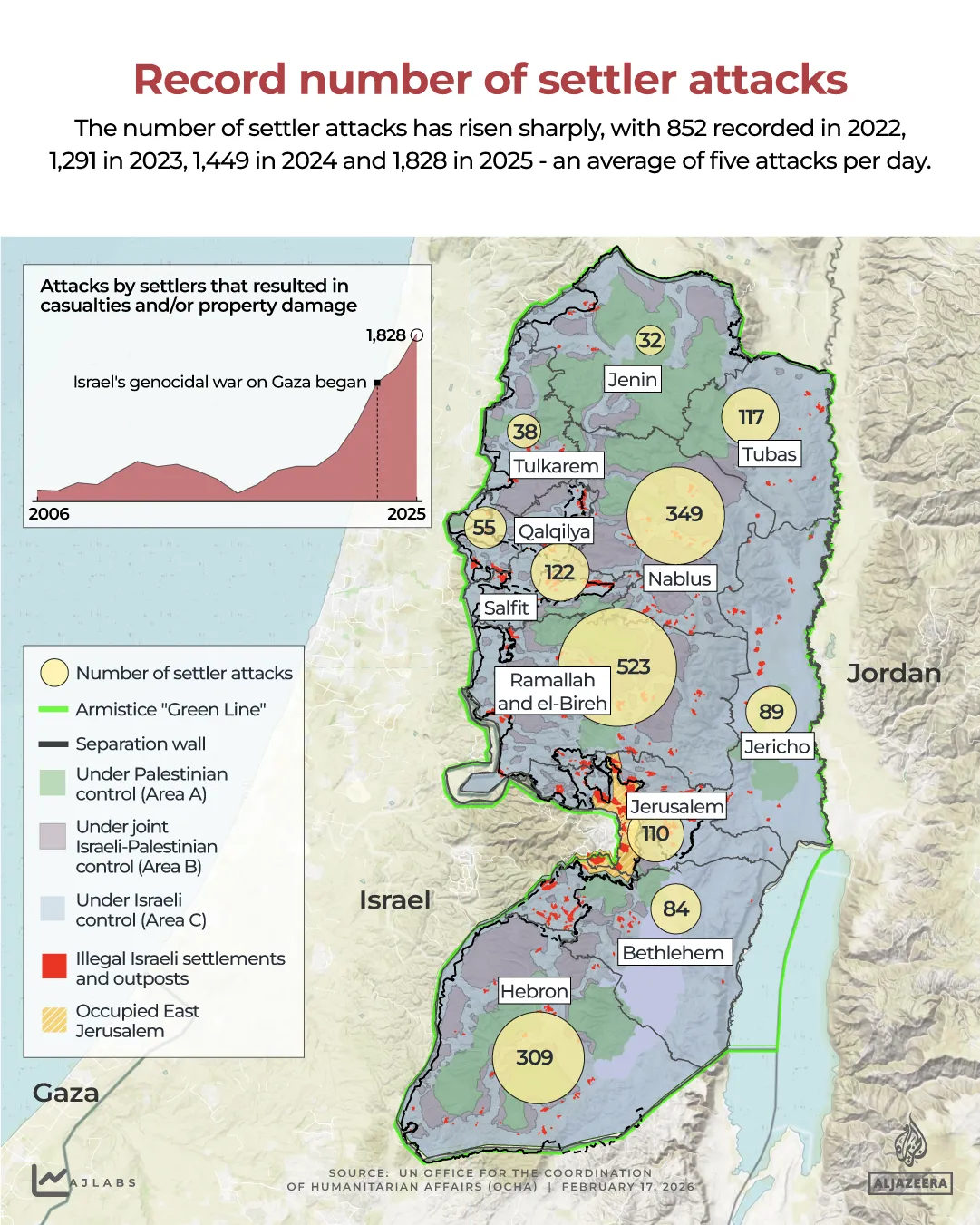

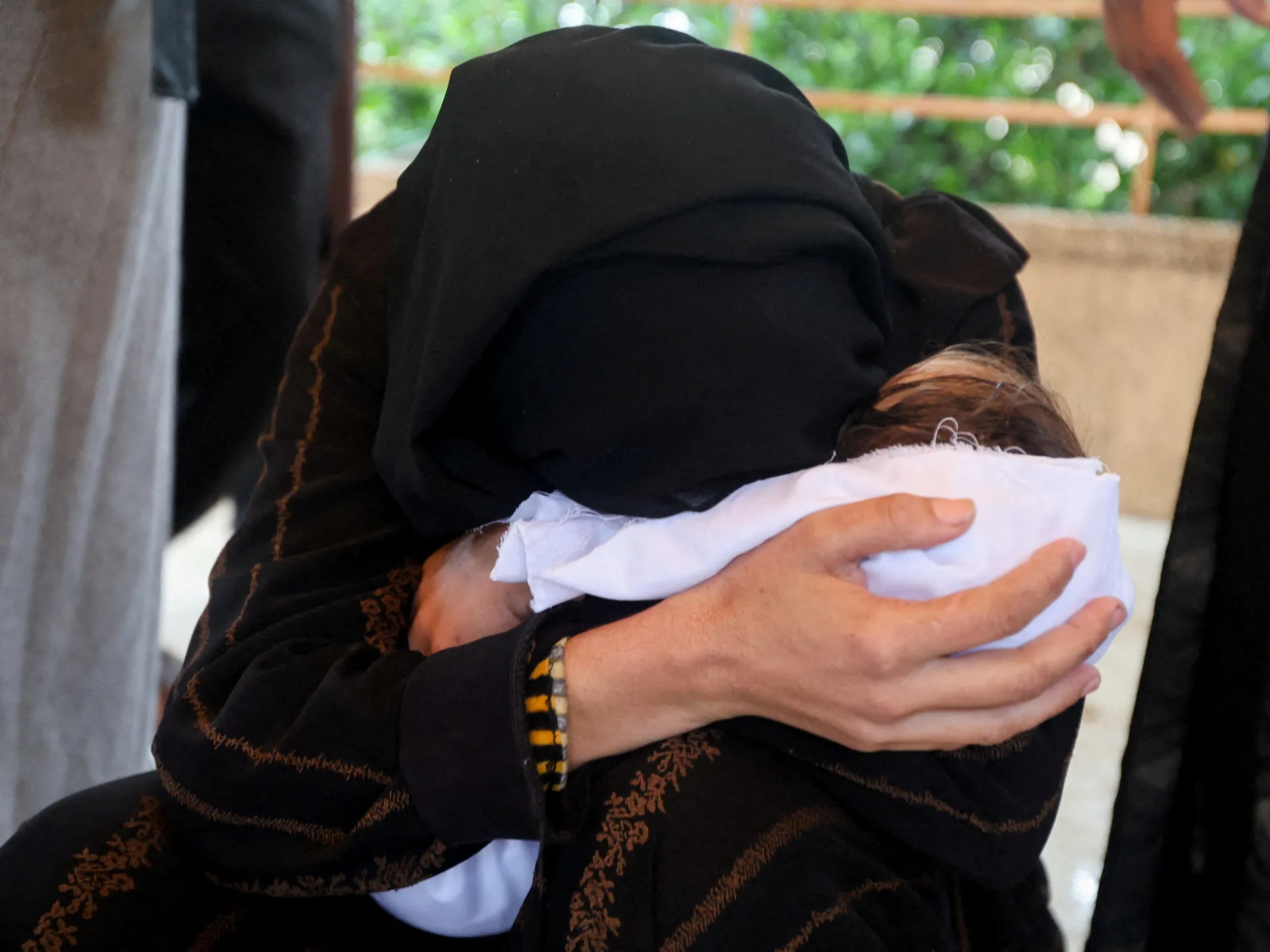
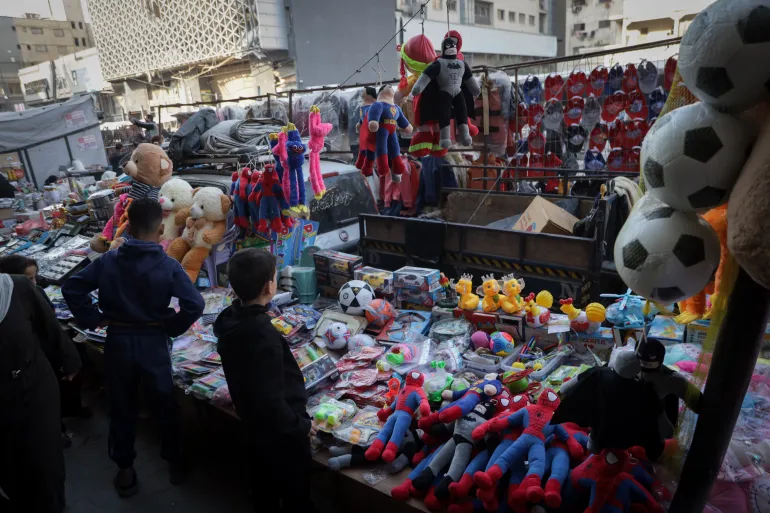



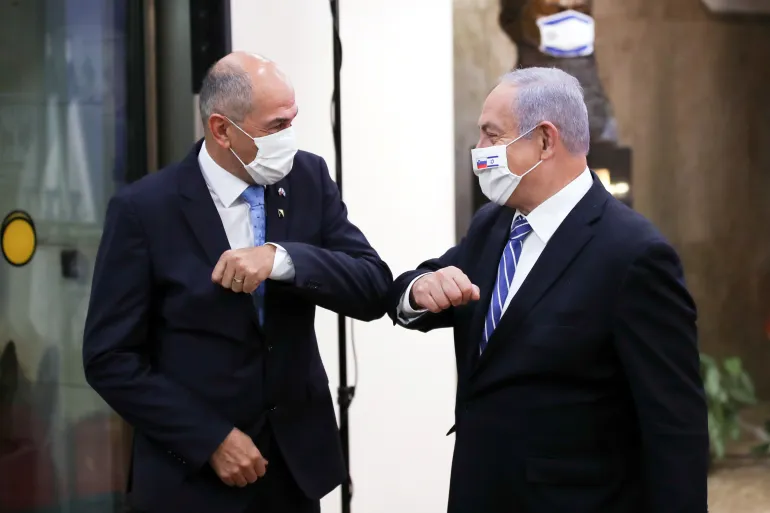


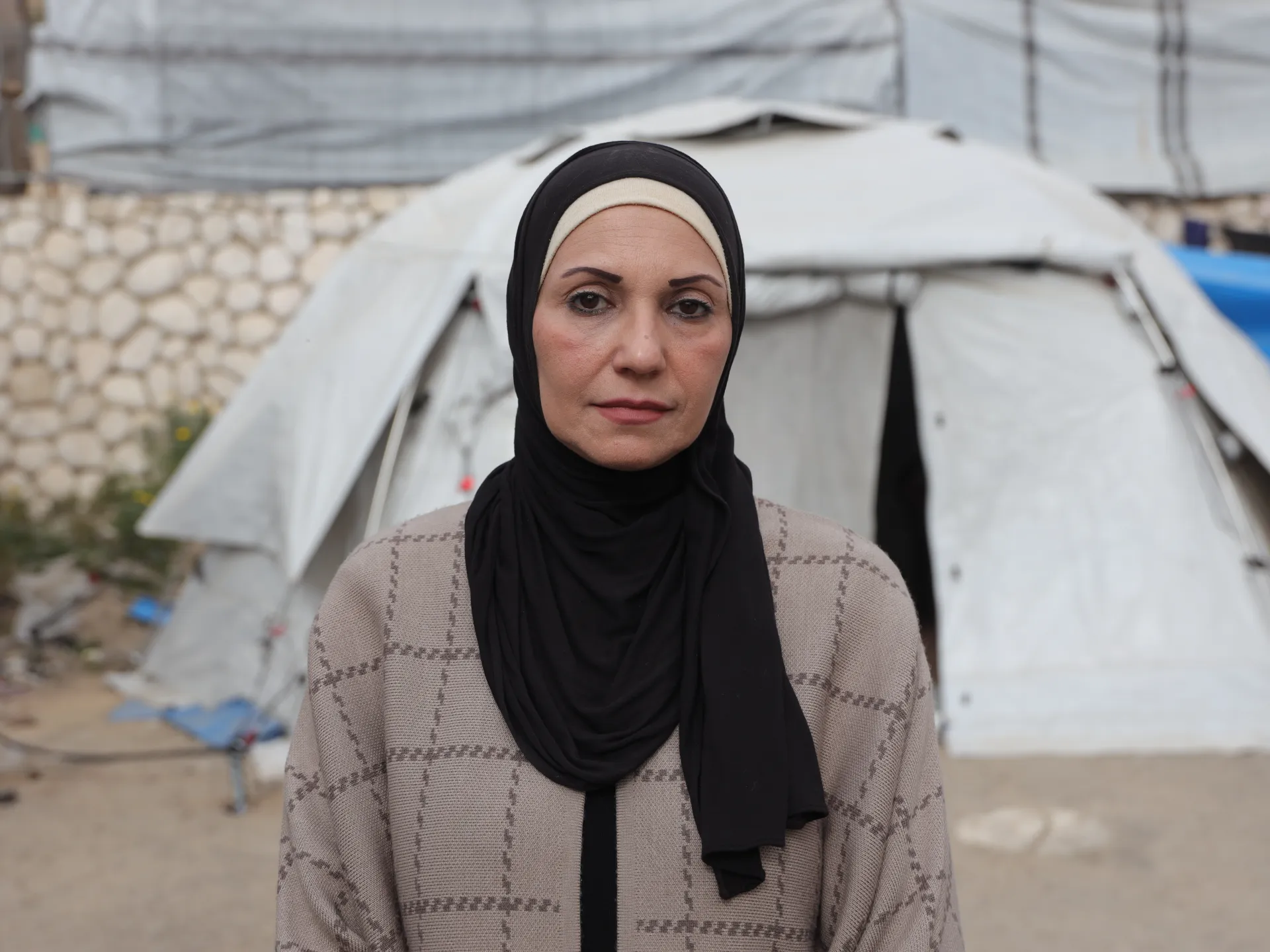
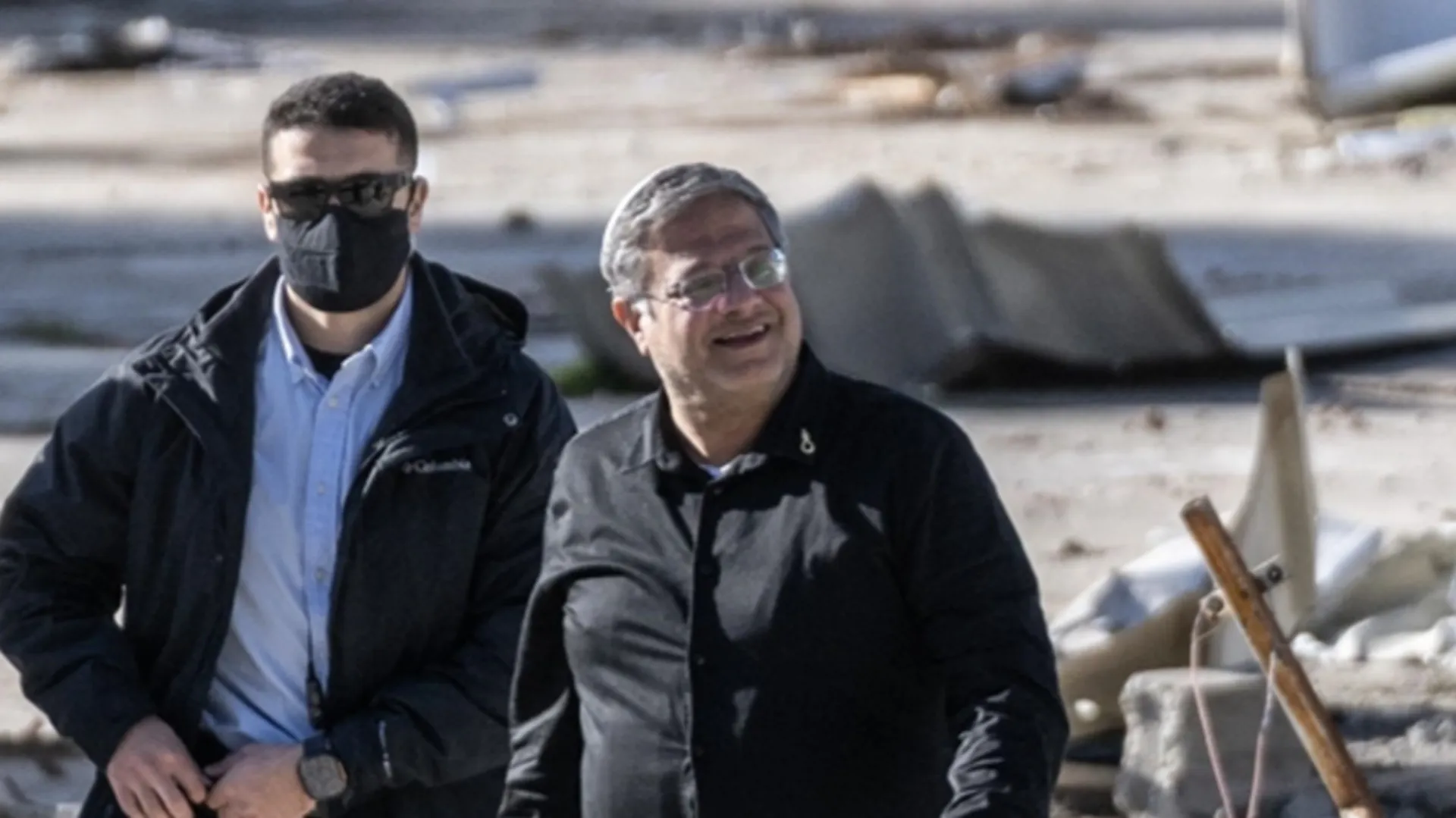
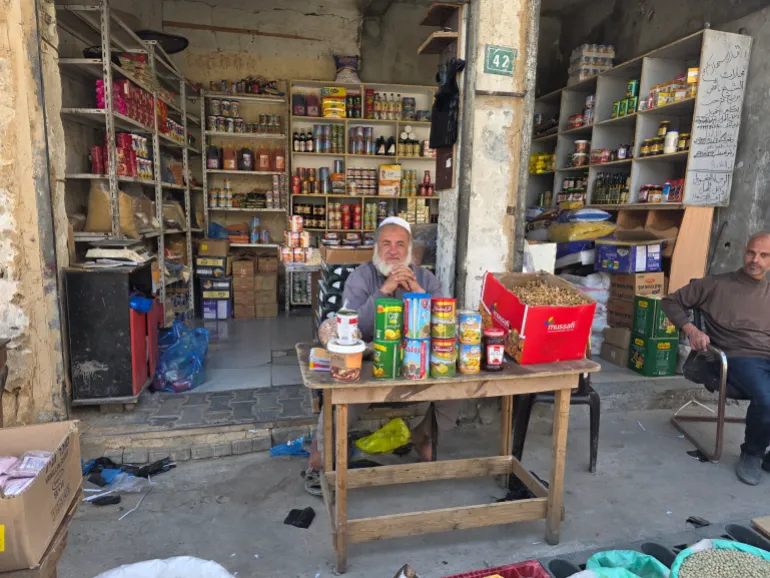


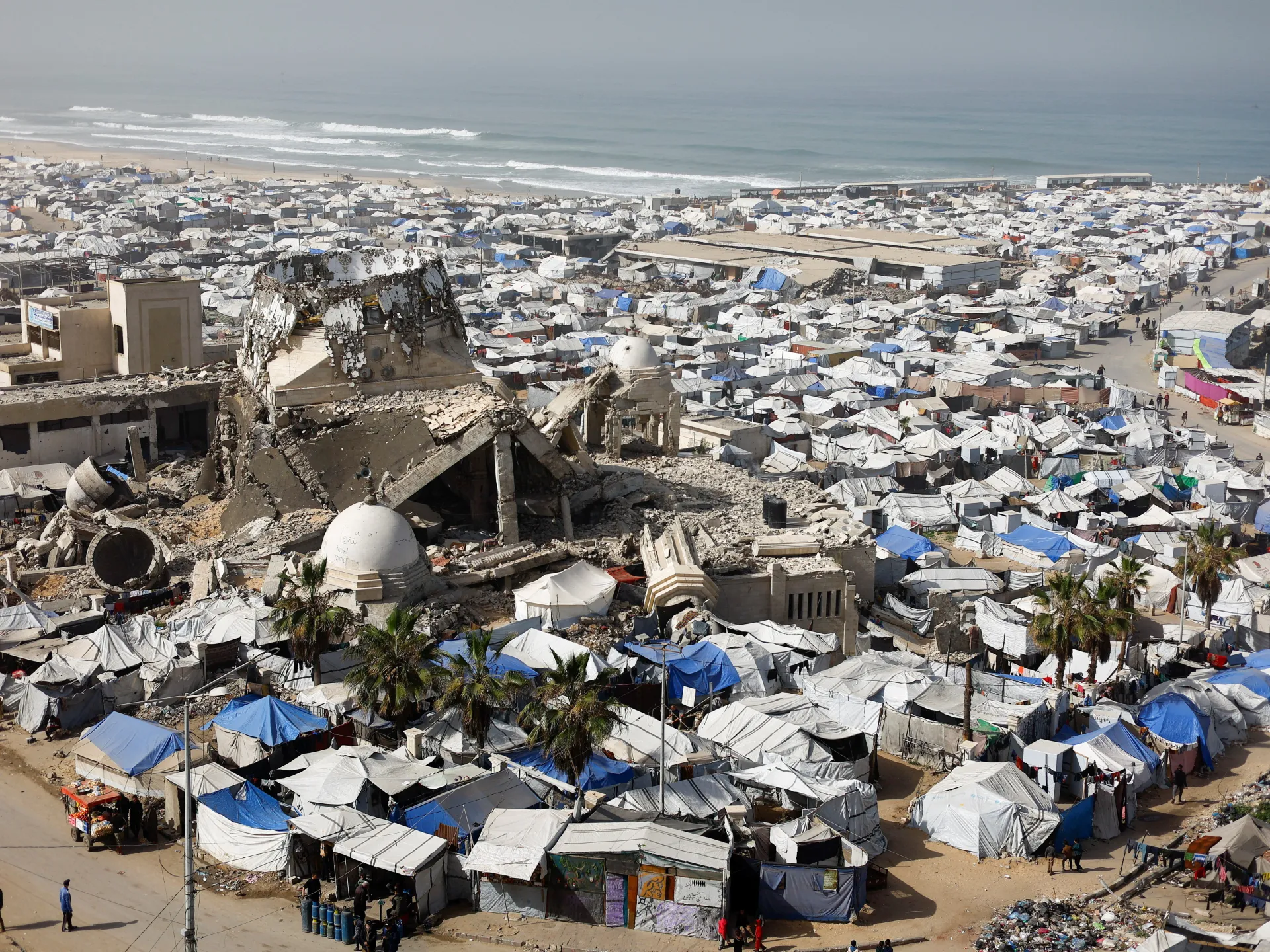
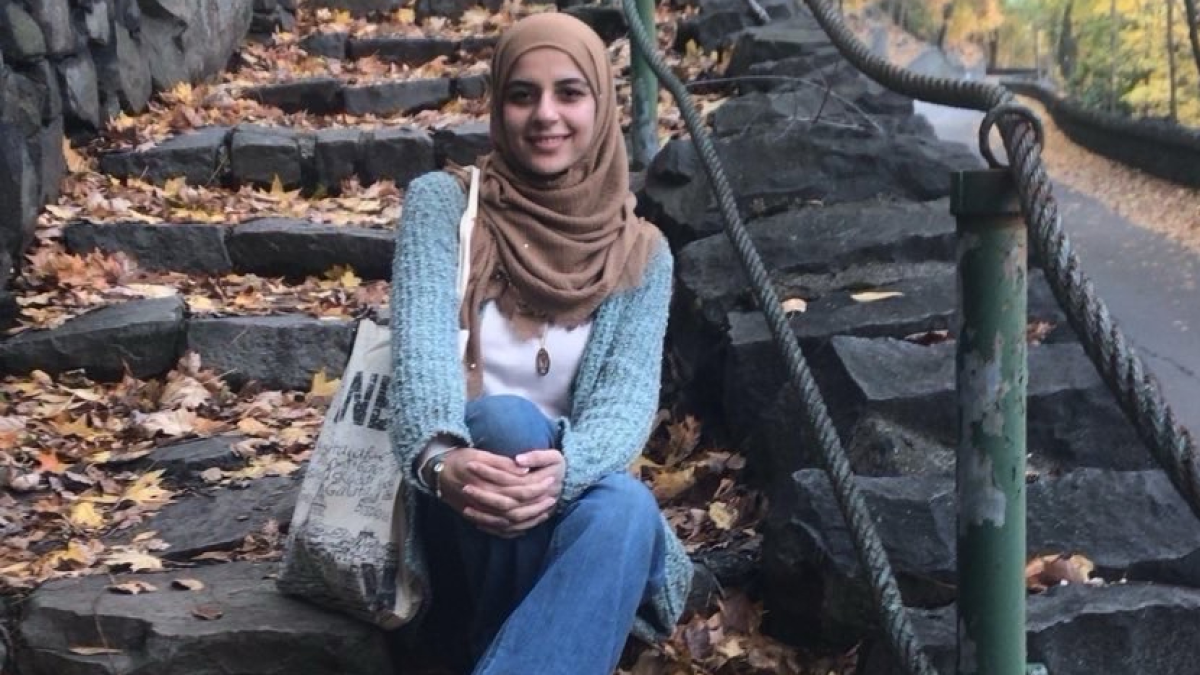
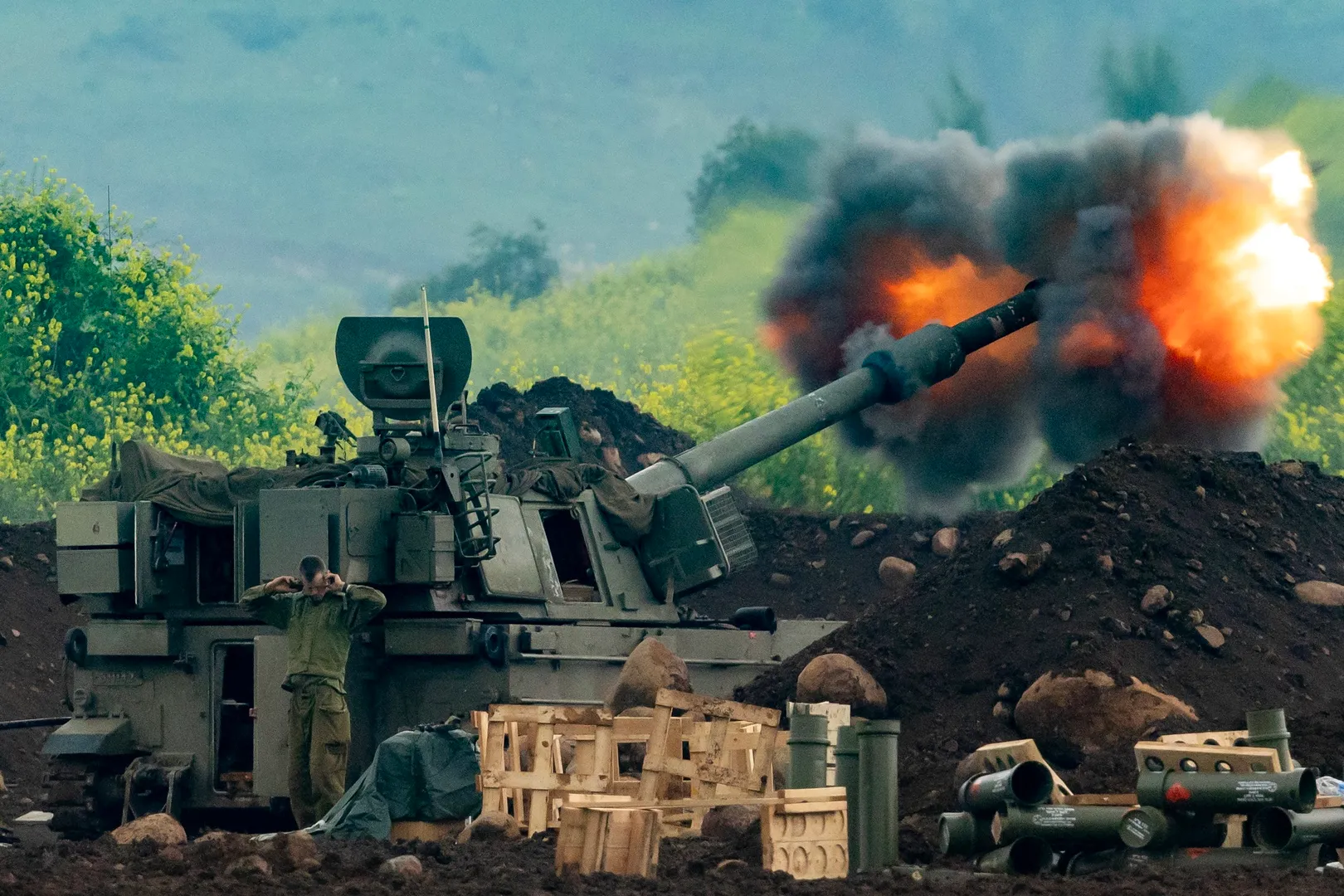
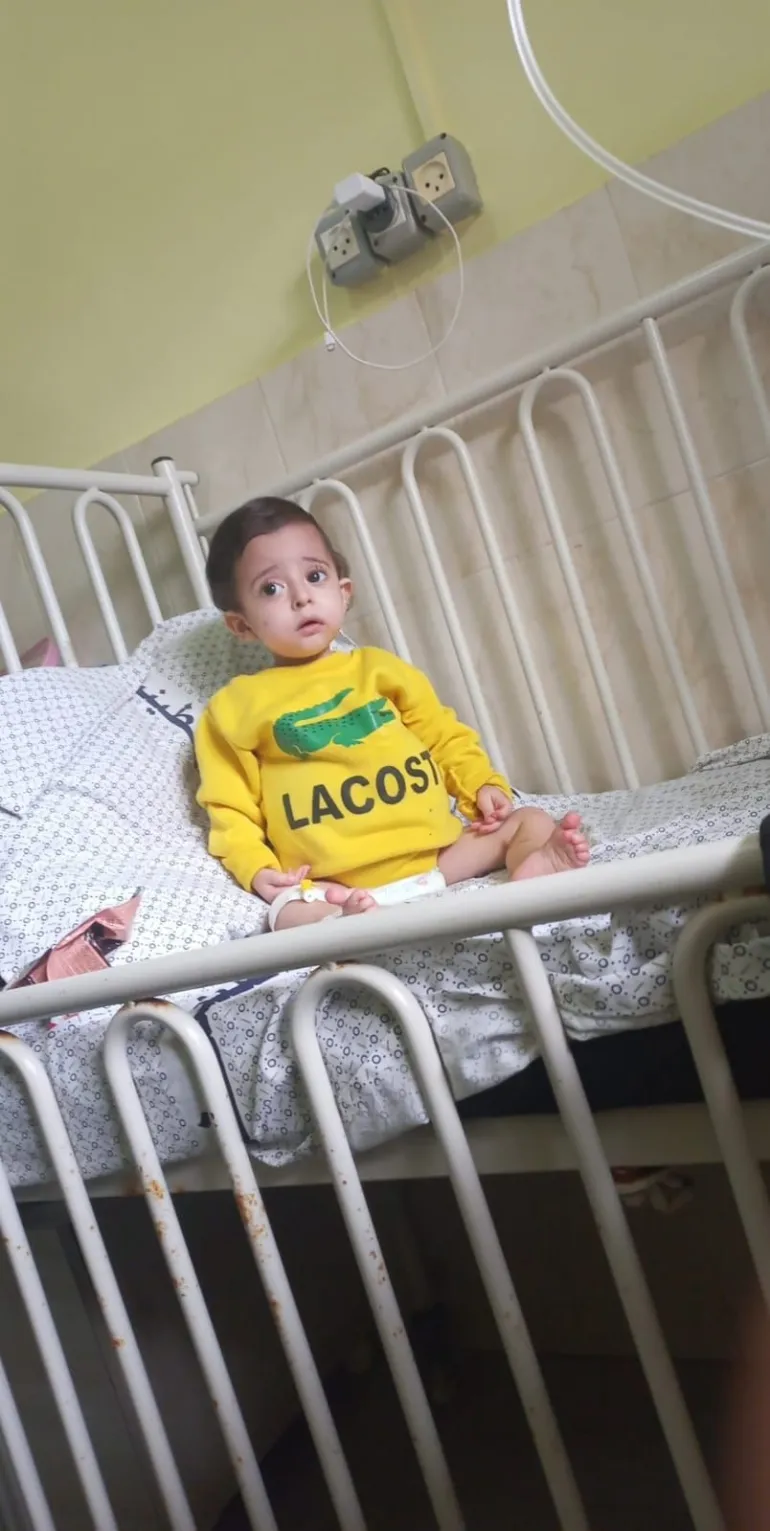





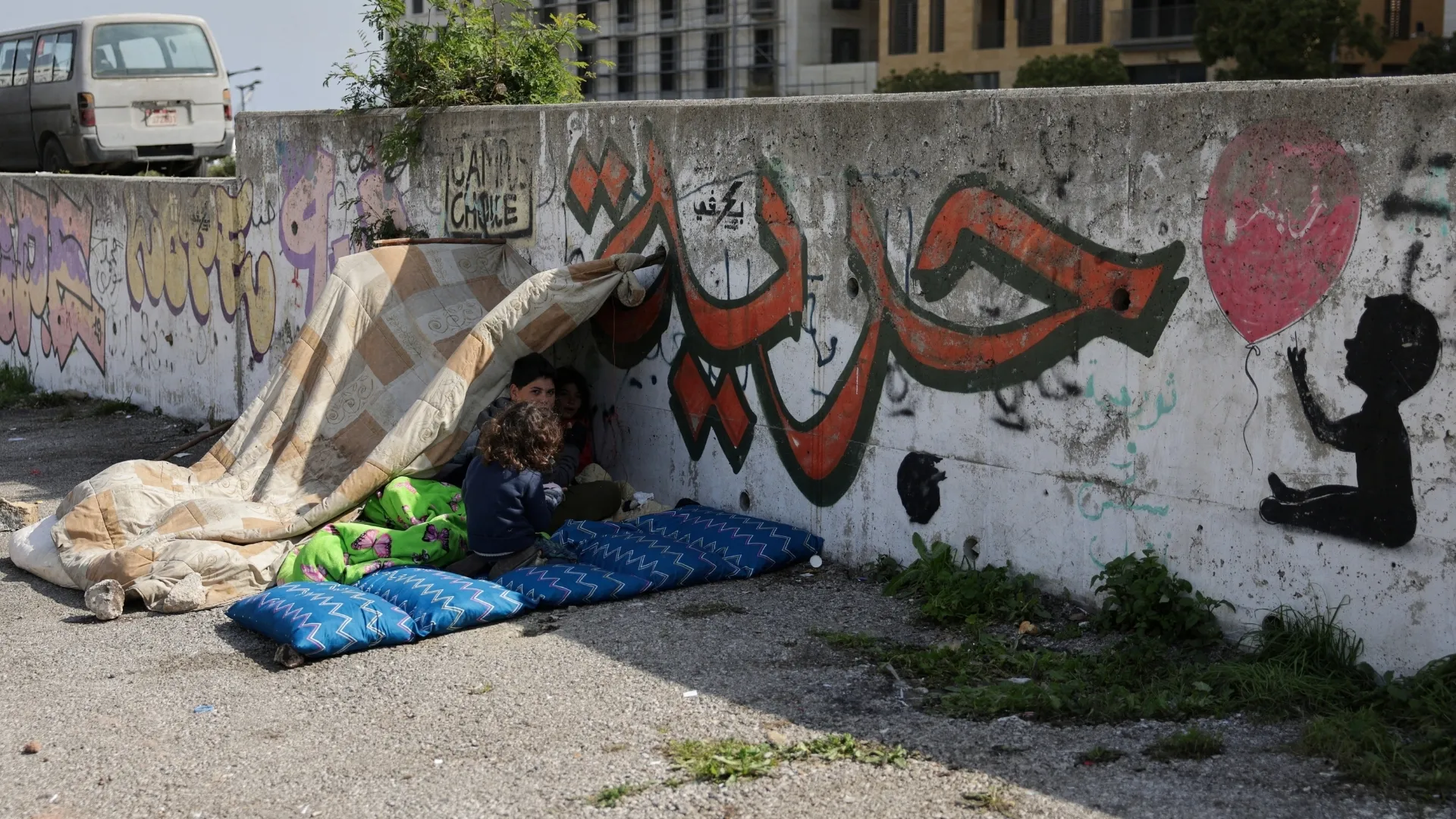

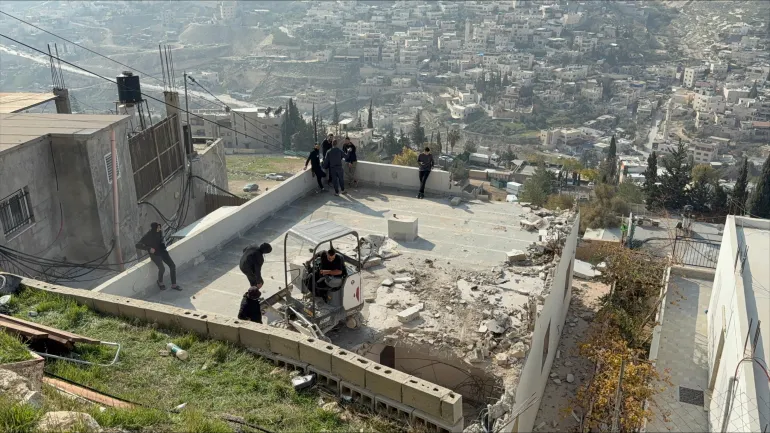

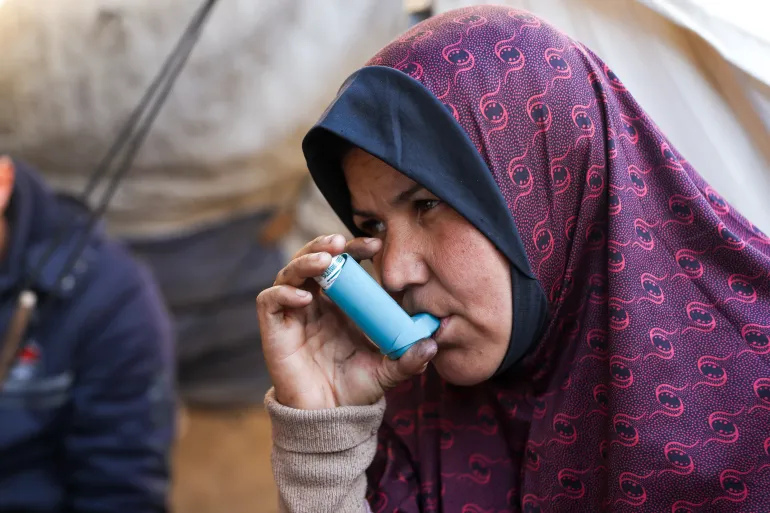


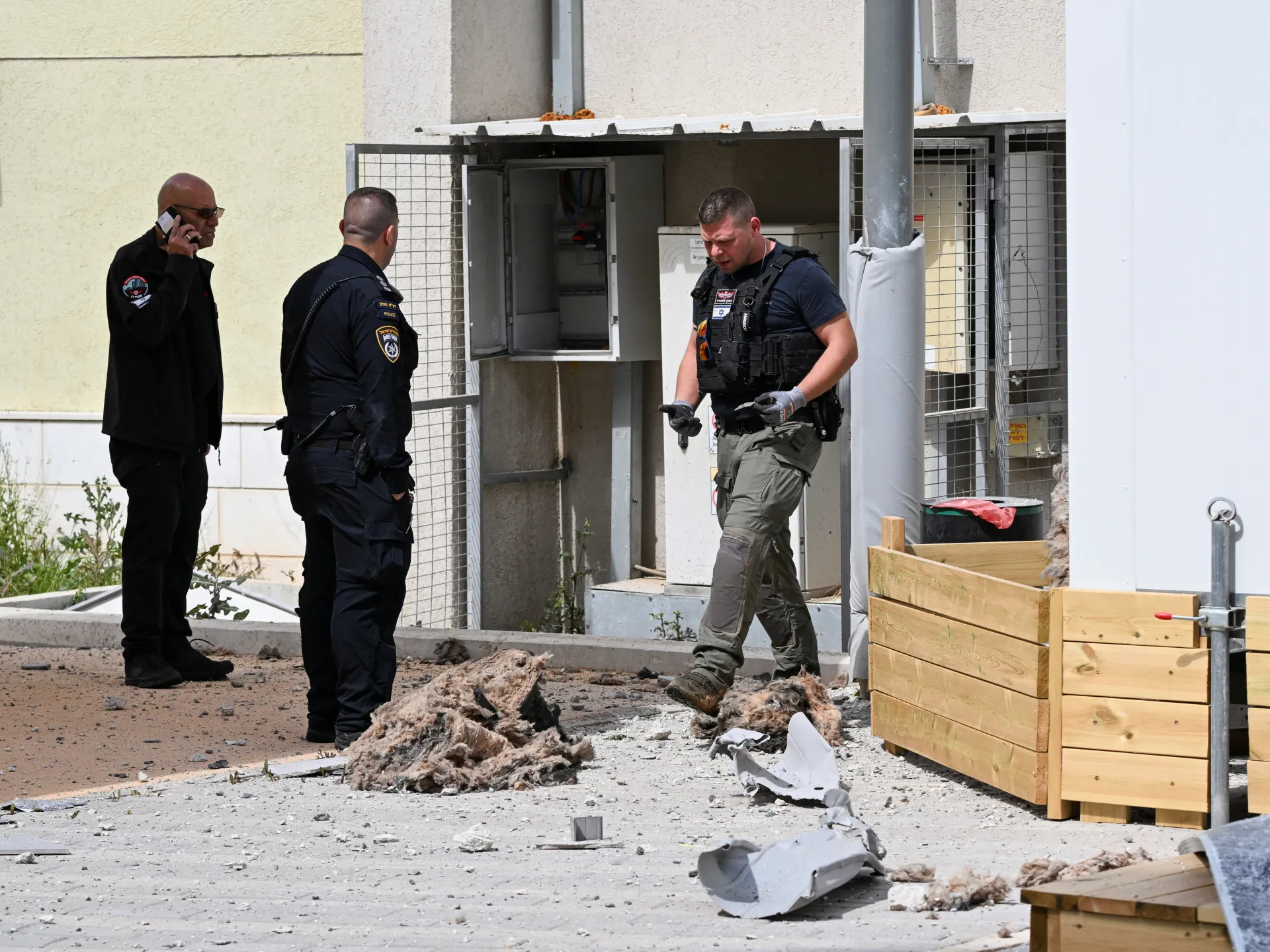
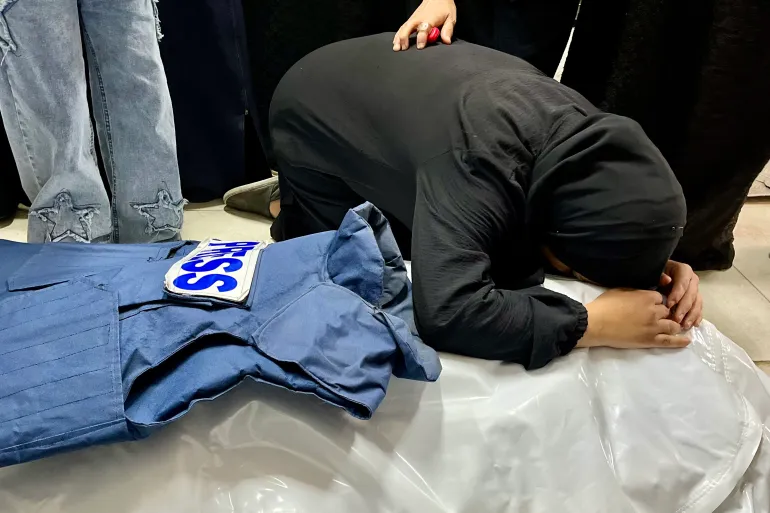
![A woman mourns over the body of journalist Ahmed Mansur at Nasser Medical Complex in Khan Yunis in the southern Gaza Strip on April 8, 2025. [AFP]](https://i0.wp.com/www.aljazeera.com/wp-content/uploads/2025/09/AFP__20250408__39HB7LK__v1__HighRes__PalestinianIsraelConflictGazaPressFuneral-1-1756701660.jpg?w=640&ssl=1)
