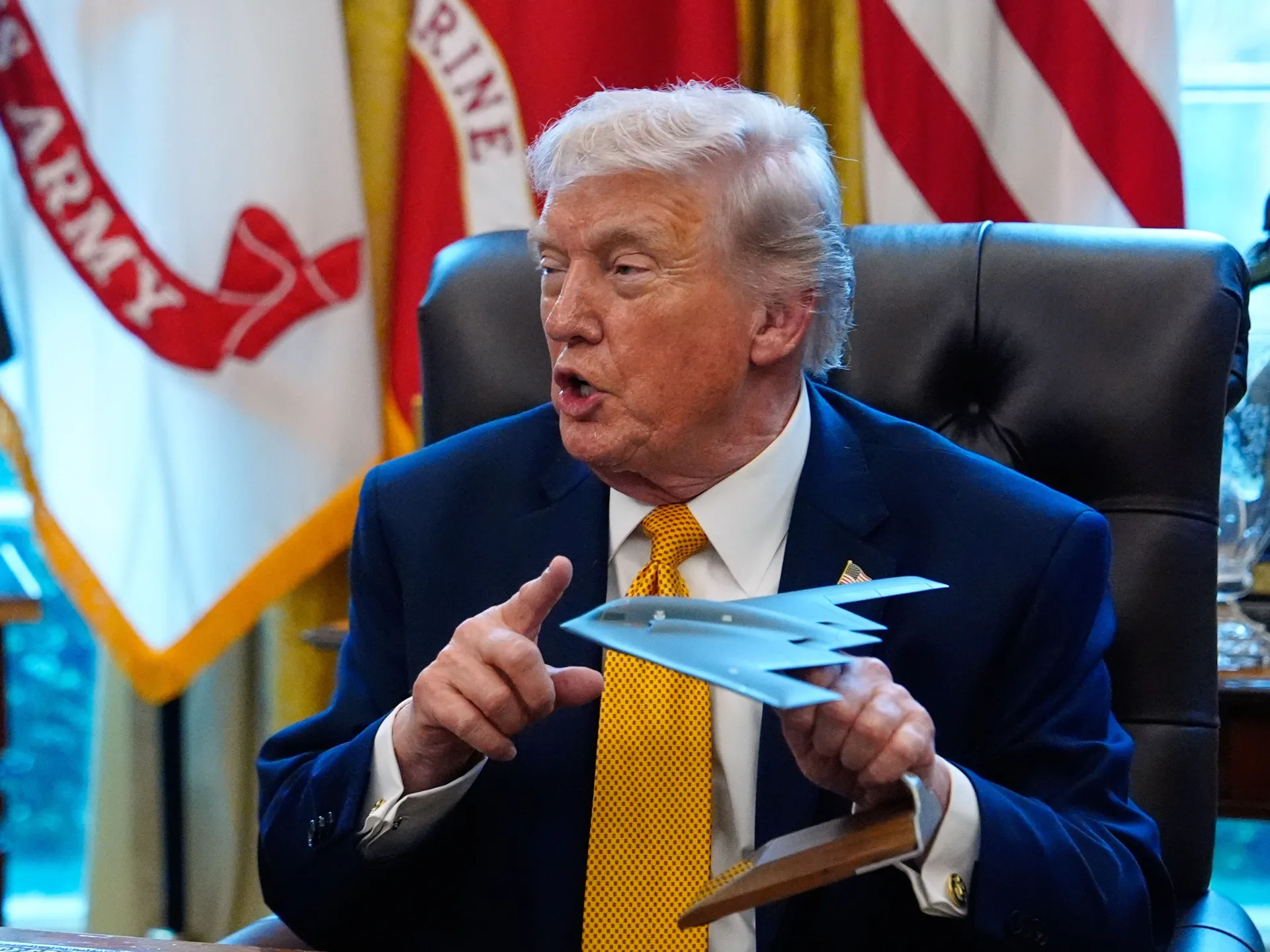
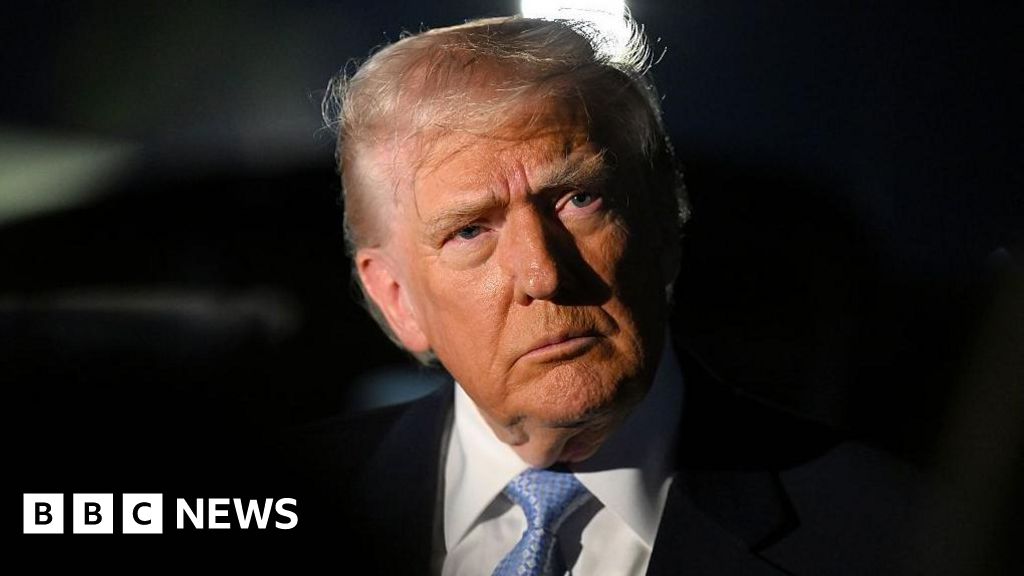
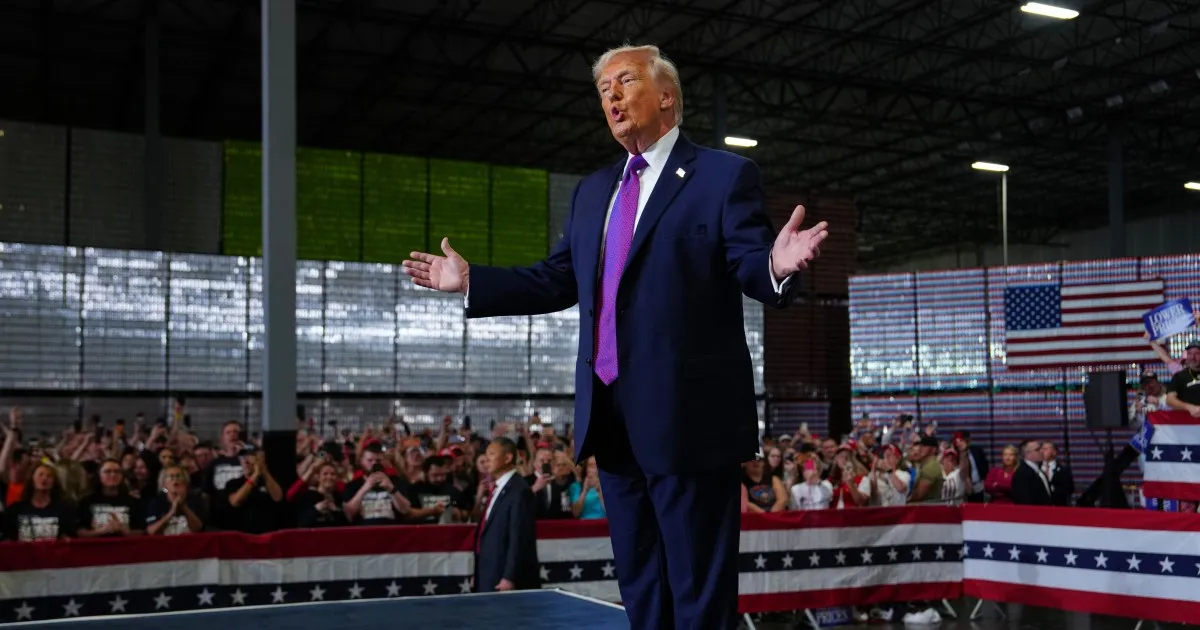
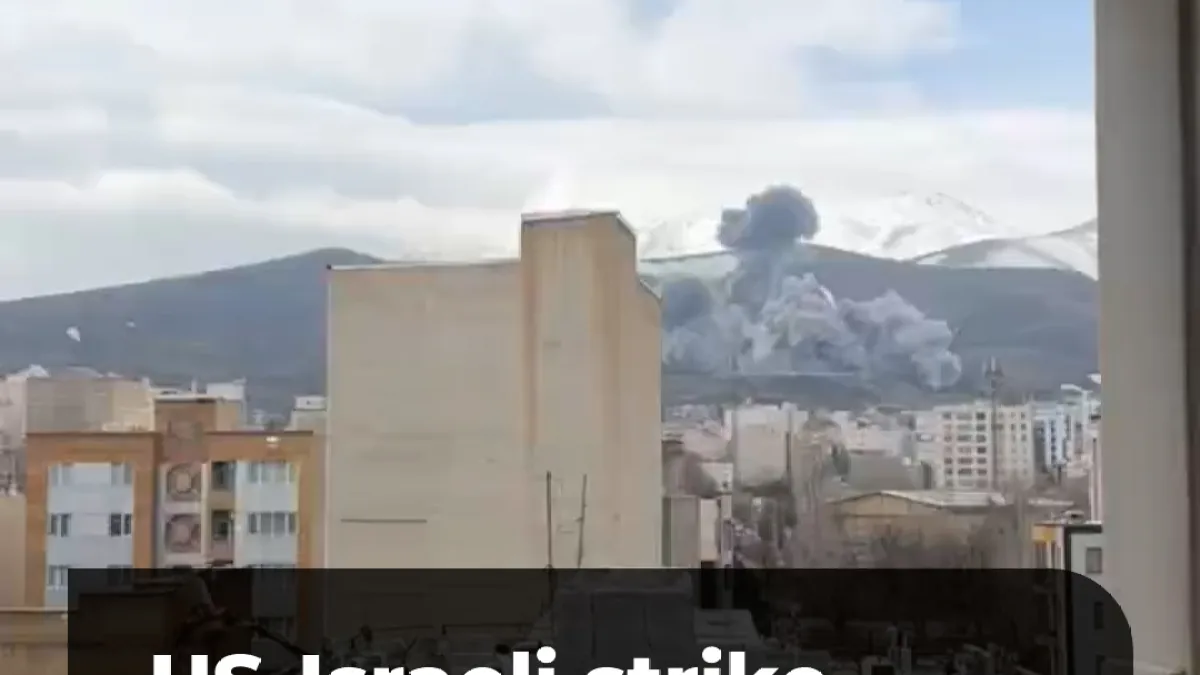
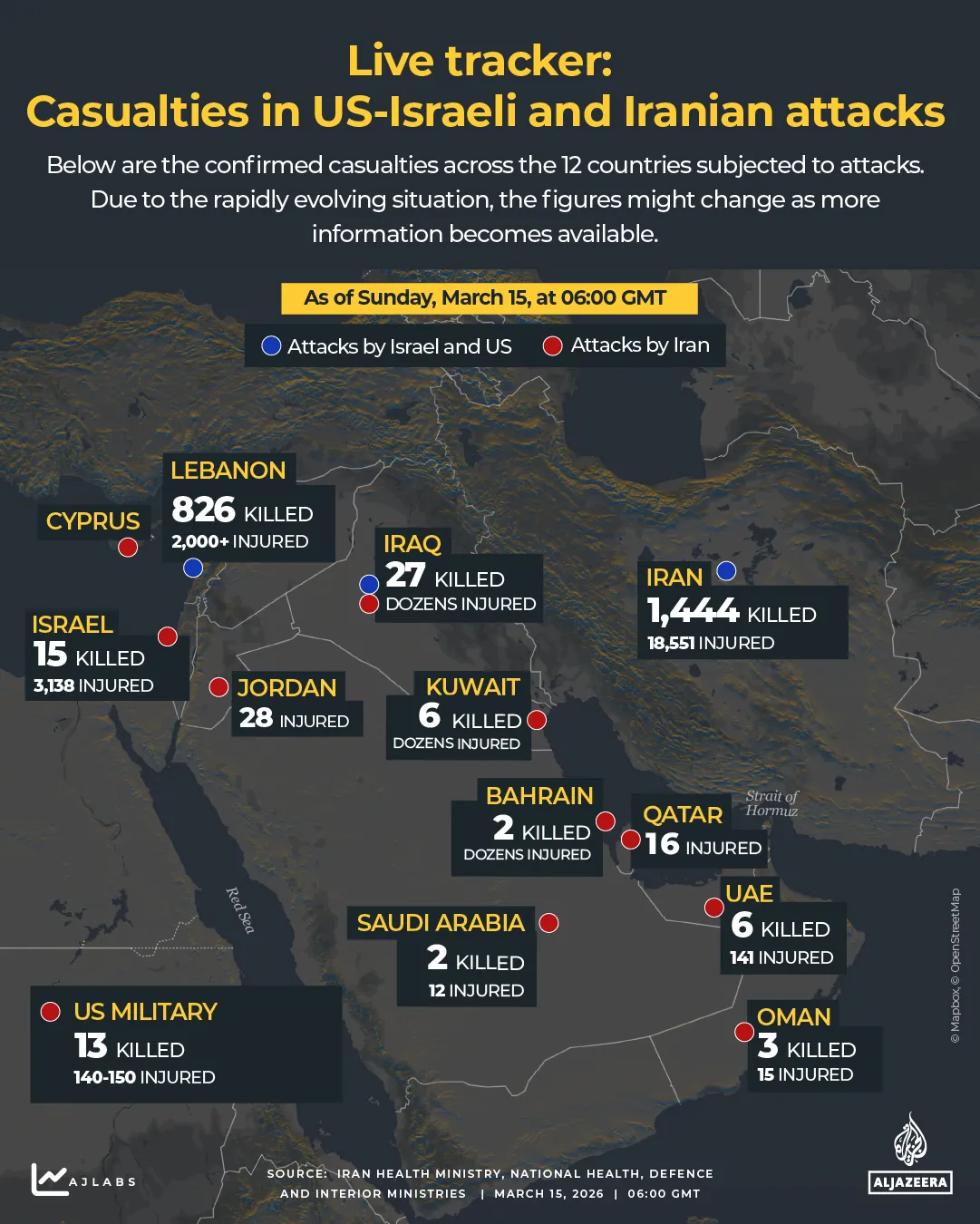
Offering another rationale for the US-Israeli war on Iran, Donald Trump claimed he ordered strikes to prevent a nuclear conflict that would have turned into World War III. He also said not even the “greatest experts” thought Iran would retaliate with attacks on Gulf states.
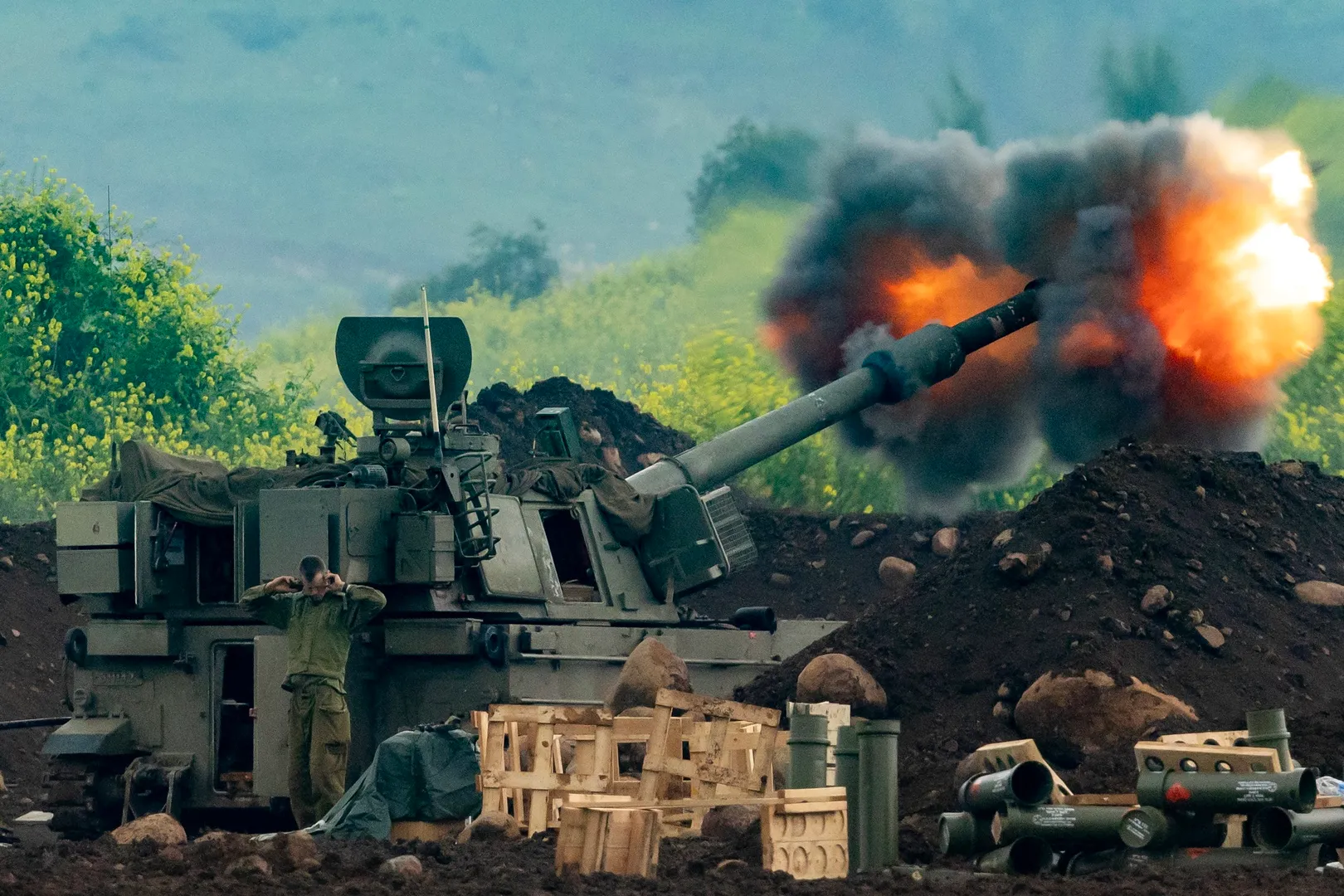
Israeli forces have attacked multiple towns in southern Lebanon after announcing “limited and targeted ground operations” against Hezbollah. Israel has warned residents will not be able to return to their homes until the military says so.
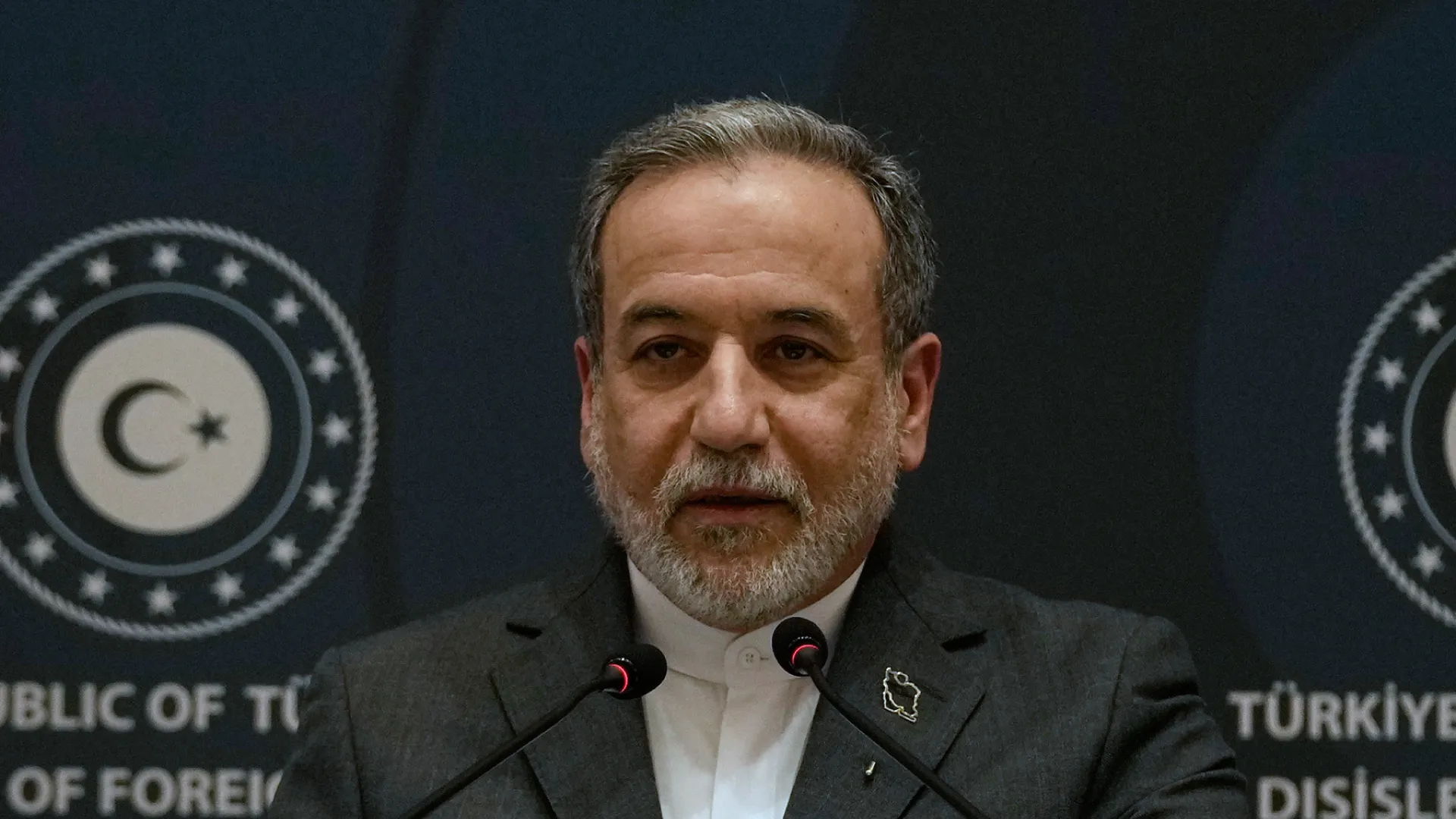
As the war US-Israeli war on Iran enters its third week, Iran’s Foreign Minister Abbas Araghchi has said that his country has shown it is ready to take the war “as far as necessary” and that the conflict must end in a way “that our enemies will never again consider repeating these attacks”.
AS A RESULT of the Iran crisis, Brits have been looking for different destinations to travel to, with demand rising for some countries.
The conflict in the Middle East has had a ripple effect throughout the travel sector, with Brits being forced to cancel their holidays as the Foreign Office has issued ‘do not travel’ warnings to some destinations.
Sign up for the Travel newsletter
Thank you!
A number of European destinations are experiencing a rise in demand including spots in Spain like Ibiza (pictured)Credit: GettyItaly has seen an increased in demand too, where you could visit cities like Florence (pictured)Credit: GettyWhile some providers are seeing bookings for Greece fall, despite it being safe to travel to (pictured: Corfu)Credit: Getty
And now, Brits looking at booking a holiday are choosing destinations closer to home in Europe.
Last week, On The Beach confirmed that they had experienced a drop in demand for popular holiday destinations including Greece, Turkey, Cyprus and Egypt, as a result of growing tensions in the Middle East.
This is despite the Government having no warning against travel to any of the popular holiday regions in these countries.
But on the other hand, TUI has seen increased interest in Greece, as well as Portugal and Spain, as customers look to “familiar destinations”.
Neil Swanson, a director at TUI, said: “While we are seeing some cancellations in the affected areas, these are currently outweighed by customers choosing to amend their plans instead,” reports The Guardian.
Hays Travel on the other hand, has seen interest grow for trips to Italy, Malta and Croatia.
And Surrey-based holiday operator Kuoni has seen interest in longer haul destinations such as the Caribbean grow although this also comes with a jump in price as well.
Mark Duguid from Kuoni said: “What we’ve seen is huge increases in flight prices, because the seats remaining are limited – we are talking about seats going up by £1,000 a person for an economy seat, which then prices the holiday out of the market for many customers.”
Pure One Travel founder, Wesley Baker, said: “Travellers are still eager to explore the world, but geopolitical events inevitably influence where people choose to go.
“We are seeing customers pivot towards destinations they perceive as easier and more straightforward to reach.”
The tour operator added that interest has increased for destinations such as Spain, Portugal, Italy and Greece.
Baker added: “Many travellers are simply redirecting their plans rather than cancelling them.
“Europe remains extremely popular, while long-haul destinations in Latin America are also attracting interest from travellers looking for something more adventurous.”
According to Expedia, popular European destinations for this spring based on search data include Paris in France; Amsterdam in the Netherlands; Rome in Italy and Majorca and Tenerife in Spain.
Hays Travel has seen interest grow for trips to Italy, Malta and Croatia (pictured: Florence, Italy)Credit: GettyPure One Travel are seeing increased interest for Spain, Portugal, Italy and Greece (pictured: Milan, Italy)Credit: Getty
Ljubljana in Slovenia has seen a 90 per cent increase in search as well, and Valencia in Spain has seen a 65 per cent increase.
The Sun’s Head of Travel Lisa Minot explained: “There’s no doubt the current crisis in the Middle East is going to have a seismic impact on our holiday habits.
“Reports of travellers stranded in the UAE and across the globe will certainly prompt those looking to travel long haul to look at alternative ways to fly – with direct flights to places like Thailand, the Maldives and Japan sure to be very popular.
“Closer to home, the situation will sadly likely impact destinations like Turkey, Egypt, Cyprus and possibly even Greece.
“And with soaring fuel costs, tour operators will be looking to price alternative destinations competitively.
“But there are other options – our traditional resorts in places like Spain and Portugal are good, safe bets.
“Comparison giant TravelSupermarket has crunched the numbers for this summer and declared Spain’s Costa Calida one of the best-value destinations for this summer.
“Dubbed the ‘warm coast’, this region stretching along the south eastern region of Murcia is one of Spain’s most underrated coastlines with 150miles of beaches, crystal clear waters and the unique Mar Menor lagoon, Europe’s largest saltwater lake.
“Also worth exploring are the likes of Montenegro, Albania and even North Macedonia for cheaper hotel and restaurant costs as well as traditional favourite Bulgaria.”
HomeExecutive InterviewsIran Conflict Sparks Risk, And Opportunity, For Egypt: CIB CEO Hisham Ezz Al-Arab
As the regional conflict involving Iran intensifies and shipping through the Strait of Hormuz has nearly come to a halt, business leaders across the Middle East are considering both the risks and potential opportunities. Hisham Ezz Al-Arab suggests that some oil shipments might shift to the Suez Canal.
As CEO and board member of Commercial International Bank (CIB), Egypt’s largest private-sector bank, Hisham Ezz Al-Arab sees first-hand how the war is shaking regional financial markets, disrupting emerging economies, and putting pressure on currencies as investors rush toward safe-haven assets.
Global Finance:How is the current war on Iran affecting the economies and the financial sector of the region?
HishamEzz Al-Arab: The region faces a lot of uncertainty as markets react more strongly than they did during last June’s 12-day war. Oil prices crossed the $100/bbl mark for the first time since 2022 as a result of the closure of the Strait of Hormuz, which controls around 25% of global oil and 20% of gas shipments, in addition to refineries that shut down due to security risks. This poses a key risk on GCC countries, particularly Qatar and Kuwait with both high oil production and reliance on the Strait of Hormuz, as well as increased freight and insurance costs.
GF:What is the impact on Egypt?
Ezz Al-Arab: In the short term, the situation impacts Egypt in terms of the uncertainty. Emerging markets — including Egypt — have seen major portfolio outflows, particularly placing pressure on the Egyptian pound and reversing its progress against the US dollar over the past year to reach an all-time low. This has subsequently triggered a hike in safe-haven assets, including USD and gold, as risk-averse investors have reallocated their investments from emerging markets. In the long term, risks include inflation re-accelerating and Central banks keeping rates on hold.
GF: What is your take on the currency adjustment?
Ezz Al-Arab: I think the central bank (CBE) is doing an excellent job with its flexible approach to managing the exchange market, particularly regarding cash repatriation. With a significant volume of carry trades being unwound — estimated at roughly $7 billion–$8 billion out of a total $35 billion–$40 billion — the CBE has allowed the pound to move from approximately 47 to 53 EGP per dollar. In the past, this was not possible. We had fixed rates, which drove capital away, rather than retaining it. The shift to a flexible exchange rate framework has proven to be a critical tool in absorbing external shocks, and I think the CBE will not hesitate to let the pound gradually drift as long as more money is coming out.
GF:Can you see some opportunities for Egypt?
Ezz Al-Arab: I believe the conflict provides an opportunity for Egypt as it hosts alternatives to the Hormuz Strait: The Sumed pipeline (2.5mb/d capacity), as well as being a possible bridge to Saudi Arabia’s Red Sea pipelines (5mb/d capacity). This places Egypt as a strategic partner in the current crisis as well as provides the country with preferential access to a congested oil market.
Additionally, the situation will positively impact the Suez Canal. The ships that used to go through the Strait of Hormuz to reach Gulf nations will likely now unload in Jeddah and Yambu on Saudi Arabia’s Western coast. So whatever is coming from Europe will now go through the Suez Canal with a lower risk, as well as all the traffic coming to Saudi or out of Saudi, even in terms of oil or products. Another potential upside is that recent regional tensions may prompt some travelers to consider alternative destinations, and Egypt remains well-positioned given the strength and diversity of our tourism sector.
GF:How is the situation affecting the 3 million Egyptians employed in the Gulf, especially in Saudi Arabia and the UAE?
Ezz Al-Arab: I think whoever doesn’t have a second residence in Egypt will start to think about buying one, and that should have a positive impact on demand for real estate. But on the other hand, we wouldn’t like to see the economy in the GCC being impacted because potential job losses or an exodus of workers could ultimately lead to a decline in remittances.
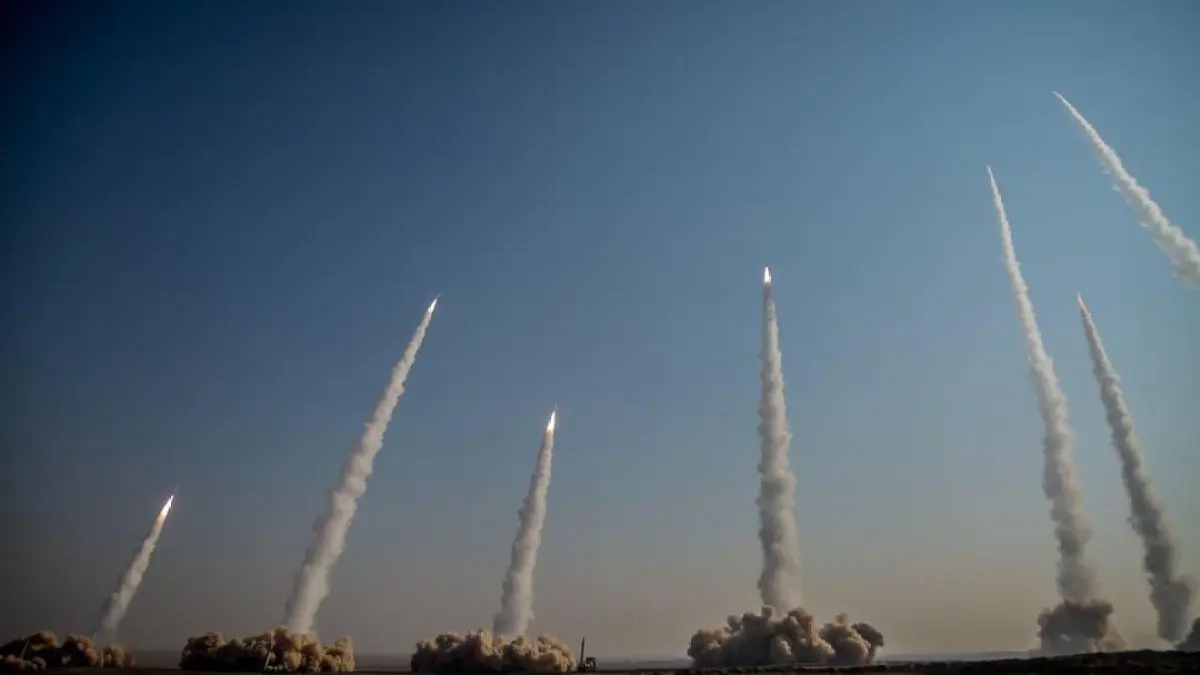
Joint attacks by the United States and Israel have severely reduced Iran’s capacity to fire missiles and drones, experts say, but Iran retains enough capabilities to inflict significant damage.
“Iran’s ballistic missile capacity is functionally destroyed. Their navy assessed combat ineffective. Complete and total aerial dominance over Iran,” the White House said on Saturday. “Operation Epic Fury is yielding massive results,” it said in reference to the war launched by Israel and the US on February 28.
Recommended Stories
list of 3 itemsend of list
On Sunday, President Donald Trump said US forces had decimated Iran’s drone manufacturing capacity.
Still, on Monday afternoon, Qatar announced it had intercepted the latest in a series of missiles fired from Iran towards the country. Saudi Arabia, the United Arab Emirates and Bahrain also issued alerts. A missile landed on a car in Abu Dhabi, killing a person.
So are Iran’s missile capabilities severely reduced? And how is it still firing projectiles at its neighbours and Israel?
Is Iran firing fewer missiles now?
Indeed, the number of retaliatory missiles and drones that Iran has fired towards Gulf countries, Israel and other nations in the region has seen a steep decline since the start of the war.
In the first 24 hours of the conflict, Iran had fired 167 missiles (ballistic and cruise) and 541 drones at the United Arab Emirates, for instance. By contrast, on day 15 of the conflict, it had shot four missiles and six drones, according to a tally compiled by Al Jazeera based on the emirate’s Defence Ministry statements.
The barrage against Israel has also decreased, from nearly 100 projectiles over the first two days to a single-digit number in the past few days, according to Israel’s Institute for National Security Studies.
Last week, the Pentagon said missile launches were down 90 percent from the first day of fighting and drone attacks were down by 86 percent.
How big is Iran’s missile arsenal – and how much has it been hit?
Iran has the largest inventory of ballistic missiles in the region, the US Office of the Director of National Intelligence assessed in 2022. While there are no official accounts on how many missiles it has, Israeli intelligence reports suggest it counted around 3,000 missiles, a figure that dropped to 2,500 following the 12-day war last June.
Key to the US-Israel strategy has been hunting down Iran’s launchers. Each missile launch generates a signature, such as a large explosion, that can be picked up by a satellite and radar systems.
According to a senior Israeli military official cited by the Institute for the Study of the War, Israel has put up to 290 launchers out of service, out of an estimated 410 to 440 launchers.
But Iran is a vast country, and without boots on the ground, it will be hard to completely eliminate Iran’s capacity to shoot despite the US and Israel having nearly full control of the country’s airspace, said David Des Roches, an associate professor at the National Defense University in Washington, DC.
“It is not obvious to identify launchers,” Des Roches told Al Jazeera. “What we see are missiles that were put in hidden places or places not associated with the military before the war, when there was less observation”.
According to Des Roches, the slowdown in launches is due to Iranian forces having lost the capacity to launch volleys. As a result, Iran has been firing one or two missiles at a time towards civilian and commercial infrastructure, especially in Gulf countries, instead of aiming volleys at military targets. Iran insists that it is targeting only US interests in the region.
“Militarily speaking [Iran’s action] is not significant – this is what is called harassment fire to exhaust alert systems in nearby countries and scare people off,” Des Roches said.
What’s Iran’s strategy?
According to Hamidreza Azizi, an expert on Iran and visiting fellow with the German Institute for International and Security Affairs (SWB), Tehran’s central calculation is that the Gulf and Israel may run out of their defensive capabilities before Iran runs out of missiles.
“There might be some interest in making this a war of attrition,” he said, pointing at the lower, yet constant, number of weapons launched from Iran each day.
“Although the US and Israel have been successful in taking out some of the launchers and major missile bases, the Iranians have decentralised the missile bases and missile command and they have been increasingly relying on mobile launchers which makes it more difficult for the other side to detect and target,” Azizi said. “This is a race about time.”
And in that race, Iran believes it has a chance, say experts.
“It does not matter how many you launch as long as you maintain a credible threat,” Muhanad Seloom, an assistant professor in critical security studies at the Doha Institute for Graduate Studies, told Al Jazeera. “It takes one successful drone to shatter a sense of security.”
Iran has long experience in producing cheap yet effective drones. The Shahed 136 can be made quickly and in large numbers in relatively simple factories, and several of them can be fired at once, overwhelming defences. It also doesn’t need complex launchers that can be targeted in air strikes. With a speed of just 185km/h (115mph), Shaheds can be shot down by helicopters. Still, many have managed to get through US and Gulf air defence systems.
Just on Monday, a fire broke out near the UAE’s Dubai International Airport in a drone-related incident that temporarily disrupted flights; another drone attack caused a fire at the Fujairah industrial area, also in the UAE; air sirens sounded in central Israel due to a missile fired from Iran; and in the Strait of Hormuz – a key waterway through which 20 percent of global energy supplies are shipped – hundreds of vessels remain paralysed over fear of being struck despite few attacks on ships. Since the start of the war, a maritime tracker has reported 20 incidents related to vessels.
This, say experts, is part of Iran’s defensive doctrine of asymmetric warfare against militarily superior powers, such as the US and Israel. The weaker party, Iran in this case, turns to unconventional methods of warfare, wearing down the enemy by targeting key infrastructure to inflict economic pain.
Tehran has already pushed oil prices to higher than $100 a barrel and sent global markets into panic mode. The second-biggest exporter of natural gas, Qatar, continues to keep shut its production; Bahrain’s state oil company has declared force majeure on its shipments, and oil production from Iraq’s main southern oilfields has plunged 70 percent.
If Iran can keep raising global oil prices, “it will inflict equal or more damage to the US than American bombs in Iran,” said Vali Nasr, a professor of international affairs and Middle East studies at Johns Hopkins University.
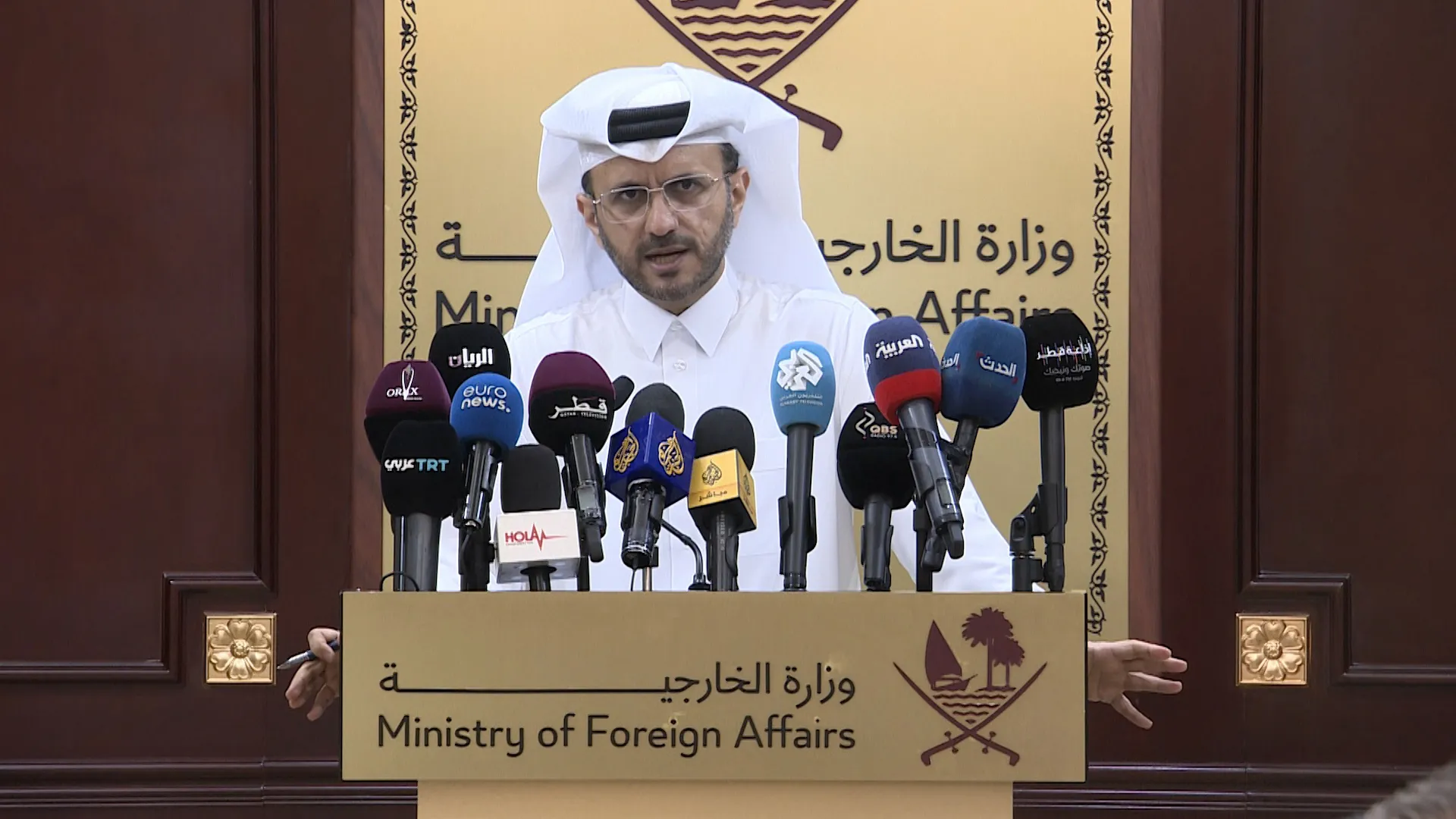
Qatar’s Foreign Ministry spokesperson Majed Al Ansari says Iranian attacks have targeted residential areas and Hamad International Airport, contradicting Tehran’s denial that is has been attacking civilian sites.
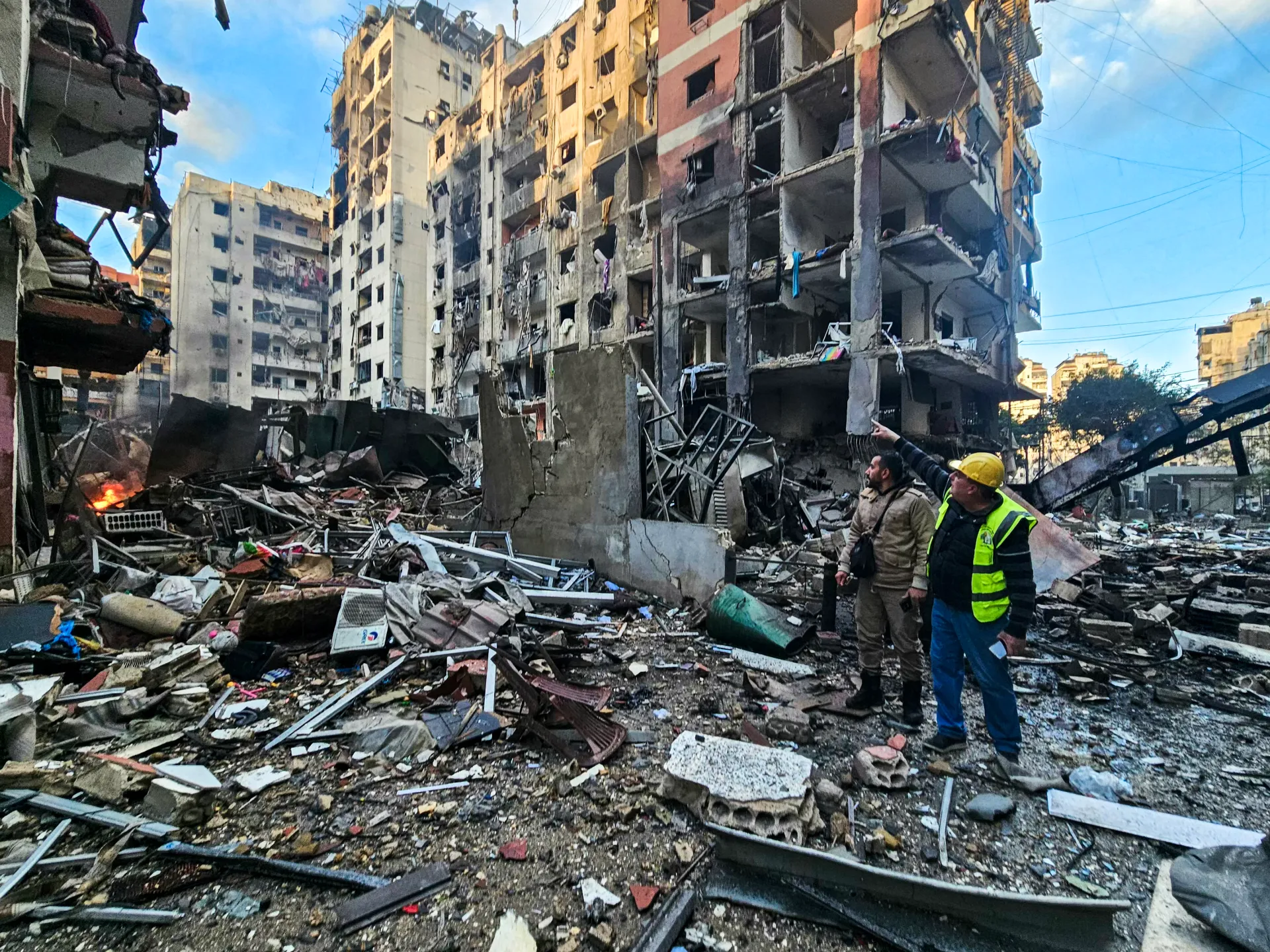
Neighbourhoods in Beirut’s southern suburbs have been left in ruins by Israeli bombing attacks. Israel says it is targeting Hezbollah infrastructure but hundreds of thousands of people have been forcibly displaced.
Sometimes, journalists indulge in myths and delusions they claim to decry.
This grating inclination has been on almost giddy display in the still evolving aftermath of United States President Donald Trump’s rash decision to join Israeli Prime Minister Benjamin Netanyahu in launching a war with Iran.
Like falling dominoes, a “narrative” gathered momentum among the America’s “progressive” commentariat, insisting that Trump’s order to go to war offended large swaths of the MAGA movement and set off a seismic split in his ardent base.
It is a silly myth and a seductive delusion.
Sure, a handful of familiar MAGA personalities have grumbled that another Middle East conflict betrays the “America First” pledge that helped propel Trump back to the White House.
Conservative commentator Megyn Kelly has questioned whether the US is drifting, yet again, into an endless war without purpose or meaning. Podcaster Joe Rogan has talked about the conflict’s disastrous, unintended consequences. Former Fox News host Tucker Carlson has warned that the unprovoked attack could trigger chaos across an already volatile region.
Trump, of course, parried the backlash with trademark coarseness. He lashed out. He dismissed the naysayers. He mocked allies who briefly turned detractors.
Headlines blared that a domestic quarrel threatened to engulf his MAGA disciples in a “civil war.”
The idea that MAGA has fractured is fantasy. Disquiet is not rupture. Dissent is not rebellion.
The MAGA “movement” is not a conventional coalition held together by consensus around a coherent, considered set of principles or policies.
MAGA remains what it has always been: a political phenomenon built to burnish one man’s ego and narcissism. As long as that man is Trump, the “movement” bends to his designs and whims. It adjusts; and, inevitably, snaps back into loyal line.
That loyalty remains the movement’s signature force.
For nearly a decade, Trump has tested its limits. He has weathered scandals that would have devoured most politicians. Two impeachments. Criminal convictions. A litany of controversies, including his close and lengthy friendship with the architect of a worldwide sex trafficking ring, the notorious paedophile, Jeffrey Epstein.
Through it all, MAGA has, if anything, tightened its loving embrace of Trump.
The notion that a fraternal dispute over foreign policy would shatter the vice-like bond is absurd. That bond is emotion. It is visceral.
For his embittered supporters, Trump is the embodiment of grievance-fuelled defiance. He is a charismatic champion against enemies in Washington — the gilded establishment, the media, the global order who treats them with derision and contempt.
Within that parochial framework, Trump’s actions at home and abroad are filtered through the prism of fidelity. When Trump unleashes a war that he once opposed, his devout followers accept his shifting rationales — however obtuse or contradictory. They believe he sees threats others ignore. They believe he acts when others hesitate.
Indeed, polls confirm their steadfast confidence in Trump’s judgement and his enduring appeal.
The Republican Party has always harboured different instincts. Some supporters lean towards isolationism. Others favour aggressive displays of the America’s unparalleled power.
While there may be hints of unease among Republicans about the prospect of a long, costly war with Iran, that unease has not led, and likely will not lead, to a broad revolt anytime soon.
Trump’s standing within the Republican Party remains strong. His approval among Republican voters remains high. They trust him.
That trust trumps the simmering doubts raised by a small, albeit prominent, slice of MAGA fawning pundits and a few recalcitrant members of Congress.
Kelly knows it. Rogan knows it. Carlson knows it.
The trio understands that they operate inside a MAGA universe fashioned and controlled by Trump. Their popularity and influence depend on staying there. They know the defining rule of Trump’s gravitational pull: stray too far and you will be cast out.
Predictably, Carlson avoided escalation.
Instead, he declared his allegiance. He made plain that he still “loves” Trump. He reminded listeners that Trump had reshaped American politics.
Kelly and Rogan may question the risks and dangers of war, but neither would wage a sustained attack on the president. Neither would dare tell Trump’s loyalists to abandon him.
A fleeting disagreement over Trump’s reckless adventure in Iran will not translate into a lasting break.
Even the most high-profile MAGA hucksters recognise that confronting Trump invites retribution and disaster. Their audiences overlap. Their reach thrives in the same ideological ecosystem.
Picking an ultimately losing fight with the ecosystem’s vengeful anchor is rarely good business.
So, MAGA is, at the moment, experiencing a touch of turbulence. It will pass.
Which is why the constant search by establishment media for a dramatic MAGA schism keeps producing the standard result.
Nothing much changes.
Every time Trump sparks outrage, the same prediction appears. This time, the base will rebel. This time, the coalition will splinter.
This forecast is a tired ritual. It ignores the fundamental nature of the MAGA compact. That connection is not rooted in briefs or blueprints. It is a secular religion where the leader is never wrong.
Myopic scribes mistake a fracas for a collapse. They see tension and hope for a divorce. The believers are not preoccupied with the logistics of war or the mercurial logic of “America First”. They care about the man who gave them a voice.
Once the friction fades, the sceptics will retreat. They have nowhere else to go. The undeniable magnetism of Trump’s celebrity and command of MAGA reels most reluctant strays back.
To leave that agreeable orbit permanently is to vanish into irrelevance — a bleak fate for provocateurs who have forged lucrative careers amplifying Trump’s ignorance, intolerance, and fury.
The views expressed in this article are the author’s own and do not necessarily reflect Al Jazeera’s editorial stance.
The homepage of South Korean shipping company Sinokor Merchant Marine (Janggeum Shipping) is shown in this screenshot. Captured by Asia Today from Sinokor website
March 16 (Asia Today) — A bold bet by a South Korean shipping heir on ultra-large oil tankers is paying off handsomely as the war involving Iran disrupts global energy markets and drives tanker demand sharply higher.
Bloomberg reported that Sinokor Merchant Marine, a major South Korean shipping company, positioned itself to profit from the crisis after securing a large fleet of very large crude carriers (VLCCs) months before the conflict escalated.
The strategy was led by Jeong Ga-hyun, a director at Sinokor Petrochemical and the son of Sinokor Chairman Jeong Tae-soon, according to the report.
Bloomberg described the move as an unprecedented large-scale bet in the global tanker market, executed well before the outbreak of the Iran conflict.
Tankers deployed to Gulf before war
On Jan. 29, weeks before the war erupted in late February, Sinokor reportedly deployed at least six empty VLCCs to the Persian Gulf, positioning them to wait for cargo.
After disruptions in the Strait of Hormuz pushed tanker demand and charter rates sharply higher, the strategy began generating massive returns.
The Strait of Hormuz is one of the world’s most critical energy chokepoints, handling roughly 20% of global oil shipments.
Tanker rates surge to $500,000 a day
With oil exports disrupted and storage facilities across the Middle East filling rapidly, oil producers have increasingly turned to tankers as floating storage units.
According to Bloomberg, Sinokor is now chartering vessels for about $500,000 per day, roughly ten times last year’s average tanker rates.
Industry estimates suggest that by late February the company controlled around 150 VLCCs, representing roughly 40% of available tankers not already tied up in sanctions or long-term contracts.
Quiet heir behind massive shipping strategy
Jeong is known in the shipping industry as the low-profile heir to one of South Korea’s major maritime families.
Bloomberg reported that he rarely appears publicly and is known internally for a military-style management approach. Industry anecdotes even describe him challenging employees and business partners to arm-wrestling contests.
Oil supply disruptions reshape tanker market
The Iran war has dramatically altered global oil transportation patterns, forcing ships to reroute and increasing the need for offshore storage.
Under those conditions, Sinokor’s aggressive tanker acquisition strategy is now being viewed as one of the biggest winners of the crisis, Bloomberg said.
WSJ: Sinokor among winners of Hormuz crisis
The Wall Street Journal earlier identified Sinokor as one of the companies benefiting from the Strait of Hormuz tensions.
According to the newspaper, the company purchased dozens of oil tankers and deployed some of them to the Gulf region even before the conflict intensified.
Sources told the Journal that Sinokor is leasing several vessels to ADNOC, the United Arab Emirates’ state-owned oil company, to be used as floating storage facilities.
These vessels can earn up to $500,000 per day in charter fees, the report said.
As land-based storage in Gulf oil-producing countries approaches capacity, producers have increasingly stored crude at sea. Drilling firms in Iraq and Kuwait have even slowed production due to storage shortages.
The WSJ also noted that Greek shipping magnate George Prokopiou adopted a similar strategy, sending at least five tankers to the Strait of Hormuz through his company Dynacom, which is reportedly earning up to $440,000 per day – about four times pre-war rates.
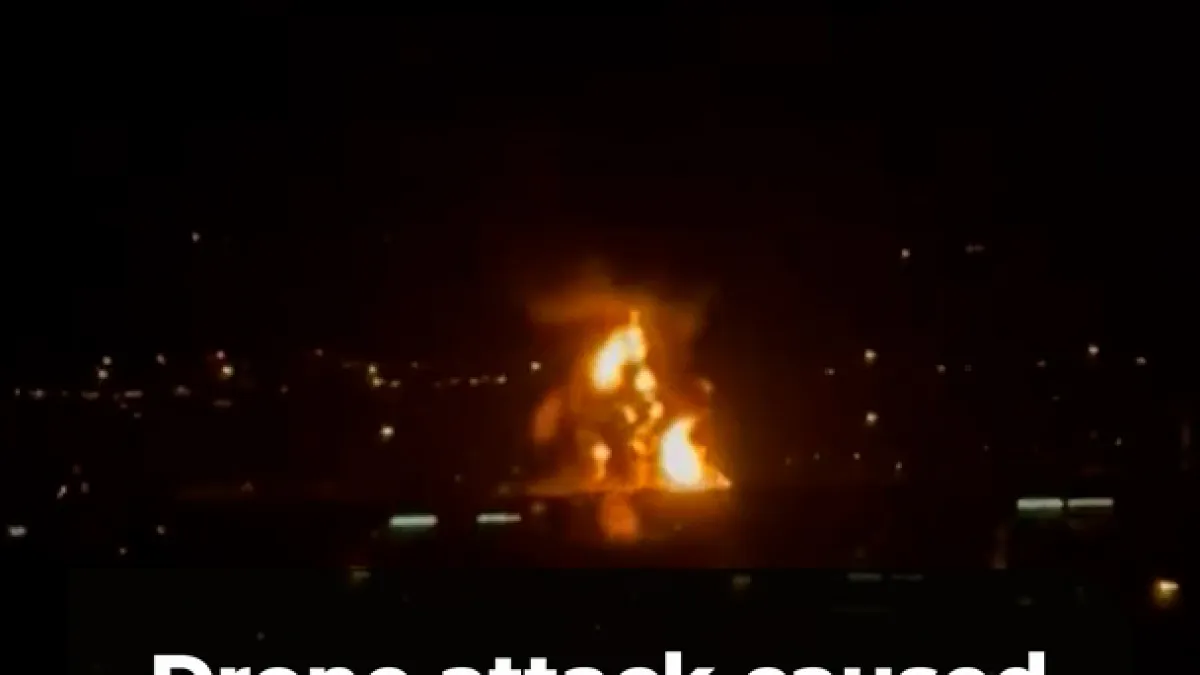
Footage shows a fire burning near Dubai International Airport after a drone ignited a fuel tank, according to authorities in the UAE. Flights have been suspended. Civil defence crews say the blaze is under control.
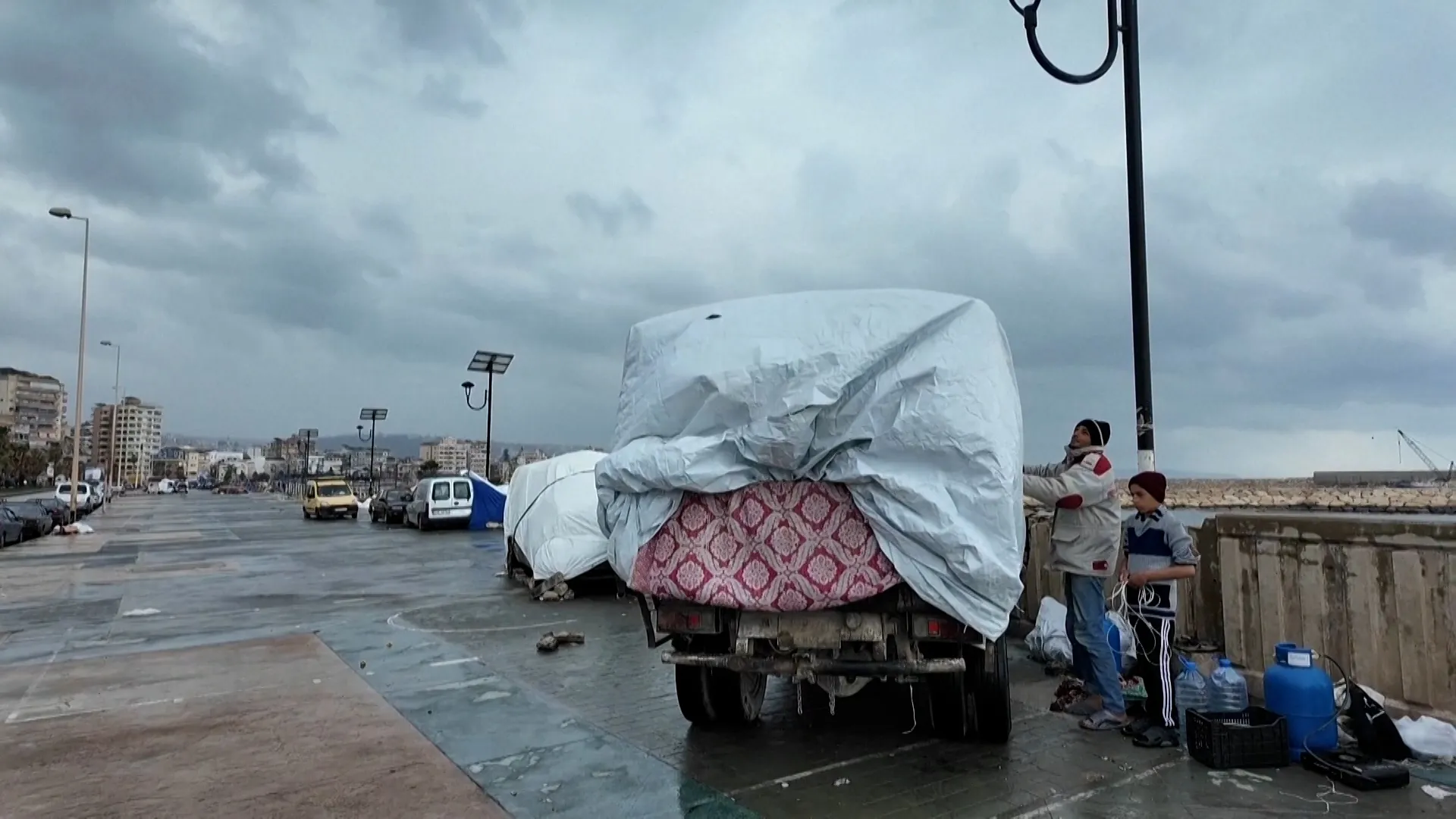
Displaced families in Sidon are turning their vehicles into makeshift shelters, covering them with tarp to shield themselves from the rain after failing to find space in local schools. Hundreds of thousands have been forced from their homes as Israel’s offensive in Lebanon intensifies.
Alireza Enayati says relations with Saudi Arabia are ‘progressing naturally’ and he’s in direct contact with Saudi officials.
Published On 15 Mar 202615 Mar 2026
Share
Iran’s ambassador to Saudi Arabia denied Tehran is responsible for attacks on Saudi Arabia’s oil infrastructure, saying if it was behind the strikes, it would have announced it.
Alireza Enayati did not suggest who carried out the attacks, but added Iran is only attacking United States and Israeli military targets and interests during the ongoing war, Reuters news agency quoted him as saying on Sunday.
Recommended Stories
list of 4 itemsend of list
After the US and Israel launched attacks on Iran at the end of February, Tehran retaliated against US and Israeli military assets, including in Saudi Arabia, Qatar, Bahrain, Jordan, Iraq, and the United Arab Emirates (UAE).
Last week, the Ras Tanura oil refinery was forced to stop operations after debris from a drone caused a small fire. Attempted attacks were also reported on the Shaybah oilfield in the desert near the border with the UAE.
So far, Saudi Arabia’s Defence Ministry has not blamed anyone for the attacks.
Enayati said he’s in direct contact with Saudi officials, explaining that relations are “progressing naturally” in many areas.
Talks included Saudi Arabia’s publicly stated position that its land, sea, and air would not be used to target Iran. He didn’t elaborate.
Iran and Saudi Arabia re-established diplomatic relations in 2023, in a deal brokered by China, that saw the two sides, which backed rival groups across the region, agree on a new chapter in bilateral relations.
‘Reliance on external powers’
Enayati reiterated to the Gulf states that the war “has been imposed on us and the region” following coordinated US and Israeli attacks.
Asked about the attacks on Gulf nations, Enayati replied: “We are neighbours, and we cannot do without each other; we will need a serious review.”
“What the region has witnessed over the past five decades is the result of an exclusionary approach and an excessive reliance on external powers,” he said, calling for deeper ties between the Gulf Cooperation Council’s six members along with Iraq and Iran.
Iran’s Foreign Minister Abbas Araghchi also denied his country is targeting civilian or residential areas in the Middle East, and said Tehran is ready to form a committee with its neighbours to investigate the responsibility for such strikes.
So far, the UAE, which normalised relations with Israel in 2020, has faced the brunt of Iran’s attacks, with US bases and oil refineries heavily targeted.
While all countries targeted have strongly condemned Iran’s missile and drone strikes, regional sources say there remains growing frustration at the United States for dragging them into a war they did not sign up for but are now paying the heaviest price for, Reuters reported.
Enayati said to resolve the conflict, the US and Israel need to stop their attacks, and international security guarantees to prevent future “aggression” must be given.
Paul Musgrave, associate professor at Georgetown University in Qatar, said the administration of US President Donald Trump has lost much of its leverage in the region, and the US engaged in the wrong conflict at the wrong moment, without proper planning.
Iran’s strategy, meanwhile, now seems to be “not who has a bigger bomb or bigger munitions, but who has the highest threshold for pain”, Musgrave told Al Jazeera.
Several Gulf energy producers have declared force majeure on oil and gas shipments after disruptions to shipping through the Strait of Hormuz due to the US-Israeli war on Iran. Al Jazeera’s Alma Milisic explains what the legal term means and how it could affect global energy markets.
Ukraine’s leader previously said advisers were sent to Qatar, the UAE, and Saudi Arabia to help thwart Iranian drone attacks.
Published On 15 Mar 202615 Mar 2026
Share
Ukraine wants money and technology as payback after sending specialists to the Middle East to help down Iranian drones during the ongoing Israel-United States war with Iran.
President Volodymyr Zelenskyy told reporters on Sunday that three teams were sent to the region to undertake expert assessments and demonstrate how drone defences work as countries in the Middle East continue to be targeted by Iran over hosting US military bases.
Recommended Stories
list of 4 itemsend of list
“This is not about being involved in operations. We are not at war with Iran,” Zelenskyy said.
Earlier this week, Ukraine’s leader announced military teams were sent to Qatar, the United Arab Emirates, Saudi Arabia, and a US military base in Jordan.
But he explained that more long-term drone deals could be negotiated with Gulf countries, and what Kyiv gets in return for its assistance still needs to be established.
“For us today, both the technology and the funding are important,” Zelenskyy said.
Throughout the four-year Russia-Ukraine war, Moscow has widely used Iranian Shahed-136 “suicide” drones, giving Kyiv expertise in knowing how to down the unmanned aerial vehicles through cheap drone interceptors, electronic jamming tools, and anti-aircraft weaponry.
However, US President Donald Trump has said he does not need Ukraine’s help in taking down Iranian drones attacking American targets.
‘Rules must be tightened’
Zelenskyy said he doesn’t know why Washington hasn’t signed a drone agreement with Kyiv, which it has pushed for months.
“I wanted to sign a deal worth about $35bn–50bn,” he said.
Still, as the Russia-Ukraine conflict continues with no end in sight, Zelenskyy raised concerns that the ongoing war in the Middle East will impact Kyiv’s supplies of air defence missiles.
“We would very much not like the United States to step away from the issue of Ukraine because of the Middle East,” he told reporters.
But as interest has grown for Ukrainian drone interceptors in light of the war, Zelenskyy said Kyiv’s rules to buy the drones must be tightened, with foreign countries and firms being unable to bypass the government and talk directly to manufacturers.
“Unfortunately, representatives of certain governments or companies want to bypass the Ukrainian state to purchase specific equipment,” Zelensky told reporters.
“Even in some free countries, we do not initially receive contracts from the private sector. A contract comes to me through the political channel. Only then does the private sector start negotiating with us.”
CCTV footage released by Israeli police shows the moment an Iranian missile struck a street in Tel Aviv. Emergency crews say at least three people were injured, and several vehicles were destroyed.
United States President Donald Trump has called for a naval coalition to deploy warships to secure the Strait of Hormuz, through which one-fifth of world oil shipments transit, as oil markets reel from supply disruptions caused by the US-Israeli war with Iran.
What is essentially the closure of the Strait of Hormuz by Iran in response to the attacks by the US and Israel has sent oil prices soaring to more than $100 per barrel.
Iran’s new supreme leader, Mojtaba Khamenei, has promised to keep the maritime artery closed while another top official in Tehran warned that oil prices could shoot up beyond $200 per barrel.
Trump said he hoped a naval coalition could secure the vital waterway, which connects the Gulf to the Gulf of Oman and the Arabian Sea. Iran has struck more than a dozen ships trying to sail through the narrow waterway since the hostilities started two weeks ago.
But will Trump’s solution work?
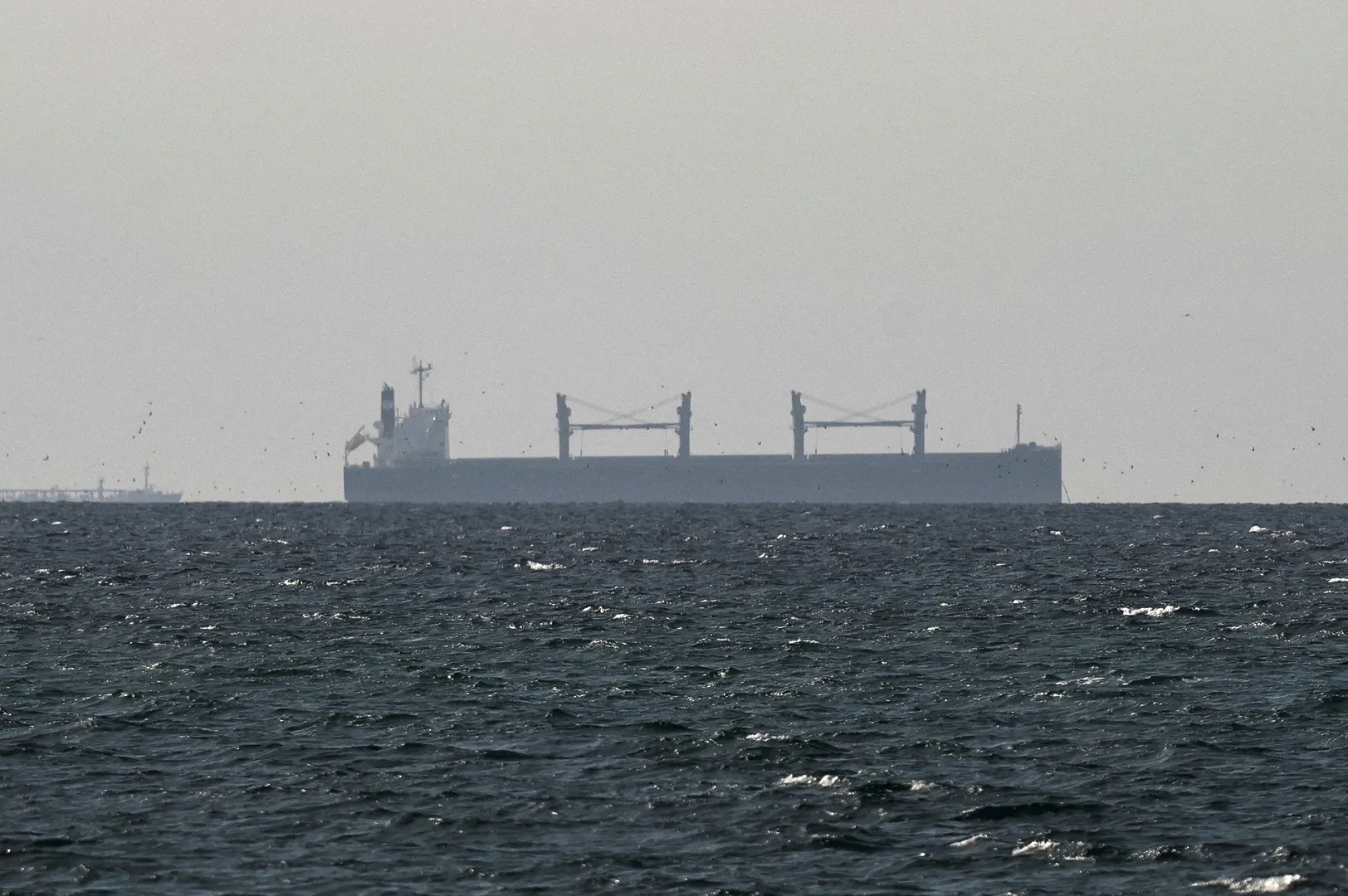
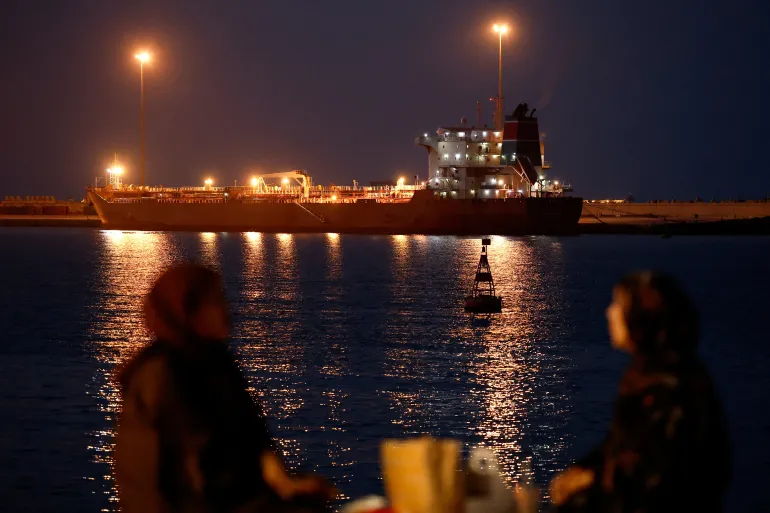
A tanker sits at anchor in Port Sultan Qaboos in Muscat, Oman, as oil shipments through the Strait of Hormuz have plummeted [File: Benoit Tessier/Reuters]
What has Trump said?
The US president has been facing domestic pressure over starting the war alongside Israel with no endgame or off-ramps in sight.
“On the strait of Hormuz, they had NO PLAN,” US Democratic Senator Chris Murphy wrote in a post on X. “I can’t go into more detail about how Iran gums up the Strait, but suffice it [to] say, right now, they don’t know how to get it safely back open.”
After threatening to bomb Iran more, Trump called on China, France, Japan, South Korea and the United Kingdom to send warships to secure the strait.
Trump claimed “100% of Iran’s military capability” had already been destroyed but added that Tehran could still “send a drone or two, drop a mine, or deliver a close-range missile somewhere along, or in, this waterway”.
“Hopefully China, France, Japan, South Korea, the UK, and others, that are affected by this artificial constraint will send ships to the area so that the Hormuz Strait will no longer be a threat by a nation that has been totally decapitated,” Trump wrote in a post on his Truth Social platform.
“In the meantime, the United States will be bombing the hell out of the shoreline, and continually shooting Iranian Boats and Ships out of the water. One way or the other, we will soon get the Hormuz Strait OPEN, SAFE, and FREE!”
Not long after, Trump returned to the keyboard, extending the invitation to all “the Countries of the World that receive Oil through the Hormuz Strait” to send warships, adding that the US would provide “a lot” of support to those who participated.
Israeli soldiers walk by a billboard commissioned by the evangelical Christian group Friends of Zion during the US-Israel war on Iran in Tel Aviv, Israel [File: Nir Elias/Reuters]
What has Iran said?
Alireza Tangsiri, commander of the Islamic Revolutionary Guard Corps Navy, said in a statement that claims by the US about destroying Iran’s navy or providing safe escort for oil tankers were false.
“The Strait of Hormuz has not been militarily blocked and is merely under control,” he said in a statement.
Iranian Foreign Minister Abbas Araghchi later doubled down on this, saying the strait remained open to international shipping except for vessels belonging to the US and its allies.
“The Strait of Hormuz is open. It is only closed to the tankers and ships belonging to our enemies, to those who are attacking us and their allies. Others are free to pass,” Araghchi said.
Khamenei – son of the late Supreme Leader Ali Khamenei, who was killed on the first day of the US-Israeli strikes – suggested in his first statement since taking power that the Strait of Hormuz would remain closed to provide leverage for Iran during the conflict.
F-18 combat aircraft are parked on the deck of the USS Abraham Lincoln aircraft carrier in the Gulf of Oman near the Strait of Hormuz during a 2019 deployment [File: Ahmed Jadallah/Reuters]
What are the challenges in the Strait of Hormuz?
The strait, which is just 21 nautical miles (39km) wide at its narrowest point, is the only maritime passage into the Arabian Gulf (known as the Persian Gulf in Iran). Shipping lanes in the waterway are even narrower and more vulnerable to attacks.
It separates Iran on one side from Oman and the United Arab Emirates on the other.
In brief, there is no way in or out by sea when the Strait of Hormuz is closed.
Alexandru Hudisteanu, a maritime security expert who served 13 years in the Romanian navy, told Al Jazeera that in the type of coalition that Trump is hinting at, “interoperability is the biggest hurdle.”
“That’s the ability of cruises to work together or with different units and different doctrine when basic communication would be an issue,” he said.
Then, there is the geography of the Strait of Hormuz: “a very unforgiving environment to sail with this type of wartime threats”, Hudisteanu said. “Especially difficult under missile threats and these asymmetric potential mines or unmanned systems that could damage or destroy ships.”
Providing escorts to ships would be a costly option, and it would pose risks to participating foreign warships from possible Iranian attacks, which would likely further drag more countries into the ongoing war.
From Iran’s point of view, “the fact that the shoreline is so close and the actual maritime passage is highly congested and confined is an advantage by default,” Hudisteanu added. Geographically, Iran keeps it as a gauntlet, with no way out for the ships unless Tehran allows it.
Another major challenge for any naval coalition trying to secure the passage would be the timeline of any operation. ”The security of the strait could be achieved. It’s just a matter of how much time you need and how many assets you need,” the analyst said. Rushing through it “could have negative implications for the security of the mission and the region”.
Smoke rises from the Thai bulk carrier Mayuree Naree near the Strait of Hormuz after an attack on March 11, 2026 [Handout/Royal Thai Navy via AFP]
How have countries responded?
No country has so far publicly agreed to Trump’s call to send warships to secure the Strait of Hormuz.
London said it is “intensively looking” at what it can do to help reopen the maritime passage. British Energy Secretary Ed Miliband said: “We are intensively looking with our allies at what can be done because it’s so important that we get the strait reopened.”
Chinese Ministry of Foreign Affairs officials said Beijing is calling for hostilities to stop and “all parties have the responsibility to ensure stable and unimpeded energy supply.”
Japan said the threshold is “extremely high” to send its warships on such a mission. “Legally speaking, we do not rule out the possibility, but given the current situation in which this conflict is ongoing, I believe this is something that must be considered with great caution,” said Takayuki Kobayashi, policy chief of Japan’s ruling Liberal Democratic Party.
France also confirmed that it will not send ships. The Ministry for Europe and Foreign Affairs said in a statement on Saturday: “Posture has not changed: defensive it is,” in reference to President Emanuel Macron’s assertion that France will not join the war against Iran.
South Korea, which imports 70 percent of its oil from the Gulf, said it was “closely monitoring” Trump’s statements and “comprehensively considering and exploring various measures … to ensure the safety of energy transport routes”.
(Al Jazeera)
Are countries negotiating with Iran?
Some countries have been negotiating with Iran to secure passage for their petroleum shipments.
Two Indian-flagged tankers carrying liquefied petroleum gas (LPG) have sailed through the Strait of Hormuz. New Delhi depends on this passage for 80 percent of its LPG imports.
The war on Iran has caused a critical shortage of cooking gas for India’s 333 million households. New Delhi has long had ties with Iran, but the government of Prime Minister Narendra Modi has not condemned the killing of Ali Khamenei. It has condemned Iran’s retaliatory attacks on Gulf countries, where millions of Indian citizens work and send $51bn in remittances home every year.
Iran’s ambassador to India, Mohammad Fathali, said Tehran had allowed some Indian vessels to pass through the Strait of Hormuz in a rare exception to the blockade but did not confirm the number of vessels.
A Turkish-owned vessel was similarly granted permission last week after Ankara negotiated passage directly with Tehran. Fourteen more Turkish vessels are awaiting clearance.
France and Italy also reportedly opened talks with Iranian officials to negotiate a deal to allow their vessels through the strait, but there has been no official confirmation yet.
“Iran is affecting maritime supply,” Hudisteanu said. “It’s affecting the maritime security of the region and the entire ecosystem and bringing the entire world to the table as the global price for oil and gas increases.”
1 of 2 | Iranians stand inside their damaged residential building in southern Tehran, Iran, on Sunday. Photo by Abedin Taherkenareh/EPA
March 15 (UPI) — Israel said it launched a wave of airstrikes on Iran on Sunday as Iran carried out its own attacks on U.S. military sites and against U.S. allies in the Gulf region at large.
The Israeli military said its airstrike hit the Hamedan area of western Iran, hitting multiple military headquarters, The Times of Israel reported. The Israeli military said it plans to expand its attacks on western and central Iran “with the aim of broadly and systematically damaging the regime’s command and control capabilities.”
Israeli officials, meanwhile, said at least five people in the country were injured Sunday by Iranian missiles. Iran’s state-run Mehr news agency reported that the Iranian military has pledged to “pursue and kill” Israeli Prime Minister Benjamin Netanyahu “with force.”
The United Arab Emirates said it has seen a drop in Iranian attacks within its borders. The defense ministry said it intercepted four ballistic missiles and six drones Sunday.
Since the start of the war, it has faced more than 1,900 attacks by Iran.
Bloomberg reported that a key oil port on the UAE’s east coast — Fujairah — was back in operation Sunday after it was targeted by an Iranian drone Saturday. The port is about 70 nautical miles away from the Strait of Hormuz, which Iran closed earlier in the month to put pressure on its enemies’ abilities to transport oil. About one-fifth of the world’s oil passes through the strait.
Fujairah is situated at one end of a pipeline that allows the UAE to bypass use of the Strait of Hormuz entirely. The site exported an average of more than 1.7 million barrels of crude and refined fuels per day in 2025, about 1.7% of the world’s demand, The Guardian reported.
Officials said they intercepted a drone attack near the site, causing a fire there briefly.
British Energy Secretary Ed Miliband said his country was examining ways to reopen the Strait of Hormuz and keep oil flowing. In an appearance on Sky News’ Sunday Morning with Trevor Phillips, Miliband said Britain was in talks with allies.
“There’s different ways in which we can make maritime shipping possible. We are intensively looking with our allies at what can be done, because it’s so important that we get the strait reopened.”